Heat Transfer Sweater Manufacturing — Vibrant, Durable Knitwear
CENWILD produces custom heat transfer sweaters and wholesale knitwear with vibrant, durable prints from just 100 pieces. 28+ years of OEM and ODM expertise serving fashion brands, retailers, and designers worldwide.
Heat Transfer Sweater Samples
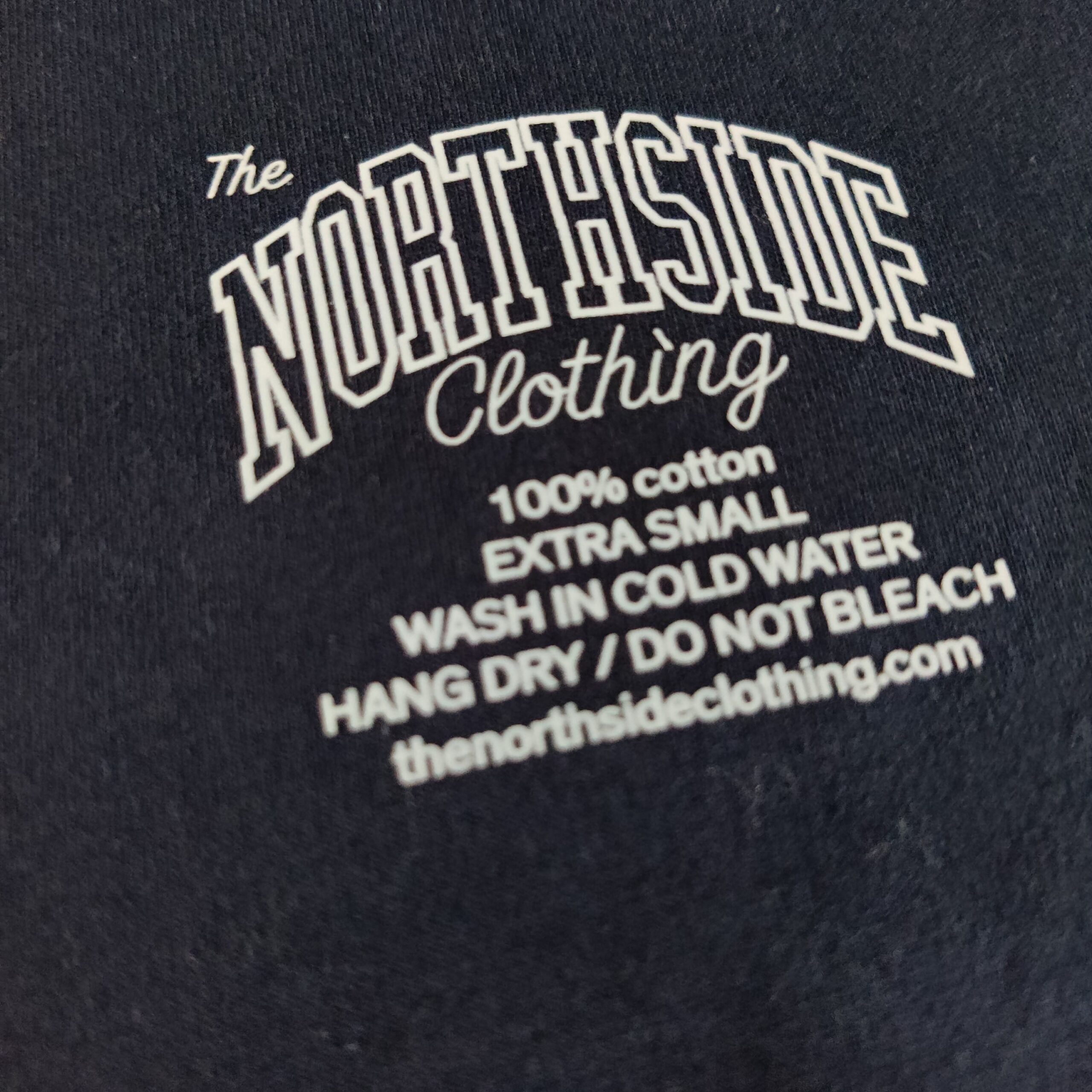
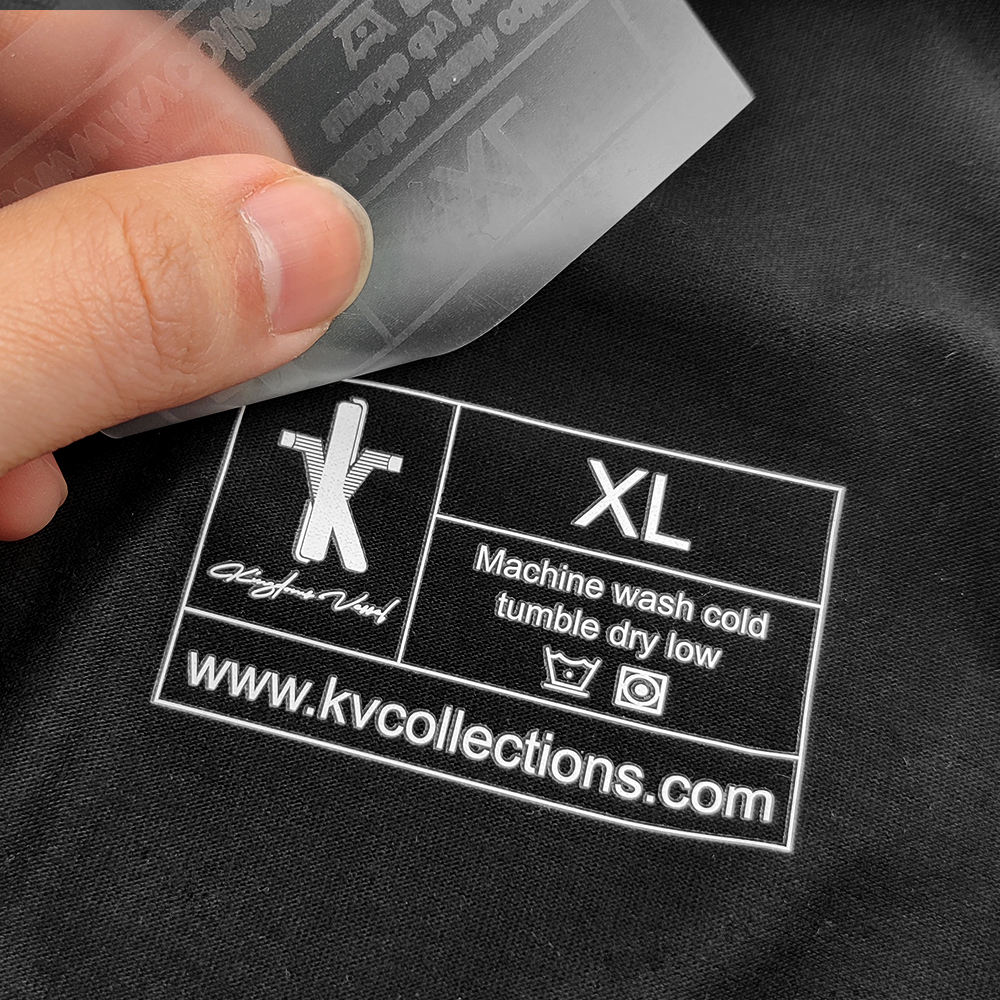
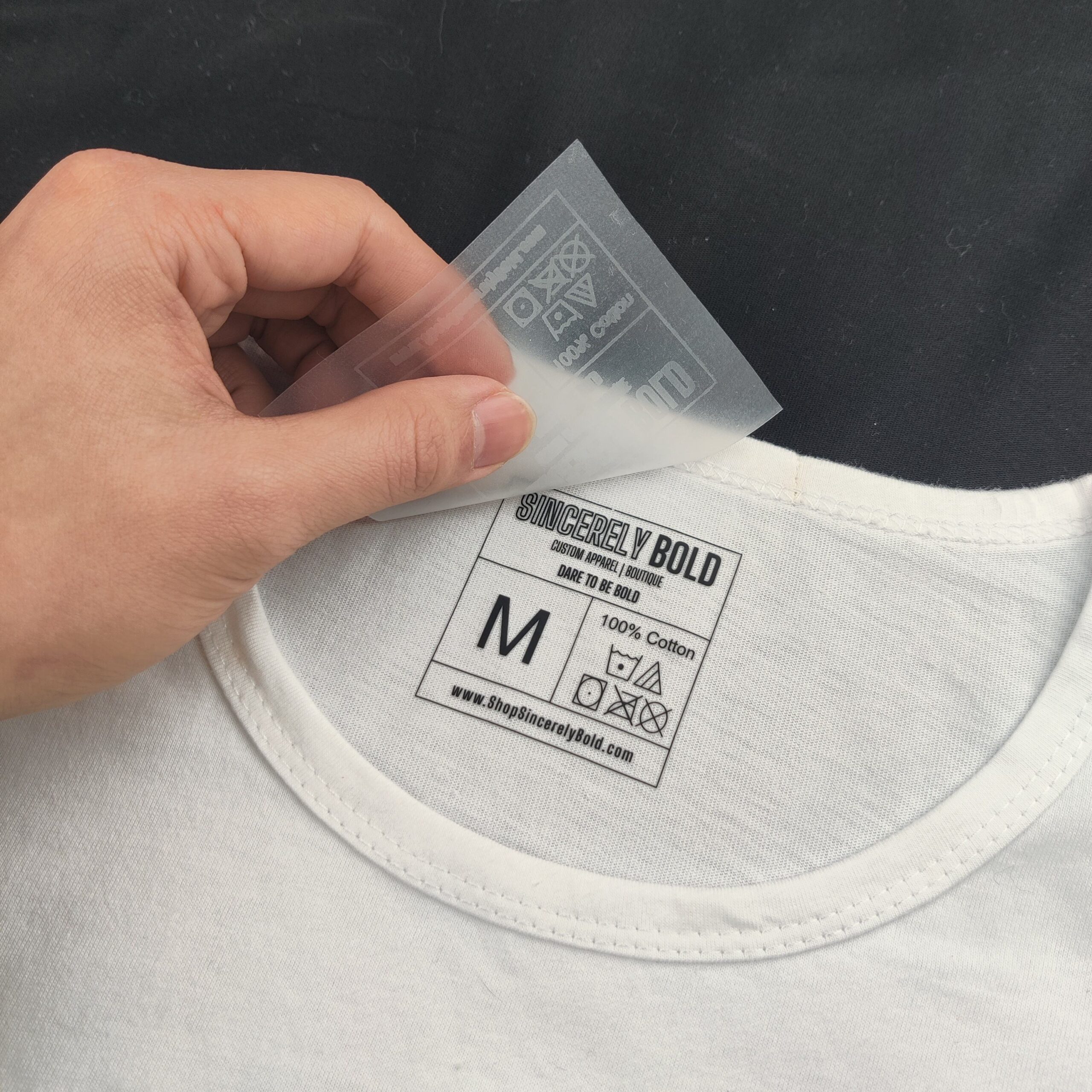
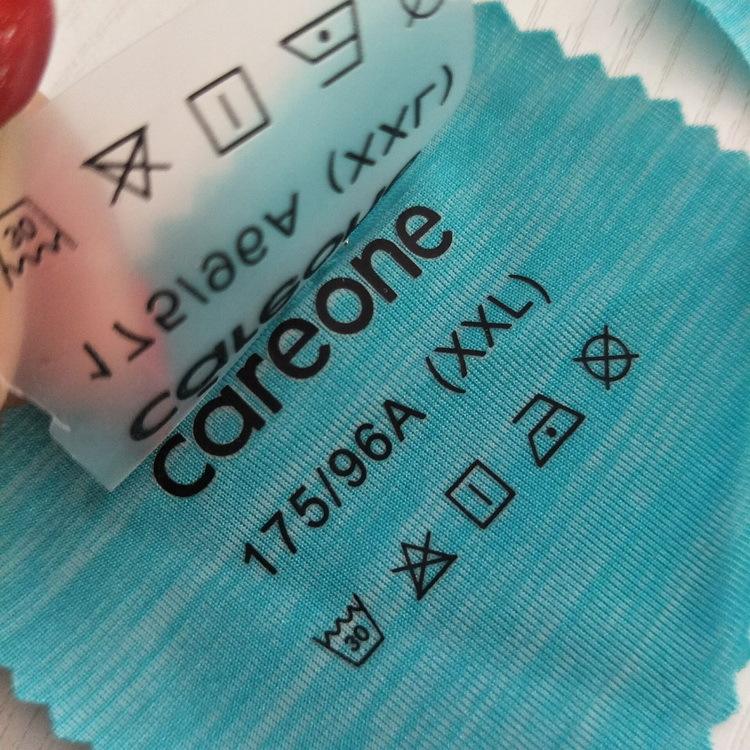
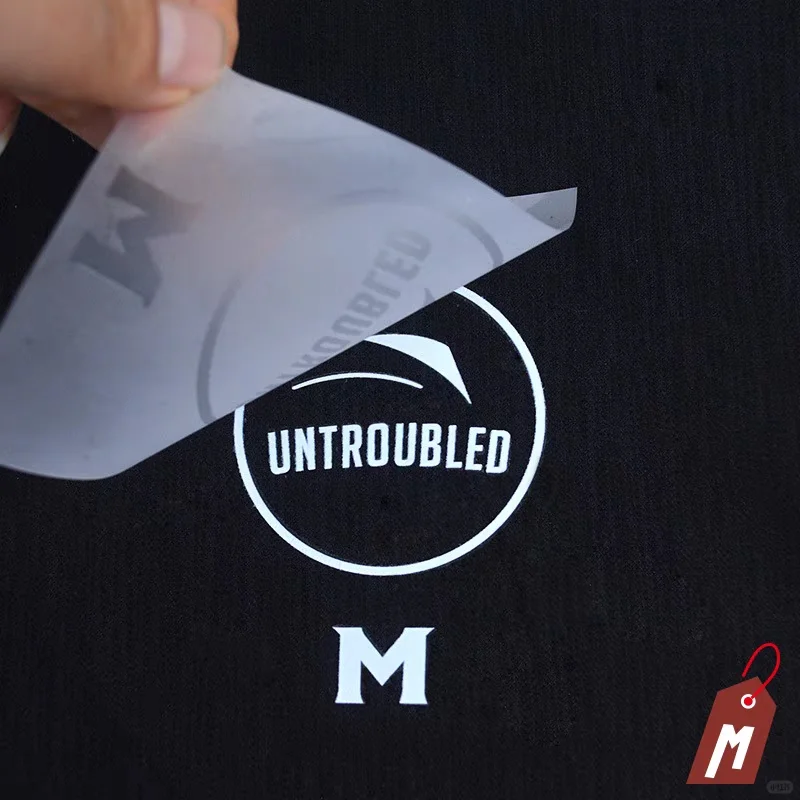
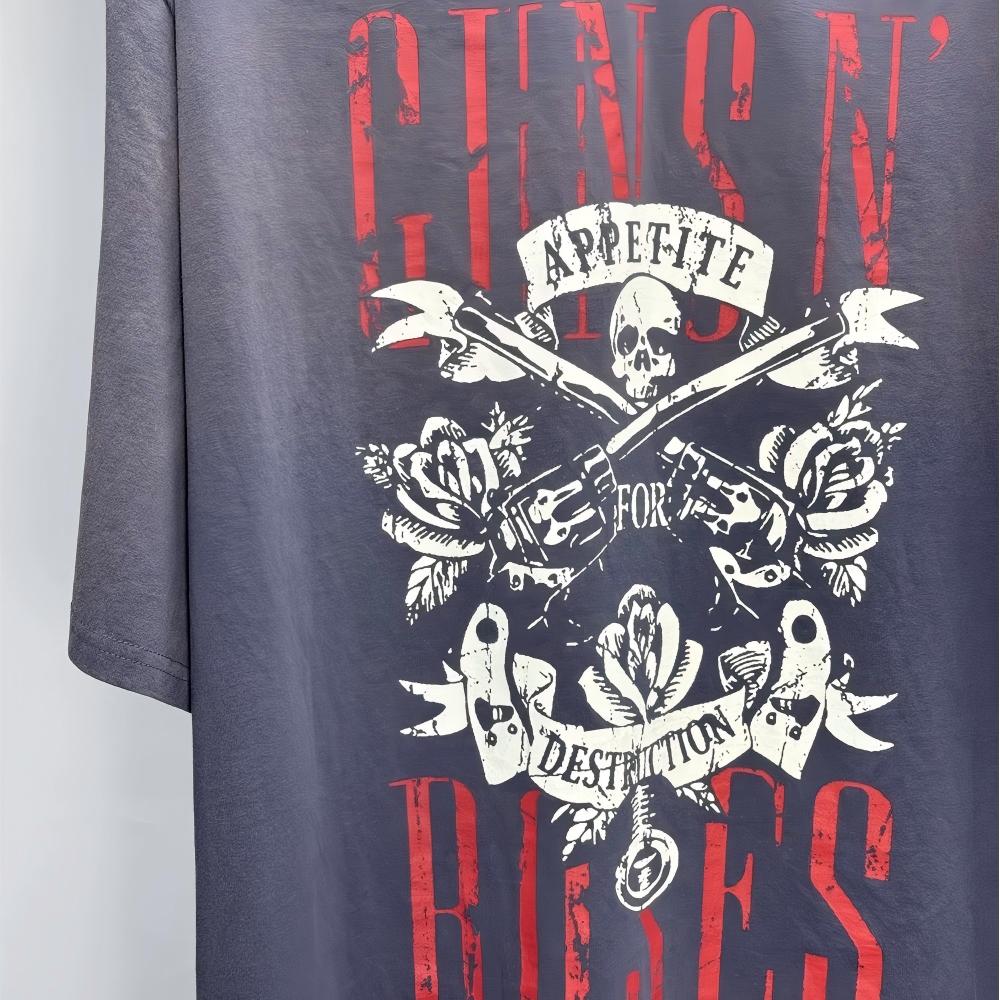
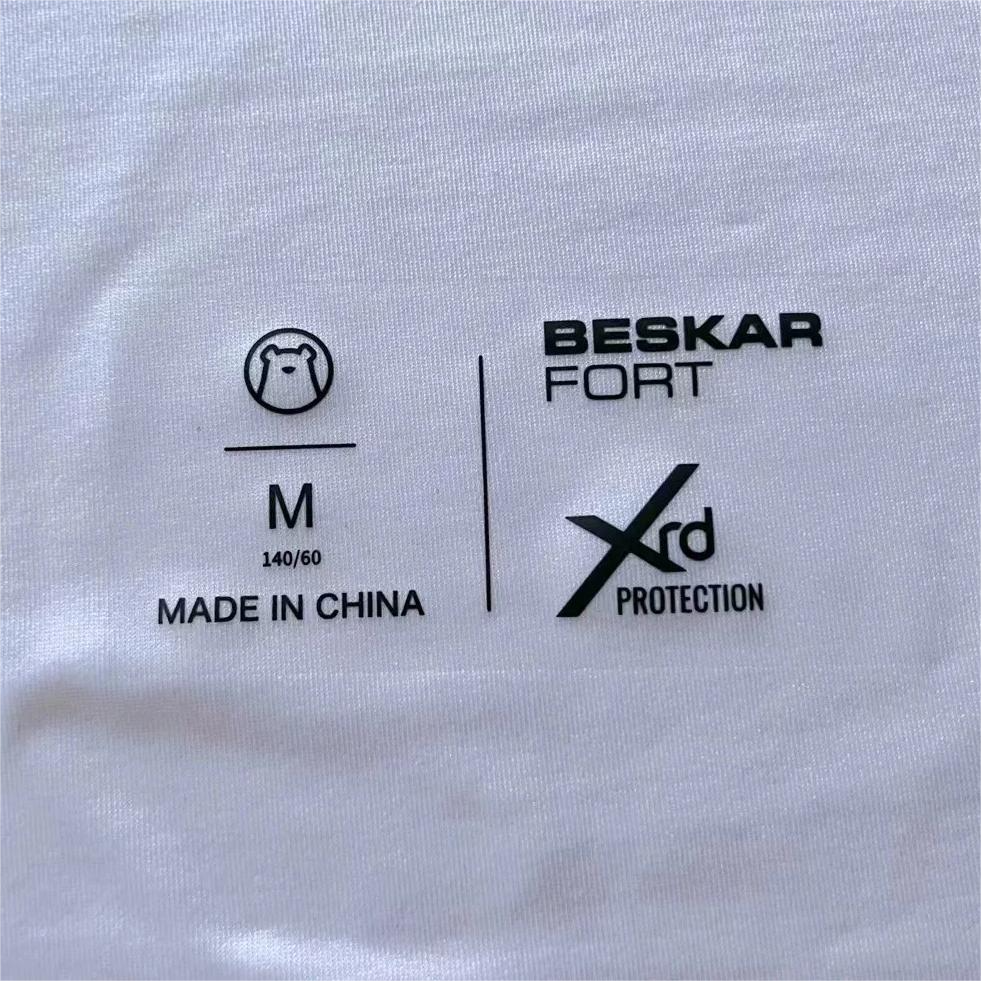
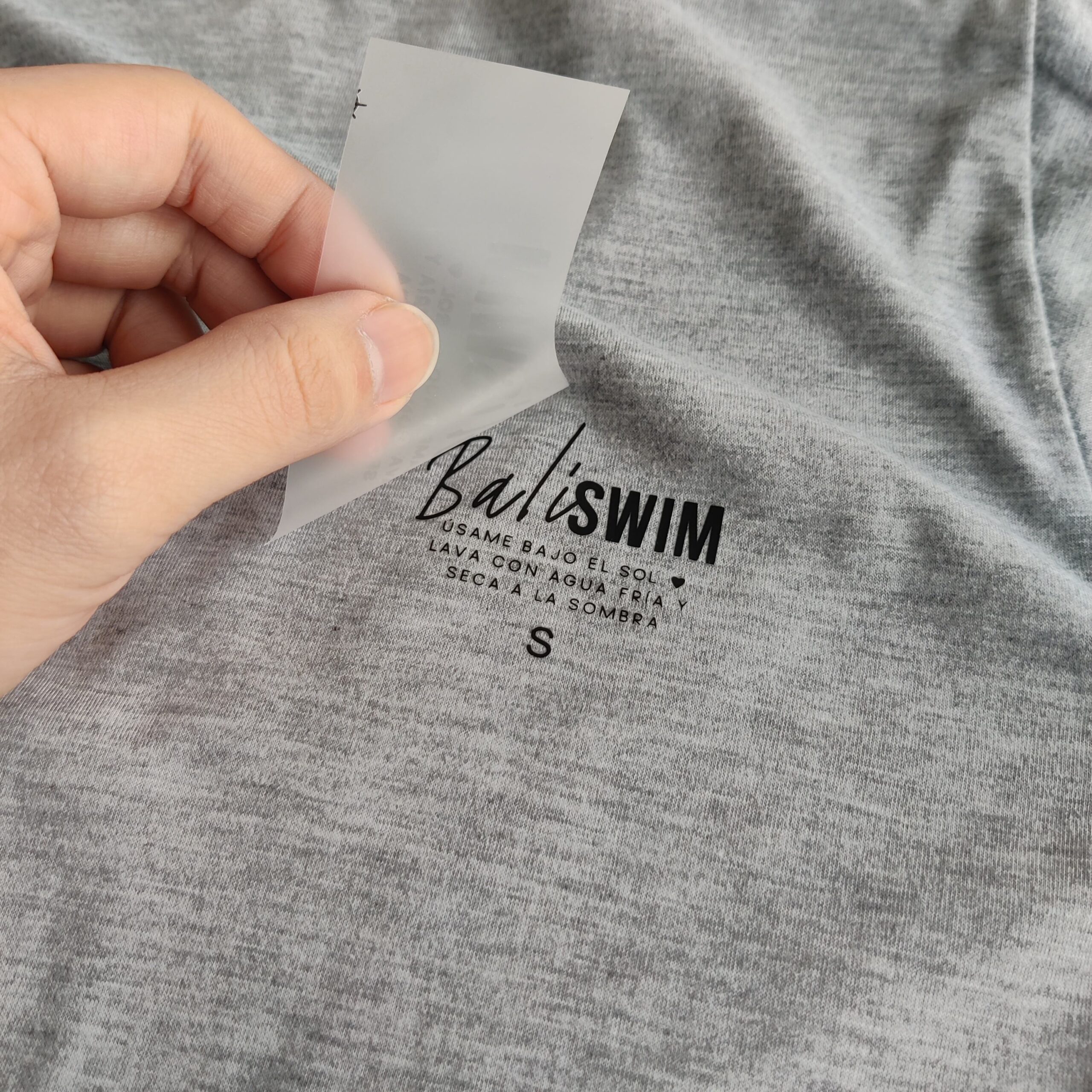
What Makes Heat Transfer Sweaters Stand Out
Vibrant Full-Color Reproduction
Heat transfer printing delivers rich, photographic-quality color on knitwear that screen printing and embroidery cannot match for complex artwork.
Wash-Fast & Long-Lasting
Professional heat transfer bonds permanently to yarn fibers, maintaining sharp detail and color intensity through dozens of commercial or home washes.
Unlimited Design Flexibility
From gradients and fine text to intricate logos and photo-realistic graphics, heat transfer sweaters handle any artwork without minimum color limits.
Soft, Comfortable Hand-Feel
Modern heat transfer films integrate seamlessly into knit fabric, preserving the natural drape and stretch without stiff, raised surfaces or bulk.
Perfect for Complex Artwork
Reproduce fine lines, small type, shadow effects, and multi-color designs that would be impractical or cost-prohibitive with traditional embroidery or screen methods.
Scalable from 100 to 10,000+
Heat transfer decoration suits both low-MOQ test runs and high-volume wholesale sweater production, with no screen setup fees or stitch-count charges per design.
Related Decoration Methods & Wholesale Pages
Printing on Knitwear
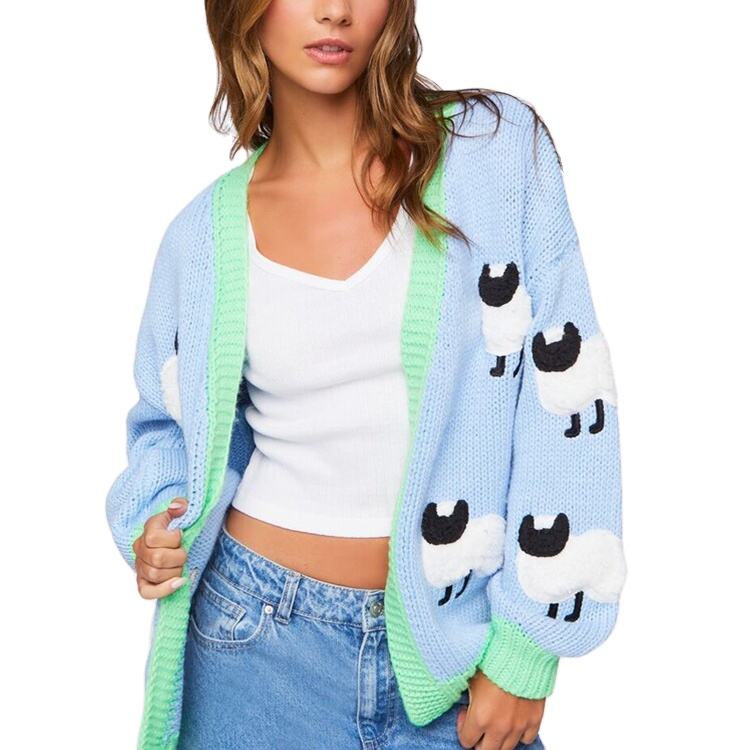
Navigate to the main hub covering all custom print methods available for knitwear. Compare heat transfer, screen print, DTF, and sublimation side by side to choose the best technique for your brand’s design complexity, fabric weight, and order volume.
Get a Quote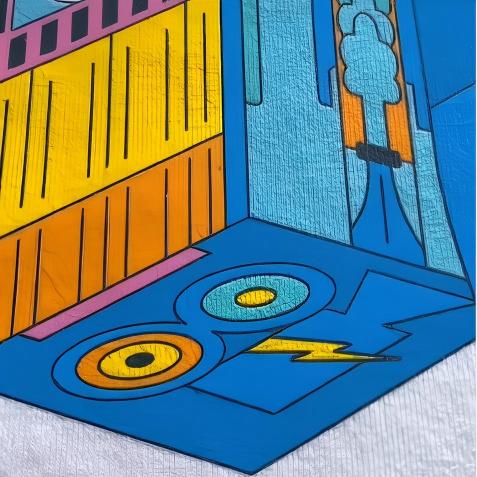
Screen Print on Knit
Jump here to compare screen print against heat transfer for durability, wash-fastness, and cost per piece on knit fabrics. Ideal when your design uses solid spot colors or simple graphics and you need a proven, budget-friendly decoration method for medium to high quantities.
Get a Quote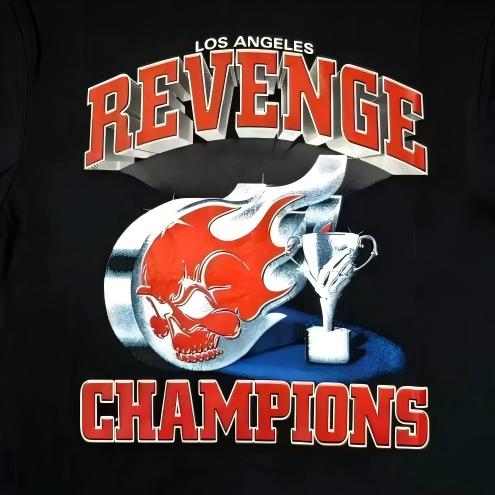
DTF Printing on Knit
Explore DTF printing capabilities for knitwear when your artwork includes gradients, photographic detail, or unlimited colors. See sample galleries, turnaround times, and minimum-order requirements for direct-to-film transfers on sweaters, cardigans, and knit polos.
Get a Quote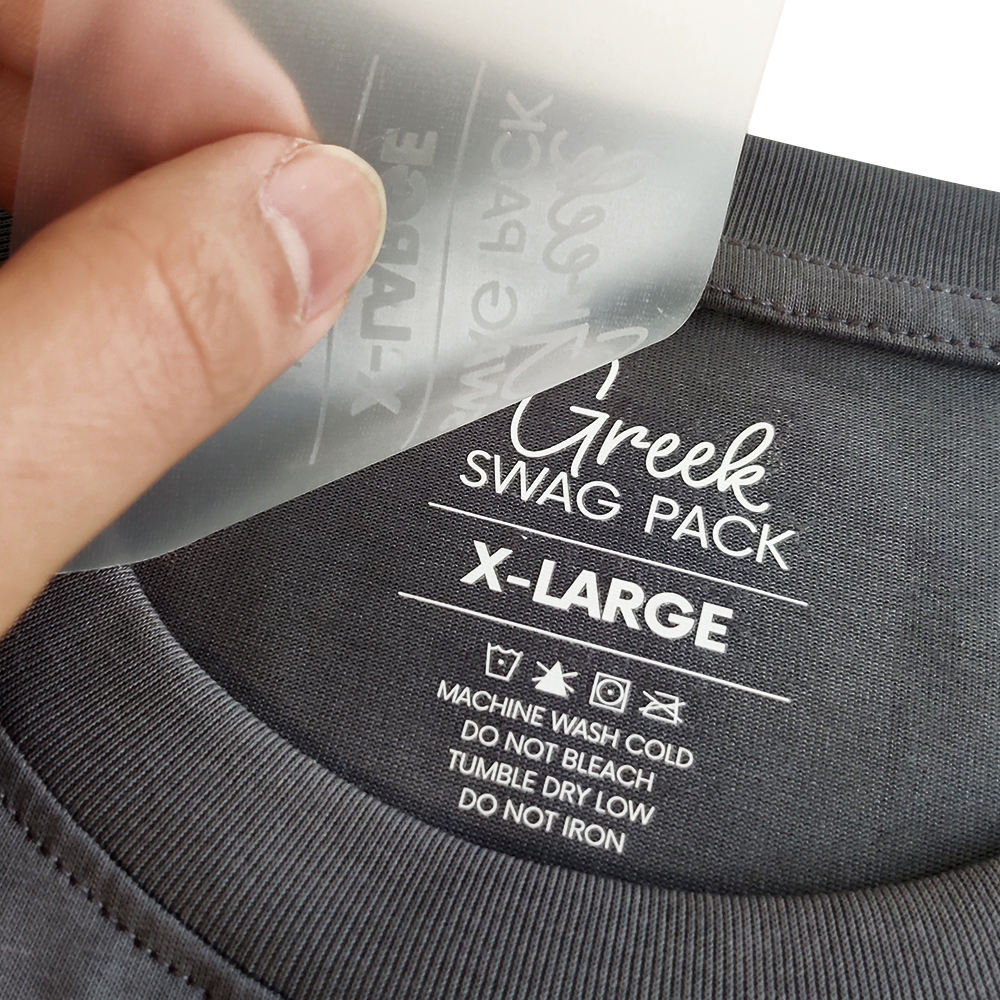
Sublimation Print
Learn when sublimation is the right choice for all-over patterns or vibrant full-color designs on synthetic-blend knits. This page covers compatible yarn compositions, color permanence, and how sublimation integrates with CENWILD’s knitting and finishing workflow.
Get a Quote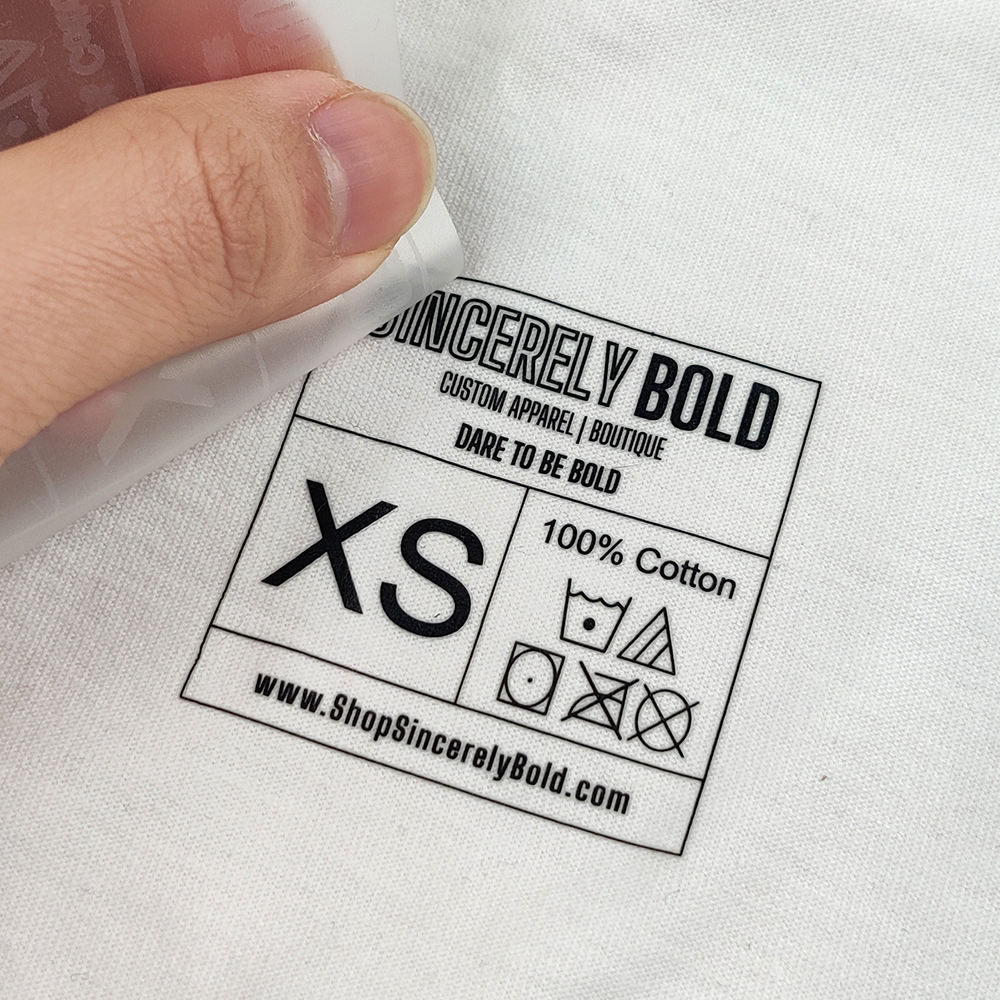
Custom Cardigan
View the full range of cardigan styles available for OEM and ODM production—cable-knit, ribbed, open-front, button-front, and belted silhouettes. Start here to build a custom cardigan from yarn selection through trim and private label packaging, MOQ 100 pieces.
Get a Quote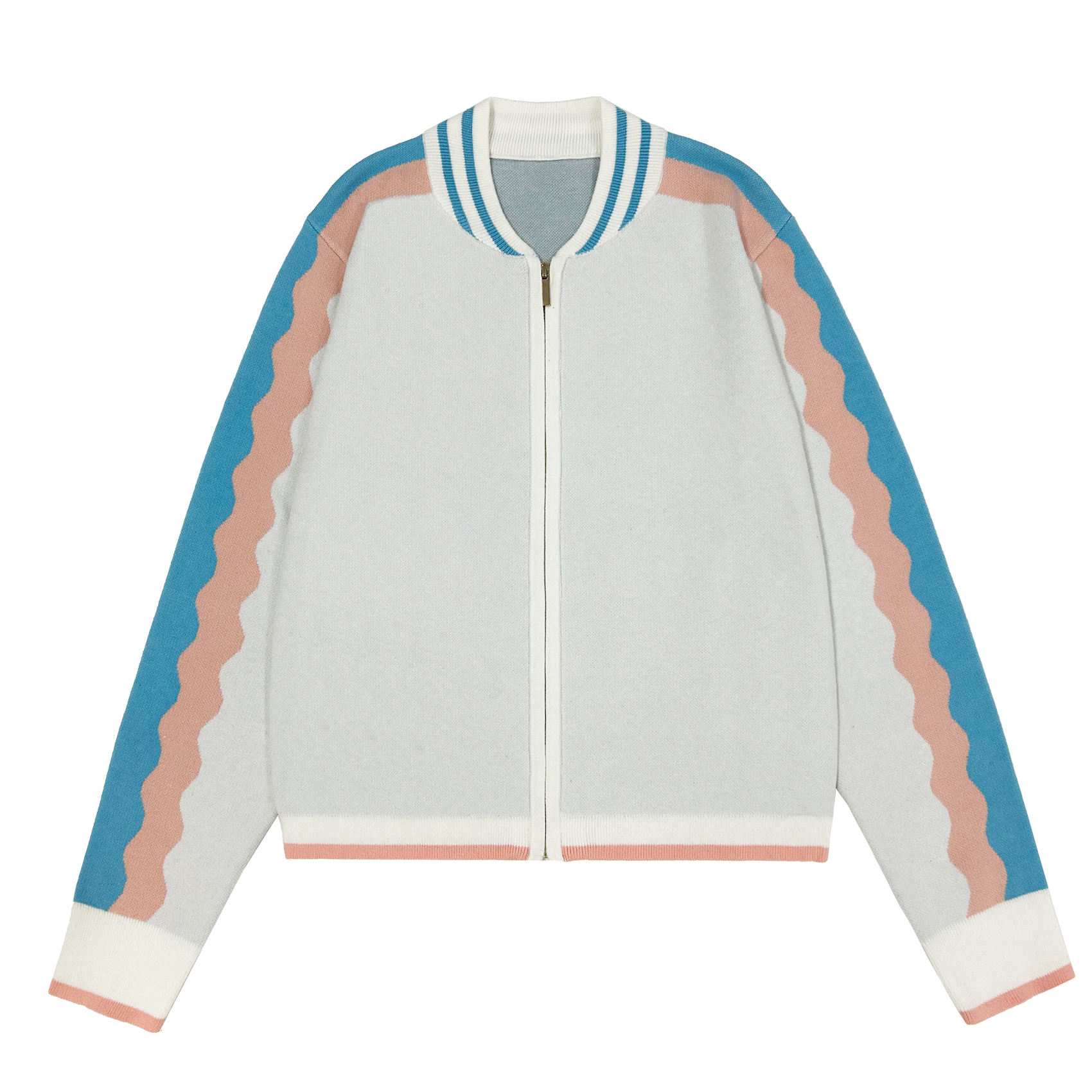
Cardigan Sweater Manufacturer
Detailed manufacturer profile for brands sourcing cardigan production at scale. Covers gauge options from 3GG to 14GG, in-house sampling, grading, quality control, and lead times for private-label cardigan programs with flexible payment terms and low minimums.
Get a Quote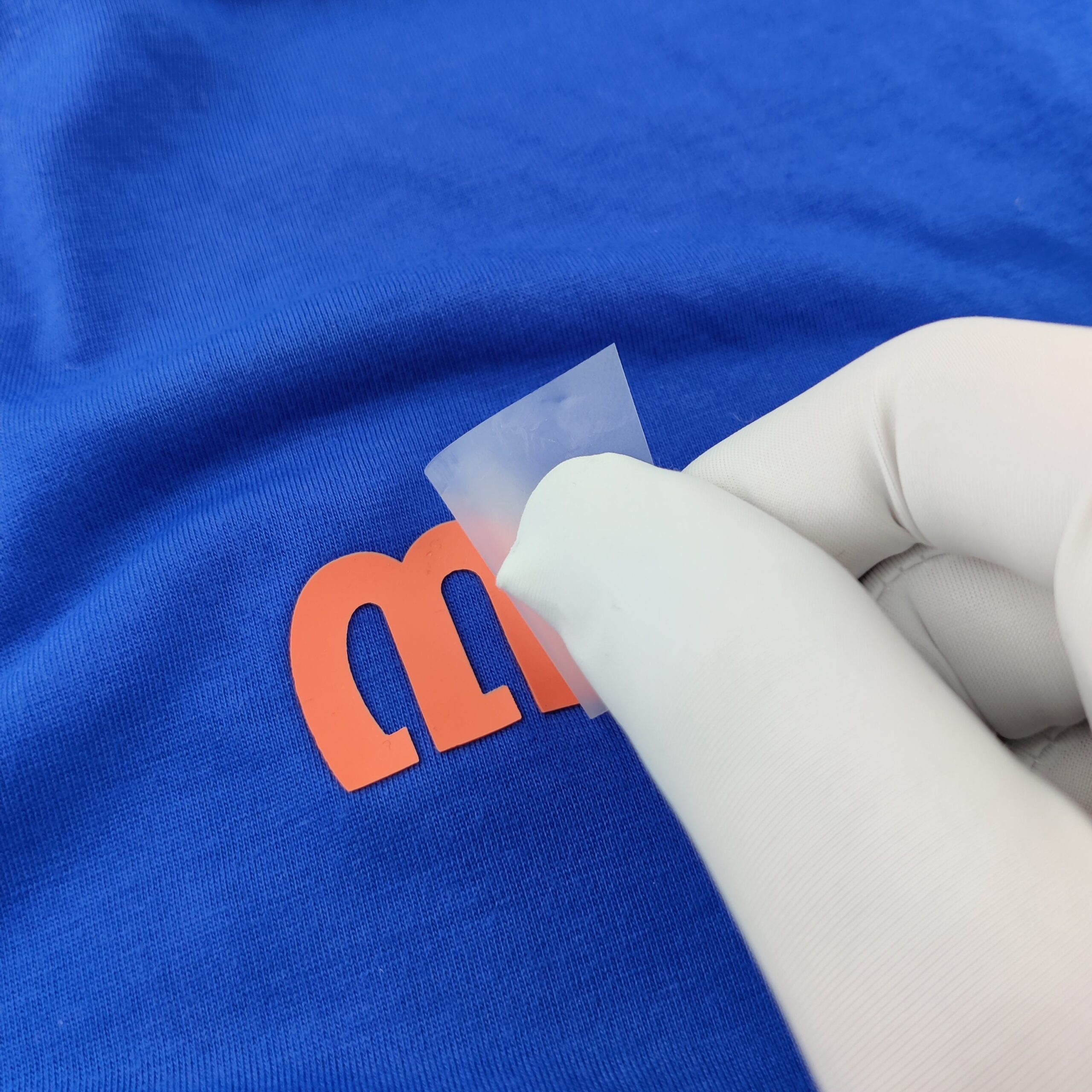
Wholesale Cardigan Sweaters
See wholesale pricing tiers, bulk-order discounts, and ready-to-ship cardigan inventory for retailers and distributors. Request a wholesale catalog, review MOQ breaks by style and colorway, and connect with the sales team for volume partnership terms.
Get a Quote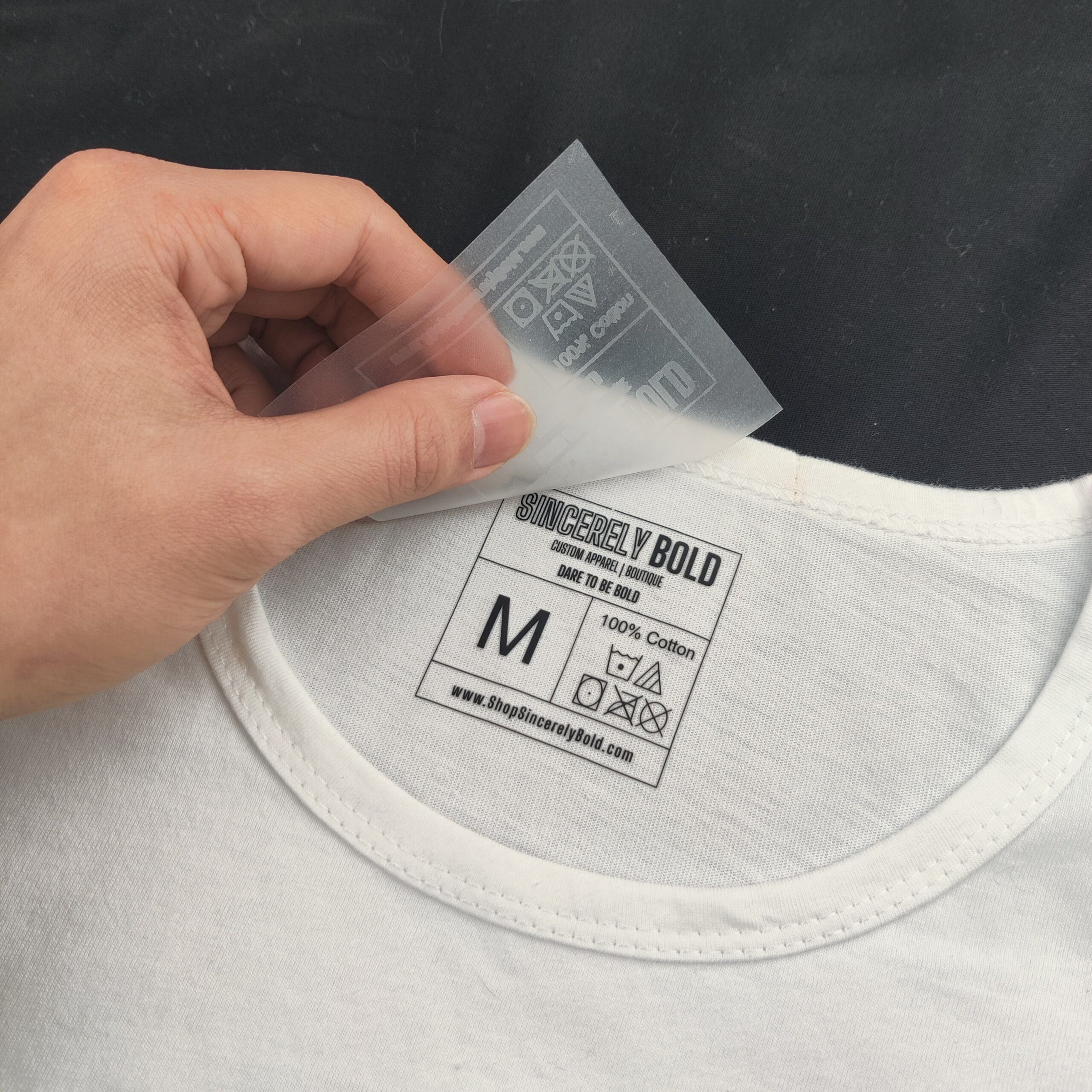
DTF Print Sweaters
Product gallery and order details for sweaters decorated using DTF heat-transfer printing. Browse finished examples across pullover, cardigan, and vest styles; compare print placement options; and submit artwork for a knit-down sample with DTF decoration included.
Get a Quote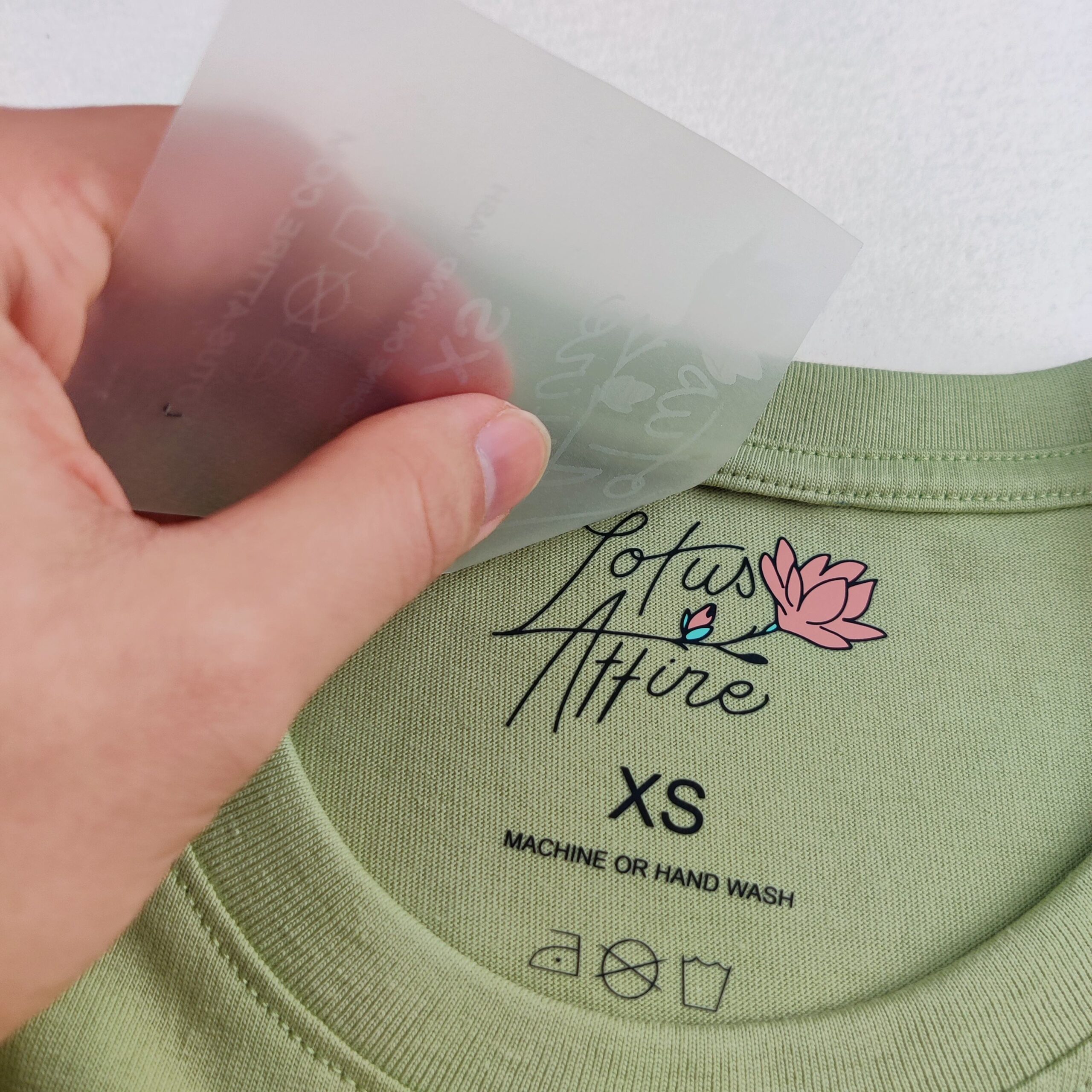
Heat Press Hoodies
Although CENWILD specializes in knitwear, this page covers heat-press decoration on fleece and French-terry hoodies for brands seeking a coordinated apparel program. Review compatible transfer methods, fabric weights, and how hoodie orders integrate with sweater production timelines.
Get a Quote28+ Years of Heat Transfer Sweater Expertise
Since 1998, CENWILD has manufactured custom knitwear in Dongguan, China’s premier sweater production hub. Our in-house heat transfer equipment and dedicated design team transform concepts into production-ready heat transfer sweaters, serving fashion brands, retailers, and independent designers worldwide with vibrant, durable decoration on every knit style.
With over 200 skilled employees and computerized flat-knitting machines across 3GG–14GG gauges, we produce more than 80,000 pieces monthly. CENWILD’s heat transfer sweater capabilities span screen, DTF, and sublimation printing on cashmere, merino, cotton, and blended knitwear — all backed by rigorous quality control and full OEM/ODM support from just 100 pieces.
We’ve partnered with over 2,000 brands across the United States, Europe, Australia, and beyond, turning sketches, tech packs, and ideas into signature heat transfer sweater collections. From sampling and yarn sourcing to finishing and export logistics, CENWILD is the manufacturing backbone behind growing fashion brands seeking bold, customizable knitwear.
Heat Transfer Sweater Quality Deep Dive
Industrial-Grade Ink Chemistry and Wash Durability
CENWILD uses eco-certified heat transfer inks engineered specifically for knitwear. Each heat transfer sweater undergoes rigorous wash testing to ensure graphics remain vibrant and crack-free through 50+ commercial laundry cycles, meeting international colorfastness standards for retail-ready apparel.
- Eco-friendly plastisol and water-based inks certified to OEKO-TEX Standard 100
- Wash-tested to AATCC 61-2A (colorfastness) and ISO 105 C06 standards
- Crack resistance verified after 50+ industrial wash cycles at 40°C
- Low-migration formulas prevent ink bleed on light-colored yarns
Precision Temperature and Pressure Calibration
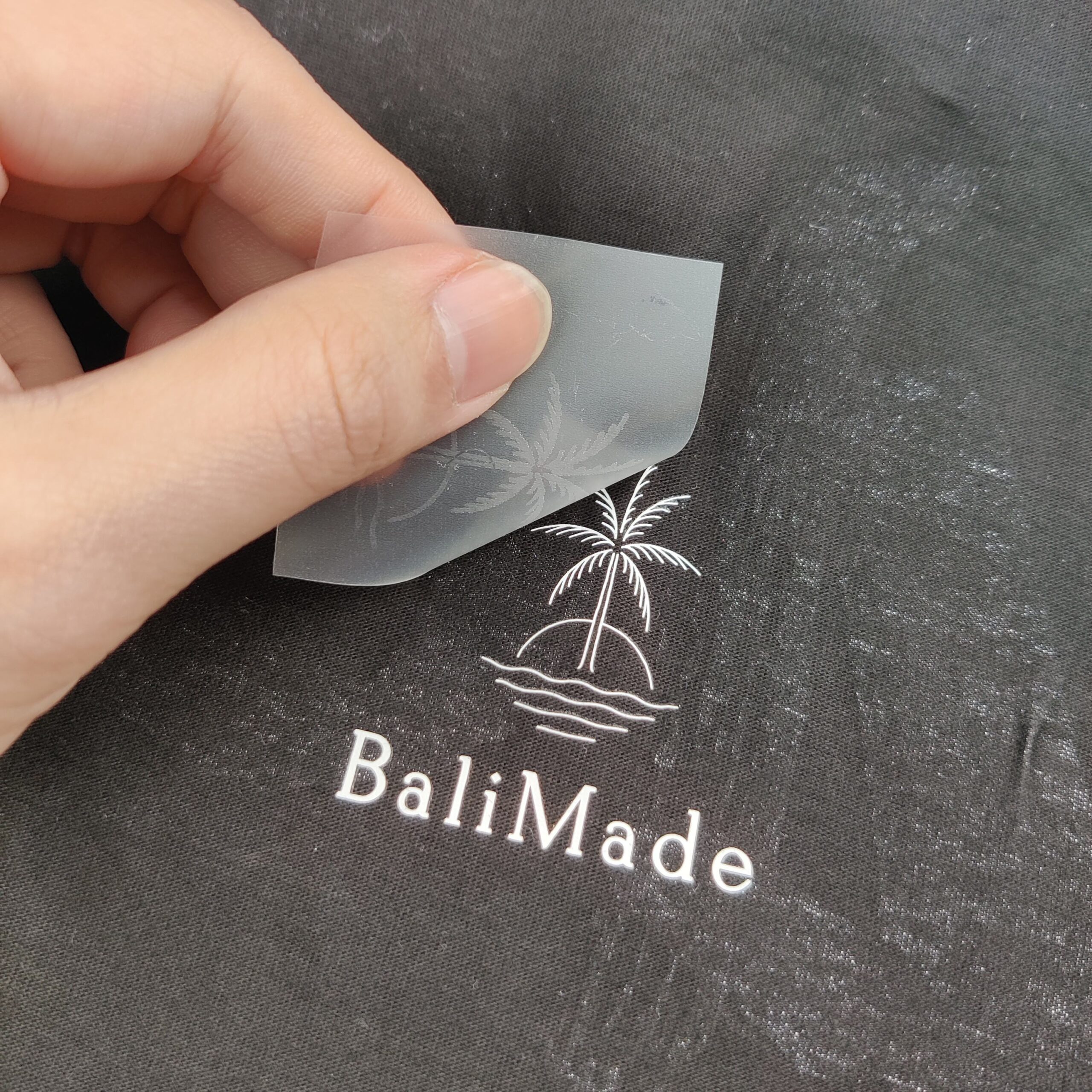
Different yarn structures demand different transfer parameters. Our technicians calibrate heat press temperature (140–180°C), dwell time, and pressure for each fiber blend—merino wool, cotton, cashmere, acrylic—ensuring perfect adhesion without scorching, pilling, or distorting the knit structure underneath the graphic.
- Temperature range 140–180°C, calibrated per yarn type and gauge
- Pressure settings adjusted for ribbed, cable, and jacquard textures
- Dwell time optimized (8–15 seconds) to prevent fiber damage
- Pre-production heat press trials on knit-down swatches for every order
High-Resolution Design and Pantone Color Matching
From photorealistic images to intricate logos, CENWILD’s heat transfer sweater process supports up to 300 DPI resolution and precise Pantone color matching. Our design team pre-flights every file, adjusts for knit texture, and produces digital proofs so your custom graphics land exactly as envisioned.
- Resolution up to 300 DPI for photo-quality graphics and fine text
- Pantone TPX / TCX color matching with spectrophotometer verification
- Pre-flight file review and knit-surface compensation by in-house designers
- Digital mock-ups and physical strike-offs before bulk production
Hand-Feel Preservation Across Yarn Types
A common fear with heat transfer is stiffness. CENWILD’s low-profile transfer films and post-press conditioning preserve the natural drape and softness of merino, cotton, cashmere, and blended yarns. The result: graphics that look bold but feel barely there, maintaining the luxury hand customers expect.
- Ultra-thin transfer films (50–80 microns) for minimal hand-feel impact
- Post-press steam conditioning restores yarn loft and drape
- Tested on merino wool, cotton, cashmere, alpaca, and acrylic blends
- Breathability retained—no rubberized, heavy feel on finished garments
Heat Transfer Sweater vs. Screen Print Sweater
Compare decoration methods to choose the best technique for your custom knitwear design, fabric, and production goals.
← 左右滑动查看 →
Heat Transfer Sweater Production Process
CENWILD’s proven workflow delivers vibrant, durable heat transfer decoration on custom knitwear with precision quality control at every phase.
Design File Preparation
Artwork is separated into color layers, matched to Pantone or custom standards, and optimized for heat transfer film compatibility on knitwear substrates.
Transfer Film Selection
Film type—screen-print, DTF, or sublimation—is chosen based on fiber content, stretch requirements, and desired hand feel for your sweater.
Heat Press Calibration
Temperature, pressure, and dwell time are calibrated specifically for knit fabric to ensure full adhesion without scorching or distorting the sweater.
Transfer Application
Each heat transfer is applied to the sweater using precision heat presses, with real-time monitoring to maintain consistent bond quality across production.
Post-Transfer Cooling
Garments are cooled under controlled conditions to lock the transfer and prevent peel-back, ensuring the design remains intact through handling.
Durability Testing
Sample sweaters undergo wash and wear simulation to verify color fastness, adhesion longevity, and resistance to cracking or fading over time.
Final Quality Inspection
Every heat transfer sweater is inspected for alignment, color accuracy, edge definition, and overall finish before packaging and shipment to your brand.
How to Order Custom Heat Transfer Sweaters
CENWILD makes it easy to bring your heat transfer sweater designs to life, from artwork preparation to production and delivery.
Submit Your Design Artwork
Provide vector or high-resolution artwork files, Pantone color references, transfer placement specifications, and sizing details for accurate heat transfer preparation and quoting.
Select Your Base Sweater
Choose your knitwear style, yarn composition, gauge, size range, and confirm your MOQ starting from just 100 pieces per design or colorway.
Review Color Separations & Specs
Our team prepares color separations, confirms transfer dimensions and placement, and finalizes all technical specifications before sampling begins to ensure perfect execution.
Approve Knit-Down Sample
Receive a production-ready sample with heat transfer applied on your chosen base garment. Review fit, transfer quality, color accuracy, and durability before bulk production.
Confirm Production & Shipment
Once approved, we begin bulk manufacturing with strict quality control, complete finishing and packaging, then arrange export logistics and deliver your custom heat transfer sweaters.
Heat Transfer Sweater Customer Stories
CENWILD’s heat transfer process delivered perfect color accuracy on our gradient artwork. After 30 washes the graphics still look crisp with zero cracking. Their 100-piece MOQ let us test the market before scaling up.
We needed intricate photo-realistic prints on cashmere blend sweaters. CENWILD’s heat transfer team delivered precise detail on 500 pieces two days early. Our holiday collection sold out in three weeks thanks to the exceptional quality.
Switching to heat transfer sweaters from CENWILD increased our Instagram engagement by 47%. The vibrant, high-resolution graphics photograph beautifully and the durability means fewer customer complaints. Their ODM support made design collaboration seamless.
Heat Transfer Sweater FAQ
What fabrics work best for heat transfer sweater printing?
What is the minimum order quantity for a heat transfer sweater?
How many colors can I include in a heat transfer sweater design?
Can I combine heat transfer with embroidery or patches on the same sweater?
How durable is heat transfer sweater printing after washing?
What lead time should I expect for custom heat transfer sweaters?
What file format do you need for heat transfer sweater artwork?
Is Pantone color matching available for heat transfer sweater prints?
The Complete Buyer’s Guide to Heat Transfer Sweater Sourcing
Navigate the heat transfer sweater market with confidence. This guide delivers a proven decision framework, supplier evaluation criteria, and the common pitfalls to avoid when sourcing custom knitwear for your brand.
1. What Is a Heat Transfer Sweater?
A heat transfer sweater is a knitted garment decorated with graphics, logos, or patterns applied through heat-press technology rather than woven into the fabric or stitched on afterward. Heat transfer film or DTF (direct-to-film) transfers are positioned on the finished knit surface, then bonded under controlled temperature and pressure — typically 150–180°C for 10–15 seconds — creating a durable, full-color graphic layer.
Unlike jacquard or intarsia, which require pattern programming during knitting, heat transfer decoration happens post-production. This separation allows brands to finalize designs after knitting, test multiple colorways on identical base sweaters, and order small runs without retooling machinery. Embroidery adds dimension but is limited to thread colors and stitch density; heat transfer supports photographic detail, gradients, and unlimited Pantone matches in a single pass.
Brands choose heat transfer sweaters for three core reasons: lower MOQ (no per-color knitting setup), faster turnaround (decoration in hours vs. days), and design flexibility (last-minute logo changes or personalized names). CENWILD integrates screen, heat transfer, DTF, and sublimation printing in-house, enabling clients to compare samples and select the best method for each collection.
2. Evolution of Heat Transfer Sweater Technology
Heat transfer printing on knitwear emerged in the 1960s with plastisol screen-transfer sheets, which required high heat and pressure but often cracked after repeated washing. Early adopters were limited to sportswear and promotional garments where durability expectations were modest. By the 1980s, vinyl heat-transfer films improved adhesion and stretch recovery, making the technique viable for fashion knitwear, though color gradients remained difficult and minimum order quantities for custom transfers stayed above 1,000 sheets.
The introduction of digital heat-press systems in the early 2000s lowered barriers dramatically. Direct-to-film (DTF) and sublimation technologies enabled full-color, photographic designs on polyester and poly-blend knits with wash-fastness exceeding 50 cycles at 40°C, meeting OEKO-TEX standards for colorfastness. Minimum order quantities dropped to 100 pieces, aligning with the needs of independent designers and small fashion brands.
Today’s heat transfer sweater production combines computerized flat-knitting with on-demand digital printing, allowing brands to test seasonal graphics without committing to embroidery setup fees or large inventory. CENWILD integrates screen, DTF, and sublimation heat transfer into its one-stop knitwear workflow, supporting MOQs from 100 pieces and turning approved designs into finished garments within 25–35 days.
3. Types of Heat Transfer Sweater Decoration
Heat transfer decoration encompasses four primary methods, each offering distinct advantages for knitwear branding. Process selection depends on design complexity, fabric composition, order volume, and wash-cycle requirements.
Vinyl Heat Transfer
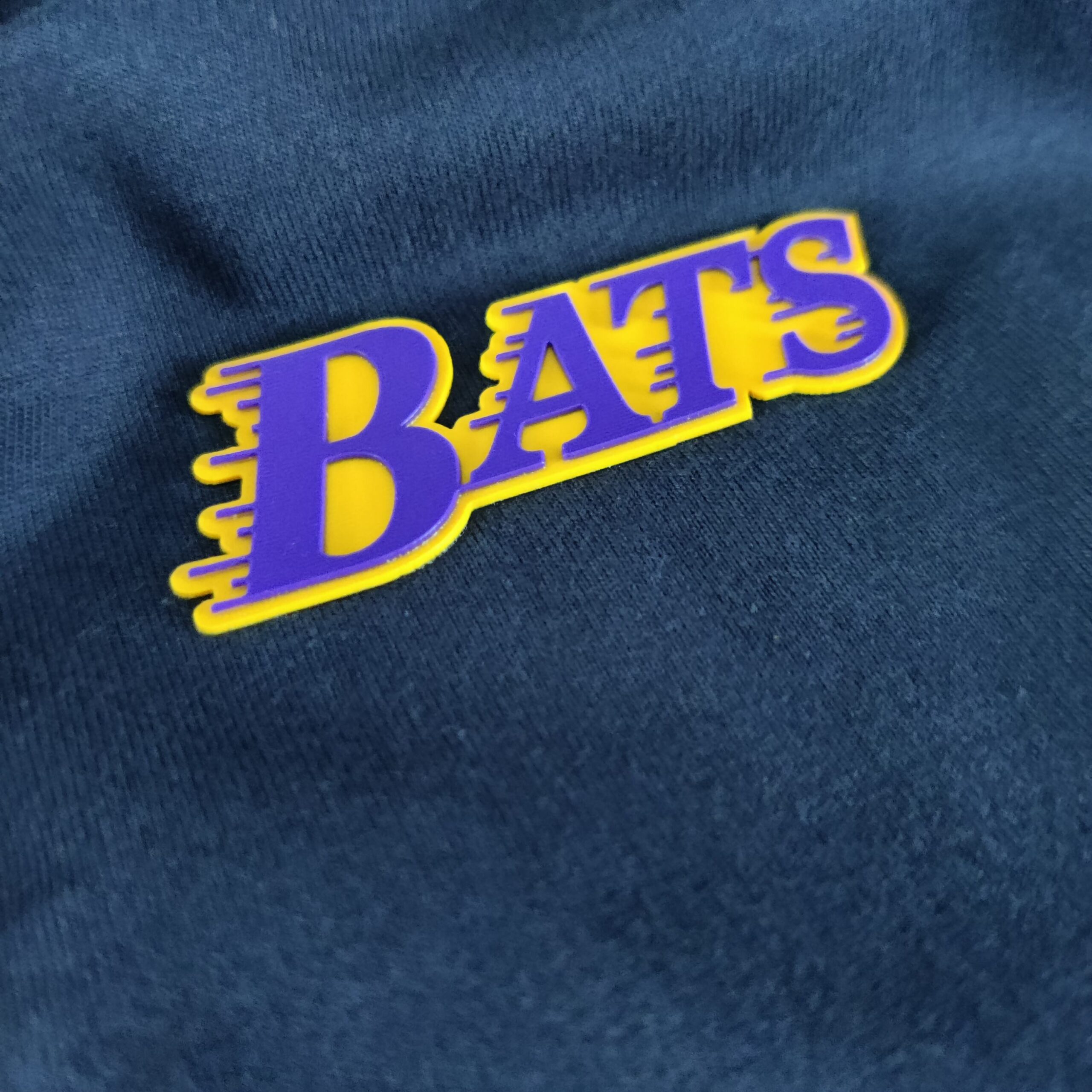
Pre-cut vinyl sheets are heat-pressed onto knit fabric at 150–170°C for 10–15 seconds. Vinyl excels on cotton, acrylic, and cotton-poly blends, delivering bold, opaque logos and text with minimal setup cost.
Durability reaches 50+ commercial washes when properly cured. Ideal for team uniforms, event merchandise, and low-MOQ custom orders starting at 100 pieces.
Sublimation Transfer
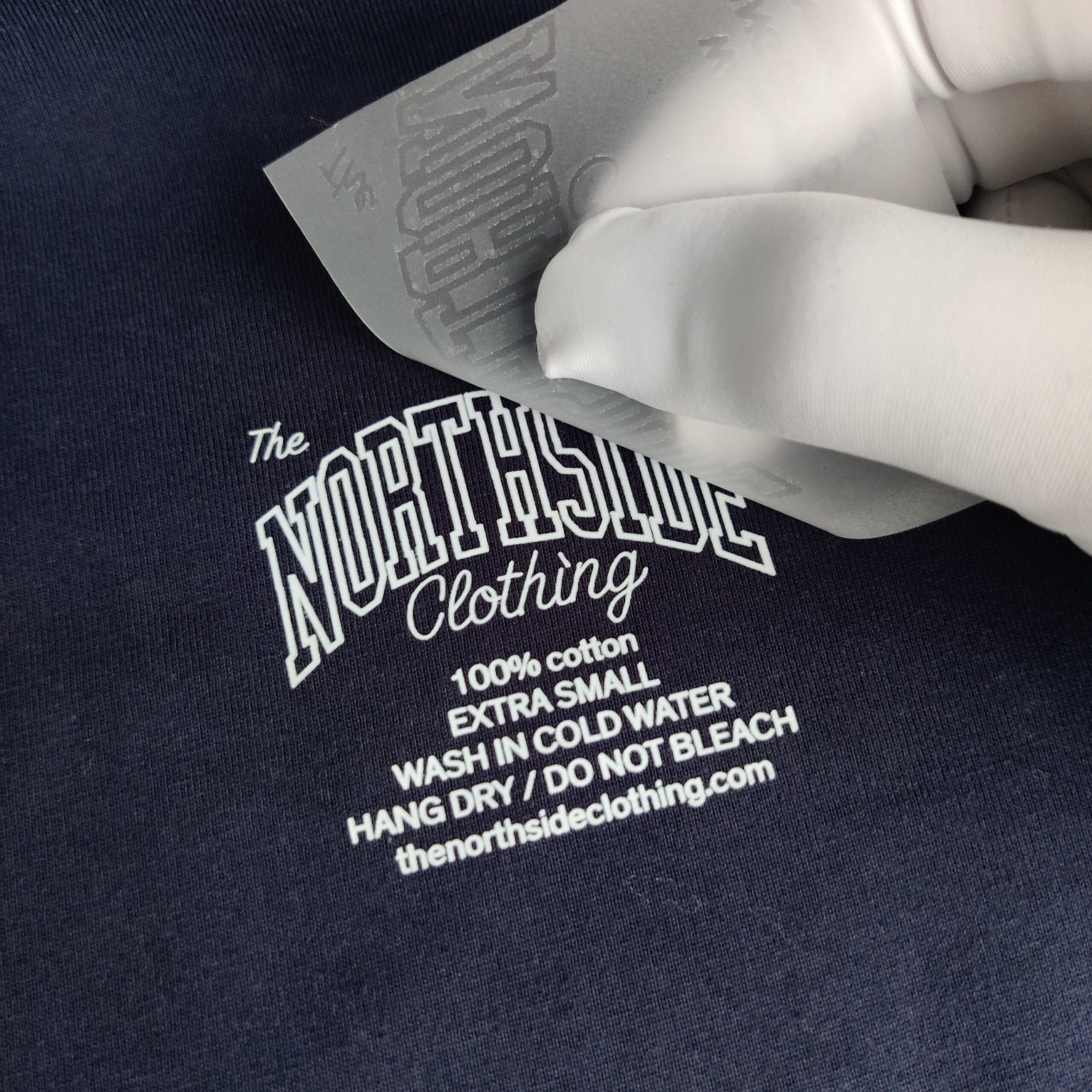
Dye sublimation converts solid ink into gas under heat (180–200°C), bonding permanently with polyester fibers. Only compatible with white or light polyester knits; the dye becomes part of the yarn.
Photo-realistic graphics, gradients, and all-over prints remain vibrant through 100+ washes. Common for activewear, fashion-forward collections, and influencer capsules requiring full-color imagery.
Digital Heat-Transfer Film (DTF)
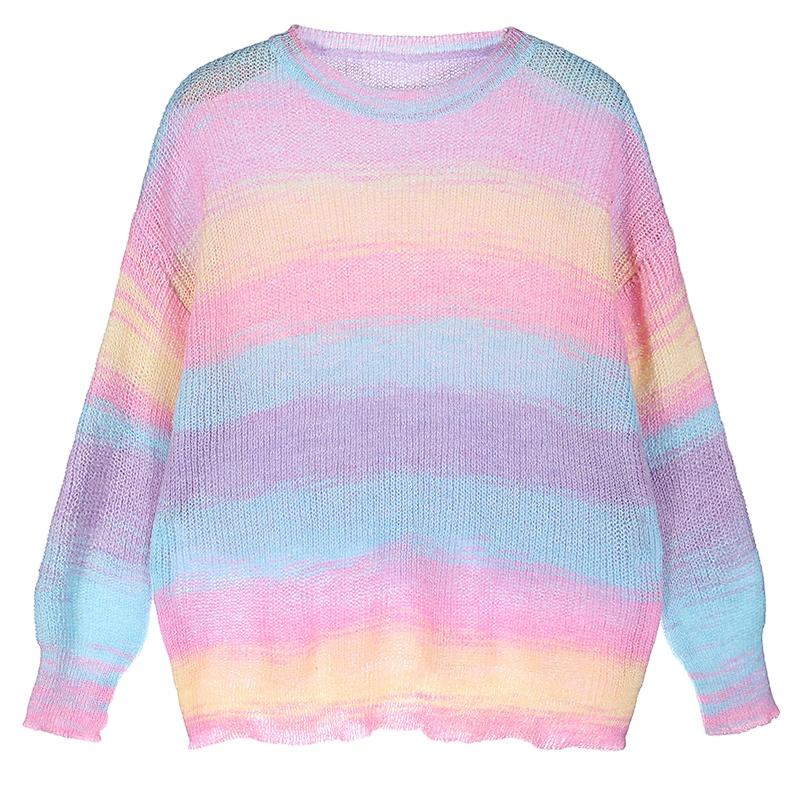
DTF prints full-color designs onto adhesive film, then heat-transfers at 160°C. Compatible with cotton, wool, cashmere, and blends — the most fabric-versatile method for custom knitwear manufacturer workflows.
Stretch and washability match screen-print transfers; setup is faster for multi-color or photographic artwork. CENWILD uses DTF for small-batch personalized Christmas sweaters, private label knitwear collections, and capsule runs under 500 pieces.
4. Materials and Fabrics for Heat Transfer Sweater
Fiber content determines how well heat transfer designs adhere, survive washing, and retain color on a heat transfer sweater. Cotton, polyester blends, acrylic, and fleece each offer distinct performance profiles that influence adhesion chemistry, durability, and final vibrancy.
| Fabric Type | GSM Range | Heat Transfer Compatibility | Typical Applications |
|---|---|---|---|
| 100% Cotton | 180–280 | Screen, DTF, vinyl; longer press time | Casual sweaters, eco-conscious lines |
| Cotton-Polyester Blend | 200–280 | All methods; balanced durability | Everyday pullovers, cardigans |
| Polyester | 200–300 | Sublimation, vinyl; highest vibrancy | Sportswear, performance knits |
| Acrylic | 220–320 | Vinyl, screen; wool-like warmth | Winter sweaters, budget collections |
| Fleece-Backed | 280–350 | Vinyl, DTF; lower pressure needed | Hoodies, loungewear, athleisure |
Cotton and Cotton Blends
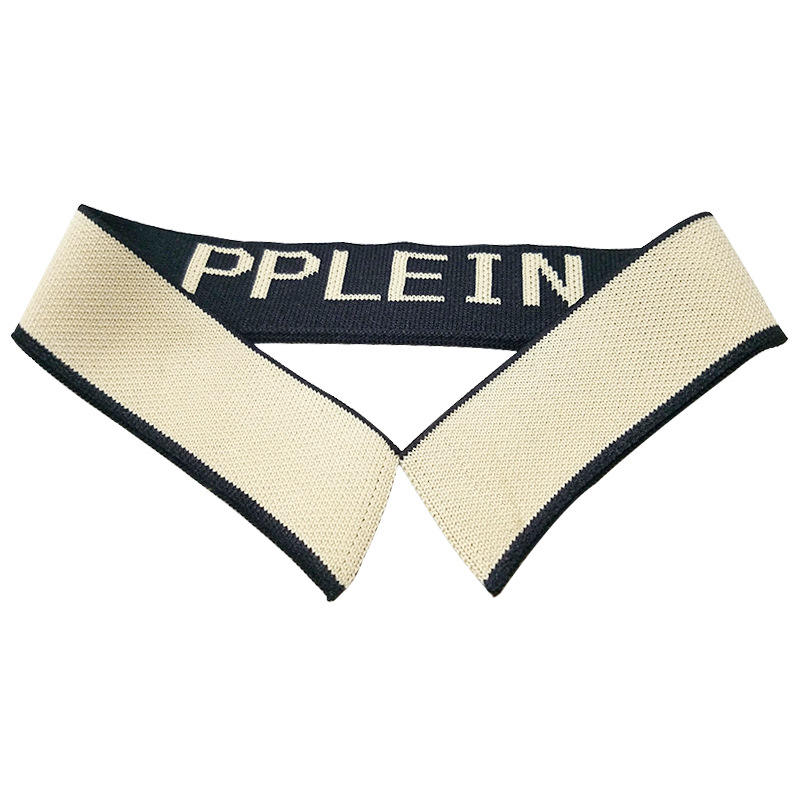
100% cotton knits in 180–280 GSM provide excellent breathability and soft hand feel, ideal for screen and DTF transfers. Cotton absorbs moisture during pressing, requiring slightly longer dwell times but yielding strong initial adhesion.
Cotton-polyester blends (50/50 or 60/40) combine natural comfort with improved wash durability. Polyester fibers lock transfer adhesive more securely, reducing cracking after 30+ laundry cycles.
Polyester and Performance Blends
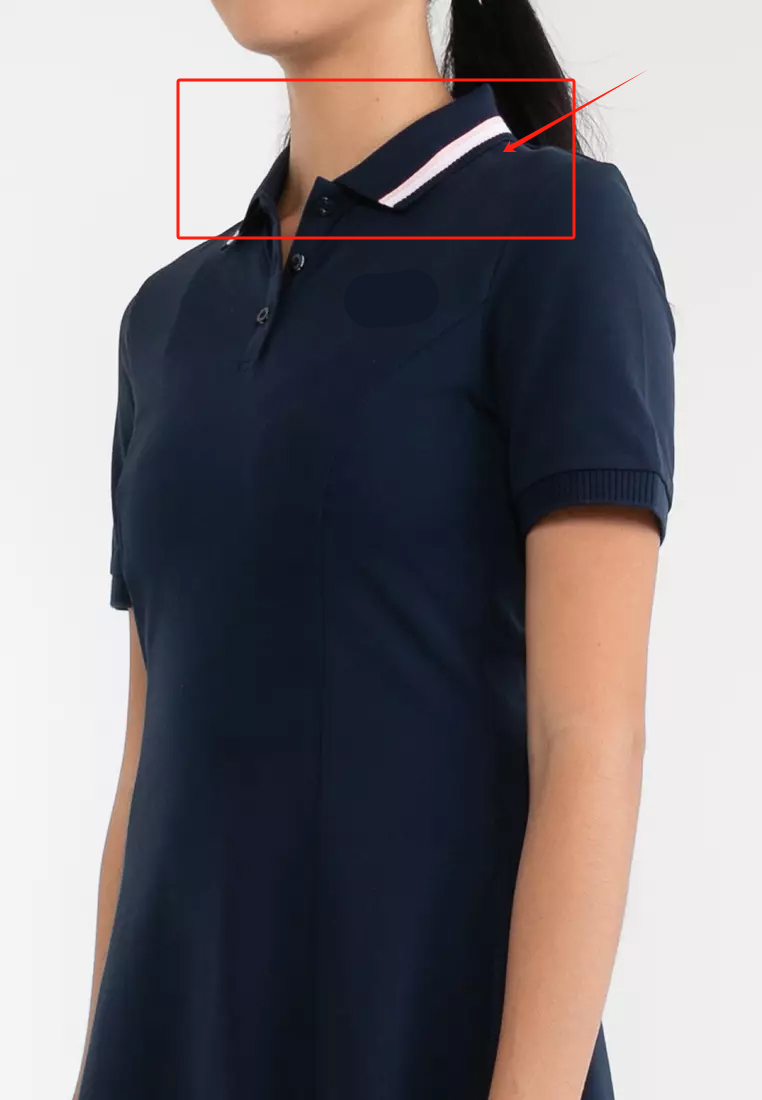
Polyester knits (200–300 GSM) accept sublimation and heat-transfer vinyl with superior color vibrancy and adhesion. The synthetic fiber melts slightly under heat, creating a mechanical bond that outlasts cotton in high-frequency washing.
Performance blends with spandex (5–10%) maintain stretch recovery without transfer cracking, essential for fitted sweater styles.
Acrylic and Fleece
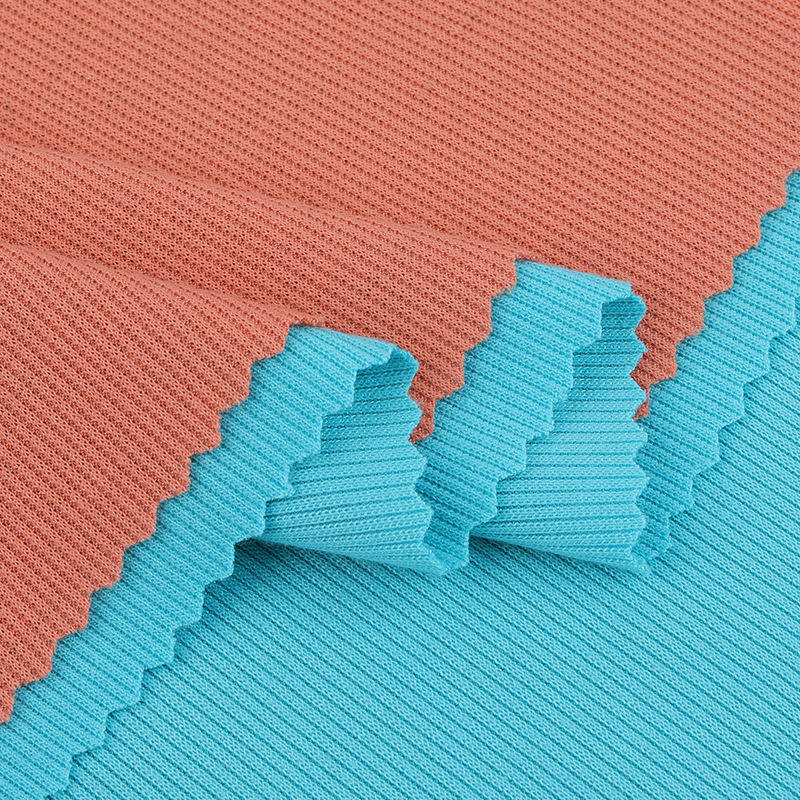
Acrylic knits (220–320 GSM) mimic wool’s warmth at lower cost and accept heat transfers reliably at 140–160°C. Fleece-backed fabrics require lower pressure to avoid crushing pile texture while ensuring full adhesive contact across the transfer area.
5. Customization Options for Heat Transfer Sweater
Heat transfer sweater decoration supports a wide spectrum of design complexity, from single-color logos to full photographic prints. Understanding file formats, color systems, and placement zones ensures your artwork translates accurately from screen to knit.
| Decoration Type | Setup Cost (USD) | Minimum Order (pcs) |
|---|---|---|
| Single-color logo | 50–80 | 100 |
| Multi-color graphic (≤8 colors) | 100–150 | 100 |
| Full CMYK / photo print | 80–120 | 100 |
| All-over sublimation | 150–200 | 100 |
Design Complexity and Color Range
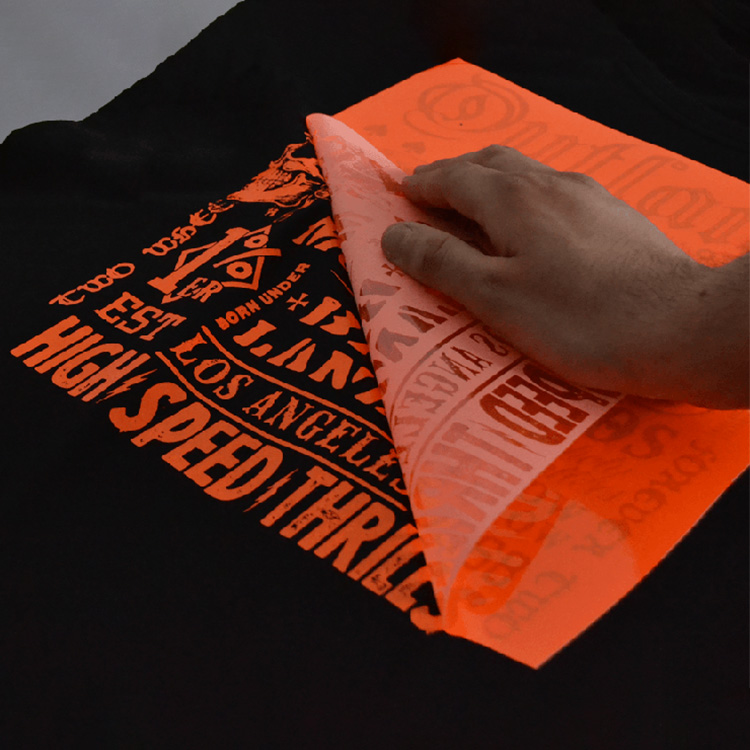
Single-color transfers start at 100 pieces and suit text-based logos or simple vector marks. Multi-color graphics accommodate up to 8–12 spot colors using screen-printed transfers, while DTF and sublimation handle unlimited CMYK colors plus gradients and photographic detail.
Gradient effects and photo-realistic images require 300 dpi raster files; simpler graphics work best as vector (AI, EPS, PDF) to preserve edge sharpness at any scale.
Placement Zones and Coverage
Chest logos typically measure 8×10 cm to 12×15 cm; full-back prints reach 30×40 cm. Sleeve decoration, pocket hits, and all-over repeat patterns are all feasible, though all-over designs require sublimation-compatible synthetic blends.
Placement affects press time and cost: single-zone chest prints are faster than multi-position or wraparound layouts.
File Requirements and Color Matching
Vector files (AI, EPS, PDF with outlined fonts) ensure crisp edges; raster images need minimum 300 dpi at final print size. Pantone references guarantee spot-color accuracy; CMYK values guide full-color process work.
CENWILD provides digital mockups within 48 hours of artwork approval, confirming placement, size, and color before sampling.
6. Key Quality Elements in Heat Transfer Sweater Production
Quality control for a heat transfer sweater demands inspection at three stages: pre-application base knit, transfer process, and post-wash durability. Buyers must verify adhesion strength, edge definition, color fastness, stitch density, seam finish, and hand-feel to ensure retail-ready garments.
Adhesion and Peel Testing
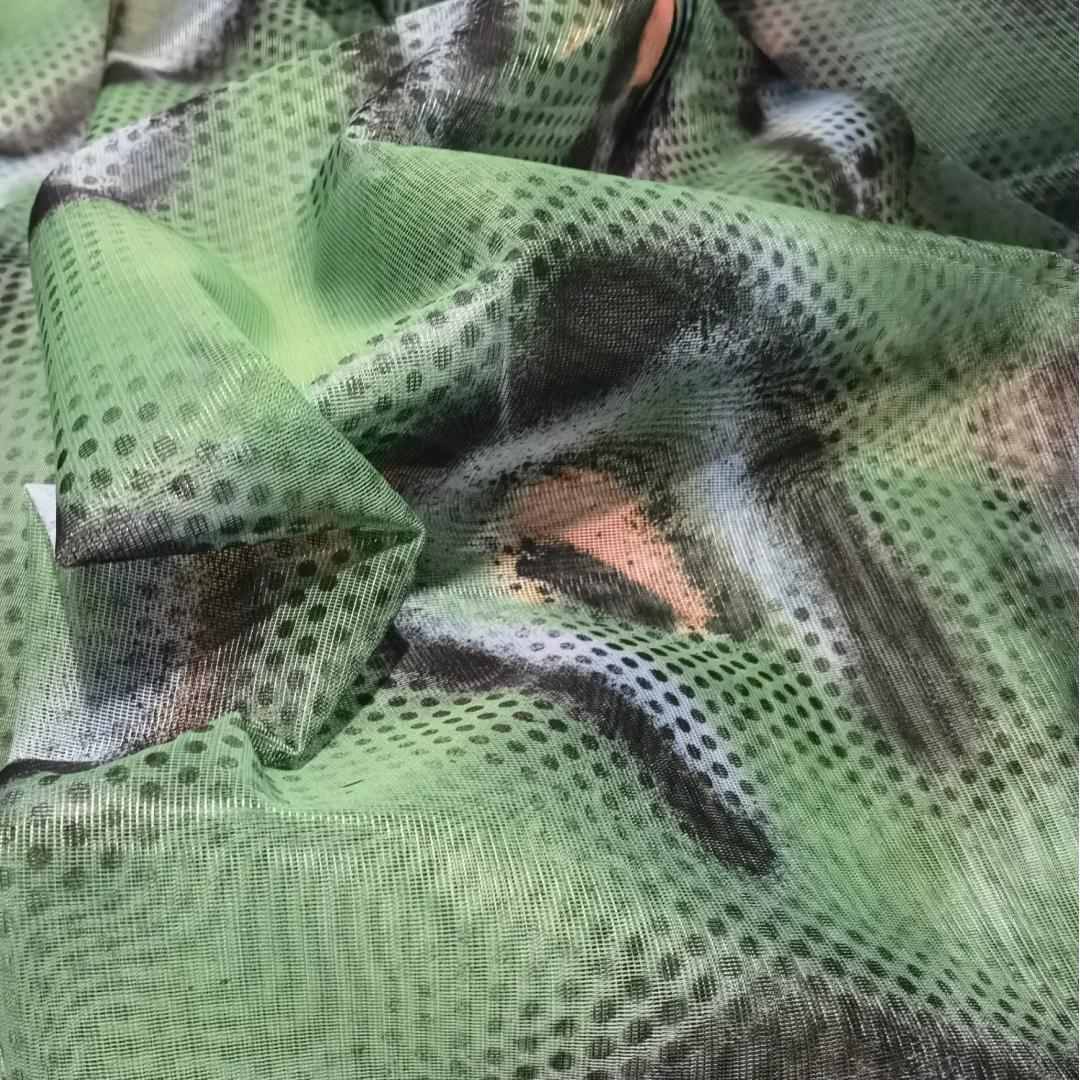
Transfer adhesion is measured by peel-strength tests at 90° and 180° angles after heat application. Industry standards require transfers to withstand at least 15 Newtons without delamination.
CENWILD conducts peel tests on every production lot, applying heat transfers at calibrated temperature, pressure, and dwell time. Weak adhesion signals incorrect heat-press settings or incompatible film-to-fiber pairing.
Wash and Color Fastness Standards
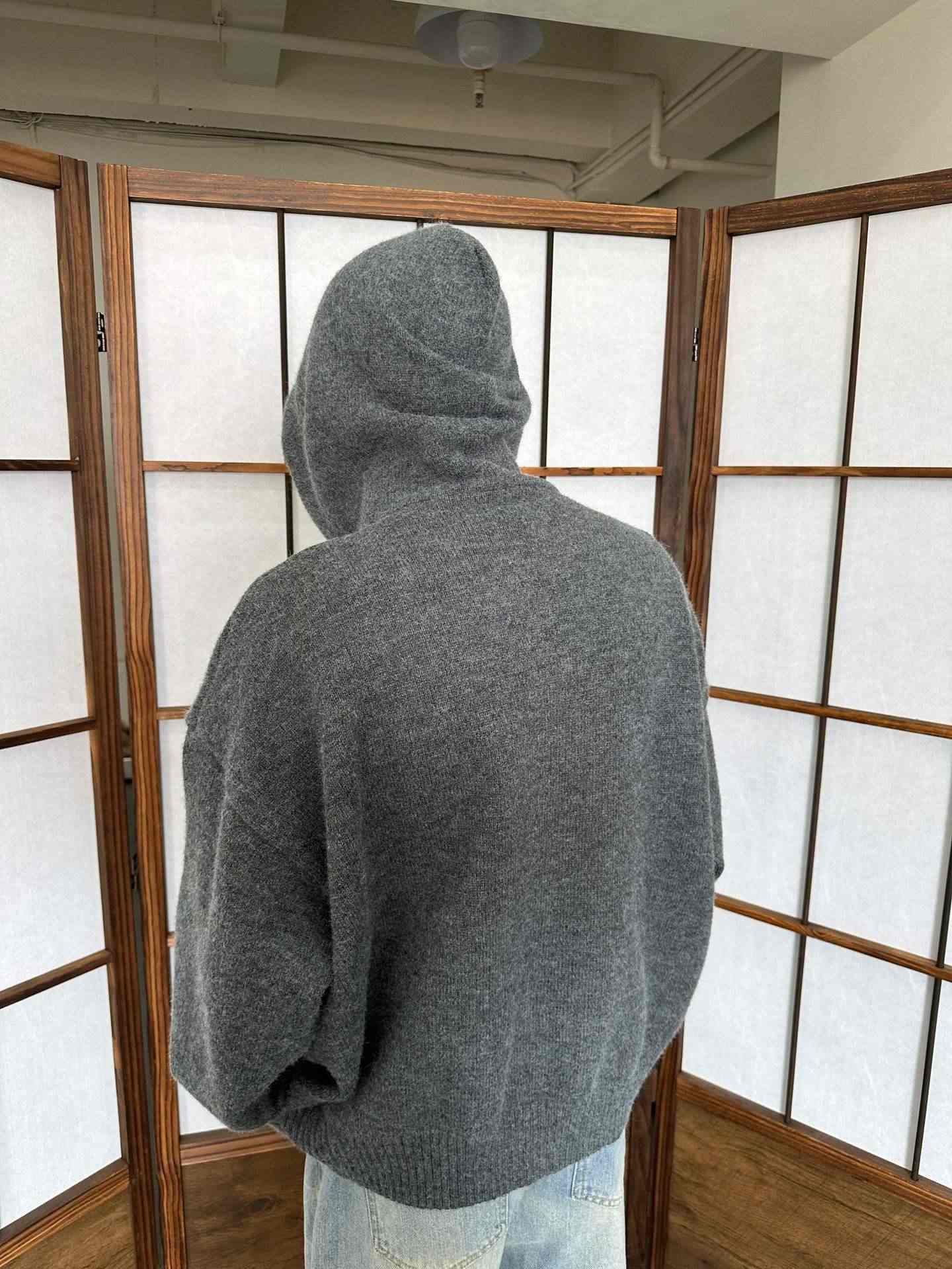
Heat transfer sweater graphics must survive 30–50 home washes at 40°C without cracking, fading, or edge lift. AATCC 61 and ISO 105-C06 protocols test color migration and transfer durability.
Manufacturers run wash cycles on pre-production samples, inspecting for color bleed, hand-feel change, and graphic integrity. CENWILD archives wash-test samples for every design to validate long-term performance.
Visual Inspection Checkpoints
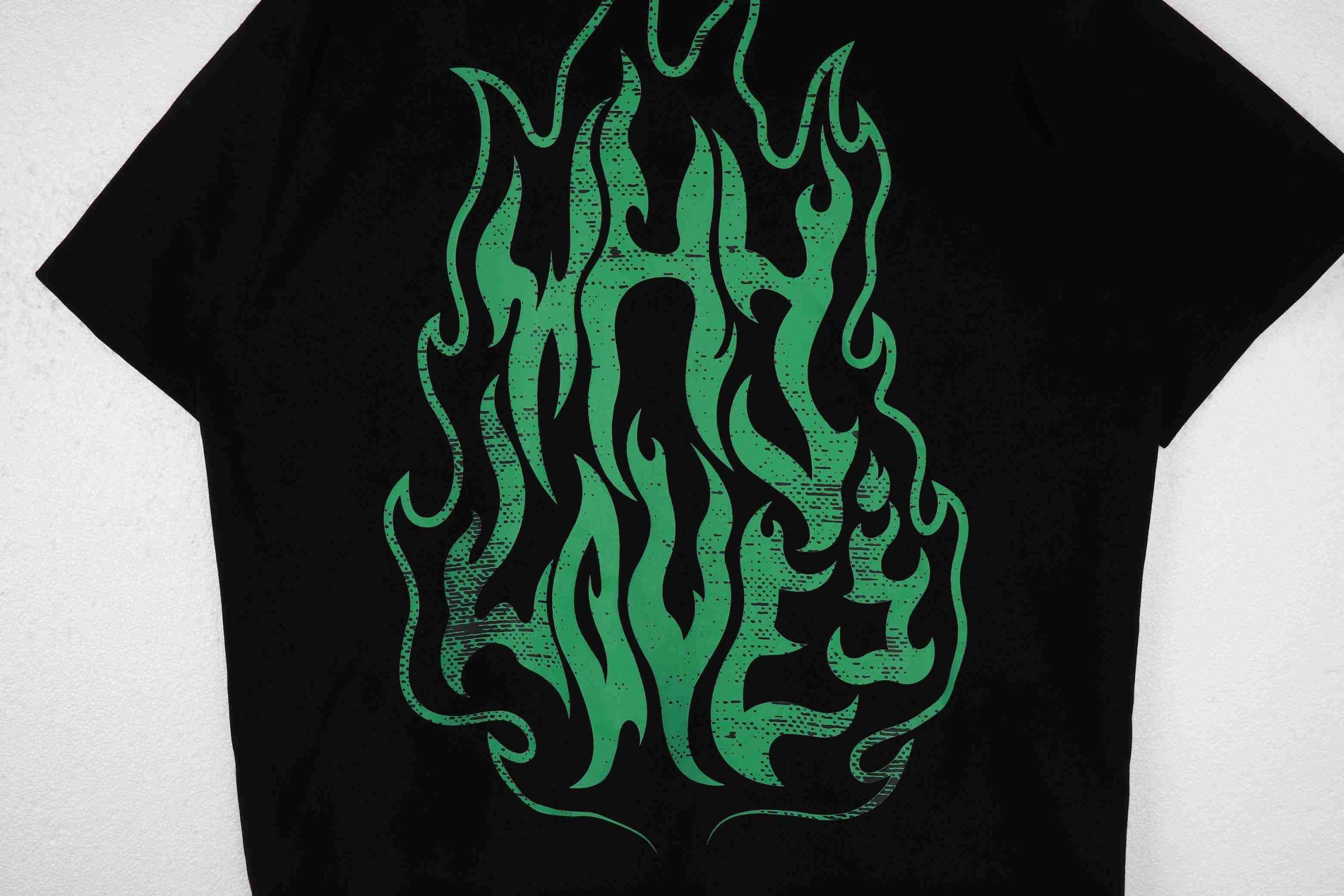
Inspect edge definition under magnification: clean borders indicate correct pressure and temperature. Blurred edges or halo effects reveal over-pressing or low-quality film.
Check stitch density (12–14 stitches per inch for fine-gauge knits), seam flatness, and hand-feel post-application. A stiff or plastic hand signals excess adhesive or incorrect curing, reducing garment comfort and retail appeal.
7. How to Choose a Heat Transfer Sweater Manufacturer
Vetting a heat transfer sweater manufacturer requires examining both knitting capability and decoration equipment. A qualified partner should demonstrate modern heat-press machinery, transparent capacity data, and responsive project management from first inquiry through production.
Production Capacity and Equipment Quality
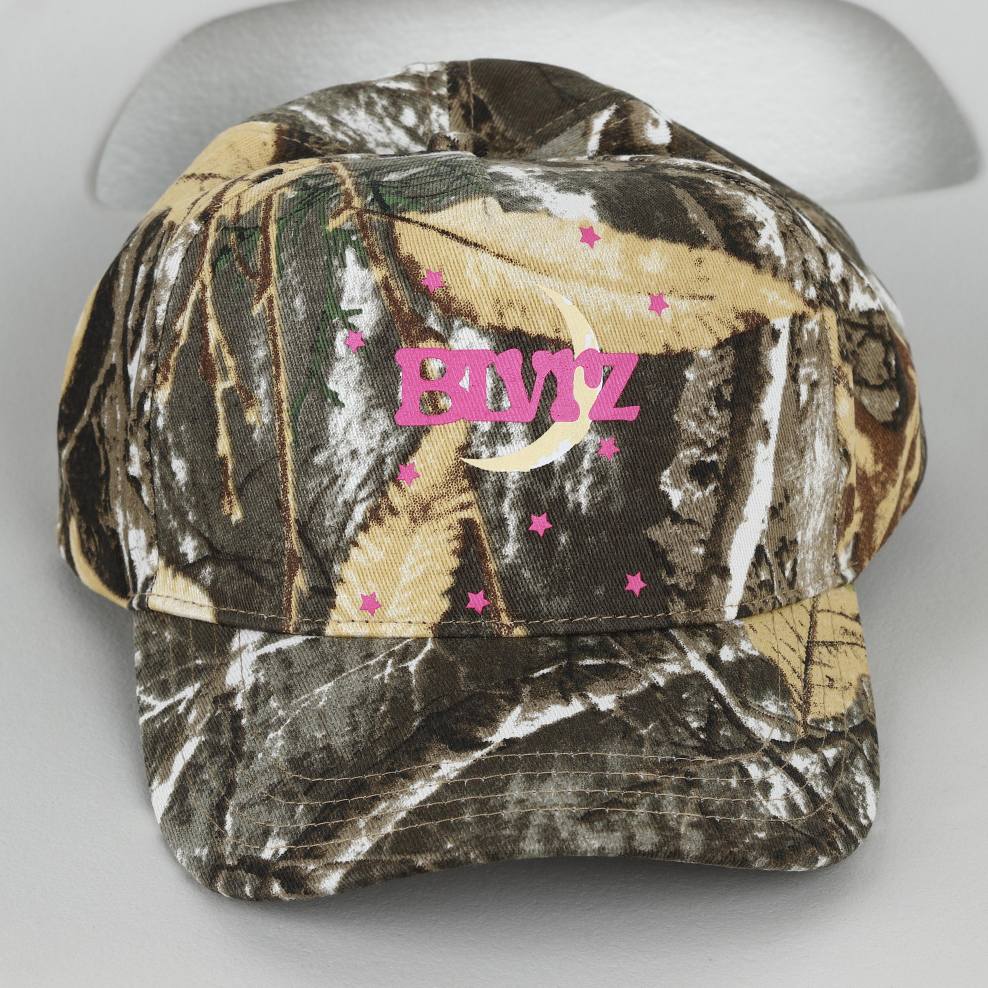
Ask for monthly output figures (e.g., 80,000+ pieces), gauge range (3GG–14GG for most styles), and the number of heat-press stations. Factories with computerized flat-knitting machines and dedicated heat-transfer presses ensure consistent registration and adhesion across high-volume runs.
Request photos or virtual tours of the decoration floor to verify equipment age and maintenance standards.
Sample Evaluation Criteria
Order a knit-down sample with your chosen heat-transfer graphic. Inspect wash durability after five home laundry cycles, edge definition under 10× magnification, and hand-feel against the base fabric.
A professional manufacturer will provide full construction details — stitch type, yarn composition, transfer film specification — alongside the physical sample.
MOQ Flexibility and Certifications
Confirm minimum order quantity; CENWILD starts at 100 pieces per design, ideal for emerging brands. Verify OEKO-TEX Standard 100 for yarn safety and BSCI or equivalent labor audits.
Flexible MOQ and third-party certifications signal a factory’s willingness to grow with smaller clients while meeting international compliance standards.
Communication and Contract Terms
Evaluate response time during the inquiry phase; replies within 24 hours and detailed quotations indicate strong project management. Negotiate deposit schedules (100% first order, scaling to 30% for repeat partners), payment methods (T/T, PayPal, USDT), and penalty clauses for late delivery.
Clear, written terms protect both parties and set expectations for long-term collaboration.
8. Common Mistakes When Sourcing Heat Transfer Sweater
Sourcing heat transfer sweater decoration requires attention to technical details that directly affect durability and brand perception. Five common mistakes account for most post-production complaints and delays.
Choosing Incompatible Fabric Blends
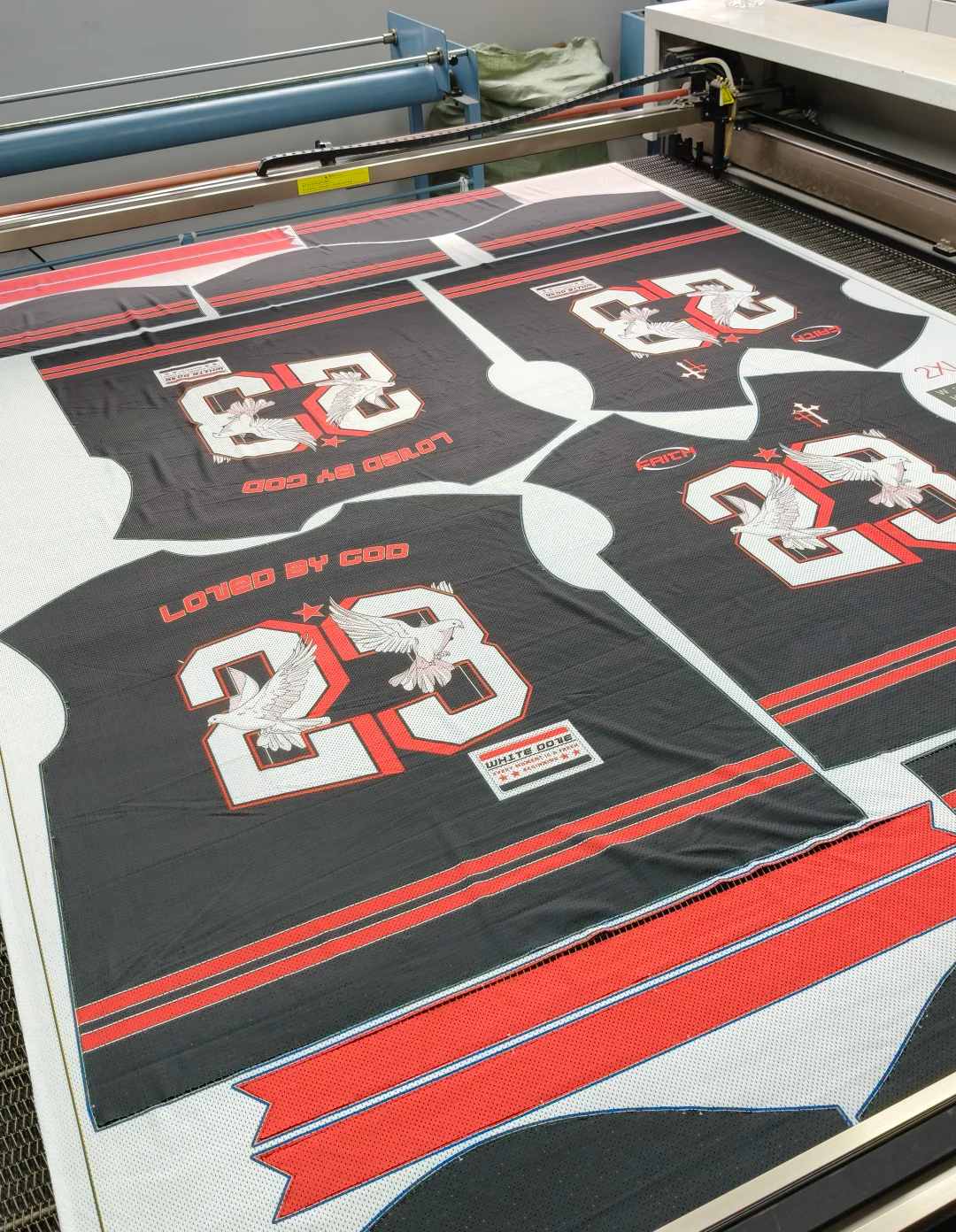
Polyester-rich blends above 50% require lower heat-press temperatures than cotton or wool, yet many buyers specify one transfer film for mixed-fiber orders. The result is peeling on synthetics or incomplete adhesion on natural fibers.
Always match transfer film chemistry to fiber content. CENWILD’s design team cross-references yarn composition with press profiles before sampling to prevent adhesion failures.
Skipping Wash Tests
A graphic that survives five washes may crack by the tenth if the transfer film lacks proper elasticity or the cure temperature was too low. Skipping pre-production wash testing leaves this risk undetected until customer returns spike.
Request a minimum five-cycle industrial wash test on knit-down samples, checking for crack, fade, and edge lift before approving bulk production.
Underestimating Lead Times
Custom transfer films — especially multi-color or metallic finishes — add 7–10 days to standard knitwear lead times. Buyers who assume standard 30-day windows miss launch dates.
Confirm decoration lead time separately from knitting. CENWILD provides split timelines: yarn-to-greige, decoration prep, pressing, and final QC, so brands can plan accurately.
Ignoring Transfer Film Quality
Low-cost films save $0.15 per piece but often use PVC bases that stiffen after washing and fail OEKO-TEX limits. The cost of a product recall far exceeds the initial saving.
Specify eco-friendly, phthalate-free transfer films and request material safety data sheets before sampling.
Failing to Specify Pantone Codes
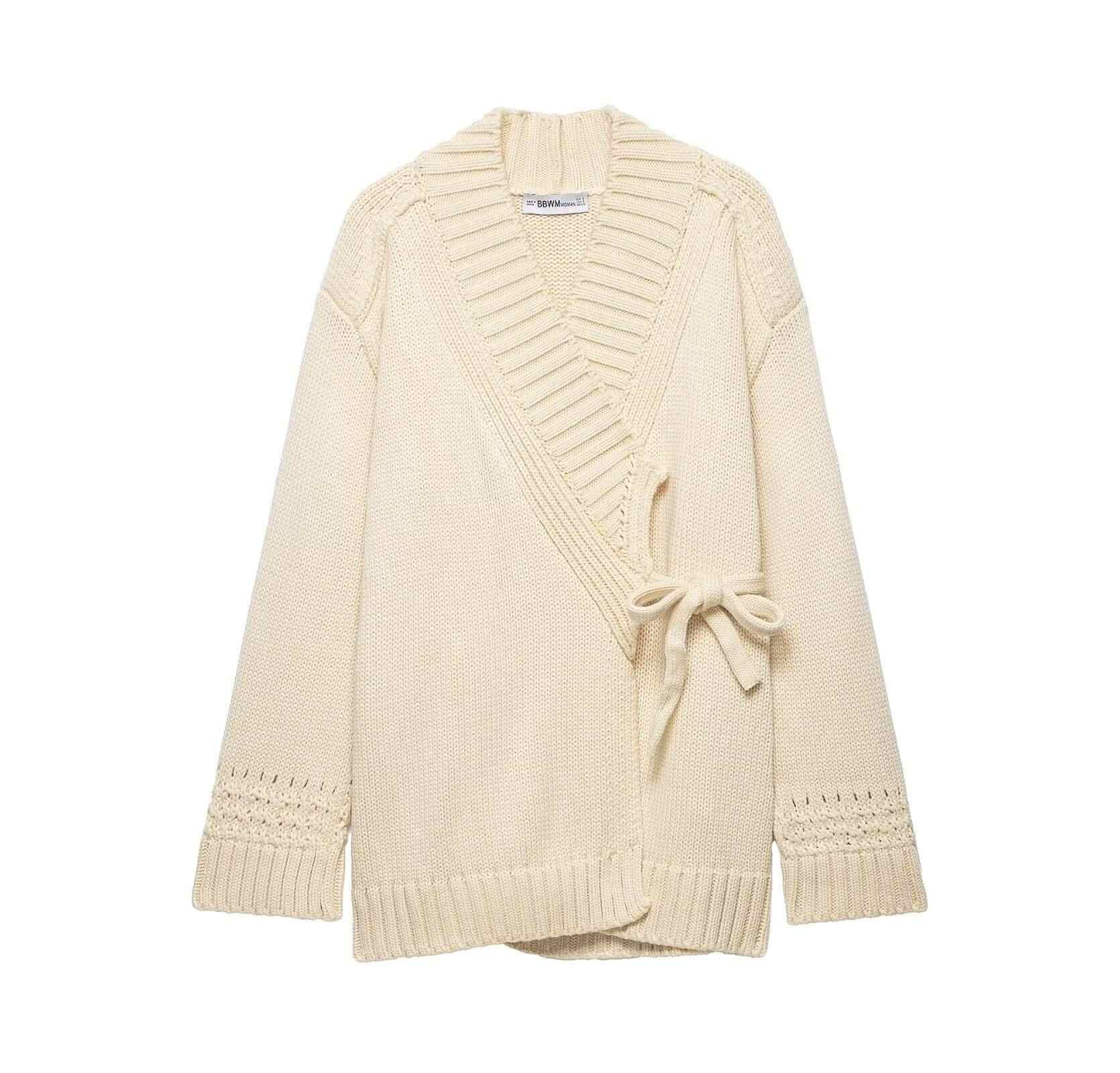
Describing a color as ‘burgundy’ or ‘navy’ yields inconsistent results across dye lots and transfer inks. Without Pantone references, each production run may shift hue.
Provide Pantone TPX or TCX codes for both yarn and transfer graphics. CENWILD maintains a physical Pantone library to match swatches under D65 lighting before press setup.
9. Steps to Launch Your Heat Transfer Sweater Brand
Launching a heat transfer sweater brand requires a clear sequence from concept to delivery. Each step builds on the last, ensuring your first collection meets market expectations and production realities.
Research Market and Define Design Concept
Identify your target audience, price tier, and aesthetic direction before contacting manufacturers. Study competitor offerings, seasonal trends, and gap opportunities in knitwear categories — cardigans, pullovers, or sweater vests.
Sketch initial designs or collect reference images that communicate silhouette, stitch structure, and transfer placement. CENWILD’s design team can refine concepts into production-ready tech packs from a photo or idea.
Select Fabrics and Transfer Method
Choose yarn composition (cotton, merino, acrylic blends) and gauge (3GG–14GG) based on hand-feel and price. Pair fabric weight with the appropriate heat transfer technique: screen-print transfers for bold graphics, DTF for photorealistic artwork, sublimation for all-over patterns.
Request yarn swatches and transfer compatibility tests to confirm adhesion, stretch recovery, and wash durability before committing to bulk yardage.
Request Samples and Approve Artwork
Order knit-down samples with actual transfers applied at production scale. Review stitch tension, transfer placement, color matching (Pantone references), and size grading across S–XXL.
Finalize artwork files in vector format, confirm PMS codes, and lock garment specifications — measurements, label placement, hang-tags, and polybag requirements — in a signed tech pack.
Place Production Order and Monitor Quality
CENWILD’s 100-piece MOQ suits emerging brands; deposit terms start at 100% for first orders, easing to 30% for repeat partners. Confirm lead time (typically 25–35 days), payment method (T/T, PayPal, card, USDT), and shipping incoterm.
Request in-process photos at knitting, transfer application, and final inspection stages. Third-party QC or factory audits ensure AQL standards before balance payment and shipment.
10. Pricing and Cost Breakdown for Heat Transfer Sweater
Heat transfer sweater pricing varies by order volume, fabric weight, and decoration complexity. A 100-piece minimum order typically ranges $18–$28 per unit for mid-weight cotton or acrylic blends (200–280 GSM), while 500-piece runs drop to $12–$18 and 1,000+ pieces reach $10–$15. Setup fees for heat transfer tooling — film preparation, color separation, and press setup — add $50–$150 per design, amortized across quantity.
Fabric GSM drives base cost: lightweight 180 GSM acrylic starts lower, while 320 GSM merino or cashmere blends can double unit price. Multi-color DTF or sublimation transfers add $0.80–$2.50 per placement depending on print area and color count. Lead time shortens with volume: 100 pieces ship in 18–25 days, 500+ in 25–35 days, including sampling and QC.
Shipping cost per unit falls as order size grows. Air freight for 100 sweaters may add $4–$6 each; sea freight for 1,000+ drops to $1–$2. Payment terms ease with partnership history: first orders require 100% deposit, stable clients pay 30–50% upfront, balance before shipment.
| Quantity Tier | Price per Unit (USD) | Setup Fee | Lead Time (days) |
|---|---|---|---|
| 100–299 pcs | $18–28 | $50–150 | 18–25 |
| 300–499 pcs | $14–22 | $50–150 | 22–28 |
| 500–999 pcs | $12–18 | $50–100 | 25–32 |
| 1,000+ pcs | $10–15 | $50–100 | 28–35 |
Start Your Heat Transfer Sweater Project Today
Get a free sample and quote for custom heat transfer sweaters. Low MOQ from 100 pieces, OEM/ODM service, fast sampling.