Flat Embroidery Sweater — Clean, Professional Logo Embroidery from 100 Pieces
Custom flat embroidery sweaters with crisp, no-puff logo detail. OEM and ODM production for fashion brands, retailers, and designers — 28+ years Dongguan expertise.
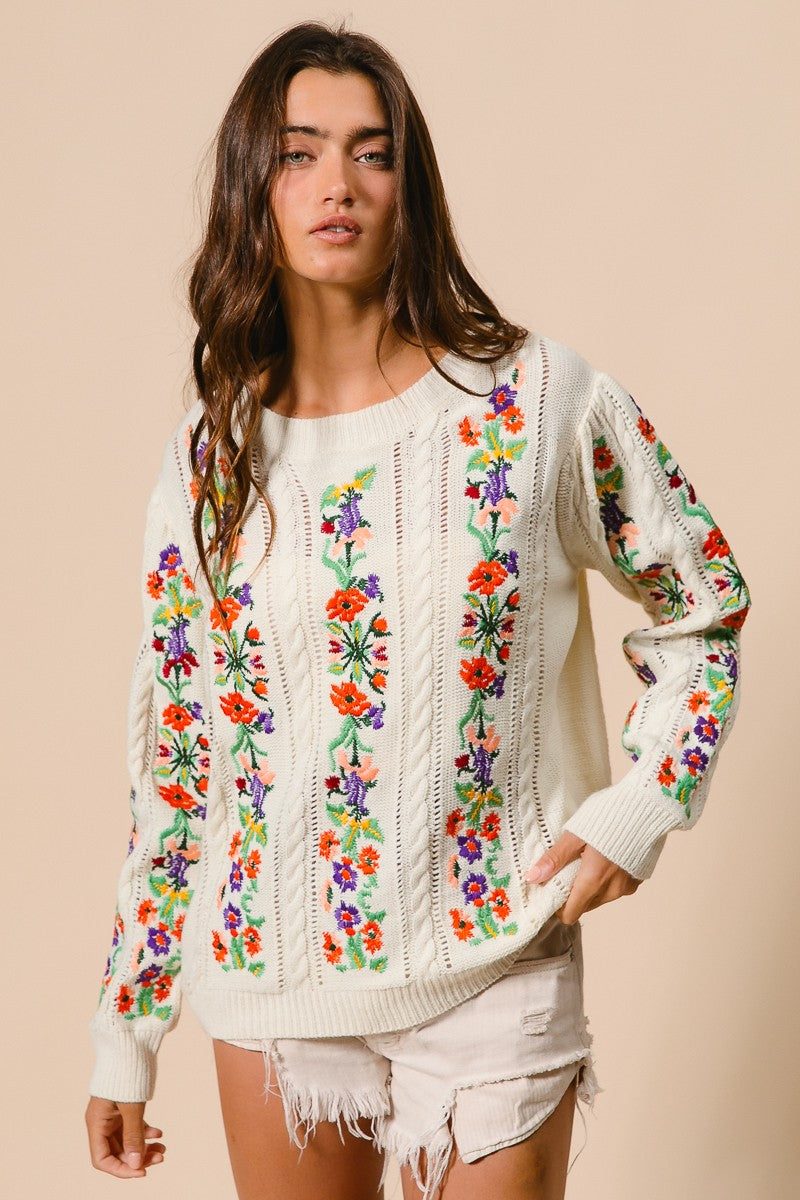
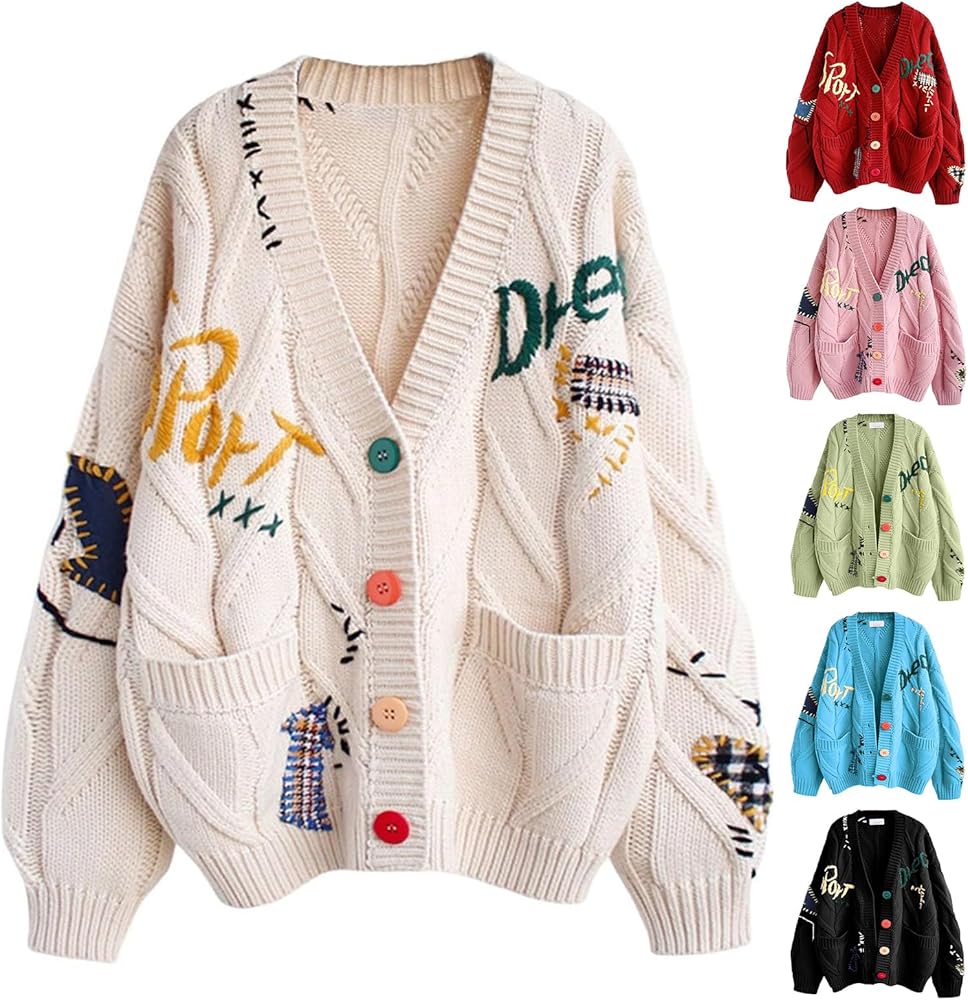
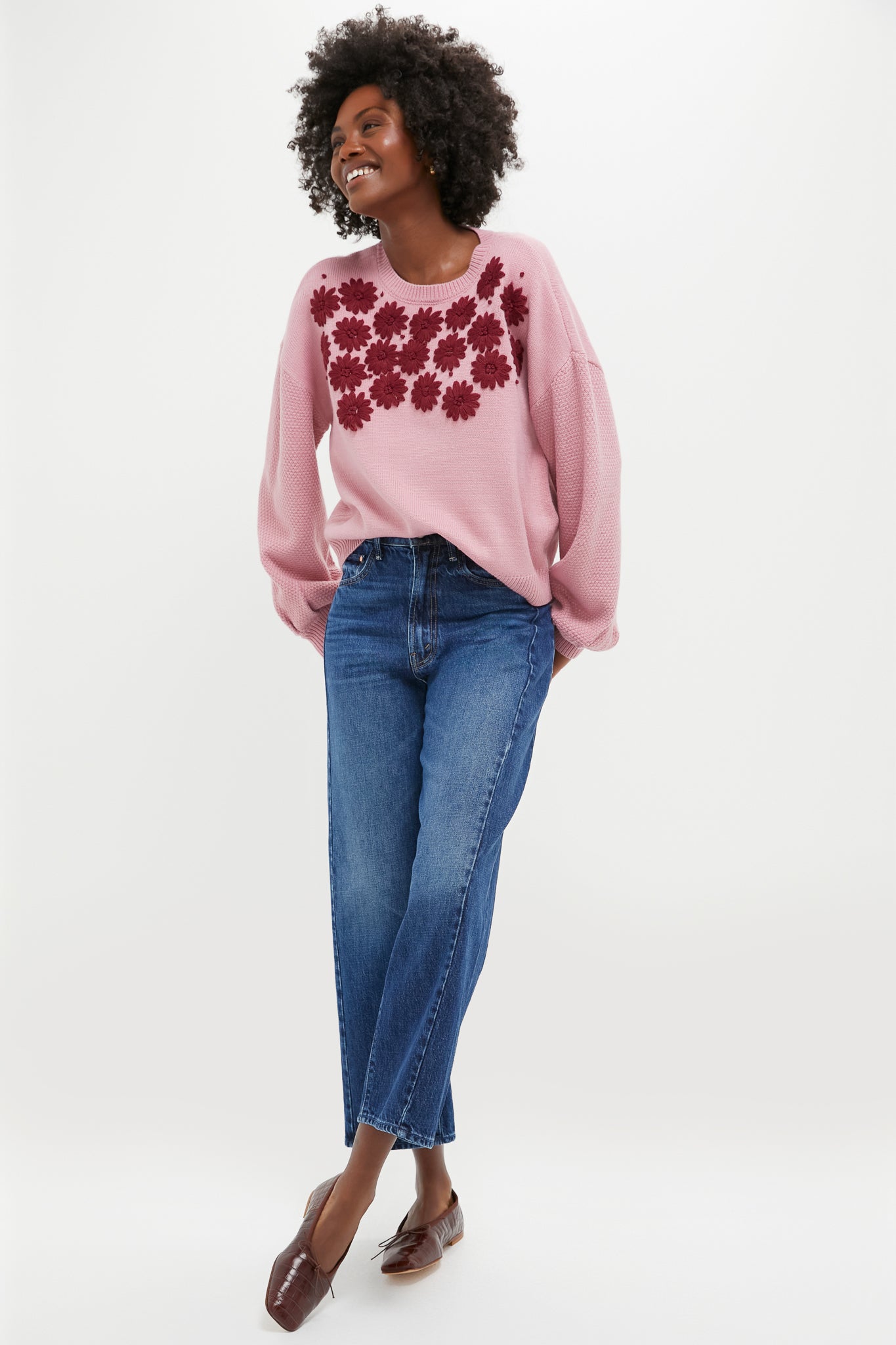
Flat Embroidery Sweater Samples
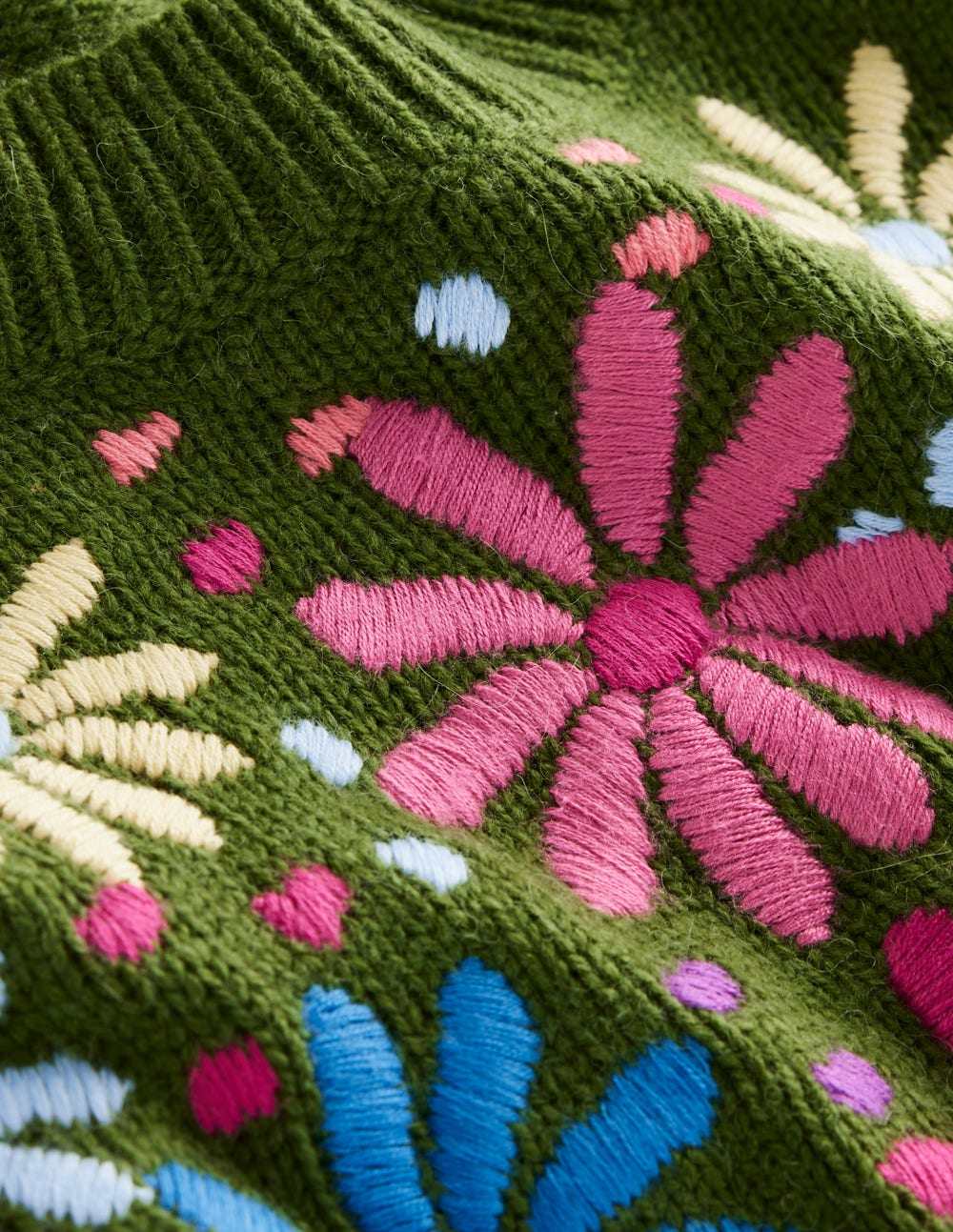
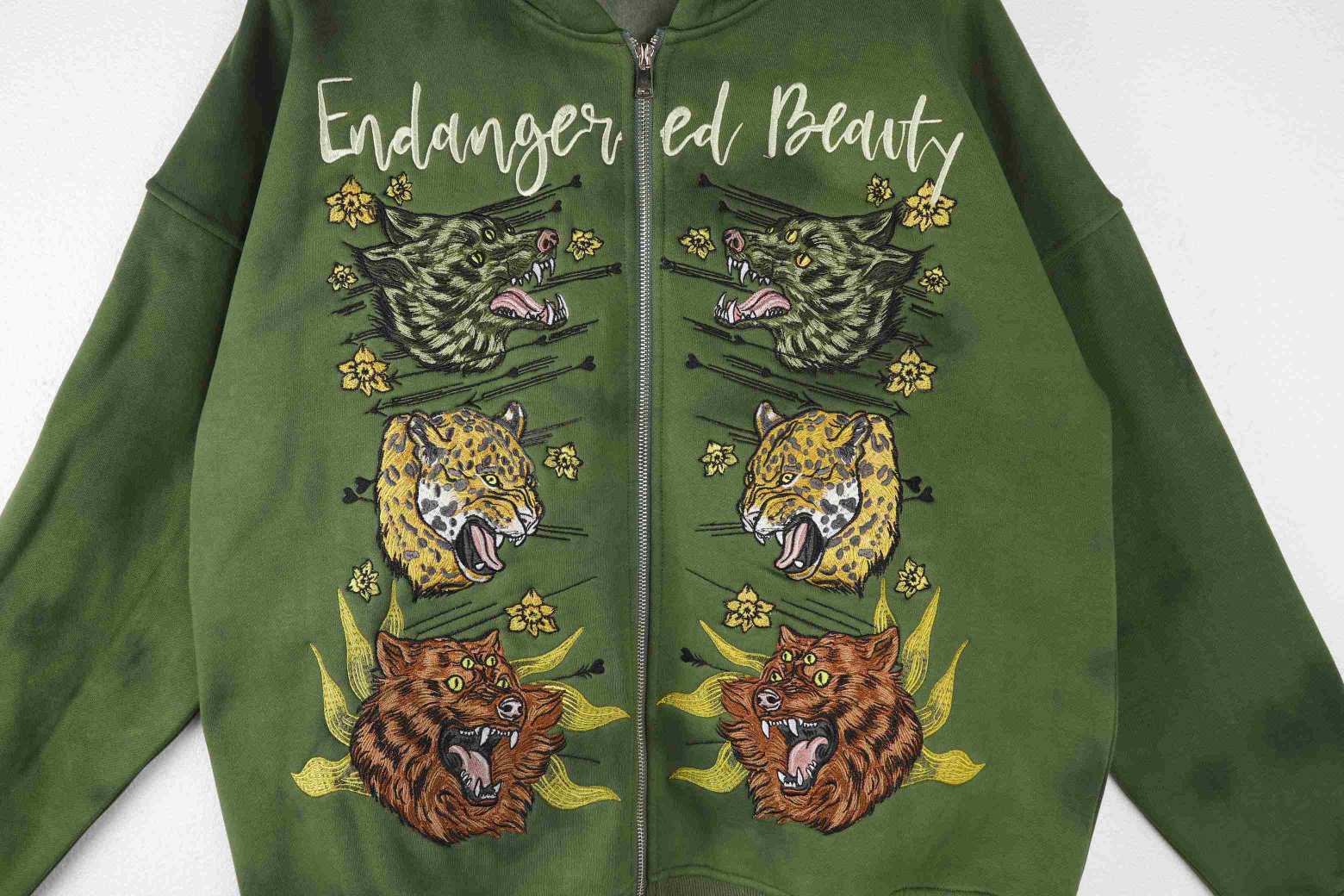
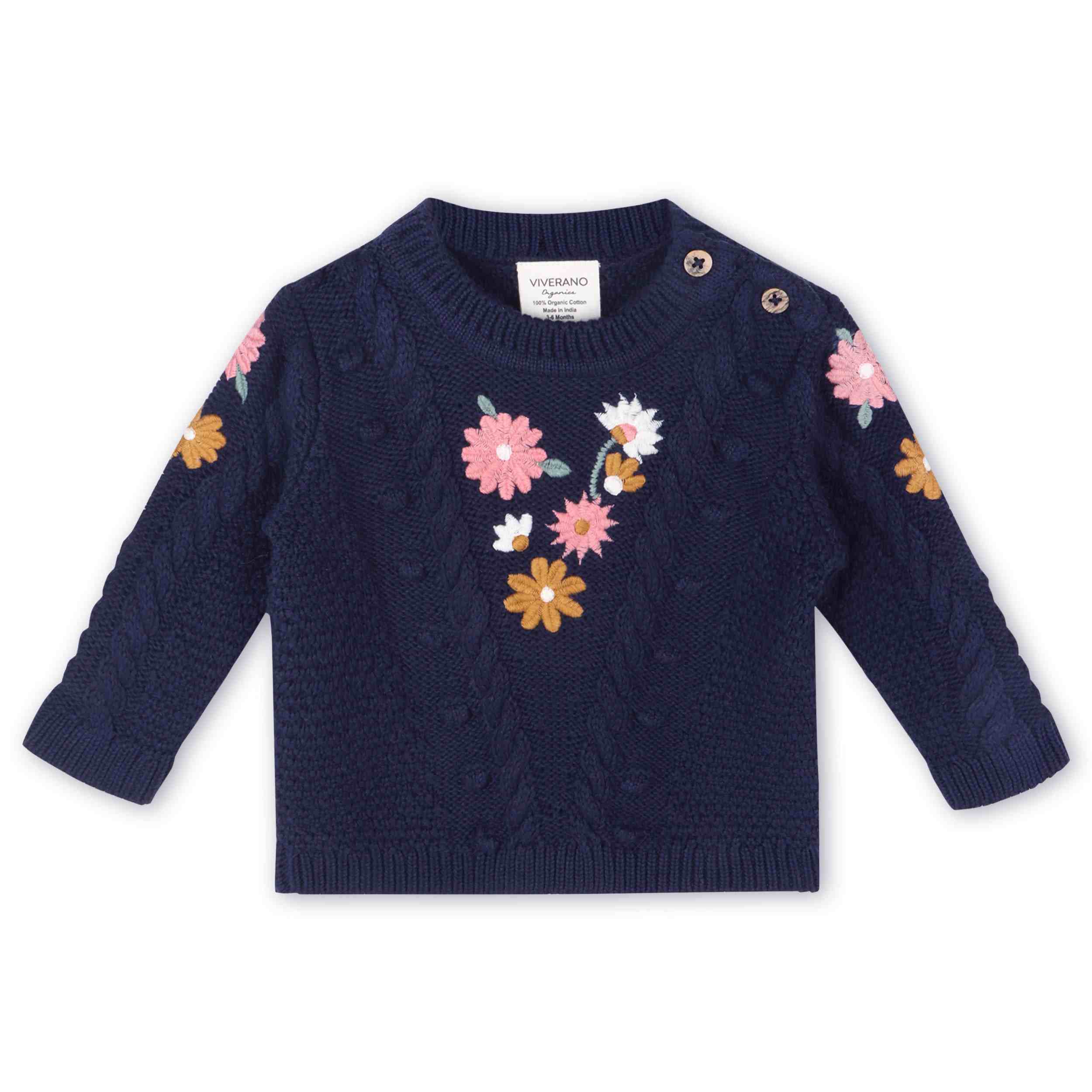
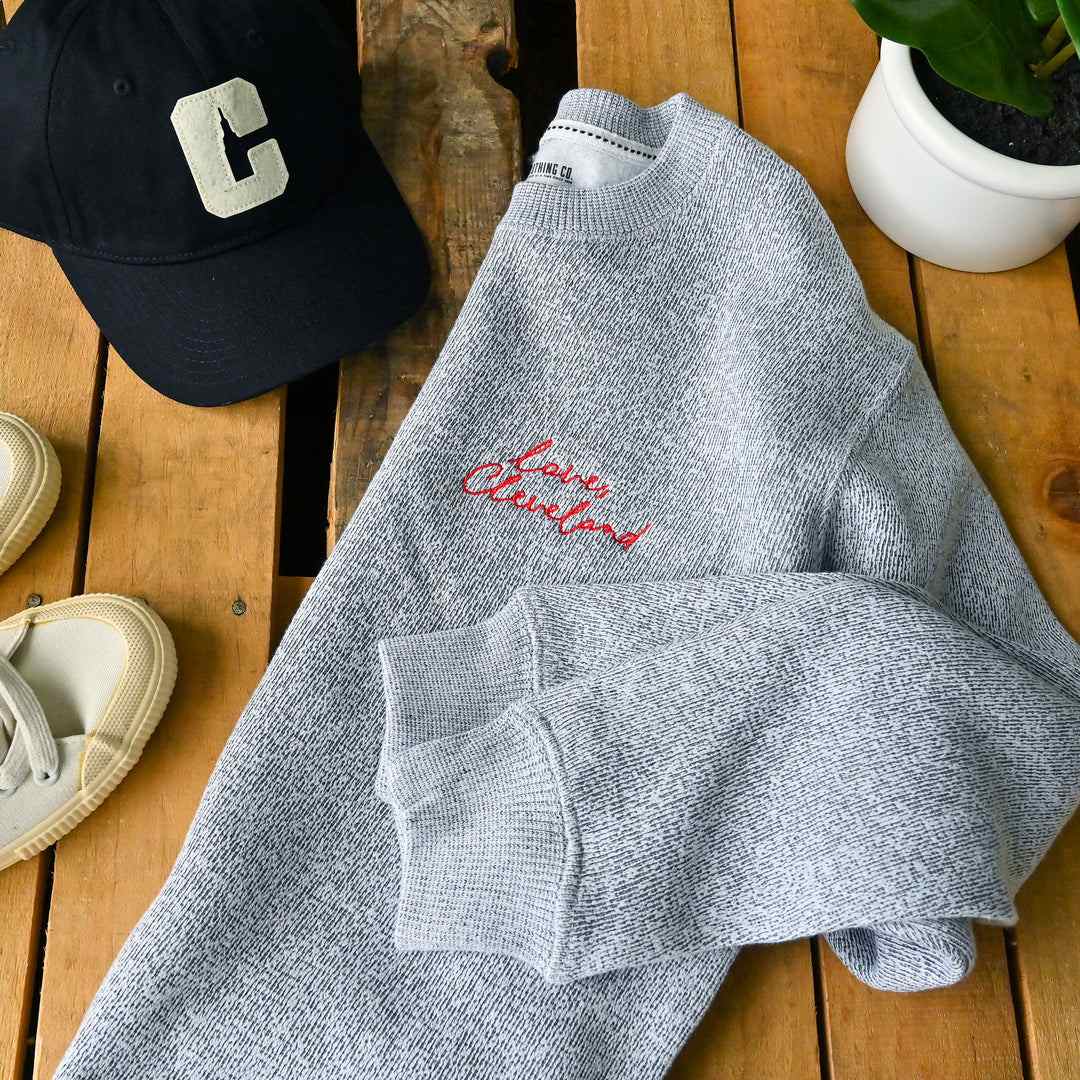
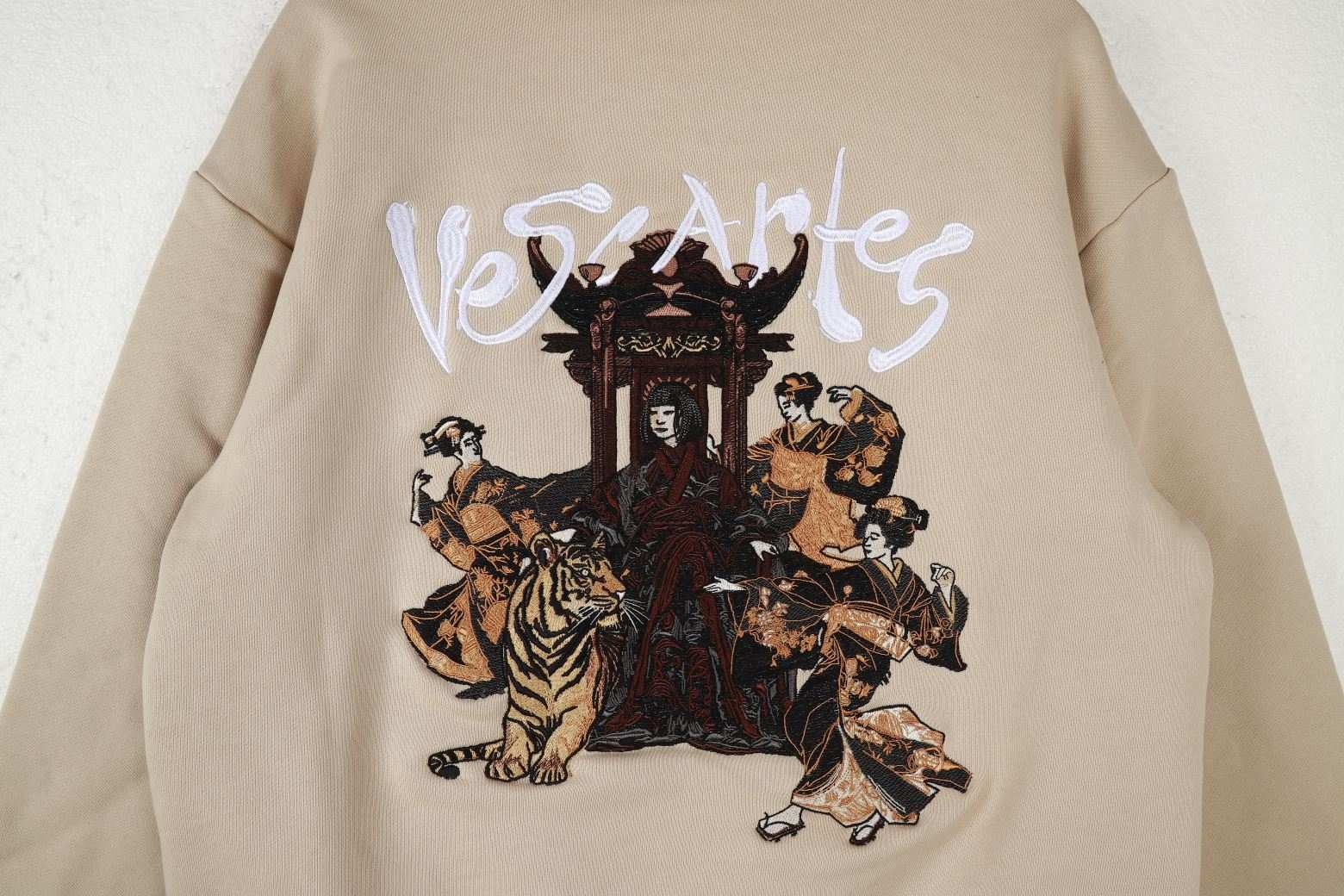
What Makes Flat Embroidery Sweaters Stand Out
Crisp, Clean Stitch Definition
Flat embroidery delivers precise, sharp lines and fine detail perfect for intricate logos, text, and minimalist designs on knitwear.
Lightweight, Low-Profile Finish
No raised bulk or stiffness. Flat embroidery lies smooth against the sweater fabric for comfort and a refined, professional look.
Superior Wash Durability
Thread stays secure through repeated washing and wear. Ideal for retail sweaters that demand long-lasting branding and color fastness.
Flexible Design & Size Options
Scale your artwork from small chest logos to large back graphics. Flat embroidery adapts to any placement or dimension you need.
Accurate Color Matching
Match Pantone or brand colors precisely with thread selection. Flat embroidery ensures consistent, vibrant hues across every production run.
Perfect for Logo-Forward Branding
Elevate corporate uniforms, retail collections, and influencer merch with clean, professional embroidery that highlights your brand identity.
Related Embroidery & Decoration Techniques
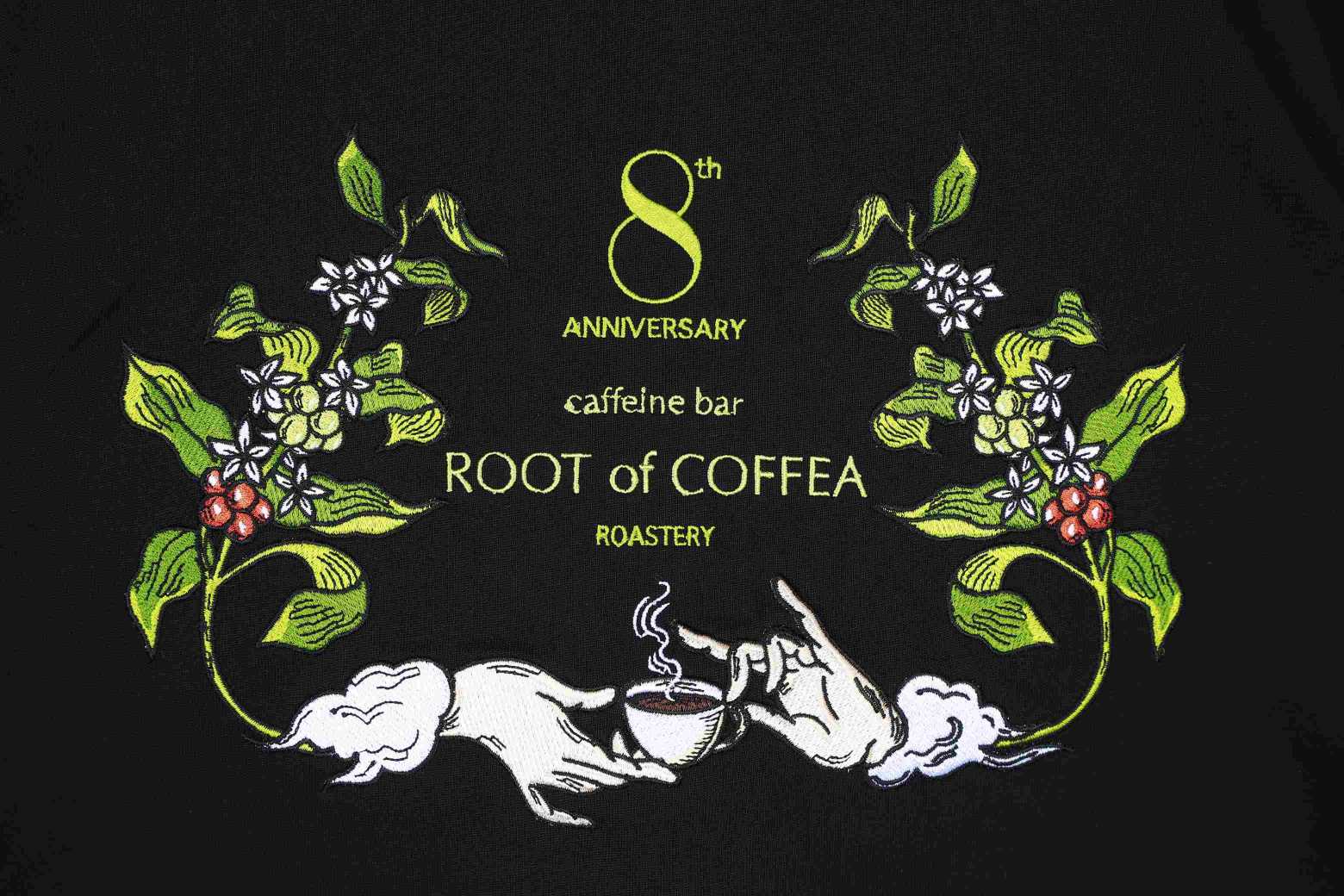
Embroidery on Knitwear
CENWILD offers comprehensive custom sweater embroidery across flat, 3D puff, chain-stitch, applique, sequin, and patch techniques. Whether decorating cardigans, pullovers, or seasonal knitwear, our in-house embroidery workshop supports logo placement, graphic storytelling, and brand identity on every garment. MOQ from 100 pieces, with full sampling before production.
Get a Quote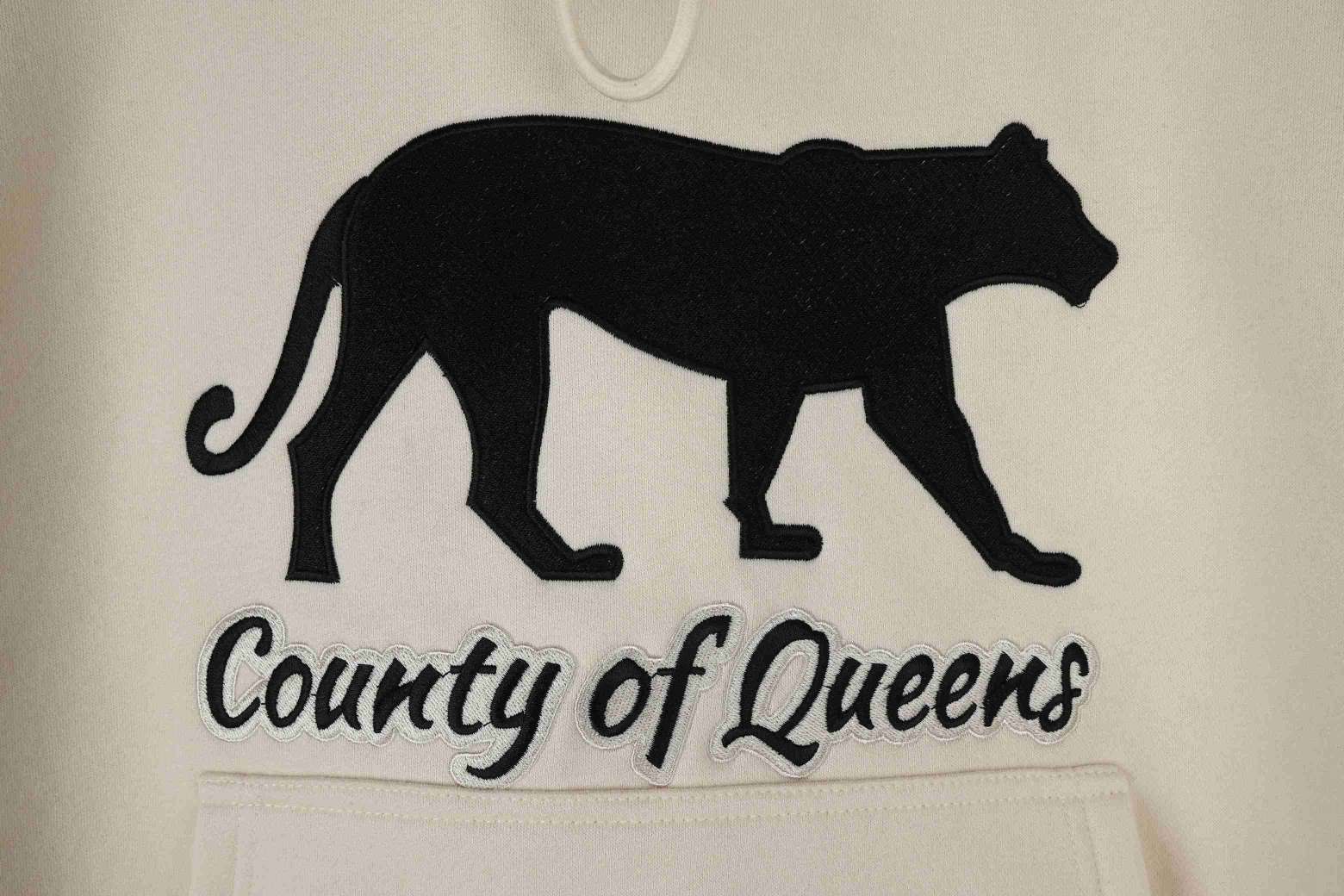
3D Puff Embroidery
Add dimension and texture with 3D puff embroidery on sweaters. Foam underlays create raised logos, lettering, and graphics that stand out on knit fabric. Ideal for streetwear brands, team apparel, and custom Christmas sweaters. CENWILD programs puff embroidery in-house, ensuring registration accuracy on stretch knitwear and consistent relief across production runs.
Get a Quote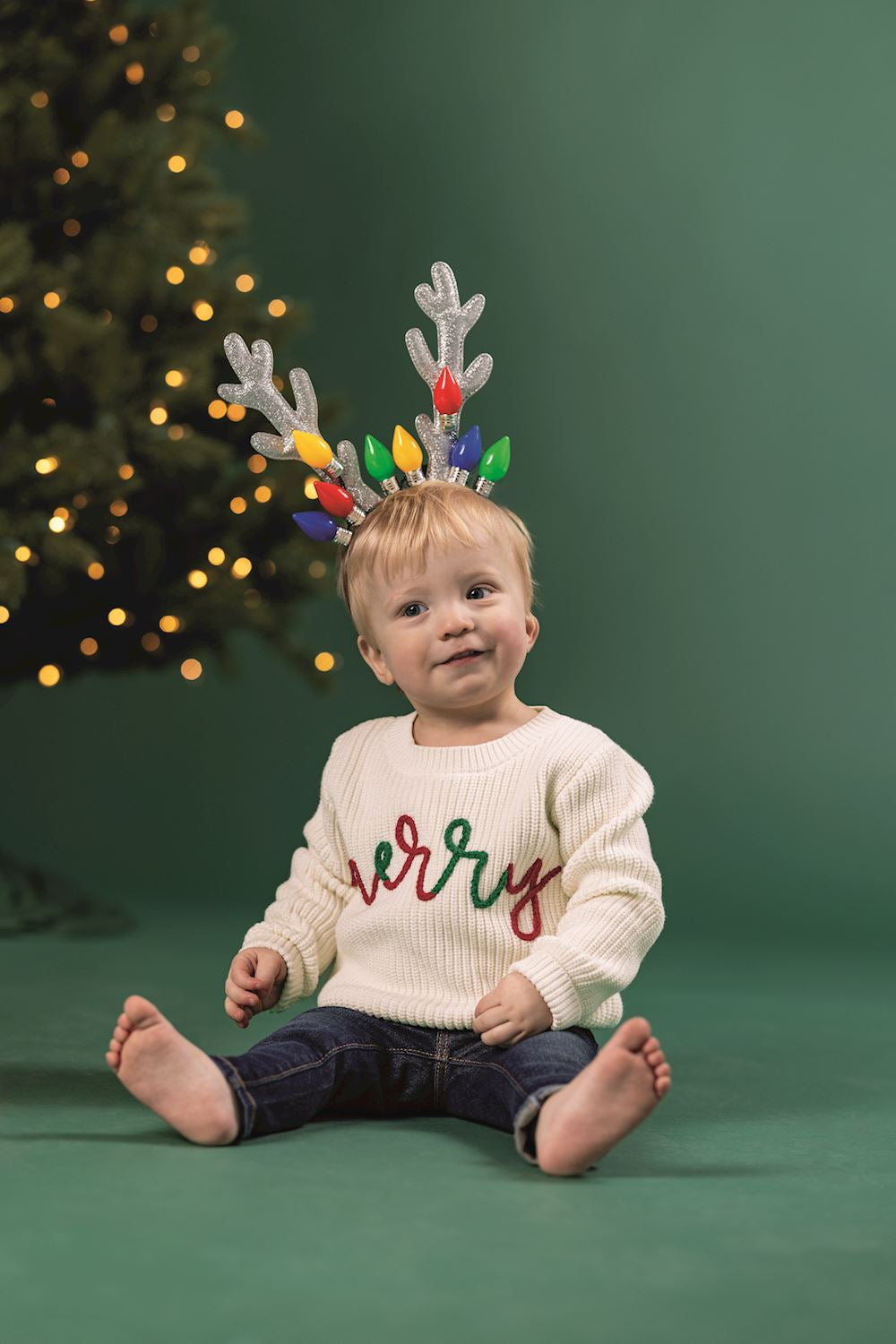
Chain Stitch Embroidery
Chain stitch embroidery delivers a vintage, handcrafted aesthetic with looped surface stitching that follows intricate curves and lettering. Popular for retro branding, varsity-style cardigans, and heritage knitwear collections. CENWILD’s chain-stitch capability complements flat and puff embroidery, offering fashion brands multiple decorative options within a single ODM or private label order.
Get a Quote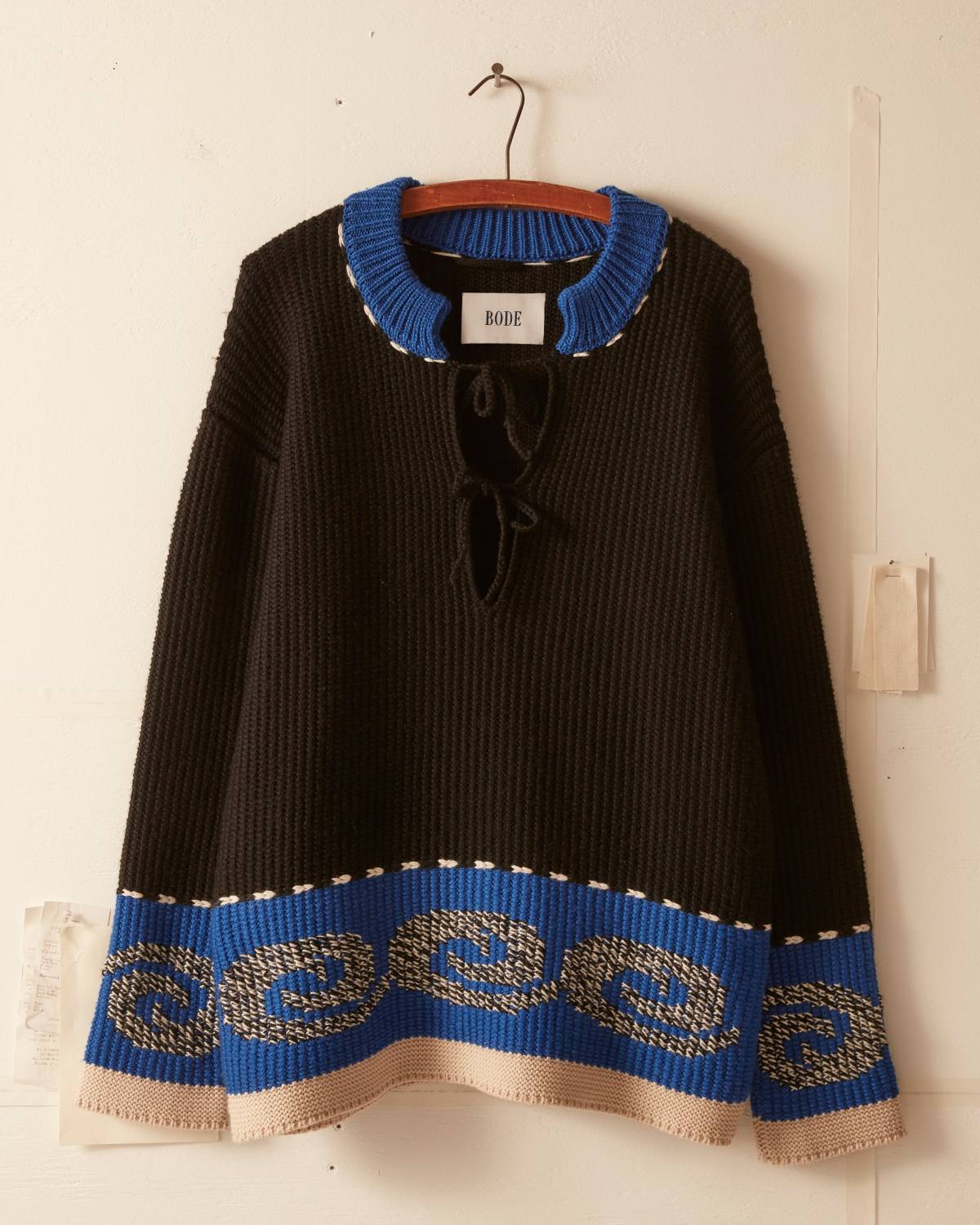
Applique Embroidery
Applique embroidery combines fabric cut-outs with satin-stitch borders to build bold, layered graphics on sweaters. This technique reduces stitch density on large logos while adding color blocking and tactile interest. CENWILD sources applique materials in-house, coordinates color matching with your knit base, and integrates applique into pullovers, cardigans, and knit dresses.
Get a Quote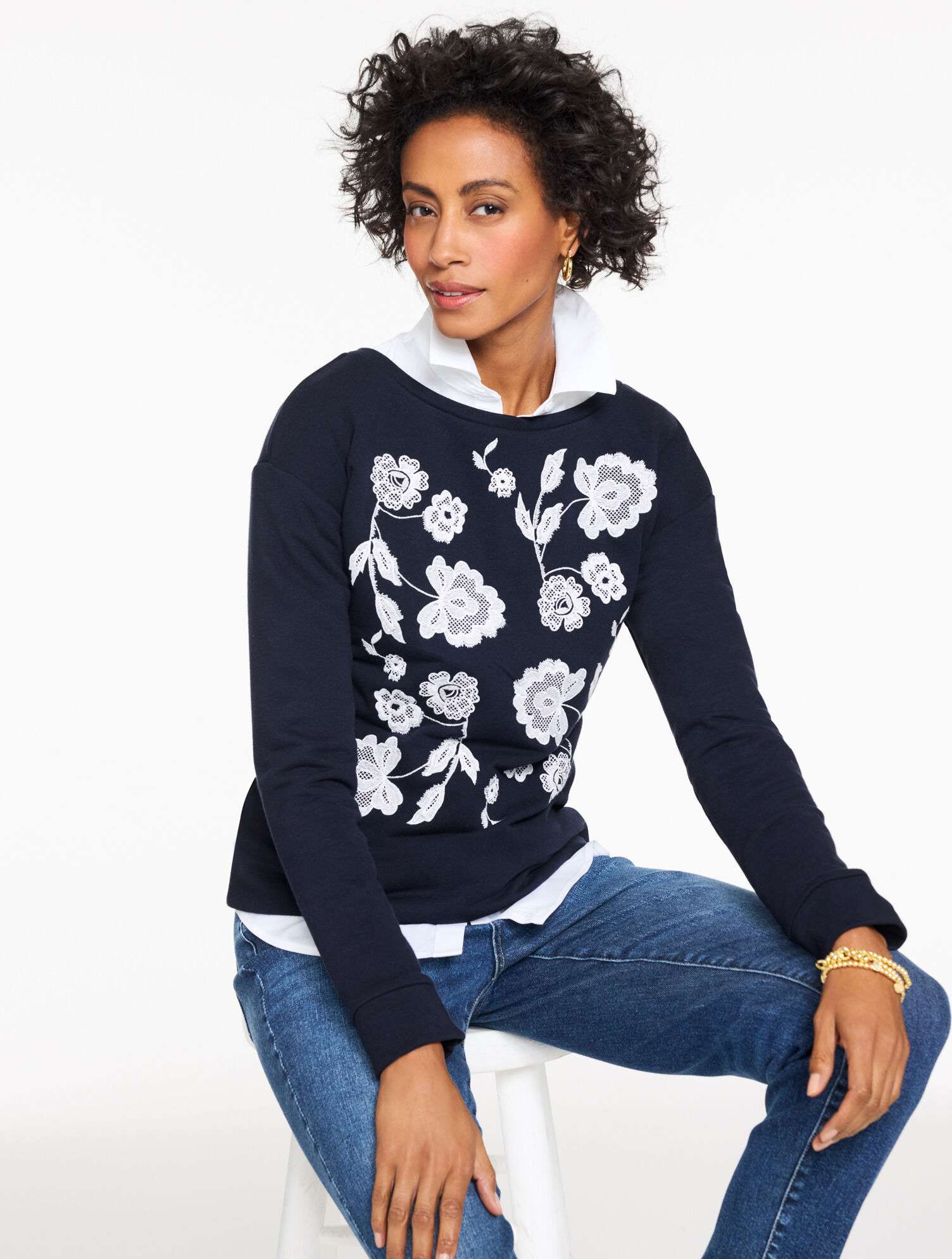
Sequin Embroidery
Sequin embroidery adds shimmer and movement to knitwear through machine-applied sequin strings or individual placements. Ideal for holiday sweaters, evening knit tops, and influencer capsule collections. CENWILD manages sequin sourcing, thread tension on stretch fabrics, and placement accuracy, ensuring durability through garment washing and finishing without sequin loss or puckering.
Get a Quote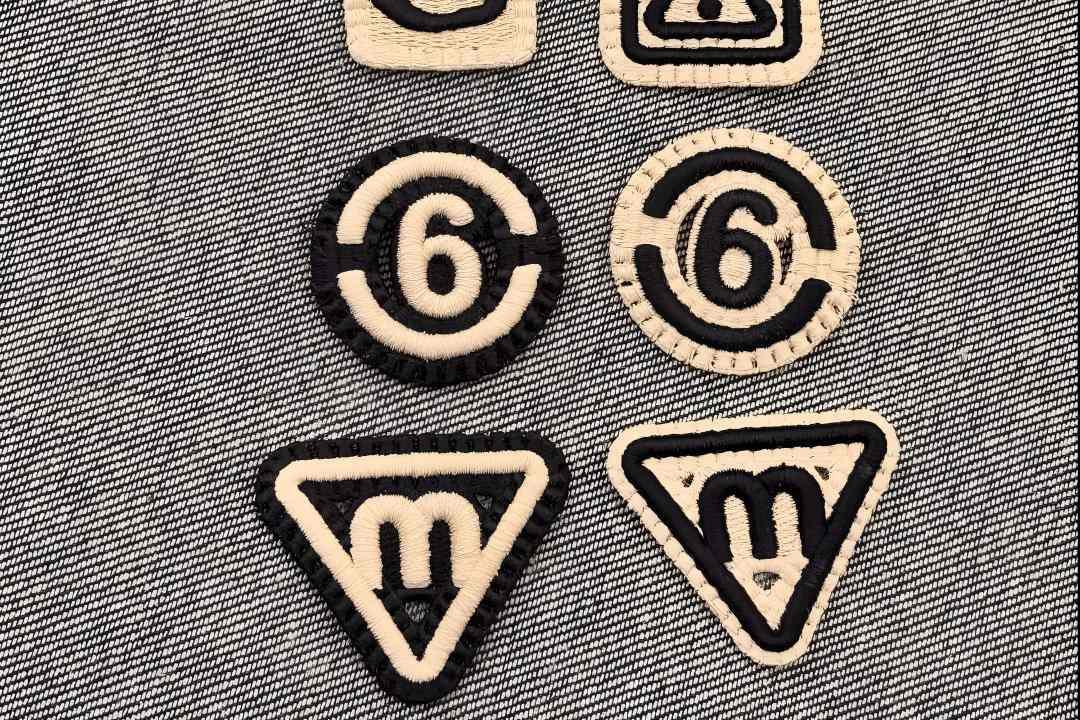
Custom Embroidered Patches
Custom embroidered patches offer modular branding for knitwear collections. CENWILD produces woven or embroidered patches with merrowed, heat-cut, or laser-cut borders, then applies them via lock-stitch or heat-seal to cardigans, pullovers, and sweater vests. Patches enable easy logo swaps across styles and support small-batch customization within larger private label programs.
Get a Quote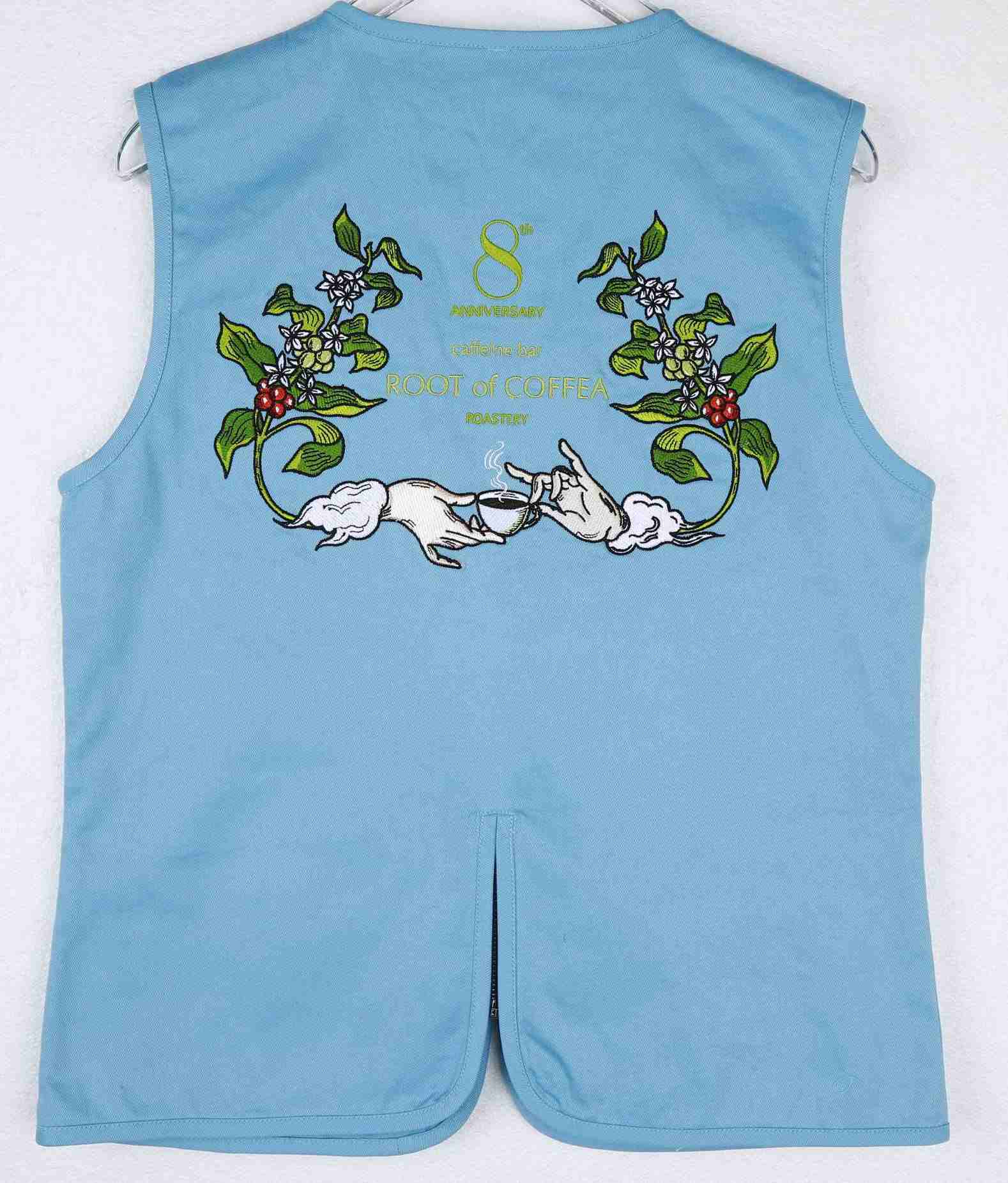
Logo Embroidery on Knit
Custom logo sweaters anchor brand identity across wholesale, retail, and influencer knitwear lines. CENWILD embroiders logos in flat, 3D puff, chain-stitch, or applique, coordinates thread color with Pantone references, and positions artwork per your tech pack or sketch. Logo embroidery integrates seamlessly with jacquard, intarsia, and printing, offering multi-decoration flexibility from one manufacturer.
Get a Quote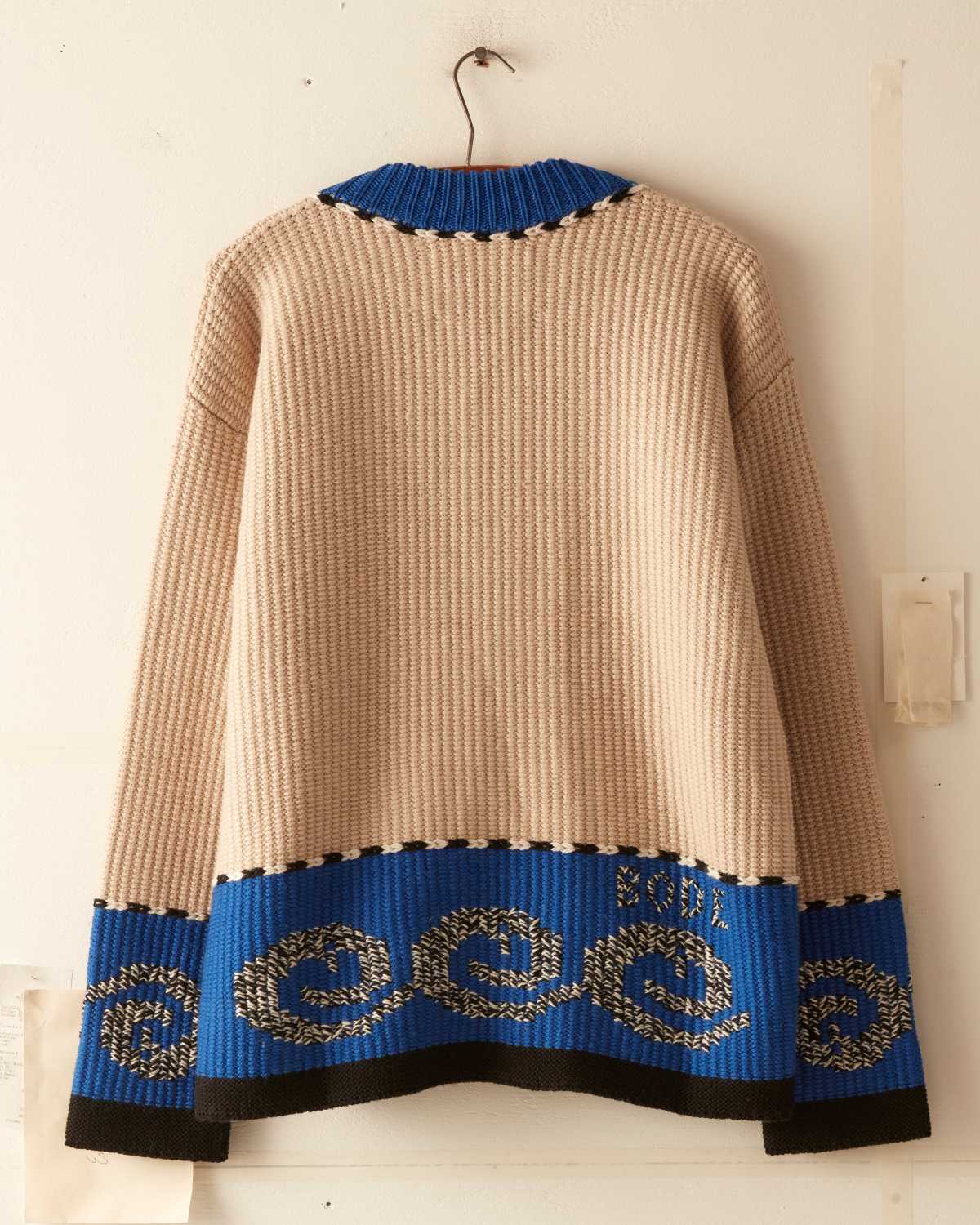
Custom Cardigan
CENWILD manufactures custom cardigans in button-front, zip, and open styles across 3GG to 14GG gauges. Choose from cashmere, merino, cotton, acrylic, or blended yarns, and pair knit structures—cable, ribbed, jacquard, intarsia—with embroidery, printing, or garment-dye finishing. Design support includes stitch development, grading, and knit-down samples. MOQ 100 pieces, OEM and ODM welcome.
Get a Quote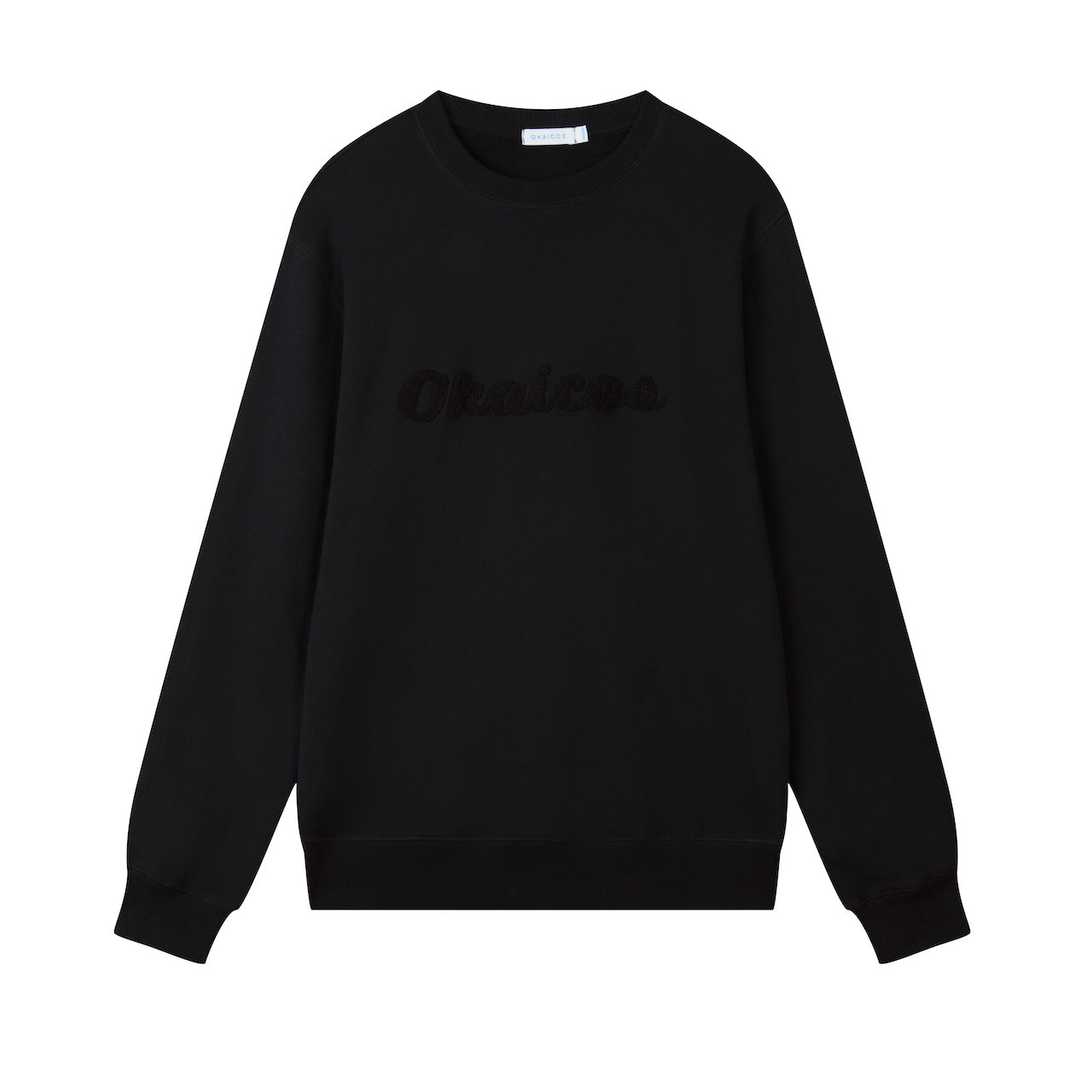
Cardigan Sweater Manufacturer
As a cardigan sweater manufacturer with 28 years in Dongguan, CENWILD covers yarn sourcing, computerized flat-knitting, linking, embroidery, washing, and export logistics under one roof. Serve fashion brands, retailers, and independent designers with private label cardigans in men’s, women’s, and children’s sizing. Flexible payment terms, low MOQ from 100 pieces, and monthly capacity exceeding 80,000 garments.
Get a QuoteCENWILD's Flat Embroidery Sweater Expertise
Founded in 1998 in Humen, Dongguan — China’s knitwear manufacturing heartland — CENWILD has spent over 28 years perfecting custom sweater production and decoration. Our in-house embroidery equipment and skilled team deliver precision flat embroidery on every garment, from clean logo placement to intricate multi-thread designs that elevate brand identity.
We’ve partnered with more than 2,000 fashion brands, retailers, and designers worldwide, offering full OEM and ODM support from concept to finished flat embroidery sweater. Our design team translates your artwork into production-ready embroidery files, selects thread colors, and runs samples to ensure every stitch meets your standards — all under one roof.
With MOQ starting at just 100 pieces and monthly capacity exceeding 80,000 garments, CENWILD combines the agility of a specialist partner with the scale and reliability your growing brand demands. We’re not a supplier — we’re your long-term manufacturing backbone for custom embroidered knitwear.
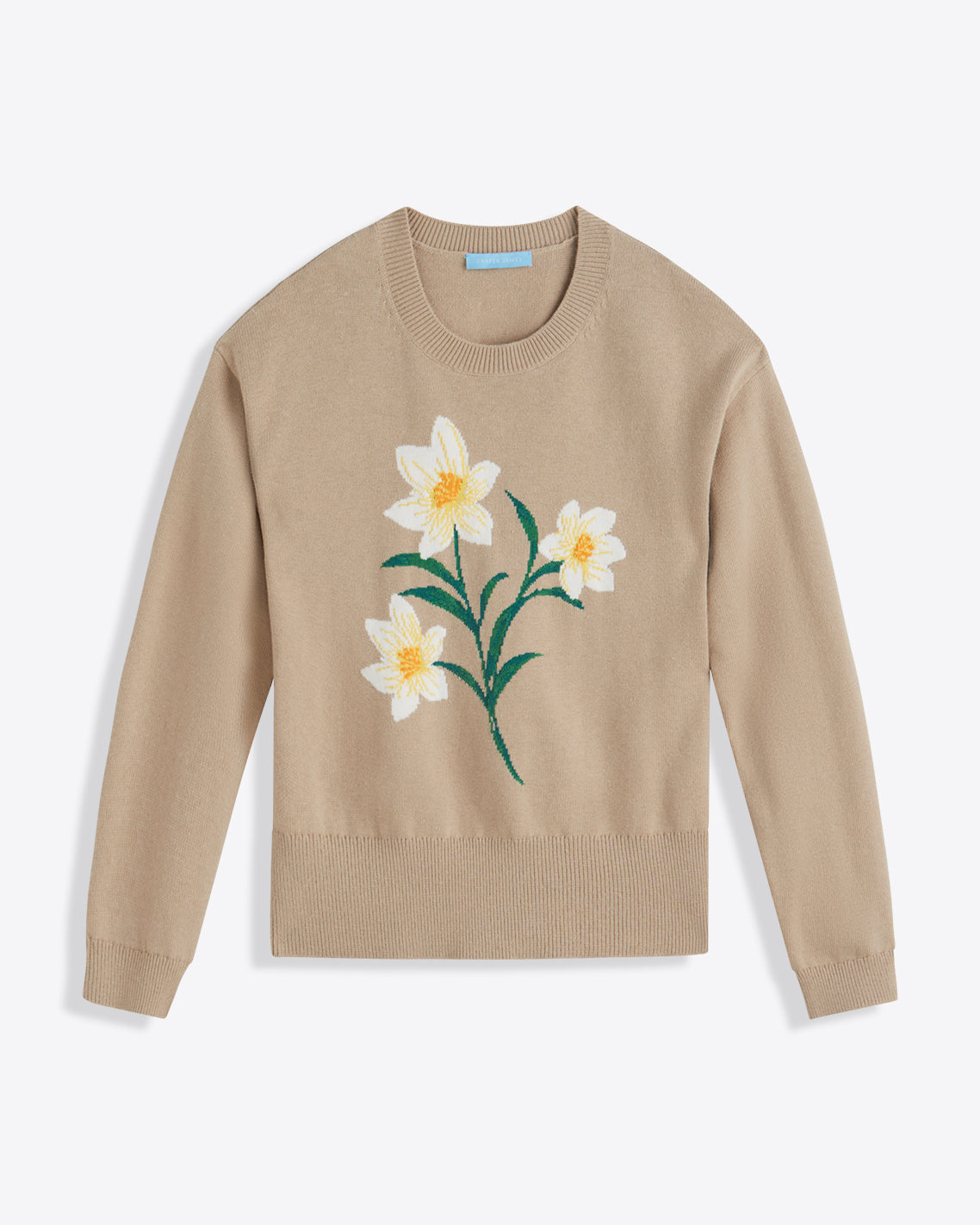
Flat Embroidery Sweater: Design, Thread, & Durability
Stitch Density & Thread Chemistry
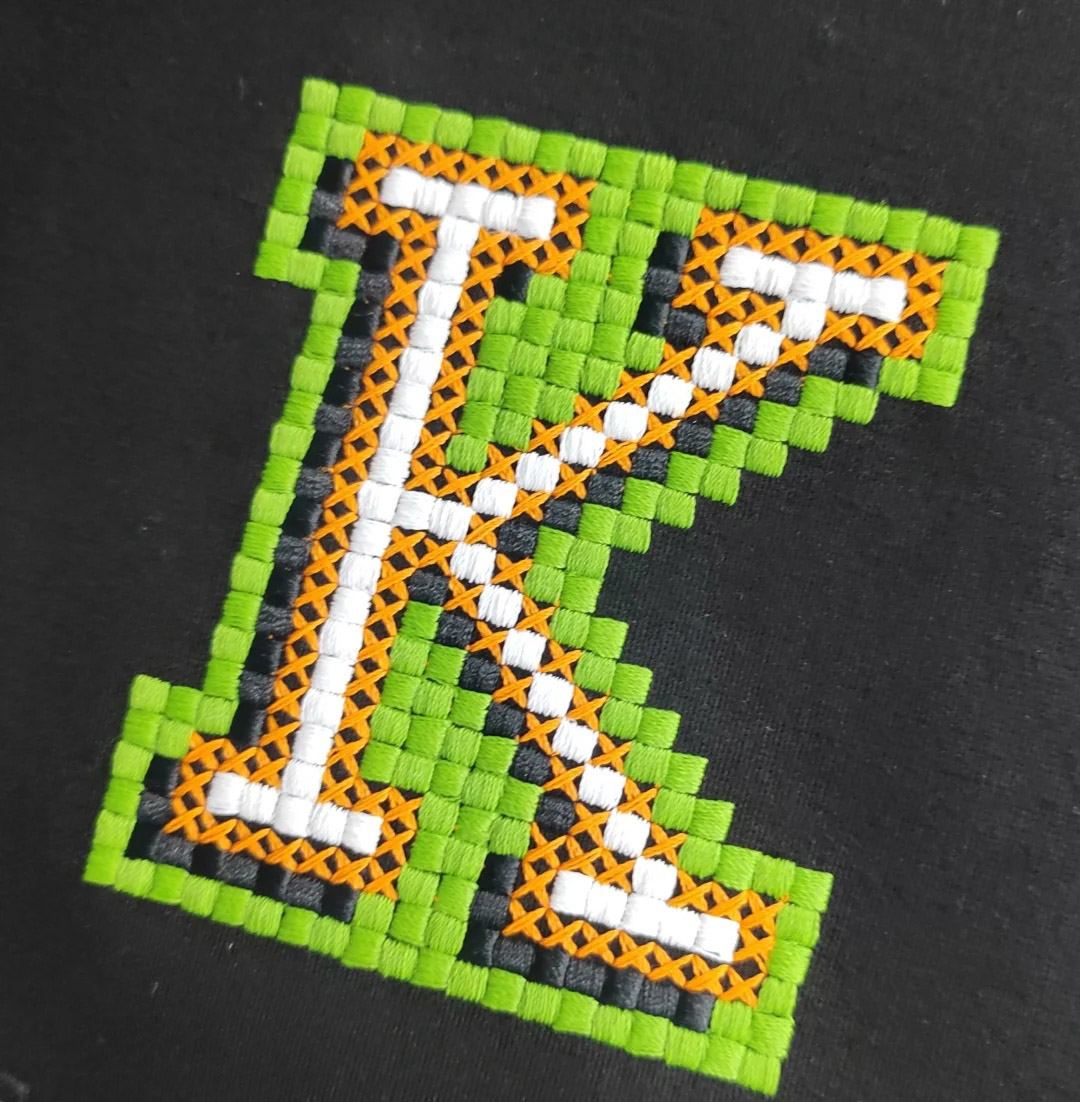
Professional flat embroidery sweater production demands precise stitch density calibrated to knit gauge and yarn weight. CENWILD pairs rayon, polyester, or metallic threads with computerized tension control to ensure crisp edges, no puckering, and color vibrancy that outlasts hundreds of wash cycles.
- Density tuned to 3GG–14GG knit-base gauge for dimensional stability
- Rayon threads for sheen, polyester for durability, metallics for premium branding
- Computerized multi-head machines ensure consistent tension across every stitch
- Color-fastness testing to AATCC standards before bulk production
Knit-Base Compatibility & Backing Selection
Not every sweater knit accepts embroidery equally. Our team evaluates yarn fiber, stitch structure, and fabric weight, then selects tear-away, cut-away, or water-soluble backing to stabilize the embroidery field without adding stiffness or visible residue after finishing.
- Pre-production swatch testing on your exact yarn and gauge
- Tear-away backing for lightweight cotton and fine merino
- Cut-away for stretch blends and high-wash garments
- Water-soluble film for delicate cashmere and alpaca without residue
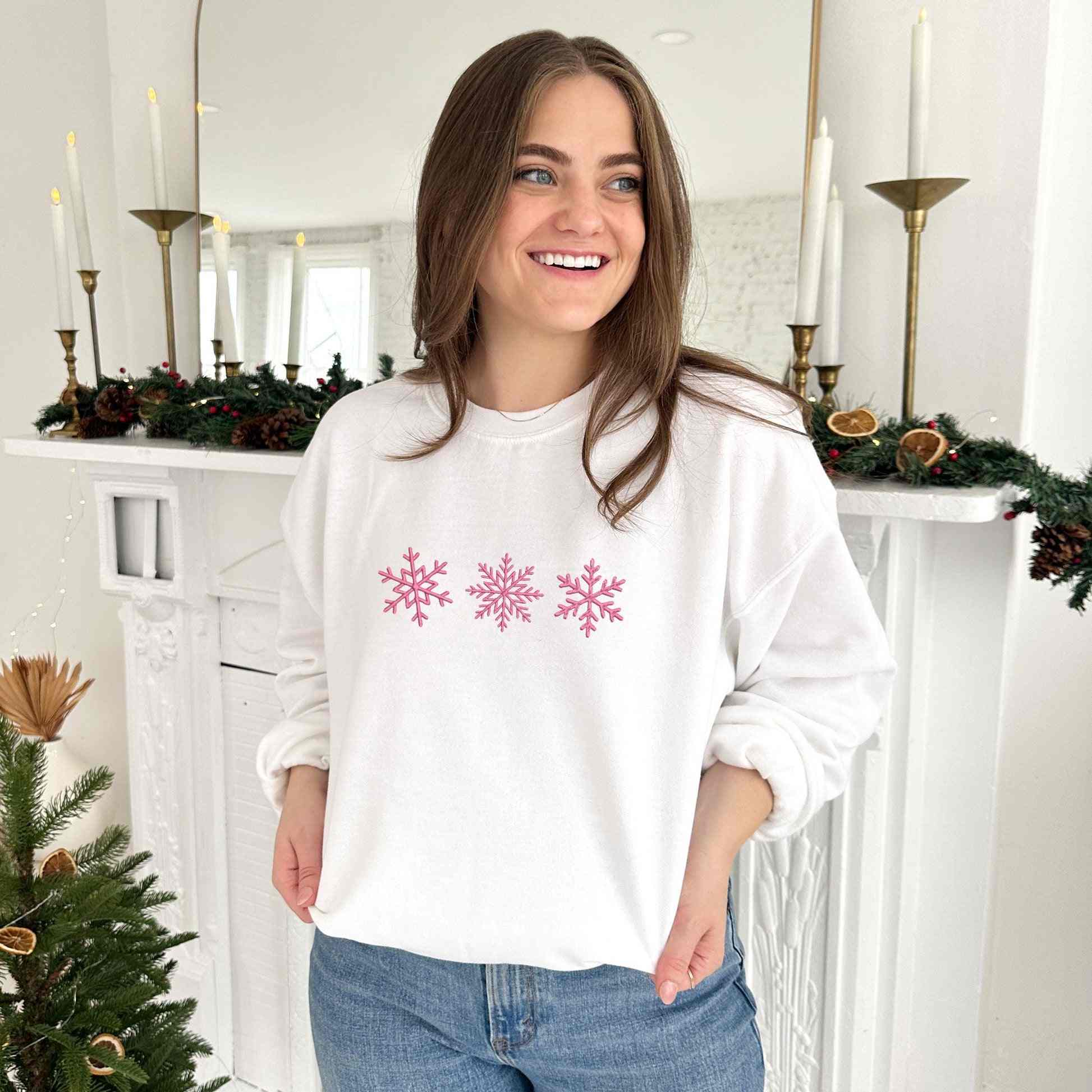
Digitizing & Stitch-Path Programming
Every logo, monogram, or graphic is digitized in-house by embroidery technicians who understand knitwear’s stretch and recovery. Stitch direction, underlay, and jump-stitch routing are optimized to prevent distortion, minimize thread breaks, and preserve the drape of your flat embroidery sweater.
- In-house digitizing tailored to knit stretch, not woven fabric defaults
- Underlay stitches lock the design plane and prevent shifting
- Jump-stitch trimming and path optimization reduce production time
- Free revisions until the embroidered sample meets your brand standard
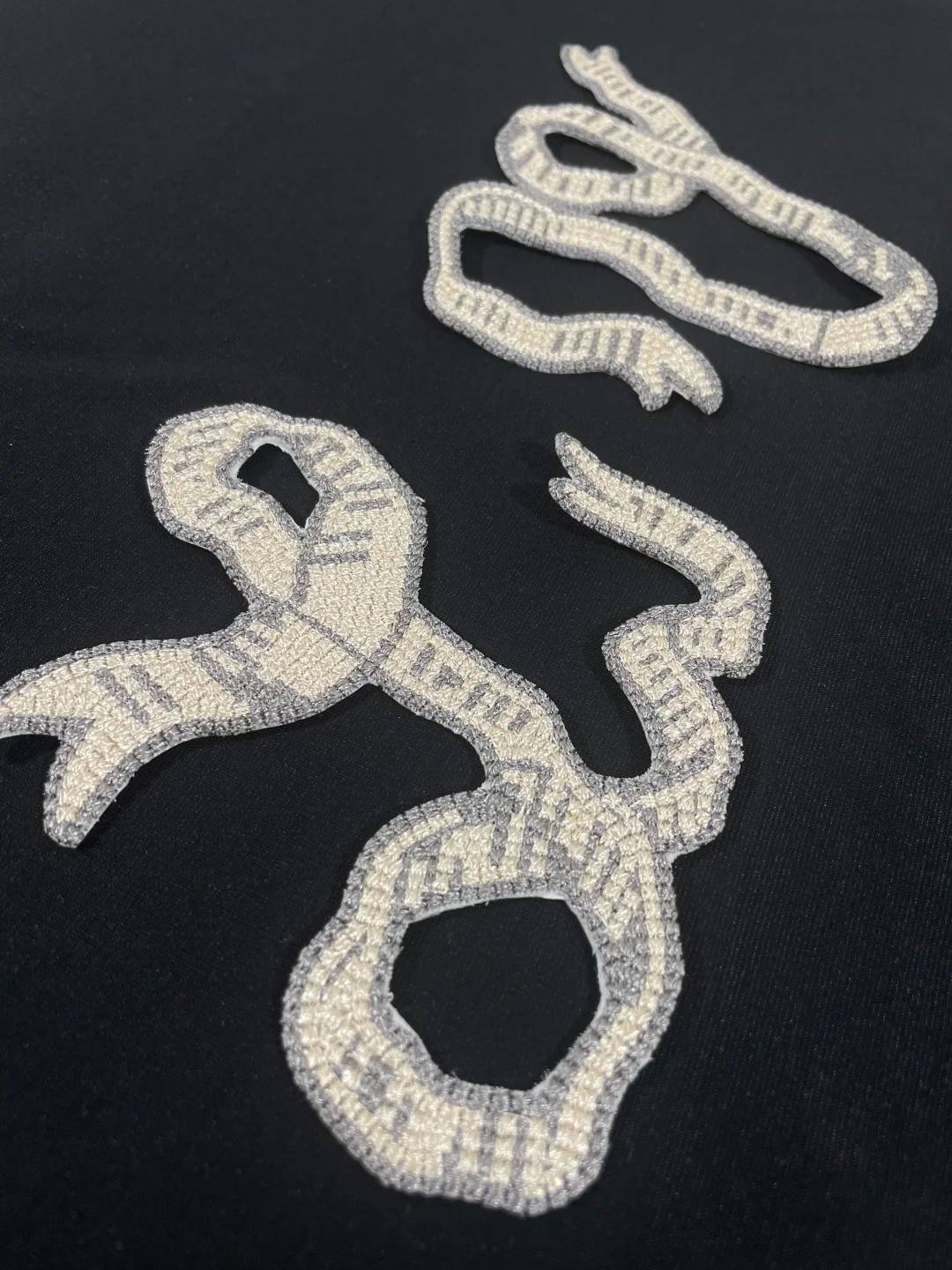
Curing, Finishing & Wash-Cycle Durability
After embroidery, every flat embroidery sweater passes through steam pressing or heat-setting to lock thread tension, followed by optional garment washing, softening, or anti-pilling treatments. The result is embroidery that stays flat, sharp, and intact through commercial laundering and retail wear.
- Steam or heat-set finishing to stabilize thread and prevent looping
- Compatible with garment-dye, enzyme wash, and softening processes
- Anti-pilling and brushing treatments preserve embroidery clarity
- Wash-test reports available for institutional and workwear clients
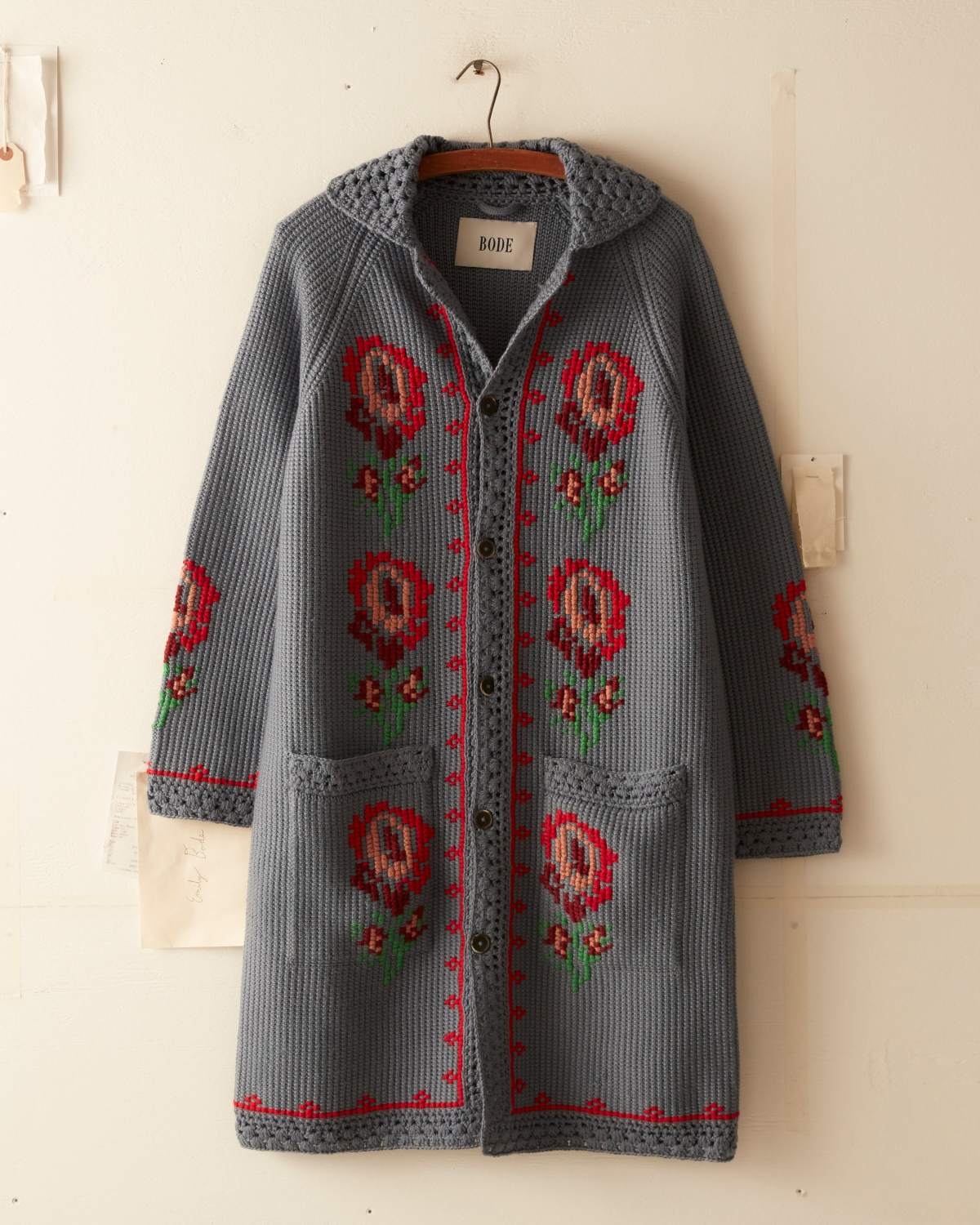
Flat Embroidery vs. 3D Puff Embroidery vs. Screen Print on Sweaters
Choosing the right decoration technique for your custom knitwear depends on design complexity, durability needs, and the look you want. Here’s how flat embroidery sweater decoration compares to the two most common alternatives.
← 左右滑动查看 →
How We Produce Flat Embroidery Sweaters
CENWILD‘s 7-phase production flow ensures every flat embroidery sweater meets brand-grade standards, from knit-base preparation through final quality inspection.
Knit-Down Sampling & Base Preparation
We knit your sweater sample on computerized flat-knitting machines, stabilize the fabric structure, and identify optimal embroidery placement zones to prevent puckering or distortion.
Design File Digitization
Your logo or artwork is converted into an embroidery DST file, with stitch density, direction, and underlay tuned specifically for knit-base stability and clean flat embroidery.
Thread Selection & Color Matching
We match polyester or rayon embroidery thread to your Pantone references, test tension and sheen on knit swatches, and lock final thread specifications before production.
Machine Setup & Test Run
Embroidery machines are programmed with your design file. We run test stitches on actual sweater fabric, adjusting needle speed, hoop tension, and backing stabilizer for flat, crisp results.
Bulk Embroidery Production
Each flat embroidery sweater is hooped, embroidered, and inspected inline. Our operators monitor thread breaks, stitch density consistency, and knit-base integrity across every piece in your order.
Garment Finishing & Trimming
Loose thread tails are trimmed, backing stabilizer is removed or trimmed flush, and sweaters pass through steam pressing or garment washing to soften hand-feel and lock stitches.
Final Quality Inspection & Packing
Every flat embroidery sweater undergoes AQL 2.5 inspection for stitch count, placement accuracy, knit integrity, and overall finish before being folded, poly-bagged, and packed for shipment.
How to Order Custom Flat Embroidery Sweaters
From design to delivery, CENWILD makes ordering flat embroidery sweaters simple — with OEM/ODM flexibility, in-house design support, and a low 100-piece MOQ to help brands of every size bring their vision to life.
Submit Your Design or Idea
Share your tech pack, sketch, reference photo, or logo concept. CENWILD’s design team will help refine artwork, recommend thread colors, and plan flat embroidery placement.
Approve Knit-Down Sample & Embroidery
Receive a production-ready sample with your flat embroidery applied. Review stitch quality, yarn feel, colors, sizing, and make any final adjustments before bulk production.
Confirm Colors, Sizes & Quantity
Finalize your order breakdown by color and size. With a 100-piece minimum order quantity, CENWILD supports flexible OEM and private label runs for brands at any stage.
Production & Quality Control
Your flat embroidery sweaters are knitted, embroidered, washed, and inspected in-house at our Dongguan facility. Real-time updates keep you informed throughout the 28-day production window.
Pack, Ship & Deliver Worldwide
Finished sweaters are packed to your spec and shipped directly to your warehouse or fulfillment center. CENWILD handles export logistics across North America, Europe, Australia, and beyond.
Customer Stories: Flat Embroidery Sweaters in Action
CENWILD’s flat embroidery on our custom sweaters was flawless. Logo placement was crisp on all 500 pieces, and after 50+ washes the thread still looks brand new. Exactly what our retail line needed.
We received our flat embroidery sweater samples in just 12 days. The detail on our brand logo exceeded expectations, and the bulk order of 300 pieces arrived two days ahead of schedule. Impressive turnaround.
Ordered 250 flat embroidery sweaters for our boutique collection. The thread tension was perfect across every garment, no puckering or loose stitches. CENWILD’s quality control on embroidery work is outstanding.
Flat Embroidery Sweater FAQ
What is the minimum order quantity for flat embroidery sweaters?
Which knit fabrics work best for flat embroidery sweaters?
What is the maximum number of thread colors for flat embroidery on sweaters?
What is the maximum design size for flat embroidery sweaters?
Can I combine flat embroidery with screen print or patches on the same sweater?
How durable is flat embroidery on sweaters after washing?
What file format do you need for flat embroidery sweater artwork?
What is the lead time for flat embroidery sweater production?
Do you charge extra for flat embroidery on custom sweaters?
The Complete Buyer’s Guide to Flat Embroidery Sweater Sourcing
Navigate the custom knitwear market with confidence. This guide delivers a proven decision framework, manufacturer selection criteria, and the most common sourcing mistakes to avoid when ordering flat embroidery sweaters.
1. What Is a Flat Embroidery Sweater?
A flat embroidery sweater is knitwear decorated with embroidery applied to finished, flat-knit fabric panels before those panels are linked or sewn into the final garment. This pre-assembly approach allows the embroidery machine to work on a stable, tensioned surface, ensuring precise logo placement, clean stitch lines, and minimal fabric distortion — critical when working with stretch knits like merino, cashmere, or cotton blends.
Flat embroidery differs from 3D puff embroidery, which uses foam underlays to create raised, dimensional logos, and from post-assembly embroidery, where designs are stitched onto the completed sweater. Post-assembly risks hoop marks, puckering, and misalignment on seams; flat embroidery eliminates these issues by securing artwork before construction.
Brands choose flat embroidery for three reasons: tighter registration on chest logos and sleeve badges, reduced risk of needle damage to delicate yarns, and the ability to embroider close to panel edges without fighting garment bulk. CENWILD applies flat embroidery across cardigans, pullovers, and sweater vests using computerized multi-head machines, supporting logo sizes from small chest crests to full back artwork at MOQs starting from 100 pieces per design.
2. Evolution and History of Embroidered Knitwear
Embroidered knitwear traces its roots to 16th-century European folk garments, where artisans hand-stitched motifs onto wool sweaters to denote regional identity and family crests. By the late 1800s, industrial knitting mills in England and Germany began pairing mechanized flat-knit production with manual embroidery, making decorated sweaters accessible beyond the aristocracy.
The 1970s introduction of computerized multi-head embroidery machines transformed the industry. Manufacturers could now reproduce intricate logos and designs at scale with thread tension control and precise stitch placement, reducing labor costs by over 60 percent while maintaining consistency across thousands of pieces.
Flat embroidery became the dominant decoration method for premium knitwear in the early 2000s as fashion brands sought durable, high-perceived-value branding. Unlike screen printing, which can crack or fade after 20–30 washes, flat embroidery using polyester or rayon thread retains color and structure through 100-plus laundry cycles. The technique’s dimensional texture and professional finish made it the standard for corporate uniforms, streetwear collaborations, and luxury cashmere collections.
Today’s computerized flat-bed machines run 12–15 needles simultaneously, achieving stitch densities up to 200,000 stitches per design with registration accuracy within 0.2 mm — enabling brands to execute complex artwork on delicate knit substrates without puckering or distortion.
3. Types of Flat Embroidery Sweater Styles
Flat embroidery sweater styles span five core silhouettes, each serving distinct customer segments and embroidery placement strategies. Understanding which style aligns with your brand positioning and decoration zones ensures both aesthetic impact and production efficiency.
Crewneck Flat Embroidery Sweaters
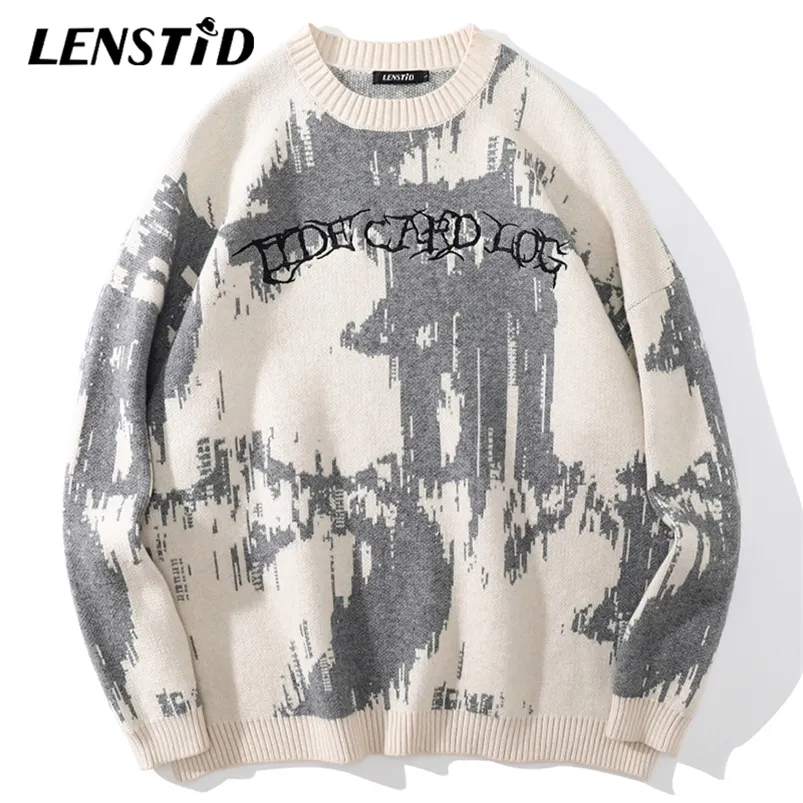
Classic crewneck pullovers offer the largest uninterrupted embroidery canvas on the chest, typically 4–6 inches wide, plus left chest logo zones and upper-back yoke placements. Streetwear brands favor oversized crewnecks with large center-chest emblems; corporate and uniform buyers prefer subtle left-chest logos in 2–3 inch widths.
Cardigan Flat Embroidery Sweaters
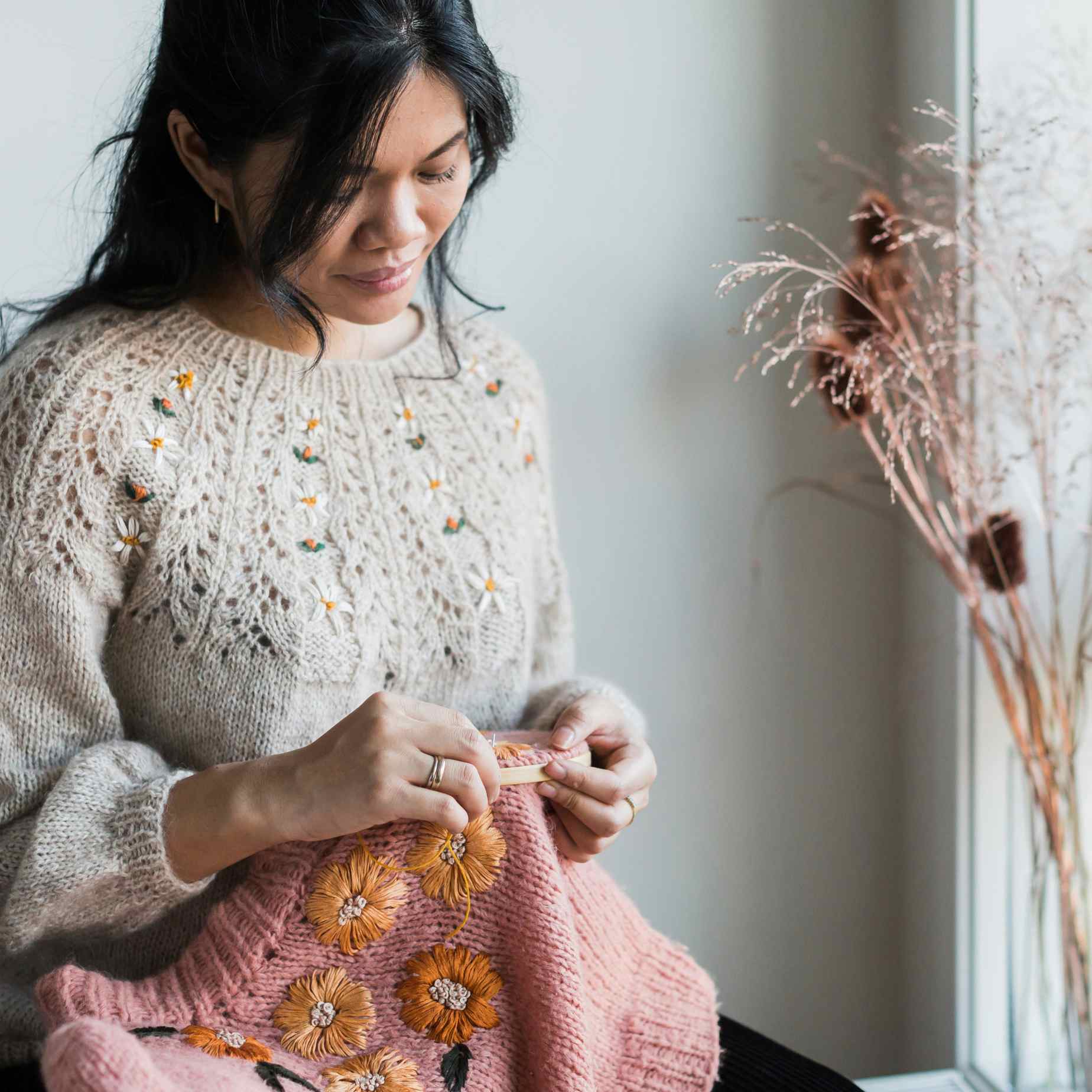
Button-front and zip cardigans position embroidery on the left chest (above the placket), sleeve cuffs, or back neck. Luxury brands often choose tonal thread on cashmere cardigans; workwear and school uniform buyers specify durable polyester thread on cotton-acrylic blends.
Turtleneck and Mock-Neck Styles
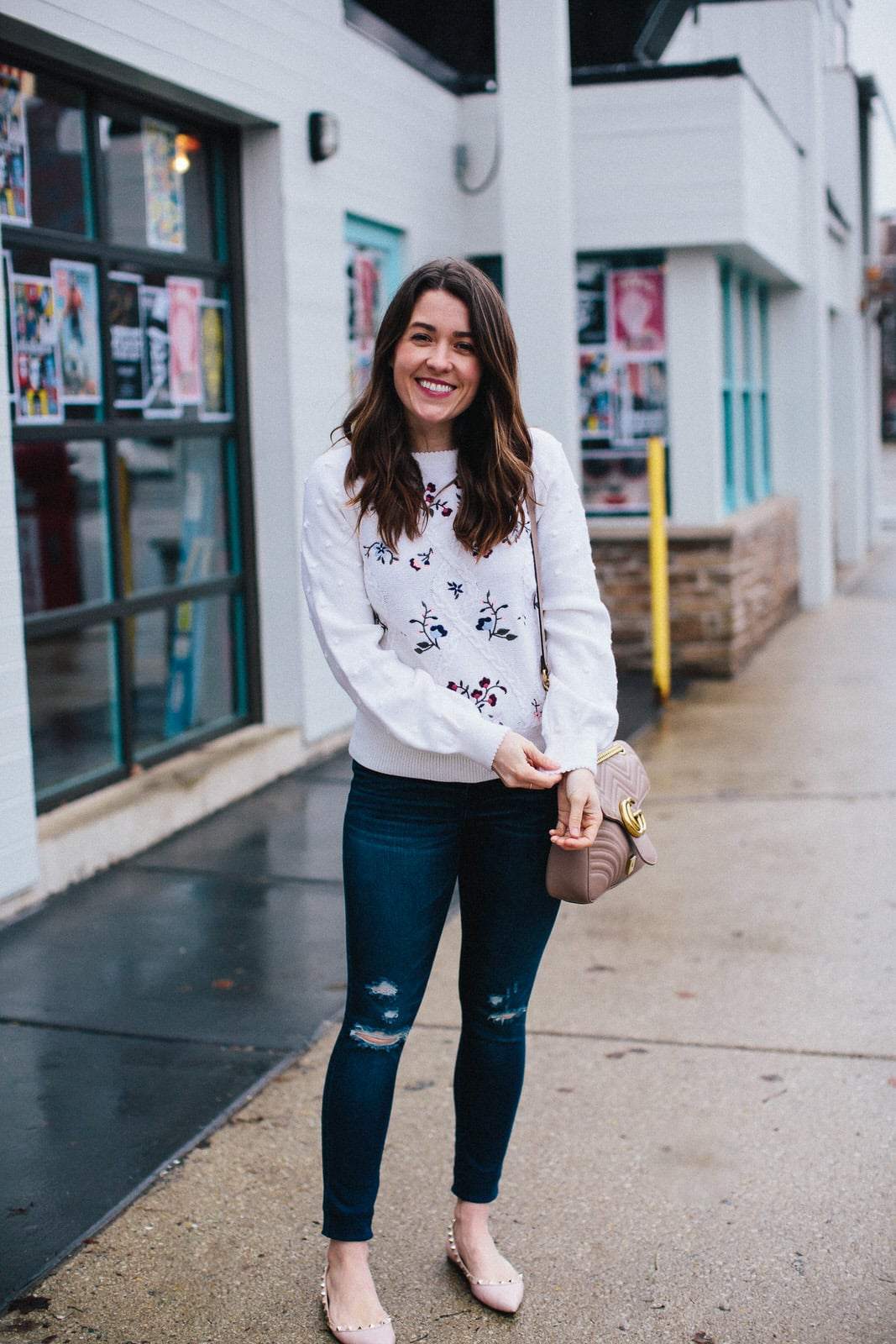
High-neck silhouettes shift embroidery lower on the chest or onto sleeves to avoid collar overlap. Fashion-forward and athleisure brands use turtlenecks with sleeve badges or minimal left-chest crests, appealing to minimalist and premium segments.
Oversized and Relaxed Fits
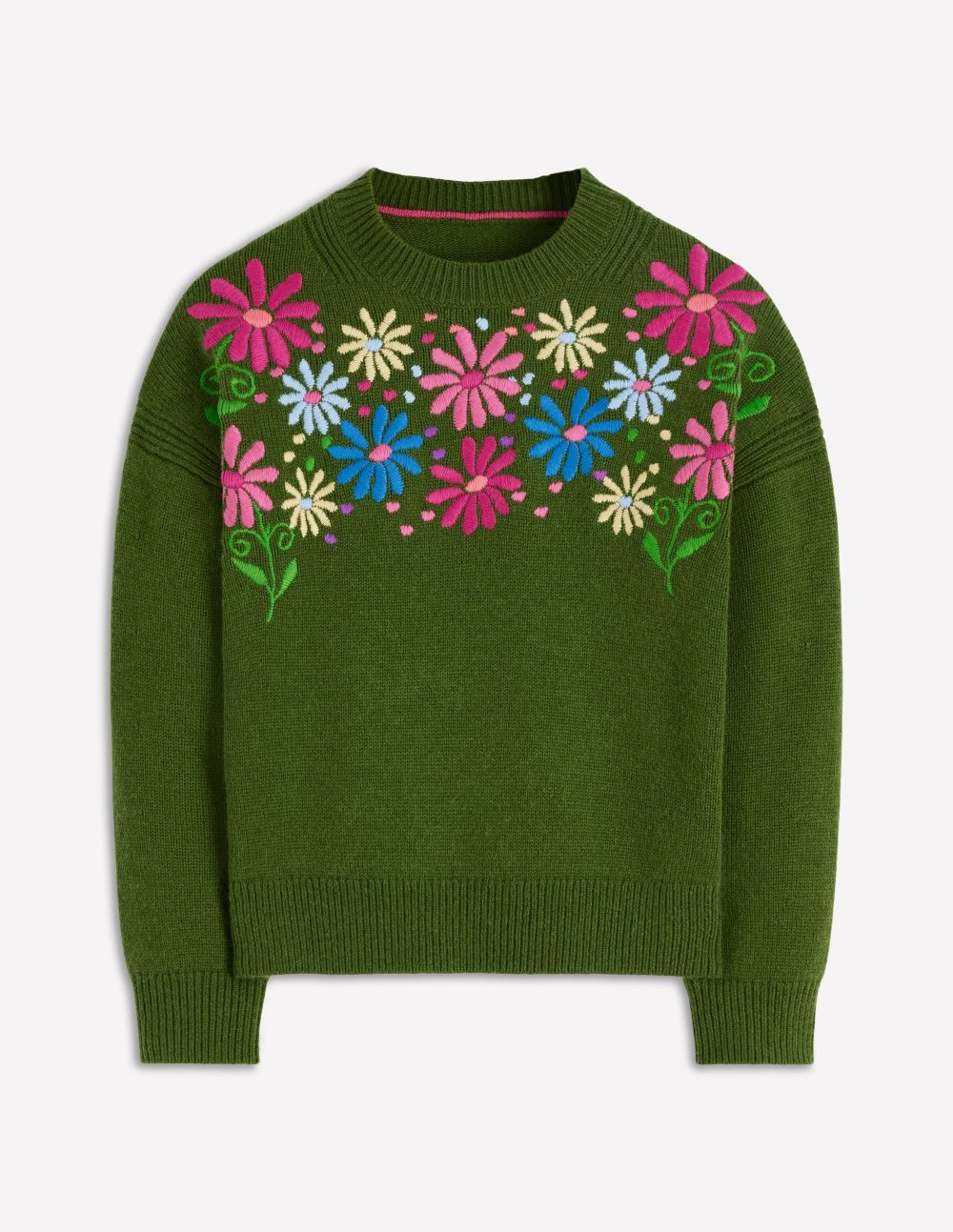
Drop-shoulder and boxy cuts accommodate larger embroidery motifs — up to 8–10 inches — across the chest or back. Streetwear, influencer collaborations, and Gen-Z-focused brands dominate this category, often pairing oversized knits with bold graphic embroidery.
4. Materials and Fabrics for Flat Embroidery Sweaters
Fabric choice determines embroidery hold, wash durability, and final cost in flat embroidery sweater production. Base knit weight directly affects stitch density: lighter gauges (180–220 GSM) require lower thread counts to prevent puckering, while heavier fabrics (280–350 GSM) stabilize dense logo fills without distortion.
| Fabric Type | GSM Range | Embroidery Suitability | Cost Tier | Season | Care |
|---|---|---|---|---|---|
| Cotton | 200–280 | Excellent stability, minimal pucker | Mid | Spring/Summer | Machine wash |
| Merino Wool | 240–320 | Very stable, may pill under dense fills | High | Fall/Winter | Hand or delicate |
| Cashmere Blend | 220–280 | Requires backing; delicate base | Premium | Winter | Dry clean recommended |
| Acrylic | 180–260 | Good hold, budget-friendly | Low | Year-round | Machine wash |
| Cotton-Poly Blend | 200–300 | Excellent dimensional stability | Low-Mid | Year-round | Machine wash, quick dry |
5. Customization and Decoration Options Beyond Flat Embroidery
While flat embroidery remains the most popular decoration for custom knitwear, fashion brands often layer or substitute alternative techniques to achieve distinct aesthetics, cost targets, or production timelines. Understanding setup costs, durability, and MOQ implications helps buyers select the right method — or combine several on one garment.
| Technique | Setup Cost | Durability | Best Use Case |
|---|---|---|---|
| Flat embroidery | Medium (digitizing) | Excellent (wash-proof) | Logos, text, fine detail |
| Chenille embroidery | Medium (digitizing) | Very good (textured) | Varsity patches, bold lettering |
| Appliqué | Low to medium | Excellent | Large shapes, layered color blocks |
| Screen printing | Low (per color) | Good (fades over time) | All-over graphics, large runs |
| Heat-transfer vinyl | Very low | Fair (may crack) | Short runs, names, numbers |
| Woven labels | Low (one-time loom) | Excellent | Brand tags, care labels |
| Jacquard knit-in | High (programming) | Permanent (woven) | Patterns, color blocks, no surface decoration |
6. Key Quality Elements in Flat Embroidery Sweater Construction
A flat embroidery sweater’s commercial success depends on five measurable quality checkpoints that separate premium goods from returns. Each element directly impacts durability, comfort, and brand perception.
Thread Tension and Stitch Density
Correct tension prevents puckering and thread breakage; industrial embroidery machines require calibration for each yarn weight. Optimal density ranges from 0.4–0.6 mm stitch spacing for logos on knitwear — tighter causes fabric distortion, looser risks gaps after washing.
Backing Stabilizer Selection
Tear-away stabilizers suit single-wear display pieces; cut-away backing is mandatory for stretch knits and high-wash garments. CENWILD uses cut-away on all production flat embroidery sweaters to prevent logo distortion over 50+ laundry cycles.
Seam Construction Method
Linked seams lie flat and stretch with the knit; overlock seams are faster but create bulk and restrict movement. Shoulder and side seams should be linked on any sweater retailing above mid-tier price points.
Hand-Feel After Embroidery
Embroidery adds 15–25% stiffness to the decorated zone. Quality factories pre-wash samples to verify drape; backing should not scratch skin or create a cardboard feel against the body.
Thread Colorfastness Standards
Polyester embroidery threads rated ISO 105-C06 grade 4 or higher resist fading through 40°C washes. Rayon threads offer superior sheen but fade faster; always request wash-test reports before approving thread specs.
7. How to Choose a Flat Embroidery Sweater Manufacturer
Choosing a flat embroidery sweater manufacturer requires a systematic evaluation framework. Ask specific questions about embroidery equipment, certifications, sampling processes, MOQ thresholds, and quality control to ensure technical fit and long-term partnership viability.
Verify Embroidery Machine Capabilities
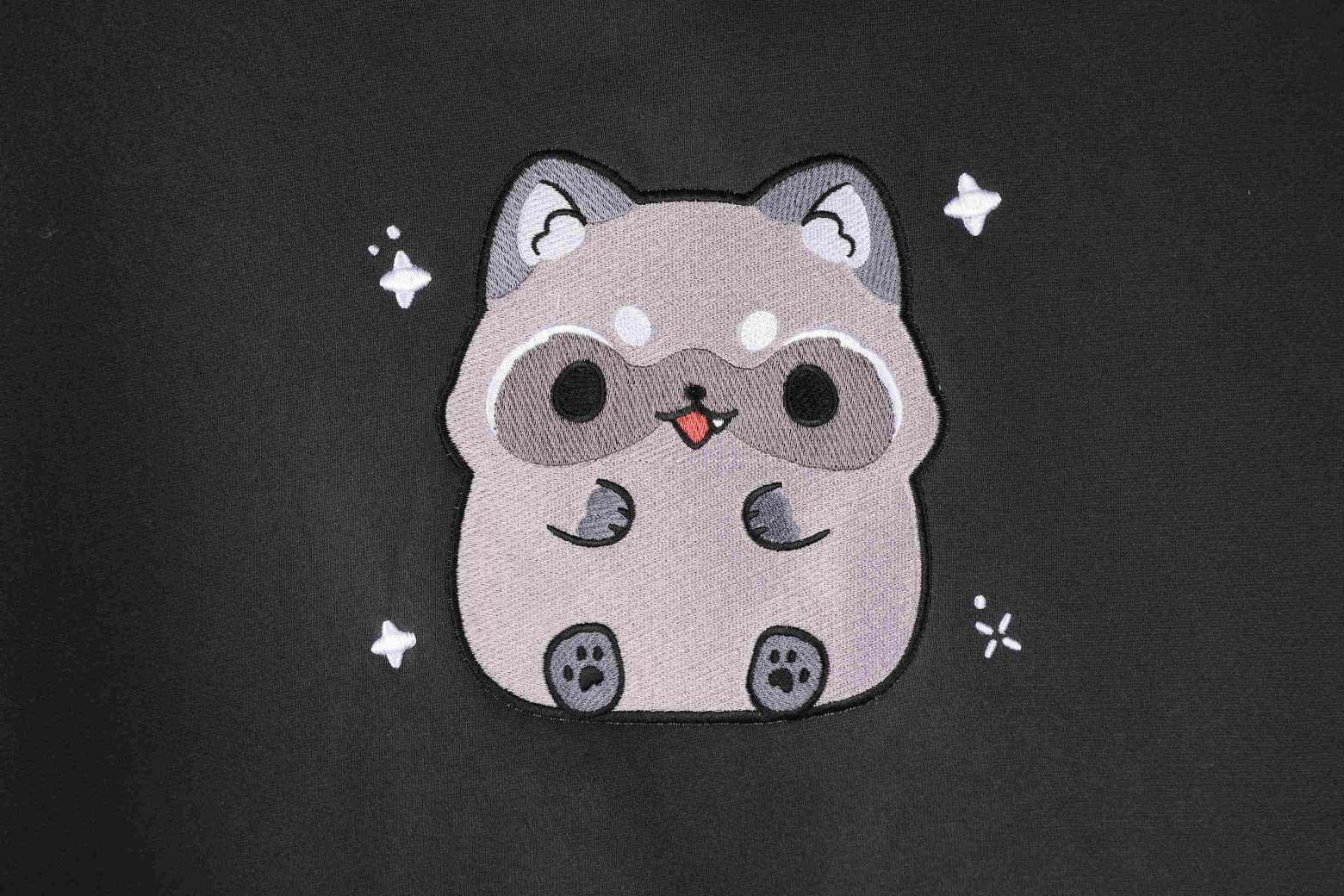
Ask how many embroidery heads the factory operates and their maximum stitch speed — industrial multi-head machines (6–15 heads) running at 800–1,200 stitches per minute ensure consistent registration and efficient production. Confirm whether they handle flat, 3D puff, chain-stitch, sequin, and appliqué techniques in-house or outsource decoration, which adds lead time and coordination risk.
Request Fabric and Thread Certifications
Request copies of Oeko-Tex Standard 100 or GOTS certificates for yarn and embroidery thread to meet retail compliance in the U.S., EU, and Canada. Certified materials reduce formaldehyde, azo dyes, and heavy metals, protecting end consumers and your brand reputation.
Assess Sampling Turnaround and Cost
Typical knit-down sampling takes 7–14 days; embroidery digitizing adds 2–3 days. Ask whether the first sample is charged (often $50–$150 per colorway) and if revisions are included or billed separately, then confirm whether sample fees are refunded upon bulk order.
Check MOQ Flexibility
Standard factory MOQs range from 300–500 pieces per style per color; CENWILD starts at 100 pieces to support emerging brands and test launches. Clarify whether mixed sizes within a color count toward the MOQ and if smaller trial runs incur surcharges.
8. Common Mistakes Buyers Make When Sourcing Flat Embroidery Sweaters
Even experienced buyers encounter costly pitfalls when sourcing flat embroidery sweaters. Understanding these mistakes — and the corrective steps — protects your timeline, budget, and brand reputation.
Choosing Fabric Too Lightweight for Dense Embroidery
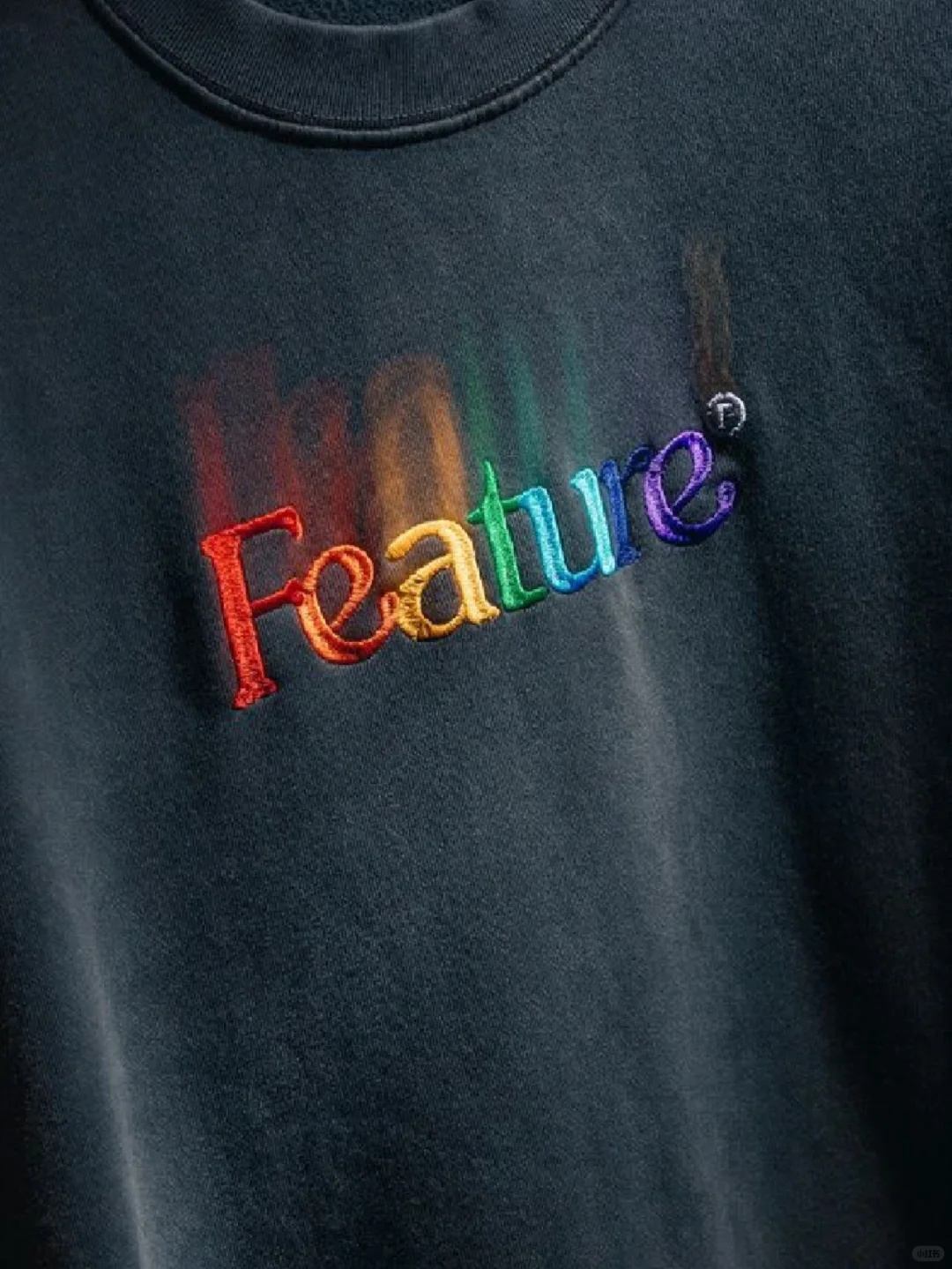
Selecting a base knit below 200 GSM for high-stitch-count embroidery causes puckering, distortion, and hoop marks that survive washing. Lightweight cotton or fine-gauge acrylic cannot support the thread tension of logos exceeding 10,000 stitches.
Always pair dense flat embroidery with mid-weight knits (260–320 GSM) or specify backing stabilizer during production. CENWILD’s design team recommends knit-down swatches with test embroidery before bulk orders.
Skipping Pre-Production Samples
Approving production based on digital mockups alone hides registration errors, thread sheen mismatches, and gauge inconsistencies. A single sample reveals whether your Pantone thread choice photographs true to brand guidelines under studio lighting.
Request a full pre-production sample with final yarn, embroidery placement, and trims. CENWILD includes one knit-down sample in every quotation to confirm stitch structure and decoration before committing to MOQ.
Ignoring Thread-Color Matching Under Different Lighting
Embroidery thread that matches your logo in daylight may shift under indoor LED or photography strobes, especially metallics and polyester sheens. This discrepancy becomes visible across e-commerce listings, retail displays, and customer unboxings.
Specify viewing conditions (D65 daylight booth) and request thread cards or stitched swatches under your brand’s typical lighting. Approve thread colors against physical Pantone swatches, not screen PDFs.
Underestimating Lead Time for Custom Digitization
Complex logos require 3–5 business days to digitize into embroidery files, plus revision cycles. Rushing digitization produces registration drift, jump stitches, and poor underlay that causes thread breaks during production runs.
Share final vector artwork (AI, EPS, or high-resolution PDF) at inquiry stage. CENWILD’s in-house digitization team completes files within 48 hours and provides a test stitch-out for approval before sampling.
Neglecting Wash-Test Reports
Skipping wash testing risks thread bleeding, logo distortion, or embroidery detachment after the first consumer laundry cycle. Polyester thread on natural fibers especially requires validation of colorfastness (ISO 105-C06) and dimensional stability.
Request a wash-test report (minimum five cycles at 40°C) for every new embroidery design. CENWILD includes wash testing in pre-production and documents pilling grade, shrinkage, and thread integrity before shipment.
9. Steps to Launch Your Flat Embroidery Sweater Brand
Launching a flat embroidery sweater brand requires a clear roadmap from concept to inventory. The process typically spans 8–12 weeks from initial design to finished goods, with each stage building on the last to minimize risk and ensure quality.
Define Target Market and Design Aesthetic
Identify your customer demographic, price point, and brand positioning before sketching a single design. A clear aesthetic — minimalist logo embroidery, maximalist patches, or heritage-inspired motifs — guides yarn choice, gauge, and decoration density.
Document your vision with mood boards, competitor analysis, and initial sketches or tech packs to streamline manufacturer conversations.
Source and Vet Manufacturers
Request portfolios, embroidery samples, and MOQ terms from 3–5 candidates. Verify gauge capabilities (7GG–12GG for most sweaters), embroidery head count, and turnaround commitments.
CENWILD’s 100-piece MOQ and knit-down sampling service suit first-time brands; established factories may require 500+ pieces per colorway.
Order Pre-Production Samples and Approve Digitization
Expect 2–3 weeks for a knit-down sample with embroidery mock-up. Review stitch density, thread color matching (Pantone or physical swatch), and placement accuracy before signing off.
Request revisions to digitization files now; changes after bulk production begins add cost and delay.
Place Initial Production Order
Start with 100–300 pieces across 2–3 colorways to test market response. Production lead time runs 4–6 weeks post-sample approval, plus 1–2 weeks for shipping.
Pay the deposit (30–100% depending on partnership stage) and confirm final quantities, sizes, and packaging before cut.
Plan Fulfillment and Marketing
Arrange warehousing, e-commerce integration, and pre-launch content (product photography, lookbooks) while production runs. Schedule your launch 2–3 weeks after goods arrive to allow quality checks and influencer seeding.
First-order success hinges on inventory timing — late shipments kill momentum.
10. Pricing and Cost Breakdown
CENWILD’s flat embroidery sweater pricing starts at 100 pieces MOQ, with unit costs ranging from $18–$45 depending on fabric, gauge, and embroidery complexity. A basic cotton crewneck with a 5,000-stitch chest logo at 500 pieces typically lands at $22–$28 per unit, while a 12GG merino or cashmere blend with multi-color intarsia and embroidery can reach $35–$45. Lead times compress as volume rises: 100-piece orders ship in 25–30 days, while 1,000+ pieces benefit from economies of scale and deliver in 20–25 days.
Embroidery costs layer onto the base garment price. Digitization and setup fees range from $30–$80 per design, absorbed across the order. Per-thousand-stitch costs run $0.008–$0.015, so a 10,000-stitch back piece adds roughly $0.08–$0.15 per sweater. Each thread color change adds $0.02–$0.05, and backing materials (tear-away, cut-away, or water-soluble) contribute $0.05–$0.12 per placement. Stitch density, thread type, and fabric stability all influence final embroidery expense.
| Quantity Tier | Unit Price Range (USD) | Typical Lead Time |
|---|---|---|
| 100 pcs | $28–$45 | 25–30 days |
| 250 pcs | $24–$38 | 22–28 days |
| 500 pcs | $22–$32 | 20–25 days |
| 1,000+ pcs | $18–$28 | 20–25 days |
Ready to Order Your Custom Flat Embroidery Sweaters?
Submit your artwork today for a free sample. MOQ from 100 pieces, 28+ years of expertise, and fast turnaround on knit-down samples.