Acrylic Yarn for Custom Knitwear — Durability, Softness & Design Freedom
Source premium acrylic yarn knitwear with CENWILD‘s OEM/ODM manufacturing. MOQ from 100 pieces, 28+ years expertise in Dongguan — versatile, cost-effective fiber for every collection.
Acrylic Yarn Grades & Fiber Blends We Source
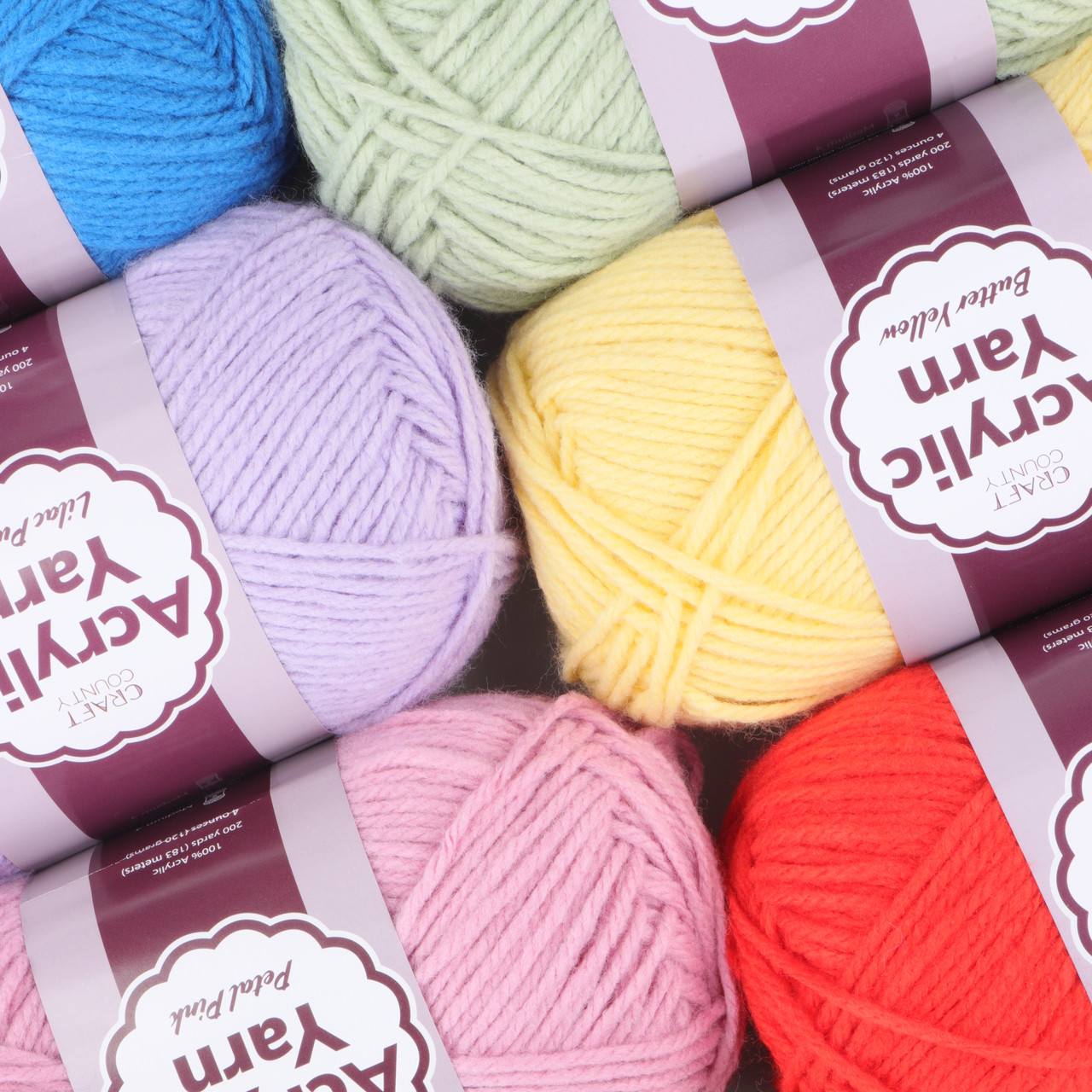
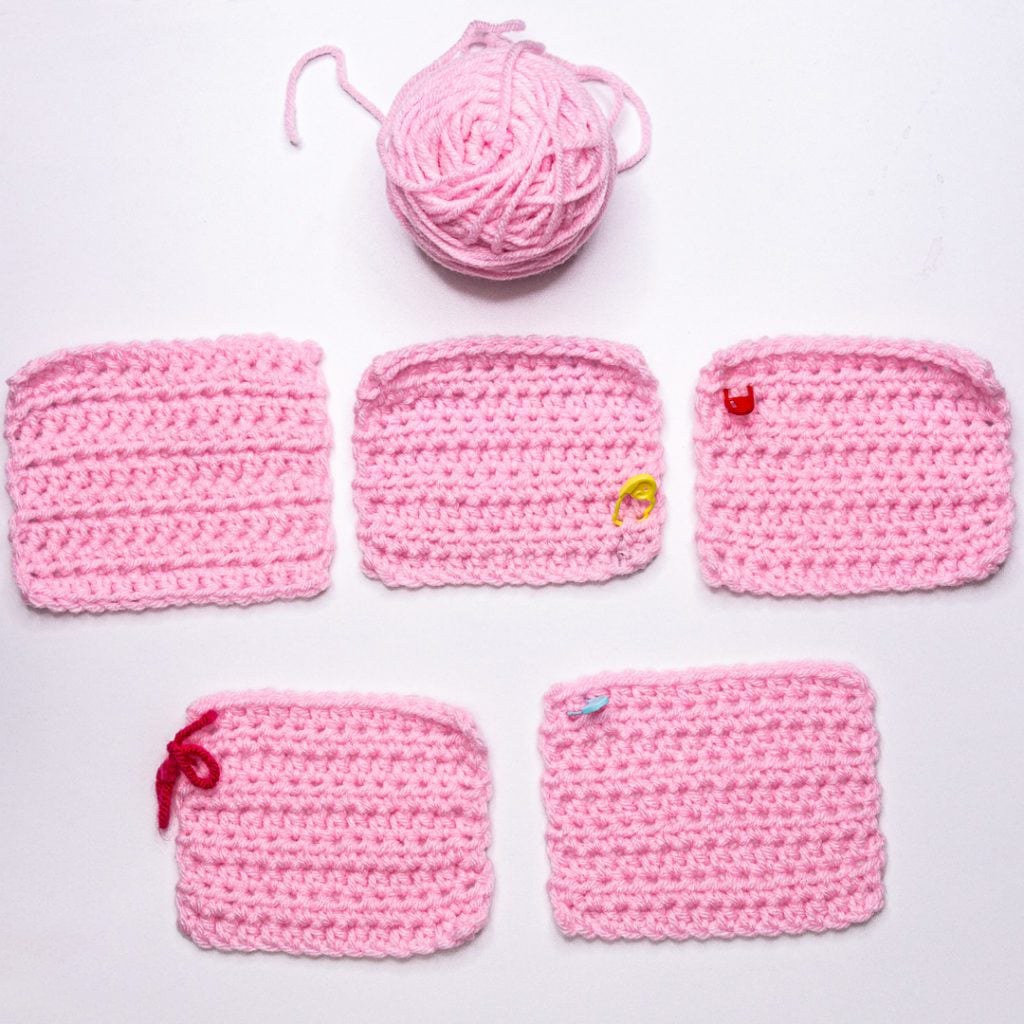
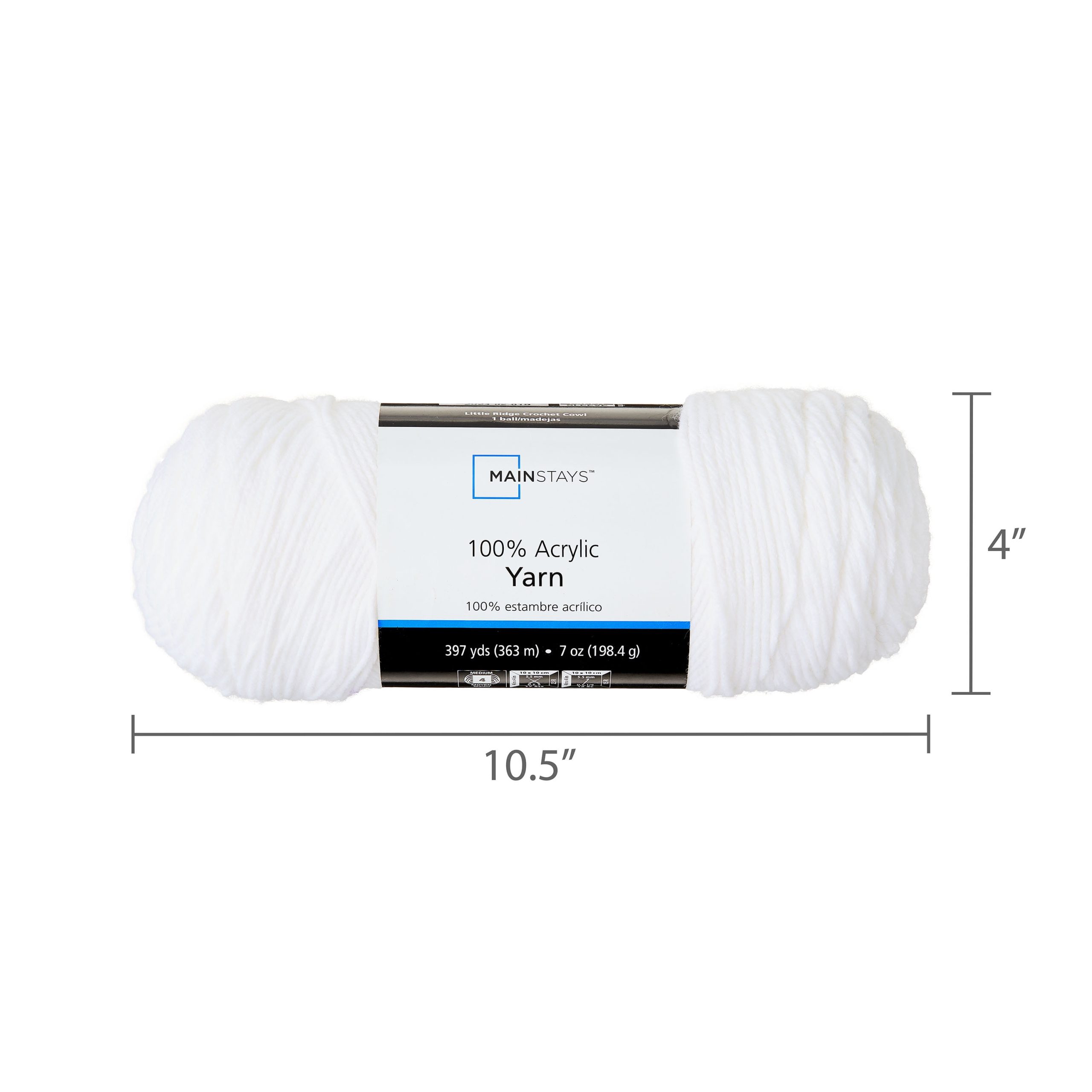
Why Acrylic Yarn for Your Knitwear
Vibrant Color Retention
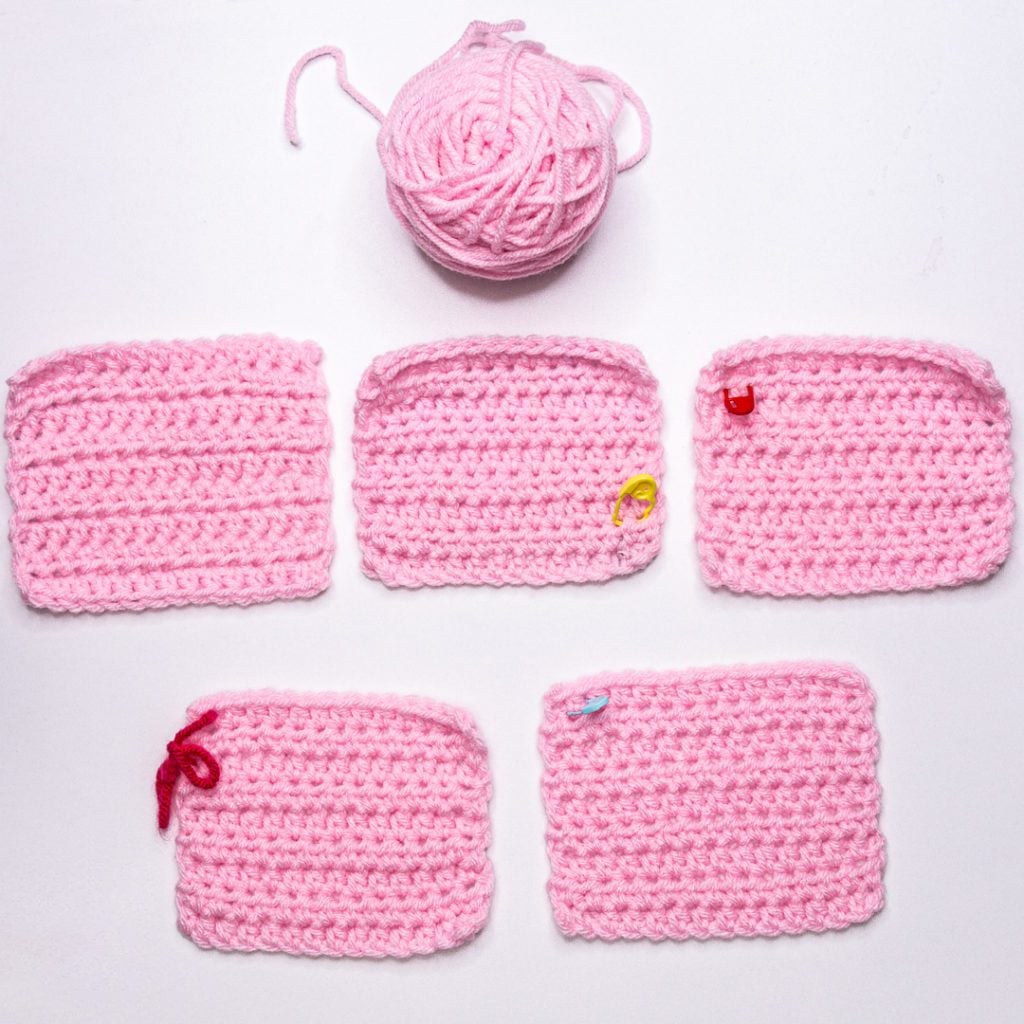
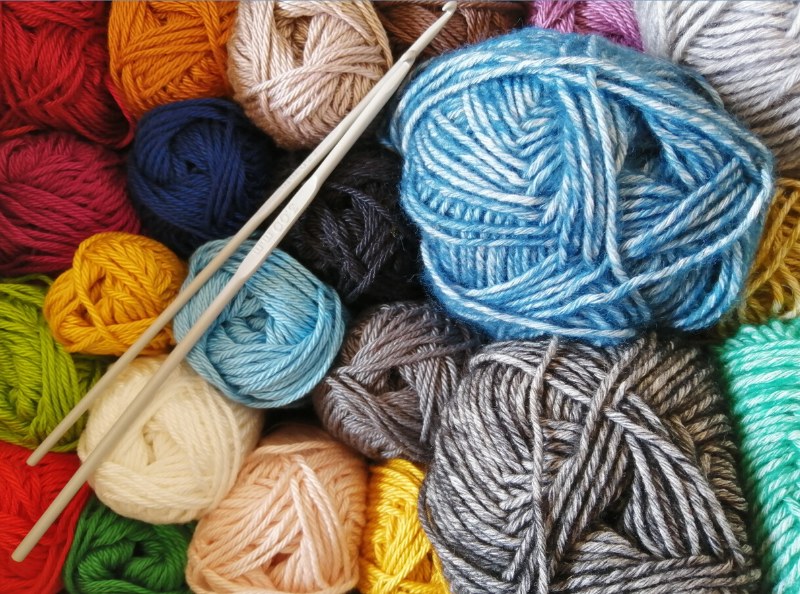
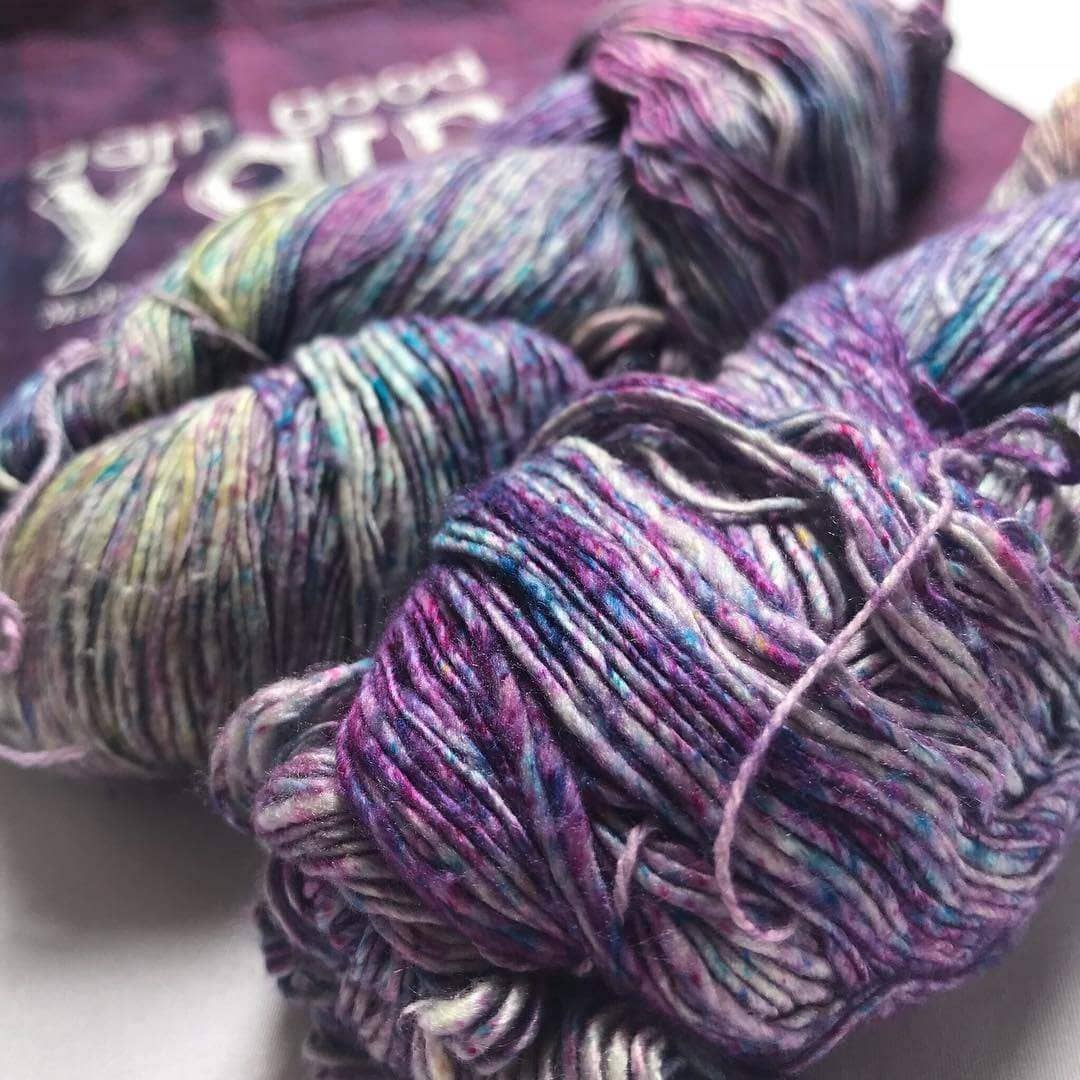
Acrylic yarn holds dye beautifully, delivering bold, consistent colors across production runs without fading through repeated wash cycles.
Machine Washable & Easy Care
Customers love acrylic’s low-maintenance care. Machine washable, quick-drying, and wrinkle-resistant for everyday wear and retail appeal.
Durable Through Wash Cycles
Engineered for longevity, acrylic yarn resists pilling, stretching, and shrinkage—ensuring your knitwear maintains shape season after season.
Cost-Efficient Volume Production
Achieve premium look and feel at competitive pricing. Ideal for brands scaling collections with MOQ from 100 pieces.
Design Versatility & Blending
Works alone or blended with wool, cotton, or recycled fibers for custom textures, weights, and performance characteristics tailored to your collection.
Consistent Global Supply
Reliable sourcing from Dongguan’s established yarn networks ensures on-time production and stable pricing for your seasonal launches.
Knitwear Yarn & Material Sourcing
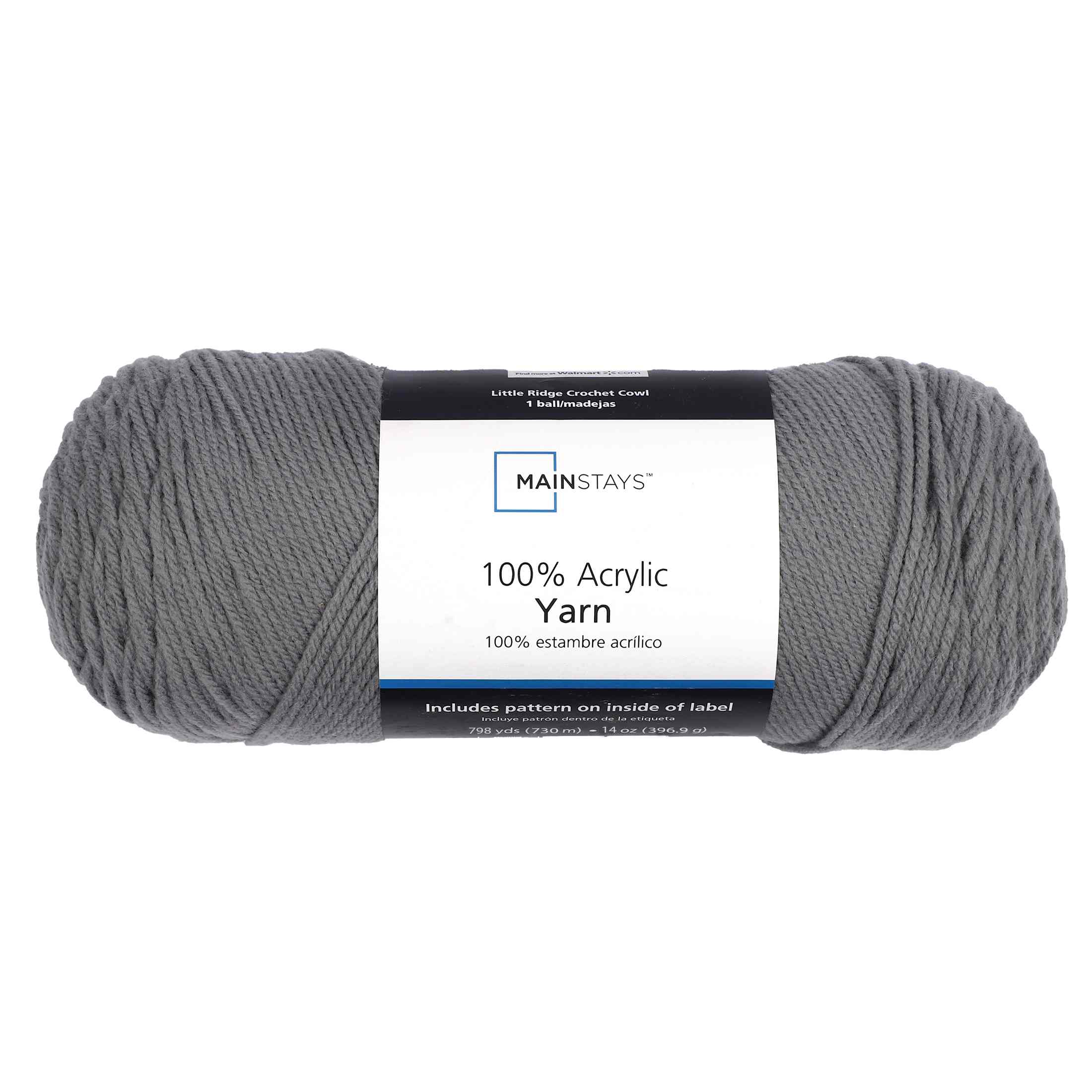
Yarn and Materials
CENWILD sources and knits the full spectrum of knitwear yarn—natural fibers, synthetics, and performance blends—matched to your brand positioning, price point, and end-use. Our 28 years in Dongguan give us direct mill relationships for quality control, lead time, and cost efficiency across every gauge and style.
Get a Quote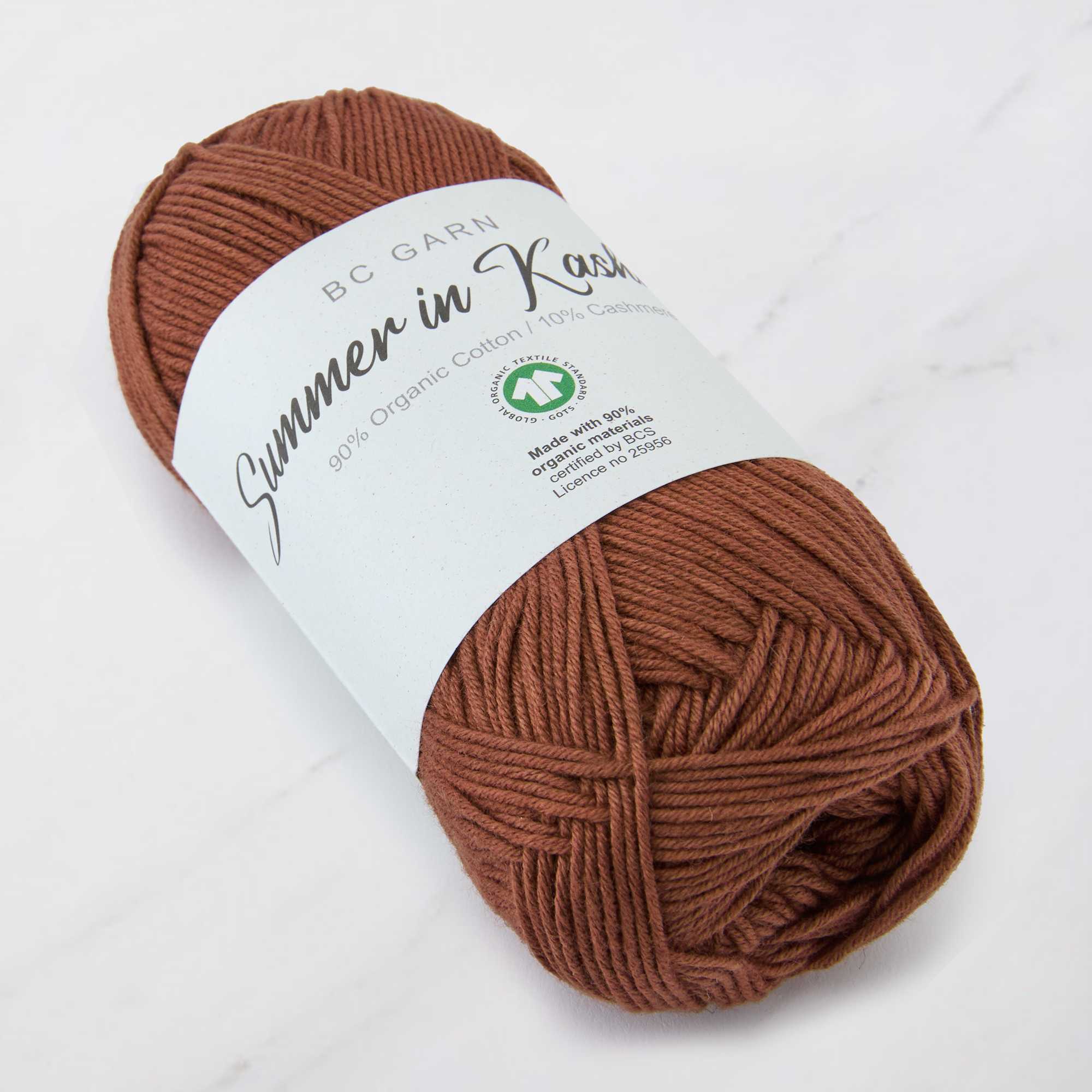
Cashmere Yarn
We source premium cashmere yarn wholesale from certified mills in Inner Mongolia and Xinjiang, offering grades from 14.5 to 16.5 microns. Ideal for luxury private label sweaters, our cashmere is tested for pilling resistance and softness, and can be blended with silk or wool to balance cost and performance.
Get a Quote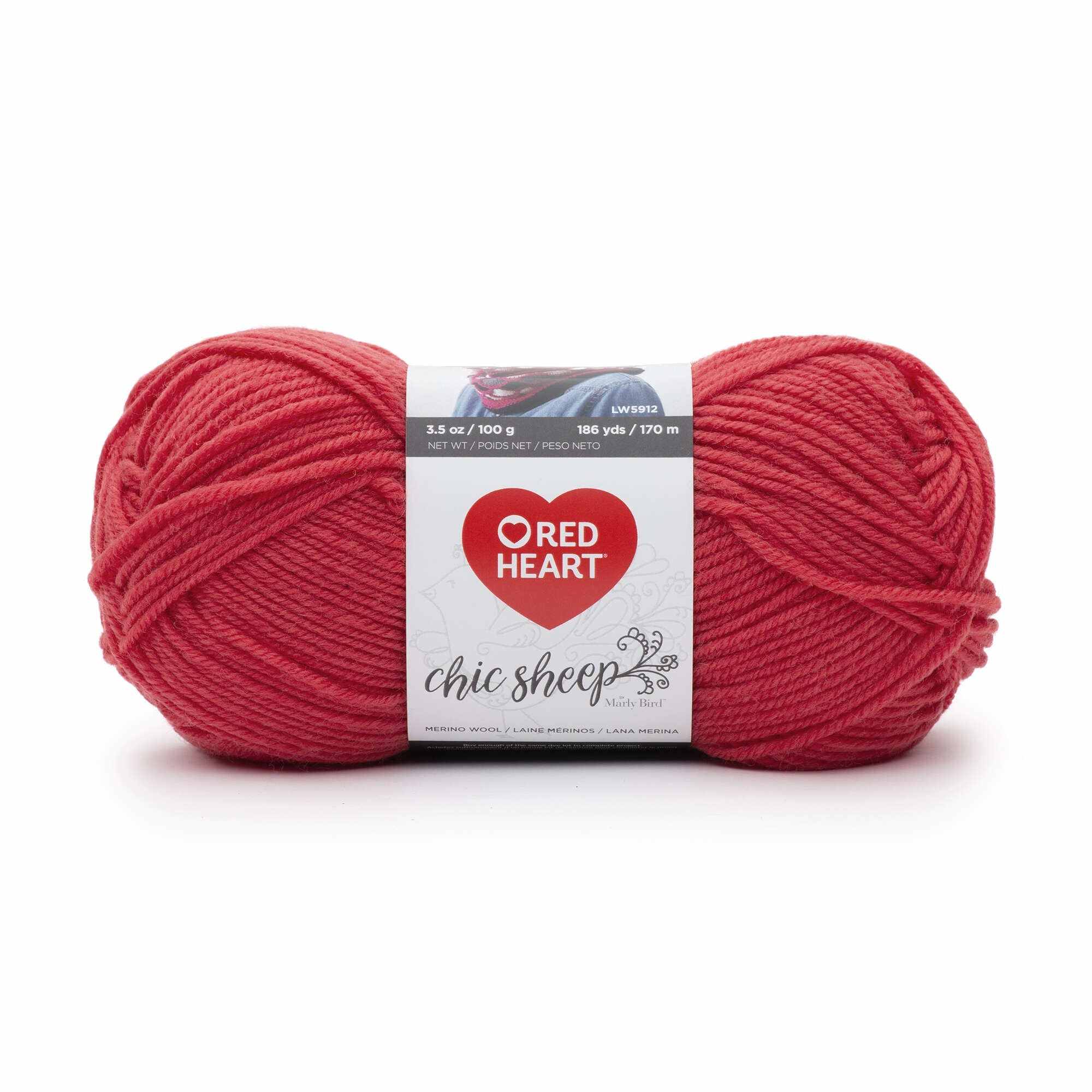
Merino Wool Yarn
Our merino wool yarn range spans 17.5 to 21.5 microns, sourced from Australian and New Zealand mills. Perfect for next-to-skin comfort, merino is naturally temperature-regulating and moisture-wicking. We knit it in fine gauges for lightweight layering or heavier ribs for structured pullovers and cardigans.
Get a Quote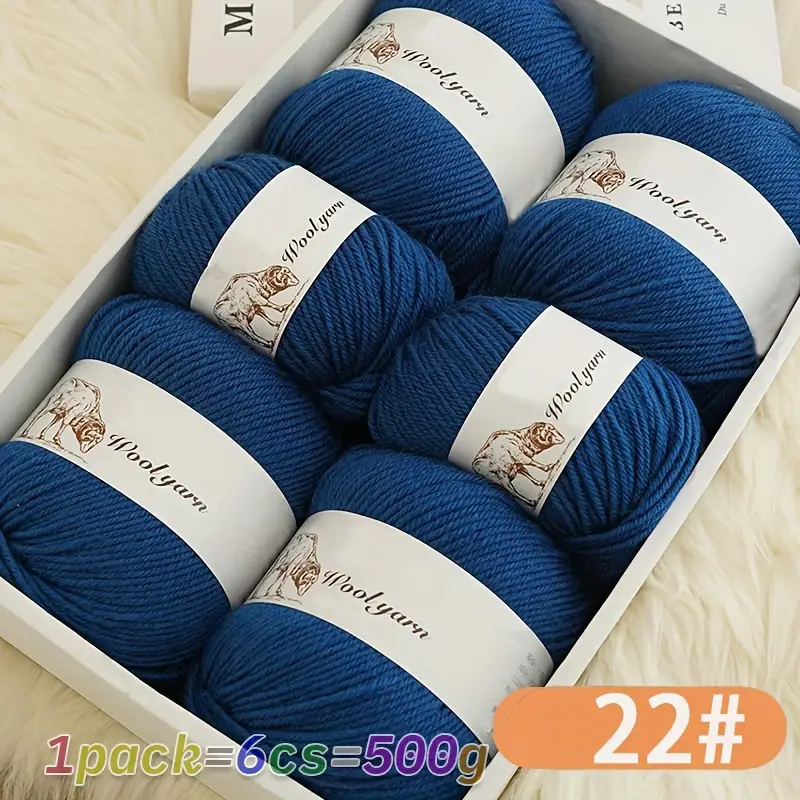
Lambswool
Lambswool yarn delivers softness and warmth at an accessible price. Sourced from the first shearing of young sheep, it offers a fine, resilient fiber ideal for classic crewnecks, cable-knit styles, and seasonal collections. CENWILD knits lambswool across 5GG to 12GG for a range of textures and weights.
Get a Quote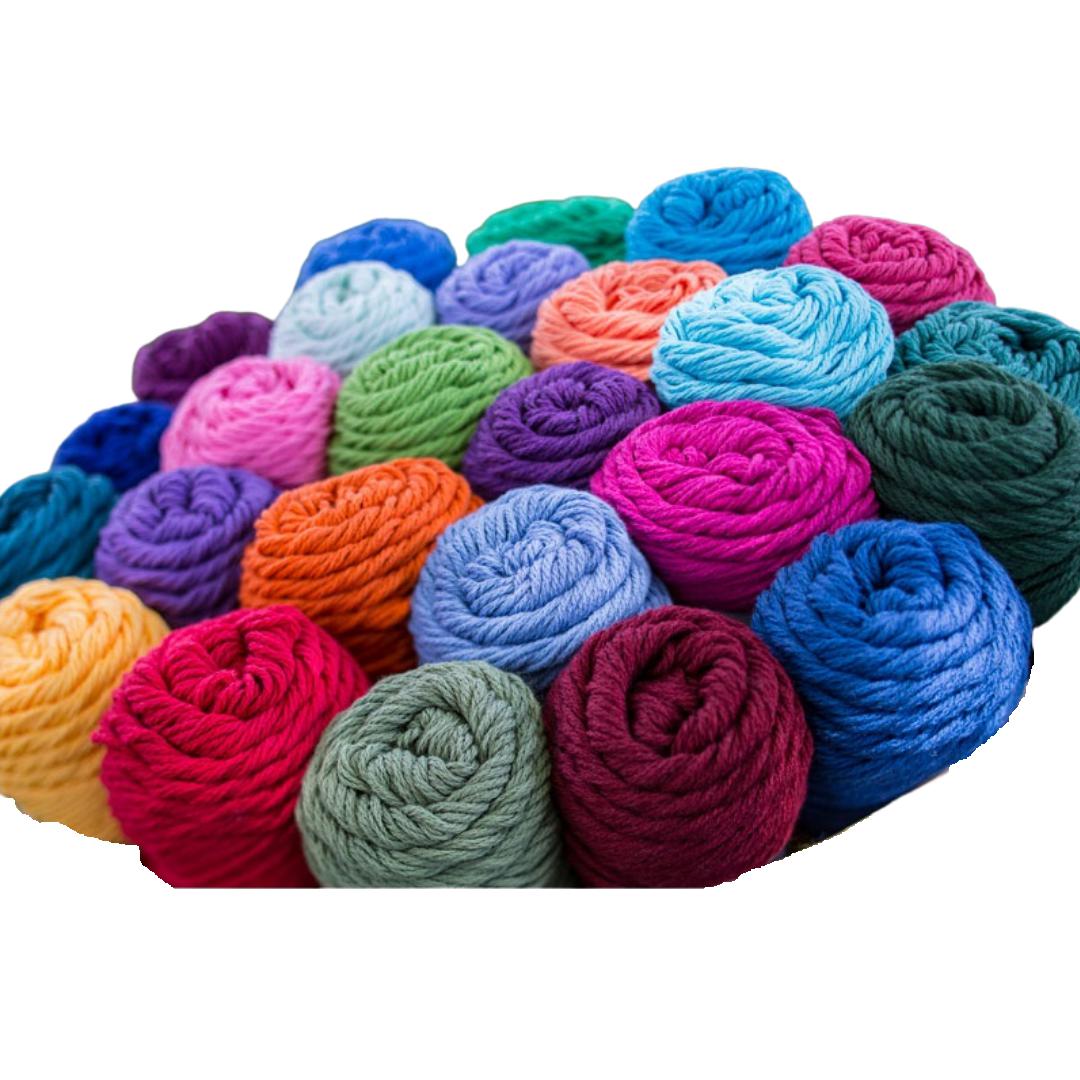
Cotton Pima Yarn
Pima cotton yarn is long-staple, low-pilling, and breathable—ideal for spring/summer knitwear and year-round layering pieces. We source certified Pima from Peru and the United States, and knit it into polos, lightweight pullovers, and knit dresses with excellent shape retention and a smooth hand feel.
Get a Quote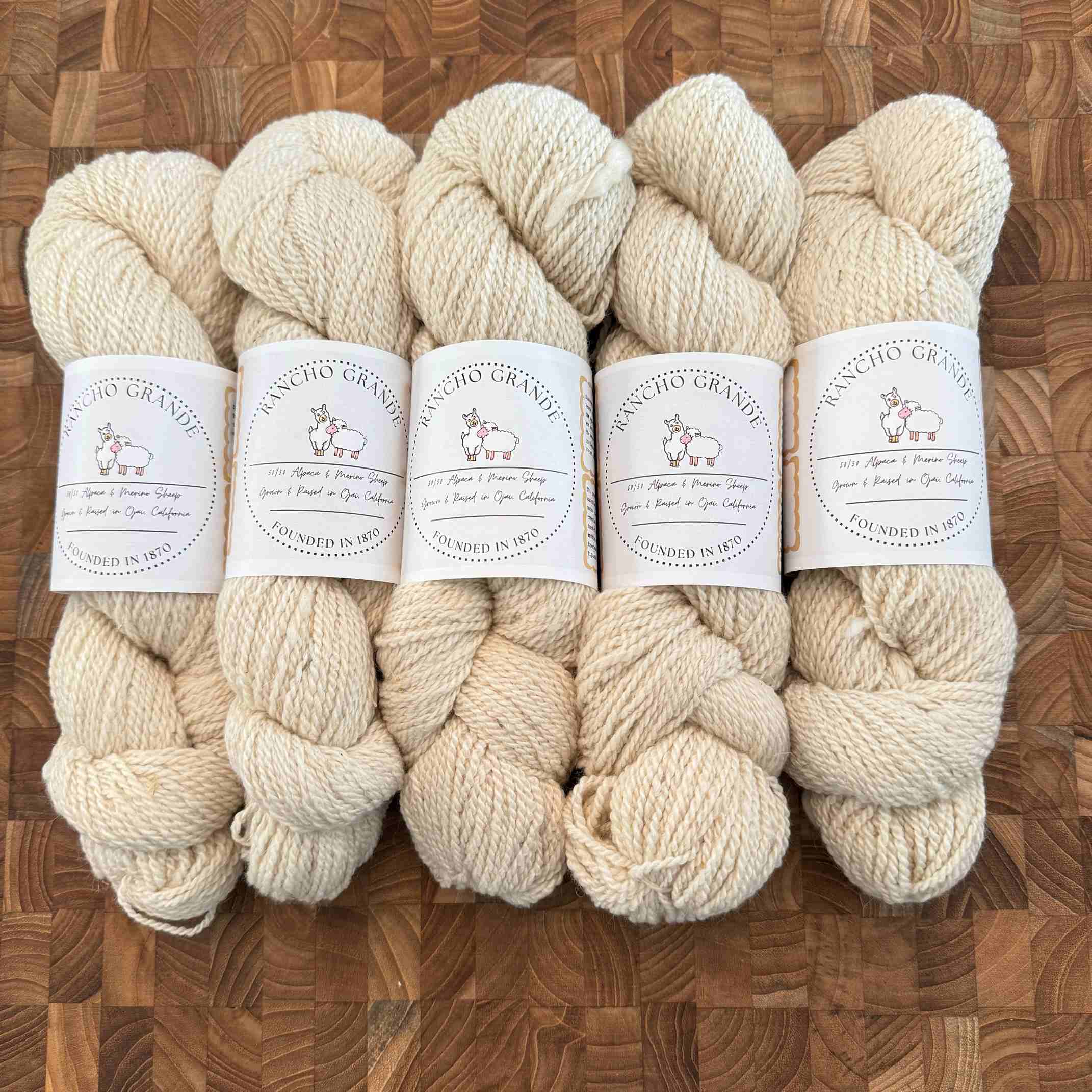
Alpaca Yarn
Alpaca yarn offers exceptional warmth-to-weight ratio, hypoallergenic properties, and a luxurious drape. Sourced from Peru, our alpaca is available in natural tones or dyed to custom Pantone. It works beautifully in chunky gauges, textured stitches, and blended with merino or acrylic for cost-effective softness.
Get a Quote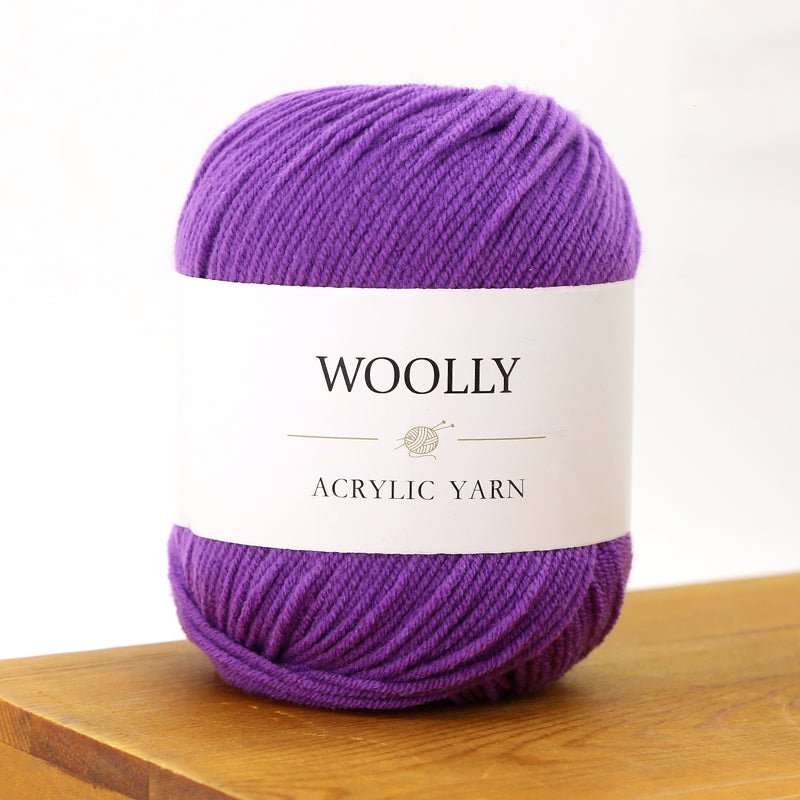
Recycled Organic Yarn
Recycled yarn knitwear uses post-consumer or post-industrial fibers—recycled polyester, cotton, wool, and nylon—to reduce environmental impact without compromising quality. CENWILD works with GRS-certified mills to deliver traceable, sustainable sweaters that meet ESG and circular fashion requirements for conscious brands.
Get a Quote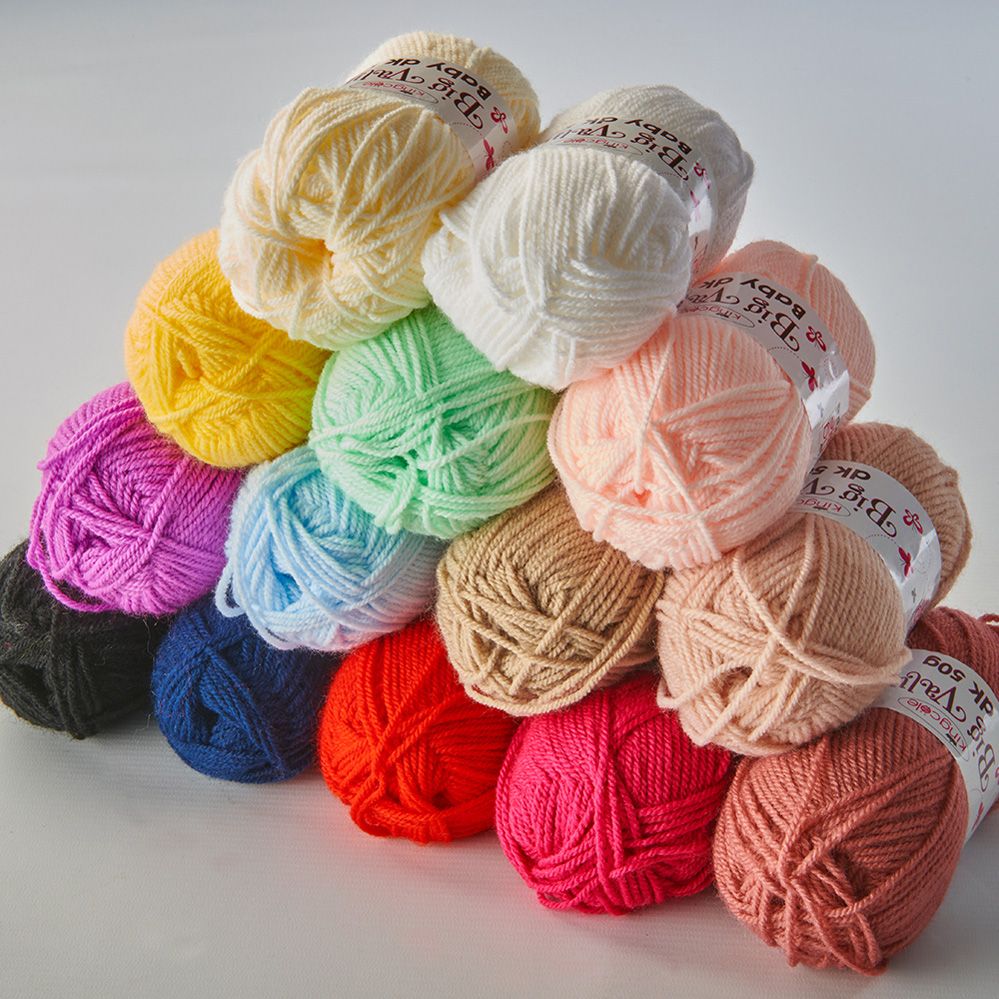
Custom Cardigan
Custom cardigan production at CENWILD covers button-front, zip, open-front, and oversized styles in any yarn, gauge, or stitch pattern. From intarsia logos to jacquard patterns and embroidered patches, we turn your design into a finished cardigan with full ODM support, knit-down sampling, and MOQ from 100 pieces.
Get a Quote
Cardigan Sweater Manufacturer
As a full-service cardigan sweater manufacturer, CENWILD handles design development, yarn sourcing, knitting, linking, finishing, embellishment, and export logistics. We serve independent designers, fashion brands, and wholesalers across North America, Europe, and beyond with OEM and private label cardigan programs built for flexibility and scale.
Get a Quote28+ Years Sourcing & Knitting Acrylic Yarn
Founded in 1998 in Humen, Dongguan — the heart of China’s knitwear manufacturing hub — CENWILD has grown from a family knitting workshop into a full-service sweater manufacturer with deep expertise in acrylic yarn sourcing, knitting, and finishing. Today we operate computerized flat-knitting machines across 3GG–14GG gauges with a monthly capacity exceeding 80,000 pieces.
Over 28 years we’ve built strong relationships with premium acrylic yarn mills, enabling us to source consistent, quality fiber in every weight, texture, and blend — from pure acrylic to acrylic-wool and acrylic-cotton hybrids. Our in-house design team and 200+ skilled employees turn that yarn into production-ready knitwear for brands at every stage, from independent designers to global labels.
CENWILD has partnered with over 2,000 fashion brands across the United States, Canada, Europe, Australia, Russia, and the Middle East. Whether you need OEM production, ODM design support, or private-label knitwear, our low MOQ of just 100 pieces and flexible payment options make acrylic yarn projects accessible and scalable.
Quality Assurance: Acrylic Yarn from Supplier to Finished Garment
Supplier Vetting & Yarn Selection
Every acrylic yarn supplier in our network is audited for fiber consistency, color accuracy, and production certifications before approval. We source from mills that meet international standards and maintain long-term partnerships to ensure stable quality across every order.
- Multi-point audit covering fiber denier, twist, and tensile strength
- Certification checks for OEKO-TEX, REACH, and environmental compliance
- Long-term mill partnerships for consistent supply and traceability
- Batch documentation and raw-material testing reports archived for every order
Dye-Lot Consistency & Color Matching
Color variation between dye lots can ruin a production run. Our QC team cross-checks every incoming acrylic yarn shipment against approved lab dips and Pantone references, rejecting any batch that falls outside tolerance before it reaches the knitting floor.
- Spectrophotometer testing for Delta-E color deviation under D65 lighting
- Side-by-side swatch comparison with approved production standards
- Reserve yarn from each dye lot held for potential reorders or repairs
- Real-time alerts to clients if a shade substitution or re-dye is required
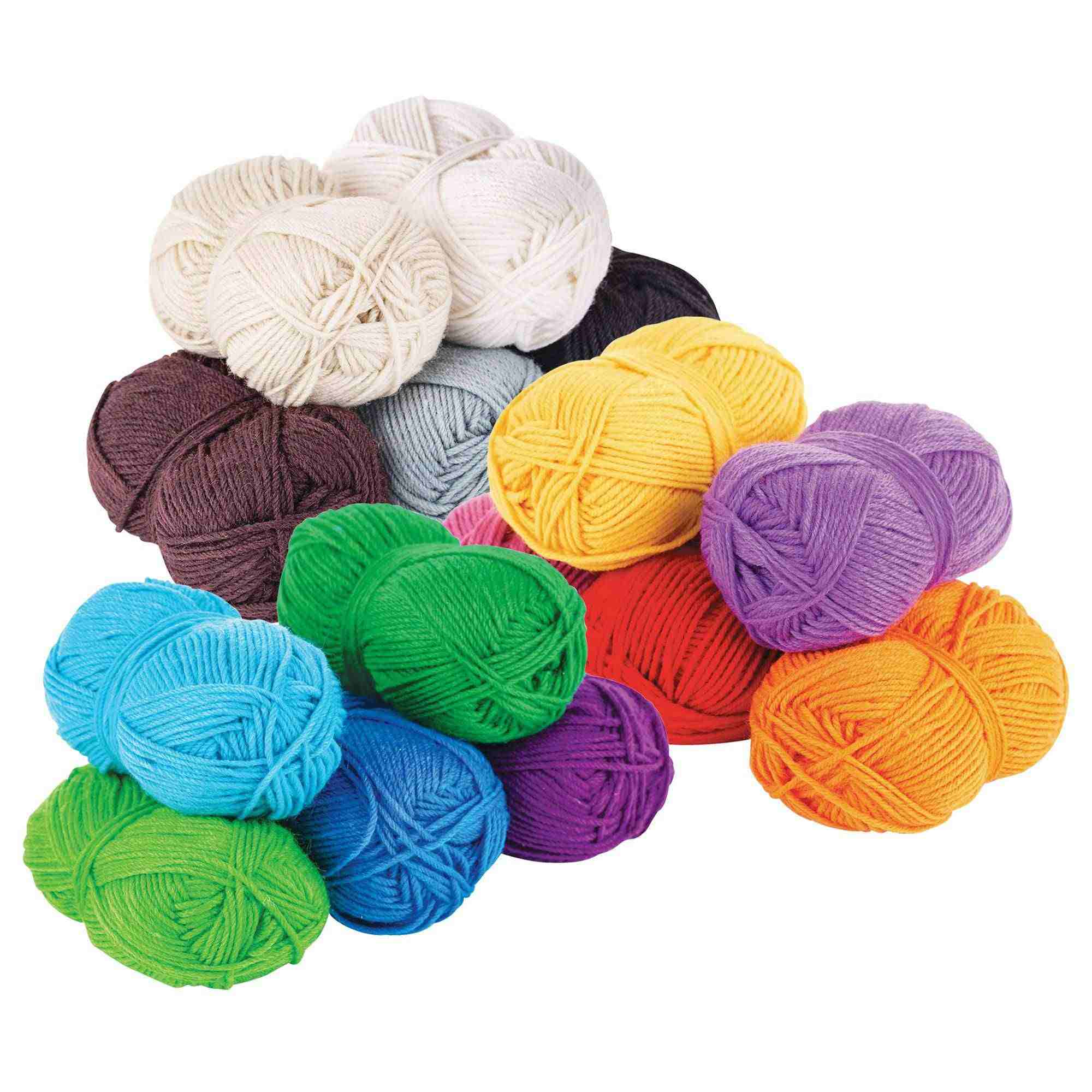
Anti-Pilling Treatment & Shrinkage Testing
Acrylic yarn performance depends on finishing. Before production we conduct Martindale abrasion tests and controlled wash-dry cycles to validate pilling resistance, dimensional stability, and hand feel, ensuring your finished knitwear meets retail and consumer expectations.
- Martindale pilling tests to ISO 12945-2 standards (grade 3–5 target)
- Three-cycle wash and tumble-dry shrinkage verification per AATCC guidelines
- Anti-pilling enzyme or resin treatments applied when specified
- Hand-feel assessment and softness grading documented in QC reports
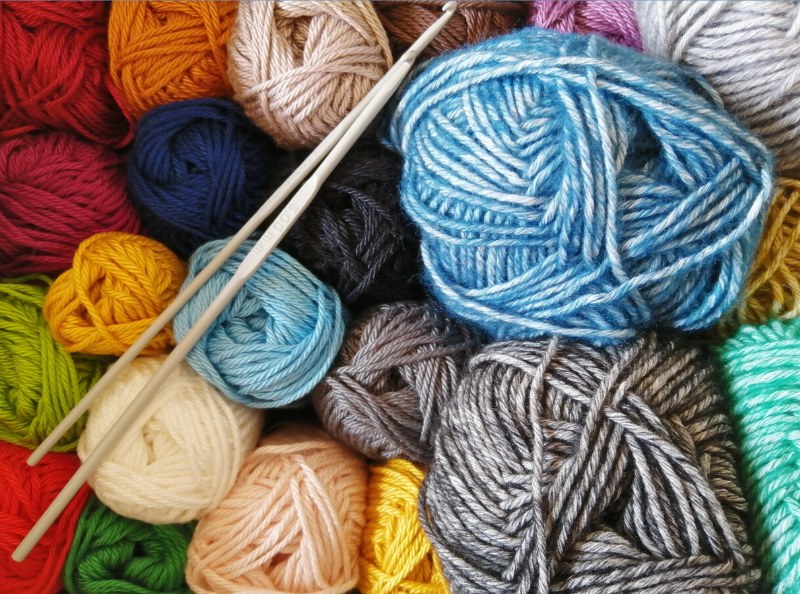
Knit-Down Sampling & Stitch Validation
We knit sample swatches on the same gauge and machine settings planned for bulk production, testing stitch definition, fabric weight, drape, and pattern clarity. This step catches yarn behavior issues early and locks in the exact look and feel you approved.
- Full-scale knit-downs on 3GG–14GG computerized flat-knitting machines
- Stitch structure and pattern integrity reviewed under production lighting
- Weight per square meter and fabric hand measured and recorded
- Client approval required on physical swatch before bulk cutting begins
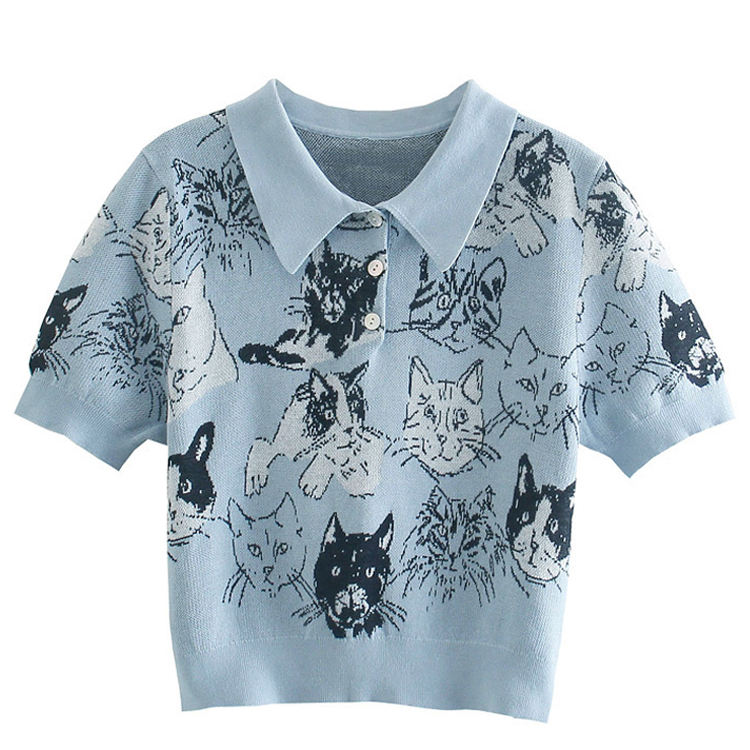
Acrylic Yarn vs. Natural Fibers — When to Choose Each
Understanding the trade-offs between acrylic yarn and wool, cotton, and cashmere helps you select the right fiber for your brand’s price point, care requirements, and performance needs.
← 左右滑动查看 →
From Acrylic Yarn Selection to Finished Knitwear — CENWILD’s Process
Our integrated production flow ensures your acrylic yarn knitwear meets spec from supplier audit through final quality gate—every phase managed in-house at our Dongguan facility.
Yarn Sourcing & Approval
We audit acrylic yarn suppliers for fiber consistency, tensile strength, and dye affinity. Lot samples are tested for color fastness, pilling resistance, and gauge stability before entering our inventory.
Dye Lab & Color Matching
Acrylic yarn is solution-dyed or vat-dyed to your Pantone reference. Lab swatches undergo light-box approval and batch tracking to guarantee color consistency across production runs.
Knit-Down Sampling & Gauge
Your design is programmed across 3GG–14GG computerized flat-knitting machines. We produce knit-down samples in your chosen acrylic yarn to confirm hand-feel, stitch definition, and dimensional stability.
Production Knitting
Approved samples move to full production. Each panel is knitted with real-time tension monitoring to prevent yarn breakage and ensure uniform fabric weight, critical for acrylic yarn performance.
Finishing & Treatment
Acrylic yarn garments undergo softening, anti-pilling enzyme treatment, brushing, or garment wash as specified. Finishing locks in drape, reduces static, and enhances the final hand-feel.
Linking, Assembly & Decoration
Knit panels are linked, sewn, and trimmed. Embroidery, printing, or appliqué is applied under clean-room conditions. Every seam and embellishment is inspected for alignment and durability.
Quality Control & Export
Final garments pass AQL 2.5 inspection covering measurements, stitch integrity, color match, and label compliance. Approved pieces are packed, documented, and shipped with full traceability.
How to Specify Acrylic Yarn for Your Custom Knitwear Order
Follow these steps to ensure your acrylic yarn specifications match your brand’s quality, color, and performance requirements.
Choose yarn weight and gauge
Select from 3GG to 14GG gauge options and specify yarn weight to match your desired knitwear thickness, drape, and seasonal application.
Define color and blend preferences
Provide Pantone references, physical swatches, or color codes. Indicate any acrylic-blend ratios such as acrylic-wool, acrylic-cotton, or 100% acrylic composition.
Specify treatments and finishes
Request anti-pilling treatments, softening washes, garment dye, brushing, or sustainability certifications like recycled acrylic to meet your brand standards.
Review knit-down samples
CENWILD produces physical swatches with your specified acrylic yarn, allowing you to confirm hand-feel, color accuracy, and stitch structure before production.
Confirm timeline and MOQ
Finalize lead times based on yarn sourcing and any custom treatments. Production starts from just 100 pieces with flexible deposit terms.
Brands Trusting CENWILD’s Acrylic Yarn Knitwear
CENWILD delivered 1,200 acrylic cardigans with perfect color consistency across every production batch. Our customers report zero pilling complaints after 15+ washes.
We needed acrylic yarn samples in 7 days for our fall line presentation. CENWILD turned them around in 5, and the final 500-piece order arrived two weeks ahead of schedule.
Switching to CENWILD’s acrylic yarn blends cut our material cost by 28% without sacrificing hand feel. Their ODM team helped us engineer a brushed finish that our retailers compare favorably to cashmere.
Acrylic Yarn for Knitwear — Frequently Asked Questions
Can you match acrylic yarn to Pantone colors for my brand?
How durable is acrylic yarn compared to wool or cotton?
What anti-pilling treatments do you apply to acrylic yarn knitwear?
Can acrylic yarn be blended with other fibers?
What are the care instructions for acrylic yarn sweaters?
Does acrylic yarn affect lead time compared to natural fibers?
How fast can I receive a knit-down sample in acrylic yarn?
Can acrylic yarn knitwear be embroidered or printed?
The Complete Buyer’s Guide to Acrylic Yarn for Custom Knitwear
Navigate sourcing decisions with confidence. This guide delivers a proven framework for evaluating acrylic yarn suppliers, quality benchmarks that protect your brand, and the five critical mistakes that derail first-time knitwear buyers.
1. What Is Acrylic Yarn?
Acrylic yarn is a synthetic fiber extruded from polyacrylonitrile polymer, first commercialized by DuPont in 1950 under the Orlon trade name. Its molecular structure mimics wool’s warmth and softness while remaining fully hypoallergenic, making it ideal for sensitive-skin customers and children’s knitwear. Modern acrylic fibers are available in 1/15 to 1/48 Nm counts, delivering a wool-like hand at a fraction of the cost.
Fashion brands choose acrylic yarn for three operational advantages: colorfastness that holds Pantone-matched hues through repeated washing, care-free maintenance (machine-washable, quick-dry, no felting), and price stability independent of livestock or harvest cycles. A 12GG acrylic crewneck typically costs 40–60% less than comparable merino while maintaining shape retention over 50+ wash cycles.
The most common misconception is that ‘synthetic equals low-quality.’ Today’s premium acrylic yarn—especially anti-pilling and brushed variants—rivals natural fibers in hand-feel and outperforms them in color vibrancy, dimensional stability, and consistent lot-to-lot matching, critical for scalable branded collections.
2. The Evolution of Acrylic Yarn in Fashion
DuPont introduced acrylic fiber in 1944 under the Orlon trademark, launching commercial production by 1950. The synthetic quickly gained traction as a wool alternative, offering similar warmth and bulk at a fraction of the cost.
Mass adoption occurred during the 1960s and 1970s when knitwear brands embraced acrylic yarn for affordable, easy-care sweaters and cardigans. Production volumes soared as consumers demanded machine-washable garments that retained shape and color through repeated wear.
Technical improvements through the 1980s and 1990s refined hand-feel, drape, and pilling resistance. Manufacturers developed finer deniers and softer finishes, narrowing the tactile gap between acrylic and natural fibers while maintaining price advantages.
Today recycled acrylic initiatives and high-performance blends position the fiber as a legitimate design choice rather than a budget substitute. Contemporary fashion brands specify acrylic yarn for vivid colorwork, dimensional stitch patterns, and collections requiring consistent quality at accessible price points — particularly when partnering with flexible manufacturers like CENWILD that offer MOQs from 100 pieces and full customization across gauges, blends, and finishes.
3. Types of Acrylic Yarn for Knitwear Production
Acrylic yarn arrives in dozens of forms, each engineered for specific garment performance and aesthetic outcomes. Understanding composition, weight, and finish unlocks precise matching between yarn type and end product.
Composition: 100% Acrylic vs. Blends
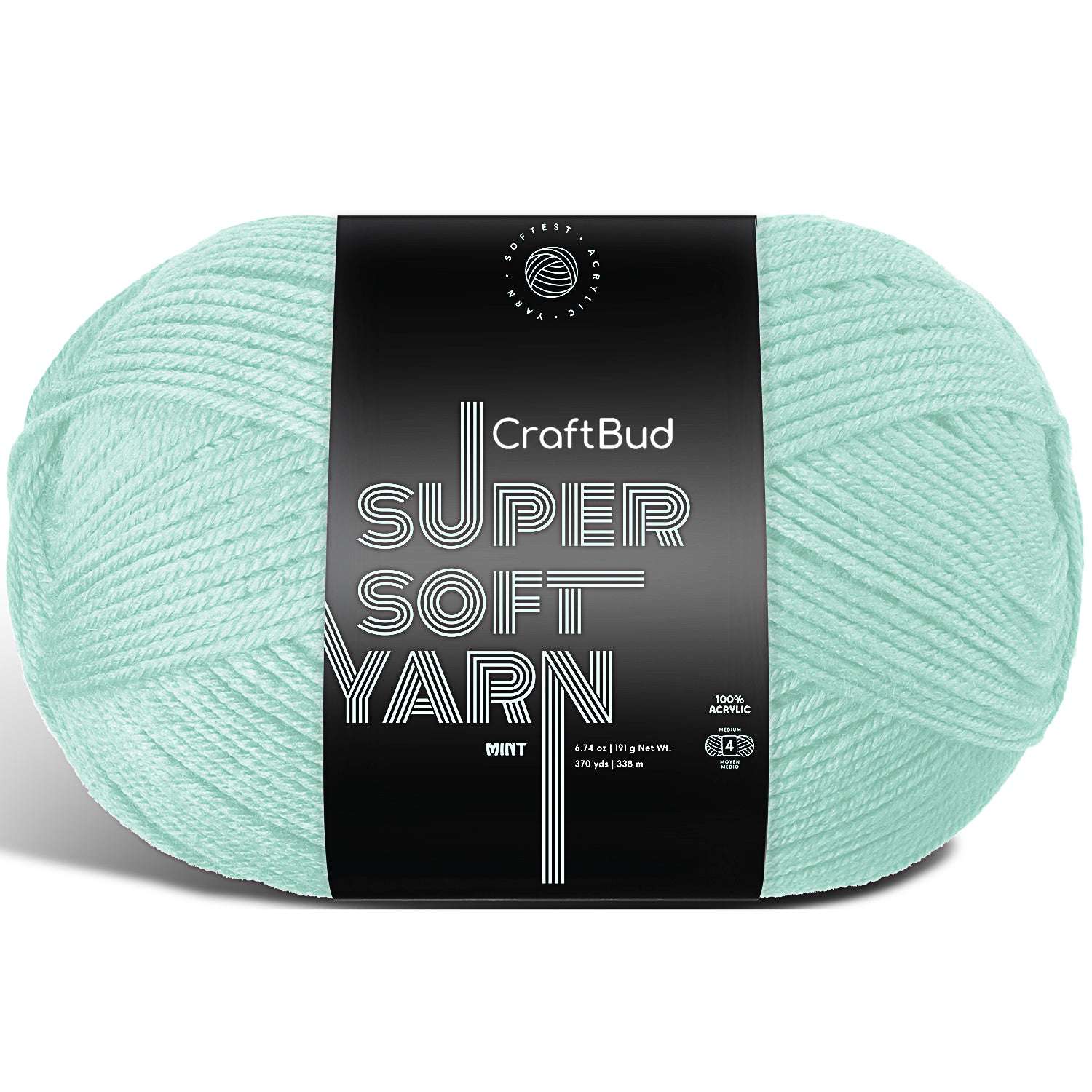
Pure acrylic offers maximum affordability, color vibrancy, and easy-care properties—ideal for high-volume basics, promotional knitwear, and children’s garments. Acrylic-wool blends (typically 50/50 to 80/20 acrylic) add warmth and drape at lower cost than pure wool, popular in cardigans and pullovers. Acrylic-cotton blends improve breathability for spring-weight sweaters, while acrylic-nylon mixes boost abrasion resistance in high-wear zones like elbows and cuffs.
Weight Classifications and Garment Applications
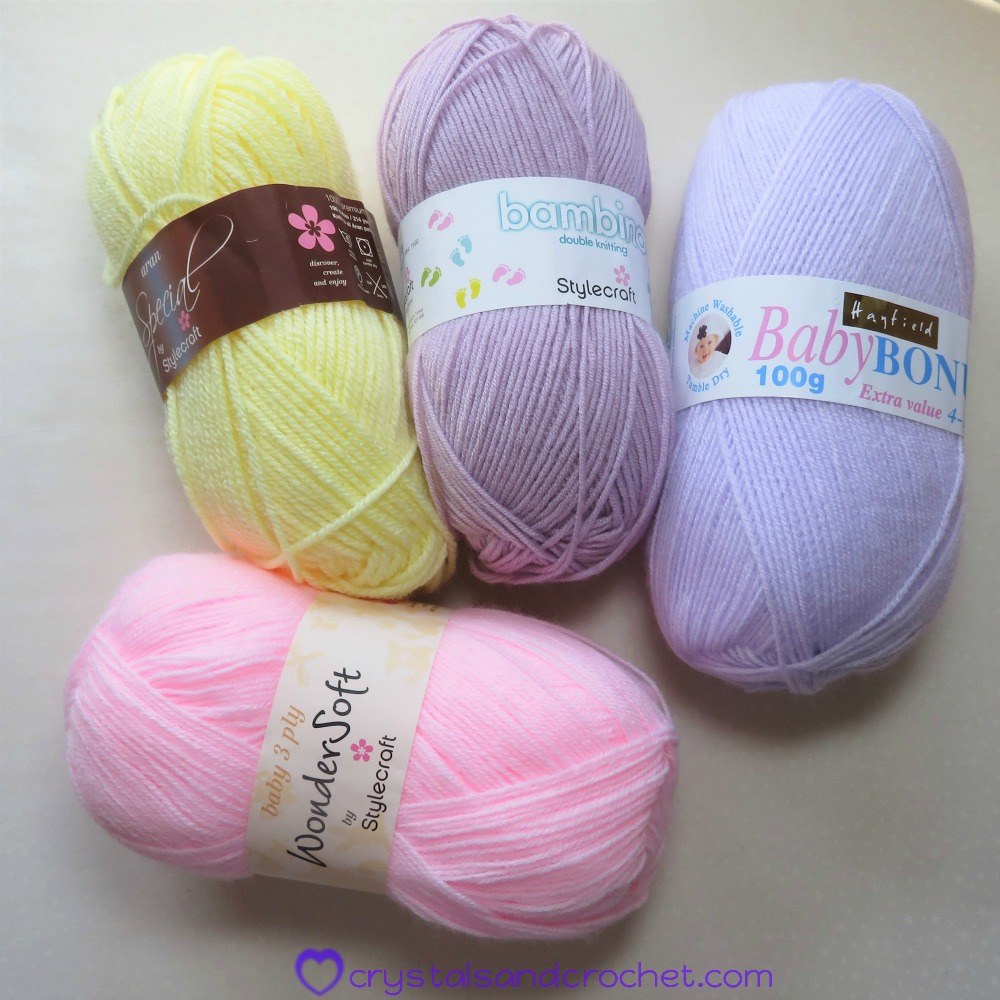
Yarn weight governs drape, warmth, and knit speed. Lace and fingering weights (1–3 ply) suit layering tanks and fine-gauge cardigans on 12GG–14GG machines. DK and worsted (4–5 ply) dominate crewnecks, V-necks, and sweater vests on 7GG–9GG gauges. Bulky and super-bulky weights (6+ ply) produce chunky turtlenecks, oversized pullovers, and statement pieces on 3GG–5GG equipment, finishing faster with bold texture.
Finishes and Performance Variants
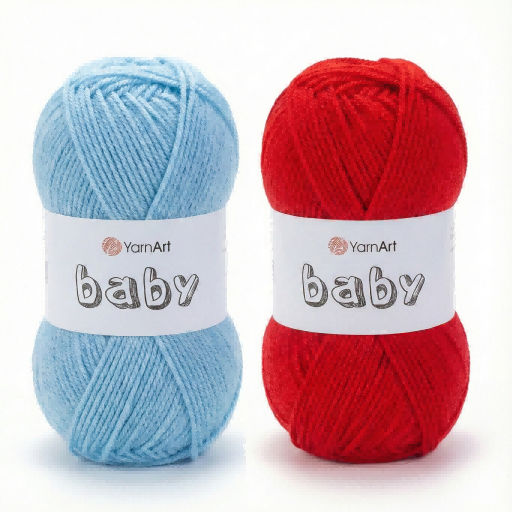
Smooth acrylic yarn delivers crisp stitch definition for intarsia and jacquard patterns. Brushed acrylic mimics cashmere softness in luxury-feel basics, while chenille variants add plush texture to lounge sets and knit dresses. Anti-pilling treatments extend garment life in high-friction areas; flame-retardant acrylic meets safety standards for children’s sleepwear and institutional uniforms, expanding compliance-driven market reach.
4. Acrylic Yarn Blends and Fabric Constructions
Blending acrylic yarn with natural or synthetic fibers unlocks tailored performance, cost, and care profiles for every knitwear category. CENWILD engineers blend ratios from 30% to 80% acrylic to balance warmth, durability, and washability across pullovers, cardigans, and knit accessories.
| Blend Composition | GSM Range | Typical Uses | Care Requirements |
|---|---|---|---|
| 50/50 Acrylic/Wool | 220–280 | Sweaters, cardigans, winter scarves | Machine wash cold, lay flat |
| 60/40 Acrylic/Cotton | 180–240 | Spring pullovers, lightweight knits | Machine wash warm, tumble low |
| 70/30 Acrylic/Nylon | 200–260 | High-wear sweaters, blankets | Machine wash cold, hang dry |
| 100% Acrylic | 160–300 | Budget knitwear, promotional items | Machine wash warm, tumble dry |
5. Customization and Decoration Options for Acrylic Yarn Knitwear
Acrylic yarn accepts a wide range of coloring and decoration techniques, each with distinct MOQ, setup, and lead-time trade-offs. Understanding these pathways helps brands balance design ambition with budget and schedule constraints.
| Technique | Cost Tier | Durability | Design Complexity |
|---|---|---|---|
| Yarn-dyed | Low | High | Moderate |
| Piece-dyed | Low | High | Low |
| Jacquard | Medium | High | High |
| Intarsia | Medium–High | High | Very High |
| Embroidery | Medium | Very High | High |
Yarn-Dyed vs. Piece-Dyed Color Methods
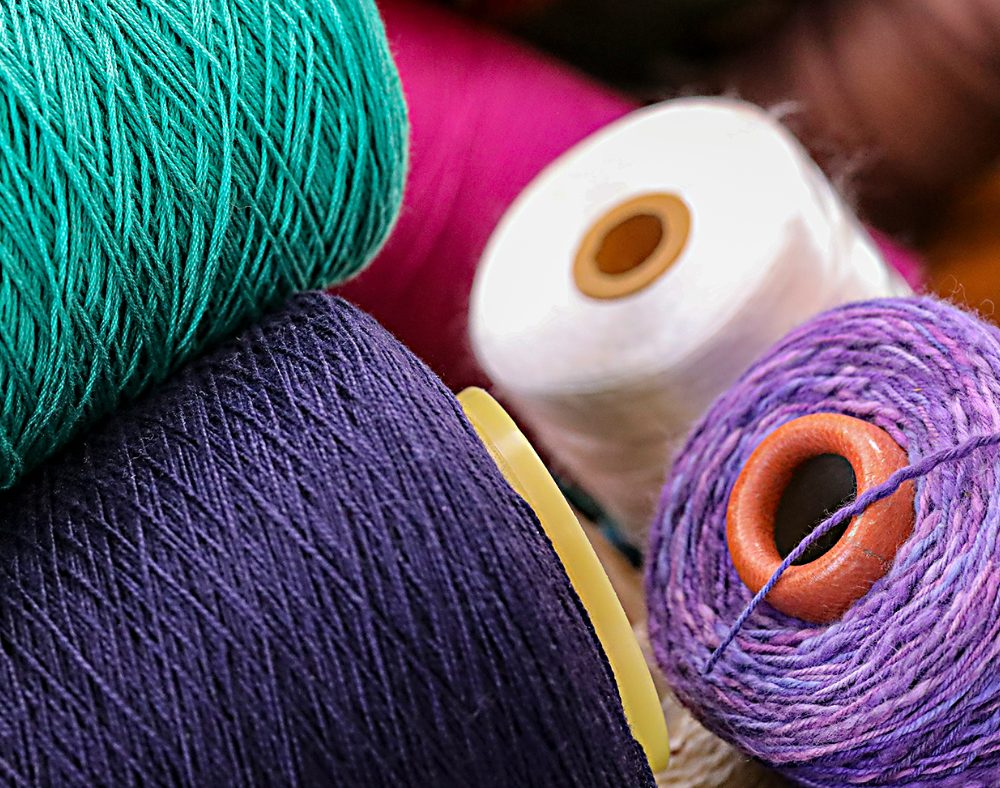
Yarn-dyed acrylic is colored before knitting, offering deeper saturation and pattern flexibility for jacquard or intarsia designs. MOQ typically starts at 100 pieces per colorway, with no additional setup cost beyond yarn inventory.
Piece-dyeing (garment dye) colors finished sweaters in a single shade, ideal for solid-color collections. Setup is minimal, lead time adds 3–5 days, and MOQ can be as low as 50 pieces per dye lot.
Jacquard and Intarsia Pattern Techniques
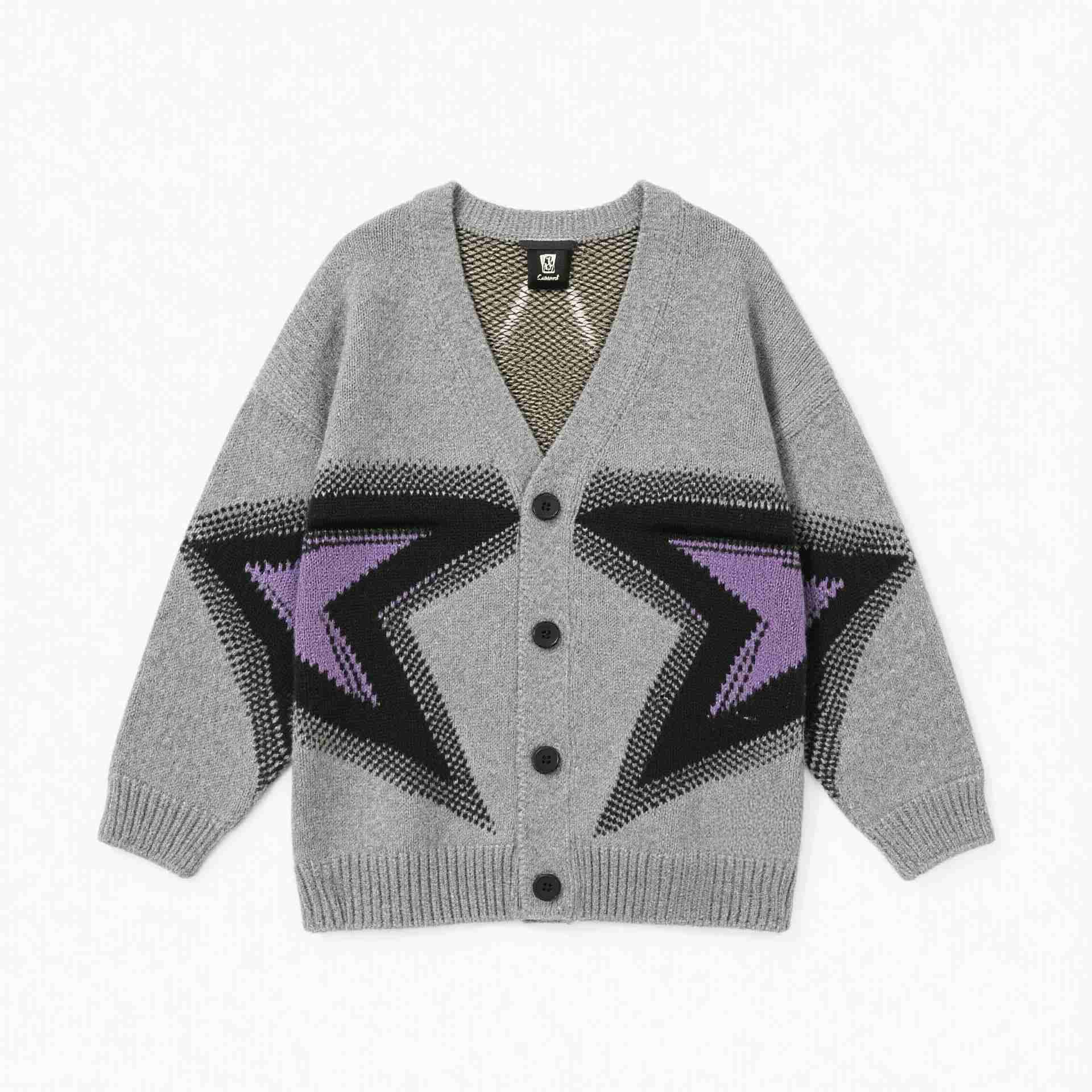
Jacquard knitting uses computerized needle selection to create multi-color geometric or Fair Isle patterns, with up to 6 colors per row on gauges from 3GG to 14GG. Setup requires 3D programming; MOQ is 100 pieces per design.
Intarsia produces bold color-blocked motifs—logos, graphics, or custom artwork—by knitting separate yarn zones. Each design demands manual linking and higher labor; MOQ remains 100 pieces, with 7–10 day sampling.
Embroidery and Appliqué Embellishments
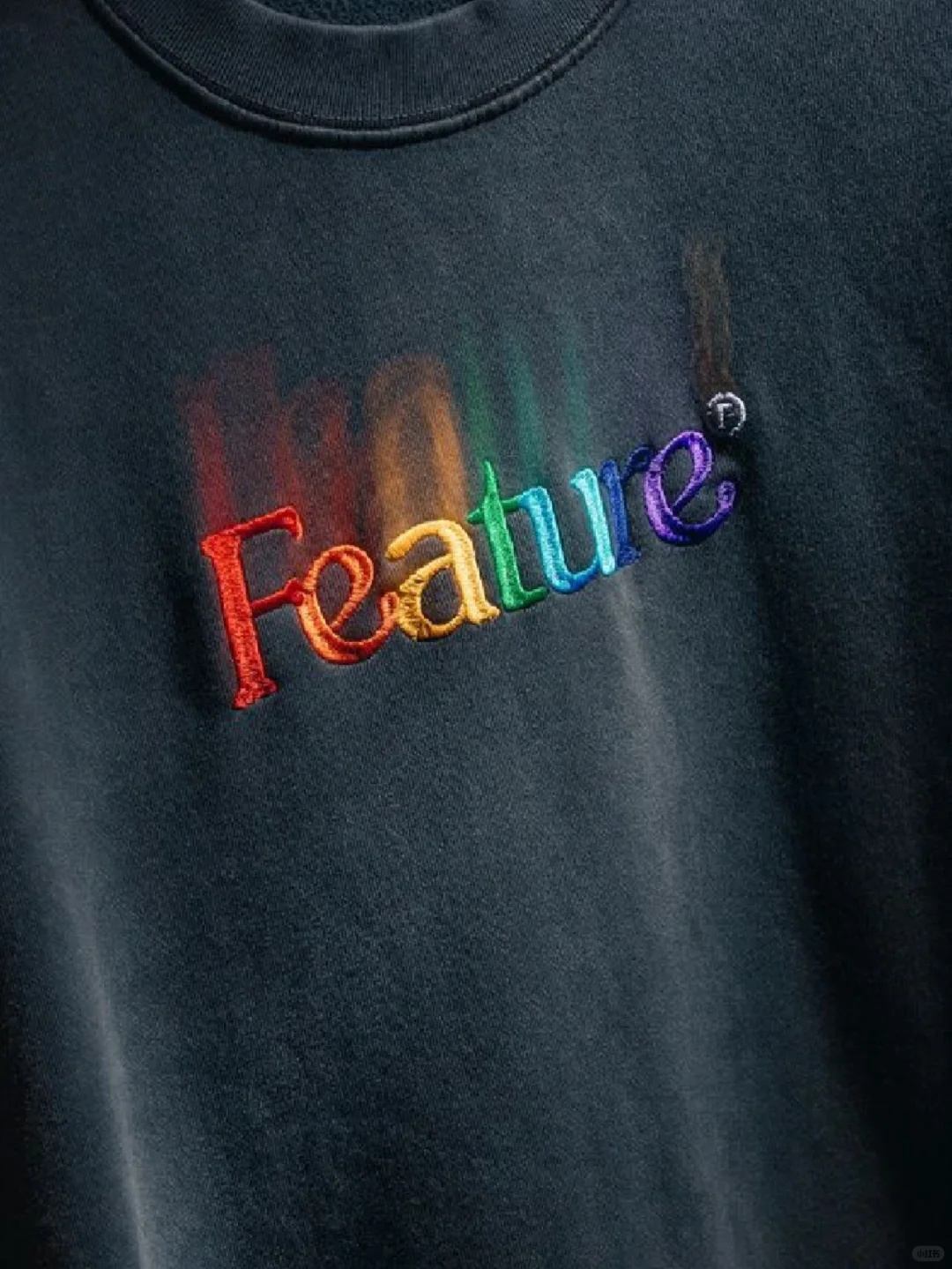
Flat embroidery, 3D puff, chain-stitch, sequin, and appliqué patches add texture and branding to acrylic knitwear. Setup includes digitizing artwork (one-time fee ~$30–50 per design) and programming multi-head machines.
MOQ is typically 100 pieces per placement. Lead time adds 2–4 days. Durability is excellent; acrylic’s stable surface holds stitches without puckering through repeated wash cycles.
6. Key Quality Indicators for Acrylic Yarn
Not all acrylic yarn delivers the same performance. Before committing to production, buyers should verify five core indicators — twist consistency, evenness, pilling resistance, colorfastness, and tensile strength — to avoid costly quality failures downstream.
Twist Consistency and Ply Structure
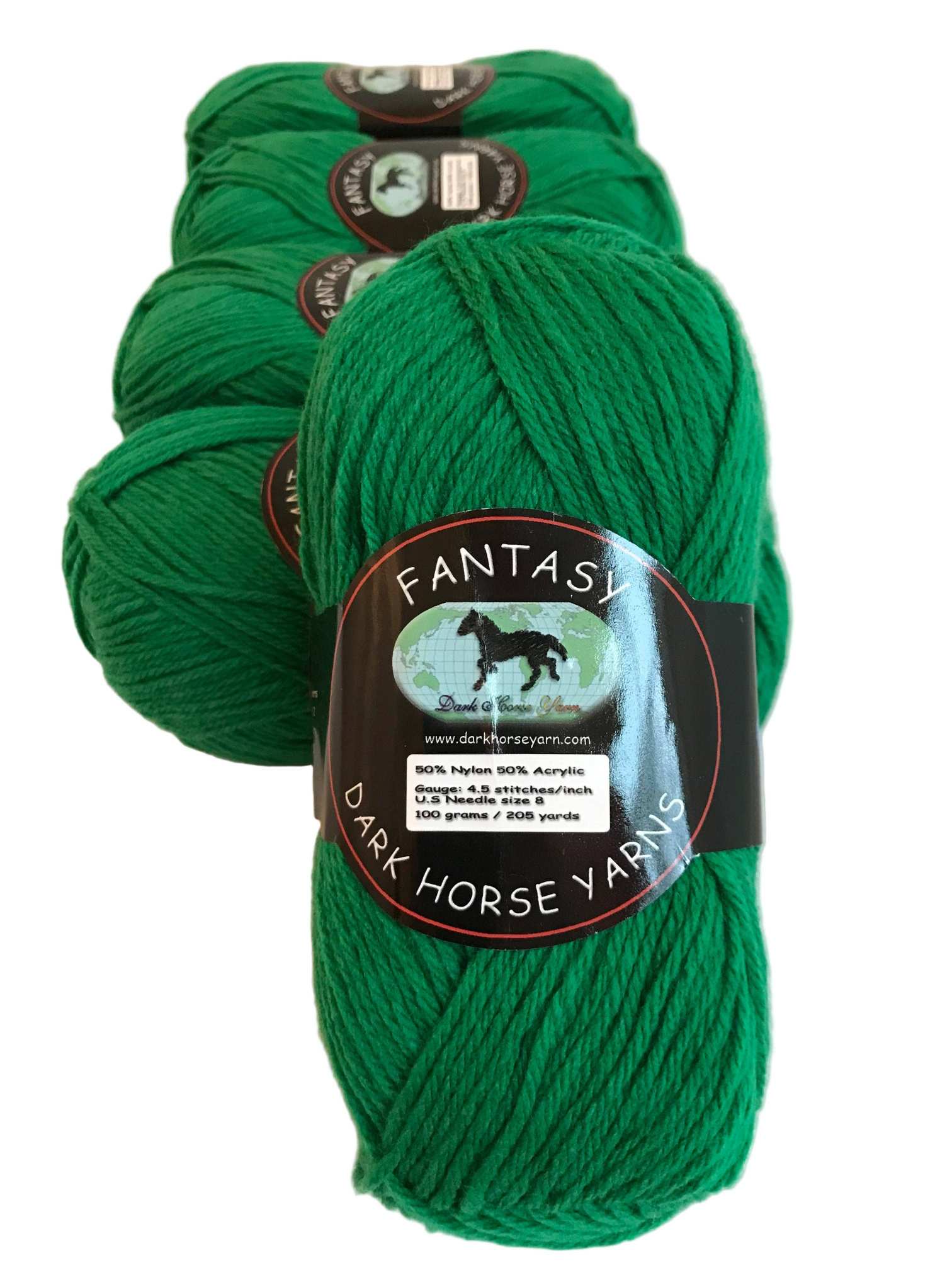
Inspect yarn under magnification or by untwisting a short length by hand. Uniform twist-per-inch (TPI) across plies ensures even tension during knitting and prevents looping or weak spots. Single-ply acrylic yarn typically runs 4–6 TPI, while 2-ply and 3-ply constructions range 8–12 TPI. Irregular twist or loosely bound plies signal poor spinning and lead to pilling and snagging in finished garments.
Evenness and Absence of Slubs
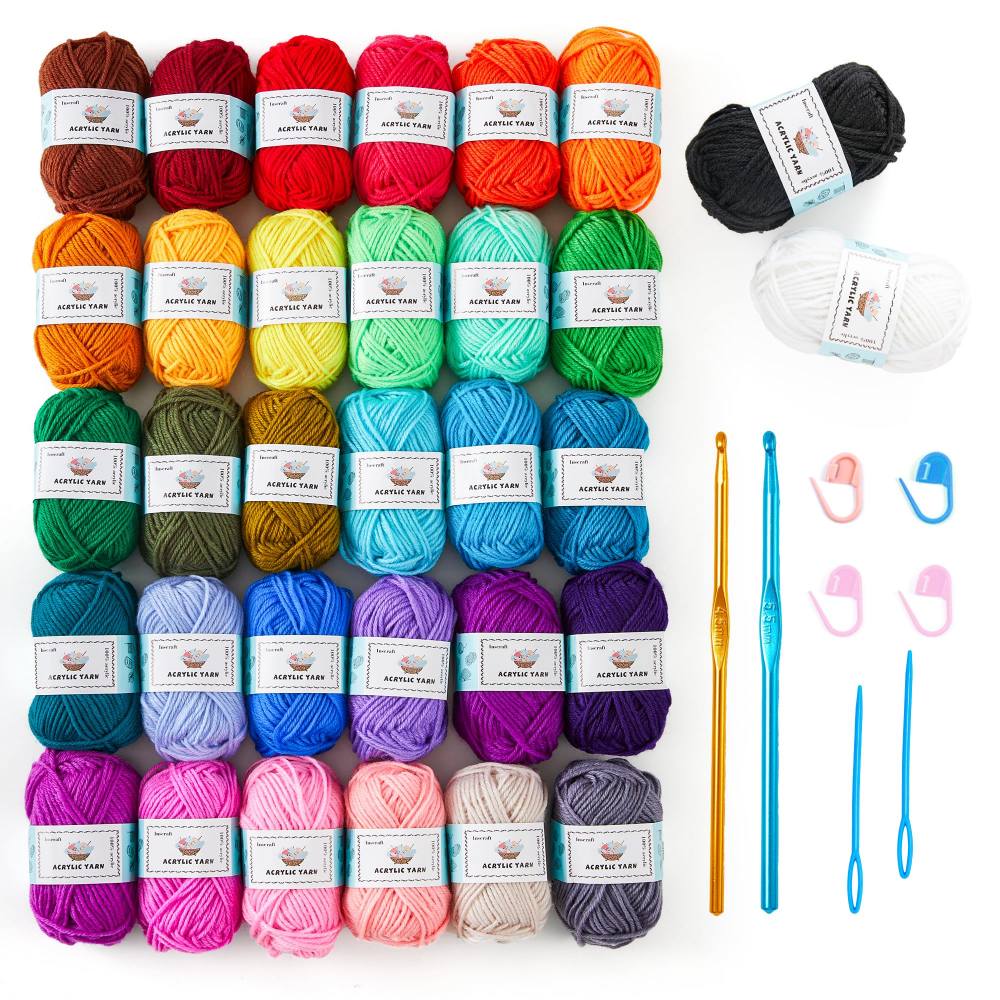
Run a 10-meter length through your fingers or request an Uster evenness test report (CV% below 12 is standard for quality acrylic yarn). Slubs — thick lumps — and thin sections create visible defects in flat-knit sweaters and disrupt jacquard or intarsia patterns. Excessive variation indicates contaminated fiber or outdated spinning equipment.
Pilling Resistance
Request Martindale abrasion test results; premium acrylic yarn should exceed 20,000 cycles at grade 3–4 before visible pilling. Anti-pilling acrylic yarn uses longer staple fibers and tighter twist. Pre-production samples should be washed and tumble-dried twice to reveal early pilling tendencies that standard lab tests may miss.
Colorfastness and Dye Uptake
Ask for AATCC 61 (wash) and AATCC 16 (light) ratings of 4 or higher. Uneven dye uptake — visible as streaks or blotches — indicates fiber contamination or inconsistent heat-setting. Rub a damp white cloth across a dark sample; any color transfer below grade 4 will bleed in customer care and damage brand reputation.
Tensile Strength and Shedding
Quality acrylic yarn withstands 2.5–3.5 cN/tex (centinewtons per tex) in tensile tests. Snap a strand sharply; it should resist breakage and show minimal loose fibers. Excessive shedding during sampling or knitting clogs machine guides and leaves lint on finished garments, a clear red flag of short-staple or recycled content without proper processing.
7. How to Choose an Acrylic Yarn Manufacturer
Selecting the right acrylic yarn manufacturer determines product quality, lead times, and long-term scalability. Evaluate certifications, capacity, communication speed, and logistics infrastructure before committing to production.
Certifications and Compliance
Request OEKO-TEX Standard 100 certification to confirm acrylic yarn is free from harmful chemicals. For recycled acrylic, ask for Global Recycled Standard (GRS) documentation tracing post-consumer content.
Manufacturers with ISO 9001 or WRAP audits demonstrate consistent quality systems and ethical labor practices, reducing compliance risk for brands entering regulated markets.
MOQ Flexibility and Production Capacity
Confirm minimum order quantities align with your stage: startups typically need 100–300 pieces per style, while established brands order 1,000+ units. Monthly capacity above 50,000 pieces signals infrastructure to scale alongside your growth.
Ask how gauge range (3GG–14GG) and machine count affect lead times and whether the factory reserves capacity for repeat orders or requires re-queuing each season.
Sampling Speed and Communication
Standard knit-down sampling for acrylic yarn sweaters runs 7–14 days; factories quoting under 7 days often have dedicated sampling lines. Test responsiveness by timing first-reply speed and clarity of technical answers during initial outreach.
8. Common Mistakes When Sourcing Acrylic Yarn
Sourcing acrylic yarn efficiently requires avoiding common pitfalls that delay production and inflate costs. Understanding these mistakes—and their preventive measures—protects both your timeline and budget.
Ignoring Yarn Weight and Gauge Compatibility
Specifying yarn weight without confirming gauge compatibility with your design leads to fabric that is too loose or too dense. A 7GG machine requires heavier acrylic than a 12GG; mismatches result in rejected samples and wasted lead time.
Always request a knit-down swatch at your target gauge before approving bulk yarn. CENWILD’s design team programs 3GG–14GG samples to verify drape, density, and stitch definition, ensuring yarn and machine alignment from the first sample.
Skipping Wash and Wear Testing
Ordering bulk acrylic yarn without pre-production wash tests risks shrinkage, pilling, or color bleeding in finished garments. Standard wash cycles (40°C, tumble dry low) reveal these defects early.
Request lab-dip-approved yarn samples and conduct at least three wash cycles before confirming your order. Specify anti-pilling treatments and colorfastness grade 4 or higher in your purchase contract to ensure durability.
Underestimating Custom Color Lead Times
Custom-dyed acrylic yarn typically requires 15–25 days for lab dips, approval, and bulk dyeing. Brands that assume stock-color timelines face delayed launches and missed seasonal windows.
Plan custom Pantone or physical swatch matching at least four weeks ahead of your production start date. CENWILD maintains in-house yarn sourcing and dye coordination to compress lead times for stable partners.
Choosing Suppliers on Price Alone
The lowest per-kilogram quote often hides quality gaps—low-twist acrylic pills heavily, and inconsistent dye lots create visible shade variation across production runs. Price-driven decisions frequently double costs through rework and customer returns.
Verify yarn certificates (OEKO-TEX Standard 100), request pilling-grade reports (ISO 12945), and review supplier references before committing. CENWILD’s 28 years of knitwear manufacturing and partnerships with over 2,000 brands ensure consistent yarn quality and traceability.
9. Steps to Launch Your Acrylic Yarn Knitwear Brand
Launching a knitwear line with acrylic yarn requires a clear sequence from concept to fulfillment. CENWILD’s 100-piece MOQ and flexible deposit terms let brands test the market without overcommitting capital upfront.
Define Target Market and Price Point
Identify your customer demographic — age, income, geography — and retail price ceiling before selecting yarn. A $50 retail pullover supports heavier acrylic-wool blends and embroidered logos; a $25 piece requires lighter gauges and simpler constructions.
CENWILD’s design team can recommend yarn weights and stitch patterns that deliver the look you need within your landed-cost budget.
Request and Evaluate Samples
Order knit-down swatches in your chosen acrylic yarn blend, gauge, and stitch. Check hand-feel, drape, color accuracy against Pantone references, and pilling resistance after a home wash.
CENWILD produces production-ready samples with full decoration so you evaluate exactly what will ship, not an approximation.
Finalize Tech Packs and Place Pilot Orders
Lock measurements, stitch diagrams, colorways, and trim specs in a tech pack. Start with a 100–300 piece pilot to validate sizing and demand before scaling.
CENWILD accepts PayPal and credit card for first orders, easing cash flow, and typical lead time is 25–35 days from deposit to ex-factory.
10. Acrylic Yarn Pricing and Cost Breakdown
Acrylic yarn pricing follows volume-based tiers, with per-kilogram costs dropping significantly at 500 kg and 1,000 kg breakpoints. Standard 100% acrylic yarn at 100 kg typically ranges $3.20–$4.50/kg, while acrylic-wool blends (70/30) start at $4.80–$6.20/kg due to natural fiber content. Lead times extend from 10–12 days for stock colors to 18–22 days when custom dyeing is required.
Setup fees for custom Pantone color matching add $150–$280 per shade, amortized across the order; buyers planning multi-color collections should consolidate quantities to reduce per-unit impact. Certifications such as OEKO-TEX Standard 100 or GRS (Global Recycled Standard) add $0.30–$0.60/kg, while anti-pilling treatments and softening finishes contribute $0.15–$0.35/kg.
CENWILD’s 100-piece garment MOQ translates to approximately 80–120 kg of yarn depending on style and gauge, positioning the entry tier within reach for independent designers. Long-term partners moving consistent monthly volumes above 1,000 kg access the lowest per-kilogram rates and priority scheduling during peak seasons.
| Quantity Tier | 100% Acrylic ($/kg) | Acrylic Blend ($/kg) | Lead Time | Custom Color Setup |
|---|---|---|---|---|
| 100–499 kg | $3.20–$4.50 | $4.80–$6.20 | 10–12 days | $150–$280/color |
| 500–999 kg | $2.80–$3.90 | $4.20–$5.50 | 12–15 days | $150–$280/color |
| 1,000+ kg | $2.40–$3.40 | $3.70–$4.90 | 15–18 days | Negotiable |
Start Your Acrylic Yarn Knitwear Project Today
Submit your design brief, request a knit-down sample, or get a custom quote—MOQ from 100 pieces, 28+ years of manufacturing expertise.