
Rib Knit Cuffs for Sweaters, Cardigans & Knitwear
Add stretch, durability, and professional polish to your custom sweaters with precision-knit rib knit cuffs — OEM ready, low MOQ from 100 pieces, crafted in Dongguan.
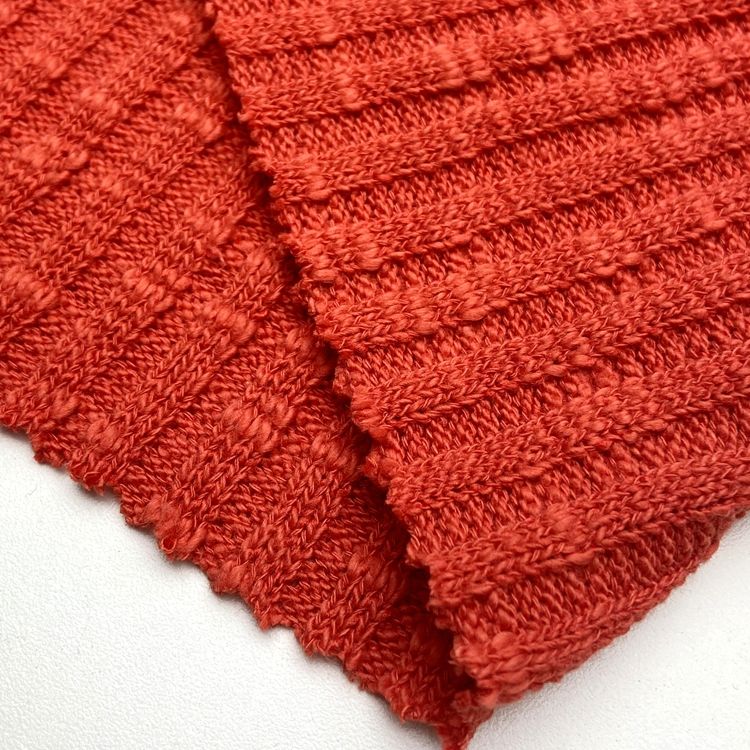
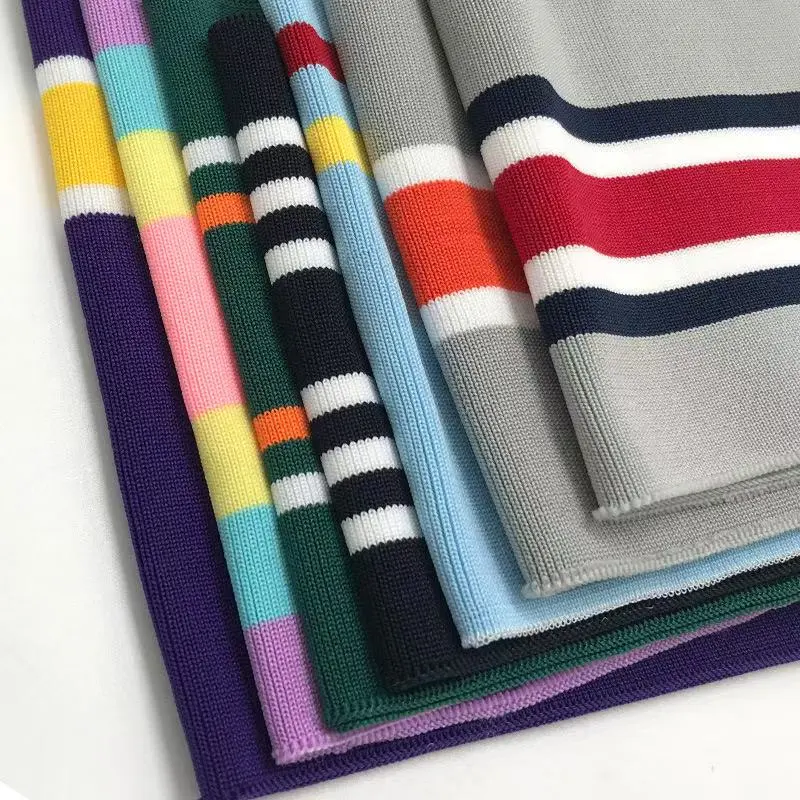
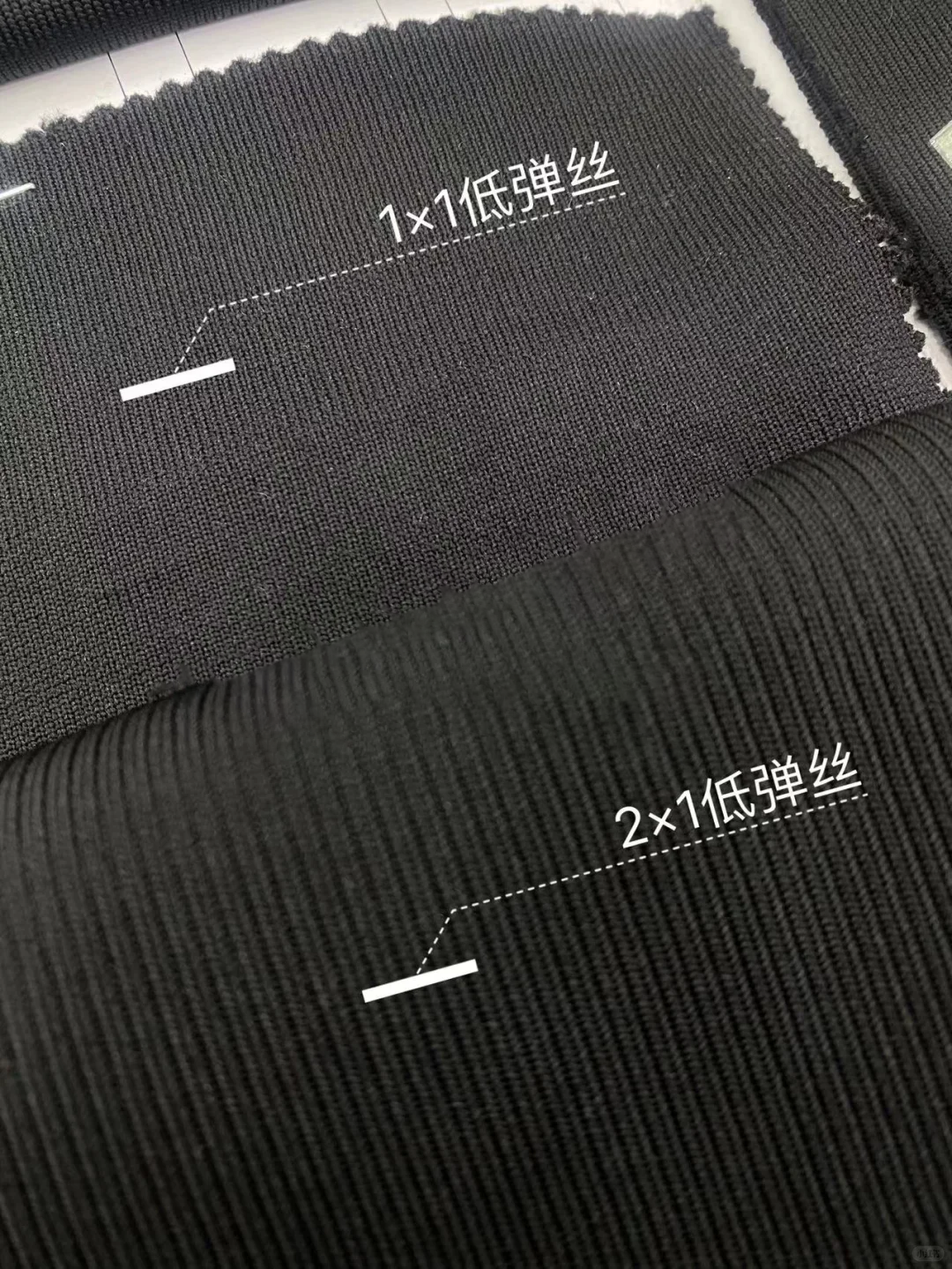
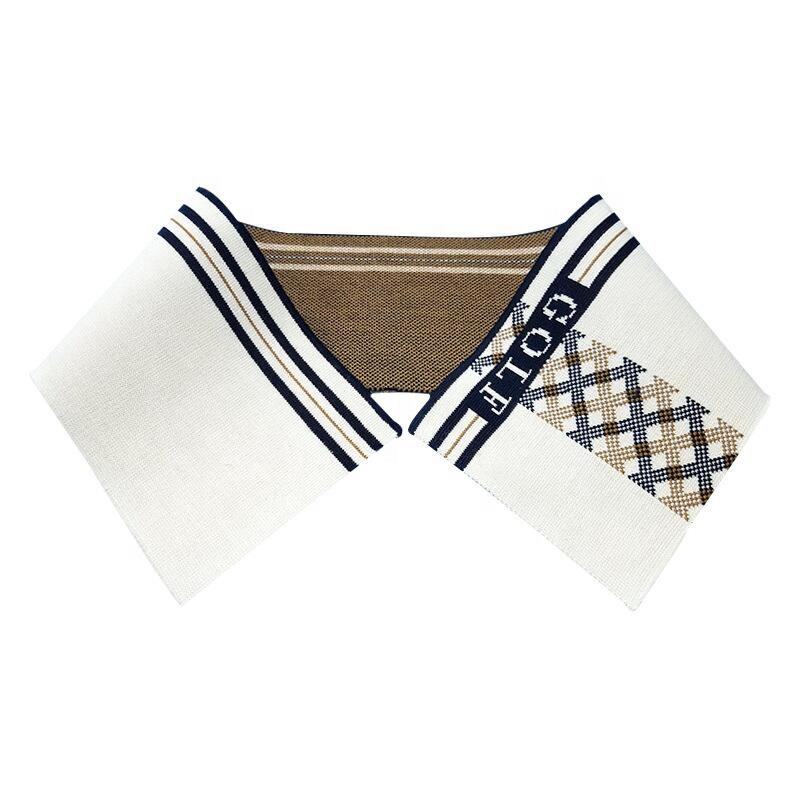
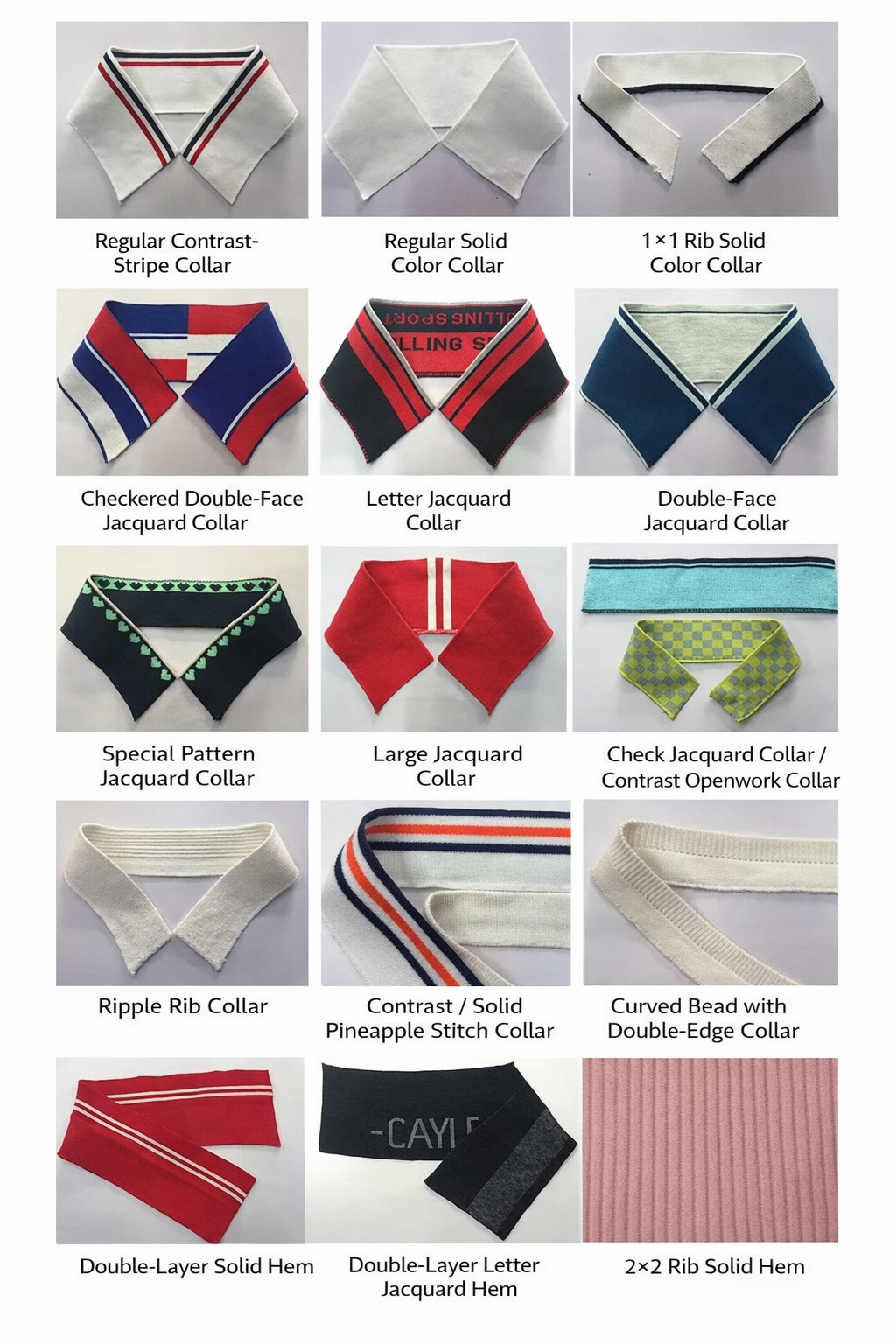
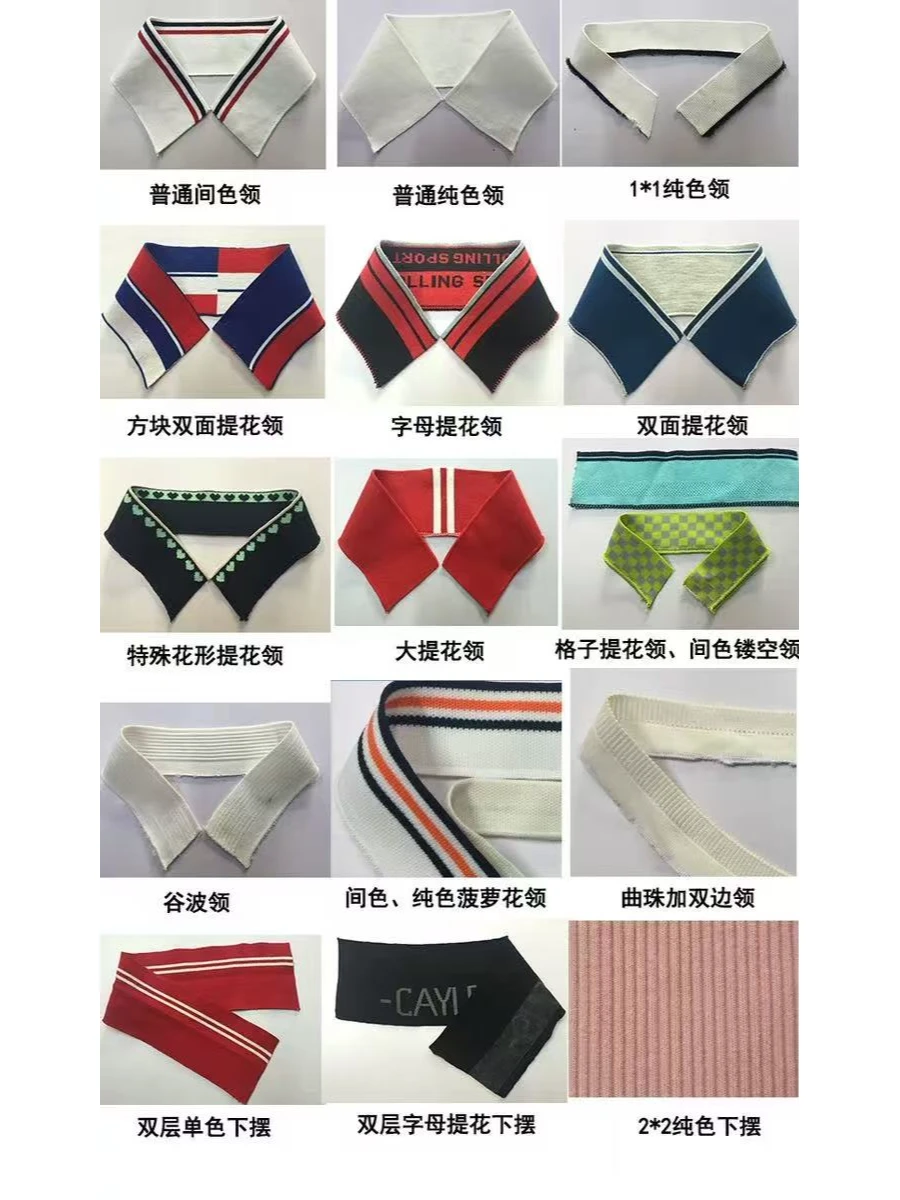
Rib Knit Cuff Styles & Finishes
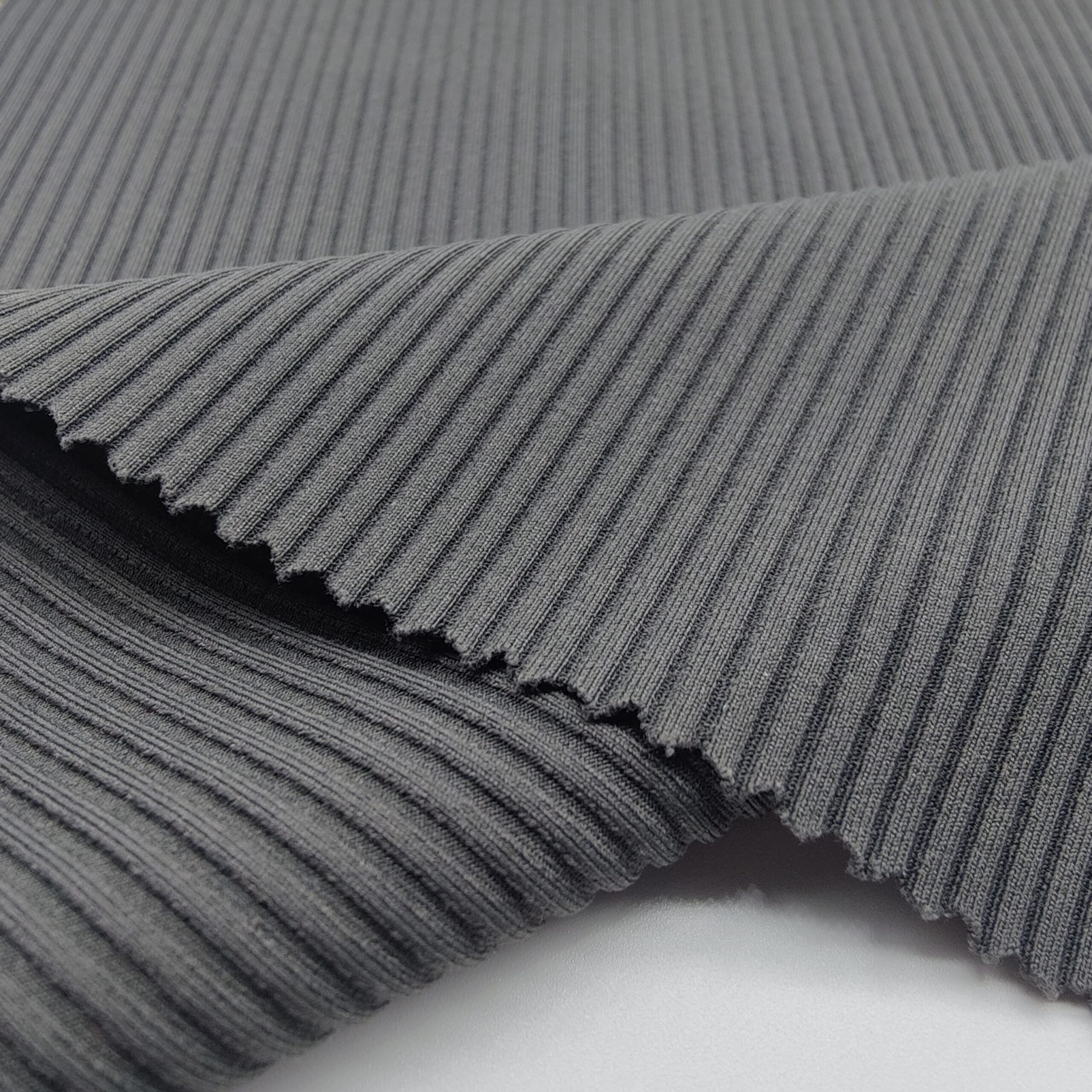
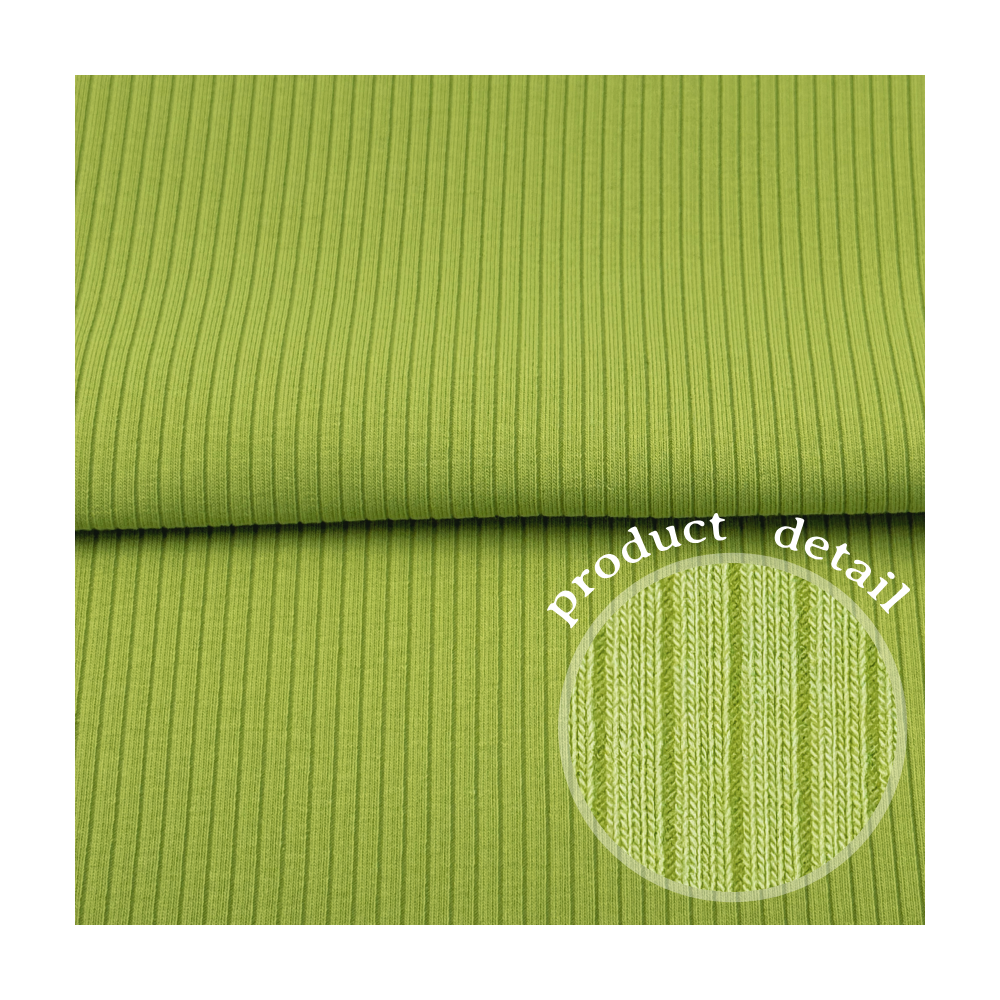
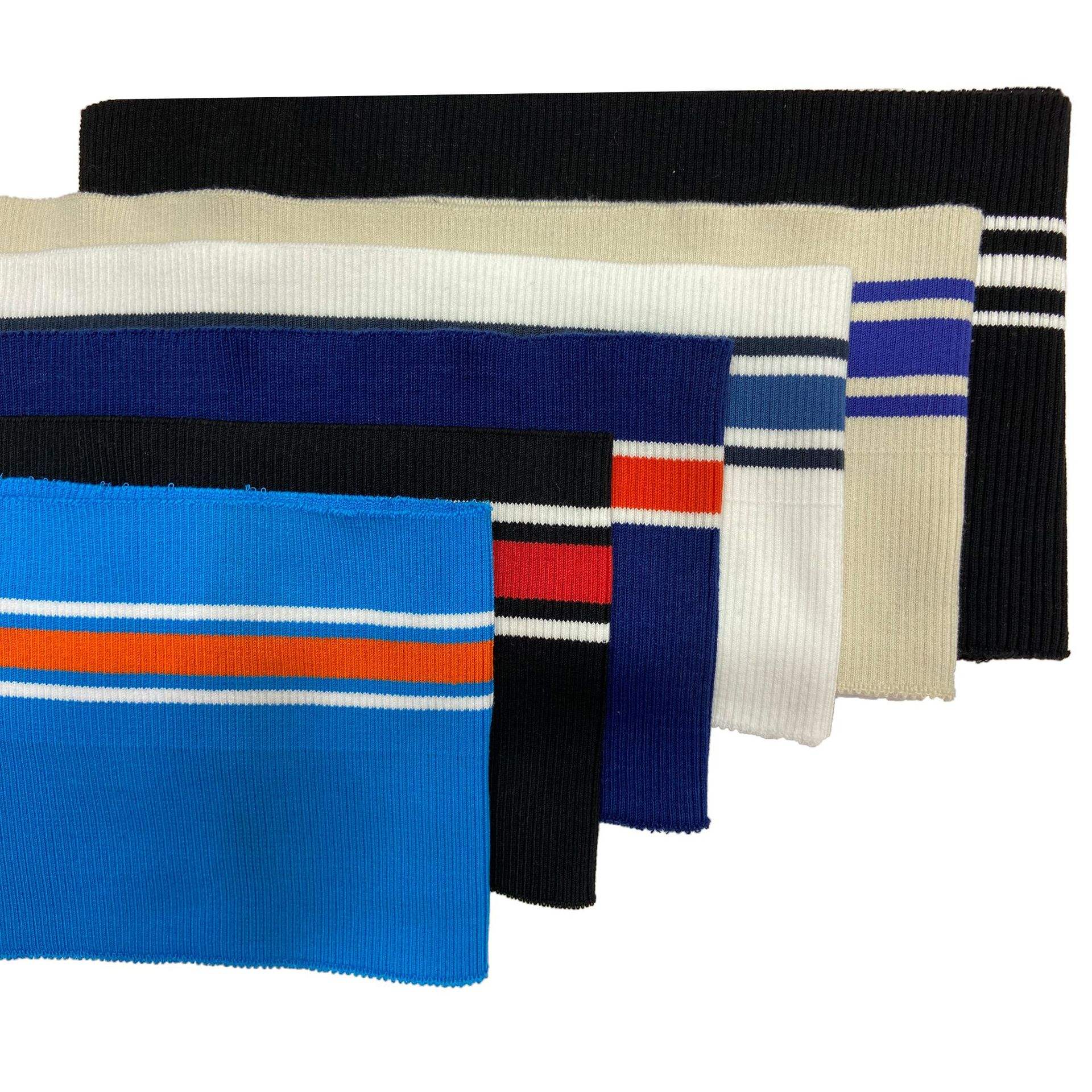
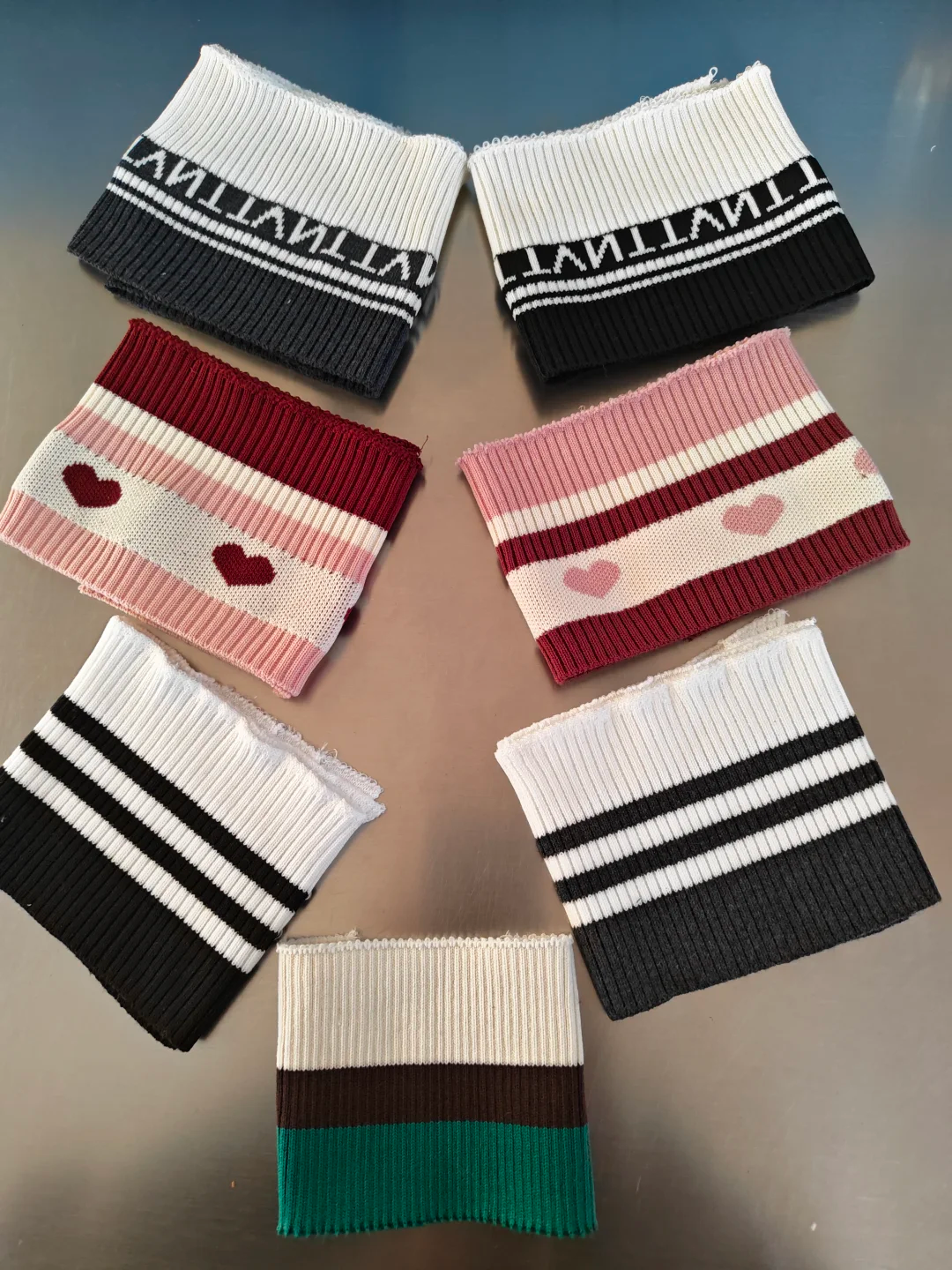
Why Choose Rib Knit Cuffs for Your Knitwear
Superior Stretch Recovery
Rib knit cuffs return to shape wear after wear, maintaining fit and preventing sagging at wrists and hems.
Exceptional Wash Durability
Engineered to withstand repeated laundering without losing elasticity, keeping your sweaters looking new through every care cycle.
Clean Professional Finish
Rib knit cuffs deliver a polished, tailored appearance that elevates perceived quality and reinforces your brand’s attention to detail.
Full Customization Flexibility
Choose gauge, width, color, and contrast trims to match your design vision — from 100 pieces with CENWILD’s low MOQ.
Seamless Yarn Integration
Our in-house knitting ensures rib knit cuffs blend perfectly with body yarns in cashmere, merino, cotton, or any blend.
OEM and ODM Ready
Leverage 28 years of Dongguan expertise to integrate rib knit cuffs into any sweater style, from concept to production.
Related Trims & Knitwear Pages
Trims and Accessories
CENWILD sources and applies a full range of custom knitwear trims in-house—ribbed collars, cuffs, waistbands, necklines, and hems—engineered to match your sweater’s gauge, yarn, and stretch requirements. Every trim is knit-down tested for durability and fit consistency across production.
Get a Quote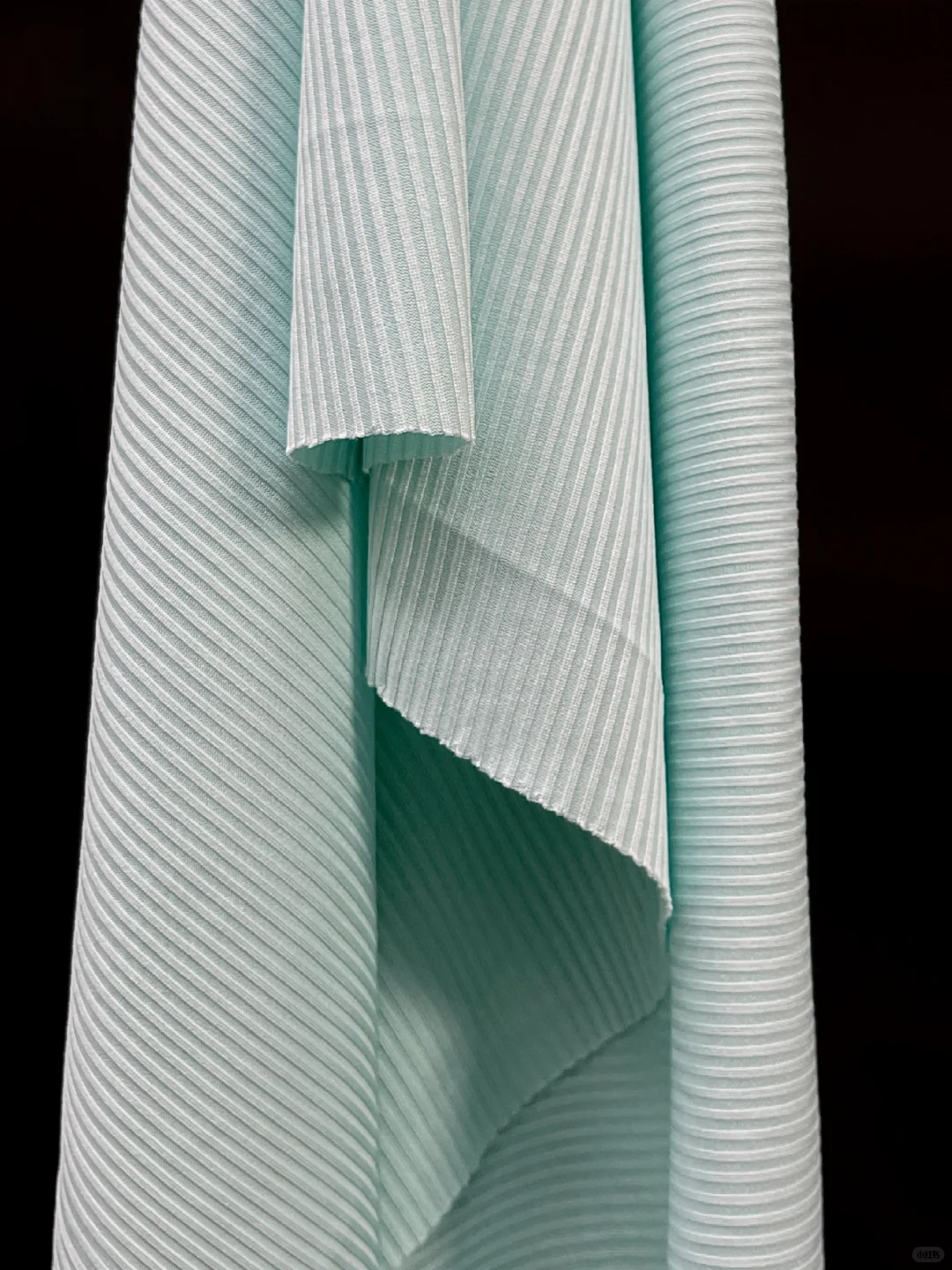
Custom Buttons
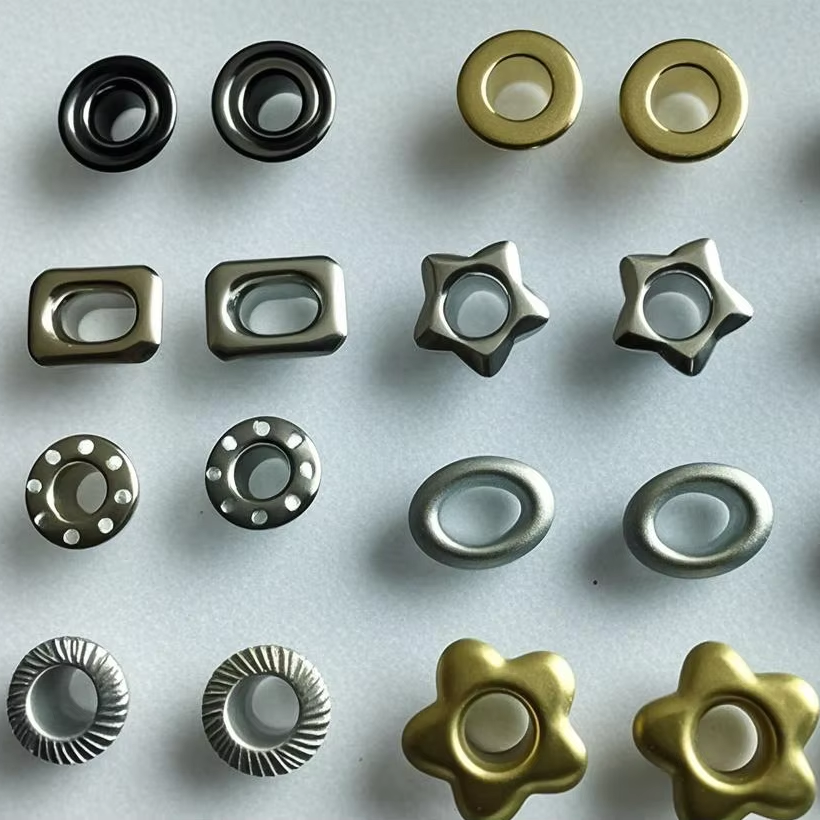
We offer custom buttons in resin, corozo, metal, wood, shell, and recycled materials, with logo engraving, embossing, or custom molds available from 100-piece MOQ. Each button is selected or developed to complement your cardigan, polo, or placket design and reinforce your brand identity.
Get a Quote
Custom Zippers
CENWILD supplies custom zippers—metal, nylon, invisible, two-way, and waterproof—in any length, color, or branded pull design. Ideal for cardigans, quarter-zip pullovers, and knit jackets, all zippers are pre-tested for smooth operation and sewn with precision to maintain garment structure.
Get a Quote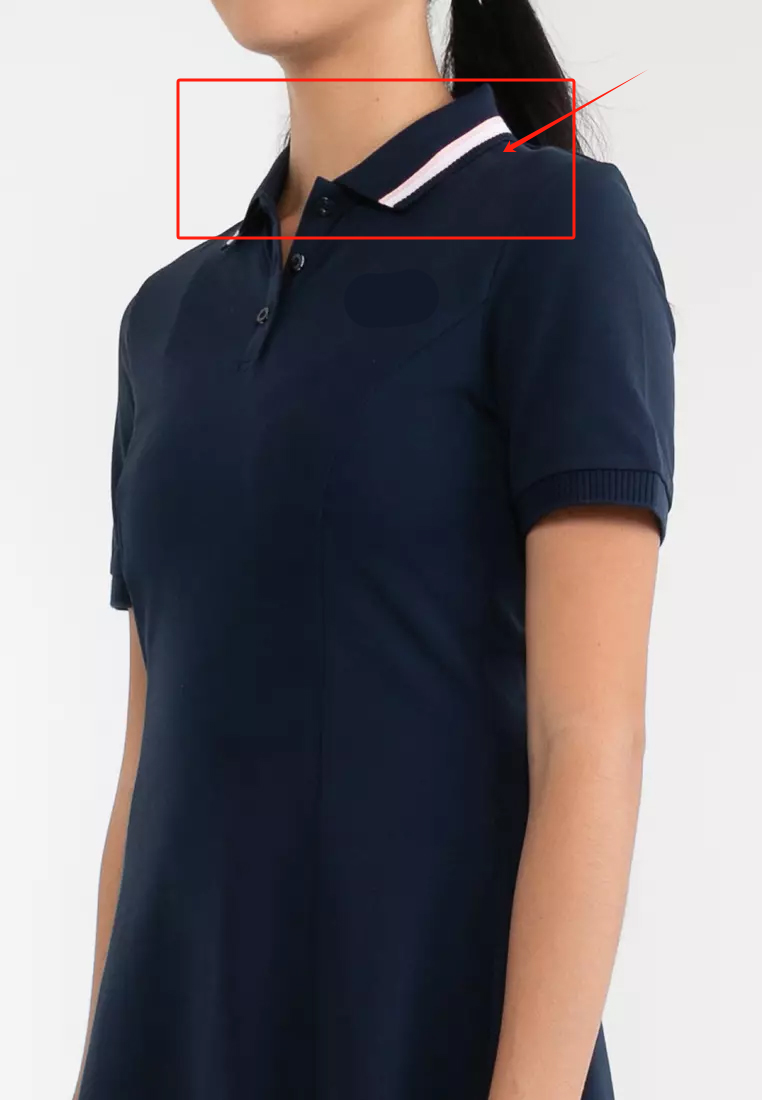
Woven and Leather Labels
Custom woven labels and genuine or vegan leather patches are produced to your artwork, size, and finish specifications. We sew them into necklines, hems, or exterior placements as permanent branding for private label sweater collections, with full Pantone matching and low minimums from 100 pieces.
Get a Quote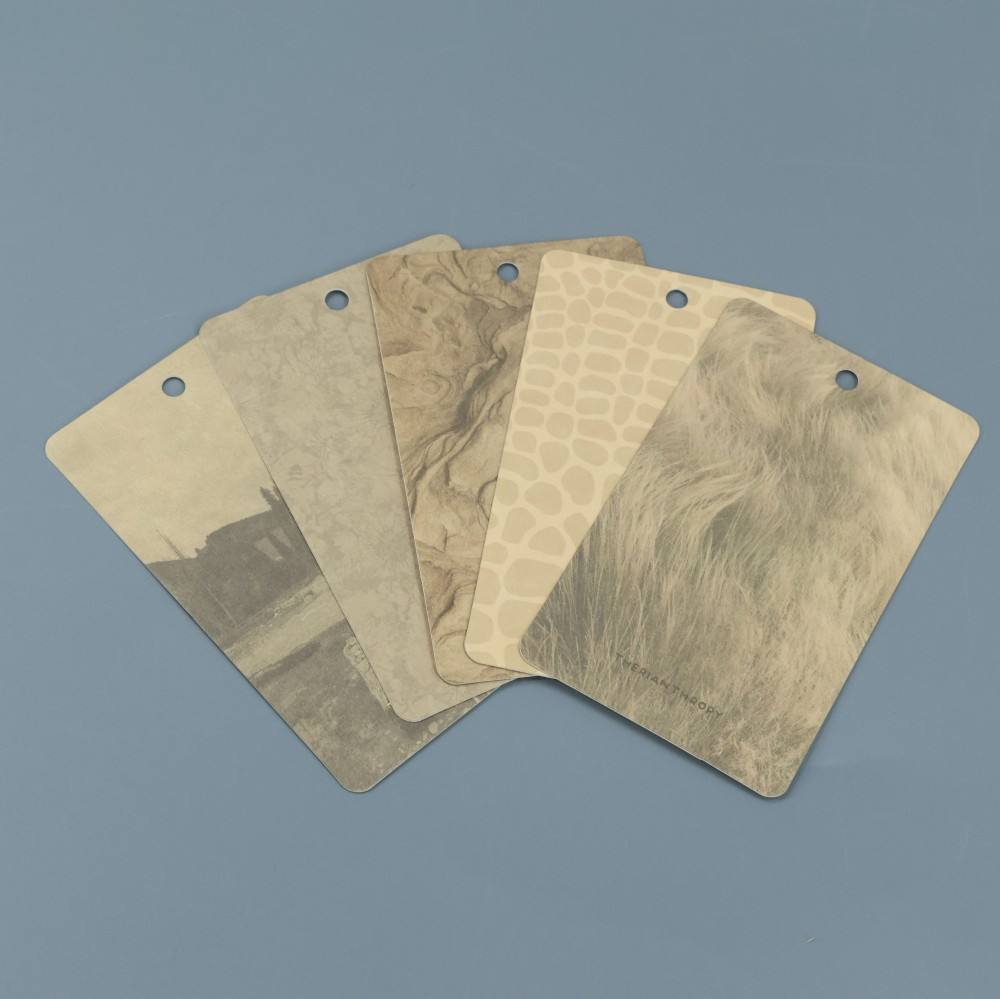
Custom Hang Tags
Design custom hang tags in any shape, paper stock, or finish—matte, gloss, embossed, foil-stamped, or die-cut—to communicate your brand story at retail. CENWILD coordinates printing, stringing, and attachment so every sweater ships shelf-ready with cohesive packaging and brand presence.
Get a Quote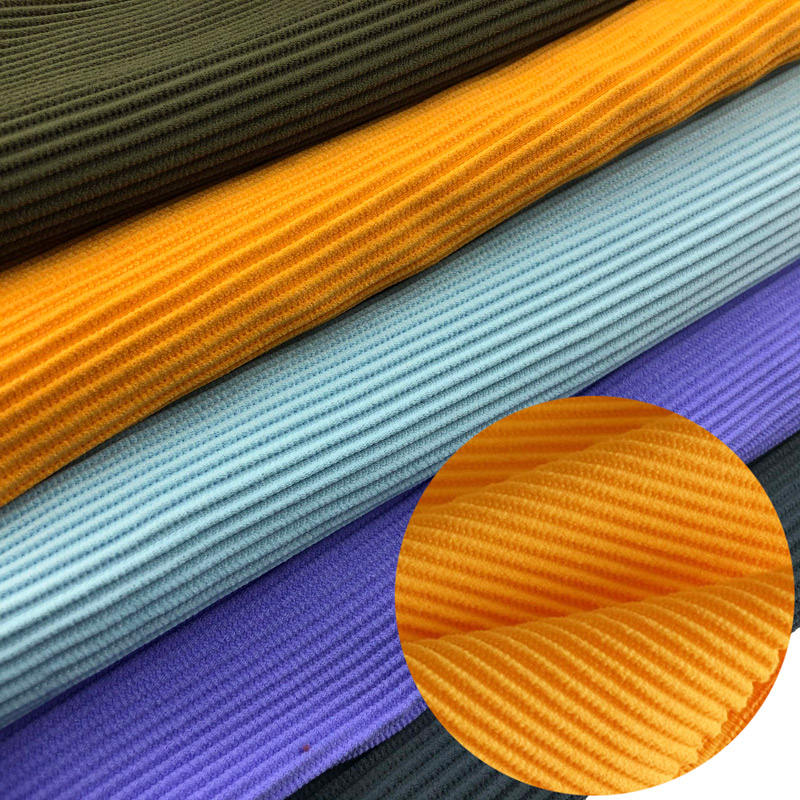
Drawstrings
We manufacture and attach custom drawstrings in cotton, polyester, or blended cord, with metal or plastic aglets, dyed to match your knitwear palette. Commonly used in hooded cardigans, cowl necks, and casual pullovers, each drawstring is tip-sealed and threaded for long-term performance.
Get a Quote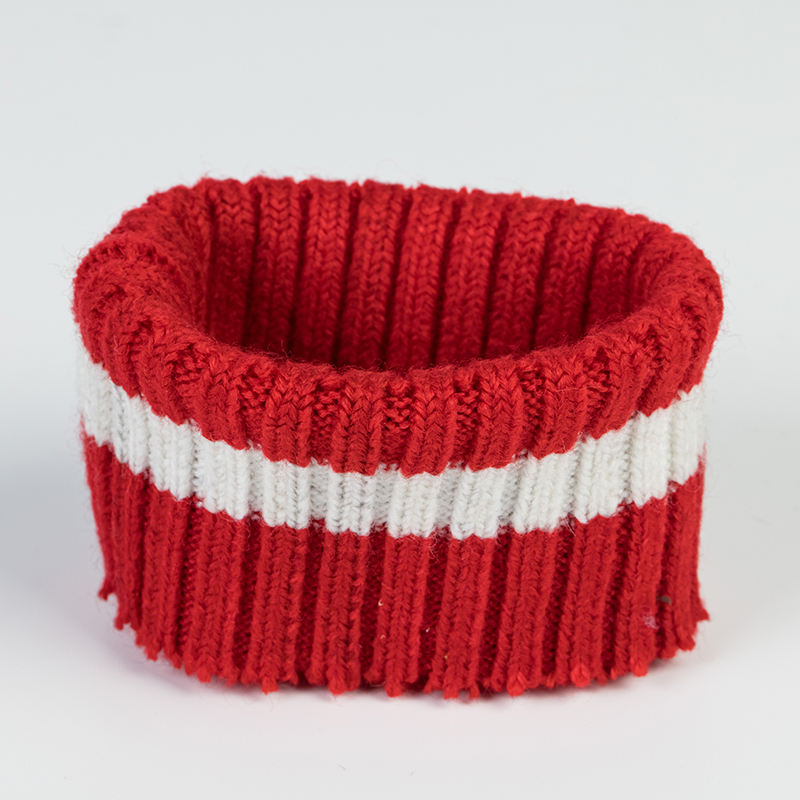
Pom Poms
CENWILD produces custom pom poms in natural or synthetic fur, yarn, and faux-fur blends, sized and colored to your specifications. Perfect for beanies, hoods, and seasonal knitwear, pom poms are securely snap-fastened or sewn, with matching or contrast options available from 100-piece orders.
Get a Quote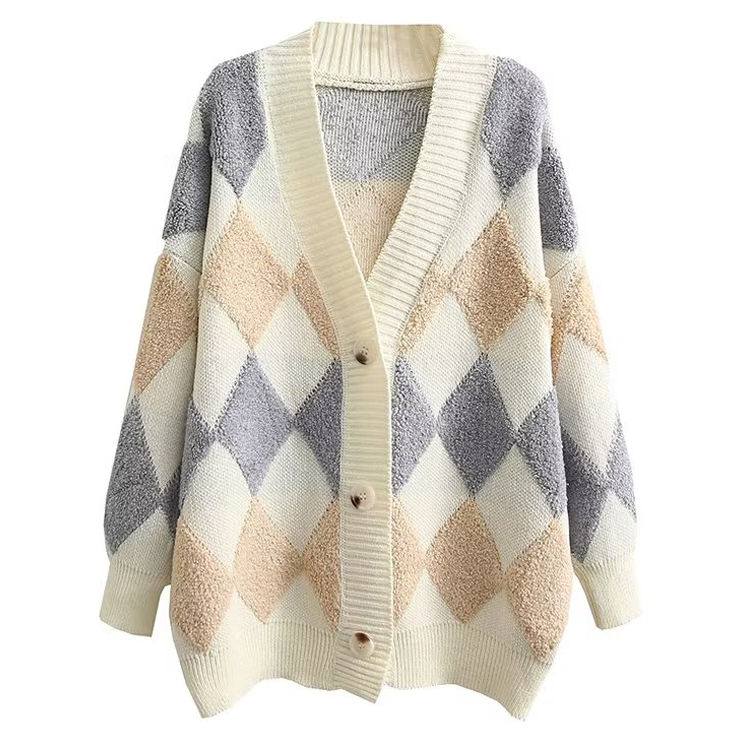
Custom Cardigan
Explore our full custom cardigan manufacturing service—button-front, zip-front, open-front, and belted styles—in any gauge, yarn, stitch pattern, or decoration. From concept sketch to finished garment, CENWILD handles design development, sampling, and production with MOQ starting at just 100 pieces.
Get a Quote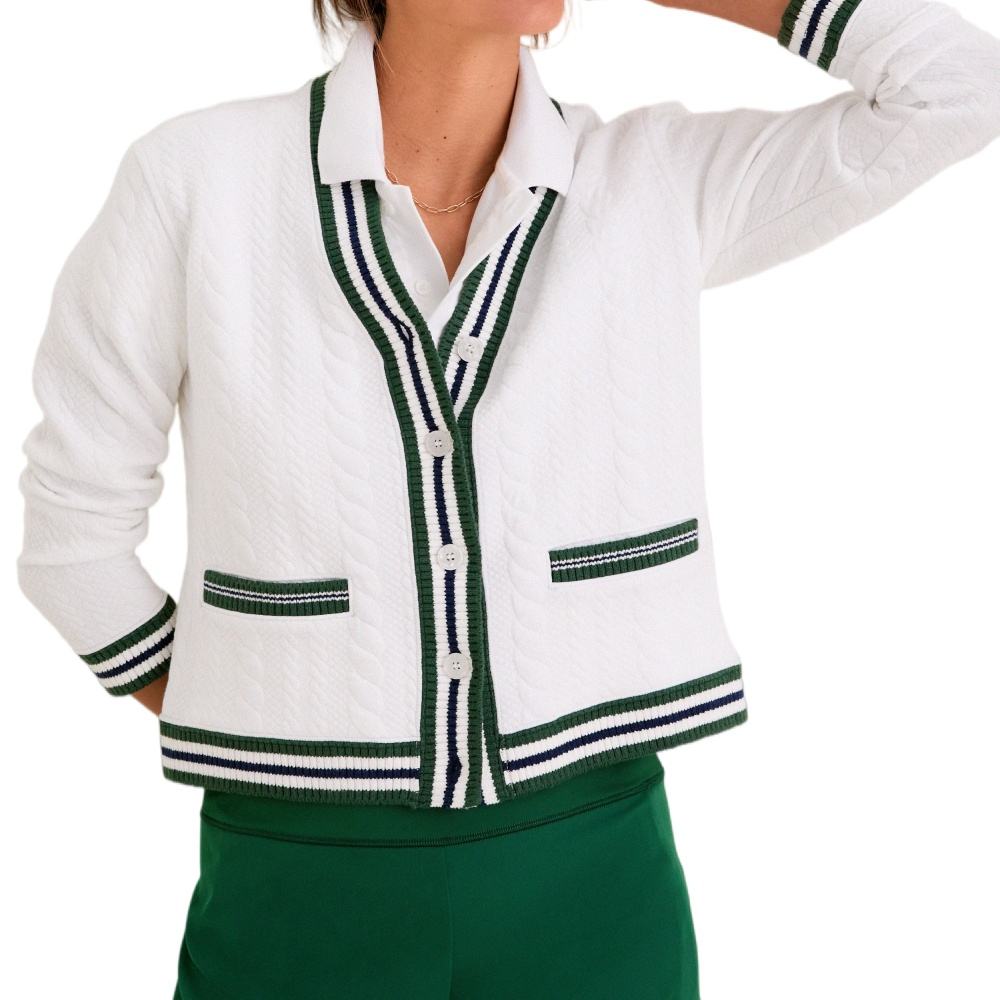
Cardigan Sweater Manufacturer
As a dedicated cardigan sweater manufacturer with 28 years in Dongguan, CENWILD delivers OEM and ODM cardigan production for fashion brands worldwide. We knit, link, finish, and decorate cardigans in cashmere, merino, cotton, and blends, with full private label support and flexible payment terms.
Get a Quote28+ Years Crafting Rib Knit Cuffs
Founded in 1998 in Humen, Dongguan — the heart of China’s knitwear manufacturing region — CENWILD has spent over 28 years perfecting every detail of custom sweater production, including precision rib knit cuffs. What started as a family knitting workshop has grown into a full-service manufacturer serving over 2,000 fashion brands worldwide.
Today CENWILD operates computerized flat-knitting machines across 3GG–14GG gauges with a monthly capacity exceeding 80,000 pieces. Our in-house knitting, sampling, and finishing capabilities mean every rib knit cuff is engineered for elasticity, durability, and a flawless fit — whether you need classic 1×1 ribs, chunky 2×2 patterns, or custom widths and yarn blends.
From independent designers to global retailers, brands trust CENWILD for OEM and ODM production with MOQs starting at just 100 pieces. Our team of 200+ skilled employees and dedicated design support turns your vision into production-ready knitwear, ensuring every rib knit cuff detail aligns with your brand’s quality standards.
Rib Knit Cuff Construction & Finishing Techniques
Gauge Selection & Yarn Matching
Every rib knit cuff begins with precise gauge selection—from 3GG to 14GG—matched to your sweater body weight and drape. CENWILD’s 28+ years of Dongguan manufacturing experience ensures yarn consistency across cuff and garment, preventing puckering or stretch mismatch after washing.
- 3GG–14GG computerized flat-knit machines for any ribbing density
- Yarn-lot coordination between cuff and body to guarantee color and texture uniformity
- Knit-down sampling before production to test elasticity and recovery
- In-house yarn sourcing for cashmere, merino, cotton, alpaca, and blends
Edge Finishing: Merrowed, Heat-Cut & Bound
CENWILD offers three professional edge-finishing methods for rib knit cuffs. Merrowed edges deliver a clean, overlock-style seam; heat-cut edges suit synthetic blends for a fray-free finish; and bound edges add a refined, couture touch — all selected to match your brand’s quality standard and garment construction.
- Merrowed finishing for durable, professional overlock seams on natural fibers
- Heat-cut edges for acrylic and poly blends, preventing unraveling without bulk
- Bound-edge option for luxury knitwear with contrast or tonal binding tape
- Edge inspection at every stage to maintain consistent stitch density
Attachment Methods & Quality Control
Rib knit cuffs are attached via linking, overlock, or flatlock seam—each chosen for garment construction and comfort. CENWILD’s OEM and ODM capabilities include full QC checkpoints: seam strength testing, stretch-recovery measurement, and visual inspection before packaging, ensuring every cuff performs through repeated wear and washing.
- Linking for fully-fashioned, seamless attachment on premium sweaters
- Overlock or flatlock seams for cut-and-sew styles and faster turnaround
- Stretch-recovery testing to confirm cuff elasticity after 50+ wash cycles
- Final QC inspection of seam alignment, rib tension, and yarn integrity
Rib Knit Cuffs vs. Flat-Knit Binding
Both are knitted finishes, but rib knit cuffs deliver superior stretch recovery, classic style, and long-lasting shape retention that flat-knit binding simply can’t match.
← 左右滑动查看 →
How Rib Knit Cuffs Are Produced
Every rib knit cuff passes through seven precision-controlled stages to ensure elasticity, dimensional stability, and seamless integration with your finished knitwear.
Yarn Selection & Matching
We match fiber content, weight, and dye lot to your main garment yarn, ensuring rib knit cuffs blend seamlessly in hand-feel, elasticity, and color consistency across the entire sweater.
Gauge Programming & Setup
Flat-knitting machines are programmed to the exact rib structure—1×1, 2×2, or custom—and gauge is calibrated across 3GG to 14GG to achieve the precise stretch and recovery your design requires.
Knit-Down Sampling
A sample cuff is knitted to verify stitch tension, width, elasticity, and length. Adjustments are confirmed before full production begins, locking in dimensional accuracy and finish quality.
Bulk Knitting Production
Rib knit cuffs are produced in continuous runs on computerized flat-knitting equipment, maintaining consistent tension, loop formation, and edge integrity across every piece in your order.
Linking or Seaming
Cuff ends are closed using fully-fashioned linking or overlock seaming, chosen to match your garment’s construction method. Each join is inspected for flatness, strength, and invisible finishing.
Edge Finishing & Trimming
Loose yarn ends are trimmed, edges are inspected for uniformity, and any pilling or irregularities are removed. Cuffs are steamed or pressed to set their final shape and elasticity.
Quality Inspection & Packaging
Each rib knit cuff is checked for gauge accuracy, stretch recovery, color match, and defect-free construction. Approved cuffs are bundled by size and style, ready for attachment to your sweaters.
Adding Rib Knit Cuffs to Your Sweater Order
CENWILD integrates custom rib knit cuffs seamlessly into every knitwear production run, from 100-piece MOQ orders to full-scale collections. Here’s how the process works.
Submit Your Cuff Specifications
Share gauge, fiber content, rib pattern, color, and dimensions for your rib knit cuffs. Our team reviews compatibility with your sweater body and confirms yarn sourcing.
Confirm Placement and Attachment Method
Choose sleeve, hem, or neckline placement. We specify linking, looping, or cut-and-sew attachment based on your design and gauge to ensure durability and comfort.
Produce Cuffs Alongside Sweater Body
Your rib knit cuffs are knitted in-house on our computerized flat-knit machines during the main production cycle, ensuring perfect color and texture matching throughout.
Assemble and Finish Your Knitwear
Cuffs are attached by skilled technicians, then garments undergo washing, pressing, and quality inspection before packaging. Every piece ships production-ready with consistent rib knit cuff quality.
Customer Stories: Rib Knit Cuffs in Action
CENWILD’s rib knit cuffs transformed our cardigan line. Durability complaints dropped by 78% after switching from cut-and-sewn cuffs, and our retail partners noticed the premium finish immediately.
We needed custom rib knit cuffs with logo jacquard for our holiday collection—100 pieces, tight deadline. CENWILD delivered on time with zero defects. The attention to detail elevated our entire brand perception.
Switching to fully-fashioned rib knit cuffs cut our returns by 42% and added a professional edge our customers love. CENWILD’s team walked us through gauge options and sampling—true manufacturing partners.
Rib Knit Cuffs: Frequently Asked Questions
Can I customize the width and length of rib knit cuffs for my sweater design?
What gauge options are available for rib knit cuffs?
How do I specify the color for my rib knit cuffs?
Can rib knit cuffs be made from blended fibers like merino-cashmere or cotton-acrylic?
What file formats and specifications do you need to manufacture rib knit cuffs?
Do rib knit cuffs add extra lead time to my sweater production schedule?
How durable are rib knit cuffs after repeated washing and wear?
Can I combine rib knit cuffs with other trims like woven labels or embroidered patches?
Are rib knit cuffs suitable for children’s knitwear and smaller size runs?
The Complete Buyer’s Guide to Rib Knit Cuffs for Custom Sweaters
This guide equips fashion brands and designers with a proven decision framework for sourcing rib knit cuffs, covering quality criteria, material selection, customization options, manufacturer evaluation, and the most common purchasing mistakes to avoid.
1. What Are Rib Knit Cuffs?
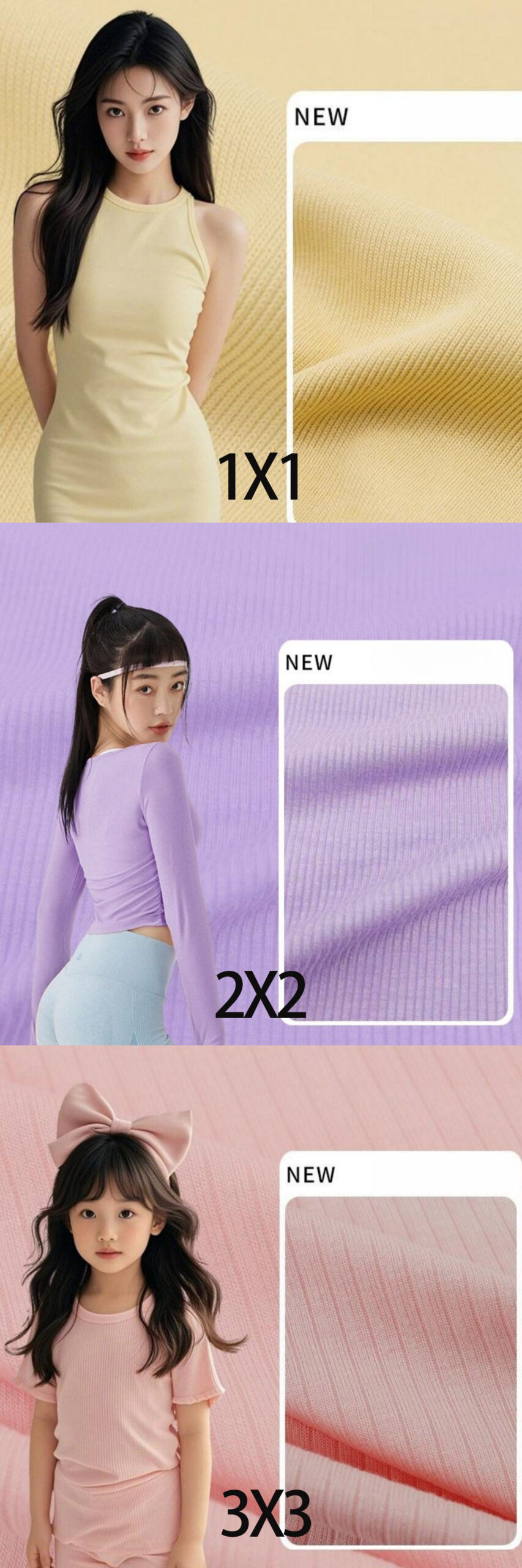
Rib knit cuffs are elasticized finishing bands engineered from alternating knit and purl stitches that create vertical ridges with natural stretch and recovery. The ribbed structure—typically 1×1, 2×2, or 3×3 configurations—contracts and expands to grip the body without binding, making it the industry standard for sleeve ends, waistbands, and necklines on sweaters, cardigans, and knit pullovers.
Most rib knit cuffs blend 95–98% base yarn (cotton, wool, cashmere, or acrylic) with 2–5% elastane or spandex to ensure shape retention after repeated wear and washing. This elasticity prevents cuffs from sagging or losing tension, a common quality complaint that damages brand reputation and increases return rates.
CENWILD produces rib knit cuffs across 3GG to 14GG gauges on computerized flat-knitting machines, matching gauge, yarn weight, and dye lot to the body fabric for seamless color consistency. Whether you need fine-gauge cashmere ribbing or chunky cotton cuffs, precise construction at the cuff directly signals garment quality to retail buyers and end consumers.
2. Evolution and History of Rib Knit Cuffs in Fashion
Rib knit cuffs first appeared in industrial workwear and military uniforms during the 1910s, where their elastic recovery kept sleeves snug against wrists in factories and trenches. By the 1920s American sportswear brands adopted ribbed cuffs on letterman sweaters and athletic jerseys, pairing durability with freedom of movement for college teams and early professional leagues.
The 1950s marked the crossover into casualwear as brands like Champion and Russell Athletic scaled production of ribbed-cuff sweatshirts for mass retail. Luxury knitwear houses in Italy and Scotland began integrating fine-gauge rib knit cuffs into cashmere and merino collections during the 1970s, elevating the detail from functional trim to a hallmark of craftsmanship.
Modern technical advances since the 2000s include seamless circular-knit cuffs that eliminate side seams, computerized flat-knit programming across 3GG–14GG gauges for precise tension control, and the use of recycled polyester, organic cotton, and low-impact dyes. These innovations allow manufacturers like CENWILD to deliver heritage aesthetics with contemporary performance and sustainability credentials at MOQs as low as 100 pieces.
3. Types of Rib Knit Cuffs for Custom Sweaters
Rib knit cuffs vary in construction, elasticity, and visual texture, each suited to different sweater categories and performance requirements. Understanding the five core types helps buyers specify the right finish for casual streetwear, performance activewear, or luxury knitwear.
1×1 Rib
1×1 rib alternates one knit stitch and one purl stitch across every course, creating fine vertical columns with maximum stretch and recovery. This tight structure delivers superior elasticity and a sleek, refined appearance.
Typical applications include dress sweaters, merino pullovers, and luxury cashmere cardigans where a clean cuff line is essential. CENWILD programs 1×1 ribs on 7GG–12GG flat-knit machines for fine-gauge garments.
2×2 Rib
2×2 rib pairs two knit stitches with two purl stitches, producing wider, bolder vertical ribs and moderate elasticity. The chunkier texture suits casual and sportswear aesthetics.
Commonly found on crewneck sweatshirts, varsity cardigans, and chunky cable-knit pullovers, 2×2 ribs work well in 3GG–7GG gauges. CENWILD uses this construction for streetwear and athleisure brands seeking a relaxed, durable finish.
Tubular and Flat-Knit Cuffs
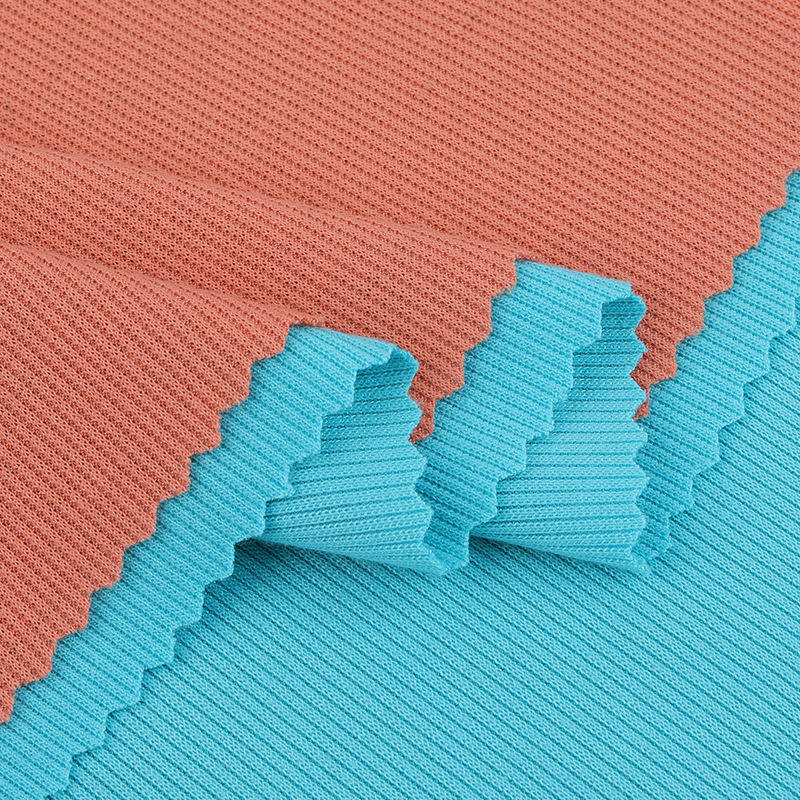
Tubular cuffs are knit in the round on circular machines, eliminating side seams for a smooth, continuous band. Flat-knit cuffs are produced on flatbed machines and seamed or linked at the underarm.
Tubular construction is preferred for high-volume basics and performance wear; flat-knit offers flexibility for engineered shaping and jacquard patterns. CENWILD supports both methods depending on design complexity and order volume.
4. Materials and Fabrics for Rib Knit Cuffs
Fiber selection for rib knit cuffs directly impacts stretch recovery, durability, hand feel, and care requirements. CENWILD works with cotton, merino wool, lambswool, cashmere, acrylic, polyester, elastane blends, and recycled or organic yarns to match brand positioning and price points.
| Material | GSM Range | Stretch % | Durability | Typical Use Case | Price Tier |
|---|---|---|---|---|---|
| Cotton + 2–5% elastane | 180–280 | 25–35% | Good; may relax over time | Casual sweaters, everyday wear | Mid |
| Merino wool blend | 200–320 | 30–40% | Excellent recovery, pill-resistant | Premium knitwear, activewear | High |
| Acrylic + spandex | 160–240 | 30–50% | Very good; holds shape well | Budget lines, high-volume retail | Low |
| Recycled polyester blend | 180–260 | 25–40% | Good; eco-certified options | Sustainable collections, eco brands | Mid–High |
| Cashmere blend | 220–340 | 20–30% | Excellent softness; requires gentle care | Luxury sweaters, limited editions | Premium |
5. Customization and Decoration Options for Rib Knit Cuffs
Fiber selection for rib knit cuffs directly impacts stretch recovery, durability, hand feel, and care requirements. CENWILD works with cotton, merino wool, lambswool, cashmere, acrylic, polyester, elastane blends, and recycled or organic yarns — including turtleneck sweater bulk orders — to match brand positioning and price points.
| Decoration Method | Setup Cost | MOQ Impact | Lead-Time Add | Durability |
|---|---|---|---|---|
| Jacquard logo / pattern | Moderate (program file) | 100–200 pcs | +3–5 days | Excellent (knit-in) |
| Embroidered patch | Low (digitizing) | 100 pcs | +2–3 days | Very good |
| Woven label (sewn) | Low (label MOQ 200) | 100 pcs | +1–2 days | Good |
| Contrast tipping stripe | None (yarn swap) | 100 pcs | 0 days | Excellent |
| Dyed-to-match color | Yarn dye lot | 300+ pcs | +7–10 days | Excellent |
| Textured stitch pattern | Moderate (knit program) | 100–200 pcs | +3–5 days | Excellent |
6. Key Quality Elements in Rib Knit Cuffs
Premium rib knit cuffs separate themselves through six measurable construction and finish details that buyers can verify at the sampling stage. CENWILD’s 28 years of manufacturing experience across 3GG–14GG gauges ensures consistency in every checkpoint below.
Gauge Consistency and Stitch Density
Gauge variance beyond ±0.25 courses per inch signals machine calibration issues that lead to uneven elasticity and visual banding. Premium cuffs maintain uniform stitch density across the entire circumference, measured at 18–24 stitches per inch for typical 5GG–7GG sweater cuffs.
Request knit-down swatches with a ruler overlay to verify gauge stability before committing to bulk production.
Elastane Percentage and Placement
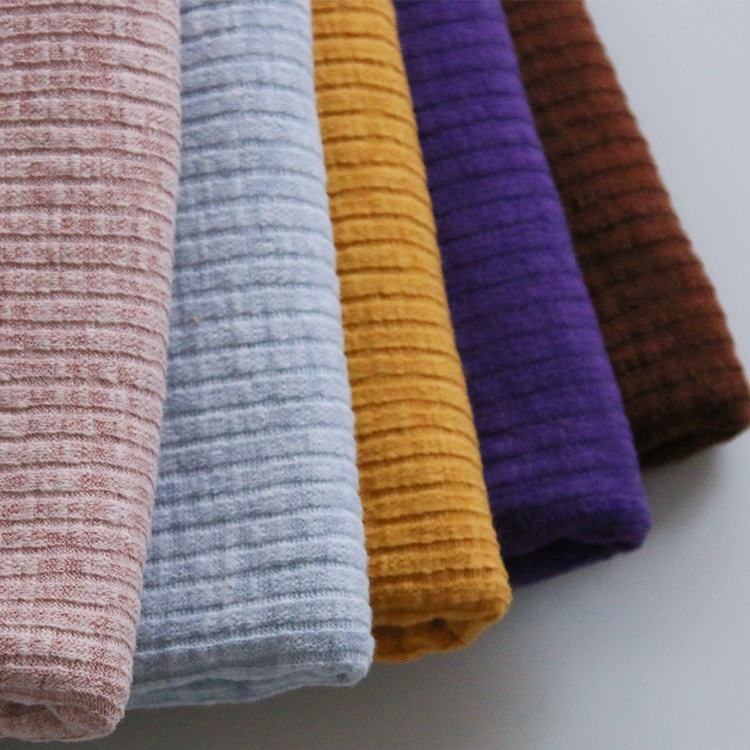
High-recovery cuffs blend 3–8% elastane (spandex) core-spun into the rib yarn, not simply plated on the back. Core-spun construction locks stretch fibers inside every loop, preventing snap-back failure after 20+ wash cycles.
Inspect yarn labels and request fiber-content certificates; plated elastane costs 15–20% less but loses recovery within six months of regular wear.
Seam Type: Linked vs. Overlock
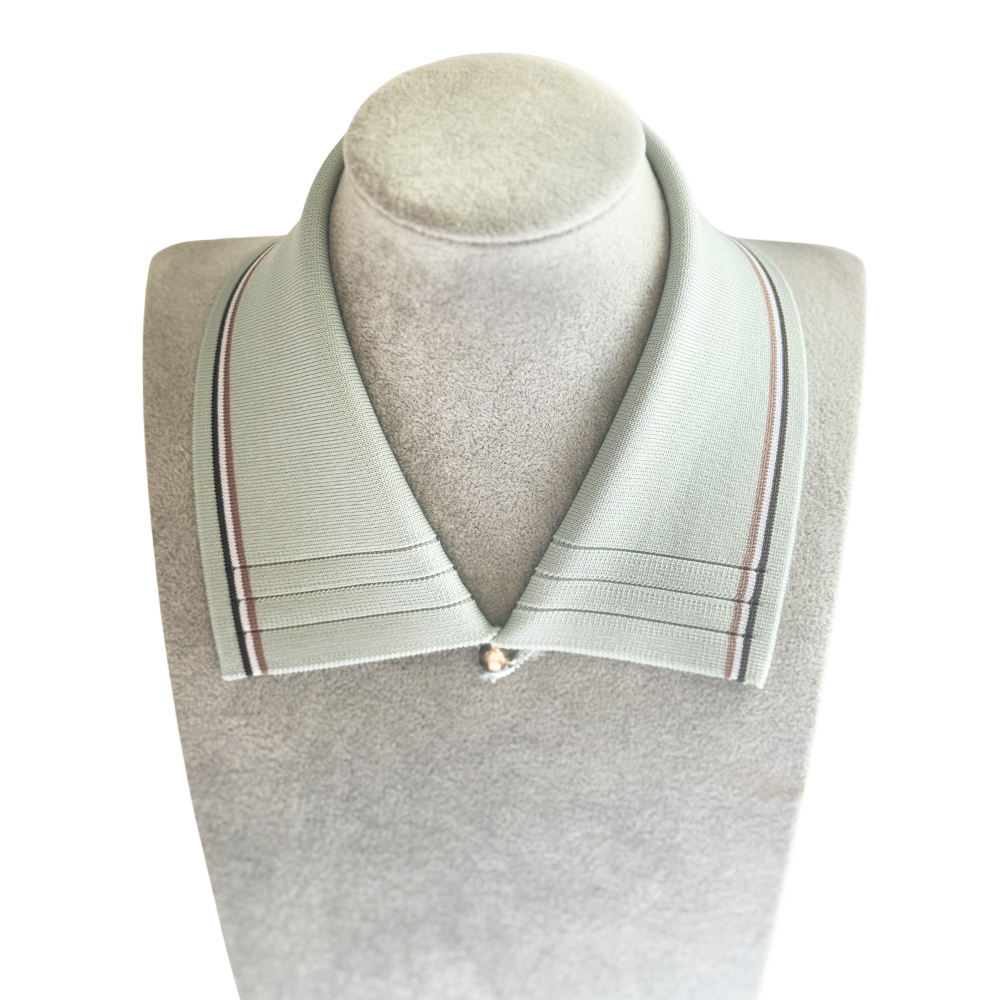
Linking (loop-to-loop joining) creates an invisible, flat seam that mirrors hand-finished knitwear and adds no bulk. Overlock seams—common in budget production—show a visible ridge and can irritate skin at the wrist.
CENWILD’s linking department handles tubular and flat-panel cuffs, ensuring seams lie flat under 2 mm thickness when pressed.
Dimensional Stability After Wash
Premium cuffs shrink less than 3% in length and recover 95% of their stretched width after five home-laundry cycles at 30°C. Specify pre-shrunk or relaxed yarns and request wash-test reports with before-and-after measurements.
CENWILD’s garment-finishing line includes softening and anti-pilling treatments that stabilize dimensions before final inspection and packing.
Color-Fastness Standards
Cuffs dyed to ISO 105 Grade 4 or higher resist crocking (color transfer) and fading through 40 wash cycles. Yarn-dyed ribs outperform piece-dyed alternatives in both fastness and color depth.
Request lab reports for color-fastness to washing, rubbing, and light; CENWILD sources yarn from mills certified to OEKO-TEX Standard 100, ensuring dye chemistry meets international safety and performance benchmarks.
7. How to Choose a Rib Knit Cuffs Manufacturer
Vetting a rib knit cuffs manufacturer requires looking beyond price lists to evaluate production infrastructure, transparency, and partnership readiness. The right supplier combines technical capability with flexible minimums and clear communication.
Production Capacity and MOQ Flexibility
Ask whether the factory owns computerized flat-knitting machines (3GG–14GG range covers most rib gauges) or subcontracts cuff production. CENWILD operates in-house knitting across all gauges with monthly capacity exceeding 80,000 pieces, ensuring consistent quality and lead times.
MOQ starting at 100 pieces per style opens the door for independent designers and small brands testing new silhouettes, while larger runs benefit from economies of scale without locking you into rigid minimums.
Yarn Sourcing and Sample Turnaround
Transparent yarn sourcing — whether the mill is vertically integrated or partners with certified spinners — directly impacts fiber quality and traceability. Request knit-down swatches in your target yarn before committing to full sampling.
Sampling turnaround of 7–14 days signals efficient design-to-production workflows. Delays beyond three weeks or inconsistent sample construction are red flags for capacity or quality-control gaps.
Certifications and Communication
OEKO-TEX Standard 100, GOTS for organic fibers, and ISO 9001 quality-management certification confirm that processes meet international safety and environmental benchmarks. Ask for current certificates and audit dates.
Responsive design support — 3D knit programming, grading, and tech-pack refinement — turns rough concepts into production-ready specs. Vague lead times, no client references, or reluctance to share past work should prompt caution.
8. Common Mistakes Buyers Make When Sourcing Rib Knit Cuffs
Even experienced buyers stumble on rib knit cuffs when technical details are overlooked. Each mistake delays production, inflates costs, or damages brand reputation — yet all are preventable with clear specifications and samples.
Ignoring Elastane Content and Stretch Recovery
Cuffs without 2–5% elastane lose shape after a few wears, sagging at wrists and hems. Buyers who skip stretch-recovery testing — pulling fabric to 150% width and checking snap-back — discover the issue only after production, facing returns or re-orders that double unit costs.
Choosing Price Over Quality
A $0.30 saving per cuff may cost $3.00 in rework when low-grade yarn pills or unravels. CENWILD’s 28 years of experience show that stable yarn and proper gauge prevent defects that erase initial savings through chargebacks and lost repeat orders.
Under-Specifying Color Standards
Requesting ‘navy’ without a Pantone reference or approved lab dip yields mismatched cuffs and body panels. Color variance above ΔE 1.0 is visible on retail floors; re-dyeing entire batches adds 15–20 days and 20–30% to production cost.
Neglecting Wash-Test Requirements
Cuffs that shrink 8% while the sweater body shrinks 3% create unwearable garments. Buyers must specify wash cycles (temperature, tumble-dry settings) and request pre-production wash samples to match shrinkage rates across all components.
Ordering Without Physical Samples
Digital mock-ups cannot reveal hand-feel, weight, or true elasticity. CENWILD provides knit-down samples from 100-piece MOQs so buyers confirm gauge, rib width, and attachment seam quality before committing to bulk production.
9. Steps to Launch Your Custom Sweater Brand with Rib Knit Cuffs
Launching a sweater brand with rib knit cuffs requires a clear sequence from concept to scale. Following seven structured steps keeps timelines predictable and budgets controlled.
Define Brand Aesthetic and Target Market
Start by mapping your customer profile, price tier, and design language. A streetwear label targeting Gen Z will choose wider 2×2 rib knit cuffs in bold contrast colors, while a premium cashmere line selects narrow 1×1 ribs in tonal yarns.
Document three reference brands and one mood board before contacting manufacturers. This clarity accelerates sampling and prevents costly revisions.
Select Cuff Type and Material Aligned with Positioning
Match rib structure (1×1, 2×2, or tubular) and fiber blend to your brand promise. Budget lines often use acrylic with 3–5% elastane; premium collections specify merino or cashmere with 2% elastane for subtle recovery.
CENWILD’s design team translates positioning into gauge (typically 5GG–12GG for cuffs), length (6–10 cm standard), and elastane percentage during the initial consultation.
Request Samples and Finalize Specifications
Order knit-down swatches from two to three suppliers, specifying gauge, elastane content, cuff length, and Pantone references. Evaluate recovery after 20 stretch cycles and color match under daylight.
Lock specs in a tech pack: rib type, finished width, length, yarn composition, and stitch density. CENWILD produces samples within 7–10 days for MOQs starting at 100 pieces per style.
Place Pilot Order and Scale Production
Begin with 100–300 pieces to test market response and garment durability through one full wash cycle. Review seam integrity at cuff attachment points and elasticity retention after three wears.
Once validated, scale to monthly orders of 500–1,000 pieces. CENWILD’s 80,000-piece monthly capacity and flexible payment terms (from 100% deposit easing to 30% for repeat partners) support predictable growth without inventory risk.
10. Pricing and Cost Considerations for Rib Knit Cuffs
Rib knit cuffs pricing starts at 100-piece MOQ with per-unit costs typically ranging $0.80–$3.50 depending on fiber, gauge, and decoration. Cotton and acrylic blends anchor the lower end; cashmere, merino, and alpaca push toward the upper range, while gauge complexity (1×1 vs. 2×2 vs. engineered patterns) and jacquard or embroidered logos add $0.15–$0.75 per piece.
Lead times compress as order volume grows: 100-unit runs ship in 25–30 days, while 5,000-piece orders benefit from production-line efficiency and deliver in 20–25 days. Setup costs for jacquard programming or embroidery digitizing are one-time charges amortized across the run, making higher volumes more economical per unit.
Fiber type, decoration method, and order quantity are the three levers that control final landed cost. Buyers ordering plain rib knit cuffs in standard cotton at 1,000+ pieces achieve the tightest margins, while low-volume cashmere runs with custom embroidery carry premium unit economics but unlock differentiation and higher retail pricing.
| Quantity Tier | Price per Unit (USD) | Typical Lead Time |
|---|---|---|
| 100–499 pcs | $2.20–$3.50 | 25–30 days |
| 500–999 pcs | $1.50–$2.60 | 22–28 days |
| 1,000–4,999 pcs | $1.10–$2.00 | 20–25 days |
| 5,000+ pcs | $0.80–$1.50 | 20–25 days |
Ready to Add Rib Knit Cuffs to Your Next Order?
Work with CENWILD’s design team to integrate custom rib knit cuffs into your knitwear. MOQ from 100 pieces, 28+ years OEM experience.