Custom Knitwear & Sweater Manufacturer for Fashion Brands
OEM, ODM, and private label knitwear production from 100 pieces. 28+ years Dongguan expertise in custom sweaters, cardigans, and wholesale knitwear for brands, retailers, and designers worldwide.
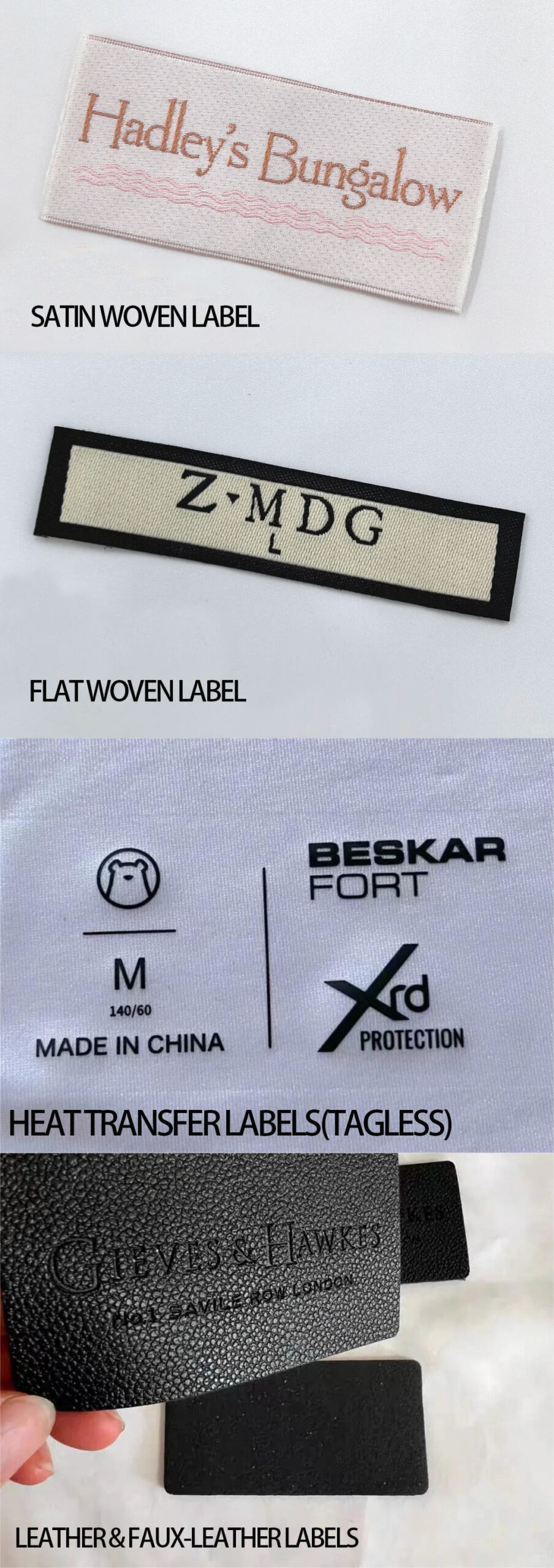
Custom Woven Label Styles & Finishes
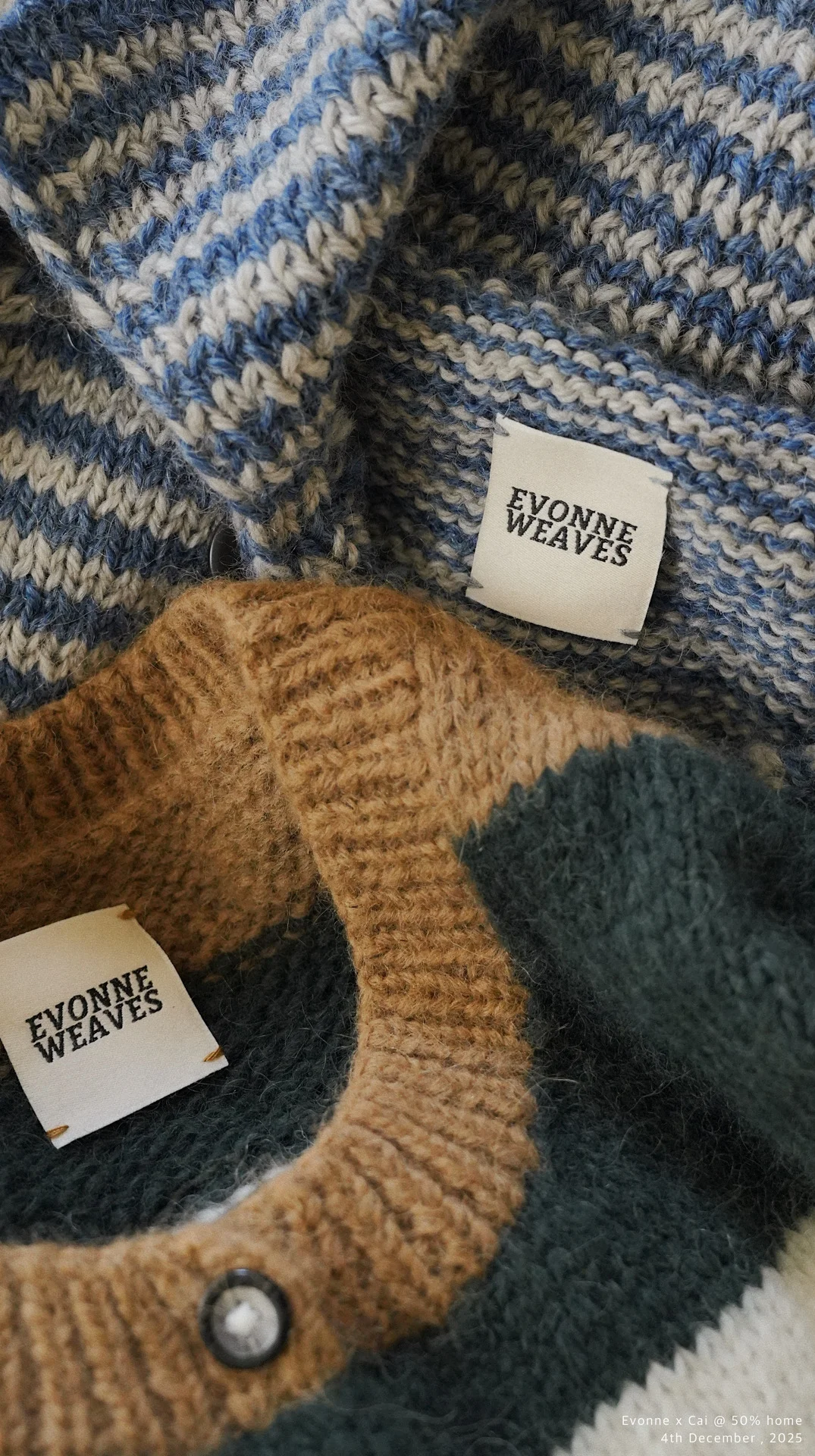
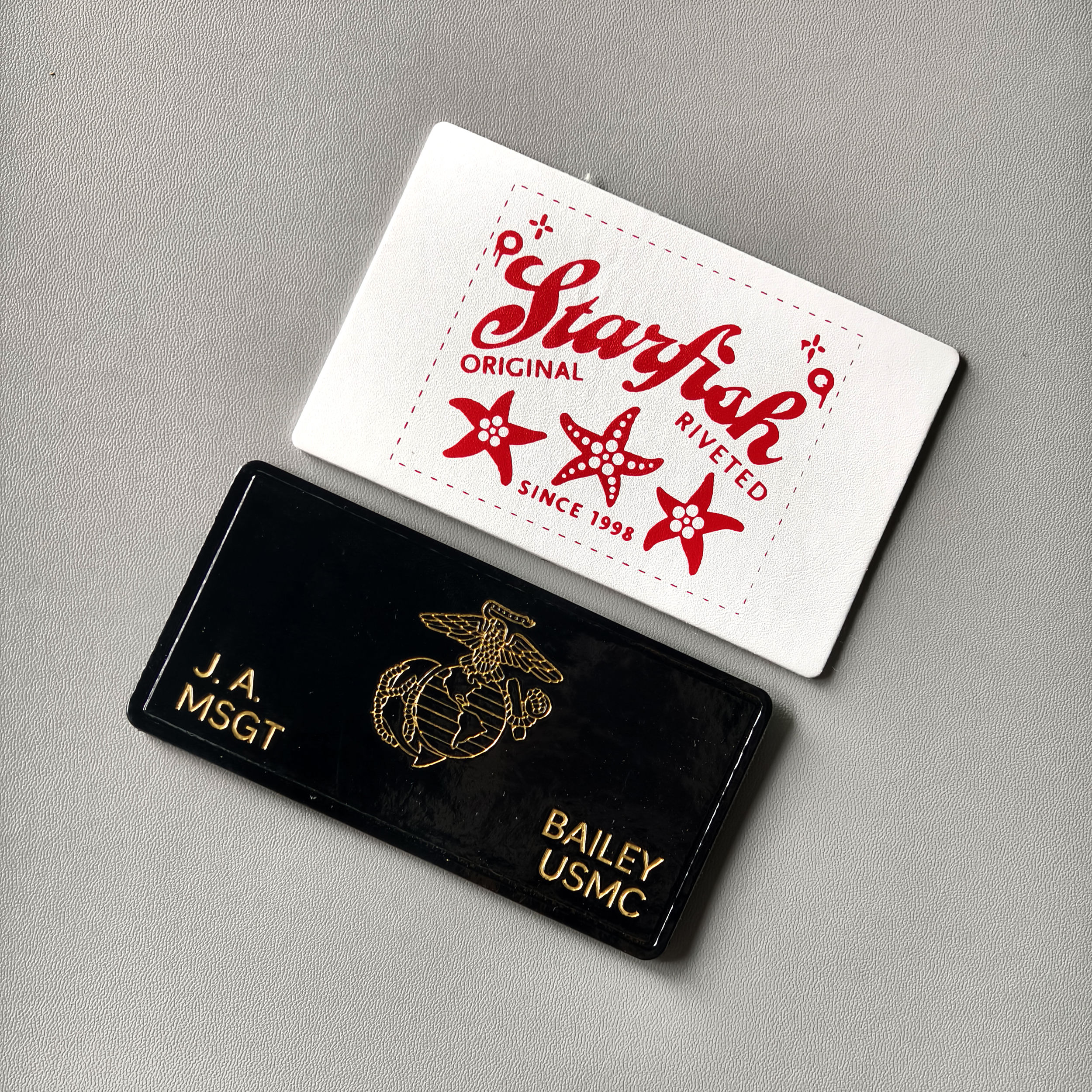
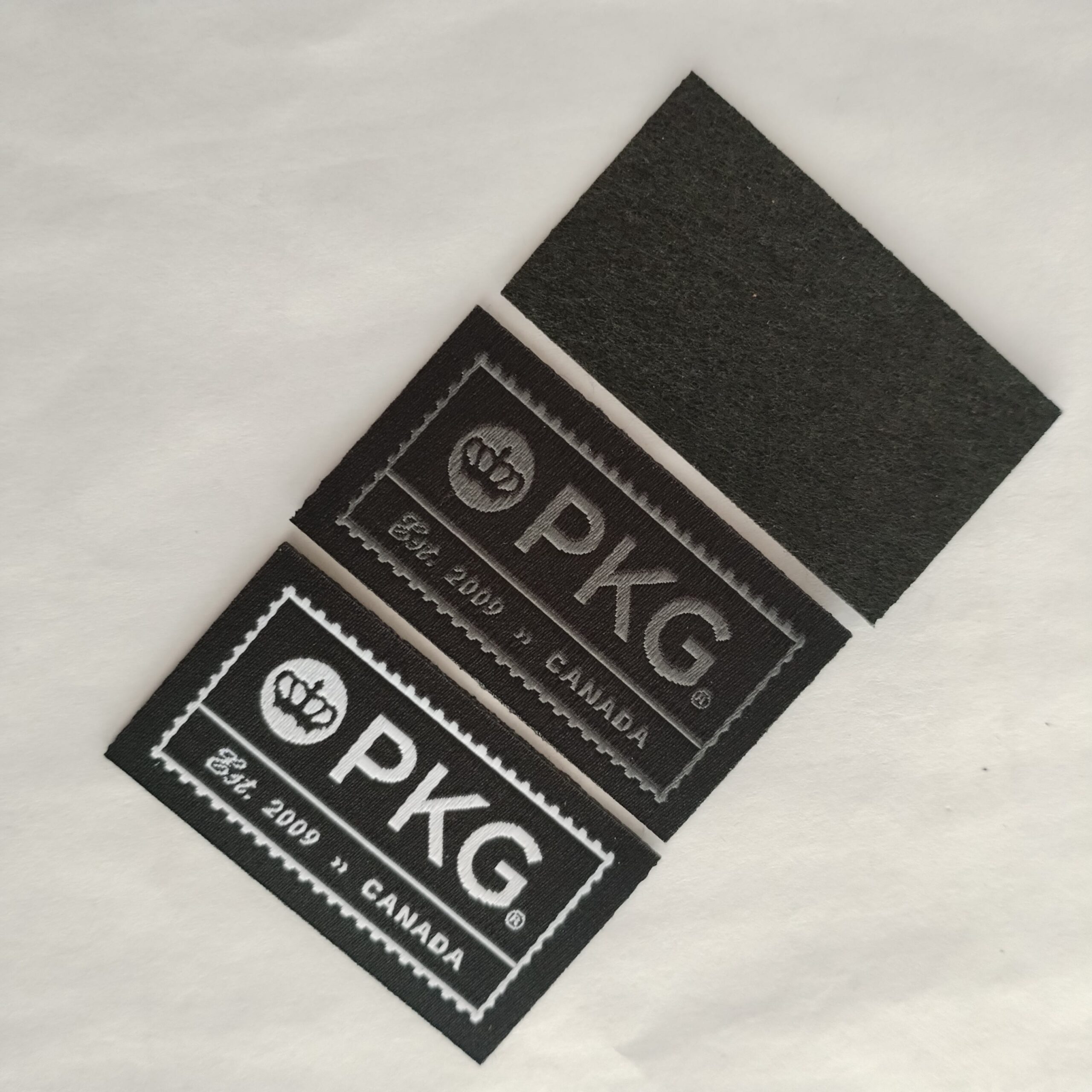
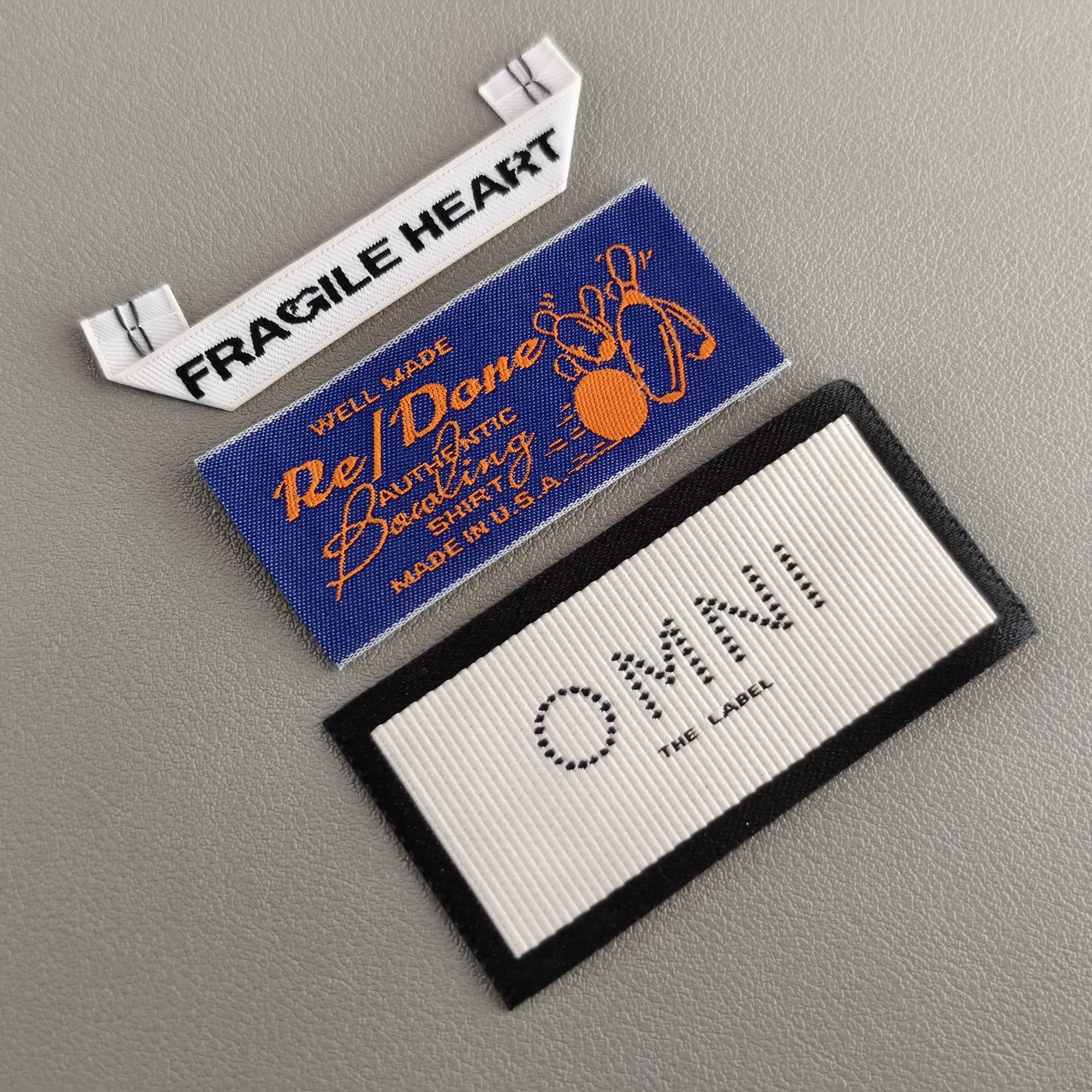
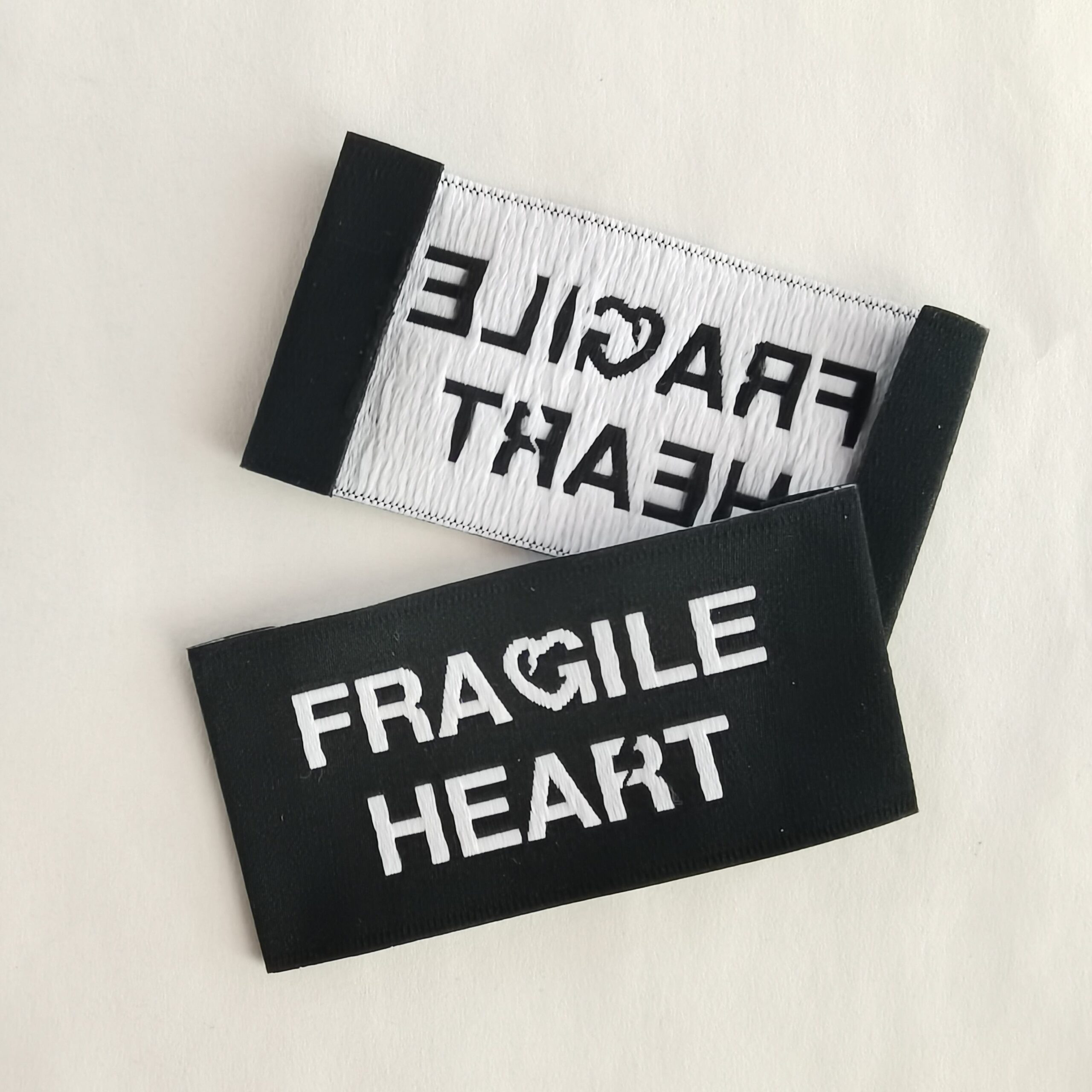
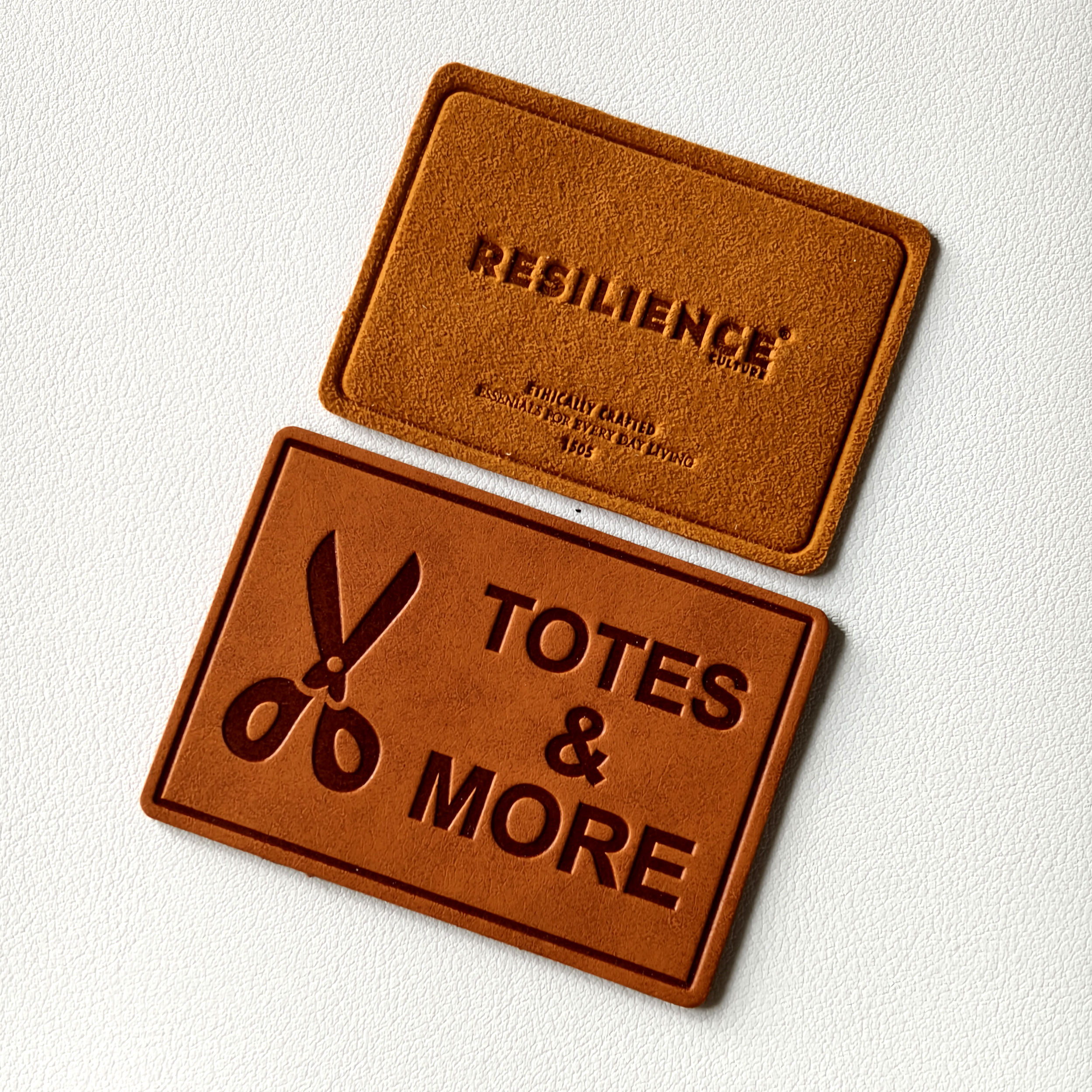
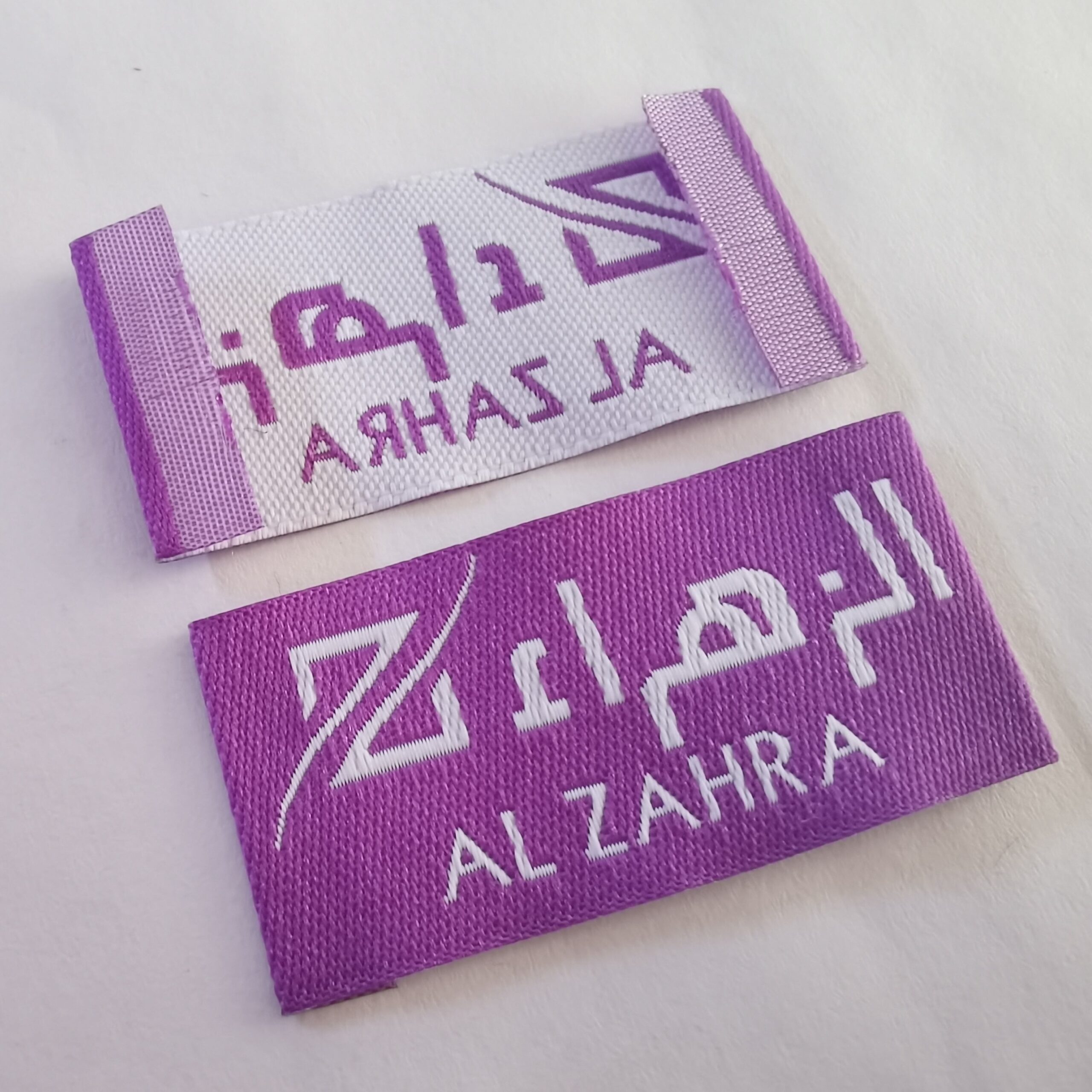
Why Partner with CENWILD for Custom Knitwear Manufacturing
Authentic Brand Identity
A custom woven label transforms every sweater into a signature piece, reinforcing your brand story and building customer recognition with every wear.
Exceptional Wash Durability
Woven construction withstands hundreds of wash cycles without fading or fraying, ensuring your brand stays visible throughout the garment’s lifetime.
Professional Finishing Touch
Custom woven labels signal quality craftsmanship, elevating perceived value and helping fashion brands, retailers, and designers stand out in competitive markets.
Unlimited Customization Options
Choose from damask, taffeta, or satin weaves, add metallic threads, custom colors, logos, care instructions, and sizing—all matched to your brand aesthetic.
Flexible Attachment Methods
Sew-in, heat-seal, or loop-fold formats fit any knitwear style—necklines, side seams, cuffs, or hems—designed for seamless integration into production.
Low MOQ from 100 Pieces Per Design
Launch your private label knitwear with confidence. CENWILD pairs custom woven labels with sweater orders starting at just 100 pieces per design.
Complete Your Knitwear With Custom Trims
Trims and Accessories
CENWILD supplies the full range of custom knitwear trims and accessories to complete your sweater production. From buttons and zippers to hang tags, drawstrings, rib components, and decorative pom poms, our in-house sourcing and decoration capabilities ensure every detail aligns with your brand identity and quality standards.
Get a Quote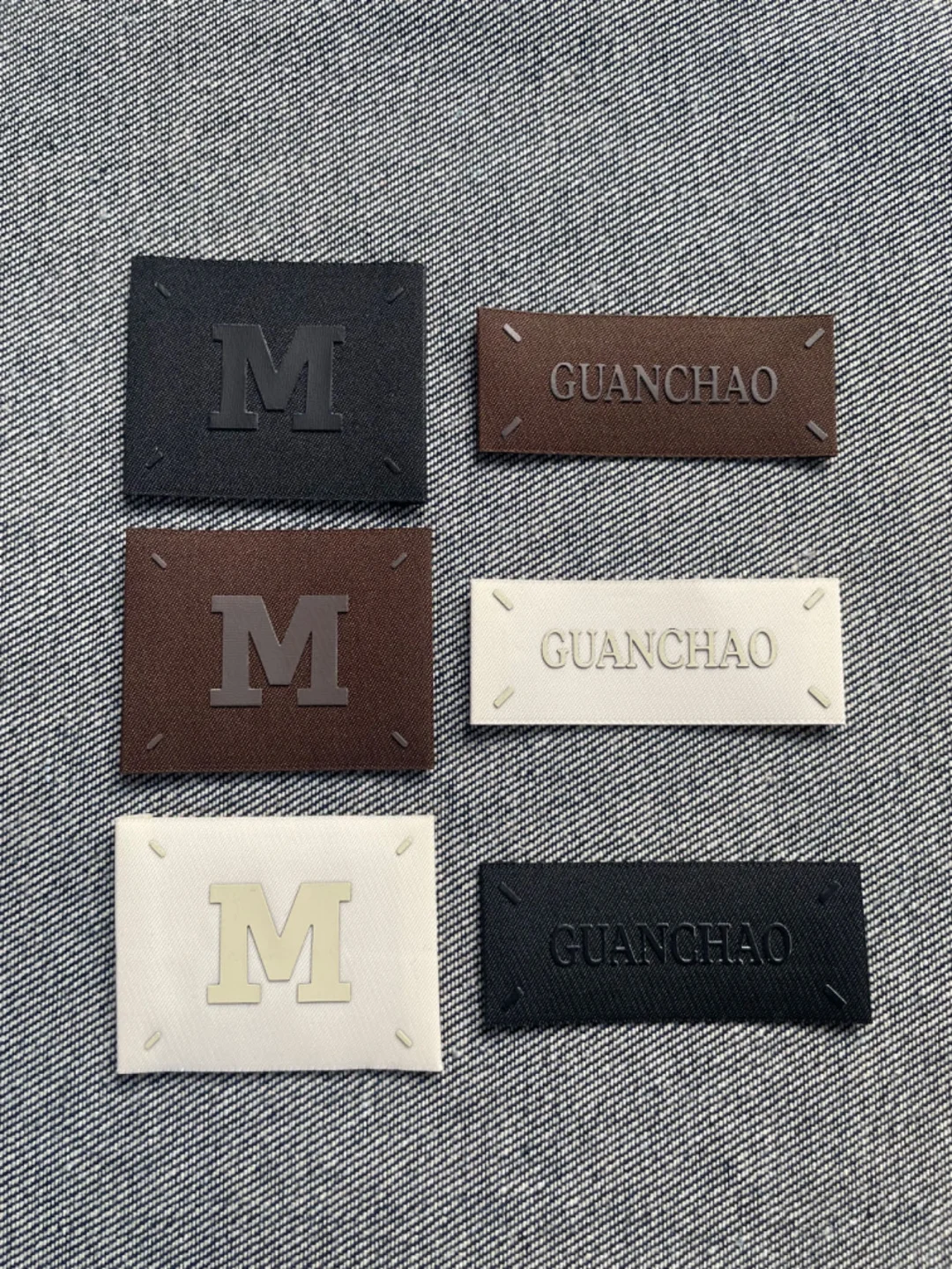
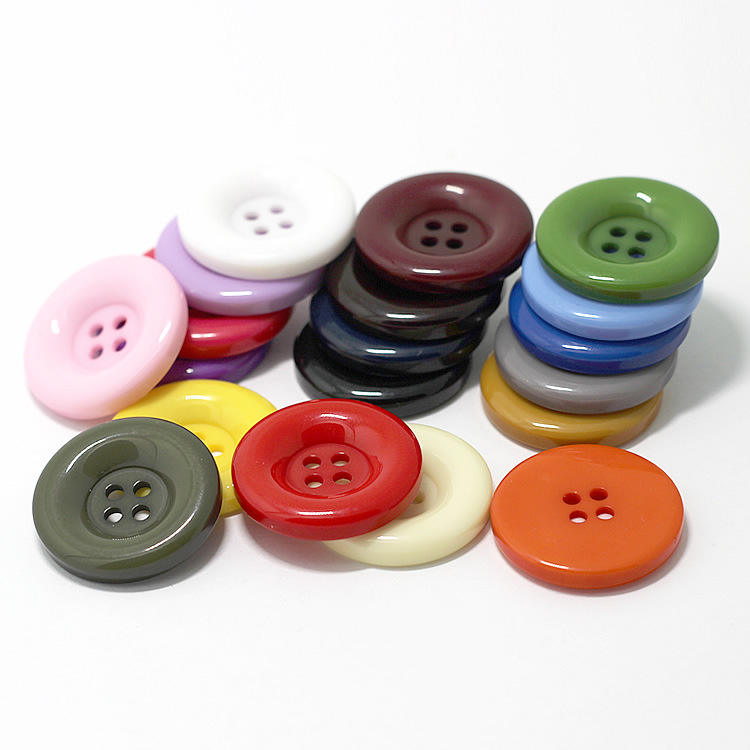
Custom Buttons
Source custom buttons in horn, corozo, metal, resin, wood, or branded engraved finishes to complement your cardigan, polo, or henley designs. CENWILD coordinates button selection, sampling, and attachment as part of our one-stop sweater manufacturing service, ensuring color matching and secure application across all gauges and yarn types.
Get a Quote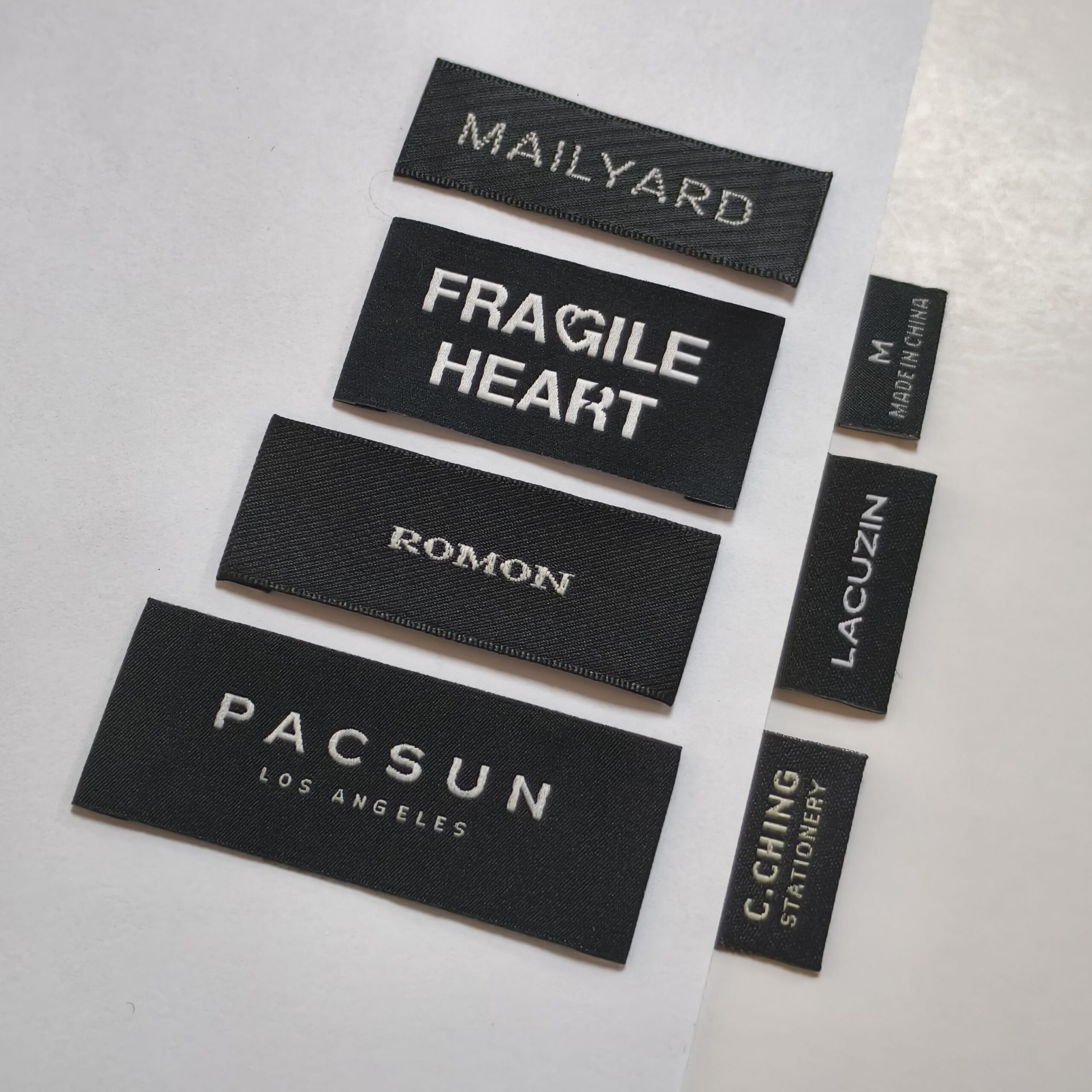
Custom Zippers
CENWILD integrates custom zippers—metal, nylon, or molded plastic—into quarter-zip pullovers, half-zip styles, zip cardigans, and knit jackets. We manage zipper sourcing, custom pull design, color coordination, and precision sewing to ensure smooth operation and durability, with MOQ flexibility starting from 100 pieces per style.
Get a Quote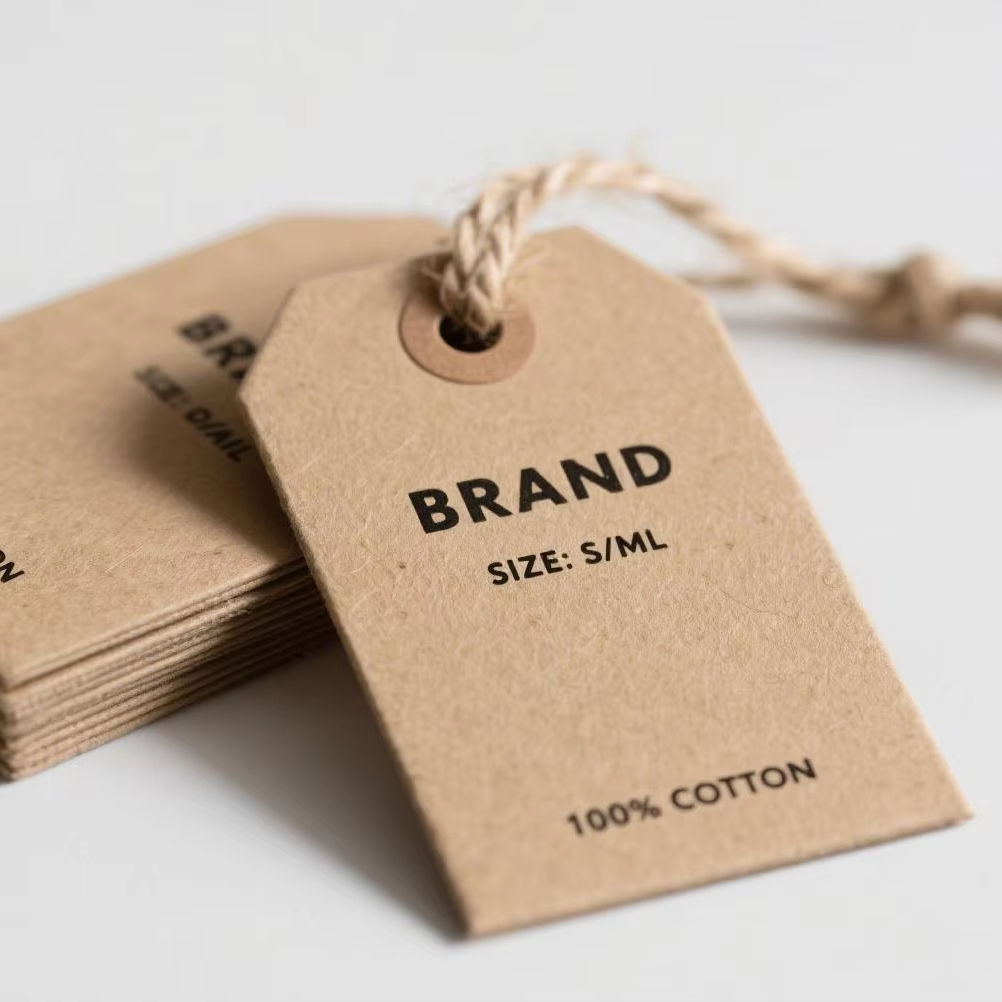
Custom Hang Tags
Elevate your knitwear packaging with custom hang tags printed or embossed with your logo, care instructions, sizing, and brand story. CENWILD coordinates tag design, material selection, and attachment methods—string, safety pin, or plastic fastener—so every sweater arrives retail-ready and aligned with your brand presentation standards.
Get a Quote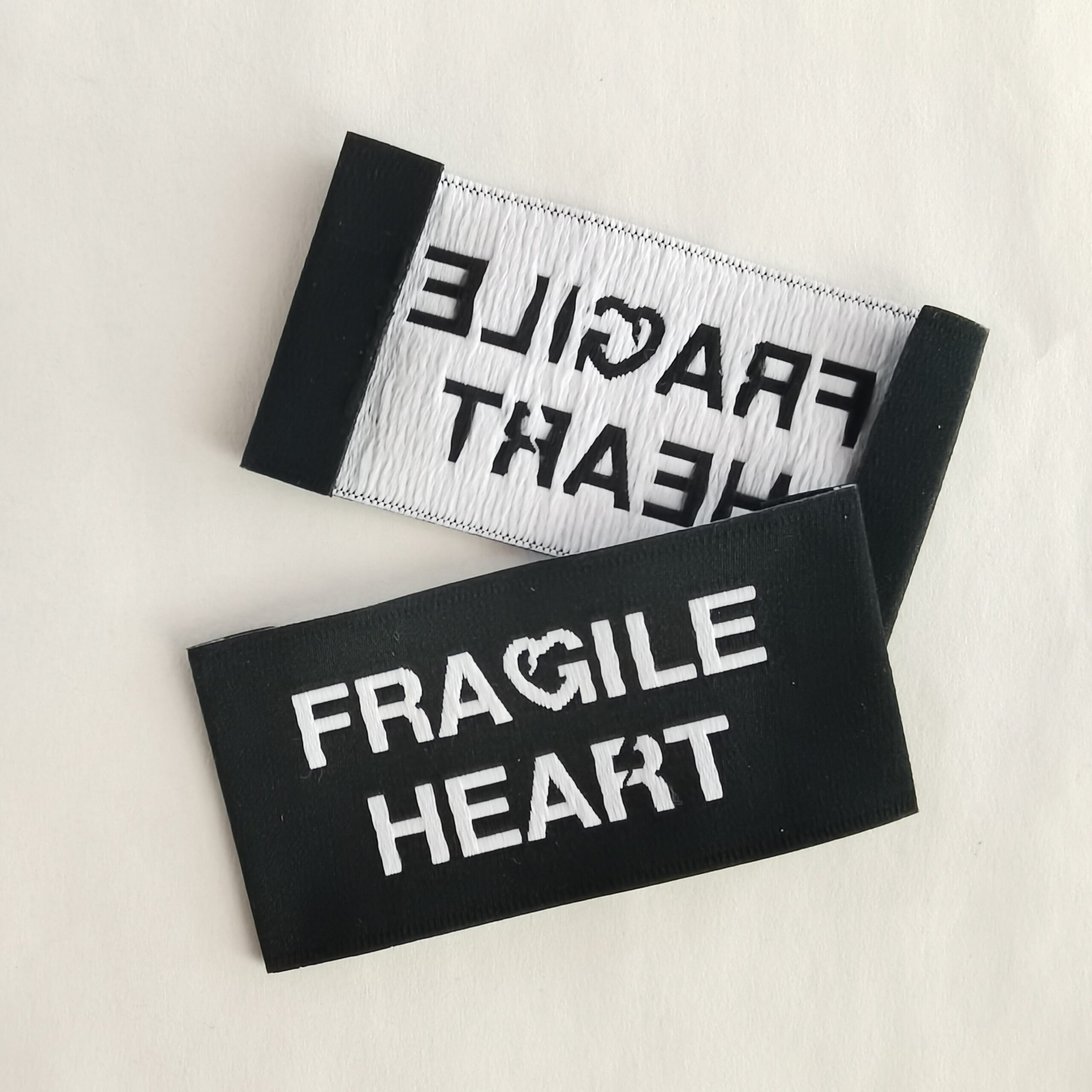
Drawstrings
Add functional branding with custom drawstrings and tipping for hooded sweaters, kangaroo-pocket styles, and waistband details. CENWILD sources round, flat, or tubular cords in cotton, polyester, or blended yarns, and applies metal or plastic aglets, custom knots, or branded tips to match your design and color palette.
Get a Quote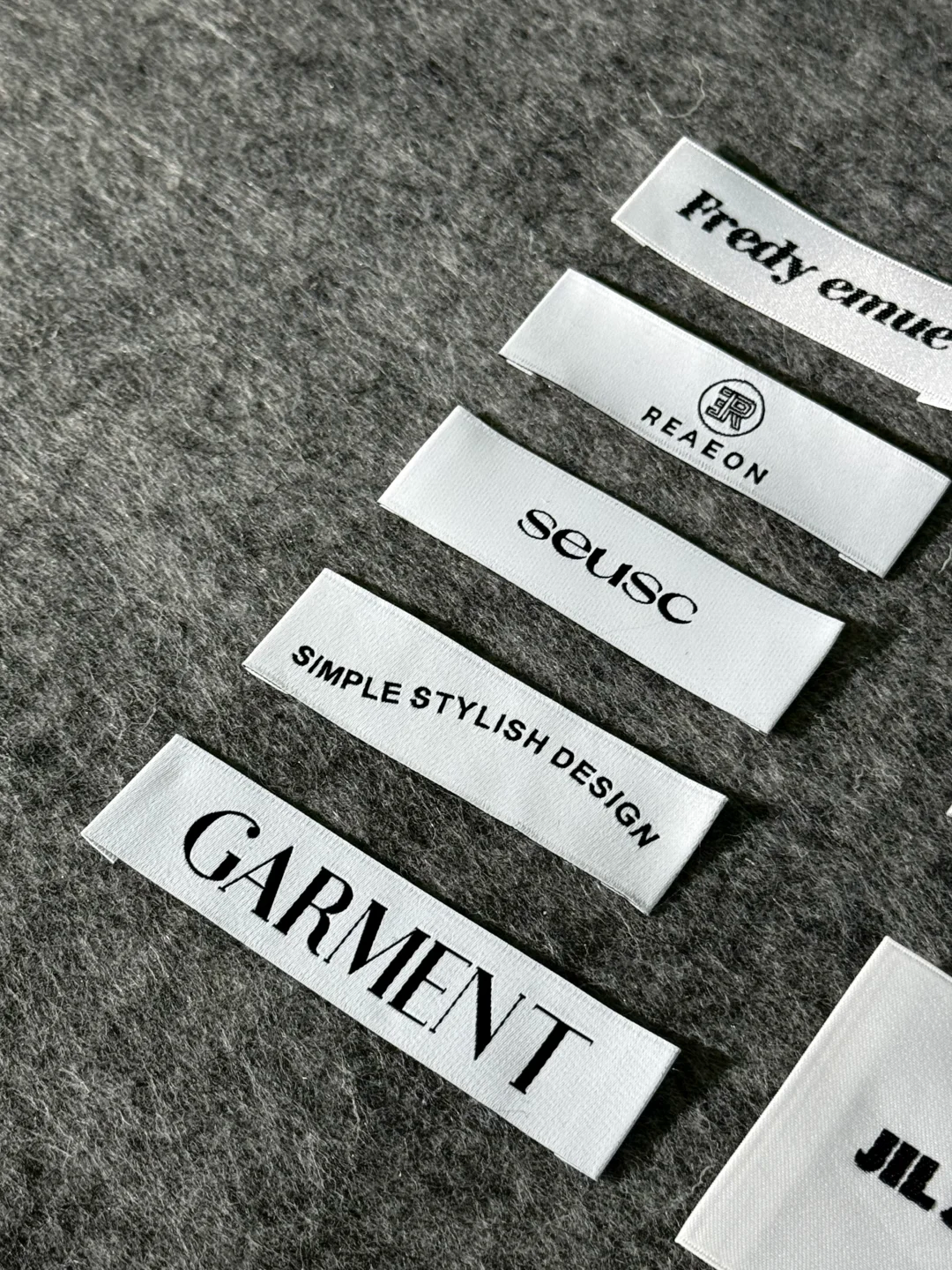
Rib Cuffs and Collars
CENWILD knits custom rib cuffs, collars, and waistbands in-house using 3GG to 14GG gauges to match your sweater body yarn, stitch structure, and stretch requirements. Whether 1×1, 2×2, or engineered rib patterns, every component is fully fashioned or cut-and-sewn to ensure fit consistency, durability, and a polished finish across cardigans, pullovers, and vests.
Get a Quote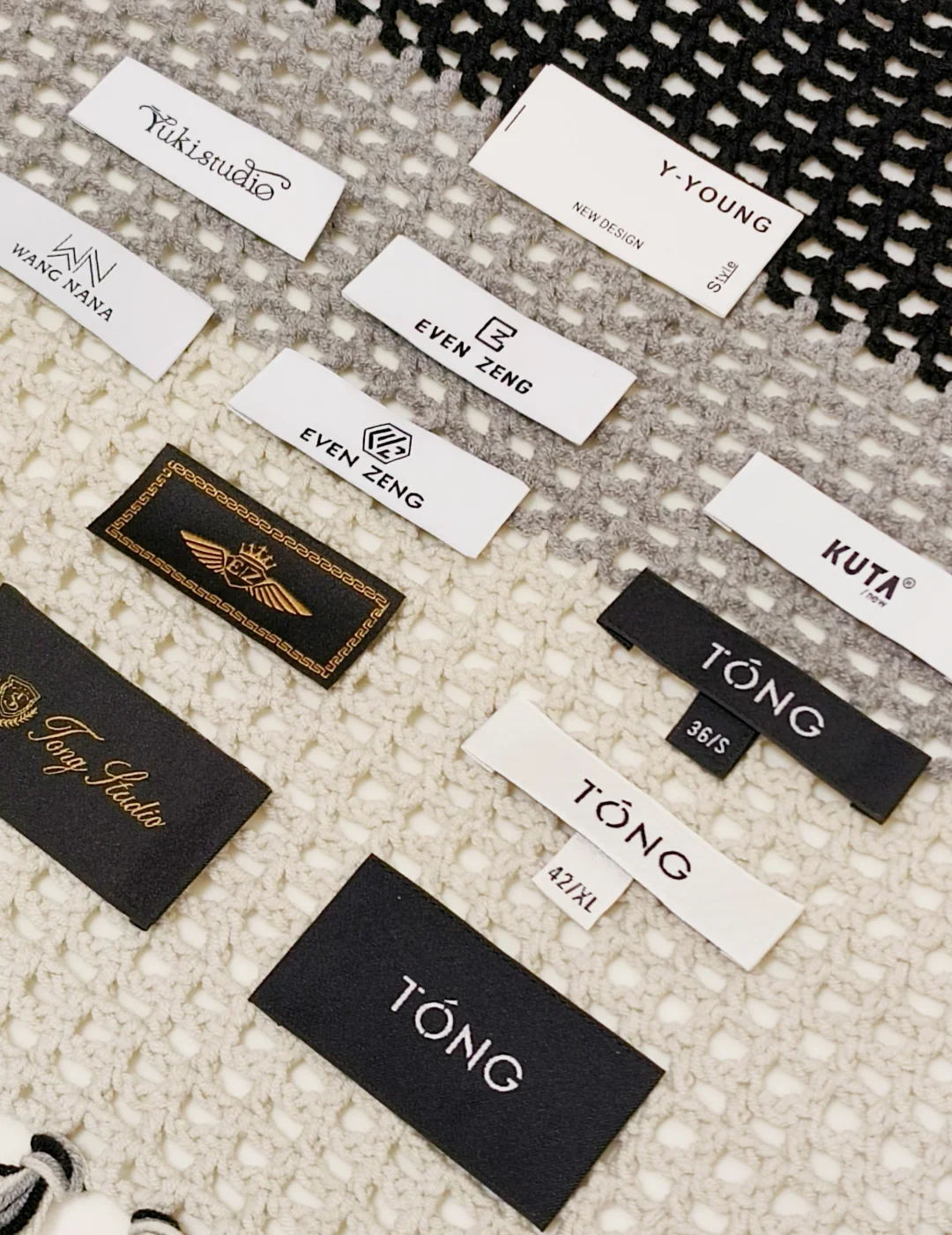
Pom Poms
Complete your winter knitwear with custom pom poms in faux fur, yarn-wrapped, or recycled fiber styles. CENWILD coordinates size, color matching, and secure attachment to beanies, scarves, and hood details, offering sampling and low-MOQ production to support seasonal collections and personalized designs for independent brands and influencers.
Get a Quote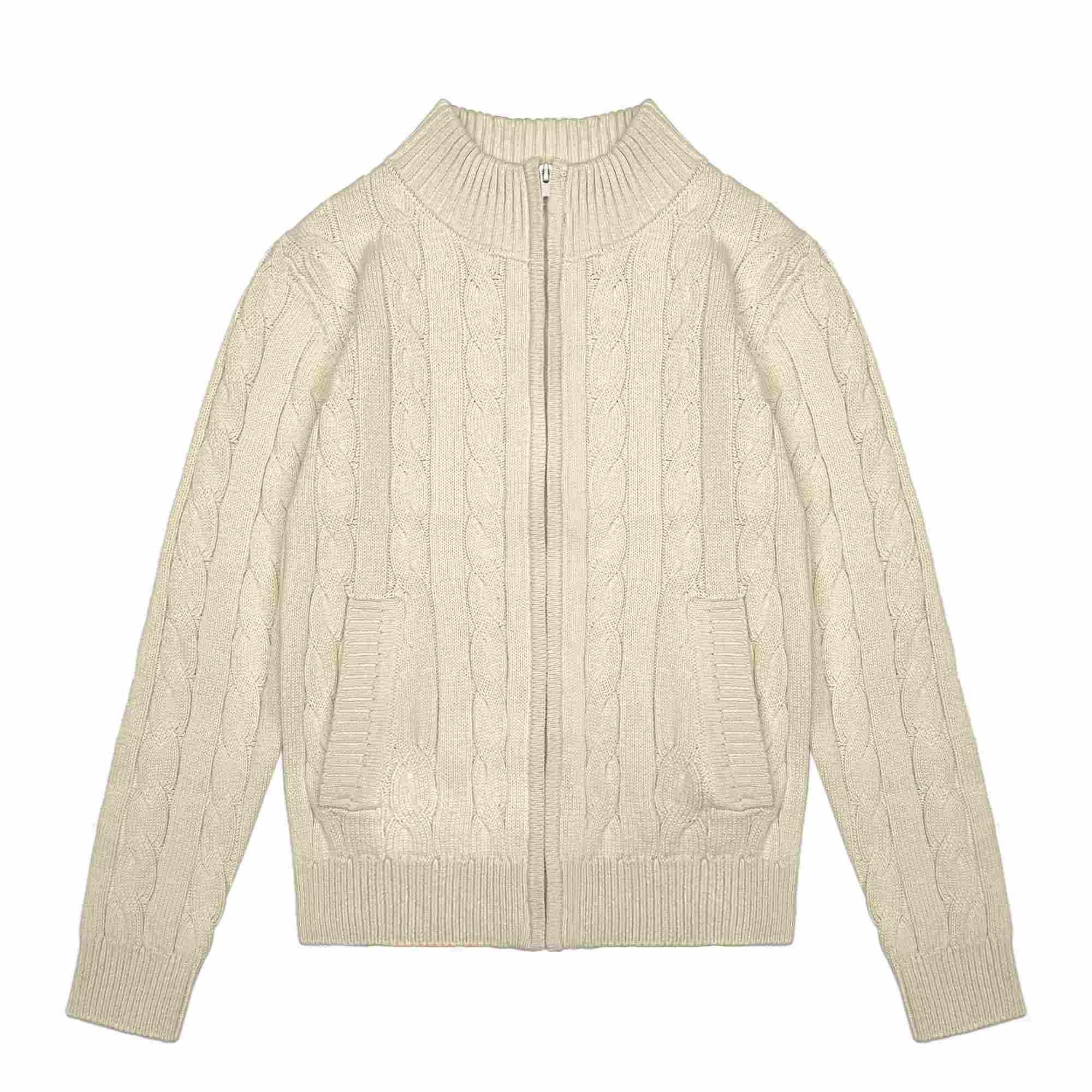
Custom Cardigan
Design and manufacture custom cardigans with CENWILD’s full OEM and ODM capabilities. From button-front and zip styles to open-front drapes and belted silhouettes, we handle yarn sourcing, stitch development, intarsia or jacquard patterning, embroidery, and finishing. MOQ starts at 100 pieces, with knit-down sampling and grading included for startups and established brands alike.
Get a Quote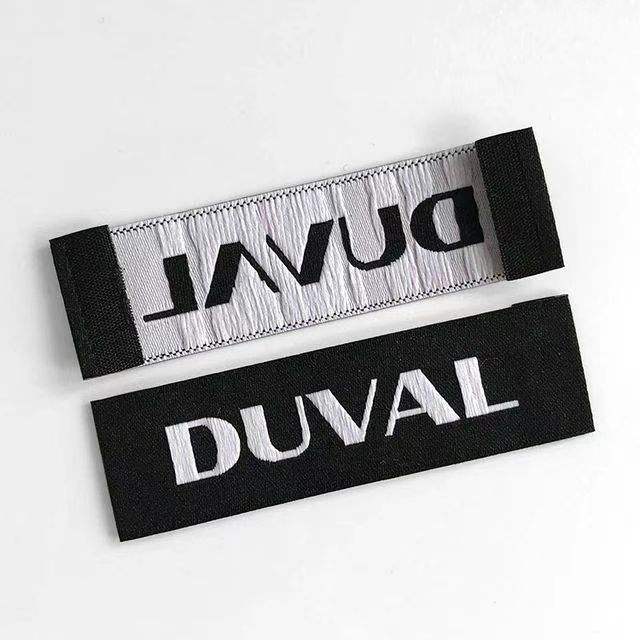
Cardigan Sweater Manufacturer
CENWILD is a full-service cardigan sweater manufacturer with 28 years of Dongguan expertise in private label and low-MOQ production. Our 200-strong team operates computerized flat-knitting machines across 3GG to 14GG gauges, producing over 80,000 cardigans monthly in cashmere, merino, cotton, and blended yarns for fashion brands, retailers, and wholesalers worldwide.
Get a QuoteKnitwear Manufacturing Expertise Since 1998
Founded in 1998 in Humen, Dongguan — the heart of China’s knitwear manufacturing region — CENWILD has spent over 28 years perfecting sweater production for fashion brands worldwide. What started as a small family knitting workshop has grown into a full-service OEM and ODM manufacturer serving over 2,000 brands with a team of more than 200 skilled employees and monthly capacity exceeding 80,000 pieces.
Our one-stop knitwear production covers design development, yarn sourcing, knit-down sampling, computerized flat-knitting across 3GG–14GG gauges, intarsia and jacquard patterning, embroidery, garment washing, quality control, and export logistics. Whether you need custom cardigans, pullovers, turtleneck sweaters, or wholesale knitwear in cashmere, merino, cotton, or blended yarns, our in-house team ensures every detail aligns with your brand identity.
With MOQ starting from just 100 pieces and flexible private label knitwear production, CENWILD partners with startups, independent designers, wholesalers, retailers, and established brands across the United States, Canada, Europe, Australia, and beyond. We don’t just manufacture sweaters — we serve as the long-term production backbone behind growing fashion brands.
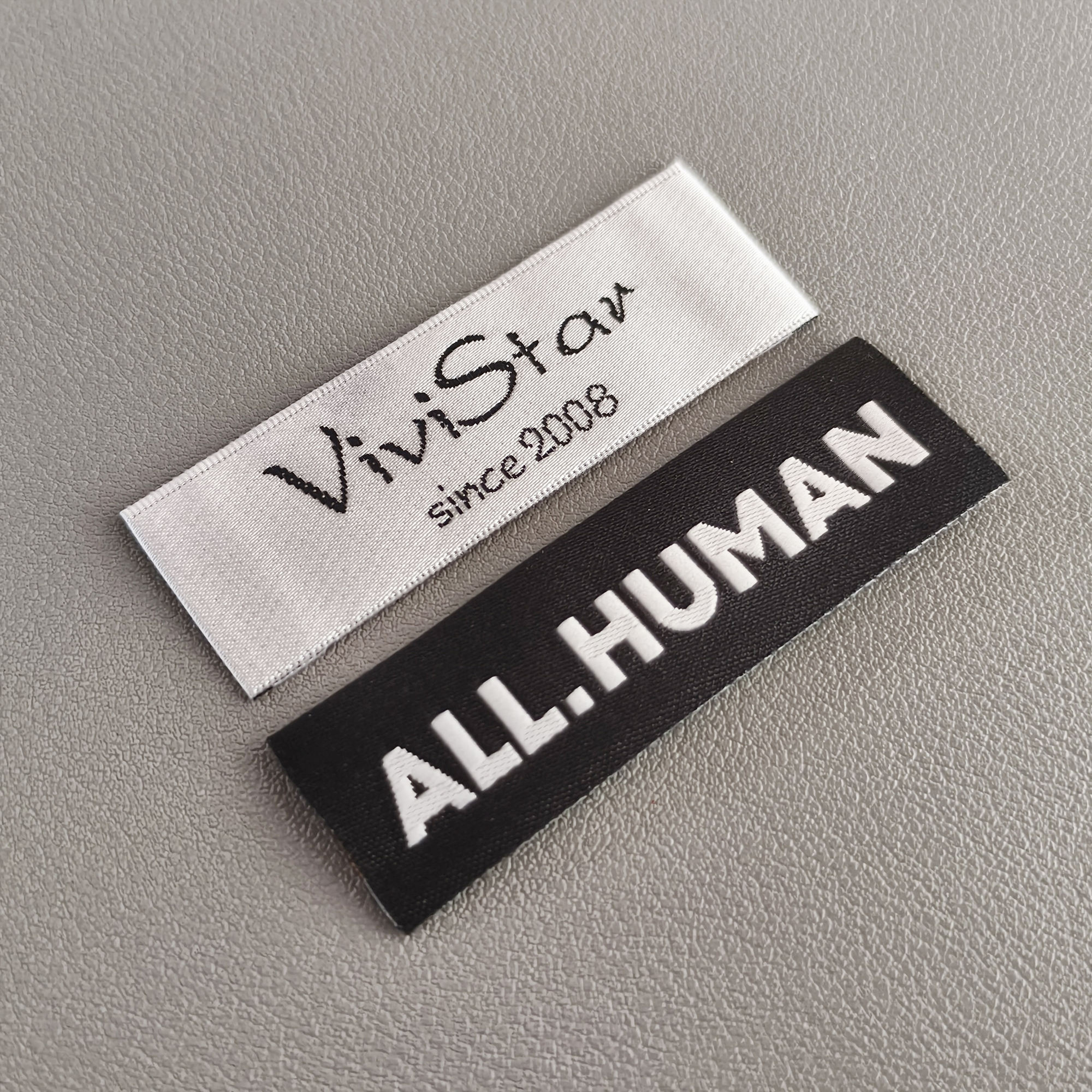
Custom Woven Label Craftsmanship & Finishing
Thread Density & Yarn Selection
High thread-count woven labels deliver crisp logos and sharp text. We select polyester, cotton, or blended yarns matched to your brand aesthetic and garment type, ensuring every custom woven label reads clearly and withstands repeated washing.
- Thread counts from standard to ultra-fine for intricate designs
- Polyester, cotton, damask, and taffeta yarn options
- Color-matching to Pantone or physical swatches
- Yarn pre-testing for colorfastness and abrasion resistance
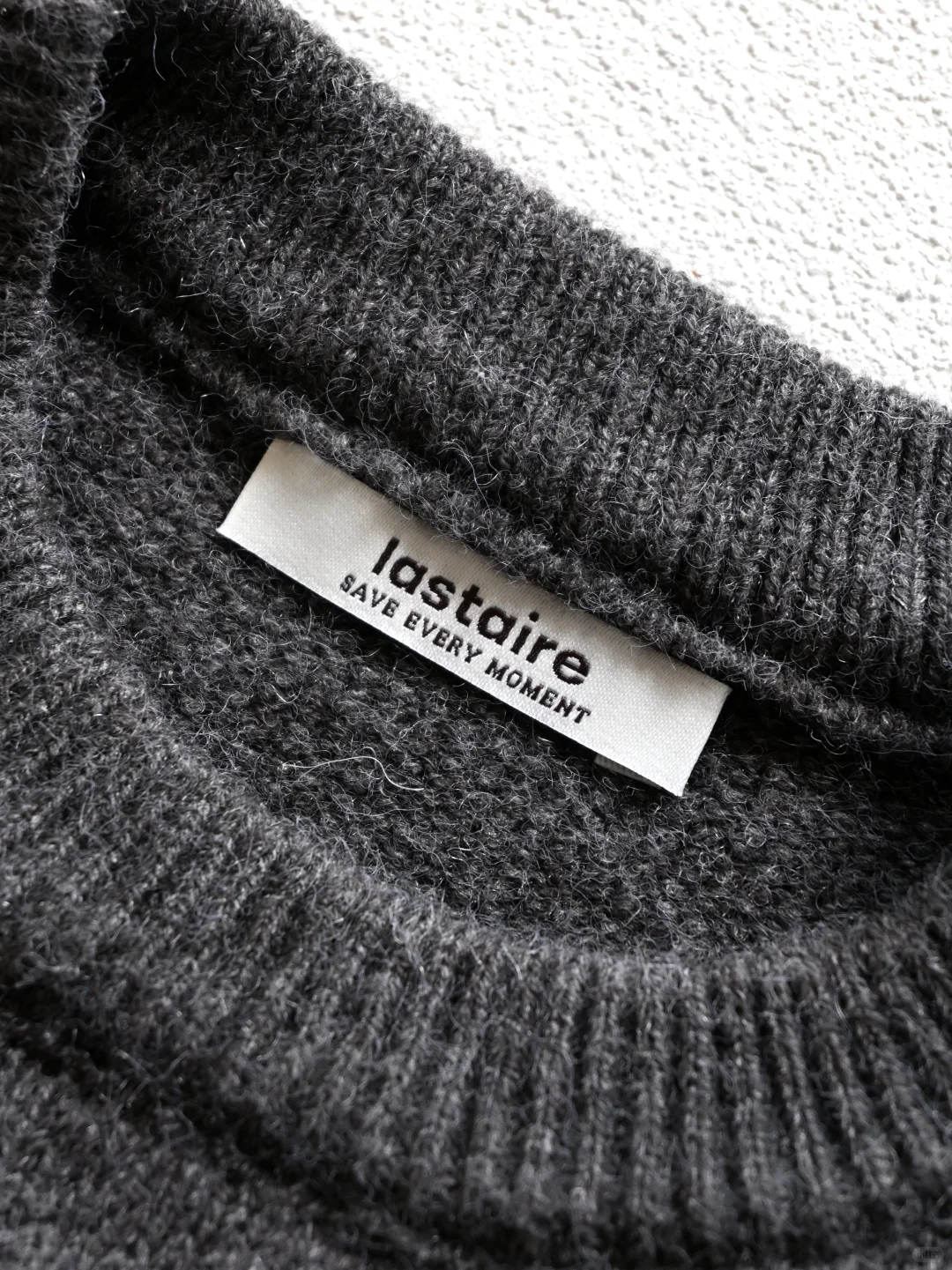
Loom Settings & Weave Precision
Our computerized jacquard looms translate your artwork into woven fabric with pixel-level accuracy. Each custom woven label is programmed for optimal tension, stitch density, and pattern repeat to maintain consistency across every piece in your order.
- Computerized jacquard looms for complex logos and gradients
- Real-time tension monitoring to prevent distortion
- Pattern proofing and digital mock-ups before production
- Batch consistency checks every 500 labels
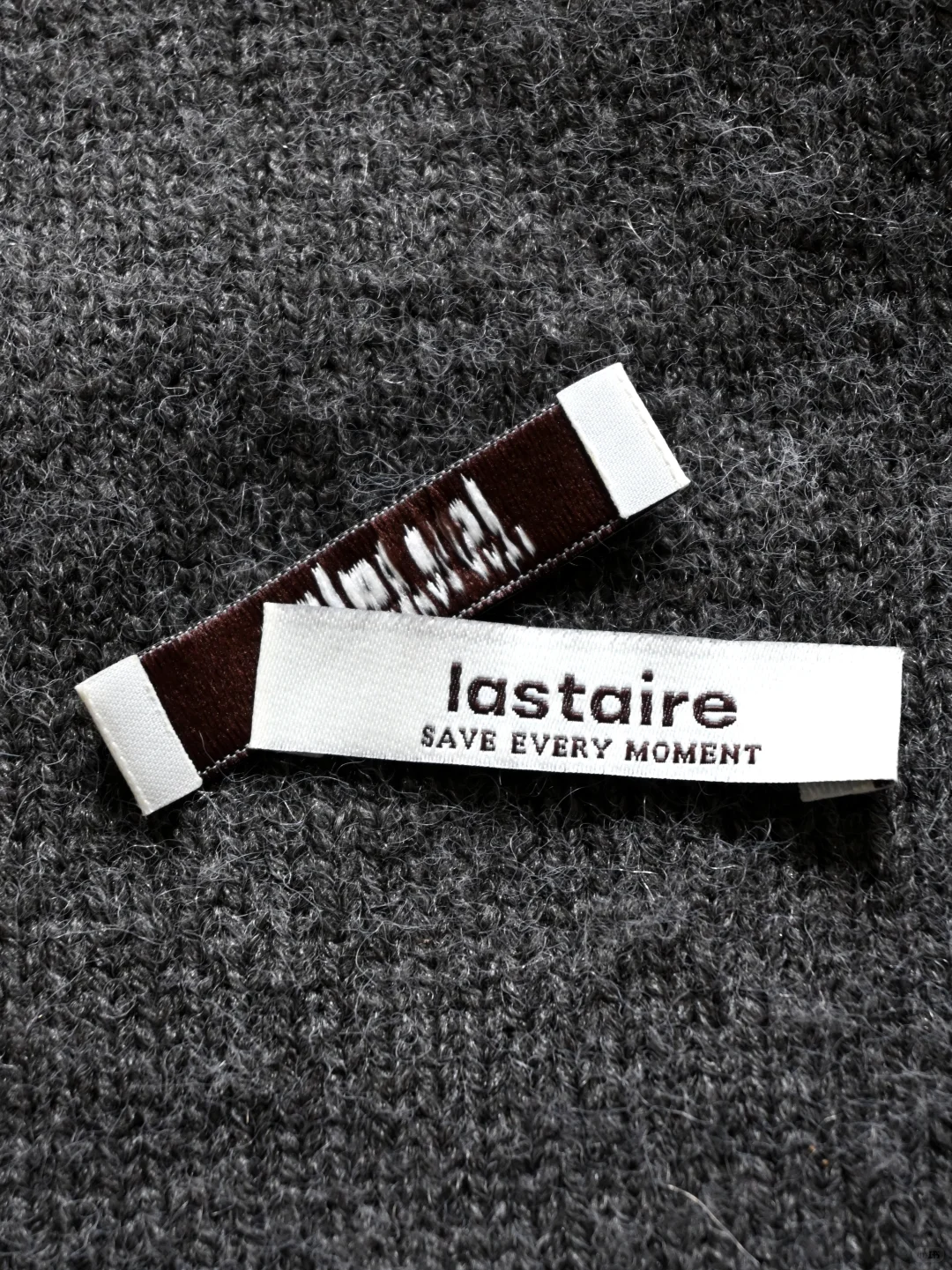
Edge Finishing: Merrowed, Heat-Cut & Laser-Cut
Edge finish defines durability and hand-feel. Choose merrowed (overlock stitch) for a soft, classic border, heat-cut for clean sealed edges, or laser-cut for intricate shapes. Every custom woven label edge is inspected to prevent fraying and ensure long-term wearability.
- Merrowed edges in matching or contrast thread colors
- Heat-cut and ultrasonic sealing for fray-free edges
- Laser-cut for custom shapes, curves, and fine details
- Edge-strength testing under simulated wash cycles
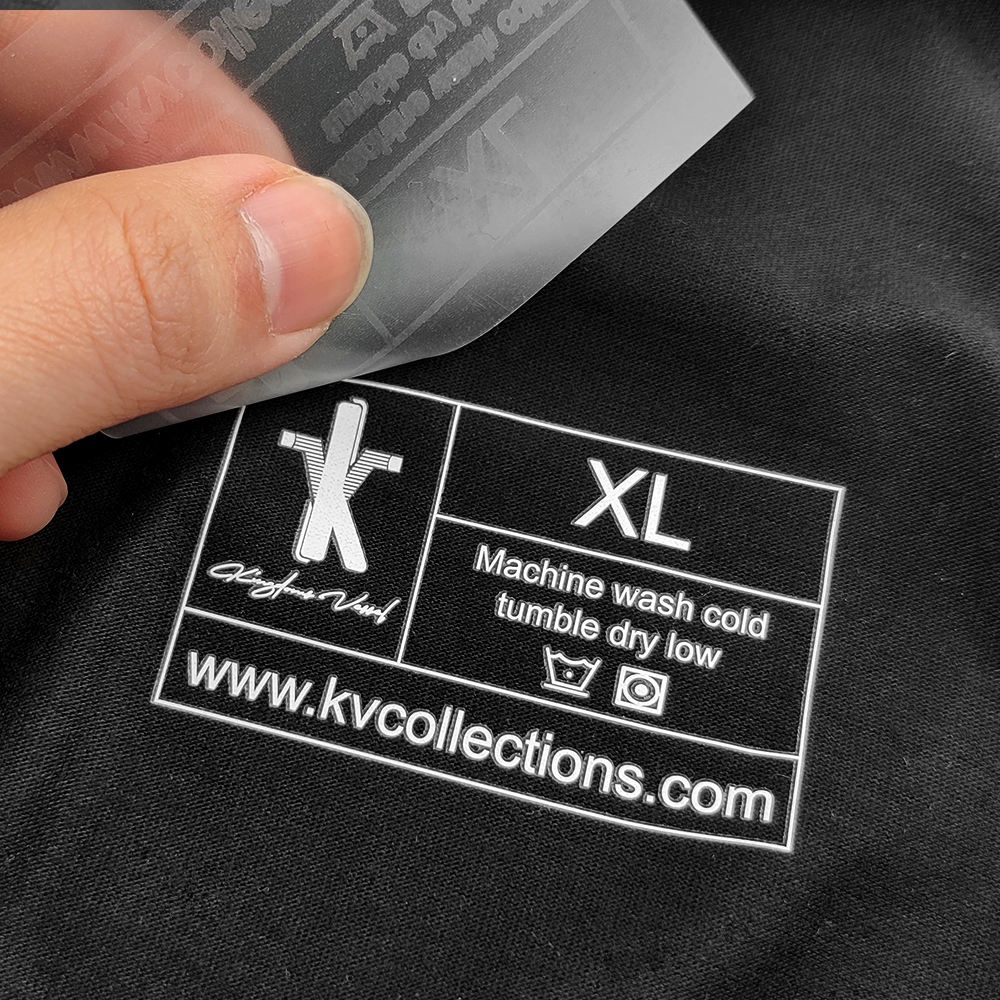
Backing & Application Options
We offer iron-on adhesive backing for fast garment application, traditional sew-on for premium hand-stitched placement, or peel-and-stick adhesive for sampling. Each backing type is tested for bond strength, wash durability, and compatibility with your knitwear fabric.
- Iron-on (heat-activated) backing for production efficiency
- Sew-on center-fold or end-fold for traditional attachment
- Peel-and-stick adhesive for prototypes and samples
- Backing adhesion tested on cotton, wool, and synthetic knits
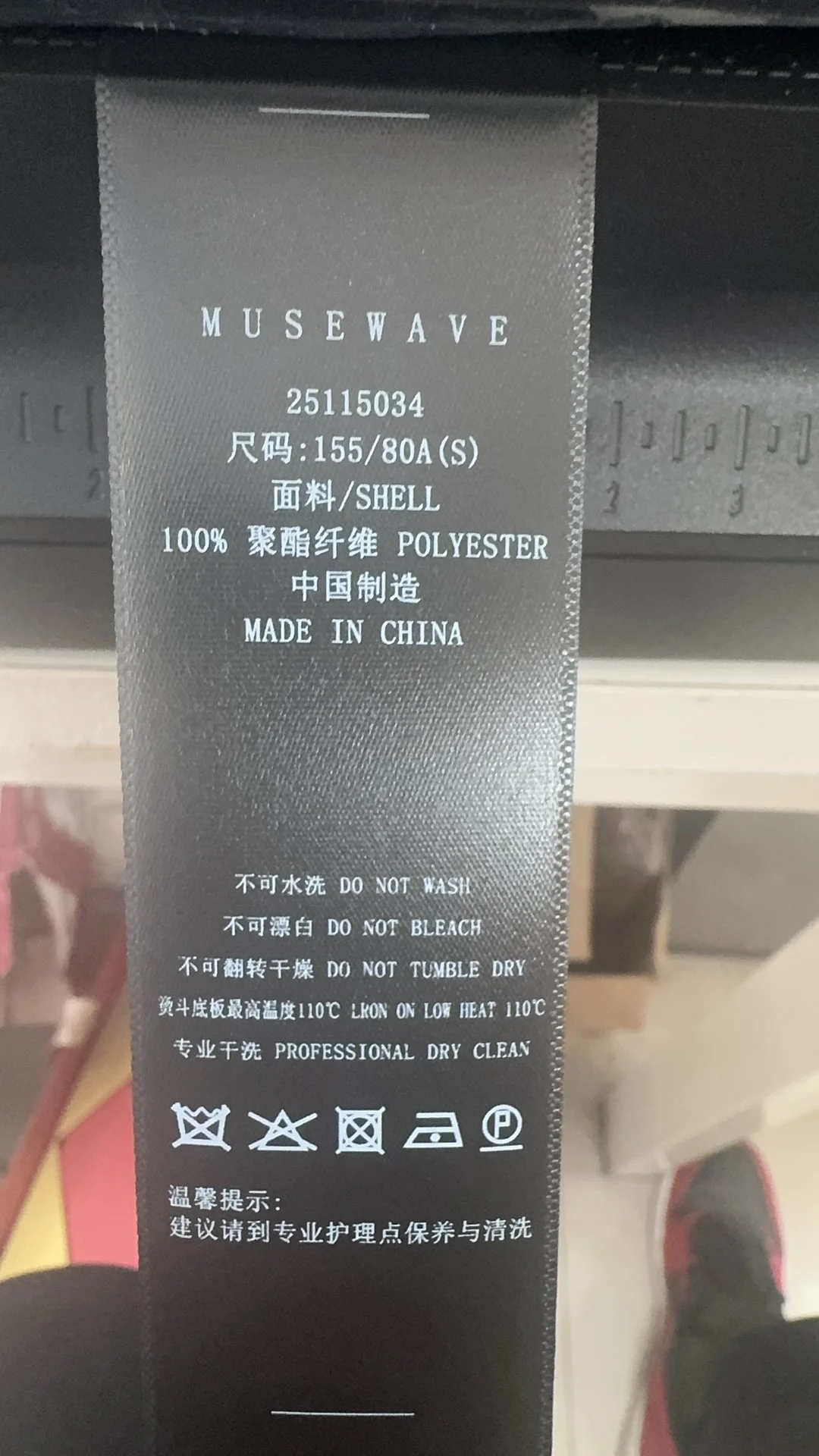
Custom Woven Labels vs. Printed Labels
Both label types serve as brand markers, but they differ in durability, visual quality, and how they hold up through washing and wear. Here’s how custom woven labels compare to printed alternatives.
← 左右滑动查看 →
How We Produce Your Custom Woven Labels
From artwork to finished labels, every custom woven label passes through seven precision-controlled phases in our Dongguan facility — ensuring brand-accurate color, sharp detail, and durable finishing for your knitwear collection.
Artwork Digitizing & Loom Programming
Your logo or design is digitized into a jacquard weave file, thread colors are matched to Pantone or physical samples, and loom parameters are programmed to ensure crisp text and graphics on woven fabric.
Jacquard Loom Setup & Strike-Off
High-density polyester or damask threads are loaded onto the jacquard loom, tension is calibrated, and a strike-off sample is woven for your approval before bulk production begins.
Bulk Weaving Production
Custom woven labels are woven continuously on computerized jacquard looms, with real-time tension and color monitoring to maintain uniform quality across every meter of woven tape for your order.
Die-Cutting & Edge Finishing
Woven tape is die-cut to your specified label dimensions, then edges are finished by ultrasonic cutting for clean sealed edges or laser cutting for intricate shapes, preventing fraying and ensuring professional appearance.
Backing & Adhesive Application
Iron-on adhesive backing, sew-in folds, or peel-and-stick options are applied based on your application method, with heat-press testing to verify bond strength and washability for garment use.
Quality Control & Count Verification
Every custom woven label is inspected for weave defects, color consistency, dimension accuracy, and edge quality; labels are counted, bundled per your packing spec, and logged for traceability before final packaging.
Packaging & Shipment Preparation
Approved labels are packed in moisture-proof poly bags, cartons are labeled with SKU and quantity, and shipment documentation is prepared for integration with your sweater order or standalone accessory dispatch.
Adding Custom Woven Labels to Your Sweater Order
Seamlessly integrate your custom woven label into any knitwear production run with CENWILD‘s streamlined four-step process, from artwork to finished garment.
Submit Your Label Artwork & Specs
Send us your brand logo, size requirements, and color details. Our team reviews your custom woven label design and confirms all technical specifications before production.
Confirm Label Placement on Garment
Choose where your custom woven label will be sewn: neckline, hem, cuff, or side seam. We mark placement on your tech pack for approval.
Produce Labels Alongside Your Knitwear
Your custom woven labels are manufactured in parallel with your sweater order, meeting our low MOQ of 100 pieces and ensuring synchronized timing throughout production.
Receive Finished Garments with Labels
Labels are professionally sewn into each piece during final assembly. Your complete order ships with every sweater fully branded and ready for your customers.
Customer Stories: Brands That Chose CENWILD Knitwear Manufacturing
We added CENWILD’s custom woven labels to our merino cardigan line and saw a 34% increase in repeat purchases. The labels survived 50+ washes without fraying, exactly what our customers expect from premium knitwear.
Our first 500-piece sweater order included custom woven labels with our logo and care instructions. CENWILD delivered everything on schedule, and the label quality matched our cashmere blend perfectly. Our retail partners noticed immediately.
Switching to woven labels from printed tags reduced customer complaints about itching by 89%. CENWILD’s team helped us choose the right damask weave and placement for our pullover collection, all within our 100-piece MOQ.
Custom Knitwear Manufacturing FAQs
What customization options are available for custom woven labels?
What file format and specifications do I need to provide for custom woven labels?
How durable are custom woven labels after washing and dry-cleaning?
Can I combine a custom woven label with embroidery on the same sweater?
Will adding custom woven labels delay my sweater production lead time?
What is the minimum order quantity for custom woven labels on my knitwear order?
Can I order different custom woven label designs for different styles in the same production run?
Do you provide physical samples of the custom woven label before bulk production?
The Complete Buyer’s Guide to Custom Knitwear Manufacturing for Fashion Brands
Navigate supplier selection, material choices, and quality benchmarks with confidence. This guide delivers a decision framework, essential customization criteria, and the most common sourcing mistakes to avoid when ordering custom woven labels.
1. What Is a Custom Woven Label?
A custom woven label is a fabric-based branding tag created by interlacing polyester or damask threads on a specialized loom, with brand names, logos, care instructions, and size information woven directly into the textile structure rather than printed on the surface. Unlike printed labels that sit atop fabric, woven construction embeds every detail thread-by-thread, making text and graphics an integral part of the label itself.
Fashion brands choose woven labels over printed alternatives for three core reasons: durability through hundreds of wash cycles without fading or cracking, a premium tactile feel that signals quality to end customers, and complete washability that maintains legibility and softness over the garment’s lifetime. Printed labels often peel, fade, or become illegible after 20–30 washes, while woven labels retain sharp definition for 200+ cycles.
For knitwear manufacturers like CENWILD, custom woven labels serve as the final branding touchpoint — reinforcing brand identity, meeting legal labeling requirements, and differentiating private-label collections in competitive retail channels. The woven format communicates craftsmanship and permanence, aligning with the quality expectations of sweater and knitwear buyers worldwide.
2. The Evolution of Woven Labels in Fashion
Medieval European guilds first used hand-loomed marks in the 13th century to certify fabric origin and quality, weaving identification threads directly into cloth edges. These early marks established the principle that woven branding could not be removed without damaging the garment — a permanence that hand-sewn or printed labels could not match.
The Jacquard loom, patented in 1804, automated complex weaving patterns and allowed intricate logos, lettering, and multi-color designs to be produced at scale. By the 1880s, luxury tailors in London and Paris adopted woven satin labels to signal craftsmanship, and the practice spread across Europe and North America as industrialization lowered unit costs.
Digital Jacquard weaving emerged in the 1990s, replacing punch-card programming with CAD files and cutting setup time from days to hours. Modern high-density looms now achieve resolutions above 200 picks per inch, rendering fine serif fonts and gradient shading that rival screen printing.
Today woven labels remain the luxury standard because thread-based construction resists fading, withstands industrial laundering at 75°C or higher, and communicates permanence — qualities essential when a custom woven label carries a brand’s reputation through years of wear.
3. Types of Custom Woven Label by Weave Technique
Four weave techniques dominate custom woven label production, each offering distinct thread density, detail resolution, and price points. Choosing the right weave aligns your label with brand positioning and budget constraints.
Taffeta Weave
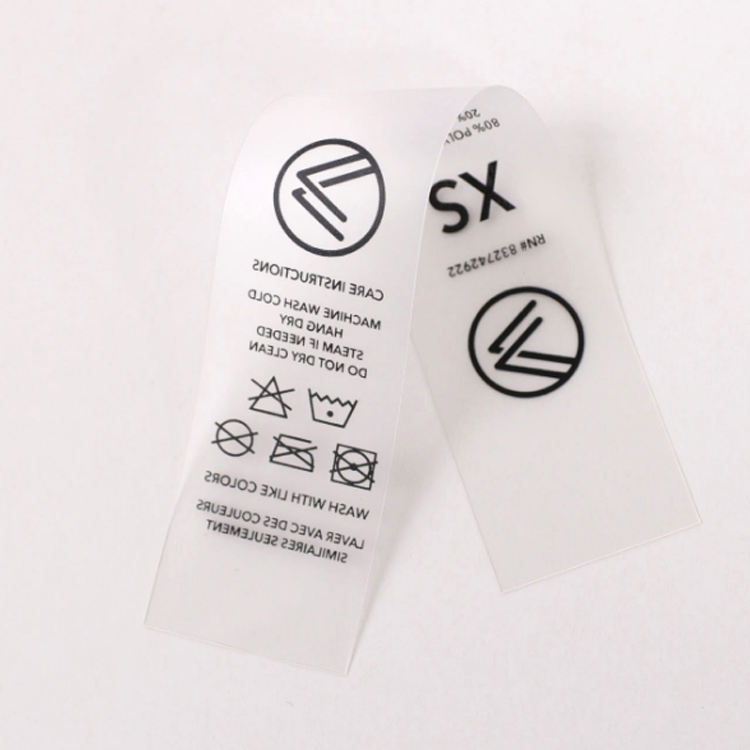
Taffeta uses a simple over-under thread pattern with 100–150 threads per inch, making it the most economical option. Text and bold logos render clearly, but fine details blur.
Ideal for startups, wholesale basics, or high-volume runs where cost per unit matters most. Commonly seen in activewear, children’s garments, and promotional apparel.
Damask Weave
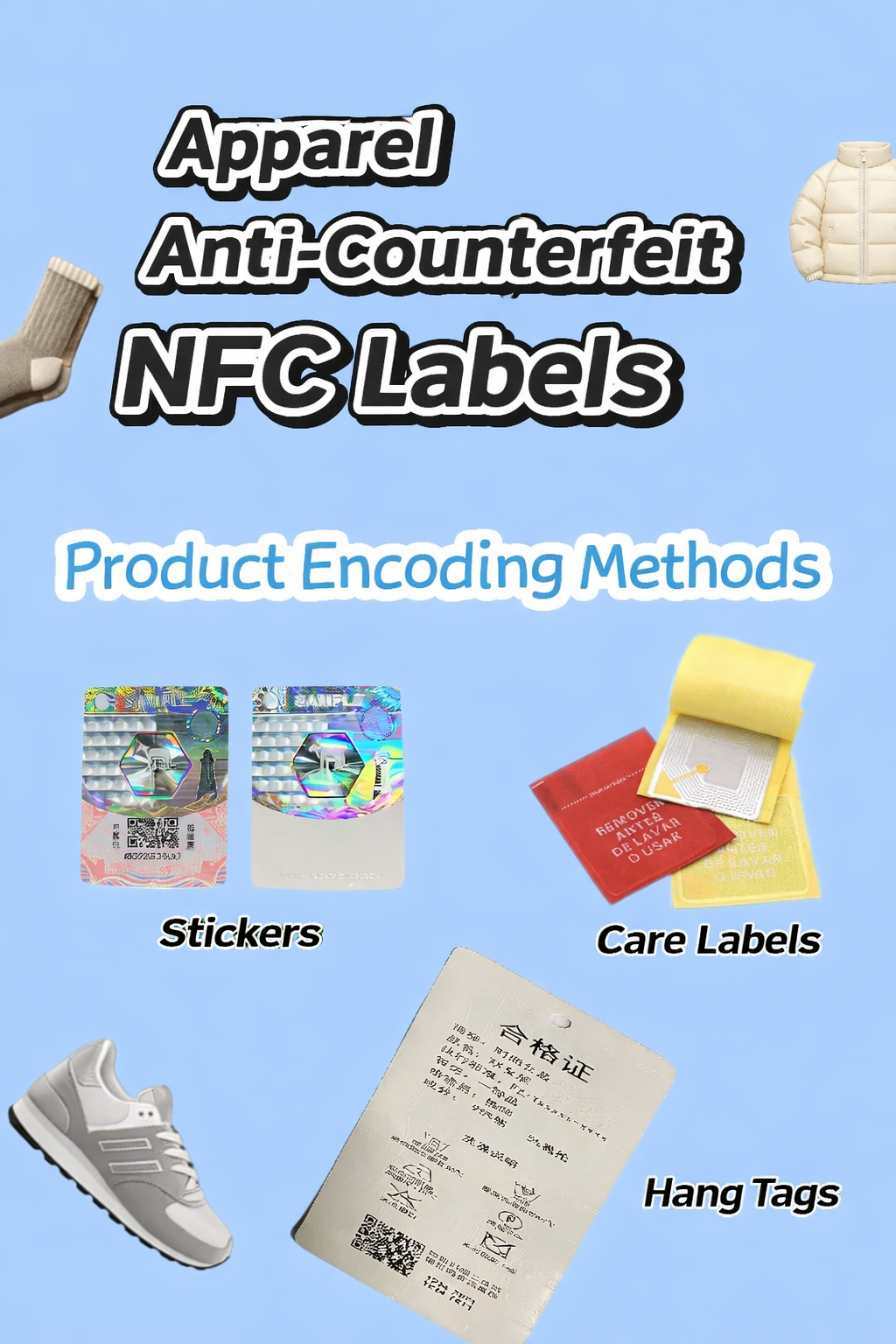
Damask achieves 200–250 threads per inch, delivering crisp edges and smooth gradients at mid-range pricing. It accounts for roughly 70% of fashion-brand label orders.
Suitable for most apparel lines — knitwear, denim, outerwear — where brand identity demands clarity without premium cost. Balances detail and durability across wash cycles.
Satin Weave
Satin weave floats threads across the surface, producing a lustrous, soft-touch finish at 250–300 threads per inch. The sheen elevates perceived quality.
Preferred for luxury knitwear, cashmere cardigans, and premium collections where tactile elegance reinforces brand story. Higher material and loom time increase unit cost by 20–40% over damask.
HD Woven
HD woven pushes density beyond 350 threads per inch, rendering photo-realistic logos, intricate scripts, and multi-color gradients. Reserved for ultra-premium positioning.
Typical in high-end fashion, limited editions, and collaborations where the label itself is a design statement. Requires specialized looms and longer lead times.
4. Materials and Fabric Choices for Custom Woven Label
Material choice directly affects durability, hand feel, and washability of every custom woven label sewn into your knitwear. Polyester dominates commercial production for its colorfastness and resilience, while cotton and blends serve premium and eco-conscious lines.
| Material | Durability | Washability | Hand Feel | Typical Cost Tier | Best For |
|---|---|---|---|---|---|
| Polyester (taffeta) | Excellent; resists fraying | Industrial wash safe | Smooth, crisp | Low | Activewear, denim, mass production |
| Cotton | Good; may fray over time | Gentle cycles | Soft, natural | Medium | Premium cashmere, organic knitwear |
| Damask (poly blend) | Very high; tight weave | Commercial wash safe | Luxe, raised texture | Medium–High | Designer labels, luxury branding |
| Satin weave (poly) | High; glossy finish | Standard wash safe | Silky, reflective | Medium | Evening wear, high-sheen garments |
5. Customization Options for Custom Woven Label
Every custom woven label order begins with four core configuration decisions: thread palette, physical dimensions, edge finish, and backing method. Understanding these variables ensures your label integrates seamlessly with garment construction and brand identity.
| Edge Finish | Application Method | Durability |
|---|---|---|
| Cut & Fold (End/Center) | Sewn into seam | Excellent — edges protected |
| Straight Cut | Surface stitch or iron-on | Good — may fray over time |
| Heat Cut | Surface stitch or iron-on | Very good — sealed edge |
| Ultrasonic Cut | Surface stitch or iron-on | Very good — sealed edge |
Thread Colors and Dimensions
Most manufacturers support 8–12 thread colors per label design, enabling detailed logos and gradients. Pantone matching is standard for brand consistency.
Label dimensions typically range from 15 mm × 15 mm for minimalist tags up to 70 mm × 50 mm for statement neck labels. Width and height are independently customizable in 1 mm increments to fit collar seams, side seams, or exterior placements.
Edge Finish Options
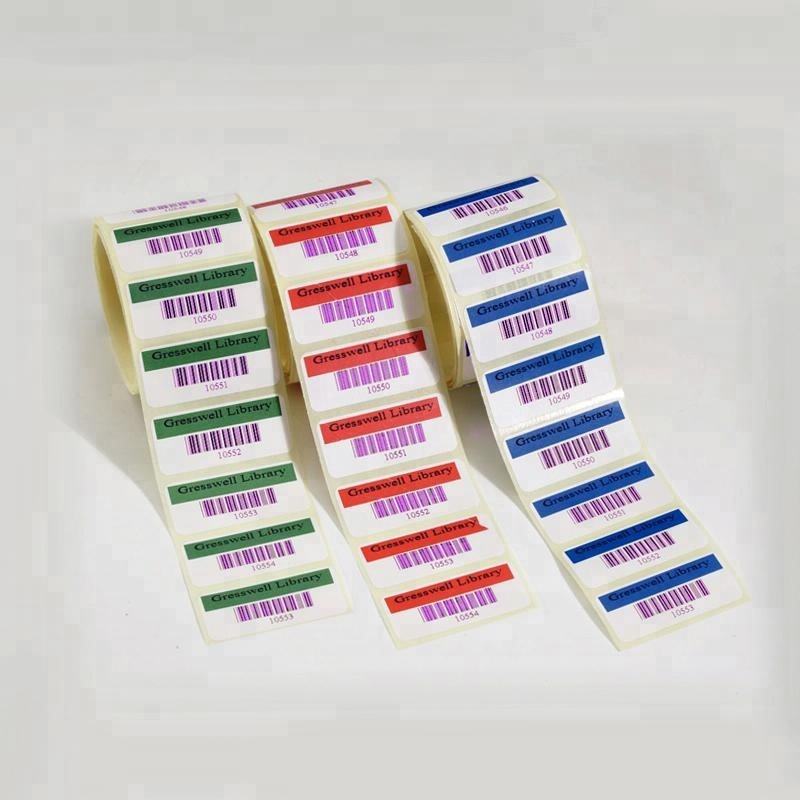
Edge treatment determines durability and application method. Cut-and-fold (also called end-fold or center-fold) wraps raw edges inside, ideal for sewing into seams. Straight-cut, heat-cut, and ultrasonic-cut edges leave the perimeter exposed, suited for surface stitching or iron-on applications where a clean, flat profile is required.
Backing and Attachment Methods
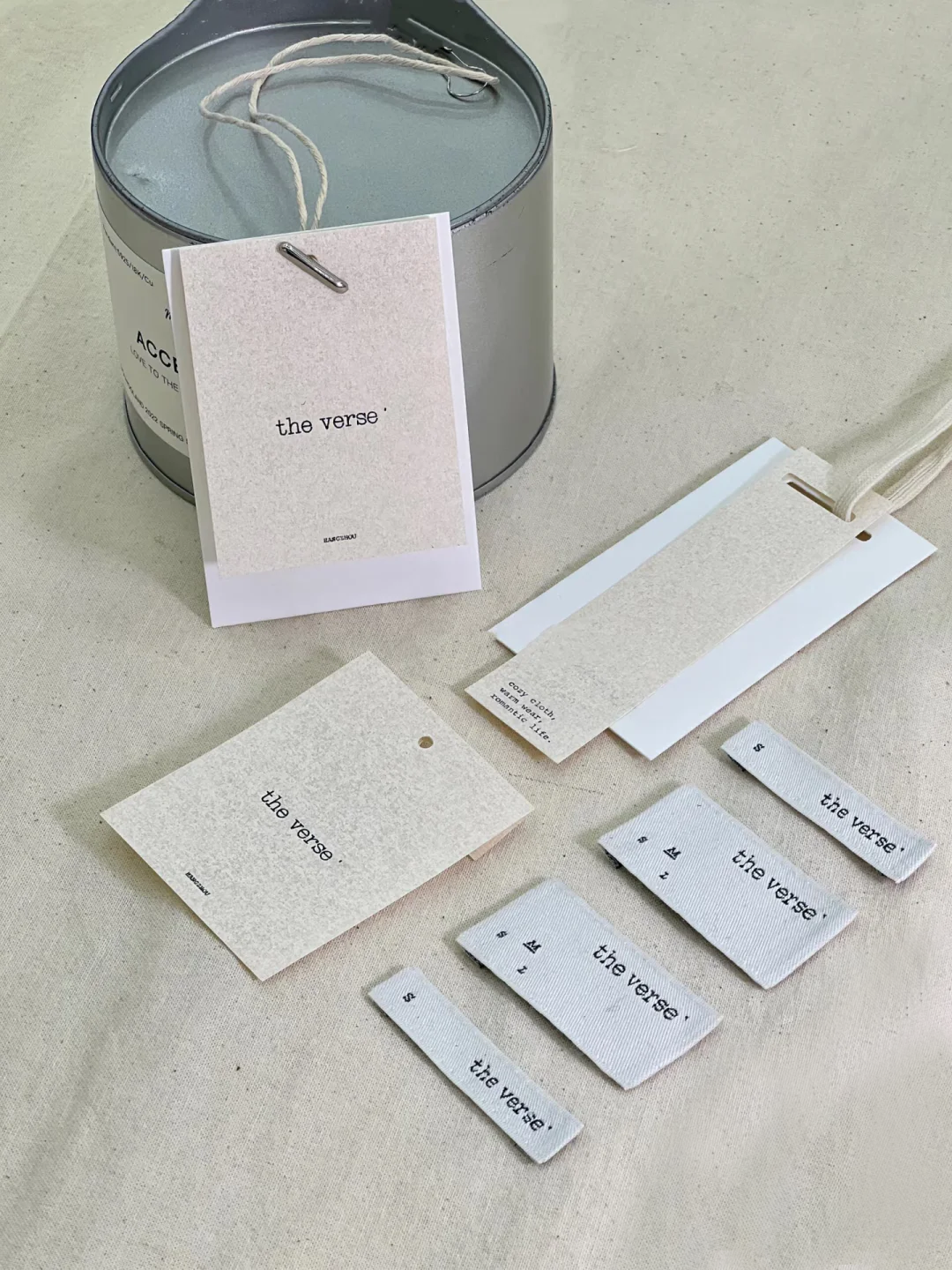
Sew-on labels (no backing) remain the industry standard for durability through repeated washing. Iron-on adhesive backing allows heat-press application in under 15 seconds, popular for low-volume or DIY brands. Peel-and-stick adhesive offers temporary placement for samples or short-lifecycle garments, though it rarely survives commercial laundering.
6. Key Quality Benchmarks for Custom Woven Label
Before approving bulk production, inspect five non-negotiable checkpoints: thread tension, color fidelity, edge finish, wash durability, and text clarity. CENWILD’s quality control process validates every checkpoint through pre-production samples, ensuring labels perform across 50+ wash cycles and maintain brand integrity.
Thread Tension Consistency
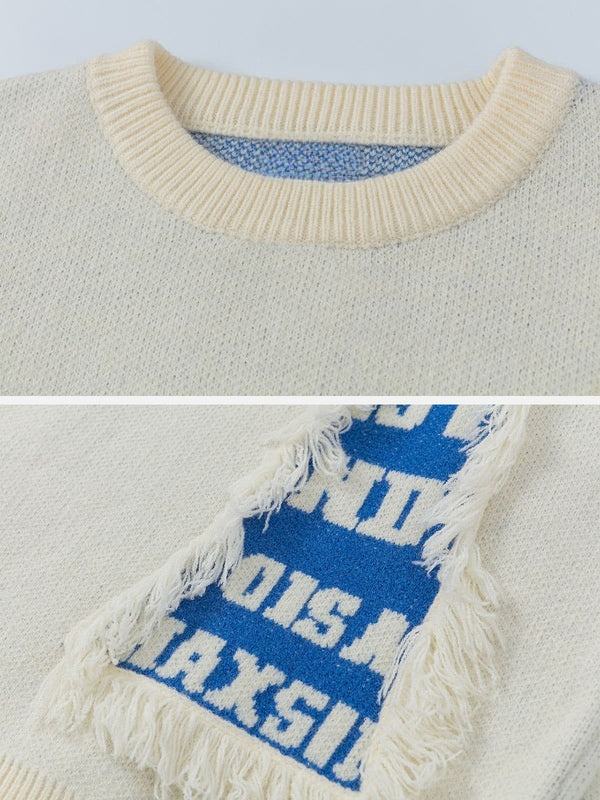
Uneven tension creates puckering, distortion, and premature fraying. Professional manufacturers calibrate loom tension digitally for each weave density and thread count.
Request a pre-production sample and hold it against light: uniform weave shows no loose threads or tight spots. CENWILD’s computerized looms monitor tension in real time, flagging deviations before they reach the cut.
Pantone Color Matching
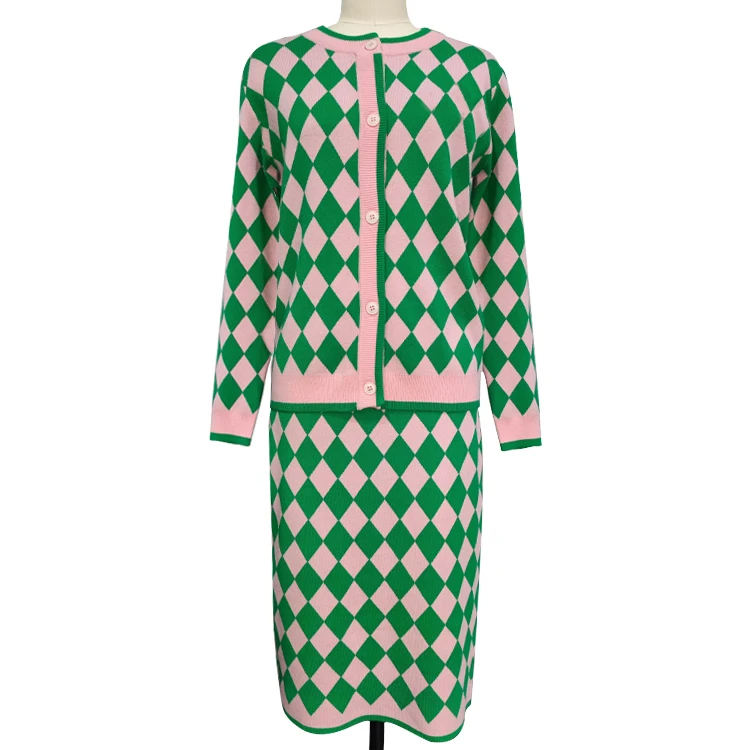
Brand colors must match your Pantone reference within Delta E ≤ 2.0. Polyester and rayon threads dye differently; specify your Pantone code and request a strike-off.
Compare the sample under daylight (D65) and store lighting (TL84). CENWILD maintains a thread library of 200+ pre-matched Pantone shades and offers custom dyeing for exact brand alignment.
Edge Finish and Fray Resistance
Clean edges — ultrasonic-cut, heat-cut, or folded — prevent unraveling. Inspect cut edges for stray fibers or melt marks that snag fabric.
Rub the edge between fingers: quality labels shed nothing. CENWILD uses ultrasonic cutting for synthetic threads and laser trim for intricate shapes, sealing edges without visible residue.
Wash-Test Validation
Labels endure 50+ industrial wash cycles without fading, shrinking, or losing legibility. Request a wash-tested sample using your care instructions (temperature, detergent type, tumble dry).
CENWILD pre-washes samples at 60°C with enzyme detergent, simulating two years of consumer use, and photographs before-and-after comparisons for your approval.
Small-Text Legibility
Care symbols, fiber content, and country-of-origin text below 2 mm demand high-definition weaving (minimum 200 picks per inch). Verify that every character remains sharp under magnification.
CENWILD’s damask and high-definition looms resolve 0.5 mm serif fonts, meeting US FTC and EU labeling standards for readability across all required disclosures.
7. How to Choose a Custom Woven Label Manufacturer
Choosing the right custom woven label partner directly impacts your brand’s launch speed, cost structure, and quality consistency. A systematic evaluation of MOQ thresholds, turnaround times, certifications, and support capabilities separates reliable manufacturers from risky suppliers.
MOQ Flexibility and Scalability
Suppliers typically tier minimums at 100–500 pieces for startups, 500–1,000 for growing brands, and 1,000+ for established labels. CENWILD starts at 100 pieces per design, enabling test runs without excess inventory.
Lower MOQs carry higher per-unit costs but reduce cash risk; evaluate whether your supplier offers volume discounts as orders scale.
Lead Times: Sampling and Bulk Production
Sampling windows range from 3–7 days for digital mock-ups to 7–14 days for physical woven samples. Bulk production typically spans 10–21 days depending on order size and weave complexity.
Overseas manufacturers often offset longer shipping (10–30 days) with lower unit costs, while domestic suppliers deliver in 5–10 days at premium pricing.
Certifications and Compliance
OEKO-TEX Standard 100 confirms thread and dye safety; GRS (Global Recycled Standard) verifies recycled polyester content. Brands selling in the EU or to eco-conscious retailers should prioritize certified suppliers to meet retailer audits and consumer transparency demands.
Design Support and Revision Policy
Free digitizing, unlimited revisions before sampling, and knowledgeable design teams distinguish full-service partners from order-takers. Ask whether the supplier provides thread color matching, font legibility checks, and weave-technique recommendations during the brief stage.
8. Common Mistakes When Ordering Custom Woven Label
Even experienced buyers stumble when ordering custom woven label for the first time. Five recurring mistakes drive most quality complaints and schedule delays, yet each is straightforward to avoid with upfront planning.
Choosing the Wrong Weave for Logo Complexity
Taffeta weave supports fine serif fonts and gradients down to 1 mm detail, while damask handles bold sans-serif and high-contrast artwork. Matching weave to artwork complexity prevents blurred edges and illegible text.
Request a knit-down swatch before bulk production. CENWILD’s design team reviews artwork and recommends the appropriate weave density during the sampling phase.
Ignoring Wash-Test Requirements
Labels must survive the same care cycles as the garment. Skipping wash testing leads to frayed edges, color bleeding, or delaminated backing after the first consumer laundry cycle.
Specify wash temperature, detergent type, and tumble-dry settings when ordering samples. Run at least five home-laundry cycles on swatches before approving production.
Underestimating Lead Time for Sampling Iterations
First samples typically require 7–10 days; each revision adds another week. Brands that budget only two weeks from inquiry to shipment face launch delays.
Allow 3–4 weeks total for sampling, thread-color proofing, and bulk production. CENWILD’s 100-piece MOQ lets you test small runs before scaling.
Failing to Proof Thread Colors Against Brand Pantone
Screen RGB and printed CMYK never match woven thread under retail lighting. A logo that looks correct on-screen may shift hue when woven, damaging brand consistency.
Supply Pantone TPX or TCX codes and request a physical thread card. Approve thread colors under daylight before loom setup begins.
Ordering Insufficient Quantities for Future Reorders
Dye lots vary between production runs. Ordering exactly one season’s need forces color mismatches when reordering six months later.
Purchase a 10–15 percent buffer for reorders and quality replacements. CENWILD archives thread formulas, but slight dye-lot variation is inherent in textile manufacturing.
9. Steps to Launch Your First Custom Woven Label Order
Launching your first custom woven label order follows a proven workflow that balances speed, quality assurance, and cost control. Understanding each milestone — from artwork preparation through bulk shipment — helps you avoid delays and ensures labels meet brand standards before garments reach customers.
Finalize Logo Artwork and Select Specifications
Submit vector artwork (AI, EPS, or PDF) with all fonts converted to outlines; raster files below 300 DPI often lose detail in weaving. Specify weave technique (damask, taffeta, or satin), thread density, background color (Pantone reference preferred), label size in millimeters, and fold type (center-fold, end-fold, straight-cut, or mitre-fold).
CENWILD’s design team reviews artwork for weave feasibility and suggests thread-count adjustments when fine serif fonts or gradients exceed loom resolution.
Request Digital Mock-Up and Physical Sample
Receive a digital proof within 24–48 hours showing thread placement and color matching. Once approved, order a physical woven sample (typically 5–10 pieces) to verify texture, color accuracy under natural light, and edge finish.
Physical sampling takes 5–7 days for standard weaves, up to 10 days for complex jacquard or metallic-thread designs. CENWILD ships samples via express courier for faster approval cycles.
Conduct Wash Testing and Approve Bulk Production
Wash the sample label five cycles at your garment’s care temperature to check colorfastness, edge integrity, and shrinkage. Document any fraying, color bleed, or curl before approving bulk.
Bulk production begins after deposit (100% for first orders, scaling to 30% for repeat clients). Lead time averages 14–21 days for quantities under 10,000 pieces, with balance due before shipment.
10. Pricing and Cost Structure for Custom Woven Label
Custom woven label pricing follows a tiered structure: unit costs drop sharply as volume rises, while setup fees — typically USD 30–80 for digitizing and loom programming — are amortized across the run. At 100 pieces, Taffeta labels range USD 0.40–0.60 each; at 5,000 pieces, costs fall to USD 0.08–0.12. Damask and Satin weaves add 20–40% due to finer thread counts and slower weaving speeds.
Lead times span 7–10 business days for standard orders and 3–5 days for rush production, which incurs a 30–50% surcharge. Each additional thread color beyond four raises the per-unit cost by USD 0.02–0.05, and special finishes — metallic thread, laser-cut edges, or heat-seal backing — add USD 0.03–0.08 per label. Fold type (center-fold, end-fold, straight-cut) does not affect pricing, but complex shapes or micro-text below 1 mm may require premium digitizing fees of USD 100–150.
| Quantity Tier | Taffeta (USD) | Damask (USD) | Satin (USD) | Lead Time |
|---|---|---|---|---|
| 100 pcs | 0.40–0.60 | 0.55–0.75 | 0.60–0.80 | 7–10 days |
| 500 pcs | 0.25–0.35 | 0.32–0.45 | 0.35–0.50 | 7–10 days |
| 1,000 pcs | 0.18–0.25 | 0.22–0.32 | 0.25–0.35 | 7–10 days |
| 2,500 pcs | 0.12–0.18 | 0.15–0.22 | 0.18–0.25 | 7–10 days |
| 5,000 pcs | 0.08–0.12 | 0.10–0.15 | 0.12–0.18 | 7–10 days |
Get Your Custom Knitwear Quote in 24 Hours
Share your design brief or tech pack today and receive a detailed quote, knit-down sample timeline, and production plan for your custom sweater or knitwear collection.