Custom Buttons for Knitwear & Sweaters
Reinforce your brand identity with custom buttons on cardigans, pullovers, and sweater vests. CENWILD integrates OEM-ready finishing into every knitwear order from 100 pieces, backed by 28+ years of Dongguan manufacturing expertise.
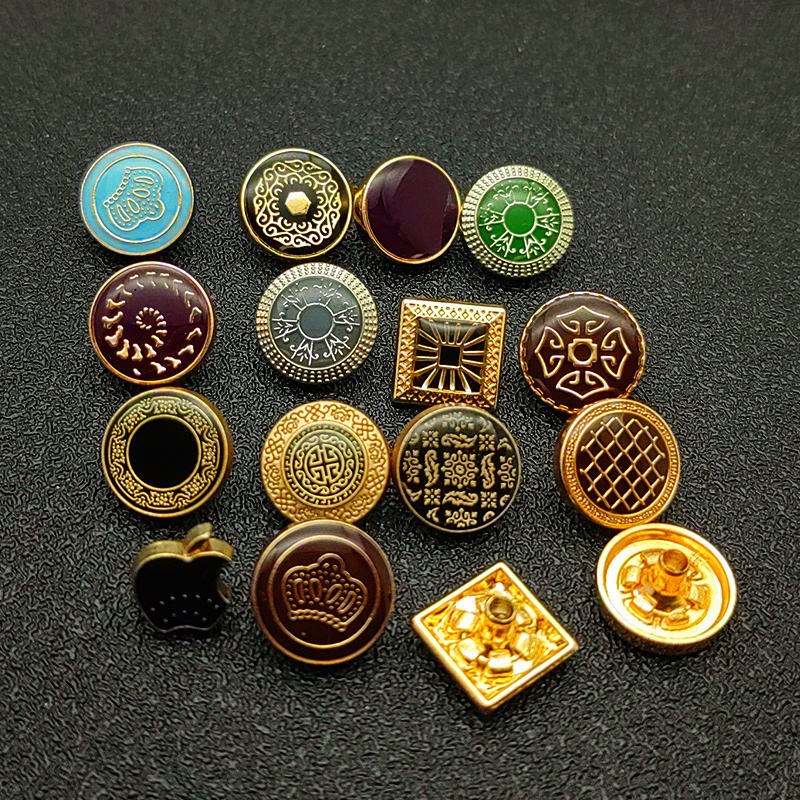
Custom Button Styles & Materials
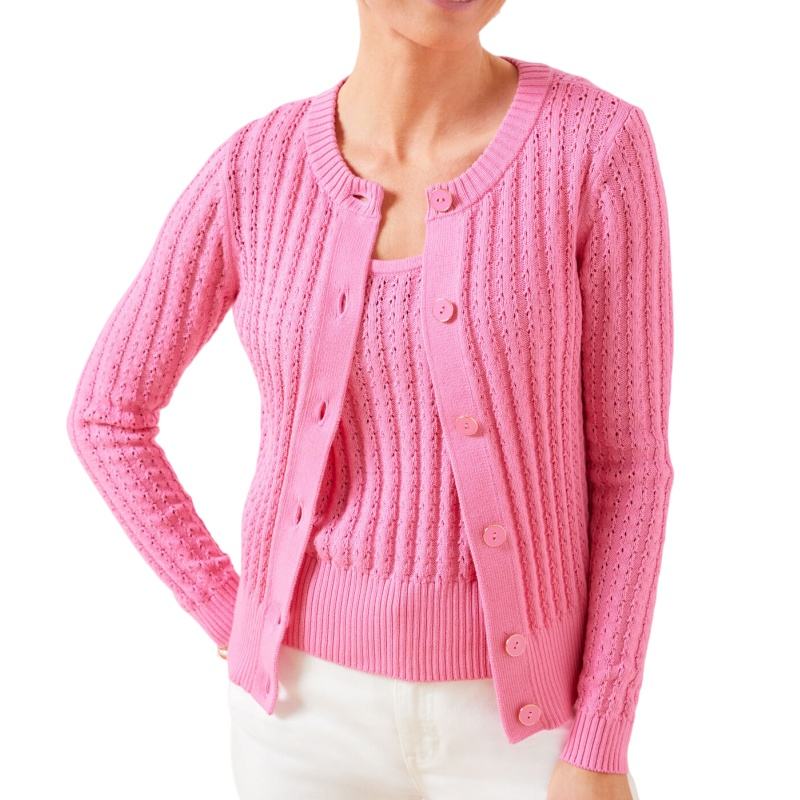
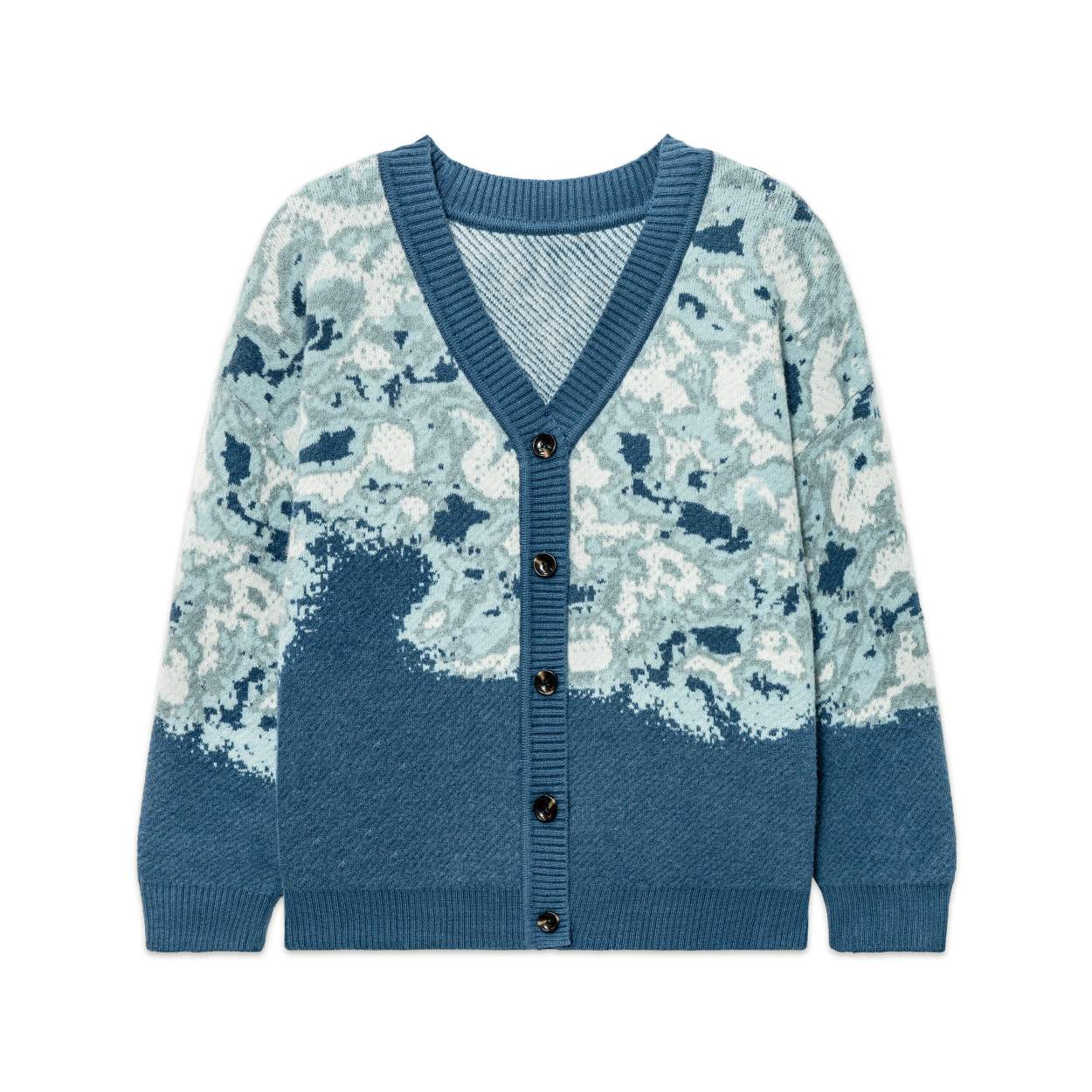
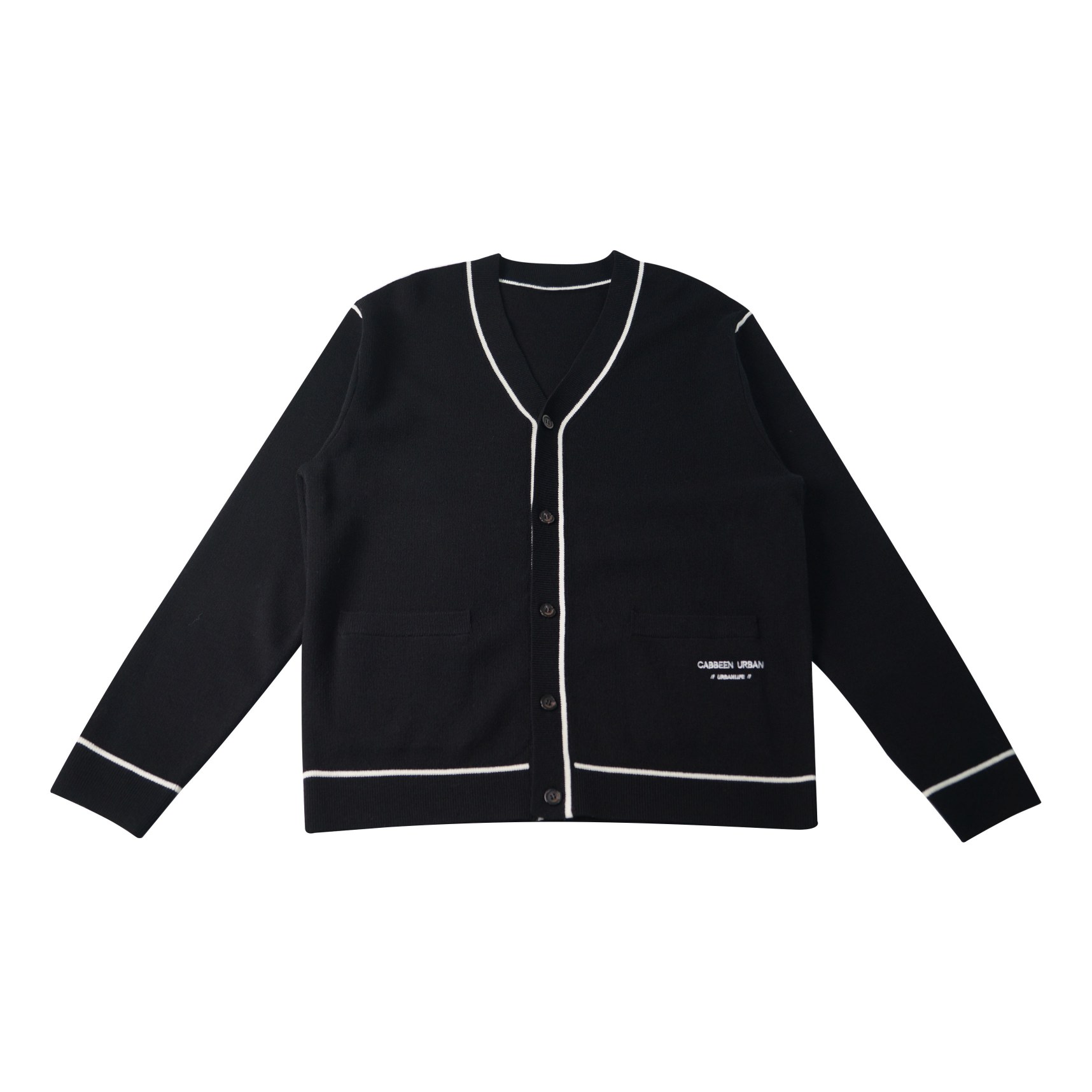
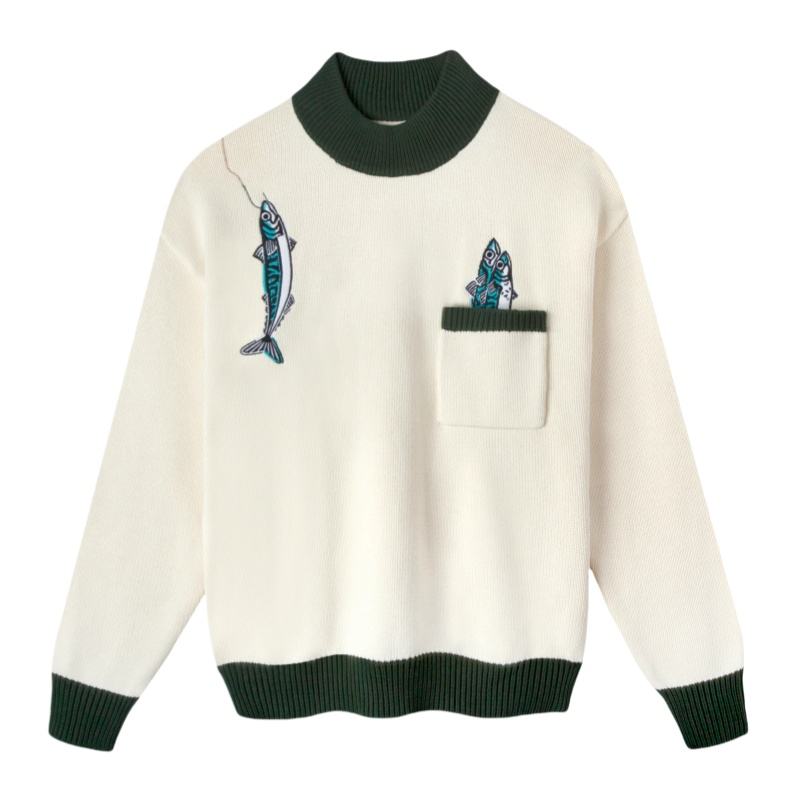
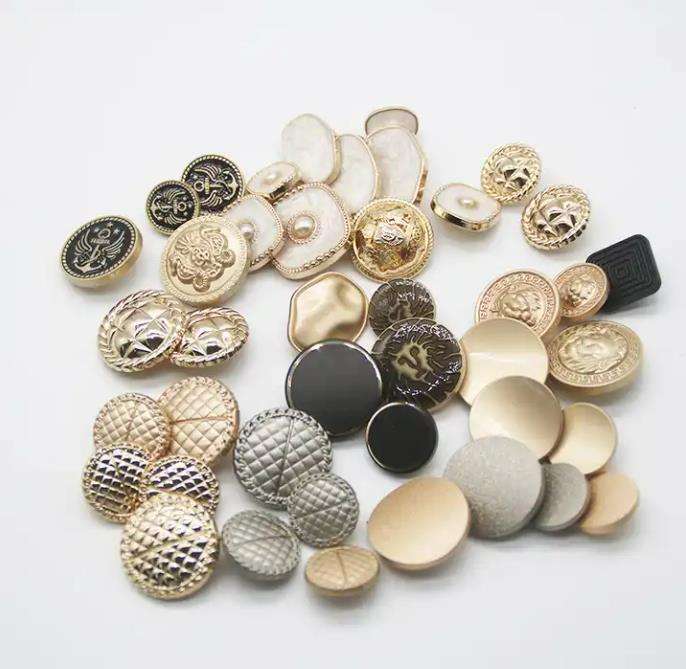
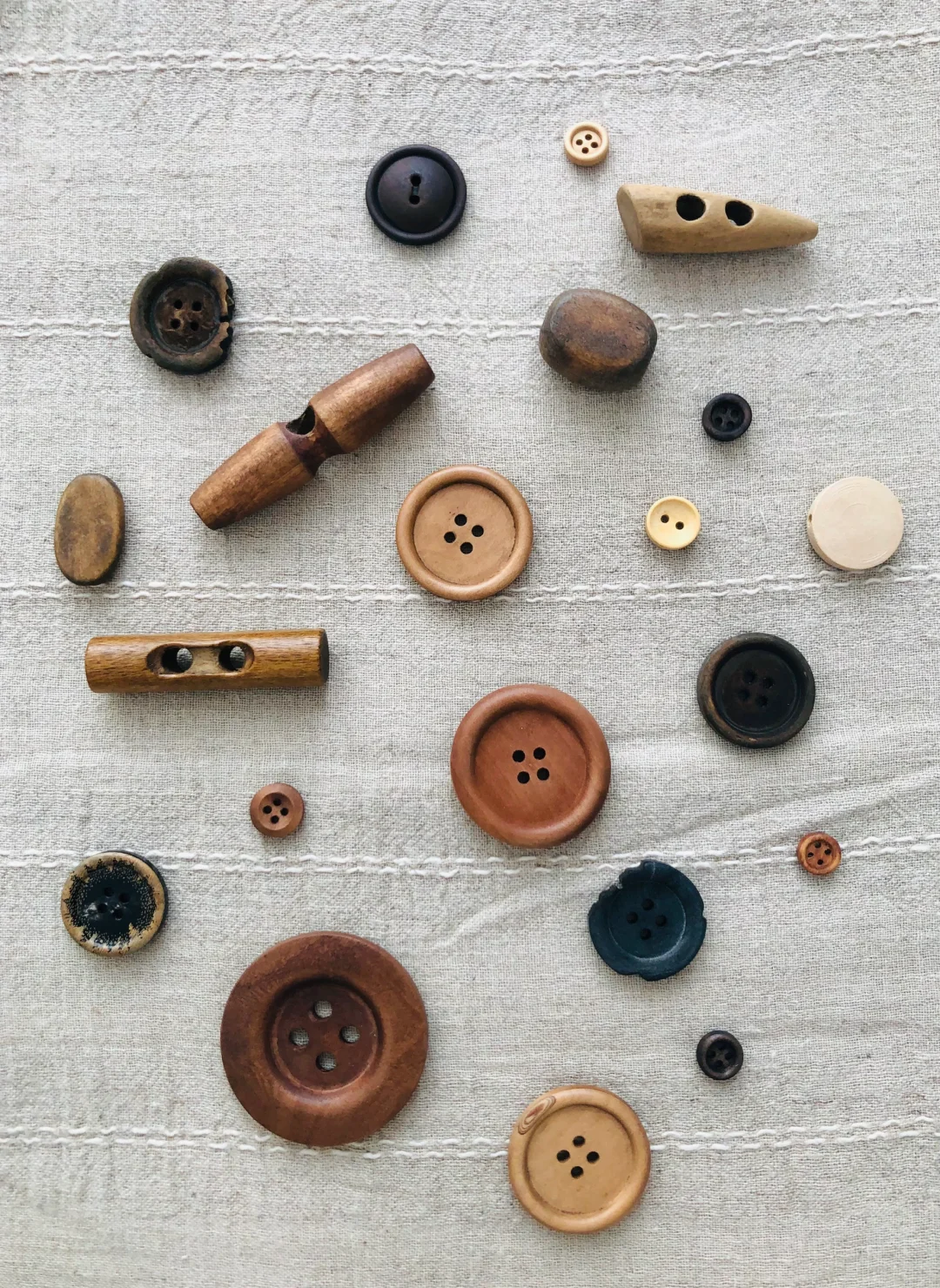
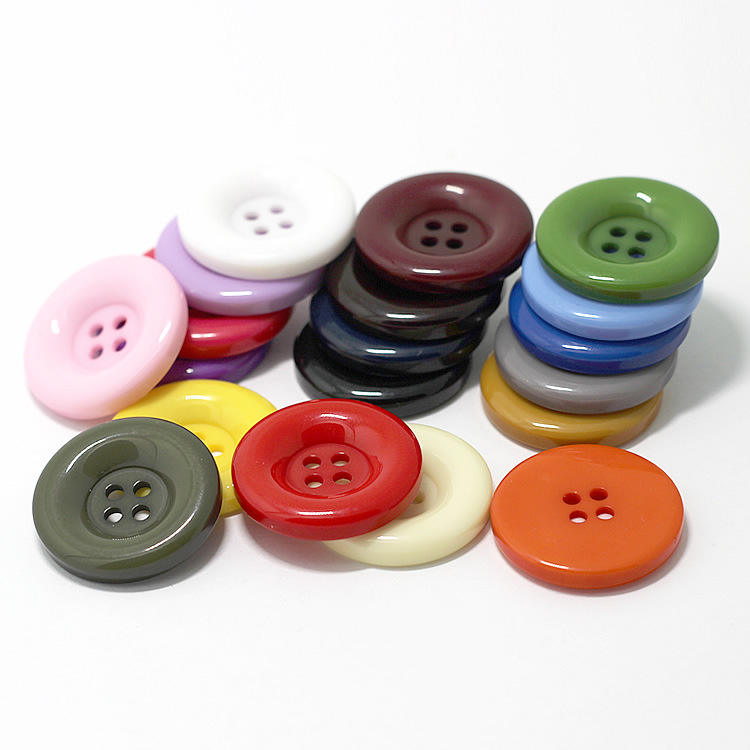
Why Custom Buttons Elevate Your Knitwear
Branded custom buttons transform ordinary cardigans and sweaters into signature pieces that reinforce your identity, boost perceived value, and stand the test of time.
Perfect Brand Consistency
Custom buttons in your exact color, logo, and finish ensure every cardigan and sweater reflects your brand identity with precision and consistency.
Elevated Perceived Quality
Premium engraved or embossed buttons signal craftsmanship and attention to detail, elevating the perceived quality of your knitwear.
Durability Through Wash Cycles
High-quality resin, metal, and corozo buttons withstand repeated laundering without fading, cracking, or losing their professional appearance.
Full Customization Flexibility
Choose size, shape, color, material, and logo engraving to match your design vision—no compromise on aesthetics or branding.
Seamless Add-On to Orders
Custom buttons integrate directly into your CENWILD knitwear production from 100 pieces, eliminating separate sourcing and coordination.
Consistent Global Supply
Sourced and quality-checked in Dongguan alongside your knitwear, ensuring reliable availability and matching standards across every reorder.
Complete Your Knitwear with Custom Trims & Finishing
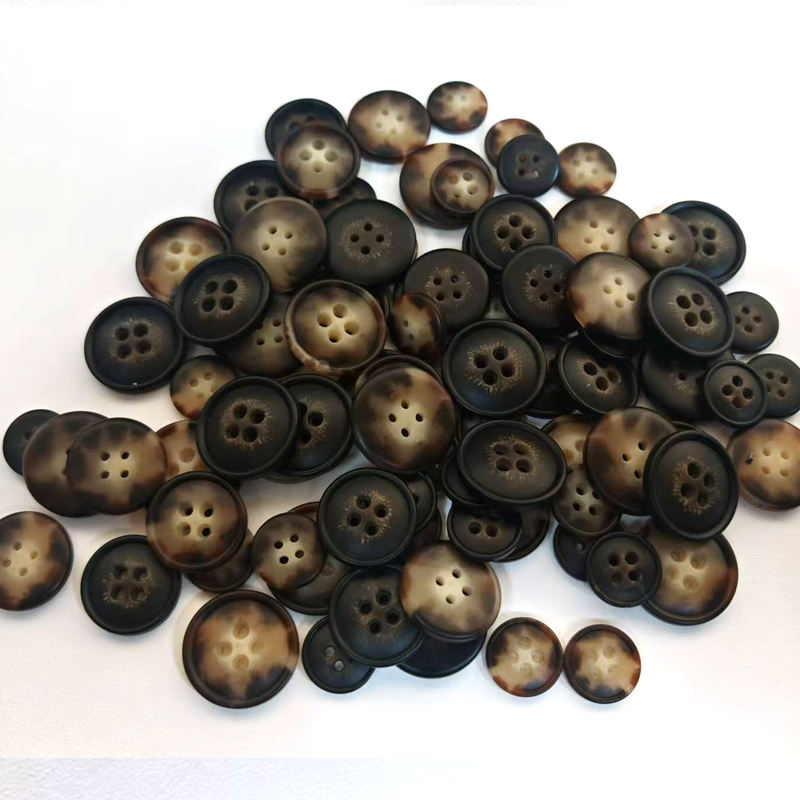
Trims and Accessories
Custom knitwear trims are the finishing details that elevate your sweater from prototype to branded product. CENWILD sources and applies buttons, zippers, labels, hang tags, drawstrings, rib components, and decorative elements in-house, ensuring consistency across every piece in your order from 100 pieces up.
Get a Quote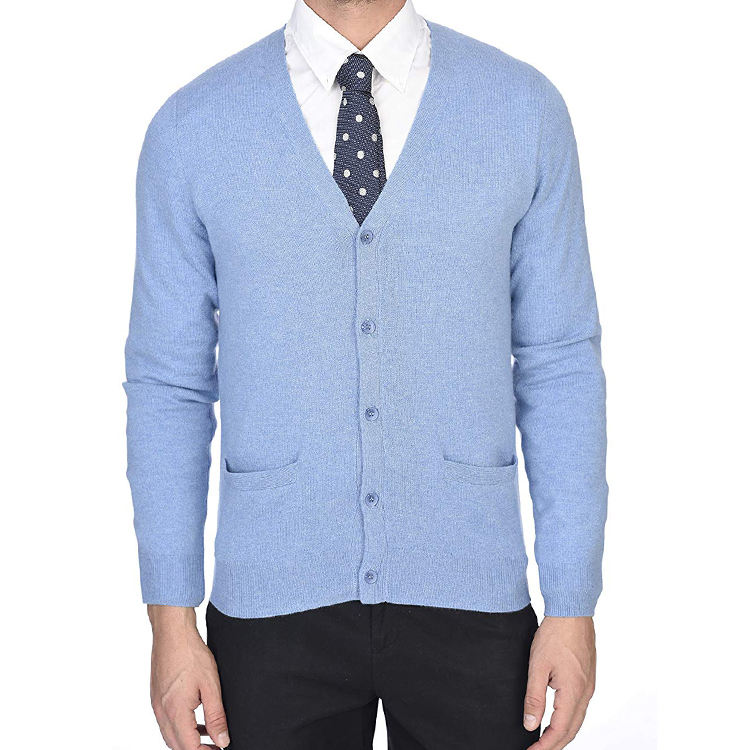
Custom Zippers
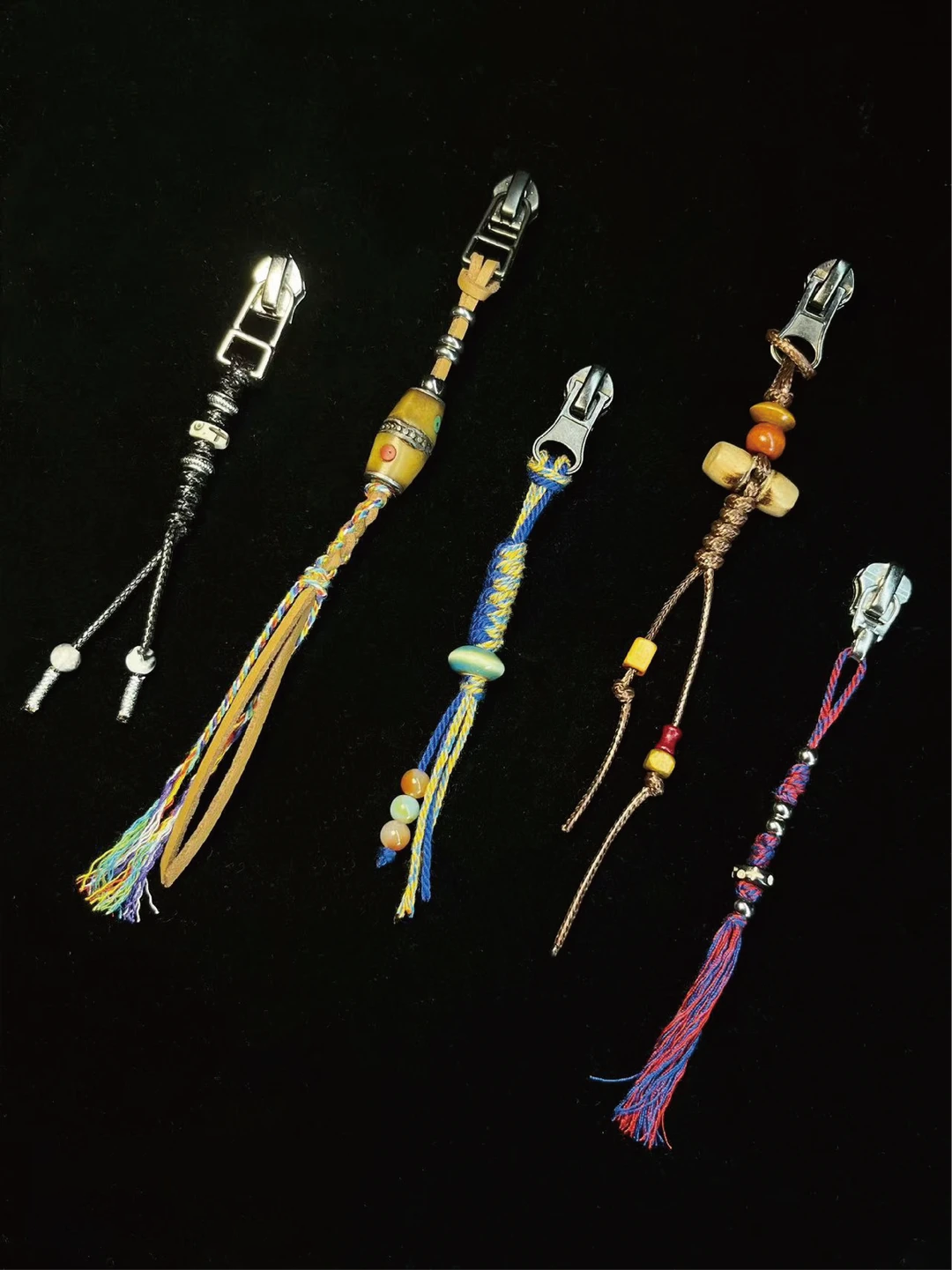
Custom zippers for cardigans, quarter-zips, and half-zip sweaters are available in metal, nylon, and invisible styles. We match zipper tape color to your yarn, apply custom pullers with logo engraving or enamel fill, and integrate them seamlessly during knitting and assembly to meet your brand’s aesthetic and quality standards.
Get a Quote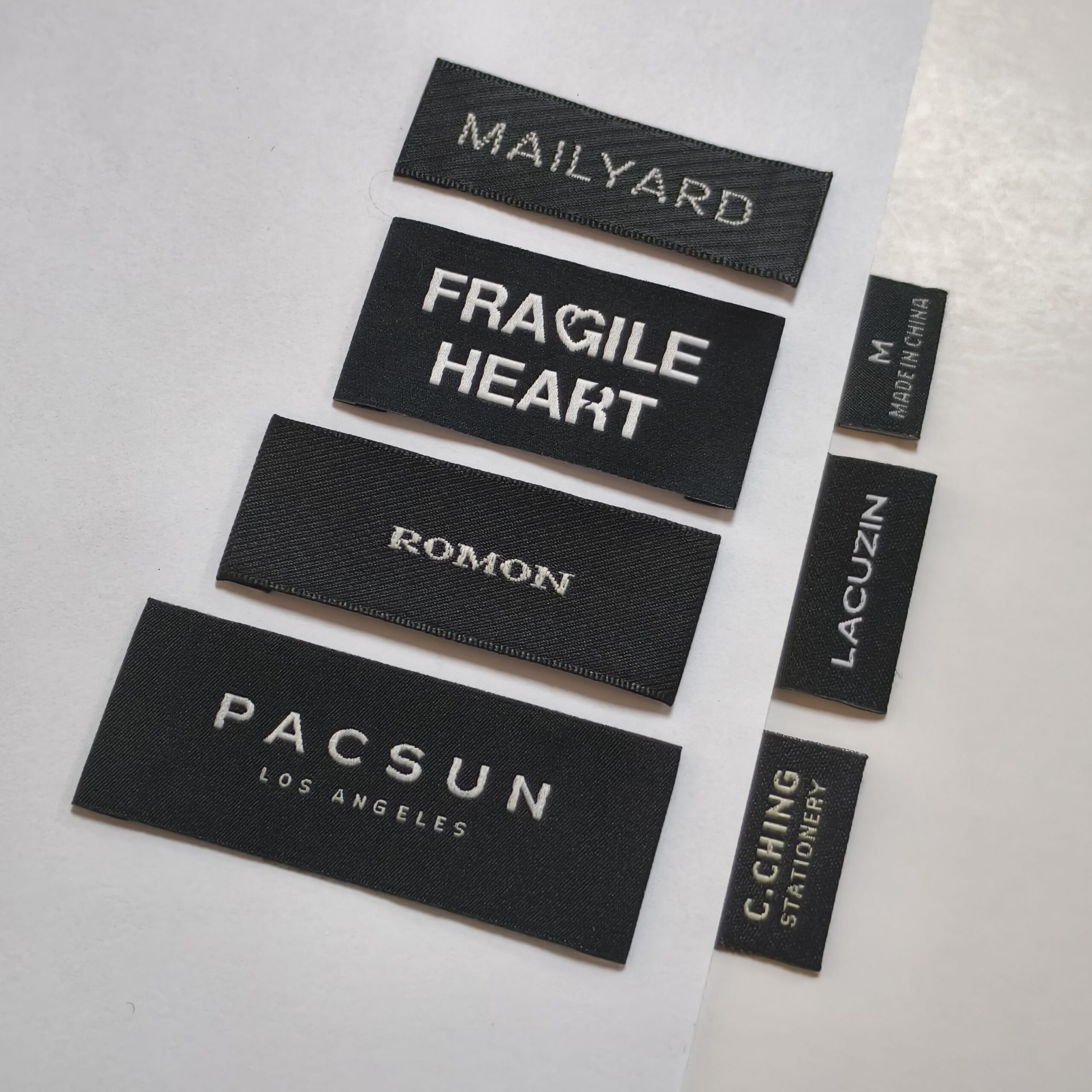
Woven and Leather Labels
Custom woven labels and leather labels communicate your brand identity on every garment. CENWILD arranges damask, satin, or taffeta woven labels with high-definition text and logos, plus genuine or vegan leather patches. All labels are sewn or heat-sealed at neck, side seam, or hem during final assembly.
Get a Quote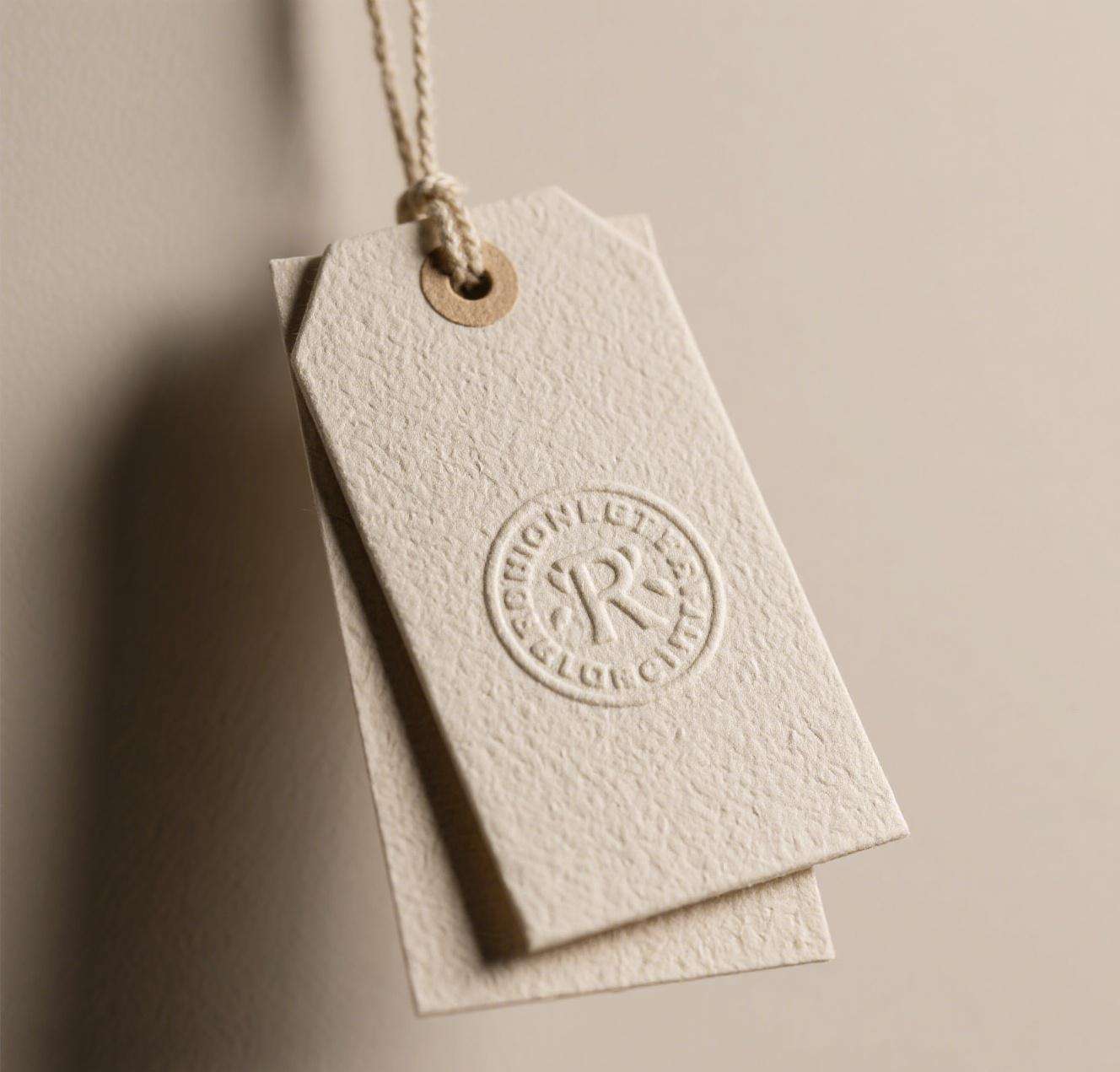
Custom Hang Tags
Custom hang tags complete the unboxing experience and reinforce brand positioning at retail or direct-to-consumer. We coordinate printing, die-cutting, grommeting, and string attachment for paper, cardboard, or specialty-stock tags that align with your packaging and sustainability goals, shipped attached and ready to sell.
Get a Quote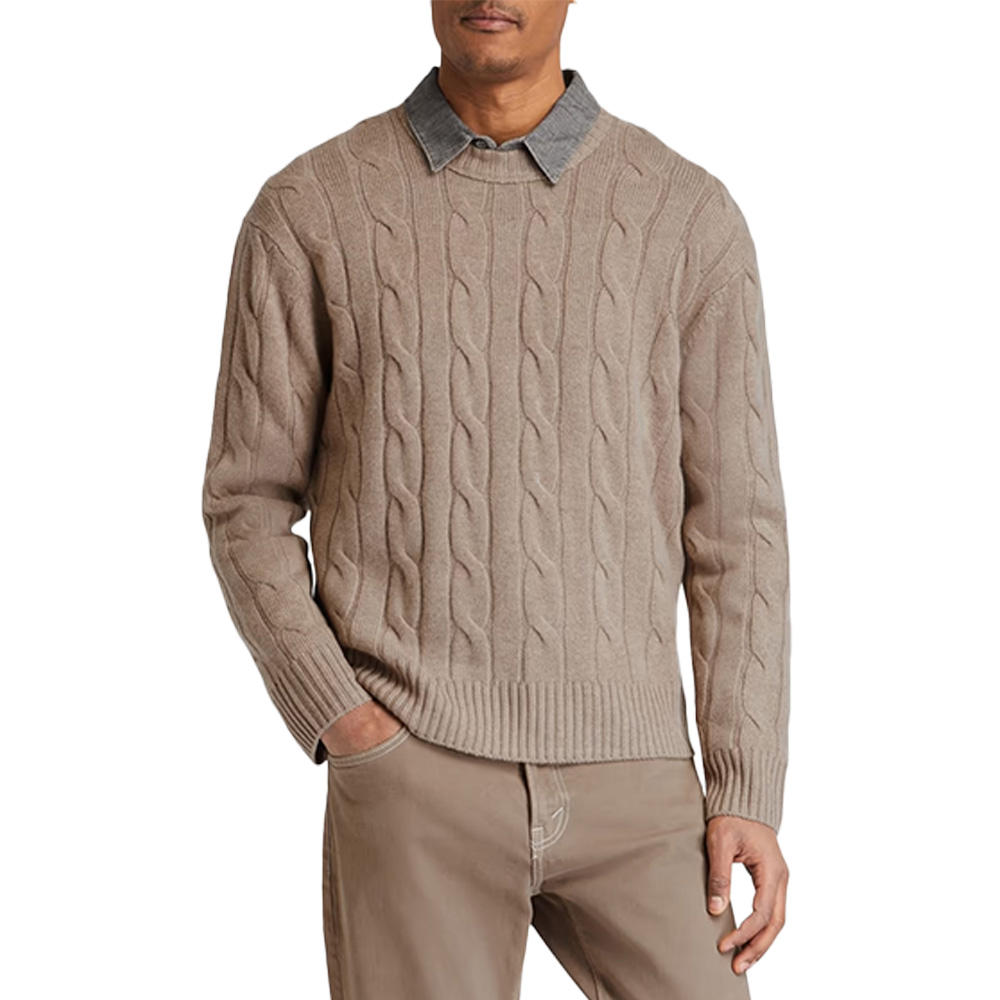
Drawstrings
Custom drawstrings and tipping enhance hooded sweaters, cowl necks, and waistband details. CENWILD offers flat, round, and tubular cords in cotton, polyester, or blended yarns, with options for custom color matching, metal or plastic aglets, silicone printing, and woven or knitted brand text integrated along the cord.
Get a Quote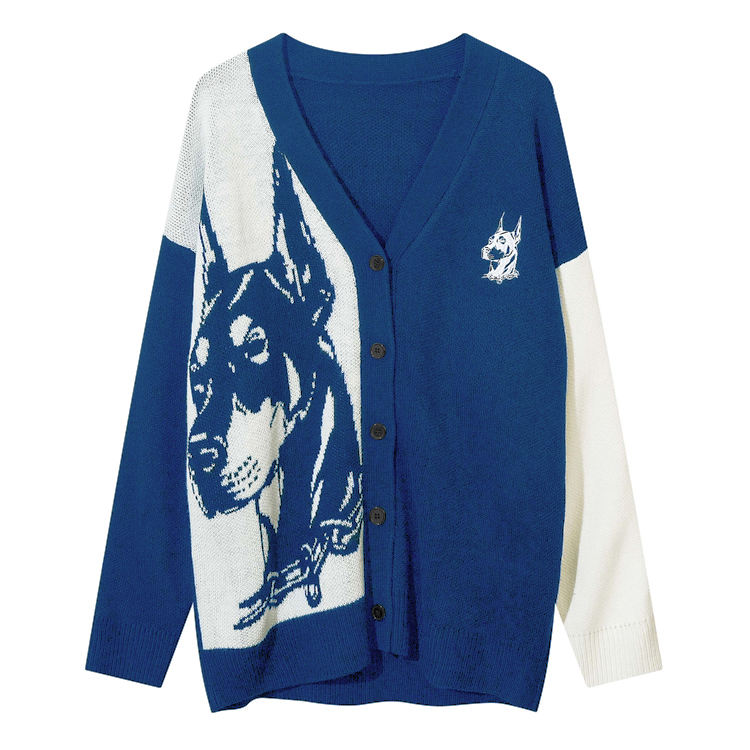
Rib Cuffs and Collars
Rib knit cuffs and collars provide structure, stretch recovery, and a polished finish on sleeves, hems, and necklines. Produced on the same computerized flat-knitting machines as your sweater body, our rib components are knit-to-width in 1×1, 2×2, or custom rib patterns and seamlessly linked or sewn for a fully-fashioned look.
Get a Quote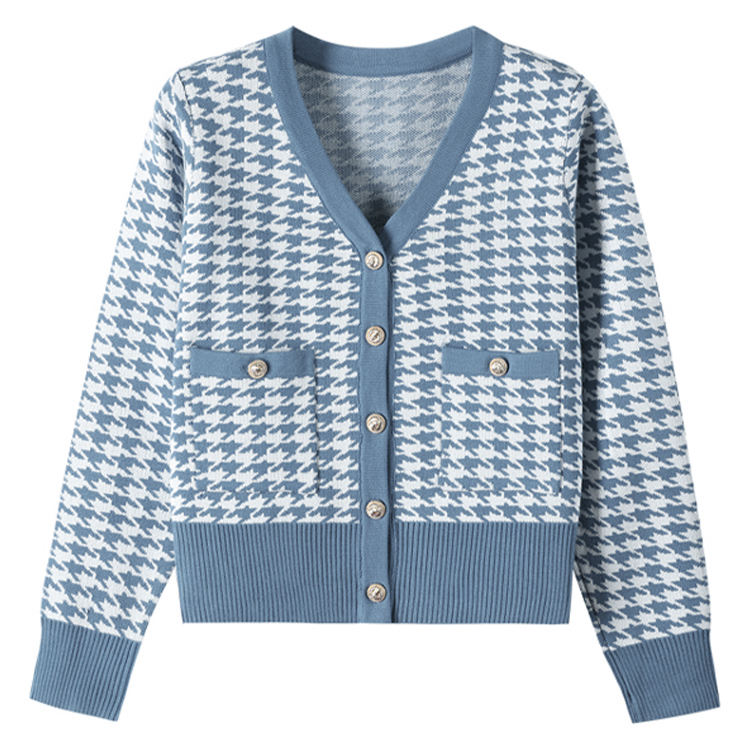
Pom Poms
Custom pom poms add playful or heritage detail to beanies, hoods, drawstring ends, and seasonal knitwear. Available in faux fur, yarn-wrapped, or felted wool constructions, pom poms are color-matched to your palette, sized to your design, and securely attached during finishing to withstand washing and wear.
Get a Quote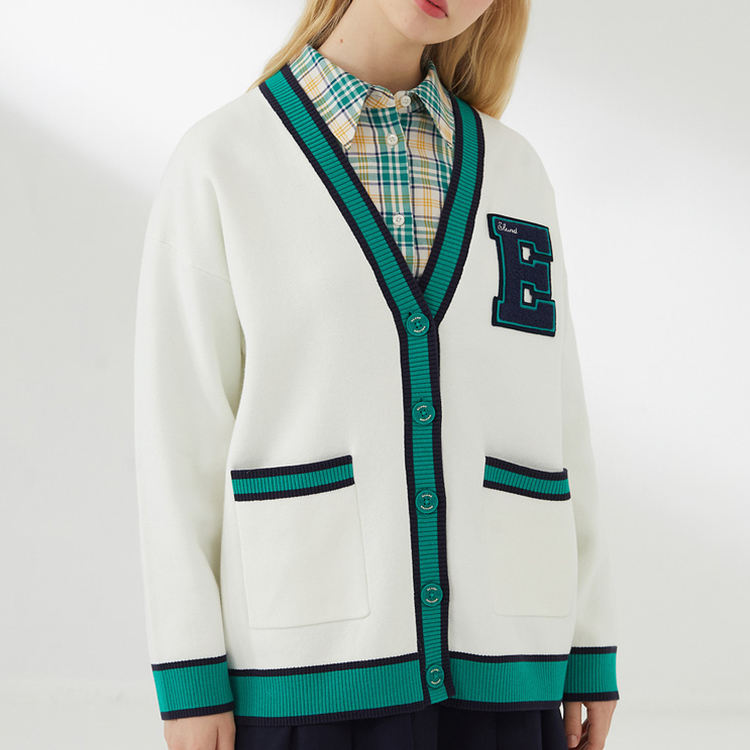
Custom Cardigan
Custom cardigans are a cornerstone of versatile knitwear collections. CENWILD knits button-front, zip-front, and open-front cardigan styles in any gauge from 3GG to 14GG, across all yarn types and stitch techniques. MOQ starts at 100 pieces, with full ODM design support and in-house sampling to bring your cardigan concept to finished product.
Get a Quote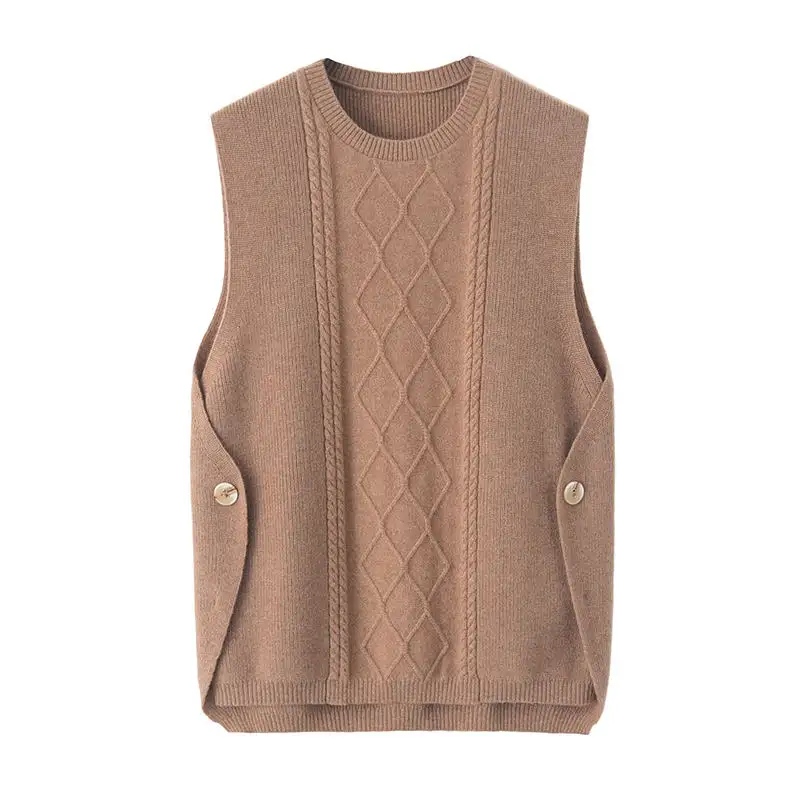
Cardigan Sweater Manufacturer
As a cardigan sweater manufacturer with over 28 years in Dongguan, CENWILD delivers OEM and private label cardigan production for fashion brands worldwide. Our end-to-end process covers yarn sourcing, knit programming, linking, button and zipper application, embroidery, washing, QC, packaging, and export logistics under one roof.
Get a QuoteCENWILD: 28+ Years of Knitwear Manufacturing Excellence
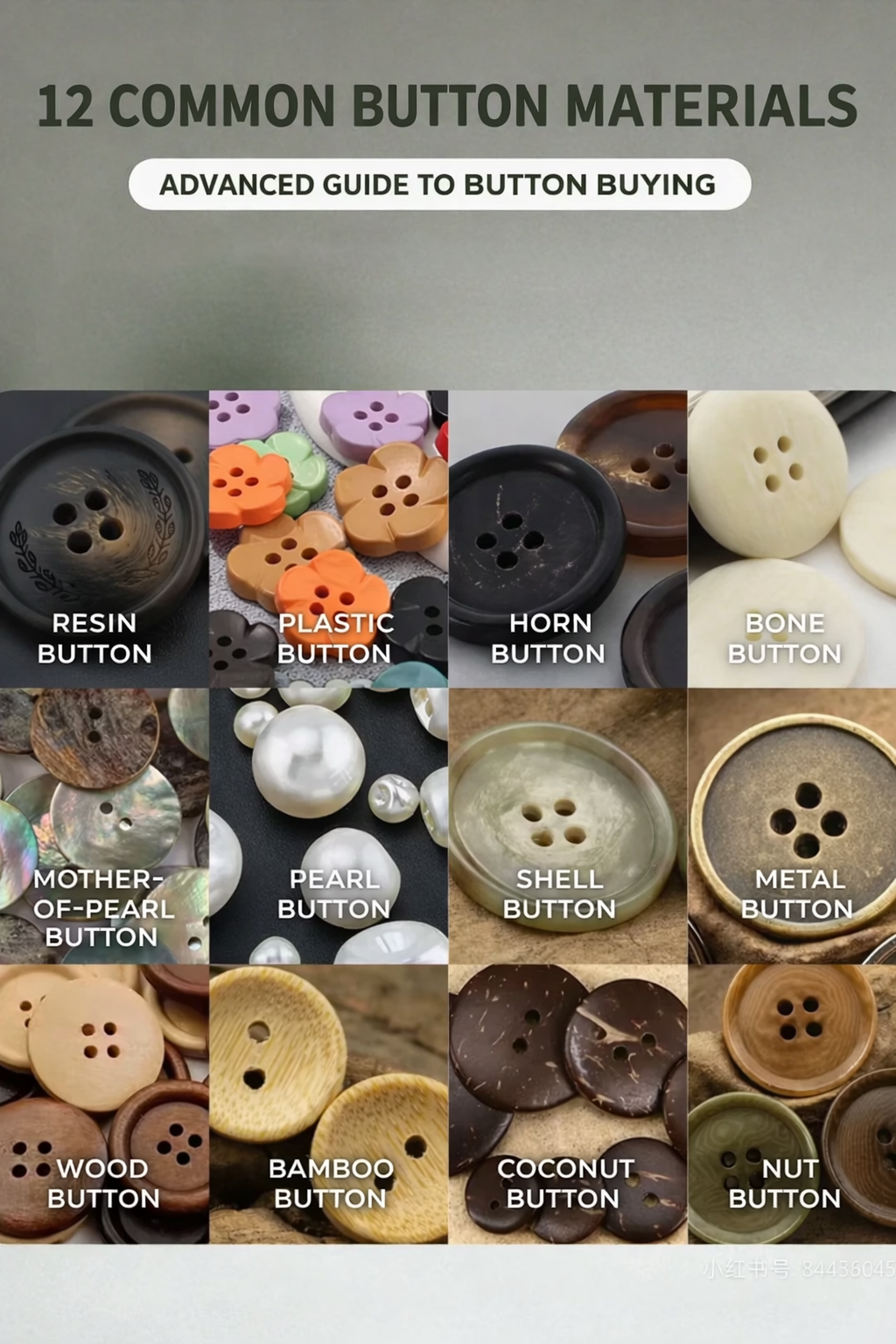
Since 1998, CENWILD has been manufacturing custom knitwear and sweaters in Dongguan, China, mastering every detail from yarn sourcing to finished garment — including custom buttons, trims, and accessories. Our in-house sourcing and quality control ensure every button meets your brand’s exact specifications, whether horn, wood, metal, shell, or resin.
We’ve produced custom sweaters and knitwear for over 2,000 fashion brands worldwide, integrating custom buttons seamlessly into cardigans, pullovers, and knit sets. With OEM and ODM capabilities, we handle button design, sourcing, attachment, and finishing — all under one roof, with MOQ starting from just 100 pieces.
Our integrated workflow means your custom buttons aren’t an afterthought — they’re planned, prototyped, and perfected alongside your knitwear, ensuring perfect color matching, secure attachment, and brand-aligned detailing from the first sample to final shipment.
Custom Buttons: Production & Finishing Process
Material Selection & Die-Cutting
Every custom button begins with sourcing the right base material — natural shell, corozo, horn, wood, metal alloys, or engineered resins — selected for weight, durability, and compatibility with your knitwear design. Our Dongguan facility works with trusted suppliers to ensure consistent quality from the first piece.
- Shell, corozo, horn, wood, metal, and resin options tailored to your aesthetic
- Die-cutting or molding to exact diameter and thickness specifications
- Material testing for colorfastness, strength, and wash resistance
- Low MOQ from 100 pieces allows experimentation with premium materials
Surface Finishing & Decoration
Once blanks are cut, custom buttons undergo surface treatments that define their final look and feel — laser engraving for logos, hand-painting for intricate patterns, electroplating for metallic shine, or tumbling for a vintage matte finish. Each technique is chosen to match your brand identity and garment style.
- Laser engraving, painting, plating, and brushing available in-house
- Custom logo debossing or embossing for branded knitwear collections
- Color-matching to Pantone references or yarn swatches
- Protective topcoats applied to prevent chipping and fading over time
Backing & Attachment Engineering
The backing determines how securely custom buttons attach to your sweater and how they perform through wear and laundering. CENWILD applies shank backs for cardigans and coats, sew-through holes for lightweight knits, or snap mechanisms for convertible designs, all anchored with reinforced threading or ultrasonic welding.
- Shank, sew-through, and snap-back configurations for different knitwear styles
- Reinforced metal or nylon shanks rated for repeated stress and washing
- Hole spacing and thread-channel depth optimized for hand or machine sewing
- Compatibility testing with your chosen yarn weight and stitch gauge
Quality Inspection & Durability Testing
Before custom buttons leave our 28-year Dongguan workshop, each batch passes multi-stage inspection: dimensional checks, pull-force testing, colorfastness under simulated wash cycles, and visual grading for surface defects. Only buttons that meet OEM and ODM standards ship with your knitwear order.
- Pull-force testing to ensure shanks withstand 15+ kg without failure
- Wash and abrasion cycles replicate real-world garment care conditions
- Visual inspection for cracks, color variation, and finish uniformity
- Batch documentation and traceability for private label compliance
Custom Buttons vs. Standard Trim Options
Understanding when custom buttons deliver the best brand impact, durability, and cost-to-value for your knitwear collection.
← 左右滑动查看 →
How Custom Buttons Are Made
From design approval to finished buttons ready for your knitwear — our streamlined process runs in parallel with your sweater production to keep lead times short and quality high.
Design & Specification Review
Submit artwork, size, material preference, and finish requirements. Our trim team reviews technical feasibility, confirms button style (shank, two-hole, four-hole), and validates compatibility with your knitwear design and yarn weight.
Material Sourcing & Tooling
Source resin, metal, wood, corozo nut, or recycled materials based on your specification. If custom shapes or engraving are required, we prepare molds or dies and produce pre-production samples for approval.
Button Production & Molding
Buttons are molded, cast, stamped, or carved depending on material. Each batch is controlled for dimensional accuracy, color consistency, and surface finish. This phase runs concurrently with your sweater knitting to optimize overall lead time.
Finishing & Surface Treatment
Apply polishing, painting, plating, laser engraving, or brushed finishes as specified. Protective coatings are added where needed to ensure durability through garment washing, wearing, and care cycles.
Quality Control & Testing
Inspect every button for size tolerance, hole alignment, edge smoothness, color match, and finish integrity. Pull-test and wash-test samples to confirm attachment strength and colorfastness before releasing to the garment assembly line.
Packaging & Delivery to Line
Buttons are counted, sorted by size or color if your order includes multiple styles, and packaged for seamless handoff to our sewing floor. They arrive ready for attachment exactly when your knitwear reaches the finishing stage.
Adding Custom Buttons to Your Sweater Order
CENWILD integrates your branded custom buttons seamlessly into every knitwear production run, from artwork to finished garment delivery.
Submit Your Button Artwork & Specs
Share your logo, design file, material preference, size, and finish. Our team reviews feasibility and confirms lead time for custom button production.
Confirm Placement & Quantity
Specify where buttons will appear on each sweater style and total quantity needed. We integrate custom buttons into your tech pack and sampling timeline.
Integrate Into Main Production Schedule
Custom buttons are manufactured or sourced in parallel with your knitwear order, synchronized so trims arrive exactly when garment assembly begins at our Dongguan facility.
Receive Finished Buttons With Shipment
Every sweater leaves our factory with your custom buttons securely attached. Finished garments ship together, ready for your brand’s packaging or retail floor.
Customer Stories: Custom Buttons in Action
We added custom engraved buttons to our cardigan line and saw a 34% increase in repeat purchases. Customers specifically mentioned the buttons in reviews, and CENWILD handled the entire process seamlessly from sampling to final production.
The custom horn buttons elevated our private label sweater collection instantly. Our retail partners noticed the quality difference right away, and we’ve received feedback that the buttons alone justify the premium price point we set.
CENWILD’s team helped us source branded metal buttons with our logo at just 150 pieces MOQ. The buttons became a signature detail across our knitwear line, boosting brand recognition by 28% in our customer surveys.
Custom Buttons: Frequently Asked Questions
What materials are available for custom buttons on knitwear?
Can I customize the size and color of buttons for my sweaters?
How do I add a logo or brand design to custom buttons?
Do custom buttons add extra lead time to my knitwear order?
Will custom buttons hold up after repeated washing?
What file formats and specifications do you need for custom buttons?
Can custom buttons be used on any sweater style?
Is there a minimum order quantity for custom buttons?
The Complete Buyer’s Guide to Custom Buttons for Knitwear and Fashion
Navigate the world of custom buttons with confidence. This guide delivers a proven decision framework, supplier selection criteria, material comparisons, and the most common sourcing mistakes to avoid when ordering custom buttons for your fashion brand.
1. What Are Custom Buttons?
Custom buttons are bespoke fasteners manufactured to a brand’s exact specifications—material, shape, size, color, engraving, and finish—rather than selected from a supplier’s stock catalog. A single engraved logo or proprietary shape transforms a generic closure into a branded touchpoint that customers recognize and remember.
Fashion brands choose custom buttons for three reasons: brand identity, differentiation, and premium perception. Stock buttons commoditize a garment; custom buttons signal craftsmanship and attention to detail, justifying higher retail price points and reinforcing brand storytelling on cardigans, pullovers, outerwear, shirts, and knit sets.
Customization makes sense when minimum order quantities align with production volume—typically 100 to 500 pieces per style—and when the brand seeks consistent visual language across collections. Off-the-shelf buttons suit sampling, test runs, or basics where speed and cost outweigh exclusivity. For knitwear manufacturers working across cashmere, merino, cotton, and blends, custom buttons complete the garment’s narrative and protect brand equity in competitive retail channels.
2. The Evolution of Custom Buttons in Fashion
For over 5,000 years buttons served purely functional roles, crafted from bone, shell, and wood by hand. The Industrial Revolution in the 1800s introduced metal stamping and mass production, making buttons affordable and opening the door to decorative variation.
By the early 1900s luxury fashion houses began engraving logos and crests onto metal and horn buttons, transforming them into status symbols that authenticated garments and reinforced brand identity. This shift marked the beginning of buttons as brand storytelling devices rather than mere closures.
The 1980s and 1990s saw streetwear labels adopt bold logo buttons and custom snap closures to differentiate collections and build hype. Simultaneously, advances in laser engraving, resin molding, and digital printing enabled intricate designs at lower minimums — often starting from 100 pieces per style.
Today sustainability drives material innovation: corozo (tagua nut), recycled ocean plastic, and bio-resin buttons meet both eco-conscious consumer demand and regulatory standards. Custom buttons now convey craftsmanship, values, and narrative in every cardigan, pullover, and knit set CENWILD manufactures.
3. Types of Custom Buttons for Knitwear and Apparel
Button construction determines both attachment method and garment compatibility. Knitwear demands closures that flex with the fabric, resist pull-through on stretch zones, and maintain clean plackets across cardigans, polos, and cuffs.
Sew-Through Buttons
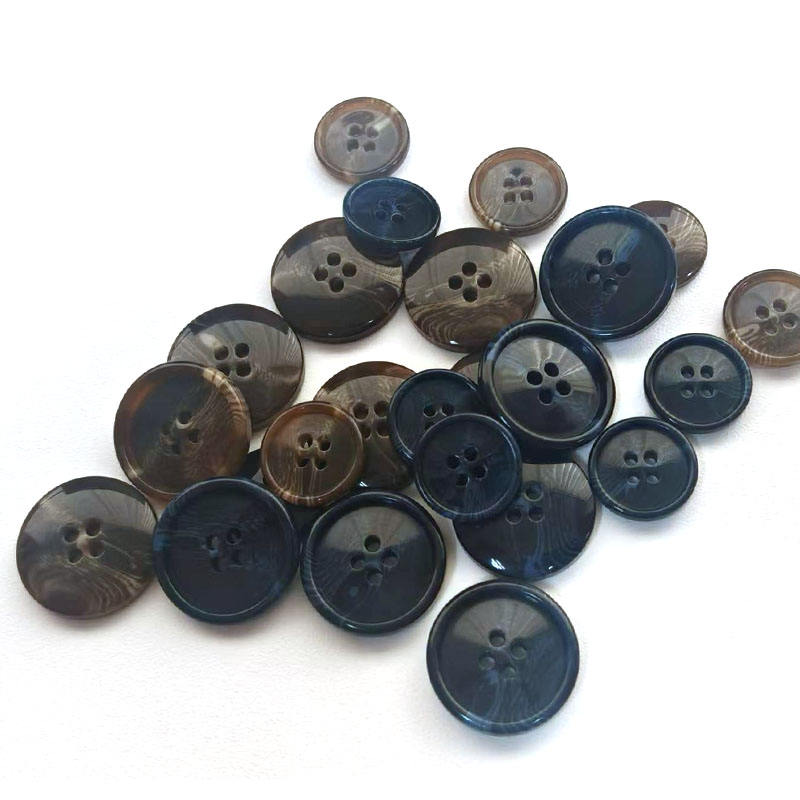
Flat buttons with 2 or 4 visible holes stitched directly to the fabric. Standard for cardigan front plackets and knit polo closures where thread visibility is acceptable. Compatible with all knit gauges when reinforced with interfacing.
Shank Buttons
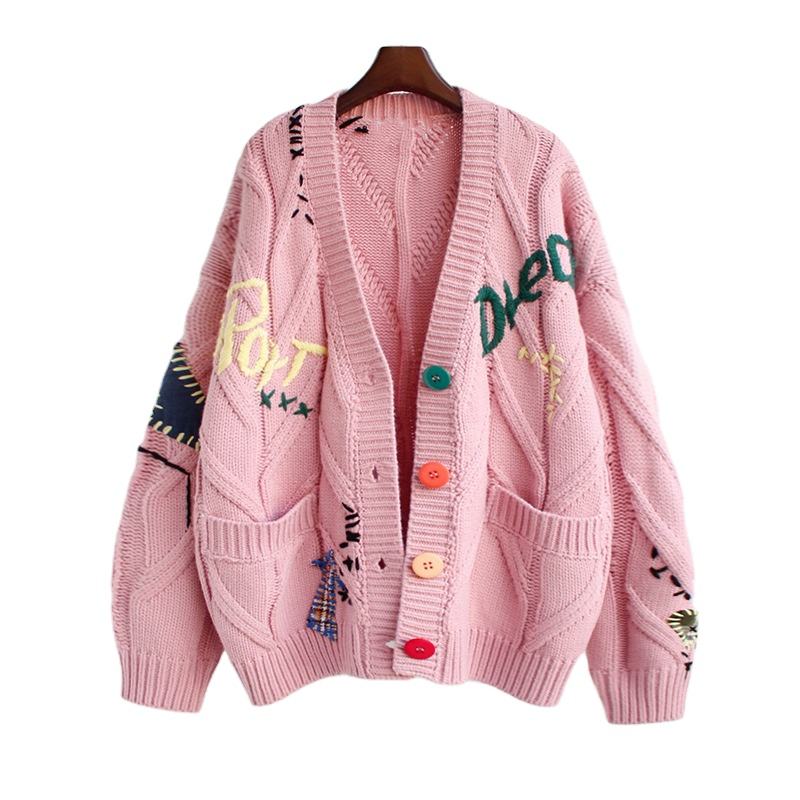
Feature a hidden loop on the reverse, creating space between button and fabric. Ideal for thick-knit cardigans and outerwear where stacked layers need clearance. The raised attachment prevents fabric puckering on heavier gauges.
Snap Buttons and Toggles
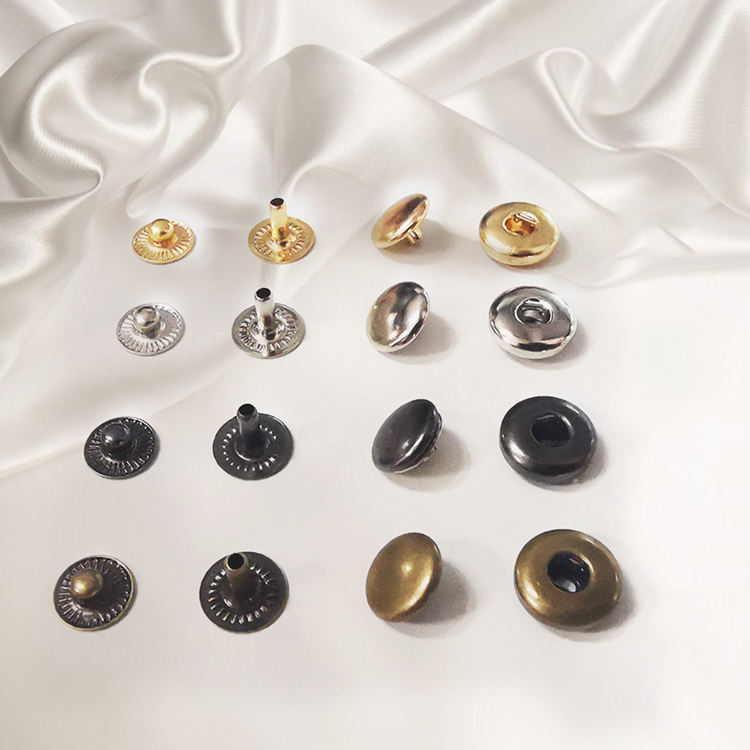
Press-stud snaps offer invisible closures for knit plackets and cuffs, sewn or riveted depending on fabric weight. Toggle buttons pair with rope loops on chunky cardigans and casual styles, distributing stress across wider surface area.
Covered and Decorative Buttons
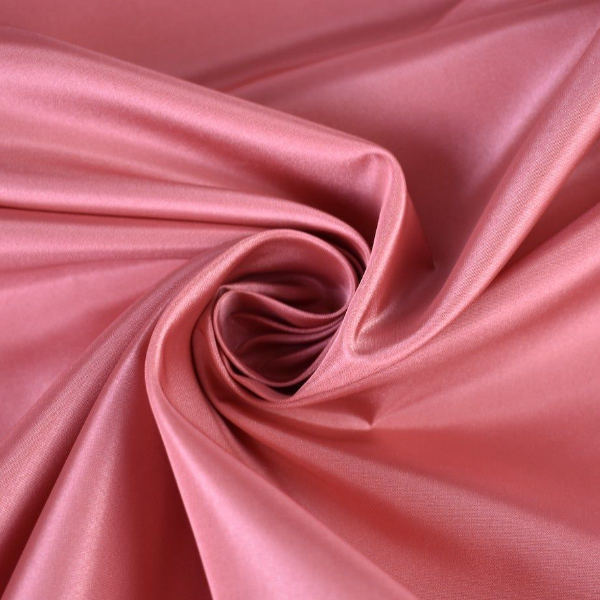
Fabric-wrapped buttons match garment yarn for seamless branding on luxury knitwear. Decorative non-functional buttons accent shoulders, cuffs, or mock plackets without structural load, available in metal, resin, or custom-molded designs.
4. Materials for Custom Buttons: A Comparison
Material choice defines button durability, weight, finish range, and cost—each aligning with distinct brand positioning. Natural, synthetic, and recycled options span heritage luxury to performance knitwear. Matching material properties to knit weight and care requirements prevents sagging, pilling, or hardware failure.
| Material | Durability | Weight | Cost Tier | Best Use Case |
|---|---|---|---|---|
| Corozo (Tagua Nut) | High; resists chipping, dyeable | Light | Mid | Premium cardigans, eco-conscious lines |
| Polyester Resin | Moderate; wide color range | Light | Low | High-volume basics, fast fashion |
| Metal (Brass/Zinc/Steel) | Very high; tarnish varies by alloy | Medium–Heavy | Mid–High | Outerwear, utilitarian knits, denim hybrids |
| Wood | Moderate; grain varies, may crack | Light | Mid | Bohemian, artisan, seasonal collections |
| Mother-of-Pearl | High; natural luster, fragile edges | Light | High | Luxury knitwear, bridal, evening wear |
| Recycled/Bio Resin | Moderate–High; formulation-dependent | Light | Mid–High | Sustainable brands, certified supply chains |
Choosing Material for Brand Positioning
Luxury brands favor corozo and mother-of-pearl for their natural origin stories and hand-feel. Mid-tier contemporary labels balance cost and aesthetics with polyester resin or wood, which accept custom engraving and dye matching.
Sustainability-focused brands specify recycled resin or FSC-certified wood to meet GOTS or GRS audit trails. Metal buttons—brass, antique zinc alloy, or brushed stainless steel—anchor workwear-inspired and outerwear collections where weight and durability outweigh delicacy.
For delicate-gauge knitwear (7GG and finer), lightweight corozo or thin resin prevents fabric distortion during wear and washing, while heavier metal closures suit 3GG–5GG chunky cardigans and knit jackets.
5. Customization and Decoration Options for Custom Buttons
Putting your brand on a custom button requires matching the right decoration technique to your material and budget. Each method offers different resolution limits, setup costs, and durability, so understanding compatibility ensures your logo or text translates cleanly from artwork to finished hardware.
| Technique | Compatible Materials | Min. Detail | Setup Cost | Durability |
|---|---|---|---|---|
| Laser engraving | Metal, wood, corozo | 0.3 mm line | Low | Permanent |
| Embossing/debossing | Metal, leather, plastic | 0.5 mm depth | Medium (die) | High |
| Screen printing | Plastic, resin, metal | 0.8 mm feature | Medium (screen) | Medium |
| Hot stamping (foil) | Plastic, wood, resin | 0.4 mm line | Medium (die) | Medium-High |
| Pantone dye matching | Polyester, resin, corozo | Solid color only | Low | High |
| Electroplating | Metal, zinc alloy | N/A (finish) | Low | High |
| Enamel filling | Metal (recessed) | 1 mm cell | High (hand) | Very High |
6. Key Quality Elements in Custom Buttons
Quality failures in custom buttons erode brand reputation faster than most trims: a discolored button or broken shank triggers returns and negative reviews. Buyers must verify five checkpoints during pre-production sampling to ensure buttons meet commercial standards and survive the garment lifecycle.
Colorfastness and Light Resistance
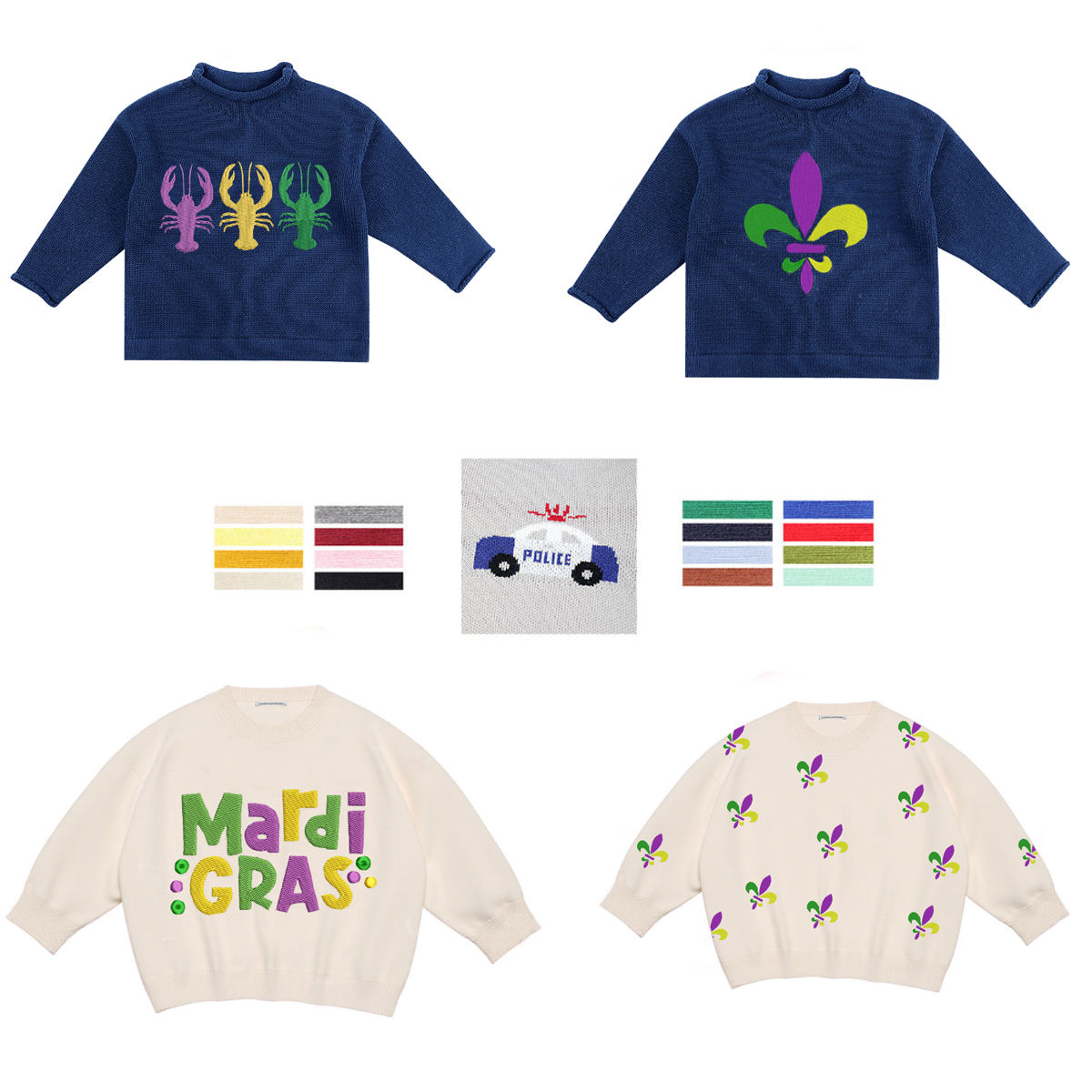
Buttons must pass ISO 105 wash and light-fastness testing at grade 4 or higher to prevent fading or staining adjacent fabric. Polyester and corozo buttons typically outperform dyed wood or low-grade resin.
Request wash-test certificates for any dyed or printed button, especially for knitwear destined for repeated laundering.
Shank and Hole Strength
A standard pull test applies 7–10 kg of force; shanks should not crack or detach, and thread holes should not elongate. Metal shanks outperform molded plastic in high-stress applications like cardigans and coats.
CENWILD specifies reinforced-shank buttons for heavy-gauge knitwear to eliminate field failures.
Surface Finish Consistency
Inspect 20 random buttons per batch for scratches, bubbles, uneven plating, or color variation. Tolerance is ±5% ΔE for color and zero visible defects on the face.
Poor surface prep leads to peeling logos and tarnished metal finishes within weeks of wear.
Size Tolerance and Attachment Security
Diameter tolerance must stay within ±0.1 mm to ensure uniform buttonhole fit and automatic-sewing compatibility. Snap-closure buttons require 3–5 kg release force; too loose risks accidental opening, too tight frustrates customers.
Verify thread-shank diameter matches your contract manufacturer’s standard needle and thread gauge to prevent production delays.
7. How to Choose a Custom Buttons Manufacturer
Selecting the right partner for custom buttons requires evaluating capabilities beyond price. MOQ flexibility, certifications, sampling turnaround, and in-house finishing determine whether a supplier can scale with your brand.
MOQ Flexibility and Sampling Cost
Emerging brands often need 100–500 pieces per style; traditional button suppliers enforce 5,000+ minimums. CENWILD supports button orders from 100 pieces, enabling smaller launches and test runs.
Ask whether sampling is free or refundable against production, and confirm lead time — physical button samples should arrive within 5–7 days for standard materials.
Material Certifications and Compliance
EU and US markets increasingly require OEKO-TEX Standard 100 or REACH compliance for trims, especially buttons containing metal or coatings. Request certificates before finalizing materials.
For children’s apparel, confirm that buttons meet CPSIA lead and phthalate limits. Always verify that certifications cover the exact button material and finish you specify.
In-House Decoration and Wash Testing
Suppliers who outsource engraving, laser etching, or plating add 3–5 days and handoff risk. In-house capabilities ensure tighter quality control and faster iteration.
Request wash-test reports (ISO 105-C06 or AATCC 61) showing colorfastness and dimensional stability after 5–10 cycles. Physical samples should withstand the same care instructions as your garment.
8. Common Mistakes When Sourcing Custom Buttons
Even experienced brands stumble on button sourcing when production timelines tighten or communication gaps widen. Five recurring pitfalls account for most delays, quality failures, and cost overruns in custom knitwear projects.
Skipping Sample Approval
Approving buttons only from a photo leads to color shifts under different lighting and size mismatches against garment scale. Physical samples reveal texture, weight, and true Pantone accuracy before bulk production locks in tooling.
CENWILD ships button swatches alongside knit-down samples so clients confirm fit, proportion, and attachment feel on the actual fabric gauge.
Ignoring Wash-Test Data
Buttons that survive initial inspection may fade, crack, or discolor after three to five home-wash cycles. Resin and coated-metal buttons require ISO 105 colorfastness and tumble-dry certification to match knitwear care labels.
Request wash-test reports before approving any decorative finish; replacing failed buttons post-shipment costs 8–12 times the original unit price.
Choosing Buttons Too Heavy for Knit Fabric
Metal or thick resin buttons exceeding 15 g distort lightweight 7GG or 12GG knitwear, pulling plackets and creating permanent dimples. Fabric weight, gauge, and button diameter must balance to preserve drape.
CENWILD’s design team recommends maximum button weights by yarn count and stitch density, preventing garment deformation before the first sample is knit.
Underestimating Lead Times
Custom mold tooling for logo buttons requires 10–15 days; add another 7–10 for plating or engraving. Ordering buttons after garment production starts pushes shipment dates and risks missing retail windows.
Align button procurement with your knit-down sampling phase — typically 15–20 days before bulk cutting — to keep the full production timeline on track.
9. Steps to Launch Your Brand with Custom Buttons
Launching a fashion line with custom buttons requires tight coordination between design, sourcing, and production. Each step builds on the last to ensure buttons arrive on time and match your garment specifications exactly.
Define Brand Aesthetic and Button Role
Start by clarifying whether your custom buttons serve functional, decorative, or dual purposes. Functional buttons on cardigans and polo plackets must meet size and strength standards, while decorative buttons on sweater cuffs or mock plackets emphasize branding.
Align button style — engraved logo, metal shank, resin dome — with your brand positioning and target retail price point.
Select Material and Decoration Technique
Match button material to garment fiber content and care instructions: corozo and horn for natural-fiber knitwear, polyester resin for machine-washable pieces, metal for premium or workwear aesthetics.
Choose decoration — laser engraving, hot stamping, enamel fill — that survives the same washing cycles as your sweaters. Request material compatibility charts from your manufacturer.
Request and Approve Samples
Order physical button samples in your final size, color, and finish before committing to production. Test samples through the same garment-wash process your knitwear will undergo.
Approve samples in writing and reference the approved sample number in all purchase orders to prevent batch variation.
Integrate Button Specs into Tech Packs
Add button line diameter, hole count, thread color, and placement dimensions to your garment tech pack. Include approved sample photos and supplier part numbers.
Share tech packs simultaneously with your knitwear manufacturer and button supplier so both teams work from identical specifications and timelines.
Coordinate Button Delivery with Cut-and-Sew
Schedule button delivery 1–2 weeks before your knitwear production start date to allow incoming inspection. Late button shipments halt linking and finishing lines.
Maintain a shared production calendar among design, sourcing, and manufacturing teams, flagging button lead times as a critical-path milestone.
10. Pricing and Cost Considerations for Custom Buttons
Custom button pricing at factory level varies by order volume, tooling complexity, and decoration method. Standard resin or polyester buttons at 100-piece minimums typically range from $0.15–$0.45 per unit, dropping to $0.05–$0.12 at 5,000+ pieces, while metal or natural-shell buttons command 20–50% premiums.
Setup and tooling costs for mold-based buttons start at $80–$250 per design, amortized across the order; laser engraving or multi-color pad printing adds $0.03–$0.08 per button. Complex shapes, interlocking mechanisms, or enamel fill raise both tooling fees and per-unit costs by 30–60%.
Lead time stretches from 10–15 days for stock blanks with simple decoration to 25–35 days for fully custom molds and finishes. Rush surcharges of 15–25% apply for delivery under 10 days. Budget planning should account for decoration add-ons, shipping (typically $0.01–$0.03 per button for consolidated orders), and a 5–10% contingency for revisions or sample rounds.
| Quantity Tier | Unit Price Range | Setup/Tooling Cost | Decoration Add-On | Typical Lead Time |
|---|---|---|---|---|
| 100 units | $0.15–$0.45 | $80–$250 | $0.03–$0.08/unit | 10–15 days |
| 500 units | $0.10–$0.30 | $80–$250 | $0.03–$0.08/unit | 12–18 days |
| 1,000 units | $0.08–$0.20 | $80–$250 | $0.02–$0.06/unit | 15–20 days |
| 5,000+ units | $0.05–$0.12 | $80–$250 | $0.02–$0.05/unit | 20–30 days |
Start Your Custom Buttons Project Today
Partner with CENWILD to bring your knitwear vision to life with custom buttons, low MOQ from 100 pieces, and 28+ years of expertise.