
Anti-Pilling Knitwear: Durable Custom Sweaters Built to Last
CENWILD manufactures premium anti pilling knitwear with advanced enzyme-wash finishing—preventing fabric degradation and ensuring your sweaters stay flawless through wear and wash. MOQ from 100 pieces.
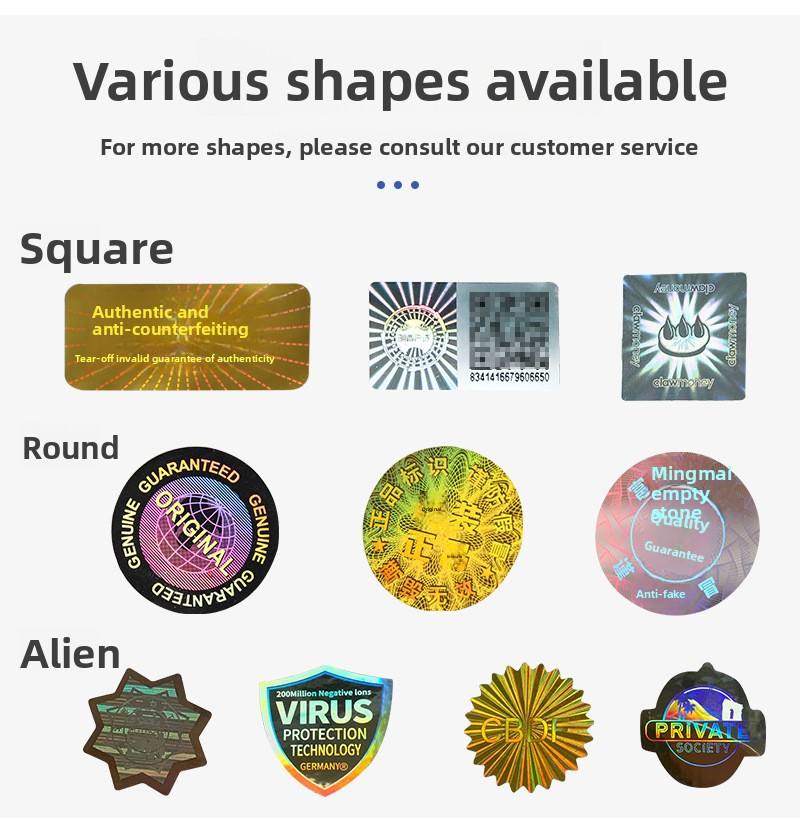
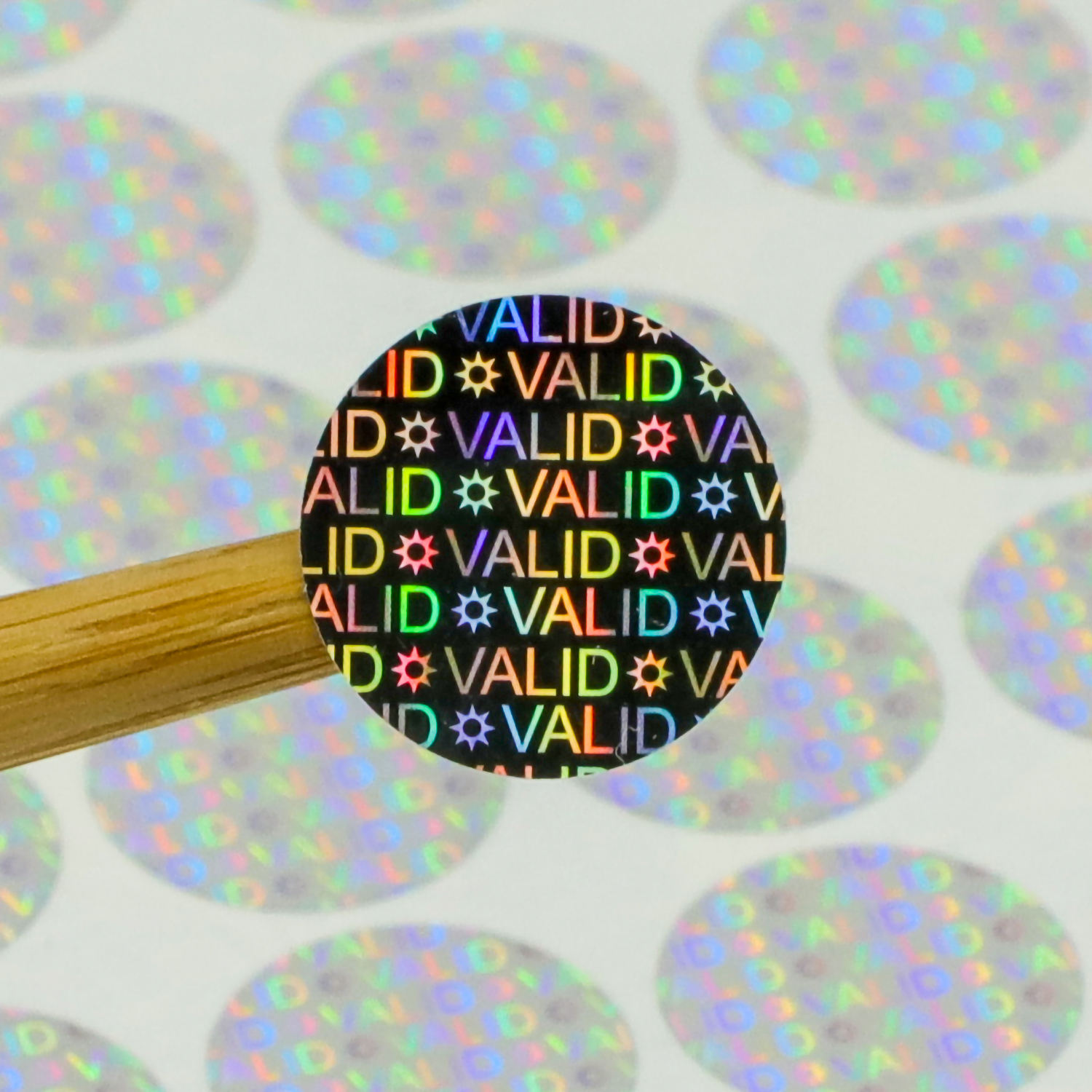
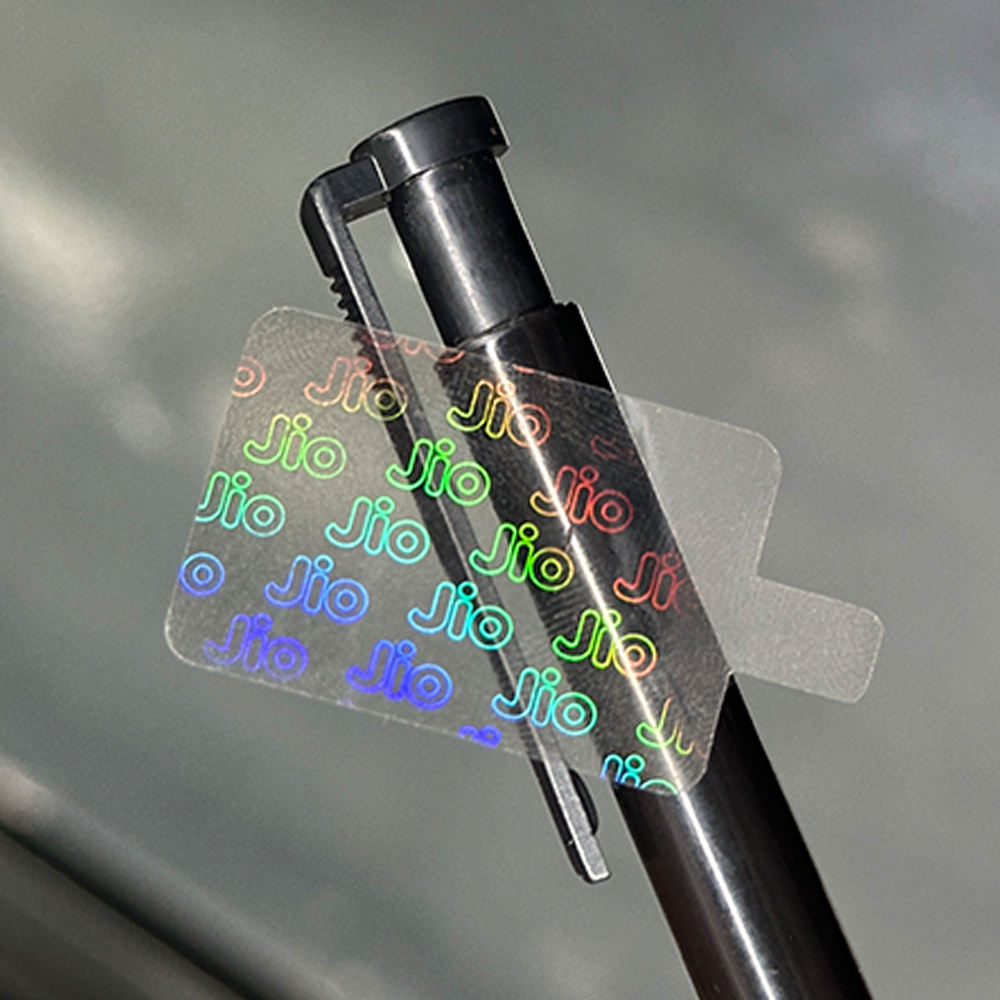
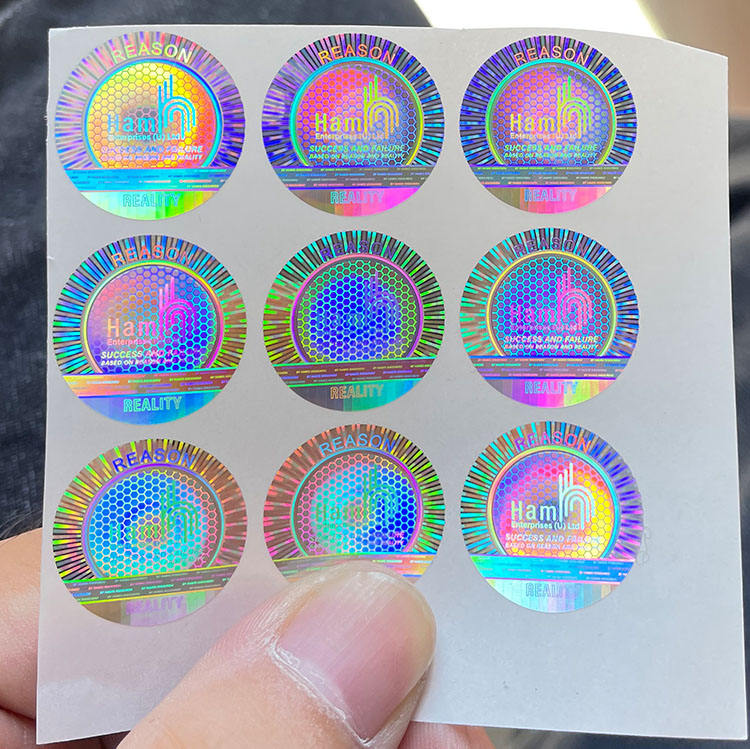
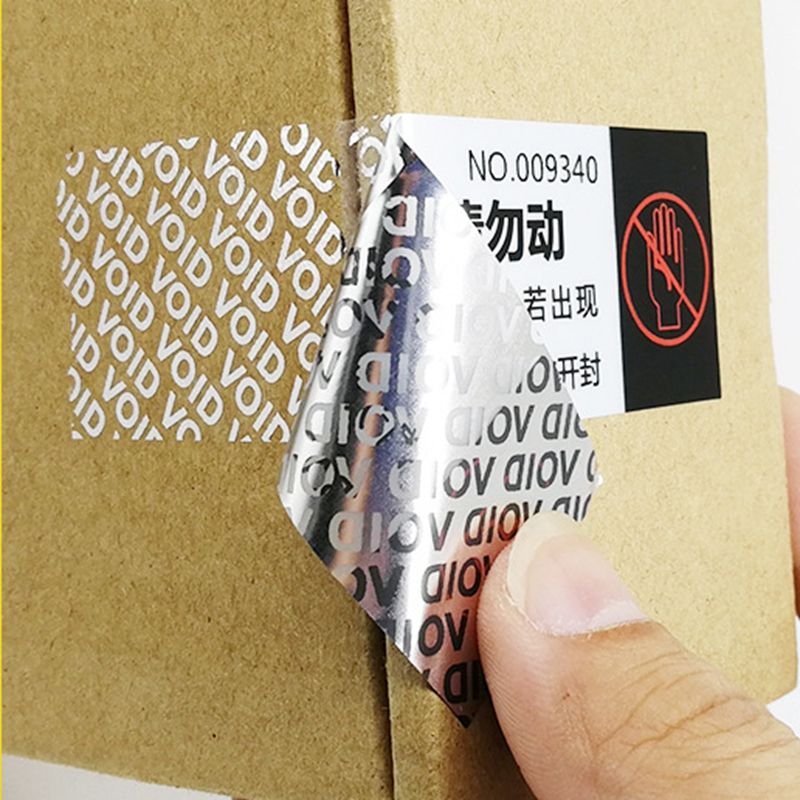
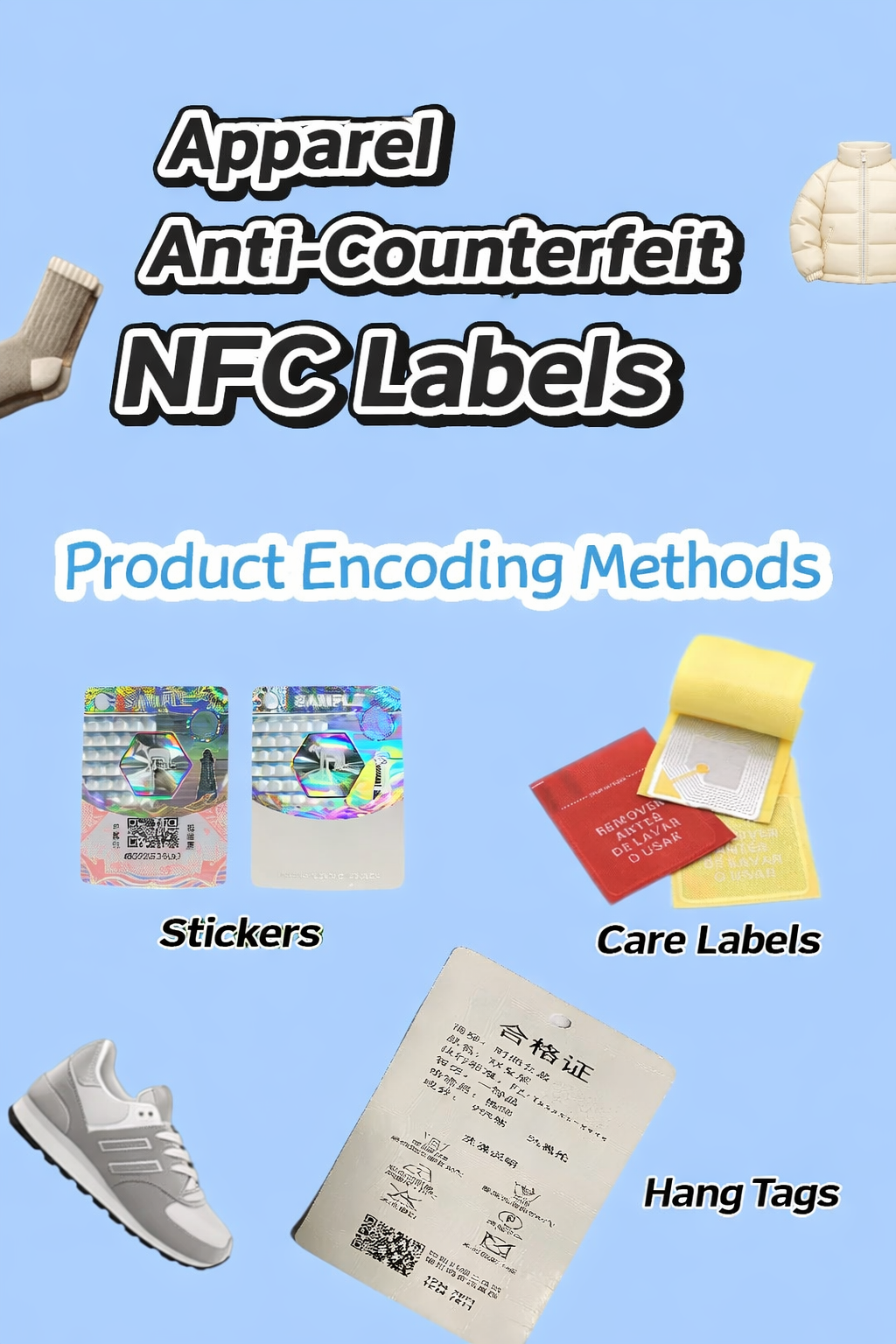
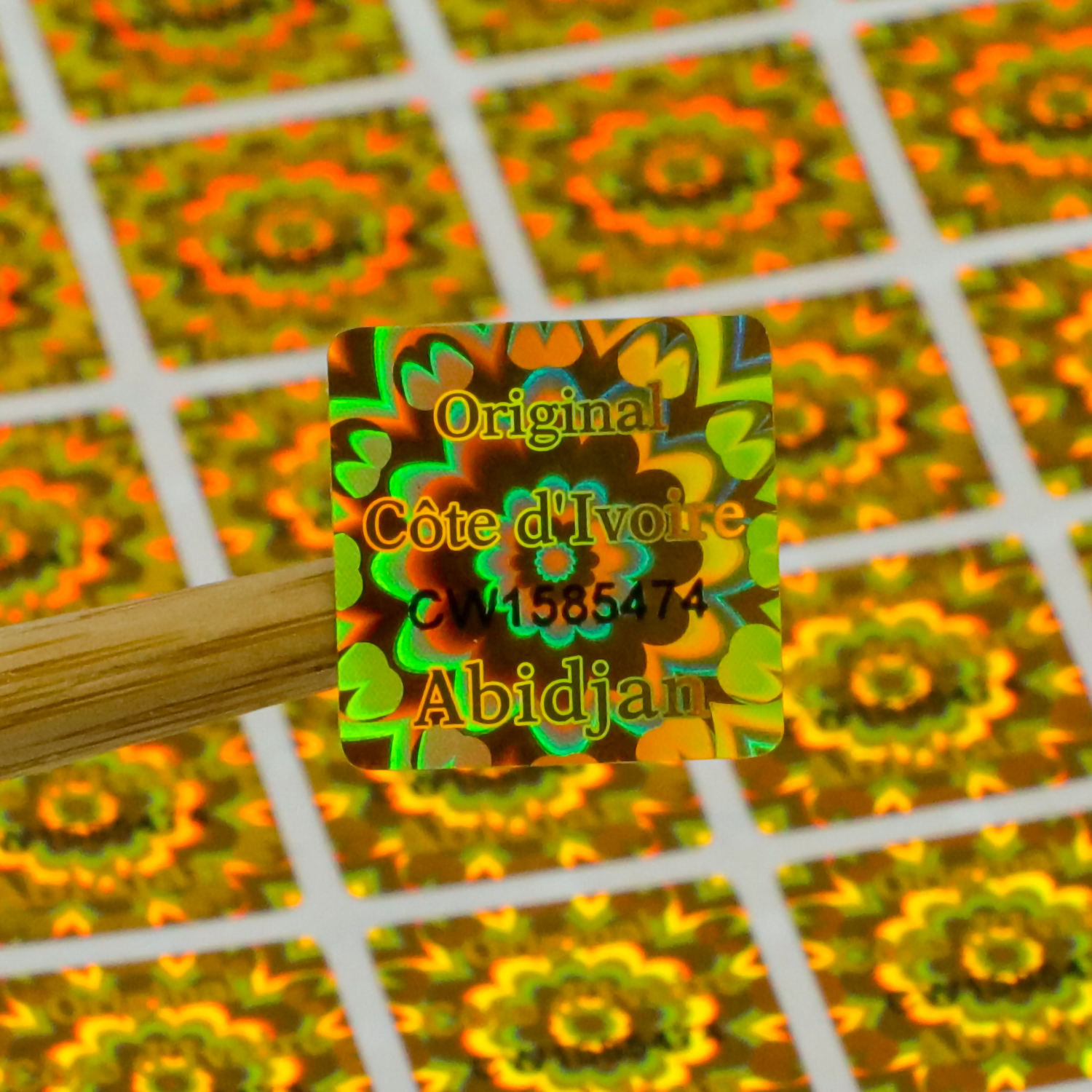
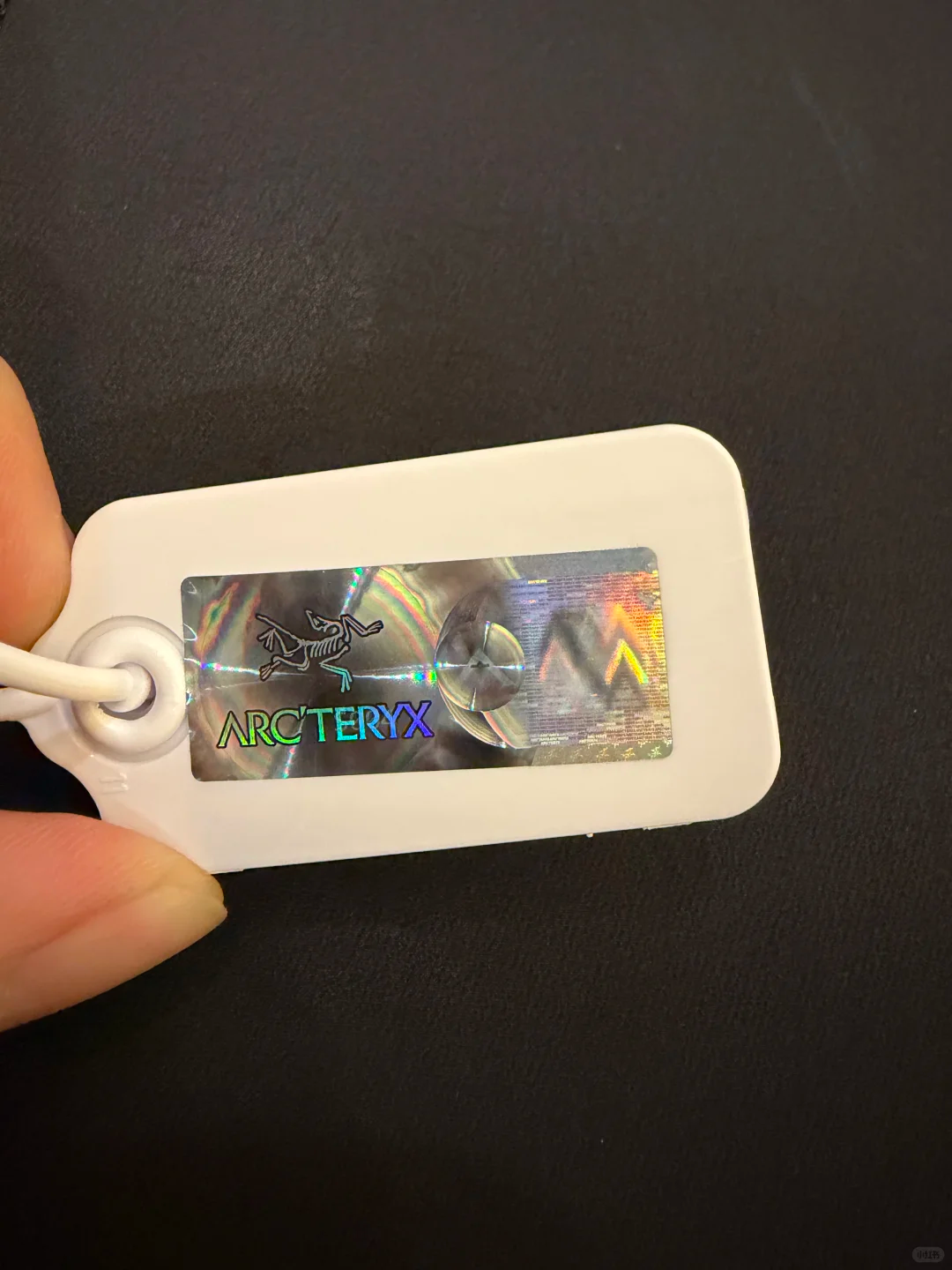
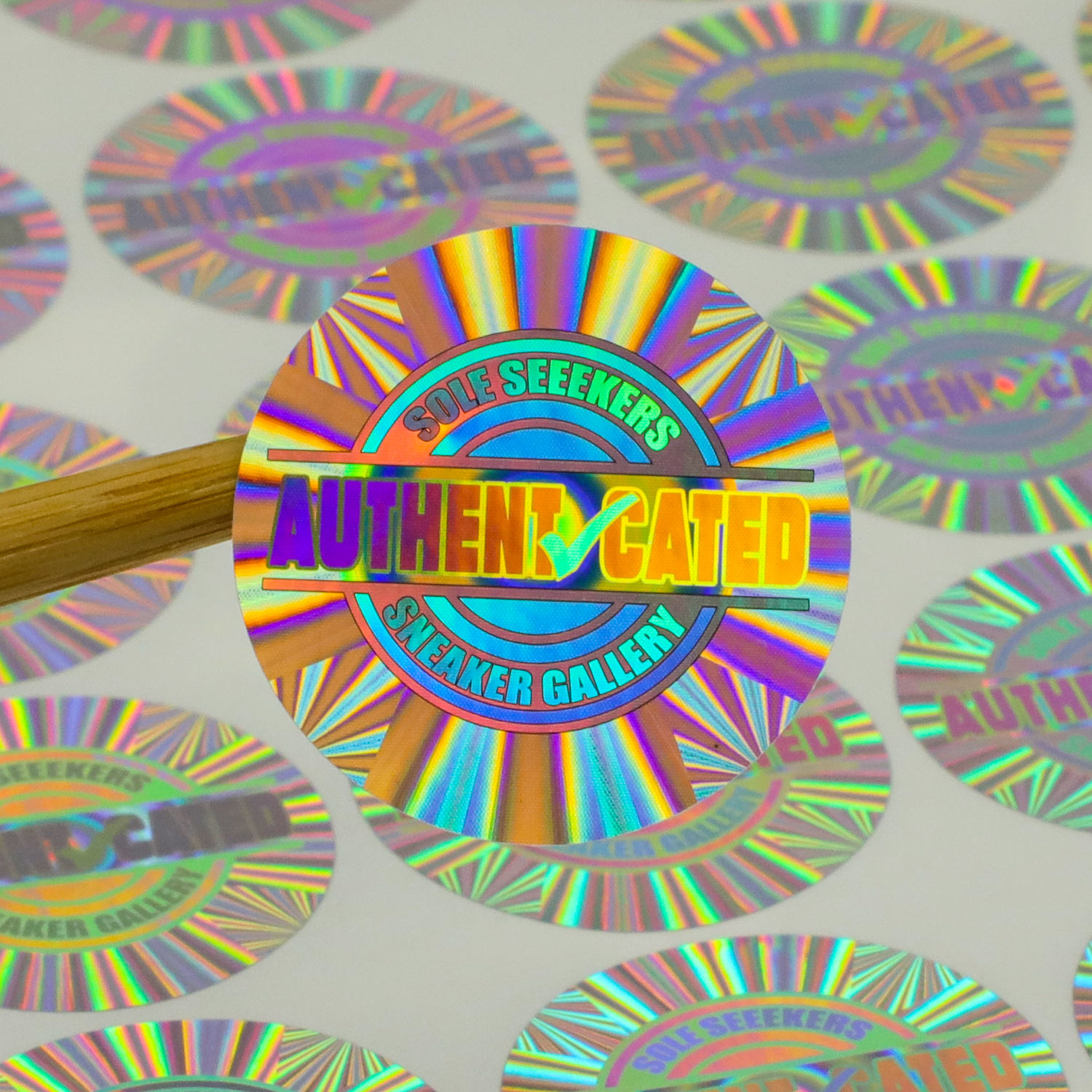
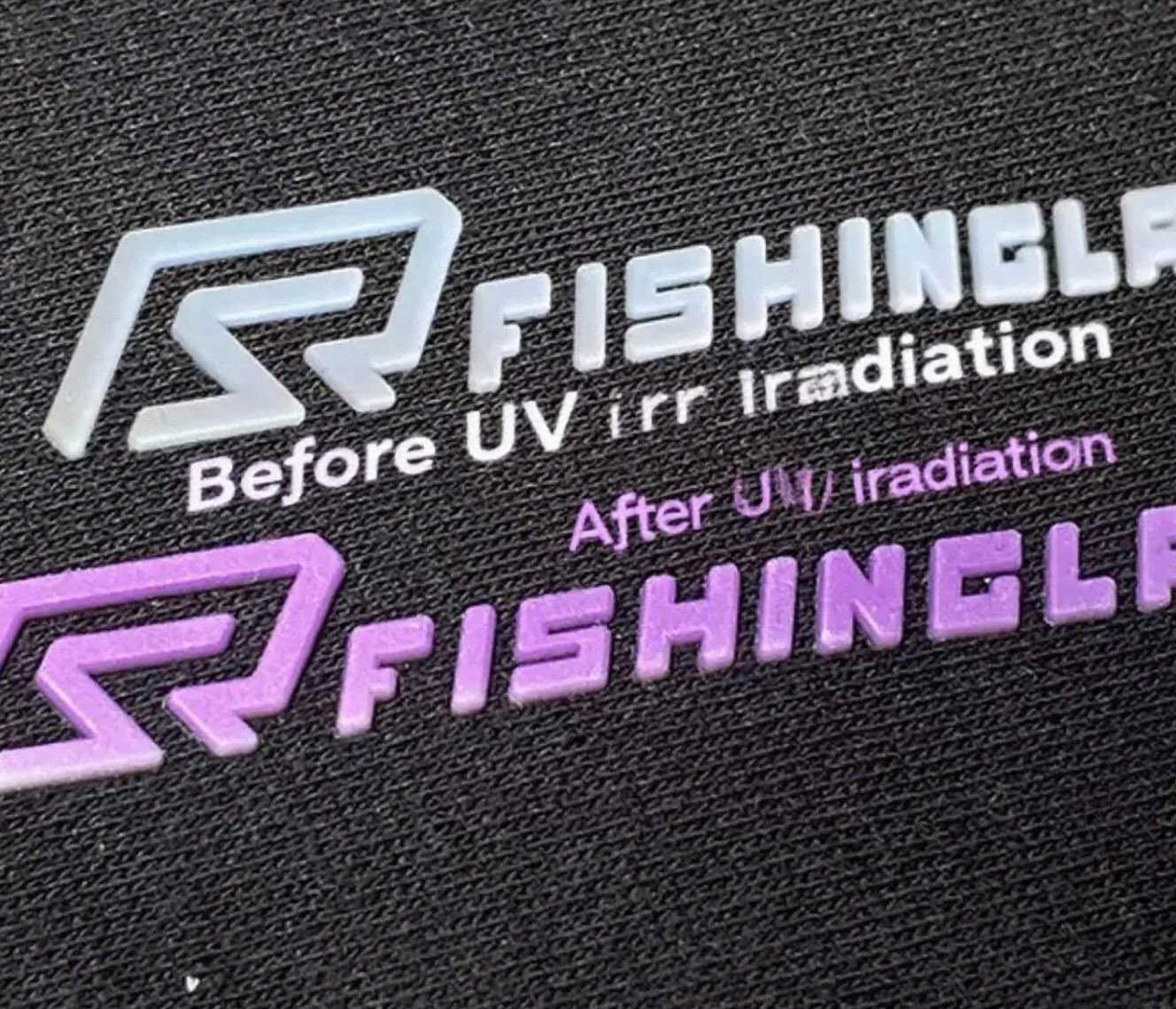
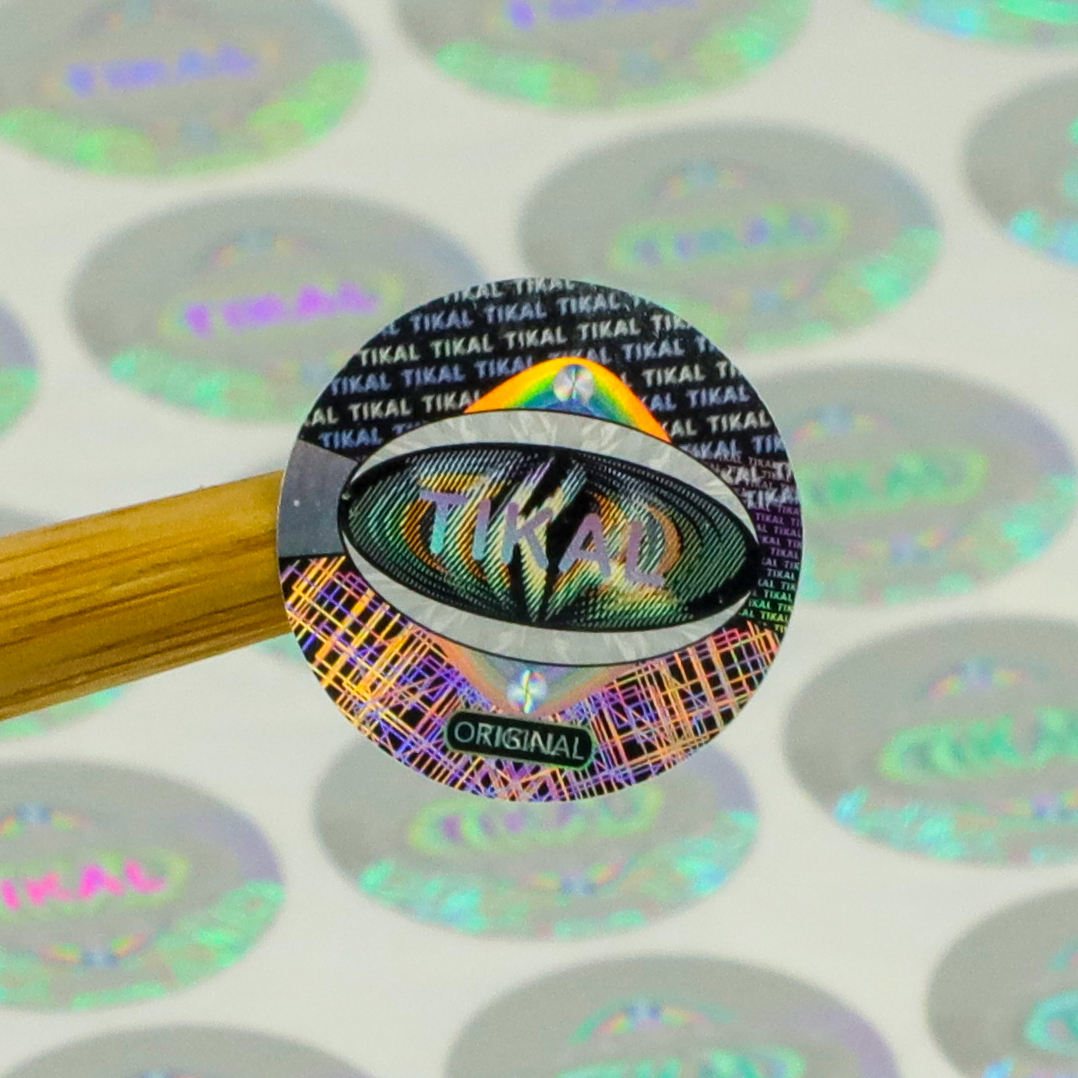
Anti-Counterfeit Labels & Security Features for Knitwear
What Makes Our Anti-Pilling Knitwear Stand Out
Enzyme-Wash Anti-Pilling Technology
Advanced enzyme finishing removes loose fibers and surface fuzz, preventing pills before they form on your custom knitwear.
Softness That Lasts
Our anti-pilling process preserves fabric hand-feel and drape, ensuring sweaters stay soft through repeated wear and washing.
Proven Durability After Washing
Rigorous wash-cycle testing guarantees anti-pilling knitwear maintains appearance and structure over hundreds of wears.
Optimized for Every Fiber Blend
From cashmere and merino to cotton and acrylic blends, we tailor anti-pilling treatments to each yarn composition.
Works Across All Knit Constructions
Cable, jacquard, intarsia, ribbed, and fully-fashioned styles all benefit from our specialized anti-pilling finishing techniques.
In-House Finishing & Quality Control
With 28+ years Dongguan manufacturing experience, every anti-pilling step is monitored under one roof for consistent results.
Related Finishing Techniques & Knitwear Capabilities
Washing and Finishing
CENWILD’s washing and finishing suite encompasses softening, anti-pilling treatments, garment dyeing, and brushing to transform raw knitwear into retail-ready pieces. Each process is calibrated in-house to meet your brand’s hand-feel, durability, and aesthetic standards across wool, cotton, cashmere, and blended yarns.
Get a Quote
Garment Wash and Softening
Garment wash and softening services deliver the luxurious drape and tactile comfort buyers expect from premium knitwear. CENWILD applies enzyme washes, mechanical softening, and controlled tumbling to reduce stiffness, enhance breathability, and prepare sweaters for immediate wear without compromising structural integrity or color fastness.
Get a Quote
Garment Dye
Garment dye knitwear allows you to stock undyed greige goods and respond quickly to trend shifts or reorder requests in any Pantone shade. CENWILD dyes finished sweaters in reactive, acid, or disperse chemistries depending on fiber content, ensuring even penetration, minimal shrinkage, and consistent lot-to-lot color matching for flexible inventory management.
Get a Quote
Brushing and Napping
Brushing and napping techniques raise the surface fiber to create soft, fuzzy textures on wool, alpaca, mohair, and acrylic knits. CENWILD controls bristle pressure and pass frequency to achieve everything from subtle peach-skin finishes to deep fleece effects, adding warmth and visual depth without adding weight or bulk to cardigans, pullovers, and sweater dresses.
Get a Quote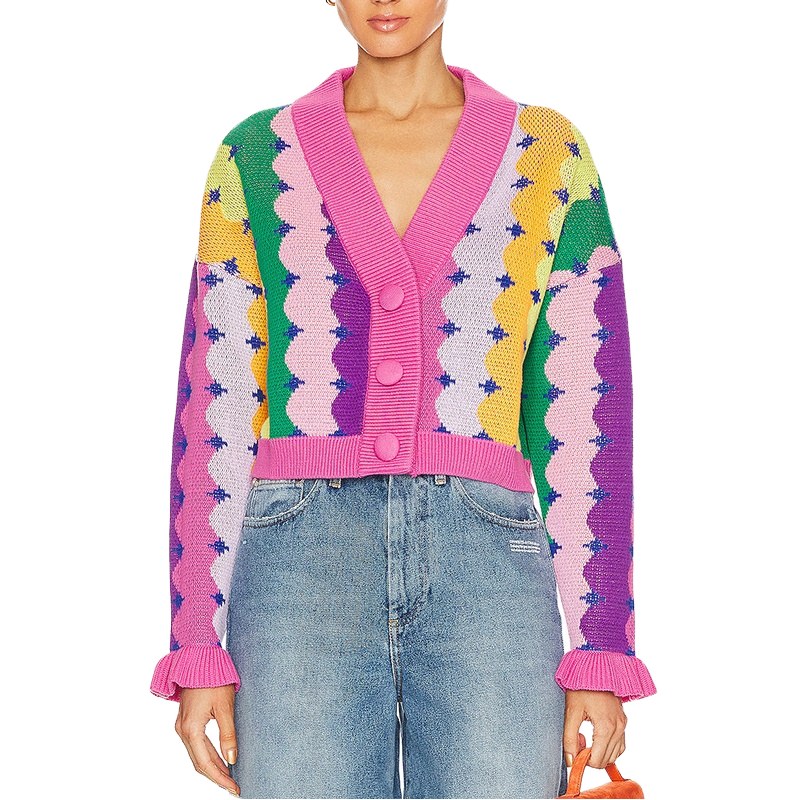
Custom Cardigan
Custom cardigan production starts at 100 pieces and spans button-front, zip, and open styles in any gauge, stitch pattern, or yarn blend. CENWILD’s design team translates your sketches, tech packs, or reference images into fully graded, knit-down samples with original intarsia, jacquard, cable, or rib detailing, plus coordinated trims, closures, and embroidery or print decoration as required.
Get a Quote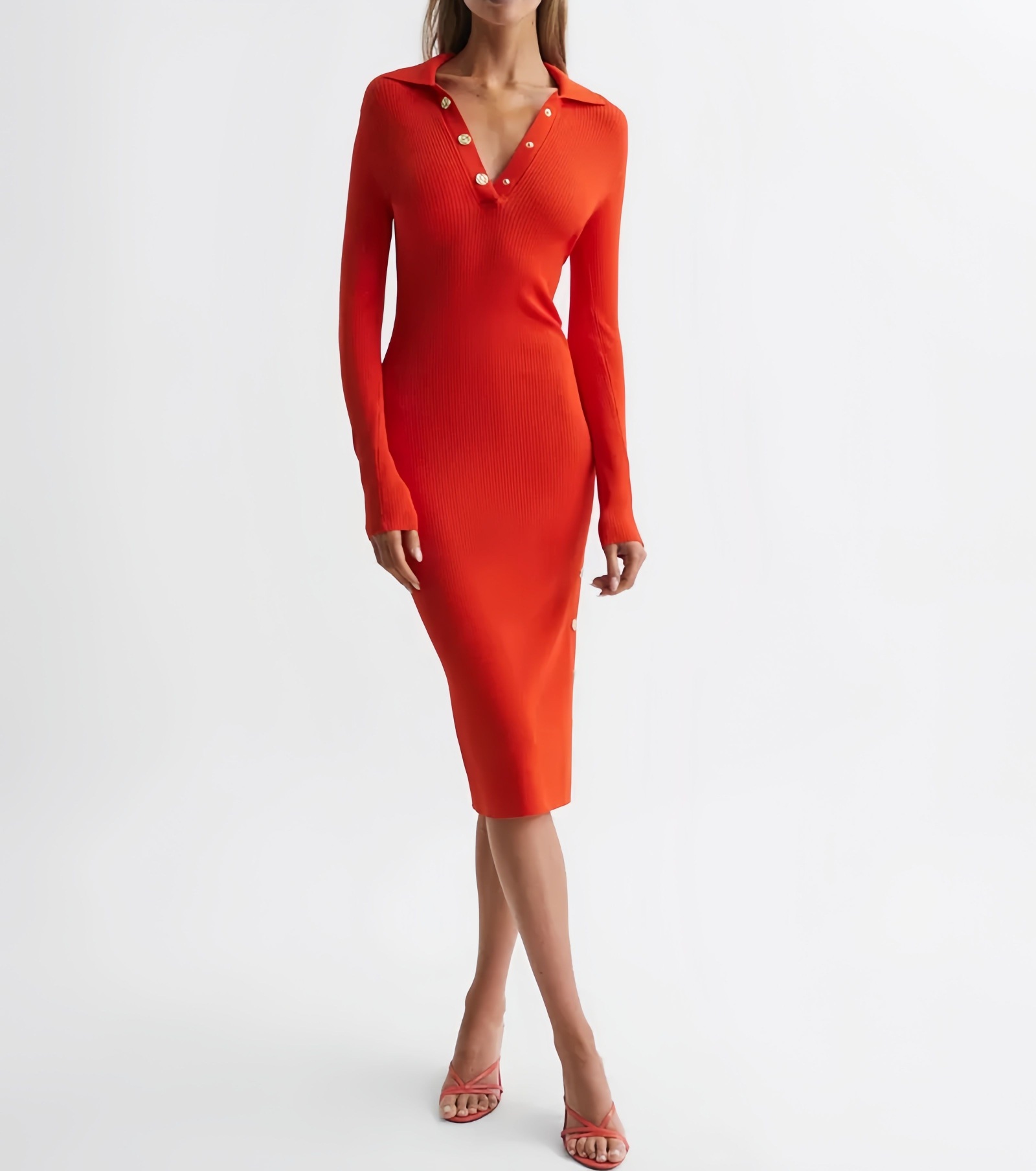
Cardigan Sweater Manufacturer
As a cardigan sweater manufacturer with over 28 years in Dongguan, CENWILD operates computerized flat-knitting lines from 3GG to 14GG and a monthly capacity exceeding 80,000 pieces. OEM and ODM services cover yarn sourcing, sampling, production, QC, decoration, packaging, and export logistics for brands across North America, Europe, Australia, Russia, and the Middle East.
Get a Quote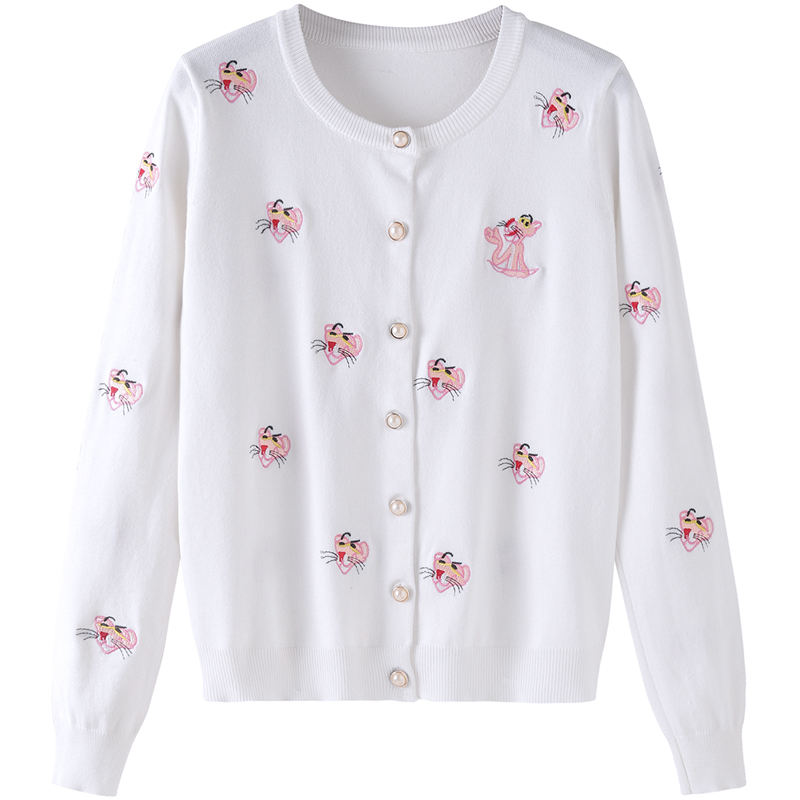
Wholesale Cardigan Sweaters
Wholesale cardigan sweaters are available through flexible private-label programs with MOQs from 100 pieces per style and color. CENWILD supports independent retailers, boutique chains, and online resellers with ready-to-brand knitwear in seasonal weights and silhouettes, backed by in-house embroidery, heat-transfer printing, woven labels, and hang-tag services to match your brand identity and margin goals.
Get a Quote
Anti Pilling Sweaters
Anti-pilling sweaters undergo enzyme treatment, mechanical abrasion testing, and yarn pre-selection to minimize surface fuzzing and extend garment life. CENWILD applies anti-pilling finishes to cashmere, merino, lambswool, acrylic, and blended knits, ensuring your pullovers, cardigans, and sweater vests retain a clean, professional appearance through repeated wear and laundering, critical for customer retention and positive reviews.
Get a Quote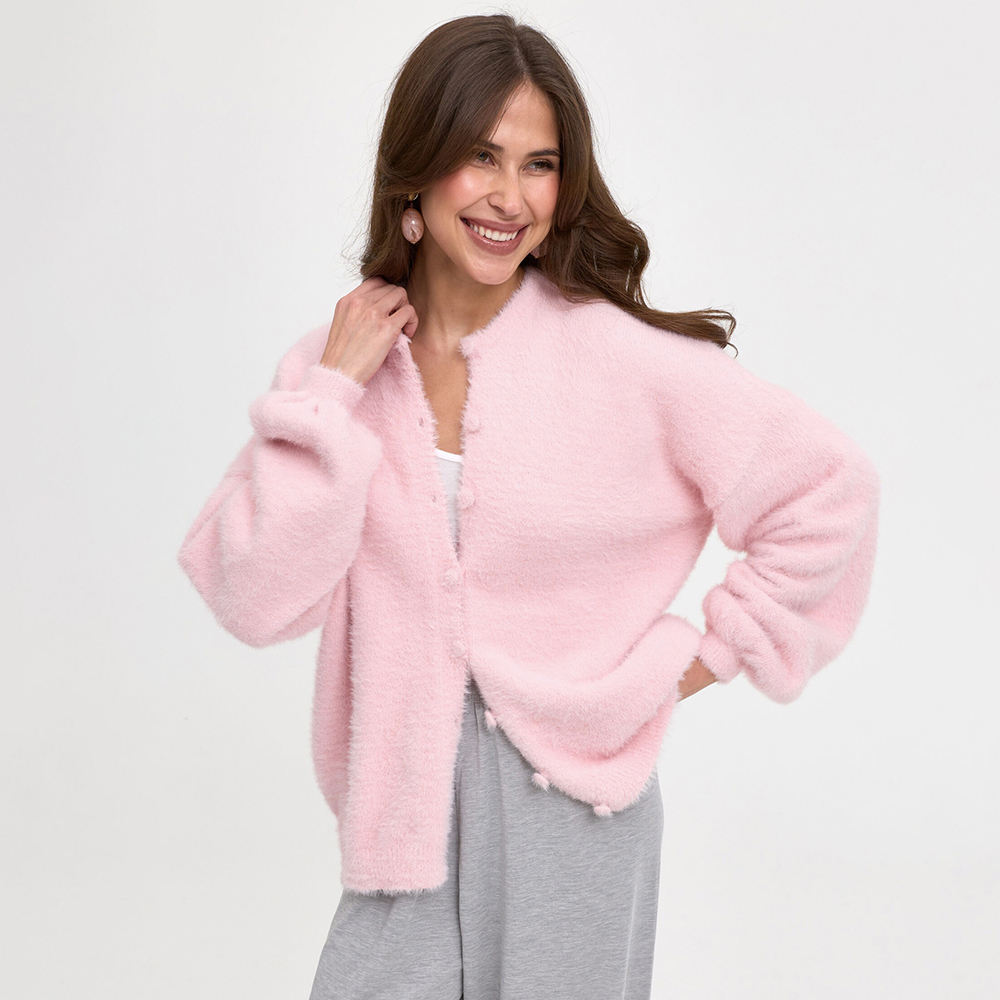
Anti Pilling Cardigans
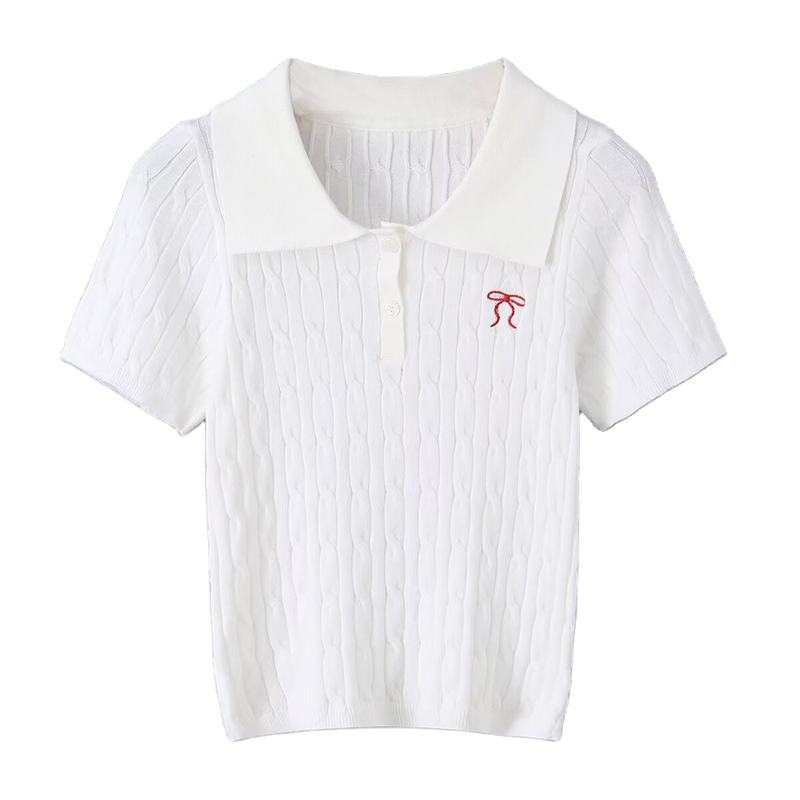
Anti-pilling cardigans combine CENWILD’s finishing expertise with fully fashioned construction and quality yarn selection to deliver button-front and zip styles that resist pilling across cuffs, elbows, and body panels. Ideal for corporate uniforms, school knitwear, and high-frequency casual wear, these cardigans maintain brand reputation and reduce return rates for retailers prioritizing durability alongside design.
Get a QuoteCENWILD's Anti-Pilling Knitwear Expertise
Founded in 1998 in Humen, Dongguan—China’s premier knitwear manufacturing hub—CENWILD has spent over 28 years perfecting every aspect of sweater production, including advanced anti-pilling finishing. What started as a family knitting workshop has grown into a full-service manufacturer serving 2,000+ fashion brands worldwide with OEM, ODM, and private label capabilities.
Today CENWILD operates in-house enzyme-wash and garment-finishing equipment alongside computerized flat-knitting machines across 3GG–14GG gauges, producing 80,000+ pieces per month. Our finishing processes include brushing, enzyme washing, and fabric stabilization—ensuring every sweater resists fuzzing and maintains its premium appearance through hundreds of wears.
With a 200+ person team, dedicated quality-control protocols, and flexible MOQ from just 100 pieces, CENWILD partners with startups, independent designers, wholesalers, and established brands across North America, Europe, Australia, and beyond. Every stitch, wash cycle, and finishing pass is engineered for lasting quality and durability.

The Science Behind Anti-Pilling Knitwear
Enzyme Washing & Chemical Finishing
Our anti-pilling knitwear undergoes controlled enzyme treatment that dissolves loose surface fibers before they ball up during wear. This biochemical process smooths yarn ends and stabilizes the fabric structure without compromising hand-feel or color vibrancy.
- Cellulase and protease enzymes target weak fiber ends
- pH-balanced baths prevent damage to core yarn strength
- Post-wash neutralization locks in durability and softness
- Compatible with cashmere, merino, cotton, and blended yarns
Fiber Blend Engineering for Longevity
Pilling resistance starts at the yarn stage. CENWILD selects fiber blends with matched staple lengths and tensile strengths, minimizing friction migration. Whether pure merino or recycled-polyester blends, every composition is tested for abrasion cycles before production.
- Long-staple fibers reduce surface friction and shedding
- Controlled twist ratios balance drape with structural integrity
- Synthetic-core blends add resilience without sacrificing luxury feel
- In-house lab testing simulates 10,000+ wear and wash cycles
High-Density Knit Construction & Gauge Control
Tighter knit structures inherently resist pilling. Our 3GG to 14GG computerized flat-knitting machines produce consistent stitch density and tension across every panel, locking fibers in place and reducing the loose surface movement that causes pills.
- Precision gauge selection matched to fiber type and end-use
- Fully-fashioned shaping eliminates weak cut edges
- Intarsia and jacquard programs maintain uniform tightness
- Real-time tension monitoring on every needle bed
Curing, Brushing & Softening Protocols
Final finishing determines long-term performance. CENWILD applies heat-set curing to stabilize knit geometry, followed by controlled brushing to remove proto-pills, and softening agents that condition fibers against abrasion—delivering anti-pilling knitwear that feels luxurious from first wear to fiftieth wash.
- Steam or dry heat-setting fixes stitch dimensions permanently
- Rotary brushing lifts and trims unstable surface fibers
- Silicone or natural softeners reduce inter-fiber friction
- Quality checkpoints at every stage ensure consistent results
Anti-Pilling Knitwear vs. Standard Softening Finish
Anti-pilling treatment delivers lasting fabric integrity and retail-ready durability that standard softening alone cannot match. Here’s how the two finishing processes compare across the attributes that matter most to fashion brands.
← 左右滑动查看 →
Anti-Pilling Knitwear Production Process
CENWILD’s six-phase production flow ensures every custom sweater meets rigorous anti-pilling standards from knit-down through final inspection.
Knit-Down & Sampling
In-house 3GG–14GG computerized flat-knitting machines produce initial samples with precise stitch tension and yarn selection to minimize pilling risk from the start.
Pre-Wash Quality Check
Every batch undergoes dimensional stability testing and visual inspection before anti-pilling treatment to establish baseline quality benchmarks for your order.
Enzyme-Wash Application
Controlled enzyme-wash cycles remove loose fibers and surface fuzz, the primary cause of pilling, while preserving yarn integrity and color fastness.
Softening & Finishing
Garment-dyeing, brushing, or softening treatments are applied as specified, followed by tumble-dry conditioning to lock in anti-pilling performance and hand-feel.
Quality Inspection
Dedicated QC teams verify stitch consistency, seam strength, and anti-pilling finish against your tech pack, with random Martindale abrasion testing on request.
Final Packaging & Export
Approved pieces are pressed, tagged, poly-bagged, and carton-packed to your specifications, then shipped with full export documentation and tracking support.
How to Order Custom Anti-Pilling Knitwear from CENWILD
From design submission to delivery, our streamlined process ensures your anti-pilling sweaters meet every quality and durability standard—starting from just 100 pieces.
Submit Your Design & Requirements
Share your tech pack, sketch, or concept. Our team will review your design and recommend optimal yarn blends and knit constructions for anti-pilling performance.
Select Fiber Blends & Specifications
Choose from merino, cashmere, cotton, or synthetic blends. We’ll specify fabric weight, gauge, and finishing treatments tailored to your target wash-cycle durability.
Approve Knit-Down Sample & Testing
Receive a production-ready sample with anti-pilling treatment applied. We conduct wash-cycle testing to verify pill resistance meets your brand’s quality standards.
Confirm Production & MOQ
Lock in your order from our 100-piece minimum. Our Dongguan facility schedules your run across our computerized flat-knitting lines with full quality control.
Receive Finished Anti-Pilling Knitwear
Your completed sweaters undergo final inspection, anti-pilling finishing, and packaging. We handle export logistics and deliver directly to your warehouse or fulfillment center.
Customer Stories: Anti-Pilling Knitwear Success
CENWILD’s anti-pilling knitwear held up beautifully after 50+ wash cycles in our lab tests. Our customers report zero complaints about pilling, and repeat purchases jumped 34% this season compared to our previous supplier.
We launched our private-label sweater line with CENWILD’s anti-pilling finishing. The quality was exceptional, MOQ of 100 pieces per style let us test five designs, and we went from concept to shelf in just 9 weeks.
As an independent designer, durability is my brand promise. CENWILD’s anti-pilling knitwear gave my capsule collection a premium feel at wholesale-friendly pricing. Customer retention improved by 28% year-over-year since switching manufacturers.
Anti-Pilling Knitwear: Frequently Asked Questions
What is the minimum order quantity for anti pilling knitwear?
Which yarn types benefit most from anti-pilling treatment?
How does the anti-pilling process work on knitwear?
What is the lead time for custom anti pilling knitwear orders?
Can I order samples of anti pilling knitwear before bulk production?
Can anti pilling knitwear be combined with embroidery or printing?
How durable is anti-pilling knitwear after repeated washing?
What file format and specifications do I need to provide for anti pilling knitwear orders?
The Complete Buyer’s Guide to Anti Pilling Knitwear for Fashion Brands
Learn how to source premium anti pilling knitwear that maintains quality and appearance. This guide covers fabric selection, construction techniques, supplier evaluation criteria, pricing structures, and common sourcing mistakes to help you make confident purchasing decisions.
1. What Is Anti Pilling Knitwear?
Pilling occurs when short or broken fibers migrate to the fabric surface during wear and abrasion, tangling into visible balls that degrade appearance within 5–10 washes for untreated knits. Anti pilling knitwear incorporates fiber engineering—longer-staple yarns, tighter twist, and filament blends—and post-knit treatments such as enzymatic washing, singeing, or resin finishes that anchor loose fibers and reduce surface fuzz.
A 2022 textile durability study found that garments rated grade 4 or higher on the ICI pilling scale retained customer satisfaction above 85 percent after 20 wear cycles, compared to under 50 percent for grade 2 pieces. For fashion brands, anti-pilling properties directly protect repeat purchase rates and minimize returns tied to perceived quality defects.
CENWILD applies garment washing, brushing, and anti-pilling finishing across cashmere, merino, cotton, and acrylic blends during its one-stop production process. By prioritizing anti-pilling specifications in your tech pack—fiber length, twist multiplier, and finish protocol—you safeguard brand reputation and extend the commercial lifespan of every sweater that carries your label.
2. Evolution of Anti Pilling Knitwear Technology
Traditional wool sweaters plagued retailers with pilling complaints until the 1970s, when synthetic polyester and acrylic blends introduced the first measurable resistance to fiber migration and surface fuzz. By the 1990s, engineered ring-spun and compact-spun yarns reduced short fiber ends by up to 40%, dramatically cutting pill formation at the source during knitting.
The 2000s brought enzyme finishing — controlled cellulase or protease baths that digest loose surface fibers before garments reach consumers — and blended constructions pairing merino wool with nylon or polyester cores for strength without sacrificing hand feel. Since 2010, nano-silicone and plasma treatments have coated individual filaments, creating molecular barriers that prevent fiber entanglement and extend garment life by two to three seasons.
Consumer demand for durable, low-maintenance knitwear accelerated every stage: brands needed sweaters that survived weekly washing and retained a clean surface after months of wear. Today’s anti pilling knitwear combines compact spinning, enzyme post-treatment, and strategic fiber blends, delivering the softness of natural yarns with the resilience once reserved for technical sportswear.
3. Types of Anti Pilling Knitwear
Anti pilling knitwear spans multiple garment categories, each with distinct construction methods and target markets. Matching the right type to your collection strategy ensures both durability and customer satisfaction.
Pullover Sweaters
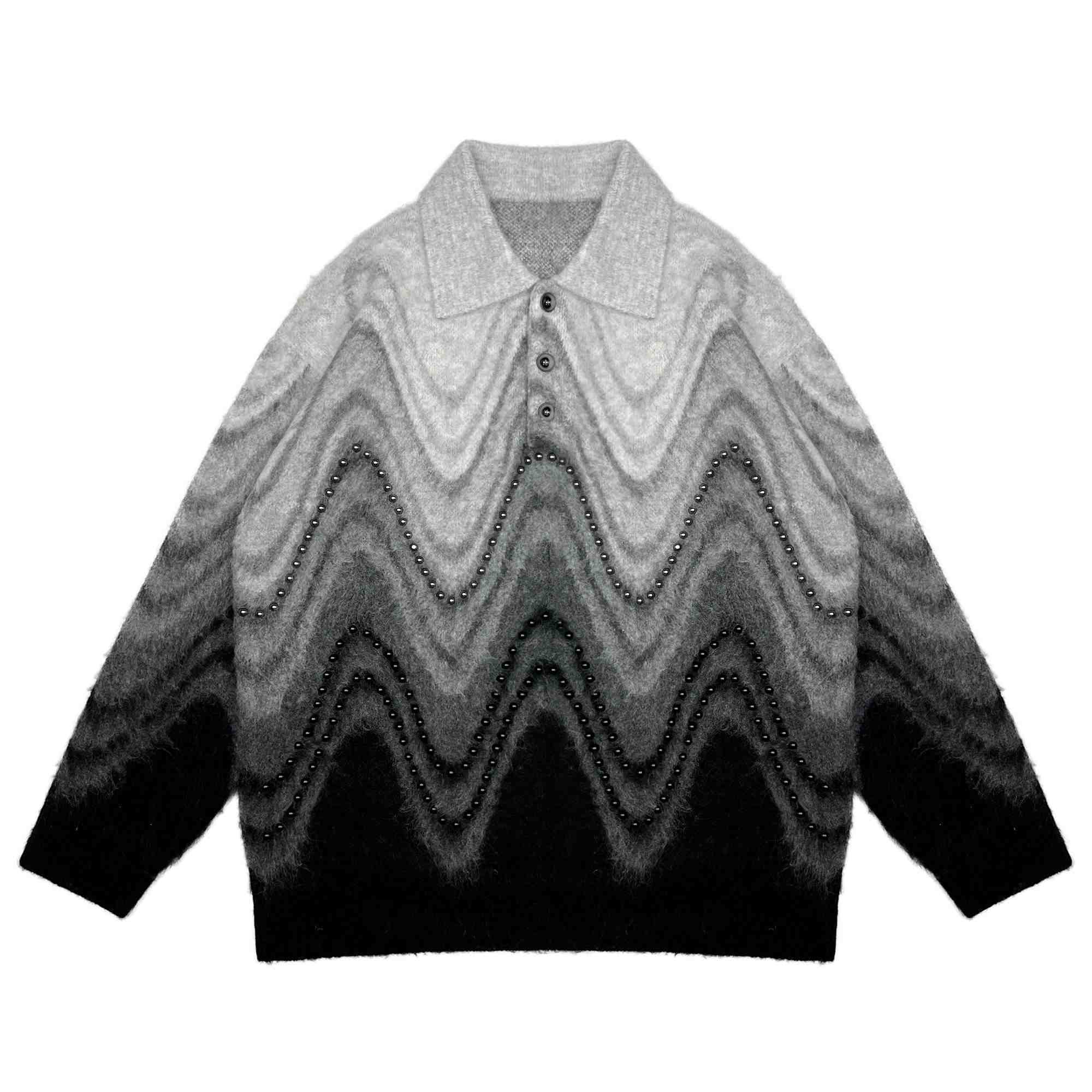
Pullovers in crewneck, V-neck, turtleneck, and mock-neck styles represent the largest volume segment. Anti-pilling treatments — yarn singeing, enzyme washing, or tightly twisted ply — are standard across 5GG–12GG gauges. Target markets include casual brands, corporate uniform programs, and independent designers seeking reliable everyday wear with minimal maintenance.
Cardigans and Quarter-Zip Styles
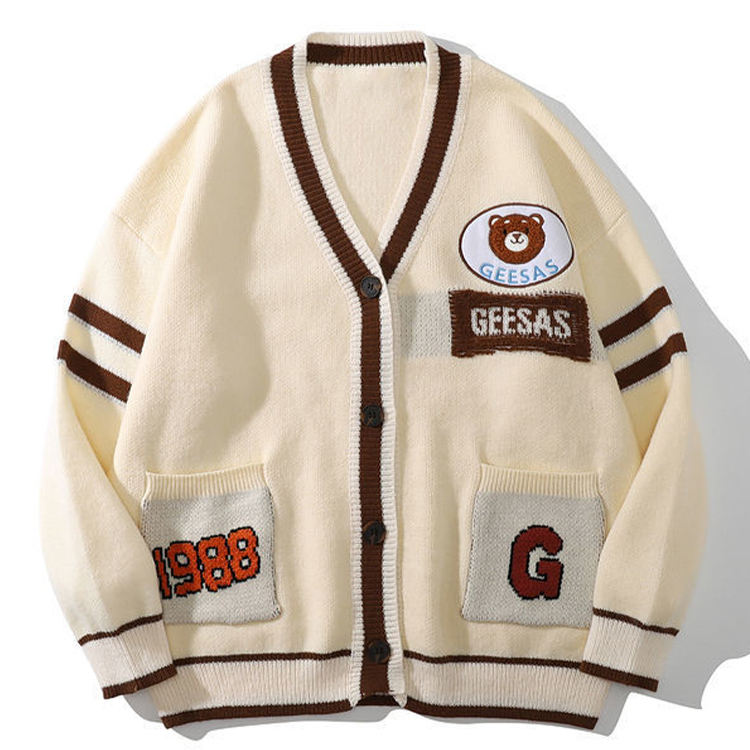
Open-front and zip cardigans benefit from anti-pilling finishes along high-friction edges: plackets, cuffs, and pocket welts. Buyers specify enzyme washes or acrylic blends to maintain a clean look through repeated wear. These styles suit layering-focused collections and workwear lines.
Knit Dresses and Jumpers
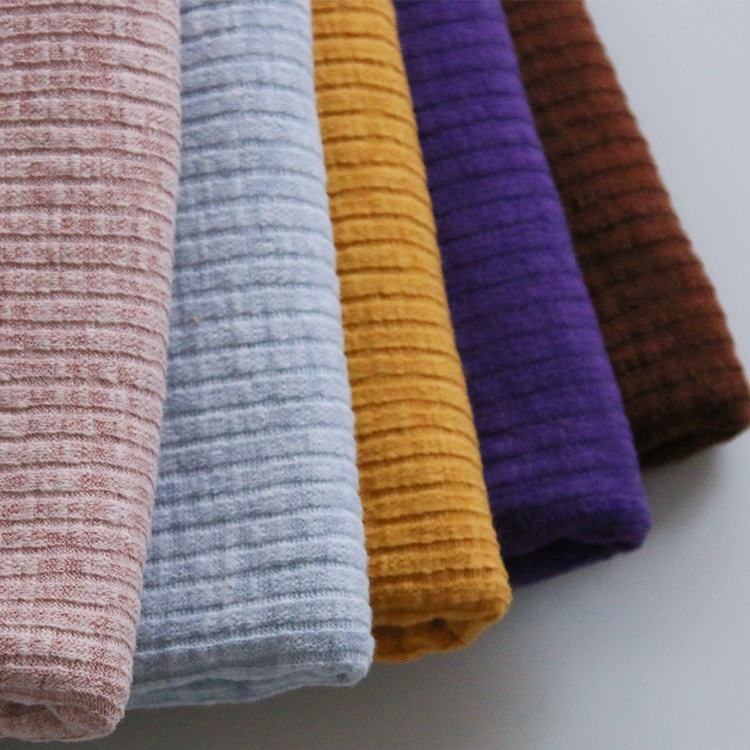
Knit dresses require anti-pilling across seat, underarm, and hem zones where fabric-to-fabric contact is constant. Fine-gauge (12GG–14GG) construction in merino or treated blends preserves drape and surface smoothness. Target buyers include contemporary womenswear brands and influencer capsule collections.
Luxury Cashmere and Alpaca Blends
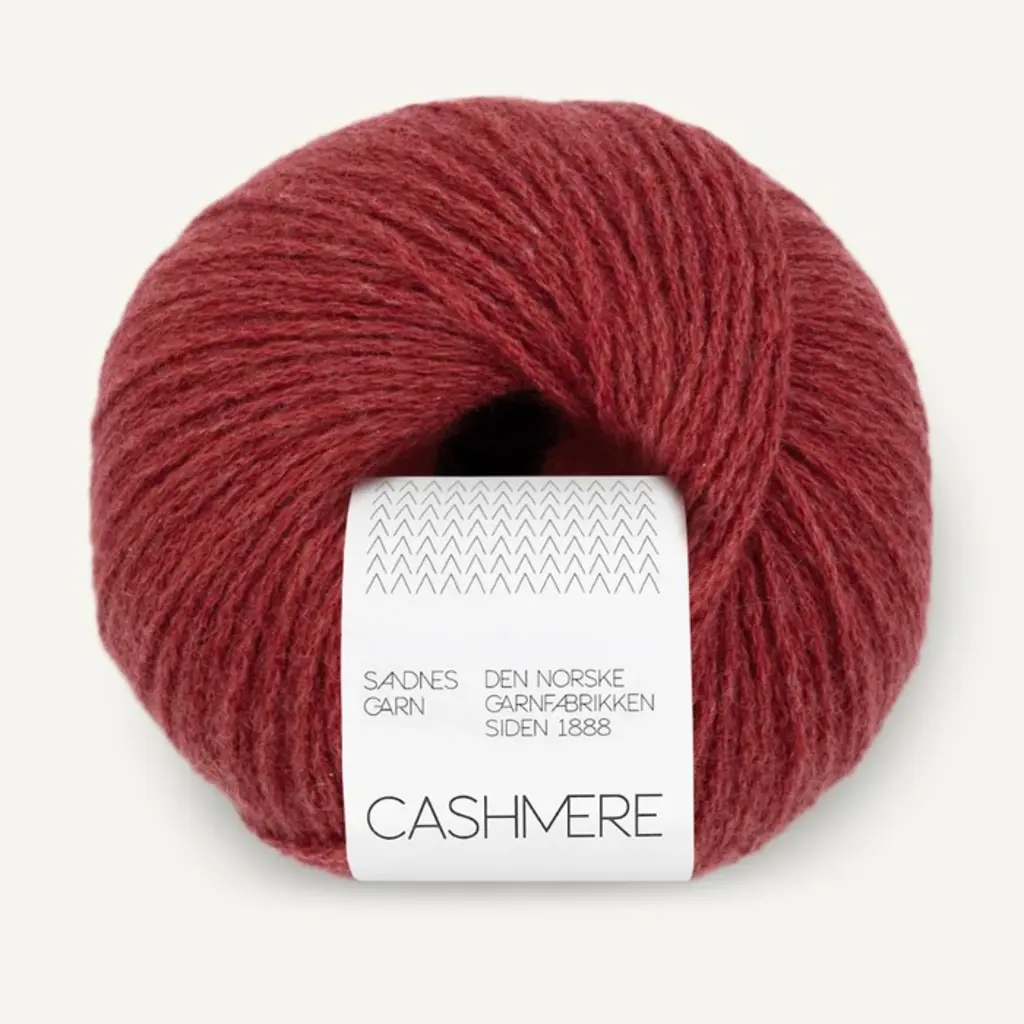
Cashmere and alpaca naturally pill without careful fiber selection and finishing. Premium lines specify long-staple fibers (≥38 mm), tightly twisted two-ply yarn, and gentle enzyme treatments to balance softness with longevity. These pieces command higher retail margins and appeal to established labels prioritizing quality over cost.
4. Materials and Fabrics for Anti Pilling Knitwear
Fiber choice governs both pill resistance and brand positioning. Each material family offers distinct trade-offs in durability, hand feel, and cost that shape your collection’s performance and price architecture.
| Fiber Type | Pill Rating (1–5) | GSM Range | Typical MOQ (pcs) | Price Tier |
|---|---|---|---|---|
| Merino Wool | 3 | 180–320 | 100–200 | Mid–High |
| Acrylic | 4–5 | 200–350 | 100 | Low–Mid |
| Polyester | 5 | 180–300 | 100 | Low |
| Cotton Blend | 3–4 | 220–380 | 100–150 | Low–Mid |
| Cashmere-Synthetic | 4 | 200–300 | 150–200 | Mid |
Merino Wool
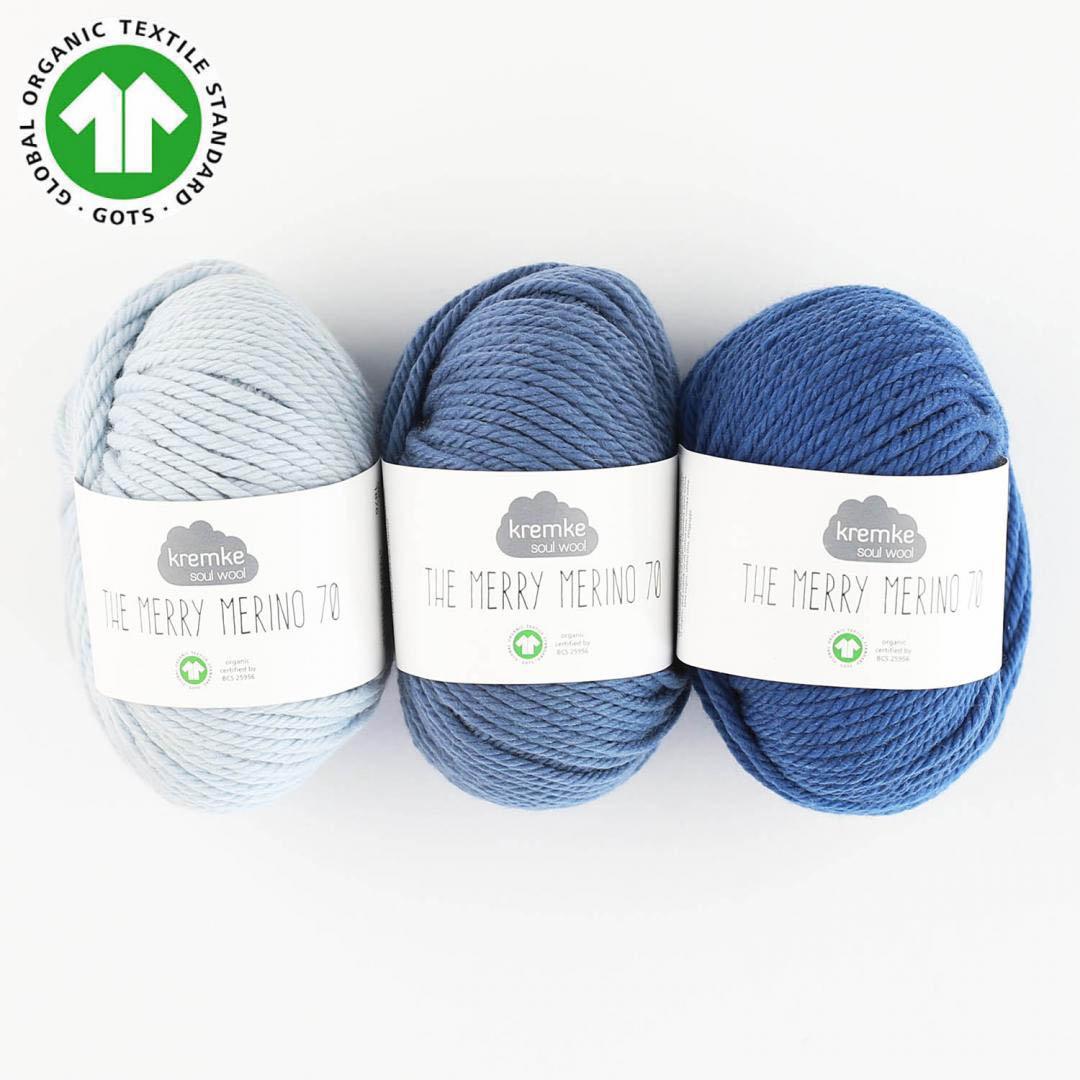
Merino’s long staple fibers (65–100 mm) resist pilling better than shorter wools. Tight twist and higher ply counts further reduce surface fuzz. Expect 180–320 GSM for sweaters, with premium hand and natural moisture wicking.
Care requires gentle machine or hand wash; dry cleaning extends life. Price tier sits mid-to-high, balancing luxury appeal with moderate pill resistance (rating 3/5).
Acrylic and Polyester
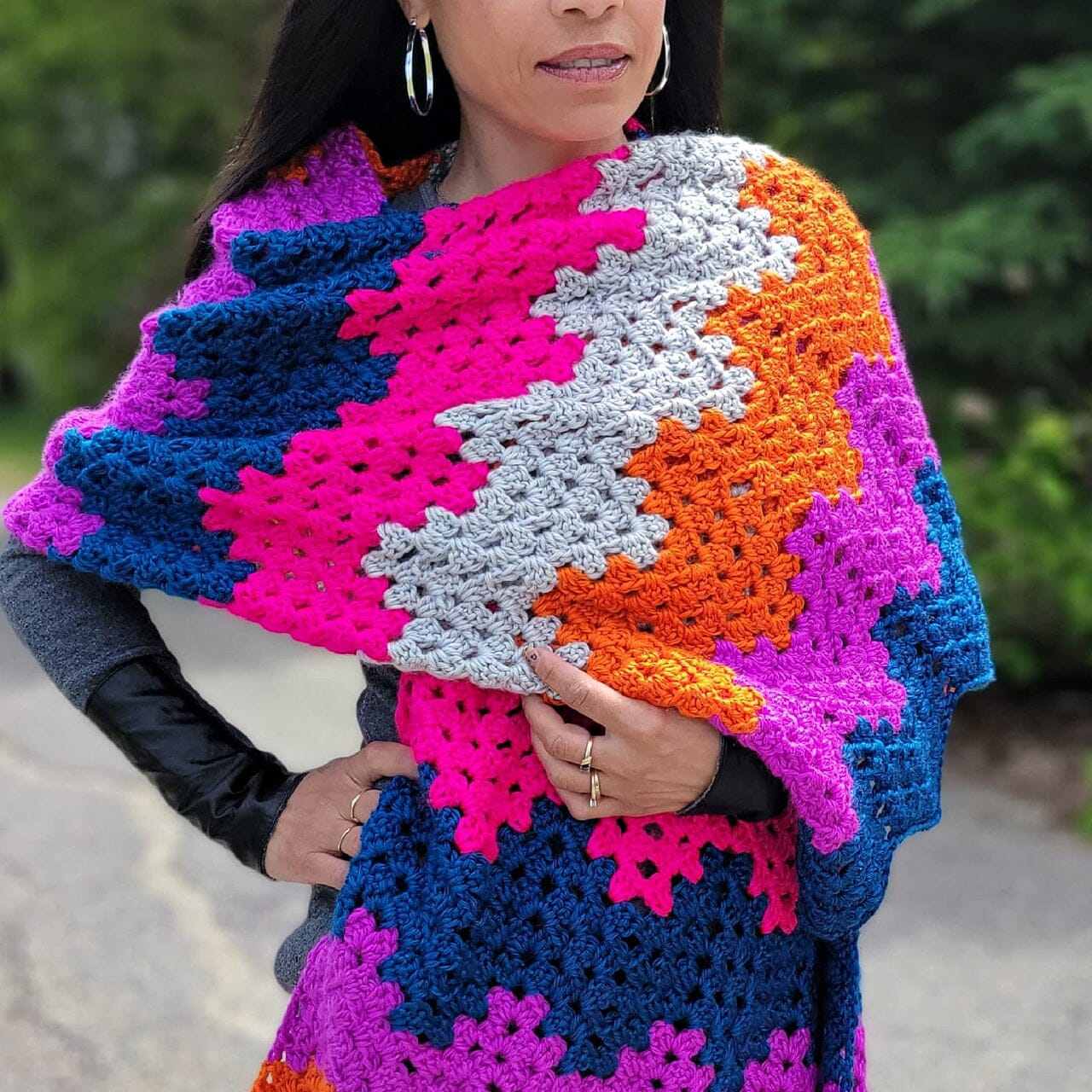
Synthetic fibers deliver the highest pill resistance (4–5/5) through uniform, continuous filaments that lack the short-staple weakness of naturals. Acrylic mimics wool softness at 200–350 GSM; polyester adds strength and shape retention.
Machine washable and fast-drying, these fibers anchor budget and mid-tier collections with MOQs from 100 pieces and the lowest per-unit cost.
Cotton Blends
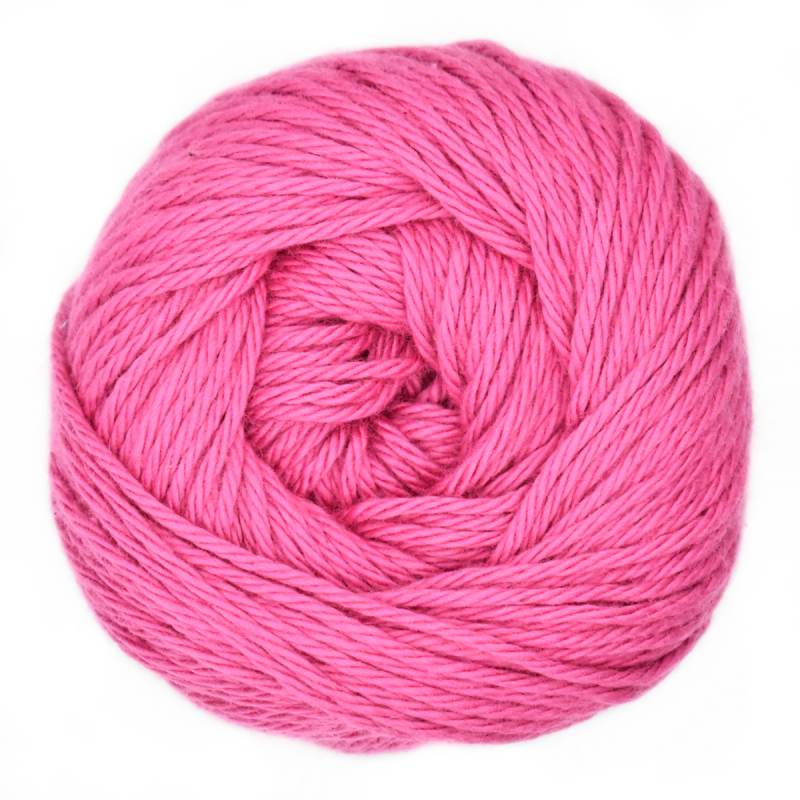
Pure cotton pills moderately (2/5) due to short staple and low elasticity. Blending 20–40% polyester or nylon lifts pill resistance to 3–4/5 while preserving breathability. Common weights span 220–380 GSM.
Easy care and hypoallergenic properties suit casual, everyday knitwear. Price remains accessible, ideal for high-volume programs.
Cashmere-Synthetic Hybrids
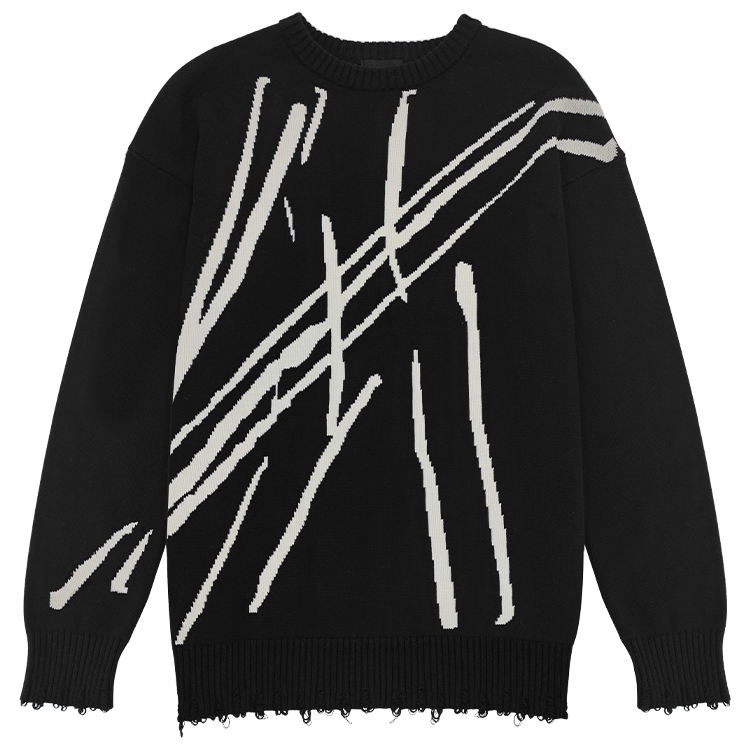
Blending 10–30% cashmere with acrylic or polyester captures luxury softness while synthetic content (70–90%) provides structural integrity and anti-pill performance (rating 4/5). Typical GSM ranges 200–300.
This hybrid strategy lets emerging brands offer ‘cashmere touch’ at mid-tier pricing, balancing prestige with durability and care convenience.
5. Customization and Decoration Options for Anti Pilling Knitwear
Decoration techniques must preserve the anti-pilling properties of the base yarn while adding brand identity. CENWILD supports five core methods — jacquard, intarsia, embroidery, appliqué, and garment dyeing — each with distinct setup costs, durability profiles, and MOQ considerations.
| Technique | Setup Cost | Per-Piece Cost | Durability Impact |
|---|---|---|---|
| Jacquard / Intarsia | $0 (programming included) | Yarn cost only | No impact — same yarn |
| Embroidery | $15–$50 digitizing | +$2–$8 | Minimal if polyester thread |
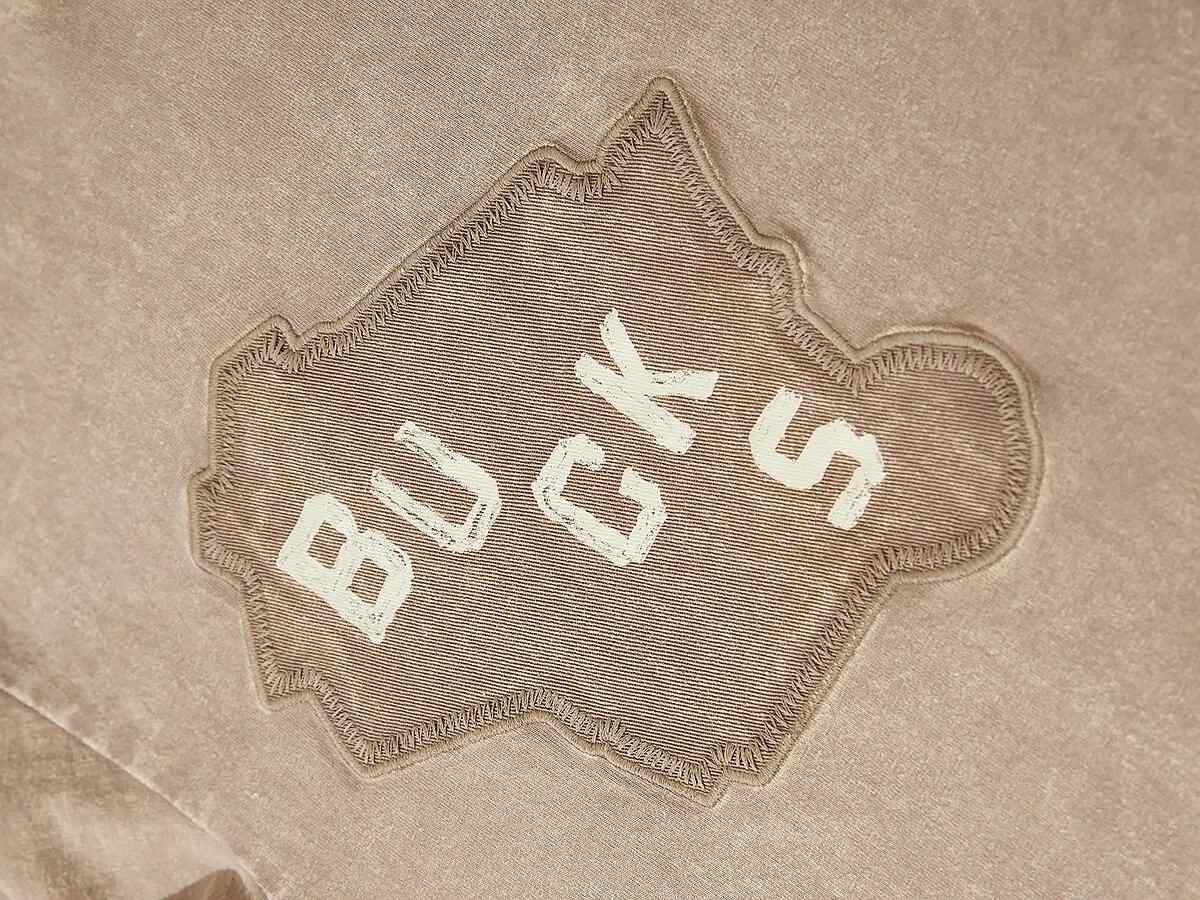
| Appliqué / Patches | $20–$60 tooling | +$3–$10 | Moderate — woven may pill |
| Garment Dyeing | $0 (dye lot) | +$1–$3 | Enhanced by anti-pill wash |
Jacquard and Intarsia Patterns
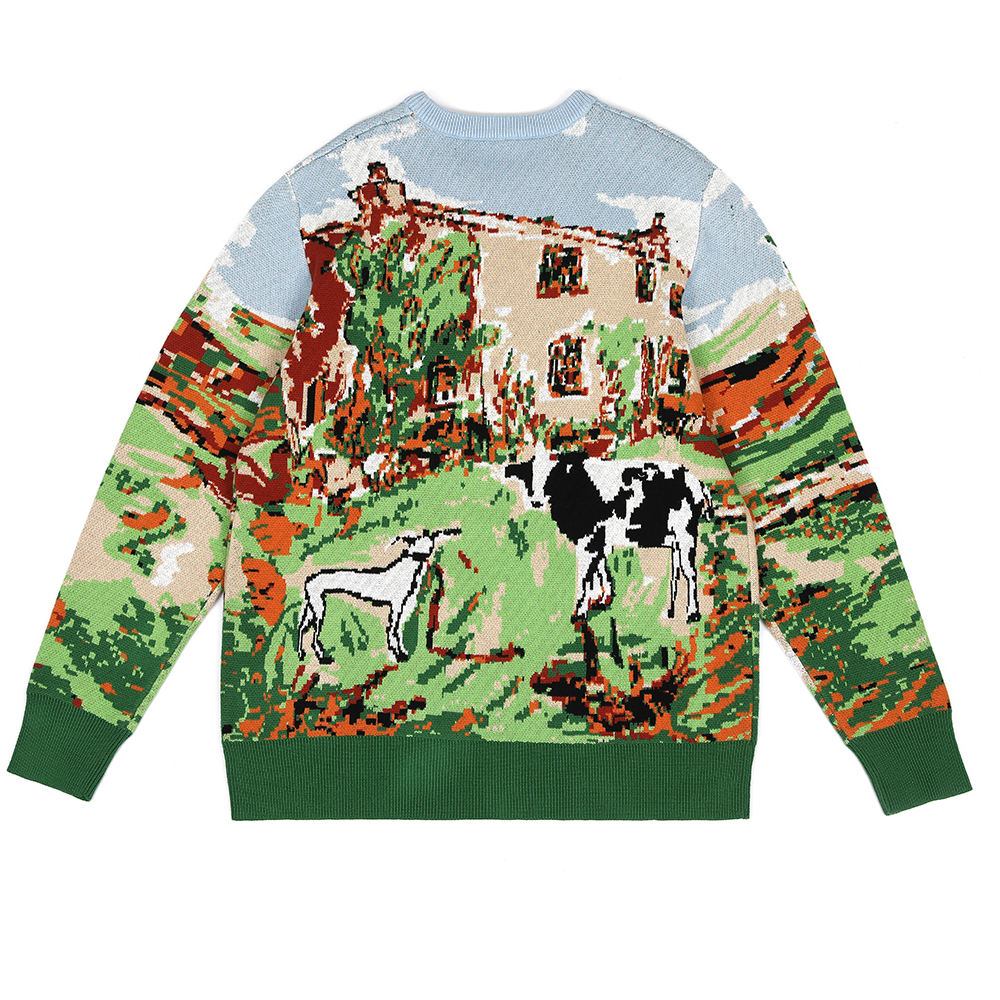
Jacquard and intarsia are knitted-in techniques that integrate color or pattern during production, using the same anti-pilling yarn throughout. Both methods maintain pill resistance because no secondary materials are applied.
Jacquard suits geometric repeats and fine details at 7GG–14GG; intarsia handles large color blocks and pictorial designs. Setup requires 3D knit programming, adding 3–5 days to sampling. MOQ remains 100 pieces per colorway, with no per-piece surcharge beyond yarn cost.
Embroidery and Appliqué
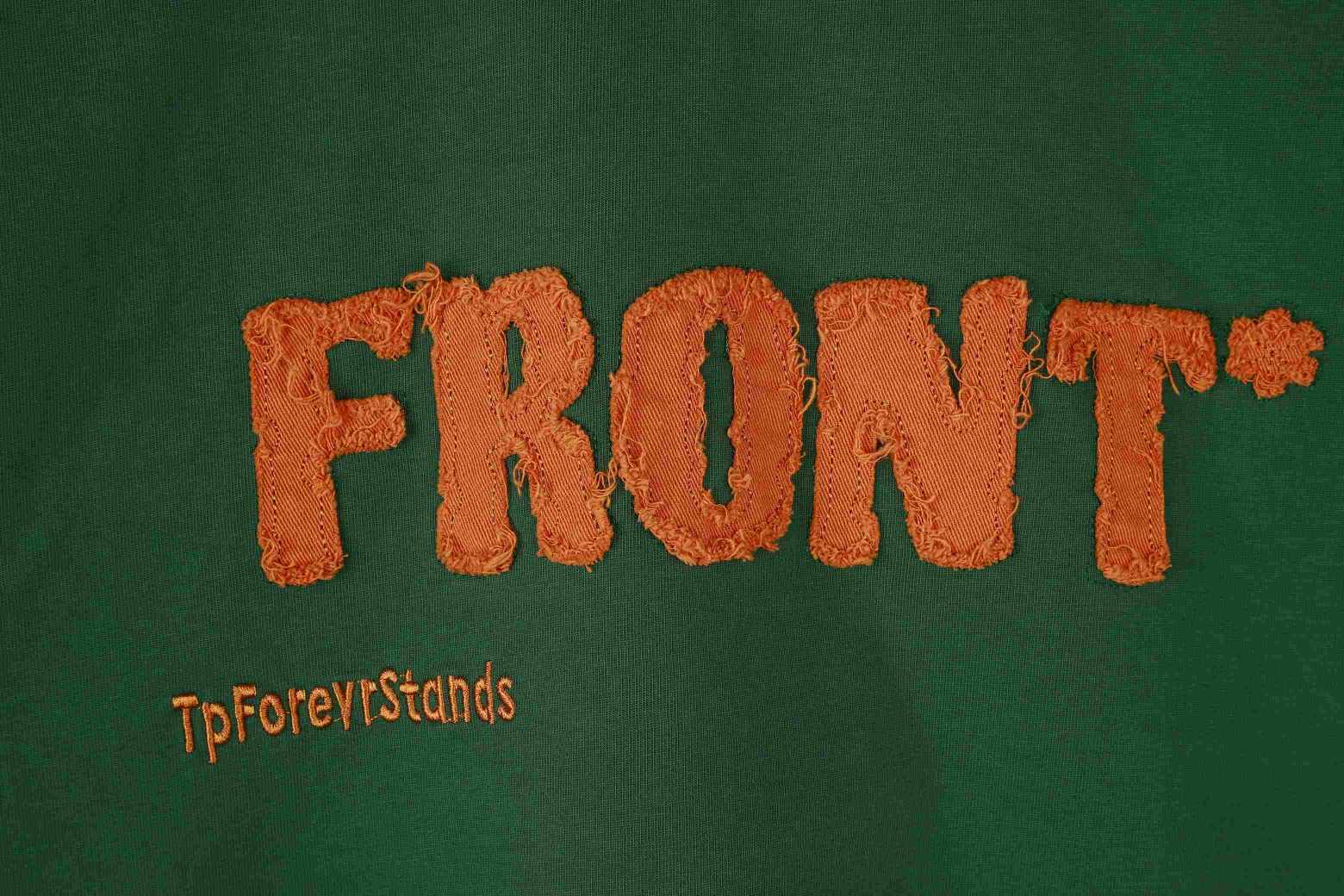
Flat, 3D puff, chain-stitch, sequin, and patch embroidery add texture and branding. Embroidery threads are typically polyester or rayon; choosing low-pill polyester filament ensures decoration durability matches the garment base.
Appliqué and patches introduce woven or felt elements that may pill independently. MOQ for embroidery starts at 100 pieces; digitizing fees range $15–$50 per design. Lead time adds 2–3 days for setup and stitching.
Garment Dyeing and Finishing
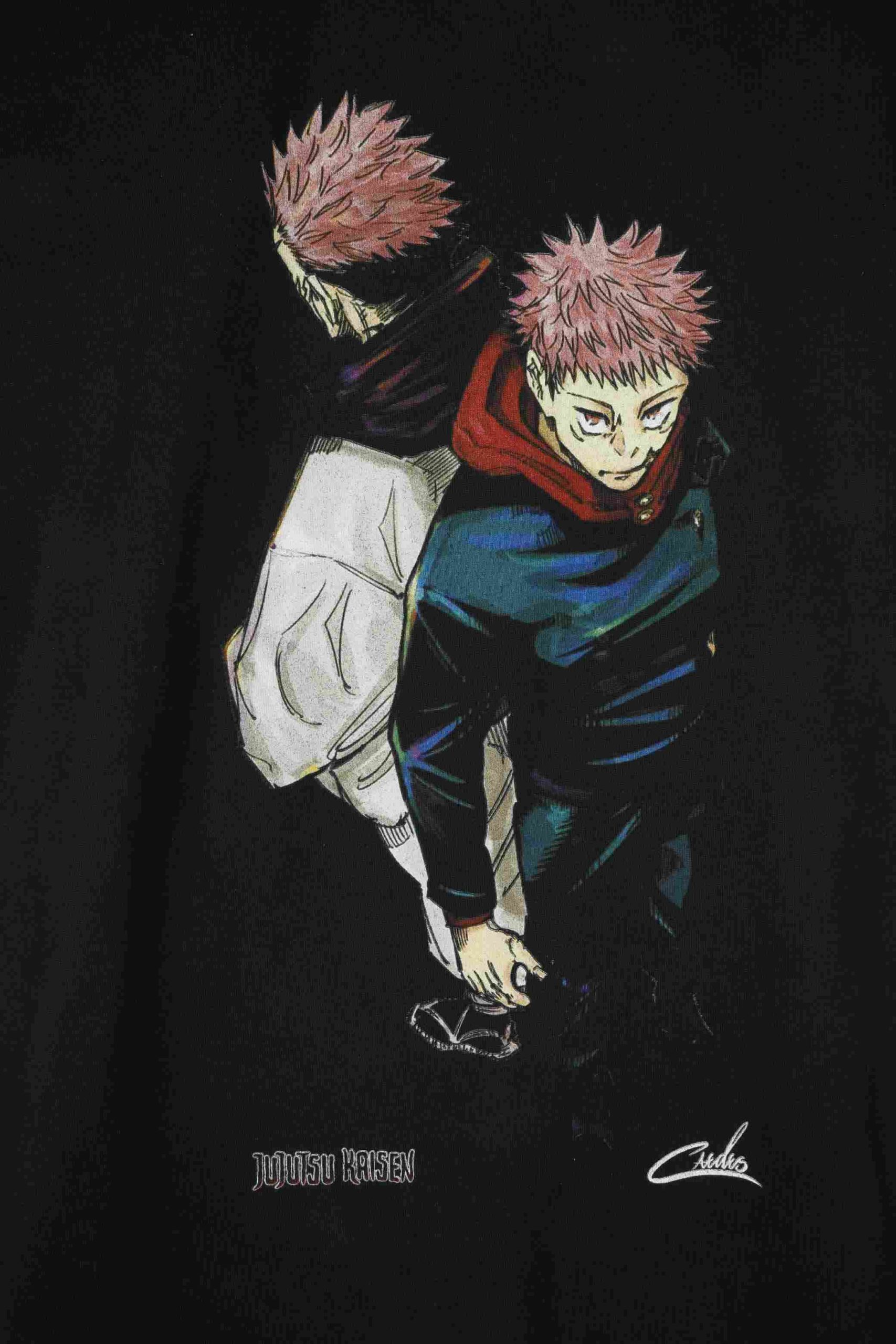
Garment dyeing applies color after knitting, enabling smaller inventory risk and unique heather effects. Anti-pilling finishes — enzymatic treatments or resin coatings — are applied in the same wash cycle, ensuring uniform pill resistance.
Dyeing works best with natural fibers (cotton, wool) or cellulose blends. Synthetic anti-pilling acrylics require piece-dyed yarn instead. MOQ for garment dye lots is typically 200–300 pieces per shade; lead time adds 5–7 days for dyeing, drying, and quality checks.
6. Key Quality Elements in Anti Pilling Knitwear
Preventing pills requires precision at every stage of knitting, finishing, and assembly. Five construction checkpoints separate garments that hold their appearance from those that fuzz within weeks.
Yarn Twist and Fiber Cohesion
Tightly twisted yarns lock fibers together, reducing surface migration that causes pills. Loose-twist yarns feel softer initially but shed short fibers under friction. Inspect twist angle visually: a 30–45° helix indicates adequate twist for worsted-weight sweaters. Request twist-per-inch (TPI) specifications during sample approval.
Stitch Density and Gauge Tightness
Higher stitch density — measured in wales and courses per inch — creates a compact fabric surface with less fiber exposure. Gauges from 7GG to 12GG at tight tension reduce pill formation compared to loose 3GG knits. Check density consistency across panels by holding samples to light.
Finishing Treatments
Enzyme washing removes protruding fiber ends, while singeing burns off surface fuzz before it forms pills. Anti-pilling agents applied during wet finishing coat fibers to minimize friction. Specify these treatments in your tech pack and verify completion certificates during factory audits.
Lab Testing Standards
Martindale abrasion testing quantifies pill resistance by rubbing fabric samples under controlled pressure. Grade-4 or grade-5 results (ISO 12945-2) indicate commercial durability. Request test reports for each yarn lot and compare results against your brand’s minimum threshold before bulk production.
7. How to Choose an Anti Pilling Knitwear Manufacturer
Selecting the right partner for anti pilling knitwear demands evaluation across technical capability, transparency, and operational fit. Five core criteria separate manufacturers who deliver consistent pill-resistance from those who merely promise it.
Certifications and Testing Equipment
Look for Oeko-Tex Standard 100 and ISO 9001 certifications as baseline quality signals. Ask whether the factory owns Martindale abrasion testers — the industry standard for measuring pilling resistance — and request test reports from recent production runs.
Manufacturers with in-house testing can catch issues before bulk production, reducing costly rework and ensuring garments meet grade 3–4 pilling standards.
Yarn Sourcing Transparency
Request full yarn specifications: fiber composition, twist per inch, ply count, and supplier origin. Transparent manufacturers will share mill certificates and explain why a particular yarn blend resists pilling.
CENWILD sources cashmere, merino, Pima cotton, and anti-pill acrylic from vetted mills, with traceability documentation available for every order.
MOQ Flexibility and Sampling Process
MOQ thresholds between 100 and 500 pieces per style enable test launches without inventory risk. Confirm that the manufacturer offers knit-down sampling — physical swatches in your exact yarn and stitch — before committing to production.
Sampling timelines of 7–14 days and clear revision policies protect your development schedule and budget.
Quality Guarantees and Communication
Ask for written anti-pilling guarantees, defect-rate warranties (typically ≤2%), and AQL inspection protocols. Clarify lead times (45–60 days is standard for custom knitwear) and confirm multi-channel communication: email, WhatsApp, WeChat, and video calls.
Reliable manufacturers provide order tracking, pre-shipment photos, and responsive answers within 24 hours across time zones.
8. Common Mistakes When Sourcing Anti Pilling Knitwear
Even experienced buyers stumble when sourcing anti pilling knitwear, often focusing on unit cost while overlooking technical validation. The following pitfalls drive customer returns, erode brand reputation, and inflate total cost of ownership.
Choosing Price Over Pill-Test Data
Accepting the lowest quote without Martindale abrasion scores or ICI pilling grades leads to garments that pill within weeks. Customer returns spike, and negative reviews damage brand trust.
Request lab reports (ISO 12945 or ASTM D3512) during sampling. CENWILD provides pill-test documentation for every fiber blend, ensuring grades 4–5 before bulk production.
Ignoring Fiber Composition Details
Vague descriptions like ‘100% acrylic’ omit critical variables—staple length, twist, and anti-pill additives—that determine performance. Buyers discover inconsistency only after shipment.
Specify exact yarn suppliers and denier in your tech pack. Pre-production samples with locked yarn lots prevent mid-run substitutions and maintain pilling resistance across orders.
Skipping Pre-Production Samples
Rushing from design to bulk without knit-down samples risks discovering pilling issues in finished inventory. Rework or disposal costs often exceed 30% of order value.
Always approve a pre-production sample washed per your care label. CENWILD’s knit-down process catches stitch-tension and finishing variables before committing to 100-piece minimums.
Neglecting Care-Label Accuracy
Mismatched care instructions—recommending cold wash for a yarn requiring hand wash—void anti-pill guarantees and trigger returns. Retailers may reject entire shipments for compliance failures.
Align care labels with fiber specs and finishing treatments (softening, anti-pill enzymes). Verify wash symbols meet ASTM D5489 or ISO 3758 standards during sampling.
9. Steps to Launch Your Anti Pilling Knitwear Brand
Launching a successful anti pilling knitwear brand requires a clear roadmap from concept to first shipment. The typical timeline spans 12–16 weeks, covering market research, sampling, testing, and production. Budgeting for lab testing and building strong supplier relationships are critical to long-term quality and growth.
Define Target Market and Price Point
Identify your customer demographic, retail channel, and competitive price tier before selecting yarns or construction. A premium cashmere line demands different fiber specs and testing budgets than a mid-market acrylic-blend program.
Map your landed cost, markup multiple (typically 2.5–4× for wholesale, 5–8× for DTC), and margin requirements to set a realistic FOB ceiling that still allows anti-pilling treatments and quality testing.
Select Fiber and Construction Specs
Choose yarn composition, gauge (3GG–14GG), stitch type, and finishing treatments based on your target price and pilling-resistance goals. Merino, cashmere, and high-twist cottons paired with enzyme or resin finishes deliver the best anti-pilling performance.
Work with your manufacturer’s design team to translate fabric hand-feel, drape, and durability into knit programming and washing protocols that meet both aesthetic and performance standards.
Request Lab-Tested Samples
Order knit-down samples with full anti-pilling treatments applied, then submit swatches for Martindale abrasion or ICI pilling tests (grade 3–4 minimum). Budget $50–150 per test and 2–3 weeks for third-party lab reports.
CENWILD’s 100-piece MOQ allows brands to validate sample quality at production scale before committing to larger inventory, reducing risk and ensuring consistency from prototype to bulk.
Negotiate MOQ and Payment Terms
Confirm minimum order quantity, deposit structure, and balance timing. First orders typically require 100% upfront or 50% deposit; stable partners may qualify for 30% deposits as trust builds, with balance due before shipment.
Clarify payment methods (T/T, PayPal, credit card, USDT) and currency to avoid delays, and agree on lead time (usually 4–6 weeks post-approval) and shipping Incoterms (FOB, CIF, DDP).
Plan Inventory and Reorder Cycles
Forecast demand by SKU, size, and color, then schedule production windows aligned with seasonal peaks. Anti pilling knitwear benefits from steady reorder cadences that allow manufacturers to reserve yarn lots and maintain color consistency.
Build a 4–8 week buffer for sampling, production, and transit, and communicate sales data early to secure capacity during high-demand periods like pre-fall and holiday.
Set Up Quality Assurance Checkpoints
Establish inspection gates at knit-down approval, in-line production (AQL 2.5 standard), and pre-shipment final audit. Define acceptable defect rates, measurement tolerances (±2–3%), and pilling-grade thresholds in writing.
Request photo updates at each milestone and retain samples from every production run to benchmark consistency and resolve any claims quickly, protecting both brand reputation and supplier relationships.
10. Pricing and Cost Structures for Anti Pilling Knitwear
CENWILD’s anti pilling knitwear pricing starts at 100 pieces MOQ with unit costs ranging from $12–$58 depending on fiber grade, decoration complexity, and order volume. Acrylic and acrylic-blend sweaters typically fall in the $12–$18 range for plain styles, while merino-wool blends run $22–$35, and cashmere blends start at $45 and climb to $58 or higher for intricate jacquard or embroidery.
Lead time scales inversely with quantity: 100-piece orders require 25–30 days, 500-piece runs complete in 20–25 days, and 1,000+ piece orders ship in 18–22 days after sample approval. Decoration add-ons increase unit cost by $2–$5 for jacquard intarsia, $3–$7 for embroidery (depending on stitch count), and $1.50–$3 for screen printing.
Key cost drivers include yarn quality and origin, anti-pilling enzyme or resin treatments (adding $0.80–$1.50 per piece), third-party lab testing fees ($300–$800 per style for pilling resistance, colorfastness, and fiber content), and garment finishing such as softening washes or brushing. Buyers should budget an additional 10–15% for sampling, shipping, and any custom packaging or hangtags.
| Quantity Tier | Acrylic Blend (plain) | Merino Blend (plain) | Cashmere Blend (plain) | Lead Time (days) |
|---|---|---|---|---|
| 100 pcs | $15–$18 | $28–$35 | $50–$58 | 25–30 |
| 250 pcs | $13–$16 | $25–$32 | $47–$55 | 22–28 |
| 500 pcs | $12–$15 | $23–$30 | $45–$52 | 20–25 |
| 1,000+ pcs | $12–$14 | $22–$28 | $45–$50 | 18–22 |
Ready to Order Anti-Pilling Knitwear? Get Your Quote Today
Start from just 100 pieces. 28+ years of expertise. Fast sampling and production-ready solutions for your brand.