
Knitwear Garment Wash That Delivers Softness, Color & Vintage Appeal
Professional knitwear garment wash services from 100 pieces — 28+ years of finishing expertise to transform raw knits into premium, retail-ready sweaters with superior hand-feel and durability.
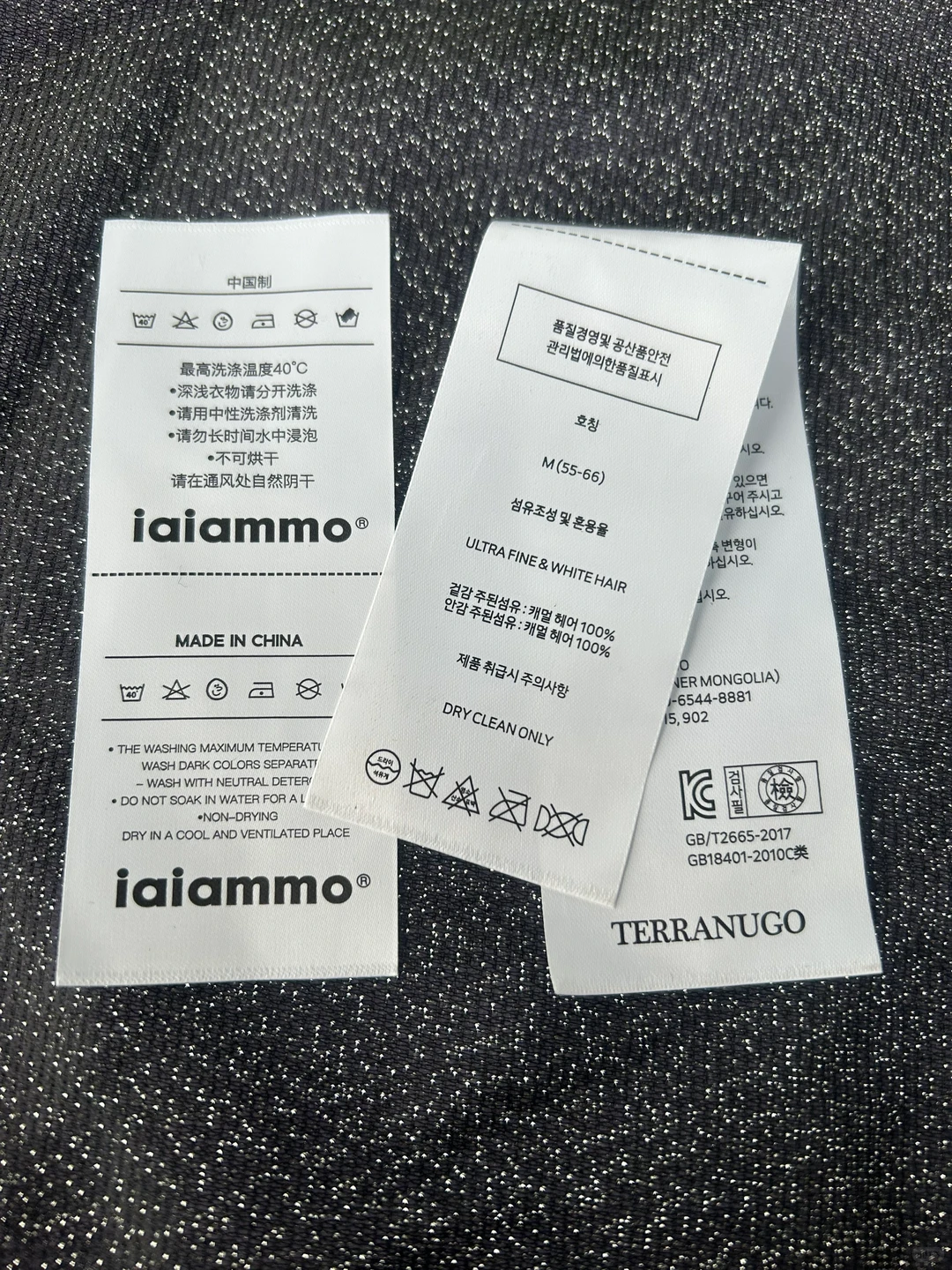
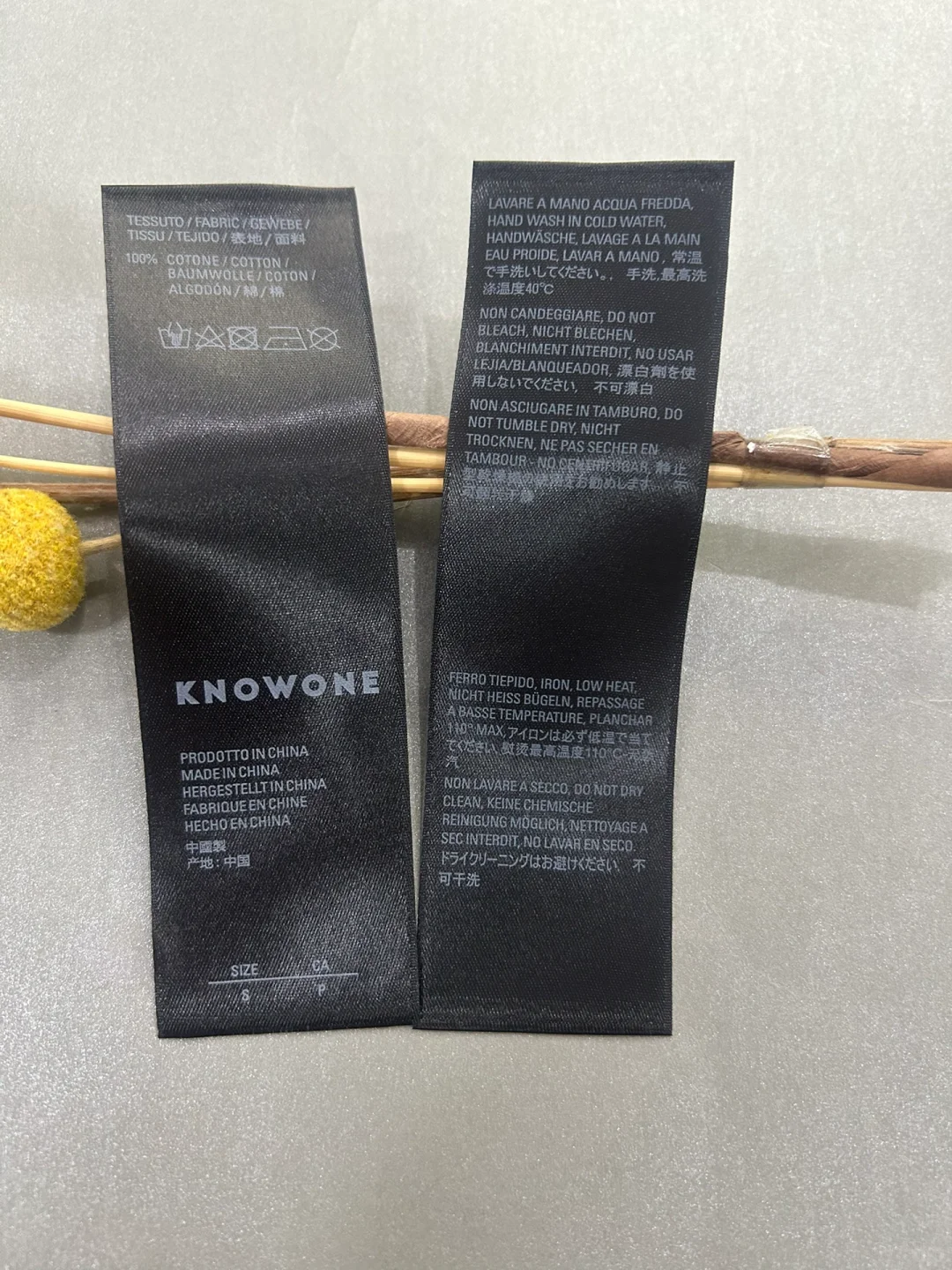
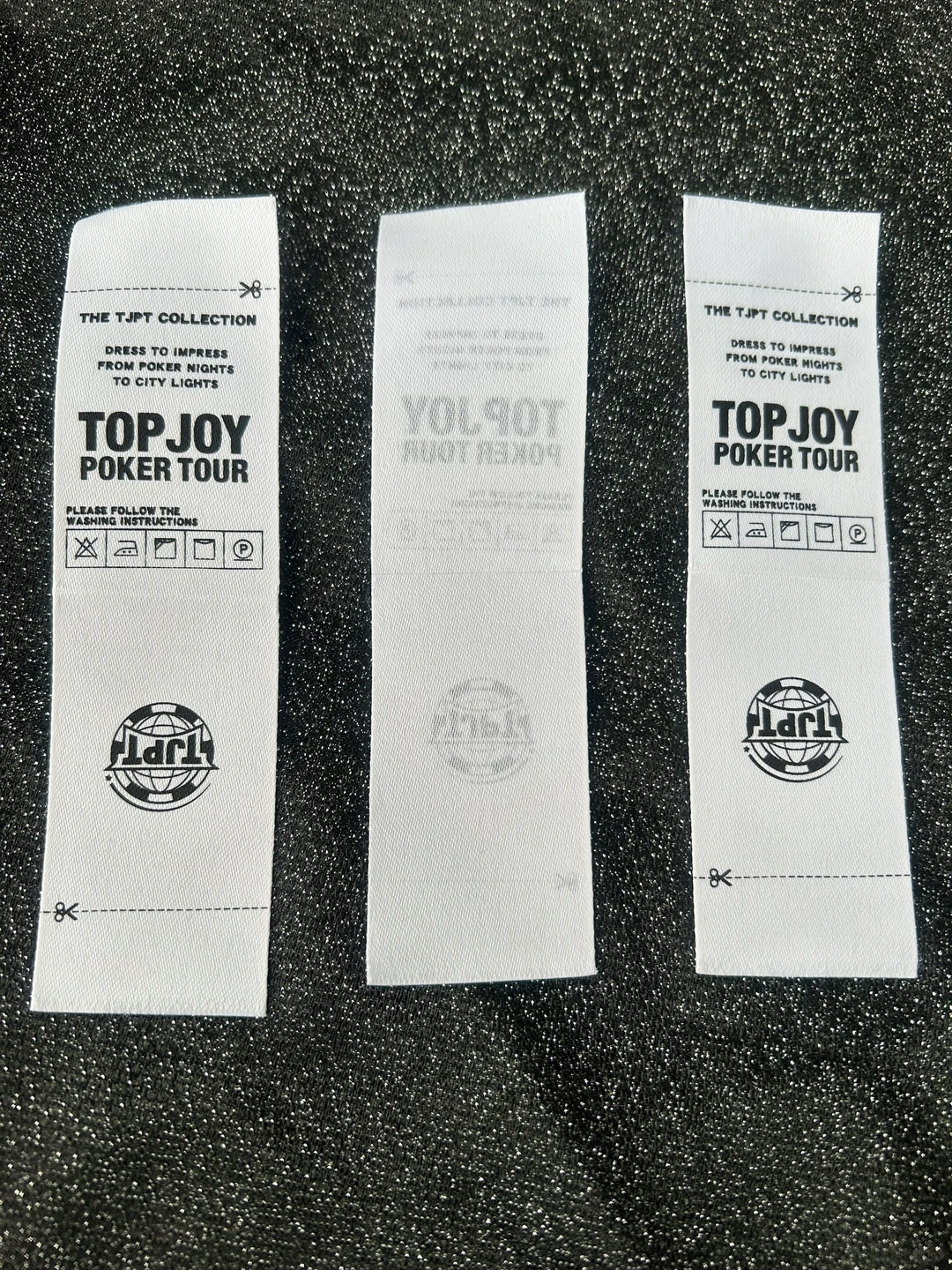
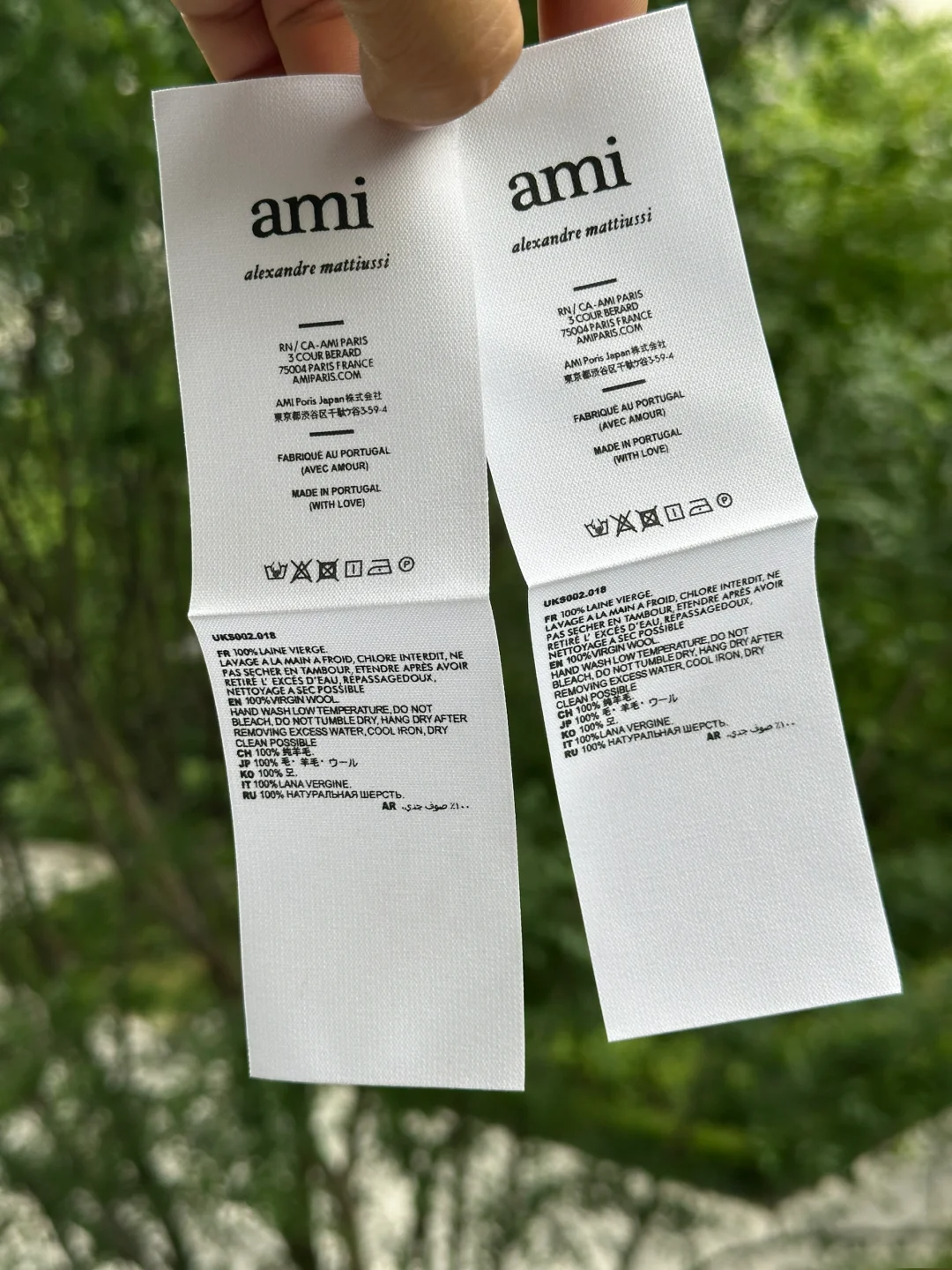
Garment Wash Samples & Finished Knitwear
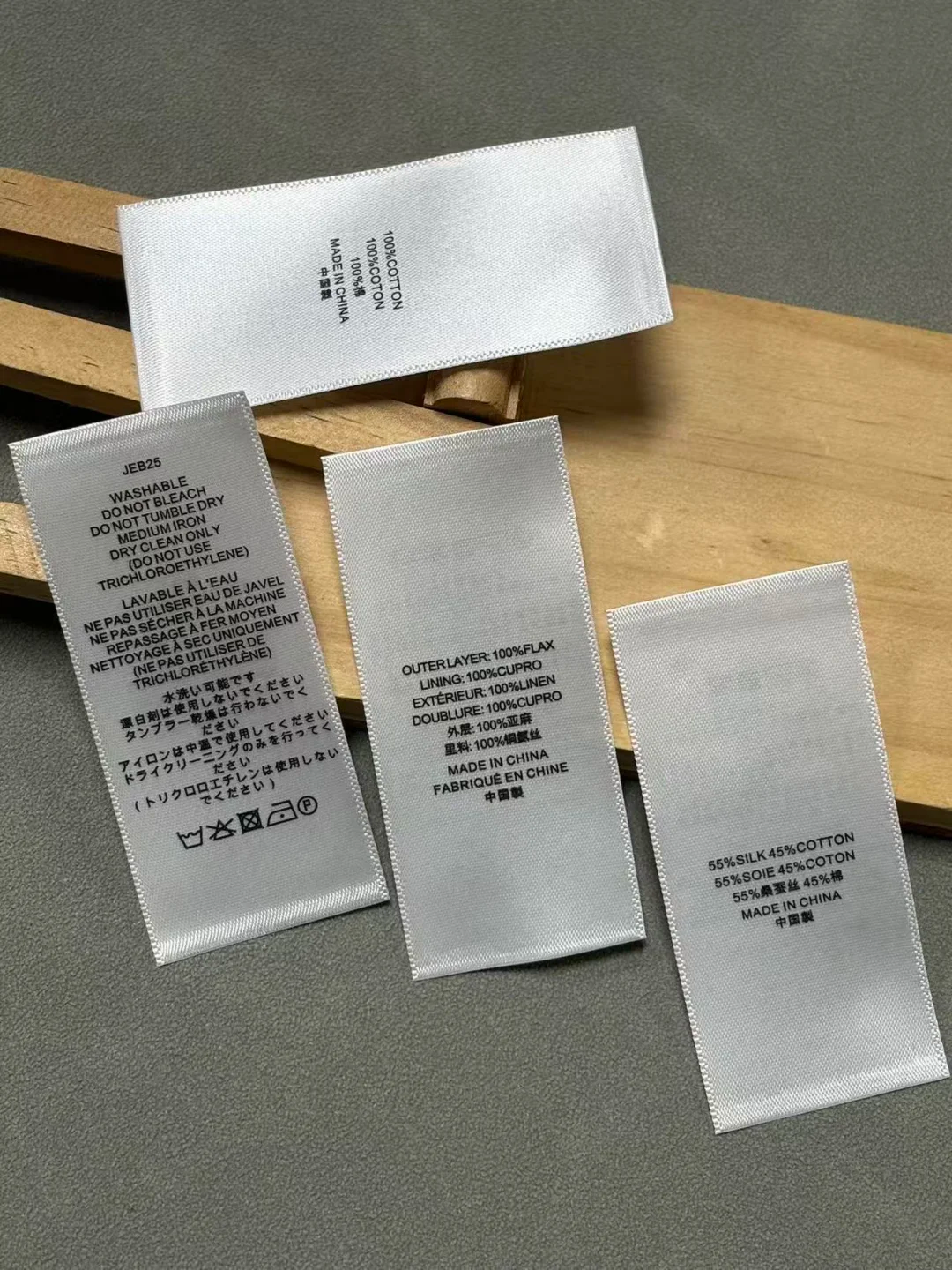
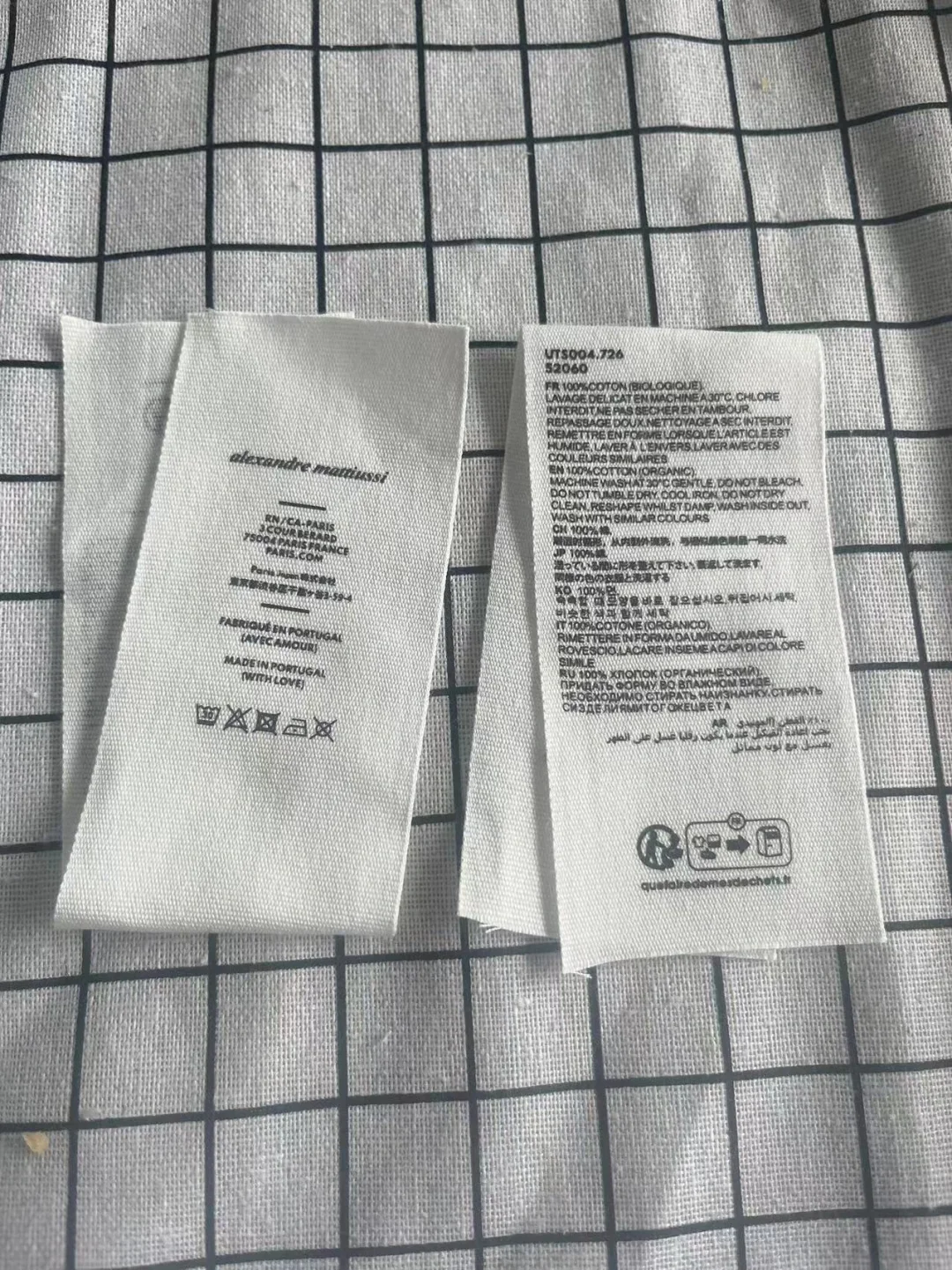
What Makes Knitwear Garment Wash Special
Luxurious Hand Feel
Professional garment washing transforms stiff raw knits into soft, premium pieces your customers will love to wear from day one.
True Color & Tone
Controlled wash chemistry ensures consistent color fastness and authentic vintage or fresh aesthetics across every production run.
Wash-Cycle Durability
Pre-treated knitwear maintains shape, size, and appearance through repeated home laundering, reducing returns and boosting brand reputation.
Anti-Pilling Performance
Specialized enzymes and mechanical finishing remove loose fibers before shipment, delivering cleaner surfaces that resist pilling longer.
Vintage & Worn-In Aesthetics
Stone washing, enzyme wash, and bleach techniques create distressed, lived-in looks that align with contemporary streetwear and heritage styles.
All-Fiber Compatibility
From cashmere and merino to cotton, acrylic, and recycled blends, CENWILD tailors wash formulas to every yarn type.
Related Finishing & Decoration Techniques
Washing and Finishing
CENWILD offers comprehensive knitwear garment wash services including softening, anti-pilling enzyme treatments, garment dyeing, and brushing. These post-knit finishing processes enhance hand feel, durability, and color vibrancy across sweaters, cardigans, and knit dresses. Ideal for brands seeking premium texture and performance in private label or low-MOQ production runs starting from 100 pieces.
Get a Quote
Enzyme Wash Anti-Pilling
Enzyme wash anti-pilling treatment removes fiber pills and fuzz before garments reach customers, delivering a cleaner surface and extended wear life. CENWILD applies controlled enzyme processing to wool, cashmere, cotton, and blended knitwear, ensuring your custom sweaters maintain a polished appearance season after season. Available as part of our ODM and OEM finishing suite.
Get a Quote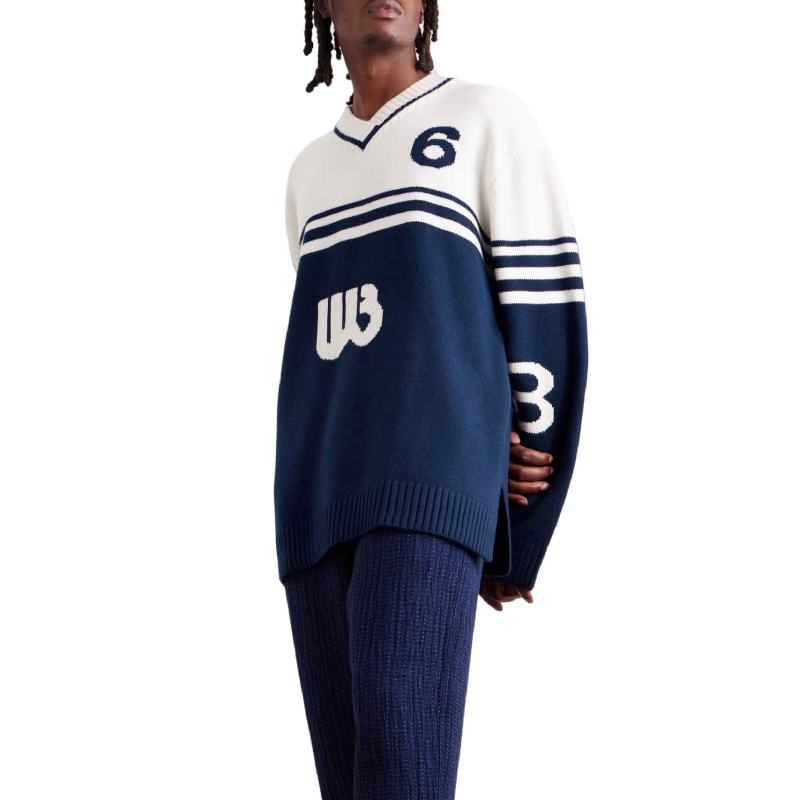
Garment Dye
Garment dye knitwear allows you to produce undyed blanks then color entire finished sweaters in a single batch, achieving soft vintage tones and uniform shade penetration across seams and trims. CENWILD manages garment dyeing in-house for cardigans, pullovers, and knit sets, supporting small-batch color customization and faster trend response with MOQs from 100 pieces.
Get a Quote
Brushing and Napping
Brushing and napping raise the surface fibers of knit fabrics to create a soft, fuzzy hand feel popular in cozy fall and winter sweaters. CENWILD’s brushed knit finishing works on wool, cotton, acrylic, and blends, transforming flat jersey or fleece structures into plush textures for cardigans, crewnecks, and loungewear collections. Pairs well with enzyme wash for balanced softness.
Get a Quote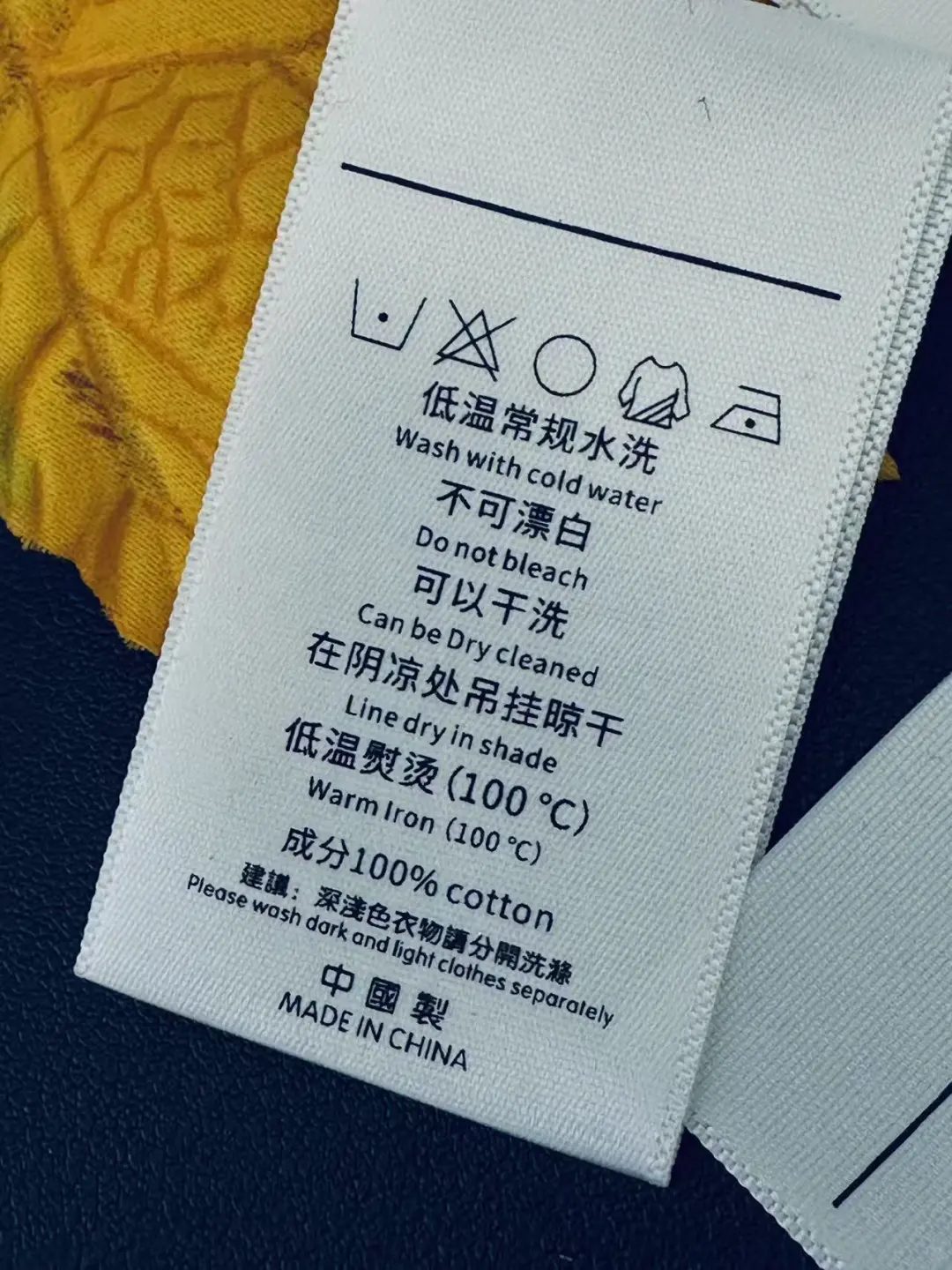
Custom Cardigan
CENWILD manufactures custom cardigans in any gauge, stitch, yarn, and silhouette—from classic button-front and open-front styles to oversized, cropped, and longline cuts. Our design team translates your sketches, tech packs, or inspiration images into knit-down samples with original intarsia, jacquard, cable, or ribbed patterns. MOQ 100 pieces, full private label and ODM support across men’s, women’s, and children’s lines.
Get a Quote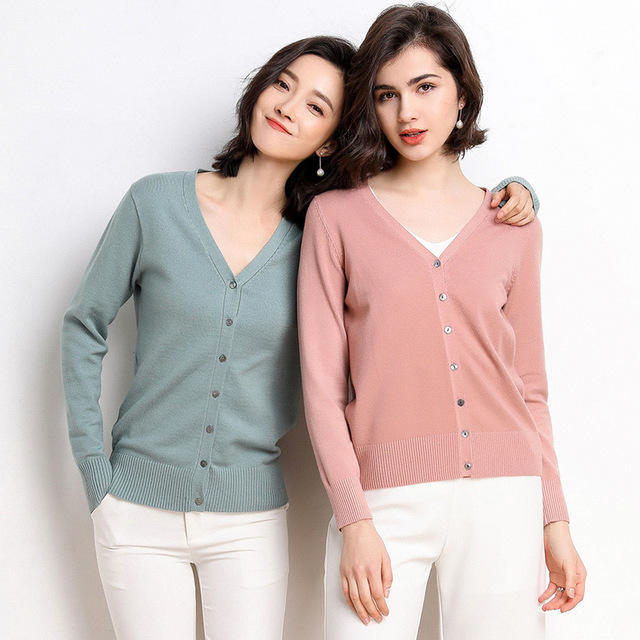
Cardigan Sweater Manufacturer
As a cardigan sweater manufacturer with over 28 years in Dongguan, CENWILD runs 3GG to 14GG computerized flat-knitting machines and a monthly capacity exceeding 80,000 pieces. We handle yarn sourcing, sampling, production, embroidery, printing, garment wash, quality control, and export logistics. Trusted by fashion brands, wholesalers, and independent designers across North America, Europe, and beyond.
Get a Quote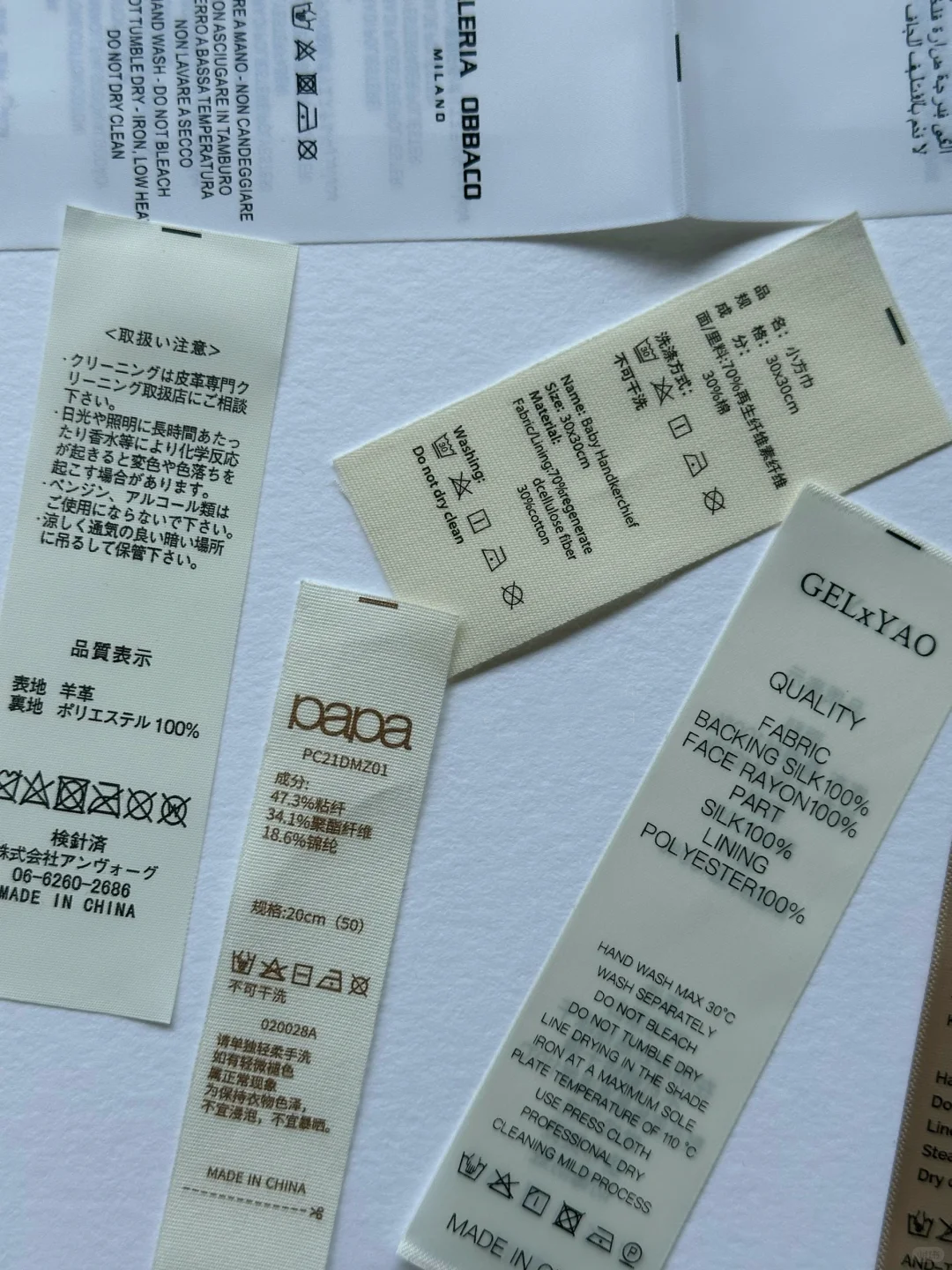
Wholesale Cardigan Sweaters
CENWILD supplies wholesale cardigan sweaters in cashmere, merino, lambswool, cotton, alpaca, and recycled blends with flexible MOQs starting at 100 pieces per style and color. Choose from our ready design library or request full OEM customization including logo embroidery, custom hang tags, and polybag packaging. Payment via T/T, PayPal, credit card, or USDT; deposit terms ease with repeat orders.
Get a Quote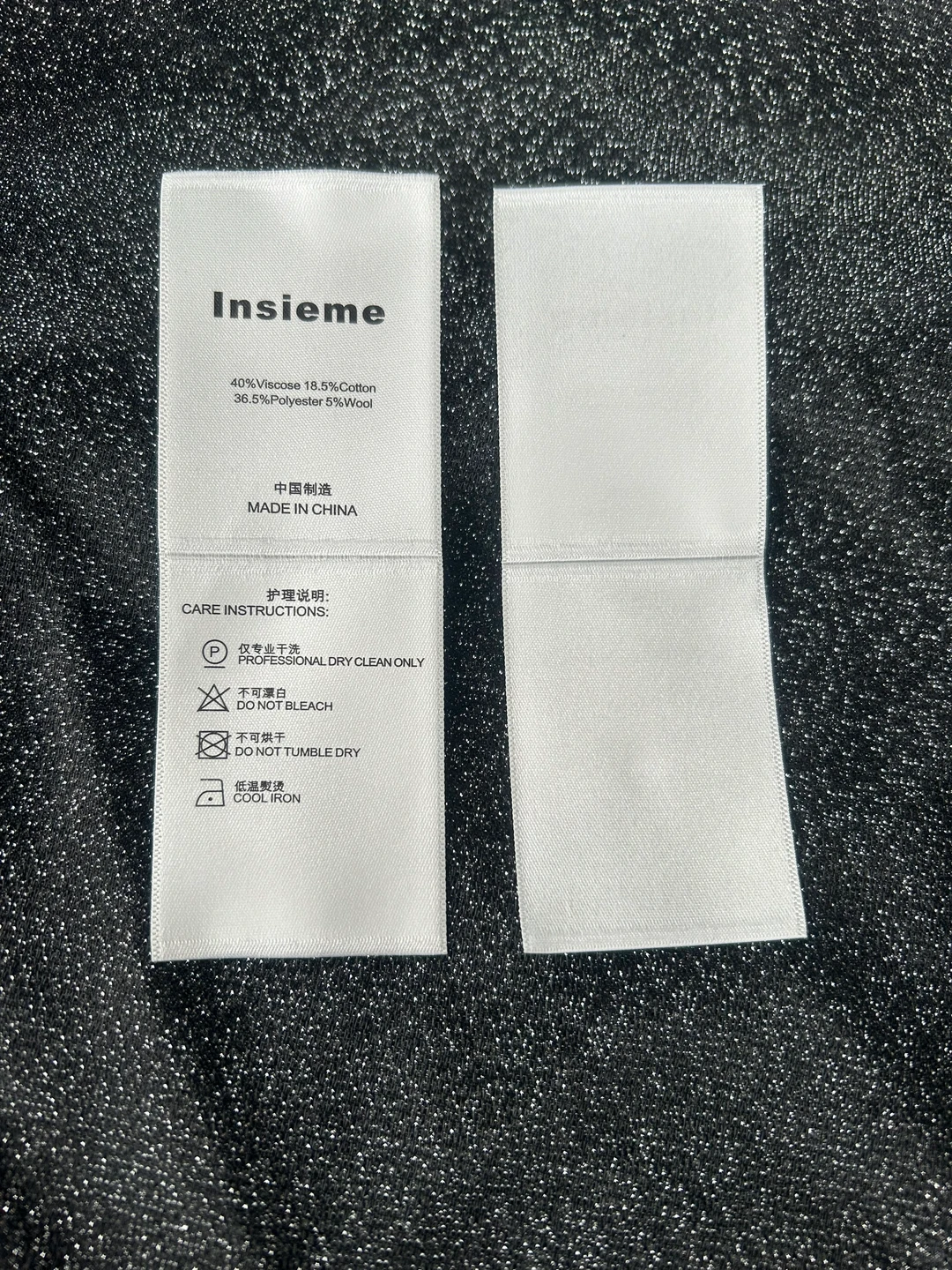
Enzyme Wash Knitwear
Enzyme wash knitwear treatment uses biological catalysts to soften hand feel, reduce pilling, and enhance drape without harsh chemicals. CENWILD applies enzyme finishing to wool, cotton, and synthetic sweaters in controlled wash cycles, preserving yarn integrity while improving garment comfort. Ideal for brands prioritizing sustainable finishing methods and premium tactile quality in custom pullovers, cardigans, and knit dresses.
Get a Quote
Garment Dyed Sweaters
Garment dyed sweaters are knitted in natural or greige yarn then piece-dyed after assembly, resulting in rich saturated color, soft broken-in texture, and subtle tonal variation across stitches. CENWILD offers in-house garment dyeing for cardigans, crewnecks, turtlenecks, and knit sets in solid or heathered shades. Perfect for capsule collections and rapid color pivots with low MOQs and short lead times.
Get a QuoteKnitwear Garment Wash Expertise Since 1998
CENWILD has operated in-house knitwear garment wash and finishing lines for over two decades in Dongguan, China’s knitwear capital. Our stone-wash, enzyme-wash, and softening equipment processes more than 80,000 finished pieces monthly, delivering signature soft-hand textures, anti-pilling treatments, garment dye, and brushed finishes that transform raw knits into premium retail-ready sweaters.
Every knitwear garment wash batch undergoes rigorous quality control to ensure consistent hand-feel, color stability, and dimensional accuracy across orders from 100 pieces to tens of thousands. Our technicians monitor pH, temperature, and cycle time for each finishing chemistry, backed by certifications that meet international textile safety and environmental standards for fashion brands worldwide.
As a one-stop sweater manufacturer, CENWILD integrates garment wash seamlessly into OEM, ODM, and private label production—so your custom cardigans, pullovers, and knit sets arrive with the exact drape, softness, and finish your brand demands, order after order.
Knitwear Garment Wash Techniques & Chemistry
Stone & Enzyme Chemistry
CENWILD applies controlled stone-wash and bio-enzyme formulations tailored to each fiber type—cashmere, wool, cotton, and blends—to achieve vintage fading, surface texture, or clean softening without compromising structural integrity or color fastness across your knitwear collection.
- Enzyme selection matched to fiber chemistry (cellulase for cotton, protease-free for protein fibers)
- pH buffering and temperature staging to prevent felting or fiber damage
- Stone-to-garment ratios calibrated for abrasion level and aesthetic target
- Pre-wash fabric stability testing to confirm shrinkage and pilling resistance
Temperature & Dwell-Time Control
Every knitwear garment wash cycle at CENWILD follows precise temperature ramps and dwell schedules programmed into industrial washers. Real-time monitoring ensures uniform treatment, predictable hand-feel, and repeatable results batch after batch, even at low MOQ from 100 pieces.
- Multi-stage temperature profiles (cold rinse, warm enzyme activation, hot fixation)
- Dwell-time optimization for fabric weight and construction density
- Automated cycle logging for traceability and repeat-order consistency
- Separate machine allocation for light and dark colorways to prevent cross-contamination
Anti-Pilling & Softening Agents
Post-wash conditioning applies anti-pilling resins and silicone or natural softeners in controlled concentrations. CENWILD’s finishing chemists balance luxurious hand-feel with durability, so your knitwear garment wash delivers the soft touch customers love while standing up to repeated wear and laundering.
- Silicone micro-emulsion or bio-based softeners for premium drape and smoothness
- Anti-pilling polymer cross-linking to anchor surface fibers
- Dosage calibration by yarn count, twist, and intended care label
- Final tumble or flat-dry protocols to lock in finish without stiffness
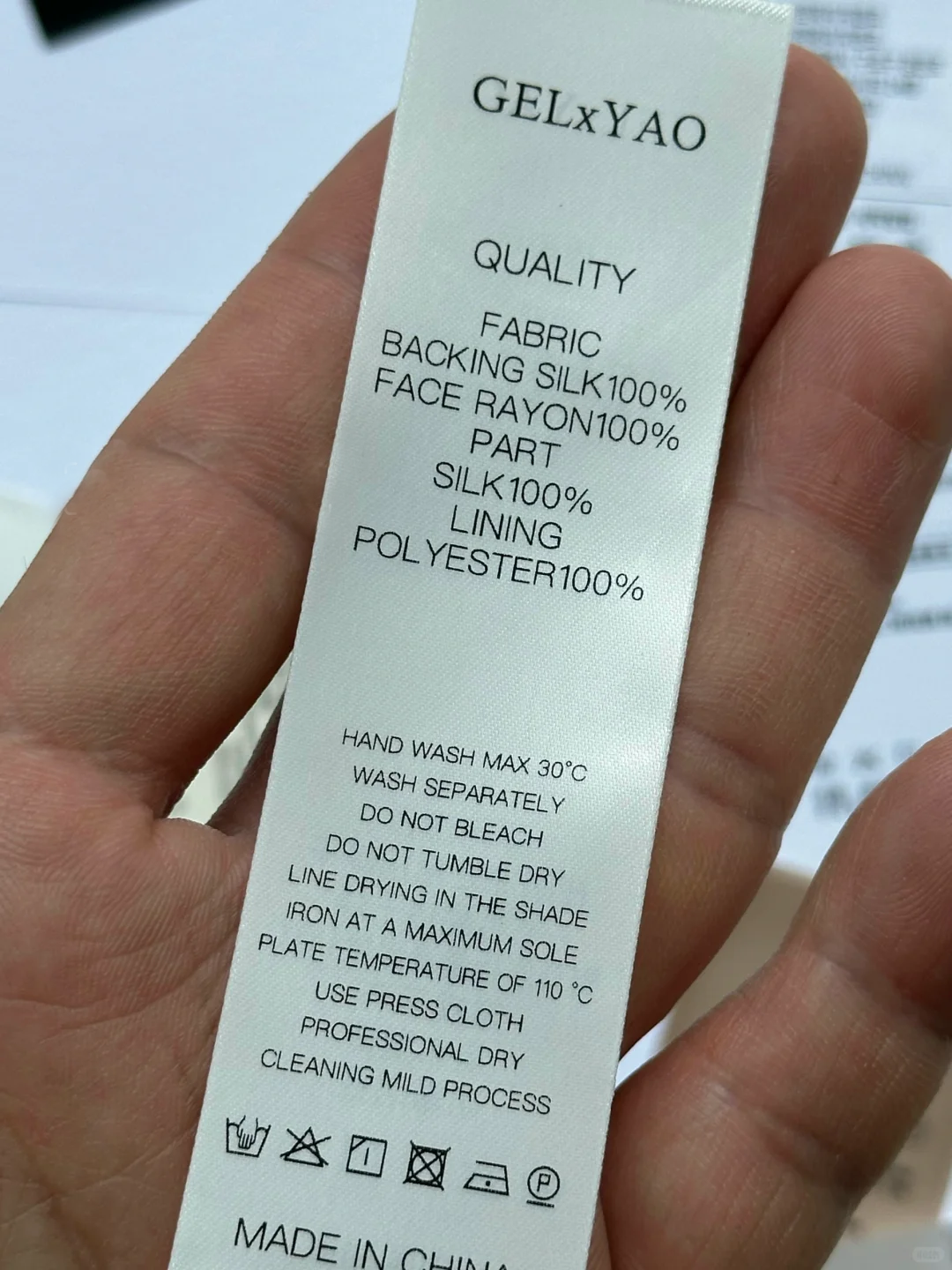
Durability & Quality Testing Protocols
Before full production, CENWILD subjects washed samples to accelerated pilling tests, colorfastness rubs, dimensional-stability checks, and hand-feel benchmarking. These protocols guarantee that every knitwear garment wash meets your brand standards and survives real-world use, protecting your reputation and reducing returns.
- Martindale abrasion and ICI pilling box testing to ISO and ASTM standards
- Colorfastness to washing, crocking, and light exposure evaluation
- Before-and-after dimensional measurement and shrinkage documentation
- Side-by-side comparison with approved reference samples for each order
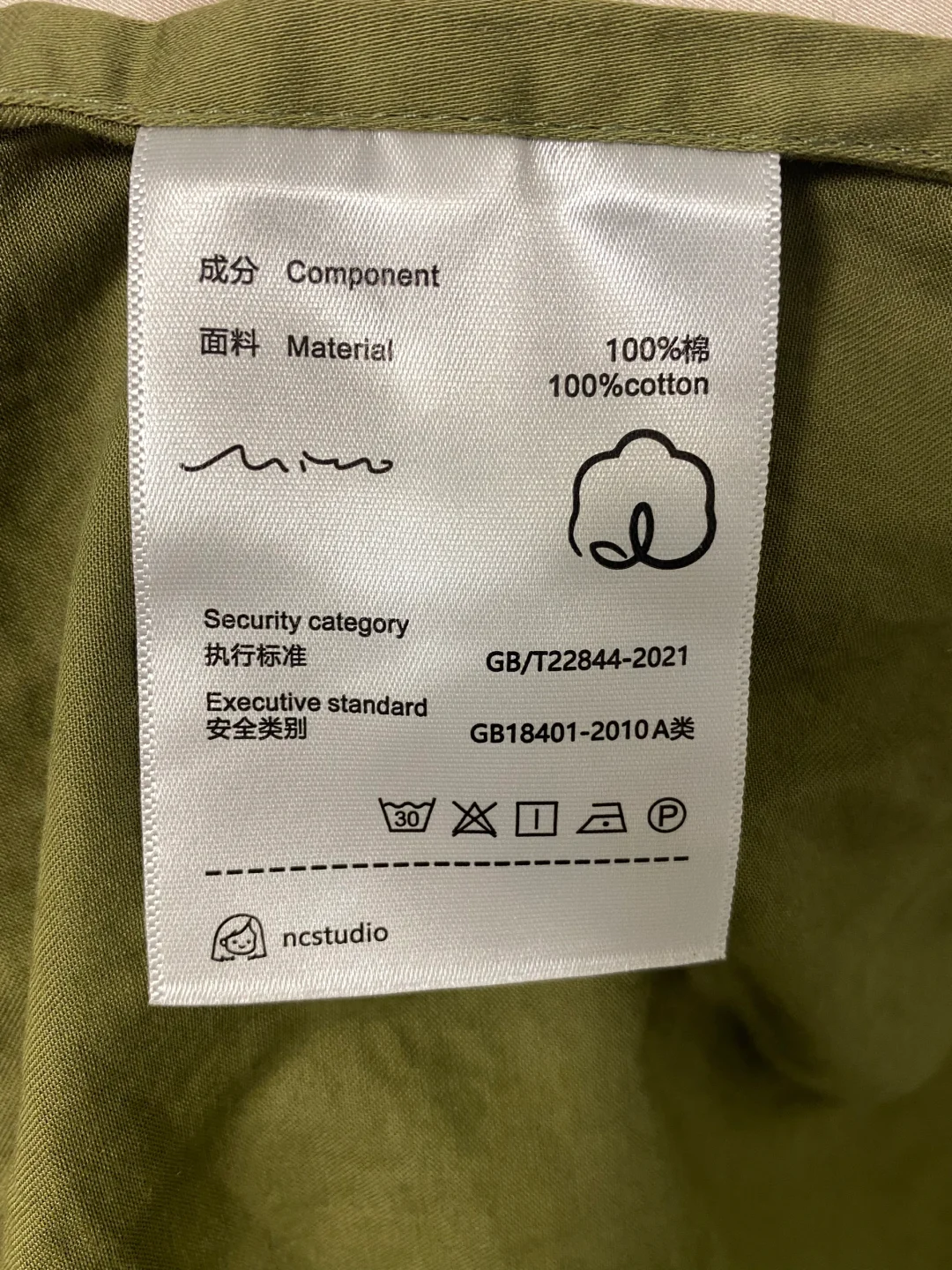
Garment Wash vs. Garment Dye
Both transform finished pieces, but garment wash delivers softening, anti-pilling, and brushing without changing color—while garment dye is built for color transformation. Here’s how to choose the right finishing method for your knitwear.
← 左右滑动查看 →
Garment Wash Production Flow
Every wash cycle is engineered for consistency, hand-feel, and durability across your entire production run — from fiber inspection to final quality verification.
Fiber & Fabric Inspection
Raw knitted pieces are examined for construction integrity, yarn type, and stitch density to determine optimal wash chemistry, temperature range, and cycle duration for each garment style.
Wash-Load Preparation & Sorting
Garments are sorted by fiber content, color family, and desired finish. Load weights are calculated to ensure proper mechanical action and even distribution of stone or enzyme treatments.
Stone or Enzyme Application
Pumice stones, bio-enzymes, or chemical softeners are introduced at controlled ratios. Temperature hold times are monitored to achieve targeted pilling reduction, surface texture, and hand-feel transformation.
Rinse & Neutralization Cycles
Multiple rinse cycles remove residual chemicals, stone dust, and loose fibers. pH levels are tested and neutralized to prevent color migration and ensure fabric stability during drying.
Softening & Conditioning Treatment
Specialized fabric softeners or anti-pilling agents are applied in a final bath. Hand-feel samples are verified against approved standards before the batch proceeds to extraction and drying.
Controlled Drying & Shaping
Garments are tumble-dried at regulated temperatures or flat-dried to prevent shrinkage and distortion. Dimensional stability is checked at intervals to maintain grading accuracy across all sizes.
Final QC & Hand-Feel Verification
Each piece is inspected for uniform color, surface texture, pilling resistance, and softness. Any garment outside tolerance is re-washed or flagged, ensuring consistent knitwear garment wash results.
How to Order Custom Garment Wash Services
From fiber selection to final delivery, CENWILD guides you through every step of commissioning professional garment wash finishing for your knitwear collection — starting from just 100 pieces.
Submit Your Design & Specs
Share your tech pack, swatch, or sample along with fiber content, target hand-feel, wash durability requirements, and desired finish effect for accurate treatment planning.
Select Wash Treatment Options
Choose from softening, anti-pilling, garment dye, enzyme wash, brushing, or combined finishes. Our team recommends chemistry and cycles based on your yarn composition.
Approve Washed Sample
Review a knit-down sample treated with your selected knitwear garment wash process. Confirm hand-feel, color stability, dimensional change, and surface texture before production.
Launch Full Production Run
Your order enters our wash facility with batch tracking, quality control checkpoints, and strict adherence to approved wash parameters across every piece from 100 to 80,000 monthly.
Receive Finished Knitwear
Garments are inspected, pressed, packaged to your spec, and shipped via air or sea with full export documentation and logistics support to your destination worldwide.
Customer Success: Garment Wash Results
CENWILD’s knitwear garment wash delivered the exact soft hand-feel we needed for our cashmere blend line. After 20+ home washes, the pieces still look brand-new with zero pilling.
We ordered 500 garment-dyed crewnecks and the color consistency was flawless across every piece. CENWILD’s wash process gave us the vintage softness our customers love, delivered on time.
Their anti-pilling knitwear garment wash transformed our merino pullovers from stiff to retail-ready. The finishing added real perceived value and we’ve seen a 30% increase in repeat orders since launch.
FAQ: Garment Wash & Finishing
What is the minimum order quantity for knitwear garment wash?
Which fabrics and yarn blends work best with knitwear garment wash?
How durable is knitwear garment wash after customer home washing?
Can I combine knitwear garment wash with embroidery or printing?
What types of knitwear garment wash finishes does CENWILD offer?
What is the lead time for knitwear garment wash production?
Do I need special tech pack details for knitwear garment wash orders?
What is the cost for a pre-production sample with knitwear garment wash?
The Complete Buyer’s Guide to Knitwear Garment Wash for Custom Sweater Production
Navigate the complexities of knitwear garment wash with confidence. This guide provides a decision framework for selecting the right wash techniques, evaluating supplier capabilities, understanding cost structures, and avoiding the most common mistakes that compromise quality and timelines.
1. What is Knitwear Garment Wash?
Knitwear garment wash is a controlled post-production finishing process applied after knitting and assembly, designed to enhance hand feel, stabilize dimensions, and achieve specific aesthetic effects on sweaters and knitted apparel. Unlike raw, unwashed knitwear that retains residual spinning oils, sizing agents, and uneven surface texture, garment wash uses water, mechanical action, temperature, and specialized chemicals to soften fibers, remove processing residues, and lock in the final shape before packaging.
The process serves four core functions: removing yarn oils and impurities that stiffen fabric, pre-shrinking the garment to prevent post-purchase dimensional changes, modifying surface texture through brushing or enzyme treatment, and creating deliberate visual effects such as vintage fading, garment-dyed color uniformity, or anti-pilling smoothness. A typical wash cycle runs 20–60 minutes depending on fiber content and desired outcome.
Brands invest in knitwear garment wash because it transforms the tactile and visual quality of the final product. A cashmere pullover washed with softening enzymes delivers immediate luxury hand feel, while a cotton crewneck subjected to stone wash achieves the lived-in aesthetic consumers associate with premium casualwear.
2. Evolution and History of Knitwear Garment Wash
Before the 1980s, garment washing served purely functional purposes—removing sizing, oils, and production residues through manual or basic machine cycles. Factories treated knitwear garment wash as a cleaning step, not a design tool.
The 1980s and early 1990s marked a strategic pivot when denim brands popularized stone washing and enzyme treatments to achieve worn, soft finishes straight from the factory. Fashion brands quickly adapted these techniques to knitwear, responding to consumer demand for garments that felt broken-in rather than stiff or clinical. Enzyme cellulase treatments replaced abrasive stones, reducing fabric damage while delivering the same lived-in hand feel.
By the 2000s, environmental pressure reshaped the industry. Water-intensive stone washing gave way to ozone finishing, bio-polishing enzymes, and closed-loop systems that cut water use by up to 70 percent. Today’s knitwear garment wash integrates softening, anti-pilling, garment dyeing, and brushing into sustainable workflows, allowing manufacturers like CENWILD to deliver custom finishes at low MOQs while meeting OEKO-TEX and other eco-certifications that wholesale buyers and independent designers increasingly require.
3. Types of Knitwear Garment Wash Techniques
Understanding the six primary knitwear garment wash techniques allows buyers to match finishing method to brand aesthetic and price point. Each process delivers distinct tactile and visual outcomes across wool, cotton, cashmere, and blended yarns.
Enzyme Wash (Bio-Polishing)
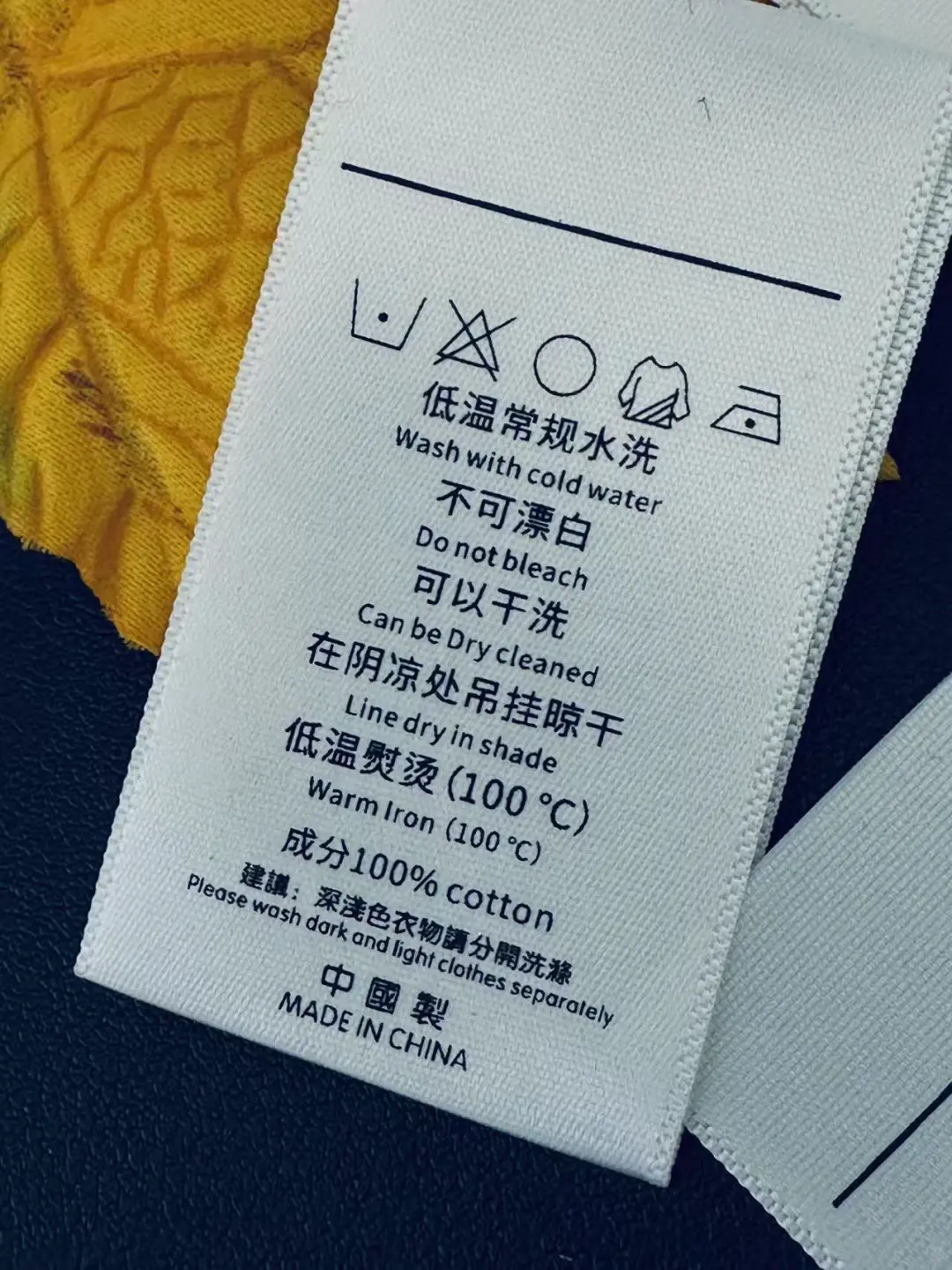
Cellulase enzymes remove surface fiber fuzz, delivering a clean, soft hand on cotton and cotton-blend knits. The process reduces pilling by 40–60% and enhances color brightness without mechanical abrasion.
Luxury brands use enzyme wash on fine-gauge merino and Pima cotton sweaters to achieve a smooth, premium finish. Compatible with 3GG–12GG gauges and ideal for crewnecks, polos, and layering pieces.
Stone Wash
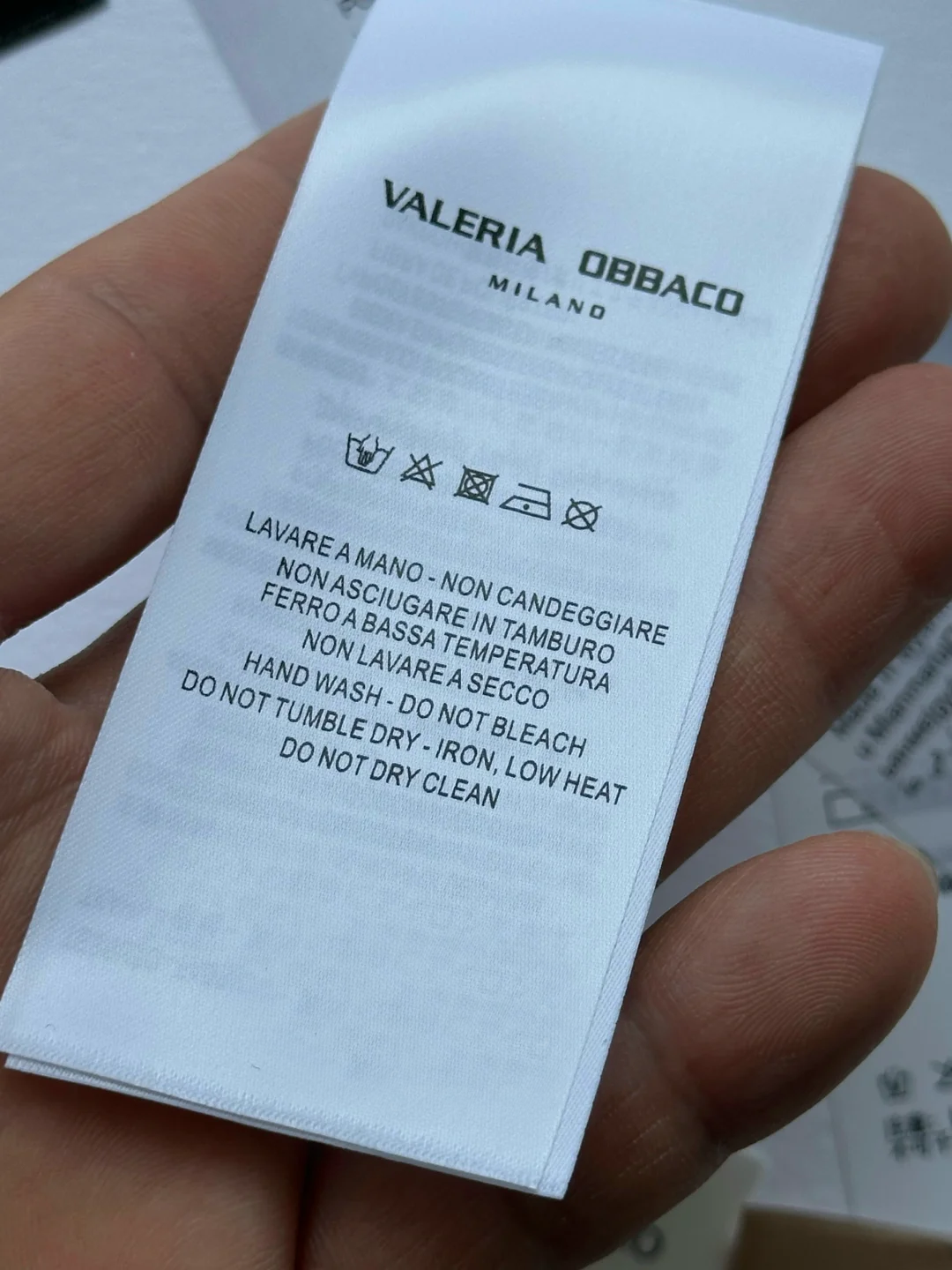
Pumice stones tumble with garments to create vintage distressing, faded color, and a broken-in feel. Stone wash is most effective on heavier cotton and acrylic knits (7GG and coarser) where abrasion produces authentic wear patterns.
Casual streetwear and denim-inspired knitwear lines favor stone wash for cardigans, oversized pullovers, and sweater vests targeting youth and lifestyle segments.
Silicone Wash
Silicone emulsions coat fibers to yield a smooth, slippery hand and subtle sheen. The finish improves drape on mid-weight wool, alpaca, and mohair blends without altering color depth.
Contemporary and premium casual brands apply silicone wash to turtlenecks, quarter-zips, and knit dresses where tactile luxury and wrinkle resistance drive purchase decisions.
Pigment Wash
Pigment dyes applied post-knit create intentional fading and color variation, especially at seams and edges. The technique suits relaxed-fit pullovers, hoodies, and seasonal pieces in cotton, recycled blends, and organic fibers.
Indie designers and influencer collaborations use pigment wash to achieve one-of-a-kind colorways and artisan appeal at accessible price points.
Ozone Wash (Eco-Friendly)
Ozone gas oxidizes dyes and fibers with near-zero water consumption, cutting chemical use by up to 90% versus conventional methods. The process delivers controlled fading and softening on cotton, linen-blend, and recycled-yarn knits.
Sustainability-focused brands and GOTS-certified lines adopt ozone wash to meet ESG targets while maintaining softness and color consistency across cardigans, sweater sets, and knitwear basics.
4. Materials and Fabrics Suitable for Knitwear Garment Wash
Not all yarns tolerate the same knitwear garment wash intensity. Fiber content dictates shrinkage, pilling resistance, color retention, and the mechanical stress a sweater can endure during washing, dyeing, or brushing.
| Fiber Type | Recommended Wash | Shrinkage Rate | Ideal End-Use |
|---|---|---|---|
| 100% Cotton | Enzyme, garment dye, softener | 3–5% | Casual pullovers, summer knits |
| Merino Wool | Gentle enzyme, anti-pill | 2–4% | Premium sweaters, layering |
| Cashmere | Hand-finish, minimal agitation | 1–2% | Luxury cardigans, gifts |
| Acrylic | Standard wash, brushing | <1% | Budget basics, high-volume |
| Cotton-Poly Blend | Enzyme, garment dye | 1–3% | Durable workwear, uniforms |
| Alpaca / Mohair | Gentle wash, no harsh chemicals | 2–3% | Textured statement pieces |
5. Customization Options in Knitwear Garment Wash
Knitwear garment wash parameters — intensity, chemistry, cycle time, and temperature — can be tailored to deliver a brand’s signature hand and visual identity. CENWILD’s finishing line adjusts each variable to meet positioning from heritage softness to technical performance or certified eco-conscious standards.
Wash Intensity and Cycle Duration
Light washes (10–15 minutes) preserve crisp structure and bright dye for premium merino or cashmere pieces, while medium cycles (20–30 minutes) soften hand feel without excessive pilling. Heavy washes (40+ minutes with stones or enzymes) create vintage, lived-in texture popular in streetwear cardigans and oversized pullovers.
Cycle duration directly impacts shrinkage tolerance and fabric memory; CENWILD pre-tests each yarn–gauge–wash combination on knit-down swatches to lock repeatable results across production runs.
Chemical Formulations and Add-On Treatments
Softener application reduces stiffness in cotton and acrylic blends, anti-pilling enzymes extend garment life in high-abrasion areas, and color-fixing agents prevent dye migration during consumer laundering. Fragrance infusion and water-repellent finishes answer niche brand requests for sensory differentiation or light outdoor performance.
CENWILD sources enzyme and finishing agents compliant with OEKO-TEX and GOTS pathways, aligning wash chemistry with eco-label requirements or conventional performance benchmarks.
Aligning Wash with Brand Identity
Heritage labels favor gentle, softener-rich washes that emphasize natural fiber luxury and minimal distressing. Performance-focused brands specify anti-pilling enzymes, moisture-wicking rinses, and shape-retention cycles. Eco-conscious lines demand low-temperature, biodegradable-detergent protocols with certified wastewater treatment.
CENWILD’s design team maps wash recipes to brand positioning during sampling, ensuring every finished piece communicates the intended story from first touch.
6. Quality Indicators for Knitwear Garment Wash
Professional knitwear garment wash delivers consistent, repeatable results across every production batch. Buyers must verify five critical quality dimensions before approving any wash lot, using both visual inspection and lab test data to catch substandard processes early.
Wash Intensity & Cycle Duration
Batch-to-batch shade variation beyond ΔE < 1.0 signals poor dye fixation or inconsistent wash chemistry. Request colorfastness reports to washing (ISO 105-C06, grade ≥4), perspiration (grade ≥4), and light (grade ≥4).
Red flags include visible streaking, uneven fade patterns, or dye transfer onto white test fabric during tumble tests.
Dimensional Stability and Shrinkage
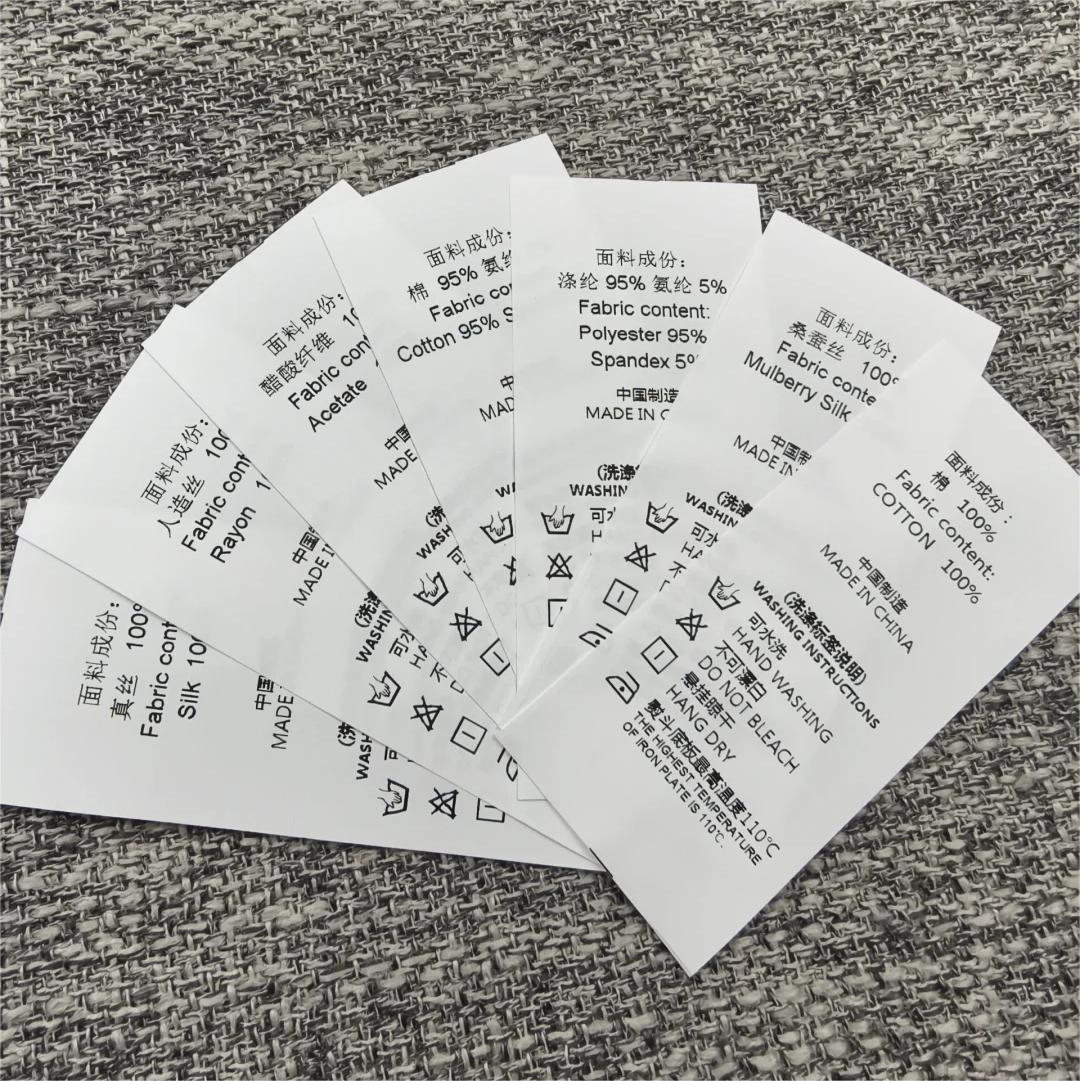
Controlled shrinkage within ±3% lengthwise and ±5% widthwise is standard for quality knitwear garment wash. Dimensional-stability reports (AATCC 135 or ISO 6330) document before-and-after measurements across three wash cycles.
Excessive shrinkage, twisted seams, or wavy hems indicate improper tension control or over-aggressive mechanical action during washing.
Pilling Resistance and Surface Integrity
Post-wash pilling tests (ASTM D3512 or ISO 12945) should return grade ≥3.5 for mid-tier knits, ≥4 for premium cashmere or merino. Anti-pilling enzymes and controlled tumble cycles preserve surface smoothness.
Visible pills, snagged loops, or fuzzy surfaces after wash indicate enzyme imbalance or abrasive drum finishes.
Chemical Residue and Odor
Finished garments must pass pH tests (6.0–7.5) and show no detectable chemical odor. Residual softener, chlorine, or fixing agents trigger skin irritation and fail OEKO-TEX or REACH compliance.
Sniff tests and water-extraction pH checks catch incomplete rinsing; reputable suppliers provide full chemical-disclosure sheets for every wash recipe.
7. How to Choose a Knitwear Garment Wash Supplier
Choosing the right knitwear garment wash supplier determines consistency, scalability, and environmental compliance across your production runs. A structured evaluation framework covers equipment, certifications, MOQ flexibility, and wastewater management to ensure your partner can deliver both quality and volume.
Assess Wash Equipment and Capacity
Industrial garment wash machines handle 50–200 kg per load, while artisanal drum units process 10–30 kg for specialty finishes. Verify monthly capacity matches your order pipeline; CENWILD’s 80,000-piece monthly output supports brands scaling from 100-piece test runs to multi-thousand reorders.
Ask whether the supplier operates separate machines for enzyme, stone, and chemical washes to prevent cross-contamination and ensure finish consistency across repeat orders.
Verify Certifications and Eco-Compliance
OEKO-TEX Standard 100 confirms textile safety, GOTS certifies organic processing, and Bluesign approves chemical inputs for sustainable washes. Suppliers with certified wastewater treatment systems reduce environmental liability and meet EU and North American import standards.
Request copies of current certificates and ask for third-party audit reports to confirm ongoing compliance rather than expired credentials.
Confirm MOQ Flexibility and Turnaround
Standard wash MOQs range from 500 to 1,000 pieces per colorway, but flexible partners like CENWILD accept orders from 100 pieces to support independent designers and test collections. Turnaround for garment wash typically spans 5–10 days post-knitting, depending on technique complexity and drying schedules.
8. Common Mistakes When Sourcing Knitwear Garment Wash
Even experienced buyers stumble over knitwear garment wash details that seem minor until the first shipment arrives off-spec. Most errors cluster around testing, technical planning, and contract language — all fixable with upfront diligence.
Skipping Pre-Production Wash Trials
Many brands approve a knit sample but never wash it under production conditions. Shrinkage, pilling, and color shift only appear after the full wash cycle. CENWILD runs wash trials on every new fiber blend before bulk production, documenting dimensional change and hand-feel to avoid costly surprises.
Underestimating Shrinkage in Grading
Pattern grading must account for wash-induced shrinkage — typically 3–8% lengthwise in natural fibers. Failing to add compensating ease results in finished garments one size smaller than tagged. Always request post-wash measurements during sampling and adjust tech packs accordingly.
Mismatching Wash Type and Fiber
Enzyme washes damage protein fibers like wool and cashmere; stone-wash abrasion felts delicate lambswool. Cross-reference fiber content with compatible knitwear garment wash methods in your supplier’s process matrix to preserve yarn integrity and avoid fabric distortion.
Ignoring Contractual Wash Standards
Verbal agreements on ‘soft hand’ or ‘vintage look’ invite disputes. Specify AATCC test methods, acceptable pilling grades (3 or higher), and color-fastness minimums in purchase orders. CENWILD includes wash parameters and quality benchmarks in every production contract to align expectations.
9. Steps to Launch Your Knitwear Line with Garment Wash
Launching a knitwear line with garment wash requires precise coordination between design, knitting, wash house, and logistics. CENWILD’s one-stop workflow integrates each phase—from yarn selection through final packing—to keep timelines predictable and quality consistent.
Design and Yarn Selection
Choose yarn fiber and gauge before specifying wash treatment. Cashmere and merino respond differently to enzyme wash than acrylic blends; 7GG cables shrink more than 12GG fine-gauge ribs.
CENWILD’s design team reviews your concept—sketch, tech pack, or reference photo—and recommends yarn compositions that deliver your target hand-feel post-wash. A knit-down swatch is washed first to confirm shrinkage, pilling resistance, and color stability before bulk sampling begins.
Pre-Wash Sample Approval
CENWILD knits one pre-production sample, washes it using your specified recipe (enzyme softening, garment dye, anti-pilling), and ships it for fit and hand-feel sign-off.
Approve dimensions, drape, and surface texture at this stage. Any adjustment to wash time, temperature, or stone load is locked into the bulk production protocol, eliminating surprises when your 5,000-piece order arrives.
Bulk Wash and Post-Wash QC
After knitting and linking, garments move to the wash house in coordinated batches. CENWILD inspects every tenth piece for shrinkage tolerance (±2–3 %), pilling grade (≥3–4), and colorfastness before steaming, tagging, and export packing.
Final cartons are bar-coded and photographed; you receive QC reports and shipping docs within 24 hours of container loading.
10. Pricing and Cost Factors for Knitwear Garment Wash
Knitwear garment wash pricing varies by technique, fiber, and volume. At CENWILD’s 100-piece minimum order, basic softening or enzyme washes typically add $1.20–$2.50 per unit, while specialty processes like garment dye, stone wash, or anti-pilling treatments range from $2.80–$5.00 per piece depending on fiber complexity and color fastness requirements. Cotton and acrylic blends cost less to process than cashmere, merino, or alpaca, which demand lower temperatures, gentler chemistry, and longer cycles.
Setup fees for knitwear garment wash cover sample development, wash recipe testing, and quality approval. CENWILD charges a one-time $150–$300 setup per colorway or wash effect; re-wash charges apply if the first result requires adjustment, typically 50% of the original per-unit cost. Eco-certified washes (OEKO-TEX or GOTS-compliant chemistry) add 15–25% to per-unit costs but meet retailer sustainability mandates.
Lead time stretches with rush orders: standard turnaround is 25–35 days post-approval, while expedited processing (10–15 days) incurs a 20–30% surcharge on wash costs.
| Wash Technique | 100 pcs | 500 pcs | 1000+ pcs | Setup Fee | Lead Time |
|---|---|---|---|---|---|
| Softening / Enzyme | $2.50 | $1.80 | $1.20 | $150 | 25–35 days |
| Garment Dye | $5.00 | $3.80 | $2.80 | $300 | 30–40 days |
| Anti-Pilling / Stone | $4.50 | $3.50 | $2.50 | $200 | 28–38 days |
| Eco-Certified (OEKO-TEX) | +25% | +20% | +15% | $250 | +5 days |
| Rush (10–15 days) | +30% | +25% | +20% | — | 10–15 days |
Start Your Custom Knitwear Garment Wash Project Today
Submit your design, sample, or idea and receive a professional quote with knit-down swatch. MOQ from 100 pieces, 28+ years trusted expertise.