DTF Print Sweater — Vibrant, Durable Custom Knitwear from 100 Pieces
Get high-definition DTF print sweaters with vivid color, wash durability, and flexible design freedom. OEM/ODM production backed by 28+ years of Dongguan knitwear expertise.
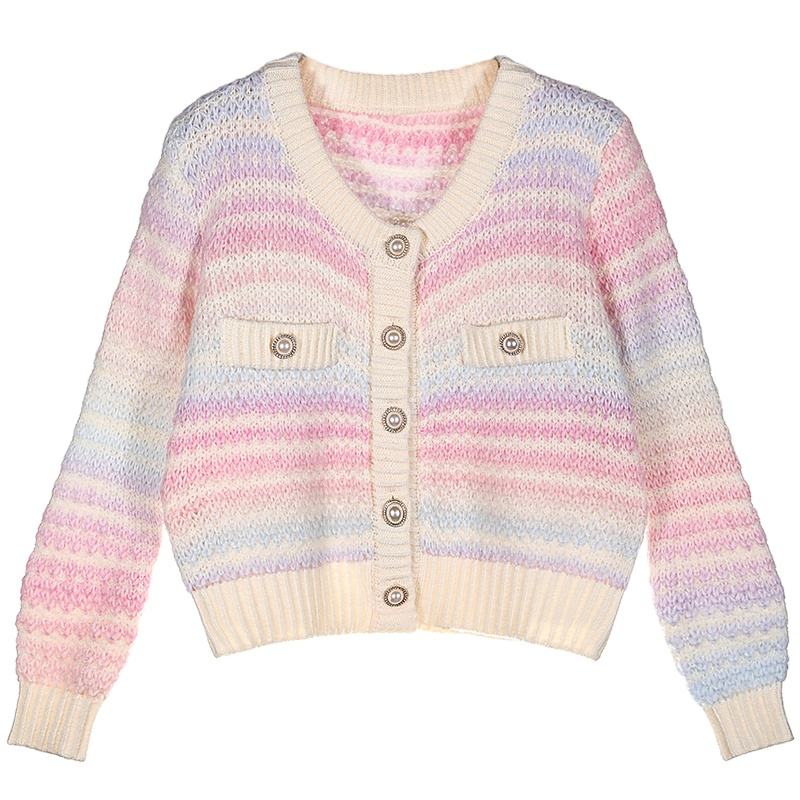
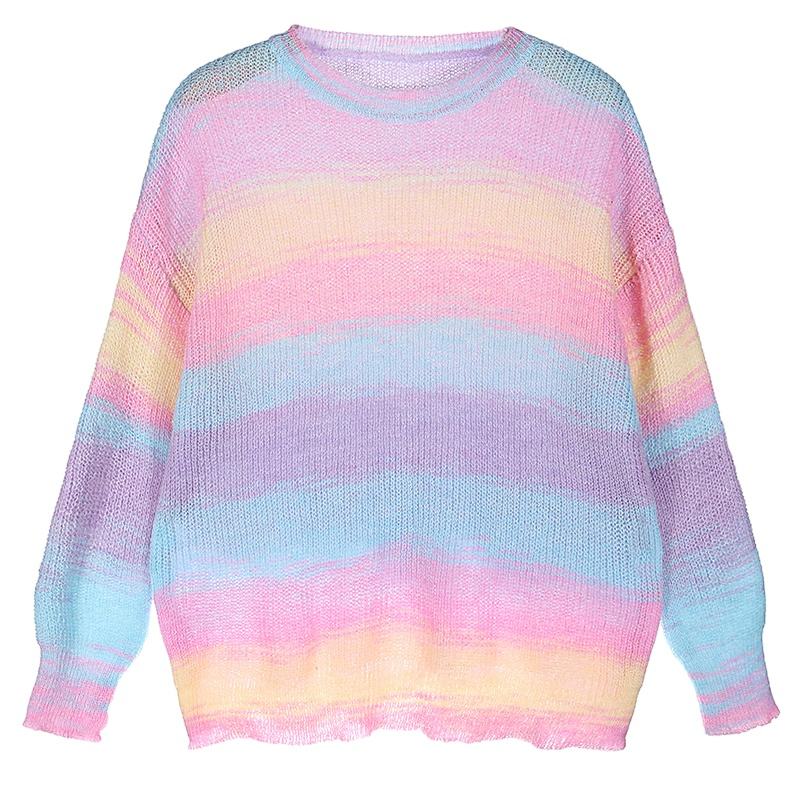
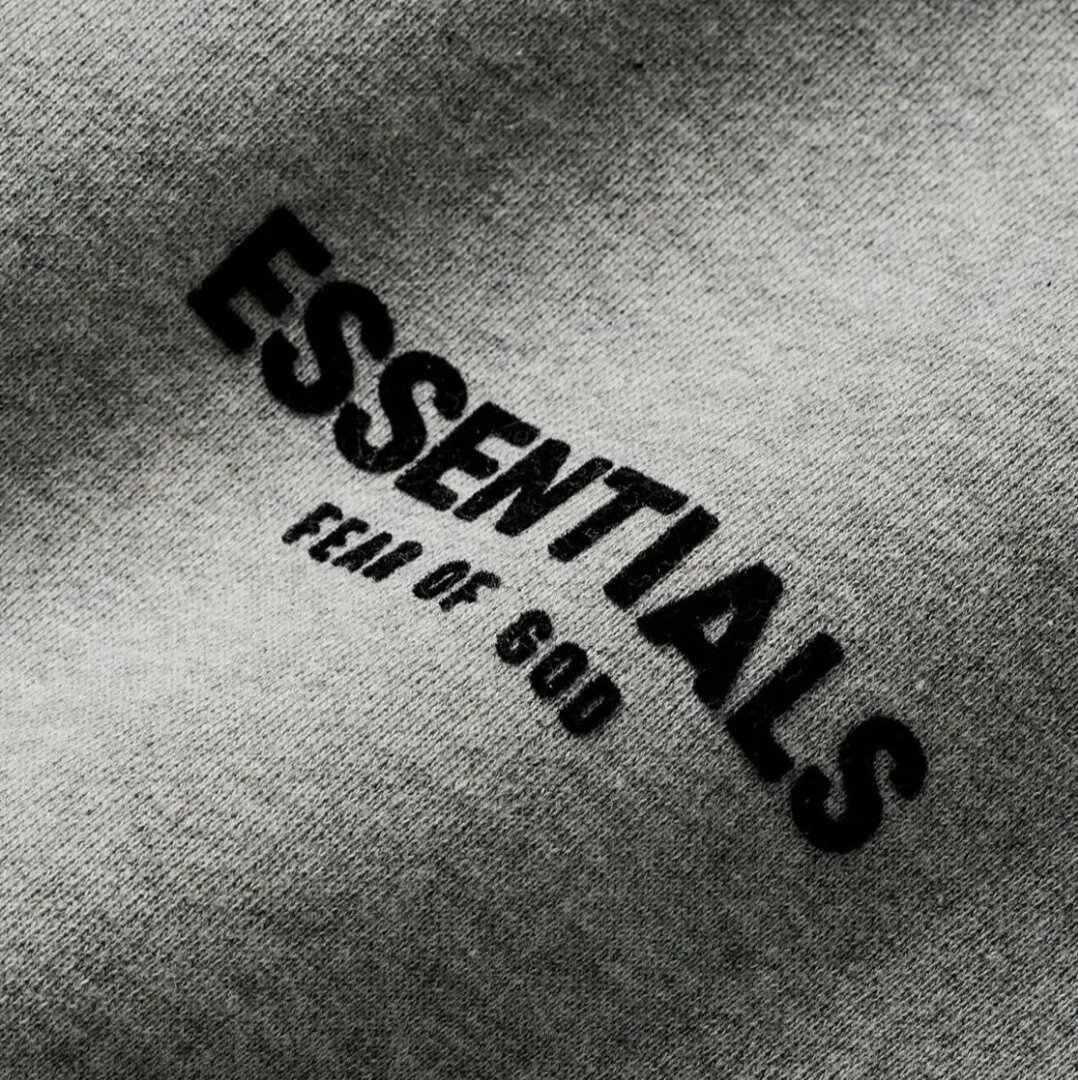
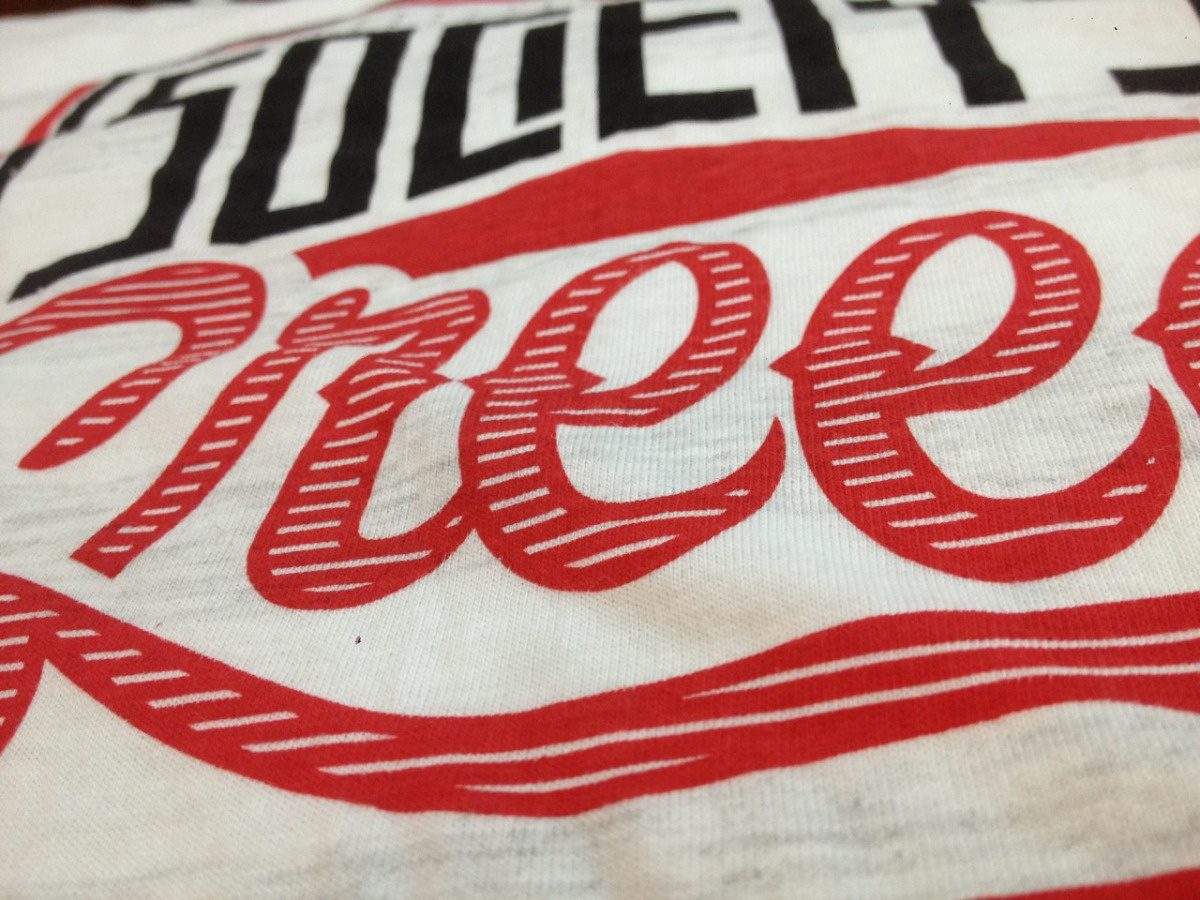
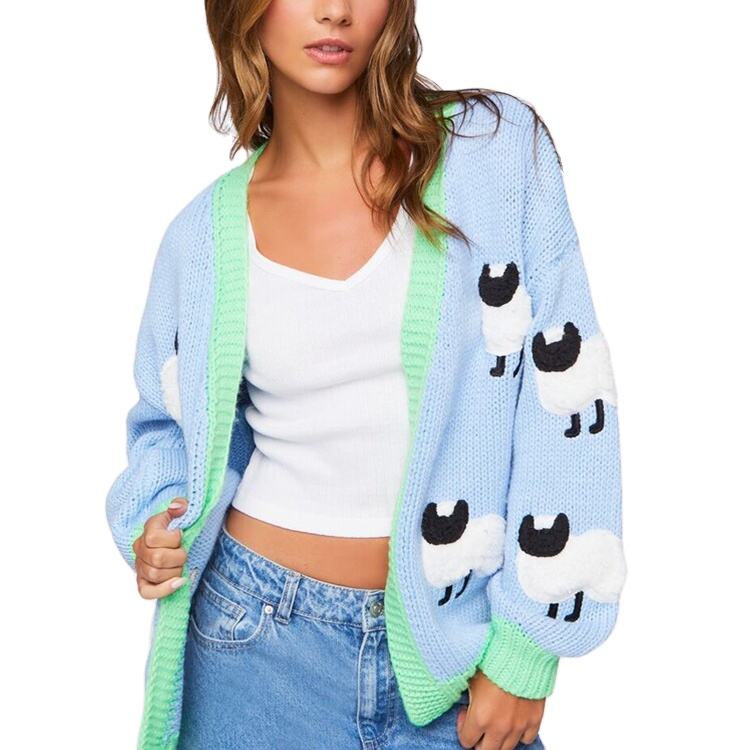
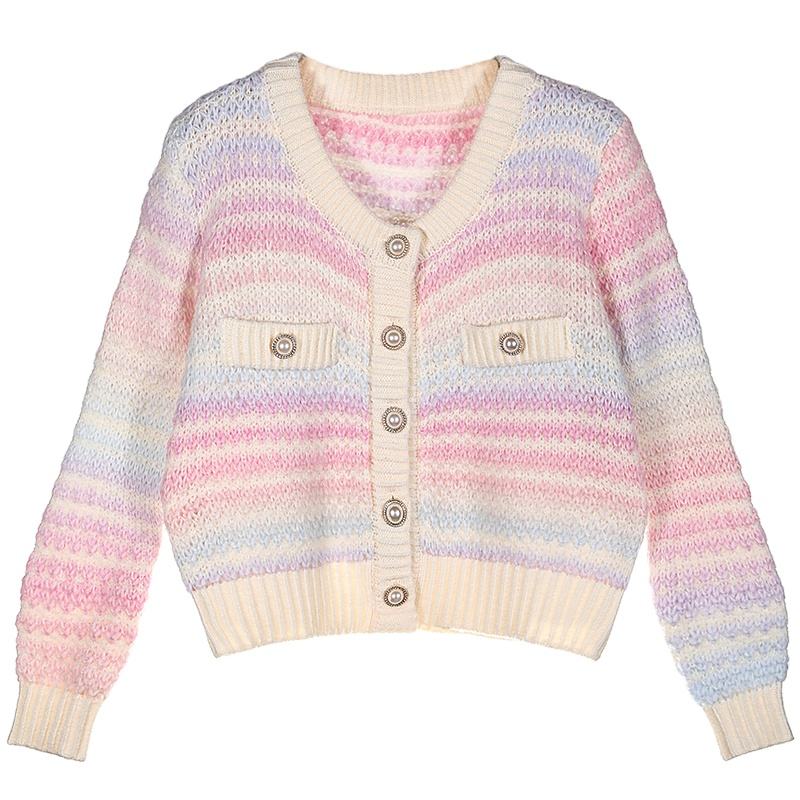
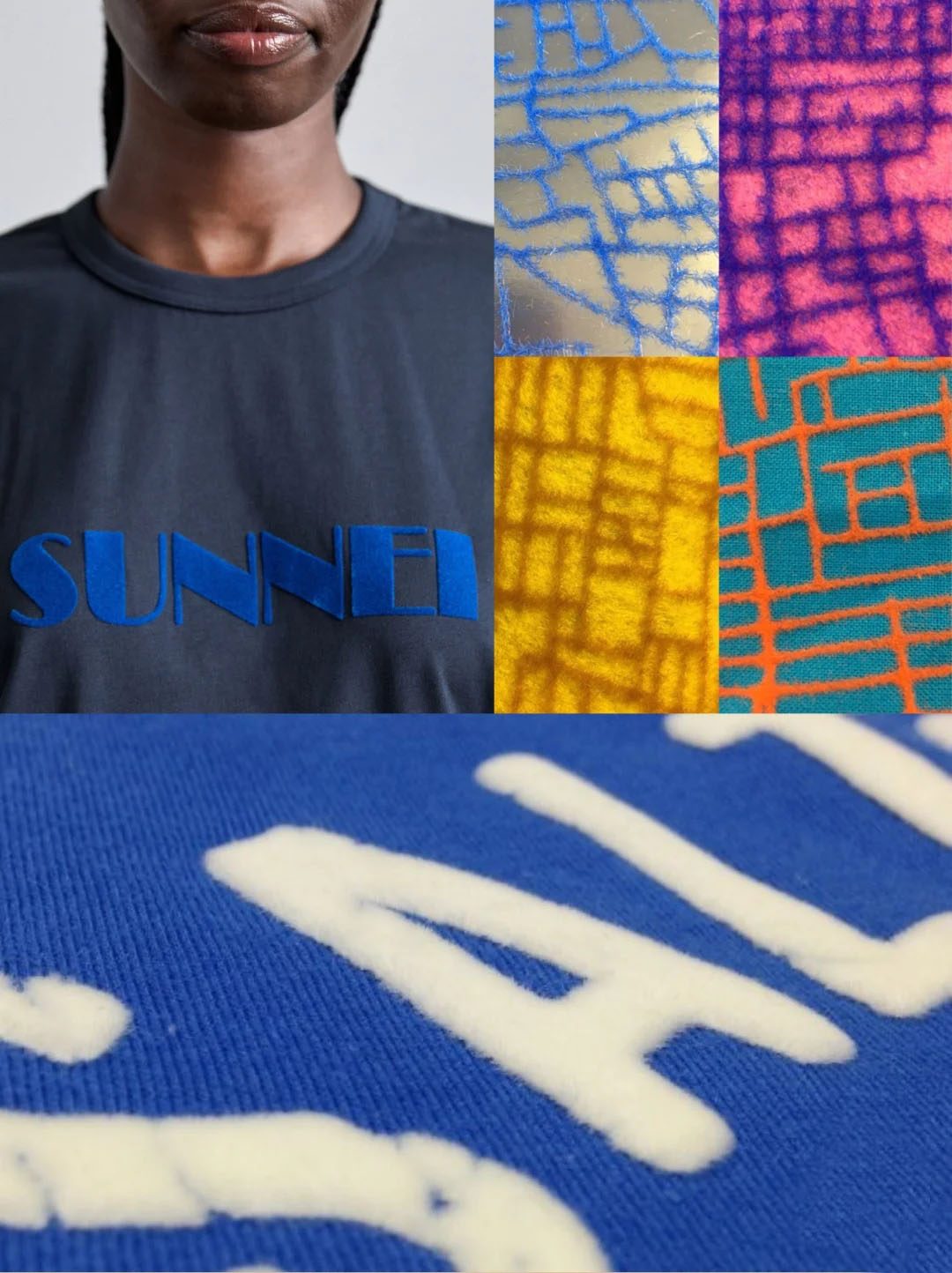
DTF Print Sweater Samples — Real Production Gallery
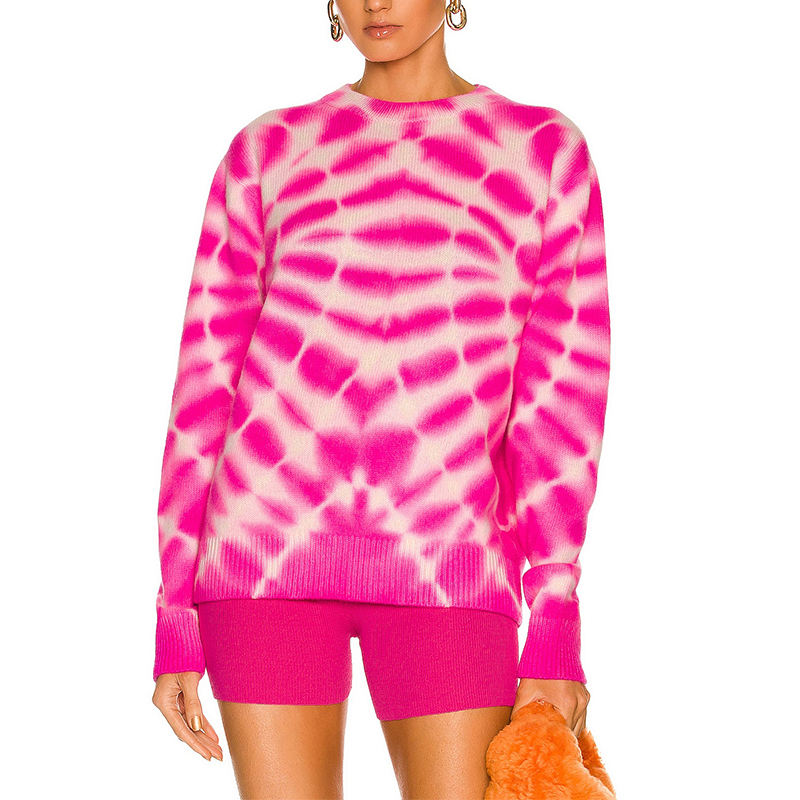
What Makes DTF Print Sweater Production Distinctive
Unlimited Color Saturation
DTF print sweater designs achieve vibrant, photorealistic detail with no color-count limits—perfect for complex graphics and gradients.
Wash-Tested Durability
Our DTF print sweater decoration withstands 50+ industrial washes without cracking, fading, or peeling on cotton and blends.
Soft Hand-Feel on Knitwear
DTF film bonds seamlessly to sweater fibers, maintaining the natural stretch and breathability customers expect from quality knitwear.
Faster Turnaround Than Screen
No screen setup means DTF print sweater production starts immediately—ideal for short runs, seasonal drops, and low-MOQ orders from 100 pieces.
Compatible Across All Blends
DTF printing works on cotton, polyester, wool blends, and acrylic knitwear—one process for your entire sweater collection.
Low MOQ, High Flexibility
Start DTF print sweater production from just 100 pieces with CENWILD’s OEM and private label services backed by 28+ years.
Related Printing & Decoration Techniques
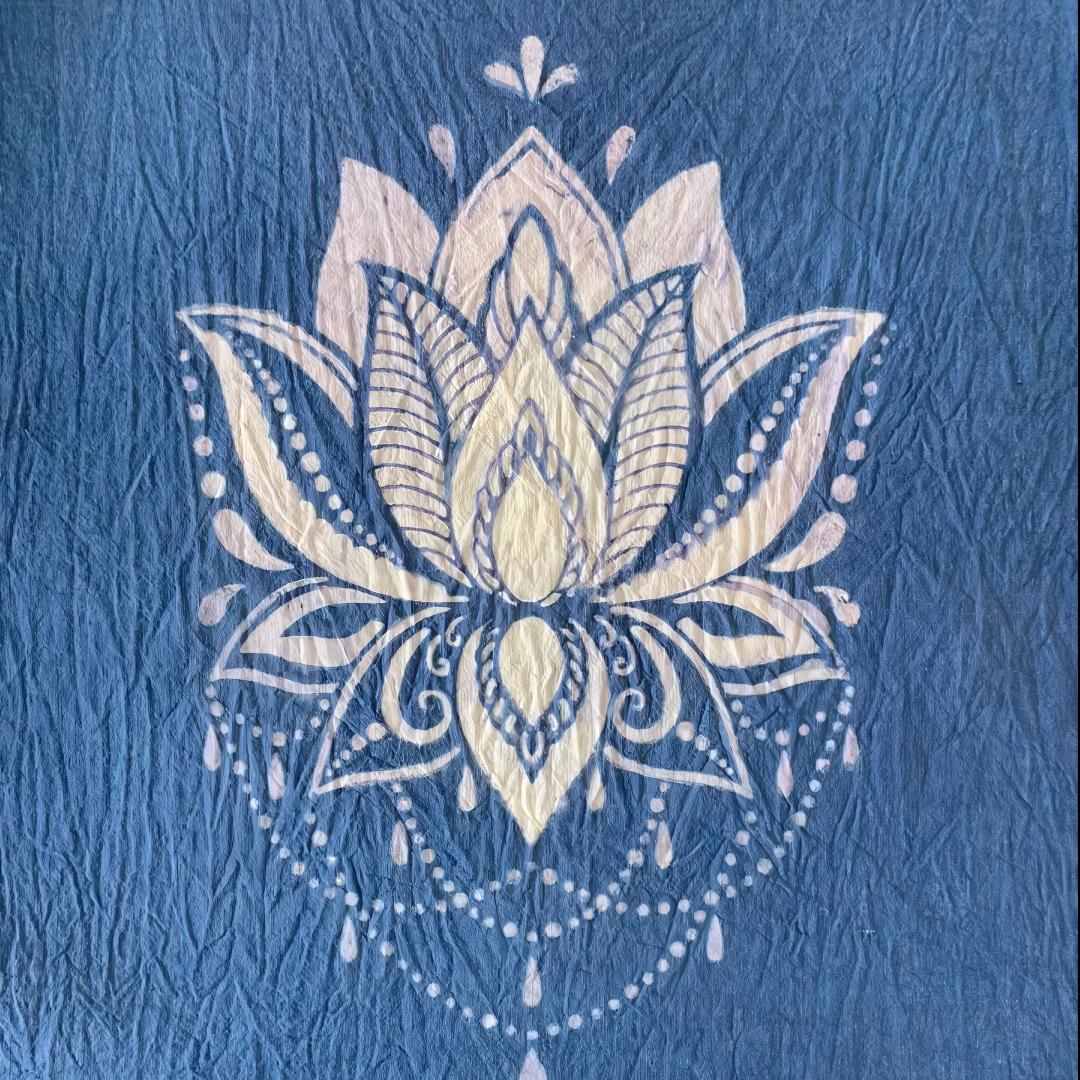
Printing on Knitwear
Explore every decoration method CENWILD offers for sweaters and knitwear—screen print, heat transfer, DTF, sublimation, embroidery, and more. Compare techniques, understand durability and detail trade-offs, and choose the right print process to bring your brand’s custom knitwear designs to life from 100 pieces.
Get a Quote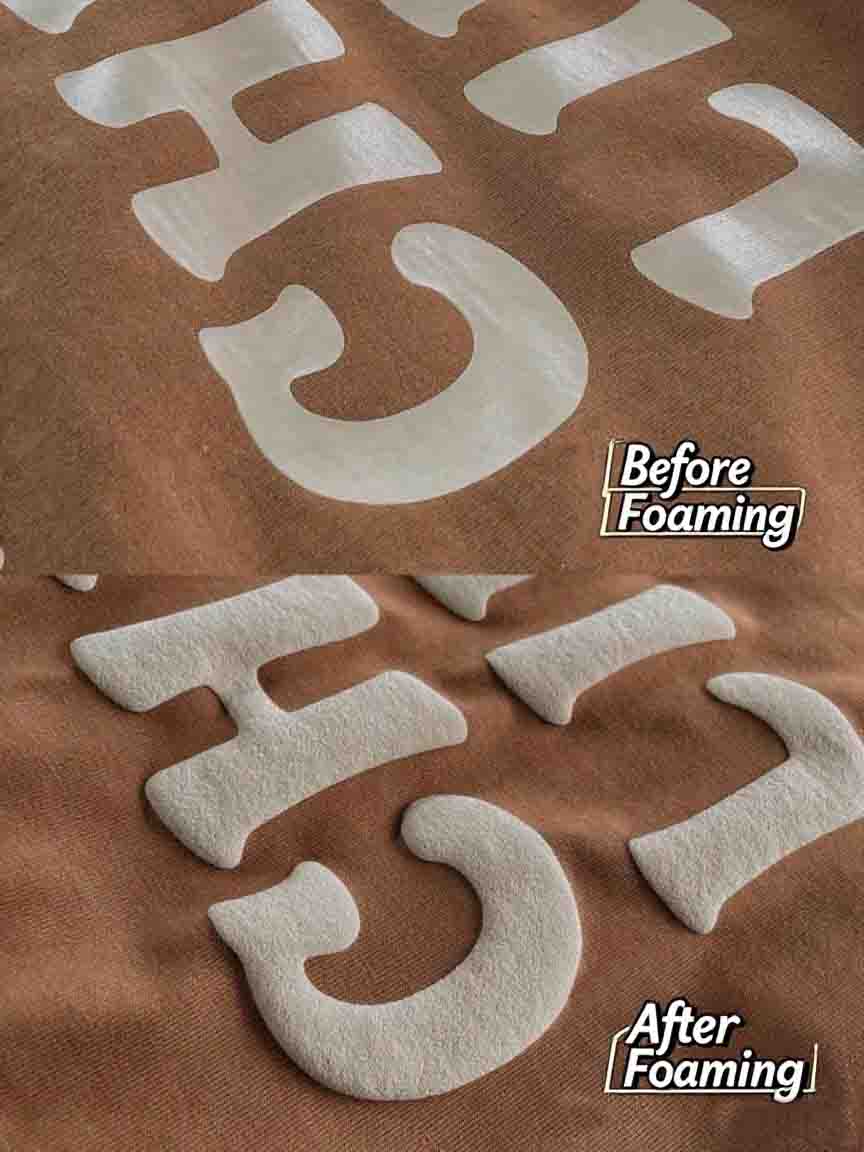
Screen Print on Knit
Traditional screen printing delivers bold, opaque graphics and cost efficiency on medium-to-large runs of sweaters and cardigans. Ideal for solid color logos, team branding, and repeatable designs where ink durability and vivid coverage on knit fabrics matter more than photographic detail or fast turnaround on small batches.
Get a Quote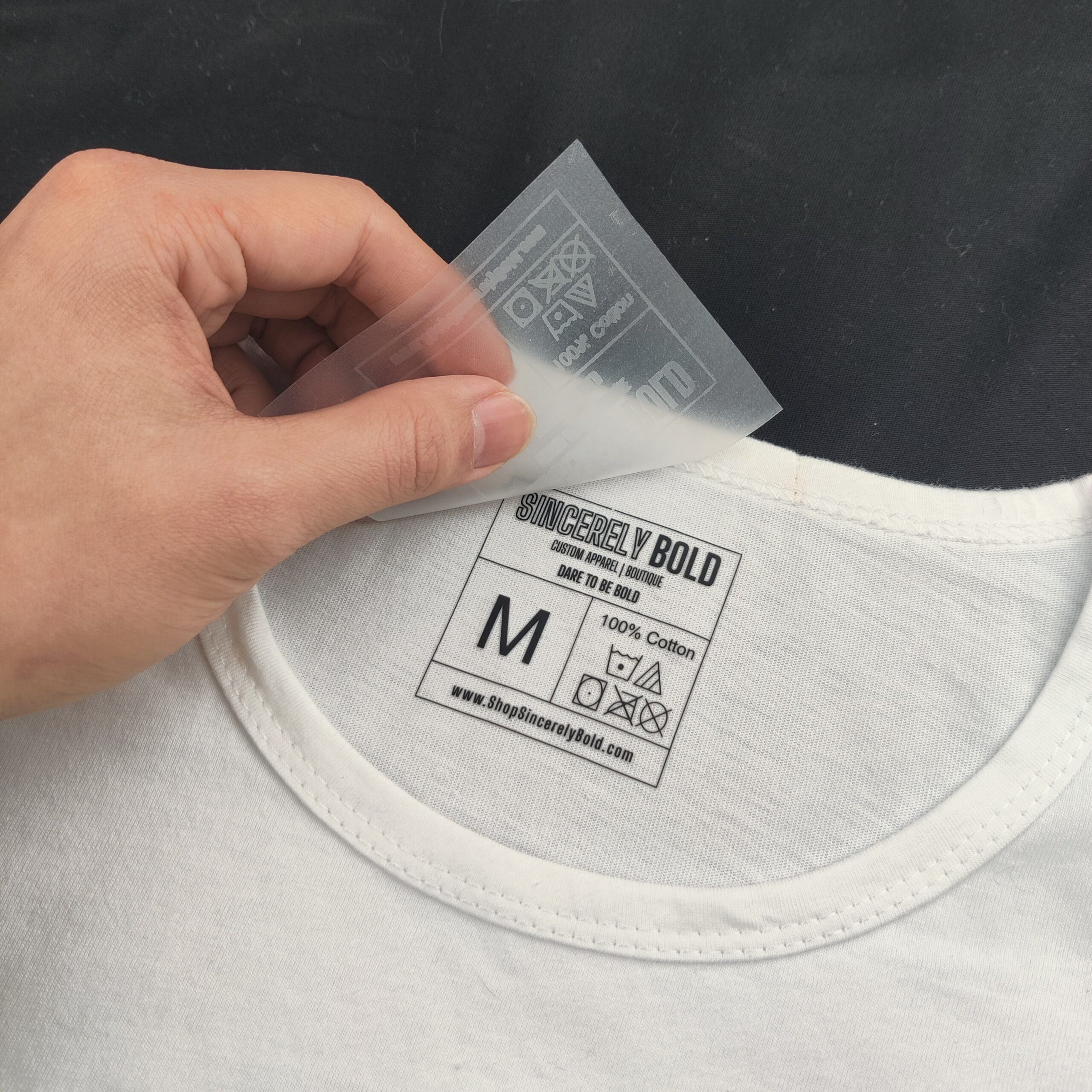
Heat Transfer Print
Heat transfer printing applies pre-printed film or vinyl under heat and pressure, perfect for complex multicolor graphics, small-batch custom sweaters, and quick sampling. Choose heat transfer when you need vibrant detail without screen setup costs, especially for low-MOQ orders starting at 100 pieces or rapid prototyping before full production.
Get a Quote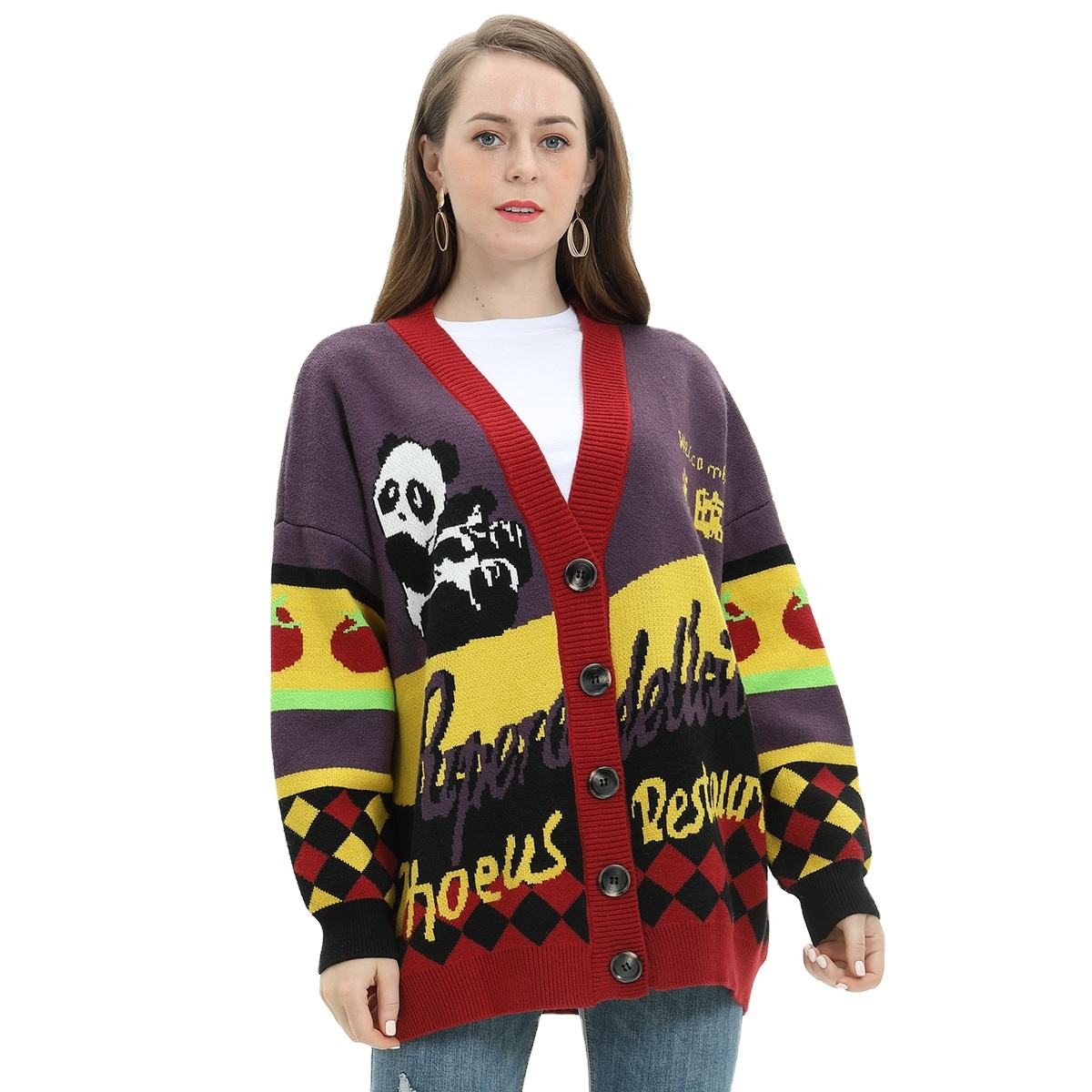
Sublimation Print
Sublimation printing infuses dye directly into synthetic fibers under heat, creating permanent, full-color, photorealistic graphics that won’t crack or peel. Best suited for polyester-blend knitwear and all-over-print sweater designs where washability, breathability, and unlimited color gradients are essential—less common on natural wool or cotton.
Get a Quote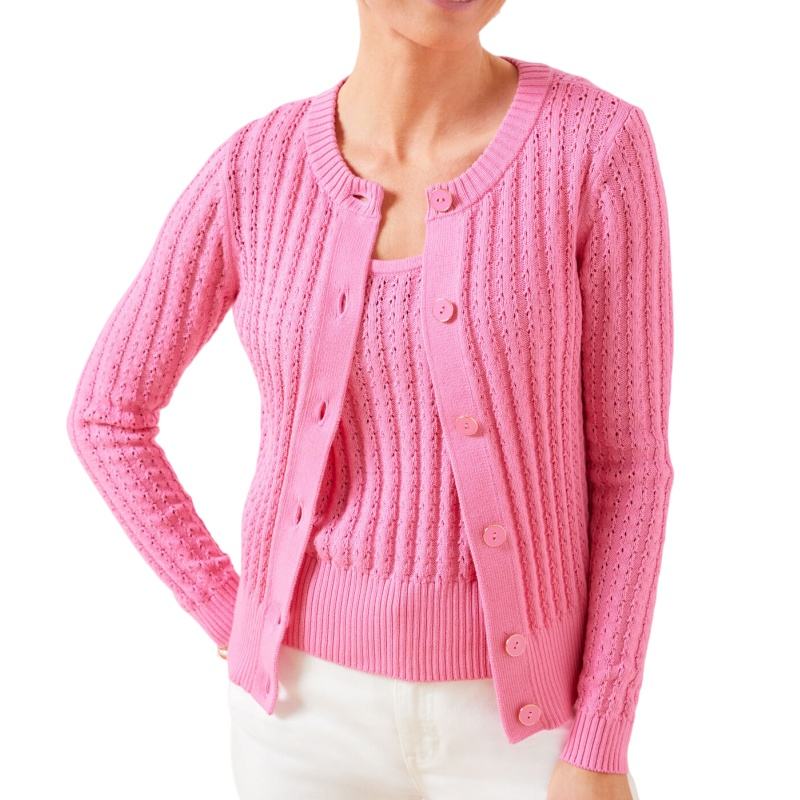
Custom Cardigan
Design and manufacture fully custom cardigans tailored to your brand’s vision—choose yarn, gauge, stitch pattern, button style, pocket details, and decoration. CENWILD’s ODM and OEM services turn sketches or tech packs into production-ready cardigan samples with MOQ from 100 pieces, backed by 28 years of Dongguan knitting expertise.
Get a Quote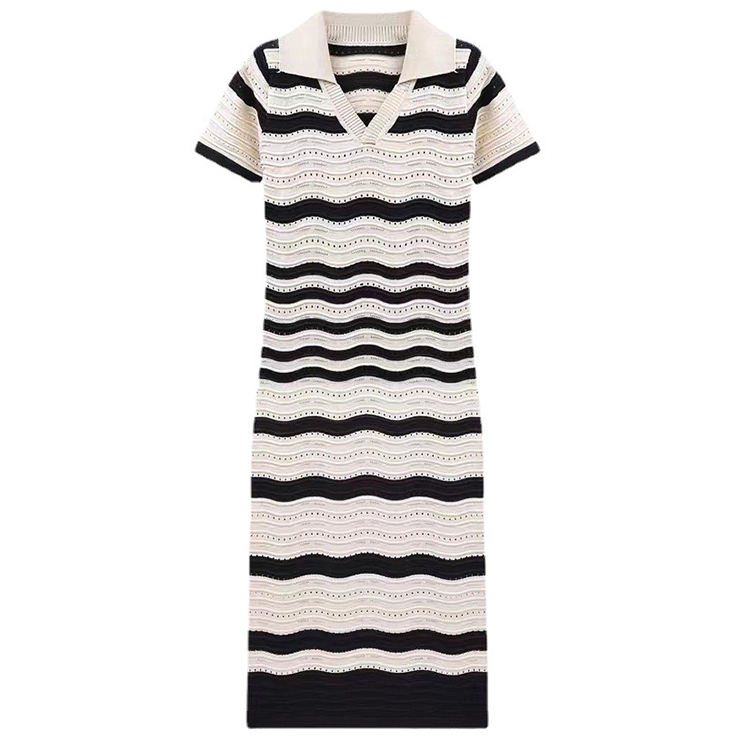
Cardigan Sweater Manufacturer
Partner with a dedicated cardigan sweater manufacturer offering in-house knitting, sampling, and decoration under one roof. CENWILD produces button-front, zip, and open cardigans in cashmere, merino, cotton, and blends across 3GG to 14GG gauges, serving fashion brands, retailers, and wholesalers with flexible MOQ and private-label capabilities.
Get a Quote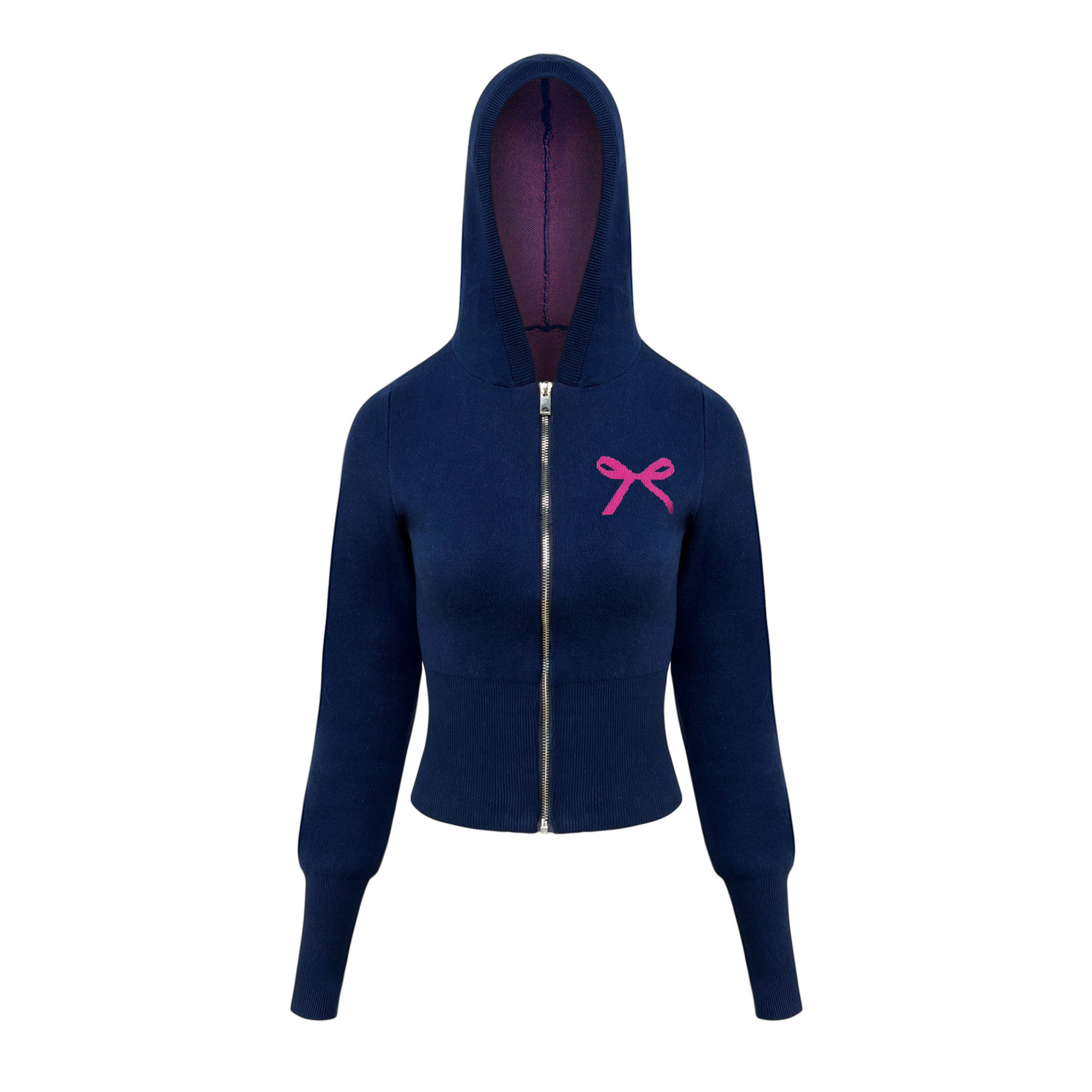
Wholesale Cardigan Sweaters
Source wholesale cardigan sweaters in ready-to-brand blanks or fully customized styles with your logo, colorways, and trims. CENWILD supports bulk orders for retailers, distributors, and e-commerce brands with competitive pricing, consistent quality control, and scalable monthly capacity exceeding 80,000 pieces from our Dongguan facility.
Get a Quote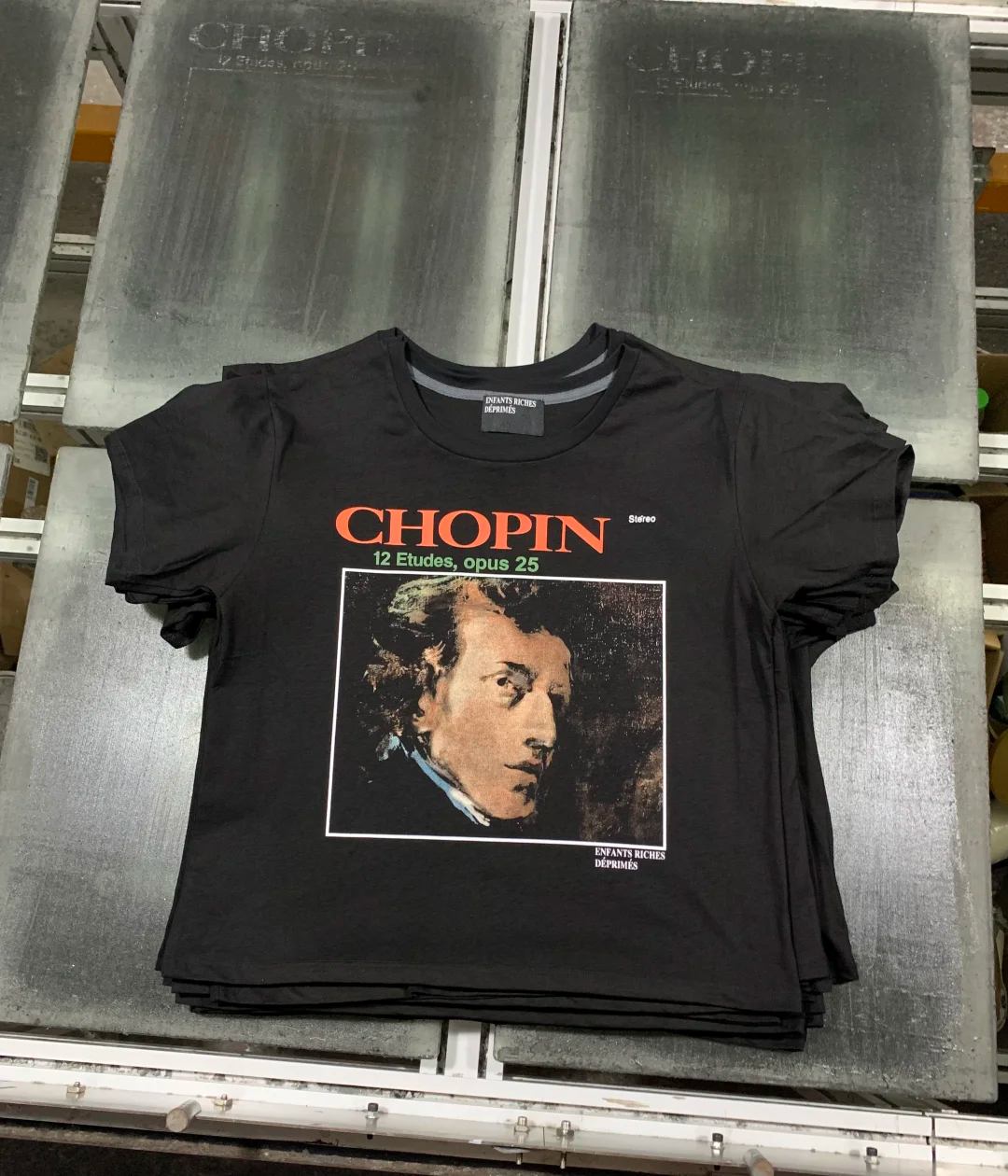
Custom DTF Sweaters
Custom DTF sweaters combine direct-to-film printing with knit garment manufacturing for vibrant, detailed graphics on wool, cotton, cashmere, and blended pullovers and cardigans. DTF offers excellent color accuracy, soft hand feel, and no minimum print quantity—ideal when launching limited-edition designs or personalizing small-batch knitwear collections.
Get a Quote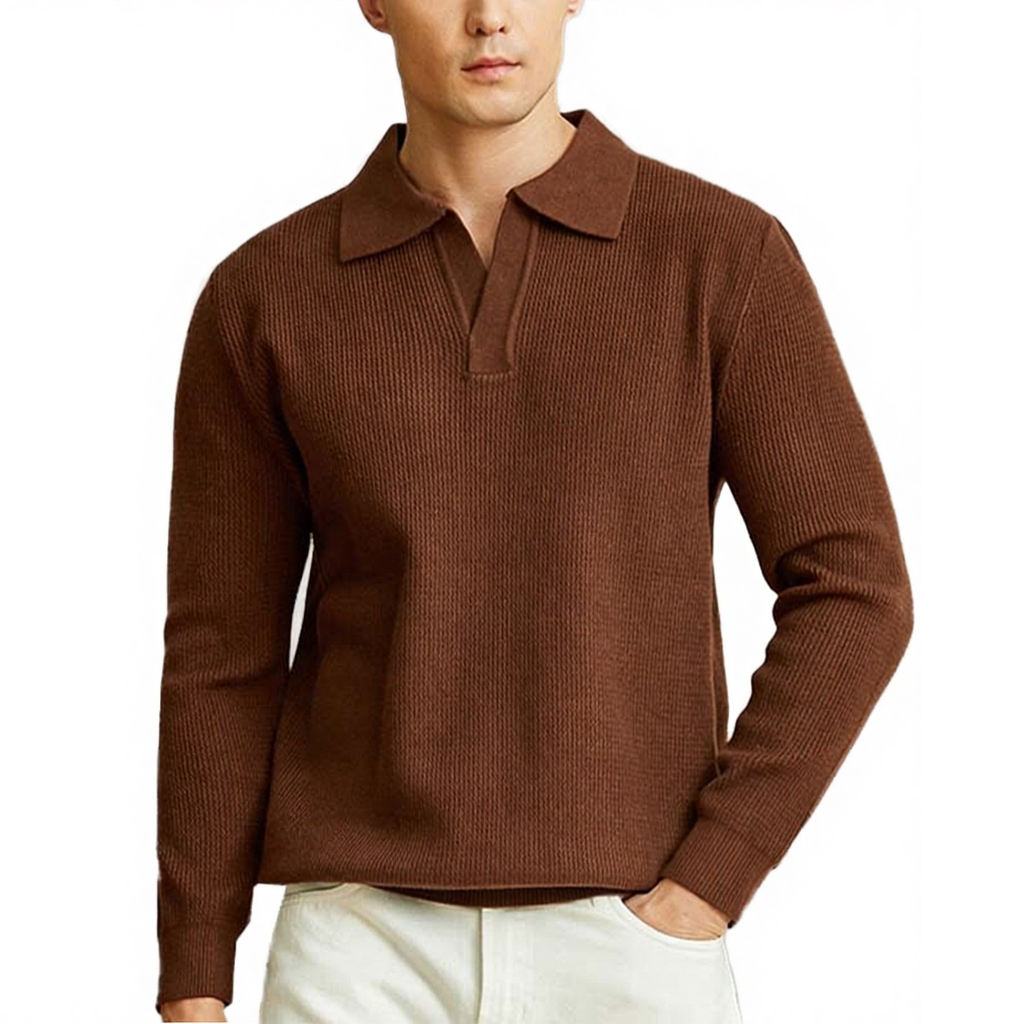
DTF Print Hoodies
Extend DTF print decoration beyond knitwear to hoodies and fleece for cohesive seasonal collections. CENWILD applies DTF graphics to both woven and knit hooded styles, delivering sharp logos, photographic prints, and custom artwork with the same low-MOQ flexibility, quick sampling, and quality-first production standards as our sweater lines.
Get a QuoteDTF Print Sweater Expertise Since 1998
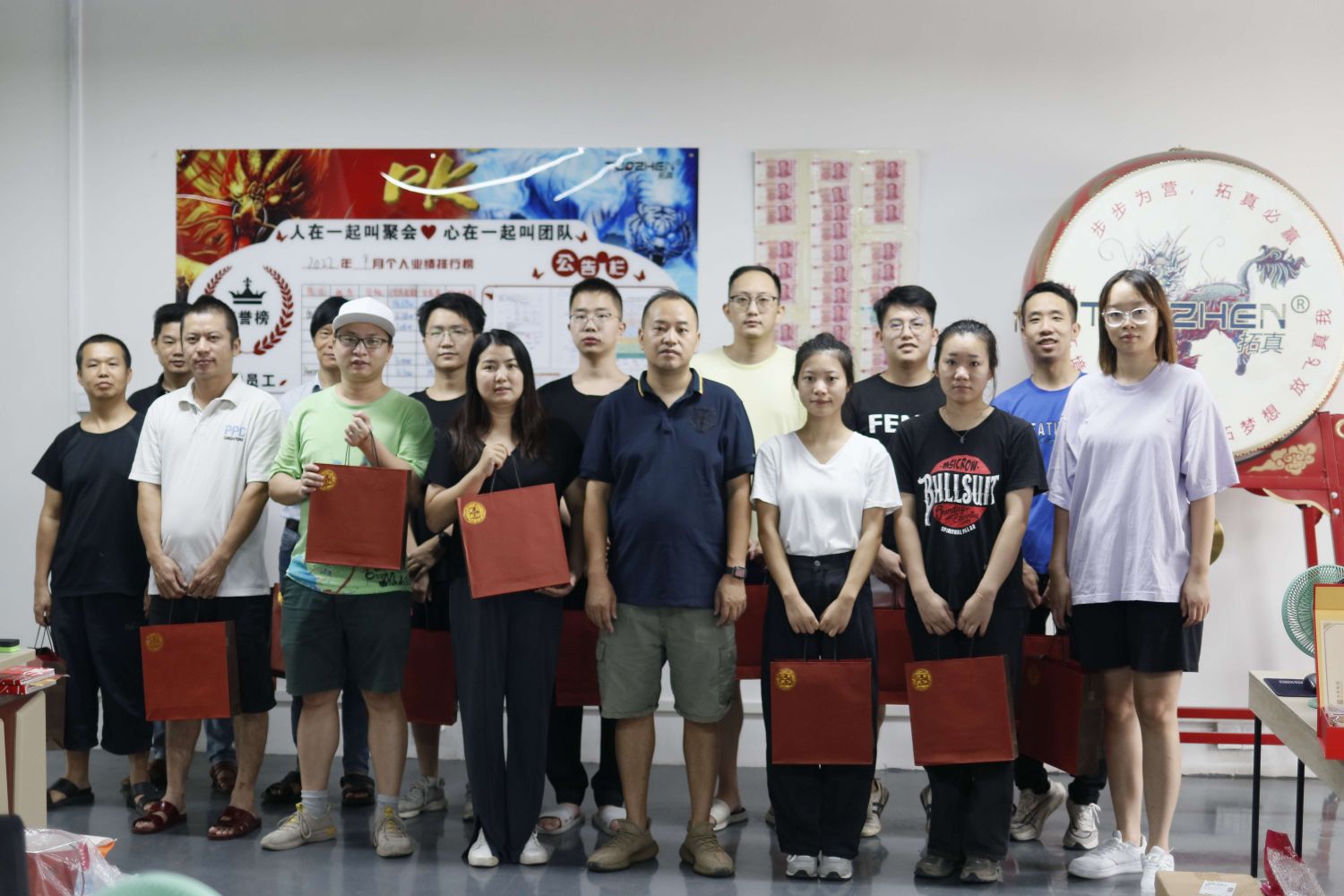
Founded in 1998 in Dongguan’s knitwear heartland, CENWILD has evolved from a family knitting workshop into a full-service sweater manufacturer serving over 2,000 fashion brands worldwide. Our investment in DTF print sweater technology combines 28 years of knitting mastery with cutting-edge decoration capabilities, delivering vibrant, durable graphics on every garment style from crewnecks to cardigans.
Today we operate a complete DTF print sweater production line alongside computerized flat-knitting machines across 3GG–14GG gauges, with monthly capacity exceeding 80,000 pieces. In-house sampling, yarn sourcing, knit-down prototyping, quality control, and export logistics ensure every DTF print sweater meets exacting standards before shipment to brands in North America, Europe, Australia, and beyond.
Whether you need 100 pieces or 10,000, CENWILD’s OEM and ODM capabilities, private-label services, and flexible MOQ empower startups, independent designers, and established retailers to bring bold DTF print sweater designs to market with confidence and speed.
DTF Print Sweater Quality Deep Dive — Film, Curing, Durability
Film Selection and Ink Chemistry
Premium DTF print sweater production starts with film thickness and ink formulation matched to your yarn. CENWILD calibrates film gauge to knit weight and selects water-based pigment inks for vivid, durable color on light and dark knitwear.
- Film thickness calibrated to yarn gauge — finer films for lightweight merino, heavier for chunky acrylic
- Water-based eco-friendly inks with Pantone-level color matching and opacity
- Pre-production film and ink compatibility testing on actual yarn samples
- Ink chemistry optimized for stretch recovery and breathability on knit fabrics
Heat-Press Temperature and Dwell Time
Every yarn blend—cashmere, cotton, wool, or synthetic—requires tailored heat-press temperature, pressure, and dwell time. CENWILD’s technicians calibrate each run to bond DTF prints without scorching or flattening your knit structure.
- Temperature range 280–320°F adjusted per fiber composition and yarn twist
- Dwell time 10–20 seconds tuned to fabric density and stitch type
- Pressure settings that preserve cable, rib, and pointelle textures
- Real-time monitoring to prevent heat damage on delicate cashmere and alpaca
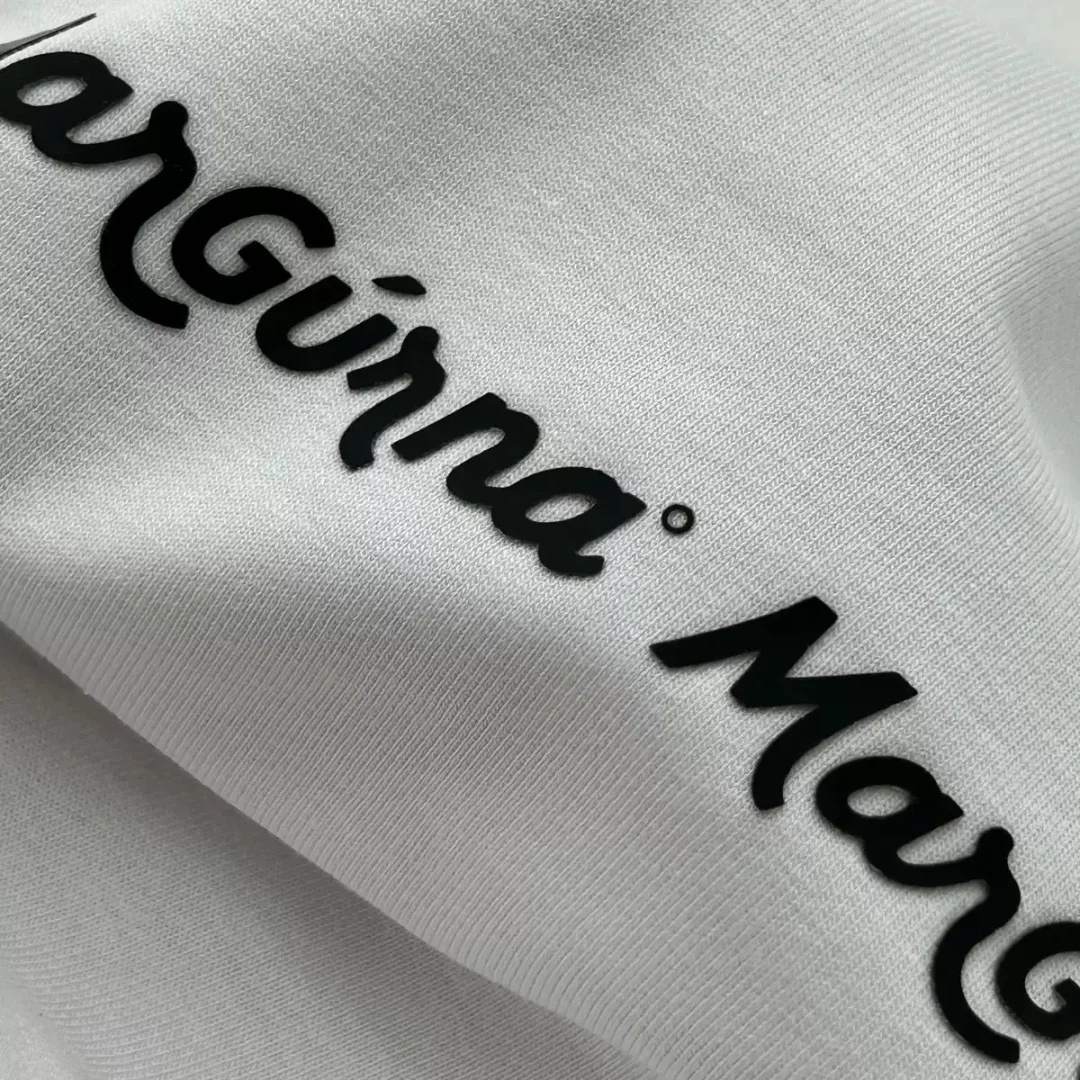
Curing Protocols and Wash-Test Standards
Every DTF print sweater must survive repeated laundering without fading, cracking, or peeling. CENWILD enforces rigorous post-press curing and conducts 50-cycle wash tests to validate colorfastness and adhesion before bulk production ships.
- Post-press curing cycle ensures complete polymerization of adhesive layers
- ISO-standard wash testing: 50+ cycles at 40°C with tumble drying
- Color-fade measurement via spectrophotometer — Delta E < 2 after 50 washes
- Peel-strength and stretch-recovery testing to confirm long-term wearability
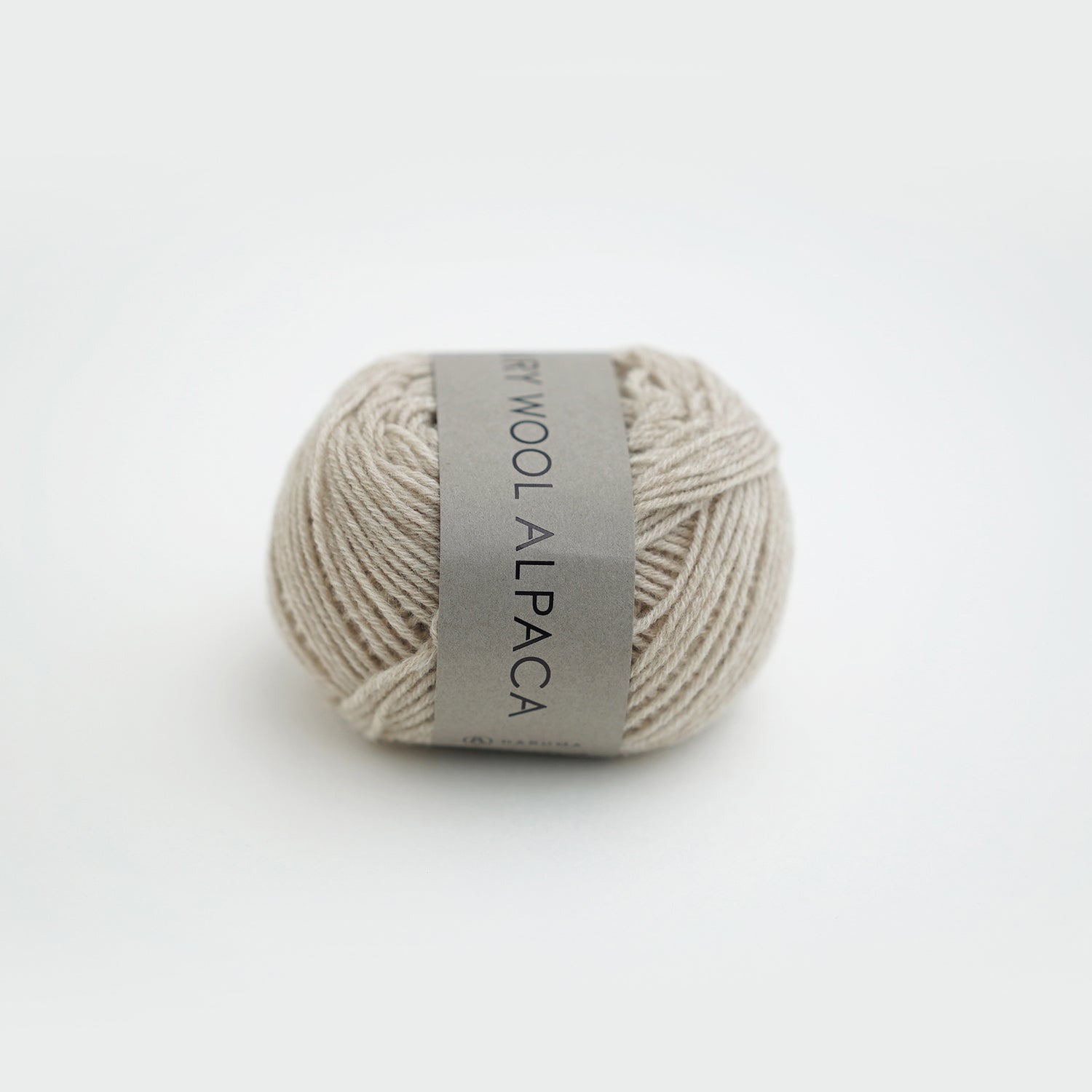
Hand-Feel Preservation Across Yarn Weights
The hallmark of superior DTF print sweater craftsmanship is maintaining the natural drape and softness of the knit. CENWILD balances print coverage, adhesive weight, and finishing treatments so that decorated sweaters feel as luxurious as unprinted garments — from fine-gauge cashmere to chunky wool blends.
- Minimal adhesive load to preserve breathability and tactile comfort
- Selective placement strategies that leave ribbing and seams unprinted for flexibility
- Garment finishing — softening enzymes and anti-pilling — applied post-decoration
- Hand-feel audits on every production lot to ensure brand-quality consistency
DTF Print Sweater vs. Screen Print, Heat Transfer & Sublimation
Choose the right decoration method for your custom knitwear. Compare DTF printing against screen print, heat transfer, and sublimation on fabric compatibility, color range, design complexity, order minimums, and durability.
← 左右滑动查看 →
DTF Print Sweater Production Flow — From Design to Shipment
CENWILD‘s controlled six-phase process ensures every DTF print sweater meets color accuracy, adhesion, and durability standards before it leaves our Dongguan facility.
Design Approval & File Prep
Your artwork is reviewed for resolution, color separation, and scale. Our design team finalizes DTF-ready files and confirms placement on each sweater style.
DTF Film Printing
High-resolution designs are printed onto DTF transfer film using specialized inks, then coated with adhesive powder and pre-cured for optimal transfer readiness.
Heat-Press Setup & Registration
Each sweater is aligned on the press. Temperature, pressure, and dwell time are calibrated to fabric weight and fiber content for perfect adhesion.
Curing & Cooling
Printed sweaters pass through controlled cooling to lock ink into the knit structure, preventing peel or crack during wear and washing.
Quality Inspection
Every DTF print sweater is inspected for color match, adhesion strength, print clarity, and registration accuracy before approval for packing.
Packaging & Export Logistics
Approved pieces are folded, poly-bagged, carton-packed, and prepared for shipment with full documentation to your destination worldwide.
How to Order Custom DTF Print Sweaters — 5 Simple Steps
From your design concept to finished production, CENWILD makes ordering DTF print sweaters straightforward. With a 100-piece minimum order and flexible payment terms, we guide you through every stage.
Submit Your Design & Specifications
Send vector artwork, color specs, Pantone references, and placement details. Our team reviews file resolution, color matching requirements, and sweater base styles to ensure print-ready files.
Approve Your DTF Print Sample
We produce a knit-down sample with your DTF print applied. Review print clarity, color accuracy, adhesion, and overall garment construction before committing to full production.
Confirm MOQ and Lead Time
Starting from just 100 pieces, we quote your order with transparent pricing, deposit terms, and production timeline. Payment options include T/T, PayPal, credit card, and USDT.
Production with Quality Checkpoints
Your DTF print sweaters move through knitting, printing, curing, and finishing. In-house QC inspects print adhesion, wash durability, stitch integrity, and decoration alignment at every stage.
Final Inspection and Shipment
Completed sweaters undergo final audit for print quality, sizing, and packaging. We coordinate export logistics and provide tracking, ensuring your custom knitwear arrives ready for your market.
Real Results from Brands Who Ordered DTF Print Sweaters
CENWILD’s DTF print sweaters survived 50+ commercial washes with zero cracking—the color accuracy matched our Pantone specs perfectly. Our customers love the vibrant graphics, and the durability outperformed every supplier we’ve tested.
We needed 300 DTF print sweaters with complex gradients and fine text. CENWILD delivered on time, every detail sharp, at 22% lower cost than our previous supplier. The sampling process was incredibly smooth.
The DTF print on our holiday sweater line handled intricate multi-color artwork beautifully. Production turnaround was 18 days, quality control caught every minor flaw before shipment. CENWILD became our go-to partner.
DTF Print Sweater FAQ — Fabrics, Durability, Combinations & MOQ
What fabrics work best for DTF print sweaters?
What is the minimum order quantity for DTF print sweaters?
How many colors can I use in a DTF print sweater design?
Can I combine DTF printing with embroidery or patches on the same sweater?
What is the maximum design size for a DTF print sweater?
How durable is DTF printing on sweaters after washing?
What file format and resolution do you need for DTF print sweater artwork?
What is the lead time and sampling cost for custom DTF print sweaters?
Do you provide care labels and washing instructions for DTF print sweaters?
The Complete Buyer’s Guide to DTF Print Sweater Sourcing and Manufacturing
This guide equips fashion brands and retailers with a proven decision framework, supplier evaluation criteria, and common pitfalls to avoid when sourcing custom DTF print sweaters that meet quality, cost, and lead-time goals.
1. What Is a DTF Print Sweater?
Direct-to-Film (DTF) printing transfers full-color designs onto knitwear by printing artwork onto a special film, applying adhesive powder, curing it, and heat-pressing the finished graphic onto the sweater surface. Unlike screen printing — which requires separate screens for each color and struggles with gradients — DTF reproduces photographic detail, unlimited colors, and fine text in a single pass. Where embroidery adds weight and stiffness that can distort lightweight knits, DTF sits as a thin, flexible layer that moves with the fabric.
Brands choose DTF for dtf print sweater projects when design complexity outweighs the tactile appeal of stitching: think full-color logos, portrait graphics, or intricate artwork that would demand prohibitive screen counts or dense embroidery. CENWILD applies DTF alongside screen print, heat transfer, sublimation, and embroidery options, letting clients match decoration method to design intent and fabric weight.
A dtf print sweater order typically specifies the knit base (gauge, yarn, style), placement coordinates, and a high-resolution vector or raster file; the manufacturer prints, cures, presses, and inspects before packing.
2. Evolution of DTF Print Technology in Knitwear
DTF (Direct-to-Film) printing emerged in the early 2010s as a garment decoration method, initially targeting flat-woven cotton tees and polyester sportswear. By 2015 manufacturers began experimenting with knitwear, but early adhesive films cracked on stretch and peeled after three to five washes on textured surfaces.
Between 2017 and 2019 film chemistry advanced: hot-melt adhesive powders shifted from EVA to polyurethane blends, delivering 400–500% stretch compatibility and wash durability exceeding 50 industrial cycles at 40°C. These improvements unlocked dtf print sweater production at scale, allowing full-color graphics on cable, rib, and jacquard knits without cracking or delamination.
By 2021 DTF became mainstream in knitwear manufacturing because it required no screens, no minimum color counts, and no pre-treatment chemistry — cutting setup costs by 60–70% versus screen printing. Today factories running 3GG–14GG flat-knit machines pair DTF with embroidery and heat-transfer workflows, offering brands photorealistic logos, gradients, and personalized text on sweaters from MOQs as low as 100 pieces.
3. Types of DTF Print Sweater Styles
DTF printing adapts to every major sweater silhouette, but each style demands different fabric weight, print placement strategy, and end-use positioning. Matching the right sweater type to your brand’s design goals and target market ensures both technical success and commercial appeal.
Crewneck Pullovers
Crewneck pullovers in 7GG–12GG gauges accept DTF prints across chest, back, and sleeves. Fabric weights from 280–380 GSM balance durability with transfer adhesion. Streetwear brands favor oversized fits with large back graphics; corporate buyers prefer left-chest logos on regular-fit styles.
Hoodies and Half-Zip Styles
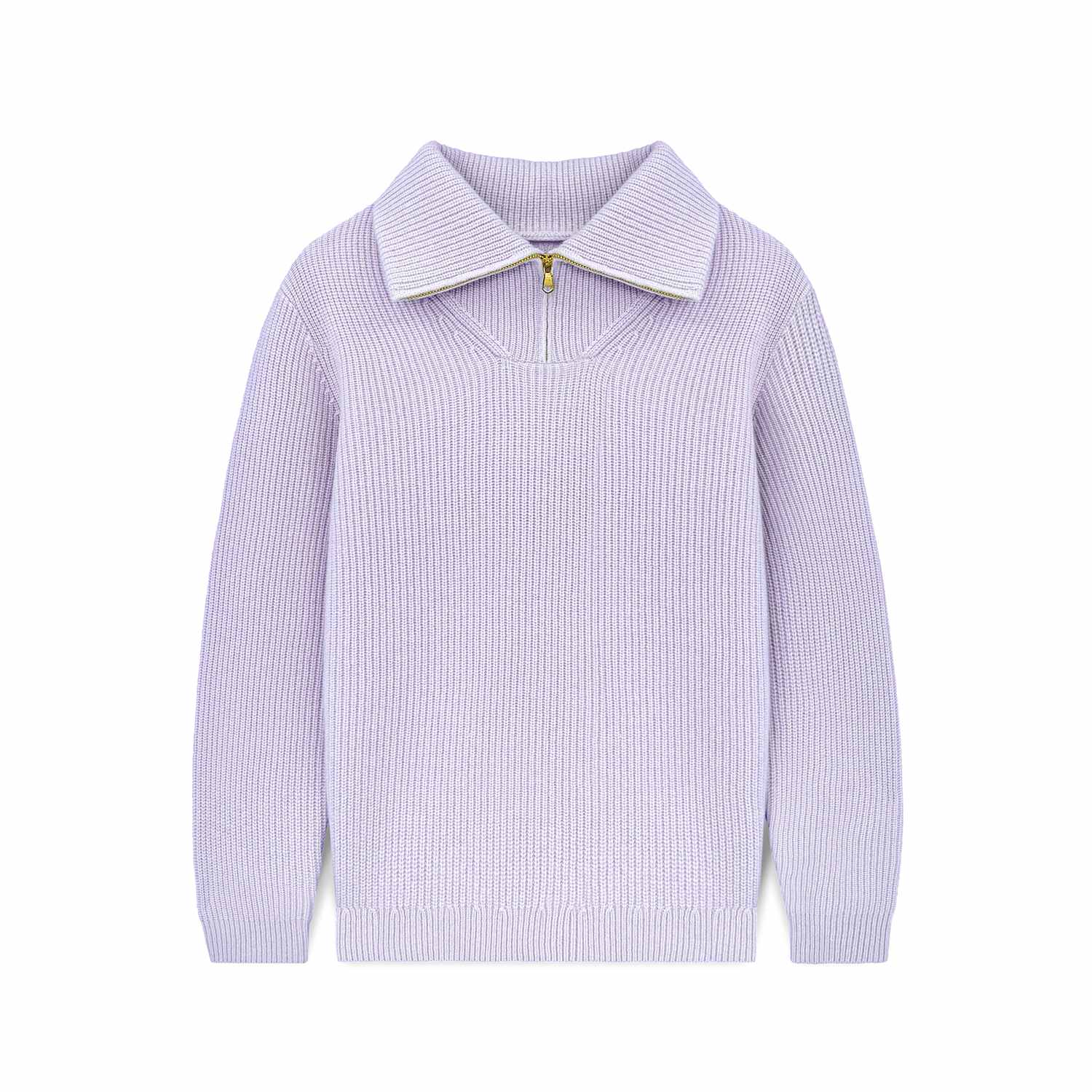
Hooded sweaters and half-zip pullovers suit heavier knits (320–420 GSM) and accommodate all-over, chest, and sleeve placements. The hood and kangaroo pocket create natural visual breaks for multi-zone designs. Fashion brands and influencer lines drive demand for bold, oversized hoodie graphics.
Cardigans and Open-Front Styles
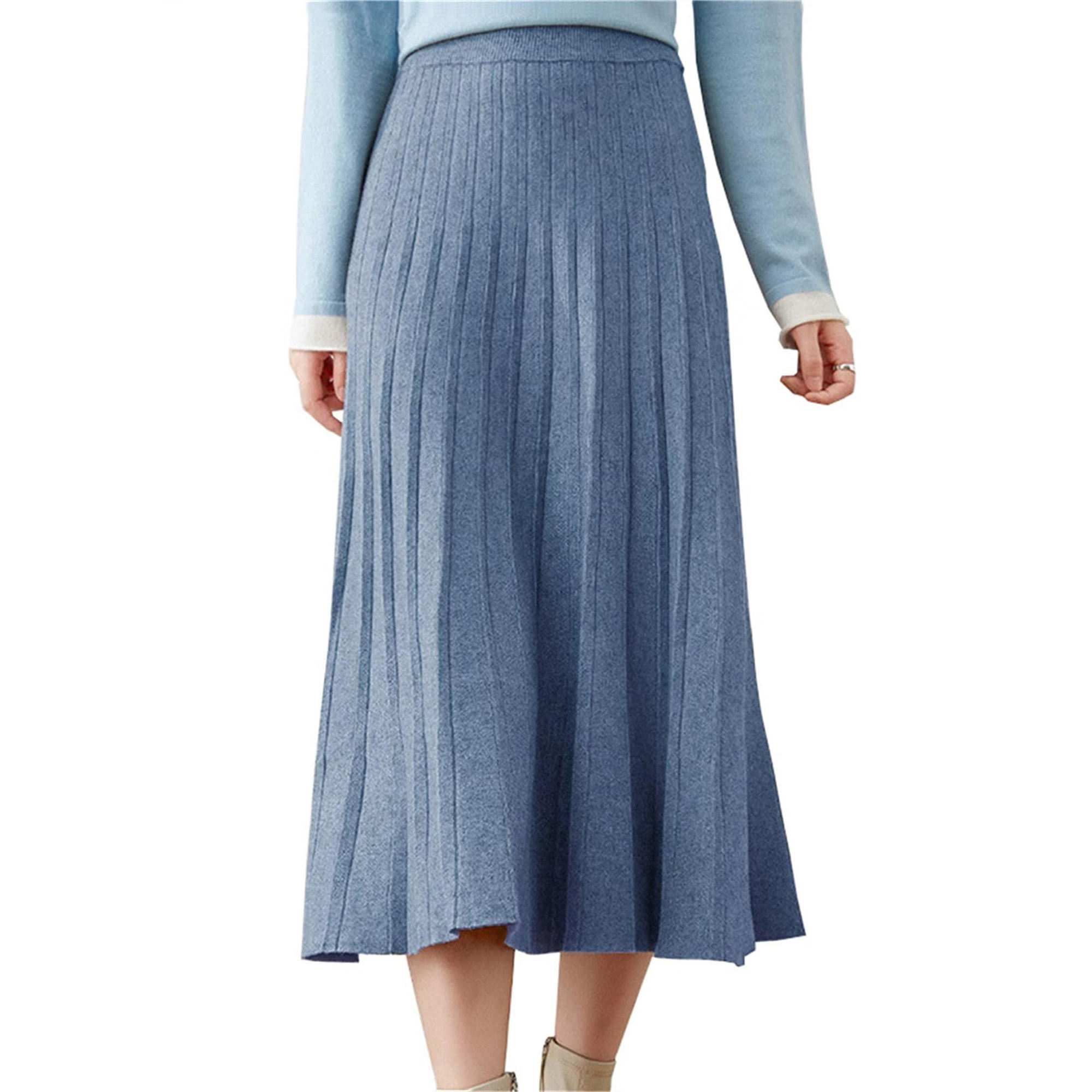
Cardigans accept DTF prints on back panels and sleeves; button plackets limit front graphic area. Typical weights run 260–340 GSM. Retail and wholesale buyers use cardigans for layering collections, often pairing subtle prints with embroidered trims for a premium look.
Cropped and Oversized Fits
Cropped sweaters (ending above the natural waist) and oversized silhouettes both amplify DTF graphic impact. Cropped styles suit 240–320 GSM knits with chest or all-over prints; oversized fits use 300–400 GSM and large-scale back or sleeve artwork. Both dominate contemporary fashion and influencer capsules.
4. Materials and Fabrics for DTF Print Sweater Production
DTF printing adapts to every major sweater silhouette. Matching the right style to your brand’s design goals and target market ensures both technical success and commercial appeal.
| Fabric Type | Typical GSM | DTF Compatibility | Best Use Case |
|---|---|---|---|
| Cotton-Poly Blend (60/40) | 240–320 | Excellent | High-volume custom orders, sportswear |
| French Terry | 260–300 | Very Good | Lightweight hoodies, athleisure |
| Fleece (Brushed) | 280–340 | Good | Winter sweaters, cozy loungewear |
| Waffle Knit | 220–280 | Fair | Textured fashion pieces, limited runs |
Cotton-Polyester Blends for Maximum DTF Adhesion
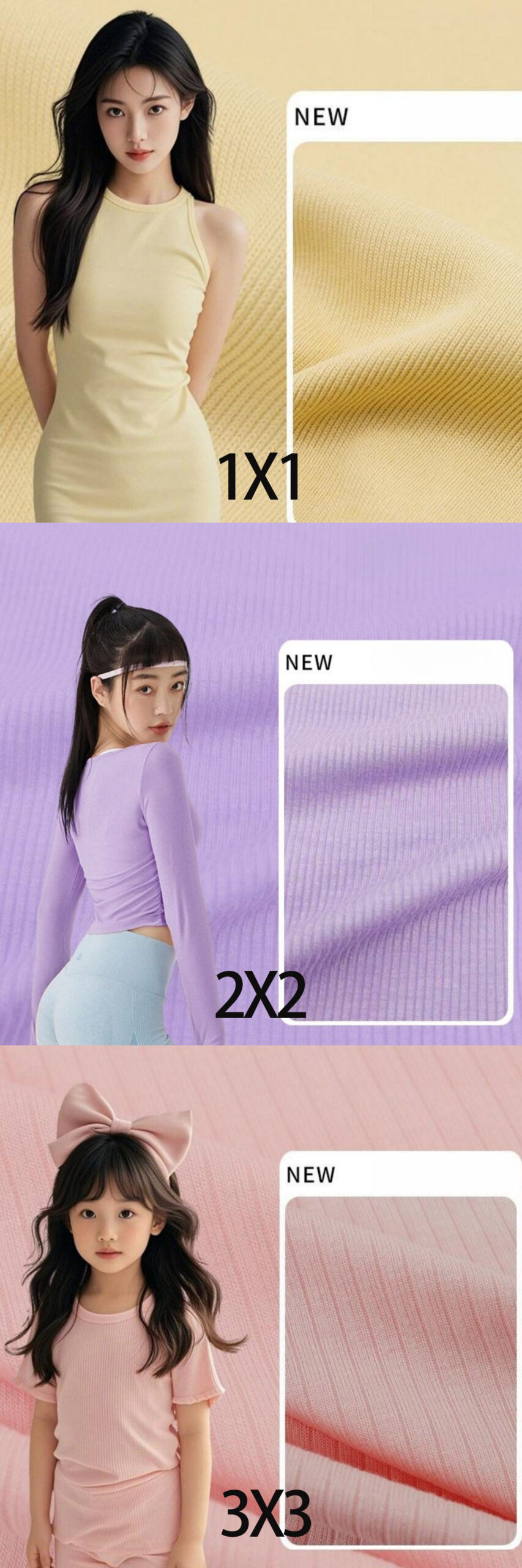
Blends of 60/40 or 50/50 cotton-polyester deliver the best DTF film adhesion because polyester fibers melt slightly under heat-press temperatures (160–170°C), anchoring the transfer. GSM typically ranges from 240 to 320 for sweater-weight knits.
Pure cotton offers superior hand feel but requires pre-treatment or higher press pressure to achieve comparable wash fastness. Blends strike the optimal balance for high-volume custom orders where print longevity outweighs natural-fiber preference.
French Terry and Fleece Constructions
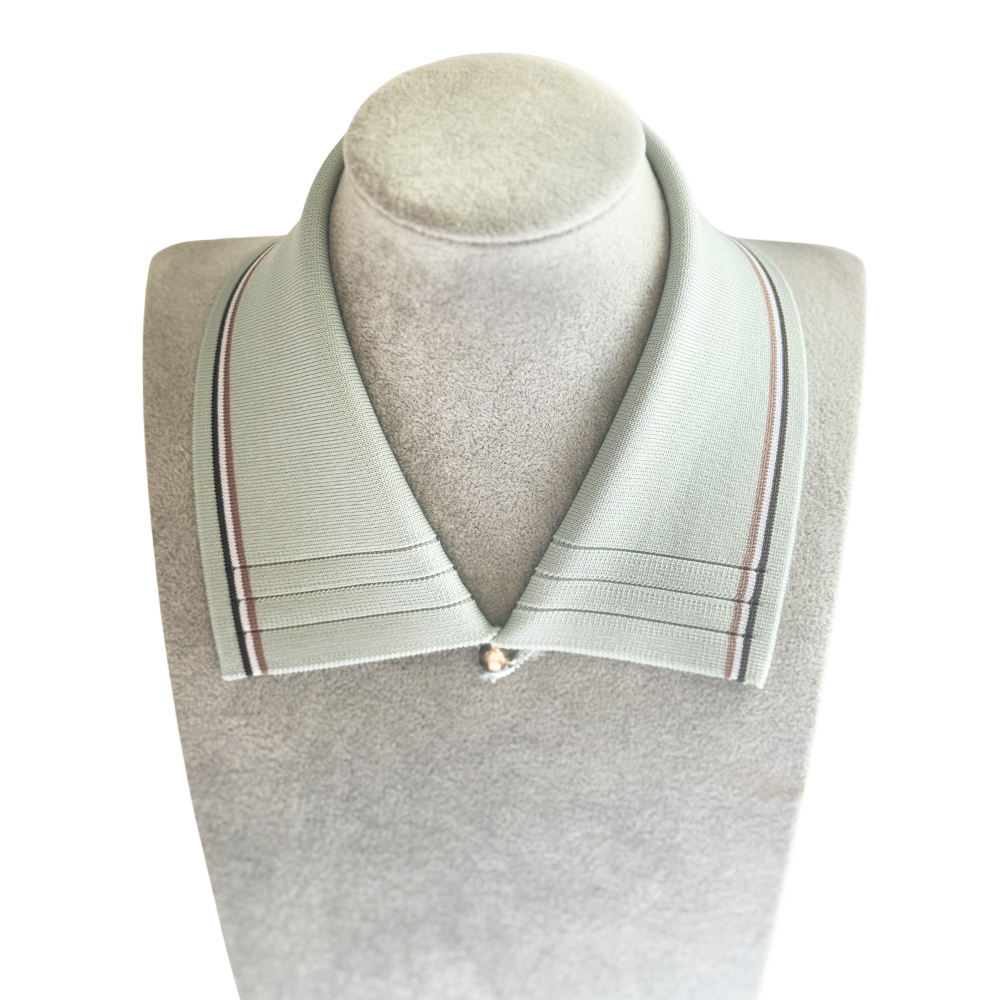
French terry (looped inside, smooth face) at 260–300 GSM provides an ideal DTF surface with moderate stretch. Fleece (brushed inside) at 280–340 GSM adds warmth but requires careful press time to avoid crushing the pile.
Both constructions accept DTF transfers cleanly when the face is tightly knitted; open or slub textures can trap air pockets and reduce bond strength.
5. Customization and Decoration Options for DTF Print Sweaters
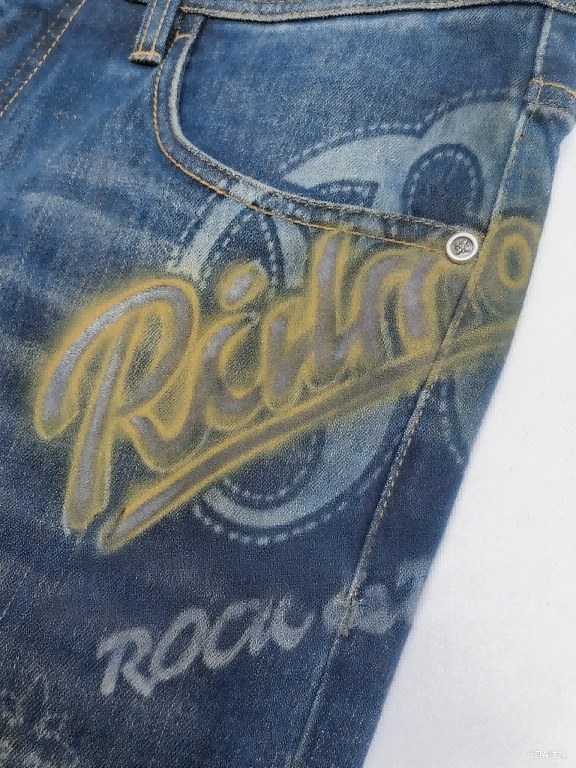
DTF print sweater decoration unlocks full-color photographic imagery, gradients, metallic finishes, oversized graphics, and all-over patterns — design freedom impossible with traditional screen printing. CENWILD pairs DTF with embroidery patches, appliqué, and screen underbase to create multi-technique statements for brands seeking layered visual impact.
| Method | Cost per Piece | Wash Durability | Design Complexity |
|---|---|---|---|
| DTF Print | Low–Medium | 50+ washes | Unlimited color, photo detail |
| Embroidery | Medium–High | 100+ washes | Thread-count limits fine detail |
| Screen Print | Low (high setup) | 60+ washes | Per-color setup cost |
| Appliqué | Medium | 80+ washes | Fabric layering, bold shapes |
Design Possibilities with DTF on Knitwear
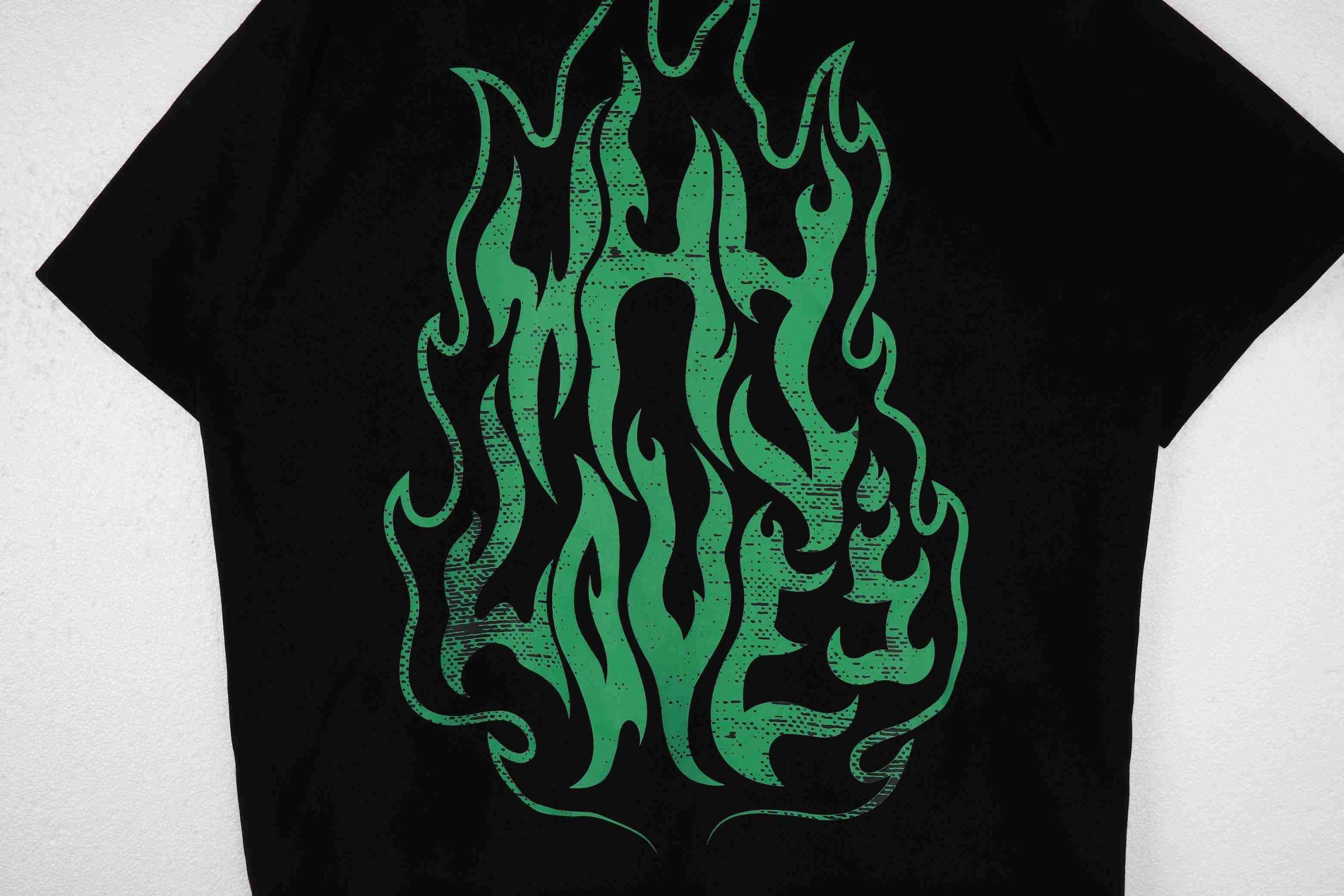
DTF transfers reproduce photographic detail, smooth gradients, and unlimited CMYK color blends without screens or color minimums. Metallic and neon specialty films add premium finishes. Print sizes reach 16×20 inches on chest or back placements; all-over patterns require panel printing before assembly. File resolution should meet 300 DPI at final size to prevent pixelation on textured knit surfaces.
Combining DTF with Complementary Decoration
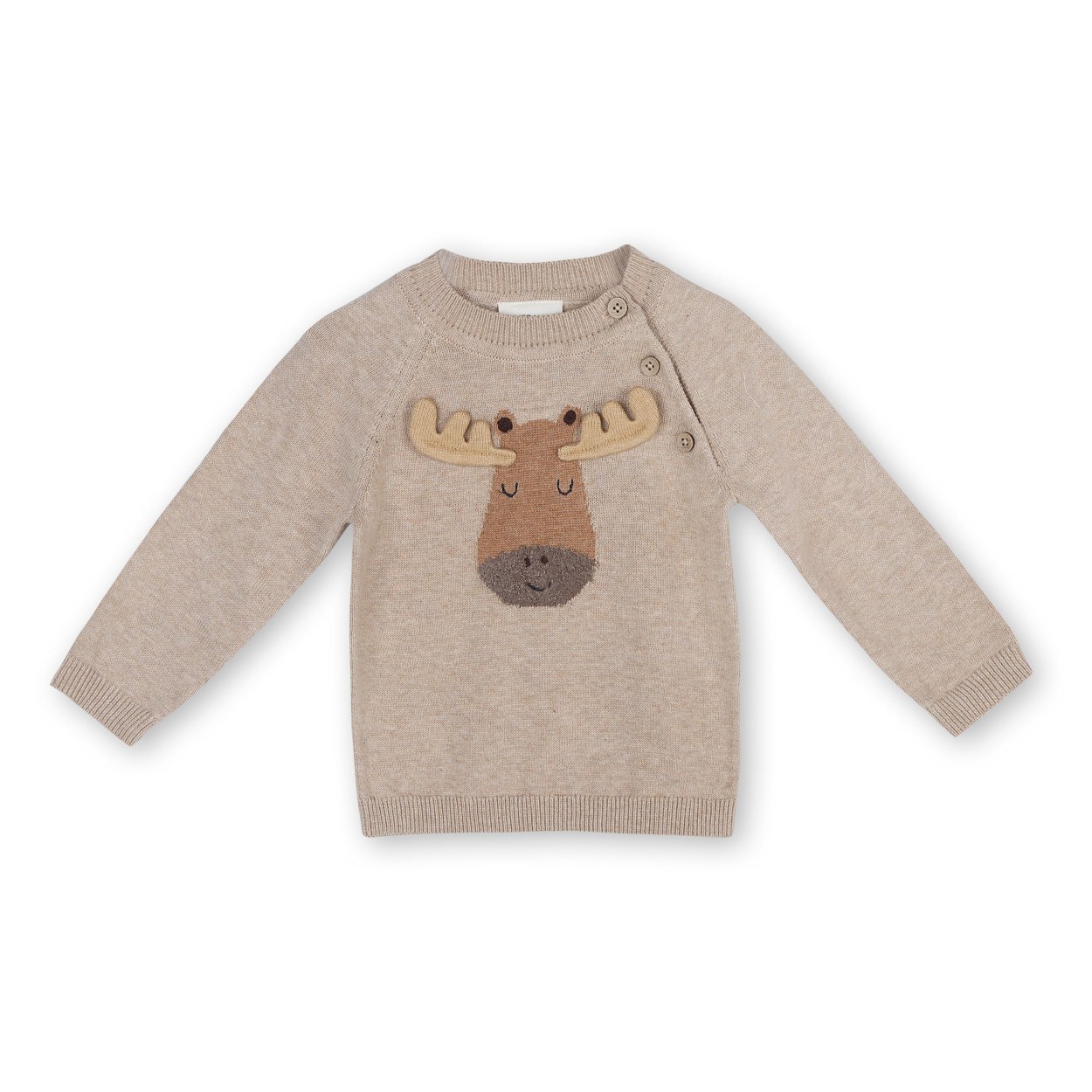
Embroidery patches over DTF underbase create raised logos with vibrant backgrounds. Chain-stitch or appliqué borders frame DTF graphics for texture contrast. Screen-printed underbases ensure opacity on dark knits before DTF color layers. CENWILD’s decoration workshop integrates flat embroidery, 3D puff, sequin, and heat-transfer techniques in a single production run, eliminating multi-vendor coordination.
Color Matching and File Preparation
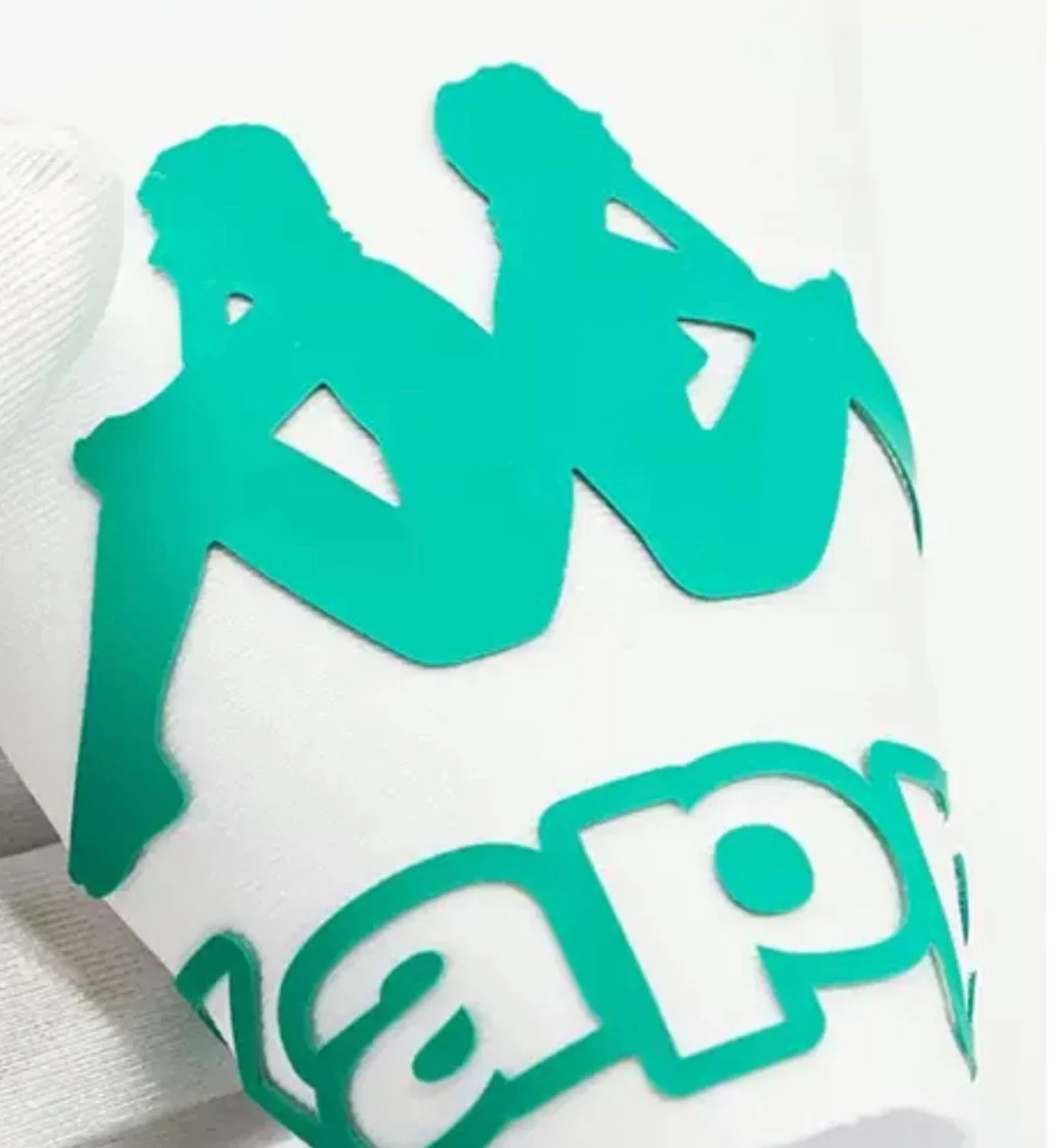
DTF uses CMYK process color; Pantone solid matches require manual ink mixing and may shift slightly on textured yarn. Supply vector AI or EPS files, or raster PNG/PSD at 300 DPI minimum. Embed fonts and convert text to outlines. CENWILD’s design team reviews artwork for knit compatibility, adjusts trap and bleed, and provides a digital proof before transfer production begins.
6. Key Quality Indicators in DTF Print Sweater Manufacturing
Premium DTF print sweaters are defined by measurable durability and finish standards, not marketing claims. Buyers should evaluate film adhesion, wash performance, and knit integrity before approving production samples.
Film Adhesion and Wash Durability
DTF transfers reproduce photographic detail, smooth gradients, and unlimited CMYK color blends without screens or minimums. Metallic and neon specialty films add premium finishes. Print sizes reach 16×20 inches; all-over patterns require panel printing before assembly.
Print Hand-Feel and Alignment
Premium DTF films add ≤ 0.3 mm thickness and remain soft to touch; rubbery or stiff prints indicate low-grade adhesive powder. Check registration accuracy within ± 1 mm on multi-color designs and ensure prints sit square to seams and ribbing without distortion.
Sample Inspection Checklist
During factory audits or sample approval, verify seam consistency (no skipped stitches), gauge uniformity across panels, and color match to approved lab dips. Inspect print edges under magnification for clean cuts and confirm care-label instructions match the decoration method used.
- Film edges clean, no fraying or adhesive residue
- Print flex test — no cracks after 10 folds
- Seam tension consistent, no puckering near prints
- Color vibrancy matches digital proof under daylight
7. How to Choose the Right DTF Print Sweater Manufacturer
Selecting a dtf print sweater manufacturer requires evaluating technical capabilities, production flexibility, and transparency. Assess MOQ thresholds, in-house printing infrastructure, and quality assurance protocols to ensure alignment with your brand’s scale and standards.
MOQ and Scalability
Minimum order quantities typically range from 50 to 500 pieces per design; manufacturers offering 100-piece MOQs balance startup accessibility with production efficiency. Verify reorder flexibility — stable partners often reduce MOQ to 50 pieces and deposit requirements to 30% after initial orders.
Scalability matters: confirm monthly capacity (leading facilities exceed 80,000 pieces) and turnaround for repeat orders, usually 25–35 days for established designs.
DTF Equipment and Process Control
In-house DTF printing ensures tighter quality control and faster sampling than outsourced decoration. Ask about printer resolution (1200+ DPI delivers sharp detail), curing temperature profiles (160–170°C for 60–90 seconds), and wash-test protocols — minimum 20 cycles at 40°C.
Green flags include documented curing logs and pre-production wash samples; red flags are vague answers on equipment specs or no wash testing.
Certifications and Communication
OEKO-TEX Standard 100 for base fabrics and GOTS for organic yarns confirm chemical safety and sustainability claims. Request certificates with valid dates and scope numbers.
Sample turnaround of 7–14 days, transparent pricing breakdowns (base cost, print setup, decoration per placement), and a portfolio of completed DTF knitwear signal reliable partnership readiness.
8. Common Mistakes Buyers Make When Ordering DTF Print Sweaters
Even experienced buyers stumble when ordering their first dtf print sweater runs. Understanding common pitfalls — and their corrective actions — protects your budget, timeline, and brand reputation before production begins.
Choosing the Wrong Fabric Weight
Specifying 5GG chunky knit for a high-detail DTF graphic compresses fine lines and gradients into muddy blocks; conversely, lightweight 12GG jersey under a bold solid-fill print may show hand-stiffness or crack during wear.
Always match fabric gauge and GSM to your artwork complexity. Request a knit-down swatch with a test print before committing to full yardage. CENWILD’s design team reviews artwork against chosen yarn and gauge to flag mismatches during tech-pack development.
Skipping Pre-Production Wash Tests
DTF adhesive bonds differently to washed versus greige knit; skipping a wash test risks delamination, color bleed, or pilling after the first customer laundry cycle — triggering returns and negative reviews.
Require your manufacturer to wash and tumble-dry the approved sample at least three cycles, then photograph and report adhesion, hand-feel, and color fastness. Build that two-week window into your timeline.
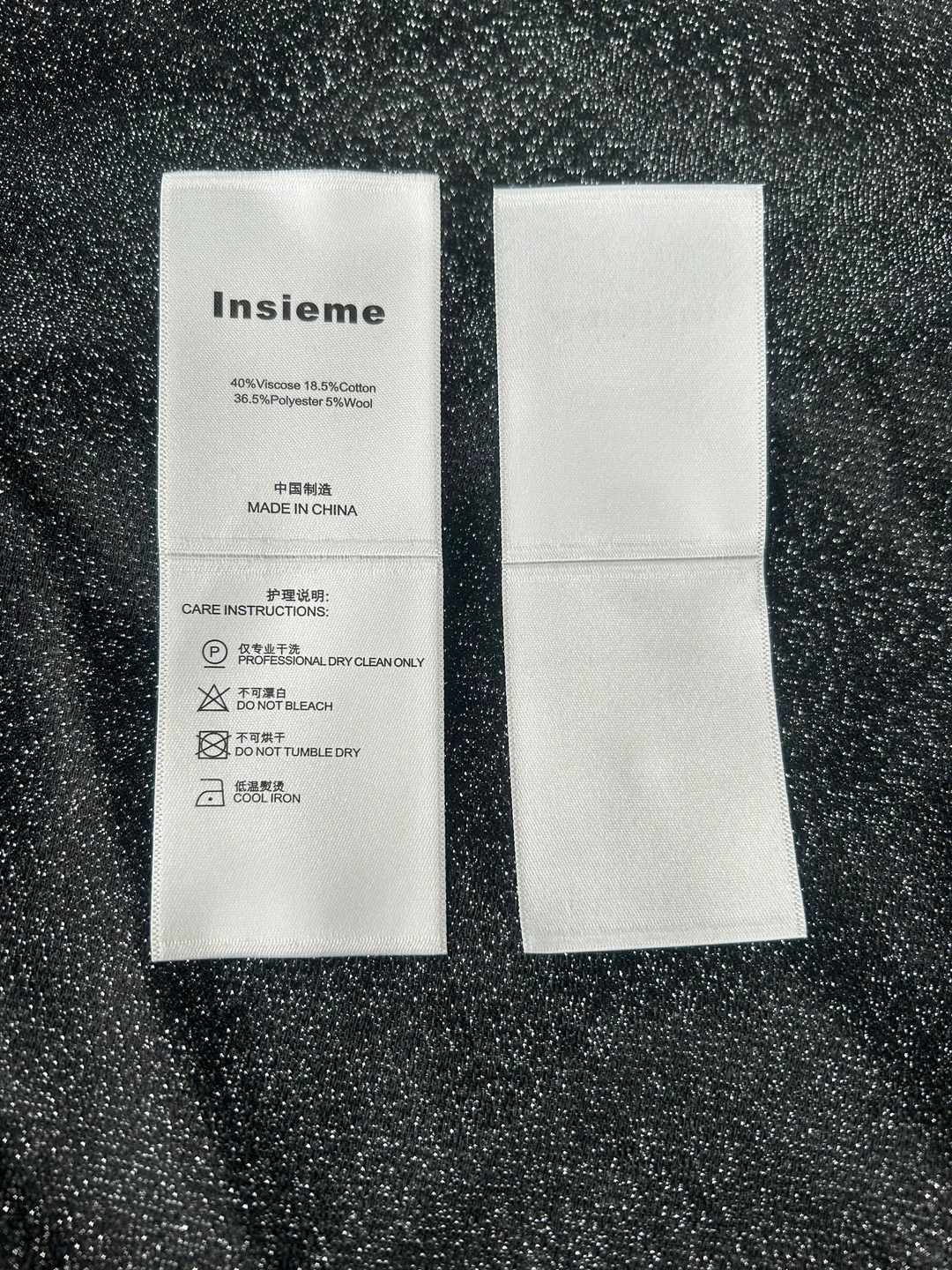
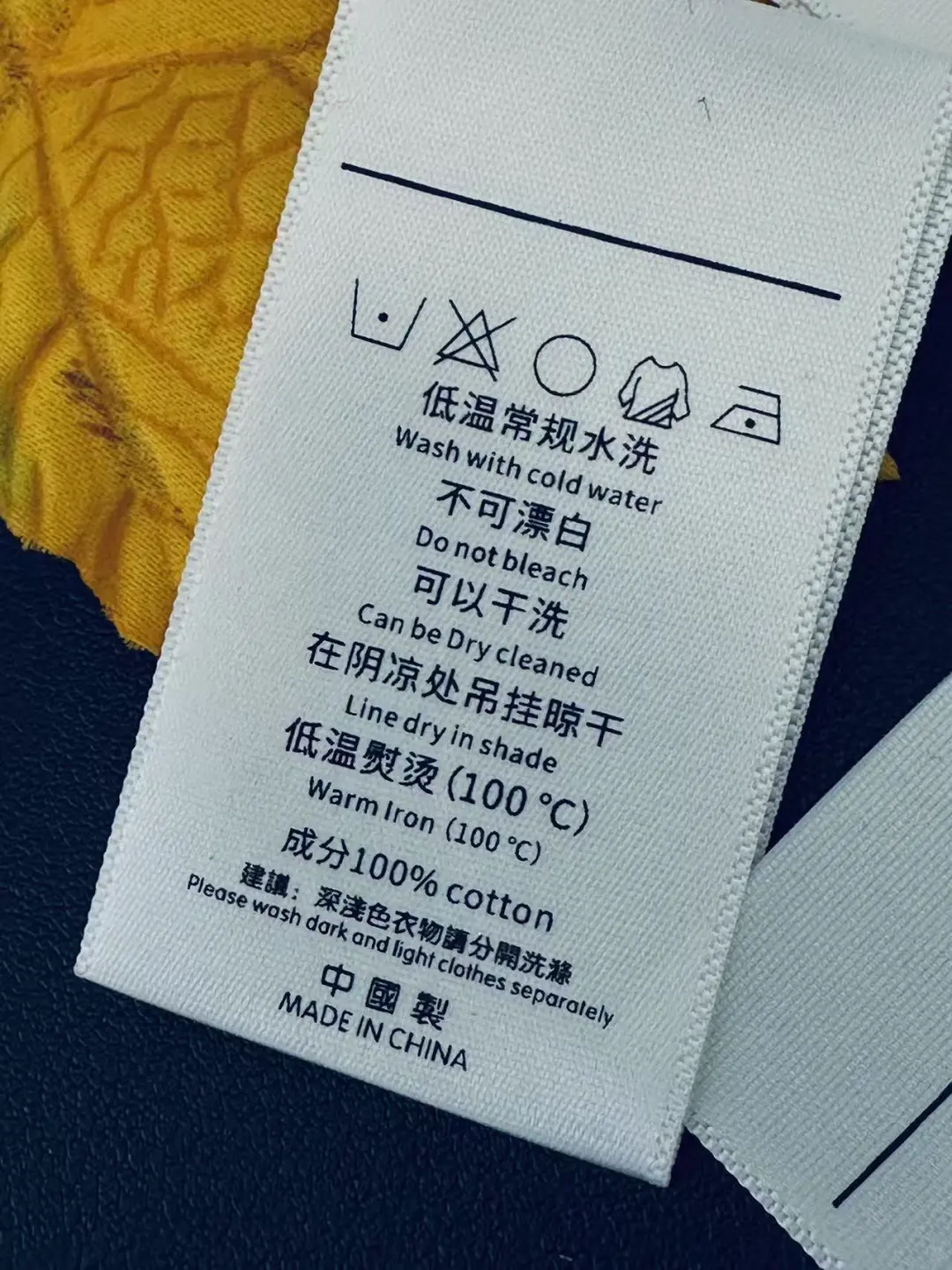
Ignoring Care-Label Requirements
Omitting or mis-stating wash temperature, tumble settings, or iron limits on the sewn-in care label exposes your brand to liability and voids many return policies in the EU and North America.
Provide final care instructions — or ask your factory to draft them based on yarn fiber and DTF film spec — before bulk labeling. CENWILD includes compliant care symbols and fiber-content tags as standard on all private-label orders above 300 pieces.
9. Steps to Launch Your Custom DTF Print Sweater Line
Launching a dtf print sweater line requires disciplined execution across design, sourcing, production, and go-to-market phases. CENWILD’s 28-year production roadmap breaks the journey into eight milestone stages, each with clear deliverables and budget gates to protect both timeline and capital.
Define Target Market and Design Concept
Identify your customer demographic—age, geography, price sensitivity—and the core design narrative. A clear concept (e.g., streetwear graphics on oversized pullovers, minimalist logos on merino cardigans) guides every downstream decision.
Document three to five hero designs with inspiration references. This brief becomes the foundation for fabric selection, print placement, and manufacturer communication.
Select Fabric and Sweater Style
Match yarn composition and gauge to your brand positioning: 7GG cotton for casual dtf print sweater styles, 12GG merino for premium lines. Review weight (220–320 GSM typical), hand-feel, and washability against your retail price point.
Choose silhouettes—crewneck, half-zip, cardigan—that offer adequate flat-knit panels for DTF artwork without interrupting construction seams.
Prepare Artwork and Request Quotes
Supply print-ready vector or 300 DPI raster files with Pantone callouts and exact placement dimensions. Request quotes from two to three manufacturers, specifying MOQ (CENWILD starts at 100 pieces), lead time (typically 35–45 days), and payment terms.
Compare unit cost, sampling fees, decoration capabilities, and flexibility on revisions before shortlisting one partner.
Approve Sample and Place Bulk Order
Review the pre-production sample for print adhesion, color match, stitch density, and garment fit across all sizes. Document any changes in writing with revised tech packs.
Once approved, issue a purchase order with full specifications, delivery address, and agreed payment schedule—typically 30–50% deposit for established buyers, balance before shipment.
10. Pricing and Cost Breakdown for DTF Print Sweaters
DTF print sweater pricing starts at $12–18 per piece for 100-unit orders and scales to $8–12 per piece at 1,000+ pieces, depending on fabric and print complexity. The base sweater accounts for 50–65% of total cost; DTF film, ink, and powder add $0.80–2.50 per print depending on coverage area. Labor for printing, curing, and QC contributes $1.20–2.00 per garment. Packaging adds $0.30–0.60, and sea freight to North America or Europe runs $0.80–1.50 per piece. Lead time: 100 pieces ship in 18–25 days, 1,000+ pieces in 25–35 days from deposit.
| Quantity Tier | Price per Unit (USD) | Lead Time (Days) |
|---|---|---|
| 100 pieces | $12–18 | 18–25 |
| 250 pieces | $10–15 | 20–26 |
| 500 pieces | $9–13 | 22–28 |
| 1,000+ pieces | $8–12 | 25–35 |
Ready to Print Your Custom DTF Sweater Design?
Send us your artwork today for a free DTF print sweater sample. 100-piece MOQ, 28+ years of OEM/ODM experience, and full production support.