Sweater Custom Print — Branded Knitwear from 100 Pieces
Full-service sweater custom print production with OEM and ODM support. Screen print, heat transfer, DTF, and sublimation on quality knitwear, backed by 28+ years Dongguan manufacturing expertise.
Sweater Custom Print Samples
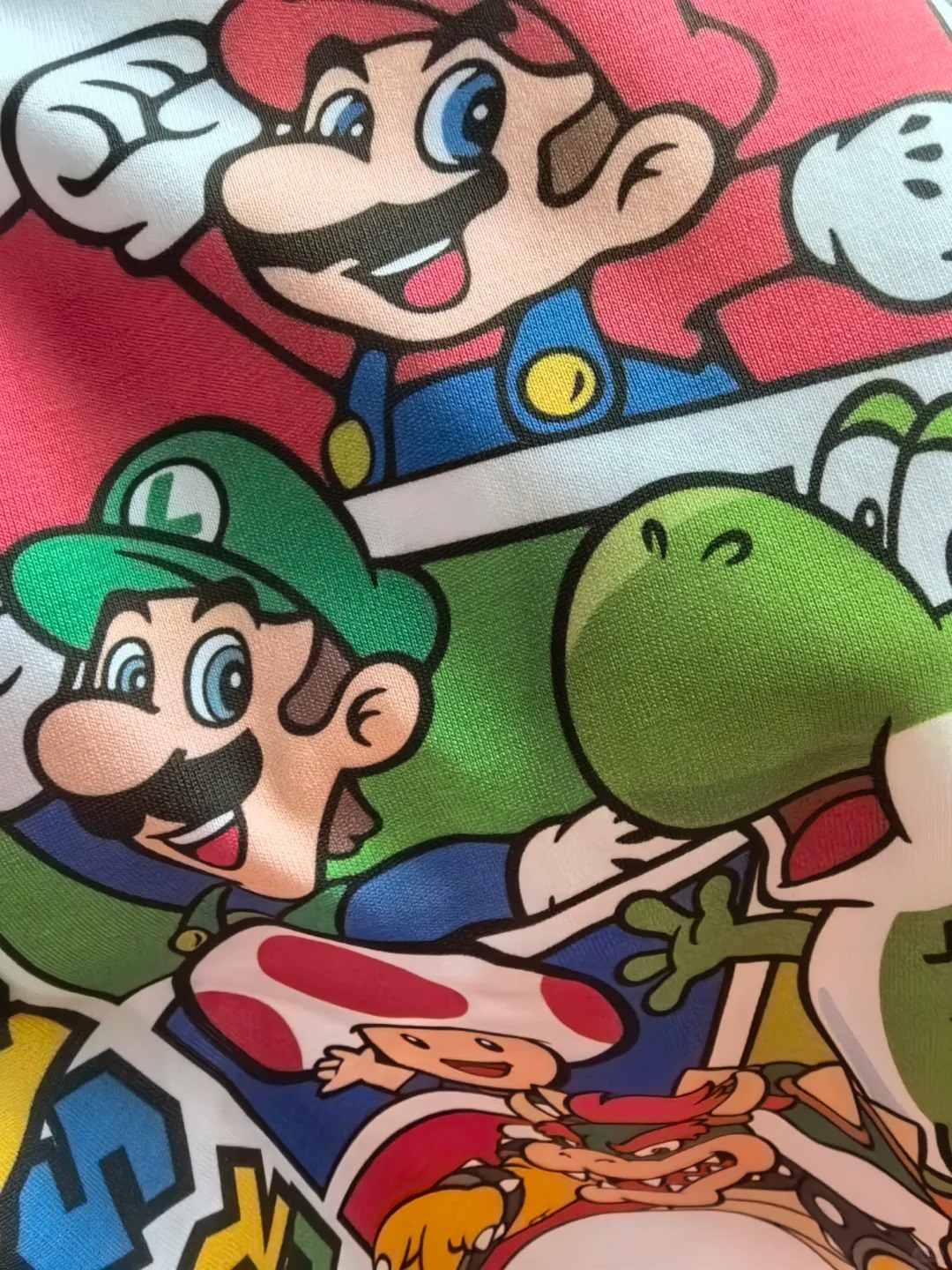
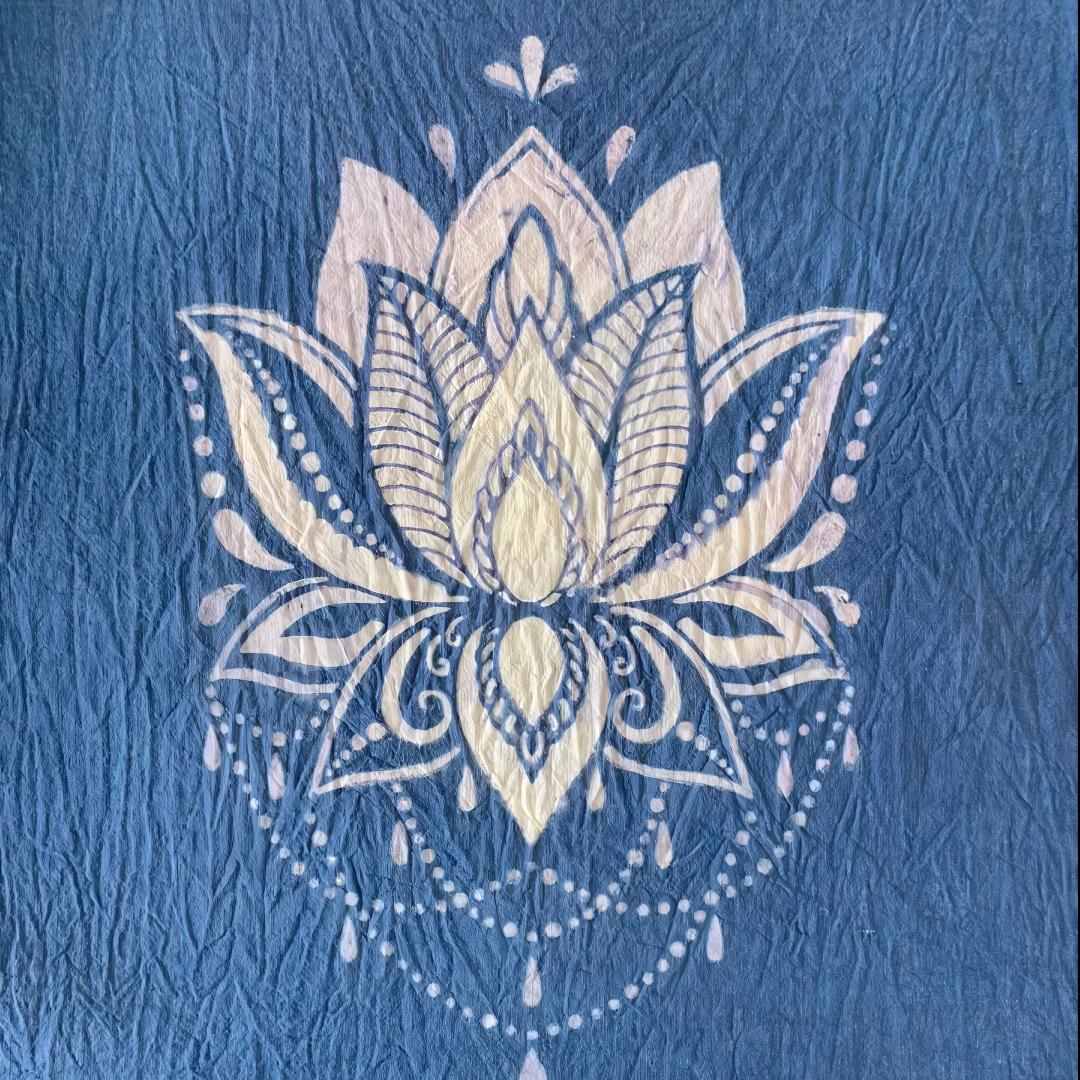
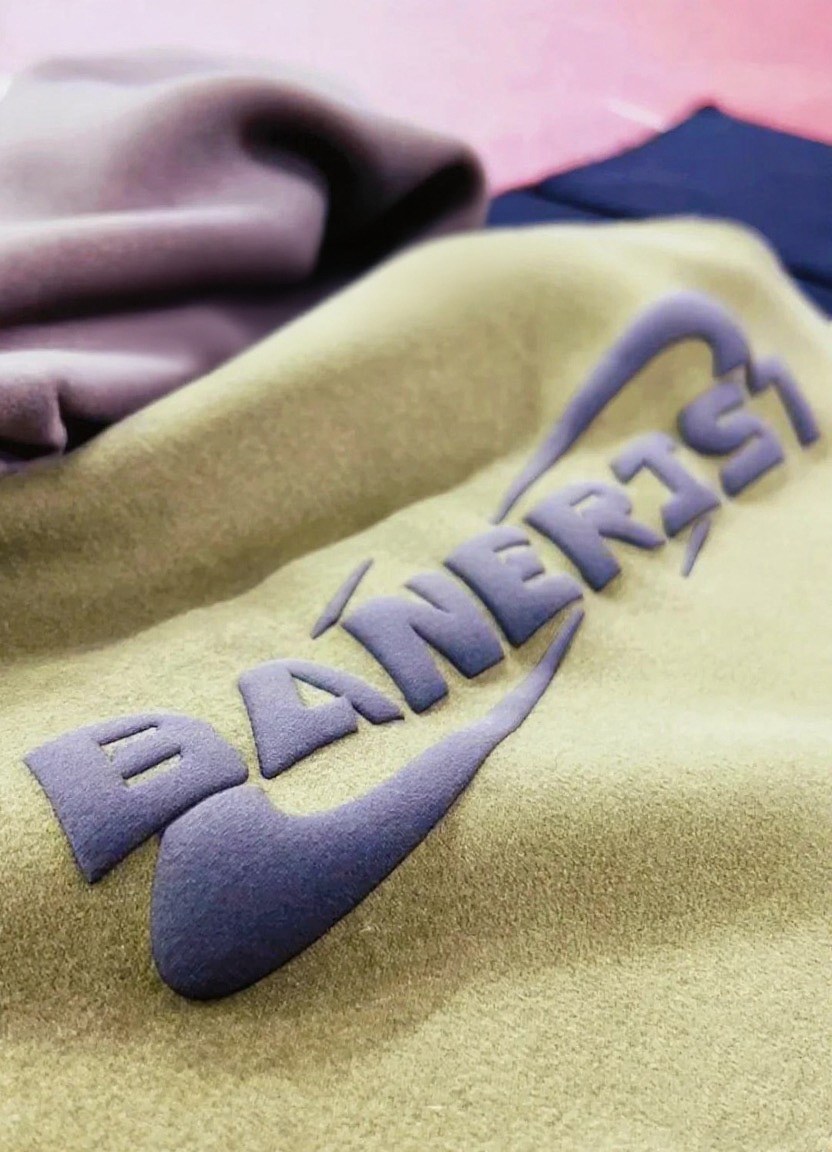
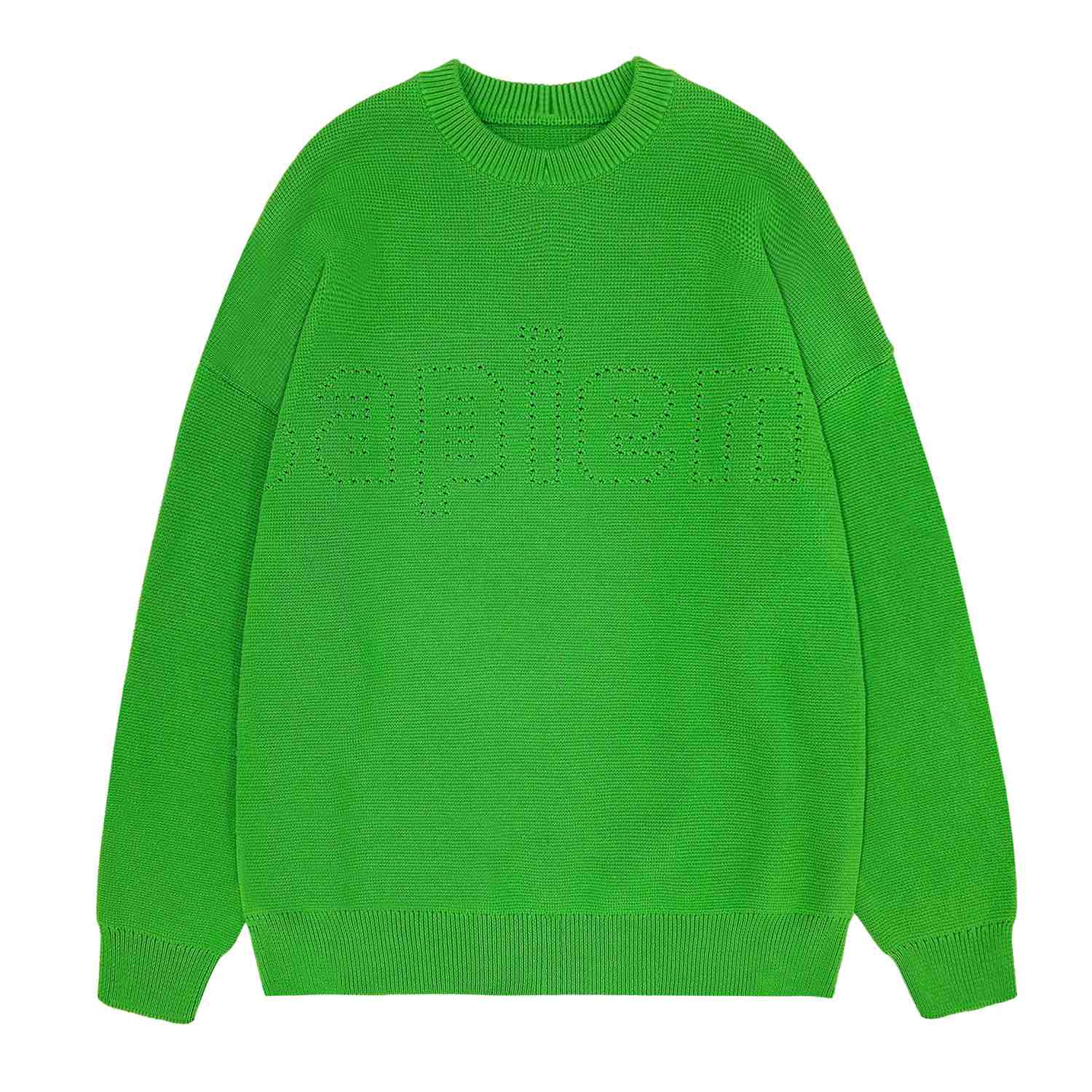
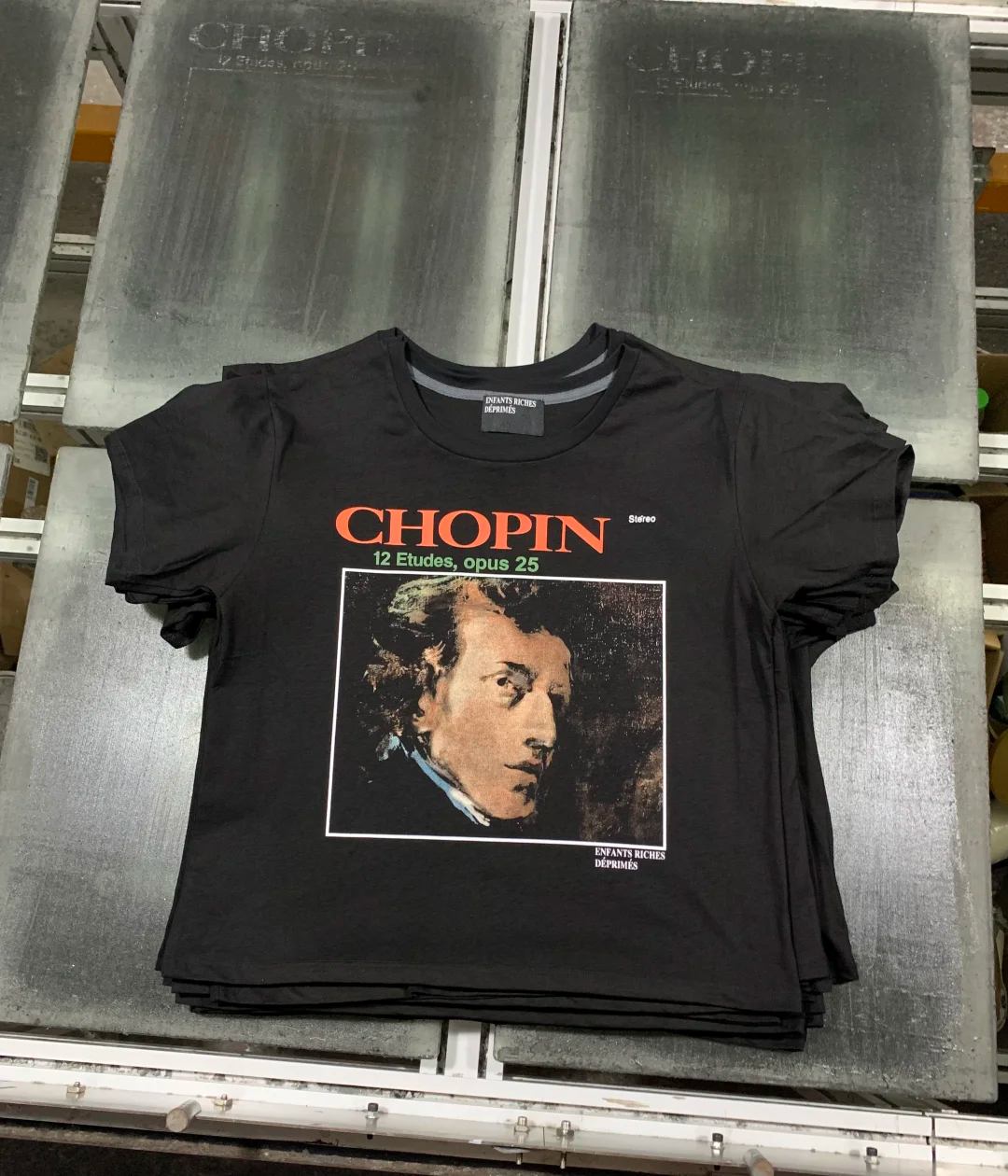
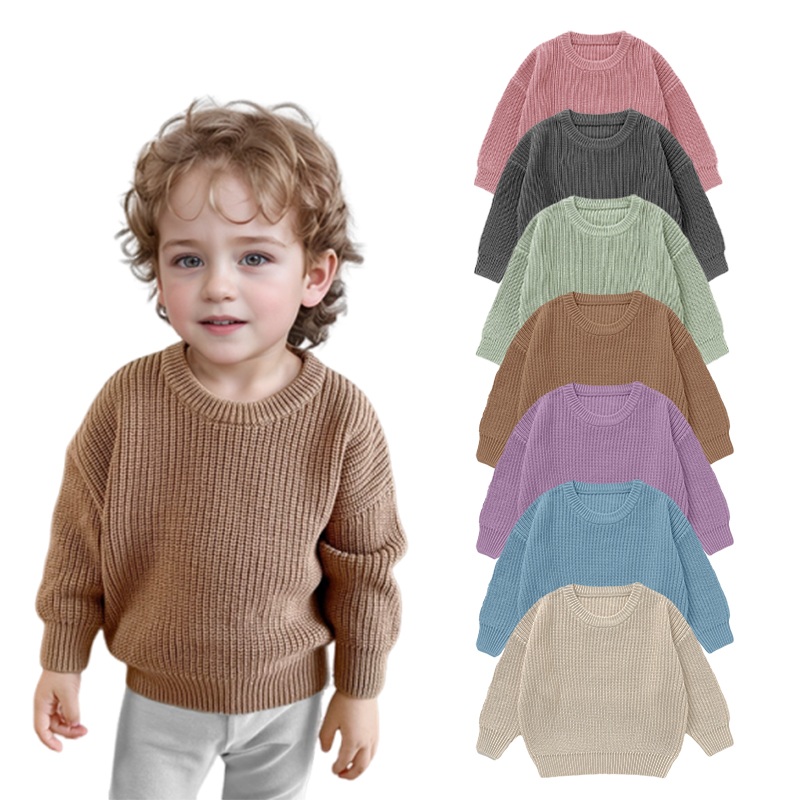
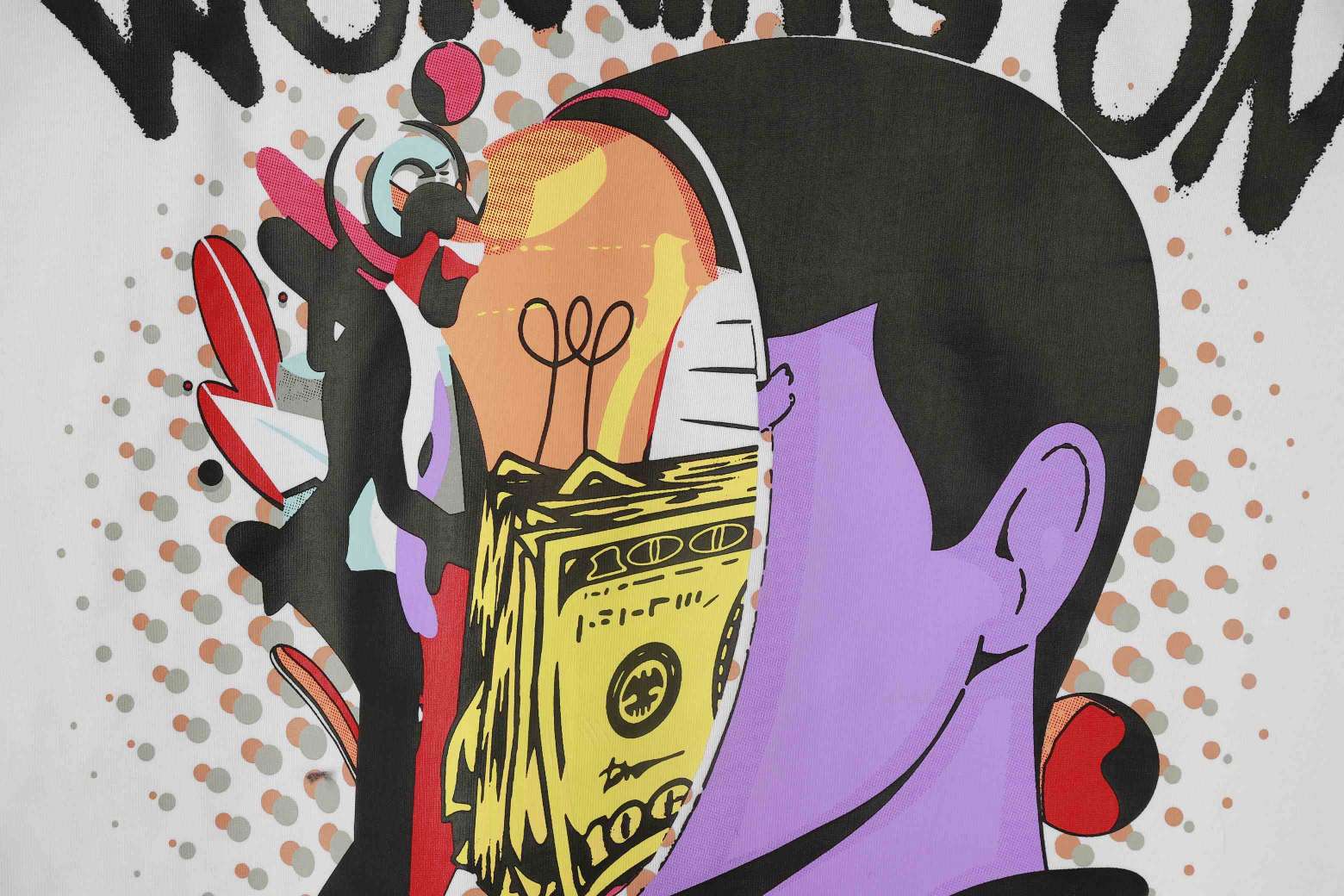
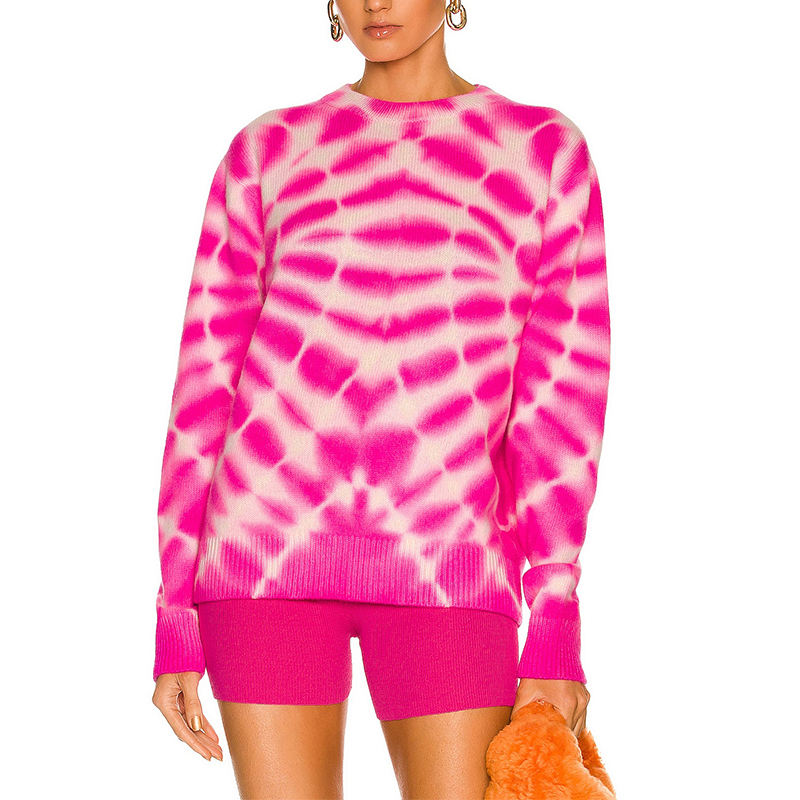
What Makes Sweater Custom Print Distinctive
Wash-Durable Print Technology
Heat transfer, DTF and screen inks engineered to survive 50+ wash cycles without cracking, fading or peeling on knit fabrics.
Vibrant Color on Knit
Advanced ink formulations deliver rich, true-to-Pantone color even on textured, looped and ribbed sweater surfaces.
Flexible Design Placement
Print anywhere — chest, sleeve, back, all-over — with precision registration that follows every sweater panel and seam.
Compatible Across Fiber Blends
Tested on cashmere, merino, cotton, acrylic and recycled yarns to ensure adhesion and hand-feel across all knit weights.
Soft Hand and Breathability
Print layers remain thin and flexible, preserving the natural drape, stretch and comfort of your custom knitwear.
In-House Print and Knit
Full control from flat-knitting to final print decoration under one roof in Dongguan, ensuring quality and lead-time consistency.
Related Knitwear Capabilities & Services
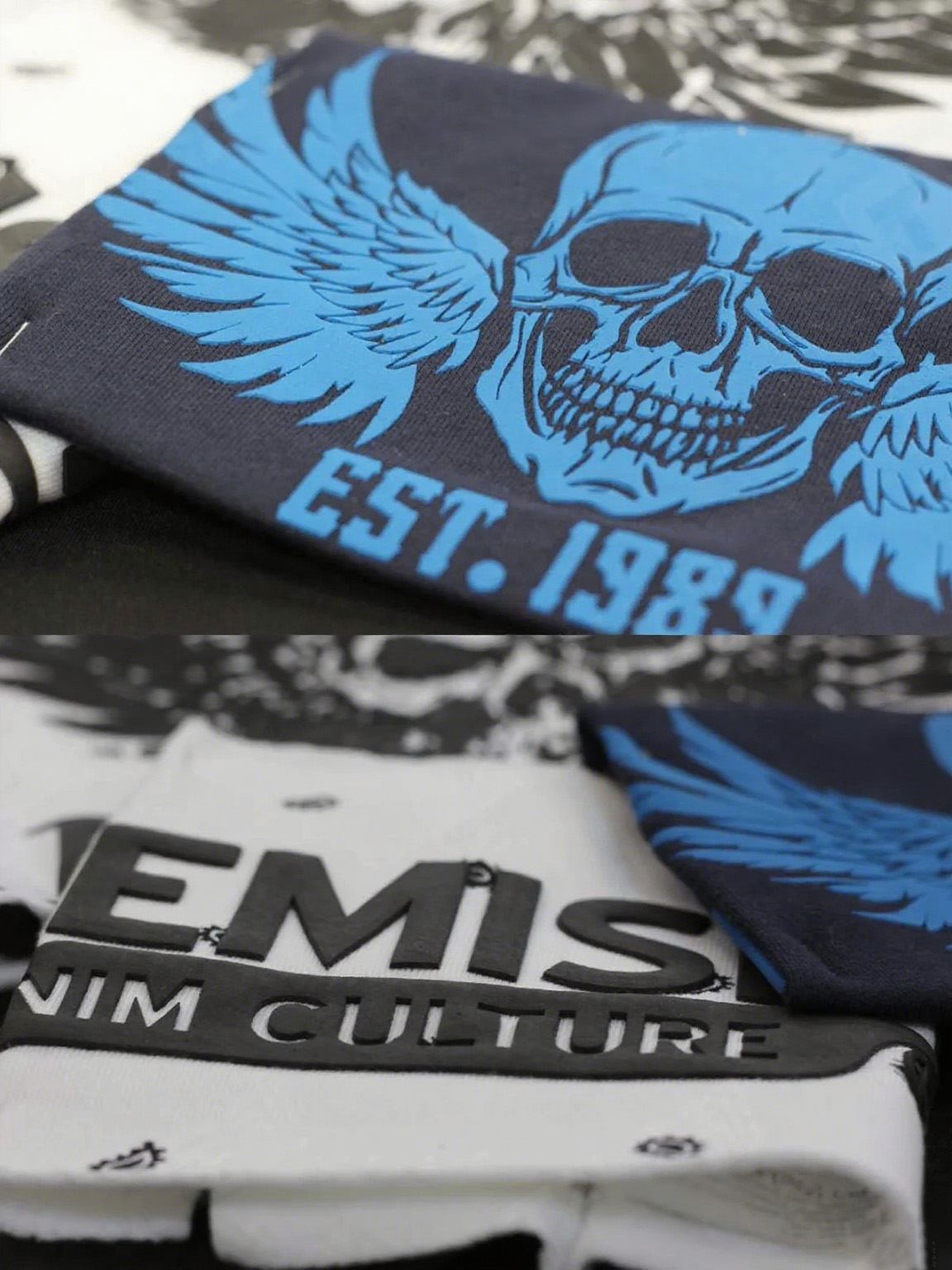
Printing on Knitwear
CENWILD applies sweater custom print techniques across screen printing, heat transfer, DTF, and sublimation to personalize knitwear for brands, retailers, and merchandisers. Our in-house decoration facility integrates seamlessly with knitting and finishing, ensuring color accuracy, durability, and fast turnaround on orders from 100 pieces. Ideal for logos, graphics, and seasonal designs on any knit base.
Explore Printing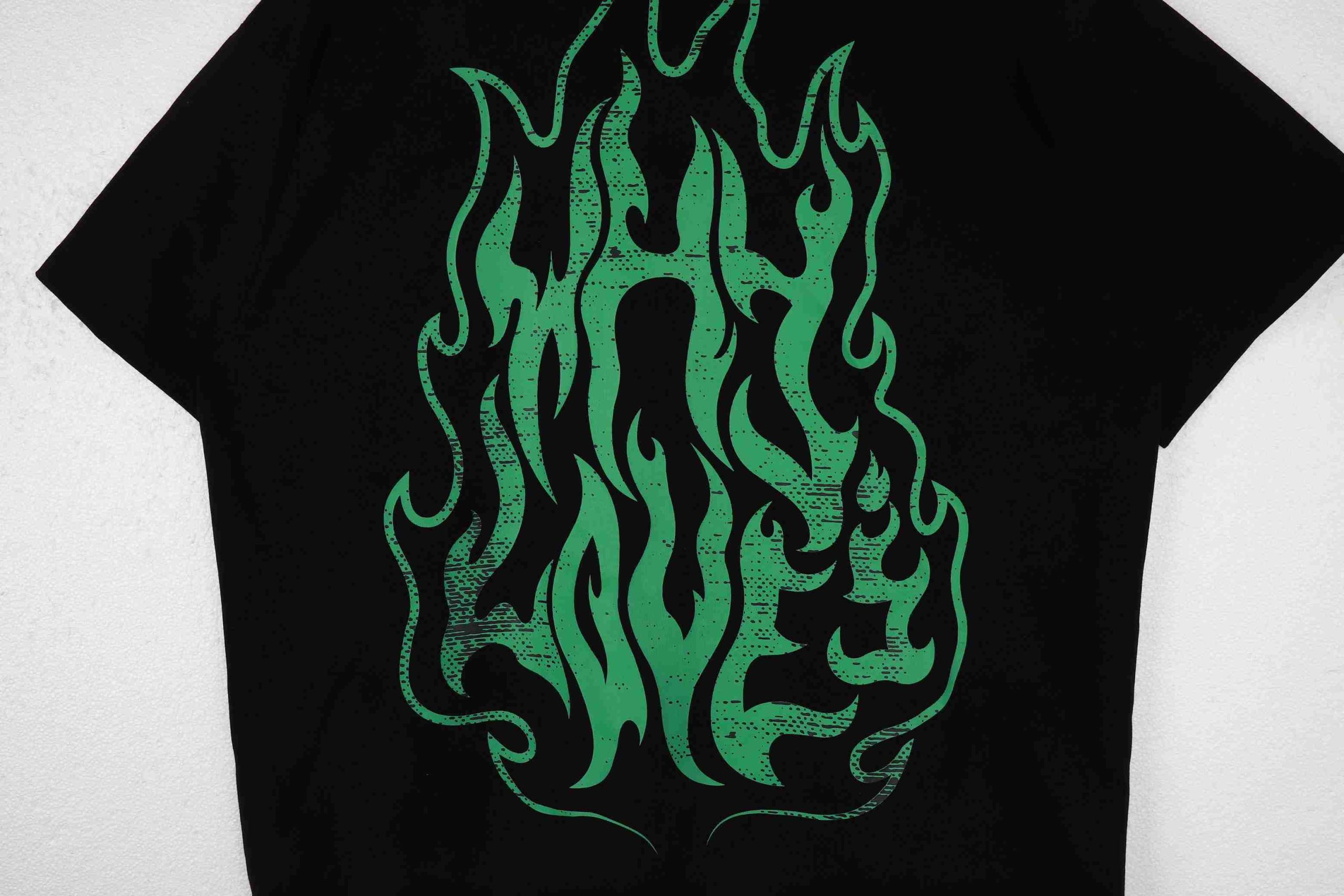
Heat Transfer Print
Heat transfer sweater decoration delivers vibrant, detailed graphics and logos onto knit garments without the weight or stiffness of traditional screen print. CENWILD’s heat transfer process works across cotton, wool, acrylic, and blended yarns, supporting full-color artwork, small text, and photographic images. Perfect for private label collections and branded merchandise with low minimums.
Learn More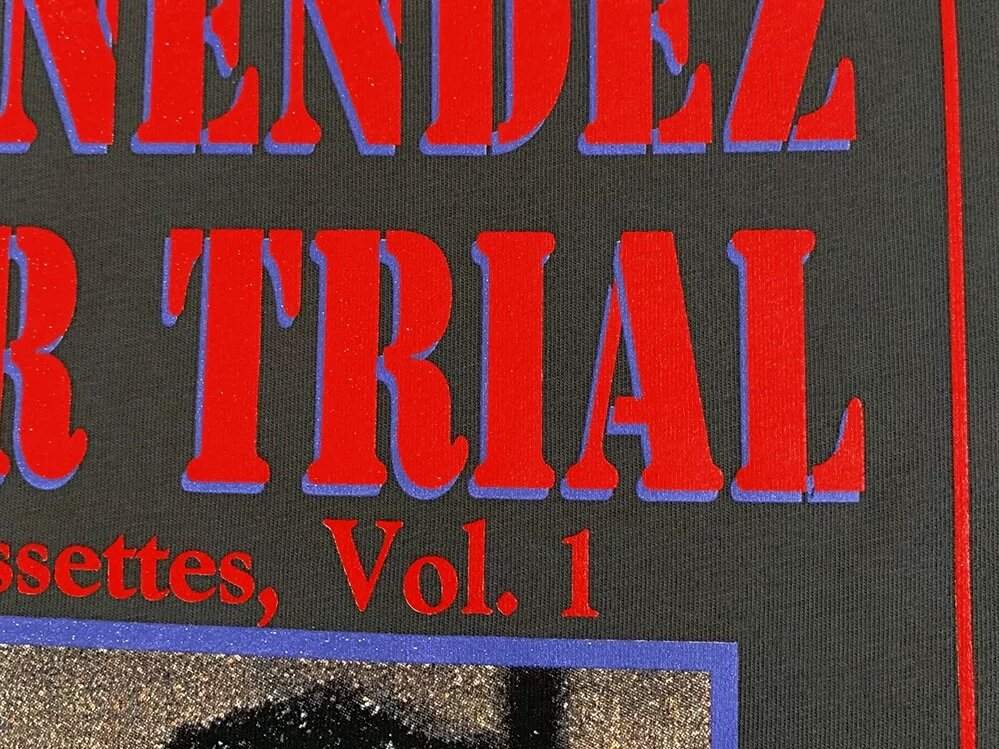
DTF Printing on Knit
DTF print sweater technology allows full-color, high-resolution graphics to be applied directly onto knitwear with excellent wash durability and soft hand feel. CENWILD uses direct-to-film printing for complex artwork, gradients, and small-batch customization on cardigans, pullovers, and knit sets. Suitable for influencer collaborations, limited editions, and test collections starting at 100 pieces.
View DTF Details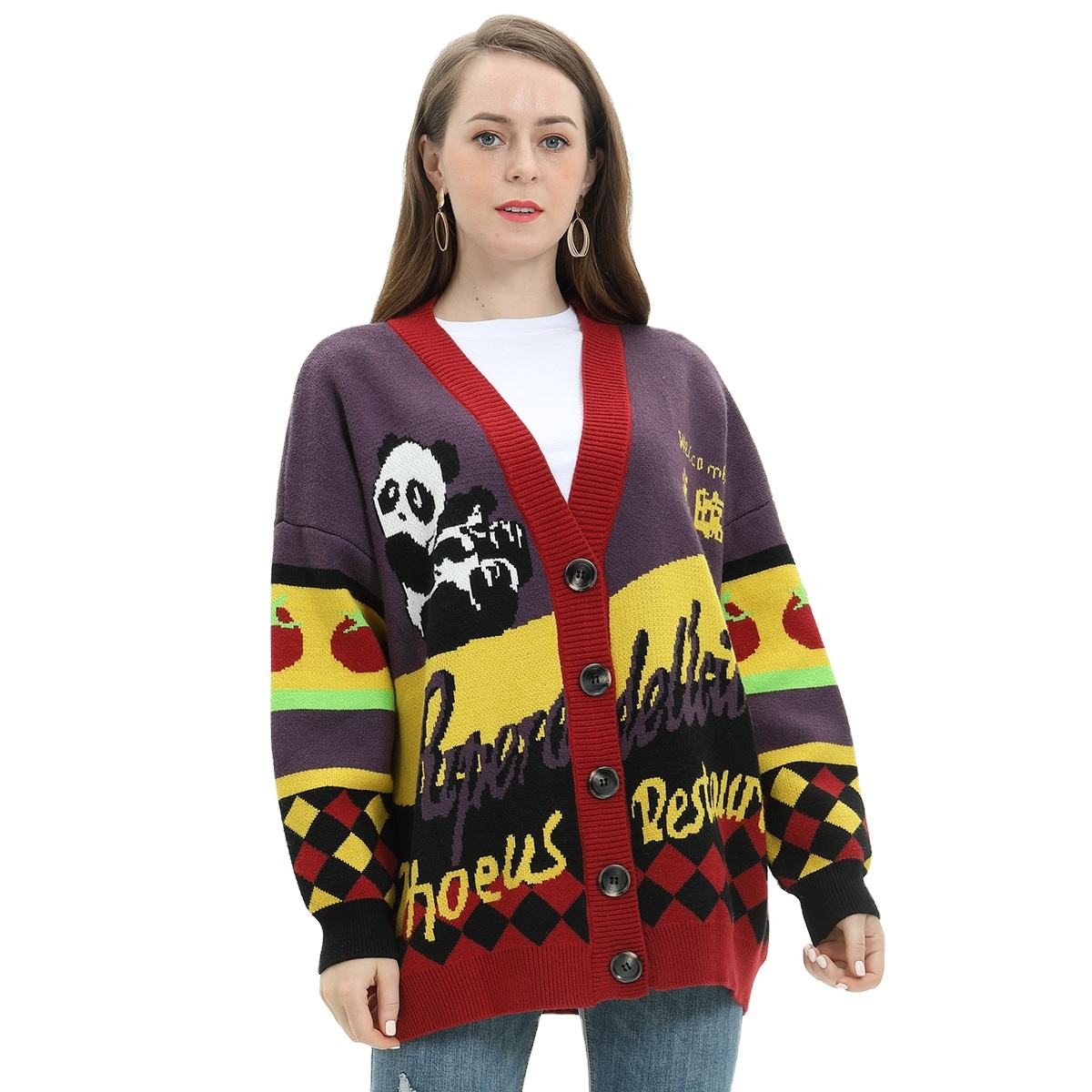
Sublimation Print
Sublimation knit printing embeds dye directly into synthetic and poly-blend yarns, creating permanent, fade-resistant graphics that won’t crack or peel. CENWILD offers sublimation for all-over patterns, photographic prints, and bold color work on performance knits and fashion sweaters. Best suited for polyester-content fabrics and brands seeking vibrant, long-lasting decoration.
Explore Sublimation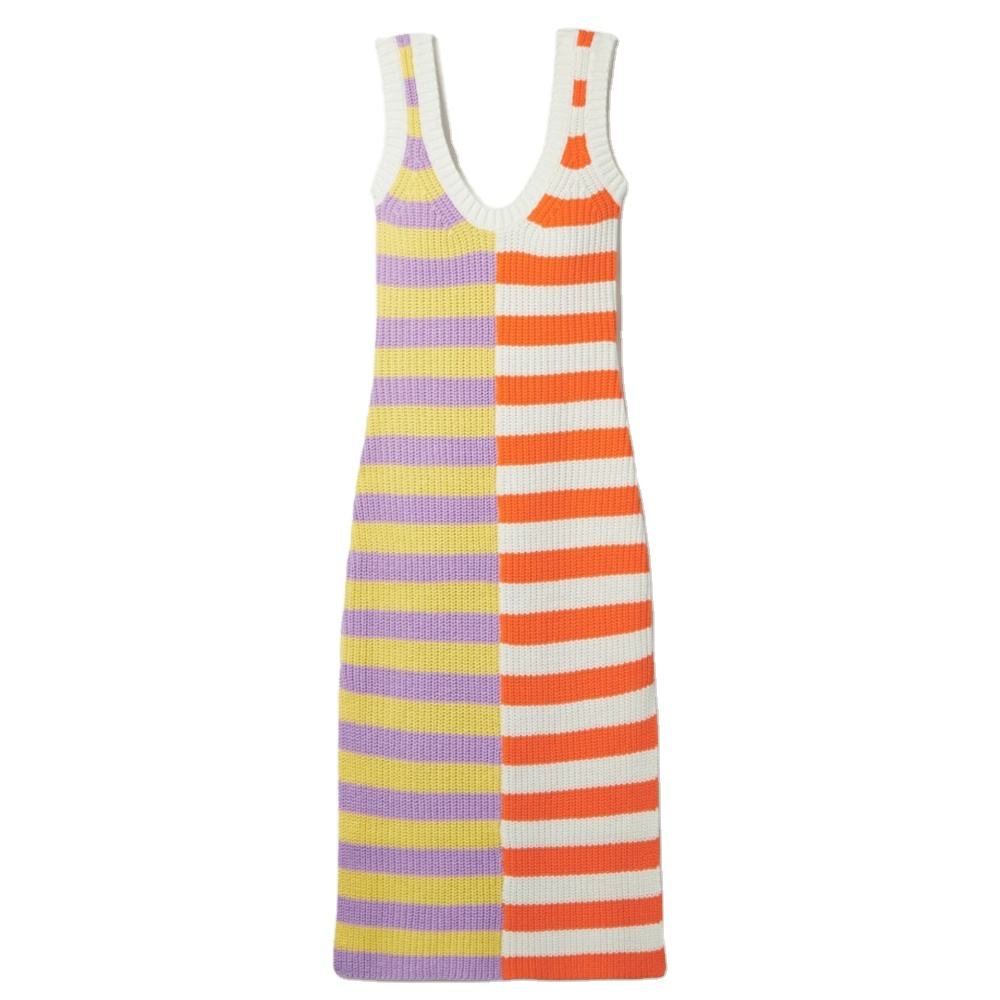
Custom Cardigan
Custom cardigan production at CENWILD spans button-front, zip, and open styles in 3GG to 14GG gauges, using cashmere, merino, cotton, alpaca, and recycled blends. Our ODM team develops stitch patterns, trims, and silhouettes from your sketch or tech pack, with knit-down sampling and full grading. MOQ starts at 100 pieces for independent designers and emerging brands.
Get a Quote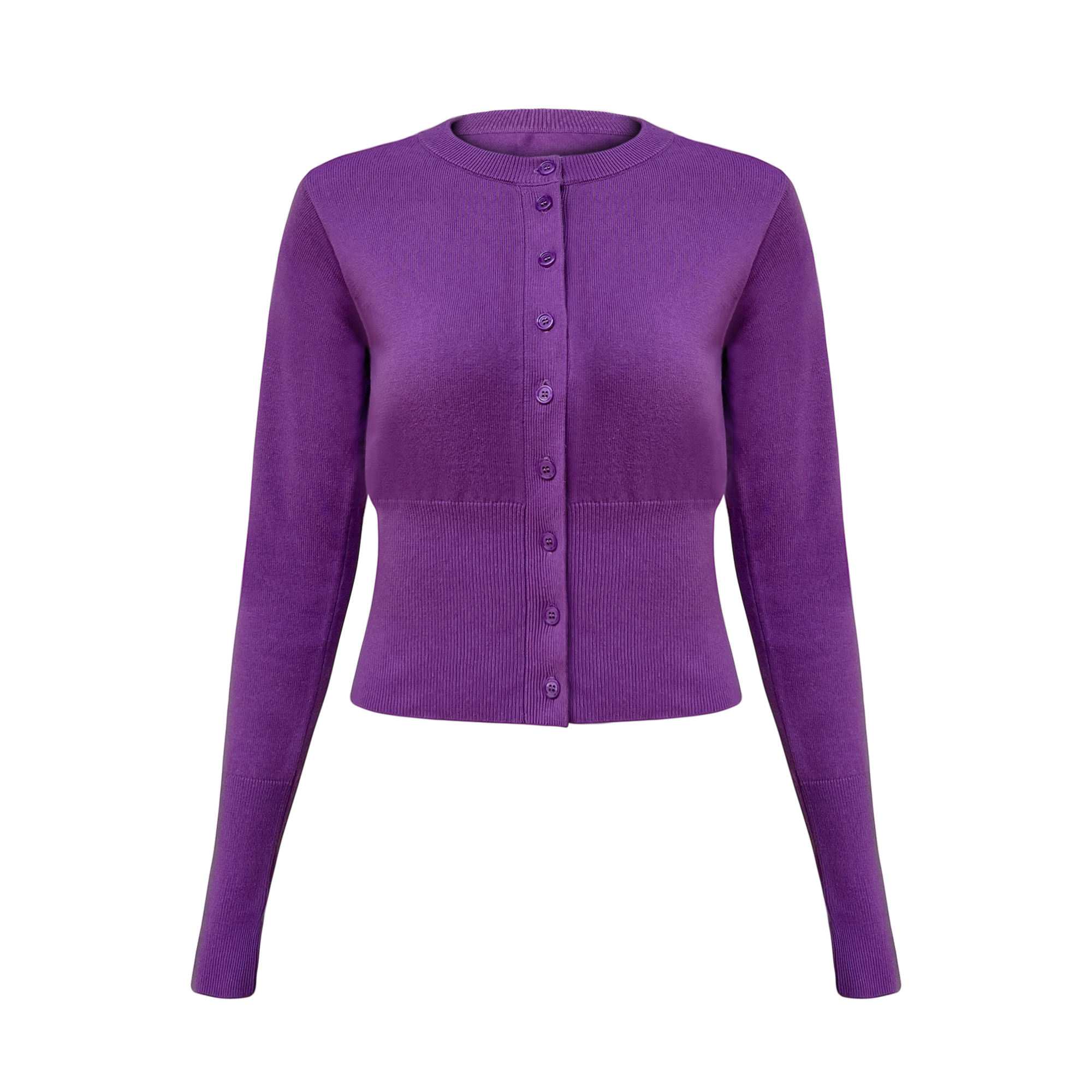
Cardigan Sweater Manufacturer
As a cardigan sweater manufacturer with 28 years in Dongguan, CENWILD operates computerized flat-knitting lines and in-house linking, washing, embroidery, and quality control. We produce OEM and private label cardigans for wholesalers, fashion brands, and retailers across North America, Europe, and Australia. Capacity exceeds 80,000 pieces monthly with flexible payment and low minimums.
Get a Quote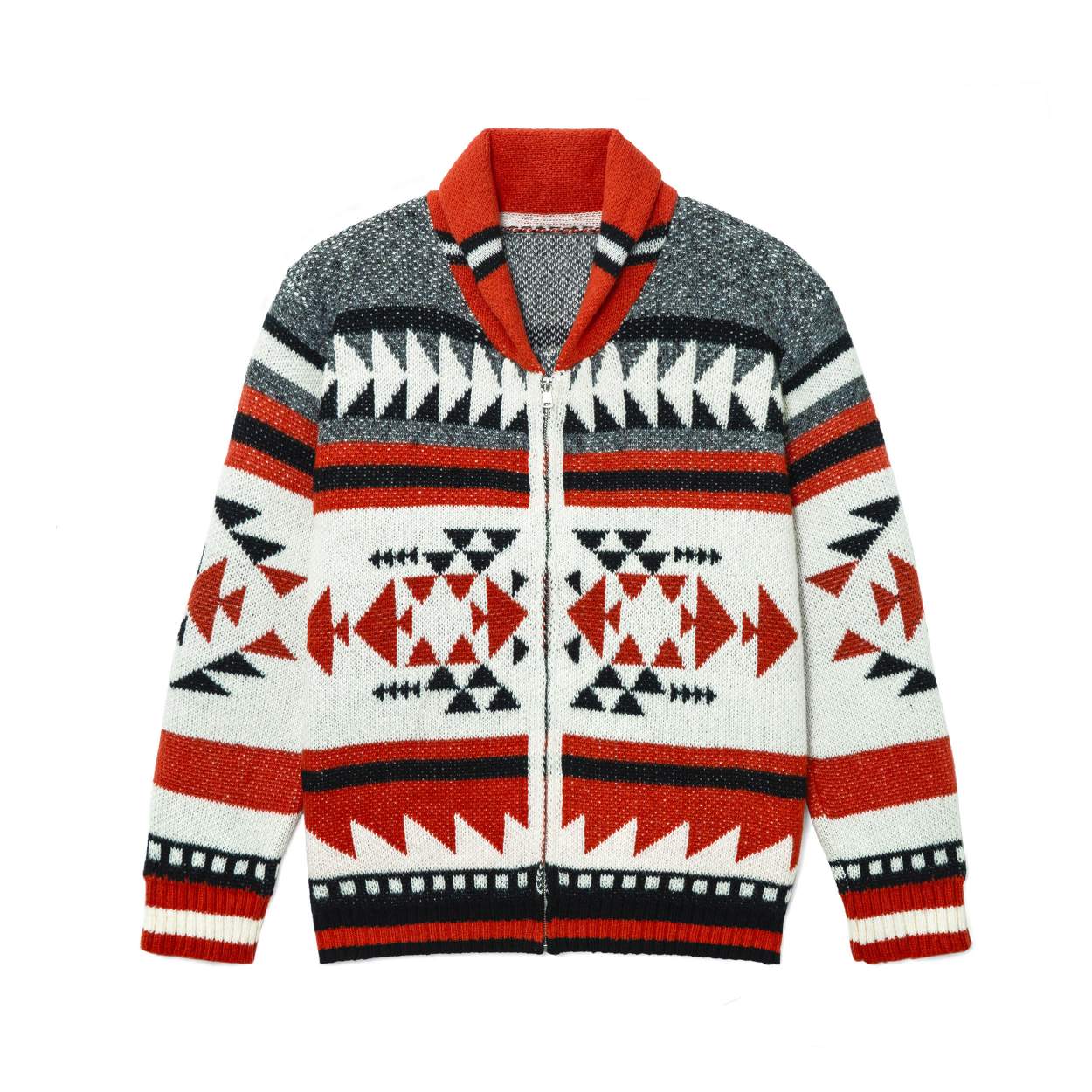
Wholesale Cardigan Sweaters
Wholesale cardigan sweaters are available in ready-to-brand styles or fully customized designs with your choice of yarn, gauge, color, trim, and decoration. CENWILD supports volume orders for distributors and retailers, with tiered pricing, private label services, and coordinated production schedules. MOQ from 100 pieces per style ensures accessibility for growing wholesale businesses.
Get a Quote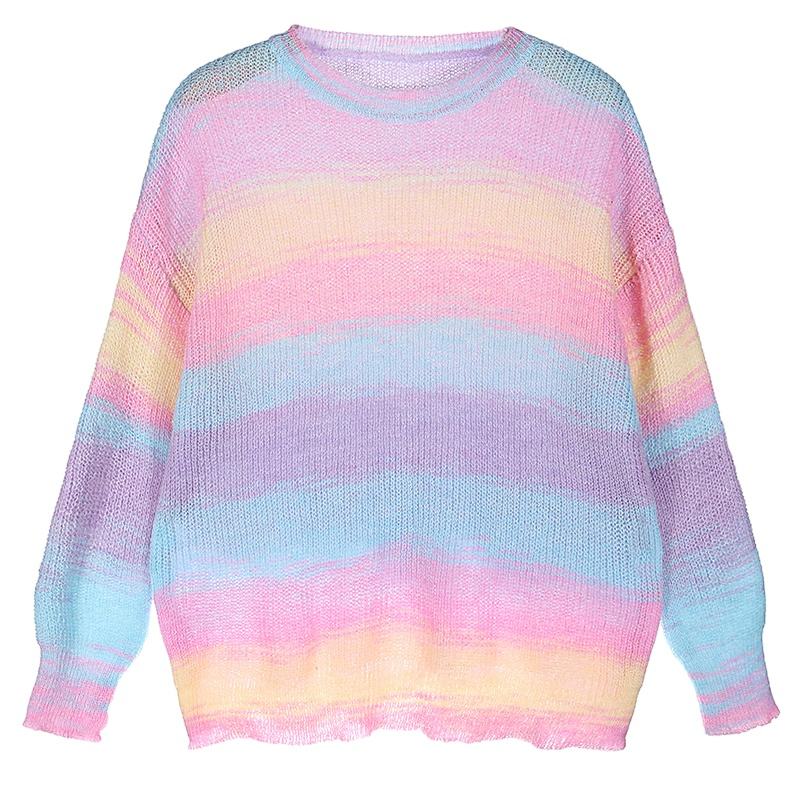
All-Over Print Sweaters
All-over print sweaters combine sublimation or jacquard knitting to cover the entire garment surface with patterns, graphics, or photographic imagery. CENWILD manufactures these statement pieces using advanced flat-knit programming or dye-sublimation on poly blends, ideal for streetwear brands, influencer lines, and seasonal collections. Full design support and sampling included from 100 pieces.
Get a Quote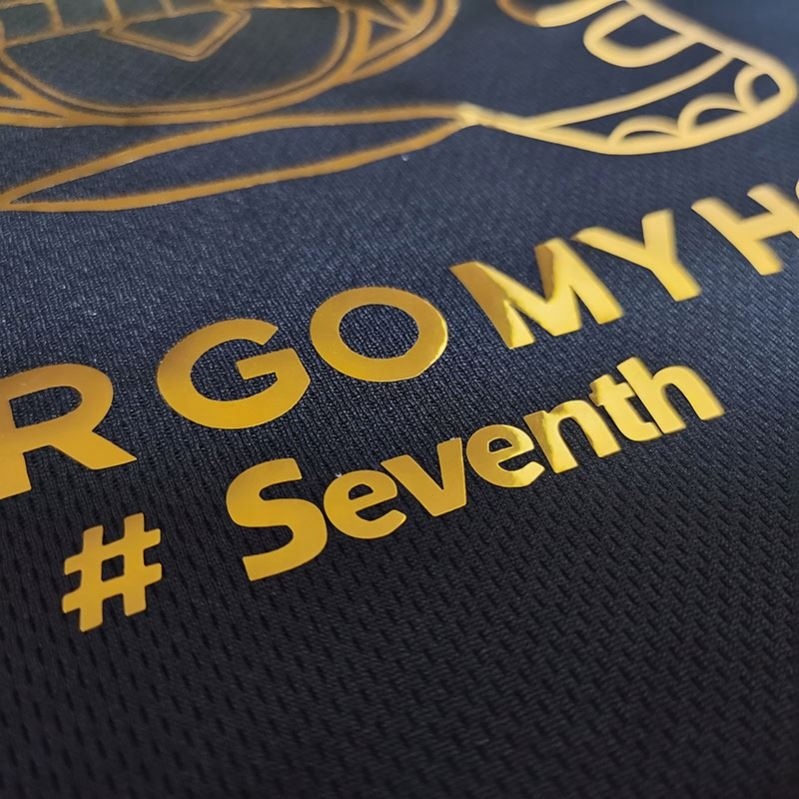
Logo Print Sweaters
Logo print sweaters add branded identity to knitwear through screen print, heat transfer, DTF, embroidery, or applique. CENWILD decorates crewnecks, hoodies, pullovers, and cardigans with single or multi-color logos for corporate merchandise, retail collections, and promotional campaigns. In-house decoration ensures precise placement, color matching, and consistent quality across production runs.
Get a QuoteCENWILD's Sweater Custom Print Expertise
Since 1998, CENWILD has specialized in sweater custom print production from our Dongguan facility, combining 28 years of knitwear manufacturing experience with advanced decoration capabilities. Our in-house sampling and knit-down prototyping ensure every printed design translates perfectly onto knitted fabric before full production begins.
With over 200 skilled employees and a monthly capacity exceeding 80,000 pieces, we’ve delivered custom printed sweaters to more than 2,000 fashion brands worldwide. Our OEM and ODM services support private label production from just 100 pieces, making sweater custom print accessible to independent designers and established retailers alike.
What sets CENWILD apart is our integrated approach: we control every step from yarn sourcing and knitting through screen printing, heat transfer, DTF, and sublimation decoration, to final quality control and export. This one-stop capability means faster turnarounds, tighter quality standards, and a manufacturing partner invested in your brand’s growth.
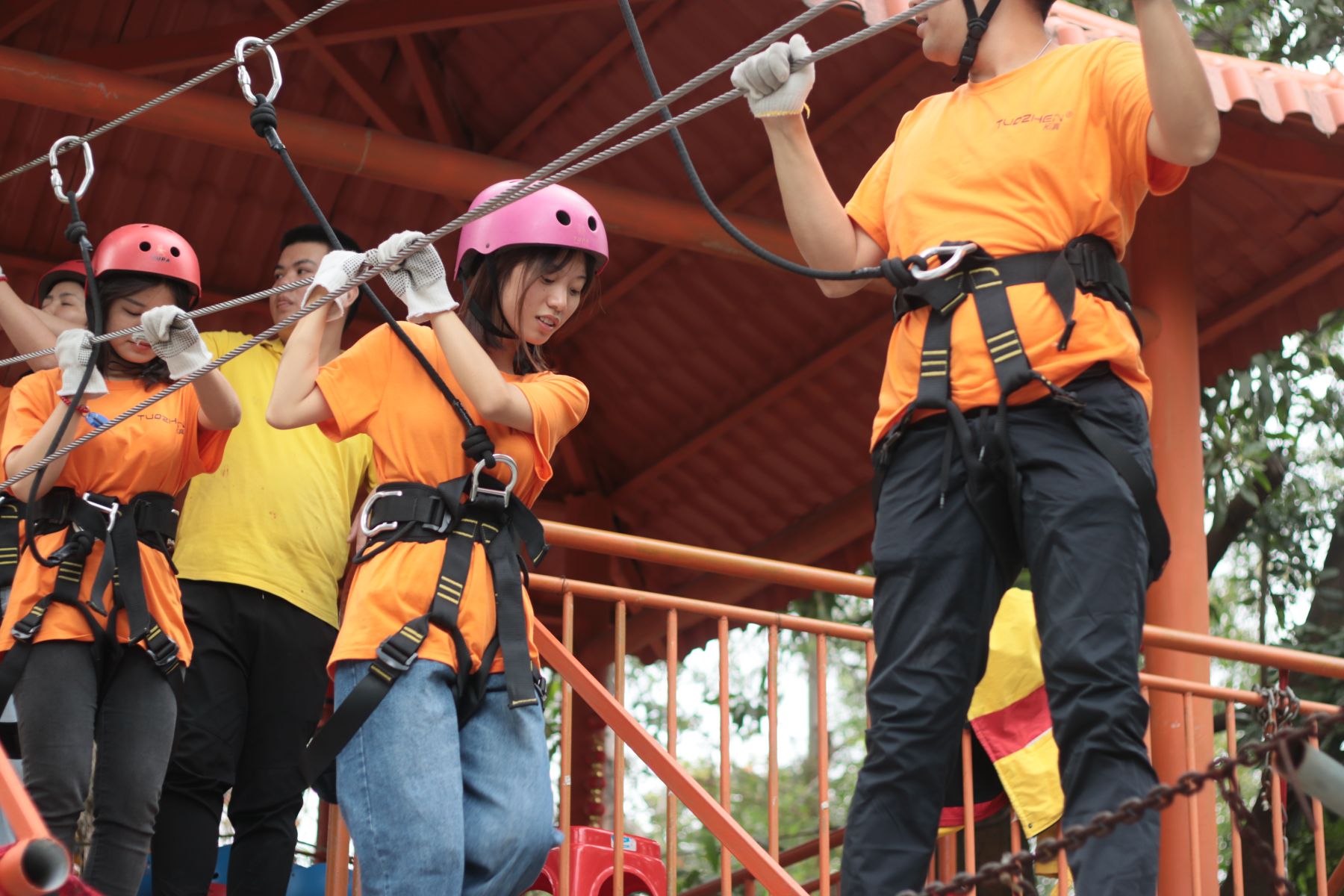
Sweater Custom Print Technologies Engineered for Knit
Screen Printing on Knit Sweaters
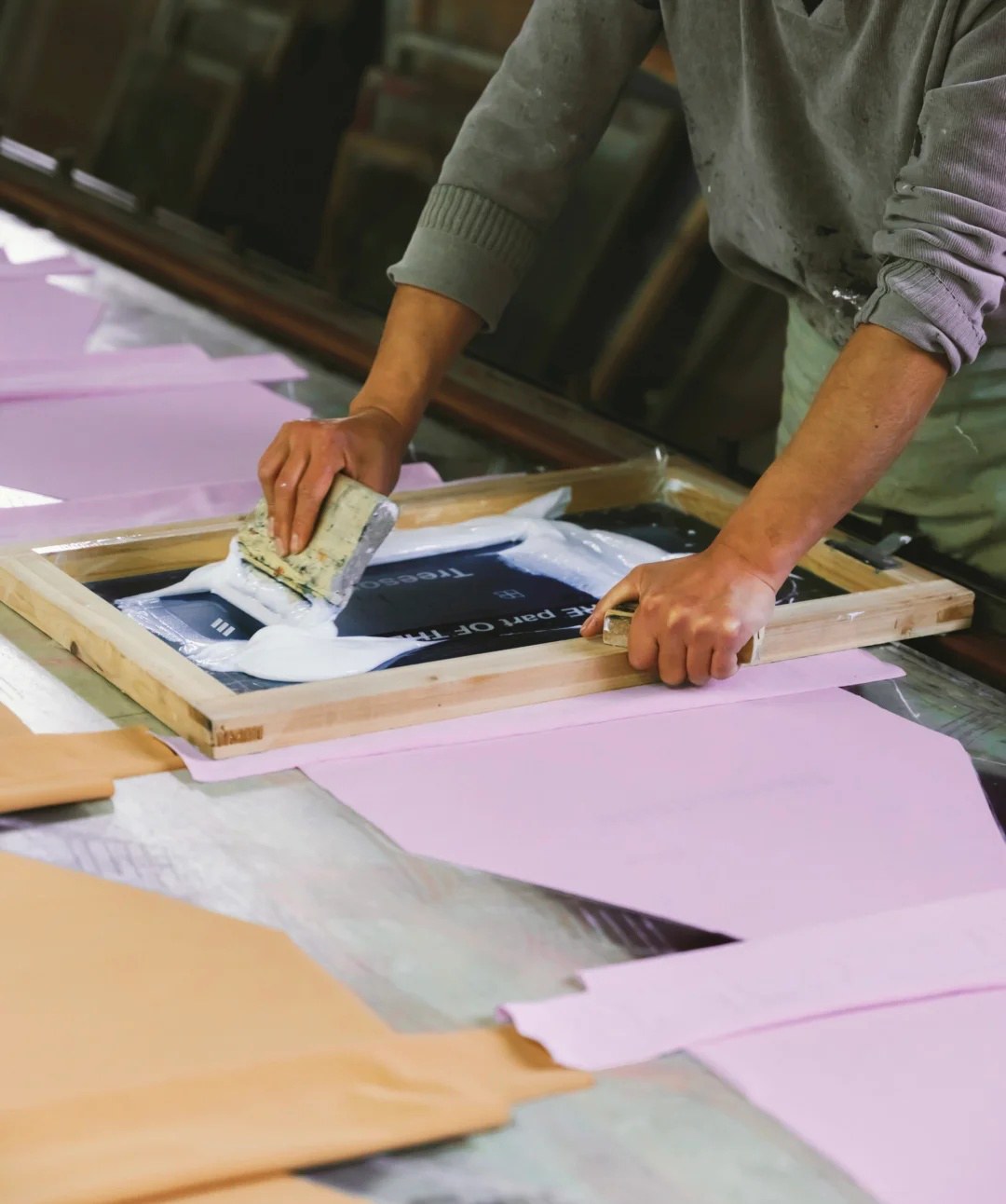
Water-based or plastisol inks cured at controlled temperatures to avoid fiber shrinkage. Ideal for bold, opaque graphics on medium- to heavy-gauge sweaters where stretch is moderate and the knit structure provides a stable print bed.
- Plastisol inks deliver high opacity on dark yarns; water-based formulas preserve hand-feel on fine-gauge cashmere and merino
- Curing profiles calibrated to knit weight—lower dwell times for delicate fibers, extended for acrylic blends
- Wash durability exceeds 50 cycles (ISO 6330) when matched to fiber chemistry and garment-dye sequencing
- Best for runs above 200 pieces where screen-setup cost amortizes; MOQ from 100 pieces supported
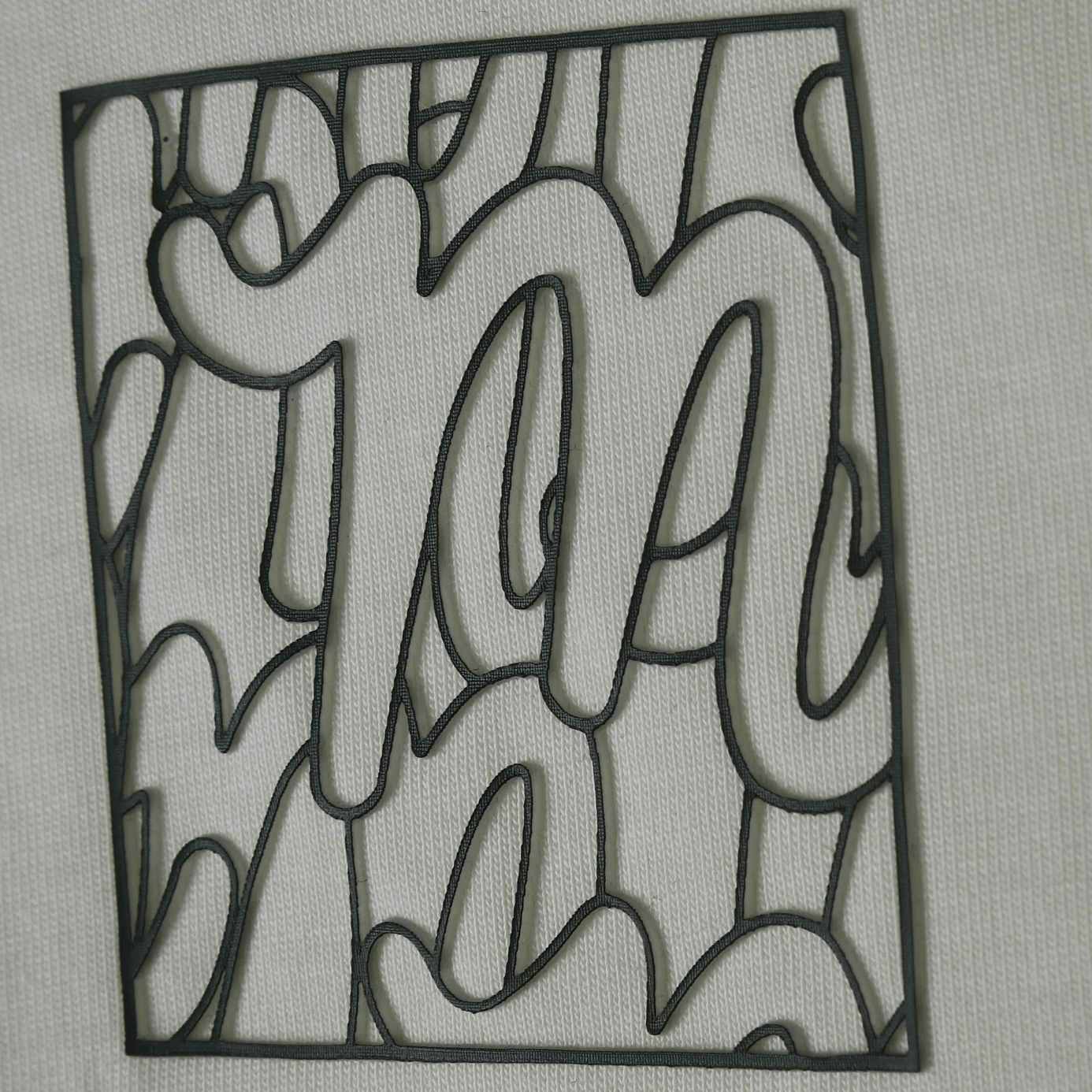
DTF (Direct-to-Film) for Low-MOQ Sweater Runs
Digital powder-adhesive film transfers applied via heat press, enabling full-color photographic detail without screens. CENWILD tunes pressure and temperature by gauge and fiber to prevent crushing ribs or flattening cable textures.
- No minimum artwork quantity—economical for 100-piece sweater custom print orders with multiple colorways or personalized names
- Elastic polymer adhesive flexes with knit stretch; peel strength tested to AATCC 136 standards
- Curing at 150–165°C for 12–18 seconds, adjusted for wool (lower) versus acrylic (higher) melt points
- Maintains vibrancy through 40+ washes; suitable for intricate logos, gradients, and photorealistic designs
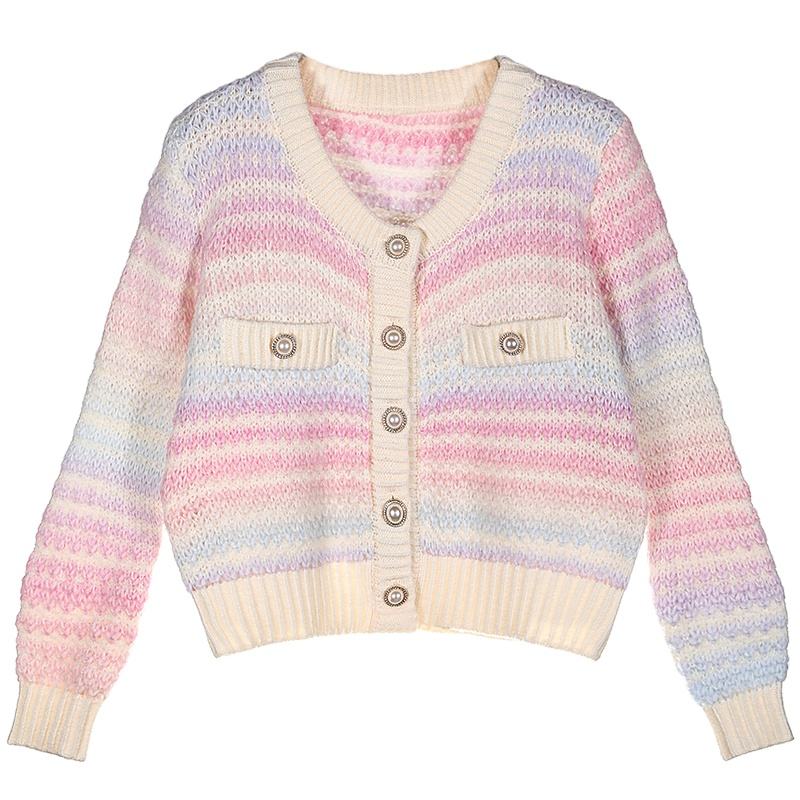
Heat Transfer & Sublimation Printing
Heat-transfer vinyl for layered, textured effects; dye-sublimation for polyester and poly-blend knits where ink gasifies into fiber. Each method selected by yarn composition, desired hand, and end-use wash frequency to ensure print integrity.
- Vinyl transfers add dimensional branding—metallic, flock, or reflective finishes—on cotton, acrylic, and wool sweaters
- Sublimation penetrates polyester fibers at molecular level, yielding edge-to-edge prints with zero surface build-up
- Wash-fastness to ISO 105-C06 grade 4–5 for sublimation; vinyl peel resistance >3.5 kg/25mm width
- CENWILD pre-tests adhesive compatibility with garment-wash chemistry to prevent delamination or color migration
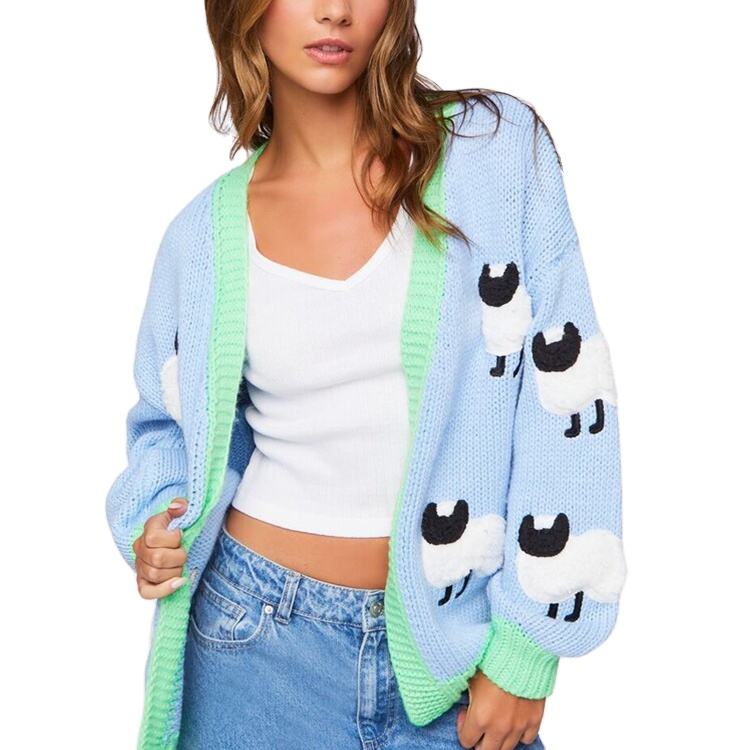
Ink Chemistry & Knit Fiber Interaction
Every sweater custom print technique at CENWILD is validated against fiber type, gauge, and finishing schedule. In-house lab testing measures ink penetration, elasticity retention, pilling resistance, and colorfastness to light and laundering before production.
- Water-based inks for natural fibers minimize environmental impact and pass OEKO-TEX and GOTS requirements
- Plastisol and DTF adhesives formulated to remain flexible across 20–40% stretch typical of rib and interlock knits
- Pre-production swatches undergo accelerated wash cycles (10, 25, 50) to benchmark fade and crack resistance
- Technical data sheets provided for every print method, documenting cure temperature, dwell time, and care-label recommendations
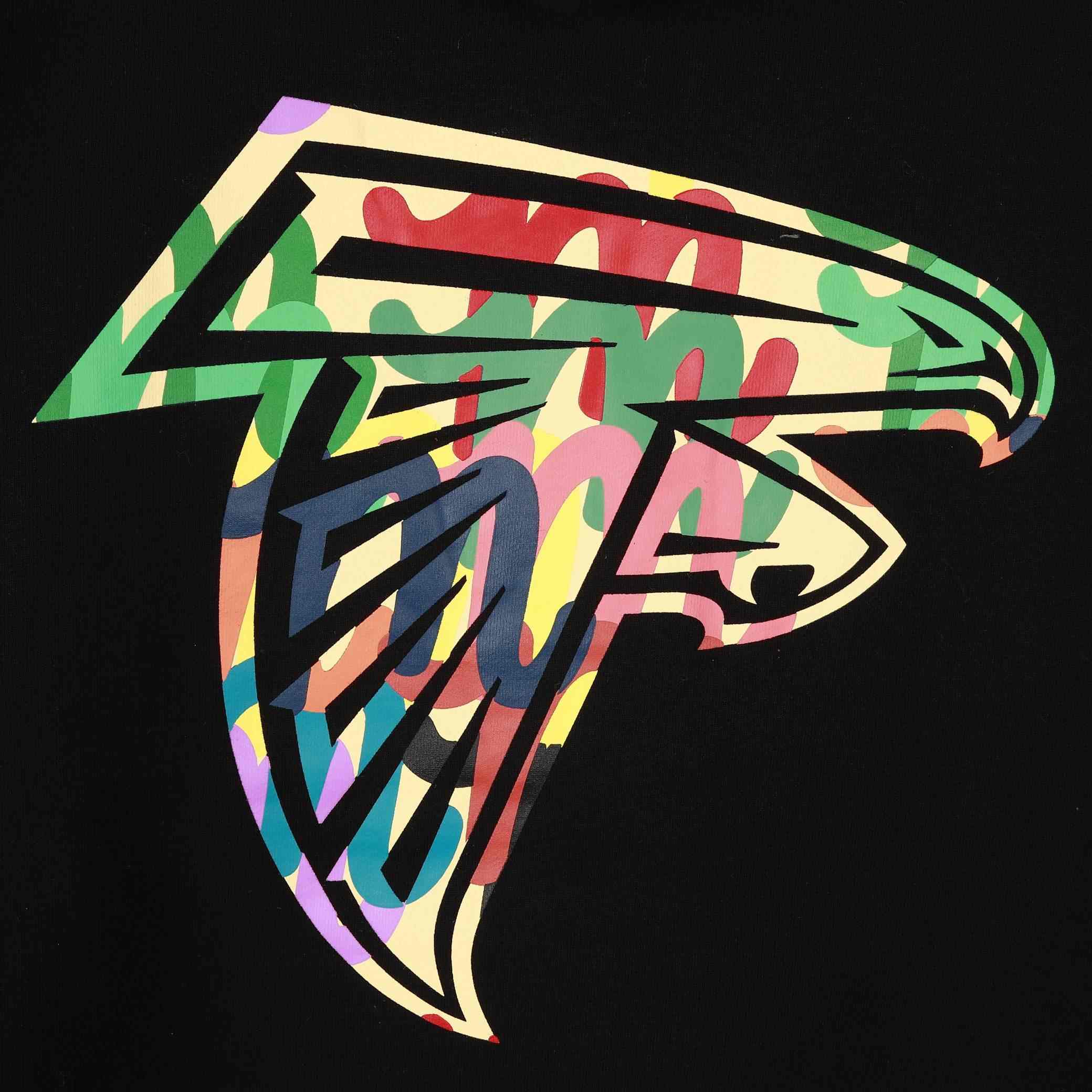
Sweater Custom Print vs. Other Knitwear Decoration
Understanding the trade-offs between printing, embroidery, applique, intarsia, and jacquard helps you choose the right decoration method for your knitwear collection. Each technique has distinct strengths in design complexity, fabric compatibility, durability, and production cost.
← 左右滑动查看 →
Sweater Custom Print Production Flow
From artwork approval to final packaging, every sweater custom print order moves through precision checkpoints that ensure vibrant, durable decoration on knit fabric.
Artwork Approval & Setup
Client submits print files; our team reviews color separation, resolution, and knit-fabric compatibility, then prepares screens or digital templates for your chosen printing method.
Knit-Down Sampling
We knit sample garment panels in your specified yarn and gauge, apply test prints to verify ink adhesion, color match, and stretch recovery before bulk production.
Printing Setup & Calibration
Technicians tension screens, calibrate ink viscosity, set curing temperatures, and run strike-offs to lock registration and color consistency across the entire production run.
Bulk Printing & Curing
Each sweater receives precise ink application—screen, heat transfer, DTF, or sublimation—followed by controlled heat curing to bond graphics permanently to knit fibers.
Quality Inspection
QC inspectors check every printed piece for color accuracy, registration alignment, ink hand-feel, wash fastness, and freedom from smudges or misprints before finishing.
Finishing & Packaging
Approved sweaters undergo final pressing, optional garment washing, hang-tag attachment, poly-bagging, carton packing, and export documentation for on-time shipment to your warehouse.
How to Order Sweater Custom Print from CENWILD
From design files to finished knitwear, our streamlined process ensures your custom printed sweaters meet brand standards and delivery timelines.
Submit Your Design & Art Files
Share your tech pack, sketch, or reference photo along with print artwork in vector format (AI, EPS, or high-res PDF) for screen, heat transfer, DTF, or sublimation printing.
Approve Knit-Down Sample & Print
Review a physical prototype knitted and printed to your specifications. We confirm stitch structure, yarn hand-feel, color match, and print placement before production begins.
Confirm MOQ & Production Setup
Select your printing method and finalize quantities—100-piece minimum for most techniques. We program machines, prepare screens or transfers, and schedule your production run.
Receive Quality-Checked Sweaters
Every piece undergoes in-line and final inspection for print clarity, alignment, and durability. Your finished custom printed sweaters ship with full documentation and branding support.
Sweater Custom Print Success Stories
CENWILD’s sweater custom print delivered exactly what we needed—color accuracy was spot-on across 500 pieces, and after 50+ washes our graphics still look sharp. They turned our complex design into reality on time.
We ordered 300 custom printed sweaters for our fall collection. The print durability exceeded our expectations—no cracking after 60 washes—and delivery was two days early. CENWILD made our first sweater custom print project seamless.
As an independent designer, I needed intricate multi-color prints on merino sweaters. CENWILD nailed the gradient details at just 150 pieces MOQ and delivered on schedule. Their sweater custom print quality rivals luxury brands.
Sweater Custom Print FAQs
What is the minimum order quantity for sweater custom print?
Which fabrics and knit weights work best for sweater custom print?
How many colors can I use in a sweater custom print design?
Can I combine sweater custom print with embroidery or patches?
What payment methods does CENWILD accept for sweater custom print orders?
How much does a sweater custom print sample cost?
What file format and resolution do I need for sweater custom print artwork?
Will sweater custom print withstand washing and everyday wear?
What is the maximum print size and placement area for sweater custom print?
The Complete Buyer’s Guide to Sweater Custom Print for Fashion Brands
Navigate the sweater custom print landscape with confidence. This guide delivers a proven decision framework, essential supplier criteria, and the most common sourcing mistakes to avoid—so you can launch high-quality custom knitwear that resonates with your audience.
1. What Is Sweater Custom Print?
Sweater custom print is the process of applying branded graphics, patterns, or artwork onto knitted garments using techniques such as screen printing, heat transfer, DTF (direct-to-film), or sublimation. Unlike embroidery or intarsia — which are structural knit methods — printing adds surface decoration after the garment is knitted, enabling full-color photographic images, gradients, and complex logos at lower setup costs.
Print-on-demand services typically fulfill single-unit orders with digital methods but lack control over base garment quality and fiber choice. Bulk custom manufacturing — starting from 100 pieces per design at facilities like CENWILD — combines yarn selection, knit construction, and multiple decoration techniques under one roof, ensuring consistent branding and faster turnaround for wholesale and retail launch volumes.
Fashion brands, independent designers, retailers, wholesalers, and influencers use sweater custom print to differentiate collections, reinforce visual identity, and drive customer engagement. A custom-printed crewneck or turtleneck sweater becomes a powerful branding tool; limited-edition graphics create urgency and social-media shareability, turning knitwear into a storytelling asset rather than a commodity SKU.
2. Evolution of Custom Knitwear Decoration
Hand-embroidered sweaters dominated the luxury market until the 1970s, when screen printing emerged as the first scalable decoration method, though it required minimum runs of 500–1,000 pieces and limited designs to 4–6 spot colors. Jacquard knitting, refined in the 1980s with computerized flat-knitting machines, allowed multi-color patterns woven directly into the fabric structure, eliminating the need for post-production printing but still demanding high tooling costs and MOQs above 300 units.
Heat transfer technology in the 1990s and direct-to-film (DTF) printing in the 2010s brought photographic detail and unlimited color to knitwear, reducing minimums to 100–200 pieces and opening custom design to independent designers and influencers. Sublimation printing on polyester blends now delivers full-coverage, fade-resistant graphics with zero hand-feel, while water-based and discharge inks meet OEKO-TEX standards for eco-conscious brands.
Today manufacturers like CENWILD combine intarsia, jacquard, embroidery, screen, heat transfer, DTF, and sublimation under one roof, enabling sweater custom print projects from just 100 pieces with turnaround times of 25–35 days and design flexibility unimaginable a decade ago.
3. Types of Sweater Custom Print Techniques
Decoration technique determines print complexity, durability, and minimum order economics. Screen printing, heat transfer, DTG, sublimation, and jacquard knitting each suit different design goals and production scales.
Screen Printing
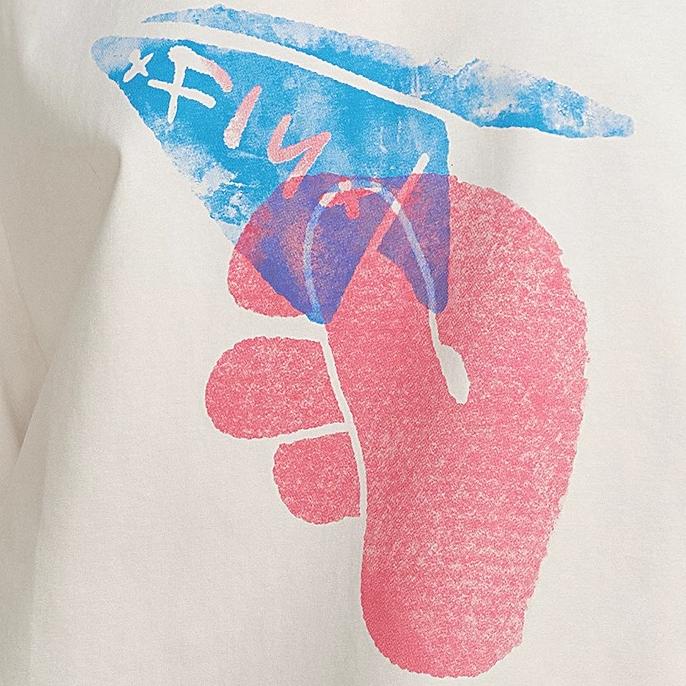
Screen printing forces ink through mesh stencils, one screen per color. It delivers vibrant, opaque prints on cotton, acrylic, and blended knits. Typical setups handle 1–6 spot colors; setup costs favor runs above 200 pieces.
Durability exceeds 50 washes when cured correctly. Ideal for bold logos, team uniforms, and wholesale collections where per-piece cost drops with volume.
Heat Transfer and DTF
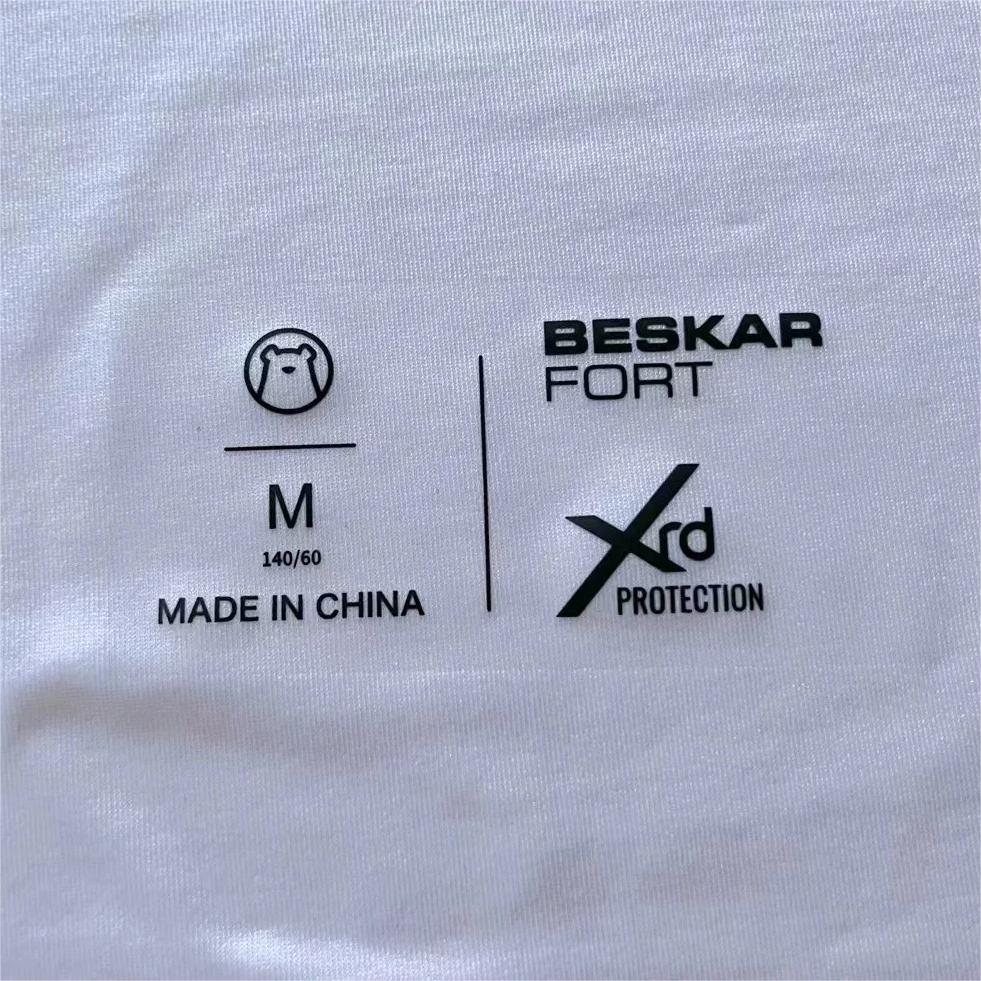
Heat-transfer vinyl or direct-to-film (DTF) prints apply designs via heat press. DTF supports full-color gradients and fine detail without color-count penalties. Both work on any knit base and suit MOQs as low as 50–100 pieces.
Wash durability reaches 30–40 cycles; avoid high-heat drying. Best for limited drops, personalized names, and intricate artwork.
Sublimation
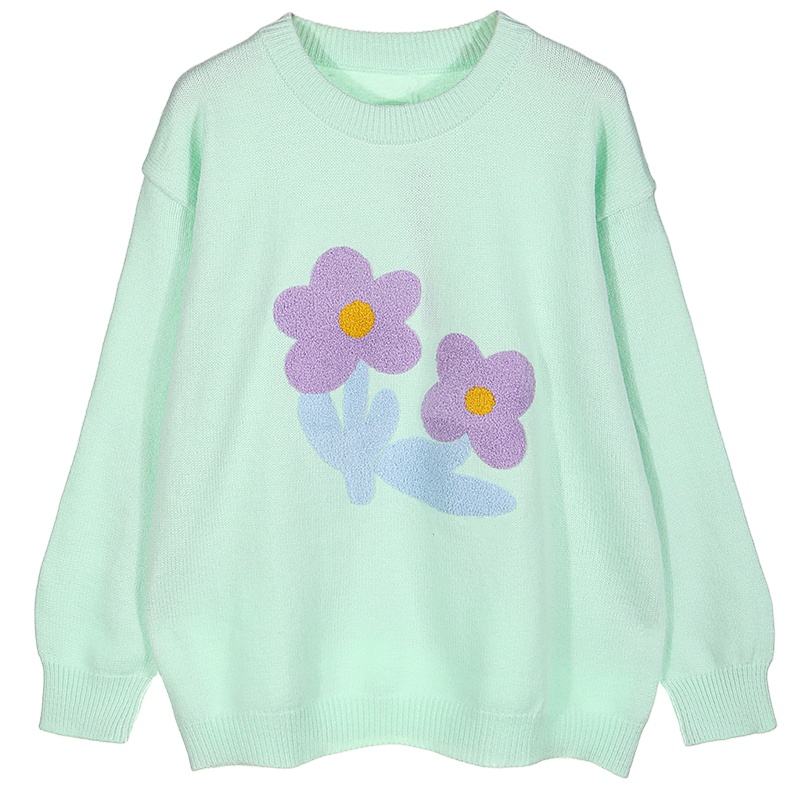
Dye-sublimation bonds ink into polyester fibers under heat, yielding edge-to-edge, photorealistic prints. Colors remain vivid through 50+ washes and never crack. Only compatible with 100% or high-percentage polyester knits.
Ideal for all-over patterns, sportswear, and designs requiring unlimited colors without added cost per hue.
Jacquard Knitting
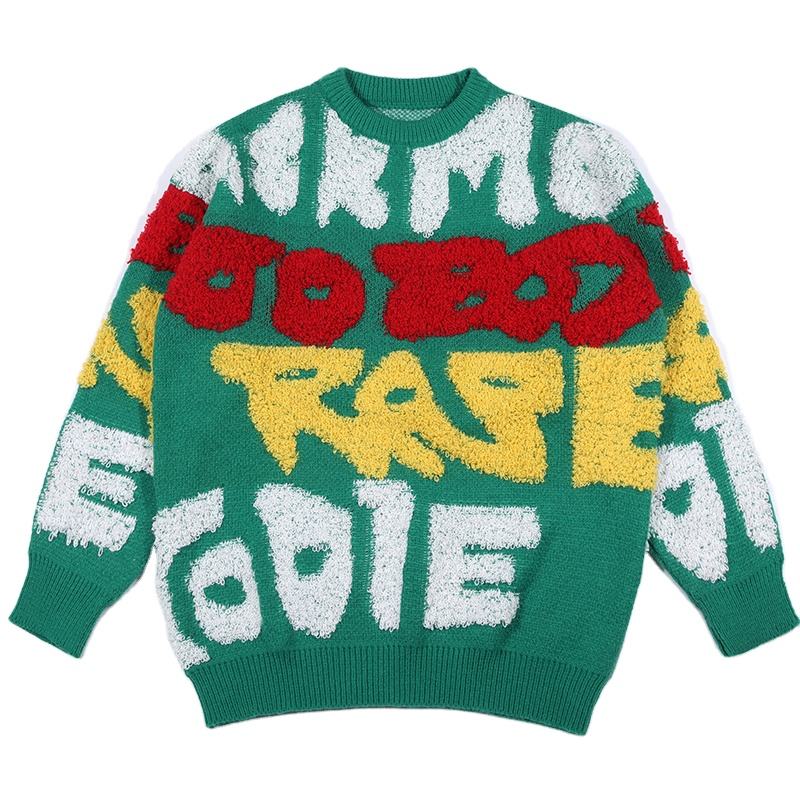
Jacquard weaves multi-color patterns directly into the fabric during knitting. Unlike surface prints, jacquard is permanent, reversible, and breathable. Setup requires digital programming; economical above 300 pieces per colorway.
Perfect for heritage Fair Isle motifs, branded repeat patterns, and premium collections where integrated design elevates perceived value.
4. Materials and Fabrics for Sweater Custom Print
The knit base governs print adhesion, durability, and retail positioning. Cotton, wool, acrylic, polyester blends, and cashmere each bring distinct weight ranges, wash-fastness, and cost profiles that shape both decoration method and end-market fit.
| Fabric Type | GSM Range | Best Print Method | Retail Positioning |
|---|---|---|---|
| Cotton | 200–350 | Screen, DTF, heat transfer | Mid-range |
| Merino / Lambswool | 240–320 | Heat transfer ≤150°C, embroidery | Premium |
| Cashmere | 180–280 | Embroidery, low-temp transfer | Luxury |
| Acrylic | 220–300 | DTF, sublimation | Budget |
| Polyester blend | 200–320 | Sublimation, DTF | Budget–Mid |
Cotton: Versatile Mid-Weight Base
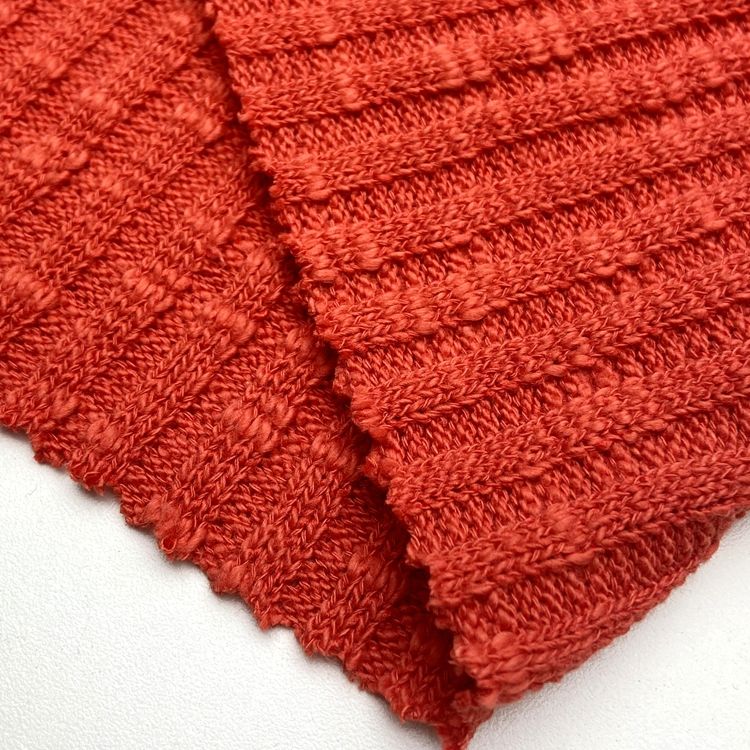
Cotton knits span 200–350 GSM and accept screen print, heat transfer, and DTF with excellent ink adhesion. Machine-washable up to 60°C, they suit mid-range casual and athleisure lines where repeat laundering is expected. Wholesale sweater programs often favor cotton for its balance of cost, durability, and print compatibility.
Ring-spun cotton offers smoother print surfaces than open-end, and Pima or organic certifications lift retail positioning without crossing into luxury price tiers.
Wool and Cashmere: Premium Substrates
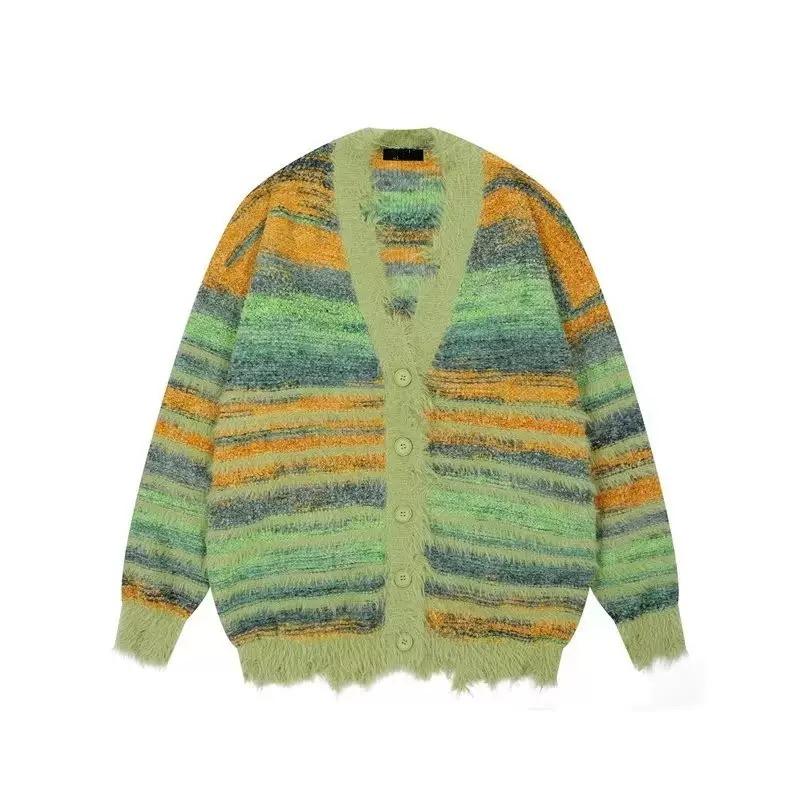
Merino and lambswool (240–320 GSM) and cashmere (180–280 GSM) demand gentler decoration—heat-transfer films below 150°C or embroidery to avoid fiber damage. Hand-wash or delicate-cycle care limits high-volume print but commands luxury margins.
Cashmere’s fine gauge (12GG–14GG) pairs naturally with tonal embroidery and small-format logo placement rather than full-chest graphics.
Acrylic and Polyester Blends: Budget and Performance
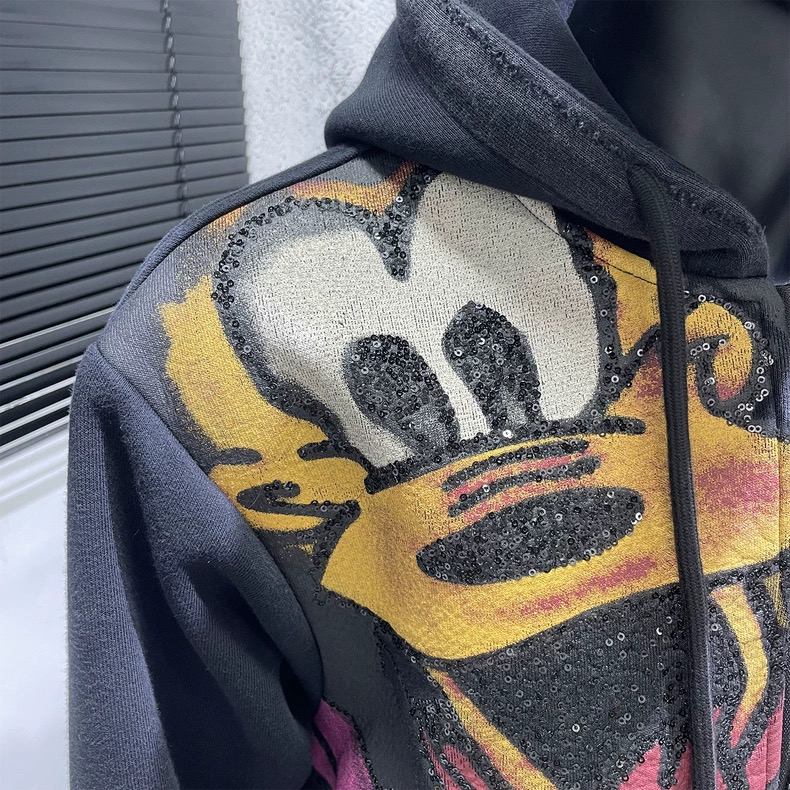
Acrylic (220–300 GSM) and poly-blends accept sublimation and DTF at lower cost points, ideal for promotional sweaters and high-school team orders. Wash-fast to 40°C, they resist pilling better than budget wool but lack natural breathability.
Polyester content above 50% enables full-color sublimation, opening photo-realistic custom print opportunities unavailable on natural fibers.
5. Customization and Branding Options Beyond Print
Sweater custom print is rarely the only branding touchpoint. Layering embroidery, woven labels, and custom packaging transforms a printed sweater into a complete brand experience and can lift retail perceived value by 30–50% without doubling cost.
Woven Labels and Hang Tags
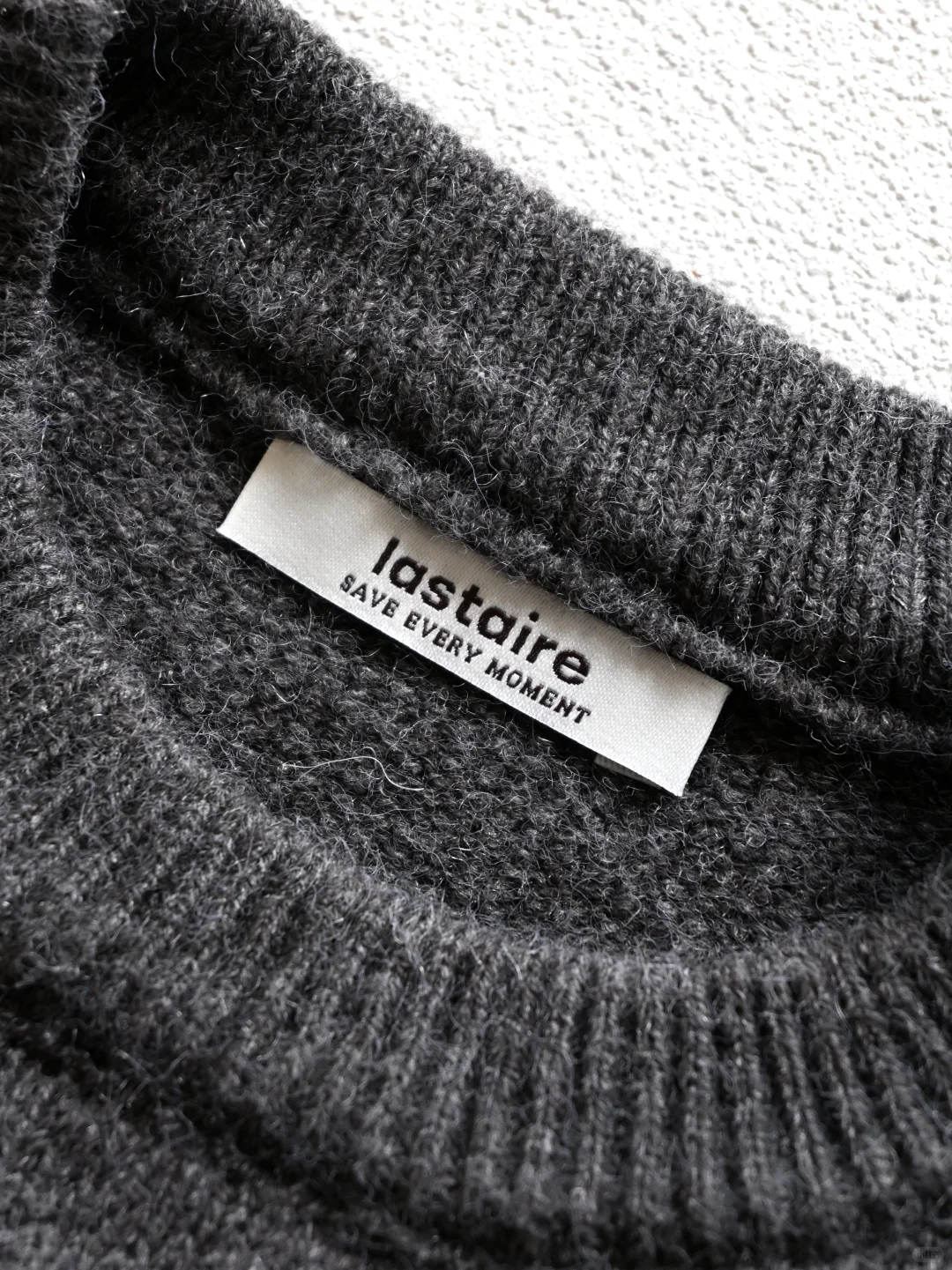
Woven damask or satin labels (neck, hem, or sleeve) typically cost $0.08–$0.25 per piece at 500-unit minimums. Hang tags with custom die-cut shapes, foil stamping, or embossing start around $0.15 each for 1,000 units.
CENWILD coordinates label weaving, sewing placement, and hang-tag attachment in-house, ensuring color-matched threads and consistent positioning across every garment.
Embroidery and Appliqué Over Print
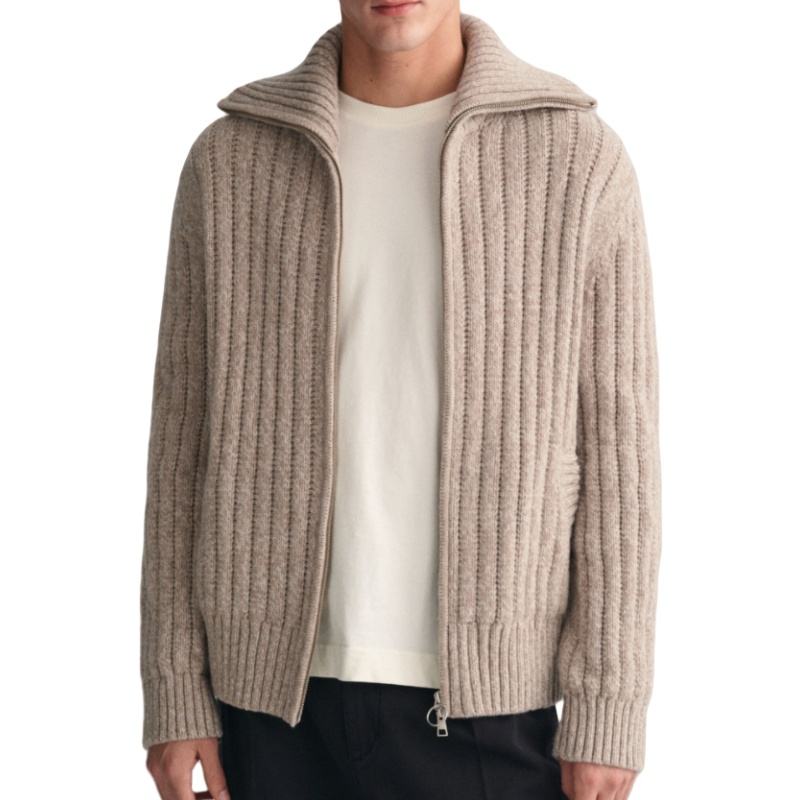
Combining screen print or heat transfer with flat embroidery (chest logo) or 3D puff embroidery (sleeve badge) creates tactile depth. Embroidery adds $1.50–$3.00 per placement depending on stitch count; appliqué patches range $0.80–$2.50.
Sequin or chain-stitch accents further differentiate premium lines, with per-piece costs rising to $4–$6 for intricate multi-technique decoration.
Custom Packaging and Trims
Branded polybags cost $0.10–$0.30, printed boxes $0.50–$2.00, and tissue paper with logo $0.05–$0.15 per sheet. Color-matched zippers, buttons, and drawcords typically add $0.20–$0.80 per garment.
CENWILD sources YKK zippers, custom metal or corozo buttons, and Pantone-dyed cords, then handles final folding, bagging, and carton packing to ship retail-ready inventory.
6. Key Quality Indicators in Sweater Custom Print Manufacturing
Quality control in sweater custom print separates reliable manufacturers from inconsistent suppliers. Professional buyers evaluate both the knit foundation and the applied decoration through measurable benchmarks and pre-production samples before committing to bulk orders.
Stitch Density and Seam Integrity
Gauge consistency across 3GG–14GG machines directly affects fabric stability and print surface. Inspect stitch count per inch and verify that linking or overlock seams withstand 15–20 lb pull tests without separation.
Poorly tensioned knitting creates uneven surfaces that cause print distortion or ink pooling in loose areas.
Print Adhesion and Wash-Fastness
Screen-print plastisol should flex without cracking after five home washes at 40°C; DTF transfers must survive 30+ cycles per AATCC 61 standards. Request lab wash reports or conduct your own tumble tests on pre-production samples.
Cracking ink, peeling edges, or fading within three washes signals inadequate curing or incompatible ink chemistry for knit substrates.
Color Accuracy and Pantone Matching
Reputable factories confirm Pantone TPX or TCX references and provide strike-off swatches before bulk dyeing or printing. Acceptable delta-E tolerance is ≤2.0 under D65 lighting for brand-critical colors.
Mismatched logo colors or batch-to-batch variation damage brand consistency and trigger costly chargebacks.
Red Flags and Pre-Production Samples
Always request knit-down samples with actual print decoration before approving production. Check for misaligned graphics, pilling after abrasion tests, stiff hand-feel from over-cured ink, and loose threads at seams.
Refuse to proceed if the factory skips sampling, rushes approval, or cannot replicate your tech-pack specifications in a physical prototype.
7. How to Choose the Right Sweater Custom Print Manufacturer
Selecting a sweater custom print manufacturer requires evaluating technical capability, flexibility, and partnership readiness. Beyond price, examine certifications, MOQ thresholds, sample policies, and responsiveness to ensure the supplier can scale with your brand.
Certifications and Compliance
OEKO-TEX Standard 100 confirms textile safety, GOTS certifies organic fibers, and ISO 9001 signals process control. These credentials protect your brand from supply-chain risk and align with retailer requirements in North America and Europe.
Request current certificates and verify scope — some factories hold certifications for yarn but not finishing or print processes.
MOQ Flexibility and Lead Times
Minimum order quantities range from 50 pieces for domestic contractors to 500–1,000 overseas. Manufacturers offering 100-piece MOQs balance accessible entry with efficient production.
Typical lead times span 30–45 days for sweater custom print orders after sample approval; rush programs may shorten this to 21 days at premium cost.
Sample Policies and References
Always request printed samples on your chosen yarn and gauge before committing to production. Check color fastness, hand feel after washing, and print adhesion.
Ask for references from brands in your category — streetwear, contemporary, or sustainable — and verify the factory has served similar order volumes and decoration complexity.
8. Common Mistakes When Sourcing Sweater Custom Print
Even experienced buyers fall into predictable traps when ordering sweater custom print. Avoiding five core mistakes protects both product quality and project budgets, ensuring your collection launches on time and meets brand standards.
Choosing the Wrong Print Method for the Fabric
Screen printing on loose-knit mohair or heat transfer on high-pile fleece often cracks or peels within three washes. Match the decoration technique to yarn structure: DTF and sublimation suit tight, smooth cotton and acrylic; screen printing works best on stable, dense knits.
Request a printed swatch on your chosen yarn blend before committing to bulk. CENWILD’s design team runs compatibility tests across 3GG–14GG gauges to recommend the most durable method for each fabric weight.
Ignoring Wash-Test Reports
A print may look flawless off the line yet fade or distort after the first laundry cycle. Reputable manufacturers provide AATCC or ISO wash-test certificates documenting colorfastness, dimensional stability, and print adhesion over five to ten cycles.
Always request and review these reports during sample approval. Skipping this step risks chargebacks, returns, and brand reputation damage once garments reach retail.
Underestimating Lead Times
Custom print adds seven to fourteen days to standard knitting schedules for artwork setup, screen preparation, and curing. Rush orders often incur 15–30 percent surcharges and may compromise quality control.
Build a timeline that includes sampling (two weeks), revisions (one week), and production (four to six weeks). Communicate launch deadlines early so your manufacturer can allocate capacity and avoid bottlenecks.
Skipping Sample Approval
Approving production based on digital mockups alone leads to color mismatches, misaligned graphics, and incorrect print placement. A physical knit-down sample reveals how ink interacts with texture, stretch, and seam lines.
CENWILD ships samples via express courier and waits for written sign-off before cutting bulk fabric. This step typically adds one week but eliminates costly remakes.
Failing to Clarify IP Ownership of Artwork
Without a signed agreement, disputes arise over who owns custom graphics, especially when a manufacturer’s design team creates original artwork. Specify in your contract that all artwork, tech packs, and derivative designs remain your intellectual property.
Request a non-disclosure agreement and ensure your purchase order includes an IP clause. This protects your brand identity and prevents unauthorized reproduction by third parties.
9. Steps to Launch Your Sweater Custom Print Collection
Launching a sweater custom print collection requires a clear sequence from concept to delivery. Following a structured roadmap reduces risk, controls costs, and ensures your first production run meets brand standards and market timing.
Define Brand Aesthetic and Target Customer
Start by documenting your brand’s visual identity, price tier, and core customer profile. A clear aesthetic brief — color palette, silhouette preferences, and lifestyle positioning — guides every downstream decision from yarn selection to print placement.
CENWILD’s design team uses this brief to recommend gauge, stitch structures, and decoration techniques that align with your market segment and retail price point.
Select Fabrics and Print Techniques
Match yarn composition and knit gauge to your customer’s expectations for hand-feel and durability. Cashmere and merino suit premium lines; cotton and acrylic blends fit accessible price brackets.
Choose print methods — screen, heat transfer, DTF, or sublimation — based on design complexity, color count, and wash-fastness requirements. CENWILD provides material swatches and technique samples to validate your choices before committing to bulk.
Request Samples and Approve Pre-Production
Order knit-down samples to test fit, fabric weight, and print adhesion. First-time clients pay 100% upfront; repeat partners enjoy deposit terms as low as 30%.
Pre-production samples lock in color accuracy, stitch tension, and finishing details. Approve these before the factory scales to full production, preventing costly rework and ensuring on-time delivery for your launch window.
10. Pricing and Cost Breakdown for Sweater Custom Print
Sweater custom print pricing varies by technique, fabric, and order volume. Screen printing setup fees range from $50–150 per color, with per-unit costs dropping from $3–5 at 100 pieces to $1.50–2.50 at 1,000+ pieces in cotton or acrylic blends. DTF (direct-to-film) eliminates setup fees but runs $4–6 per unit for full-color designs on lightweight knits. Jacquard and intarsia, woven directly into the fabric, start at $12–18 per piece for 100 units and fall to $8–12 at scale, with no separate print charge.
Fabric weight and fiber content shift the baseline: 12-gauge merino or cashmere adds $6–10 per piece over standard acrylic, while 5-gauge chunky styles increase material cost by 20–30 percent. Each additional print color in screen work adds $0.50–1.00 per unit. Embroidery, appliqué, and garment-dye finishing each contribute $1–3 per piece. Lead times compress as volume rises: 100-piece orders ship in 25–30 days, 500+ in 20–25 days, and repeat orders in 15–18 days.
| Quantity Tier | Screen Print (per unit) | DTF Print (per unit) | Jacquard/Intarsia (per unit) | Lead Time (days) |
|---|---|---|---|---|
| 100 pcs | $3–5 | $4–6 | $12–18 | 25–30 |
| 500 pcs | $2–3.50 | $3.50–5 | $10–14 | 20–25 |
| 1,000+ pcs | $1.50–2.50 | $3–4 | $8–12 | 15–20 |
| Setup fee | $50–150/color | $0 | $0 | — |
Start Your Sweater Custom Print Project Today
100-piece MOQ, 28+ years of proven manufacturing expertise, and a dedicated team ready to bring your custom printed knitwear to life.