
Custom Embroidered Patches for Fashion Brands & Retailers
Add branded logos, decorative designs, and premium custom embroidered patches to your custom knitwear and sweaters. Low MOQ from 100 pieces, fast sampling, 28+ years sweater manufacturing expertise.
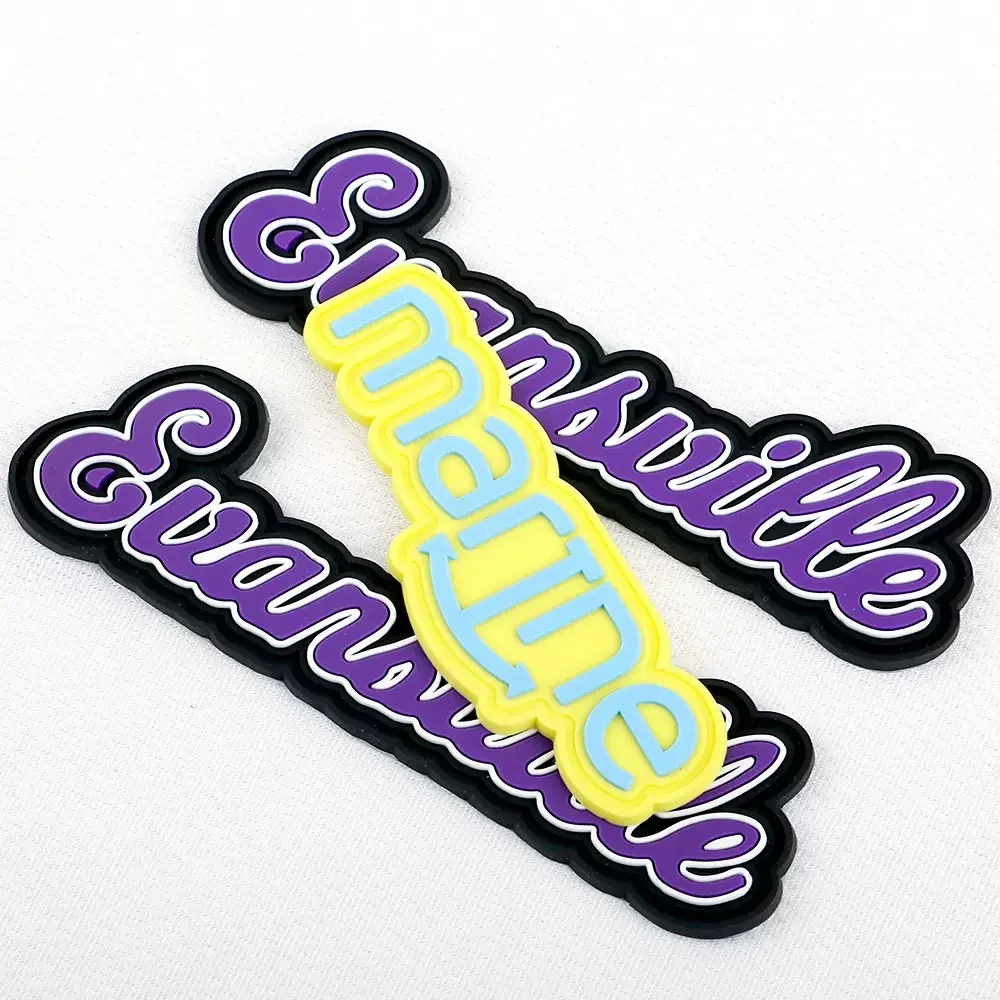
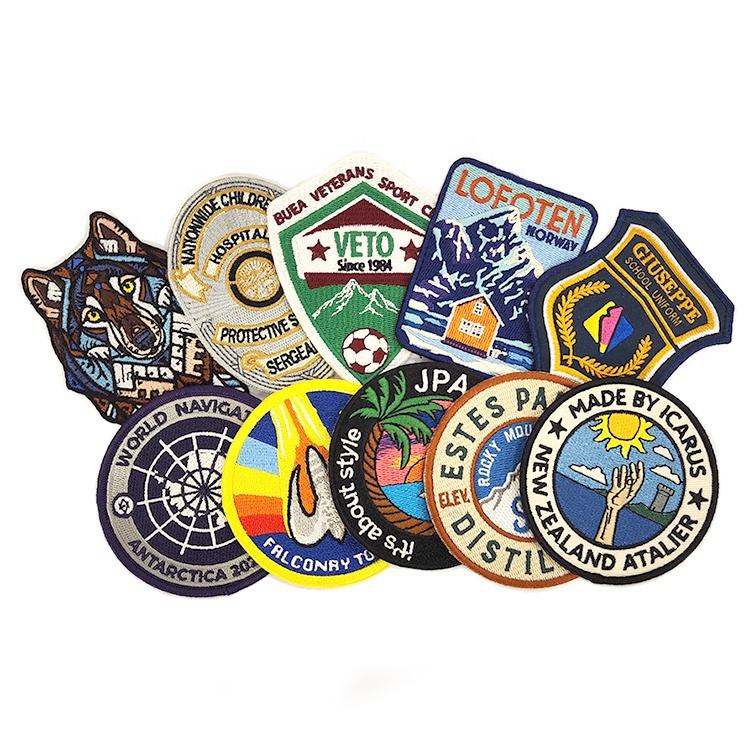
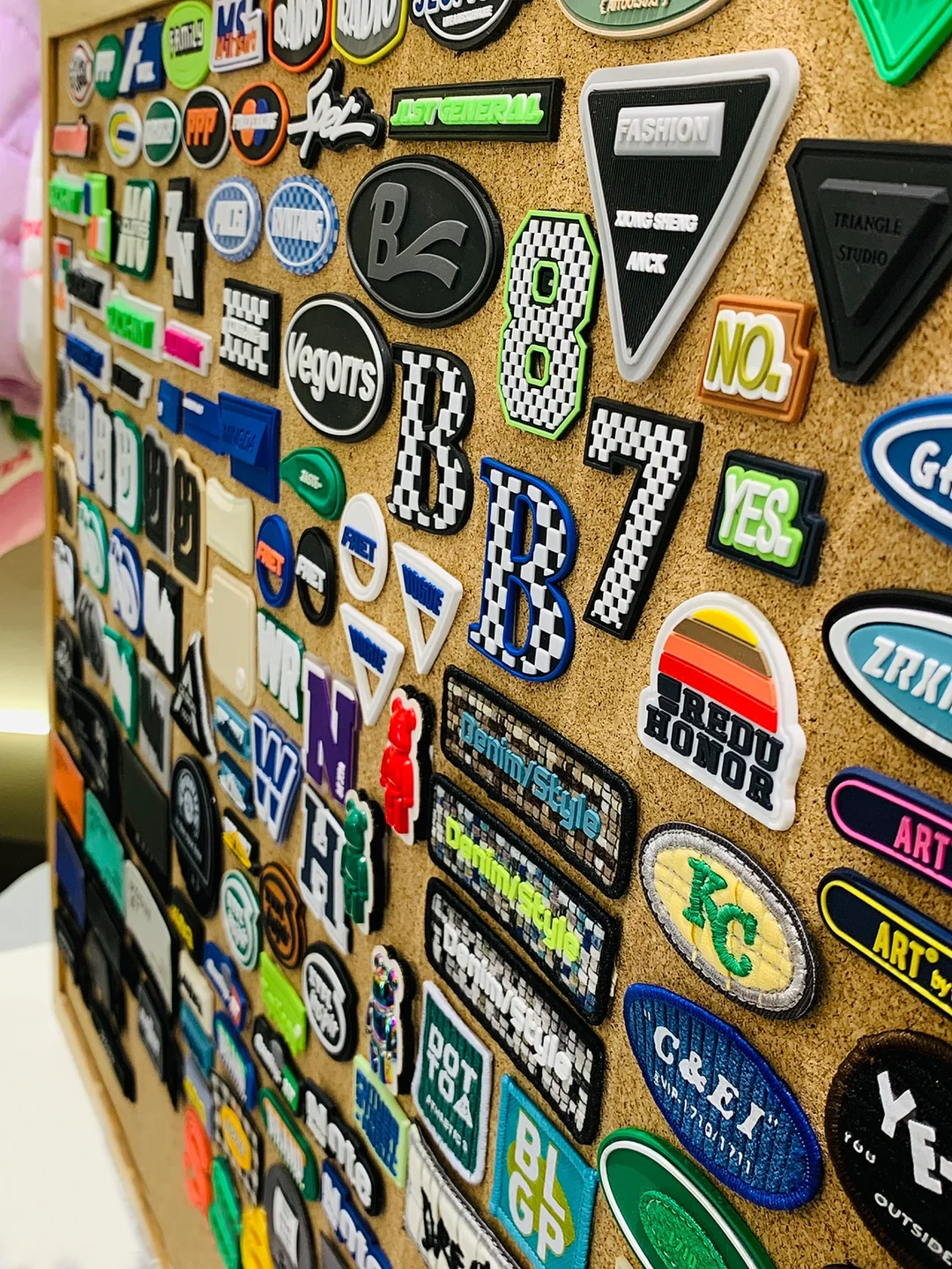
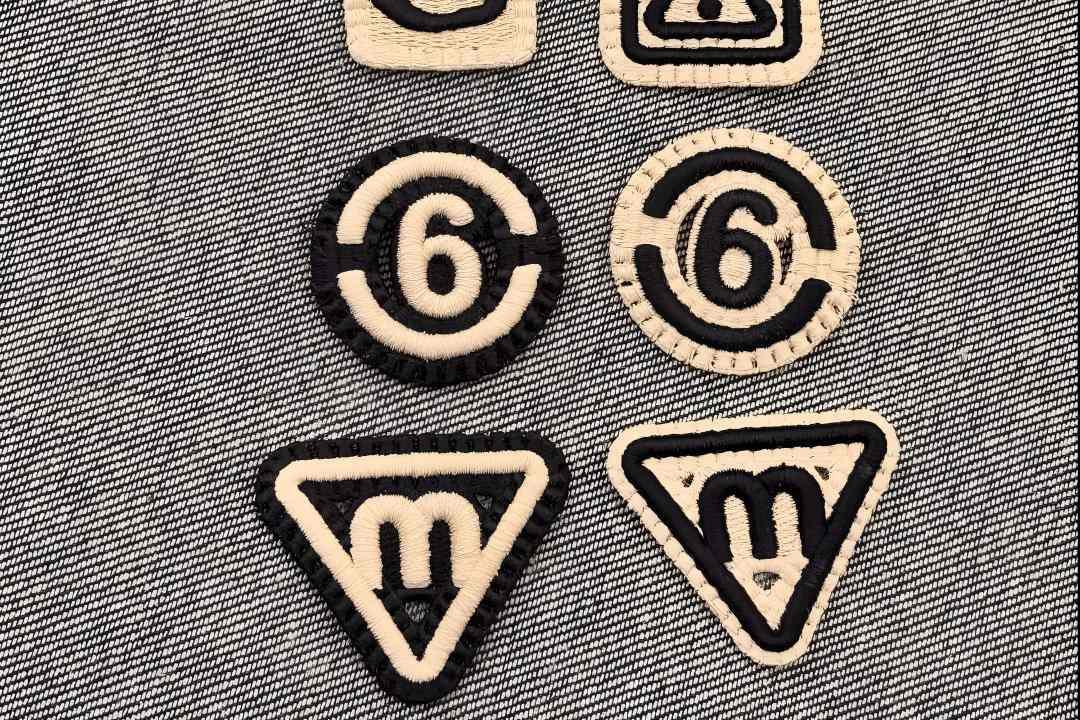
Custom Embroidered Patches — Finished Sample Gallery
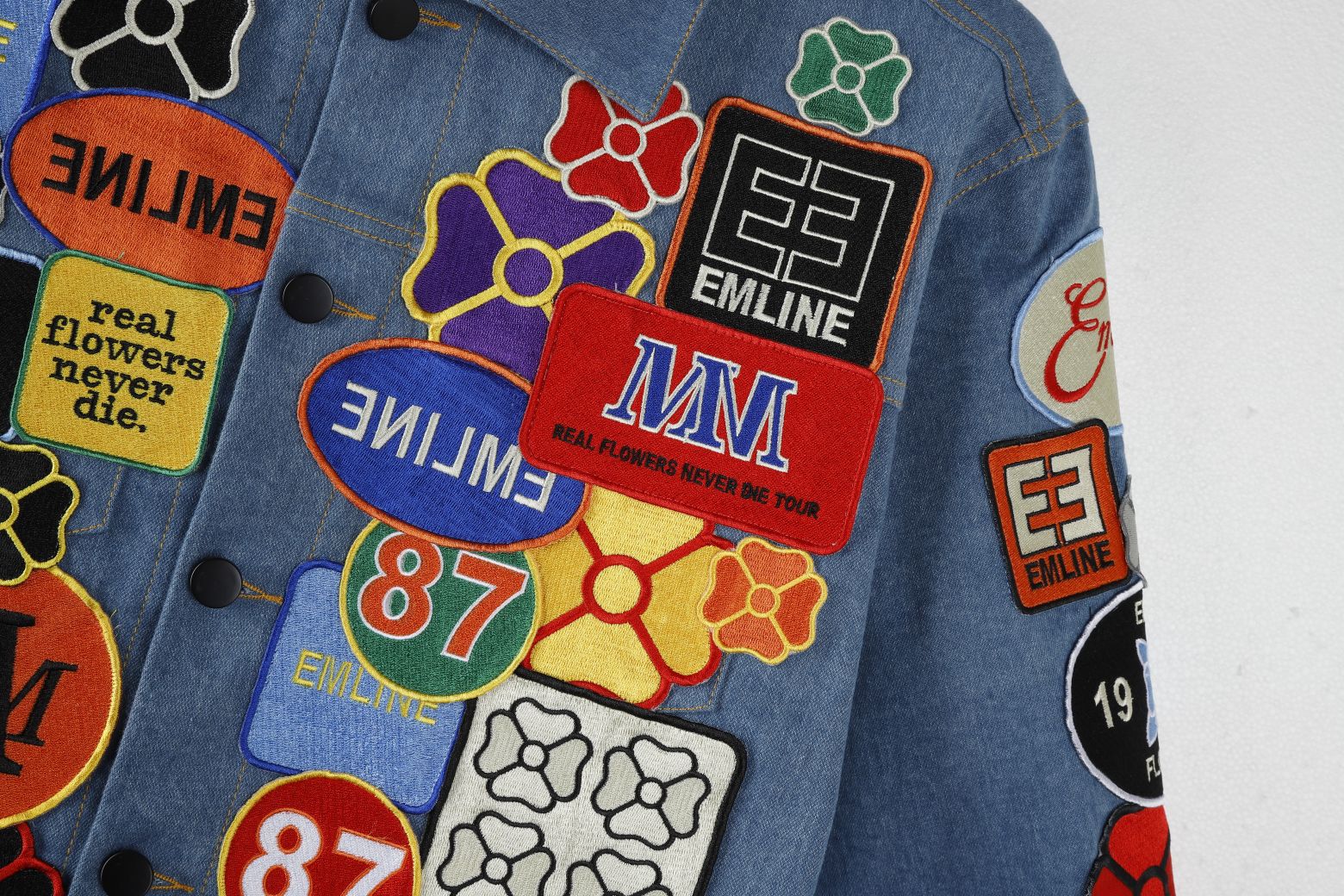
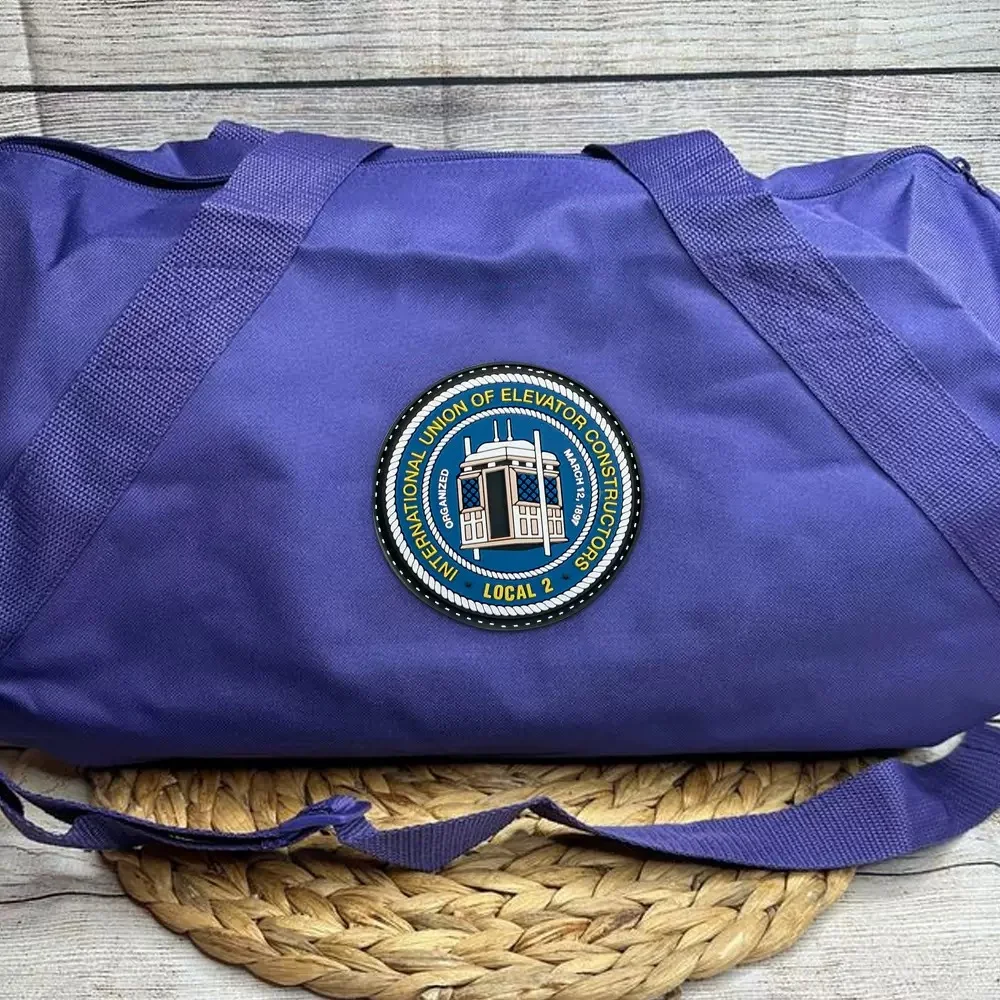
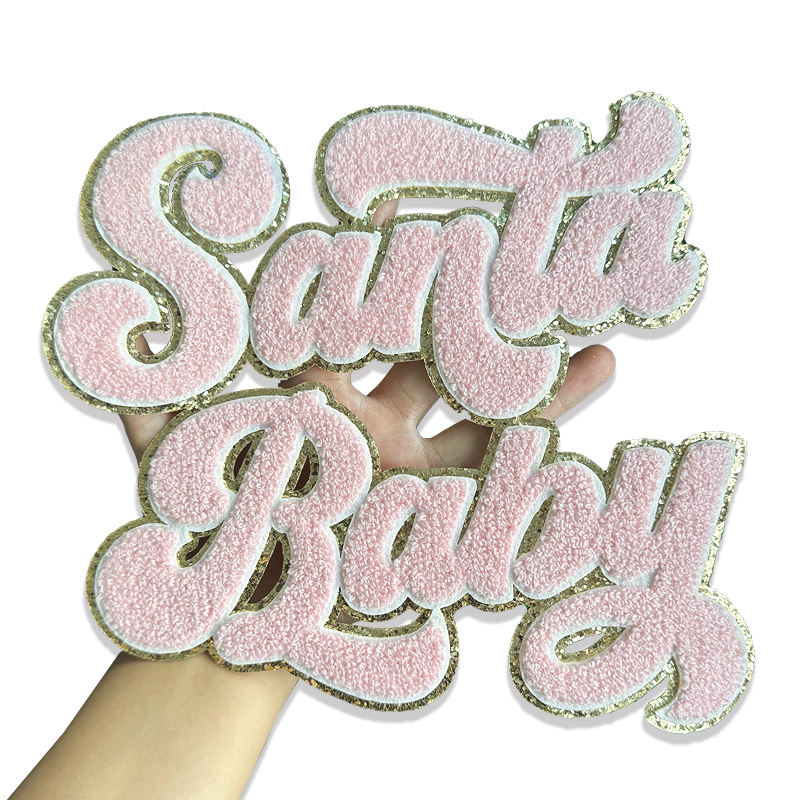
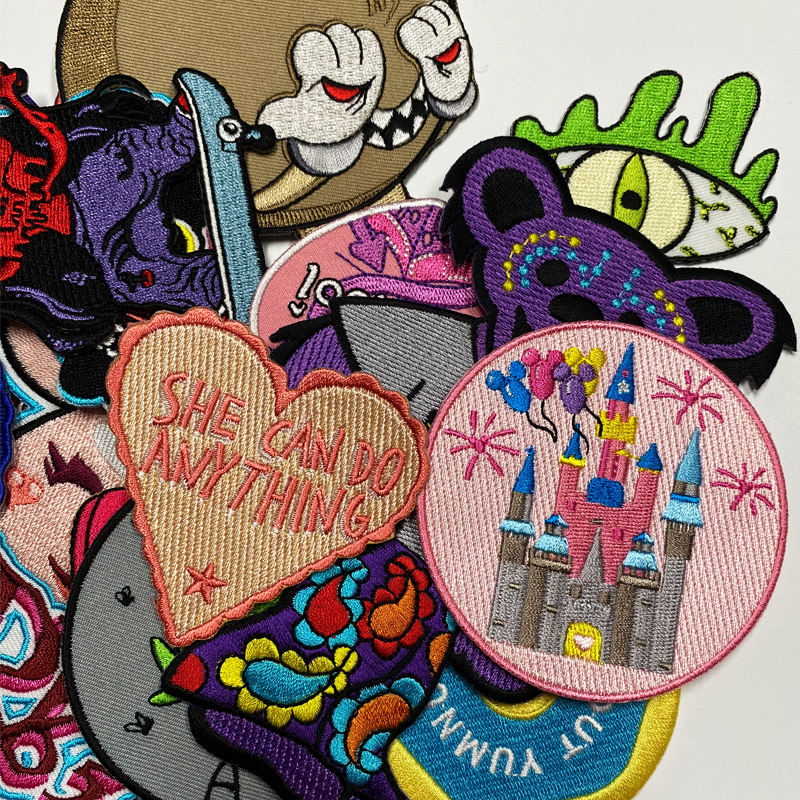
What Makes Custom Embroidered Patches Stand Out
Exceptional Durability & Longevity
Custom embroidered patches resist fading, cracking, and peeling through hundreds of washes, maintaining brand integrity season after season.
Premium Raised Texture
Thread-based construction creates a tactile, three-dimensional surface that elevates perceived quality and adds visual depth to any garment.
Vibrant, Long-Lasting Color
High-quality embroidery threads deliver rich, saturated hues that stay brilliant through wear and washing, outperforming many print methods.
Wash & Wear Resilience
Engineered to withstand commercial laundering, tumble drying, and everyday stress without fraying, shrinking, or losing definition.
Versatile Design Flexibility
From intricate logos to bold graphics, custom embroidered patches adapt to any brand aesthetic, size, and placement on knitwear.
Low MOQ from 100 Pieces
CENWILD’s flexible minimums let emerging brands and independent designers access premium embroidered patch decoration on custom sweaters and knitwear without overcommitting inventory.
Related Embroidery Techniques & Decoration Methods
Compare embroidery styles, decoration capabilities, and product applications to find the best fit for your custom sweater and knitwear collection.
Embroidery on Knitwear
Our custom sweater embroidery services transform knitwear with branded logos, intricate designs, and personalized details. CENWILD offers in-house embroidery across flat, 3D puff, chain-stitch, applique, and sequin techniques on cardigans, pullovers, and all knit styles. MOQ from 100 pieces, with full design support from concept to finished garment.
Get a Quote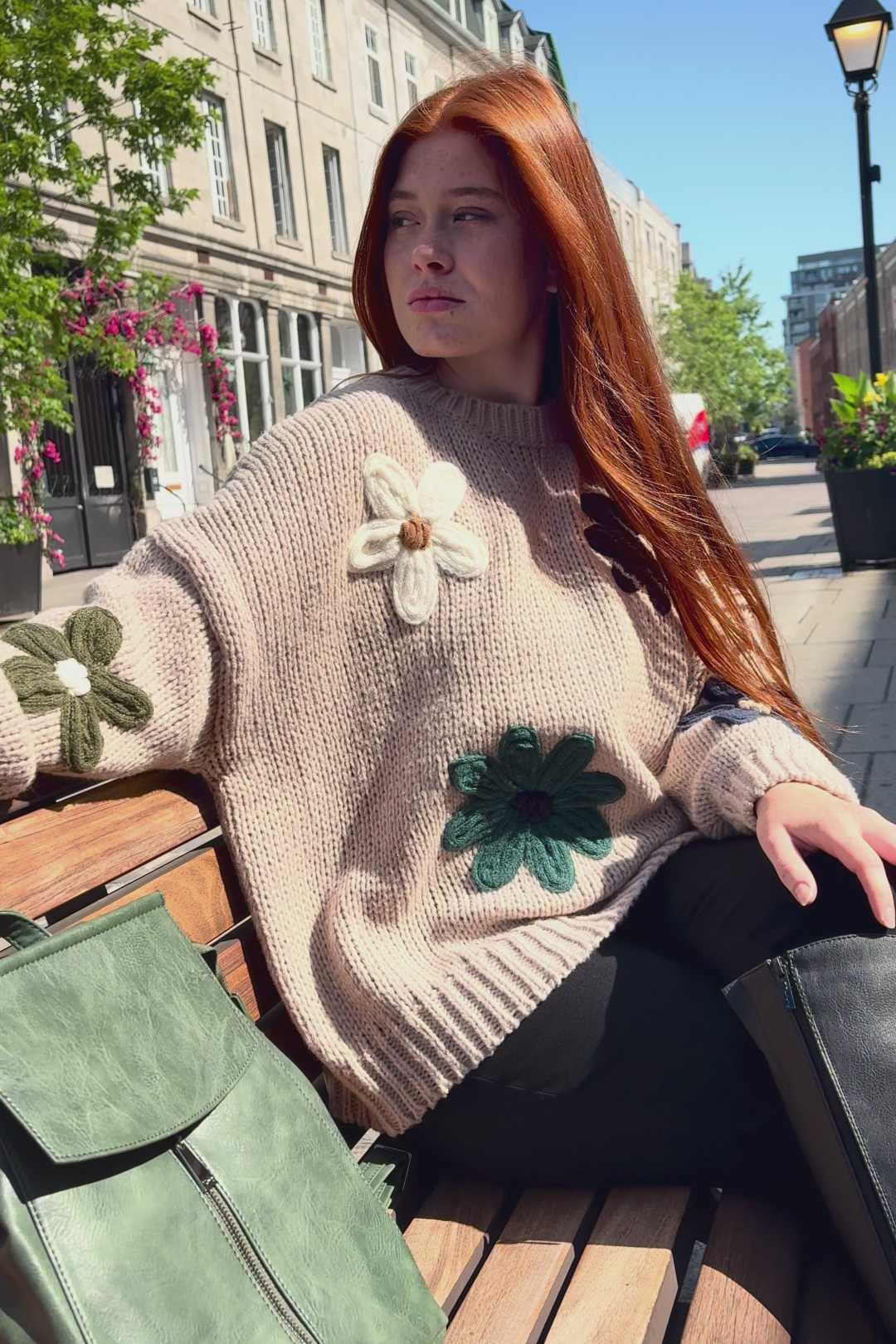
Flat Embroidery
Flat embroidery delivers clean, professional logo and text placement directly onto knit fabric with precise thread density and color matching. Ideal for chest logos, sleeve branding, and subtle design accents on sweaters, cardigans, and knit polos. CENWILD’s computerized embroidery machines ensure consistent quality across production runs for fashion brands and private label clients.
Get a Quote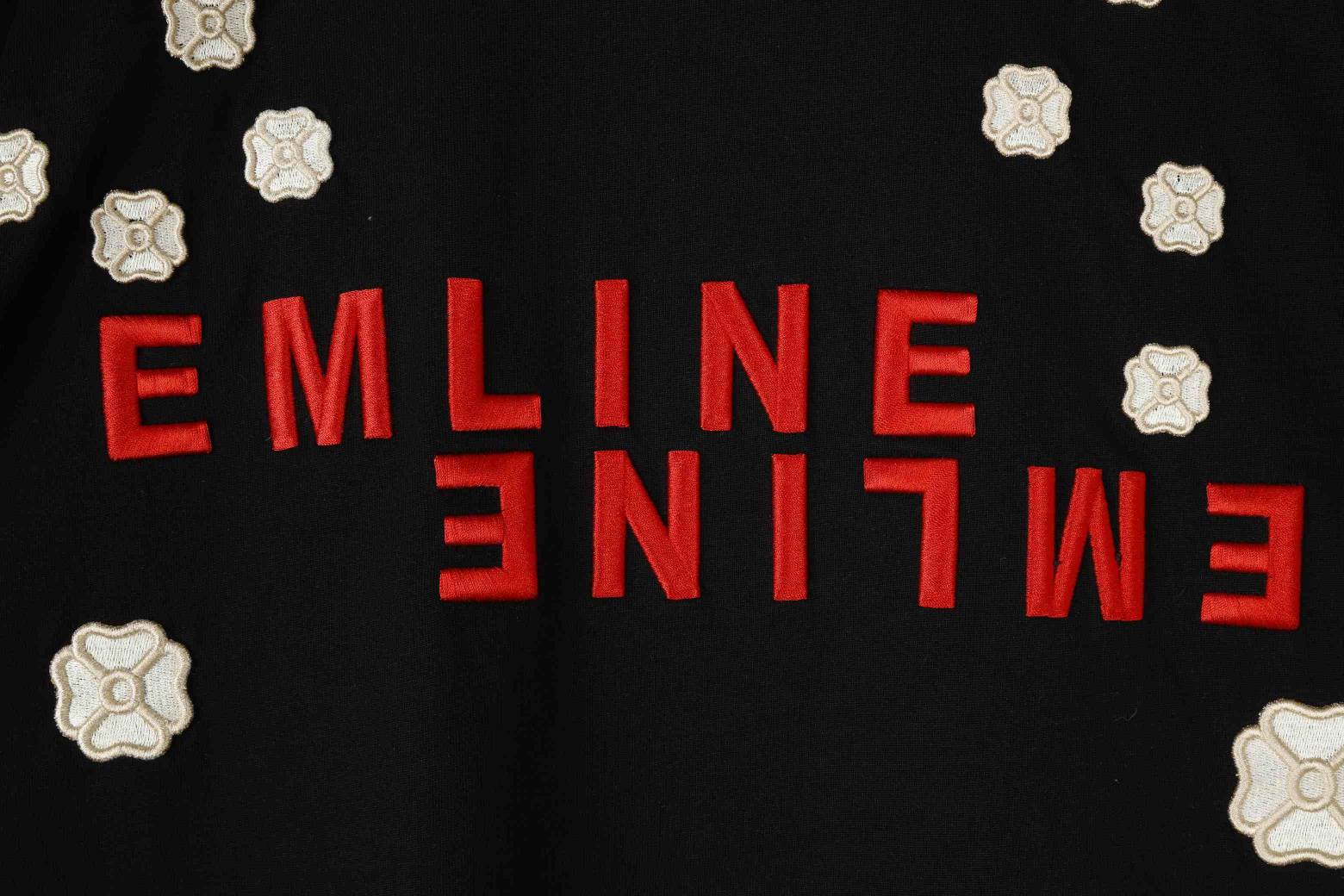
3D Puff Embroidery
3D puff embroidery adds dimensional texture and bold visual impact by layering foam beneath stitching, creating raised logos and graphics that stand out on knitwear. Popular for streetwear brands, team apparel, and statement pieces. Our in-house puff embroidery capability pairs with OEM and ODM sweater production, supported by 28 years of Dongguan manufacturing expertise.
Get a Quote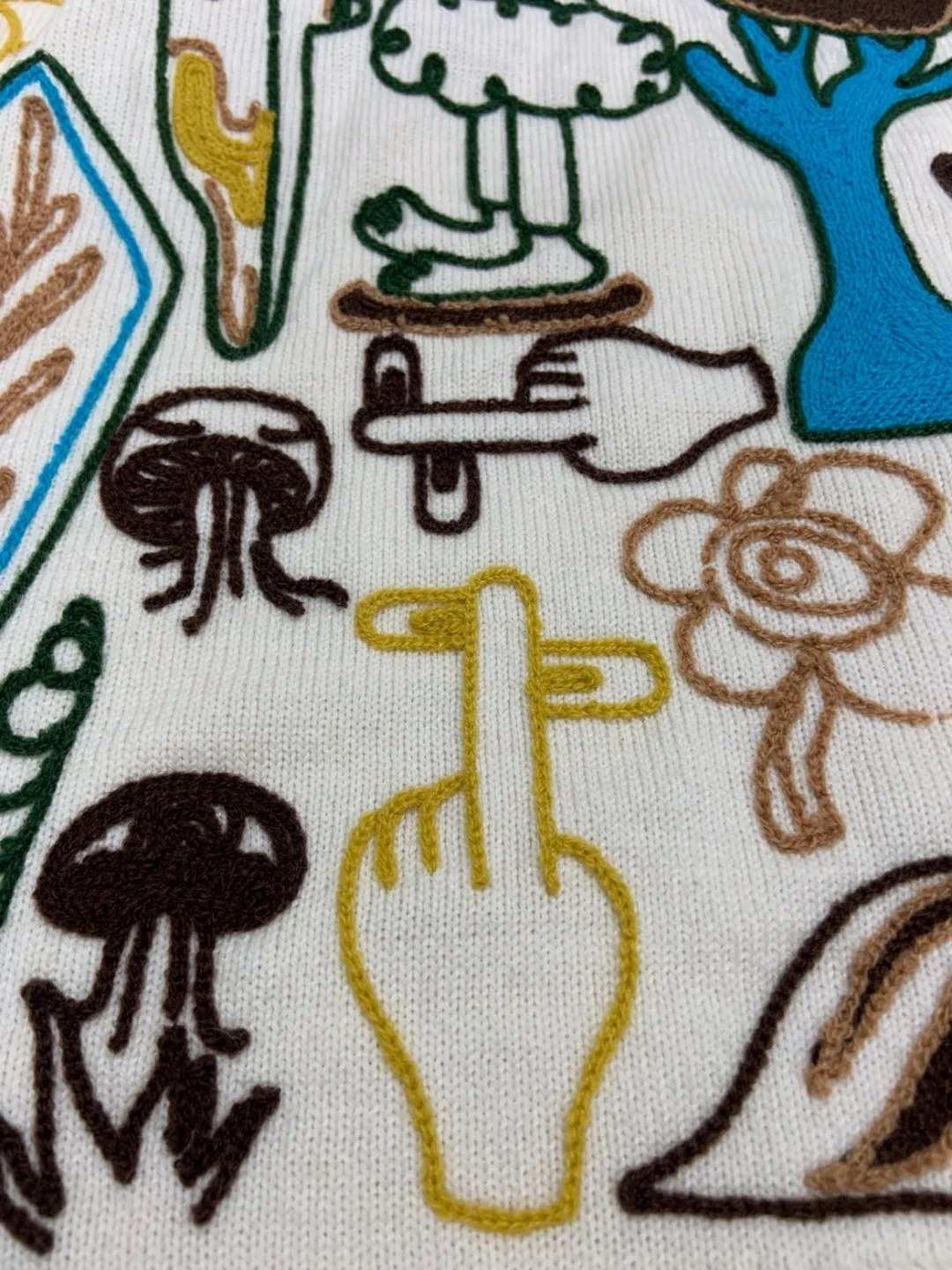
Chain Stitch Embroidery
Chain stitch embroidery produces a distinctive looped, rope-like texture ideal for vintage-inspired branding, decorative lettering, and artisan-style details on custom knitwear. This technique works beautifully on heavier gauge sweaters, cardigans, and knit outerwear. CENWILD integrates chain-stitch decoration into full-service sweater manufacturing with low MOQ flexibility for independent designers and emerging brands.
Get a Quote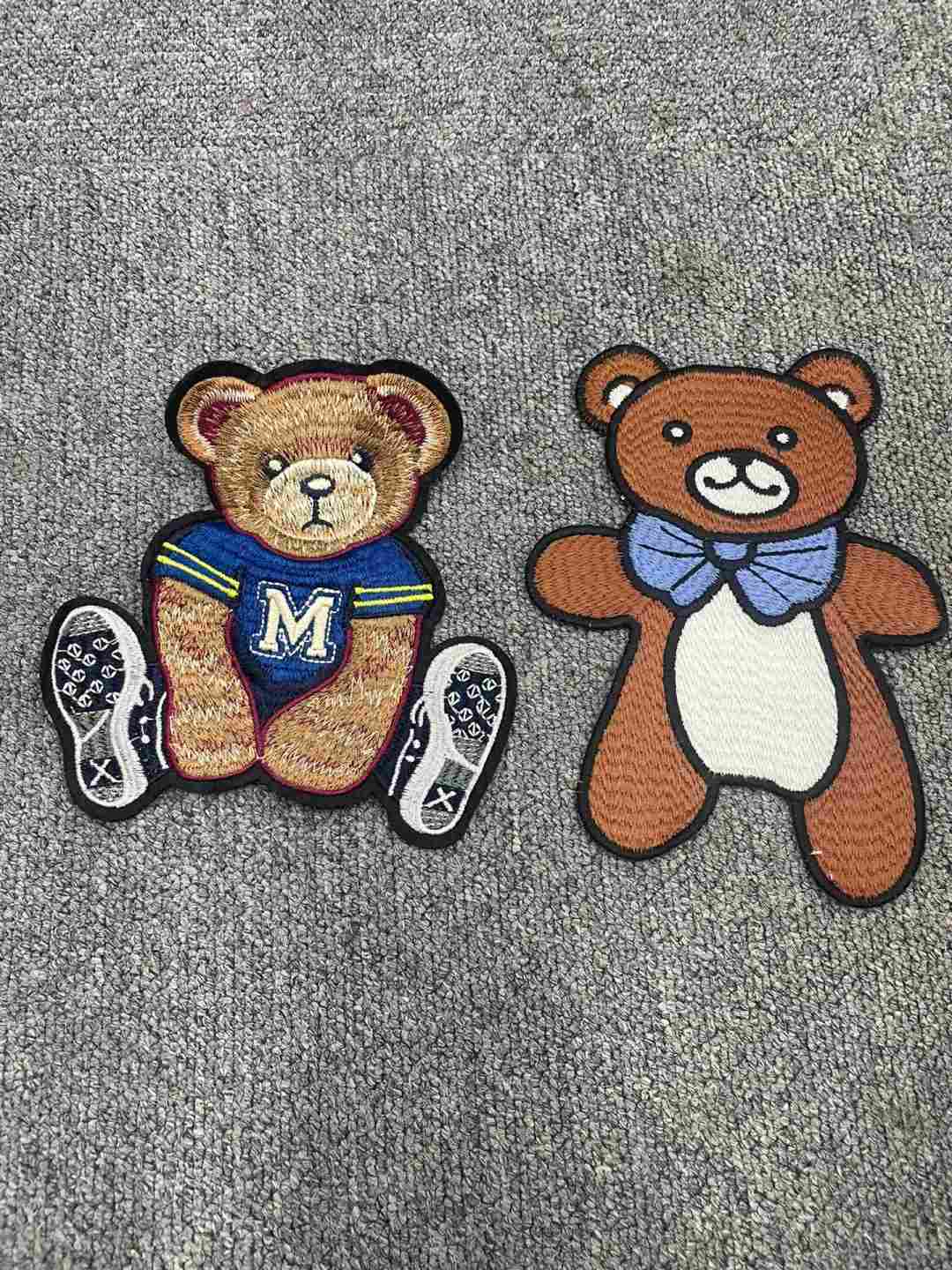
Applique Embroidery
Applique embroidery combines fabric patches with stitched borders to create bold, layered graphics and logos on sweaters, achieving a premium look with reduced stitch count and faster production. Ideal for collegiate styles, heritage branding, and children’s knitwear. Our applique capability is part of a complete decoration suite serving fashion brands, wholesalers, and private label programs.
Get a Quote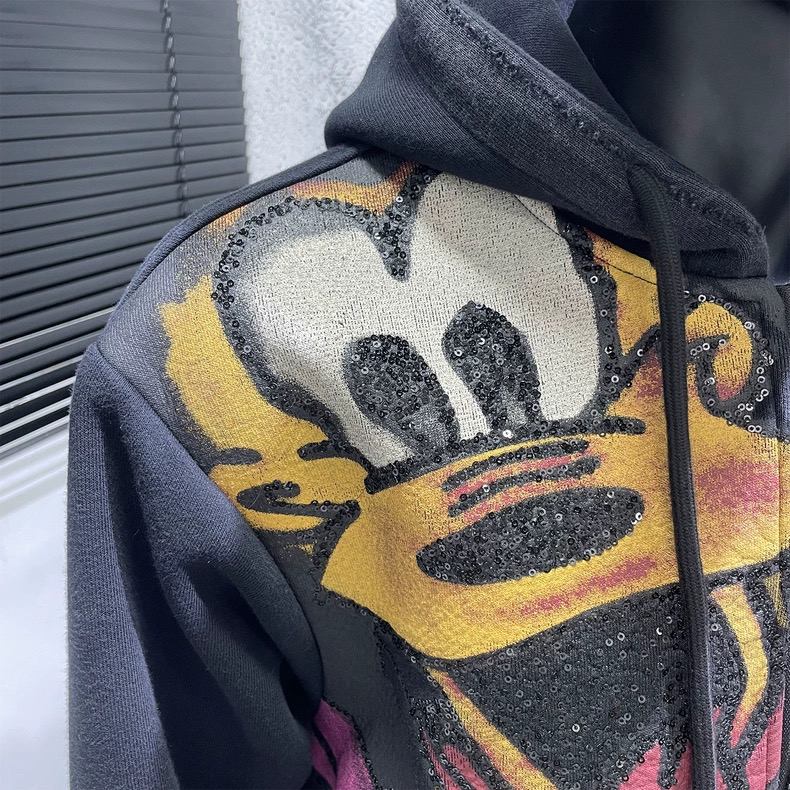
Sequin Embroidery
Sequin embroidery adds shimmer and luxury to knitwear through precisely placed sequins secured by embroidery thread, perfect for evening wear, holiday sweaters, and fashion-forward collections. CENWILD’s sequin decoration integrates seamlessly with knit production in cashmere, merino wool, cotton, and blended yarns. Available on custom orders starting from 100 pieces with full design development support.
Get a Quote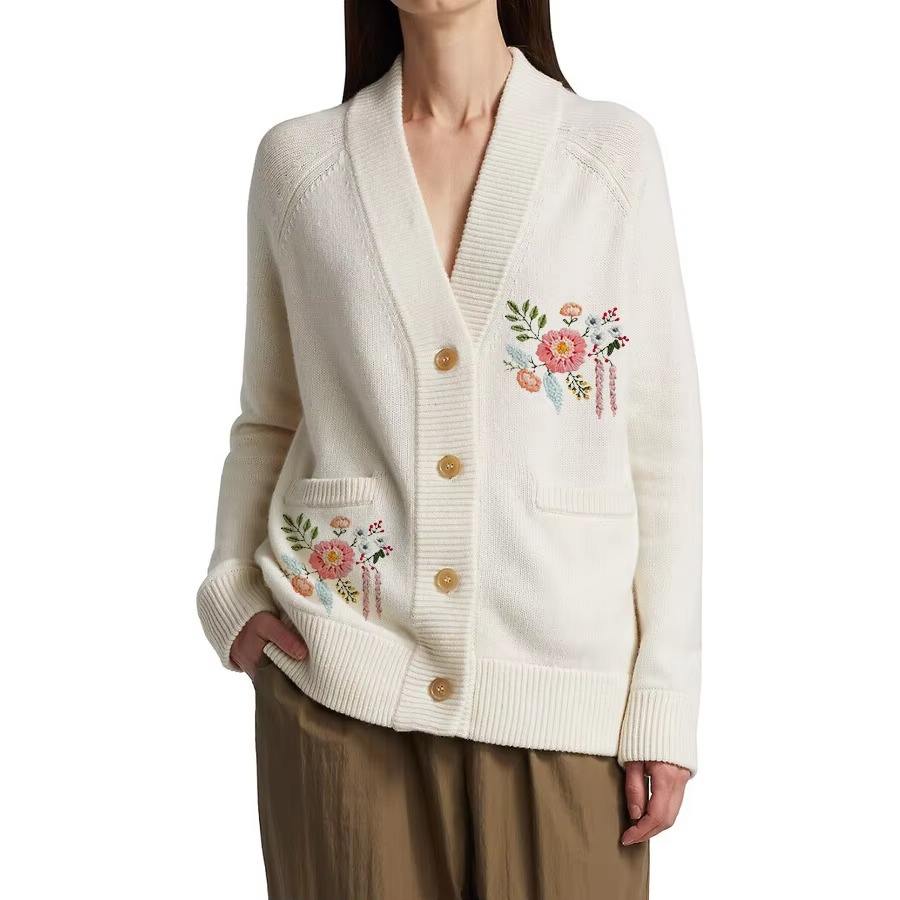
Logo Embroidery on Knit
Custom logo sweaters position your brand identity directly on high-quality knitwear through embroidery, jacquard knit-in patterns, or heat-transfer application. CENWILD manufactures private label and OEM logo sweaters in any gauge, yarn, and silhouette—crewnecks, V-necks, quarter-zips, cardigans—with in-house sampling, grading, and decoration. Trusted by over 2,000 fashion brands across North America, Europe, and beyond.
Get a Quote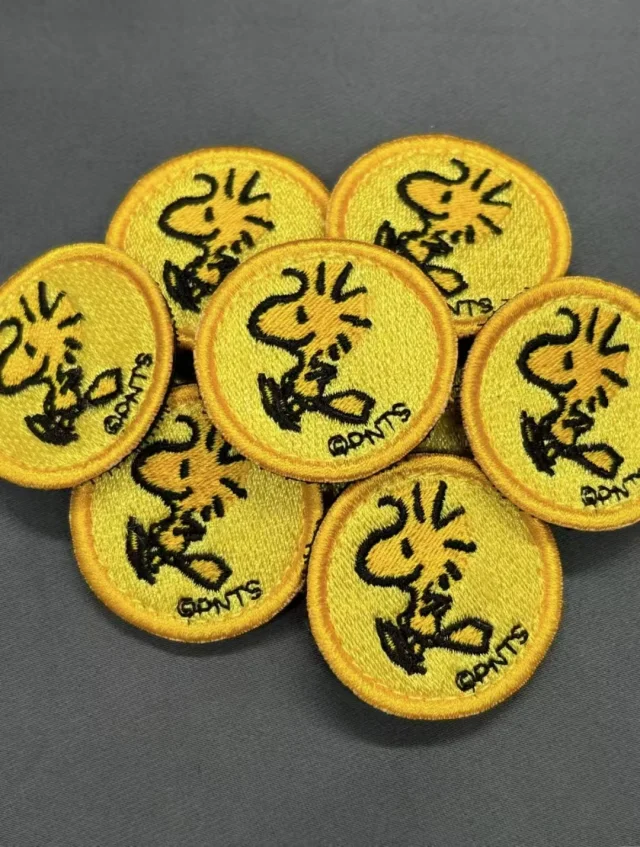
Custom Cardigan
Custom cardigans manufactured to your exact specifications in button-front, zip, or open styles across 3GG to 14GG gauges. CENWILD produces OEM and ODM cardigans in cashmere, merino, cotton, alpaca, and blended yarns with cable, rib, jacquard, or intarsia knit patterns. Add embroidery, embellishments, or garment washing. MOQ from 100 pieces with full design and sampling support from our Dongguan facility.
Get a Quote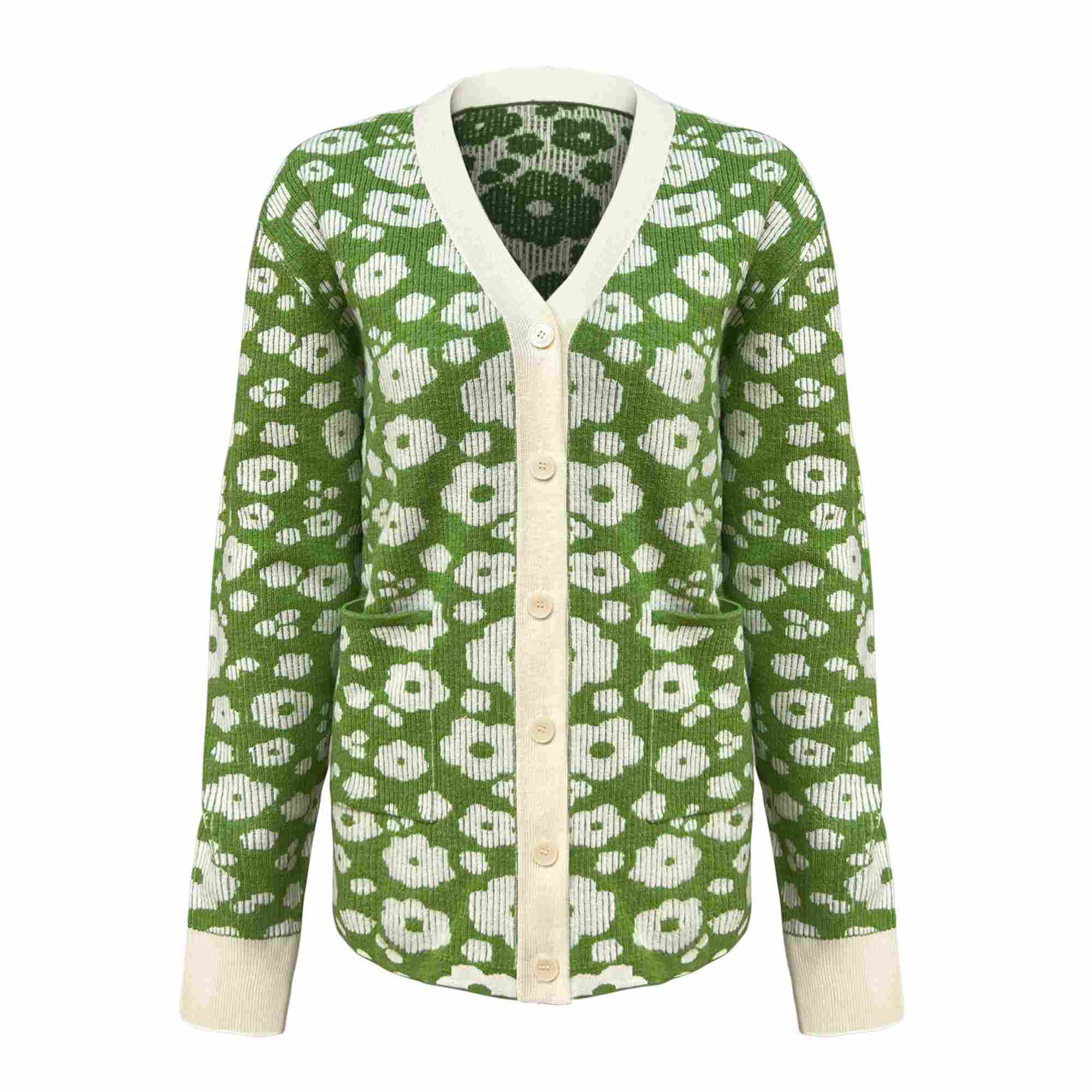
Cardigan Sweater Manufacturer
CENWILD is a full-service cardigan sweater manufacturer with over 28 years of experience producing private label and branded cardigans for fashion retailers, wholesalers, and independent designers worldwide. Our Dongguan facility handles design development, yarn sourcing, knitting, decoration, quality control, and export logistics. Monthly capacity exceeds 80,000 pieces with flexible MOQ from 100 units and scalable payment terms.
Get a QuoteCENWILD's Custom Embroidered Patches Expertise
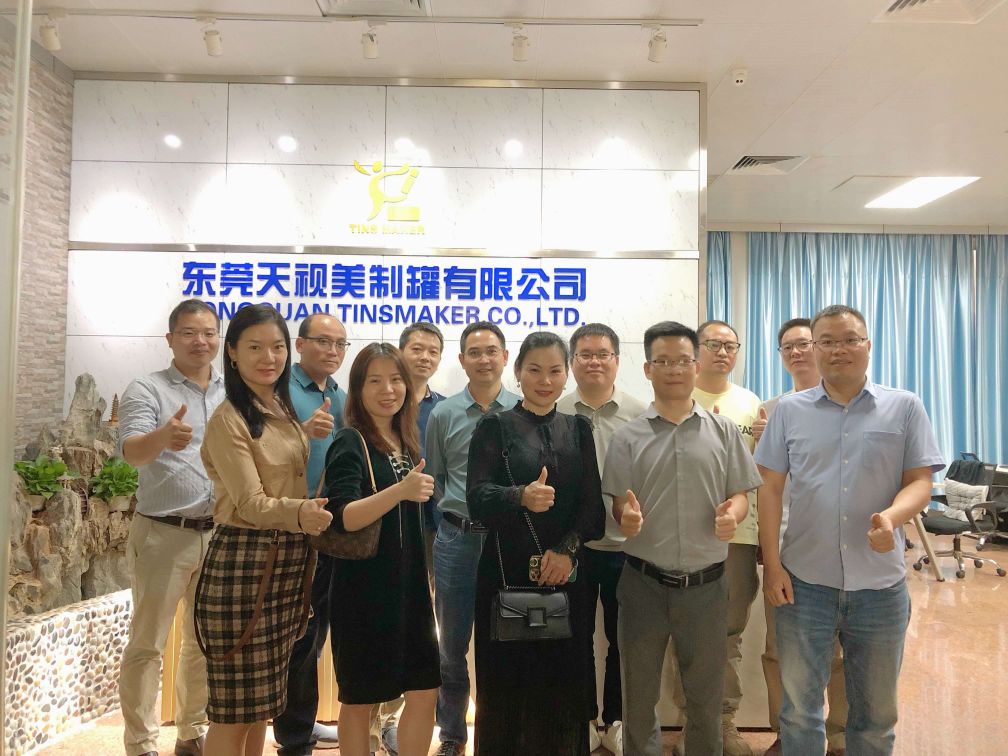
Since 1998, CENWILD has built a reputation as a full-service knitwear manufacturer and sweater manufacturer in Dongguan, China, combining advanced knitting technology with precision embroidery decoration. Our custom embroidered patches are produced in-house using multi-head computerized embroidery machines capable of flat, 3D puff, chain-stitch, appliqué, and sequin techniques, allowing fashion brands to add distinctive branding and design details to custom sweaters, cardigans, and knit apparel.
With over 28 years of manufacturing experience and a team of more than 200 skilled employees, we’ve delivered custom embroidered patches for over 2,000 brands worldwide. From logo patches on crewnecks to intricate appliqué designs on limited-edition collections, our embroidery department handles everything from digitizing artwork to thread matching, quality inspection, and integration into finished garments.
Whether you’re a startup designer needing 100 pieces or an established retailer scaling a bestselling design, CENWILD offers OEM and ODM sweater production with flexible MOQs, in-house knitting and sampling, and complete control over stitch density, thread type, backing material, and placement. We don’t just apply patches — we manufacture custom knitwear and engineer decoration to withstand washing, wear, and the demands of modern fashion retail.
Deep Dive: Custom Embroidered Patches Quality Dimensions
Thread Selection & Color Matching Precision
Premium custom embroidered patches start with the right thread. CENWILD’s 28+ years of embroidery expertise ensures precise color matching to your Pantone references, superior sheen control, and thread tensioning that prevents puckering or thread breaks across every production run.
- Polyester, rayon, metallic, and specialty thread options for durability and visual impact
- Digital Pantone matching with physical swatch approval before bulk production
- Thread tension calibration on every machine to eliminate looping and surface distortion
- Colorfast, fade-resistant threads tested through industrial wash cycles
Stitch Density & Registration Precision
Stitch density defines sharpness, coverage, and durability. Our computerized embroidery machines deliver consistent stitch counts, clean edges, and perfect registration—even on intricate logos, fine text, and multi-layer designs that demand pixel-level accuracy.
- Programmable density from 3–12 stitches/mm to balance detail, texture, and fabric stability
- Auto-digitization with manual refinement by our in-house design team for complex artwork
- Multi-head precision ensures identical patch quality across orders of 100 to 10,000+ pieces
- Underlay stitching prevents fabric show-through and anchors top threads for crisp definition
Backing, Stabilization & Edge Finishing
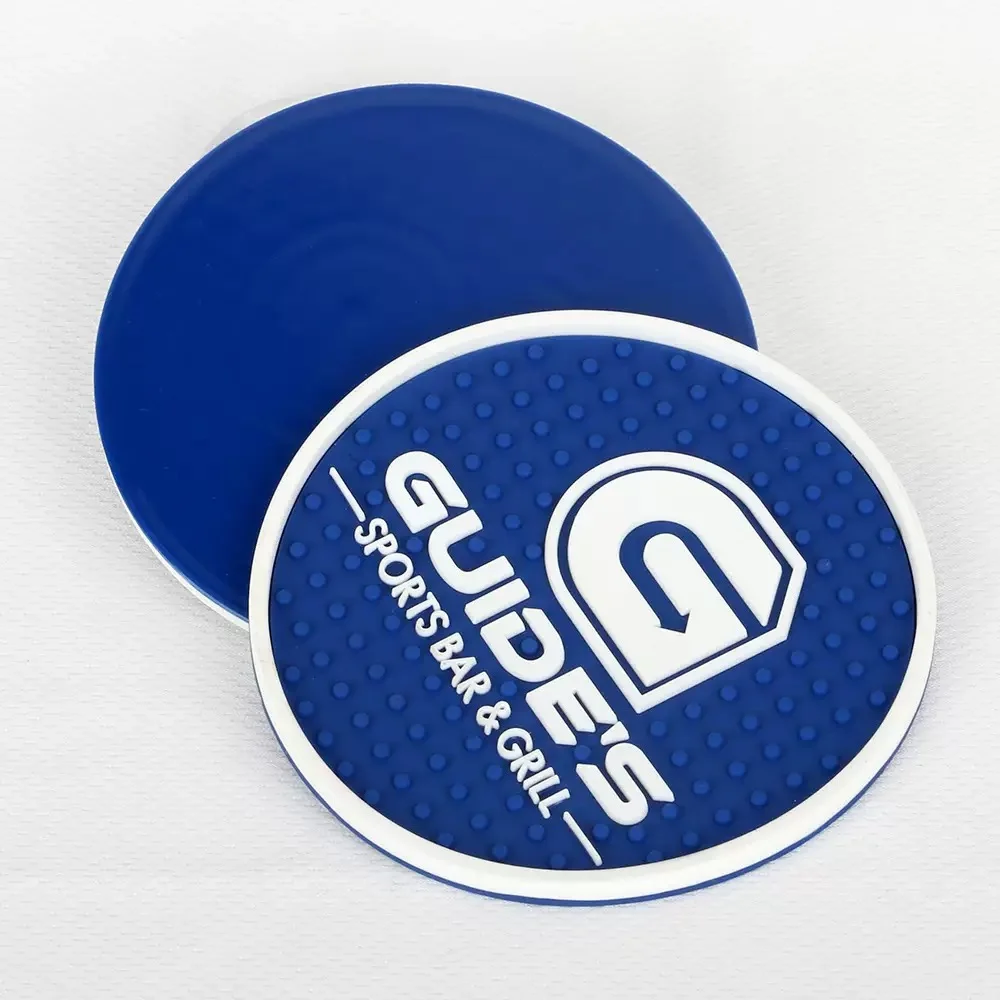
The foundation of every custom embroidered patch determines how it looks, feels, and performs over time. CENWILD applies the correct stabilizer weight, backing type, and edge treatment—heat-cut, merrowed, or laser—to match your garment weight and application method.
- Tear-away, cut-away, or water-soluble stabilizers matched to fabric type and stitch load
- Iron-on adhesive, Velcro, or sew-on backing options for flexible garment integration
- Merrowed borders, heat-sealed edges, or laser-cut contours for clean, professional finish
- Pre-production sampling to validate adhesion strength, peel resistance, and dimensional stability
Wash Durability & Long-Term Performance
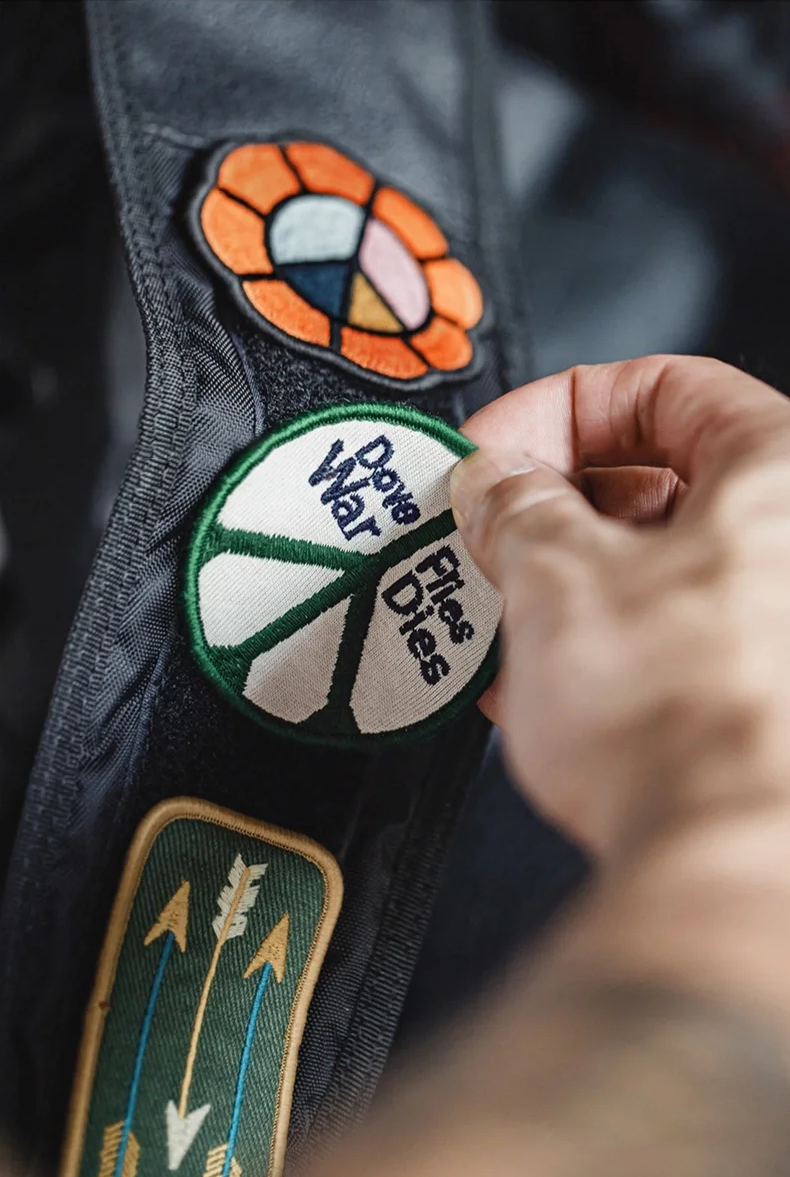
Fashion brands need custom embroidered patches that survive repeated laundering without fading, fraying, or lifting. Every CENWILD patch undergoes wash testing to confirm thread integrity, color retention, and adhesive bond strength under real-world care conditions.
- Industrial wash tests at 40°C, 60°C, and tumble-dry cycles to simulate consumer use
- Colorfast thread and pre-shrunk twill base prevent dye migration and size distortion
- Reinforced edge stitching and lock-stitch terminations eliminate loose ends and unraveling
- Full traceability from thread lot to finished patch ensures consistent quality across reorders
Custom Embroidered Patches vs. Direct Embroidery
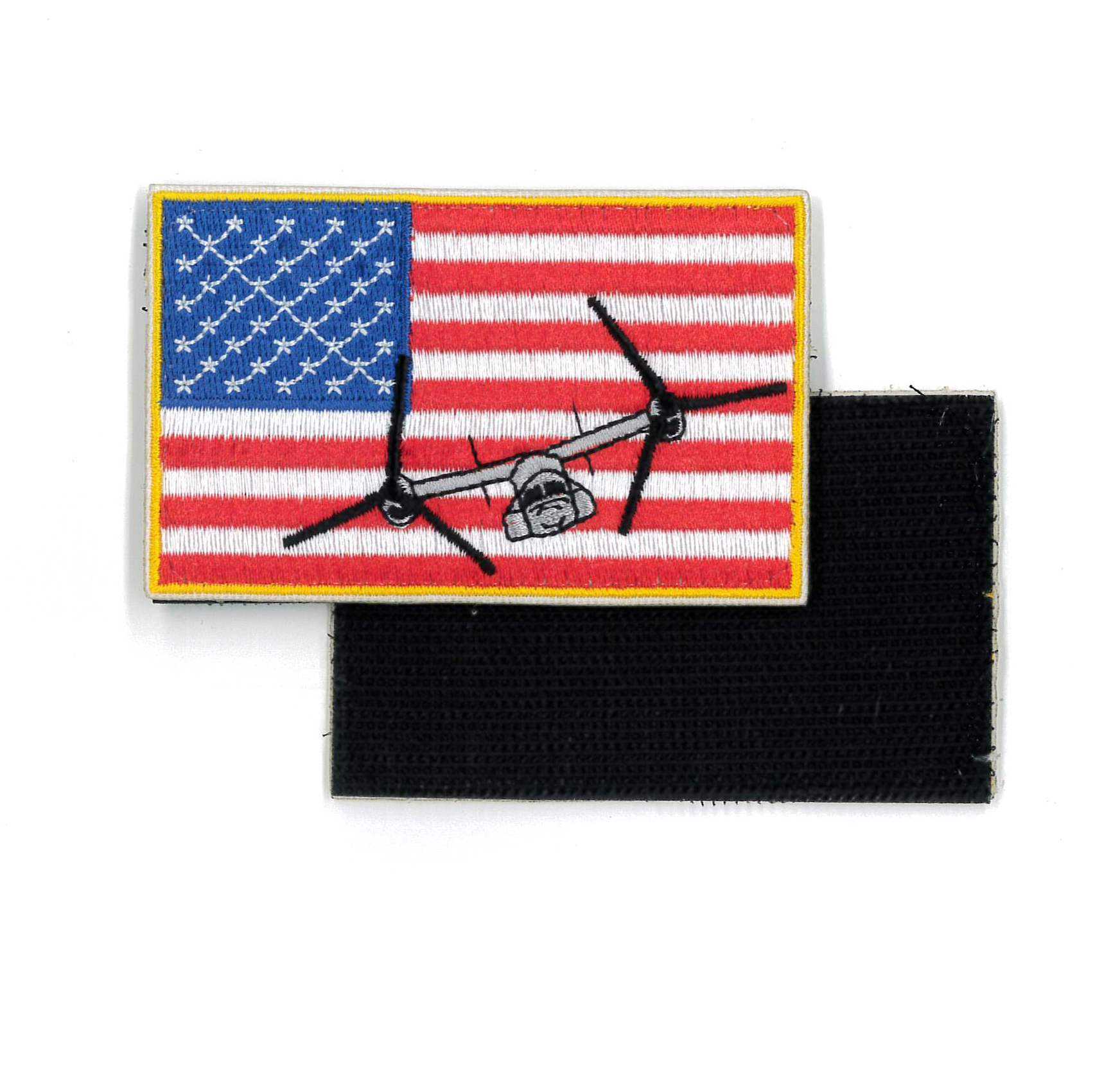
Understanding the key differences between custom embroidered patches and direct embroidery helps you select the decoration method that best fits your design, fabric, production volume, and budget.
← 左右滑动查看 →
Custom Embroidered Patches Production Process
From design digitization to final inspection, CENWILD‘s embroidered patch workflow ensures precise stitching, durable backing, and consistent quality across every piece — starting from just 100 patches.
Design Digitization & Thread Selection
Your artwork is converted into embroidery-ready digital files, stitch paths are mapped, and thread colors are matched to your brand palette using high-quality polyester or rayon.
Hooping & Stabilizer Setup
Base fabric and backing stabilizer are secured in precision hoops, ensuring flat, distortion-free stitching and clean edge definition throughout the embroidery run.
Machine Embroidery & Stitch Control
Multi-head computerized embroidery machines execute your design with tight stitch density, accurate registration, and real-time tension monitoring to prevent thread breaks or puckering.
Backing Application & Edge Finishing
Heat-seal, iron-on, Velcro, or sew-on backing is applied based on your specification, edges are trimmed or merrowed, and any loose threads are clipped.
Quality Inspection & Packing
Every patch is inspected for stitch integrity, color accuracy, and backing adhesion before being individually bagged, counted, and packed for shipment to your warehouse or facility.
How to Order Custom Embroidered Patches from CENWILD
From design to delivery, our streamlined process makes commissioning custom embroidered patches straightforward—with low MOQ from 100 pieces and fast sampling to bring your vision to life.
Submit Your Patch Design
Share your artwork, logo, or concept with our team. We accept tech packs, sketches, reference photos, or even just an idea to develop together.
Confirm MOQ and Sampling
We’ll quote based on your specifications with a minimum order of just 100 pieces, then produce a physical sample for your approval.
Approve Sample and Start Production
Review your custom embroidered patch sample. Once approved, we begin full production with scheduled timelines and milestone updates throughout.
Quality Control and Inspection
Every batch undergoes rigorous in-house QC checks for stitch density, color accuracy, backing quality, and overall finish before packing.
Pack and Ship Your Order
Your finished custom embroidered patches are securely packaged and shipped with full export documentation, tracking, and logistics support to your destination.
Customer Success Stories: Custom Embroidered Patches in Action
CENWILD’s custom embroidered patches elevated our streetwear line. The logo clarity was perfect, and after 30+ washes the patches still look brand new. Our customers constantly compliment the quality.
We ordered 150 pieces with custom embroidered patches for our capsule collection. Every patch matched our Pantone specs exactly, and delivery was two days early. The attention to detail made all the difference.
As a boutique retailer, the low MOQ let us test custom embroidered patches without huge risk. The patches added 40% to our perceived value, and we sold out in three weeks. Now it’s a staple.
Custom Embroidered Patches — Frequently Asked Questions
What is the minimum order quantity for custom embroidered patches?
What fabrics can custom embroidered patches be applied to?
Can I combine custom embroidered patches with other decoration techniques?
What is the maximum design size and color count for custom embroidered patches?
How long does it take to produce custom embroidered patches?
What file format do I need to provide for custom embroidered patches?
Are custom embroidered patches durable through washing and wear?
Can CENWILD match specific thread colors for custom embroidered patches?
The Complete Buyer’s Guide to Custom Embroidered Patches for Fashion Brands
Low MOQ from 100 pieces, 28+ years of sweater manufacturing experience, and fast turnaround. Send your artwork and get a free quote within 24 hours.
1. What Are Custom Embroidered Patches?
Custom embroidered patches are decorative textile elements created by stitching colored thread onto a backing fabric, typically twill or felt, then cut to shape and finished with a border. Unlike direct embroidery that stitches a design permanently into a garment during production, patches are standalone components sewn or heat-sealed onto finished apparel, bags, hats, and accessories after manufacturing.
Fashion brands choose custom embroidered patches over direct embroidery for three strategic reasons: inventory flexibility (one garment base can carry multiple patch designs), lower cost per unit when applying the same logo across different product categories, and the ability to refresh or personalize stock without re-manufacturing. A single crewneck sweater can be transformed into dozens of SKUs by swapping patches, a capability particularly valuable for brands working with minimum order quantities as low as 100 pieces per style.
The tactile, three-dimensional quality of embroidered thread delivers a premium brand presence that printed labels and heat transfers cannot match, making patches the preferred choice for streetwear, workwear-inspired collections, and heritage branding across knitwear, outerwear, and accessories.
2. The Evolution of Custom Embroidered Patches in Fashion
Custom embroidered patches first appeared in military uniforms during the early 20th century as functional identifiers for rank, unit, and specialty. By the 1950s, varsity letterman jackets adopted chenille patches to celebrate athletic achievement, embedding patches into American youth culture.
The 1960s and 1970s saw biker clubs and punk movements repurpose patches as symbols of rebellion and identity, stitching custom designs onto denim and leather to signal subculture allegiance. This DIY aesthetic laid the groundwork for streetwear brands in the 1980s and 1990s, which used custom embroidered patches to build visual brand language on caps, hoodies, and bomber jackets.
In the 2010s, luxury fashion houses began collaborating with streetwear labels, elevating patches from counter-culture markers to runway statements. Today custom embroidered patches serve dual roles: they reinforce brand identity with tactile, three-dimensional logos and offer customers personalization options that drive engagement and premium positioning across independent and established fashion brands alike.
3. Types of Custom Embroidered Patches
Understanding patch construction types helps fashion brands align decoration with garment category and brand positioning. Each method delivers distinct visual impact, durability, and aesthetic appeal suited to different knitwear applications.
Flat Embroidered Patches
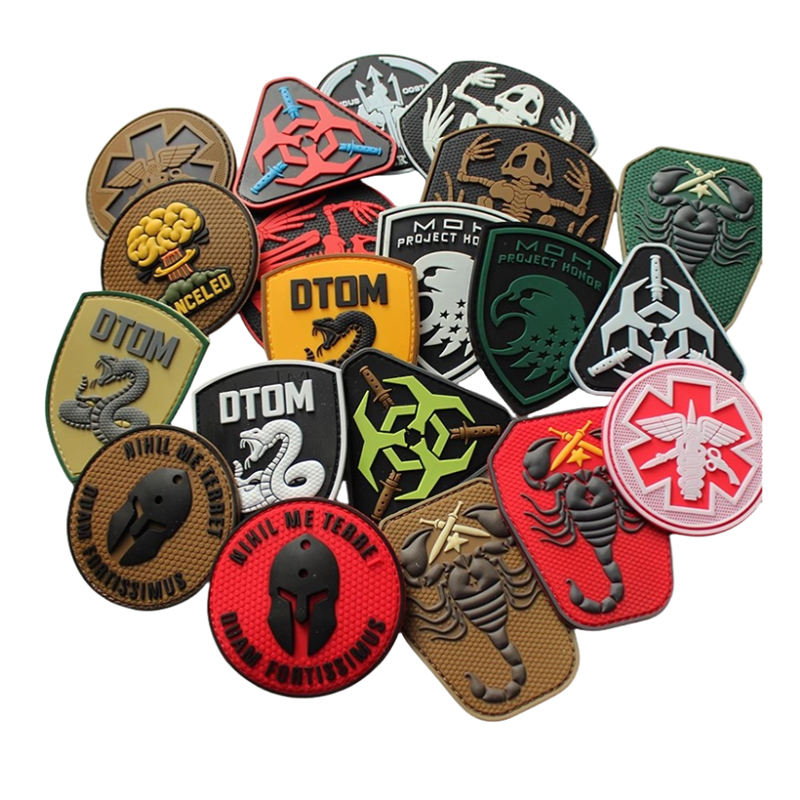
Flat embroidered patches use dense stitch patterns to create smooth, durable designs ideal for logos, text, and fine detail. Thread coverage typically reaches 75–90% density, delivering crisp edges and vibrant color on sweaters, cardigans, and knit polos.
This construction suits premium casualwear and corporate branding where longevity matters — flat patches withstand 50+ industrial wash cycles without fraying when properly backed.
3D Puff Embroidered Patches
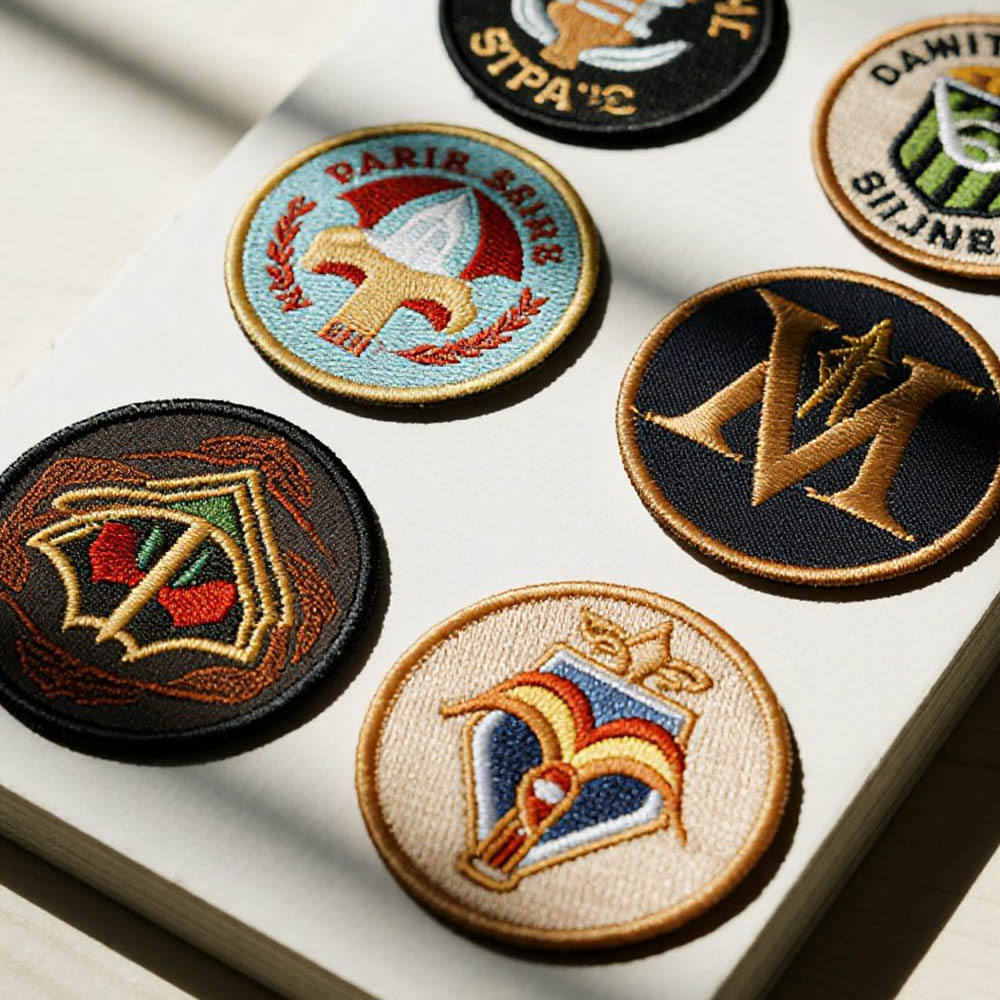
3D puff patches layer foam beneath stitching to create raised, tactile graphics popular in streetwear and youth fashion. Foam height ranges 2–4 mm, adding dimension to logos on oversized pullovers and knit hoodies.
Puff embroidery delivers bold visual impact but requires careful knit-base selection — stable gauges (5GG–7GG) prevent foam distortion during wear.
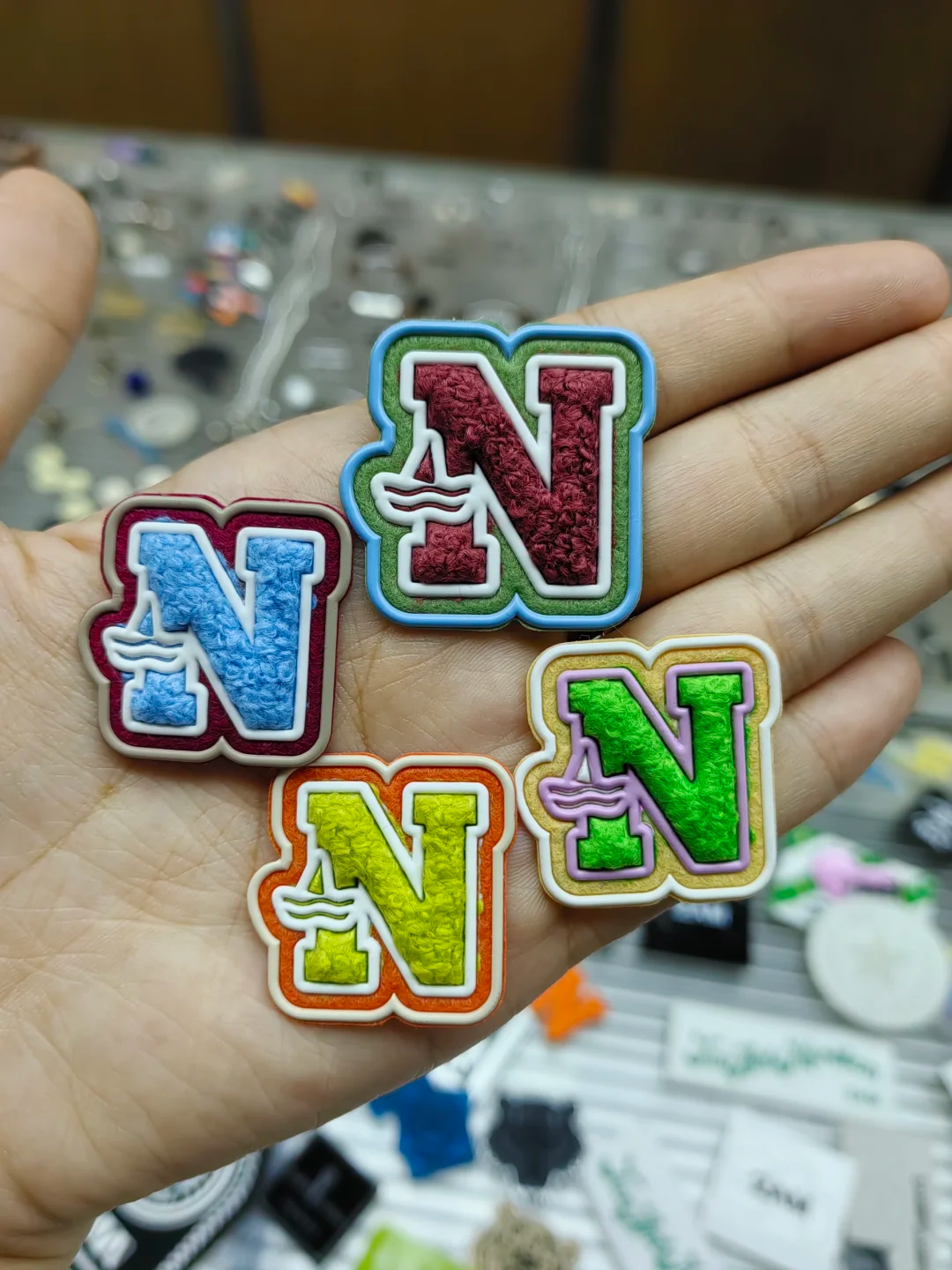
Chenille Patches
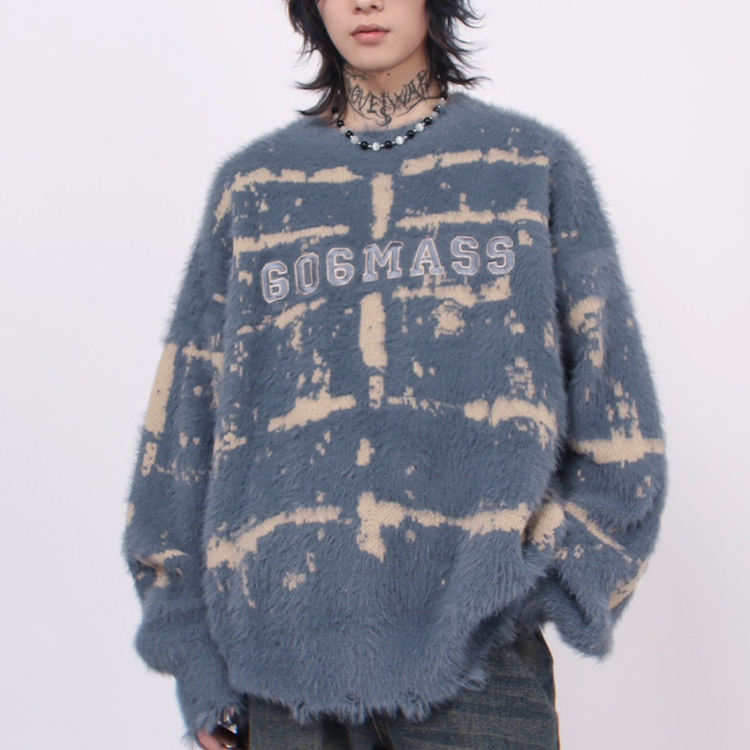
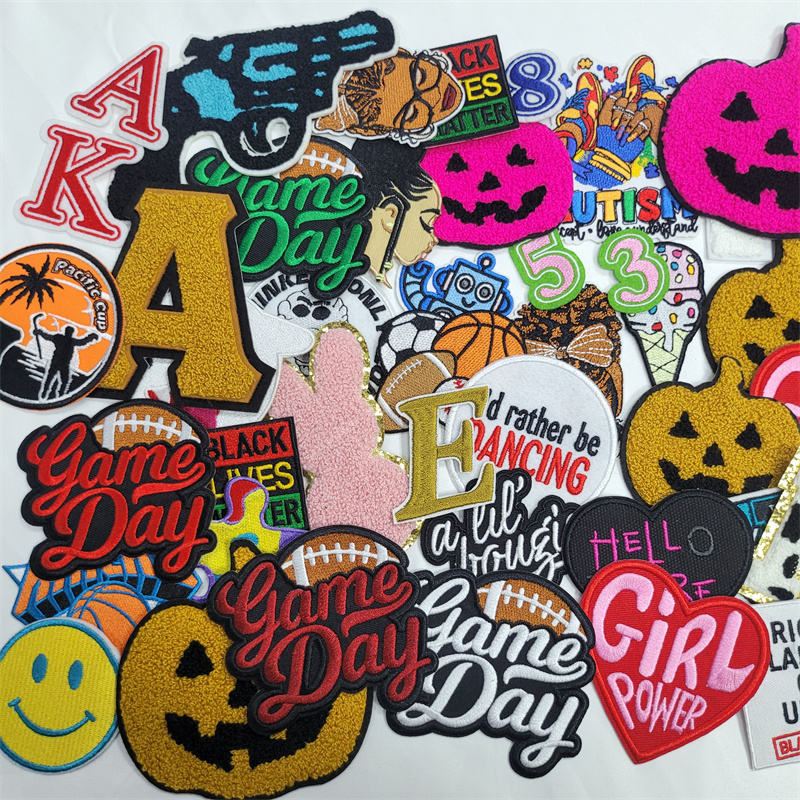
Chenille patches use looped yarn to create plush, varsity-style texture favored in heritage and collegiate-inspired collections. Loop pile height typically measures 3–5 mm, offering rich depth on knit varsity jackets and retro cardigans.
This technique suits mid-to-premium positioning where tactile differentiation justifies higher per-piece costs.
Woven vs. Embroidered Distinction
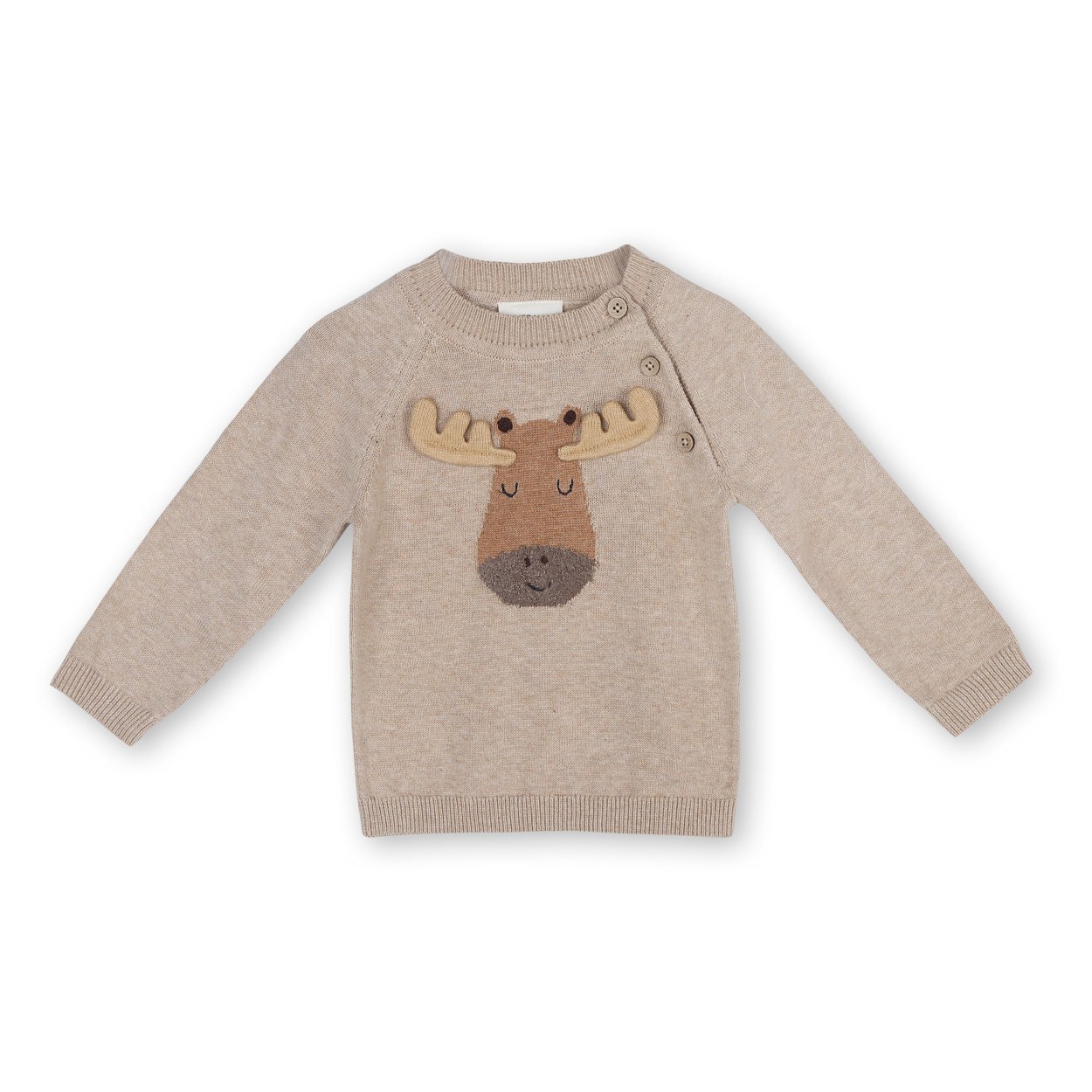
Woven patches interlace threads on a loom, producing thinner, lighter badges with finer detail than embroidery. Thread count reaches 100+ per inch, enabling intricate text and small logos under 5 cm.
Woven construction suits lightweight knits and minimalist branding where bulk must be avoided, though durability falls below embroidered equivalents in high-abrasion zones.
4. Materials and Backing Options for Custom Embroidered Patches
The fabric base and backing of custom embroidered patches determine durability, application method, and how your end customers will interact with the finished garment. CENWILD works with twill, felt, canvas, and denim bases, pairing each with iron-on adhesive, sew-on, Velcro, or self-adhesive backings to match your brand’s aesthetic and functional requirements.
| Fabric Base | Backing Type | Best Use Case | Durability (Washes) |
|---|---|---|---|
| Twill | Sew-on | Premium apparel, detailed logos | 100+ |
| Twill | Iron-on | Casual wear, DIY kits | 20–30 |
| Felt | Sew-on | Vintage, streetwear | 80+ |
| Canvas | Sew-on | Workwear, outdoor | 100+ |
| Denim | Sew-on | Heritage, denim collections | 100+ |
| Any | Velcro | Tactical, uniforms, removable | 50+ (hook-and-loop) |
| Any | Self-adhesive | Samples, promos, temporary | Not wash-safe |
Fabric Base Options
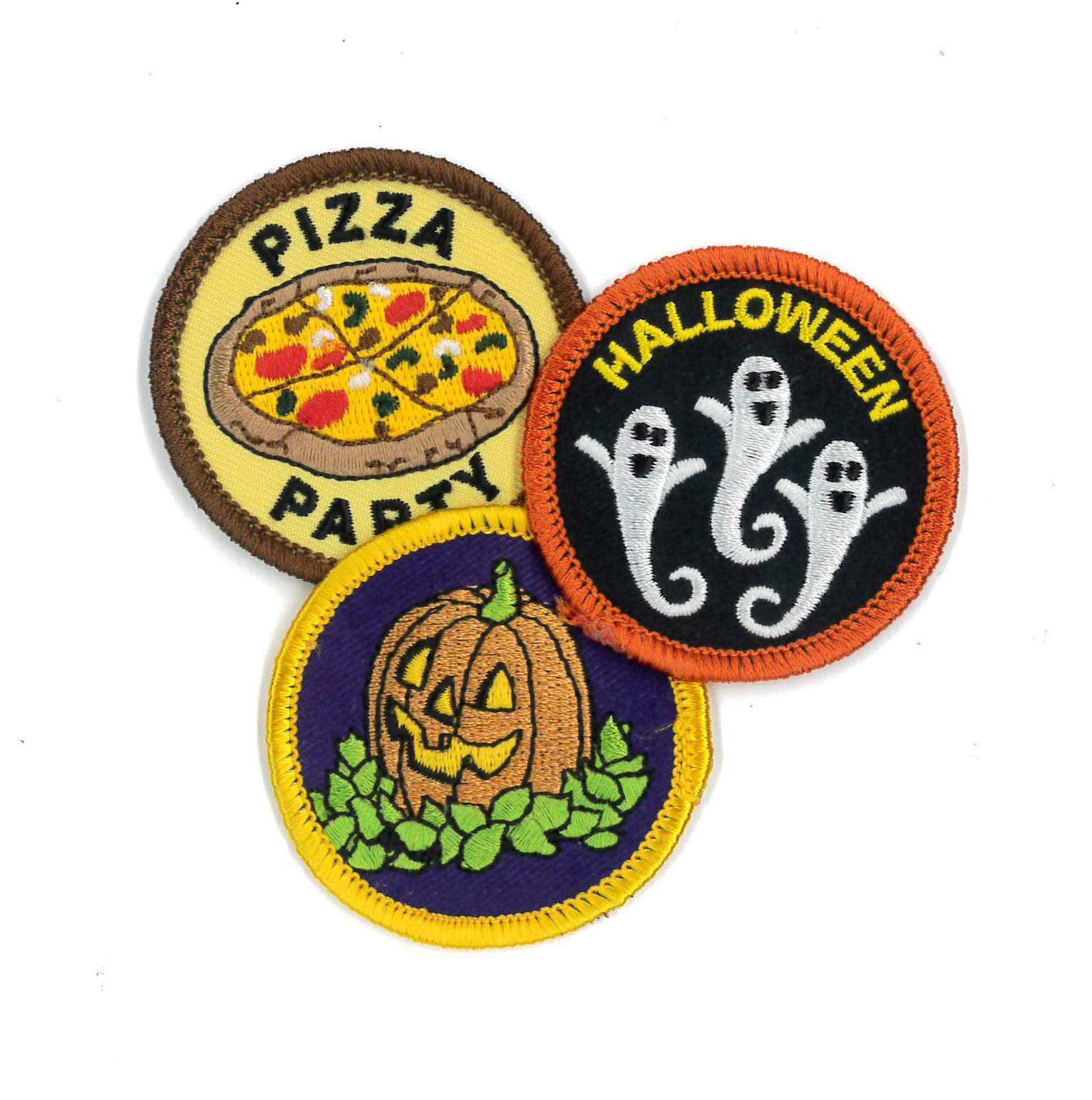
Twill is the industry standard for custom embroidered patches — tight weave, smooth surface, and clean stitch definition make it ideal for detailed logos and text. Felt offers a softer hand and vintage look, popular for casual streetwear and retro collections. Canvas provides heavier-duty structure for workwear and outdoor brands, while denim lends authentic texture to heritage and denim-focused lines.
Each base accepts thread differently: twill holds fine detail down to 1 mm stitch spacing, felt works best with bolder designs, and canvas and denim require slightly larger stitch counts to prevent puckering.
Backing Types and Application Methods
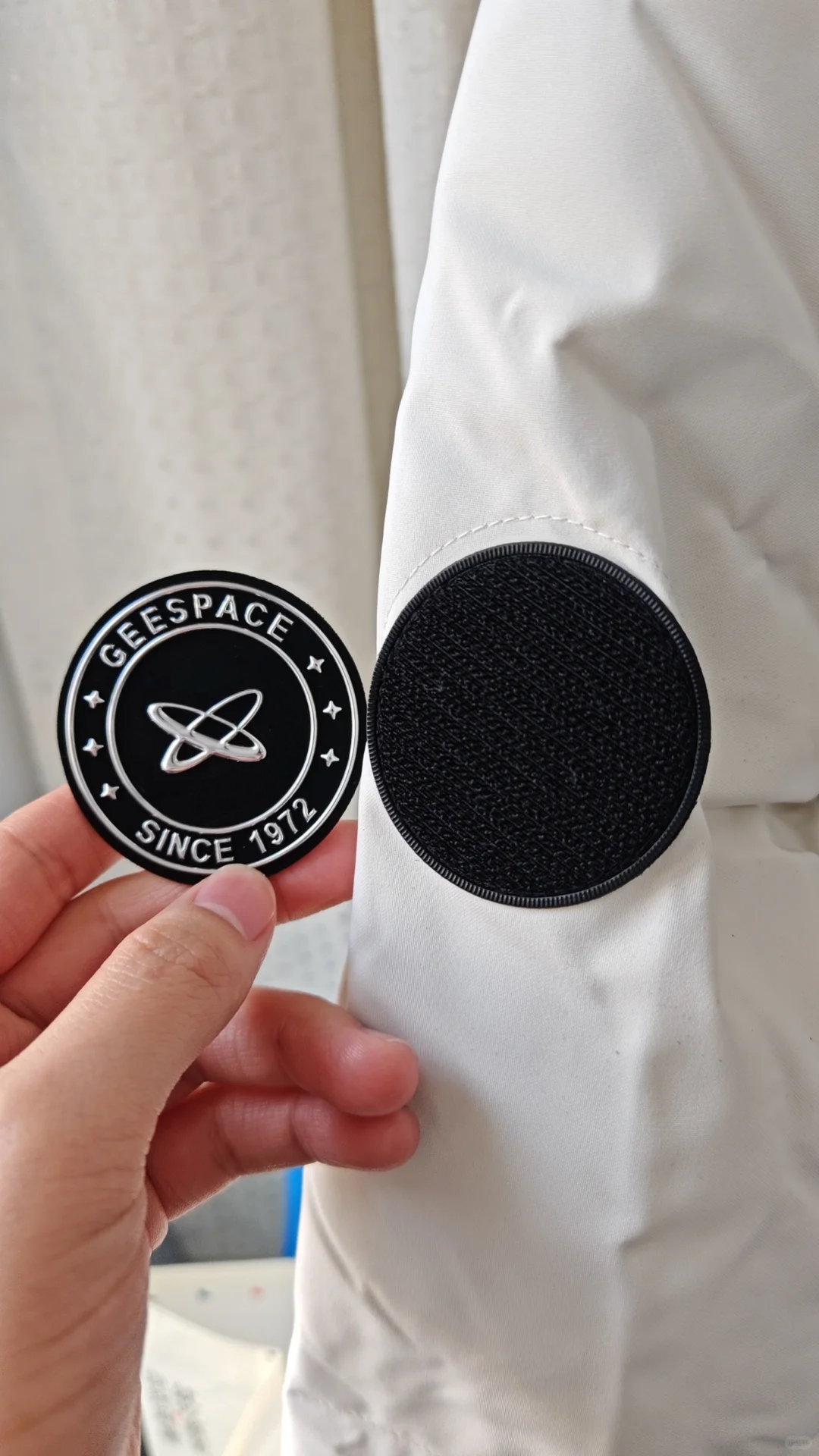
Iron-on adhesive backing uses heat-activated film, allowing end users to apply patches at home with a household iron — fast, no sewing skills required, but durability drops after 20–30 washes. Sew-on backing (no adhesive) is the most durable choice, withstanding 100+ industrial wash cycles, preferred by premium and activewear brands.
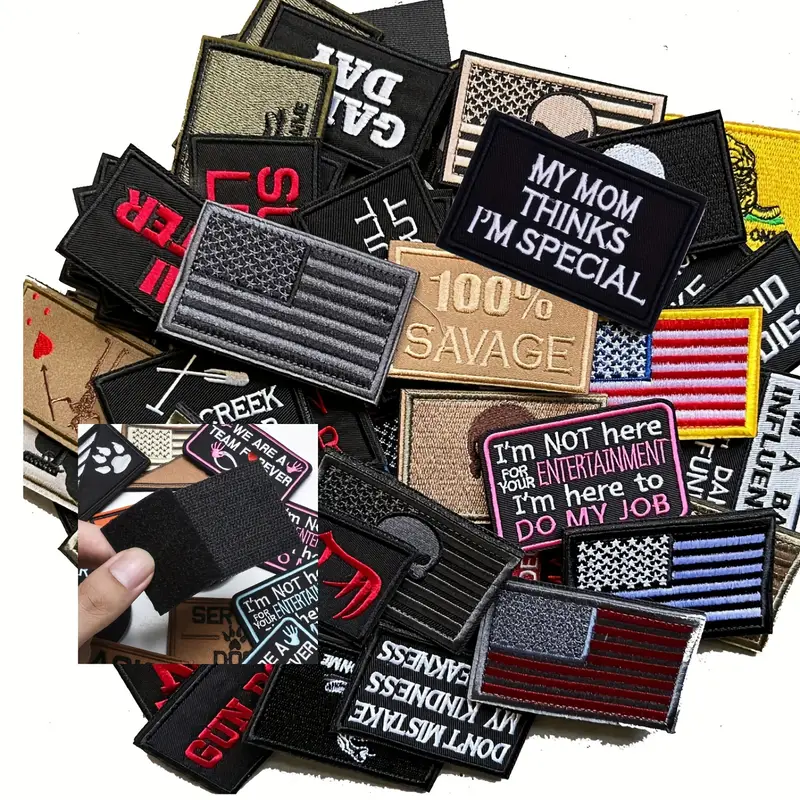
Velcro (hook-and-loop) backing enables removable patches for tactical, uniform, and customizable collections. Self-adhesive (peel-and-stick) backing suits sample kits, promotional giveaways, and temporary applications but is not wash-safe.
5. Customization and Decoration Techniques for Custom Embroidered Patches
Custom embroidered patches offer extensive design flexibility through thread selection, stitch engineering, edge finishing, and layered embellishments. Each decision affects production cost, turnaround time, and final aesthetic impact.
| Technique | Cost Impact | Lead Time | Design Complexity |
|---|---|---|---|
| Rayon thread | Baseline | +0 days | Simple to moderate |
| Metallic thread | +15–20% | +1–2 days | Moderate (tension-sensitive) |
| High-density fill (90%+) | +10–15% | +10–15% machine time | Bold, opaque logos |
| Merrowed border | +0.08–0.12 USD/pc | +0 days | Classic raised edge |
| Rhinestones (hand-applied) | +0.20–0.50 USD/pc | +2–3 days | High (placement precision) |
| Printed underlay + embroidery | +0.15–0.30 USD/pc | +2–3 days | High (photo-realism) |
Thread Types and Color Matching
Rayon thread delivers high sheen and vivid color saturation, ideal for logos requiring visual pop. Polyester thread offers superior durability and colorfastness, resisting fading through repeated wash cycles. Metallic threads add premium sparkle but increase stitch time by 15–20% and require careful tension control.
Most manufacturers stock 200+ Pantone-matched thread colors. Custom dye-lot matching adds 5–7 days and minimum yardage fees, typically justified only for brand-signature hues.
Stitch Density and Coverage
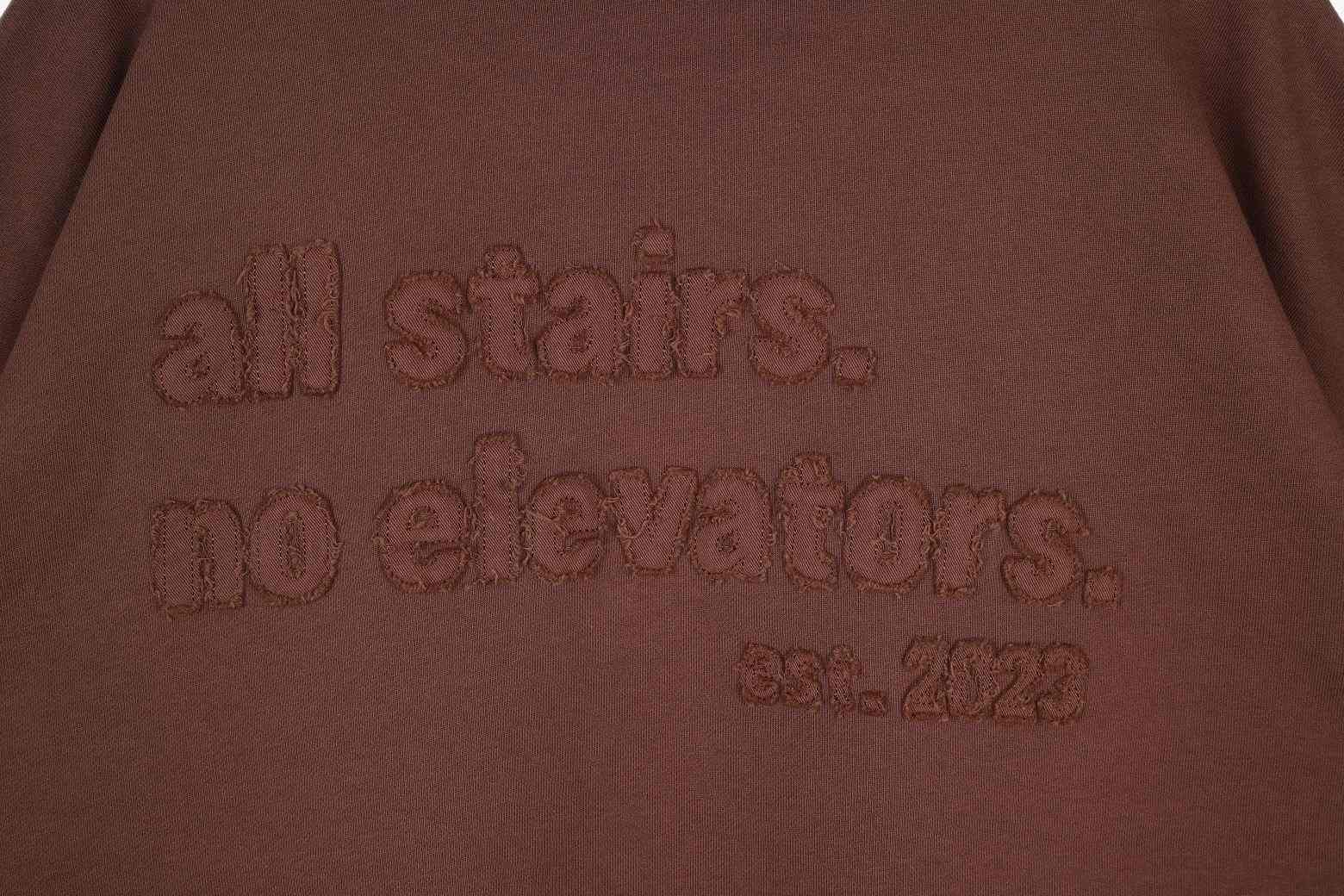
Stitch density ranges from 60% coverage (lightweight, flexible patches) to 95% (bold, opaque designs with minimal fabric show-through). Higher density increases material cost by 10–15% and machine time proportionally.
Dense fills suit text and solid logos; lower coverage works for intricate line art and vintage aesthetics. CENWILD’s design team optimizes density per artwork to balance durability, drape, and cost.
Border Styles and Edge Finishing
Merrowed borders (overlock stitching) create a classic raised edge, adding 0.08–0.12 USD per patch. Laser-cut edges yield clean, modern profiles with no border cost but require stable backings. Hot-cut edges seal synthetic twill quickly, preventing fray at the lowest cost.
Border choice affects attachment method: merrowed edges suit sew-on and Velcro; laser-cut pairs well with heat-seal and adhesive backings.
Layered Embellishments
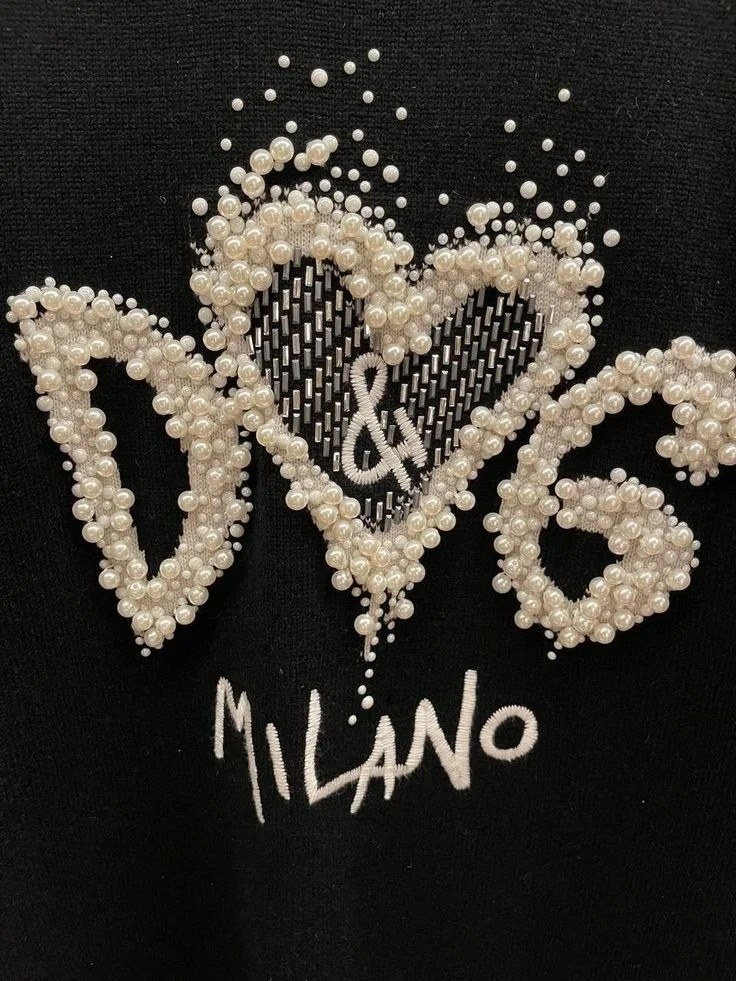
Rhinestones, sequins, and printed underlays elevate custom embroidered patches into statement pieces. Hand-applied crystals add 0.20–0.50 USD per patch depending on count; sequin embroidery requires specialized heads and adds 2–3 days.
Printed underlays (sublimation or screen) enable photorealistic gradients impossible with thread alone, then topped with embroidered outlines for dimension. CENWILD integrates all decoration in-house, ensuring color consistency and single-point quality control.
6. Key Quality Indicators for Custom Embroidered Patches
Quality inspection separates professional patches from budget failures. Before approving production and after delivery, buyers should check five critical indicators to ensure custom embroidered patches meet brand standards and survive customer use.
Stitch Density and Uniformity
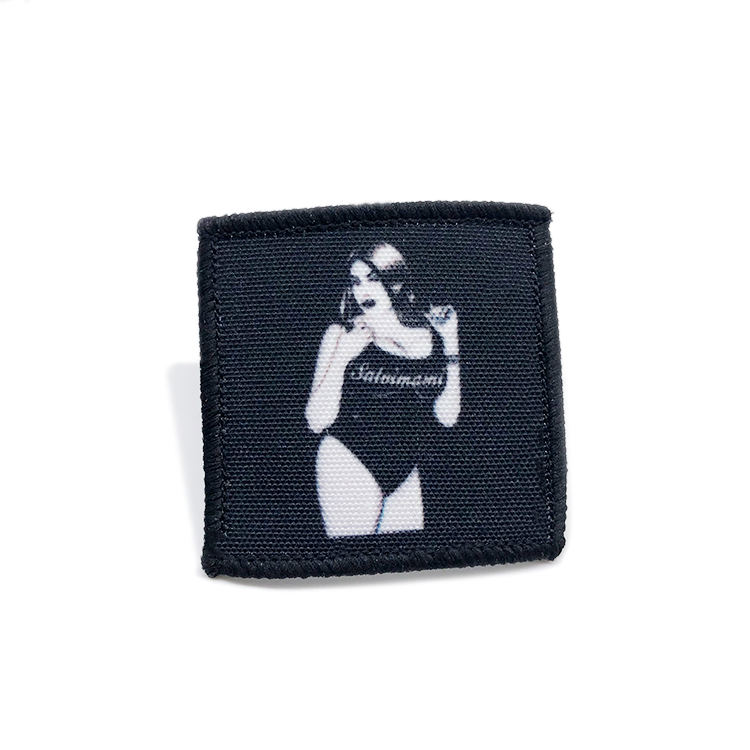
Professional patches maintain 4,000–6,000 stitches per square inch for sharp detail without fabric distortion. Uneven density creates gaps, puckering, or thread buildup that signals poor digitizing or machine calibration.
Run your finger across the surface; quality patches feel smooth and consistent. Reject samples showing visible fabric between stitches or raised, lumpy areas.
Thread Quality and Colorfastness
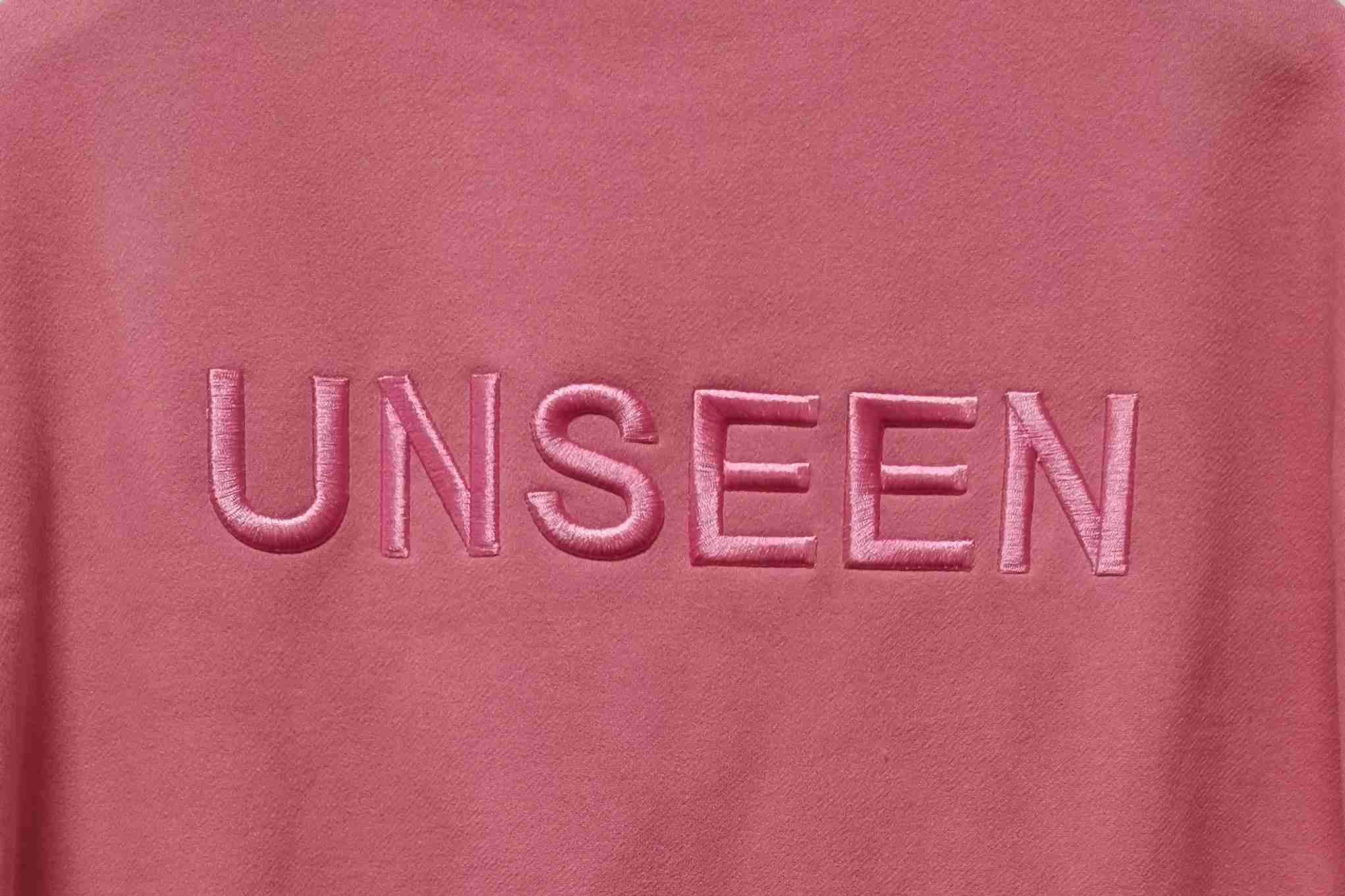
Polyester or rayon threads rated for commercial embroidery resist fading through 50+ wash cycles. Substandard thread bleeds color, frays, or loses sheen after the first launder.
Request a wash test on your approval sample. Red flags include color transfer to white fabric, visible thread breakage, or dull finish after three hot-water cycles.
Edge Finishing and Dimensional Stability
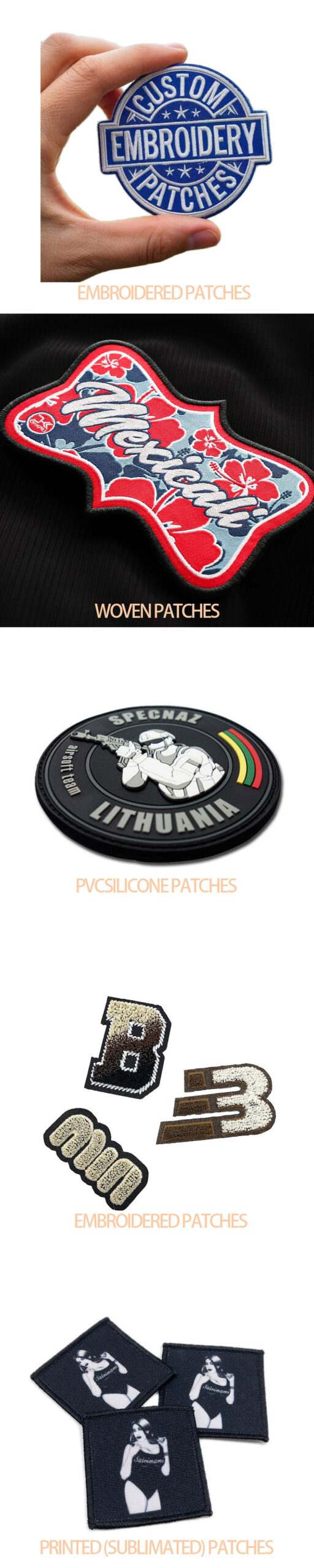
Merrowed or satin-stitch borders lock edges and prevent fraying. Loose threads, unraveling corners, or wavy borders indicate rushed finishing or incorrect tension.
Measure patches before and after washing; quality pieces hold size within 2%. Shrinkage beyond 3% or curling edges signal poor backing choice or inadequate heat-setting during production.
7. How to Choose the Right Custom Embroidered Patches Manufacturer
Selecting the right partner for custom embroidered patches requires a structured evaluation of capabilities, flexibility, and transparency. A scorecard approach helps you compare suppliers objectively across MOQ, sampling, lead time, certifications, design support, and pricing.
Minimum Order Quantities and Scalability
MOQ starts at 100 pieces per design with flexible manufacturers like CENWILD, enabling startups and independent designers to test collections without inventory risk. Confirm whether the supplier can scale from small test runs to monthly volumes of 5,000+ pieces as your brand grows.
Ask if per-piece pricing drops at 500, 1,000, and 5,000-piece tiers, and whether multi-design orders can share a combined MOQ to maximize variety.
Sampling and Prototyping Capabilities
Request knit-down samples or strike-off patches before committing to production. Lead suppliers provide physical swatches within 7–10 days, allowing you to verify thread density, color match, backing type, and edge finish.
Confirm whether sampling fees are refunded upon order placement and if revisions are included in the initial quote.
Lead Times and Production Capacity
Standard production runs 25–35 days after sample approval; rush orders may shorten to 15–20 days with surcharges. Verify monthly capacity—factories running 80,000+ pieces can absorb seasonal spikes without delaying your launch.
Ask for a production calendar and confirm buffer time for shipping, customs clearance, and quality inspection before your retail or campaign deadline.
Quality Certifications and Compliance
OEKO-TEX Standard 100 certification ensures threads and backings are free from harmful chemicals, critical for childrenswear and EU markets. WRAP, BSCI, or ISO 9001 demonstrate ethical labor and consistent quality systems.
Request copies of current certificates and ask if the factory audits yarn suppliers to maintain compliance throughout the supply chain.
Communication and Design Support
Factories with in-house design teams convert sketches, photos, or rough ideas into digitized embroidery files and tech packs at no extra charge. Confirm response time—replies within 12–24 hours indicate dedicated account management.
Ask if the team offers stitch-type recommendations, color-matching to Pantone or physical swatches, and grading adjustments for patch placement across size runs.
Pricing Transparency
Transparent suppliers itemize patch cost, application labor, backing type, and shipping separately, allowing you to optimize each variable. Request a tiered quote showing unit price at 100, 500, 1,000, and 5,000 pieces.
Confirm deposit terms—first orders typically require 100% upfront; long-term partners may negotiate 30–50% deposits with balance due before shipment. Accept T/T, PayPal, credit card, or USDT for flexibility.
8. Common Mistakes When Sourcing Custom Embroidered Patches
Sourcing custom embroidered patches can make or break a knitwear collection. Many fashion buyers stumble over avoidable pitfalls that delay production, inflate costs, or compromise brand reputation.
Choosing Price Over Quality
Selecting the lowest quote often leads to thin threads, poor stitch density, and patches that fray or fade after one wash. A $0.50 patch that fails quality control costs far more in chargebacks and lost trust than a $1.20 patch that lasts.
Always request physical samples before bulk orders. Compare thread weight, backing adhesive strength, and edge finishing. CENWILD’s knit-down sampling ensures patches match garment weight and washing specifications.
Ignoring Thread and Backing Specifications
Rayon thread delivers sheen but poor wash-ability; polyester resists fading and abrasion. Heat-seal backing works for light cotton but can melt on delicate knits; merrowed edges suit curved logos, while laser-cut borders fit geometric designs.
Specify thread type, stitch count per square inch, and backing adhesive in your tech pack to avoid mismatches that require costly rework.
Underestimating Lead Times
Embroidered patches require digitizing (2–3 days), sampling (5–7 days), and bulk production (10–15 days for 1,000 pieces). Rush orders often sacrifice quality or incur 20–30% surcharges.
Build a 4–6 week buffer into your launch calendar and confirm lead times in writing before deposit.
Failing to Test Wash-Ability
A patch that looks perfect on arrival may pucker, bleed dye, or detach after three home washes. Request wash-test reports at 40°C and tumble-dry cycles that mirror your care label.
CENWILD performs garment washing and anti-pilling finishing to ensure patches endure the same treatment as the host sweater.
Not Clarifying IP and Design Ownership
Without a written agreement, your custom artwork may be resold to competitors. Ensure your contract states that all design files, digitized embroidery programs, and original artwork remain your intellectual property.
Reputable manufacturers like CENWILD sign non-disclosure agreements and delete client files upon request, protecting brand exclusivity.
9. Steps to Launch Your Brand with Custom Embroidered Patches
Launching a collection with custom embroidered patches requires synchronizing artwork, sampling, and garment production timelines. CENWILD’s 100-piece MOQ and knit-down sampling process let brands test patch integration before committing to bulk orders. Follow these steps to streamline your launch.
Design and Artwork Preparation
Supply vector files (AI, EPS, or PDF) with Pantone or thread-color references for accurate color matching. Specify patch size, border type (merrowed, heat-cut, or laser-cut), and backing (iron-on, sew-on, Velcro). CENWILD’s design team can convert sketches or photos into production-ready embroidery files.
Provide placement mock-ups showing exact coordinates on the garment — sleeve, chest, back yoke — to ensure alignment with seams and pockets.
Sample Request and Evaluation
Request knit-down samples with patches applied to verify thread density, color accuracy, and attachment method. Check that patch edges lie flat and do not pucker the base fabric. CENWILD produces samples within 7–10 days.
Evaluate wash-fastness and durability by laundering the sample garment at least twice before approving bulk production.
Purchase Order and Production Timeline
Finalize quantities, colorways, sizes, and delivery terms in a detailed purchase order. CENWILD’s bulk lead time runs 30–45 days from deposit, with patch production and garment knitting coordinated in parallel to avoid delays.
Pay the initial deposit (100% first order, 30% for repeat partners) and confirm shipping method — FOB, CIF, or door-to-door — to lock your production slot.
Quality Control and Delivery Checklist
Inspect random samples from each carton for patch alignment, stitch integrity, and color consistency. Verify that backing adhesive or stitching withstands stretch and washing. CENWILD photographs every shipment before dispatch for transparency.
Settle the balance payment before shipment and retain all QC documentation for future reorders or warranty claims.
10. Pricing and Cost Breakdown for Custom Embroidered Patches
Pricing for custom embroidered patches scales steeply with volume: a 100-piece run typically costs $2.50–$4.00 per patch, while 5,000 pieces drop to $0.60–$1.20, reflecting fixed setup amortization and machine efficiency gains. Setup fees — digitizing artwork, machine programming, and thread mapping — range from $50 to $150 per design and are one-time costs absorbed across the order.
The three primary cost drivers are stitch count (higher density consumes more thread and time), patch size (larger areas multiply labor and material), and backing type (heat-seal film adds $0.10–$0.25 per unit versus standard twill). A 3-inch patch with 8,000 stitches on iron-on backing will cost 30–40% more than a 2-inch, 4,000-stitch version on plain fabric.
CENWILD’s transparent tier pricing and 100-piece MOQ let emerging brands test designs affordably, then scale into sub-dollar unit economics as orders grow, with no hidden tooling charges after the first setup.
| Quantity Tier | Setup Fee | Price per Patch | Lead Time |
|---|---|---|---|
| 100 pcs | $50–$150 | $2.50–$4.00 | 14–18 days |
| 500 pcs | $50–$150 | $1.50–$2.50 | 16–20 days |
| 1,000 pcs | $50–$150 | $1.00–$1.80 | 18–22 days |
| 5,000 pcs | $50–$150 | $0.60–$1.20 | 22–28 days |
Start Your Custom Embroidered Patches Project Today
Low MOQ from 100 pieces, 28+ years of experience, and fast turnaround. Send your artwork and get a free quote within 24 hours.