
Applique Embroidery Sweaters — Dimensional Patch Designs with Professional Finish
Custom applique embroidery sweaters with layered fabric patches for raised, textured impact. OEM and ODM production from 100 pieces, backed by 28+ years Dongguan expertise.
Applique Embroidery Sweater Samples
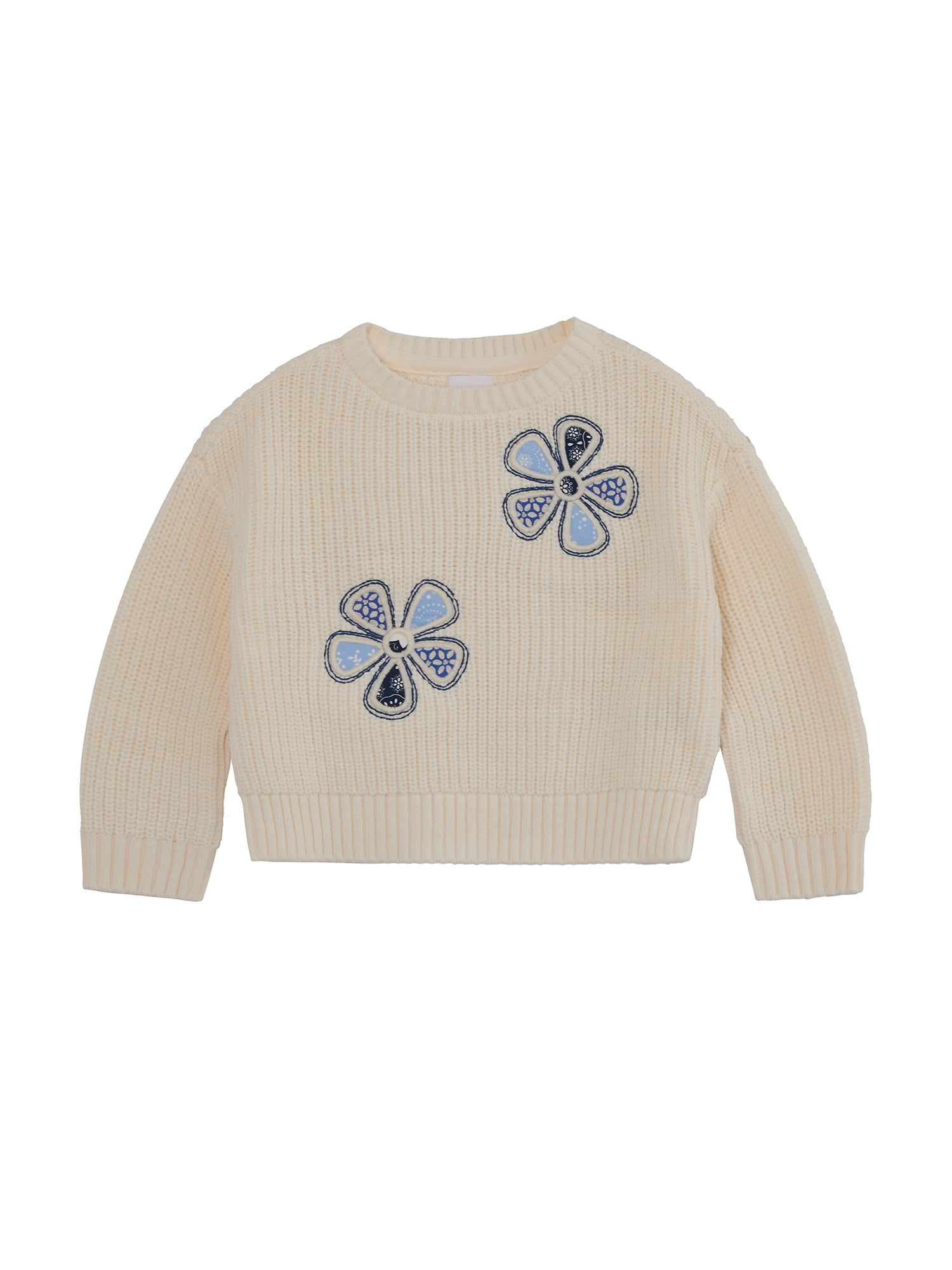
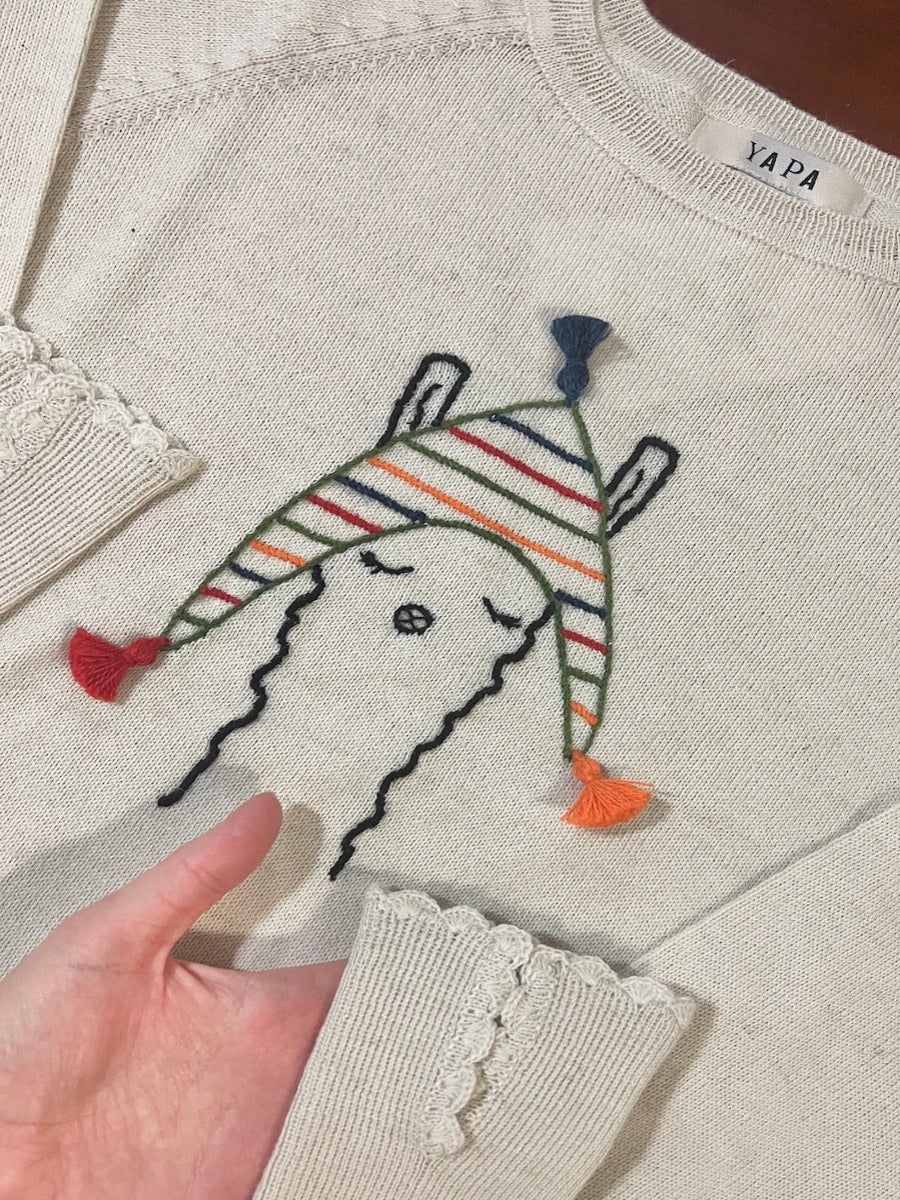
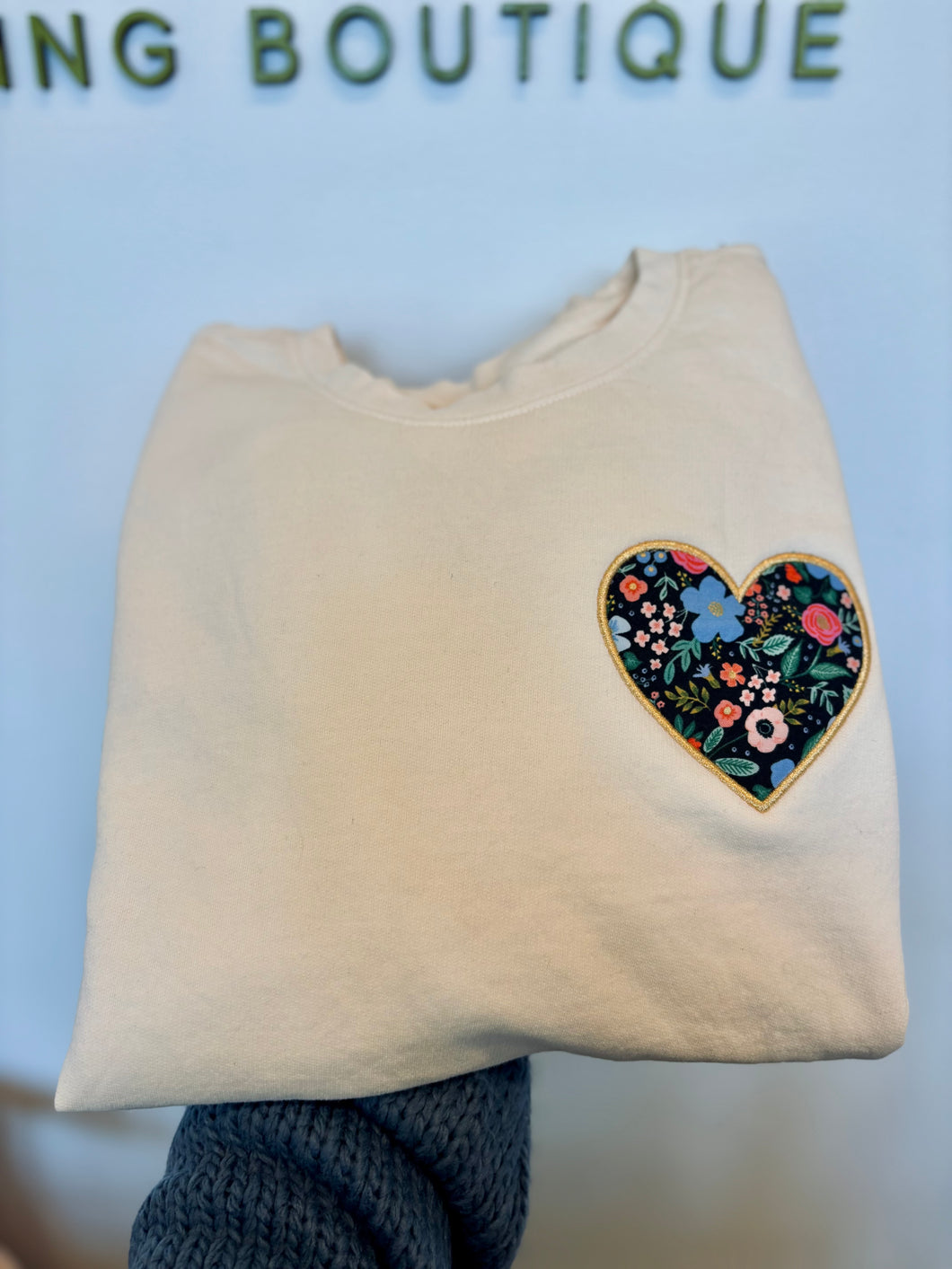
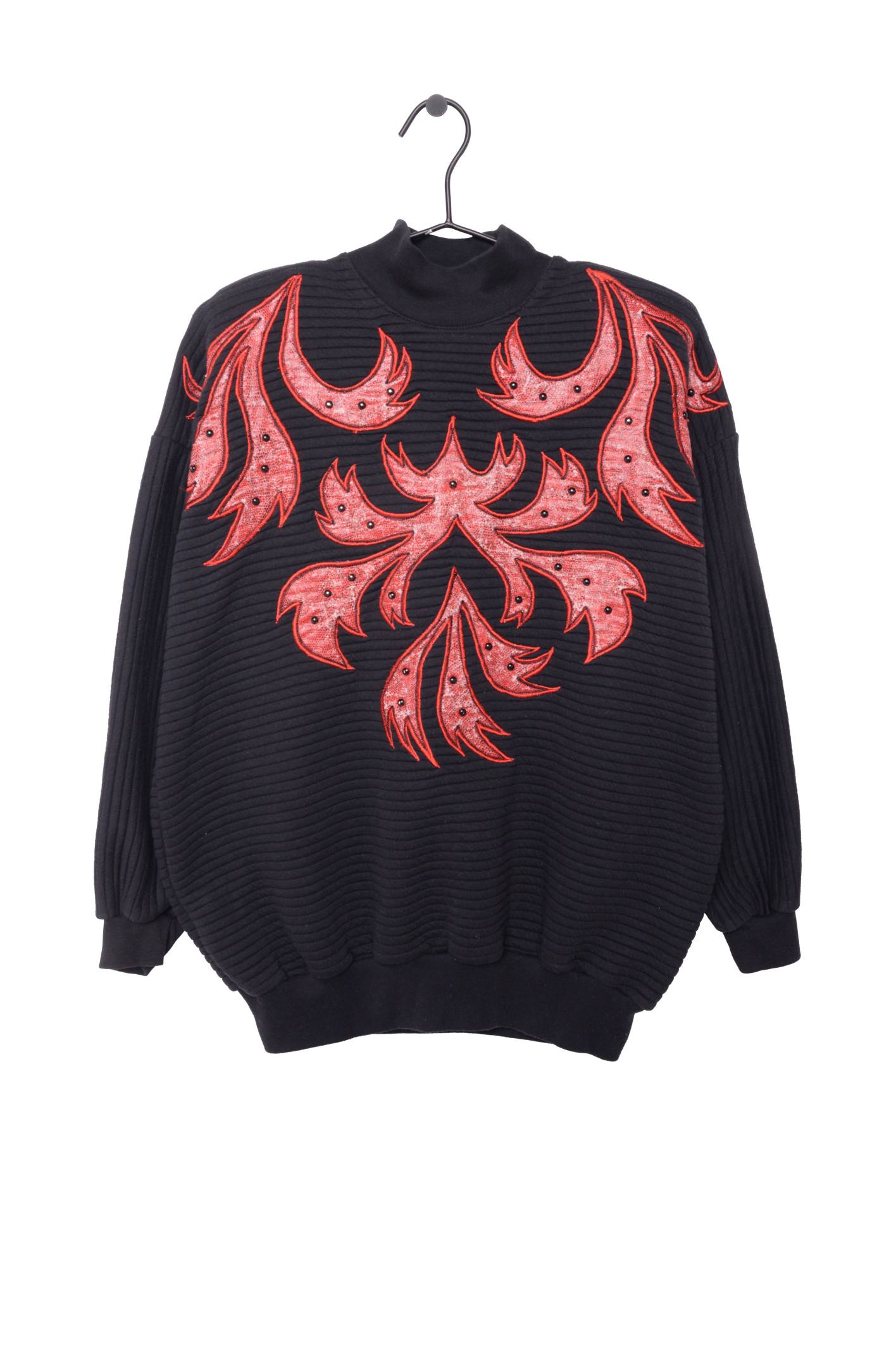
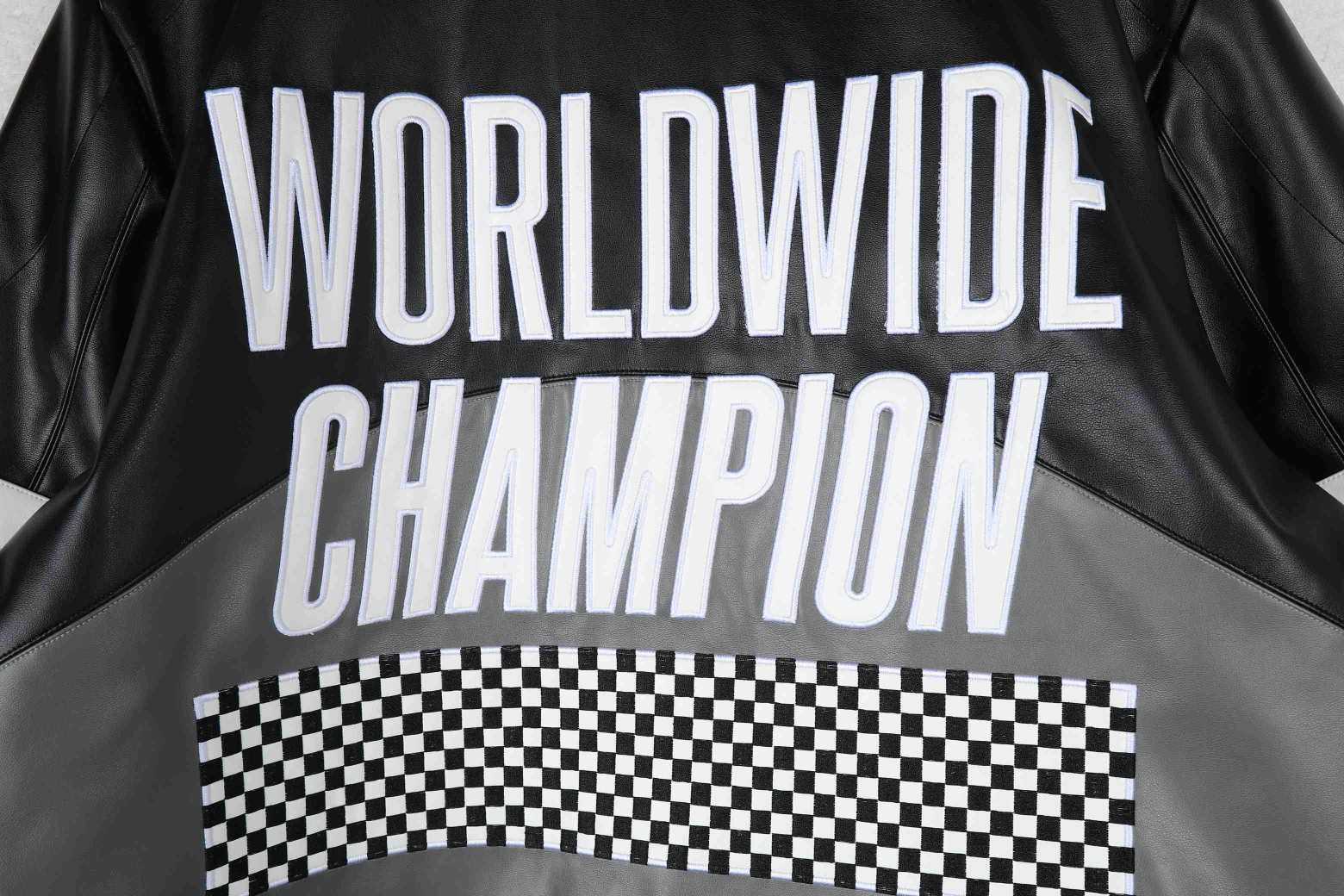
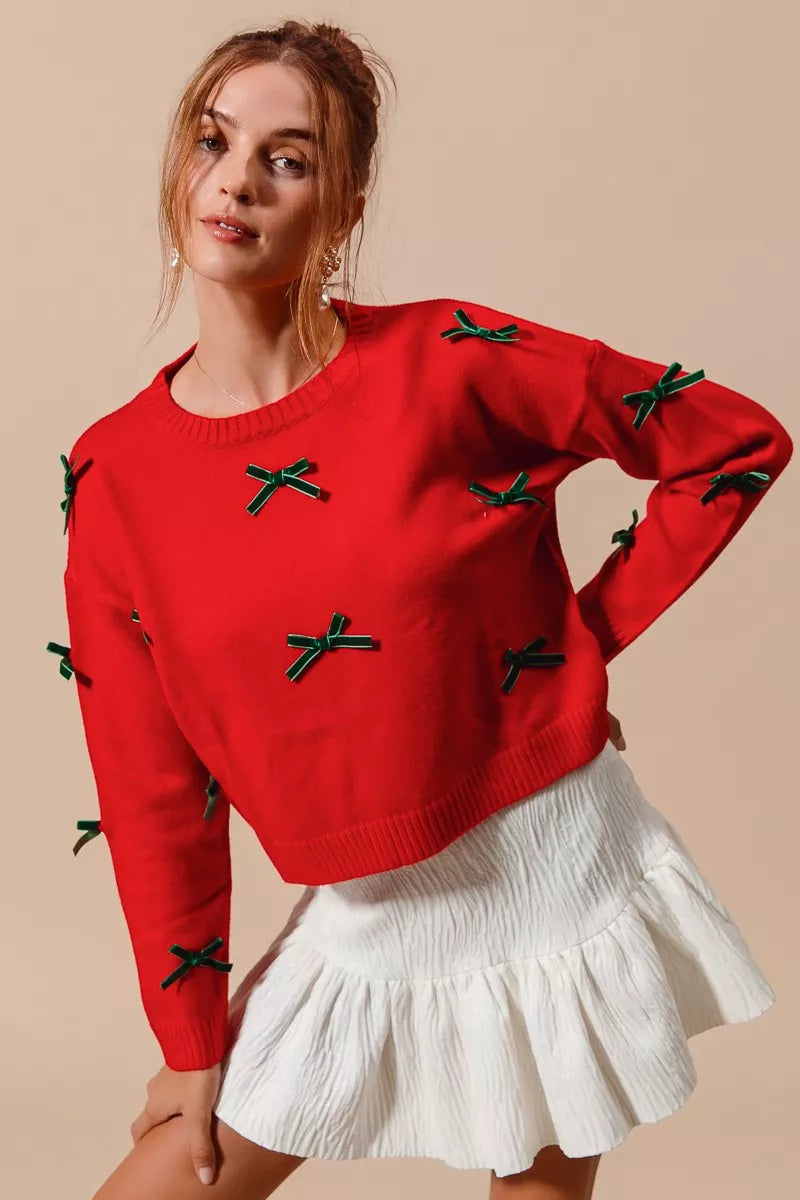
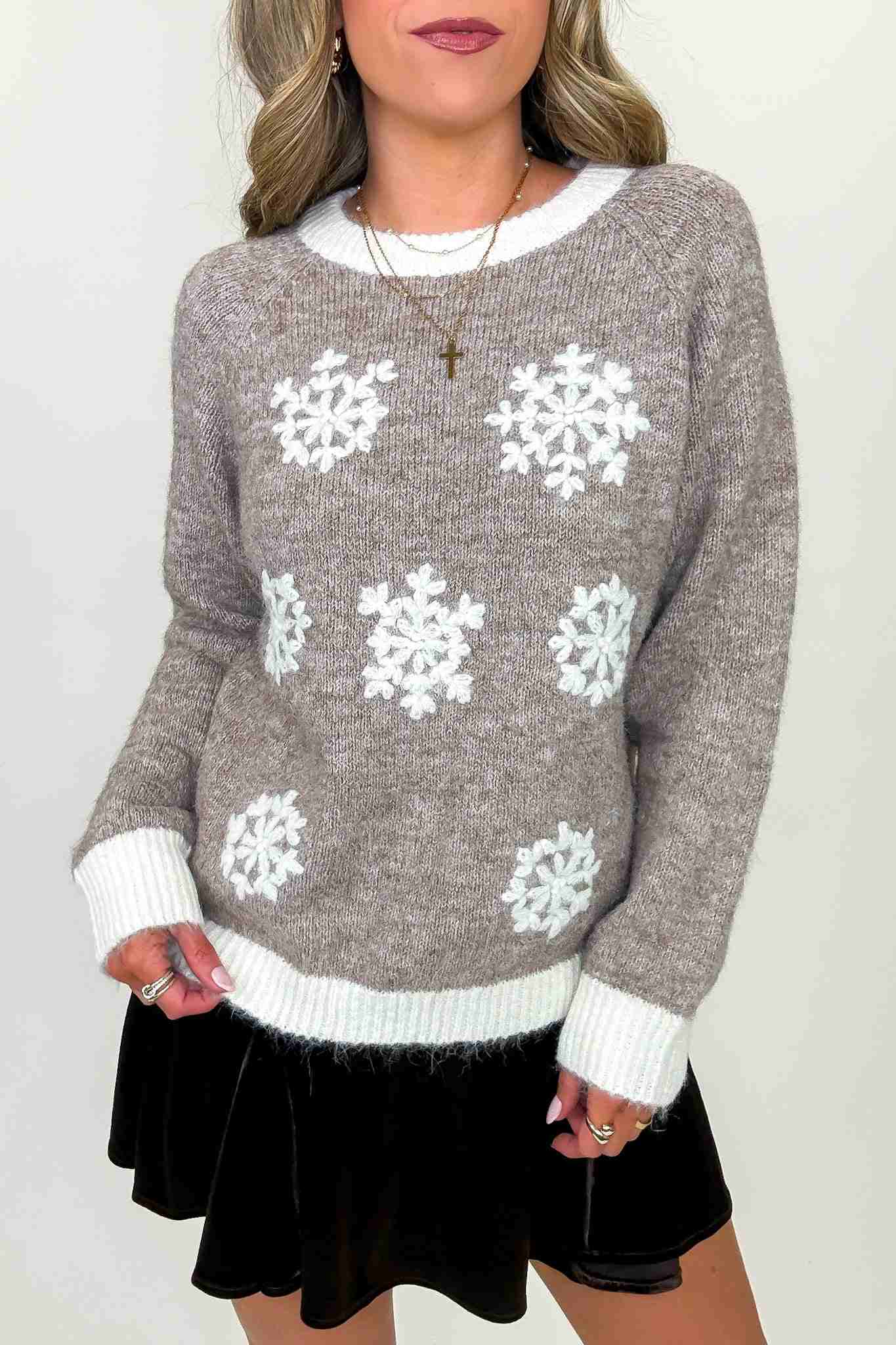
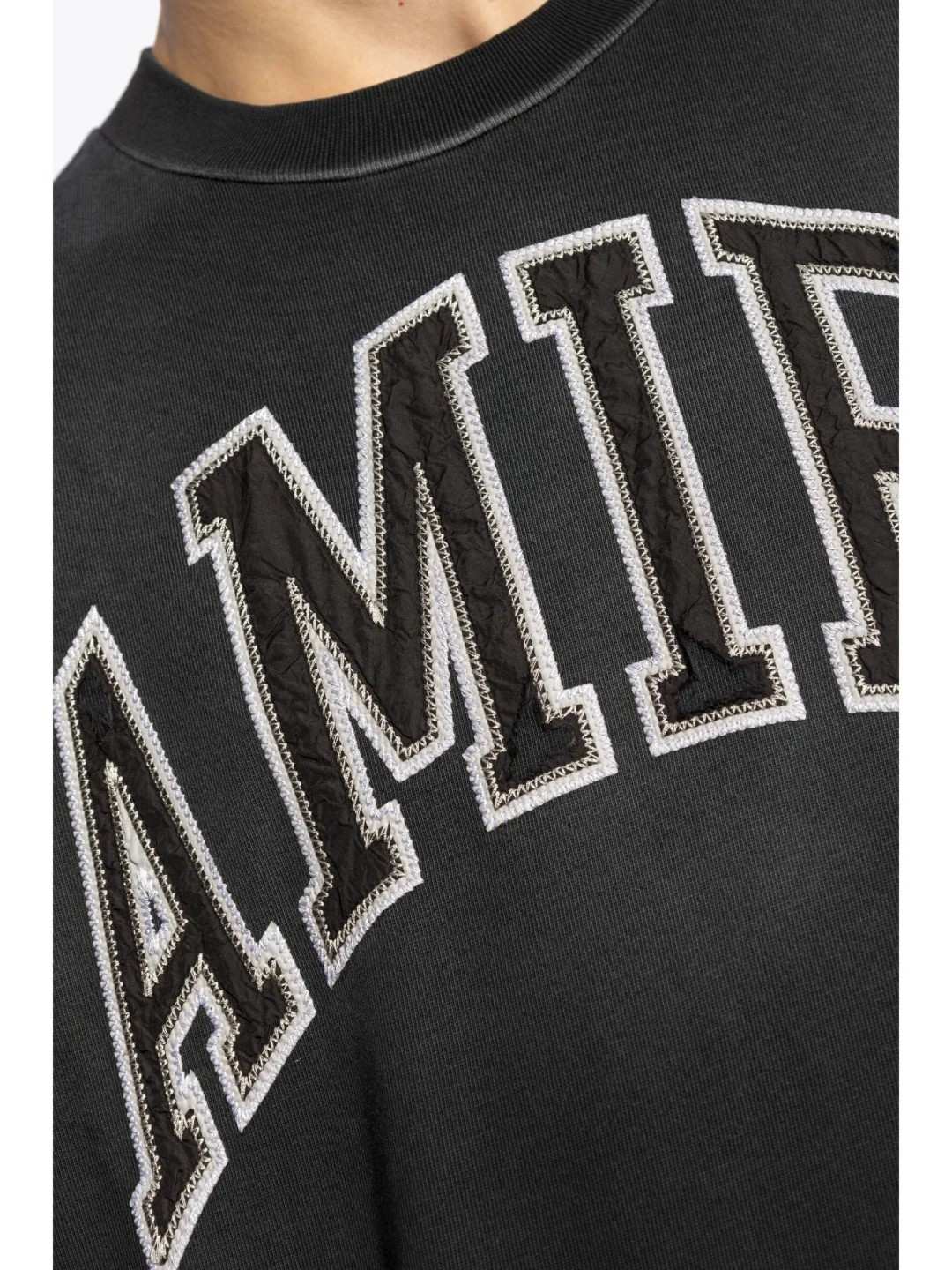
What Makes Applique Embroidery Sweaters Stand Out
Raised Dimensional Texture
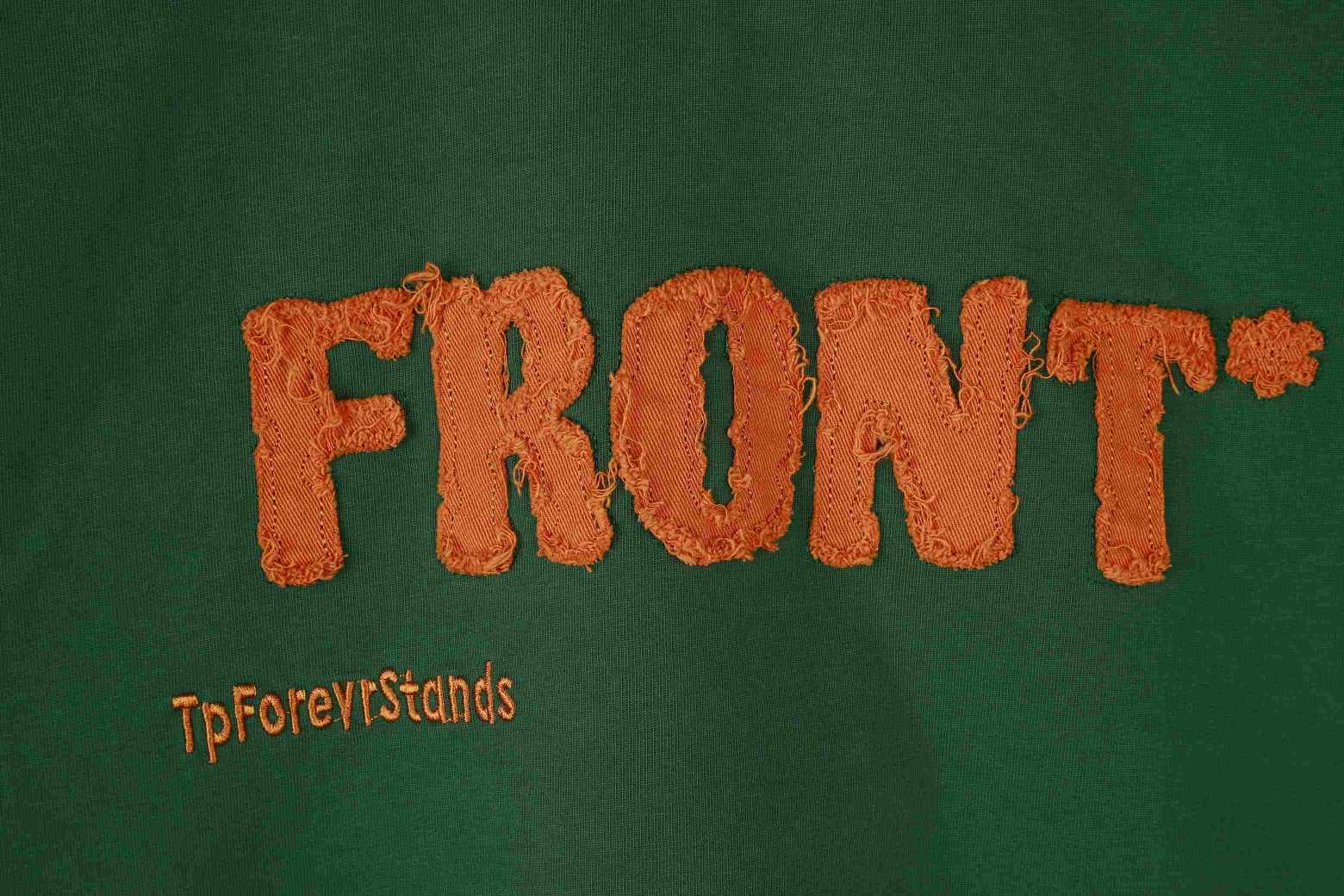
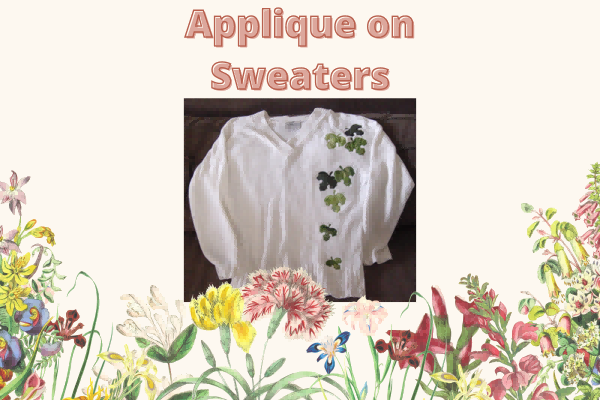
Applique embroidery sweaters feature layered fabric patches stitched onto knitwear, creating tactile depth and visual contrast that flat embroidery cannot achieve.
Exceptional Wash Durability
Double-stitched applique patches withstand repeated wash cycles without fading, cracking, or peeling like screen prints, maintaining brand integrity season after season.
Unlimited Design Flexibility
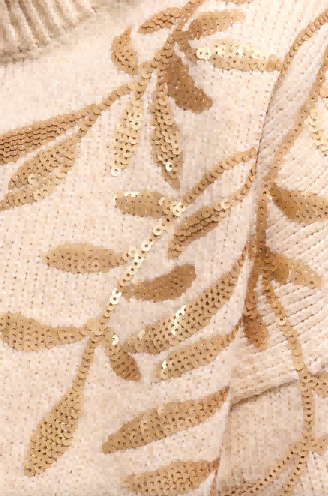
Combine felt, chenille, sequin, and embroidered patches with logo, text, or graphic elements for bold, multi-material effects on any sweater style.
Premium Brand Perception
The crafted, dimensional finish of applique embroidery elevates perceived value, positioning your sweater collection as high-quality, design-forward knitwear.
Stitch-Through Reinforcement
Patches are secured with zigzag or satin-stitch borders directly through the knit base, ensuring edges stay flat and designs remain intact through wear.
Distinct from Flat Embroidery
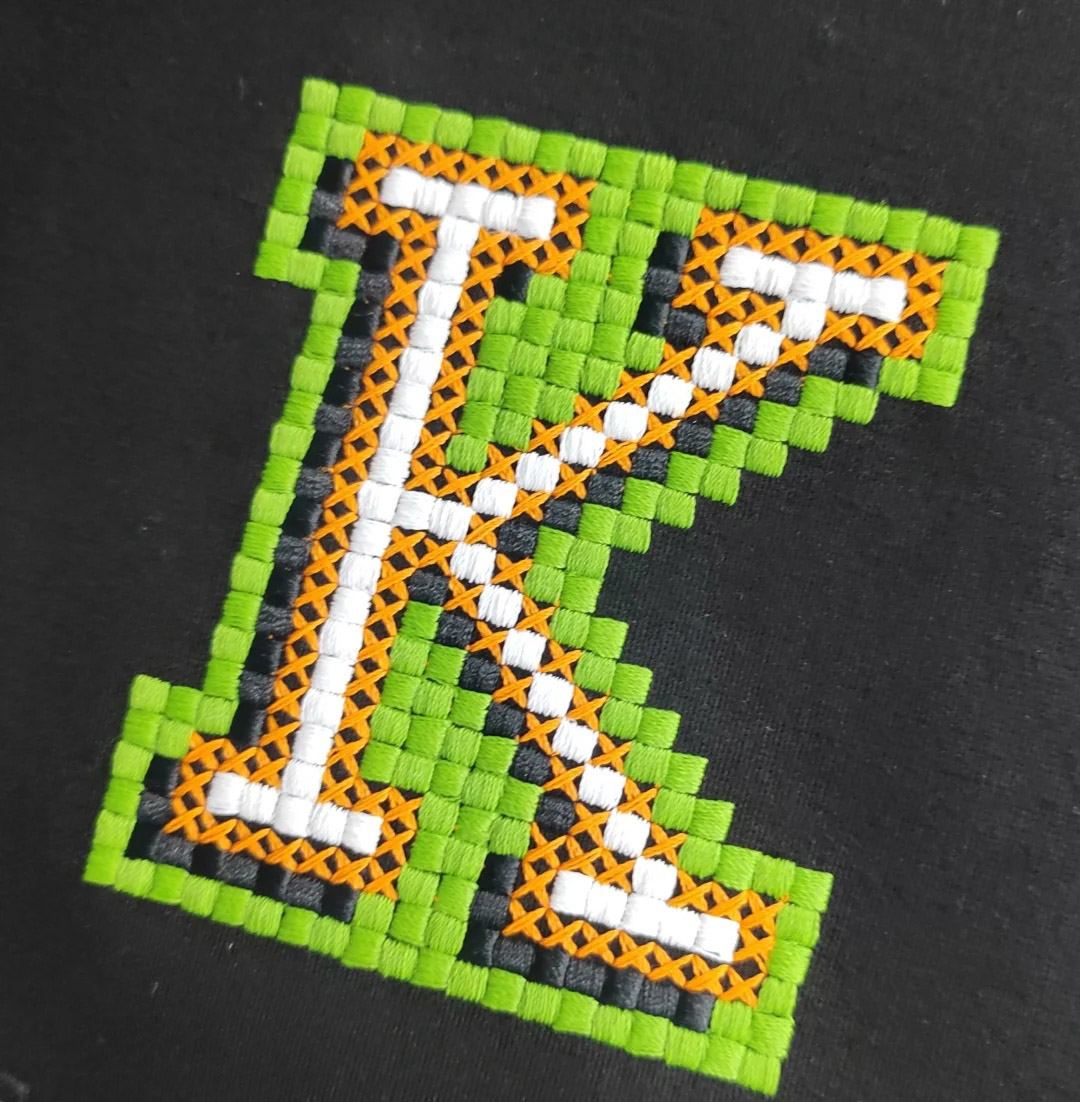
Unlike traditional embroidery that stitches thread alone, applique layers fabric for bolder logos, collegiate letters, and statement graphics on sweaters.
Embroidery & Decoration Techniques for Custom Knitwear
Embroidery on Knitwear
CENWILD offers comprehensive custom sweater embroidery services across all knitwear styles. Our in-house embroidery workshop handles logo placement, graphic designs, and decorative stitching on cardigans, pullovers, and specialty knits. With 28+ years of manufacturing experience, we coordinate embroidery timing within your production schedule to maintain quality and meet deadlines, from sampling through final shipment.
Get a Quote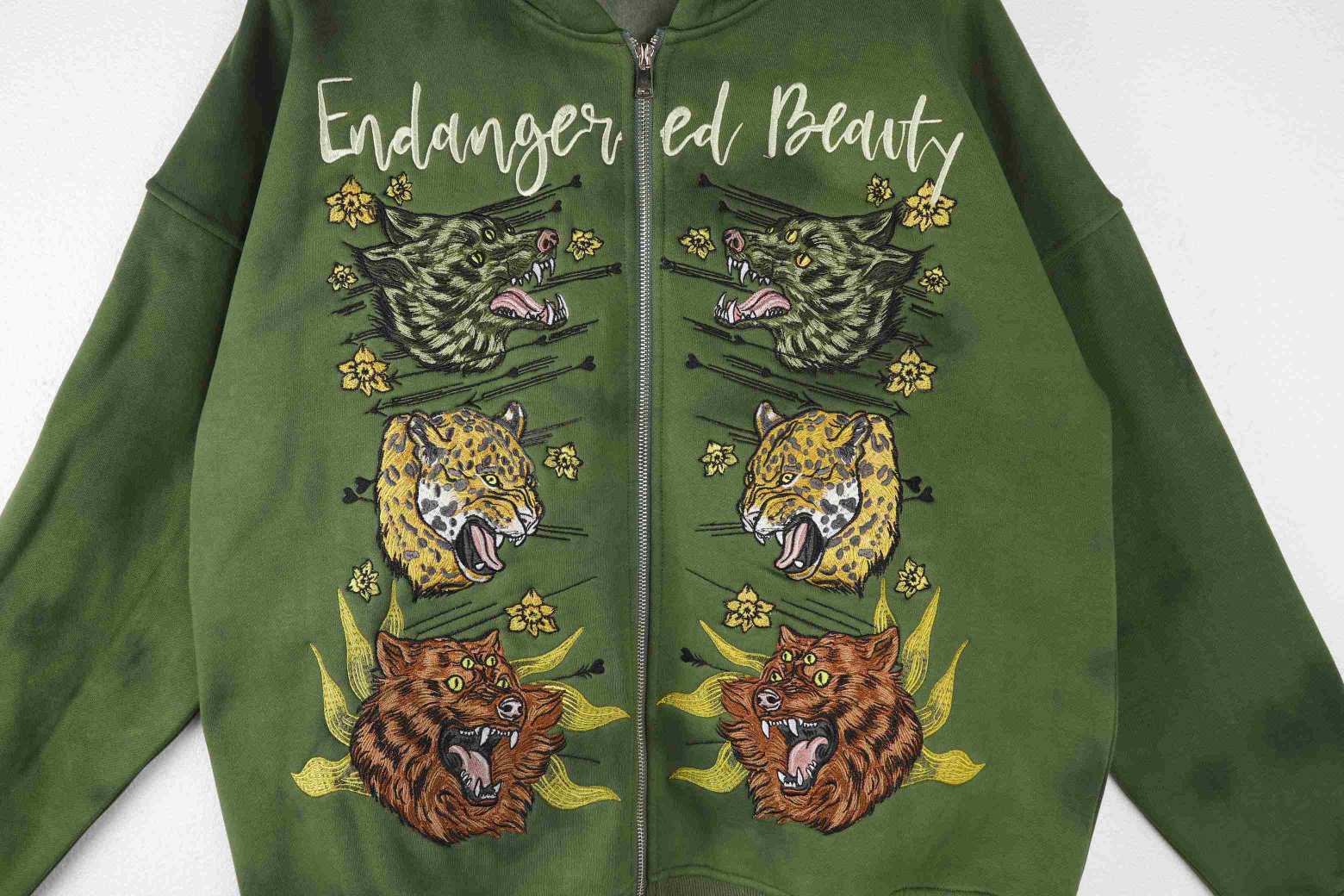
Flat Embroidery
Flat embroidery delivers clean, professional branding and design detail on sweaters. Our multi-head machines stitch logos, text, and artwork directly onto knit fabric with precision thread control. Ideal for chest logos, sleeve badges, and back graphics on pullovers and cardigans. We digitize your artwork, produce embroidered samples, and scale to production quantities starting from 100 pieces.
Get a Quote
3D Puff Embroidery
3D puff embroidery adds raised, dimensional texture to logos and graphics on knitwear. By layering foam under dense stitching, we create bold, tactile designs that stand out on sweater fronts, sleeves, and backs. Popular for streetwear brands, team apparel, and statement pieces. Our ODM team advises on puff height, placement, and stitch density to ensure durability and visual impact across your custom sweater line.
Get a Quote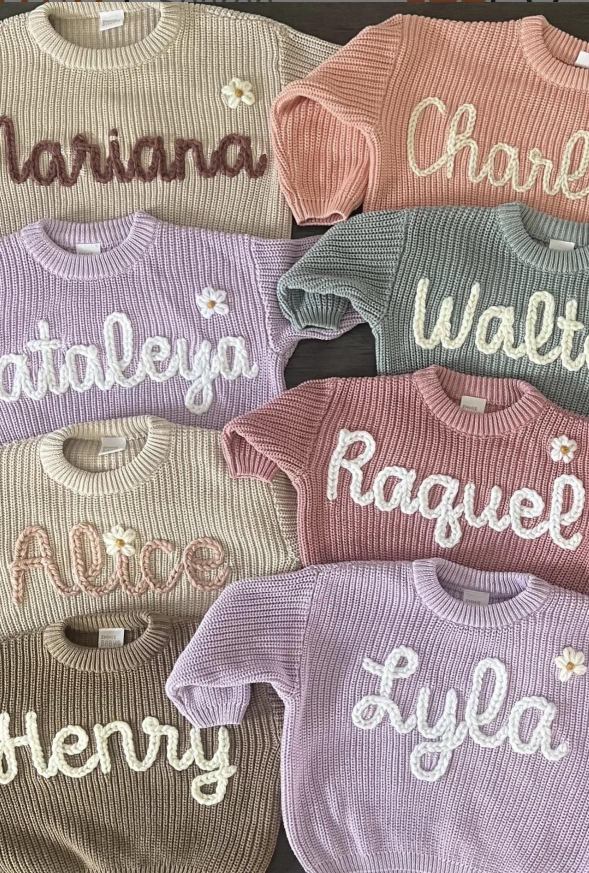
Chain Stitch Embroidery
Chain stitch embroidery produces a distinctive looped, handcrafted look ideal for vintage-inspired and artisanal knitwear. This technique creates flowing lines, script lettering, and decorative borders on cardigans, pullovers, and knit sets. CENWILD’s embroidery specialists program chain stitch patterns that complement your sweater’s gauge and yarn weight, offering a unique alternative to standard flat embroidery for private label collections.
Get a Quote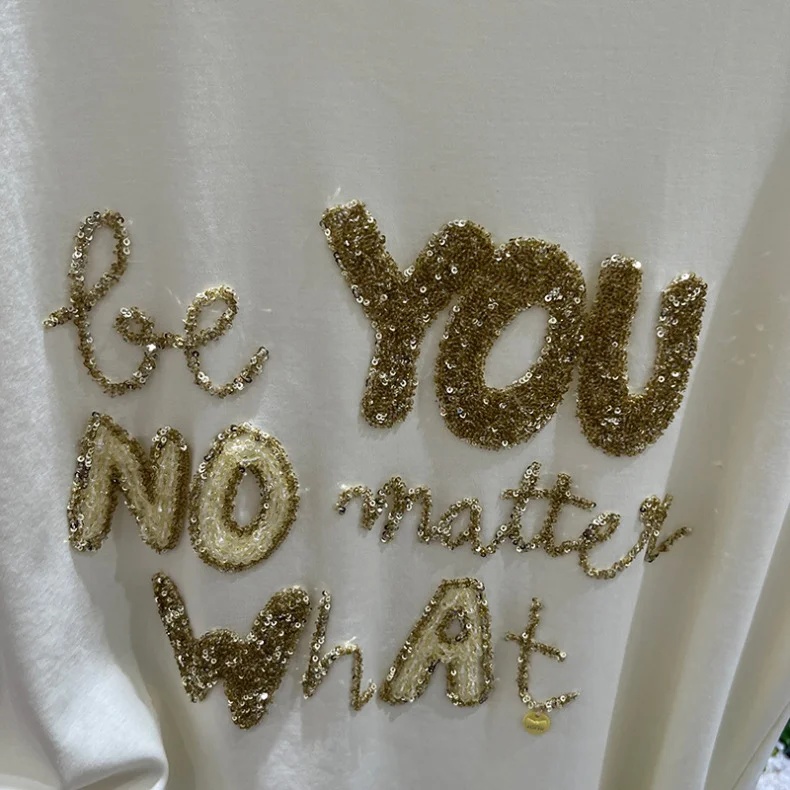
Sequin Embroidery
Sequin embroidery combines stitched thread with applied sequins to add shimmer and texture to custom knitwear. Our machines secure individual sequins or sequin tape onto sweaters, creating eye-catching logos, patterns, and decorative accents. Suitable for holiday sweaters, eveningwear knits, and fashion-forward collections. We source sequins in varied sizes, colors, and finishes, coordinating embroidery with your yarn palette and design vision.
Get a Quote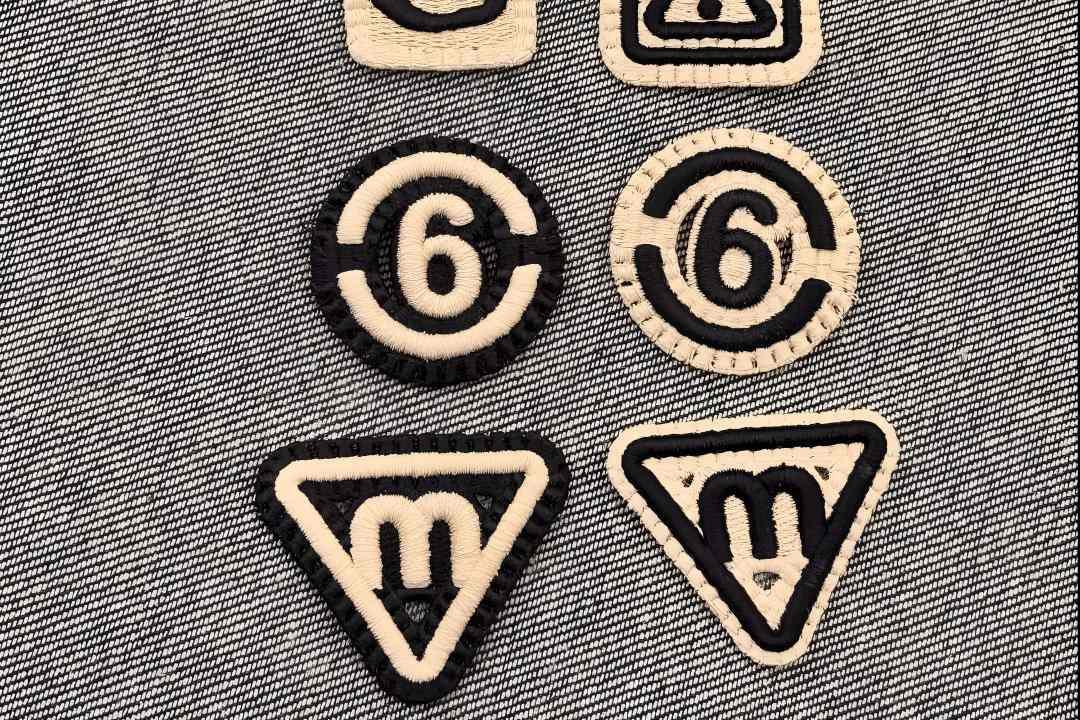
Custom Embroidered Patches
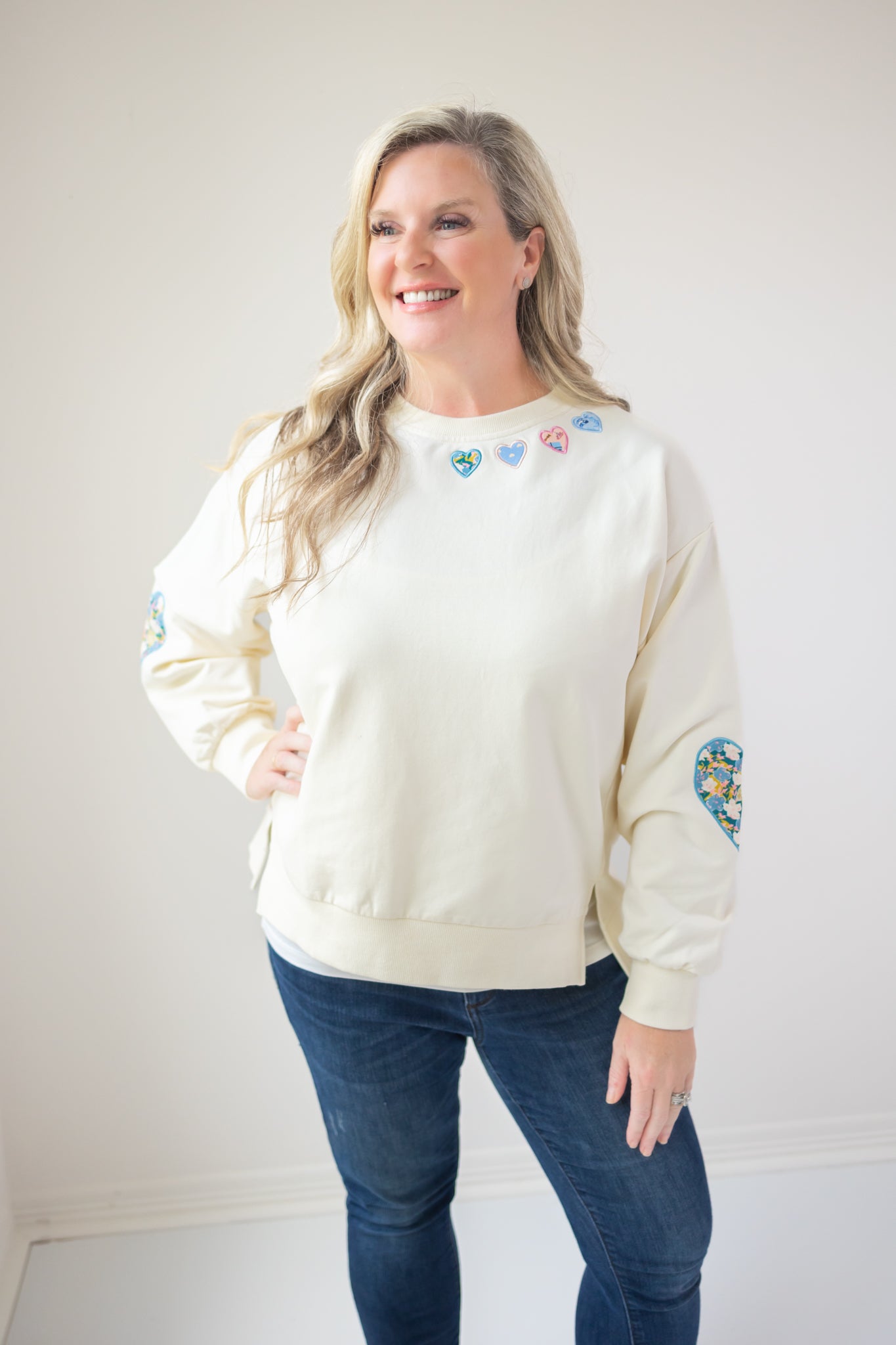
Custom embroidered patches offer versatile branding and design flexibility for knitwear manufacturers. CENWILD produces woven or embroidered patches in any shape, size, and color, then applies them to cardigans, pullovers, and sweater vests via stitching or heat seal. Patches simplify design changes across production runs, reduce embroidery time, and enable modular decoration—ideal for private label brands testing multiple graphics or seasonal themes.
Get a Quote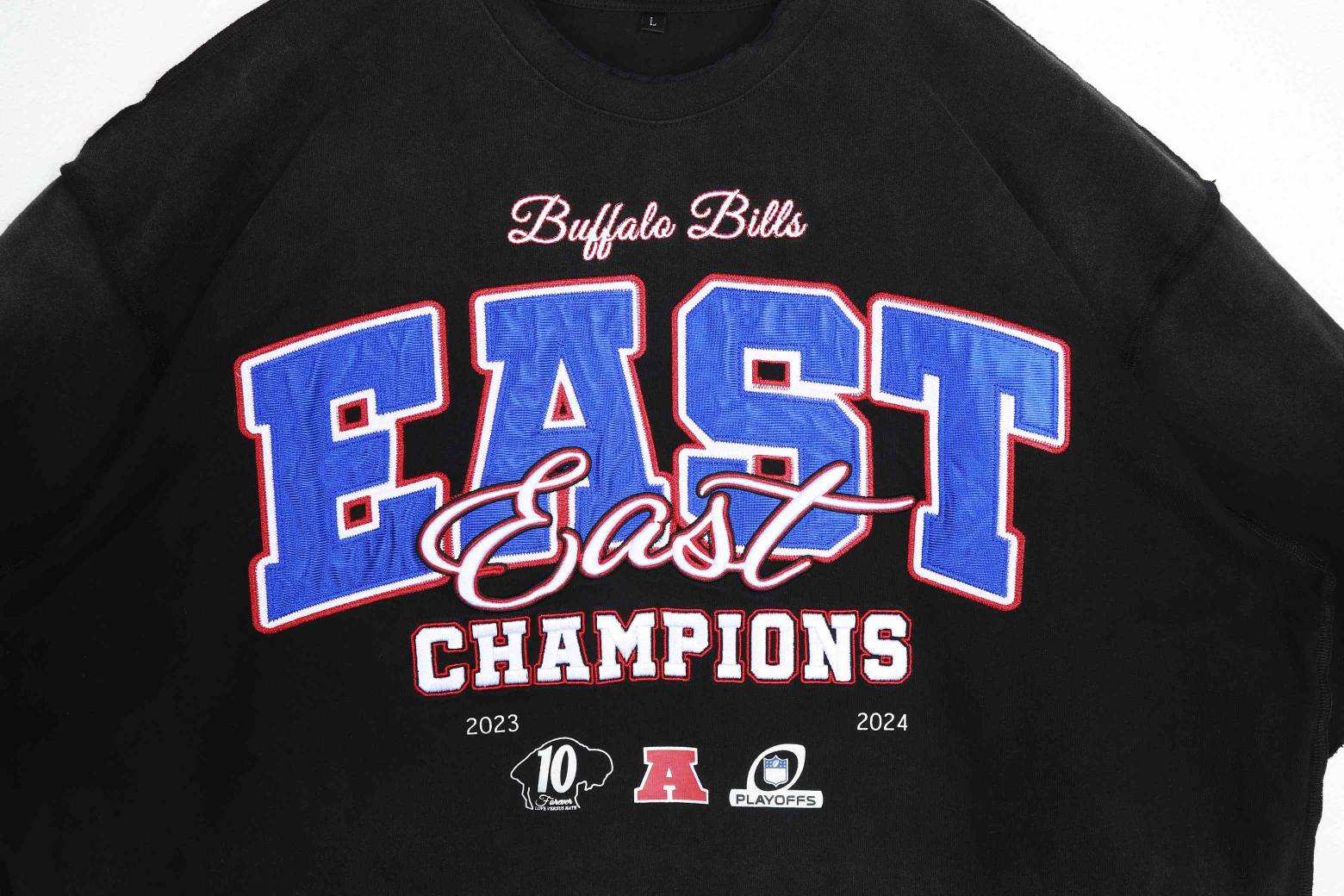
Logo Embroidery on Knit
Logo embroidery transforms blank knitwear into branded custom sweaters. CENWILD digitizes your logo artwork, produces knit-down samples with embroidered branding, and scales to full production with consistent thread color and stitch quality. We handle chest logos, sleeve hits, neckline labels, and oversized back graphics on pullovers, cardigans, and knit polos. Low MOQ from 100 pieces supports emerging brands building recognition.
Get a Quote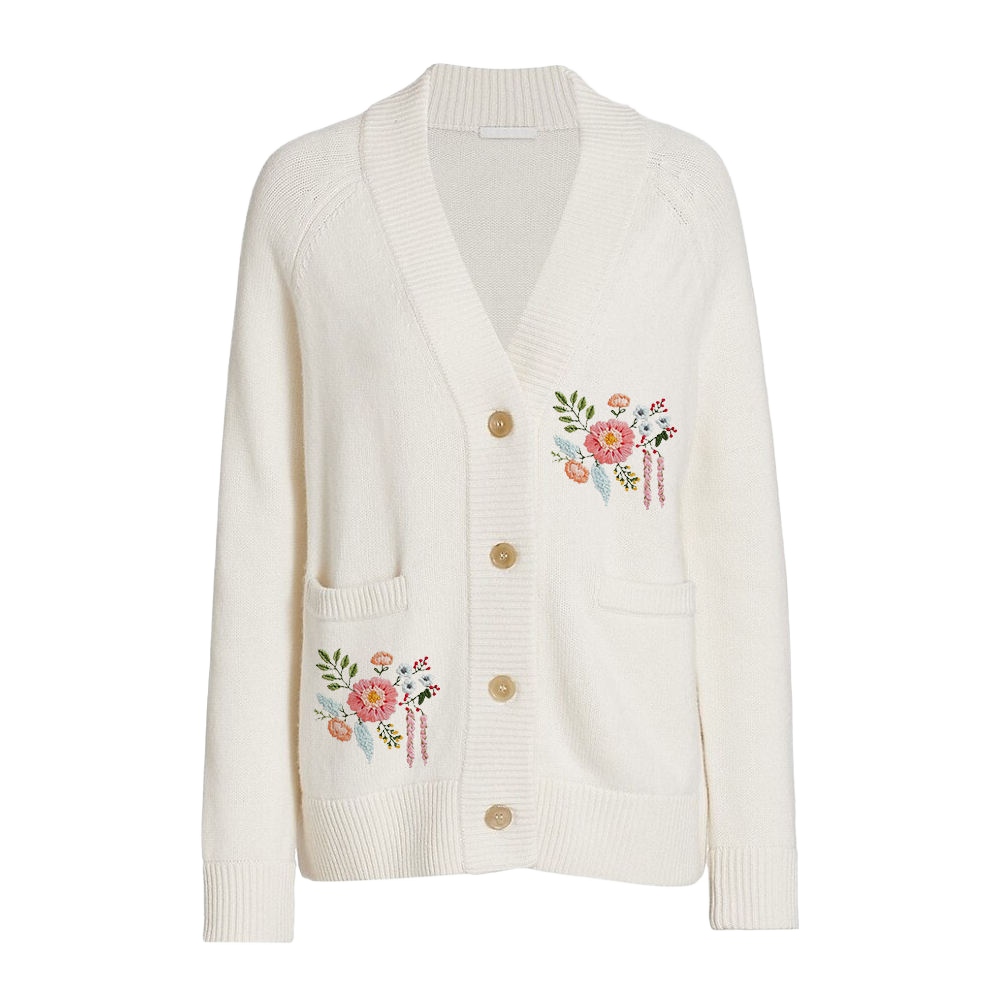
Custom Cardigan
CENWILD manufactures custom cardigans in any gauge, yarn, and style—from classic button-fronts and zip cardigans to oversized, cropped, and longline silhouettes. Our OEM and ODM services cover design development, yarn sourcing, intarsia and jacquard knitting, embroidery, printing, and finishing. With in-house sampling and a monthly capacity exceeding 80,000 pieces, we support independent designers, fashion brands, and retailers with flexible MOQ starting at 100 pieces.
Get a Quote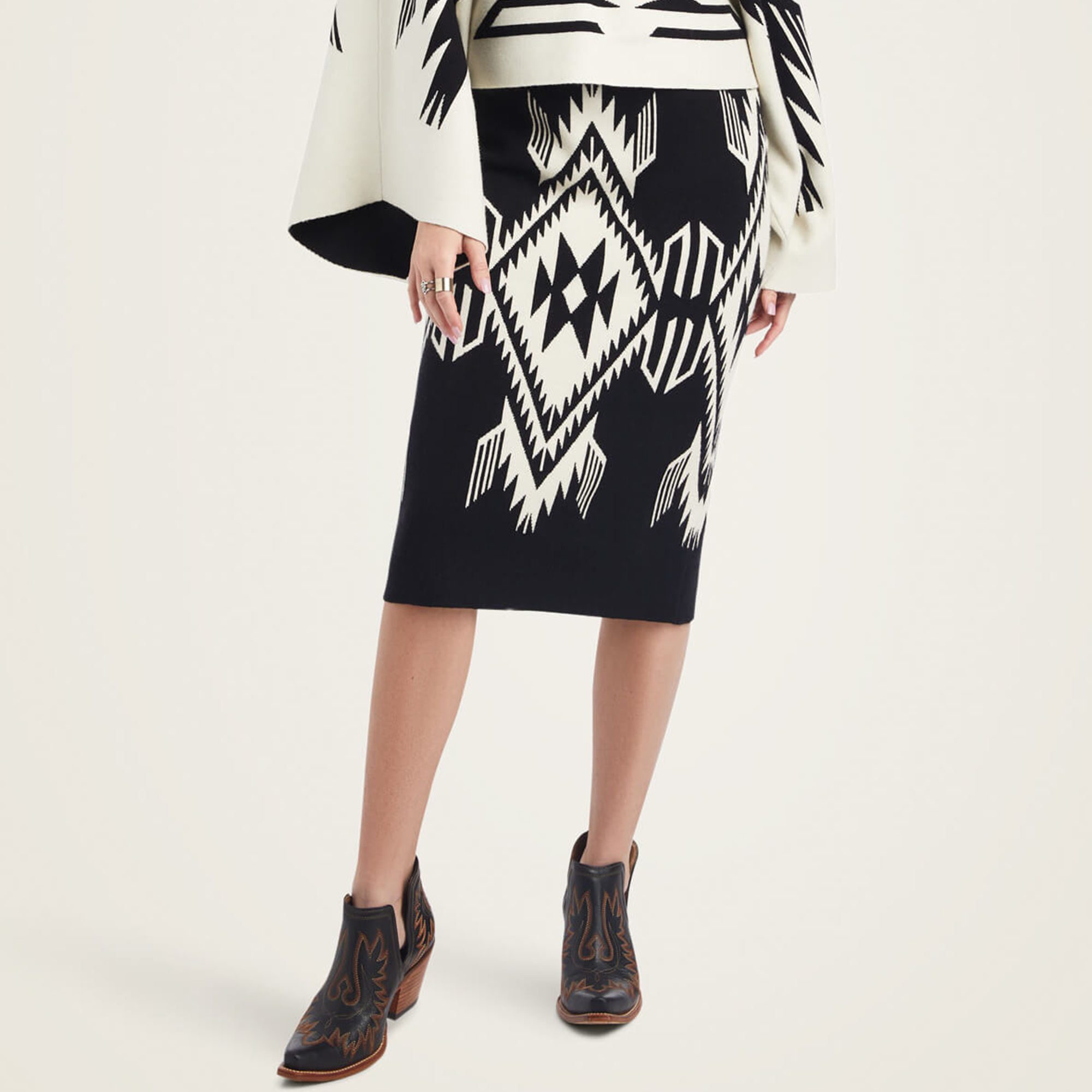
Cardigan Sweater Manufacturer
As a dedicated cardigan sweater manufacturer in Dongguan, CENWILD combines 28+ years of knitwear expertise with full vertical production: computerized flat knitting across 3GG to 14GG, linking, embroidery, washing, and export logistics. We produce men’s, women’s, and children’s cardigans in cashmere, merino, cotton, acrylic, and blends for brands worldwide. Private label and low-MOQ partnerships welcome, with payment via T/T, PayPal, card, or USDT.
Get a Quote28+ Years of Applique Embroidery Sweater Expertise
Since 1998, CENWILD has specialized in custom applique embroidery sweater production for fashion brands worldwide. Based in Dongguan’s premier knitwear hub, our team of 200+ skilled professionals combines traditional craftsmanship with advanced embroidery equipment to deliver dimensional patch designs, logo appliques, sequin embellishments, and fully custom decorative elements across every sweater style.
Our in-house embroidery workshop supports flat, 3D puff, chain-stitch, applique, sequin, and patch techniques — all integrated into a full OEM and ODM production line. With monthly capacity exceeding 80,000 pieces and MOQ starting at just 100, we serve independent designers, private label brands, wholesalers, and retailers who demand precision, consistency, and creative flexibility in every applique embroidery sweater order.
Whether you arrive with a finished tech pack or a single reference image, our design team engineers your applique embroidery sweater from concept to production-ready sample. We handle yarn sourcing, knit programming, embroidery digitization, quality control, finishing, and export logistics — positioning CENWILD as the manufacturing backbone behind your brand’s growth.
Applique Embroidery Sweater Quality Dimensions
Patch Material Selection and Compatibility
The foundation of durable applique embroidery sweaters lies in matching patch fabric weight, stretch recovery, and fiber content to your base knit. CENWILD sources woven twill, felt, chenille, leather, and specialty materials that bond cleanly without puckering or distortion across 28+ years of testing.
- Woven twill, felt, chenille, faux leather, and metallic patch fabrics tested for knit compatibility
- Weight and stretch matching to prevent puckering on ribbed, jersey, and cable-knit sweater surfaces
- Pre-shrunk and colorfast materials ensure patch dimensions remain stable through garment washing
- Custom material sourcing available for brand-specific textures, finishes, or sustainable patch requirements
Stitch Density and Edge Finishing
Professional applique embroidery sweaters require precise stitch density to secure patches without compromising knit elasticity. Our computerized embroidery heads deliver consistent satin-stitch borders, zigzag reinforcement, and optional decorative topstitching that holds through repeated wear and commercial laundering.
- Satin-stitch edge coverage at 4–6 mm width for clean, professional patch borders on all gauges
- Zigzag or straight-stitch underlay locks patches to knit base without restricting garment stretch
- Programmable stitch density balances secure adhesion with fabric hand and drape retention
- Edge finishing options include raw-edge applique, turned-edge, and laser-cut precision borders
Thread Chemistry and Wash Durability
Applique embroidery sweaters face unique stress at patch edges during washing and wear. CENWILD specifies polyester, rayon, or metallic embroidery threads with proven colorfastness, abrasion resistance, and chemical stability, validated through ISO-standard wash and dry cycles before bulk production begins.
- Polyester embroidery thread for maximum wash durability and color retention across 50+ laundry cycles
- Rayon thread options for luxury sheen on cashmere, merino, and fine-gauge applique embroidery sweaters
- Metallic and specialty threads tested for compatibility with garment-dye, enzyme wash, and softening processes
- Pre-production wash testing simulates end-user care to confirm thread integrity and patch adhesion
Registration Precision Across Knit Surfaces
Achieving accurate patch placement on curved shoulders, ribbed cuffs, and textured stitch patterns demands calibrated hooping, digitized registration marks, and operator expertise. Our 200-person team includes embroidery specialists trained to maintain sub-millimeter alignment on every applique embroidery sweater, from first sample to final shipment.
- Digitized registration marks and hoop templates ensure repeatable patch placement across all sizes
- Calibrated tension settings prevent knit distortion during embroidery on cable, rib, and textured surfaces
- Multi-head embroidery machines with optical sensors maintain alignment on curved and three-dimensional areas
- In-line quality checks verify patch position, stitch coverage, and thread trim before garment moves to finishing
Applique Embroidery Sweater vs. Flat Embroidery
Understanding which embroidery technique delivers the dimensional effect, fabric compatibility, and design flexibility your custom knitwear collection demands.
← 左右滑动查看 →
Applique Embroidery Sweater Production Process
Six controlled phases from design approval to finished garment, with technique-specific checkpoints ensuring dimensional patch quality, precise placement, and wash durability on every applique embroidery sweater.
Design Approval & Programming
Finalize applique artwork, patch shapes, and placement coordinates. CENWILD digitizes embroidery files, confirms thread colors, stitch density, and backing requirements for dimensional patch stability.
Knit-Down & Patch Cutting
Knit base sweater panels on computerized flat-knitting machines. Cut applique patches from fabric or felt, laser-trim edges for clean contours, and prepare backing materials.
Placement Marking & Alignment
Mark exact patch positions on knit panels using templates or laser guides. Position applique pieces, secure with temporary adhesive or tacking stitches to prevent shifting during embroidery.
Applique Stitching & Embroidery
Execute multi-head embroidery with controlled thread tension and stitch density. Satin-stitch patch edges, add decorative details, and inspect real-time for thread breaks or puckering.
Quality Inspection & Wash Testing
Check every applique embroidery sweater for patch adhesion, stitch integrity, color match, and placement accuracy. Perform wash tests to confirm patch durability and no fabric distortion.
Linking, Finishing & Packaging
Link panels, attach trims, apply garment washing or softening treatments. Final press, fold, and pack with custom labels and hangtags for shipment to your warehouse.
How to Order Custom Applique Embroidery Sweaters
From artwork submission to final delivery, CENWILD guides you through every step of creating your applique embroidery sweater collection with precision and clarity.
Submit Your Design Requirements
Share your tech pack, patch artwork, color specifications, placement dimensions, fabric choice, and order quantity. Our team reviews applique embroidery sweater feasibility within 24 hours.
Approve Knit-Down Sample & Patch
We produce a full knit-down sample with your applique patches applied. Review stitch quality, patch alignment, fabric hand-feel, and dimensional finish before production begins.
Confirm Production & MOQ
Lock in your order starting from 100 pieces per design. Finalize colors, sizes, packaging, and payment terms. Deposit secures your production slot in our schedule.
Track Manufacturing & Quality Control
Your applique embroidery sweaters move through knitting, embroidery, washing, and finishing. Our QC team inspects every piece for patch adhesion, thread tension, and dimensional accuracy.
Receive Shipment & Launch
Final balance paid, goods ship via your preferred carrier. You receive ready-to-sell applique embroidery sweaters with full documentation, on time and on brand.
Customer Success: Applique Embroidery Sweater Projects
CENWILD handled our complex varsity-style applique embroidery sweater collection flawlessly. Every chenille patch was perfectly aligned across 850 pieces, and the durability after 30 washes exceeded our quality standards. Their sampling process caught every detail before production.
We needed 300 private label applique embroidery sweaters with intricate floral patches for our fall launch. CENWILD delivered two weeks ahead of schedule with zero defects. The dimensional embroidery elevated our brand perception immediately, and reorders doubled within a month.
As a boutique retailer, the 100-piece MOQ for custom applique embroidery sweaters was perfect. CENWILD’s team translated our rough sketch into a production-ready design with sequin and felt applique details that our customers love. Third successful season working together.
Applique Embroidery Sweater FAQs
What is the minimum order quantity for applique embroidery sweaters?
What fabrics work best for applique embroidery on sweaters?
Can I combine applique embroidery with other decoration techniques on the same sweater?
What is the maximum design size for applique embroidery on a sweater?
How durable is applique embroidery on sweaters after washing?
What file format do you need for custom applique embroidery sweater artwork?
What is the lead time for custom applique embroidery sweaters from sampling to delivery?
How much does a sample applique embroidery sweater cost?
The Complete Buyer’s Guide to Applique Embroidery Sweater Sourcing
Navigate custom knitwear sourcing with confidence. This guide delivers a proven decision framework, manufacturer selection criteria, material comparisons, and the critical mistakes fashion brands must avoid when ordering applique embroidery sweaters.
1. What Is an Applique Embroidery Sweater?
An applique embroidery sweater is a knit garment decorated by stitching pre-cut fabric patches onto the surface. Unlike direct embroidery — which uses thread alone — applique layers fabric shapes (felt, twill, chenille, leather, or contrasting knit) onto the base sweater, then secures each edge with embroidery stitches such as satin, zigzag, or chain-stitch. This technique creates pronounced three-dimensional texture that screen printing and heat transfer cannot replicate.
Applique differs from jacquard or intarsia knitting, which weave patterns during the knitting process. Applique is applied post-production, allowing brands to add logos, mascots, varsity letters, or storytelling graphics without re-programming knit machines. The result is a premium, craft-driven aesthetic that commands higher retail margins.
Fashion brands choose applique embroidery sweaters for limited-edition drops and heritage-inspired collections because the technique signals hand-finished quality and enables rapid design iteration. CENWILD supports applique embroidery from 100-piece MOQ, pairing fabric-patch sourcing, digitizing, and multi-head embroidery under one roof.
2. Evolution and History of Applique Embroidery in Knitwear
Applique embroidery traces its roots to 18th-century European folk costumes and military dress, where fabric patches and embroidered insignia denoted rank, regiment, and regional identity. By the mid-20th century, American varsity jackets popularized chenille letter patches on wool knit sleeves, establishing applique as a core element of collegiate and athletic branding.
The 1990s sportswear revival brought applique embroidery sweaters into mainstream streetwear, with oversized logos, contrast felt patches, and bold team graphics defining the era’s aesthetic. Luxury houses adopted the technique in the 2010s, layering sequin appliques, 3D puff embroidery, and mixed-media patches onto cashmere and merino knits to drive modern maximalism trends.
Computerized multi-head embroidery machines and digital punch software have reduced setup costs and lead times since 2005, enabling manufacturers like CENWILD to offer custom applique embroidery sweater production at MOQs as low as 100 pieces. Independent designers and emerging brands now access the same applique techniques — flat, 3D puff, chain-stitch, sequin, and patch application — previously reserved for large-scale orders.
3. Types of Applique Embroidery Sweater Designs
Applique embroidery sweater designs vary widely in material, construction, and cost. Understanding the five core techniques — chenille, felt, fabric with satin-stitch borders, 3D puff, and mixed-media — ensures your design intent aligns with production capability and budget.
Chenille Patches
Chenille applique uses plush, looped yarn stitched onto a felt backing, creating a raised, textured surface iconic in varsity and collegiate styles. Durability is high; chenille withstands repeated washing without flattening. Cost sits mid-range due to specialized multi-head machines and thread consumption.
Felt Applique
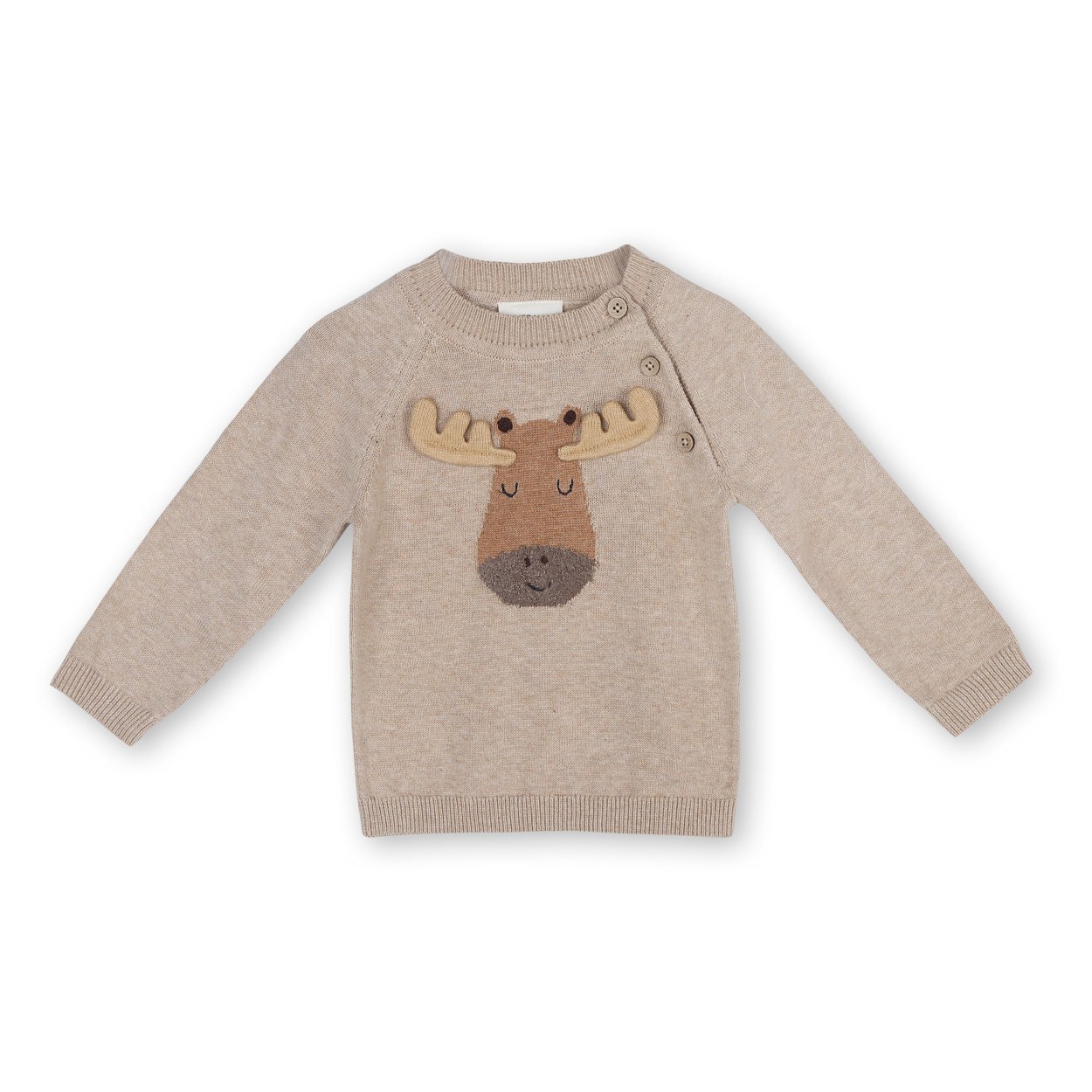
Die-cut felt shapes are zigzag- or straight-stitched to the knit base, delivering bold color blocks with minimal bulk. Felt applique suits children’s knitwear and streetwear graphics. It is the most economical applique method, requiring only basic embroidery heads and low thread counts.
Fabric Applique with Satin-Stitch Borders
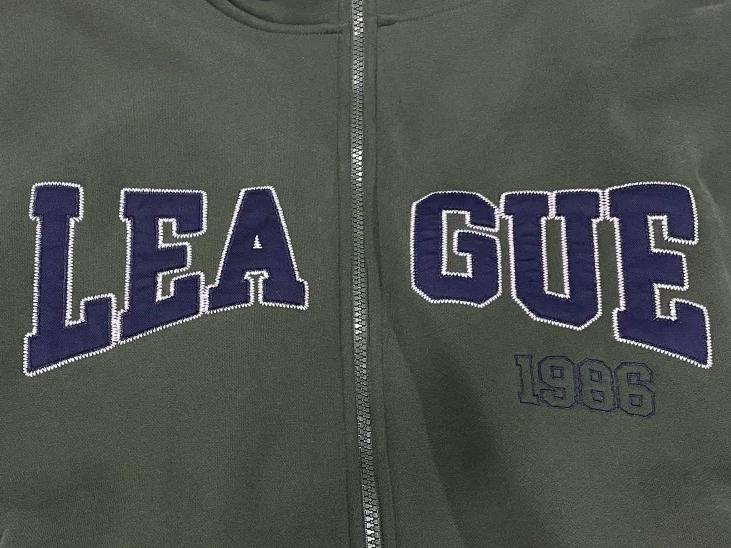
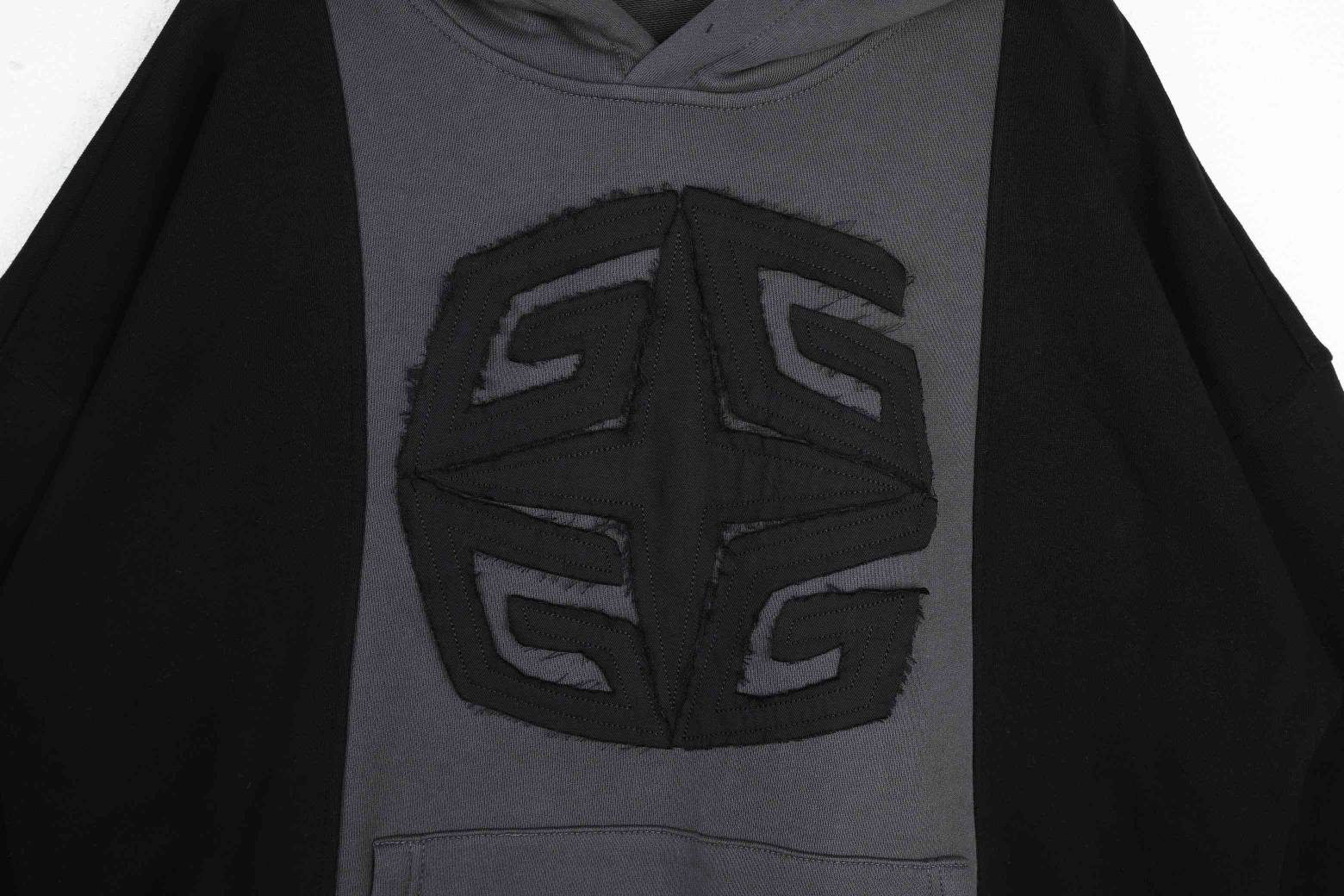
Woven or knit fabric pieces are edged with dense satin stitching, preventing fray and adding definition. This technique supports intricate shapes and premium finishes in luxury and contemporary collections. Cost rises with stitch density and fabric type; silk or leather appliques command higher per-piece pricing.
3D Puff Applique
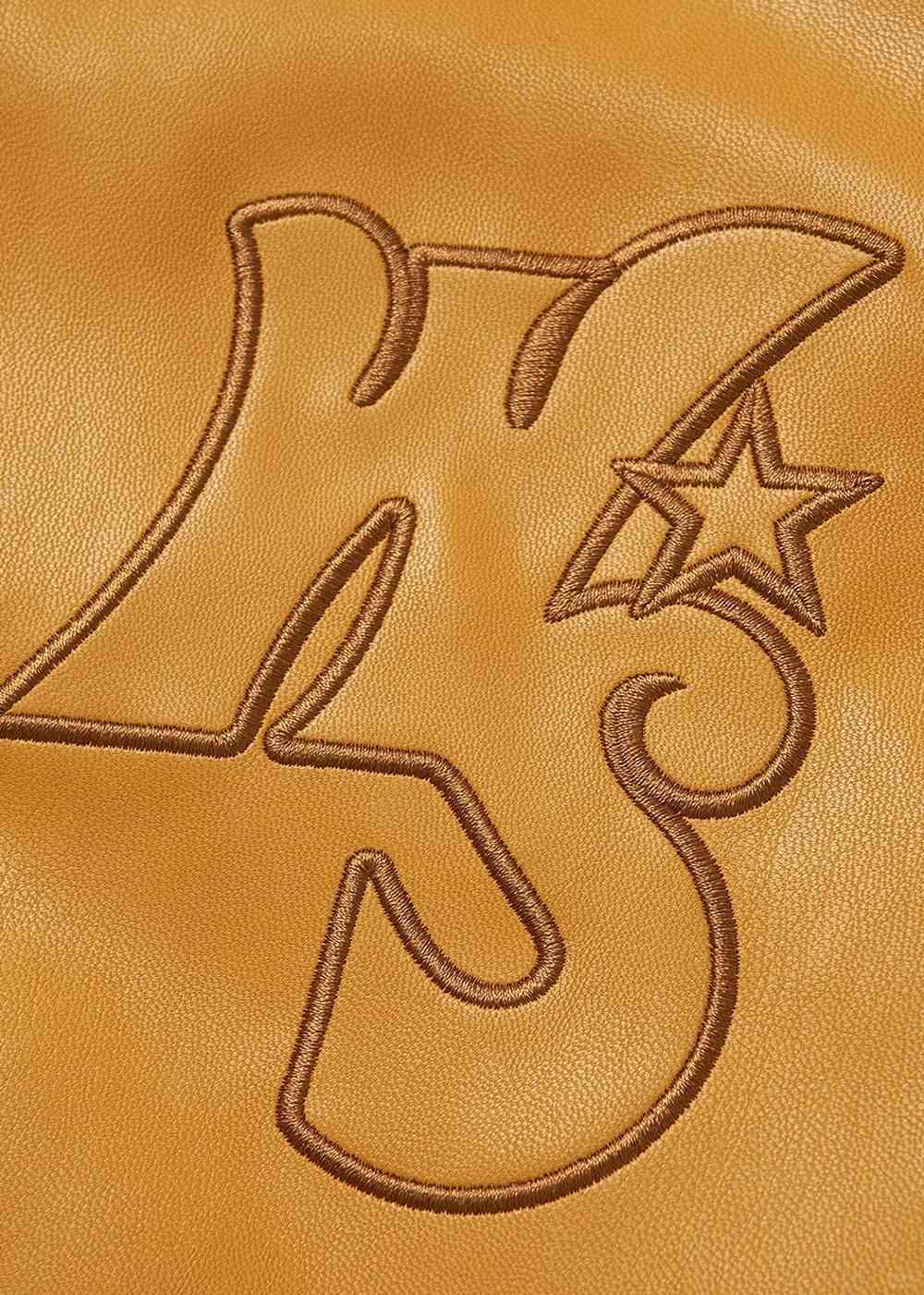
Foam inserts sit beneath embroidery stitches, creating dimensional logos and graphics that stand 3–5 mm above the surface. Popular in streetwear and athleisure, puff applique adds tactile interest but requires careful washing to preserve foam integrity. Pricing mirrors chenille due to foam material and setup time.
Mixed-Media Applique
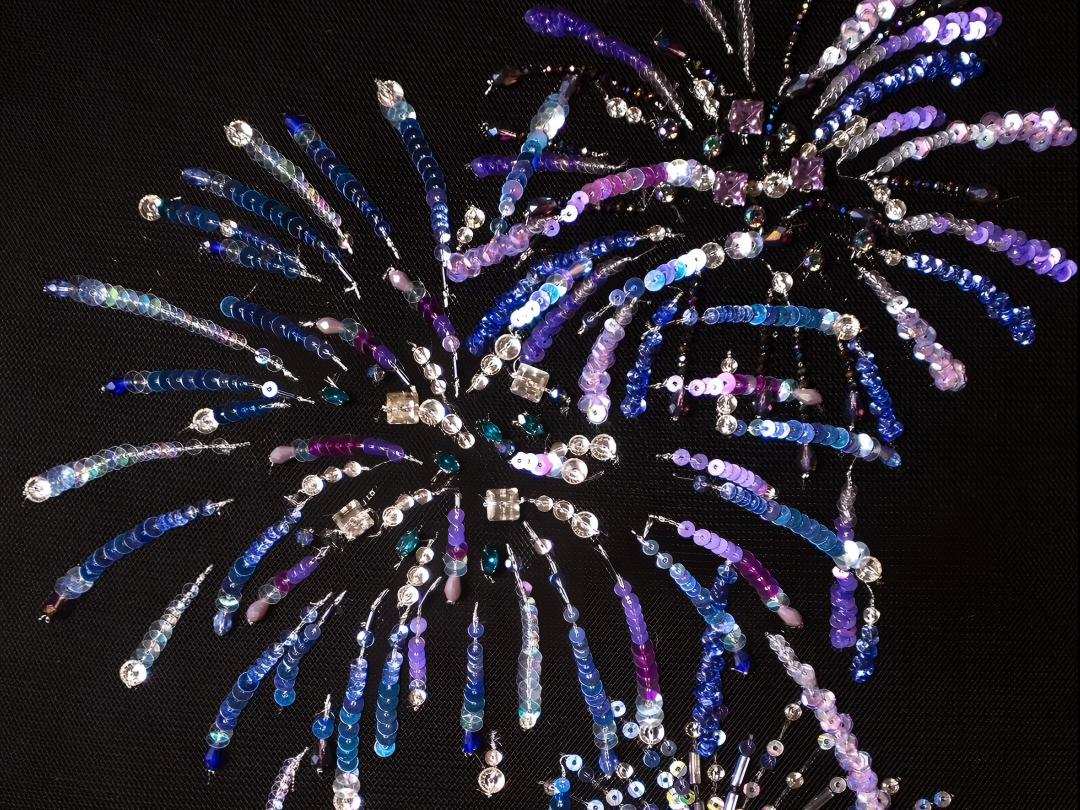
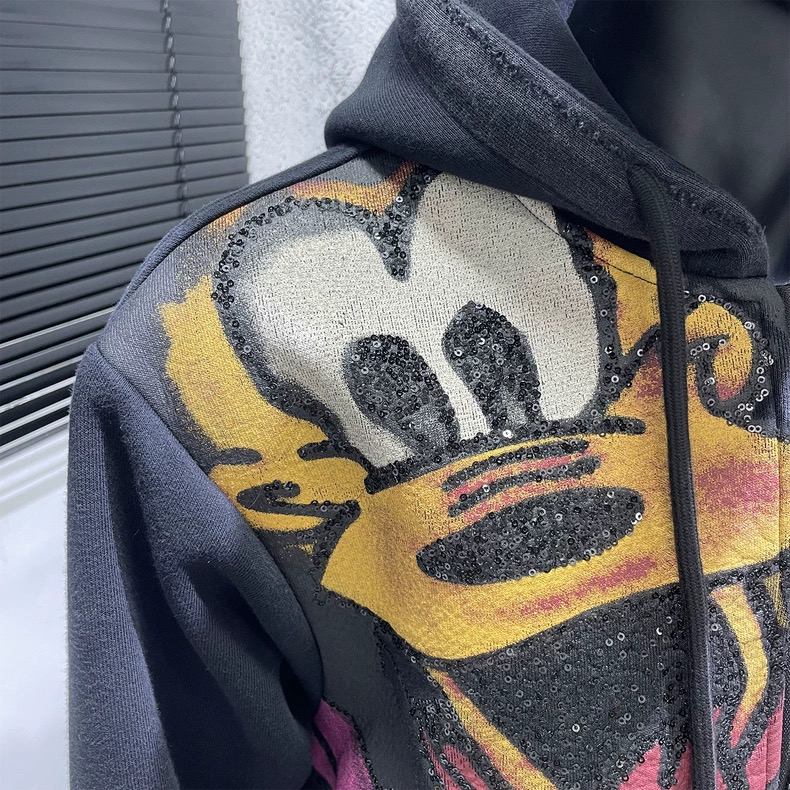
Combining sequins, beads, metallic threads, or rhinestones with fabric applique elevates evening and statement knitwear. Hand-finishing often supplements machine work, raising labor costs 20–40 percent. Durability depends on attachment method; heat-set sequins outperform glued embellishments in wash cycles.
4. Materials and Fabrics for Applique Embroidery Sweaters
The performance and longevity of an applique embroidery sweater depend on the interaction between base knit fabric and applique material. Fabric weight, stretch recovery, and surface texture determine adhesion strength, stitch hold, and washability across hundreds of wear cycles.
| Fabric Type | GSM Range | Applique Compatibility | Price Tier | Best Use |
|---|---|---|---|---|
| Cotton Fleece | 280–320 | Felt, Twill, Chenille | Mid | Casual, streetwear |
| Merino Wool | 220–280 | Chenille, Embroidered patches | Premium | Smart-casual, layering |
| Acrylic Blend | 240–300 | All types | Entry | High-volume, budget lines |
| Cashmere | 180–220 | Leather, lightweight patches | Luxury | Limited editions, gifts |
Base Knit Fabrics for Applique Embroidery
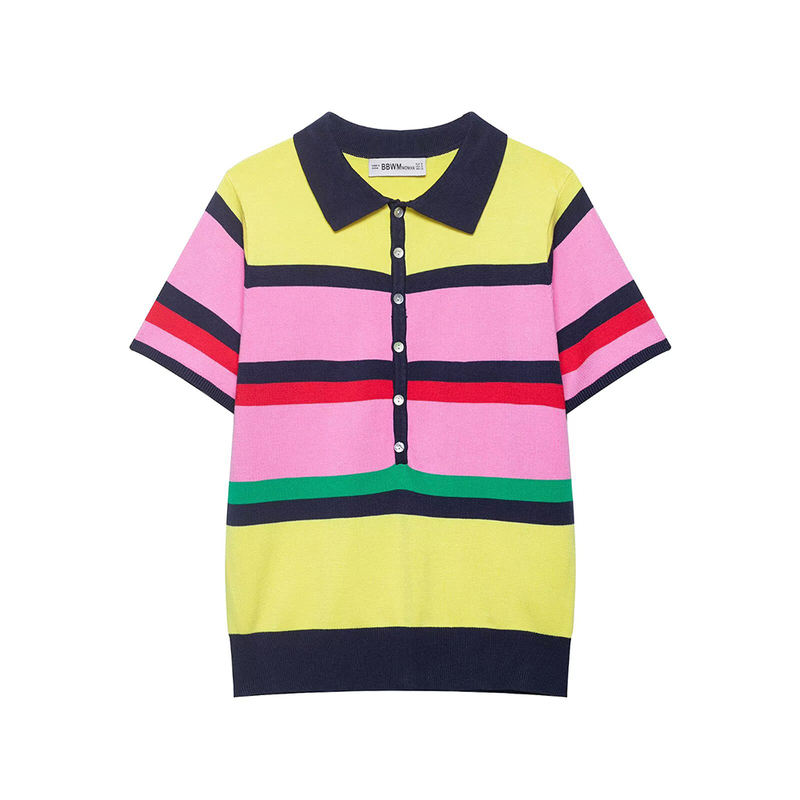
Cotton fleece (280–320 GSM) offers a stable, low-stretch surface ideal for felt and twill appliques; it tolerates repeated washing at 40°C and suits mid-tier price points. Merino wool (220–280 GSM) provides natural elasticity and premium hand-feel but requires careful steam pressing to prevent puckering around chenille yarn appliques. Acrylic blends (240–300 GSM) deliver excellent dimensional stability and color-fastness at entry-level cost, compatible with all applique types. Cashmere (180–220 GSM) demands lightweight leather or embroidered patches to avoid fabric distortion, positioning collections in luxury segments.
Applique Materials and Compatibility
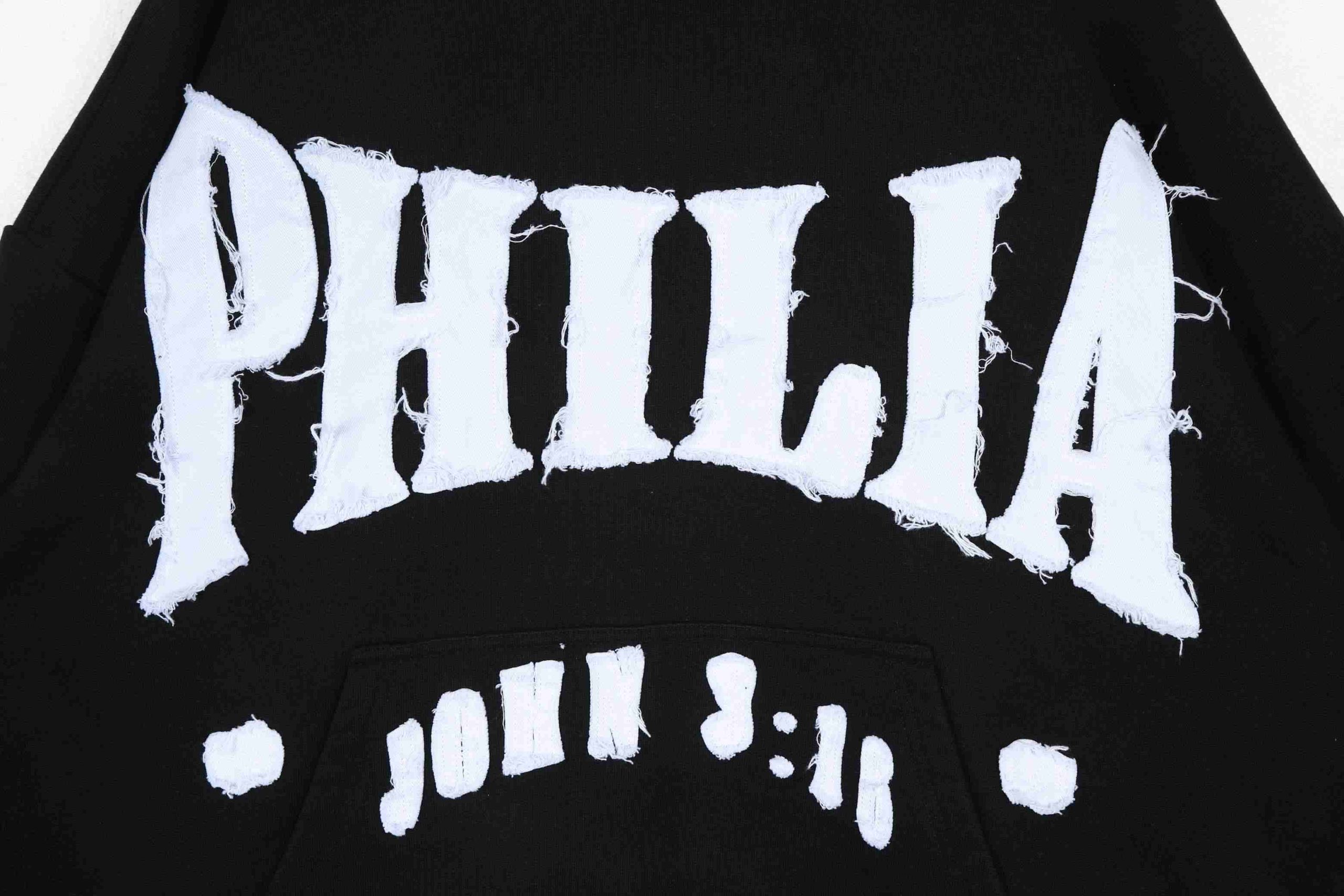
Felt appliques bond securely to medium- and heavy-weight bases (≥260 GSM) and withstand machine washing. Twill patches suit cotton and acrylic blends, offering crisp edges and Pantone-matched colors. Chenille yarn appliques require stable, low-stretch substrates to prevent looping distortion; merino and cotton fleece perform best. Leather appliques add tactile contrast on cashmere and fine-gauge wool but must be applied with reinforced backing to distribute tension and prevent tearing during wear.
5. Customization and Decoration Options for Applique Embroidery Sweaters
An applique embroidery sweater serves as a blank canvas for layered decoration techniques. CENWILD combines chenille patches, flat embroidery, printing, and finishing to create unique branded knitwear that stands out in competitive retail environments.
Embroidery Techniques Beyond Applique
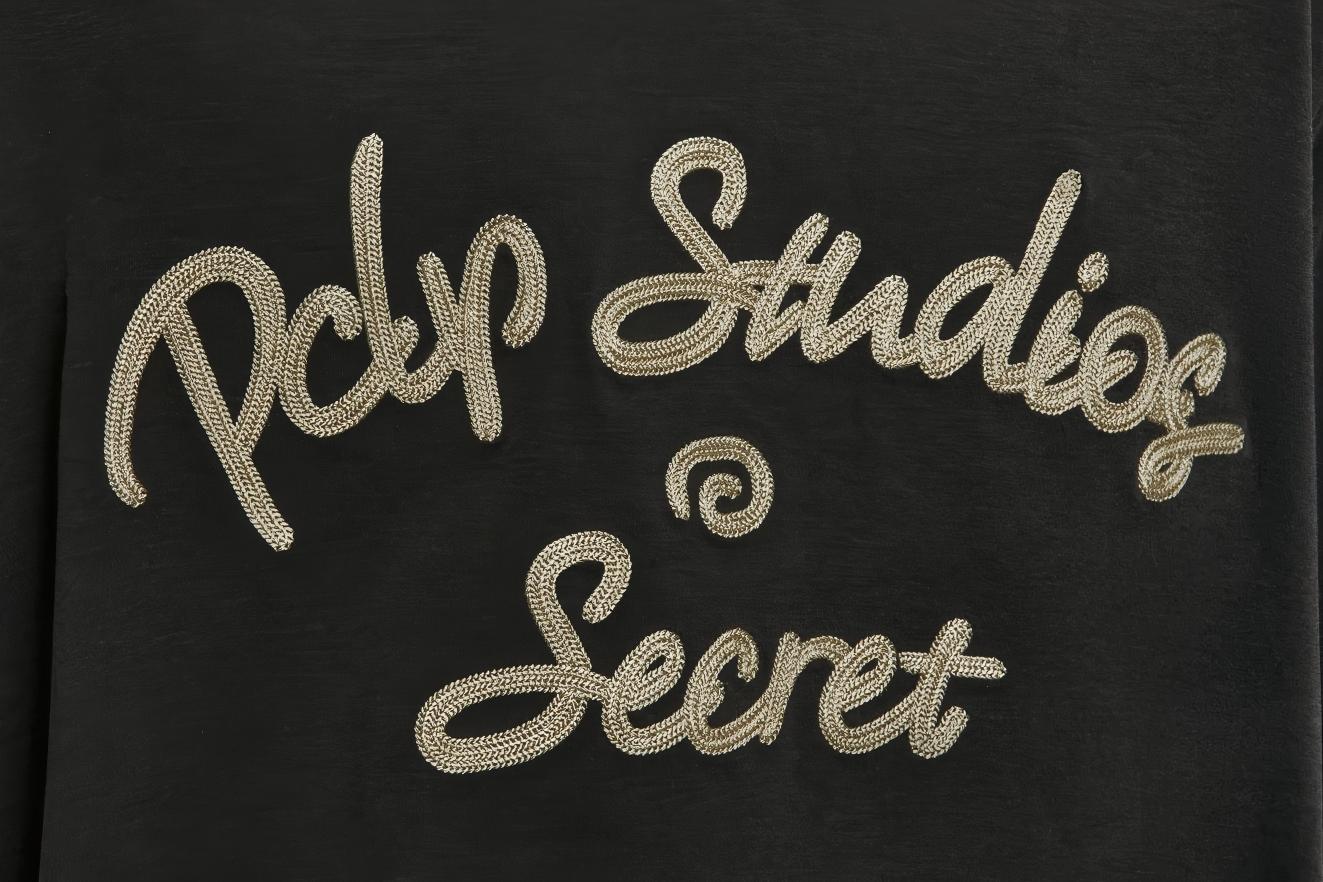
Flat embroidery adds fine logo detail and text alongside applique patches. 3D puff embroidery raises brand names or motifs for tactile contrast. Chain-stitch outlines chenille letters or frames woven patches, while sequin embroidery delivers evening-wear shimmer.
Combining methods — chenille varsity letters with chain-stitch borders, or applique patches backed by flat logo embroidery — creates signature looks without retooling knit patterns.
Printing and Heat-Transfer Labels
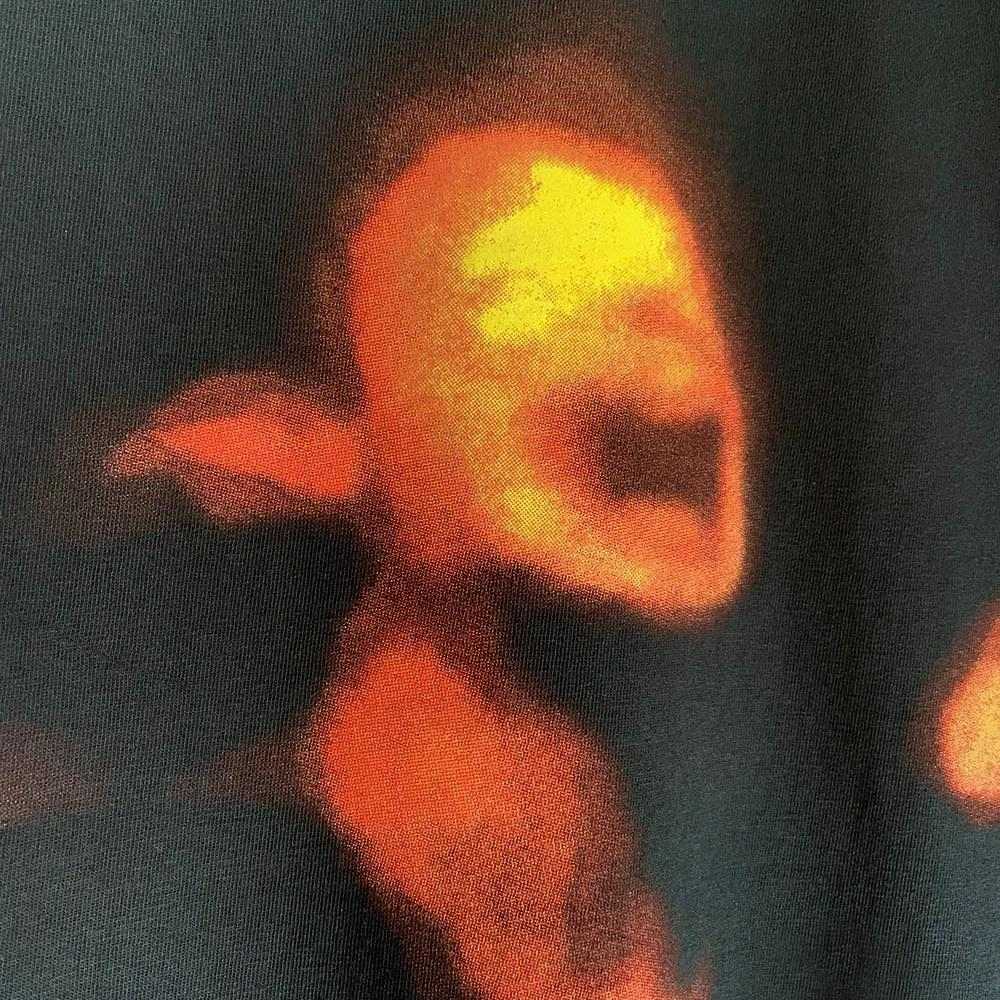
Screen printing applies large graphics or slogans across chest and back panels at lower per-piece cost than embroidery. Heat-transfer and DTF printing suit photographic artwork or gradient designs incompatible with thread.
Woven or printed neck labels, care tags, and heat-seal branding complete private-label presentation. Setup fees for screen printing typically range $50–150 per color; digital transfers carry no screen cost but higher unit prices above 500 pieces.
Custom Dyeing and Garment Finishing
Garment-dye processes tint entire finished sweaters for vintage, lived-in color variation. Enzyme washing softens hand-feel and reduces pilling on wool blends. Brushing raises surface fibers for a cozy, fleece-like texture popular in casual knitwear.
Combining garment dye with pre-applied applique embroidery yields subtle tonal contrast as base fabric shifts hue while polyester thread holds original color. Lead time extends 7–10 days for wash finishing; MOQ remains 100 pieces per colorway at CENWILD.
6. Key Quality Indicators in Applique Embroidery Sweater Construction
Quality control begins the moment you receive your first applique embroidery sweater sample. Knowing which indicators separate factory-grade work from retail-ready garments protects your brand and prevents costly chargebacks.
Stitch Density and Tension Balance
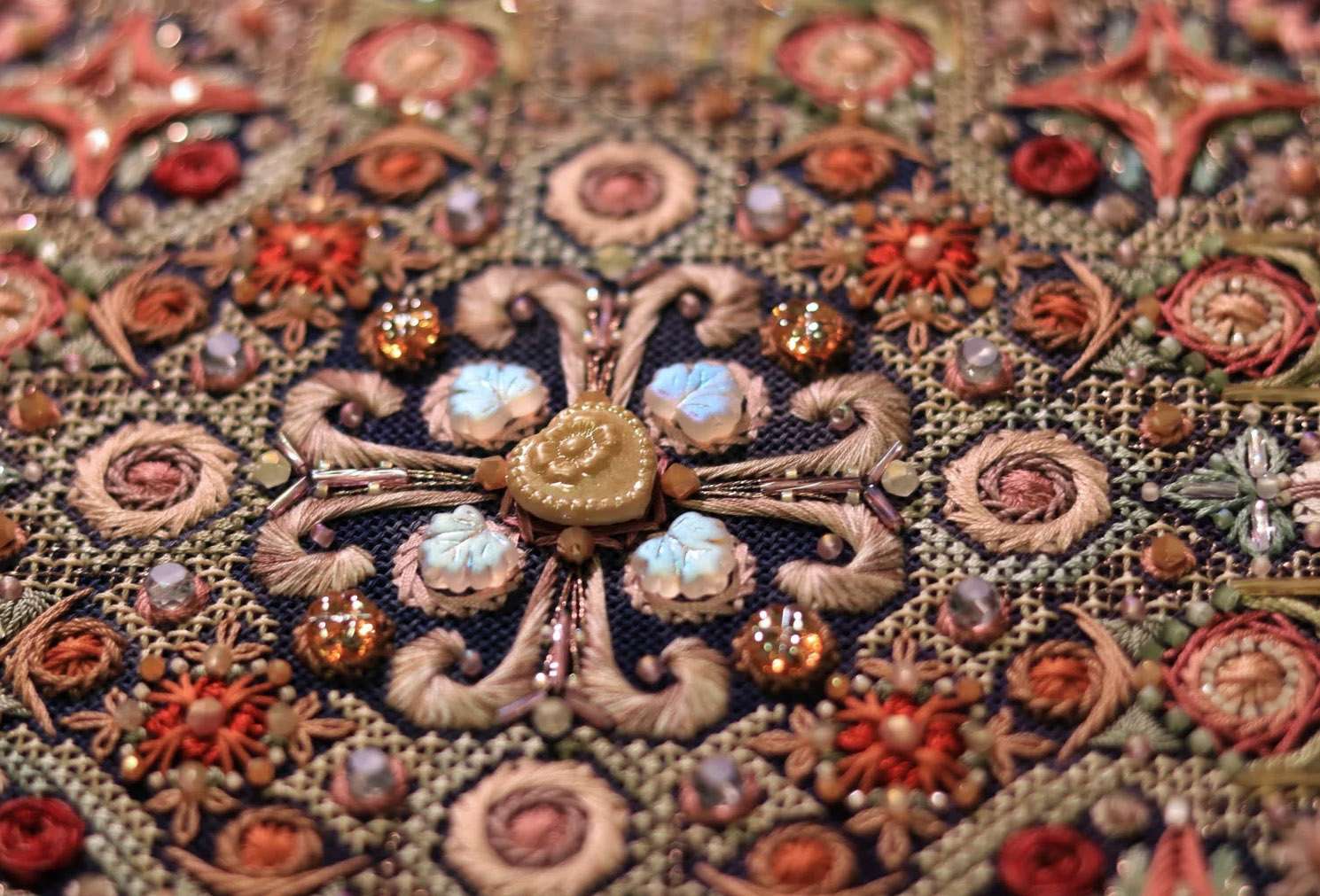
Proper applique embroidery runs 3.5–5.0 mm stitch length with consistent tension. Over-tight stitches cause puckering and distort the knit base; loose stitches allow applique edges to lift after washing.
CENWILD’s computerized embroidery heads monitor real-time tension, ensuring uniform density across complex multi-color patches on cashmere and merino bases.
Edge Finishing Techniques
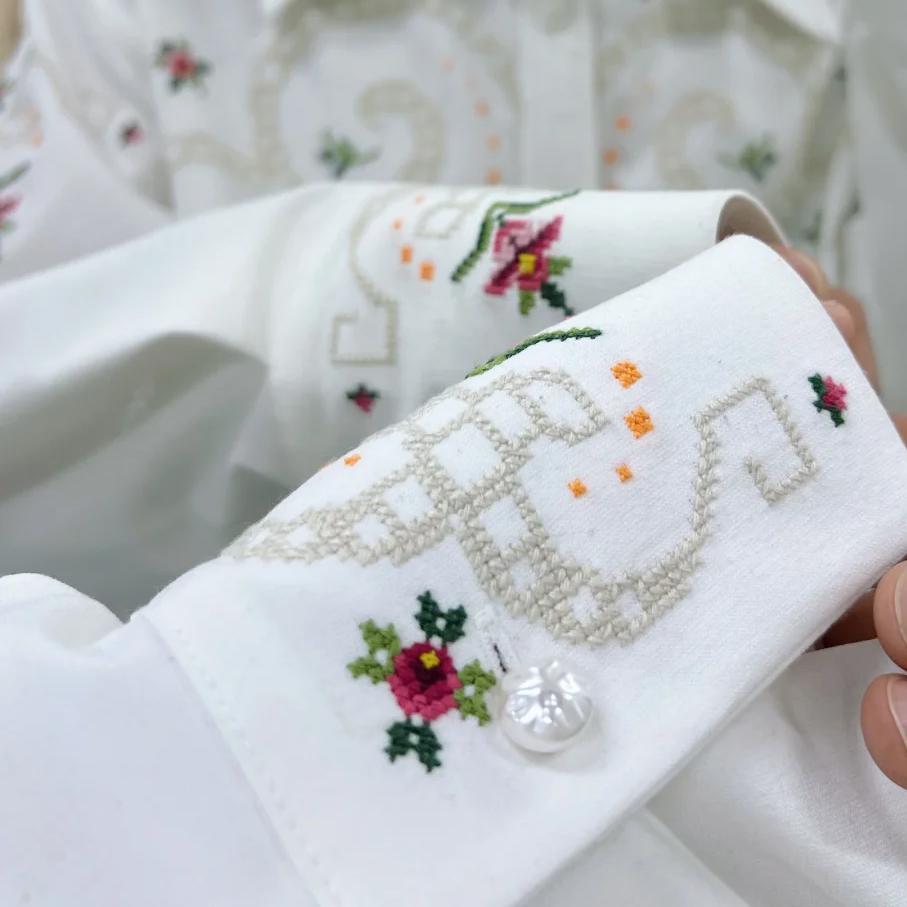
Satin-stitch borders (0.3–0.5 mm wide) deliver clean edges for felt and twill appliques. Zigzag finishing suits stretch fabrics; laser-cut edges work only on synthetic blends that seal under heat.
Mismatched techniques create fraying within three washes—a common defect when factories skip stabilizer or use incorrect thread weight.
Backing Stabilization
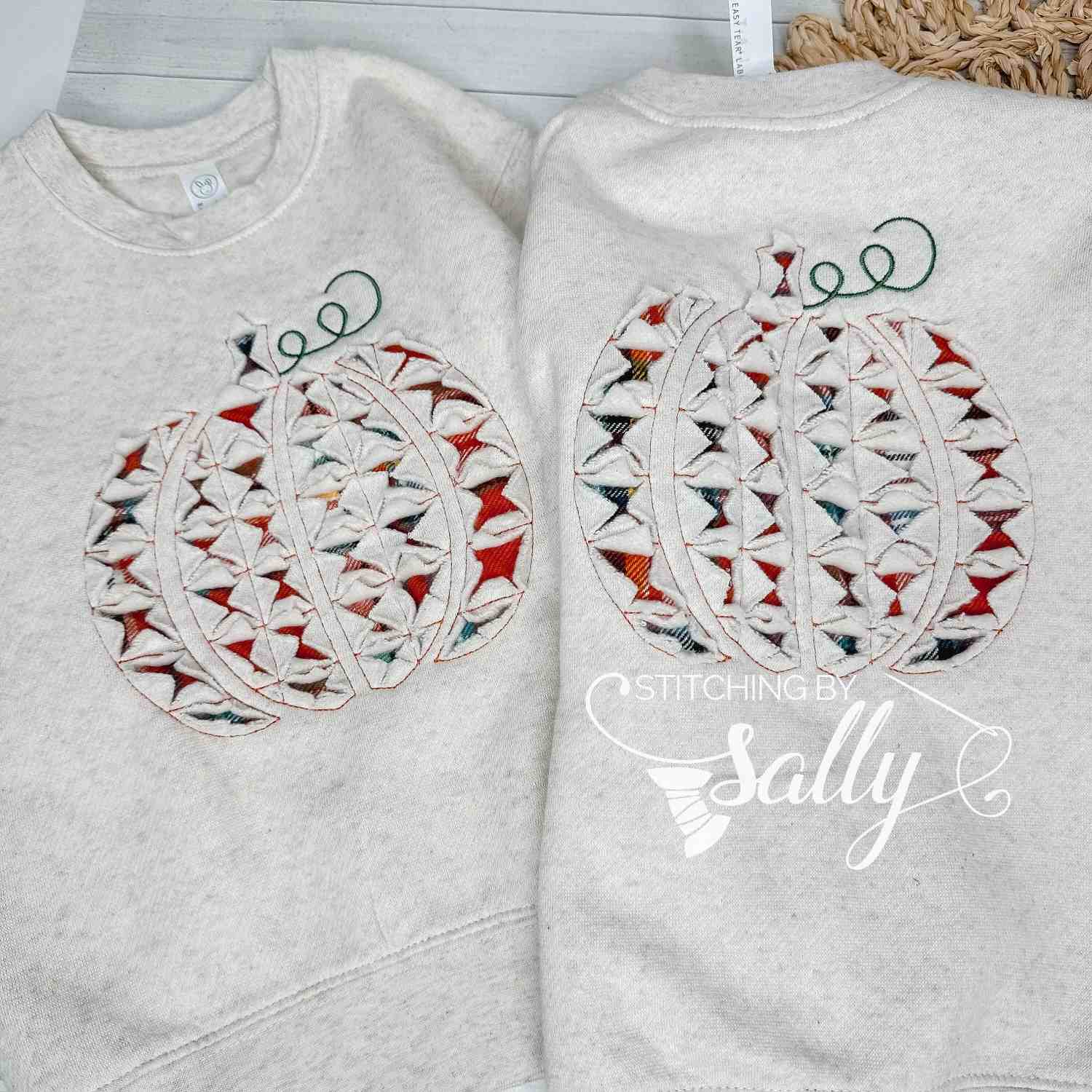
Tear-away backing suits lightweight knits (5GG–7GG); cut-away stabilizer is mandatory for dense appliques on fine-gauge sweaters (12GG–14GG) to prevent tunneling. Residual backing inside the garment should measure under 2 mm beyond the stitch line.
CENWILD applies water-soluble toppers for high-pile yarns, eliminating visible stabilizer fragments that cheapen the hand-feel.
Red Flags and Inspection Checklist
Reject samples showing thread breaks, misaligned patches beyond ±2 mm, adhesive bleed-through, or color migration after a 40°C wash test. Puckering around applique zones indicates inadequate hooping or wrong needle size (standard: 75/11 for knits).
- Check stitch density with a 10× loupe: no gaps or overlaps
- Tug applique edges gently; secure attachment withstands 500 g pull force
- Inspect reverse side for stabilizer trim and thread-end burial
- Run colorfastness test: rub white cloth on wet applique for 10 strokes
7. How to Choose the Right Applique Embroidery Sweater Manufacturer
Selecting the right partner for your applique embroidery sweater production determines quality, cost, and speed to market. Evaluate each manufacturer’s in-house capabilities, production minimums, and track record before committing to samples or deposits.
In-House vs. Outsourced Embroidery Capabilities
Manufacturers with in-house embroidery equipment — typically multi-head flat machines and chain-stitch units — offer tighter quality control and faster turnaround than those outsourcing decoration to third parties. Ask whether applique cutting, positioning, and stitching happen under one roof.
CENWILD operates flat, 3D puff, chain-stitch, applique, sequin, and patch embroidery in-house, ensuring consistent thread tension and alignment across every piece without external delays.
Minimum Order Quantities and Sampling
MOQ for applique embroidery sweaters typically ranges from 100 to 500 pieces per design, depending on complexity. Factories offering 100-piece minimums provide flexibility for emerging brands and test launches.
Sampling turnaround averages 10–14 days; confirm whether the quoted lead time includes knit-down, embroidery setup, and finishing. CENWILD starts at 100 pieces and delivers knit-down samples within two weeks.
Certifications and Quality Control
Request OEKO-TEX Standard 100 for yarn and BSCI or WRAP audits for social compliance. In-line and final AQL 2.5 inspections catch applique misalignment, puckering, and thread breaks before shipment.
Verify whether the factory photographs every embroidery setup and conducts wash testing on decorated samples to confirm colorfastness and dimensional stability.
Communication and Payment Flexibility
Responsive communication — replies within 24 hours, English fluency, and shared design files — prevents costly misunderstandings. Confirm accepted payment methods: T/T, PayPal, credit card, or cryptocurrency.
CENWILD supports T/T, PayPal, credit card, USDT, and VTB Bank for Russia, with deposit terms easing from 100% on first orders to 30% for long-term partners, balance due before shipment.
8. Common Mistakes Buyers Make When Ordering Applique Embroidery Sweaters
Even experienced buyers stumble when ordering applique embroidery sweater collections, often discovering costly errors only after production begins. Understanding these pitfalls and their corrective actions protects timelines, budgets, and brand reputation.
Underestimating Digitizing and Sampling Lead Time
First-time buyers often expect applique samples within days, yet digitizing complex artwork and producing knit-down samples typically requires 7–14 days at CENWILD. Rushing this phase forces compromises in stitch density and placement testing.
Always add two weeks to your project calendar for pre-production sampling. Request a digitized proof and physical sample before committing to bulk orders of 1,000+ pieces.
Choosing Unstable Knit-Applique Pairings
Pairing heavyweight chenille applique with lightweight 12GG jersey causes puckering and distortion after the first wash. Stretch differentials between base fabric and applique material create permanent ripples.
Match applique weight to knit gauge: use felt or twill on 7GG and below, lightweight cotton applique on 12GG fine-gauge sweaters. CENWILD’s design team recommends stabilizer backing for any applique exceeding 15 cm² on stretch knits.
Ignoring Wash-Test Results
Skipping garment wash tests before bulk production leads to shrinkage mismatches, color bleeding from applique fabrics, and edge fraying. A single wash cycle can reveal adhesive failure or thread breakage invisible in unwashed samples.
Request a full wash test per your care-label specifications—typically three cycles at 30°C—and inspect applique adhesion, stitch integrity, and dimensional stability before approving production.
Unclear Artwork Specifications
Submitting low-resolution JPEGs or hand-drawn sketches without vector files forces the digitizer to guess thread colors, stitch directions, and applique boundaries, resulting in costly revisions and delayed timelines.
Provide vector artwork (AI, EPS, or PDF) with Pantone color callouts and actual-size dimensions. Include a photo reference for texture and a written note on any gradient or 3D puff requirements.
Neglecting Size-Grading Adjustments for Applique Placement
Buyers often approve a size-M sample, then discover the same applique placement looks disproportionate on XS and XXL garments. Chest logos shift toward the armhole or neckline, ruining the intended design balance.
Request graded placement specs: CENWILD adjusts applique position and scale across sizes, typically shifting chest emblems 1–2 cm and resizing by 5–10% between XS and XXL to maintain visual harmony.
9. Steps to Launch Your Applique Embroidery Sweater Collection
Launching an applique embroidery sweater collection requires a structured workflow from concept through delivery. Each milestone demands clear documentation — tech packs, artwork files, and approval emails — to ensure both brand and manufacturer align on quality, timeline, and cost.
Design and Artwork Preparation
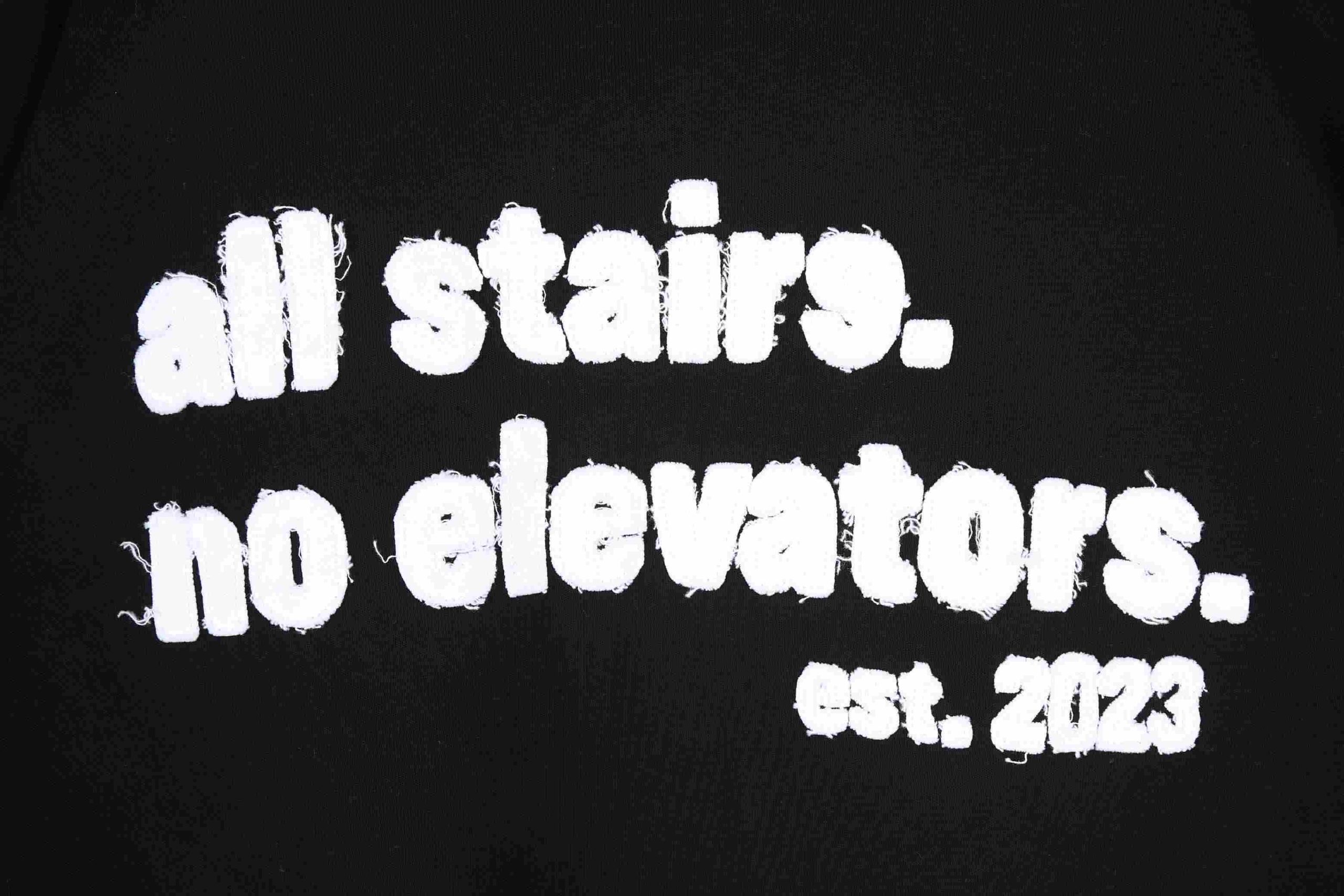
Supply vector files in AI, EPS, or PDF format for applique shapes; raster embroidery digitizing requires 300 DPI minimum. Specify Pantone TPX or TCX codes for fabric and thread color matching.
Include a detailed tech pack with stitch placement, applique fabric type, thread weight, and backing instructions to prevent puckering or distortion.
Material and Technique Selection
Choose base yarn (cashmere, merino, cotton blends) and gauge (5GG–12GG typical for applique sweaters). Confirm applique fabric — felt, twill, or knit — and embroidery method: flat, 3D puff, chain-stitch, or sequin.
CENWILD’s design team can knit swatches at 3GG–14GG and provide applique samples to validate texture and durability before bulk production.
Quotes, Samples, and Approvals
Request itemized quotes covering knitting, applique labor, embroidery setup, trims, and packaging. CENWILD’s 100-piece MOQ suits emerging brands; payment starts at 100% for first orders, easing to 30% deposit for repeat partners.
Approve a knit-down pre-production sample with final applique placement and colorways. Document approval via timestamped email to lock specifications and protect both parties during bulk runs.
Production, Inspection, and Logistics
Standard lead time spans 25–35 days post-sample approval; plan 45–60 days for complex multi-color applique embroidery sweater styles. Conduct AQL 2.5 final inspection or request third-party QC reports.
Coordinate FOB, CIF, or DDP shipping terms; CENWILD handles export documentation and can arrange warehousing for phased releases, ensuring your collection arrives market-ready.
10. Pricing and Cost Breakdown for Applique Embroidery Sweaters
CENWILD’s applique embroidery sweater pricing starts at 100-piece MOQ, with unit costs ranging from $18–$45 depending on order volume, yarn tier (acrylic, cotton, merino, cashmere), and applique complexity. A 100-piece run in mid-weight cotton with single-color felt applique typically lands at $28–$32 per piece, while 1,000-piece orders in the same spec drop to $18–$22. Chenille and 3D puff applique add $1.50–$3.00 per placement due to thread density and machine time.
Setup fees include digitizing ($50–$150 per design) and knit-down sampling ($80–$120 per colorway), waived for repeat orders above 500 pieces. Payment terms begin at 100% deposit for first orders, easing to 30% deposit plus 70% before shipment for established partners; T/T, PayPal, credit card, and USDT are accepted. Freight (FOB Shenzhen) and import duties are buyer responsibility—budget 15–25% landed cost for U.S. and EU destinations. Lead time spans 25–35 days from approved sample to ex-factory.
| Order Quantity | Unit Price Range (USD) | Setup & Sampling | Lead Time |
|---|---|---|---|
| 100 pcs | $28–$45 | $130–$270 (first order) | 30–35 days |
| 250 pcs | $22–$35 | $80–$150 | 28–32 days |
| 500 pcs | $20–$28 | Waived (repeat clients) | 25–30 days |
| 1,000+ pcs | $18–$25 | Waived | 25–28 days |
Start Your Applique Embroidery Sweater Project Today
From 100 pieces, with free knit-down samples and fast turnaround. Submit your artwork or idea and get a detailed quote within 24 hours.