Custom Sweater Embroidery for Fashion Brands & Designers
From flat and 3D puff to chain-stitch, appliqué, sequin, and patches—CENWILD delivers custom sweater embroidery with OEM/ODM capabilities, in-house sampling, and flexible MOQ from just 100 pieces. We also produce turtleneck sweaters, cardigans, and full knitwear collections in bulk.
Custom Sweater Embroidery Samples & Finished Designs
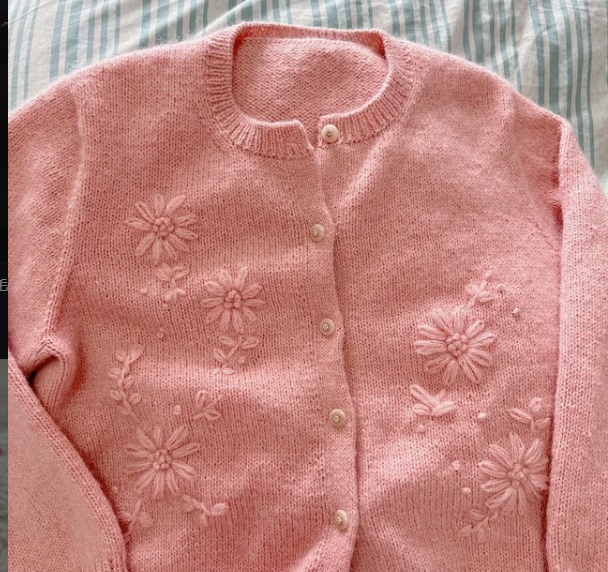
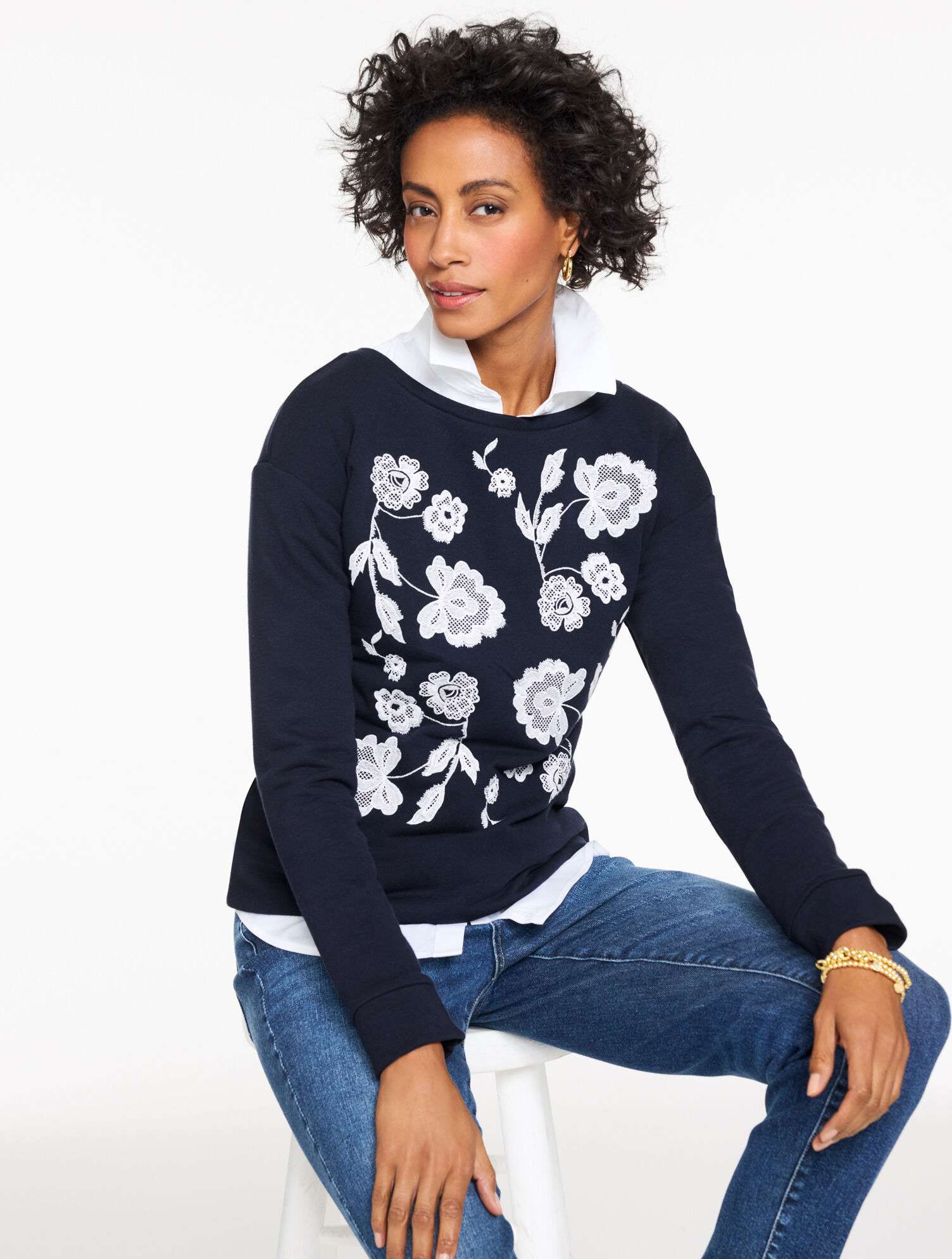
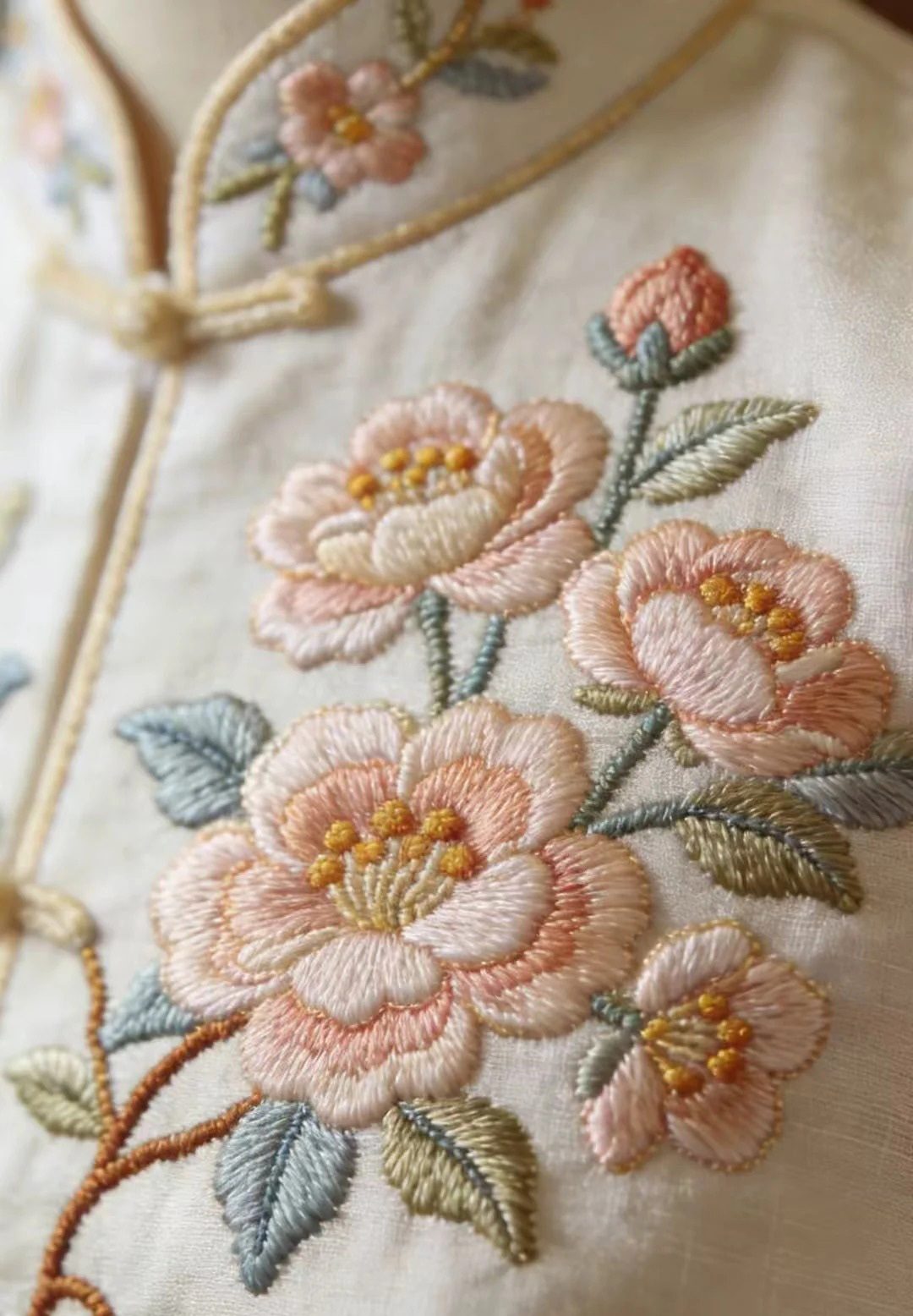
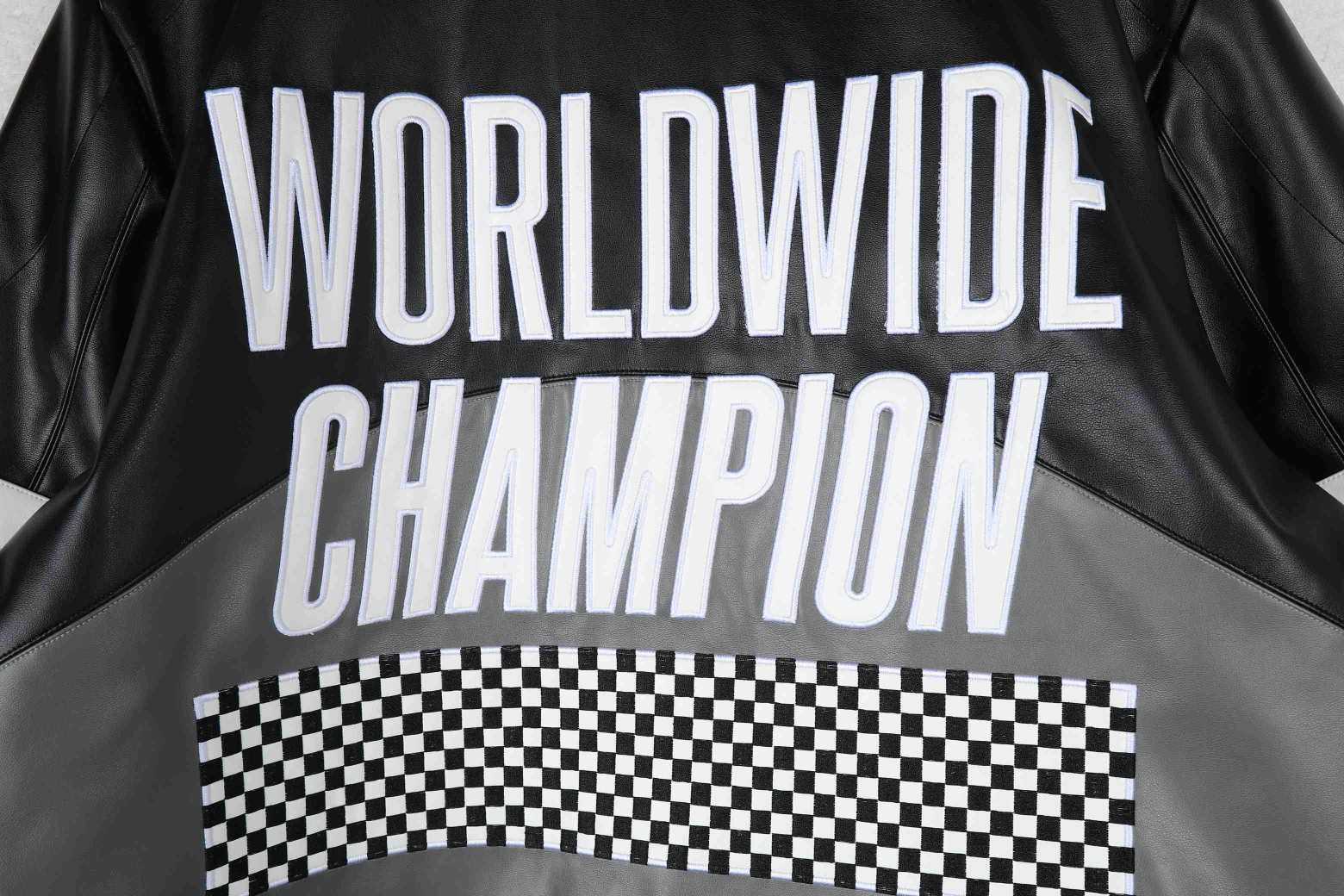
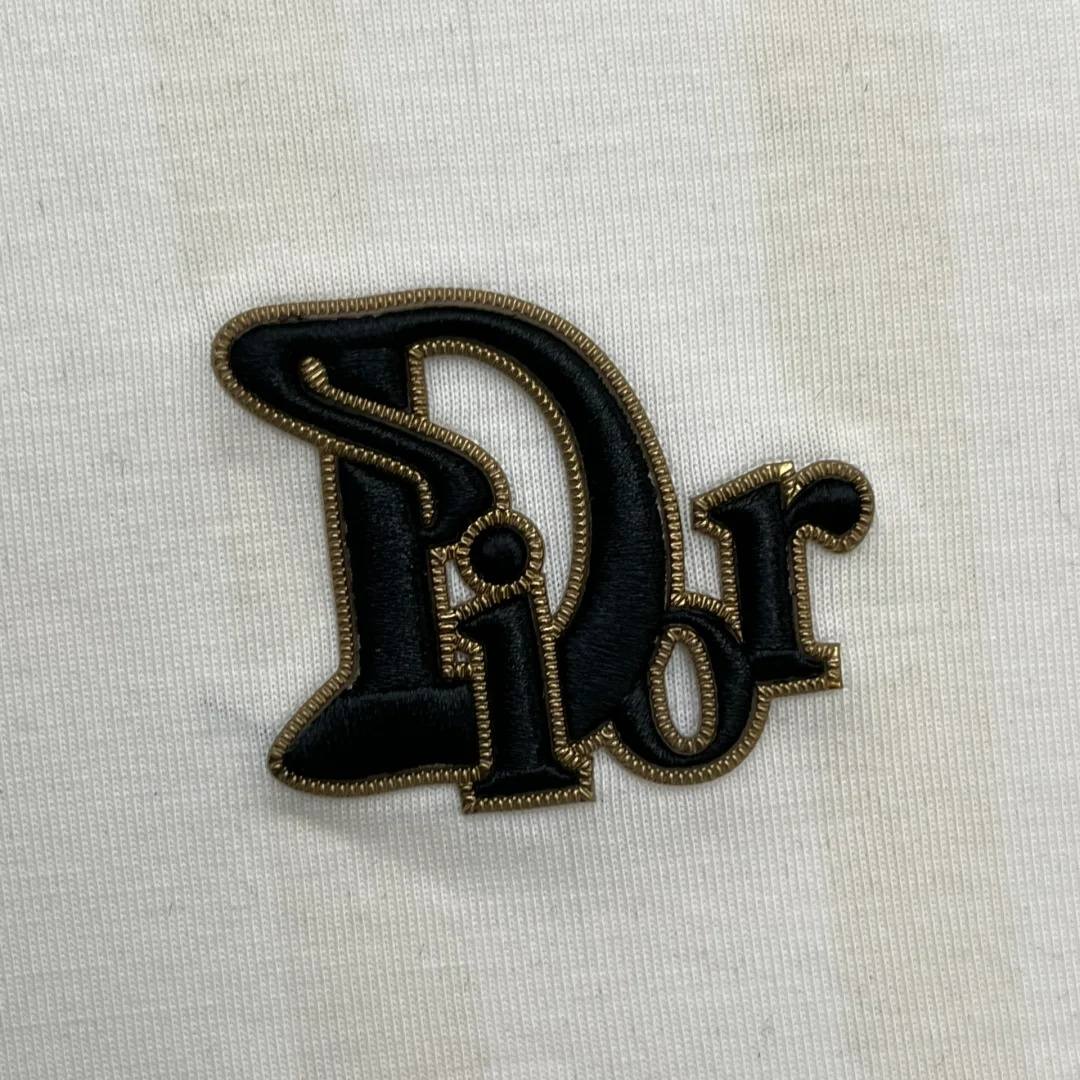
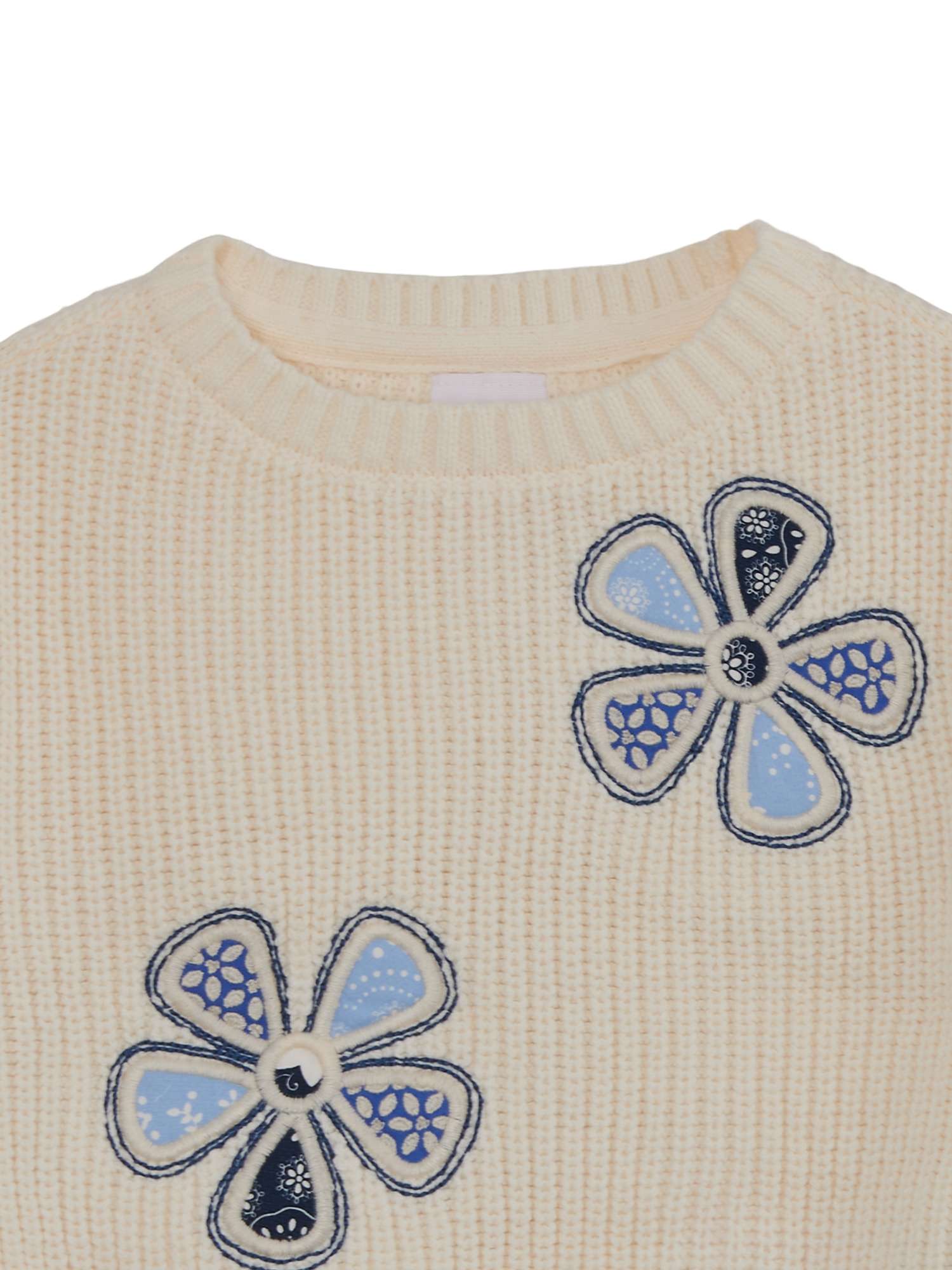
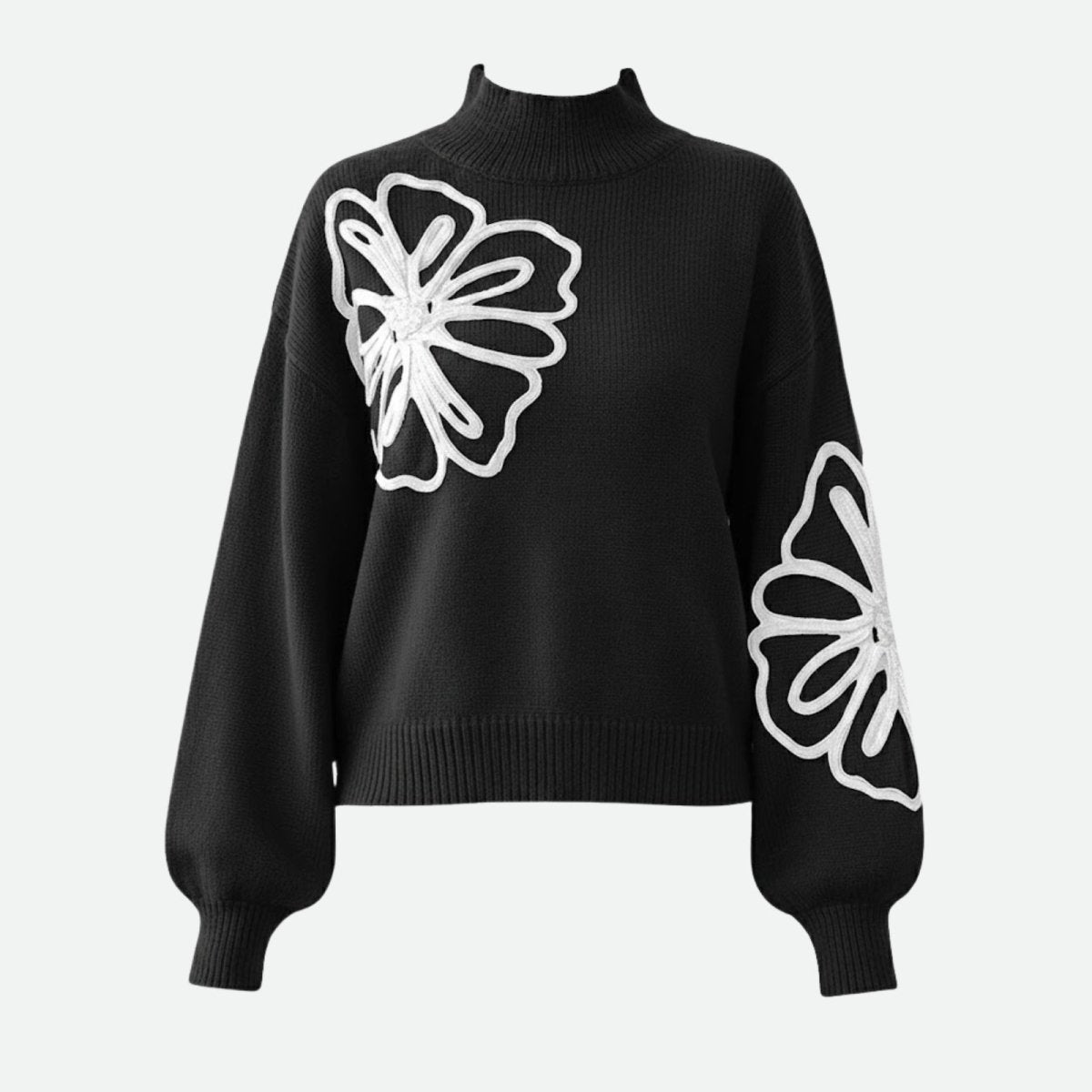
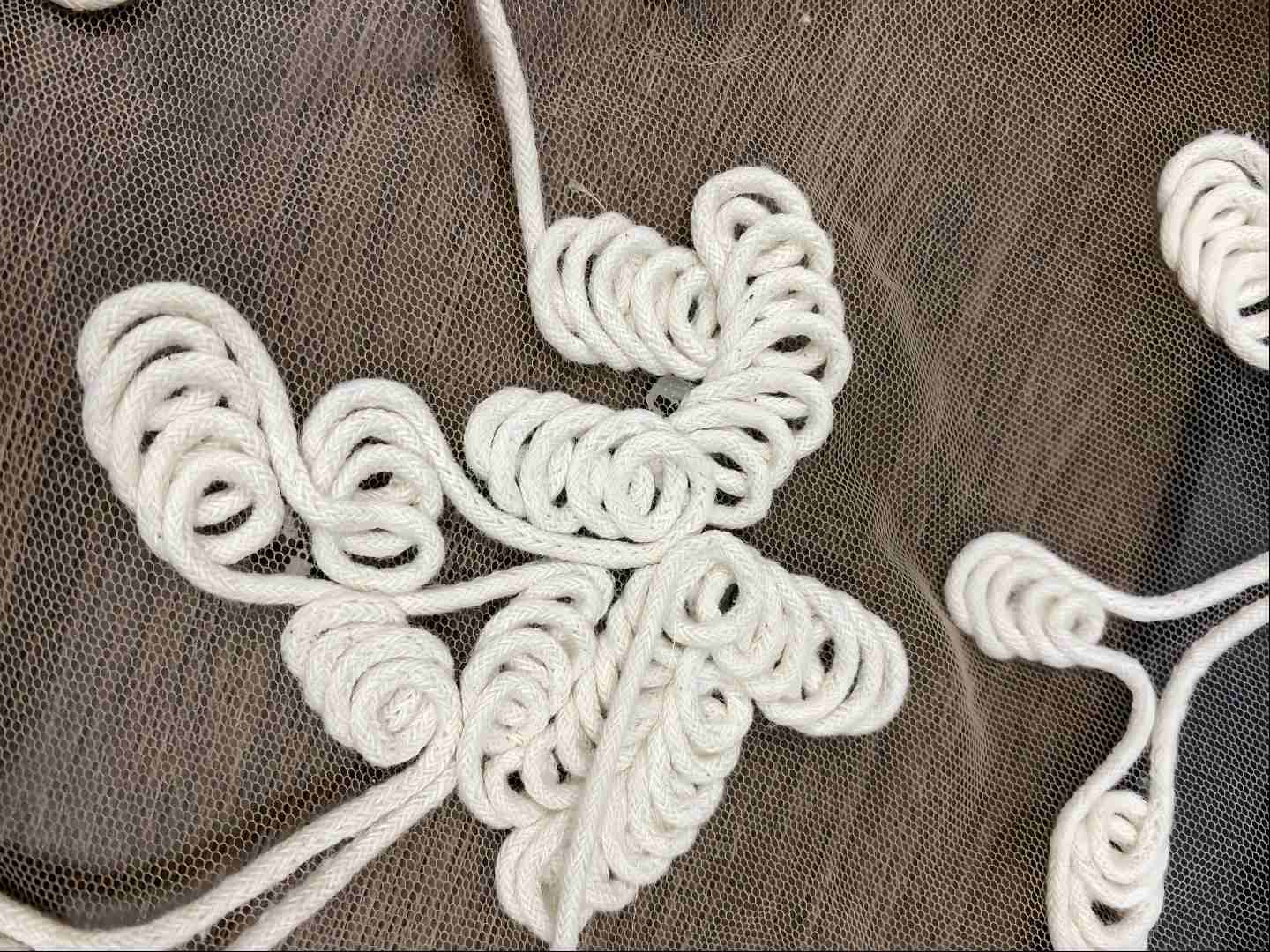
Why Custom Sweater Embroidery with CENWILD Stands Out
In-House Embroidery Machines
Multi-head computerized embroidery equipment on-site in Dongguan ensures quality control, fast turnaround, and seamless coordination with knitting production.
Precision on Delicate Knits
28+ years of experience stabilizing and embroidering cashmere, merino, and fine-gauge knitwear without puckering, distortion, or damage to delicate fabrics.
Fast Custom Embroidery Sampling
Knit-down swatches with embroidery applied in-house allow you to approve logo placement, thread color, and stitch density in 10–14 days before full production begins.
Design Flexibility & Techniques
Flat, 3D puff, chain-stitch, applique, sequin, and patch embroidery — combined with intarsia, jacquard, or cable knit for multi-technique custom sweater embroidery.
Durability & Wash Testing
Every embroidered sweater undergoes garment washing and anti-pilling treatment to ensure threads stay secure and colors remain vibrant after repeated wear.
Low MOQ from 100 Pieces
Launch embroidered sweater collections without inventory risk. CENWILD supports emerging brands and independent designers with flexible minimums and OEM or ODM service.
Embroidery Techniques for Custom Knitwear
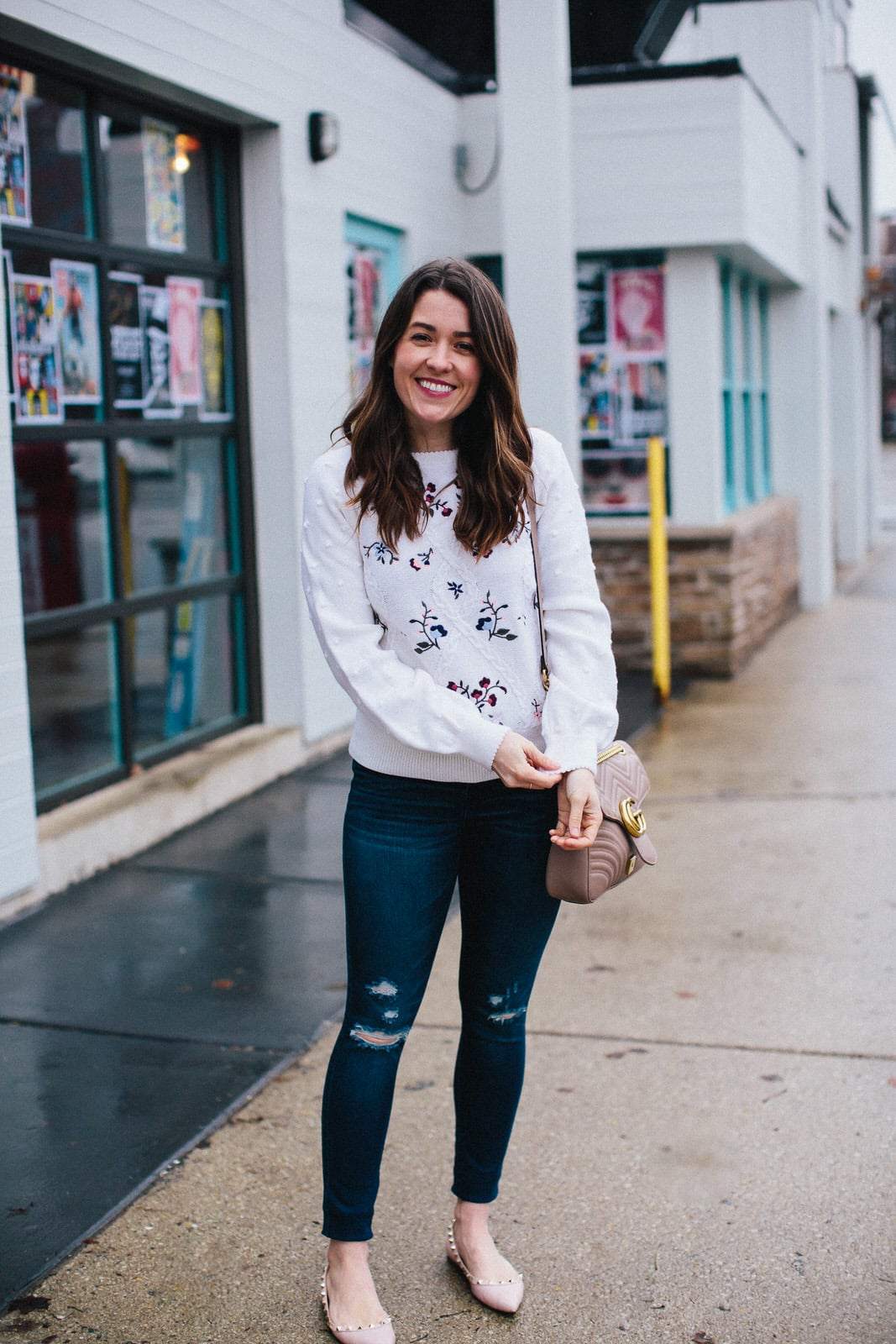
Flat Embroidery
Flat embroidery delivers clean, precise detail directly onto knit fabric using standard thread. Ideal for brand logos, monograms, and fine graphic elements on pullovers, cardigans, and crewnecks. Works across all gauges and yarn types — cashmere, merino, cotton, acrylic — without distorting the garment structure. CENWILD’s computerized embroidery equipment ensures repeatable accuracy even at low MOQ.
Get a Quote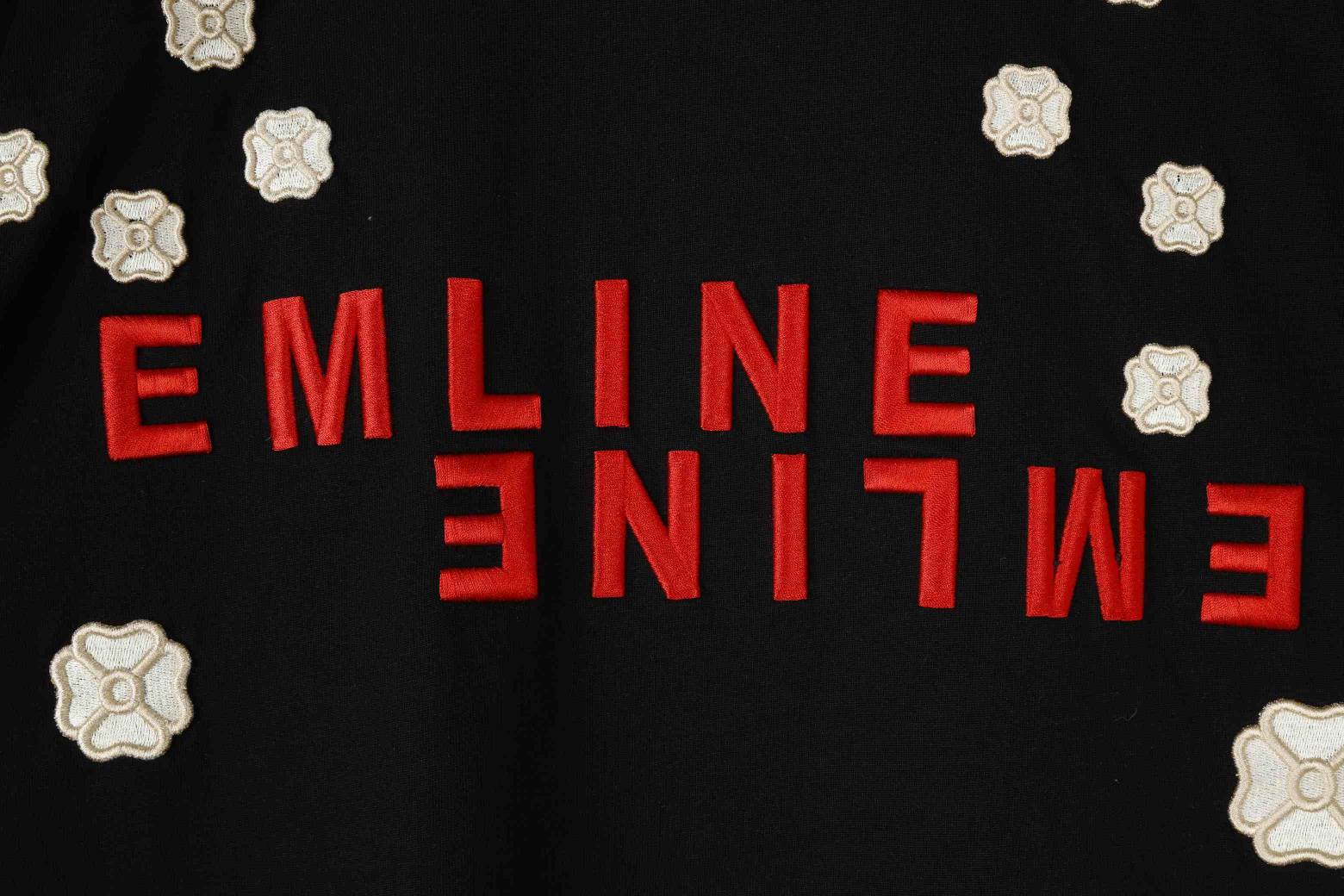
3D Puff Embroidery
3D puff embroidery adds raised, dimensional texture by stitching over a foam substrate that lifts the design off the sweater surface. Popular for bold logos, collegiate lettering, and streetwear branding on heavier-gauge knits and sweatshirt-style pullovers. Best suited to cotton, acrylic, and wool blends where the foam backing can bond securely without compromising stretch or drape.
Get a Quote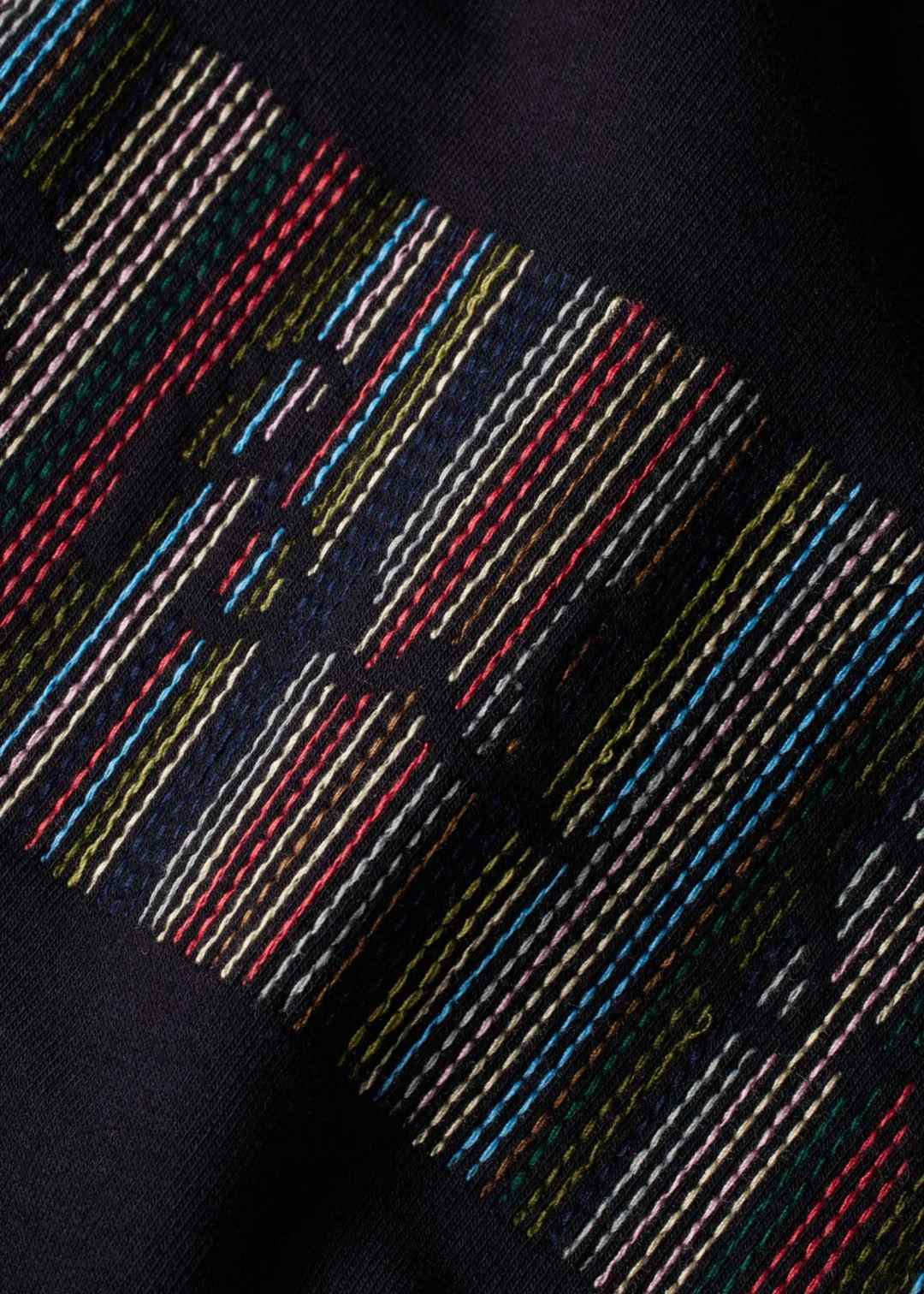
Chain Stitch Embroidery
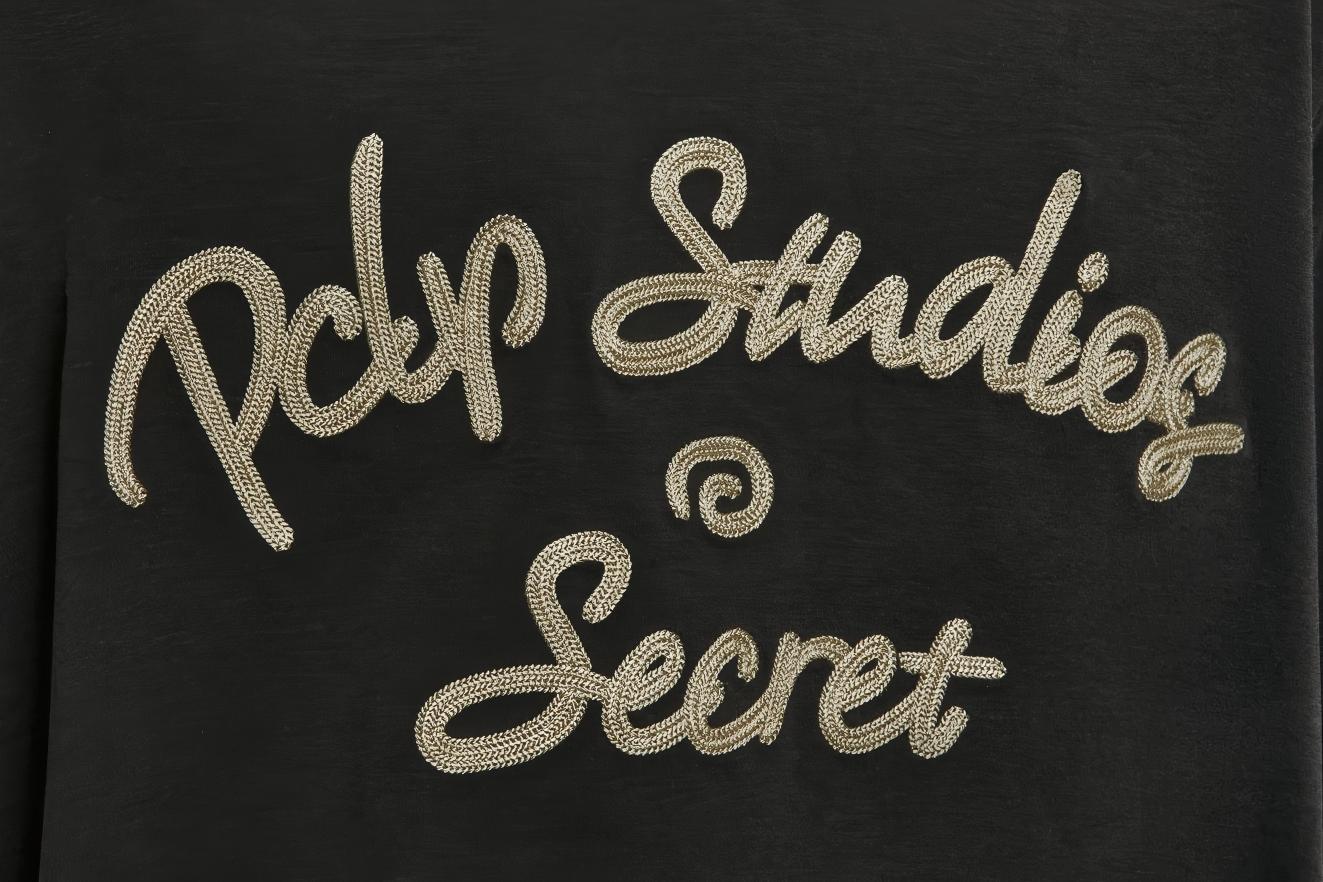
Chain stitch embroidery creates a looped, rope-like line that mimics hand-stitched detailing. Often used for retro varsity graphics, script lettering, decorative borders, and vintage-inspired branding on knit polos, cardigans, and quarter-zips. The technique adds artisanal character while maintaining durability through washing and wear, compatible with medium to heavyweight yarns.
Get a Quote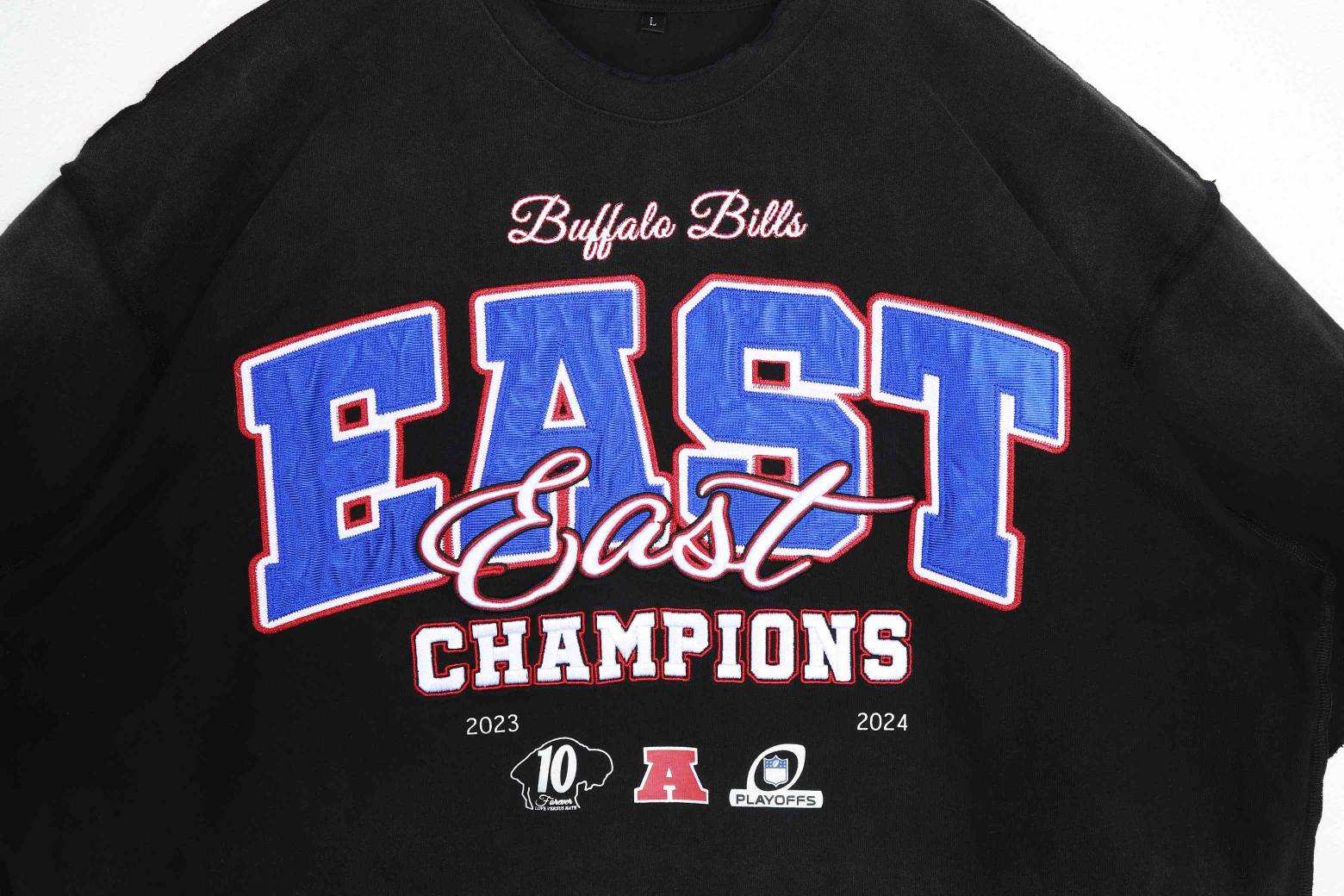
Applique Embroidery
Appliqué embroidery layers fabric shapes — felt, twill, leather, or contrast knit — onto the sweater body, then locks them in place with decorative stitching. Effective for large logos, mascot graphics, collegiate patches, and children’s motifs on pullovers, vests, and knit dresses. CENWILD sources appliqué materials to match your brand palette and pairs them with complementary thread for crisp edge definition.
Get a Quote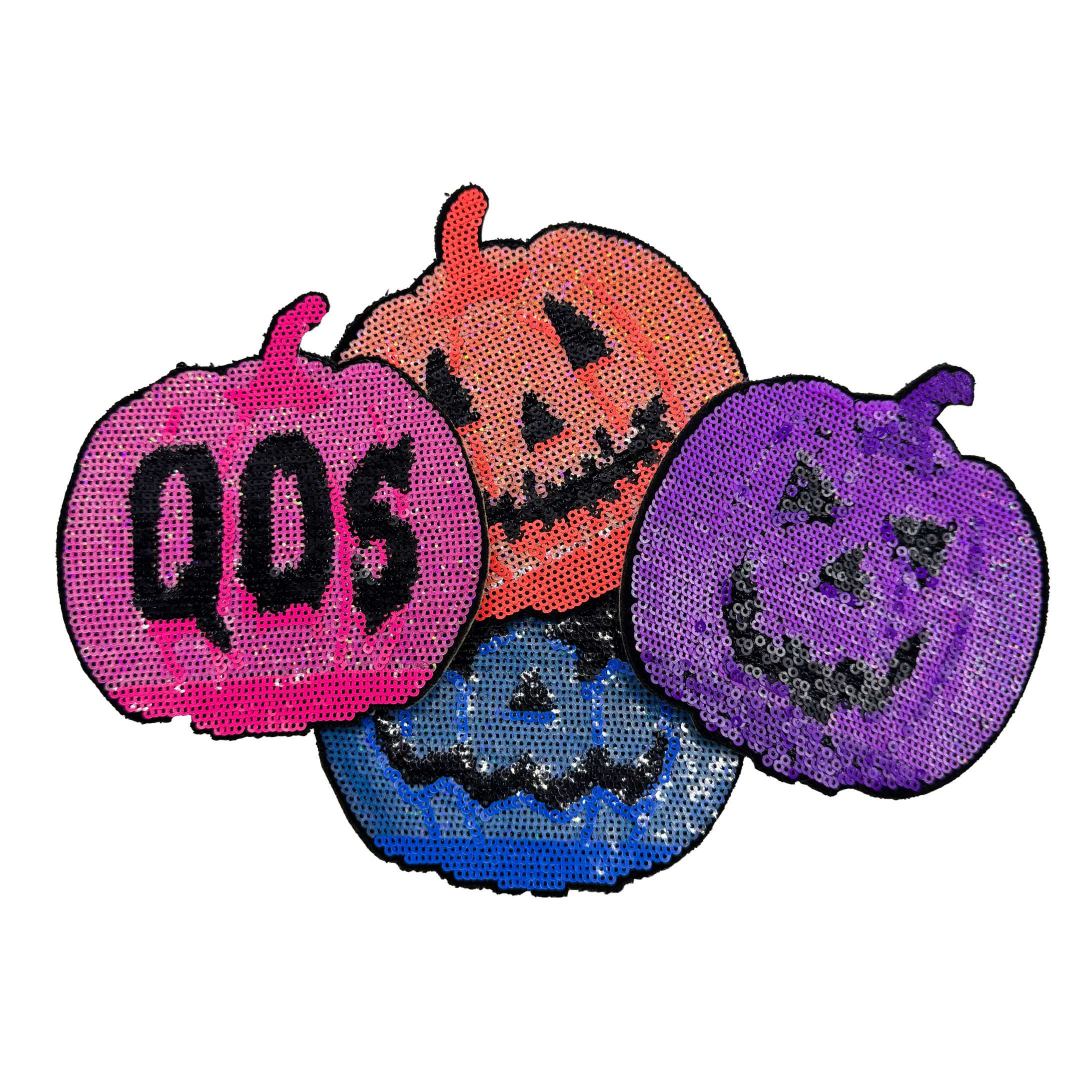
Sequin Embroidery
Sequin embroidery stitches individual sequins or sequin-filled patterns directly into knitwear for high-shine, eye-catching detail. Used for evening wear, holiday sweaters, influencer capsules, and special-edition collections. Works best on stable, medium-gauge knits in merino, cotton, or acrylic where the sequin weight will not distort the fabric. CENWILD manages sequin sourcing and color matching in-house.
Get a Quote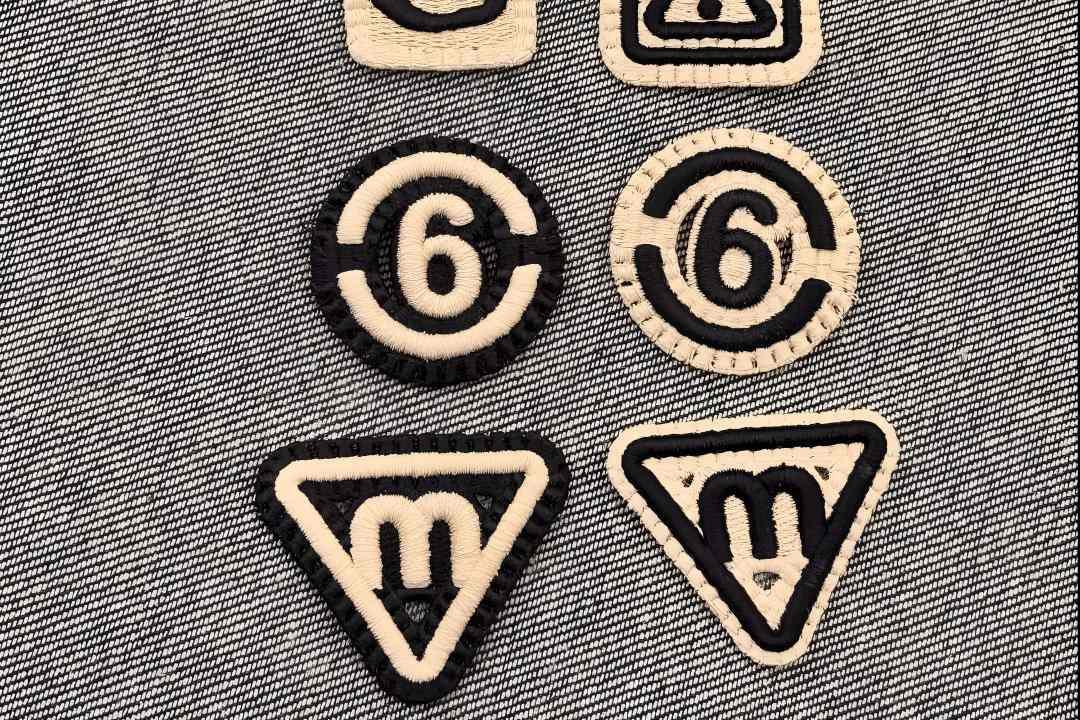
Custom Embroidered Patches
Custom embroidered patches are stitched separately on twill or felt backing, then sewn or heat-sealed onto finished sweaters. Offers flexibility for seasonal updates, limited runs, or co-branded collaborations without re-programming full embroidery. Ideal for cardigans, bomber-style knits, and streetwear pullovers. CENWILD produces patches in any size or shape with merrowed, laser-cut, or iron-on backing options.
Get a Quote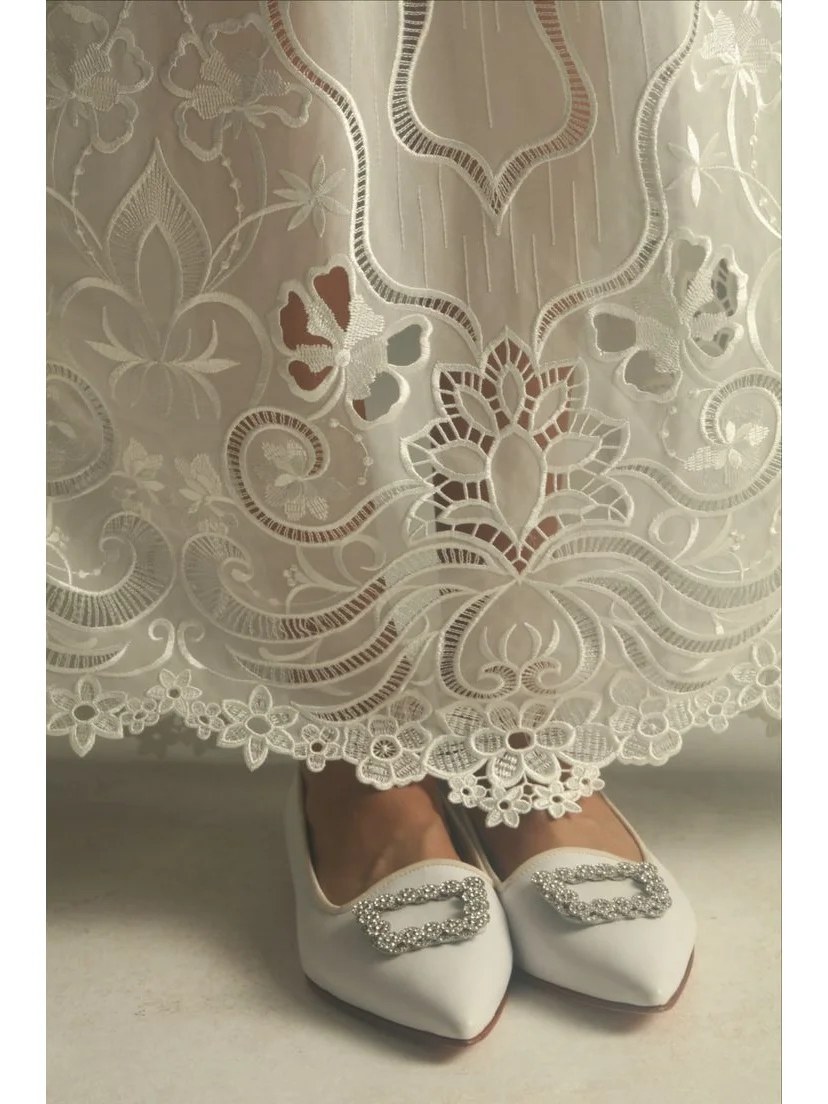
Logo Embroidery on Knit
Logo embroidery on knit applies your brand mark — wordmark, icon, or monogram — to any sweater style using thread matched to your Pantone or PMS reference. Positioned on chest, sleeve, hem, or back neck. CENWILD’s design team digitizes artwork, tests stitch density on knit-down swatches, and adjusts underlay to prevent puckering across all yarn weights and gauges, ensuring clean logo reproduction from the first 100-piece order onward.
Get a Quote28+ Years of Custom Sweater Embroidery Excellence
Founded in 1998 in Humen, Dongguan—China’s premier knitwear hub—CENWILD began as a small family knitting workshop and evolved into a full-service custom sweater embroidery manufacturer. Today, over 200 skilled employees combine traditional craftsmanship with modern computerized embroidery technology to deliver flat, 3D puff, chain-stitch, appliqué, sequin, patch, and logo embroidery for fashion brands worldwide.
With a monthly capacity exceeding 80,000 pieces and a portfolio of more than 2,000 brands served, CENWILD operates as a true one-stop partner: in-house design development, knit-down sampling, embroidery execution, quality control, and export logistics under one roof. Our dedicated design team transforms your concept—whether a finished tech pack or a simple sketch—into production-ready custom sweater embroidery.
What sets CENWILD apart is our commitment to flexible partnership. We welcome orders from just 100 pieces, support OEM, ODM, and private label production, and maintain rigorous quality-first standards at every stage. For fashion brands, retailers, and independent designers, CENWILD is not a supplier—we are the manufacturing backbone behind your growth.
Custom Sweater Embroidery Techniques in Depth
Flat Embroidery for Clean Logo Placement
Industry-standard flat embroidery delivers crisp, professional branding on any knit gauge. Our Tajima multi-head machines stitch logos, wordmarks, and graphics with thread-count precision across cashmere, merino, cotton, and acrylic sweaters.
- Tajima computerized multi-head machines for consistent stitch density
- Compatible with all yarn weights from 3GG to 14GG knit fabrics
- Excellent wash durability — withstands 50+ industrial laundry cycles
- Design limit: fine detail down to 2 mm letterforms and 0.4 mm line work
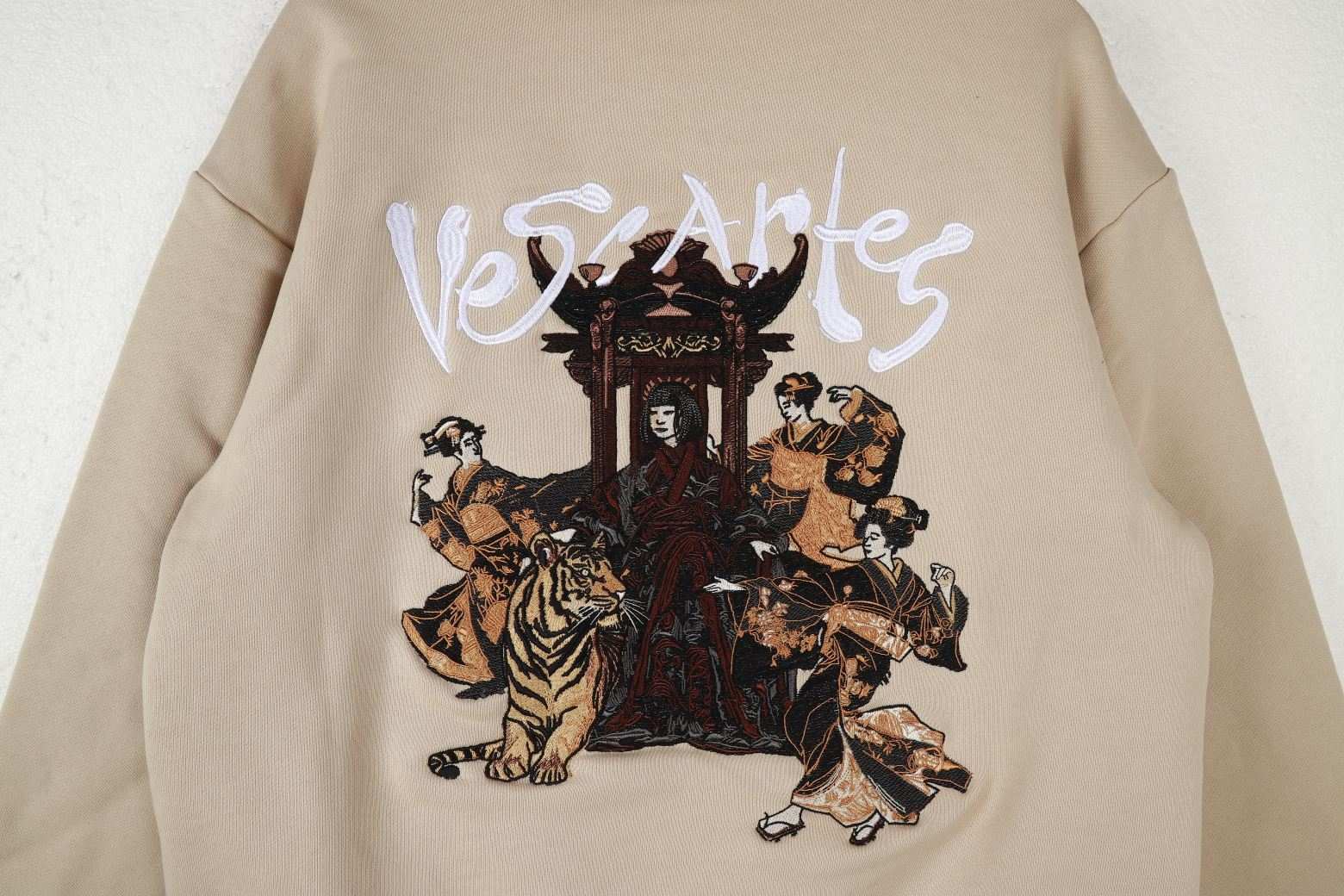
3D Puff Embroidery for Dimensional Branding
Raised foam-backed embroidery adds tactile depth and premium shelf appeal. Perfect for streetwear labels, sports teams, and influencer collections that demand bold, high-impact logos on crewnecks, hoodies, and oversized pullovers.
- Foam underlay creates up to 5 mm raised relief for standout branding
- Best suited for medium-to-heavy gauge knits (3GG–7GG) and stable fabrics
- Durable through garment washing, softening, and anti-pilling treatments
- Ideal for bold graphics; minimum feature size 8 mm for clean puff definition
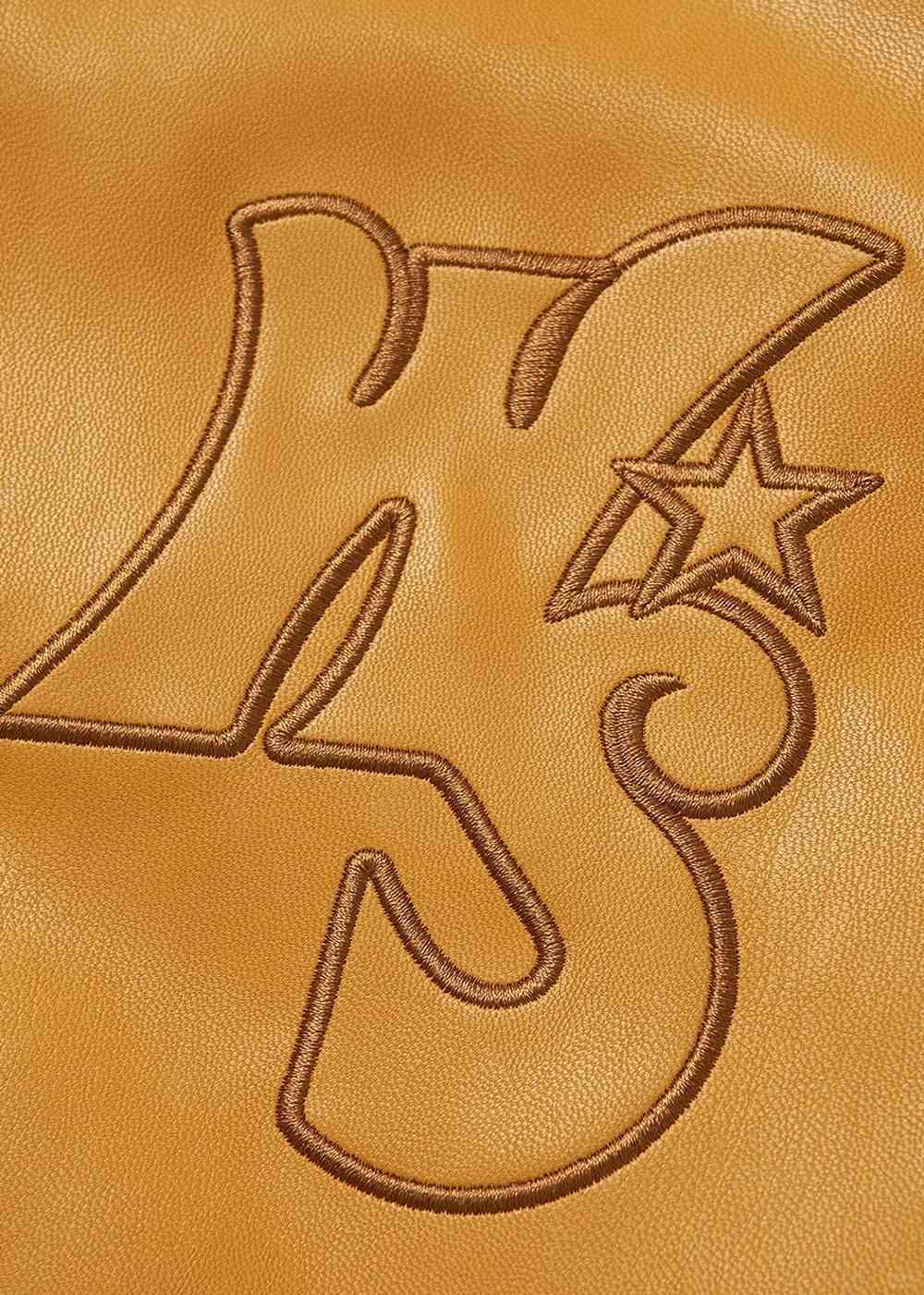
Chain-Stitch Embroidery for Heritage Aesthetics
Vintage chain-stitch technique delivers the authentic, hand-crafted look sought by heritage brands and retro collections. Single-thread looping creates fluid script, varsity lettering, and decorative borders with nostalgic character on knit polos and cardigans.
- Single-needle chain machines produce continuous looped stitches
- Works beautifully on fine-to-medium gauge cotton, wool, and blends
- Slightly less abrasion-resistant than lock-stitch; best for low-friction zones
- Excels at cursive scripts, outlines, and decorative flourishes down to 3 mm stroke width
Appliqué & Sequin for Mixed-Fabric Design
Combine embroidery with sewn-on fabric patches, leather labels, or sequin detailing for layered, high-fashion effects. Our appliqué workflow integrates laser-cut materials and multi-step stitching to elevate sweater vests, knit dresses, and statement pieces.
- Laser cutting and ultrasonic sealing prevent fabric-patch fraying
- Sequin feed attachments apply individual or continuous sequin lines
- Compatible with felt, faux leather, woven badges, and metallic foils
- Multi-step programming allows satin-stitch borders and decorative fill patterns
Custom Sweater Embroidery: CENWILD vs. Typical Suppliers
When you choose CENWILD for custom sweater embroidery, you work with a fully integrated manufacturer — not a job-shop or middleman. Compare what sets us apart from generic embroidery suppliers.
← 左右滑动查看 →
Custom Sweater Embroidery Production Flow
From design approval to export-ready garments, CENWILD’s in-house embroidery workflow ensures quality, precision, and on-time delivery for every custom sweater embroidery order.
Design & Embroidery Approval
Your sweater design and embroidery artwork are finalized. Our team reviews tech packs, confirms placement, thread colors, stitch types, and prepares digitization for embroidery programming.
Yarn Sourcing & Knit Sampling
We source premium yarn in your chosen fiber and color. A knit-down sample is produced on our computerized flat-knitting machines to validate construction, fit, and gauge.
Embroidery Design Digitization
Our embroidery specialists convert your artwork into machine-readable files, programming stitch density, underlay, and sequencing to ensure crisp, durable decoration on knitwear.
Embroidery Sample & Approval
The digitized design is embroidered onto a knit sample. You review thread color accuracy, placement, texture, and overall appearance before approving for bulk production.
Bulk Knitting & In-Line Embroidery
Production begins on our 3GG–14GG machines. Embroidery is applied in-line or post-knit, depending on technique, with real-time quality checks at every workstation across our Dongguan facility.
Finishing, Washing & Quality Control
Garments are linked, washed, softened, and inspected. Every embroidered sweater undergoes dimensional, color, and decoration QC to meet your specifications and our 28-year quality standards.
Packing & Export
Approved sweaters are individually folded, poly-bagged, carton-packed with your private labels and hang tags, and shipped via your preferred logistics partner or our export team.
How to Commission Custom Sweater Embroidery
From design submission to delivery, CENWILD guides you through every step of custom sweater embroidery production with low MOQ from 100 pieces and 28+ years of expertise.
Submit Your Design or Tech Pack
Send your logo, artwork, or tech pack. Vector files (AI, EPS, PDF) ensure the best embroidery precision. Our team reviews and confirms all specifications.
Receive Quote and Knit Sample
CENWILD provides a detailed quote and produces a knit-down sample with embroidery. Sampling typically completes within 7–14 days for your approval.
Approve Sample and Confirm Order
Review the sample for fit, stitch quality, and embroidery detail. Once approved, confirm your order with a deposit to begin bulk production.
Bulk Production and Quality Inspection
Your sweaters are knitted and embroidered in-house. Every piece undergoes strict quality control before final packing, ensuring consistent craftsmanship throughout the run.
Final Inspection and Shipment
After final inspection, your custom sweater embroidery order is packed and shipped. Full logistics support ensures on-time delivery to your destination worldwide.
Client Testimonials — Custom Sweater Embroidery Success Stories
CENWILD’s custom sweater embroidery exceeded our expectations. The 3D puff logo on our cardigans stayed flawless after 20+ washes, and they delivered samples in just 12 days. Their attention to detail made our launch seamless.
We needed only 150 embroidered sweaters for our winter collection. CENWILD’s low MOQ and competitive pricing made it possible to launch without overcommitting inventory, and the chain-stitch embroidery matched our tech pack perfectly.
The sequin and appliqué embroidery on our custom knitwear was flawless. CENWILD’s team replicated our intricate design with precision, and their 28 years of experience showed in every stitch. Production was smooth from start to finish.
FAQ — Custom Sweater Embroidery Questions
What is the minimum order quantity for custom sweater embroidery?
Can custom sweater embroidery be combined with intarsia or jacquard knit patterns?
What file formats do you need for custom sweater embroidery artwork?
What is the maximum embroidery design size and stitch count per sweater?
Which yarn types work best with custom sweater embroidery?
Can you do 3D puff embroidery on cashmere sweaters?
How do you ensure color fastness and wash durability for embroidered sweaters?
What is the typical lead time for custom sweater embroidery orders?
The Complete Buyer’s Guide to Custom Sweater Embroidery for Fashion Brands
Navigate sourcing decisions with confidence. This guide delivers a proven framework for evaluating suppliers, understanding embroidery techniques and materials, avoiding costly mistakes, and launching your custom knitwear line successfully.
1. What Is Custom Sweater Embroidery?
Custom sweater embroidery is a thread-based decoration technique that stitches designs — logos, monograms, text, or patterns — directly into the knit fabric using computerized multi-needle machines. Unlike screen printing, which applies ink onto the surface, or appliqué, which layers cut fabric pieces, embroidery penetrates the yarn structure with polyester or rayon thread, creating raised, tactile artwork that becomes integral to the garment.
Fashion brands choose embroidery for three primary reasons: durability, perceived value, and texture. A well-executed embroidered logo withstands 50+ industrial wash cycles without fading or cracking, far outlasting most prints. The dimensional, handcrafted appearance signals premium positioning — wholesale buyers associate embroidery with higher price points and longer product lifecycles.
Thread count, stitch density (typically 4,000–10,000 stitches per design), and backing stabilization determine final quality. CENWILD’s flat, 3D puff, chain-stitch, sequin, and patch embroidery options allow brands to match decoration style to target market, from minimalist merino pullovers with tonal monograms to statement Christmas sweaters with multi-color appliqué patches.
2. Evolution and History of Embroidered Knitwear
Hand-embroidered knitwear dates back centuries, with Aran fishermen’s sweaters from Ireland’s west coast and Fair Isle patterns from Scotland’s Shetland Islands establishing the foundation for decorative knit traditions. These heritage pieces relied on skilled artisans stitching family crests, initials, and symbols directly onto wool garments, a labor-intensive process that limited production scale.
The 1950s brought varsity letterman jackets into American high schools and colleges, popularizing chenille patch embroidery on wool-blend cardigans and establishing custom sweater embroidery as a mark of team identity and achievement. By the 1980s luxury fashion houses — including Italian and French labels — adopted embroidered logos and monograms on cashmere and merino knitwear, elevating the technique from utilitarian decoration to high-fashion branding.
Computerized multi-head embroidery machines emerged in the 1990s, slashing setup times from hours to minutes and enabling precise replication of complex logos at scale. Today manufacturers like CENWILD run digital embroidery systems that support flat, 3D puff, chain-stitch, appliqué, sequin, and patch techniques with MOQs as low as 100 pieces, making custom sweater embroidery accessible to independent designers and startup brands worldwide.
3. Types of Custom Sweater Embroidery Techniques
Custom sweater embroidery spans six primary techniques, each delivering distinct visual impact, durability, and cost. Choosing the right method depends on logo complexity, fabric weight, and brand positioning.
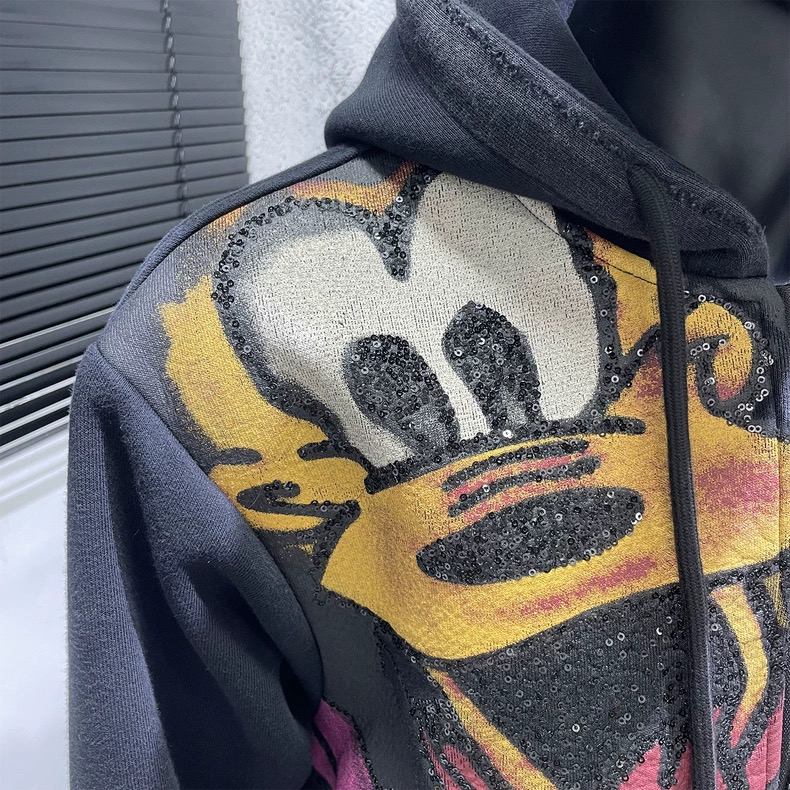
Flat Embroidery
Flat embroidery uses standard thread density to produce clean, professional logos and text on any knit gauge. It works across cashmere, merino, cotton, and acrylic without distorting the fabric.
Cost runs $0.15–$0.40 per 1,000 stitches. Best for chest logos, sleeve badges, and repeating brand marks on cardigans and pullovers.
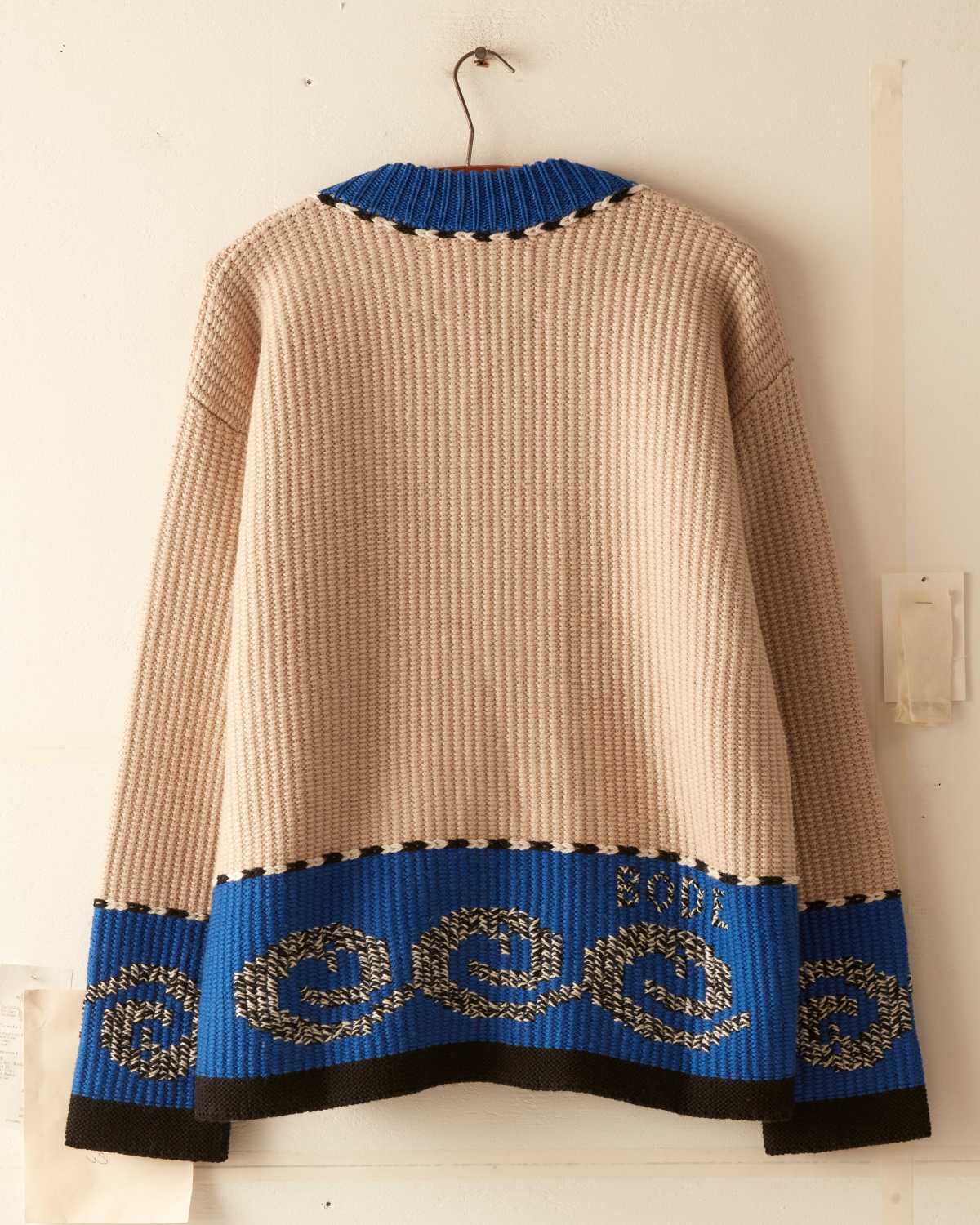
3D Puff Embroidery
3D puff embroidery layers foam under thread to create raised, tactile logos. The foam compresses slightly during stitching, leaving a bold, athletic look popular in streetwear and sports collections.
It adds $0.05–$0.10 per piece over flat work. Ideal for heavyweight cotton and acrylic sweaters; avoid fine-gauge cashmere where foam may show through.
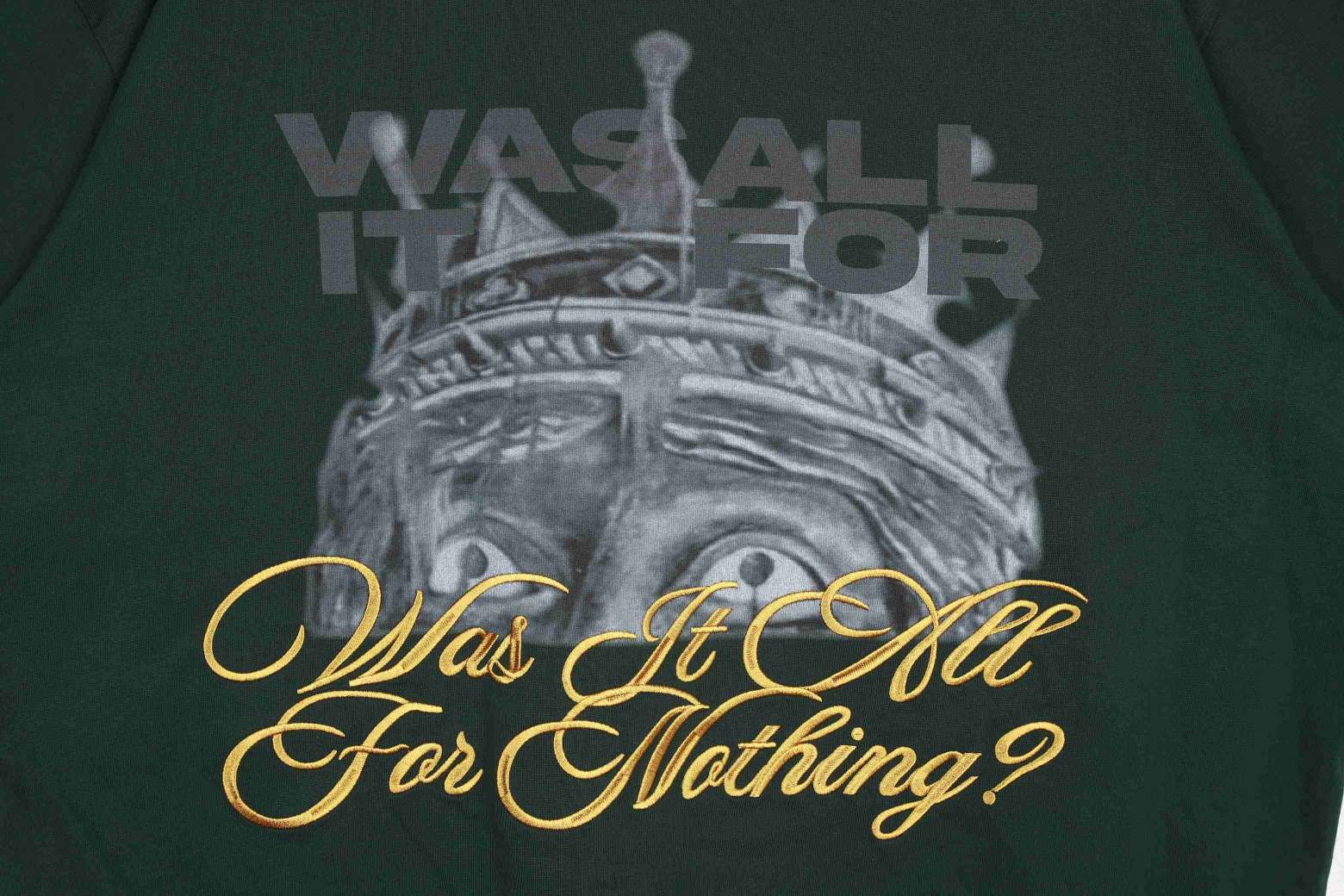
Appliqué Embroidery
Appliqué bonds fabric patches — felt, twill, or chenille — onto the sweater base, then secures edges with satin or zigzag stitching. It reduces stitch count for large designs, cutting production time and thread cost.
Typical cost is $0.50–$1.20 per appliqué piece. Best for varsity-style letters, oversized crests, and decorative panels on knit vests and jumpers.
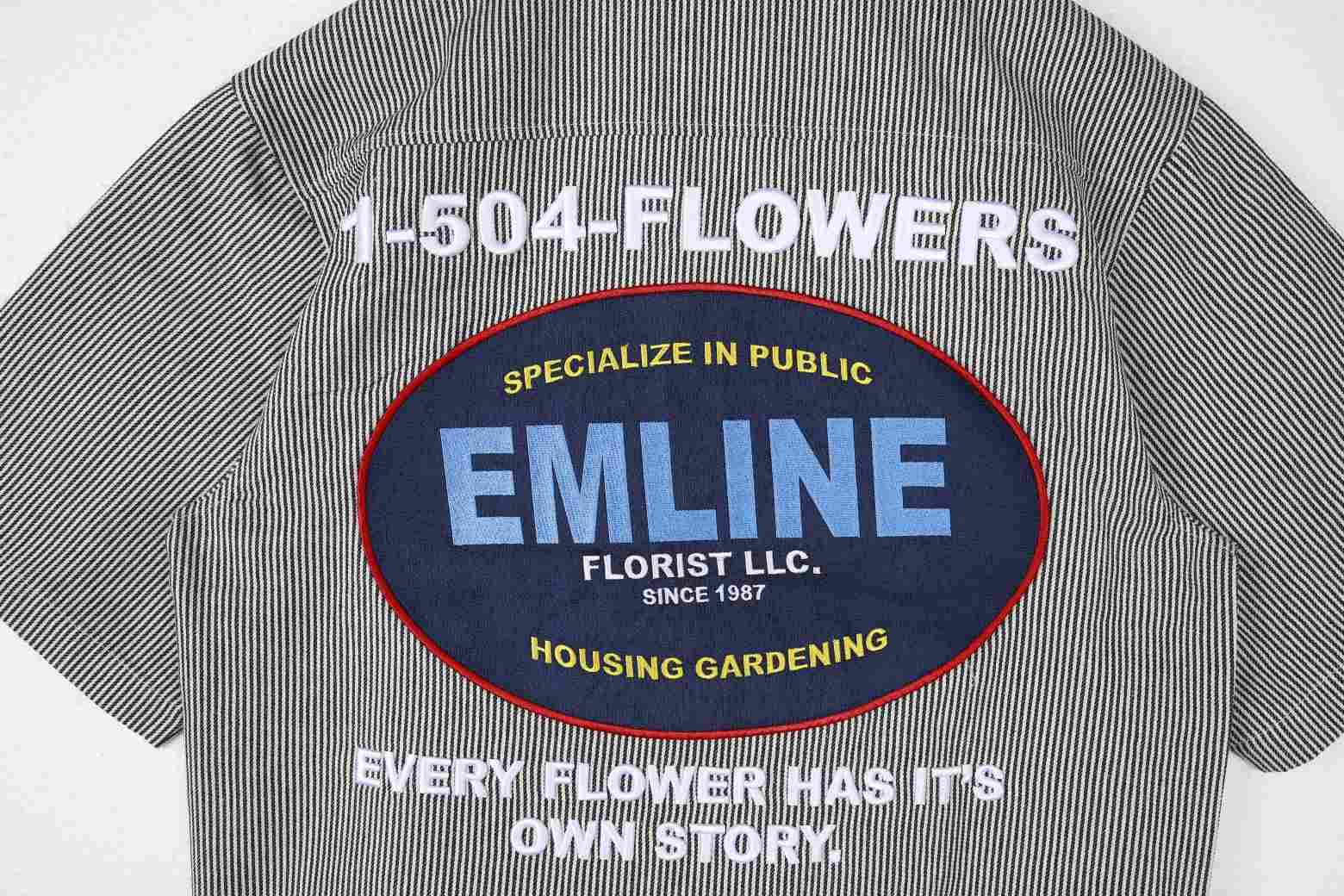
Chain-Stitch Embroidery
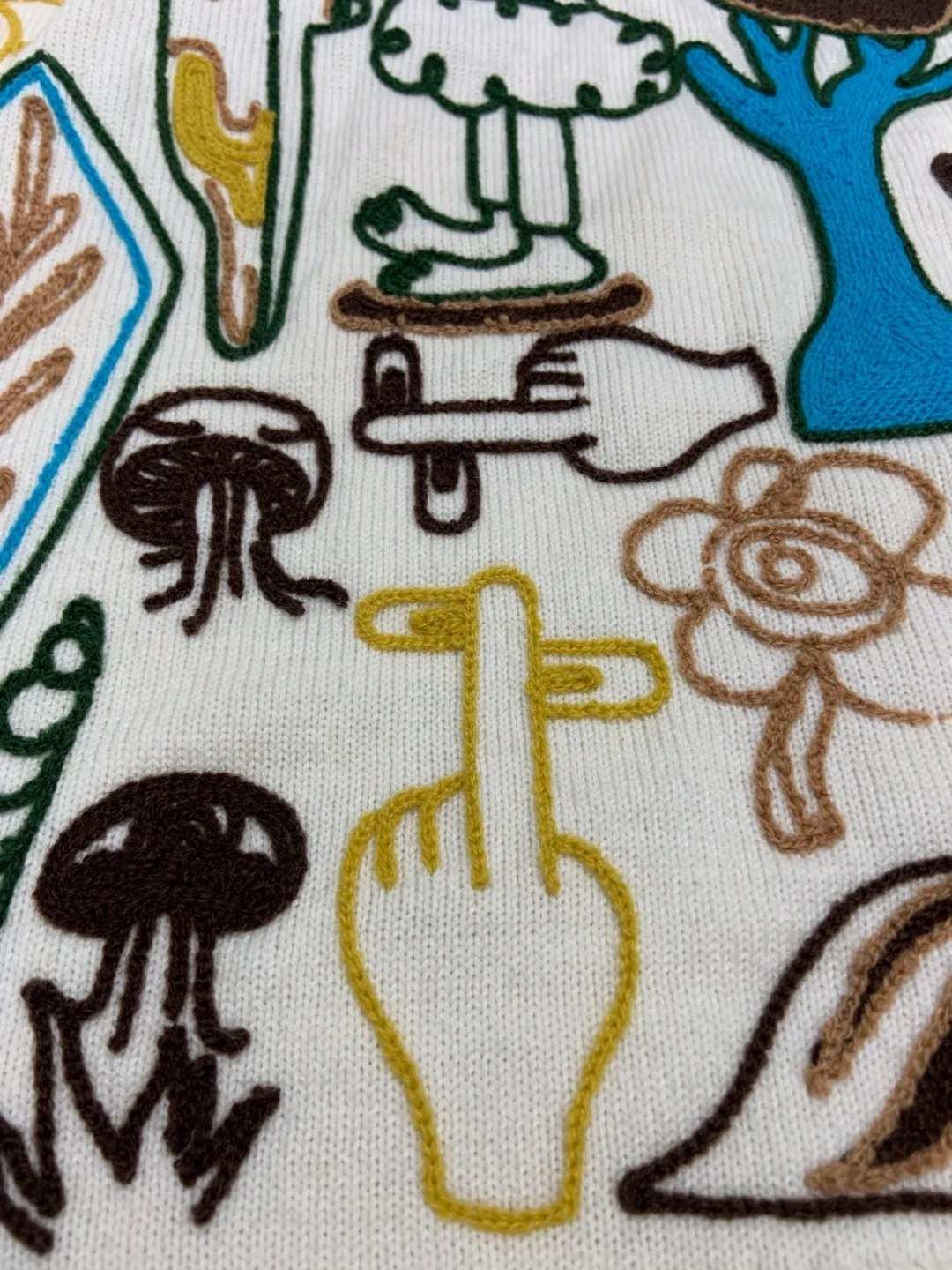
Chain-stitch embroidery forms looped, rope-like lines that mimic hand-stitched vintage detail. It suits script monograms, decorative borders, and retro collegiate branding on lightweight knits.
Pricing mirrors flat embroidery but requires specialized single-needle machines. Works best on stable cotton and wool blends; stretchy fabrics may pucker.
4. Materials and Fabrics for Custom Sweater Embroidery
Fabric choice directly impacts embroidery quality, durability, and final appearance. CENWILD works with cashmere, merino wool, lambswool, cotton, acrylic, and blends across 3GG–14GG gauges, each requiring specific stabilizer and tension settings to prevent puckering or distortion on stretchy knits.
| Fabric Type | GSM Range | Embroidery Compatibility | Stretch Behavior | Typical End Use |
|---|---|---|---|---|
| Merino wool | 200–280 | Good | Moderate stretch | Premium casualwear |
| Cashmere blend | 180–250 | Fair (needs stabilizer) | High stretch | Luxury, gifts |
| Lambswool | 220–300 | Excellent | Low stretch | Heritage, workwear |
| Cotton fleece | 280–400 | Excellent | Low–moderate | Activewear, streetwear |
| Acrylic | 200–320 | Excellent | Low stretch | Budget, promotional |
| Cotton-poly blend | 240–350 | Excellent | Low–moderate | Corporate, uniforms |
Fabric-Embroidery Compatibility Overview
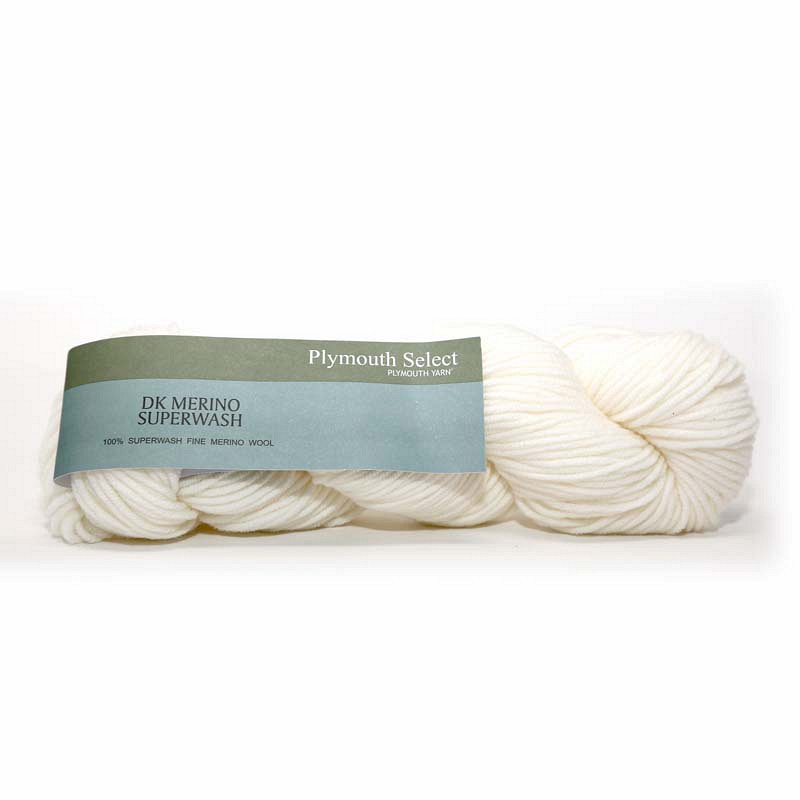
Heavier, tighter knits (7GG–14GG, 250–400 GSM) hold embroidery with minimal puckering; fine-gauge luxury knits (3GG–5GG, 180–250 GSM) demand cut-away or tear-away stabilizers and reduced stitch density. Cotton and cotton-poly blends offer excellent hoop stability, while high-stretch merino and cashmere require water-soluble topping and backing to prevent fabric distortion.
CENWILD’s design team pre-tests stitch files on knit-down swatches in the client’s chosen yarn, adjusting underlay, pull compensation, and density before full production to ensure every logo sits flat and registers cleanly across all garment sizes.
5. Customization and Decoration Options Beyond Embroidery
Custom sweater embroidery rarely works alone. Fashion brands layer multiple decoration techniques to achieve premium, multi-dimensional branding that stands out on retail shelves and social feeds.
| Technique | Setup Cost | Durability | Typical MOQ |
|---|---|---|---|
| Embroidery | Medium | Excellent | 100 pcs |
| Screen Print | Low–Medium | Good | 200 pcs |
| Heat Transfer | Low | Fair | 100 pcs |
| Woven Label | Medium | Excellent | 500 pcs |
| Jacquard Knit-In | High | Excellent | 300 pcs |
Printing Methods for Large Graphics
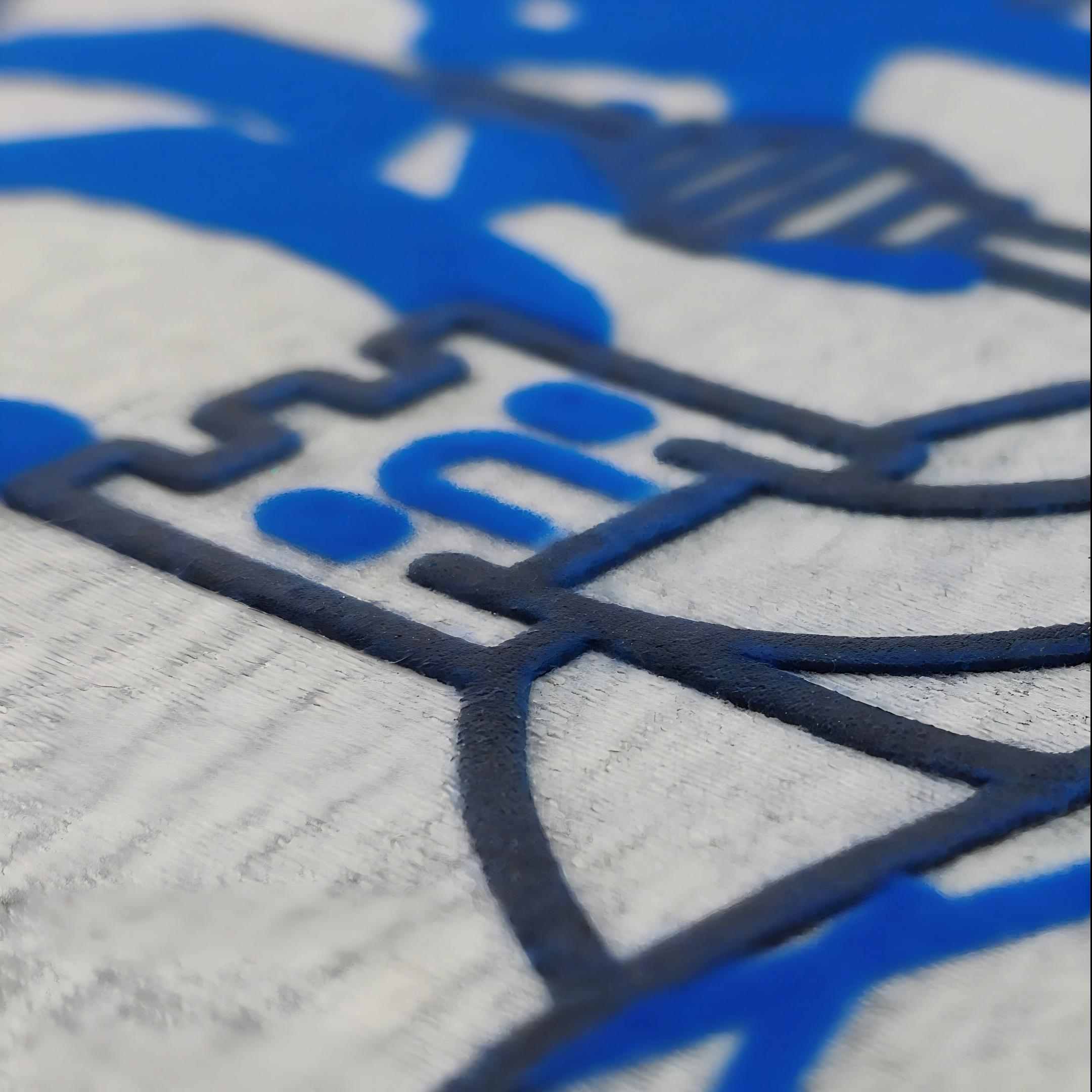
Screen printing delivers bold, opaque graphics on sweater sleeves, backs, and hems where embroidery would be too stiff. Heat transfer and DTF (direct-to-film) handle full-color photographic artwork and gradients that embroidery cannot replicate.
Combine an embroidered chest logo with a printed sleeve graphic to balance texture and visual impact without excessive weight.
Woven Labels and Leather Patches
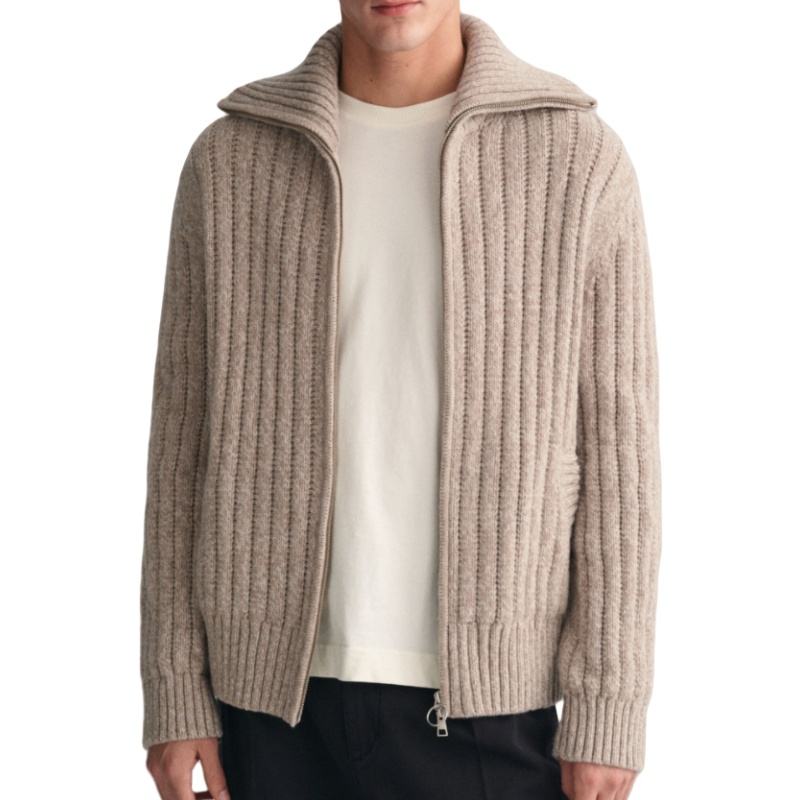
Woven damask labels sewn onto hems or sleeves add luxury branding with fine thread detail. Leather or PU patches debossed with logos create heritage, workwear, or outdoor aesthetics popular in streetwear and premium casual lines.
Jacquard Knit-In Patterns and Beading
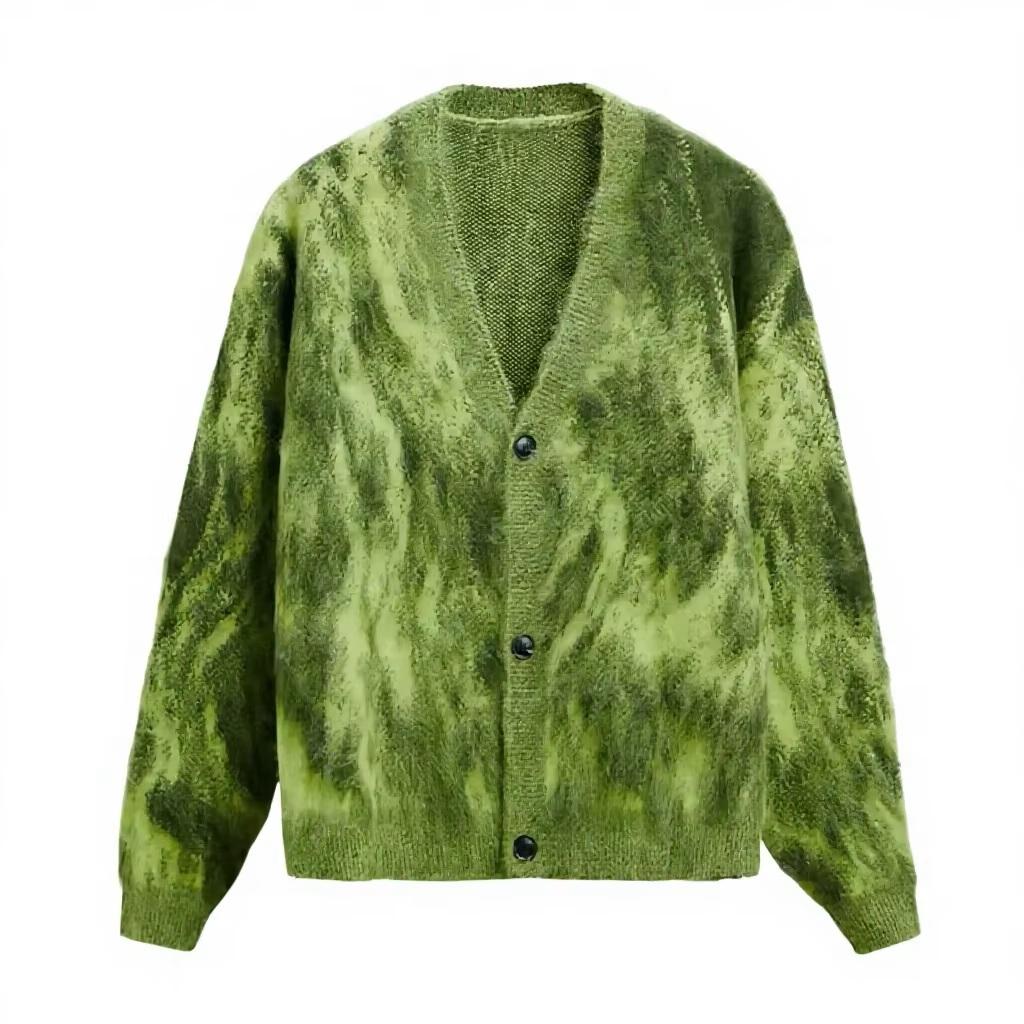
Jacquard and intarsia weave patterns directly into the knit structure during production, eliminating surface decoration entirely. Beading, sequins, and appliqué add sparkle for evening, holiday, or influencer capsules, often paired with embroidered monograms for layered luxury.
6. Key Quality Elements in Custom Sweater Embroidery
Professional custom sweater embroidery demands rigorous quality checkpoints beyond visual appeal. Buyers must inspect thread density, stabilizer integrity, registration accuracy on stretch fabrics, and wash-fastness to ensure commercial durability and brand reputation.
Thread Type and Quality
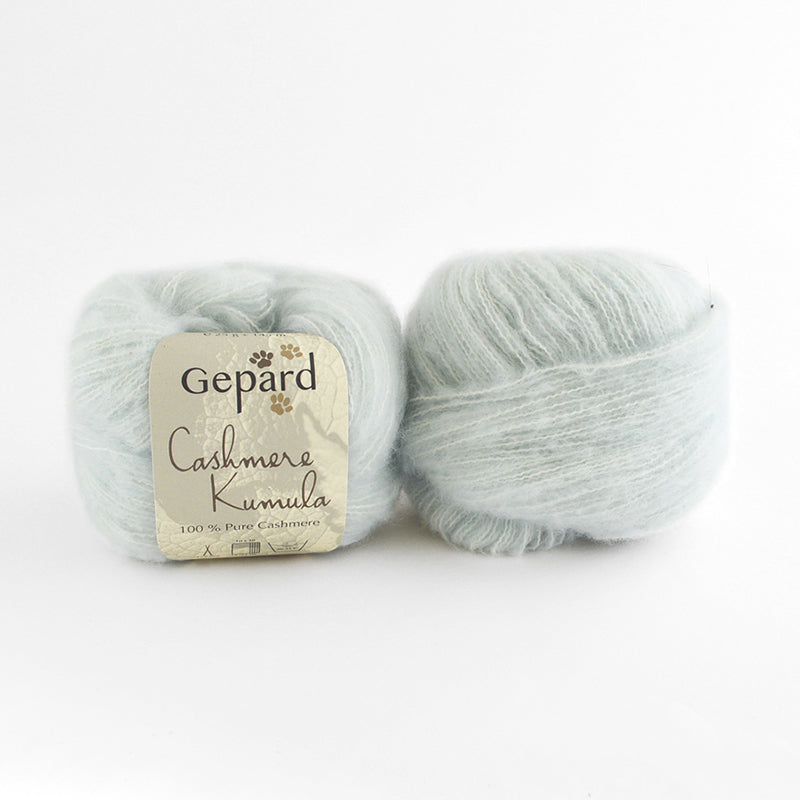
Rayon delivers superior sheen and softness, ideal for premium fashion labels, but fades faster under UV and chlorine. Polyester offers better colorfastness and tensile strength, preferred for activewear and frequent-wash pieces. Metallic threads add luxury but require lower machine speeds and careful tension.
CENWILD specifies thread weight (typically 40wt or 60wt) and brand (Madeira, Gunold, Isacord) in tech packs to guarantee consistent color matching and minimal breakage across production runs.
Digitizing Precision and Stitch Density
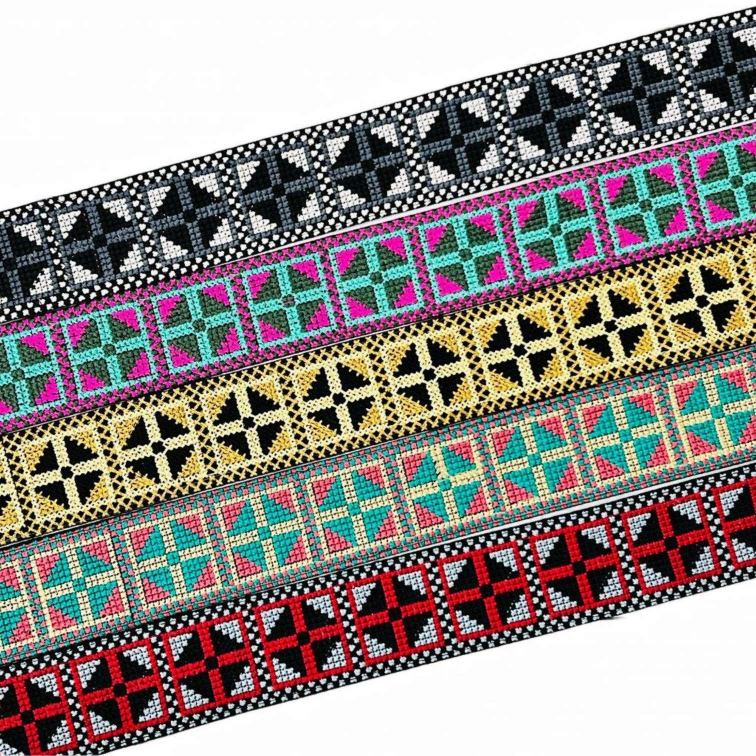
Stitch density between 0.4–0.6 mm balances coverage and fabric flexibility; denser fills risk puckering on lightweight knits, while sparse stitching exposes backing. Professional digitizers adjust underlay stitching, pull compensation (typically 0.2–0.5 mm), and stitch angles to accommodate knit stretch.
CENWILD’s design team programs 3D puff embroidery with foam height and column-stitch paths, ensuring registration stays accurate even after garment washing and wear.
Stabilizer and Backing Integrity
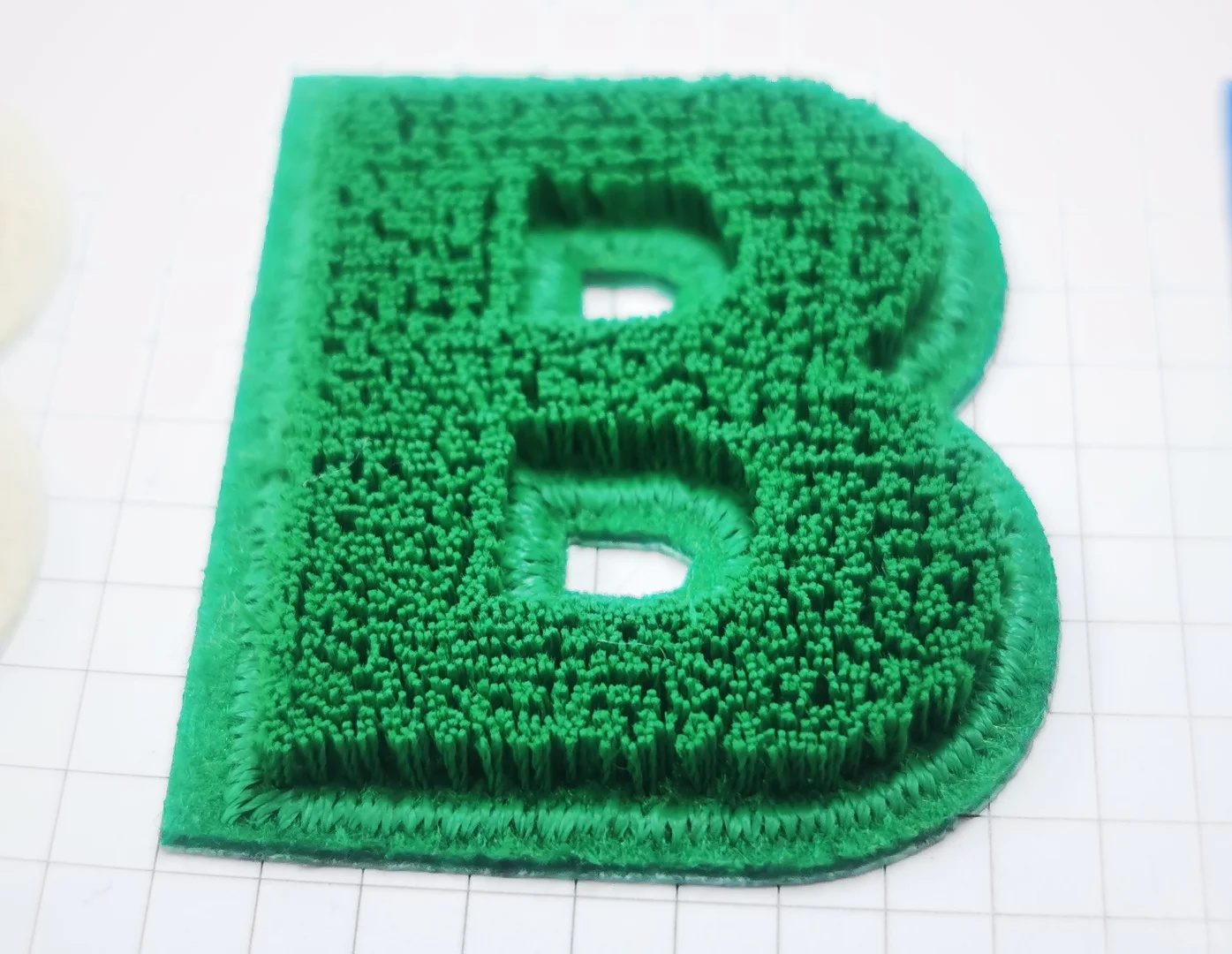
Cut-away stabilizers remain permanently behind embroidery on stretch knits, preventing distortion; tear-away types suit stable wovens but can compromise knit recovery. Water-soluble toppers prevent stitches from sinking into high-pile or looped fabrics like cable knits.
CENWILD applies multiple stabilizer layers (typically 1.5–2.5 oz weight) for dense logos and inspects backing edges to ensure no raw stabilizer protrudes beyond the embroidery footprint, which would irritate skin or fray in wash.
Wash-Fastness and Durability Testing
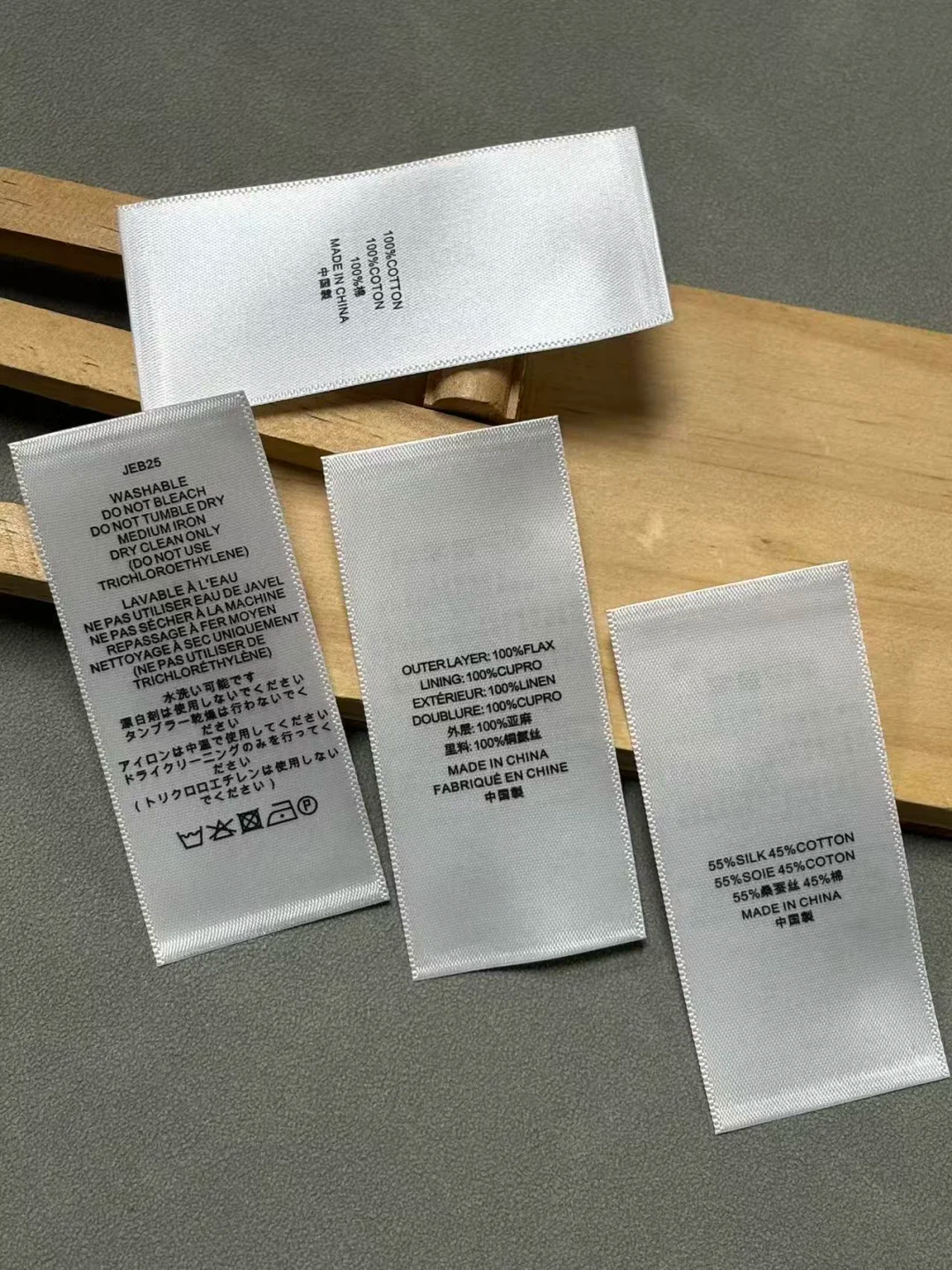
Commercial embroidery must survive 50+ industrial wash cycles without thread fray, color bleed, or logo distortion. CENWILD conducts garment-dye compatibility tests when embroidery precedes dyeing, and anti-pilling enzyme washes to confirm thread lock-stitch integrity.
Colorfastness testing follows ISO 105 standards (grade 4 minimum), and stretch-recovery checks ensure embroidered zones return to original dimensions after 10% elongation, critical for ribbed cuffs and necklines.
Seam and Edge Finishing Standards
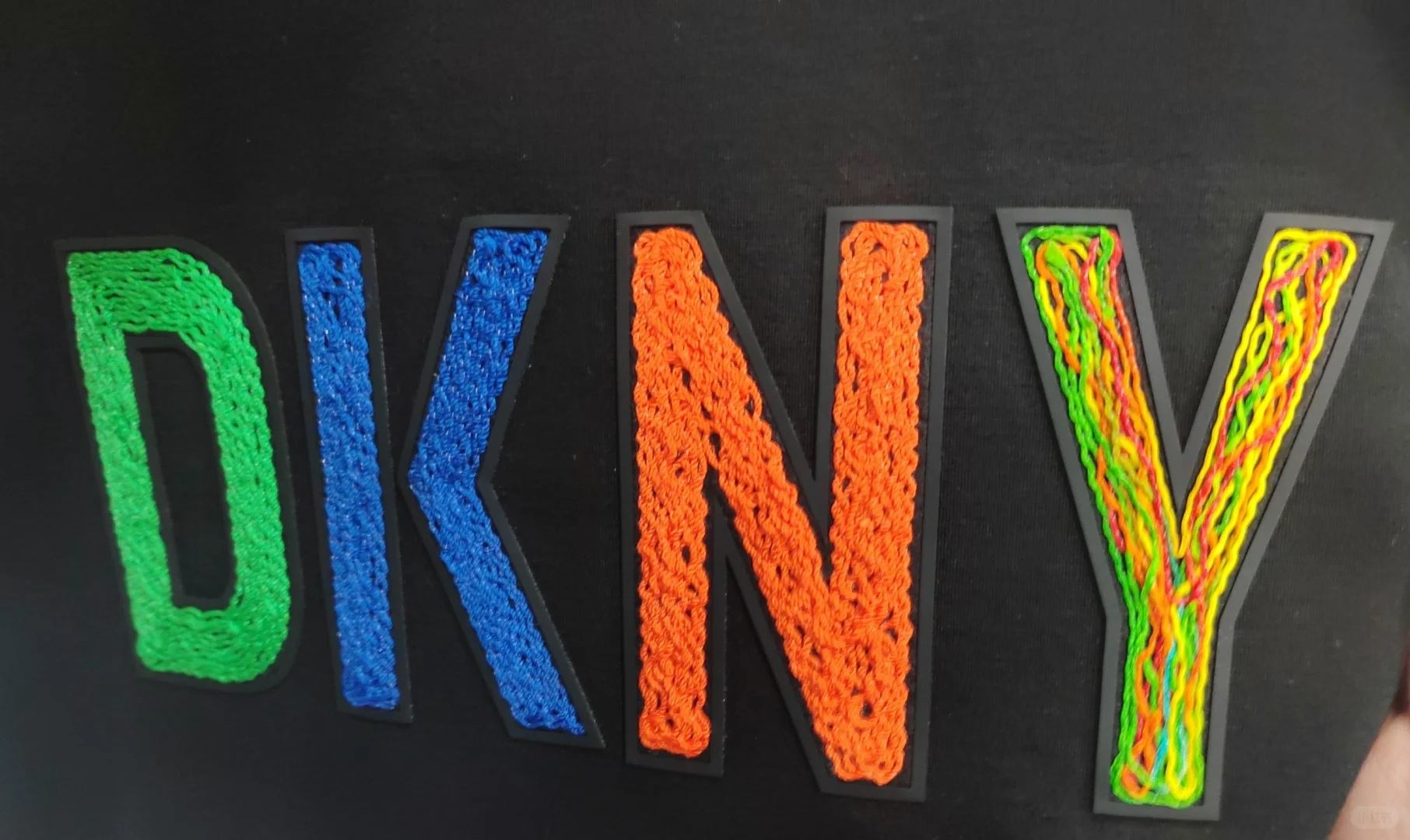
Professional manufacturers trim jump-stitches and tie off thread tails inside the garment, then heat-seal or lock ends to prevent unraveling. Edge satin-stitching (0.3–0.5 mm density) encapsulates raw appliqué edges and prevents fraying.
CENWILD’s QC inspects every embroidered piece under task lighting for loose threads, skipped stitches, and registration shifts before final steam-pressing and packaging, ensuring zero defects reach the buyer.
7. How to Choose a Custom Sweater Embroidery Manufacturer
Selecting the right partner for custom sweater embroidery requires evaluating technical capabilities, quality systems, and operational flexibility. A manufacturer’s machine technology, portfolio depth, certifications, and MOQ policies reveal whether they can scale with your brand.
Production Capacity and Lead Times
Monthly capacity above 50,000 pieces signals stable workflows and supplier networks. CENWILD operates over 80,000 pieces per month across 3GG–14GG gauges, supporting both seasonal launches and year-round replenishment.
Typical lead times run 25–35 days for knit-down sampling and 45–60 days for bulk production; factories quoting under 30 days for full orders often compromise finishing or skip pre-production samples.
Embroidery Machine Technology
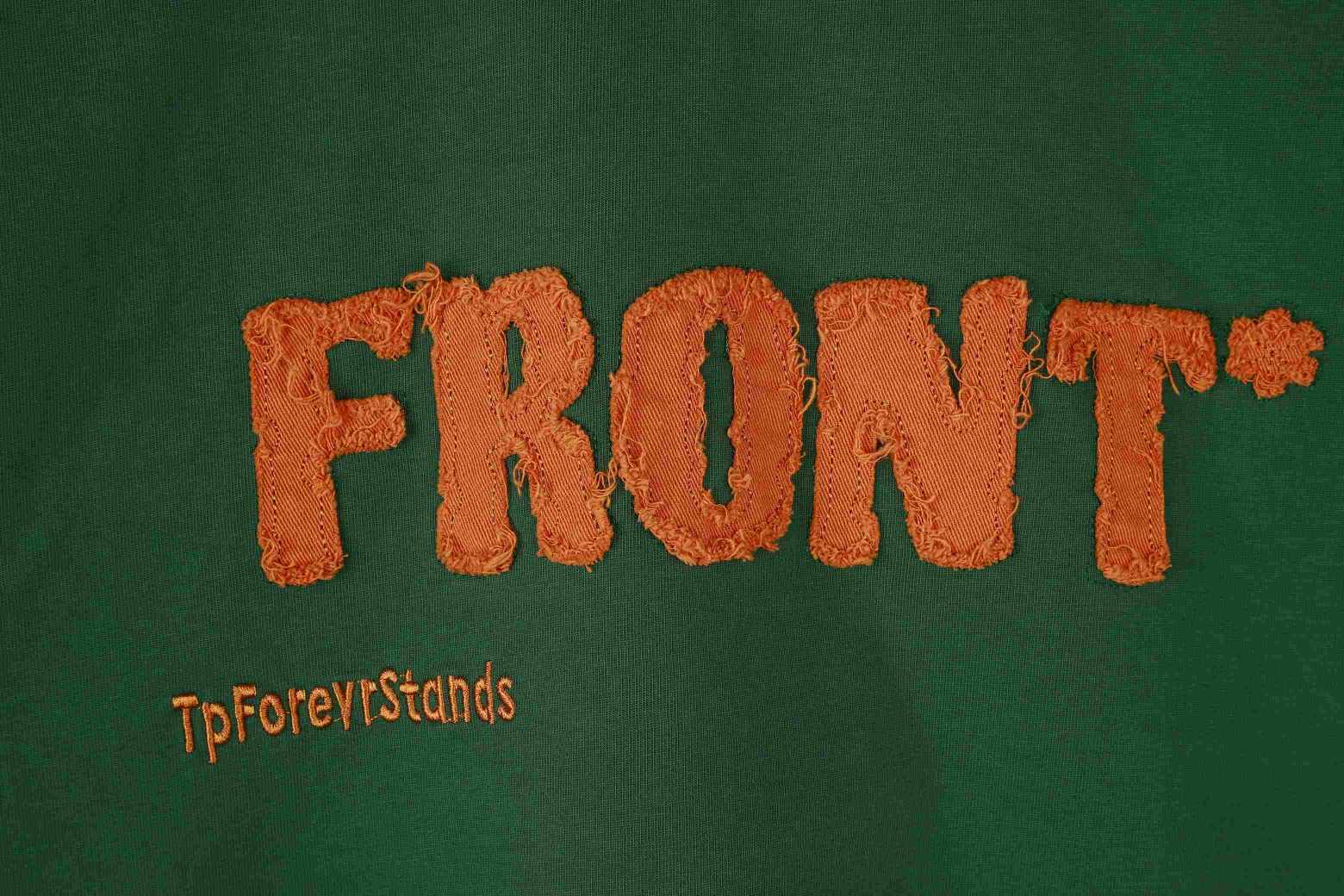
Multi-head computerized embroidery machines (12+ heads) ensure consistent stitch density and reduce per-piece time. Speed ratings of 800–1,000 stitches per minute balance quality with throughput.
Red flag: factories offering only single-head or manual chain-stitch machines struggle with logo precision and cannot handle orders above 500 pieces efficiently.
Portfolio, Samples, and Certifications
Request knit-down samples in your yarn and stitch structure before committing. Review past work for stitch clarity, color matching, and trim finishing.
OEKO-TEX, WRAP, and ISO certifications confirm chemical safety, labor standards, and process control — non-negotiable for U.S. and EU retail compliance.
MOQ Flexibility and Payment Terms
Startups need MOQs under 200 pieces per style; CENWILD starts at 100 pieces and supports PayPal, T/T, and credit card. Deposit structures should ease as volume grows — 100% upfront on first orders, dropping to 30–50% for repeat partners.
8. Common Mistakes Buyers Make with Custom Sweater Embroidery
Even experienced buyers encounter costly setbacks when ordering custom sweater embroidery for the first time. Understanding common pitfalls — and their corrections — protects both budgets and brand reputation.
Choosing Artwork Too Detailed for Knit
Fine lines, tiny text, and intricate gradients that work on woven fabrics often fail on knit substrates. Stitches sink into loops, edges blur, and legibility suffers.
Simplify logos to bold outlines, limit small fonts to 6 mm minimum cap height, and use solid fills instead of complex shading. CENWILD’s design team reviews artwork during sampling to flag detail issues before production.
Ignoring Fabric Stretch and Distortion
Embroidery digitized for stable wovens will pucker or warp when applied to ribbed cuffs, necklines, or high-stretch blends. The fabric pulls under the hoop, distorting registration.
Specify underlay stitches, reduce density on stretch zones, and request a knit-down sample with embroidery in place. Proper digitizing compensates for fabric movement during hooping and wear.
Skipping Physical Samples Before Bulk
Approving embroidery from digital mock-ups alone hides thread sheen, stitch density, and hand-feel. What looks crisp on-screen may feel stiff or misaligned on the actual garment.
Always order a physical sample — CENWILD produces knit-down prototypes with final embroidery, trims, and washing — before committing to bulk orders of hundreds or thousands of pieces.
Underestimating Digitizing and Setup Costs
First-time buyers often overlook one-time digitizing fees (typically $50–150 per design) and per-head setup charges. Multi-position or multi-color embroidery multiplies these costs quickly.
Budget setup fees into your first order and reuse digitized files across future colorways to amortize the expense. Transparent manufacturers like CENWILD quote all fees upfront, avoiding surprise invoices at production.
Neglecting Wash-Care Instructions
Embroidered knitwear requires gentler care than plain sweaters. High-heat tumble drying can melt polyester threads, and aggressive agitation frays edges.
Request garment-dyed or pre-washed samples to verify colorfastness, and include clear care labels specifying cold wash, low tumble, or hand-wash only. CENWILD applies anti-pilling and softening finishes to extend embroidered garment life.
9. Steps to Launch Your Custom Sweater Embroidery Line
Launching a custom sweater embroidery line requires a clear sequence from concept to shipment. Each stage carries specific timeline expectations and deliverables that determine your speed to market and production success.
Define Brand Aesthetic and Target Customer
Identify your audience demographics, price tier, and design language before contacting manufacturers. A clear creative direction — preppy collegiate, minimalist luxury, streetwear graphics — guides yarn selection, gauge, and embroidery complexity.
Allocate 1–2 weeks for mood boards, competitor analysis, and initial style sketches. CENWILD’s design team can translate rough concepts into knit-ready tech packs if you lack in-house development resources.
Prepare Embroidery-Ready Artwork
Supply vector files (AI, EPS, or high-res PDF) with stitch counts, thread colors (Pantone references), and placement specs. Flat embroidery typically supports up to 15,000 stitches per design; 3D puff adds 2–3 mm relief and requires underlay programming.
Expect artwork digitization to take 2–3 business days. Confirm thread type — rayon for sheen, polyester for durability — and backing stabilizer weight with your manufacturer.
Request and Evaluate Samples
Order knit-down samples in your chosen yarn, gauge, and embroidery to verify hand-feel, color match, and stitch registration. Sample lead time ranges from 10–15 days for standard constructions to 20 days for complex intarsia or multi-technique decoration.
CENWILD’s 100-piece MOQ allows first-time buyers to test market response without heavy inventory risk. Approve fit, weight, and embroidery density before scaling.
Negotiate Pricing, MOQs, and Payment Terms
Clarify per-piece cost, embroidery surcharges (typically $0.80–$2.50 per placement), and deposit structure. CENWILD requires 100% deposit on initial orders, easing to 30% for established partners, with balance due before shipment.
Confirm accepted payment methods — T/T, PayPal, credit card, USDT — and any currency-specific channels such as VTB Bank for Russian clients.
Place Your First Production Order
Submit final tech packs, size-run breakdowns, and PO. Bulk production spans 25–35 days after deposit and sample approval. Lock colorways, trims, and packaging specs in writing to avoid mid-run changes that delay shipment.
Schedule a pre-production meeting to review grading, label placement, and any custom hangtags or polybags.
Plan Quality Control and Logistics
Arrange third-party inspection or request detailed QC photos at 50% and final stages. CENWILD’s in-house QC checks stitch integrity, embroidery registration, measurements, and packaging before export.
Shipping via express (DHL, FedEx, 5–7 days) or sea freight (20–35 days) depends on order volume and launch deadlines. Confirm Incoterms (FOB, CIF, DDP) and any import duties in your destination market.
10. Pricing and Cost Structure for Custom Sweater Embroidery
Base sweater cost for custom sweater embroidery typically ranges from $12–$28 per piece depending on fiber content, with acrylic blends at the lower end and cashmere or merino wool commanding premium pricing. Setup fees for embroidery digitizing run $30–$80 per design, amortized across the order quantity, while per-unit embroidery cost scales with stitch count: left-chest logos average 5,000–8,000 stitches at $2–$4 per piece, full-back designs reach 15,000–25,000 stitches at $8–$15, and sleeve placements fall in the 3,000–6,000 range at $1.50–$3.
Thread color count directly impacts cost—each additional color beyond the first adds $0.50–$1.00 per unit due to machine changeovers. Fabric type also affects pricing: dense knits like cable or jacquard require slower stitch speeds and stabilizer backing, adding 15–25% to embroidery labor. CENWILD’s MOQ of 100 pieces enables smaller brands to access factory pricing, with total landed cost per sweater (including embroidery) dropping 20–30% as order volume moves from 100 to 1,000+ units.
| Quantity Tier | Base Sweater Cost | Setup Fee (per design) | Embroidery Cost/Unit | Total Landed Cost/Unit |
|---|---|---|---|---|
| 100 pcs | $18–$28 | $50–$80 | $3–$6 | $21–$34 |
| 500 pcs | $15–$24 | $50–$80 (amortized) | $2.50–$5 | $17.60–$29.16 |
| 1,000 pcs | $13–$22 | $50–$80 (amortized) | $2–$4 | $15.05–$26.08 |
| 2,500+ pcs | $12–$20 | $50–$80 (amortized) | $1.50–$3.50 | $13.52–$23.53 |
Get Your Custom Sweater Embroidery Quote Today
Send your artwork, tech pack, or design brief now. Fast turnaround, low MOQ from 100 pieces, and full design support included.