
Fully Fashioned Knitwear: Shaped-to-Form Sweaters with Zero Cut Edges
CENWILD manufactures fully fashioned knitwear with seamless shaping, superior fit, and minimal waste — custom OEM/ODM production from 100 pieces, backed by 28+ years of expertise.
Fully Fashioned Knitwear Samples & Finished Pieces

What Makes Fully Fashioned Knitwear Distinctive
Zero Cut Edges
Every panel is knit to its final shape on computerized flat-knitting machines, eliminating raw edges and fabric waste entirely.
Superior Fit & Drape
Shaping happens during knitting, so garments follow body contours naturally and hold their silhouette wear after wear.
Enhanced Durability
Seamless construction and shaped panels reduce stress points, extending garment life and resisting deformation over time.
Design Flexibility
Intarsia, jacquard, cables, and custom stitch patterns integrate seamlessly into shaped panels for limitless creative expression.
Premium Market Positioning
Fully fashioned knitwear signals craftsmanship and quality, justifying higher retail price points and elevating brand perception.
Reduced Material Waste
Because each piece is knit to shape, yarn usage is optimized and cutting-room waste is eliminated completely.
Explore CENWILD’s Full Knitwear Technique Portfolio
Knitting Techniques
Compare the full spectrum of knitting techniques CENWILD masters across computerized flat-knitting and hand methods. From fully fashioned and intarsia to jacquard, cable, ribbed, and pointelle, we help brands select the right construction for design intent, cost, and production scale. 28+ years of Dongguan expertise means every technique is production-ready and quality-assured.
Get a Quote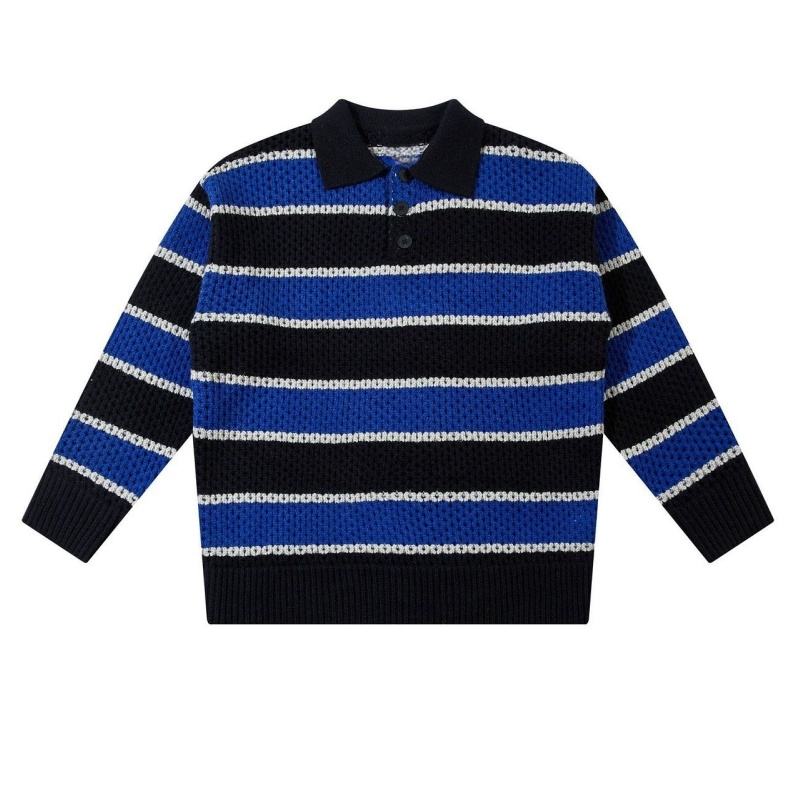
Intarsia Knitting
Intarsia knitwear creates bold, multi-color patterns knitted directly into the fabric without floats on the reverse, ideal for logos, color-blocking, and graphic storytelling. CENWILD programs every intarsia design in-house, produces knit-down samples, and manufactures at scale from 100 pieces. Perfect for private label collections that demand standout visual impact and clean inside finishing.
Get a Quote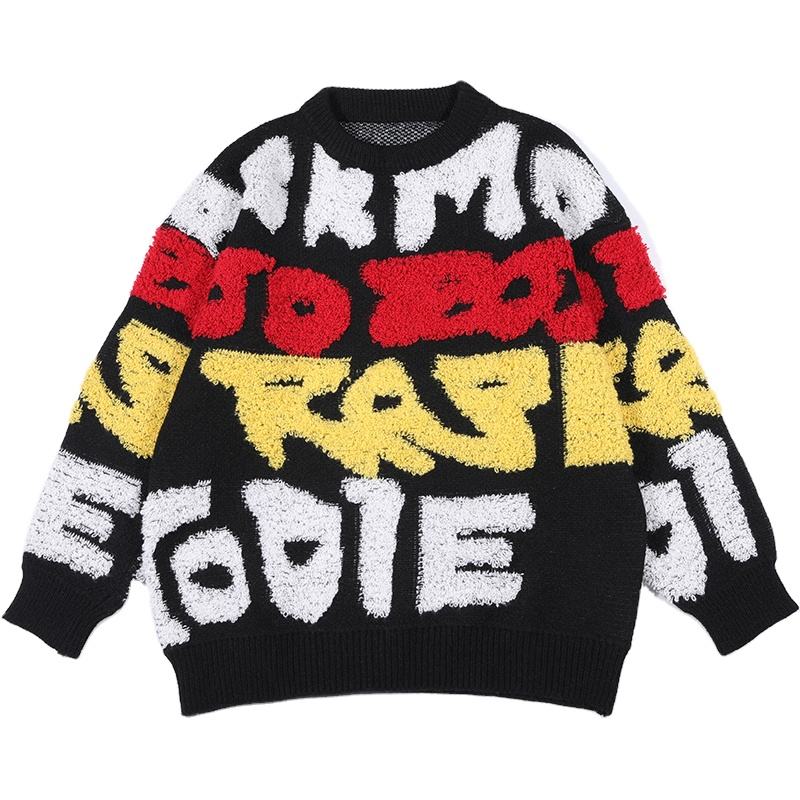
Jacquard Knitting
Jacquard knit sweaters deliver intricate, all-over patterns and textures using multiple yarn feeds, with floats carried on the reverse. Our computerized flat-knit machines handle complex Fair Isle, Nordic, and geometric designs across 3GG to 14GG gauges. CENWILD’s ODM team translates artwork into knit-ready programs, ensuring pattern repeat accuracy and color consistency in every production run.
Get a Quote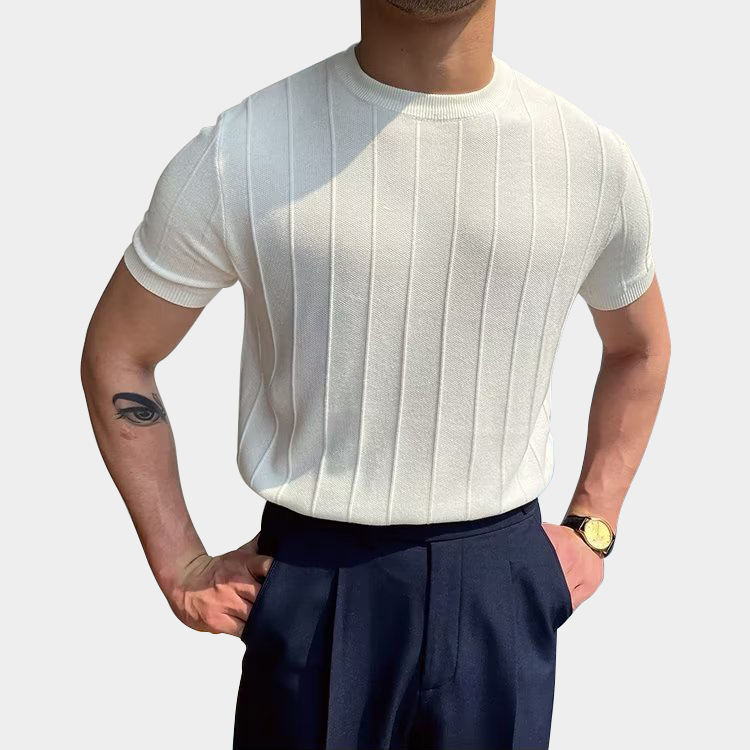
Cable Knit
Cable knit sweater manufacturing requires precision in stitch transfer, tension control, and fully fashioned shaping to preserve the sculptural integrity of braids, twists, and ribs. CENWILD produces classic and contemporary cable designs in wool, cashmere, cotton, and blends, with in-house sampling and grading. MOQ from 100 pieces makes cable knitwear accessible for independent designers and seasonal capsules alike.
Get a Quote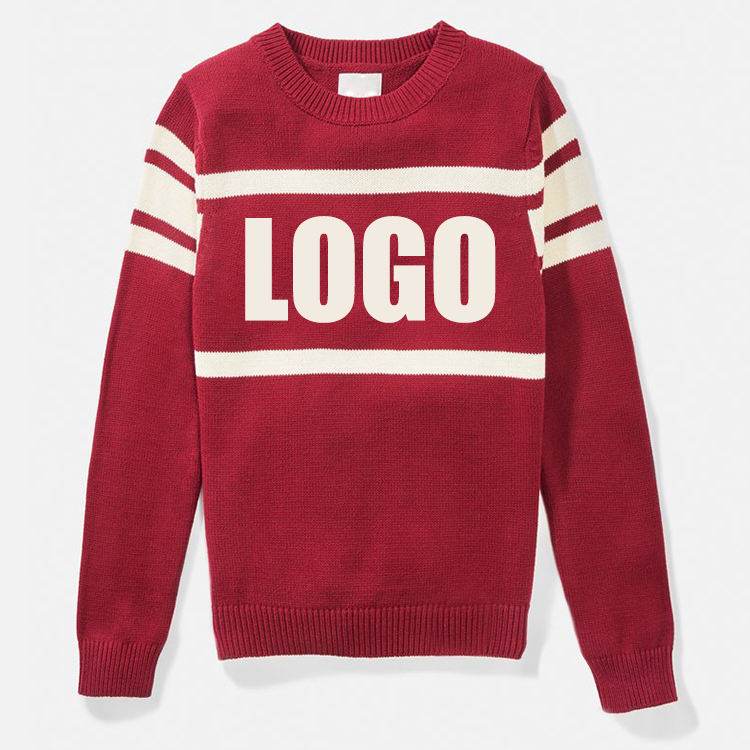
Ribbed Knit
Ribbed knit sweaters combine elasticity, structure, and timeless texture, used for full garments or as trims on cuffs, hems, and collars. CENWILD knits 1×1, 2×2, and custom rib configurations across all gauges, in pure and blended yarns. Our OEM and private label services include rib engineering for fit retention, wash stability, and consistent recovery across men’s, women’s, and children’s styles.
Get a Quote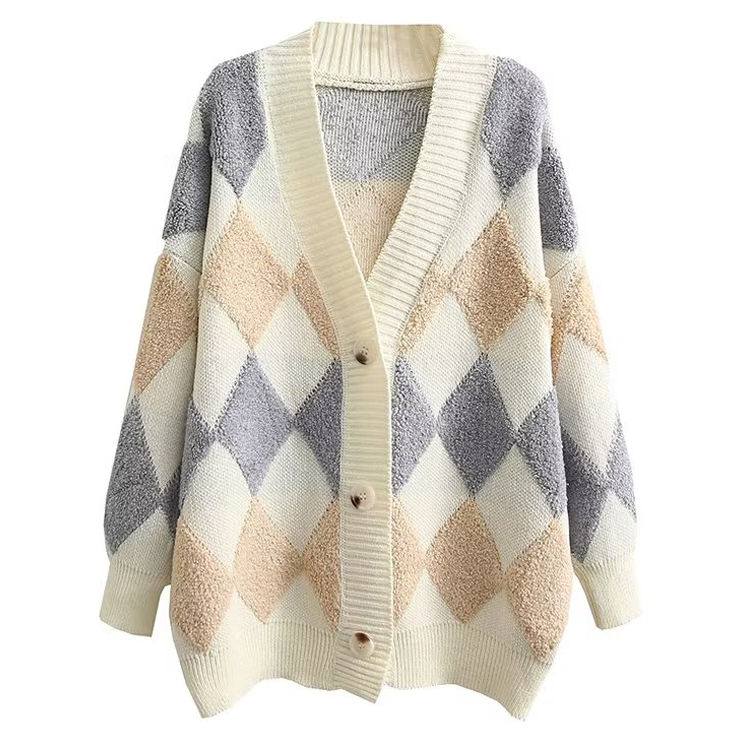
Pointelle Knit
Pointelle knit sweaters feature delicate, open-work patterns created by deliberate dropped stitches and eyelet formations, lending airiness and feminine detail to lightweight spring and summer knitwear. CENWILD programs pointelle motifs in-house, balancing structure and transparency. We manufacture pointelle cardigans, pullovers, and knit sets in cotton, linen blends, and fine merino, with MOQ from 100 pieces.
Get a Quote
Gauge Options 3GG to 14GG
Fine gauge knitwear from 3GG to 14GG offers brands precise control over fabric hand, drape, and detail density. CENWILD’s computerized flat-knitting machines span the full gauge range, enabling everything from chunky 3GG outerwear to ultra-fine 14GG luxury cashmere. Our in-house programming and sampling ensure every gauge choice aligns with design vision, yarn selection, and target price point.
Get a Quote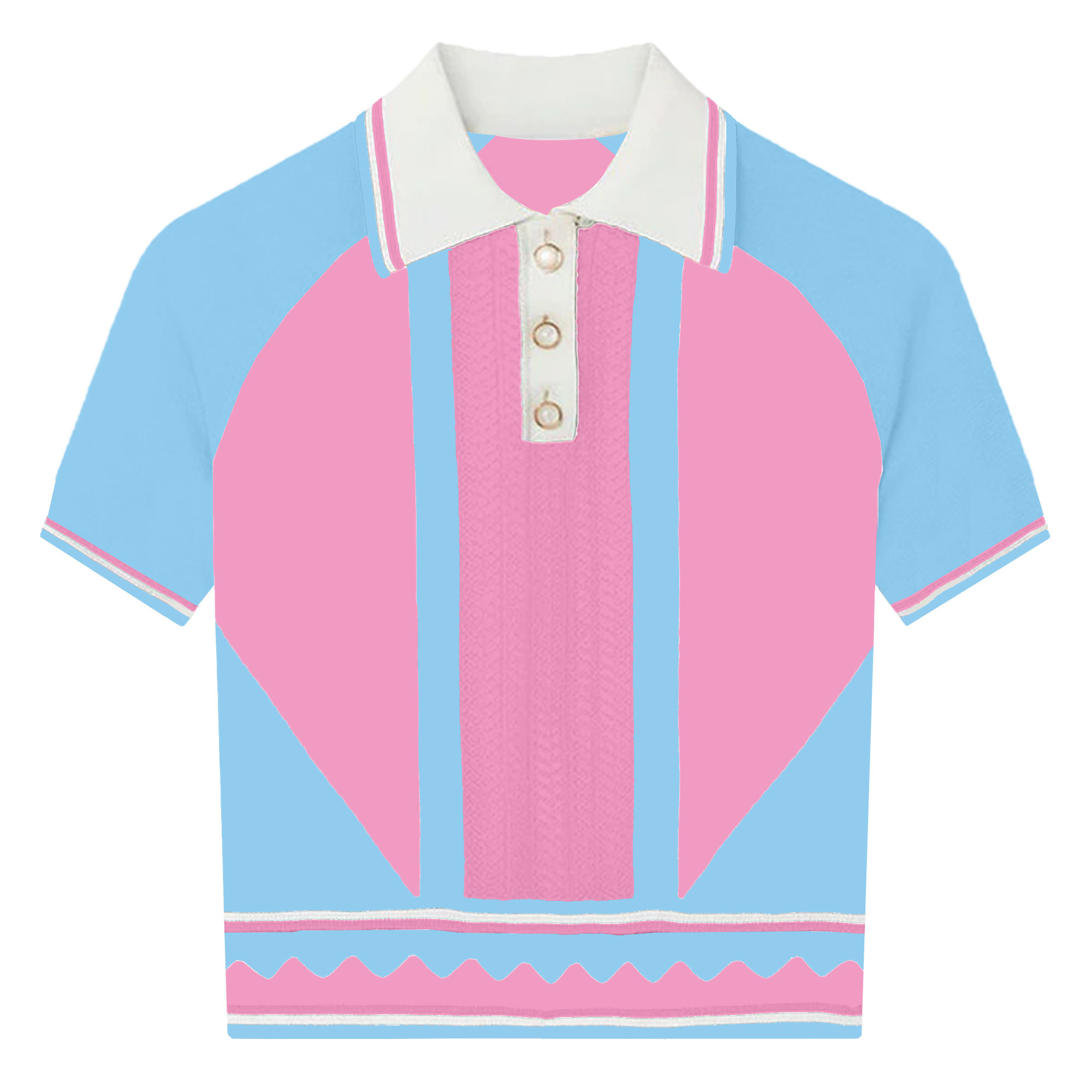
Hand Knit and Crochet
Hand knit sweater manufacturing combines artisan craftsmanship with scalable production, ideal for chunky textures, oversized silhouettes, and designs requiring irregular stitch work or crochet detailing. CENWILD coordinates skilled hand-knitting teams in Dongguan for styles beyond machine capability. We manage yarn sourcing, pattern development, quality control, and finishing, delivering hand-knit authenticity with factory reliability and low MOQ from 100 pieces.
Get a Quote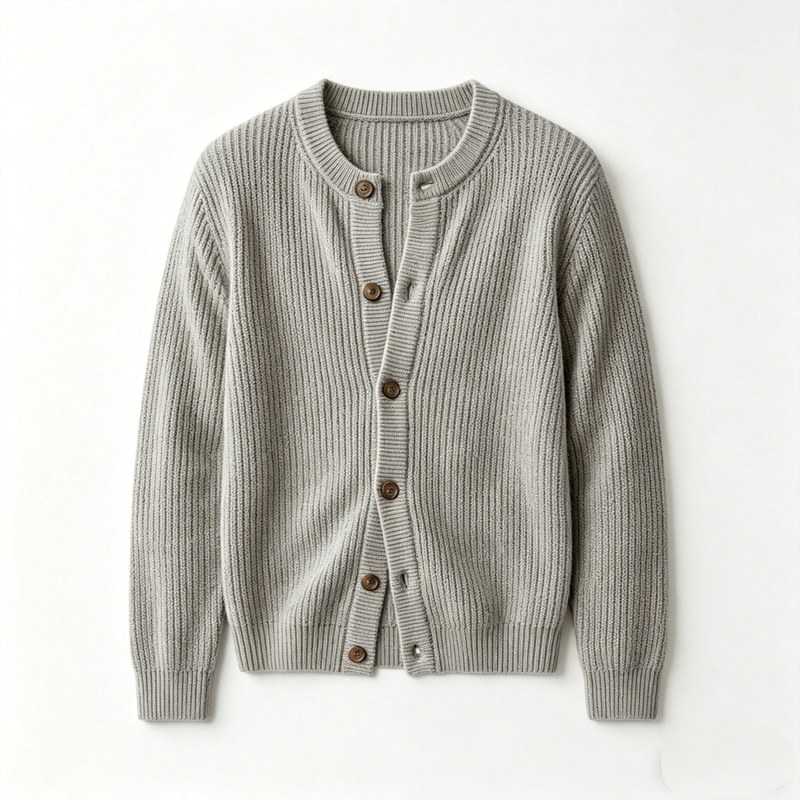
Custom Cardigan
Custom cardigan production at CENWILD covers every silhouette—cropped, longline, oversized, fitted—in button-front, zip, or open styles, across all yarns, gauges, and decorative techniques. Our ODM team develops original stitch patterns, trims, and hardware, or manufactures to your tech pack. From sampling to export, we support private label and branded cardigan collections for men, women, and children, starting at 100 pieces.
Get a QuoteCENWILD's Fully Fashioned Knitwear Expertise
Founded in 1998 in Humen, Dongguan — the heart of China’s knitwear manufacturing hub — CENWILD has spent over 28 years perfecting fully fashioned knitwear production. What started as a family knitting workshop has evolved into a full-scale manufacturer running computerized flat-knitting machines across 3GG to 14GG gauges, delivering shaped-to-form sweaters with zero cut edges and minimal waste.
Today CENWILD operates a monthly capacity exceeding 80,000 pieces and has partnered with more than 2,000 fashion brands worldwide. Our in-house team of over 200 skilled employees handles every step — from 3D knit programming and knit-down sampling to production, quality control, decoration, and export logistics — ensuring every fully fashioned piece meets exacting standards for fit, finish, and durability.
Whether you’re launching a startup collection or scaling an established label, CENWILD supports OEM, ODM, and private label fully fashioned knitwear production with MOQ from just 100 pieces. We combine precision machinery, deep technical knowledge, and flexible partnership terms to serve as the manufacturing backbone behind brands across North America, Europe, Australia, Russia, and the Middle East.
Fully Fashioned Knitwear: Shaping Techniques & Quality Control
Stitch-by-Stitch Shaping Without Cutting
Every panel in fully fashioned knitwear is programmed and knitted to its final shape on computerized flat-knitting machines, eliminating the need for cutting fabric. CENWILD’s 3GG–14GG gauge range ensures precise shaping for sleeves, bodies, and necklines across all garment weights.
- Zero waste from cut edges — each panel shaped during knitting
- 3D knit programming translates tech packs into machine-ready files
- Gauge selection matched to yarn weight and design detail
- In-house knit-down sampling verifies fit before bulk production
Gauge Precision for Consistent Fit
Gauge — the number of needles per inch — determines stitch density, fabric hand, and garment drape. CENWILD runs computerized machines across 3GG to 14GG, selecting the optimal gauge for each yarn type and design to guarantee repeatable dimensions and texture across every piece in your order.
- Fine-gauge (12GG–14GG) for lightweight, smooth cashmere and merino
- Mid-gauge (7GG–9GG) for versatile cotton, wool blends, and intarsia
- Chunky-gauge (3GG–5GG) for bold cable and textured styles
- Pre-production gauge swatches confirm stitch density and elasticity
Yarn Selection and Fiber Performance
Fully fashioned construction places unique demands on yarn: it must knit cleanly, hold its shape through linking, and finish without pilling or distortion. CENWILD sources cashmere, merino, lambswool, alpaca, mohair, cotton, Pima, and recycled blends from certified mills, testing each for compatibility with your design and gauge.
- Yarn twist, ply, and fiber length matched to gauge and stitch pattern
- Anti-pilling treatments and softening finishes applied post-knit
- Organic, recycled, and GRS-certified options for sustainable collections
- Color-matching and custom dyeing available for private label orders
Linking, Washing, and Final Finishing
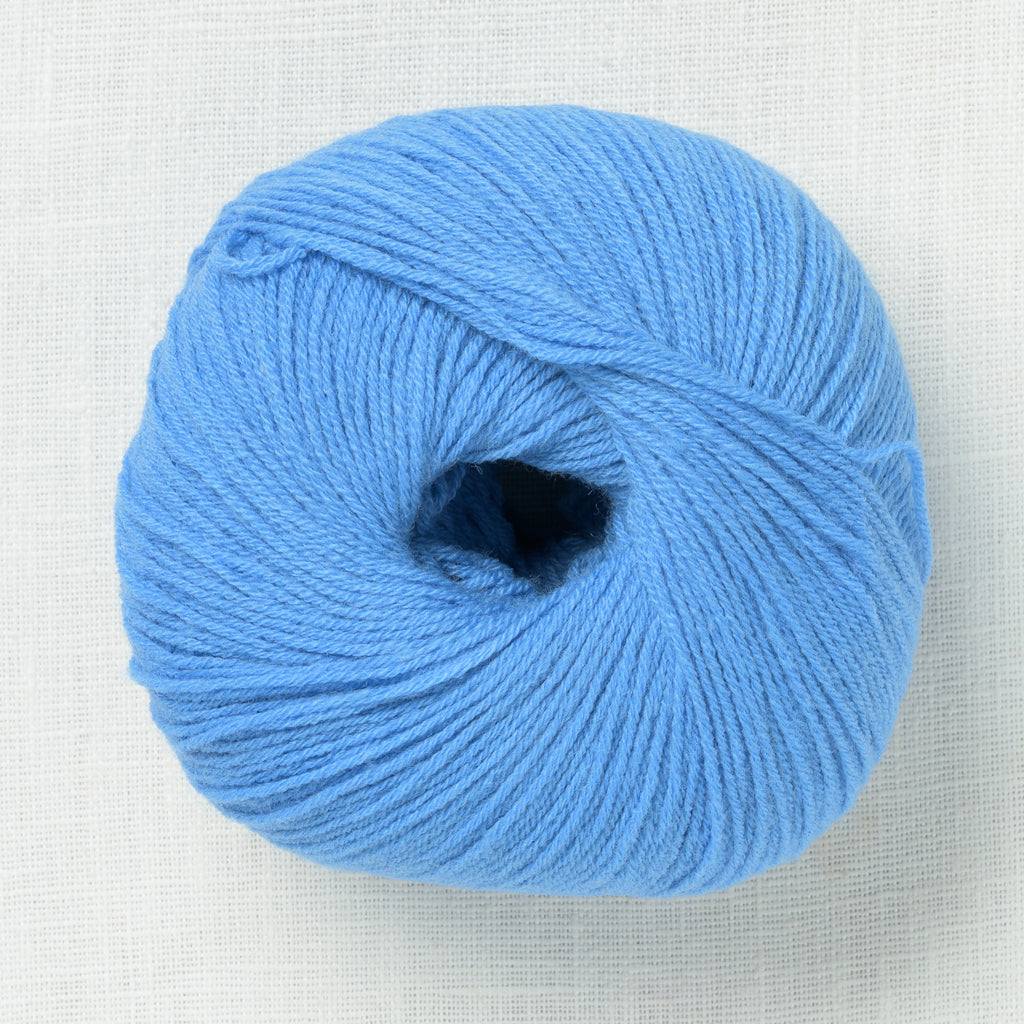
After knitting, every seam is joined by hand or semi-automatic linking to preserve the seamless aesthetic of fully fashioned knitwear. Garments then pass through controlled washing, steam blocking, and inspection to set dimensions, soften hand-feel, and ensure every piece meets your quality standard before packing and export.
- Hand-linking or Rosso linking for invisible, flat seams
- Garment washing with softening, anti-pilling, or garment-dye options
- Steam blocking and pressing to lock in final measurements
- Multi-point QC checks for stitch integrity, color, and sizing accuracy
Fully Fashioned vs. Cut-and-Sew Knitwear
Understanding the critical differences between shaped-to-form fully fashioned knitwear and traditional cut-and-sew construction helps you choose the right manufacturing method for your collection’s quality, design, and budget goals.
← 左右滑动查看 →
Fully Fashioned Knitwear Production Flow
From yarn to finished garment, every phase of our fully fashioned process is engineered for precision shaping, seamless construction, and zero-waste efficiency.
Yarn Sourcing & Gauge Setup
Select fiber blends—cashmere, merino, cotton, or recycled yarn—and configure computerized flat-knitting machines across 3GG to 14GG gauges to match your design specifications and fabric hand.
Knit-Down Sampling & Programming
Develop original stitch patterns and 3D knit programs; produce knit-down swatches to verify gauge alignment, shaping curves, and tension before full production begins.
Shaped Panel Knitting
Knit front, back, and sleeve panels to their final contoured dimensions on computerized machines, eliminating cutting and ensuring consistent shaping across every piece in the run.
Linking & Seam Assembly
Join shaped panels using precision linking techniques to maintain stitch continuity and seam integrity; inspect every join for alignment and durability before moving to finishing.
Garment Finishing & QC
Apply washing, softening, anti-pilling treatments, and optional embroidery or printing; conduct multi-point quality control checks on dimensions, stitch integrity, and surface finish.
Packaging & Export Logistics
Tag, fold, and pack finished fully fashioned knitwear to your brand standards; coordinate export documentation and freight to deliver on schedule worldwide.
How to Order Custom Fully Fashioned Knitwear from CENWILD
From design consultation to shipment, our streamlined process delivers shaped-to-form sweaters with a 100-piece minimum order quantity and flexible payment terms tailored to your brand.
Share Your Design Vision
Submit your tech pack, sketch, photo, or idea. Our design team will review your fully fashioned knitwear concept and confirm feasibility, gauge, and yarn options.
Approve Knit-Down Sample
We program and knit a prototype sample showing shaping, stitch detail, and fit. You review, request revisions, and approve before bulk production begins.
Confirm MOQ and Payment
Lock in your order from just 100 pieces. Pay deposit via T/T, PayPal, card, or USDT—100% first time, easing to 30% for repeat partners.
Production and Quality Control
Your fully fashioned knitwear enters our computerized flat-knitting lines. Every garment passes multi-stage QC checks for shaping accuracy, seam integrity, and finish quality.
Final Inspection and Shipment
Settle the balance, and we pack, label, and export your order. You receive tracking details and full documentation for seamless customs clearance worldwide.
Customer Success Stories: Fully Fashioned Knitwear
CENWILD’s fully fashioned knitwear eliminated our fit issues entirely. Return rates dropped 18% in the first season because every armhole and neckline sits exactly where it should with zero bulk at the seams.
We needed intricate cable patterns shaped into a fitted silhouette. CENWILD programmed the entire piece as fully fashioned knitwear, delivered 500 units on time, and we’ve reordered three times since.
Switching to fully fashioned construction cut our fabric waste by nearly 30% and gave our brand a premium story to tell. CENWILD handled the technical transition seamlessly from the first 100-piece trial order.
FAQ: Fully Fashioned Knitwear Production & Ordering
What is the minimum order quantity for fully fashioned knitwear?
Which fabrics and yarn types work best for fully fashioned knitwear?
Can I combine fully fashioned knitwear with embroidery or printing?
How long is the lead time for fully fashioned knitwear production?
What is the cost and turnaround time for a fully fashioned knitwear sample?
Does fully fashioned knitwear hold up after washing and wearing?
What design files or artwork do I need to order fully fashioned knitwear?
Are there limits on color count or design complexity for fully fashioned knitwear?
What are your wholesale pricing tiers for bulk fully fashioned knitwear orders?
The Complete Buyer’s Guide to Fully Fashioned Knitwear for Your Brand
This comprehensive guide walks you through everything you need to know about sourcing fully fashioned knitwear—from construction techniques and material selection to choosing the right manufacturer, avoiding common pitfalls, and understanding pricing structures that fit your budget.
1. What Is Fully Fashioned Knitwear?
Fully fashioned knitwear refers to garments whose panels — front, back, sleeves — are knitted directly to their final shape on computerized flat-knitting machines, eliminating the need to cut fabric. Each piece emerges from the machine with finished edges and contours that match the pattern’s dimensions, ready for linking or seaming.
Cut-and-sew knitwear, by contrast, starts as large fabric rolls that are cut with dies or blades, generating 15–30% fabric waste and requiring serged seams that can add bulk. Fully fashioned construction produces near-zero waste, because yarn is consumed only where the garment exists, and enables seamless or low-profile linked seams that lie flat against the body.
Premium brands favor fully fashioned knitwear for three reasons: superior fit through three-dimensional shaping (darts, waist suppression, armhole curves knitted in), enhanced durability from integrated construction, and the ability to execute complex stitch patterns — intarsia, jacquard, pointelle — that would be impossible to align across cut panels. For fashion brands ordering as few as 100 pieces, this method delivers luxury-grade results without the waste or compromise of traditional cut-and-sew manufacturing.
2. The Evolution of Fully Fashioned Knitwear
Hand-knitting shaped garment panels dates back centuries, but the first mechanical fully fashioned machines appeared in the 1860s during the Industrial Revolution, enabling consistent shaping through automated needle selection. These early machines reduced waste and improved fit by knitting each piece to its final contour rather than cutting from flat yardage.
Mid-20th-century automation introduced punch-card and later electronic control systems, allowing manufacturers to replicate complex shaping and stitch patterns at scale while preserving the integrity of heritage techniques. By the 1980s computerized flat-bed machines integrated digital programming, and today 3GG–14GG gauge equipment combines CAD design files with real-time knit-down sampling to deliver precision shaping, intricate jacquard, and intarsia in a single production cycle.
Understanding this evolution helps buyers evaluate a manufacturer’s technical depth. Factories with decades of experience — such as those operating since 1998 — bridge hand-finishing heritage with modern digital workflows, ensuring that fully fashioned knitwear meets both traditional quality benchmarks and contemporary speed-to-market demands.
3. Types of Fully Fashioned Knitwear
Fully fashioned knitwear spans every major garment category, each offering distinct silhouette advantages and market positioning. Understanding which styles align with your brand DNA helps focus development budgets and MOQ allocation.
Pullovers and Crewneck Sweaters
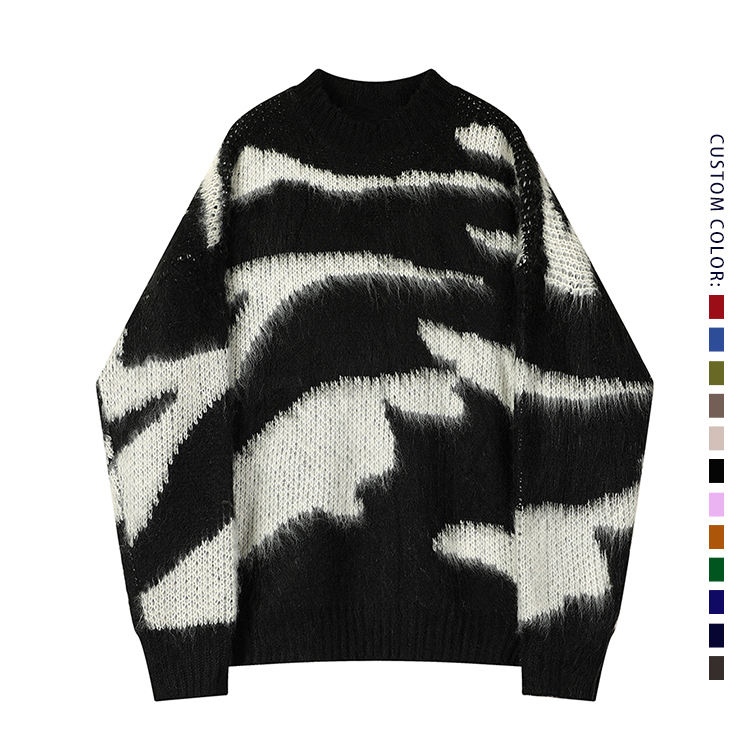
Crewneck pullovers dominate wholesale and retail orders for their versatility and year-round appeal. Fully fashioned construction eliminates side seams, creating clean lines ideal for intarsia logos and jacquard patterns. Premium brands favor cashmere and merino blends; streetwear labels choose cotton and acrylic for bold graphics.
Cardigans and Button-Front Styles
Cardigans require precise gauge control at button bands and pocket welts — areas where fully fashioned shaping prevents puckering. Independent designers often start with oversized cardigan silhouettes to showcase cable or ribbed textures. Corporate and resort collections rely on lightweight quarter-zip and half-zip styles in Pima cotton.
Vests and Sleeveless Knits
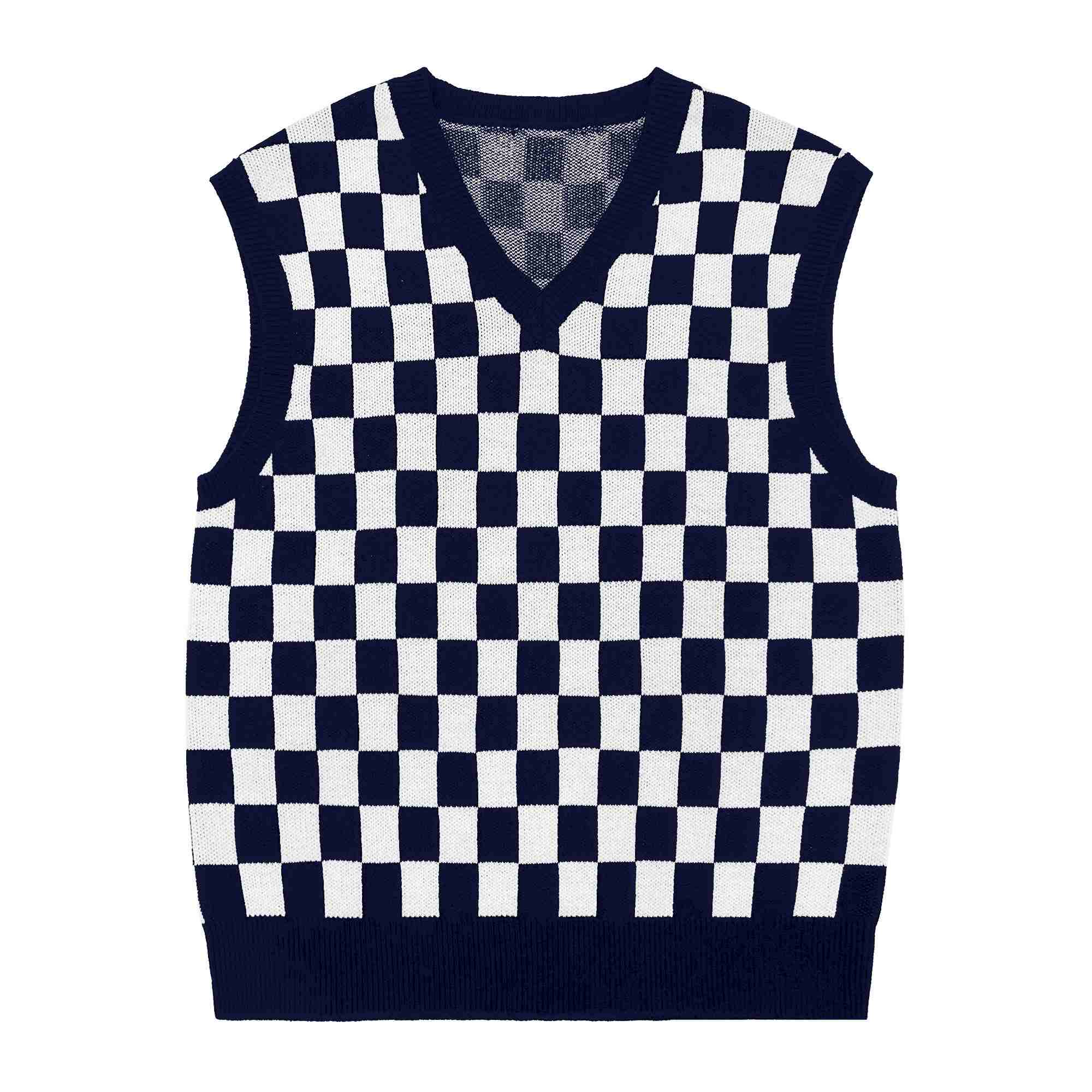
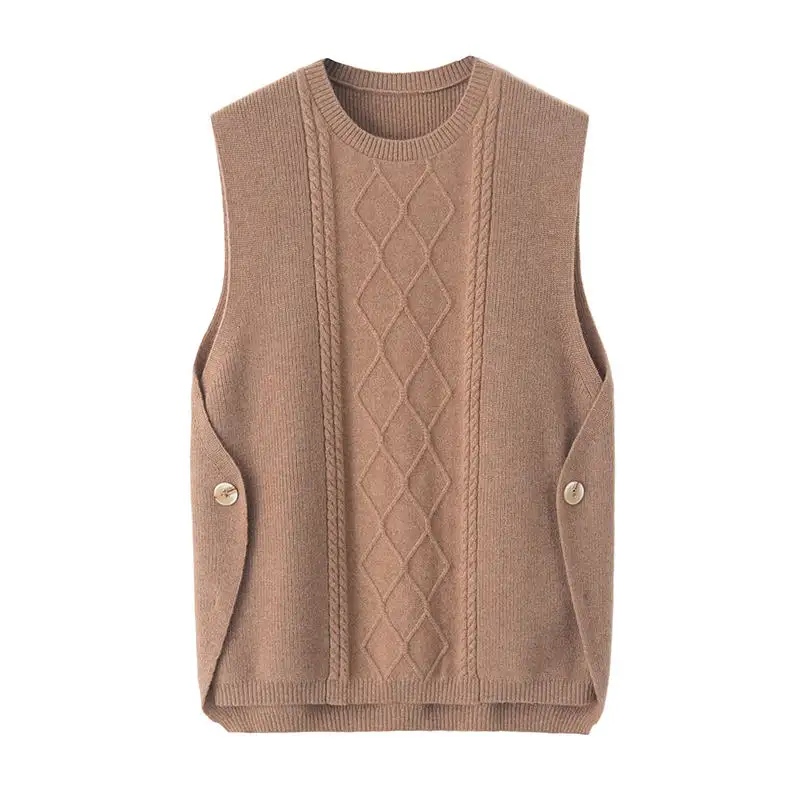
Sweater vests leverage lower piece costs while maintaining fully fashioned armhole shaping for a tailored fit. They suit capsule collections and influencer collaborations with 100–300 piece runs, and appeal to prep, workwear, and layering-focused brands.
Dresses, Tunics, and Specialty Styles
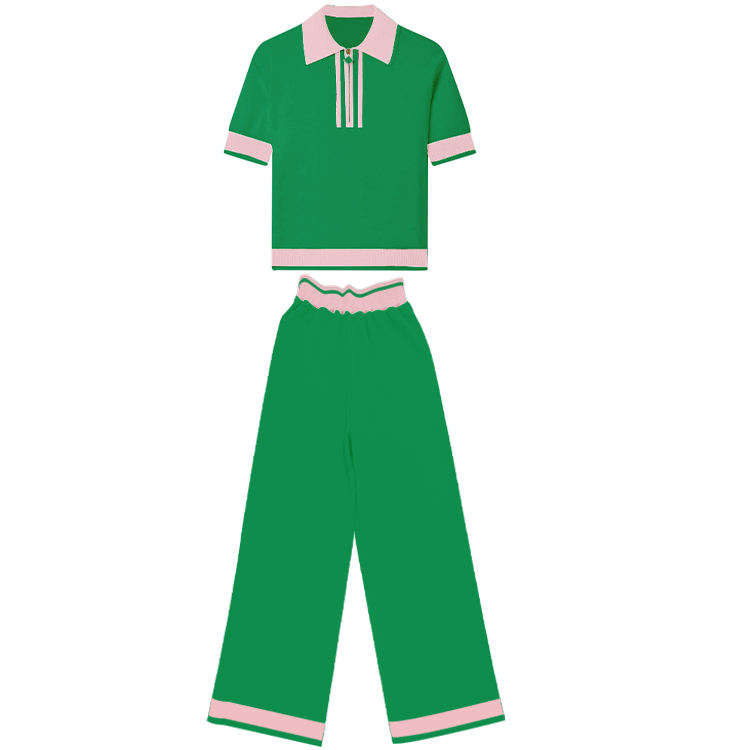
Knit dresses and tunics benefit from seamless body shaping that follows curves without bulk. Ponchos and shrugs use short-row shaping for drape. These categories attract women’s contemporary labels and seasonal capsule drops, especially in mohair, alpaca, and brushed finishes.
4. Materials and Yarn Options for Fully Fashioned Knitwear
Fiber choice drives warmth, drape, durability, and price in fully fashioned knitwear. CENWILD sources natural fibers — merino wool, cashmere, cotton, alpaca, silk — alongside synthetics and sustainable blends to meet every brand’s performance and budget target.
| Fiber Type | Key Properties | Typical GSM | Price Tier | Best Use Cases |
|---|---|---|---|---|
| Merino Wool | Warm, breathable, elastic | 180–280 | Mid–High | Winter pullovers, cardigans |
| Cashmere | Luxury soft, lightweight | 120–220 | Premium | High-end sweaters, gifts |
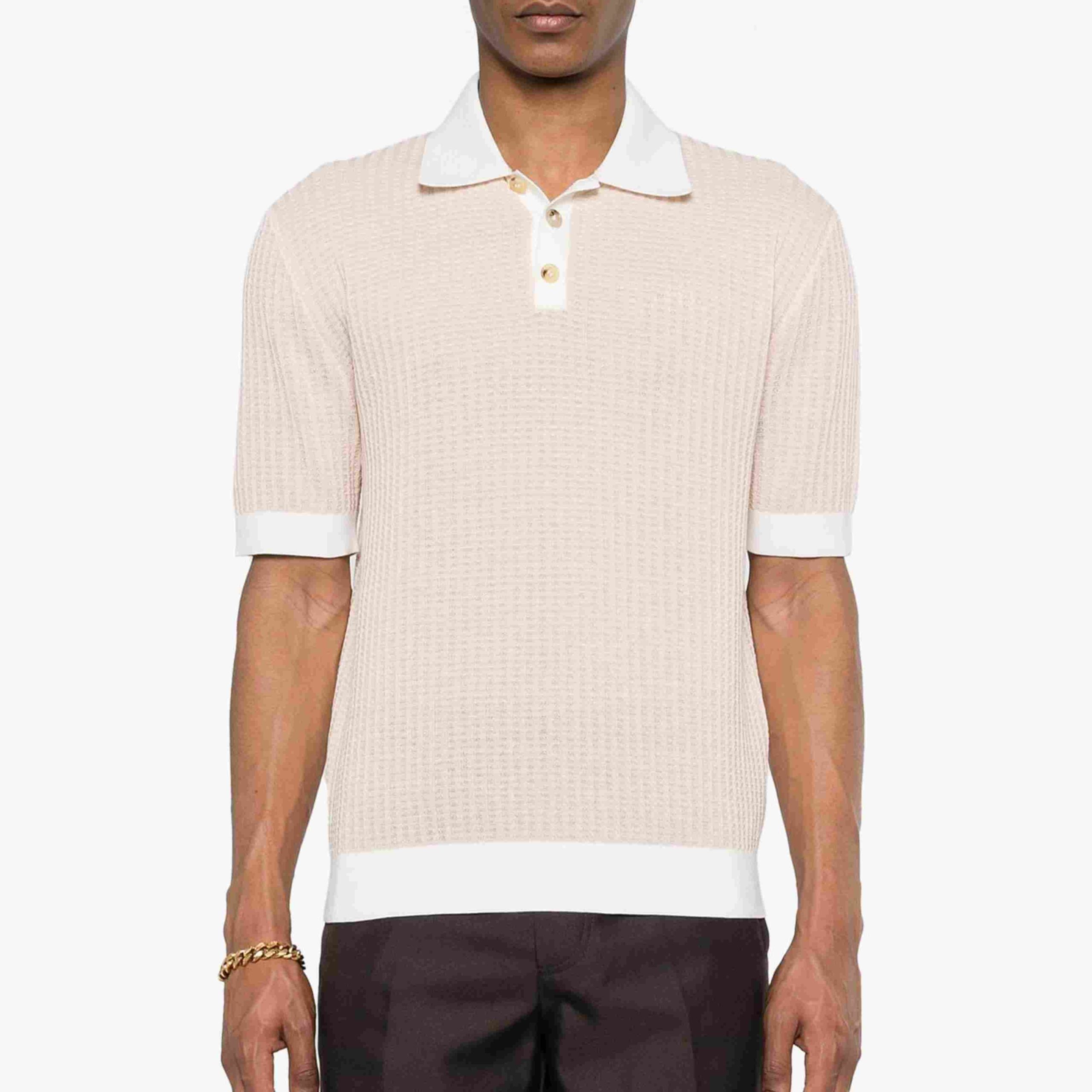
| Cotton | Soft, easy care, cool | 160–240 | Low–Mid | Spring/summer knits, polos |
| Acrylic Blend | Durable, budget, colorfast | 180–260 | Low | Volume basics, promotional |
| Recycled Poly | Eco-friendly, strong | 170–250 | Mid | Sustainable collections |
Natural Fibers
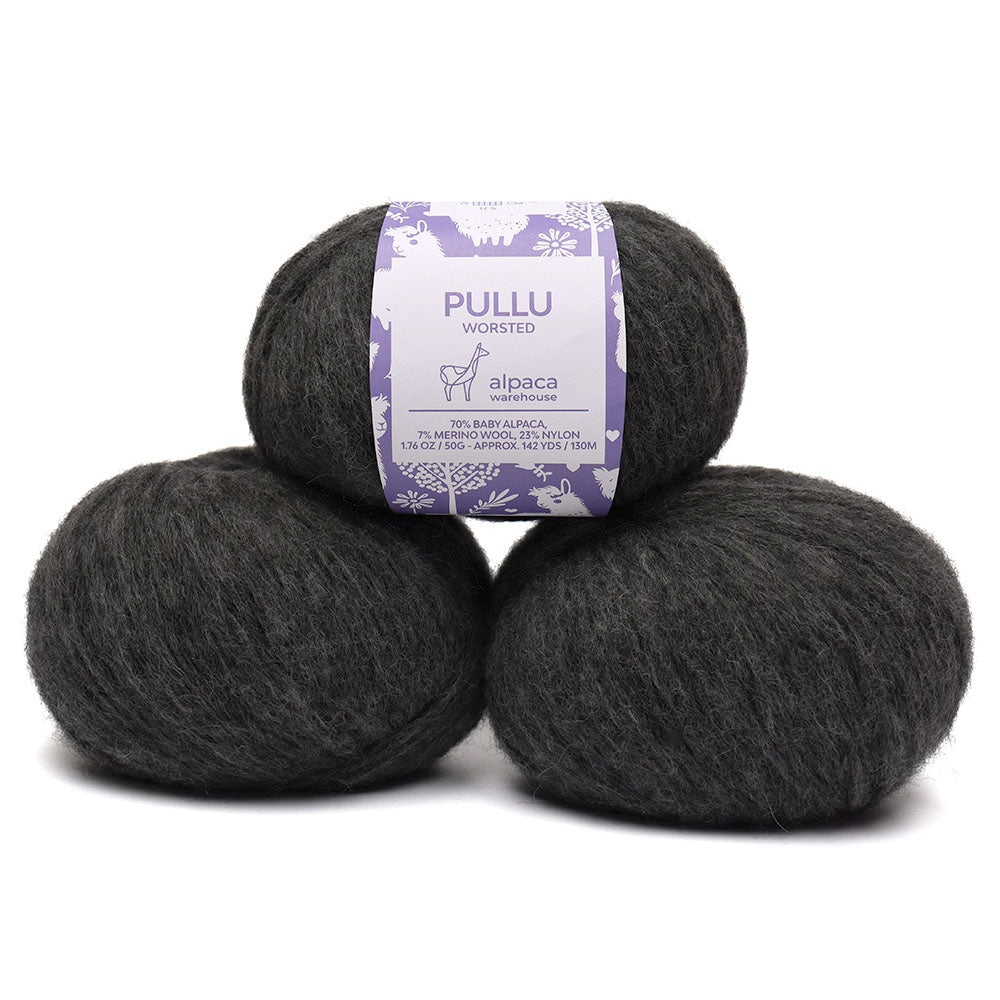
Merino wool (180–280 GSM) delivers warmth, breathability, and natural elasticity; cashmere (120–220 GSM) offers luxury softness at premium price points. Cotton (160–240 GSM) provides year-round comfort and easy care, while alpaca and silk add unique hand-feel for niche collections.
Synthetic and Blended Yarns
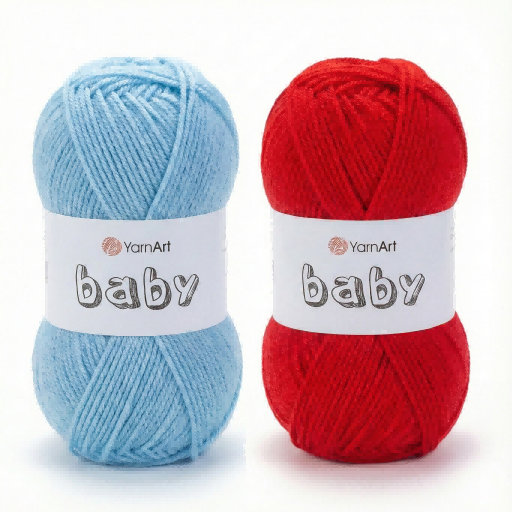
Acrylic, polyester, and nylon blends extend durability, reduce pilling, and lower cost. A 70% merino / 30% nylon blend (200 GSM) balances warmth with abrasion resistance for high-wear pieces. Synthetics also stabilize shape retention in garment-dyed and washed finishes.
Sustainable Fiber Options
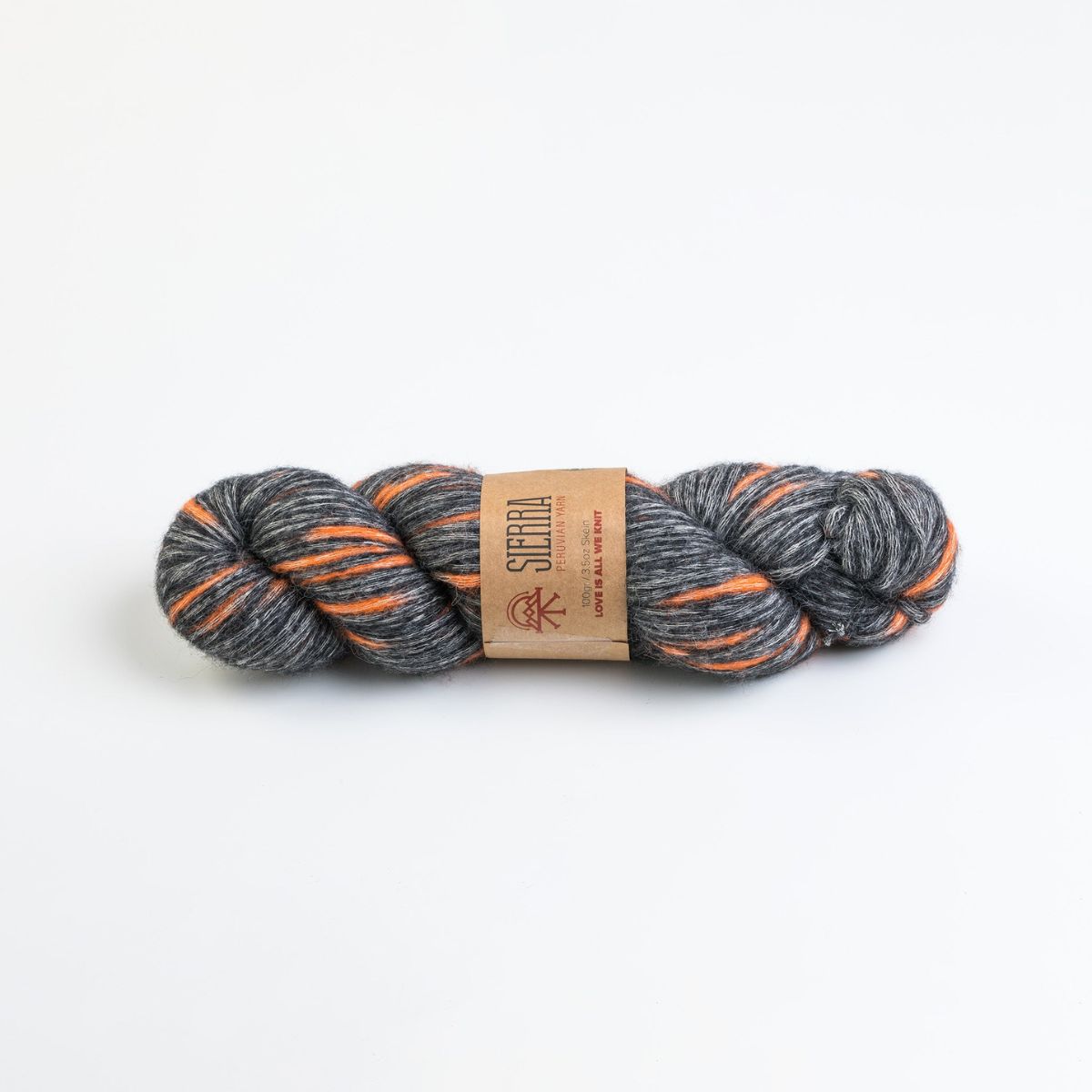
Organic cotton, recycled polyester, and Tencel (lyocell) meet growing eco-label demand. Recycled-fiber blends typically add 10–15% to yarn cost but unlock certifications like GOTS and appeal to conscious consumers. CENWILD supports traceability documentation for all sustainable materials.
5. Customization and Branding Options for Fully Fashioned Knitwear
Fully fashioned knitwear offers unmatched customization depth, embedding brand identity directly into the fabric structure or layering decoration techniques that survive hundreds of washes. Every choice—from intarsia colorwork to metal zipper pulls—shapes perceived quality, price positioning, and customer loyalty.
| Technique | Setup Cost | MOQ Impact | Durability | Visual Impact |
|---|---|---|---|---|
| Intarsia / Jacquard | $50–150 | None (100 pcs) | Excellent | High contrast, sharp |
| Cable / Texture | $30–100 | None | Excellent | Premium 3D depth |
| Embroidery | $20–80 | +$0.50–3/pc | Very Good | Bold, tactile |
| Custom Trims | $50–200 | 100–500 units | Excellent | Subtle brand cue |
Intarsia and Jacquard Colorwork
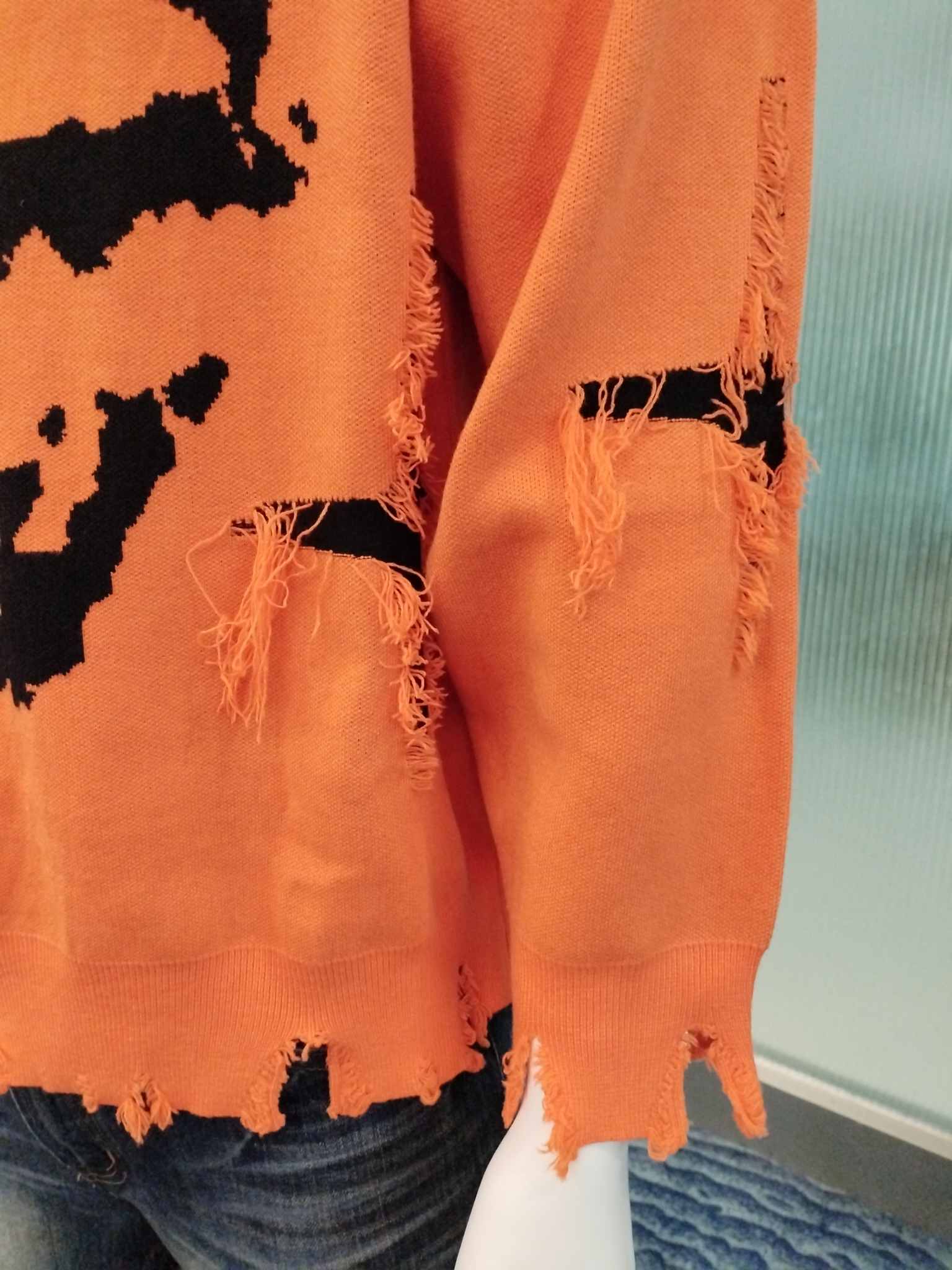
Intarsia knits each color block as a separate yarn layer, producing sharp edges ideal for logos and geometric motifs with no reverse floats. Jacquard weaves floats across the back, enabling photorealistic patterns and gradients at lower per-piece cost but adding fabric weight.
Both techniques incur pattern-programming fees (typically $50–150 per colorway) yet require no minimum order premium beyond standard 100-piece runs, making them accessible for emerging brands.
Cable, Rib, and Texture Stitches
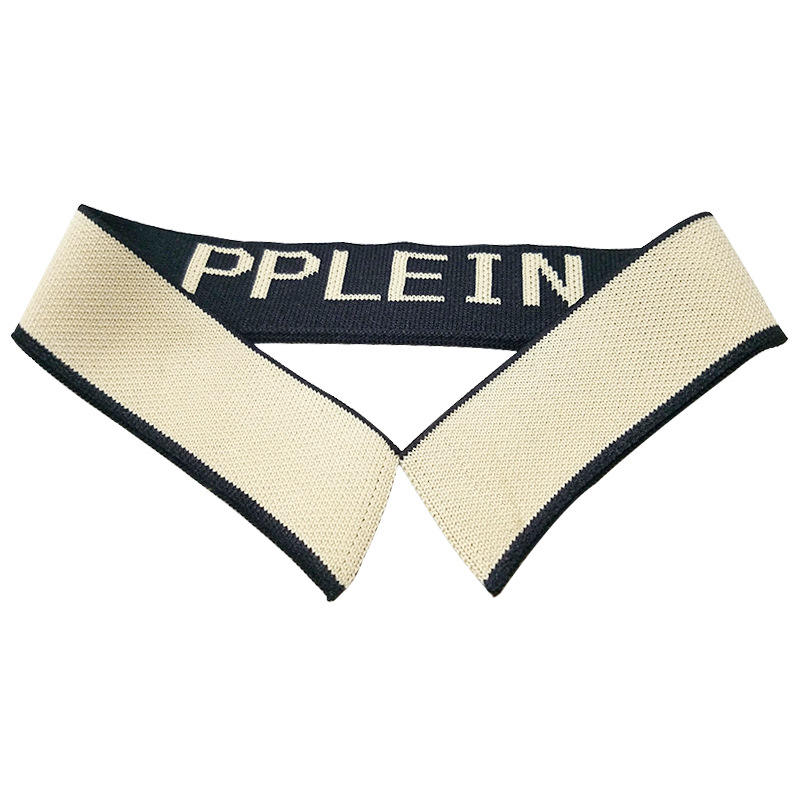
Cable knits, pointelle, and engineered rib patterns are programmed into the knitting sequence, adding three-dimensional texture without additional decoration steps. Setup involves stitch-map creation and test swatches, but per-piece costs remain identical to plain knits once the program is locked.
These techniques elevate perceived craftsmanship and justify premium retail pricing while maintaining wash durability superior to surface embellishments.
Embroidery and Appliqué
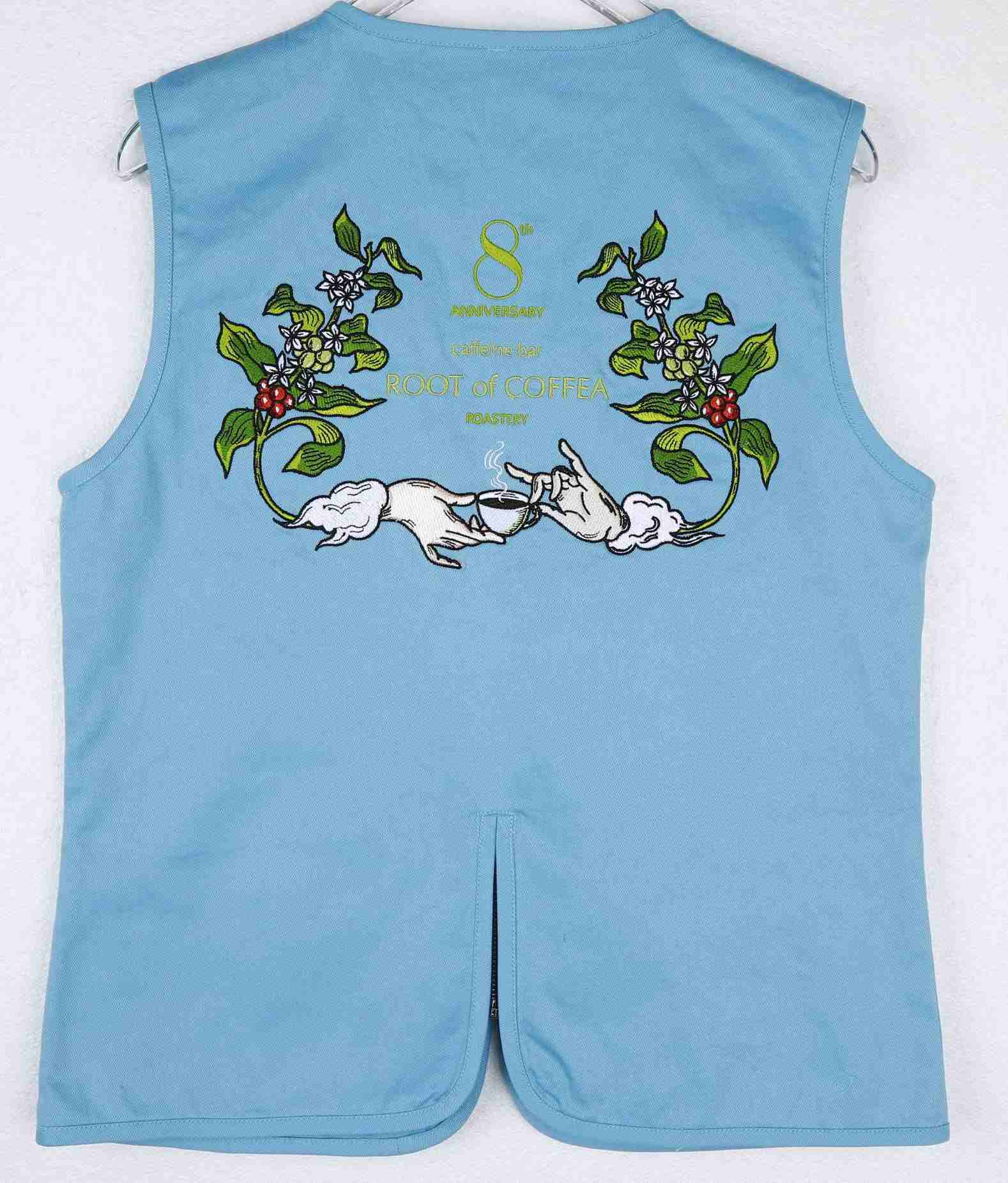
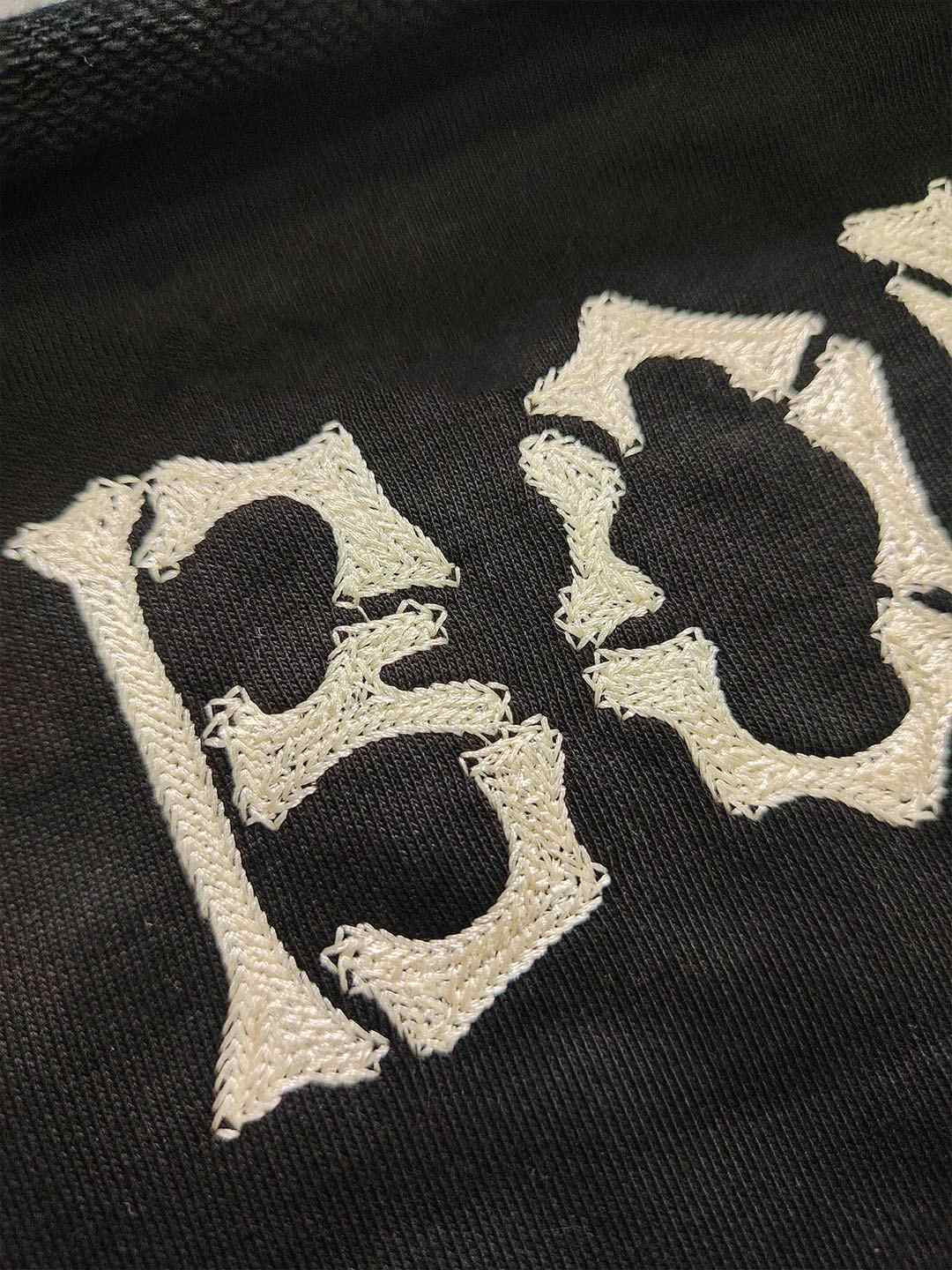
Flat, 3D puff, chain-stitch, sequin, and appliqué embroidery overlay finished garments. Digitizing fees run $20–80 per logo; thread count and stitch density drive per-piece costs from $0.50 to $3.00. Embroidery withstands 50+ industrial washes when properly backed, making it ideal for chest logos and sleeve badges that reinforce brand recognition.
Custom Labels, Hang Tags, and Trims
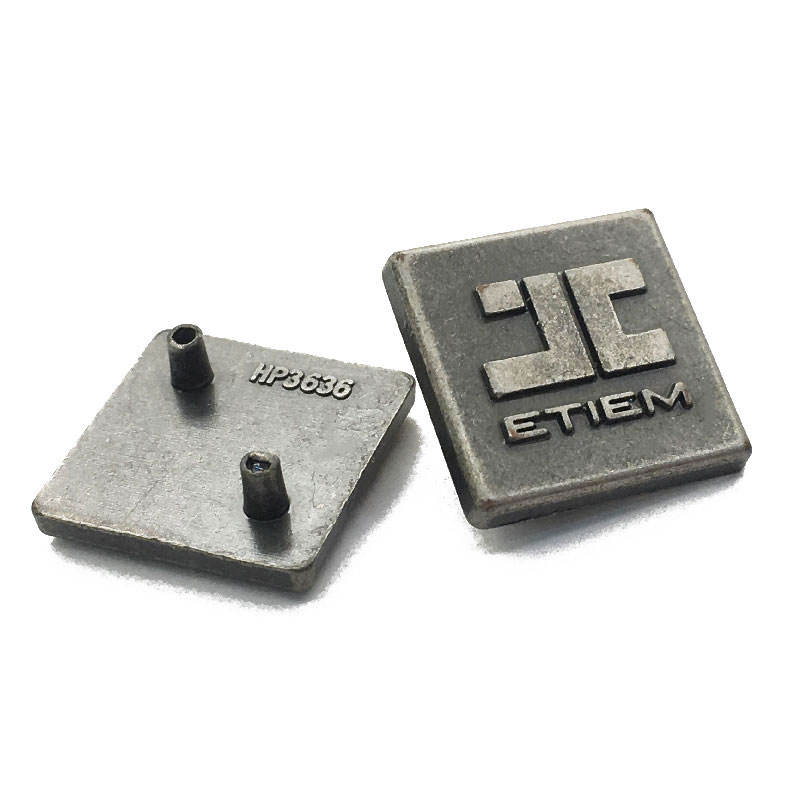
Woven neck labels, silicone heat-transfers, metal badges, custom buttons, YKK zippers, and branded hang tags complete the brand story. Minimum label orders typically start at 100–500 units; CENWILD coordinates trim sourcing to match garment MOQs, ensuring cohesive packaging from first production run.
6. Key Quality Indicators in Fully Fashioned Knitwear
Fully fashioned knitwear demands rigorous inspection at the pre-production stage. CENWILD’s 28-year quality framework focuses on five checkpoints that prevent costly bulk rejections and ensure garments retain their shape and finish across wash cycles.
Stitch Consistency and Gauge Accuracy
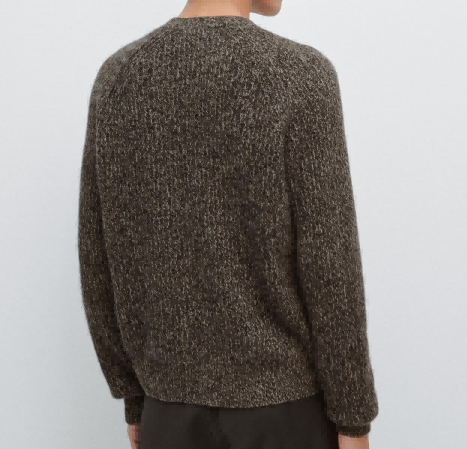
Gauge tolerances of ±0.5 courses per inch separate professional manufacturers from inconsistent suppliers. Request a knit-down swatch at your target gauge (3GG–14GG) and verify stitch density under magnification.
CENWILD programs each style on computerized flat-knitting machines, locking gauge settings digitally to eliminate drift across production runs.
Seam Construction: Linking Versus Overlocking
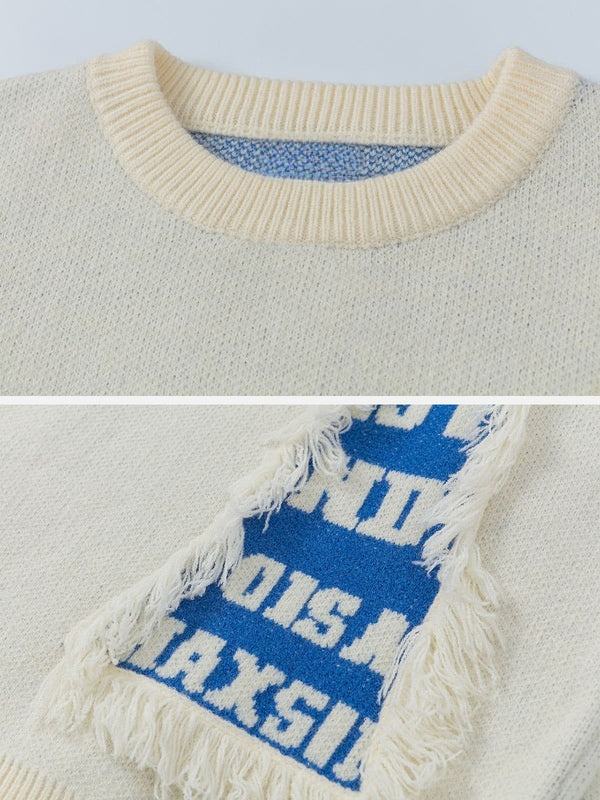
Fully fashioned panels joined by linking produce invisible, flat seams that stretch with the fabric. Overlocking — visible stitching — is faster but creates bulk and reduces elasticity.
Inspect shoulder, side, and sleeve seams in your sample. Linking should show no puckering and identical tension on both faces.
Shape Retention After Washing
Pre-production samples must survive three home-wash cycles without shrinkage beyond 3% or loss of neckline shape. CENWILD applies garment washing, anti-pilling enzyme treatment, and steam blocking to stabilize dimensions before shipment.
Yarn Quality and Pilling Resistance
Martindale abrasion tests (≥20,000 rubs for wool, ≥50,000 for synthetics) predict pilling performance. Request yarn certificates and a pilling sample after simulated wear.
CENWILD sources cashmere, merino, and blends with documented fiber length and twist, then applies anti-pilling finishes during garment wash.
Finishing Details: Neckline, Cuffs, Colorfastness
Neckline binding should recover to original width after 50% stretch. Cuff ribbing (typically 1×1 or 2×2) must snap back without bagging. Colorfastness to washing (ISO 105-C06 grade 4 minimum) and crocking (grade 3–4) prevents dye transfer.
CENWILD tests every dye lot and applies softening enzymes that preserve color while enhancing hand-feel.
7. How to Choose a Fully Fashioned Knitwear Manufacturer
Vetting a fully fashioned knitwear partner requires evaluating technical infrastructure, flexibility, and support capabilities. The right manufacturer combines modern equipment, transparent processes, and collaborative design expertise to turn concepts into production-ready garments.
Machine Capabilities and Technology
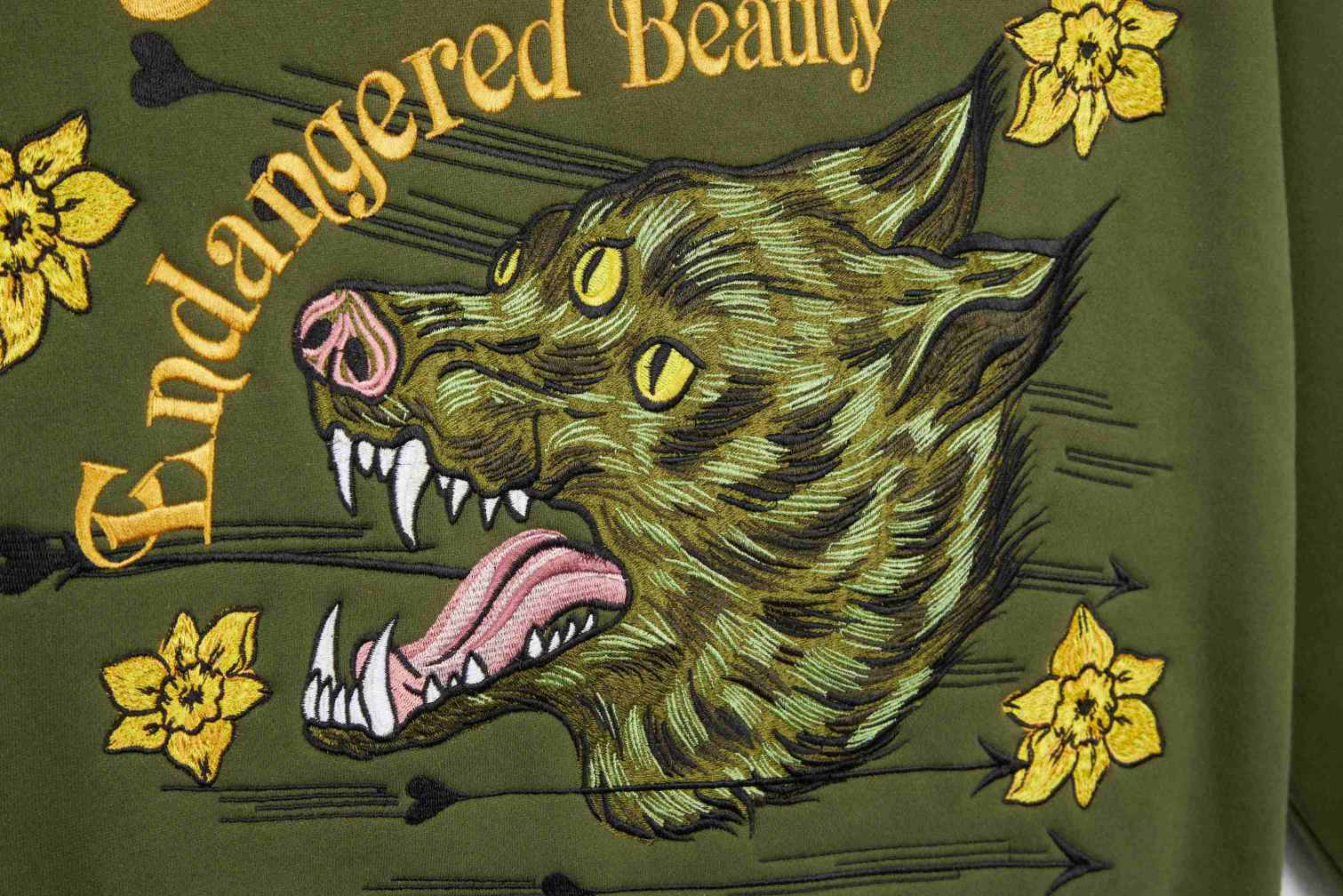
Computerized flat-knitting machines across 3GG–14GG gauges deliver the precision fully fashioned knitwear demands. Manufacturers with multi-gauge fleets handle everything from chunky 3GG cardigans to fine 14GG merino pieces. Look for facilities investing in programmable equipment rather than relying solely on manual linking, which limits complexity and consistency.
Production Capacity and Lead Times
Monthly capacity above 50,000 pieces signals stable workflows and workforce depth. Typical lead times run 45–60 days from approved sample to shipment; factories quoting under 30 days often compromise quality or overcommit. Ask for recent order timelines and peak-season performance to verify reliability.
Sampling Process and Turnaround
A knit-down sample within 10–15 days demonstrates efficient prototyping. The best partners provide graded sizing, stitch swatches, and 3D knit programming before full production. Transparent sampling fees (often $80–$150 per style) and clear revision policies prevent costly delays.
MOQ Flexibility and Payment Terms
Entry MOQs of 100–200 pieces per style accommodate emerging brands, while rigid 1,000-piece minimums lock out independents. Progressive deposit structures—100% upfront easing to 30–50% for repeat clients—reflect manufacturer confidence and partnership orientation. Multiple payment channels (T/T, PayPal, card) simplify international transactions.
8. Common Mistakes When Sourcing Fully Fashioned Knitwear
Even experienced buyers stumble when sourcing fully fashioned knitwear, often underestimating the interplay of yarn, gauge, and construction. These errors add weeks to timelines and inflate costs through rework and rejected shipments.
Choosing Yarn on Price Alone
Selecting the cheapest cashmere or merino without lab-tested swatches leads to pilling, shrinkage, and color bleeding after the first wash. A $2/kg difference in yarn cost becomes a $20,000 loss when an 800-piece run fails quality.
Always request knit-down swatches in your target gauge and wash them three times before approval. CENWILD provides pre-production yarn samples to validate hand, drape, and durability under real-world conditions.
Skipping Fit Samples
Approving production based on photos or flat measurements ignores how fully fashioned panels shape on the body. A 3GG cable cardigan may measure correctly laid flat yet pull at armholes when worn.
Order at least one fit sample per size run and test it on live models. Adjust stitch count and panel shaping before bulk production begins.
Underestimating Lead Times for Complex Patterns
Intarsia motifs and multi-color jacquard require manual programming and slower knitting speeds — 12GG intarsia runs at roughly half the speed of plain jersey. Brands expecting four-week turnarounds on intricate designs face delayed launches.
Add two to four weeks for patterns with more than three colors or custom stitch structures, and confirm machine availability during peak seasons (August–October for holiday collections).
Unclear Tech Packs Leading to Rework
Vague instructions on stitch type, seam finish, or trim placement force manufacturers to guess, resulting in samples that miss the brief. Each revision cycle adds 7–10 days and sample fees.
Provide stitch diagrams, Pantone references, and construction notes. CENWILD’s design team translates sketches into production-ready specs, but clear input accelerates every stage.
9. Steps to Launch Your Fully Fashioned Knitwear Collection
Launching a fully fashioned knitwear collection requires a clear sequence from concept to shipment. CENWILD’s 28-year process guides brands through six milestones, each with specific deliverables and timelines that keep first-time buyers on track.
Define Your Brand Aesthetic and Target Customer
Start by documenting your customer demographic, price point, and design direction. A clear brief — age range, occasion, retail channel — enables the factory to recommend appropriate gauges (3GG–14GG), yarn weights, and construction methods.
Allocate one week. First-time buyers often skip this step and request samples that miss their market, wasting four to six weeks in revision cycles.
Develop Initial Sketches and Tech Packs
Submit sketches, reference photos, or even verbal concepts to CENWILD’s design team. They translate ideas into stitch diagrams, grading charts, and knit-down swatches. A complete tech pack specifies measurements, stitch patterns (cable, intarsia, jacquard), trims, and colorways.
Budget two weeks for original designs, one week for adaptations. Tech packs become the legal blueprint for production and quality control.
Request and Evaluate Samples
Order knit-down samples in your chosen yarn and gauge. CENWILD produces pre-production prototypes within 10–15 days. Evaluate fit, hand feel, stitch definition, seam placement, and trim quality against your tech pack.
Approve or request revisions. Most collections require one to two sample rounds before sign-off.
Finalize Materials and Construction Details
Lock yarn supplier, color standards (Pantone or lab dips), trims, labels, and packaging. Confirm fully fashioned shaping points, linking versus looping, and any embroidery or print placements.
This freeze prevents mid-production changes that delay shipment by two to four weeks and inflate costs by 15–30 percent.
Place Your Production Order
Submit a purchase order with SKU breakdown, sizes, and delivery date. CENWILD’s 100-piece MOQ accommodates emerging brands; deposit terms start at 100 percent for new clients, easing to 30 percent for repeat partners.
Production lead time averages 30–45 days for orders under 1,000 pieces, 45–60 days above. Balance is due before shipment.
Plan Quality Control and Logistics
Schedule inline and final inspections. CENWILD conducts internal QC; third-party audits add one to three days. Confirm shipping method (air for speed, sea for volume) and incoterms (FOB, CIF).
Build a two-week buffer for customs clearance and domestic delivery to avoid stockouts during peak retail windows.
10. Pricing and Cost Breakdown for Fully Fashioned Knitwear
Fully fashioned knitwear pricing hinges on five cost drivers: yarn composition, garment weight, stitch complexity, decoration, and order volume. A 100-piece run in acrylic or cotton typically costs 15–30% more per unit than a 1,000-piece order due to fixed setup and sampling fees, while cashmere or alpaca blends can double the base price compared to synthetic fibers. Intarsia colorwork, cable patterns, and embroidered logos add 2–8 USD per piece depending on stitch count and thread density.
Sampling fees range from 80 to 200 USD per style and are often credited back after the production order is confirmed. Lead times compress as volume grows: 100-piece orders require 4–5 weeks from approved sample to shipment, while 1,000+ piece runs benefit from dedicated machine time and finish in 5–6 weeks. Freight costs vary by destination—air express adds 6–12 USD per kilogram, sea freight averages 1.50–3 USD per kilogram—so consolidating shipments or choosing slower transit cuts landed cost significantly.
| Order Quantity | Unit Price Range (USD) | Lead Time (Weeks) | Setup & Sampling Notes |
|---|---|---|---|
| 100 pcs | $18–$45 | 4–5 | Sampling fee $80–$200; credited after order |
| 500 pcs | $14–$35 | 4–5 | Setup amortized; faster sampling turnaround |
| 1,000+ pcs | $12–$28 | 5–6 | Best per-unit rate; dedicated machine time |
Start Your Fully Fashioned Knitwear Project Today
Send us your artwork, sketch, or idea for a free knit-down sample and quote. 100-piece MOQ, 28+ years of fully fashioned expertise.