
Custom Ribbed Knit Sweater Manufacturing — 100-Piece MOQ
Premium ribbed knit sweaters with textured comfort and stretch. OEM, ODM, and private label production from a 28-year Dongguan knitwear manufacturer serving fashion brands worldwide.
Ribbed Knit Sweater Samples & Finished Pieces
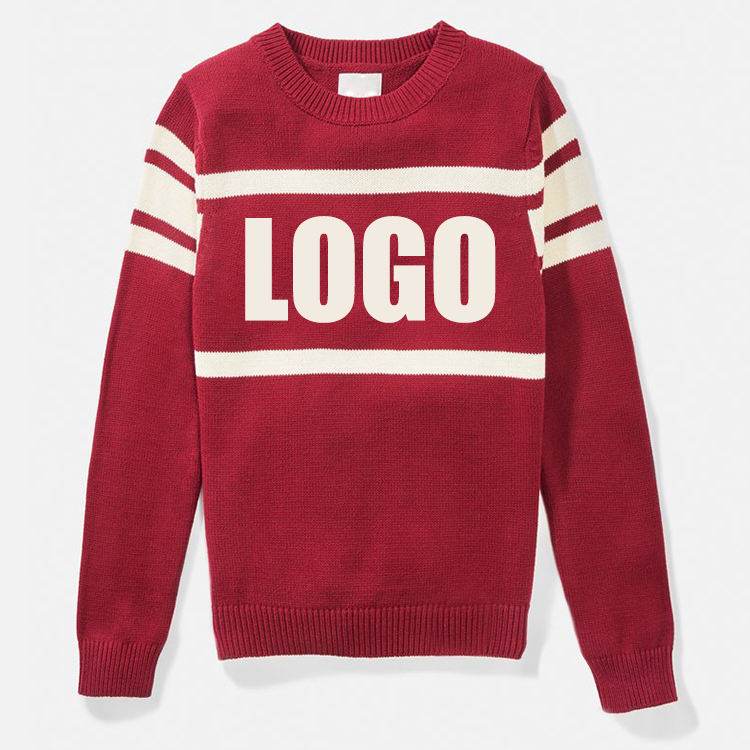
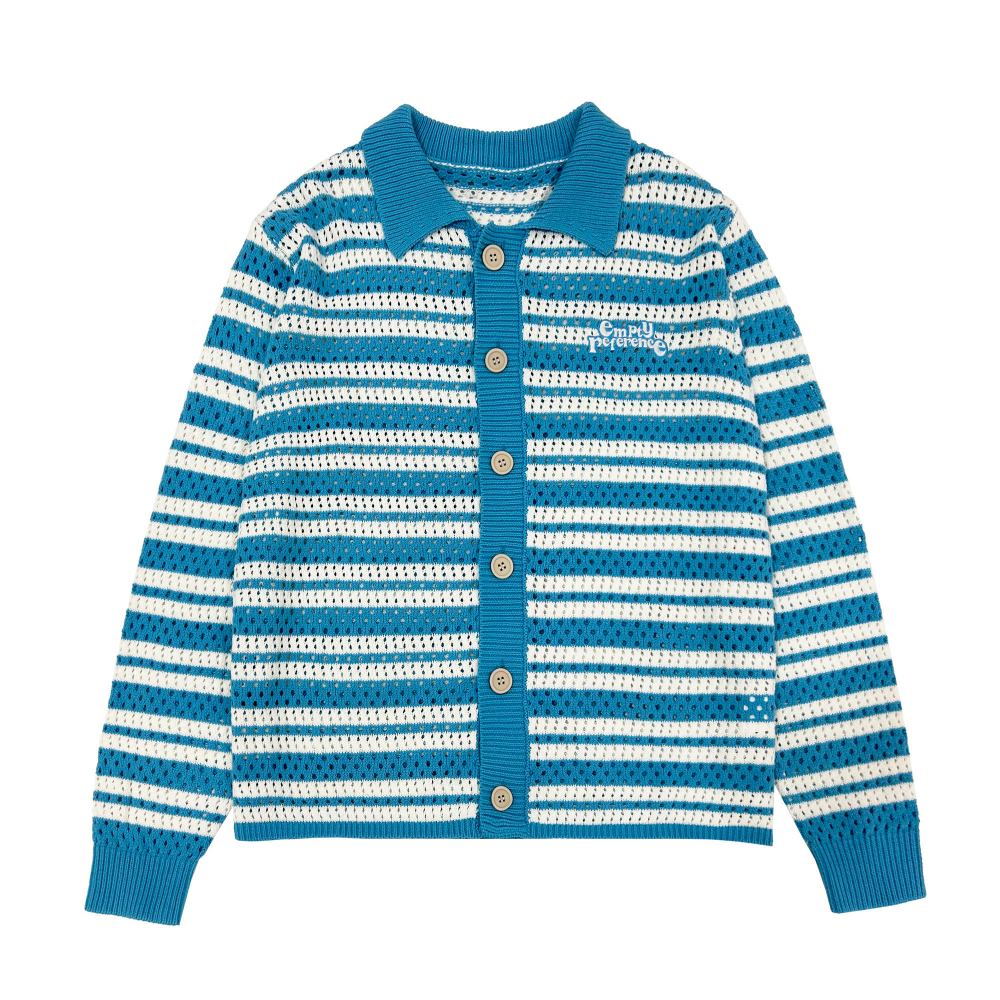
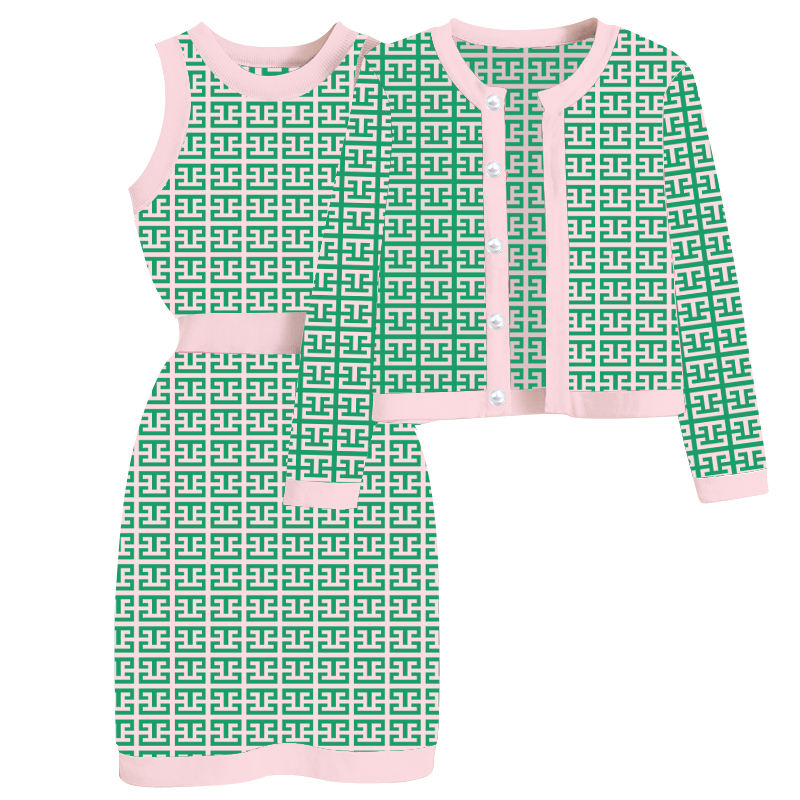
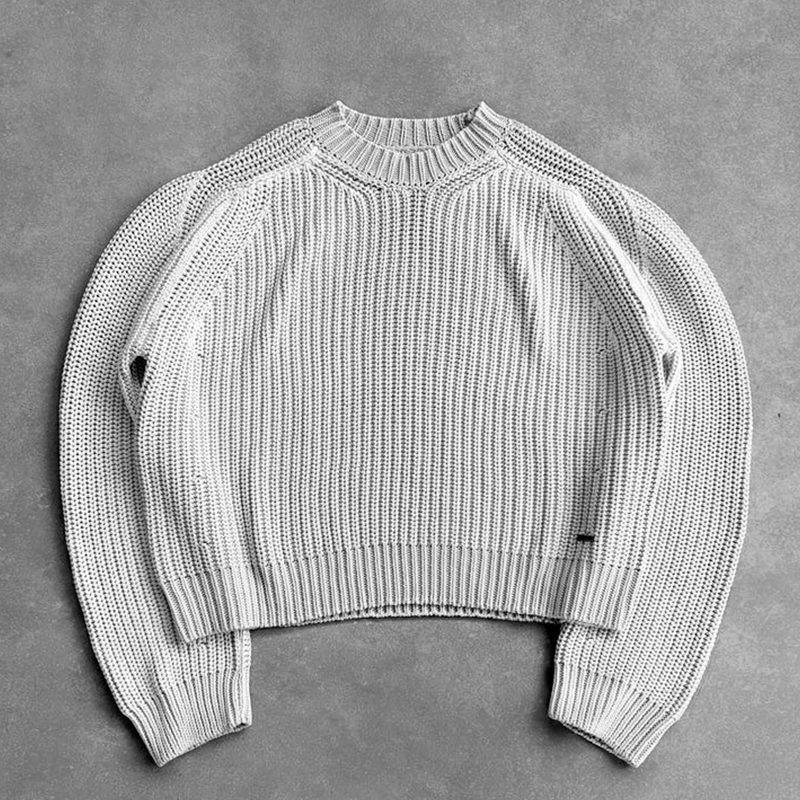
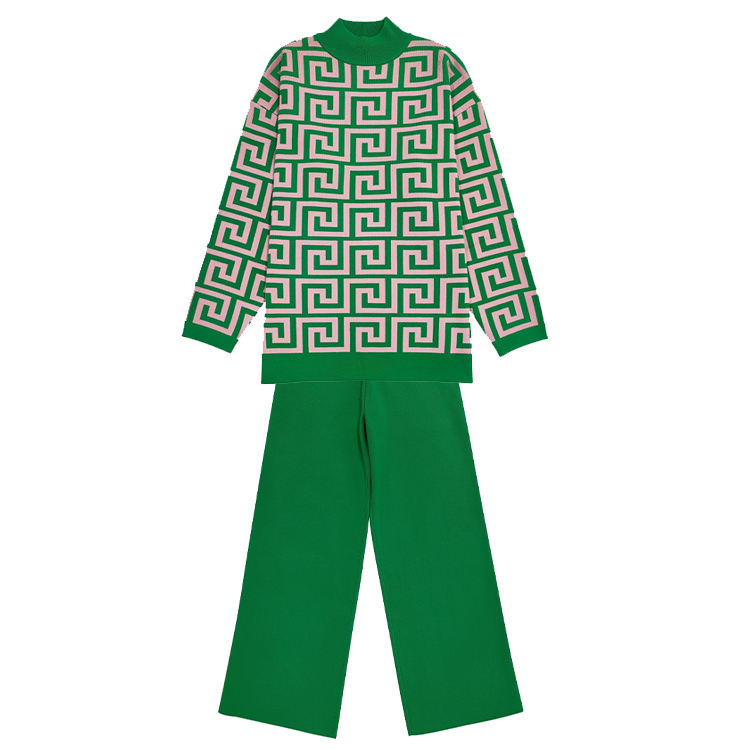
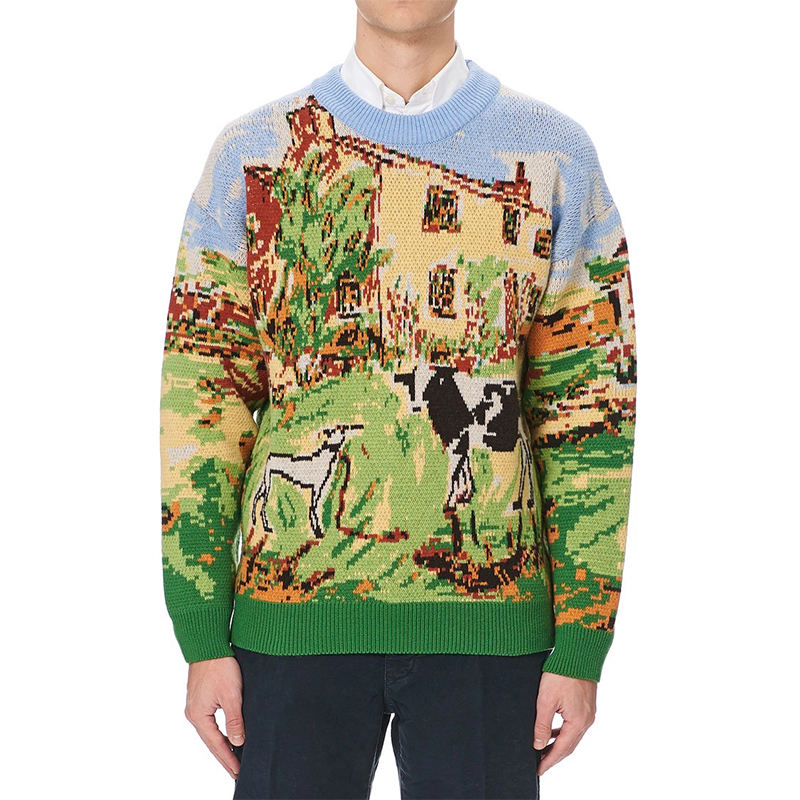
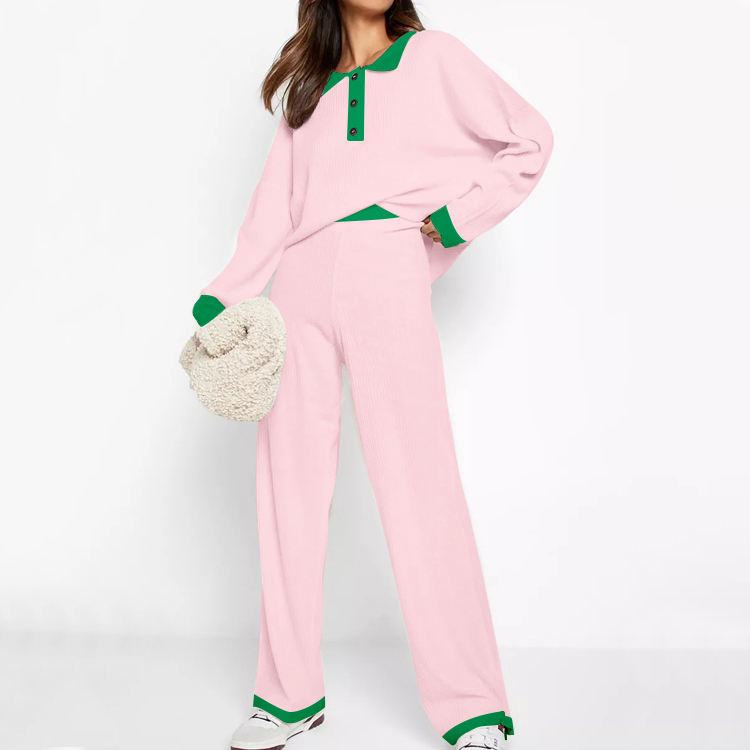
What Makes Ribbed Knit Sweaters Distinctive
Raised Textured Ridges
Vertical ribs create tactile dimension and visual depth that elevate any ribbed knit sweater design beyond flat-knit basics.
Four-Way Stretch & Recovery
Elastic ribbing moves with the body and springs back, delivering comfort and shape retention wash after wash.
Superior Warmth Retention
Ribbed channels trap insulating air pockets, keeping wearers warmer without adding bulk or weight to the garment.
Figure-Hugging Fit
Natural stretch allows ribbed knit sweaters to contour the body, flattering silhouettes from fitted turtlenecks to bodycon pullovers.
Versatile Color & Yarn Range
Ribs enhance dye depth and texture play, working beautifully in cashmere, merino, cotton, acrylic, and blended yarns.
Exceptional Durability
The ribbed structure resists pilling and distortion, ensuring your custom sweaters maintain quality through repeated wear and laundering.
Related Techniques & Product Pages
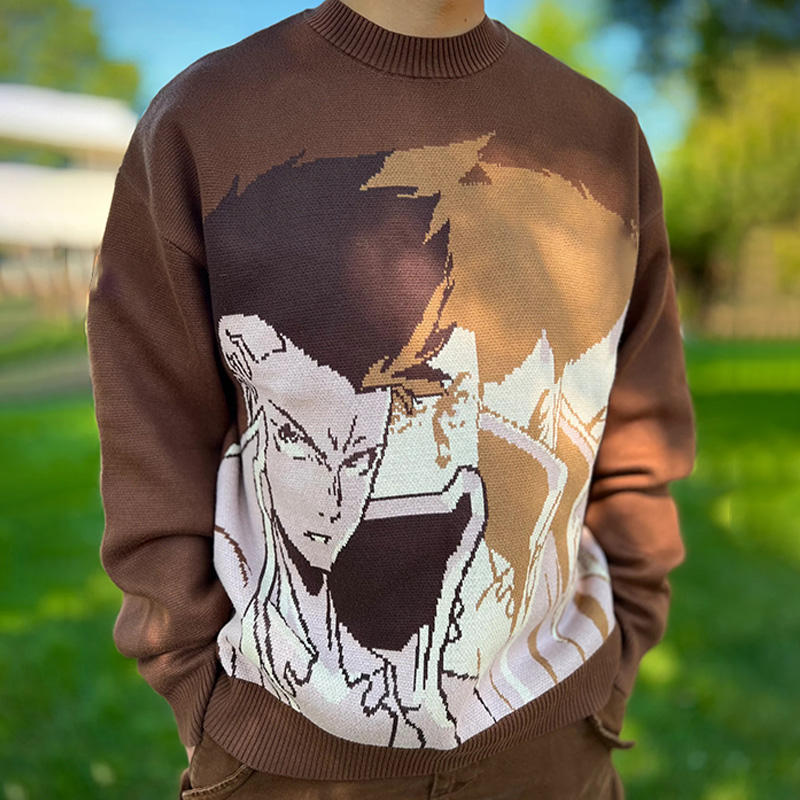
Knitting Techniques
Explore the full spectrum of knitting techniques CENWILD masters in-house—from structured cables and colorwork to textured stitches and fully fashioned construction. Our 28+ years of Dongguan expertise and computerized flat-knitting fleet let us execute any technique your design demands, with knit-down sampling and technical support at every stage.
Get a Quote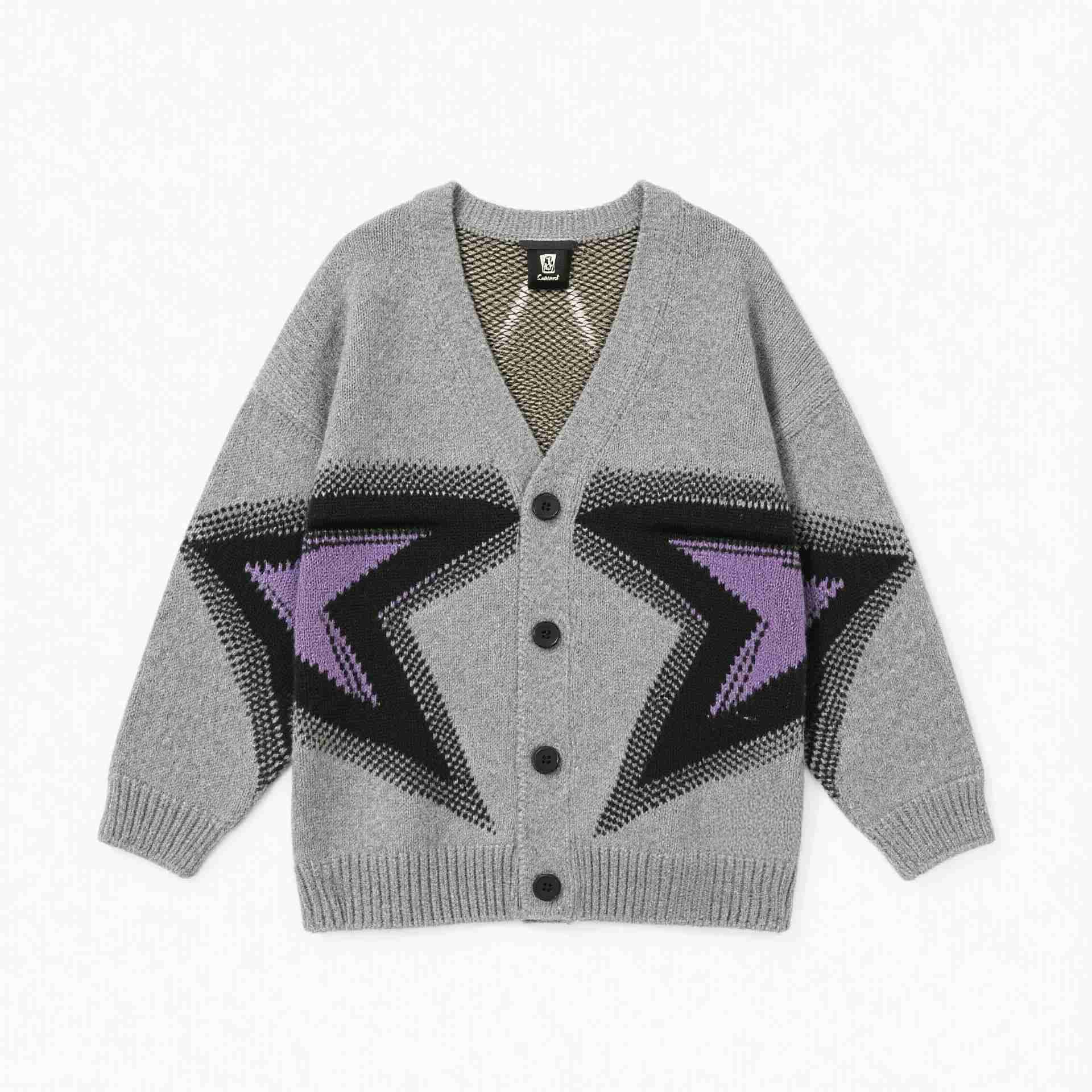
Intarsia Knitting
Intarsia knitwear uses individual yarn blocks to create bold, color-blocked graphics and motifs without floats on the reverse. Ideal for logos, geometric patterns, and storytelling designs, CENWILD’s intarsia capability is programmed in-house and available from 100 pieces MOQ across pullovers, cardigans, and knit accessories in any yarn blend.
Get a Quote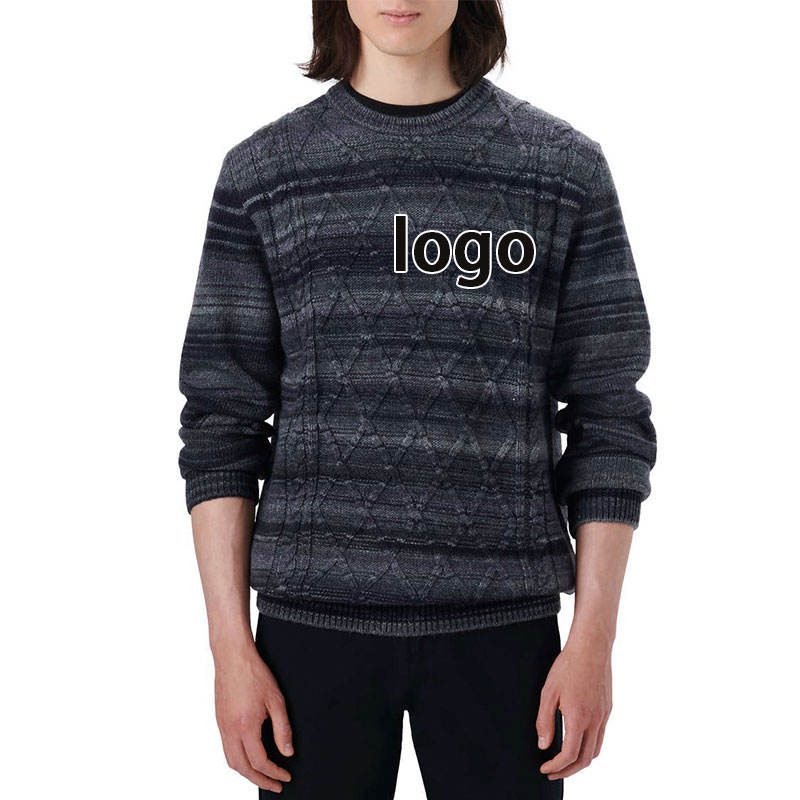
Jacquard Knitting
Jacquard knit sweaters deliver intricate multi-color patterns—Fair Isle, argyle, Nordic motifs—with floats carried across the reverse. Our computerized jacquard programming handles complex repeats and gradients in merino, cashmere, cotton, and blends. OEM and ODM services include stitch design, grading, and full production from sampling to export.
Get a Quote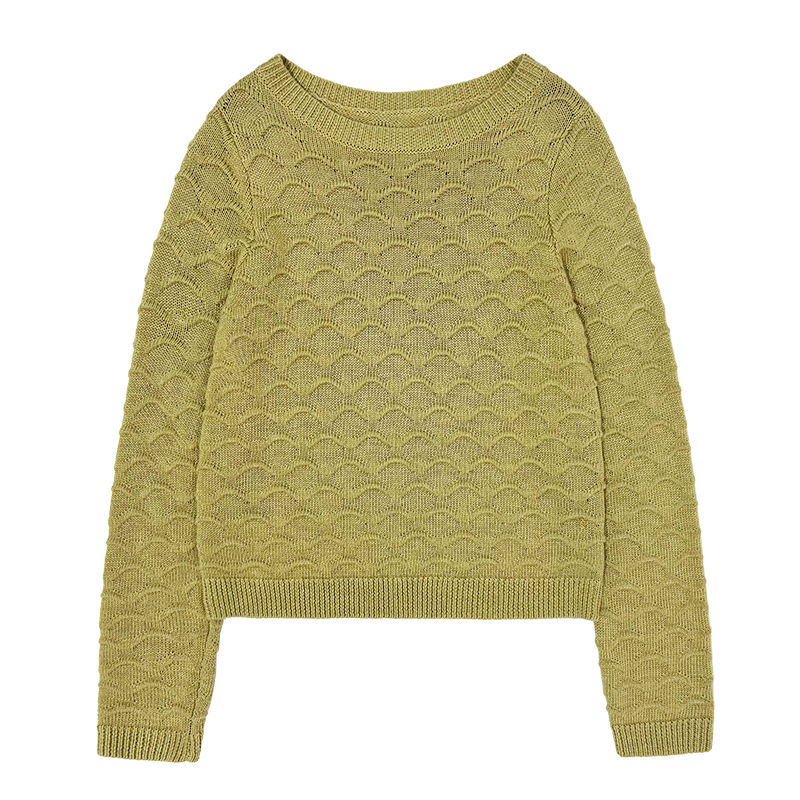
Cable Knit
Cable knit sweater manufacturing at CENWILD covers traditional Aran cables, twisted ribs, honeycomb, and custom relief textures. Produced on 3GG to 7GG gauges in wool, cotton, alpaca, and acrylic blends, cable styles are available for men, women, and children with private label packaging and low 100-piece minimums.
Get a Quote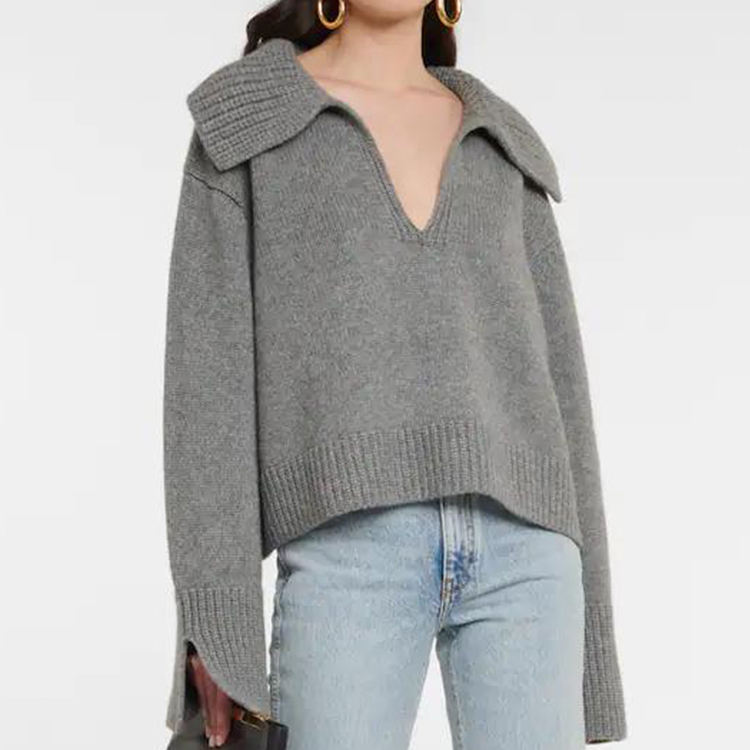
Pointelle Knit
Pointelle knit sweaters feature delicate eyelet and lace-like openwork patterns, perfect for lightweight spring and summer collections. CENWILD programs pointelle stitches in-house across fine to mid gauges, offering design development, yarn sourcing, and sampling in cotton, linen, viscose, and silk blends for brands seeking feminine, breathable knitwear.
Get a Quote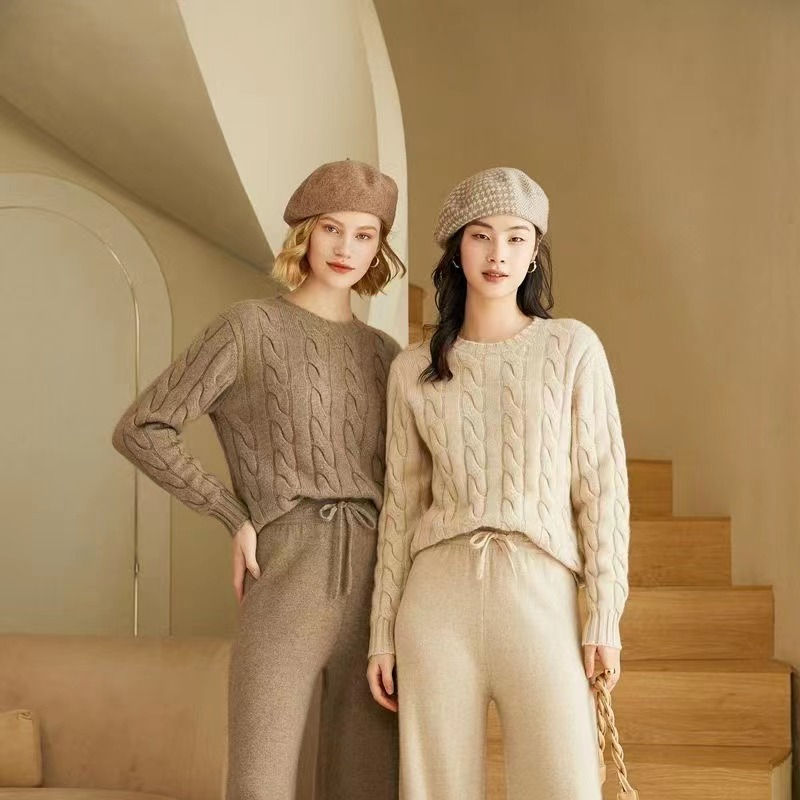
Fully Fashioned Knitting
The ribbed structure resists pilling and distortion, ensuring your custom ribbed knit sweaters maintain quality through repeated wear and laundering.
Get a Quote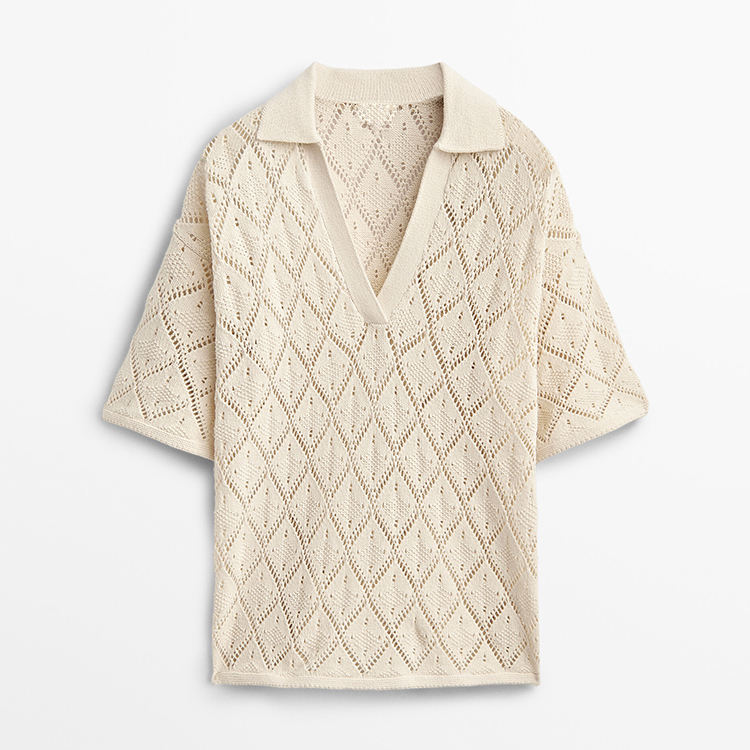
Gauge Options 3GG to 14GG
CENWILD operates computerized flat-knitting machines across 3GG to 14GG gauges, enabling everything from chunky, textured outerwear to fine, lightweight layering pieces. Fine gauge knitwear in 12GG and 14GG delivers smooth, refined surfaces ideal for cashmere, merino, and silk blends, with full in-house sampling and monthly capacity exceeding 80,000 pieces.
Get a Quote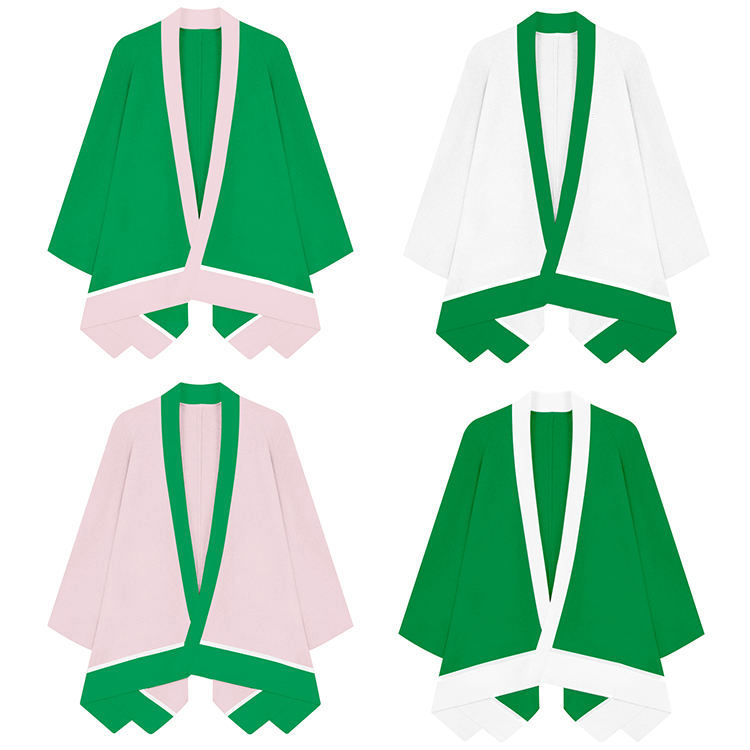
Hand Knit and Crochet
Hand knit sweater manufacturing and crochet services bring artisan texture and one-of-a-kind detail to your collection. CENWILD coordinates skilled hand-knitting teams for chunky styles, fringed edges, macramé details, and crochet trims, supporting custom and small-batch orders with the same quality control, sampling, and export logistics as machine-knit production.
Get a Quote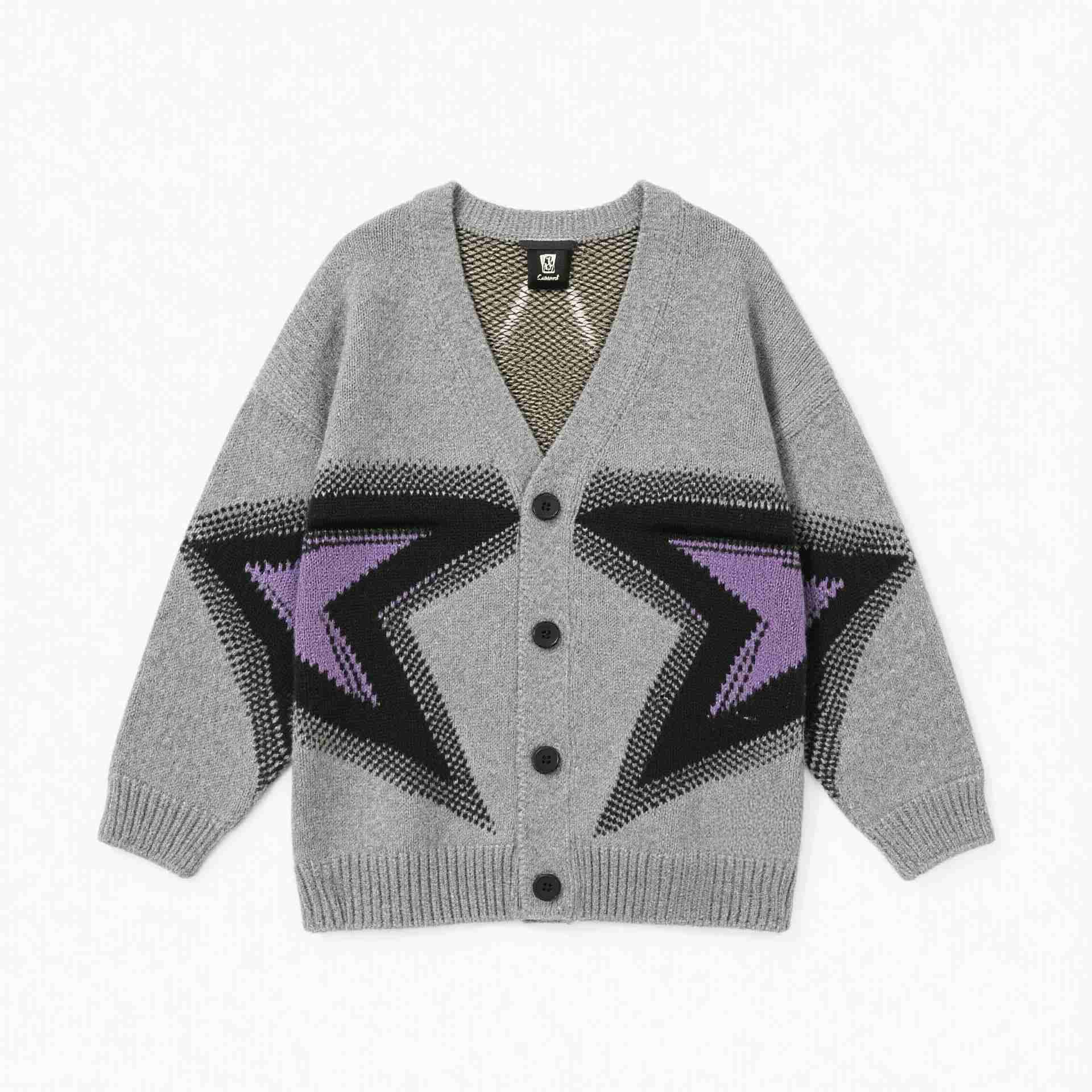
Custom Cardigan
Custom cardigan production spans button-front, zip, open-front, and belted styles in every gauge, yarn, and decoration technique. From classic V-neck cardigans in merino wool to oversized, garment-dyed styles with embroidered patches, CENWILD’s OEM and private label services include design development, grading, sampling, and flexible MOQ starting at 100 pieces.
Get a Quote28+ Years Ribbed Knit Sweater Manufacturing
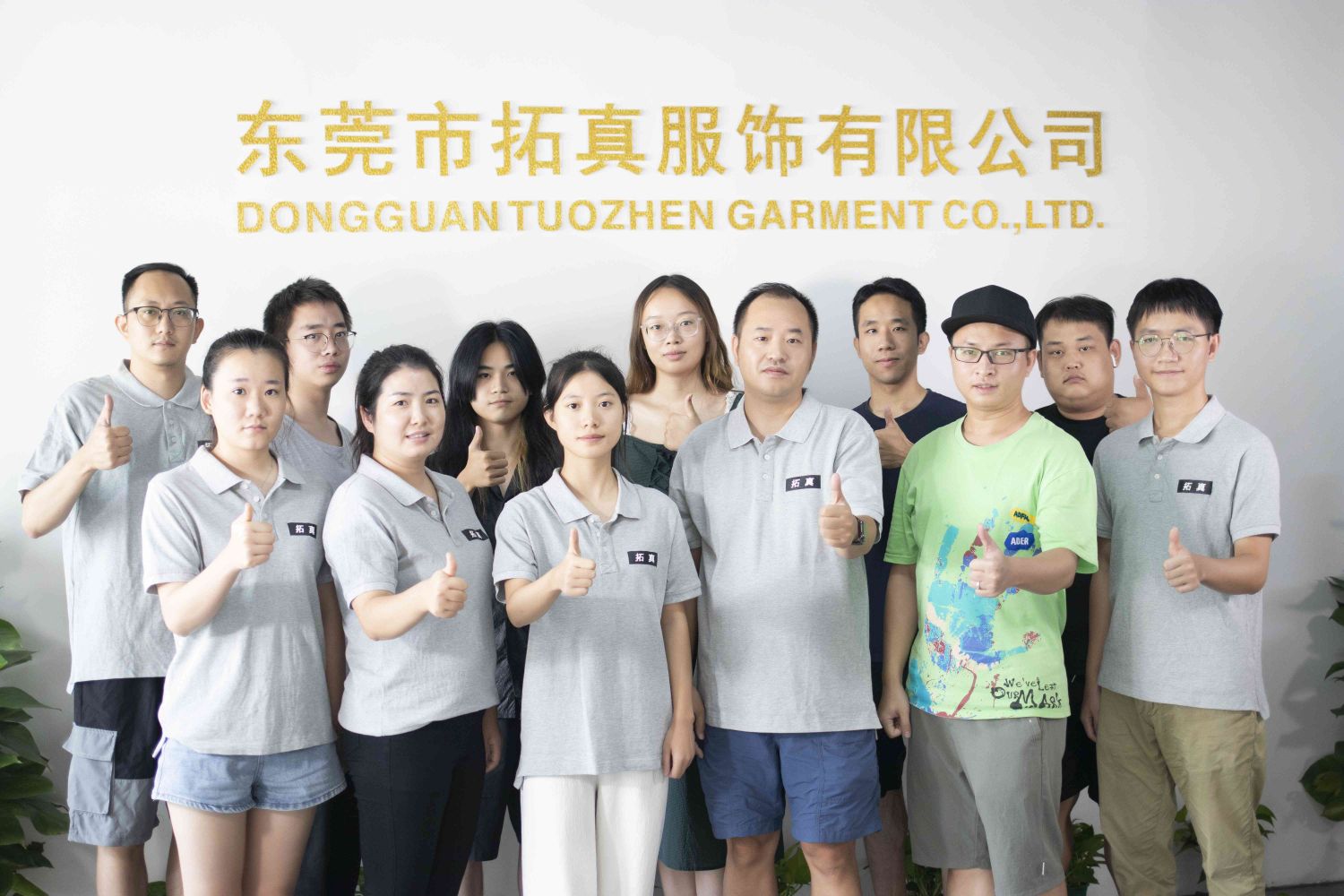
Since 1998, CENWILD has specialized in ribbed knit sweater production from our Dongguan facility—the heart of China’s knitwear industry. Our team of 200+ skilled technicians operates computerized flat-knitting machines across 3GG to 14GG gauges, delivering everything from classic 1×1 and 2×2 rib patterns to complex multi-directional ribbed textures for fashion brands worldwide.
We’ve produced ribbed knit sweaters for over 2,000 clients—from independent designers launching their first collection to established retailers ordering seasonal capsules. Our monthly capacity exceeds 80,000 pieces, with flexible MOQ starting at just 100 units. Whether you need ribbed cardigans, turtlenecks, or full ribbed-body pullovers, our in-house knitting, sampling, and finishing capabilities ensure every stitch meets your exact specifications.
CENWILD’s ribbed knit expertise extends across cashmere, merino wool, cotton, and sustainable blends, supported by OEM and ODM services, private label knitwear production, and a design team ready to turn your concept into a finished ribbed knit sweater. We don’t just manufacture—we partner with you to build collections that stand out.
Ribbed Knit Sweater Quality Attributes — Deep Dive
Yarn Composition & Fiber Selection
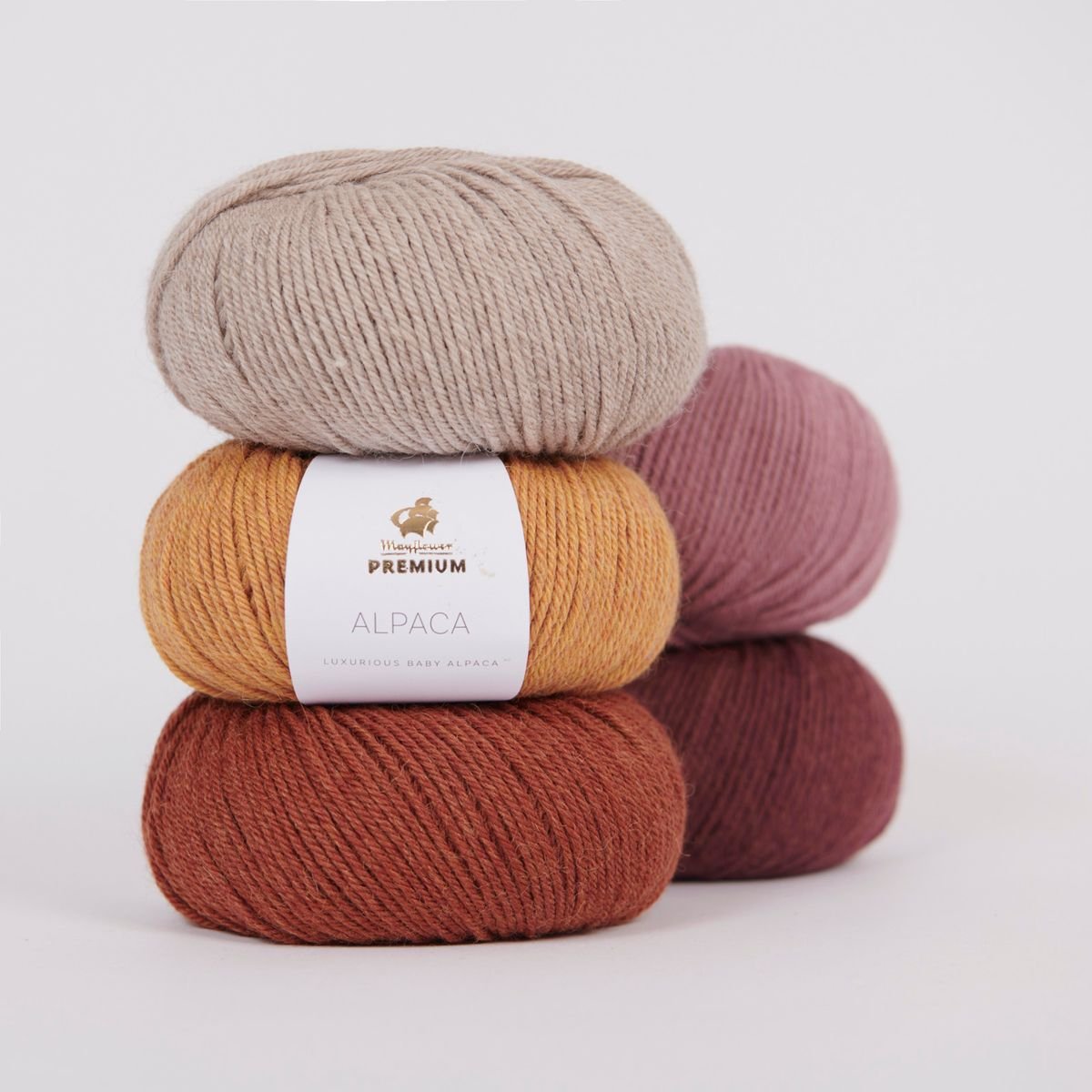
CENWILD sources premium merino wool, cotton, cashmere, alpaca, and acrylic blends tailored to your ribbed knit sweater’s end-use. Fiber choice dictates warmth, elasticity, drape, and care requirements—critical for both luxury and performance collections.
- Merino and cashmere for soft, insulating ribbed textures
- Cotton and Pima for breathable, washable everyday wear
- Acrylic and blends for cost-effective, anti-pilling durability
- Organic and recycled yarns available for sustainable lines
Gauge Selection for Stretch & Drape
Our 3GG–14GG computerized flat-knitting machines let you dial in the exact gauge for your ribbed knit sweater. Lower gauges yield chunky, cozy ribs; higher gauges produce fine, form-fitting textures with superior recovery and polish.
- 3GG–5GG for oversized, chunky ribbed sweaters and outerwear
- 7GG–9GG mid-gauge for balanced stretch and structure
- 12GG–14GG fine-gauge for sleek, fitted ribbed styles
- Gauge matched to yarn weight and design intent
Rib Stitch Pattern Engineering
From classic 1×1 and 2×2 ribs to broken, twisted, and mixed-gauge variations, CENWILD’s design and programming team translates your vision into precise stitch architecture—ensuring consistent elasticity, visual rhythm, and garment longevity across every piece.
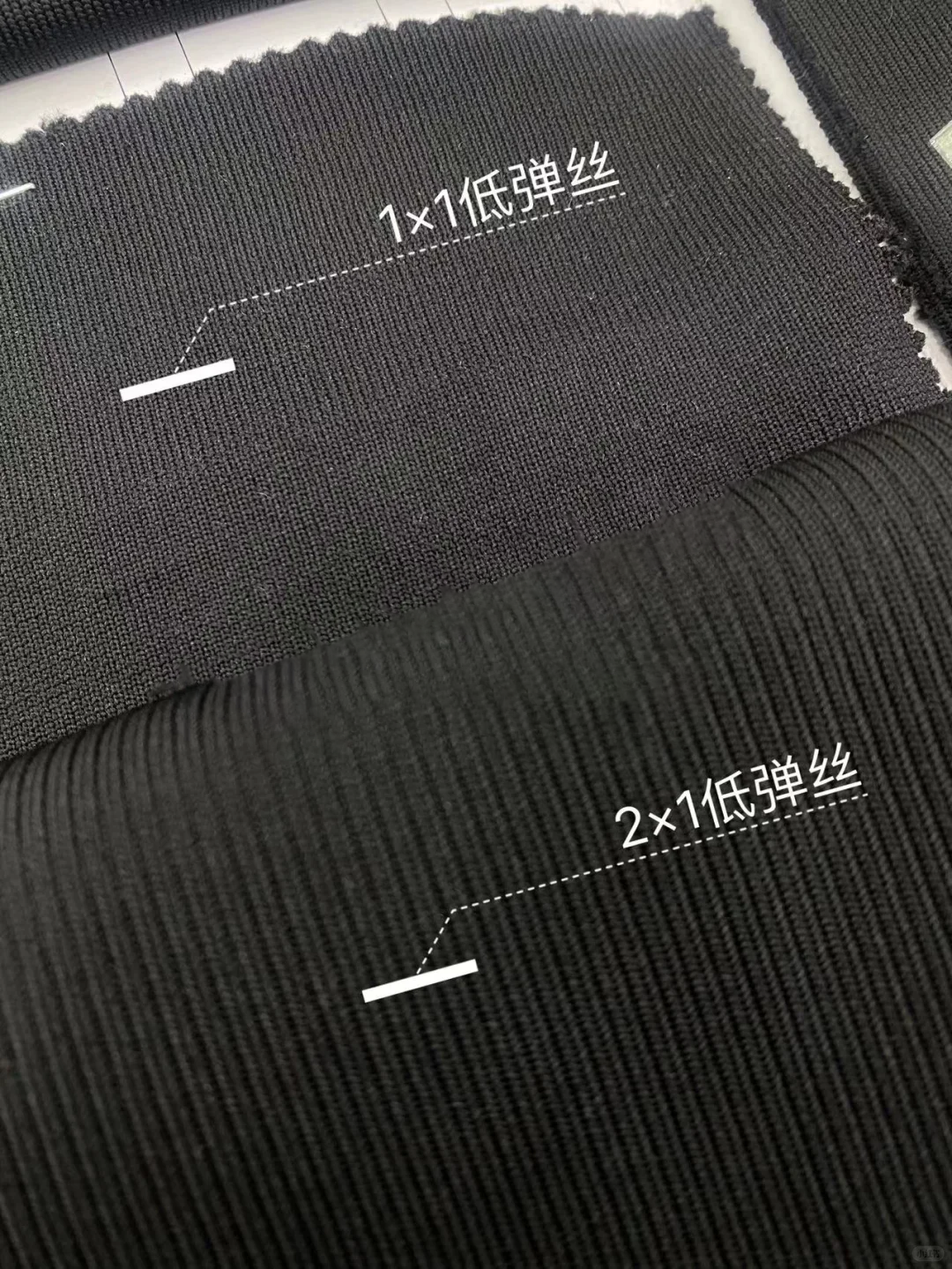
- 1×1 rib for maximum stretch and body-hugging fit
- 2×2 and wider ribs for bold texture and structure
- Broken, cable-rib, and mixed patterns for signature looks
- 3D knit programming for seamless pattern execution
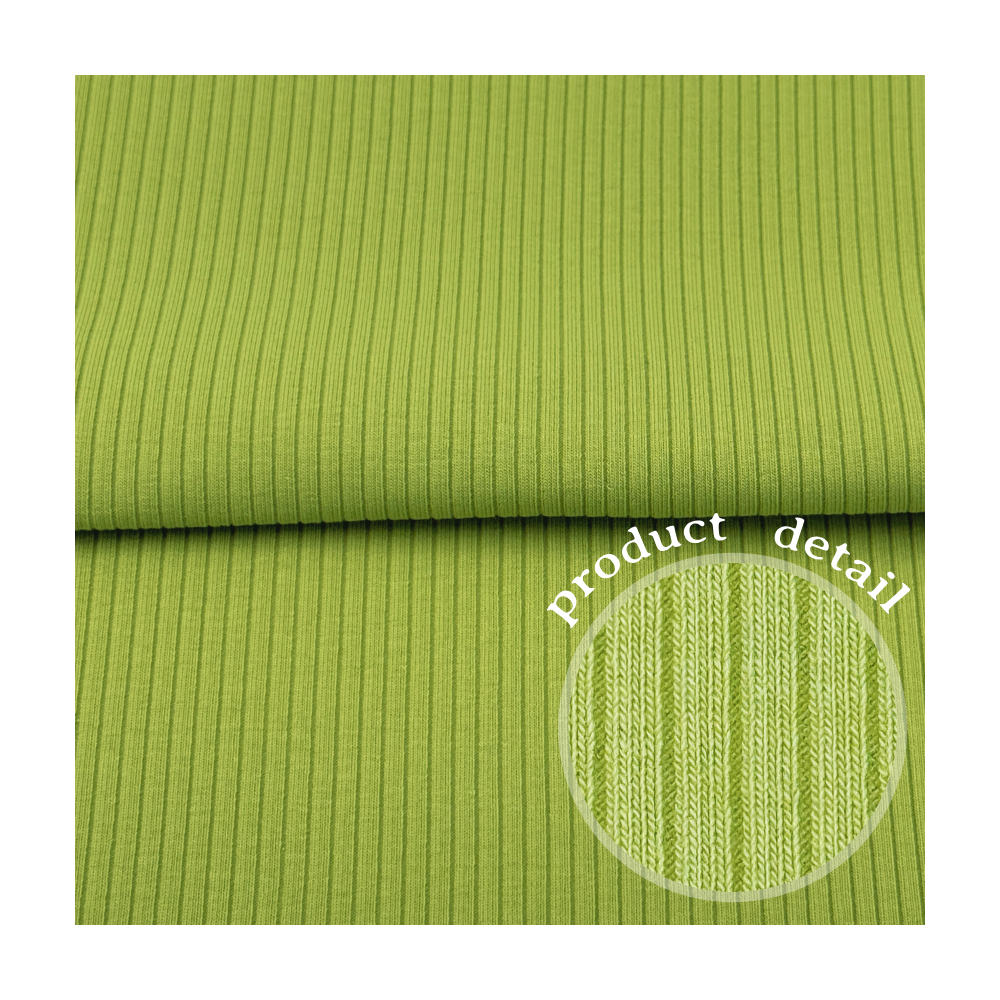
Finishing Techniques for Durability
Every ribbed knit sweater undergoes garment washing, softening, and anti-pilling treatments in-house. These finishing steps lock in dimensional stability, enhance hand-feel, and extend wear life—delivering retail-ready quality straight from our Dongguan facility.
- Softening washes for luxurious hand-feel and comfort
- Anti-pilling treatments to preserve rib definition
- Garment dye options for custom colorways post-knit
- Brushing and enzyme finishes for specialty textures
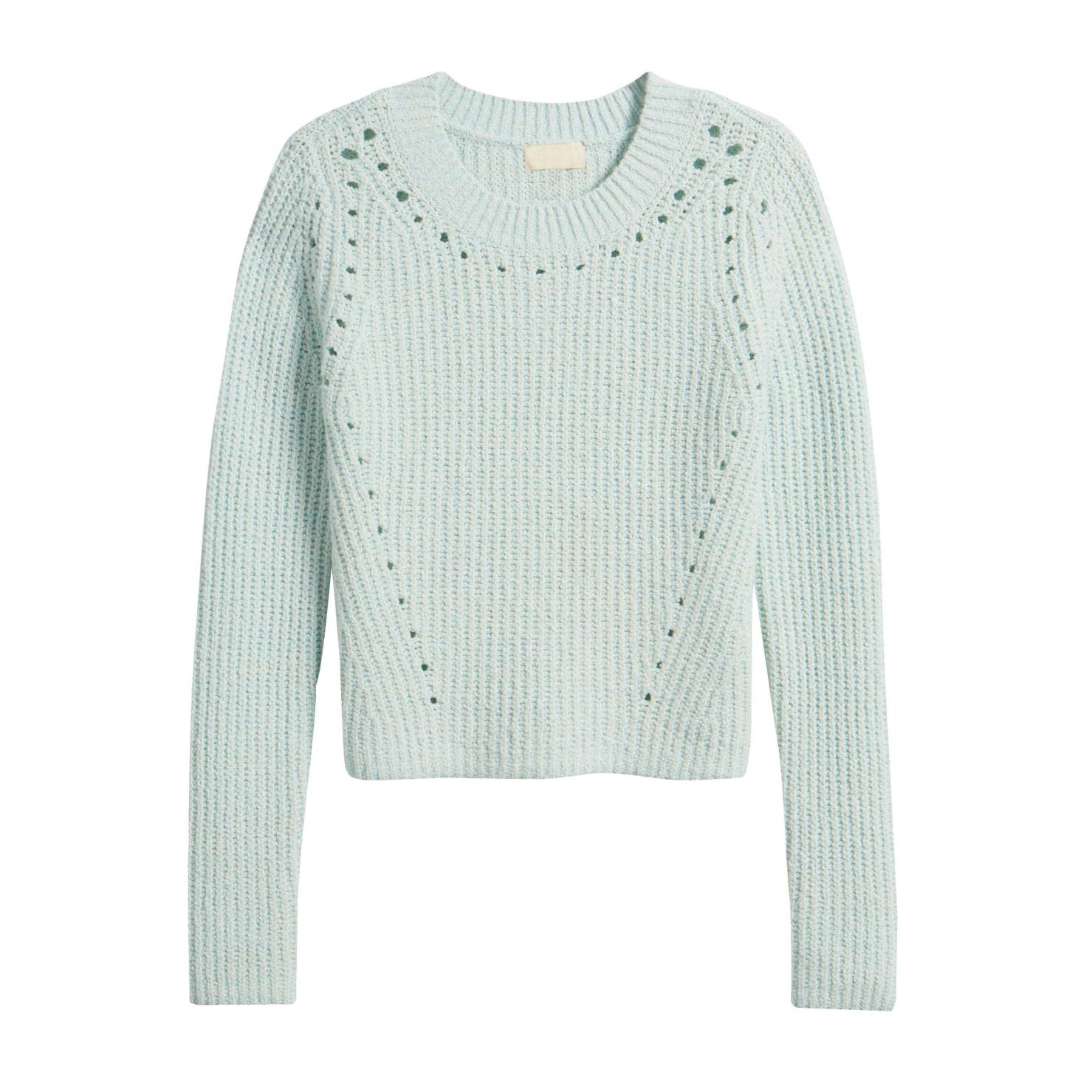
Ribbed Knit Sweater vs. Cable, Flat-Knit & Jacquard
Understanding the structural and performance differences between ribbed knitting and adjacent techniques helps you choose the right process for your custom sweater collection.
← 左右滑动查看 →
Ribbed Knit Sweater Production Flow
From yarn inspection to final packaging, every ribbed knit sweater passes through eight precision-controlled phases in our Dongguan facility to ensure elasticity, alignment, and lasting quality.
Yarn Sourcing & Inspection
Select and test yarn for elasticity, twist, and shrinkage. Each batch is inspected to ensure consistent tension and recovery critical for ribbed structures.
Gauge & Stitch Programming
Program computerized flat-knitting machines with rib pattern, gauge selection, and stitch tension parameters. Verify alignment and repeat accuracy before sampling.
Knit-Down Sampling
Produce full-size ribbed knit sweater samples. Test rib elasticity, shrinkage, hand-feel, and fit. Adjust tension and stitch count until approved.
Production Knitting
Run approved programs across 3GG–14GG machines. Monitor stitch tension, rib alignment, and panel consistency in real time throughout the production run.
Linking & Seaming
Join knit panels with precision linking to maintain rib continuity at seams. Inspect shoulder, side, and sleeve joins for smooth, invisible finishes.
Quality Control & Testing
Check every ribbed knit sweater for stitch integrity, rib alignment, measurement accuracy, and surface defects. Perform shrinkage and pilling resistance tests.
Finishing & Washing
Apply softening, anti-pilling, and garment-dye treatments as specified. Steam-press to stabilize rib structure and enhance drape and hand-feel.
Final Packaging & Export
Fold, tag, and pack each sweater per brand guidelines. Prepare cartons, documentation, and logistics for on-time shipment to your destination.
How to Order Custom Ribbed Knit Sweaters from CENWILD
Five simple steps from design to delivery — whether you bring a tech pack or just a sketch, CENWILD turns your ribbed knit sweater concept into finished inventory.
Submit Your Design
Share your tech pack, sketch, reference photo, or idea. Specify rib pattern, yarn type, gauge, colors, sizing grading, and any embellishments you need.
Review Knit-Down Sample
CENWILD’s in-house team programs your ribbed knit sweater, sources yarn, and ships a physical sample for fit, texture, and color approval within days.
Confirm Production Details
Lock in quantities from 100 pieces, finalize sizing grading, trims, packaging, and payment terms. Your deposit launches the production queue at our Dongguan facility.
Track Quality Checkpoints
Every ribbed knit sweater passes inline inspection, final QC, and optional pre-shipment photos or third-party audits to meet your brand standards before packing.
Receive and Reorder
Your order ships with full export documentation. As partnership grows, MOQ flexibility and deposit terms improve, making repeat orders faster and easier.
Customer Success Stories — Ribbed Knit Sweater Orders
CENWILD delivered 500 ribbed knit sweaters with perfect 2×2 rib consistency across every piece. The texture held beautifully after washing, and our reorder rate jumped 34% compared to our previous supplier.
We needed custom ribbed cardigans in seven colorways with a tight four-week deadline. CENWILD hit every milestone, color matched our Pantone references flawlessly, and shipped on day 28. Game changer for our fall launch.
The ribbed knit turtlenecks from CENWILD exceeded our quality benchmarks — zero pilling after lab testing, consistent gauge across all sizes, and the elasticity retention was 97% after 20 washes. We’ve placed three repeat orders since.
Ribbed Knit Sweater FAQ — Sourcing & Production
What is the minimum order quantity for custom ribbed knit sweaters?
Can ribbed knit sweaters be made in cotton, wool, or blended yarns?
How many colors can be incorporated into a ribbed knit sweater design?
What is the typical lead time for ribbed knit sweater production?
Do ribbed knit sweaters hold up well after washing and regular wear?
How much does a ribbed knit sweater sample cost and what turnaround time should I expect?
Can I combine embroidery or printing with ribbed knit sweaters?
What art file formats are required for custom ribbed knit sweater designs?
Does CENWILD source the yarn for ribbed knit sweaters or do I need to supply it?
The Complete Buyer’s Guide to Sourcing Custom Ribbed Knit Sweaters for Your Brand
This guide equips fashion brands and retailers with a proven decision framework, manufacturer selection criteria, material comparisons, and the most common sourcing mistakes to avoid when ordering custom ribbed knit sweaters.
1. What Is a Ribbed Knit Sweater?
A ribbed knit sweater features vertical raised lines created by alternating knit and purl stitches in the same course — most commonly 1×1 (one knit, one purl), 2×2, or 3×3 configurations. This construction technique delivers superior elastic recovery and shape retention compared to flat stockinette or jersey knits, allowing the fabric to stretch widthwise and return to its original dimension without bagging.
Ribbing differs fundamentally from cable knits, which use crossed stitches to form decorative braids, and from flat knits, which lack the dimensional texture and mechanical stretch. The vertical channels in a ribbed knit sweater trap air for added warmth and create a slimming visual line that flatters most body types.
Typical silhouettes include crewneck pullovers, turtlenecks, mock necks, cardigans, quarter-zips, and sweater vests — all leveraging ribbing’s ability to hug the body at cuffs, hems, and necklines without elastic tape. Fashion brands favor ribbed knit sweaters for their versatility, season-spanning wearability, and clean, modern aesthetic that works equally well in casual, athleisure, and smart-casual collections.
2. Evolution and History of Ribbed Knit Sweaters
Ribbed knit sweaters first appeared in early 20th-century military and workwear uniforms, where the elastic structure of ribbing provided warmth, durability, and freedom of movement for soldiers and laborers. The vertical wales created by alternating knit and purl stitches allowed garments to hug the body and retain heat without restricting activity.
By the 1920s ribbed knitwear transitioned into sportswear and casual fashion, with tennis and golf sweaters adopting ribbed cuffs, hems, and collars for a clean, athletic silhouette. This decade marked ribbing’s shift from purely functional to a design detail that signaled modernity and active lifestyles.
The 1980s saw high-fashion designers elevate the ribbed knit sweater into a runway statement piece, often body-conscious and textured, reflecting the era’s bold silhouettes and knitwear innovation. Ribbing became a deliberate aesthetic choice, not just a structural necessity.
In the 2020s the ribbed knit sweater resurfaced as a cornerstone of minimalist and sustainable fashion, prized for its timeless texture, versatility, and ability to be produced in low-MOQ runs by manufacturers like CENWILD. Today ribbing bridges heritage craftsmanship and contemporary design.
3. Types of Ribbed Knit Sweaters by Construction and Style
Ribbed knit sweater construction varies by stitch pattern, gauge, and silhouette, each delivering distinct stretch, texture, and styling. Understanding these types helps buyers match product to collection positioning and customer use case.
1×1 Rib vs 2×2 Rib Construction
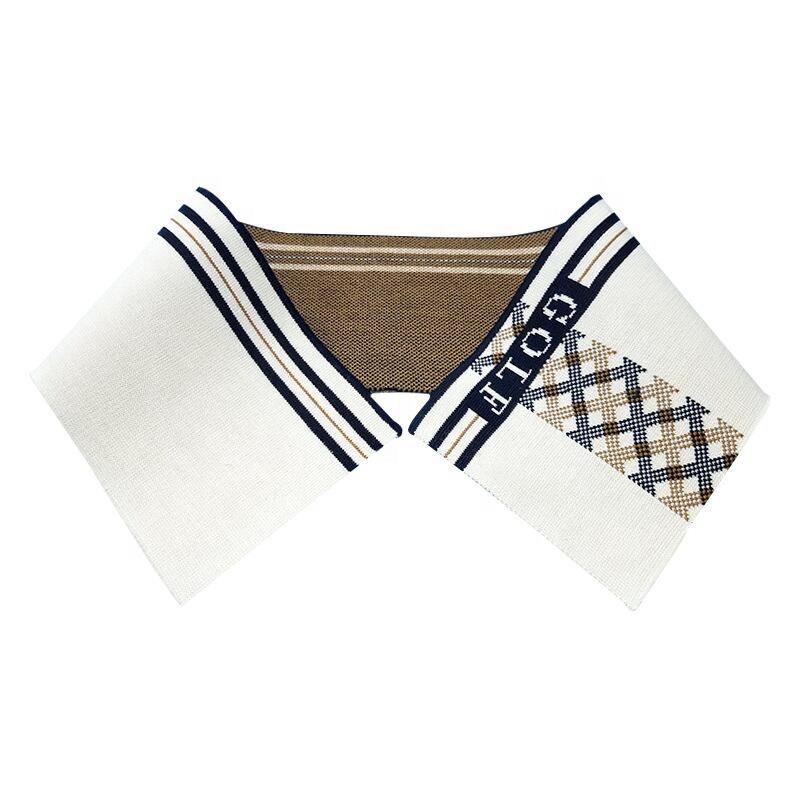
1×1 rib alternates one knit column with one purl column, creating tight vertical lines and maximum elasticity. It suits fitted silhouettes, cuffs, and neckbands.
2×2 rib pairs two knit columns with two purl columns, yielding wider ridges, softer drape, and less recovery. Ideal for relaxed pullovers and cardigans where structure matters less than texture.
Chunky Rib vs Fine Rib Gauge
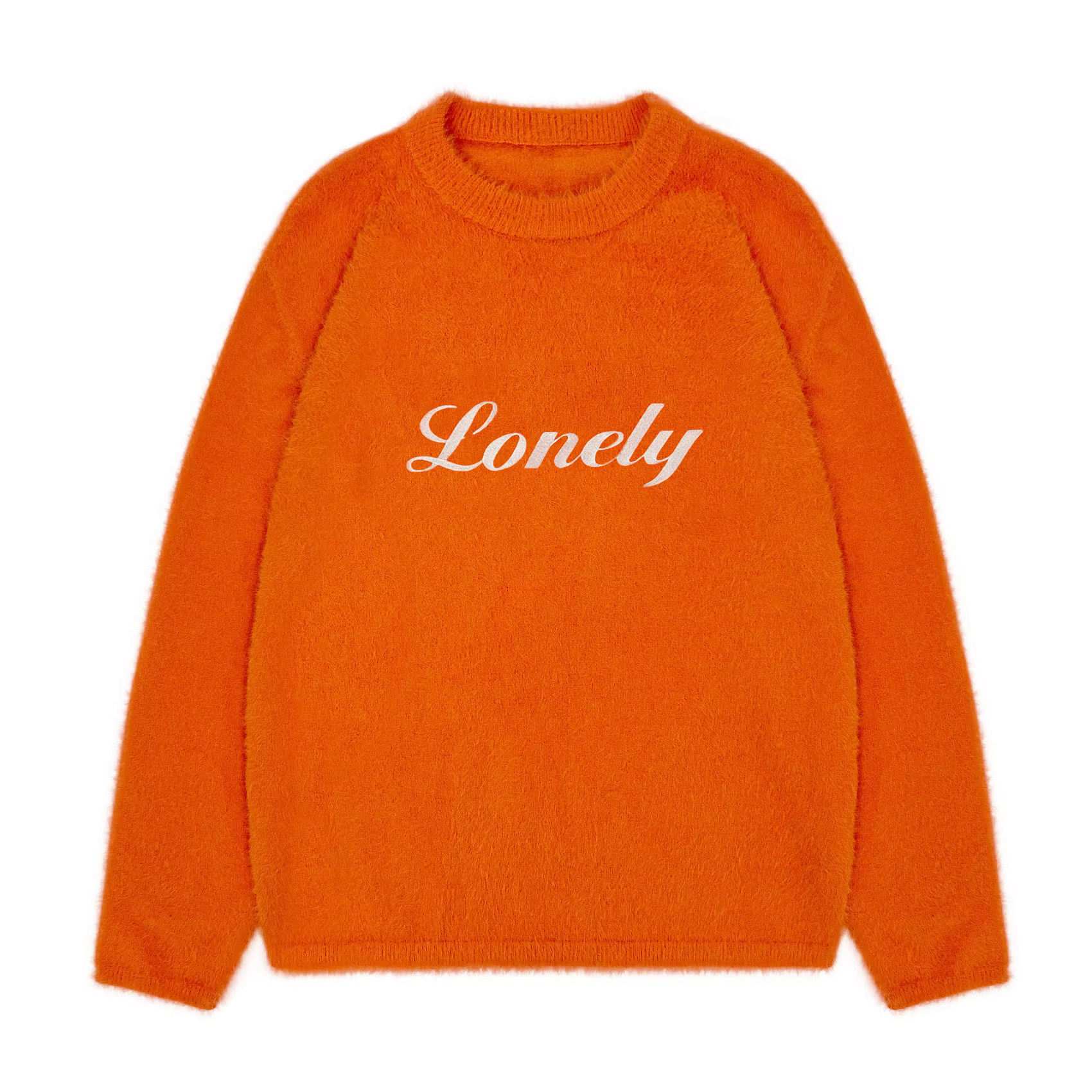
Chunky rib runs on 3GG–5GG machines, producing bold ridges and heavyweight hand feel for outerwear and statement pieces. Fine rib uses 7GG–14GG gauges, delivering sleek lines and lightweight drape suited to layering tees and bodysuits.
Half-Zip Rib Pullovers and Ribbed Cardigans
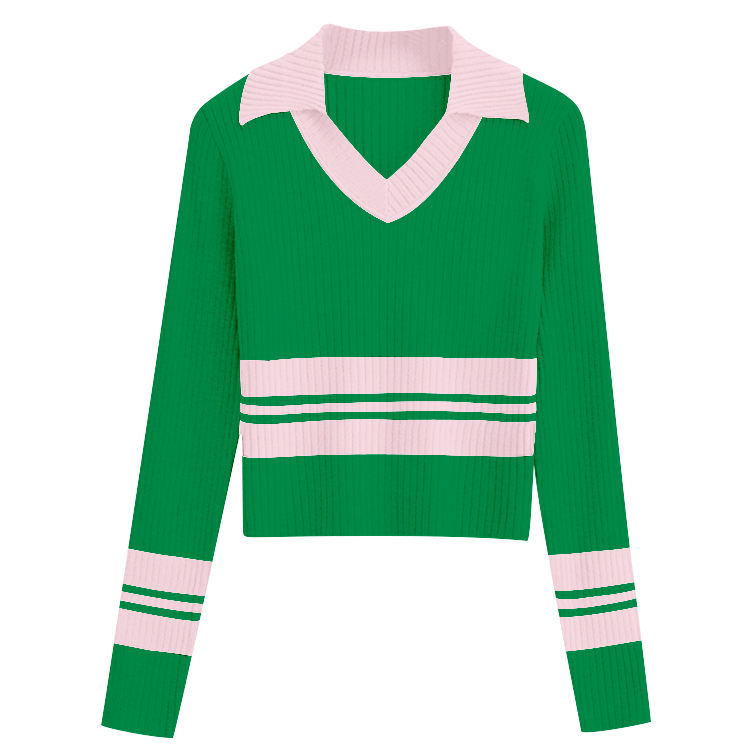
Half-zip rib pullovers combine athletic function with smart-casual appeal, popular in athleisure and weekend collections. Ribbed cardigans offer open-front versatility for formal layering and workwear, often finished with button or zip closures.
4. Materials and Fabrics for Ribbed Knit Sweaters
Material choice defines hand feel, price point, and seasonal appeal in every ribbed knit sweater. CENWILD stocks cotton, merino wool, cashmere, lambswool, alpaca, mohair, acrylic, and recycled or organic blends across gauges from 3GG to 14GG, ensuring the right fiber for every market tier.
| Material | GSM Range | Stretch Recovery | Price Tier | Best For |
|---|---|---|---|---|
| Cotton | 180–280 | Moderate | $ | Spring/summer, casual basics |
| Merino Wool | 220–320 | Excellent | $$ | Fall/winter, activewear |
| Cashmere | 180–260 | Good | $$$ | Luxury, winter layering |
| Acrylic Blends | 200–300 | Very Good | $ | Budget lines, volume orders |
| Recycled Polyester | 180–280 | Excellent | $$ | Sustainable collections |
| Organic Cotton | 180–280 | Moderate | $$ | Eco-conscious brands |
5. Customization and Decoration Options for Ribbed Knit Sweaters
Brand identity transforms a ribbed knit sweater from commodity to signature piece. CENWILD offers seven core decoration and customization methods, each with distinct setup economics, durability profiles, and MOQ implications that shape both unit cost and brand perception.
| Technique | Setup Cost | Wash Durability | MOQ Impact |
|---|---|---|---|
| Woven labels (neck/side) | Low ($50–150) | Excellent (permanent) | None (+0 pcs) |
| Embroidered logo (chest/sleeve) | Medium ($100–300) | Excellent (50+ washes) | Low (+50 pcs typical) |
| Jacquard/intarsia pattern | None (knit-in) | Permanent (part of fabric) | Medium (+100–200 pcs) |
| Contrast ribbing (cuffs/hem) | None (assembly) | Permanent | Low (+50 pcs) |
| Custom garment-dye color | Low (dye-lot) | Good (colorfastness varies) | Medium (+100 pcs/color) |
| Hang tags & packaging | Low ($30–100) | N/A | None (+0 pcs) |
6. Key Quality Indicators in Ribbed Knit Sweater Construction
Inspecting pre-production samples for five core quality checkpoints prevents costly returns and protects brand reputation. Each indicator directly impacts wearability, longevity, and customer satisfaction.
Gauge Consistency and Stitch Integrity
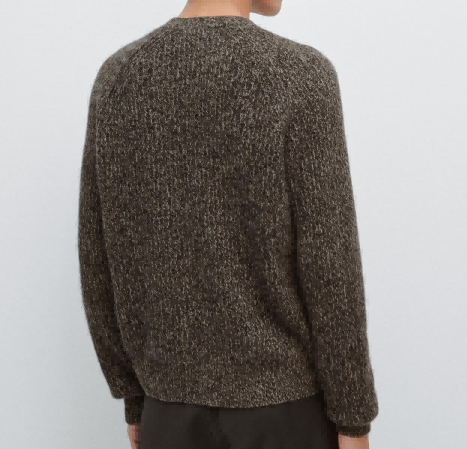
Check that every rib column runs parallel with uniform tension across the entire garment. Loose or skipped stitches create visible flaws and weak points that unravel during wear.
CENWILD’s computerized flat-knitting machines across 3GG–14GG gauges maintain precise tension, ensuring ribbed knit sweater panels show no dropped loops or uneven wales.
Seam Strength: Linking Versus Overlock
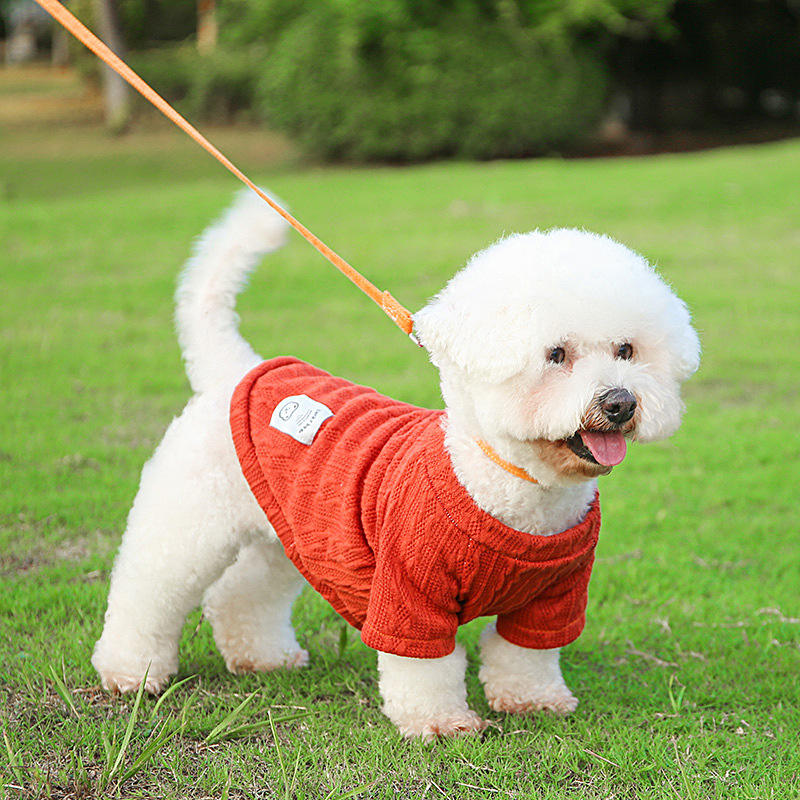
Fully-fashioned linking produces invisible, stretch-compatible seams ideal for ribbed cuffs and hems. Overlock stitching is faster but creates visible bulk and may restrict elasticity.
Request linked shoulder, side, and sleeve seams in samples to verify durability under repeated stretch.
Dimensional Stability After Washing
Measure samples before and after three wash-dry cycles to confirm shrinkage stays within ±3%. Excessive shrinkage triggers size complaints and returns.
CENWILD applies garment washing and anti-pilling finishes that stabilize dimensions and preserve rib definition through repeated laundering.
Pilling Resistance and Surface Durability
Rub sample fabric against itself for 50 cycles; premium yarns show minimal fiber migration. Pilling degrades appearance and signals low-quality fiber or insufficient finishing.
Anti-pilling treatments during garment washing reduce surface fuzz and extend the commercial life of ribbed knit sweaters.
Elasticity Retention in Rib Structures
Stretch a cuff or hem to 150% width, release, and confirm it recovers to original dimension within five seconds. Poor recovery causes sagging necklines and loose waistbands.
Ribbed constructions rely on yarn crimp and knit structure; blends with elastane or high-twist wool maintain shape best.
7. How to Choose the Right Ribbed Knit Sweater Manufacturer
Choosing a ribbed knit sweater manufacturer requires a scorecard approach that balances flexibility, capability, and reliability. Evaluate MOQ thresholds, lead times, sampling workflows, certifications, and communication responsiveness to find a partner aligned with your brand’s growth stage and quality standards.
MOQ Flexibility and Production Capacity
MOQ ranges from 100 pieces per style for emerging brands to 500–1,000 for established collections. Confirm the factory’s monthly capacity—80,000+ pieces indicates stable scheduling and the ability to scale orders without delaying existing clients.
Ask whether minimums apply per colorway or per style, and whether mixed sizes within an order are supported without surcharges.
Lead Times and Sampling Process
Standard lead times run 4–6 weeks for production after sample approval, plus 1–2 weeks for knit-down sampling. Request a detailed timeline covering design iteration, yarn procurement, knitting, finishing, QC, and packing.
Confirm whether the factory offers digital 3D knit simulations or requires physical swatches before committing to full sampling.
Certifications and Factory Audit Tips
OEKO-TEX Standard 100 and GOTS certifications verify yarn safety and organic traceability. Request copies of current certificates and confirm they cover the specific yarn blends you plan to use.
Schedule a virtual or in-person audit to review knitting equipment gauge range (3GG–14GG), finishing machinery, and QC checkpoints before final shipment.
Payment Terms and Financial Flexibility
First-order deposits typically range from 50% to 100%, easing to 30–50% for repeat clients, with balance due before shipment. Verify accepted methods—T/T, PayPal, credit card, and USDT offer varying speed and buyer protection.
Ask whether payment milestones are tied to production stages (post-sampling, post-knitting, post-finishing) to manage cash flow on larger orders.
Tech Pack Submission and Communication
Submit a tech pack including flat sketches, stitch detail callouts, yarn composition, color references (Pantone or physical swatches), and size grading. Factories with in-house design teams can develop packs from photos or concepts.
Test responsiveness during sampling: replies within 24 hours and proactive clarification questions signal reliable project management throughout production.
8. Common Mistakes Buyers Make When Sourcing Ribbed Knit Sweaters
Even experienced buyers encounter costly pitfalls when sourcing ribbed knit sweaters. Ribbed construction amplifies issues like shrinkage, color variance, and fit inconsistencies that flat knits often mask. Understanding these five mistakes — and their fixes — protects your margin and delivery schedule.
Ignoring Shrinkage Testing
Ribs compress vertically during washing, often shrinking 8–12% in length versus 3–5% for flat knits. Buyers who skip pre-production wash tests face garments that fall short of spec after the first consumer laundry cycle.
CENWILD runs garment-wash samples before bulk production, adjusting knit length to hit finished measurements post-shrinkage. Always request wash-test reports and compare measurements before and after three wash cycles.
Underestimating Color Matching in Ribs
Ribbed surfaces reflect light differently than stockinette, making the same dye lot appear lighter or darker depending on rib gauge and tension. Buyers approving lab dips on flat swatches often reject bulk goods when ribs show unexpected shade variation.
Request strike-offs knitted in the actual rib structure and gauge of your final garment. CENWILD’s design team knits color swatches in 1×1, 2×2, or custom ribs to ensure Pantone accuracy under production conditions.
Skipping Wear Trials
Ribs stretch during wear and may not return to original dimensions, causing waistbands to bag or cuffs to lose grip. Buyers who approve fit on a mannequin miss real-world performance issues that trigger returns.
Conduct 8-hour wear trials with your target demographic before confirming bulk. CENWILD offers knit-down samples at 100-piece MOQ, letting you test recovery, comfort, and durability in actual use before scaling production.
Choosing Price Over Quality
A ribbed knit sweater quoted 15% below market often uses low-twist yarn, loose gauge, or reduced stitch density, leading to pilling, sagging, and chargebacks that erase the savings. Price-driven decisions frequently double total cost when factoring rework and brand damage.
CENWILD’s transparent cost breakdowns separate yarn grade, gauge, and finishing so you understand every dollar. Compare samples side-by-side and request stitch-density specs — quality ribs hold 18–22 courses per inch, not 14–16.
Poor Size Grading Communication
Ribs require proportional adjustments in both width and length across sizes; linear scaling creates tight armpits in XL or baggy waists in XS. Buyers who send a single tech pack without grade rules see inconsistent fit across the size run.
Provide finished measurements for every size, or work with CENWILD’s grading team to build a spec sheet that accounts for rib stretch and recovery. Clear communication at the sampling stage prevents costly remakes and delayed launch dates.
9. Steps to Launch Your Ribbed Knit Sweater Collection
Launching a ribbed knit sweater collection requires a structured workflow from concept to delivery. Following these five phases reduces risk, controls cost, and ensures your product meets brand standards before bulk production begins.
Define Target Market and Price Point
Identify your customer demographic, retail channel, and landed cost ceiling before contacting manufacturers. A $49 retail sweater allows roughly $12–$16 FOB; a $120 piece supports $30–$40 FOB, unlocking merino or cashmere blends.
Share your target price with CENWILD’s design team to align yarn selection, gauge, and decoration complexity. This step typically takes 1–3 days and prevents costly revisions later.
Source and Approve Knit-Down Samples
Request knit-down swatches in your chosen rib construction, yarn, and gauge. CENWILD produces physical samples within 7–10 days, letting you assess hand-feel, stretch recovery, and color accuracy.
Approve one sample before committing to full proto development. Budget 2–3 weeks for proto knitting, fitting, and any pattern adjustments. Sample cost is typically deducted from your first bulk order above 500 pieces.
Finalize Tech Pack and Colorways
Lock measurements, stitch diagrams, trim specifications, and Pantone references in a production tech pack. CENWILD’s team converts sketches or reference photos into graded patterns and 3D knit programs.
Limit your first collection to 3–5 colorways to simplify inventory and meet the 100-piece MOQ per style. Finalization takes 3–5 days once all approvals are signed.
Place Bulk Order with Deposit
Submit a purchase order and remit the deposit—100% for first-time buyers, scaling to 30% for established partners. CENWILD accepts T/T, PayPal, credit card, and USDT. Balance is due before shipment.
Production lead time runs 25–35 days for orders under 1,000 pieces, 35–45 days beyond that. Confirm your target ship date and any peak-season buffers during order placement.
Plan Quality Control and Logistics
Schedule in-line and final random inspection (AQL 2.5 standard) during the last week of production. CENWILD photographs each colorway and provides a pre-ship report.
Arrange freight—sea (30–40 days) or air (5–7 days)—and prepare customs documentation. For DDP terms, confirm duties and landed cost before your retail launch date.
10. Pricing and Cost Breakdown for Custom Ribbed Knit Sweaters
CENWILD’s 100-piece minimum order quantity opens custom ribbed knit sweater production to independent designers and emerging brands at accessible entry points, with per-unit costs dropping sharply as volume scales. Cotton styles typically land between $12–$18 FOB at 100 pieces, $10–$15 at 500, and $8–$12 at 1,000+, while merino wool ranges $18–$28, and cashmere blends $35–$65 depending on gauge and stitch complexity.
Sampling fees run $80–$150 per colorway or construction variation, credited back on orders of 300+ pieces. Custom yarn dyeing adds $200–$400 setup per Pantone match (minimum 50 kg per dye lot), and decoration costs layer predictably: flat embroidery $1.20–$2.50 per placement, woven labels $0.30–$0.80 each, and custom hang-tags $0.15–$0.40.
Lead times compress with repeat orders: first production averages 45–50 days ex-factory, dropping to 30–35 days for established partners with approved samples and stable colorways.
| Quantity Tier | Cotton FOB/Unit | Merino Wool FOB/Unit | Cashmere Blend FOB/Unit | Lead Time (days) |
|---|---|---|---|---|
| 100 pcs | $12–$18 | $18–$28 | $35–$65 | 45–50 |
| 250 pcs | $11–$16 | $16–$24 | $32–$58 | 40–45 |
| 500 pcs | $10–$15 | $15–$22 | $28–$52 | 35–40 |
| 1,000+ pcs | $8–$12 | $12–$18 | $24–$45 | 30–35 |
Ready to Source Your Custom Ribbed Knit Sweaters?
100-piece MOQ, fast sampling, and 28+ years of ribbed knit expertise. Submit your artwork or request a free quote today.