Cable Knit Sweater Manufacturer — Custom OEM/ODM from 100 Pieces
CENWILD is your trusted cable knit sweater manufacturer with 28+ years of Dongguan expertise, delivering premium textured knitwear with low MOQ, in-house sampling, and full private label support.
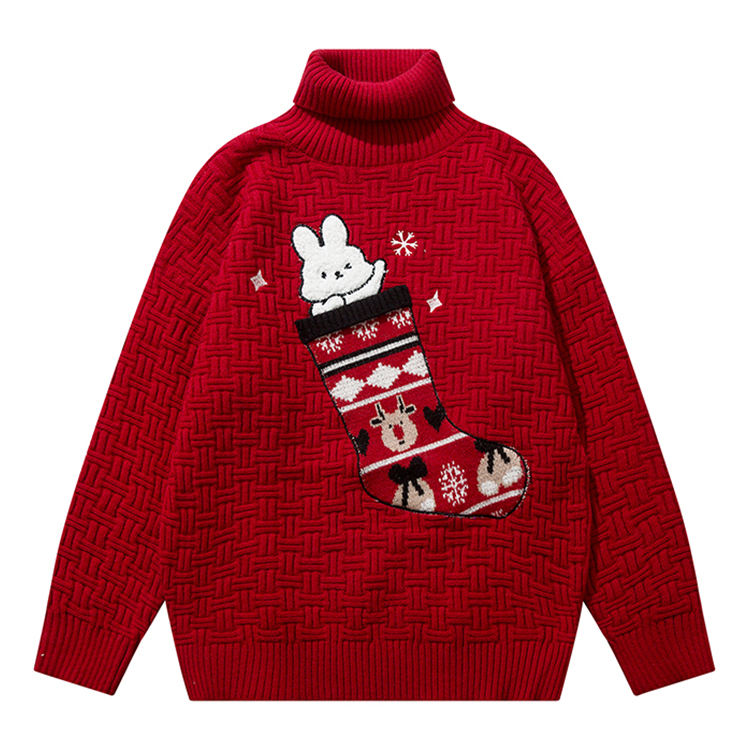
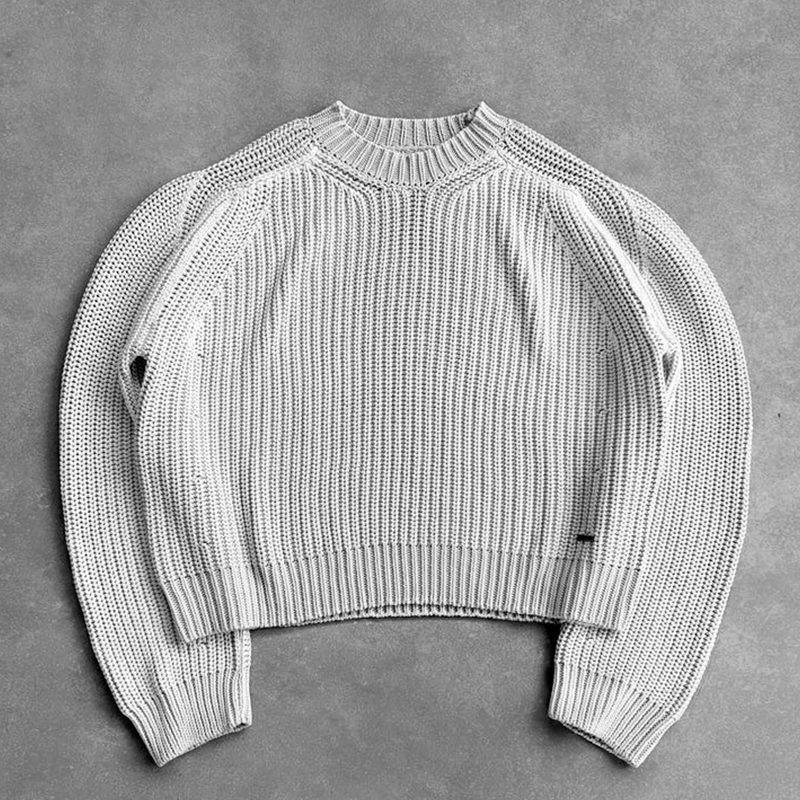
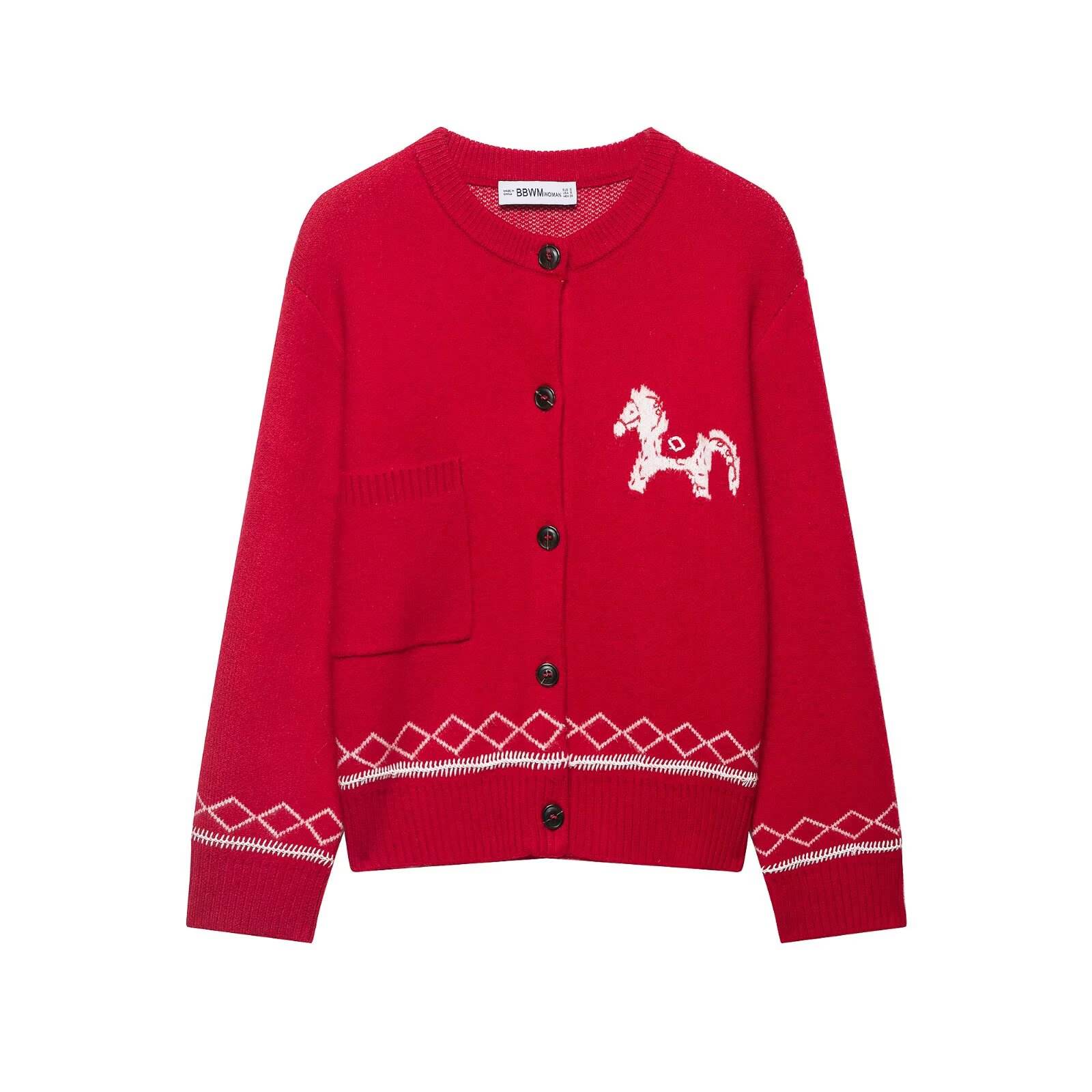
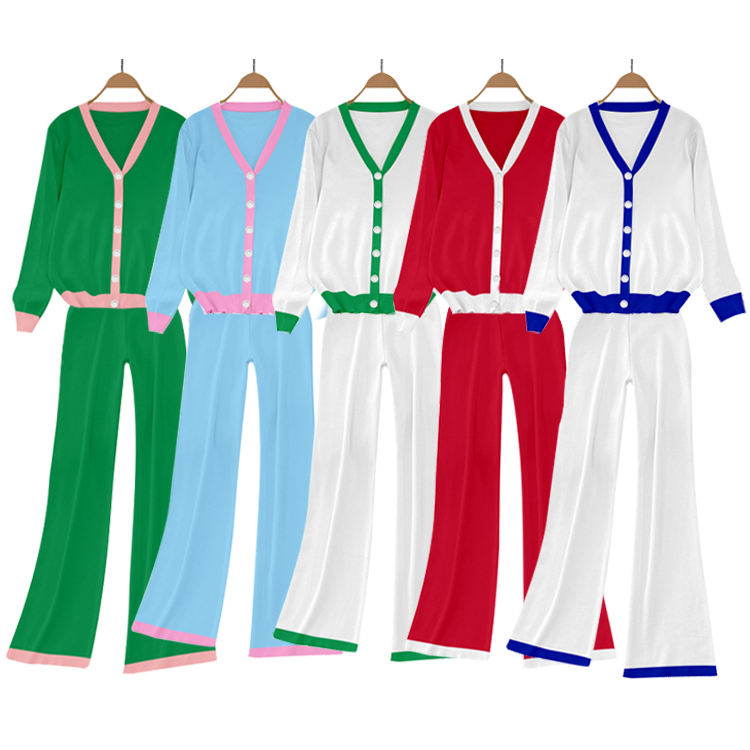
Cable Knit Sweater Samples
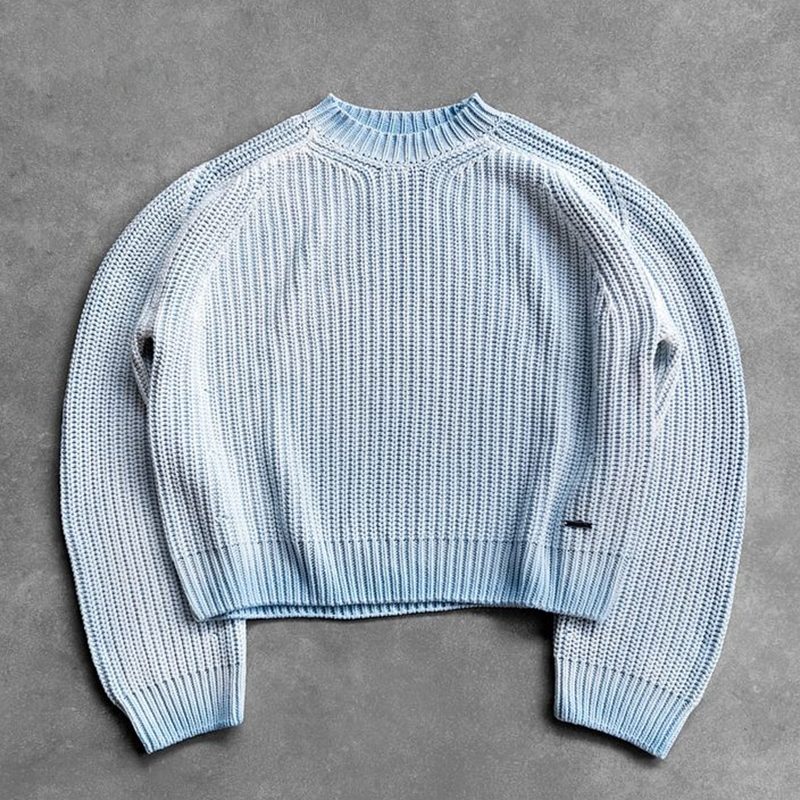
What Makes Our Cable Knit Sweater Manufacturer Different
Raised Dimensional Texture
Cable knit creates sculptural surface depth that elevates perceived value and visual interest across every garment style and color palette.
Premium Luxury Perception
The intricate interlacing signals craftsmanship and quality, positioning your brand at higher price points with stronger customer appeal.
Unlimited Design Flexibility
Our cable knit sweater manufacturer programs custom stitch patterns, from classic Aran to modern geometric, matching your exact creative vision.
Enhanced Durability and Structure
Twisted cable stitches interlock fibers more tightly, delivering garments that resist pilling, hold shape longer, and withstand repeated wear.
All-Season Versatility
Cable texture adds warmth without bulk in winter weights, yet remains breathable in lighter gauges for transitional and layering pieces.
Universal Audience Appeal
Cable knit resonates across men, women, and children’s collections, from heritage preppy to contemporary minimalist and streetwear aesthetics.
Explore Knitting Techniques & Related Capabilities
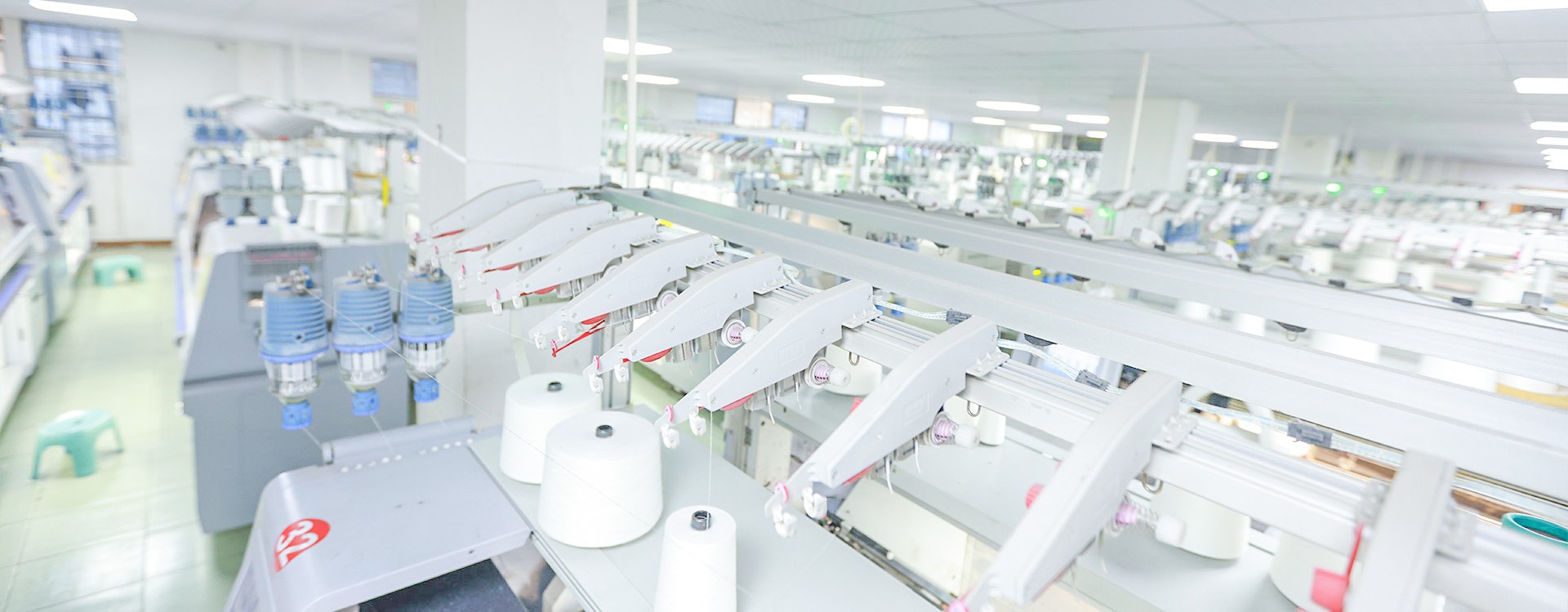
Knitting Techniques
Browse the full spectrum of knitting techniques CENWILD manufactures. From cable and intarsia to jacquard, ribbed, pointelle, and fully-fashioned construction, our 28+ years of Dongguan expertise and computerized flat-knitting equipment deliver the structure, texture, and detail your designs demand at MOQ from 100 pieces.
Get a Quote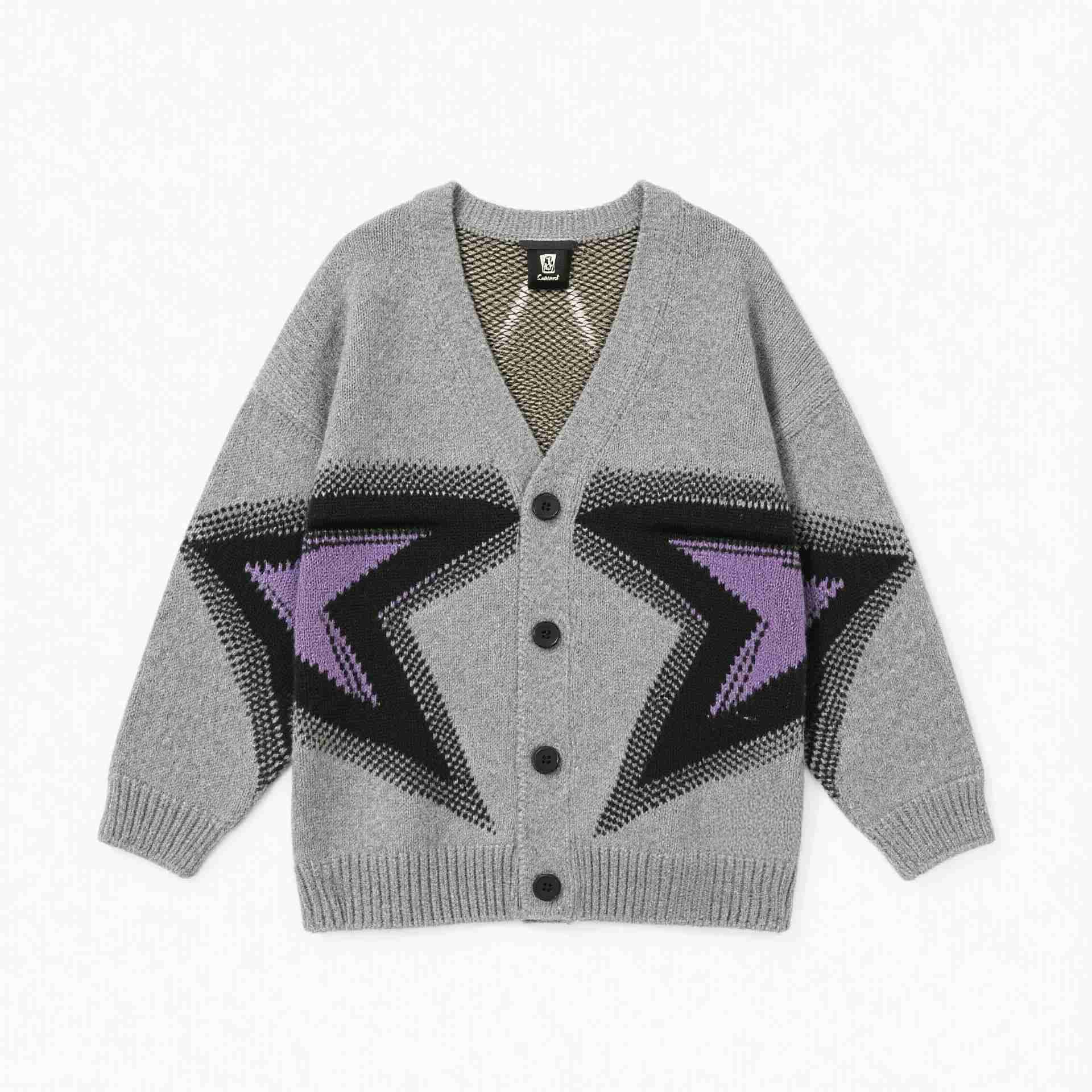
Intarsia Knitting
Intarsia knitting creates bold, color-blocked designs by knitting each color area separately without yarn floats on the reverse. Ideal for logos, geometric patterns, and graphic storytelling. CENWILD programs intarsia motifs in-house, produces knit-down samples, and manufactures intarsia sweaters, cardigans, and knit dresses for brands seeking clean, lightweight color work.
Get a Quote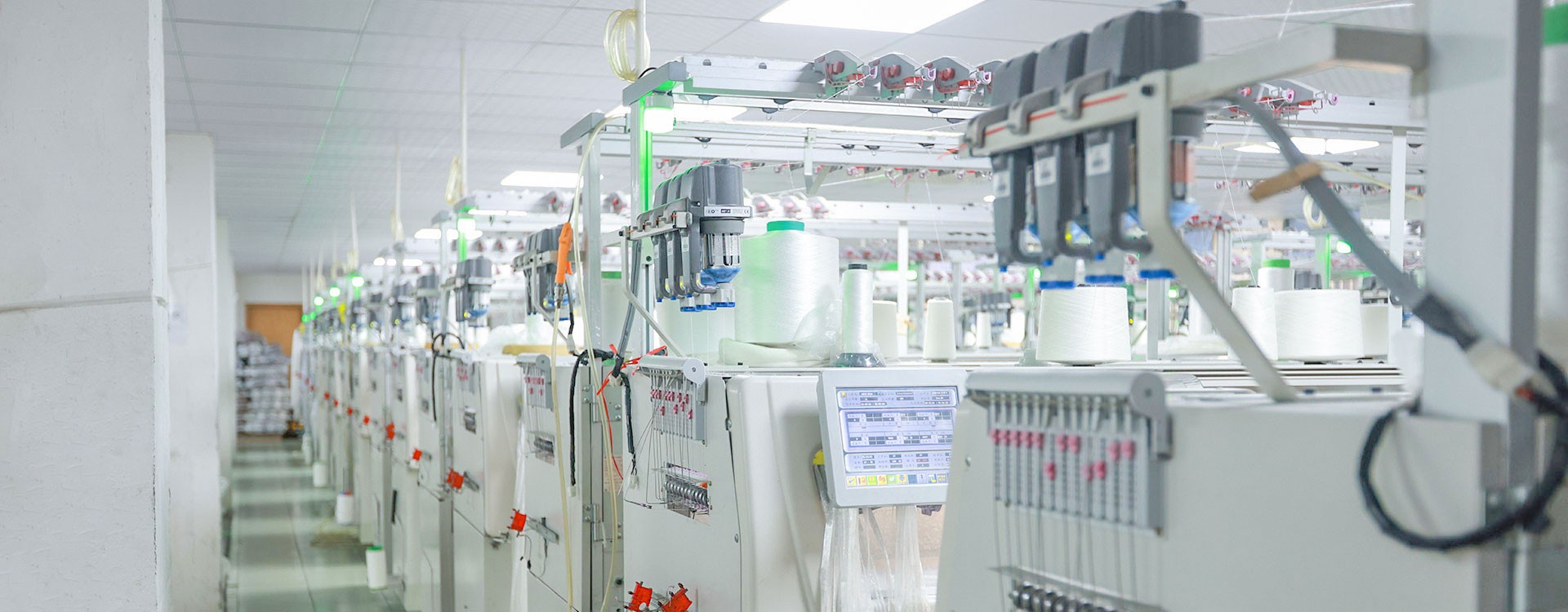
Jacquard Knitting
Jacquard knit sweaters feature multi-color patterns knitted simultaneously across the fabric, with floats carried on the reverse. Perfect for Fair Isle, Nordic, and allover repeat designs. Our 3GG to 14GG machines and skilled programming team translate your artwork into jacquard knitwear for men, women, and children, from 100 pieces per style.
Get a Quote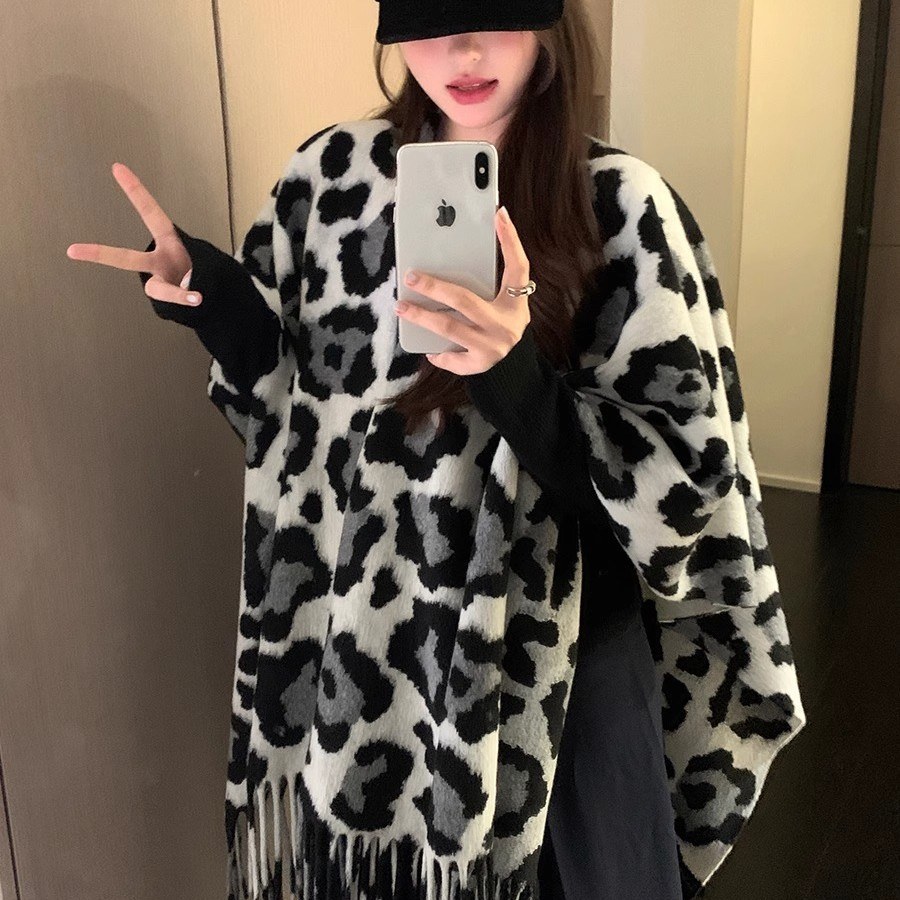
Ribbed Knit
Ribbed knit sweaters combine knit and purl stitches to create vertical texture and natural stretch. Commonly used for cuffs, hems, necklines, and full-garment construction in fitted or relaxed silhouettes. CENWILD manufactures 1×1, 2×2, and custom rib structures in wool, cotton, cashmere, and blends with precise gauge control and finishing.
Get a Quote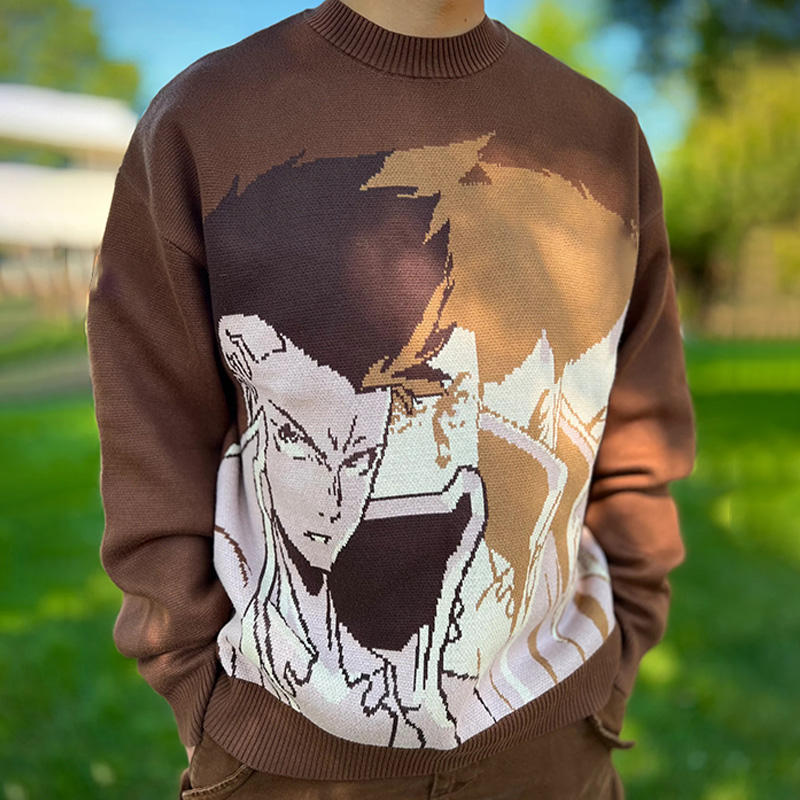
Pointelle Knit
Pointelle knit sweaters showcase delicate openwork patterns created by transferring and dropping stitches to form decorative eyelets and lace effects. Ideal for lightweight, feminine spring and summer styles. Our team programs pointelle motifs, produces samples, and manufactures pointelle cardigans, pullovers, and knit dresses in natural and synthetic fibers.
Get a Quote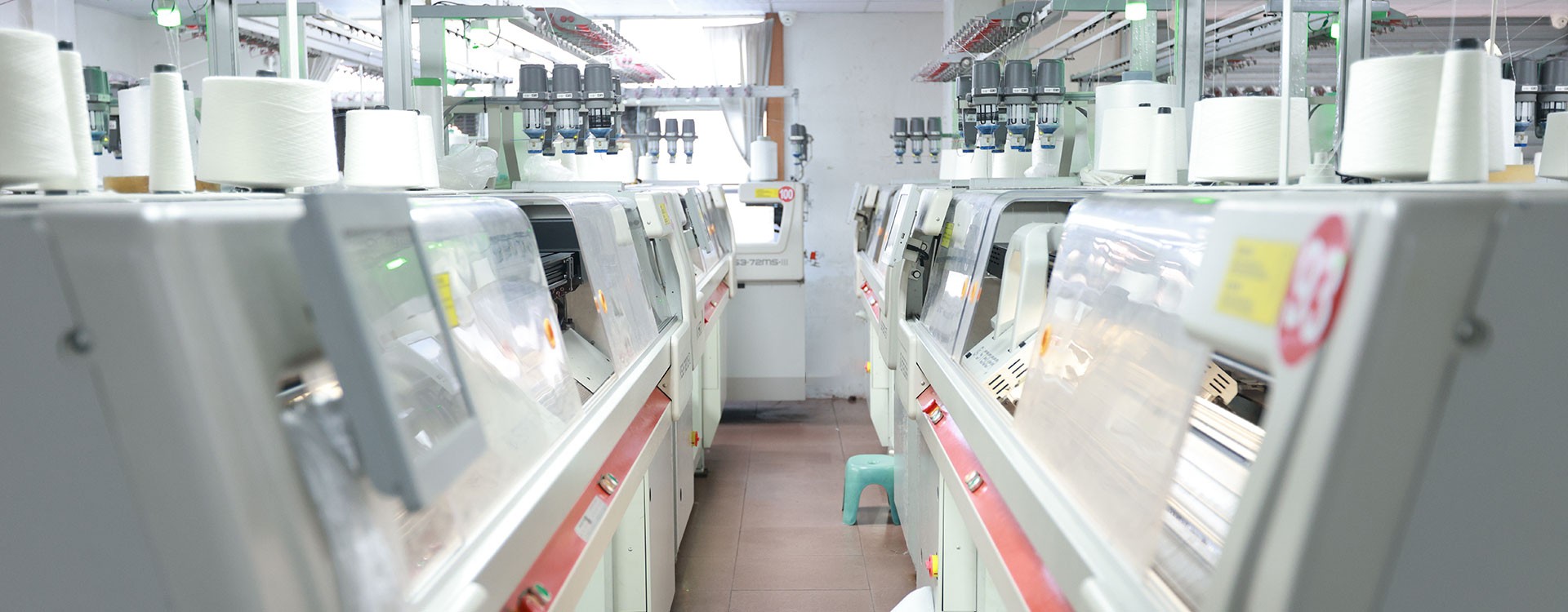
Fully Fashioned Knitting
Fully fashioned knitwear is knitted to shape panel by panel, eliminating fabric waste and creating clean, engineered edges that require minimal seaming. This premium construction method enhances fit, reduces material loss, and suits luxury and sustainable collections. CENWILD offers fully fashioned production across gauges and yarn types, with in-house programming and linking.
Get a Quote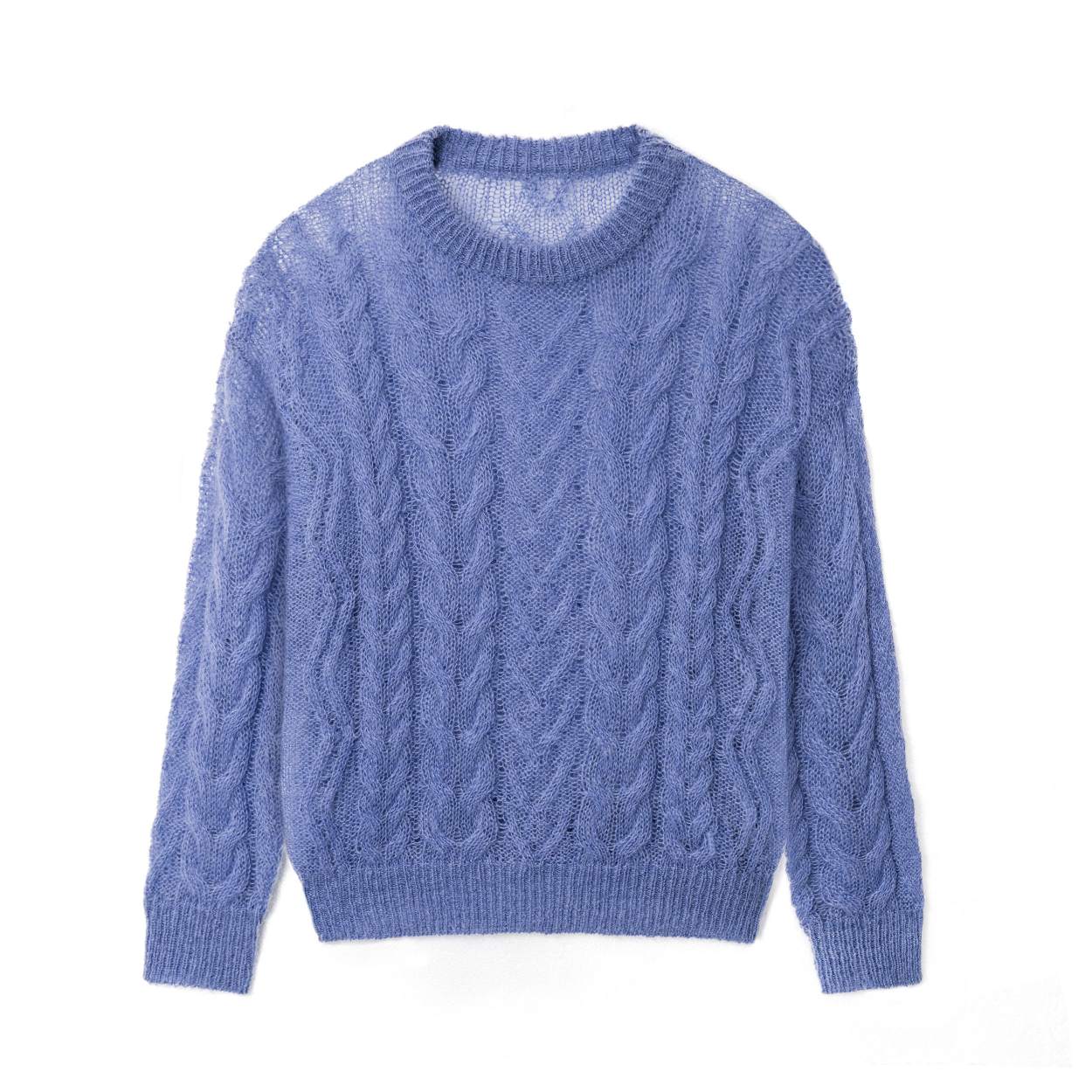
Gauge Options 3GG to 14GG
CENWILD operates computerized flat-knitting machines across 3GG to 14GG gauge range. Coarser gauges like 3GG and 5GG deliver chunky, textured knitwear; mid gauges suit everyday sweaters; fine gauges from 12GG to 14GG produce lightweight, smooth fabrics for refined styles. Our gauge flexibility supports diverse design briefs and seasonal collections.
Get a Quote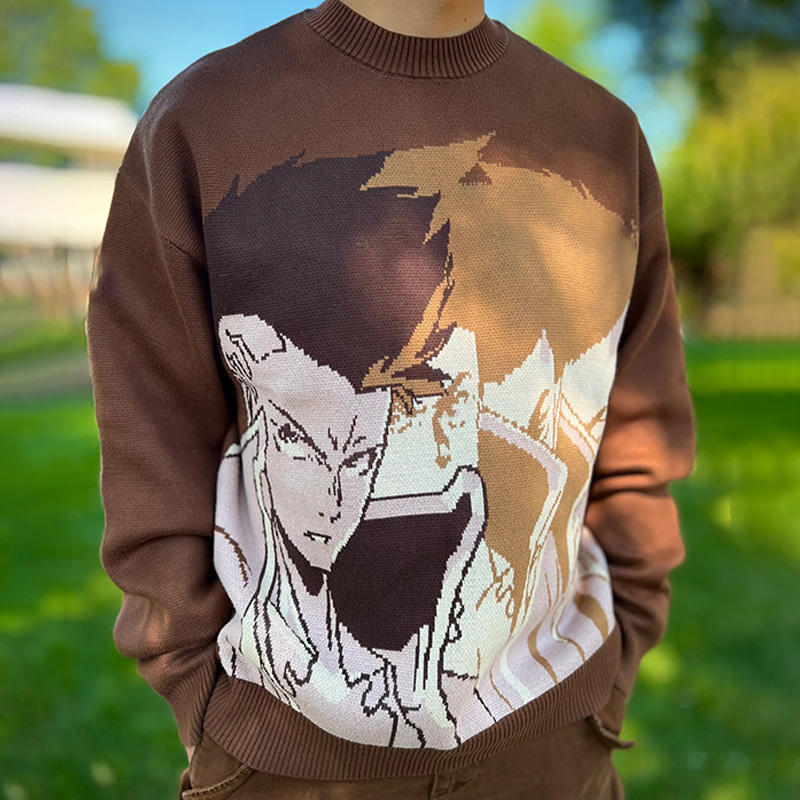
Hand Knit and Crochet
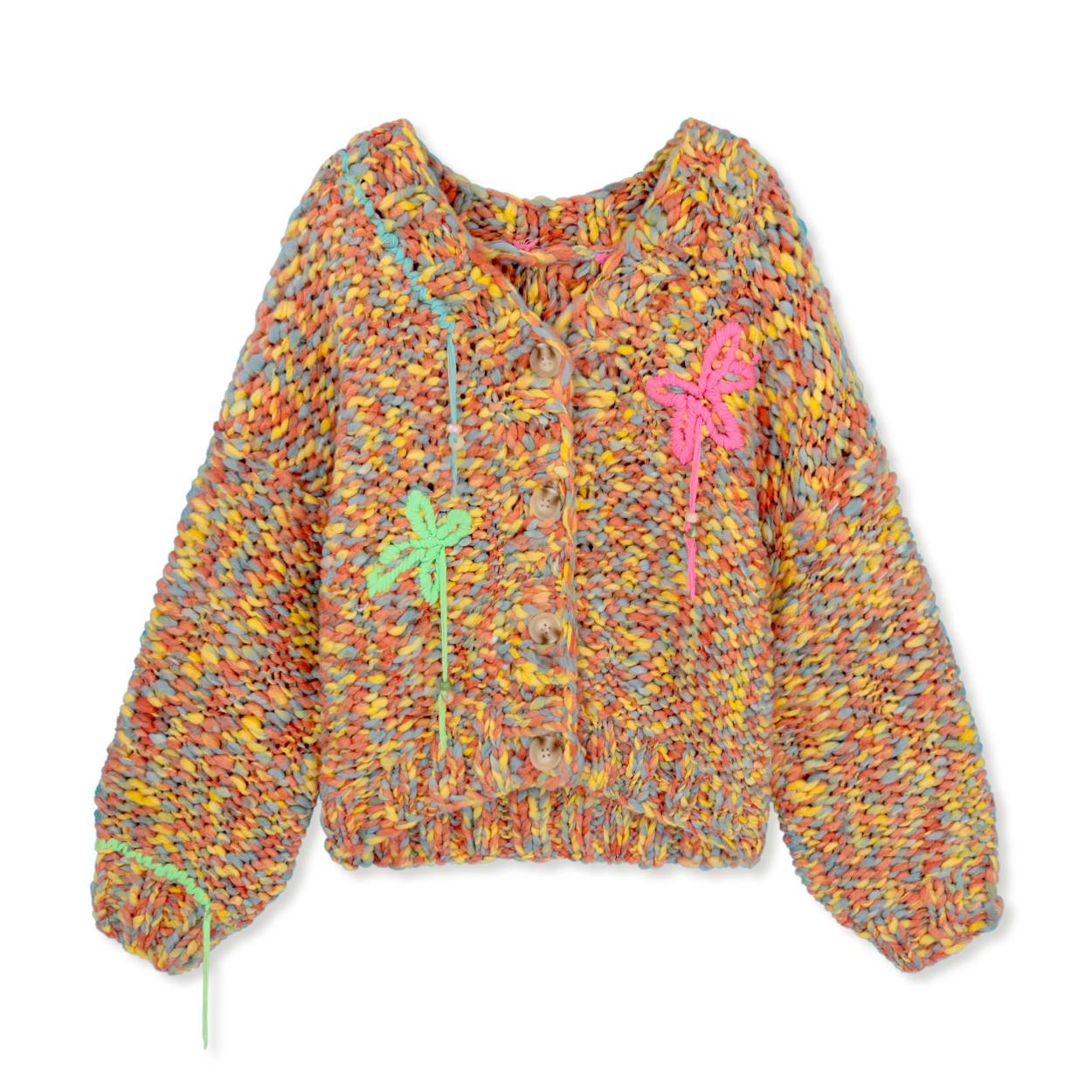
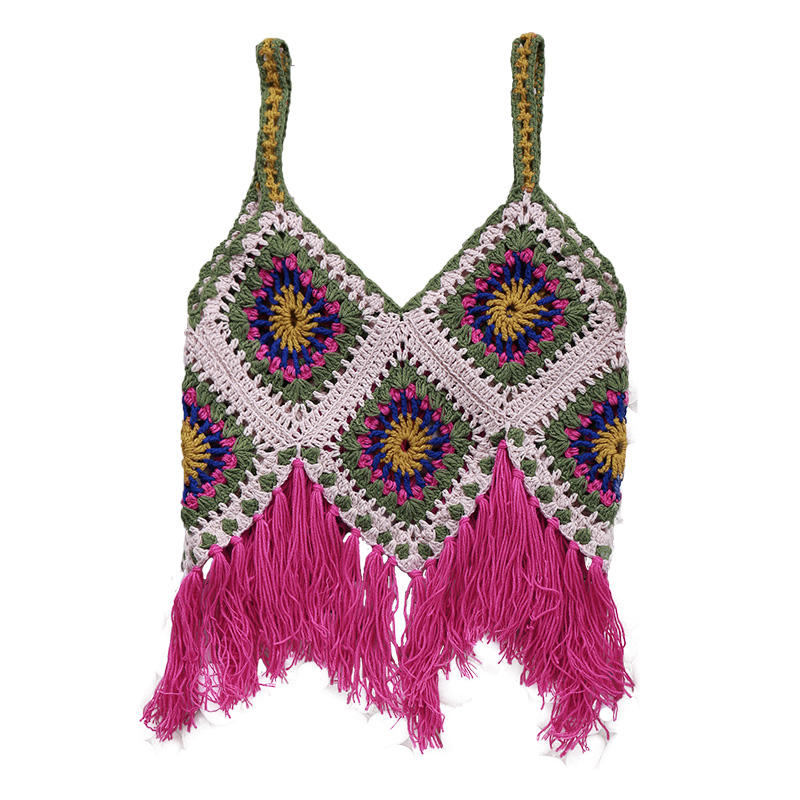
Hand knit and crochet sweaters offer artisan texture, irregular charm, and one-of-a-kind character that machine knitting cannot replicate. CENWILD coordinates skilled hand-knitting artisans for small-batch collections, custom pieces, and luxury capsules requiring hand-finished details. Available for cardigans, pullovers, and accessories, with MOQ tailored to hand-craft timelines.
Get a Quote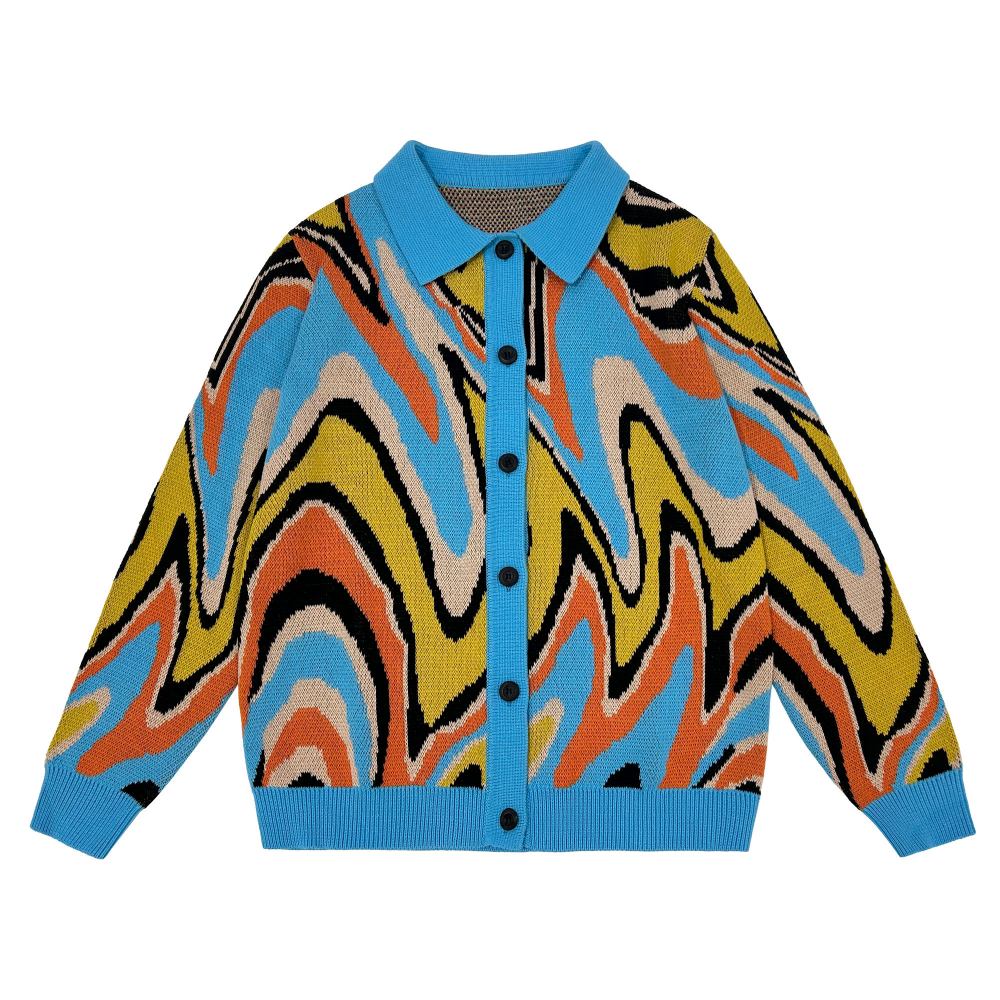
Custom Cardigan
Custom cardigans in cable, intarsia, jacquard, ribbed, or pointelle knit. CENWILD manufactures open-front, button-front, zip, and oversized cardigan styles for men, women, and children in cashmere, merino, cotton, and blends. OEM and ODM services include design development, yarn sourcing, sampling, and private label production from 100 pieces.
Get a QuoteTrusted Cable Knit Sweater Manufacturer Since 1998
CENWILD has specialized in cable knit sweater production for over 28 years, operating from the heart of Dongguan’s knitwear manufacturing hub. Our fleet of computerized flat-knitting machines spanning 3GG to 14GG gauges produces classic fisherman cables, intricate Aran patterns, and contemporary twisted-stitch designs across cardigans, pullovers, turtlenecks, and sweater vests for brands worldwide.
As a full-service cable knit sweater manufacturer, we control every step: yarn sourcing from certified mills, 3D knit programming for complex cable structures, knit-down sampling, in-house production with a monthly capacity exceeding 80,000 pieces, and rigorous quality control. Our OEM and ODM capabilities support private label brands and wholesale sweater programs from concept to finished garment, with MOQ starting at just 100 pieces.
Over 2,000 fashion brands across North America, Europe, Australia, and beyond trust CENWILD to deliver cable knit sweaters in premium fibers — cashmere, merino wool, lambswool, alpaca, cotton, and sustainable blends. Our dedicated design and technical team ensures every cable pattern is knit with precision, structural integrity, and the timeless craftsmanship your customers expect.
Cable Knit Sweater Manufacturer Technical Mastery
3D Knit Programming for Cable Precision
Every cable twist, cross, and rope pattern begins with expert 3D knit programming on computerized flat-knitting machines. CENWILD’s 28+ years of experience ensures each stitch sequence is mathematically precise, tension-balanced, and production-ready before your first sample is knitted.
- Custom cable stitch libraries developed in-house for unique texture
- Gauge selection from 3GG to 14GG to match your design weight and drape
- Tension mapping prevents puckering, distortion, and uneven cable relief
- Knit-down sampling validates structure before full production runs
Premium Yarn and Fiber Blends
Cable knit sweaters demand yarns with memory, elasticity, and body. Our sourcing team selects cashmere, merino wool, lambswool, cotton, alpaca, mohair, and performance blends that hold cable definition through wear, washing, and seasons of use.
- Yarn weight and ply matched to cable scale and garment drape
- Fiber blends engineered for stitch clarity and anti-pilling performance
- Organic, recycled, and sustainable options available for eco-conscious brands
- In-house yarn testing for twist, strength, and colorfastness
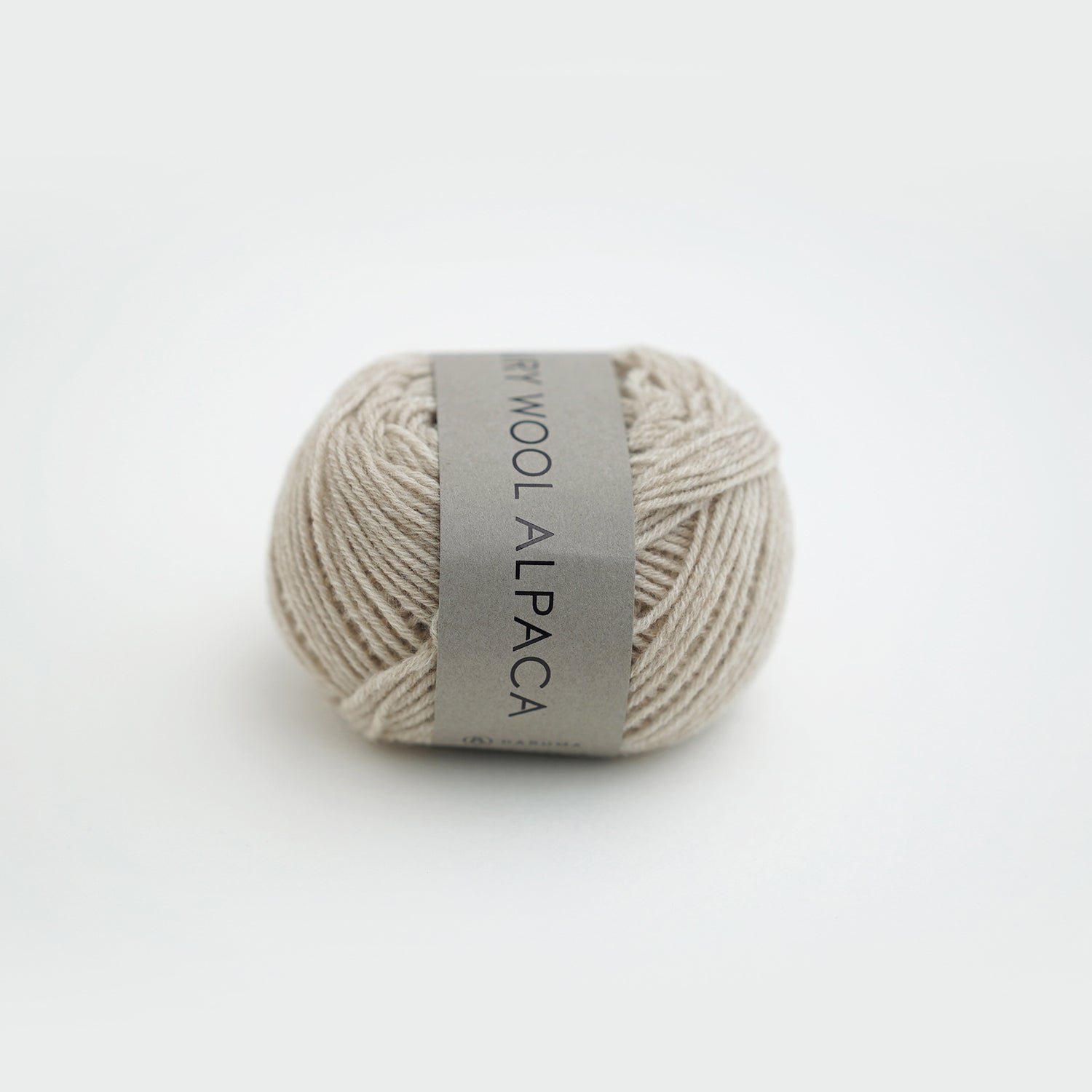
Garment Washing and Finishing Techniques
Raw cable knit fabric is transformed through specialized finishing. CENWILD applies softening, anti-pilling treatments, garment dyeing, and brushing to enhance hand-feel, lock in stitch definition, and ensure your cable knit sweater manufacturer standards meet luxury retail expectations.
- Enzyme and mechanical softening for premium hand-feel without compromising structure
- Anti-pilling treatments extend garment lifespan and maintain cable clarity
- Garment-dye processes for rich, even color that penetrates every cable twist
- Steam blocking and pressing to set final dimensions and cable relief
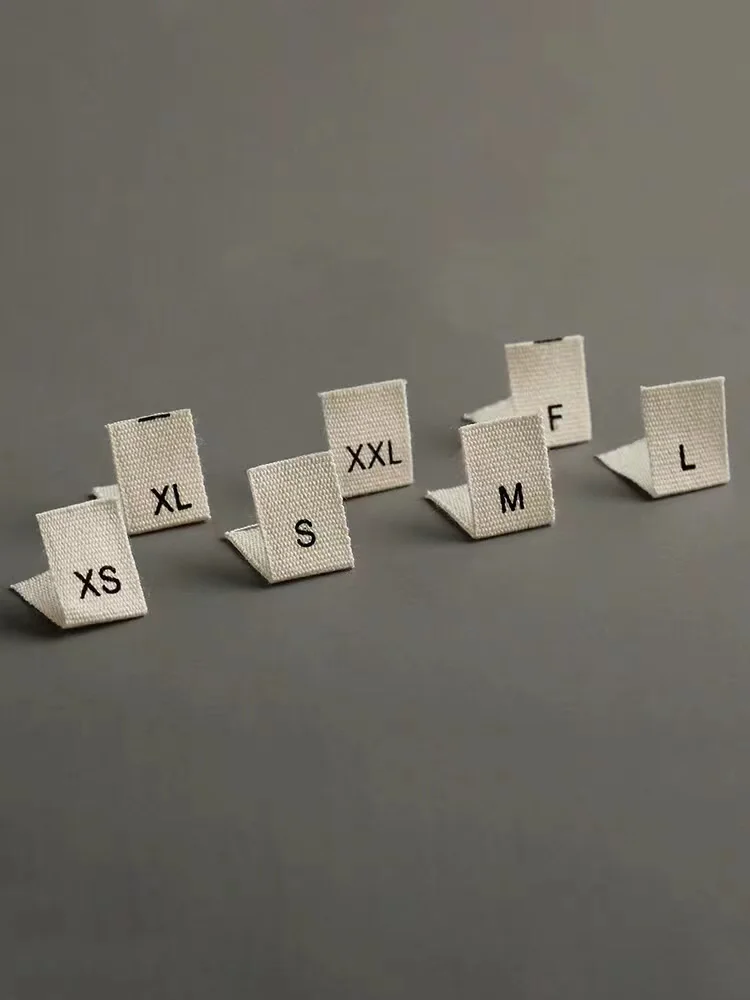
Durability and Quality Control Standards
Cable knit construction is stress-tested at every stage. From yarn tensile strength to seam integrity and stitch retention, CENWILD’s QC team inspects dimensional stability, pilling resistance, colorfastness, and cable pattern consistency across every piece in your order.
- Stitch retention testing ensures cables hold shape through repeated wear and laundering
- Seam strength and linking quality checked on every garment
- Pilling, abrasion, and colorfastness tests aligned with international standards
- Final inspection validates cable symmetry, gauge consistency, and finishing quality
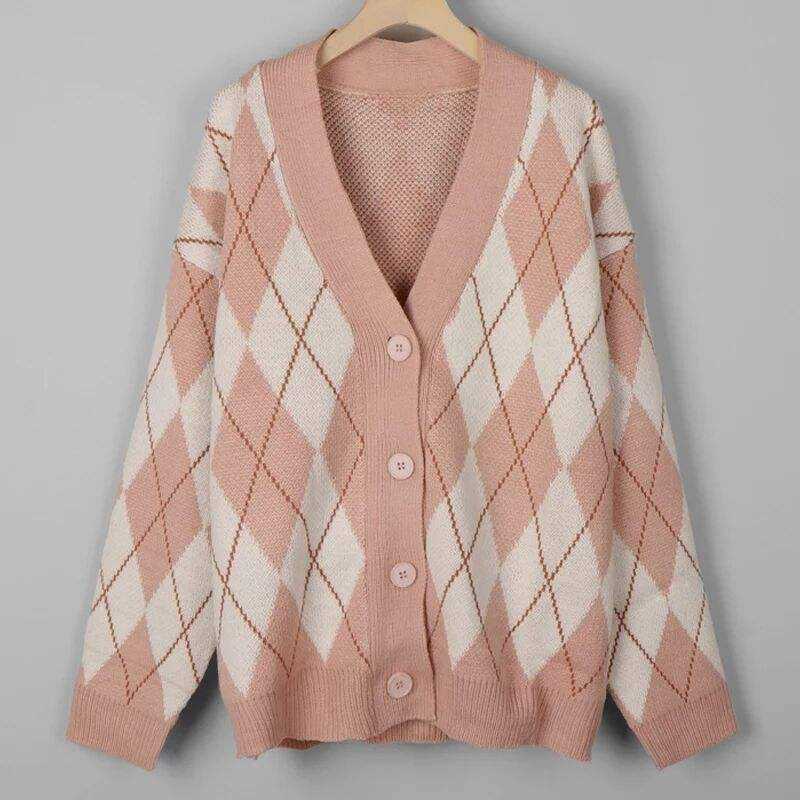
Cable Knit Sweater Manufacturer: Cable vs. Other Knit Structures
Cable knit delivers dimensional texture and classic appeal, but understanding how it compares to ribbed, jacquard, intarsia, and pointelle structures helps you select the technique that best matches your design vision, fabric weight targets, and decoration needs.
← 左右滑动查看 →
Cable Knit Sweater Manufacturer Production Process
CENWILD’s proven workflow ensures every cable knit sweater meets brand standards through precise stitch programming, gauge control, and quality checkpoints at each phase.
Yarn Sourcing & Gauge Selection
We source premium wool, cotton, cashmere, or blends and select the optimal gauge (typically 3GG–7GG) to achieve defined cable texture and structure for your design.
Cable Stitch Programming & Sampling
Our technicians program 3D knit files for your cable pattern, then produce knit-down swatches to verify stitch definition, tension consistency, and drape before full production.
Computerized Flat-Knitting & Linking
Panels are knitted on calibrated flat-knitting machines with real-time tension monitoring, then linked by skilled operators to preserve cable alignment and garment integrity.
Garment Finishing & Decoration
Each piece undergoes washing, softening, anti-pilling treatment, and optional embroidery or printing. Cable relief is carefully maintained through controlled finishing processes.
Quality Control & Inspection
Inspectors check cable stitch clarity, gauge uniformity, seam strength, and measurements against your tech pack. Only approved garments advance to packaging and export logistics.
Packaging & Shipment
Finished cable knit sweaters are folded, bagged, boxed with your private labels and hang tags, then shipped via your preferred freight method with full documentation.
How to Order Custom Cable Knit Sweaters
CENWILD guides you through every stage of cable knit production — from your initial design brief to finished garments ready for your brand.
Share Your Cable Knit Brief
Send us your tech pack, sketch, photo, or concept. Our design team will review your cable stitch pattern, yarn preferences, gauge requirements, and sizing specifications.
Review Knit-Down Samples
We program your cable design on our flat-knitting machines, select yarns, and produce knit-down samples so you can approve stitch definition, drape, and fit.
Approve Production Details
Confirm final colorways, trims, labeling, and quantities. We issue a production invoice and timeline, with MOQ starting from just 100 pieces per style.
Monitor Production and Quality
Your cable knit sweaters are knitted, linked, washed, and inspected in-house. We provide progress updates and conduct final quality checks before packing.
Receive Your Finished Order
Completed cable knit garments are packed to your specifications and shipped. We handle export logistics and documentation for seamless delivery worldwide.
Cable Knit Sweater Manufacturer Success Stories
CENWILD delivered 500 cable knit cardigans with perfect stitch definition and zero defects. Our boutique customers loved the hand-feel, and we sold through 92% in the first six weeks.
The cable patterns matched our tech pack exactly, and all 300 pieces arrived two days ahead of schedule. Color consistency across the run was flawless — our influencer launch went off without a hitch.
As an independent designer, the 100-piece MOQ made my cable knit collection possible. CENWILD’s sampling team nailed the twisted-rib detail on the first knit-down, saving me weeks of back-and-forth.
Cable Knit Sweater Manufacturer FAQs
What is the minimum order quantity for a cable knit sweater manufacturer?
Which yarns and fabrics work best with cable knit sweater manufacturers?
How long does it take a cable knit sweater manufacturer to produce my order?
Can I combine cable knit with embroidery or other decoration techniques?
What design files does a cable knit sweater manufacturer need to start production?
How much does a cable knit sweater sample cost and how long does it take?
Are cable knit sweaters durable and resistant to pilling?
Can a cable knit sweater manufacturer produce multi-color cable designs?
Does CENWILD offer private label services for cable knit sweater manufacturers?
The Complete Buyer’s Guide to Choosing a Cable Knit Sweater Manufacturer
This comprehensive guide provides fashion brands and retailers with a proven decision framework, essential supplier evaluation criteria, and the most common sourcing mistakes to avoid when partnering with a cable knit sweater manufacturer.
1. What Is a Cable Knit Sweater Manufacturer?
A cable knit sweater manufacturer operates computerized flat-knitting machines across 3GG–14GG gauges to produce textured, three-dimensional knit structures — cables, twists, and raised patterns — that standard jersey or rib factories cannot replicate. These structures demand specialized needle-bed programming, transfer carriages, and skilled technicians who can set stitch tension for overlapping yarn paths without distortion or puckering.
Cable knitting differs from plain intarsia or jacquard because every cable repeat requires real-time needle manipulation: stitches cross over one another to form braids, honeycomb, and Aran motifs. A single cable panel may involve four to eight transfer movements per repeat, multiplying setup time and quality-control checkpoints compared to flat colorwork or simple ribs.
For brands, cable knit sweaters command 20–35% higher retail prices than plain styles, justify premium positioning, and reduce seasonal markdowns because texture reads as craftsmanship. Sourcing from a dedicated cable knit sweater manufacturer ensures you receive knit-down samples with accurate stitch definition, graded patterns that maintain cable proportion across sizes, and production consistency at MOQs starting from 100 pieces per design.
2. The Evolution of Cable Knit Manufacturing
Cable knit patterns originated in the Aran Islands off Ireland’s west coast in the early 1900s, where fishermen’s wives hand-knitted sweaters with distinctive rope-like stitches that symbolized luck, prosperity, and safe passage at sea. Each family developed unique stitch combinations — honeycomb, diamond, trellis, and rope cables — creating garments that were both functional insulation and cultural markers.
By the 1950s European mills introduced semi-automated hand-flat machines capable of reproducing simple cable patterns at scale, though complex designs still required manual stitch transfer. Modern computerized flat-knitting machines across 3GG to 14GG gauges now execute intricate multi-cable programs with digital precision, enabling a cable knit sweater manufacturer to produce hundreds of pieces per day while maintaining the depth, tension, and visual fidelity of hand-knit originals.
Today’s quality benchmarks still reference traditional metrics: cable definition (stitch clarity and relief height), consistent twist direction, and balanced fabric weight. A skilled manufacturer combines CNC knit programming with manual finishing — linking, trimming, and steam-blocking — to deliver sweaters that honor centuries-old craftsmanship at commercial speed and accessible MOQs.
3. Types of Cable Knit Sweater Manufacturers
Not all cable knit sweater manufacturers operate the same way. Understanding the six main factory archetypes — and their MOQ floors, lead times, and ideal client profiles — helps you match your brand stage and order volume to the right production partner.
Full-Package OEM/ODM Factories
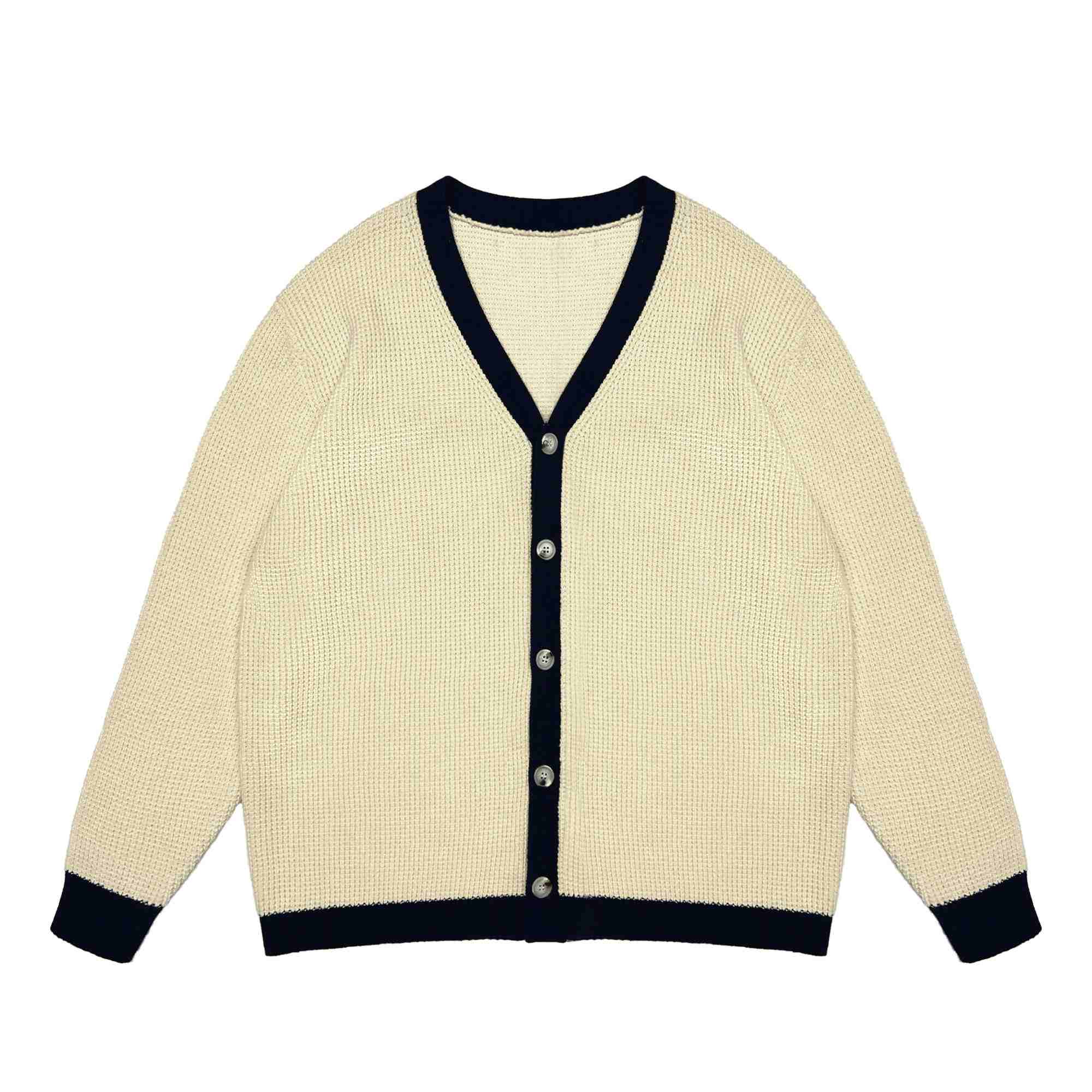
Full-package facilities like CENWILD handle design, yarn sourcing, sampling, knitting, finishing, and export logistics under one roof. MOQs typically start at 100–500 pieces per style, with 45–60 day lead times after approval. They serve startups, independent designers, and established brands seeking a single point of accountability and flexible payment terms.
Vertically Integrated Mills
Mills that spin yarn and operate knitting divisions offer tighter material control but usually require 1,000+ pieces per color and 90+ day lead times. Best suited to mid-market retailers with predictable seasonal volumes and less need for rapid style iteration.
Small-Batch Artisan Workshops
Hand-frame or semi-automated workshops accept orders as low as 25–50 pieces with 3–6 week turnarounds. Premium pricing reflects labor intensity. Ideal for capsule collections, influencer collaborations, and heritage-focused brands prioritizing craft storytelling over scale.
Regional Specialists
Irish and Scottish mills excel in traditional Aran and fisherman cables with wool provenance, commanding higher prices and 8–12 week lead times. Chinese hubs like Dongguan blend cable expertise with computerized flat-knitting efficiency, lower costs, and MOQs from 100 pieces, serving global brands across all price tiers.
4. Materials and Yarn Options for Cable Knit Sweaters
Cable knit sweater manufacturers work with a spectrum of natural, synthetic, and blended yarns, each offering distinct performance, cost, and aesthetic trade-offs. CENWILD sources merino wool, cashmere, lambswool, cotton, Pima, alpaca, mohair, acrylic, and recycled or organic blends to match brand positioning and end-use requirements.
| Material | GSM Range | Price Tier | Durability | Best Use Case |
|---|---|---|---|---|
| Merino Wool | 280–400 | Mid-High | 5–10 years | Premium pullovers, year-round |
| Cashmere | 200–350 | High | 3–7 years | Luxury occasion-wear, capsule |
| Cotton | 180–300 | Low-Mid | 8–12 years | Spring/summer, machine-wash |
| Alpaca | 250–380 | Mid-High | 7–12 years | Warm, hypoallergenic styles |
| Acrylic Blend | 220–320 | Low | 5–8 years | Value retail, high-volume |
| Recycled Wool | 260–380 | Mid-High | 5–9 years | Sustainable collections, ESG |
Wool: Merino, Lambswool, and Alpaca
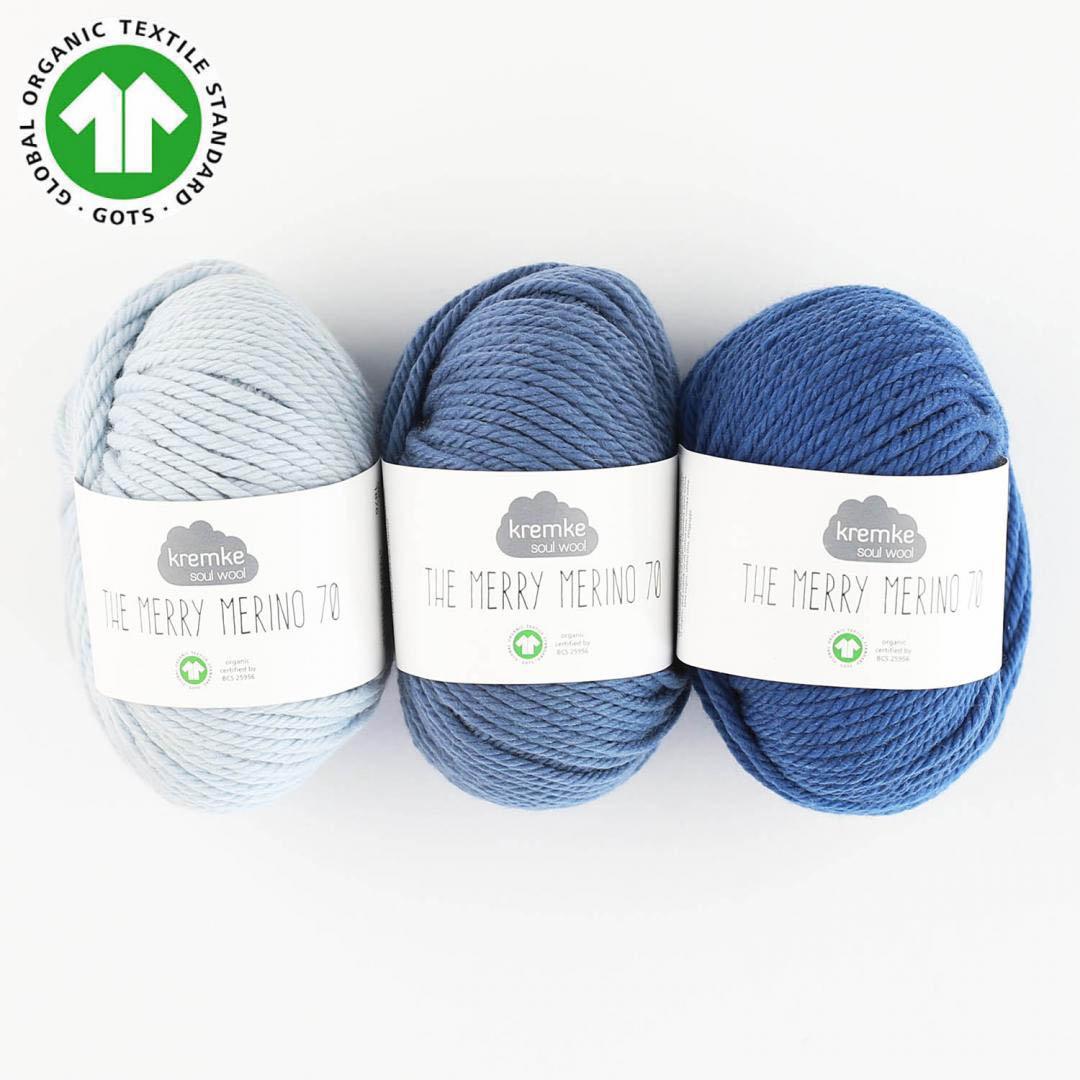
Merino wool (18.5–22 micron) delivers softness, elasticity, and natural moisture-wicking ideal for cable relief; typical GSM ranges from 280–400 for mid-weight pullovers. Lambswool offers a slightly coarser hand at lower cost, while alpaca provides exceptional warmth-to-weight and hypoallergenic properties.
All three fibers accept cable stitches cleanly, hold shape through washing, and suit premium positioning. Care typically requires cold hand-wash or wool cycle; durability spans 5–10 years with proper maintenance.
Cashmere and Mohair
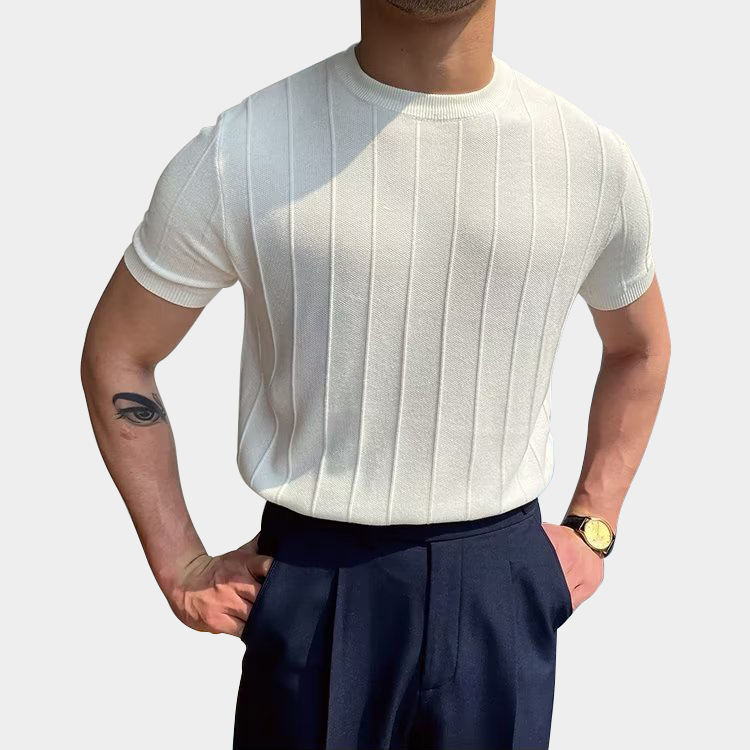
Cashmere (14–16 micron) commands the highest price tier, delivering unmatched softness and a luxurious drape that highlights deep cable textures. Mohair adds loft and a slight halo effect, often blended at 10–30% to enhance cable definition without full cashmere cost.
Both fibers require gentle handling—dry-clean or hand-wash cold—and pill more readily than wool, making them best suited for occasion-wear or capsule collections targeting premium segments.
Cotton and Plant-Based Fibers
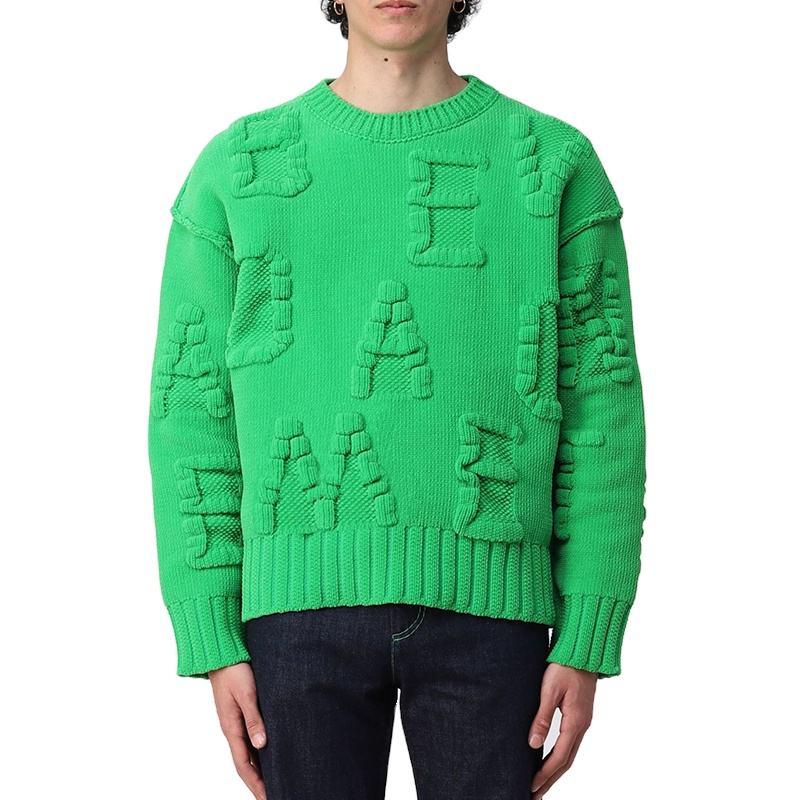
Cotton (180–300 GSM) offers breathability, hypoallergenic comfort, and machine-washable convenience, making it ideal for spring/summer cable cardigans and layering pieces. Pima and Supima cottons provide longer staple length, reducing pilling and improving stitch clarity.
Cotton cables lack the elastic memory of wool, so patterns must account for potential stretch over wear. Durability is high—8–12 years—and care is simple: machine wash warm, tumble dry low.
Acrylic Blends and Synthetics
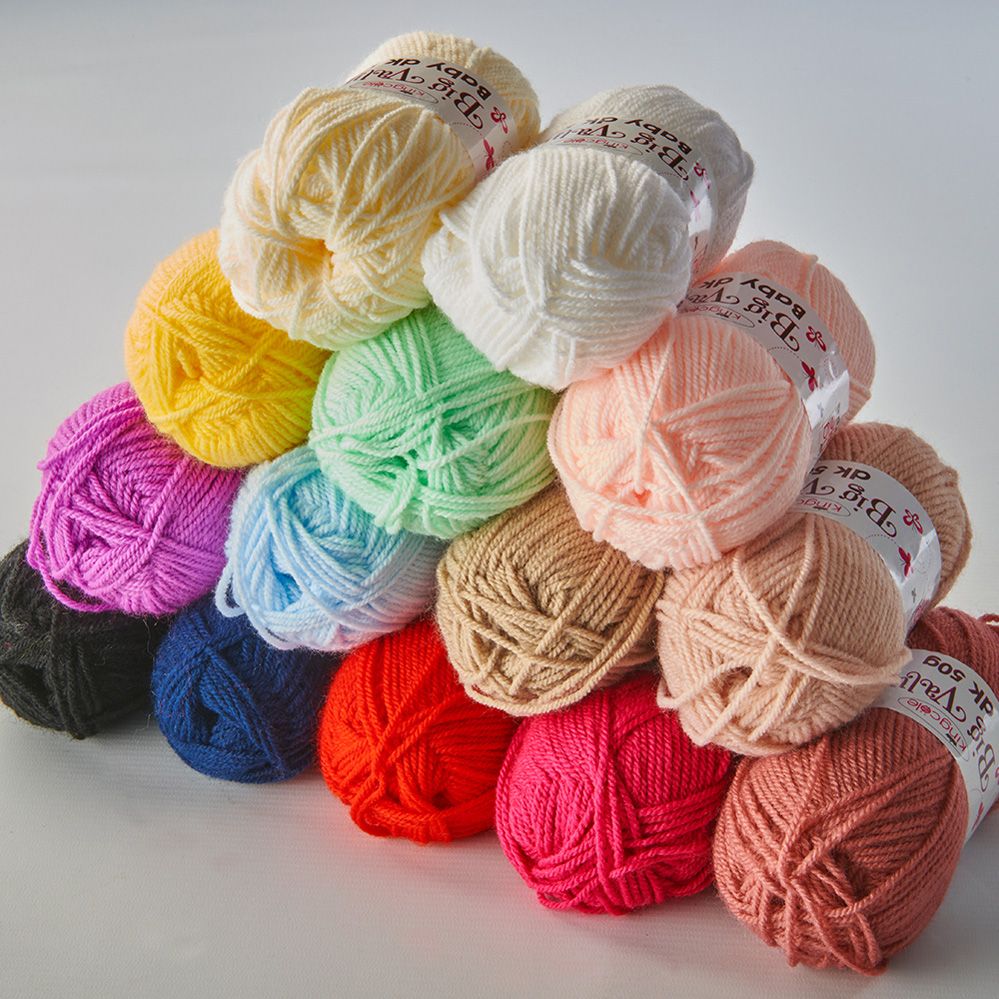
Acrylic delivers wool-like warmth at a fraction of the cost, with excellent colorfastness and minimal shrinkage. Blends of 50–70% acrylic with wool or cotton balance affordability, care ease, and cable stitch retention, making them popular for high-volume retail programs.
Synthetics resist moths and mildew, tolerate frequent washing, and suit value-tier positioning. Cable definition may soften slightly compared to pure wool, but modern high-bulk acrylics close the gap for mid-market applications.
Sustainable and Recycled Options
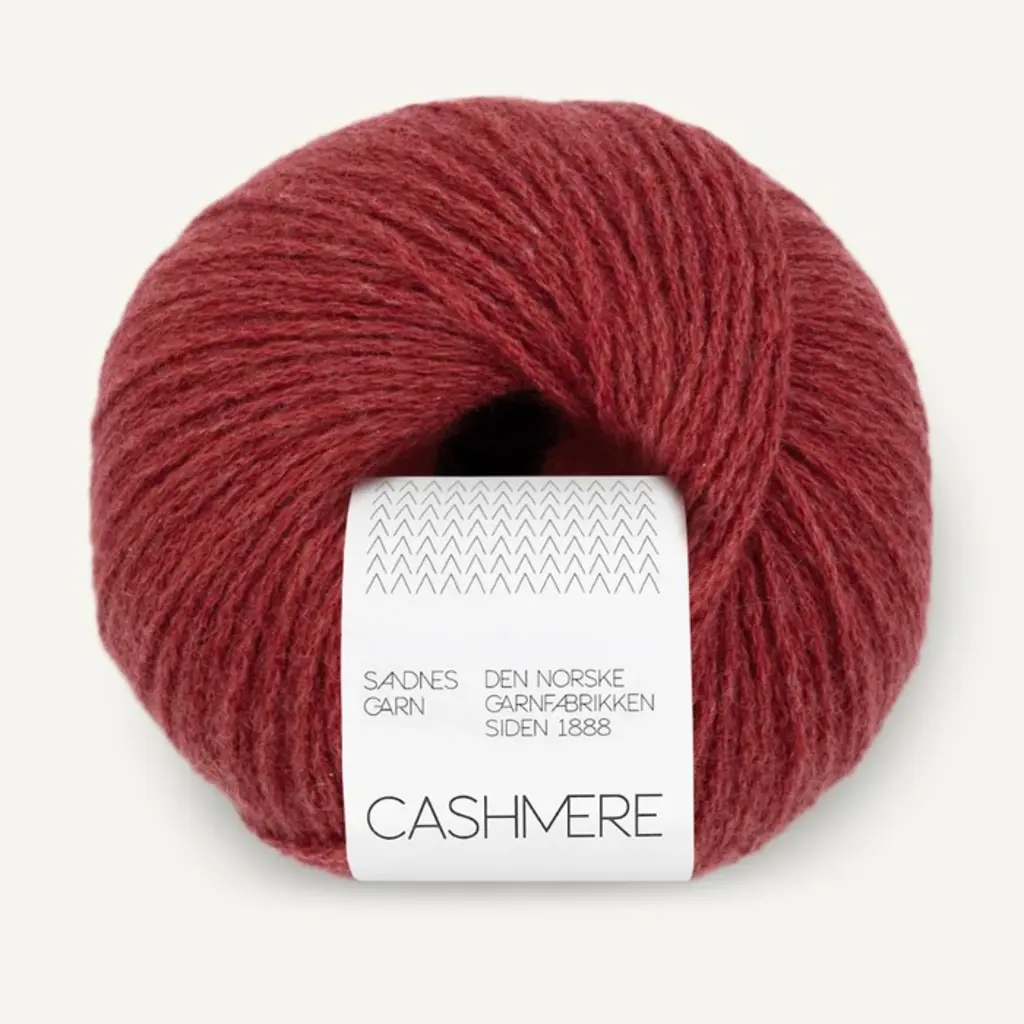
Recycled wool, organic cotton (GOTS-certified), and regenerated fibers like Tencel or recycled polyester meet growing demand for traceable, low-impact materials. CENWILD sources GRS-certified recycled yarns that maintain cable clarity while reducing water and energy footprints.
Sustainable fibers typically add 10–25% to yarn cost but unlock premium storytelling and align with ESG-conscious retail buyers. Performance and care mirror their virgin counterparts, with third-party certifications providing supply-chain transparency.
5. Customization and Branding Options with a Cable Knit Sweater Manufacturer
A professional cable knit sweater manufacturer offers far more than standard patterns. Customization spans stitch design, silhouette, color, branding, and packaging — each controlled by technical constraints and cost drivers that buyers must understand before placing orders.
Custom Cable Patterns and Stitch Combinations
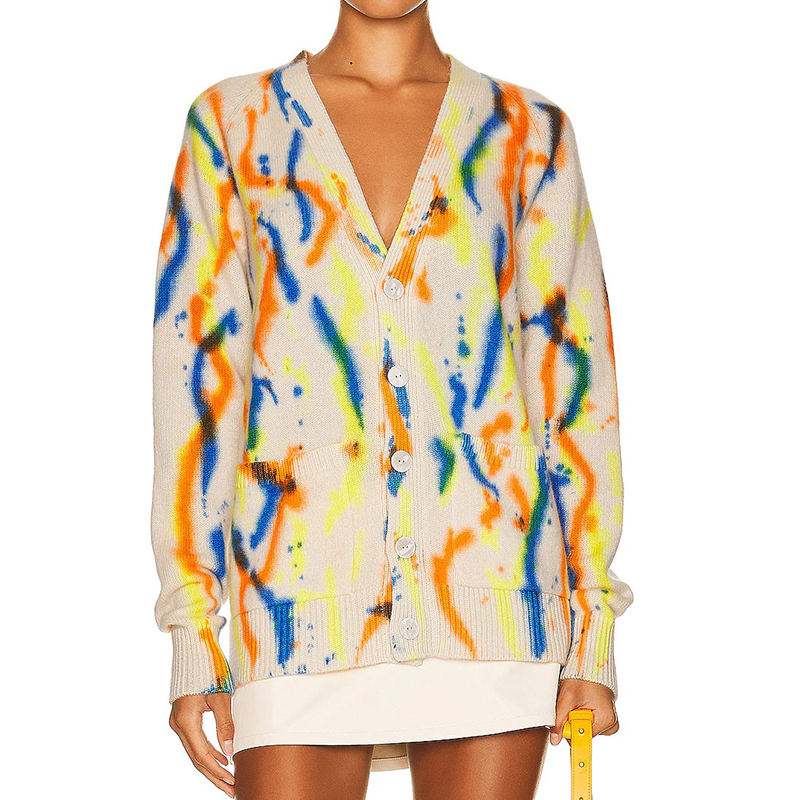
Cable patterns are programmed on computerized flat-knitting machines across 3GG–14GG gauges. Finer gauges (12GG–14GG) support intricate, tight cables; coarser gauges (3GG–5GG) produce chunky, bold relief.
Complex multi-cable designs increase knit time and yarn consumption, raising piece cost by 10–25 percent. Pattern complexity also lifts MOQ: simple two-cable layouts may start at 100 pieces per colorway, while intricate all-over jacquard-cable hybrids often require 300–500 pieces to justify programming and sampling.
Pantone Color Matching and Yarn Dyeing
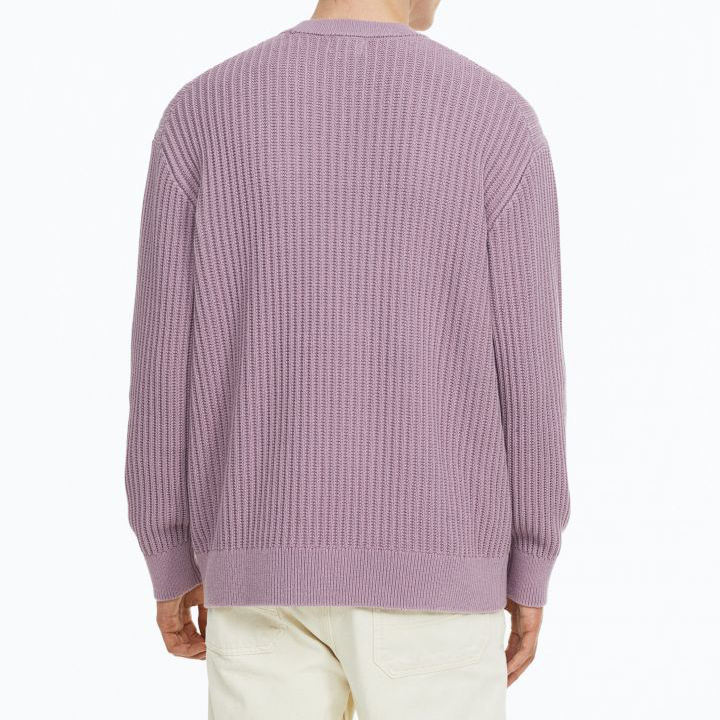
Professional manufacturers match Pantone TPX or TCX references through yarn-dyed or piece-dyed processes. Yarn-dyed cable knits deliver superior color fastness and are standard for mid- to high-end collections.
Custom dye lots typically require minimum 100–200 kg per color, translating to roughly 300–600 adult sweaters depending on yarn weight. Smaller runs use stock-dyed yarns from the manufacturer’s library, often 50–100 shades.
Garment Silhouettes and Construction
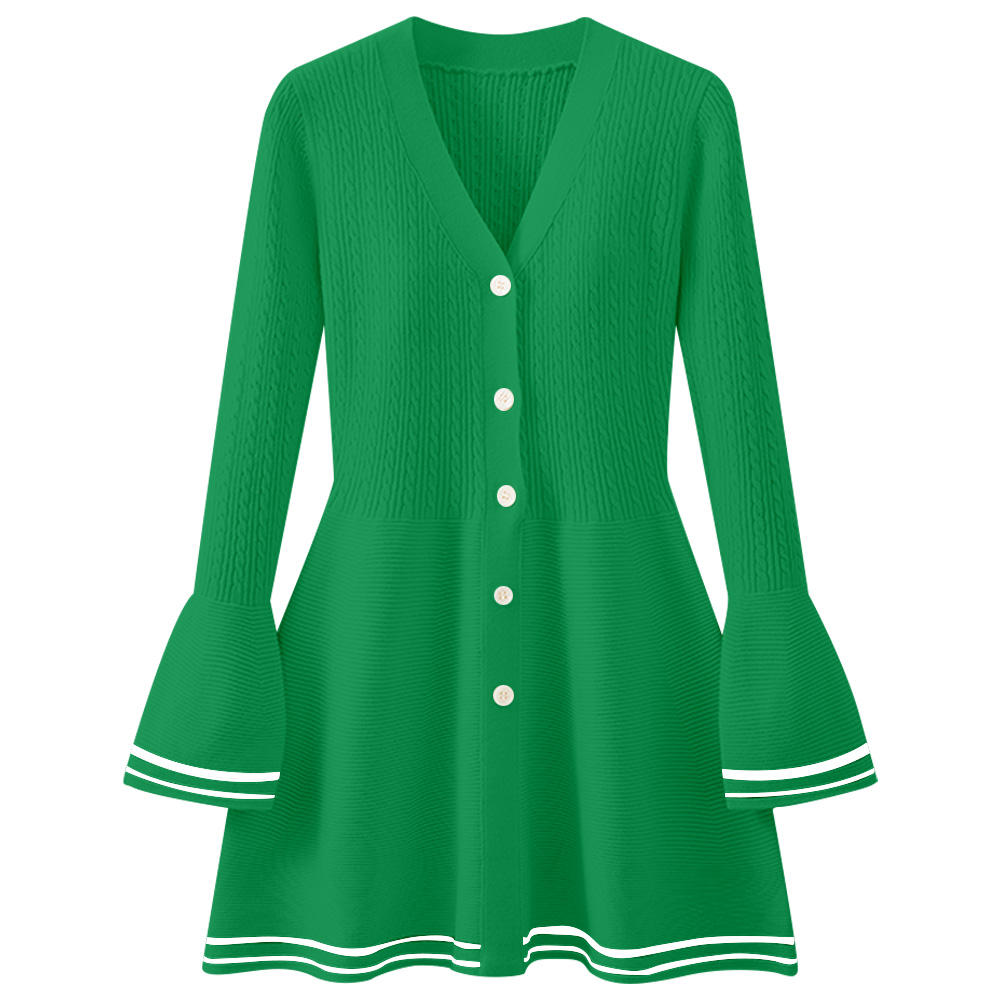
Cable knit sweater manufacturers produce crewnecks, turtlenecks, mock necks, V-necks, cardigans, quarter-zips, and vests. Fully-fashioned construction knits each panel to shape, minimizing waste and seams; cut-and-sew methods suit simpler cable layouts at lower cost.
Silhouette changes — adding zippers, pockets, or hoods — affect both MOQ and unit price. A basic cable crewneck may start at 100 pieces; a cable cardigan with custom horn buttons often requires 200–300 pieces to cover trim sourcing and assembly setup.
Custom Labels, Hang Tags, and Packaging
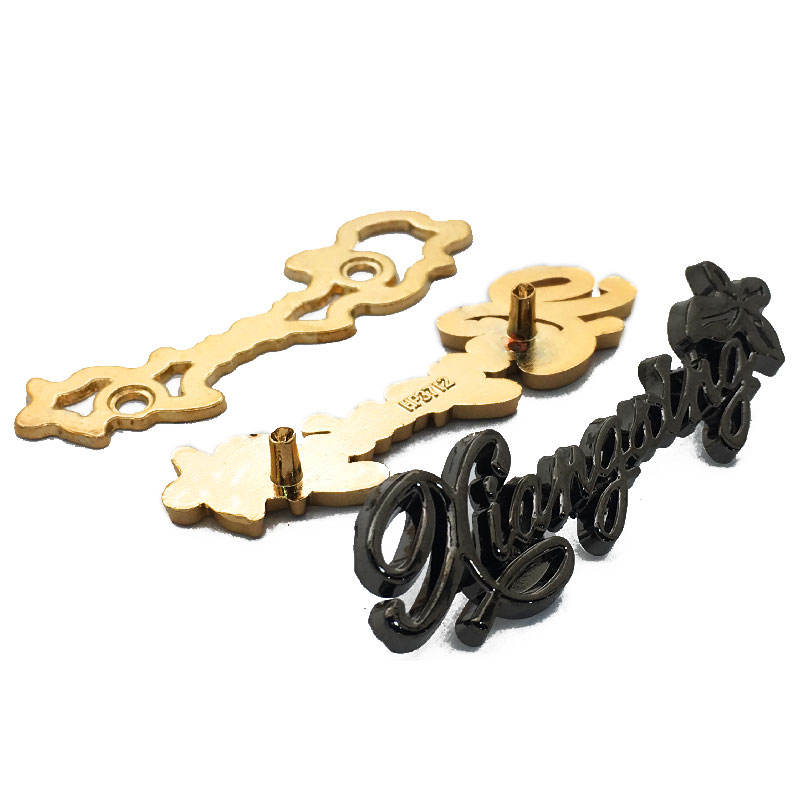
Private-label partnerships include woven or printed neck labels, care labels, custom hang tags, polybags, and folding inserts. Woven labels typically require 500–1,000 piece minimums from trim suppliers; manufacturers with in-house decoration can apply heat-transfer or silicone labels at lower quantities.
Branded packaging — custom poly mailers, tissue, stickers — adds $0.20–$1.50 per unit depending on print complexity and order volume.
6. Key Quality Indicators in Cable Knit Sweater Production
Cable knit sweaters demand rigorous quality control at every stage, from yarn selection through final finishing. Buyers should evaluate samples against five core indicators before committing to production orders.
Stitch Consistency and Cable Tension
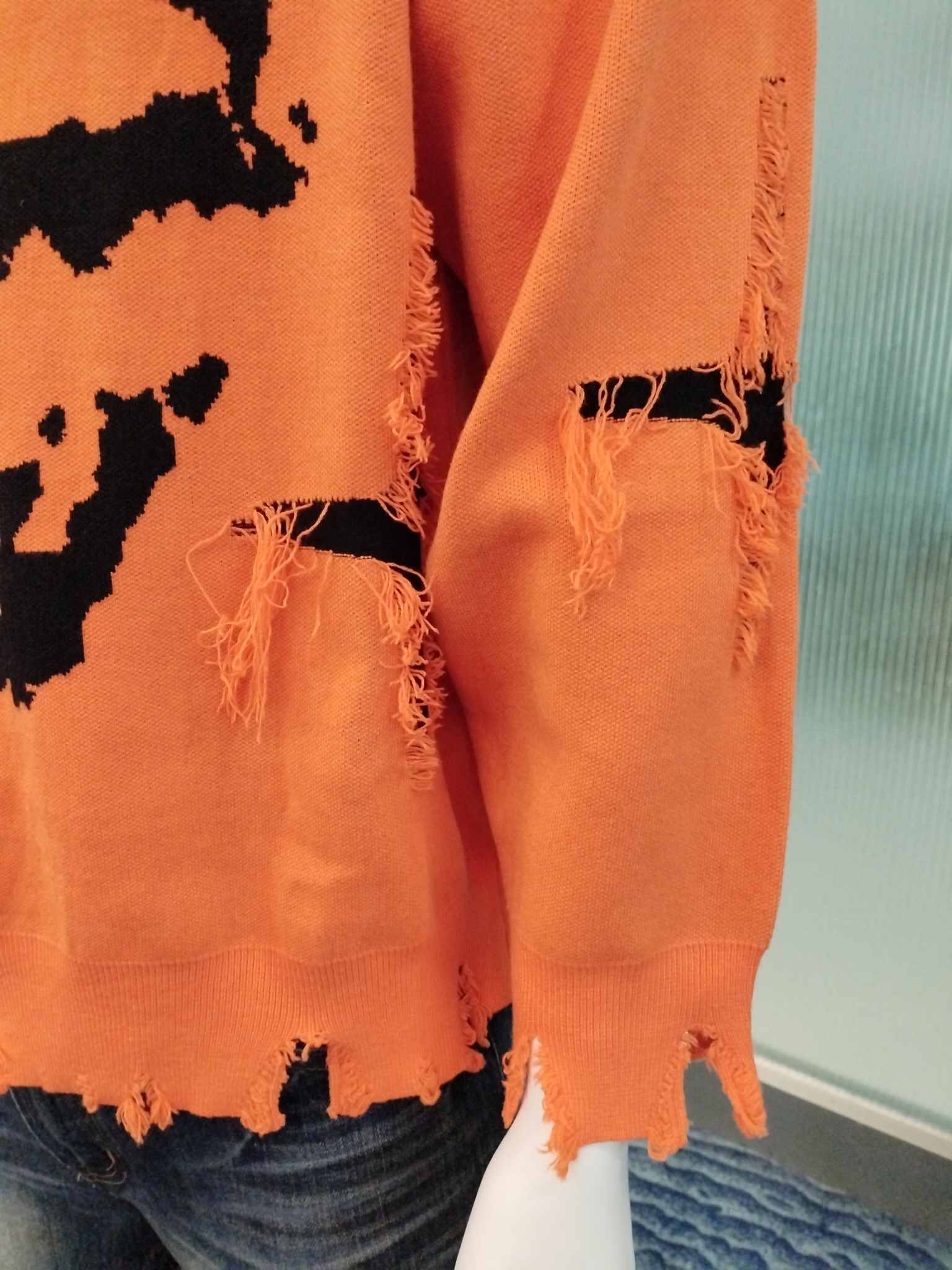
Examine cable crossings for uniform depth and spacing. Uneven tension causes puckering or loose loops that distort the pattern after washing.
Ask manufacturers whether they program stitch tension digitally on computerized flat-knit machines (3GG–14GG) and whether operators perform mid-run tension checks. CENWILD’s 3D knit programming ensures repeatable cable structure across thousands of pieces.
Seam Finishing: Linked Versus Overlocked
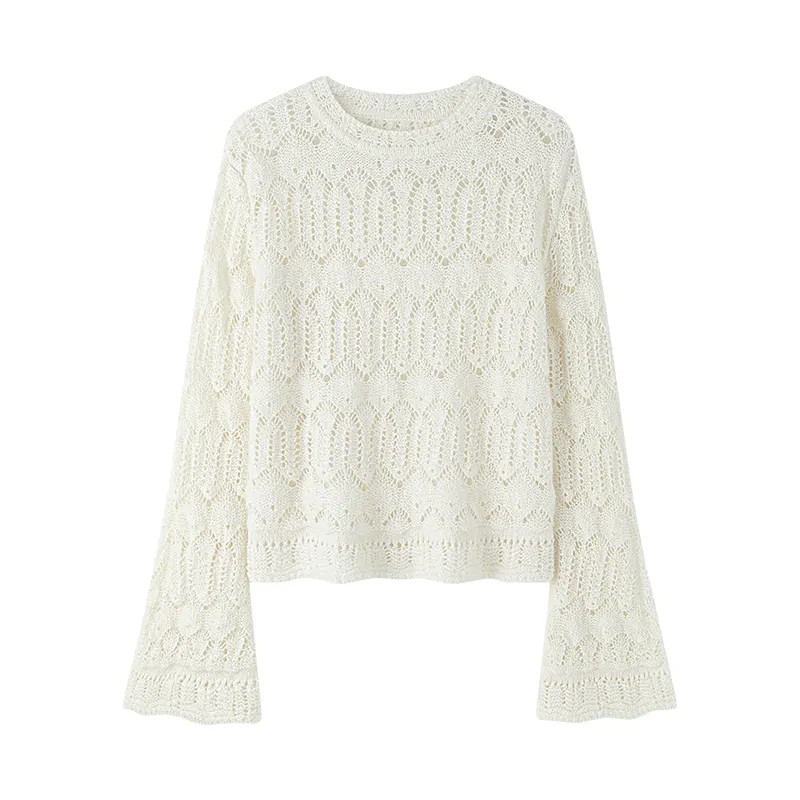
Linked seams (loop-to-loop) lie flat and stretch with the garment; overlocked seams are faster but can create bulk along shoulders and sides. Premium cable knit sweaters use full linking on side seams, sleeves, and shoulders.
Request sample seam photos and specify linking in your tech pack to avoid cost-driven substitutions.
Yarn Quality and Pilling Resistance
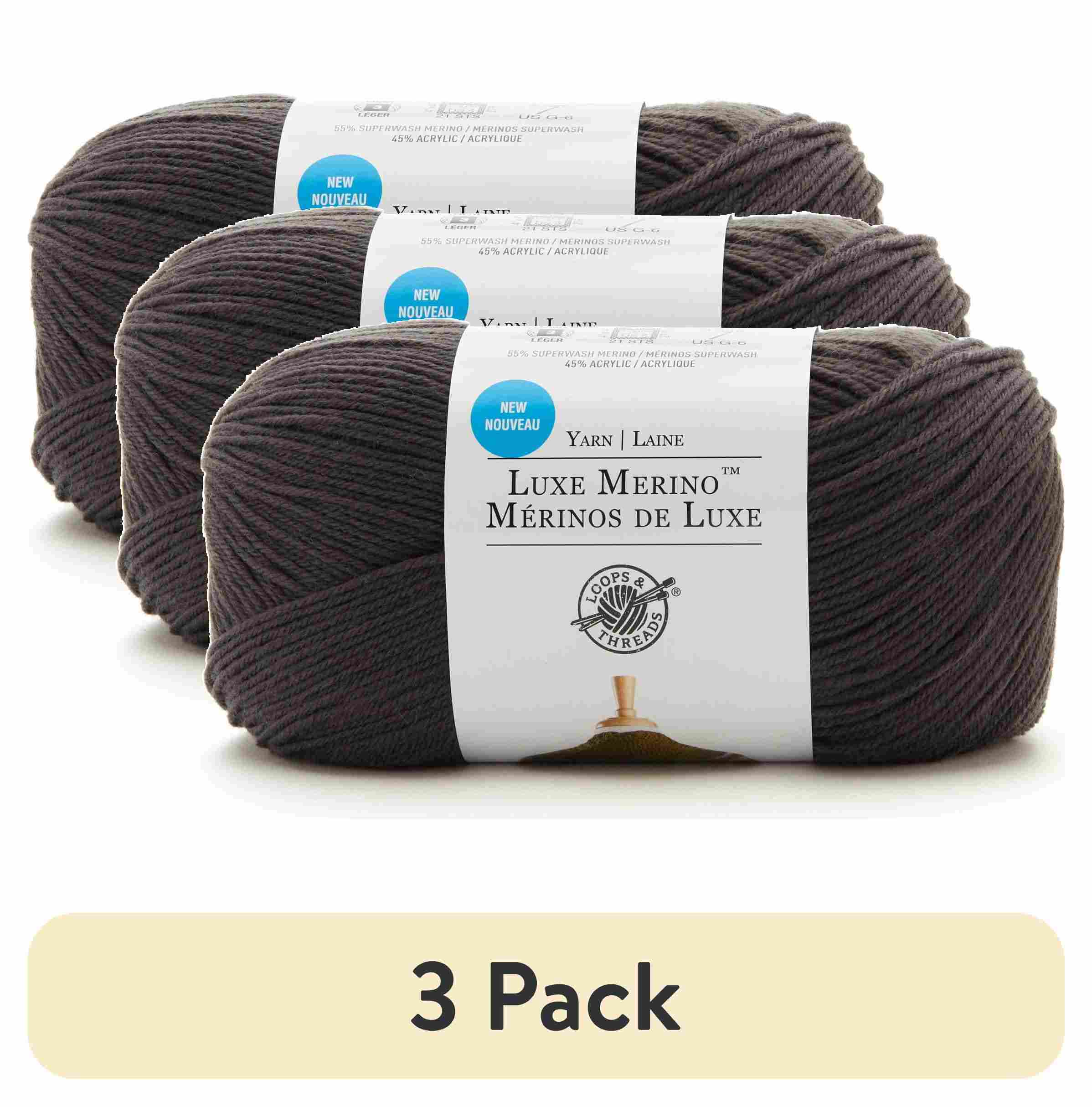
High-twist plied yarns in merino, cashmere, or lambswool resist pilling better than loosely spun singles. Request Martindale abrasion test results (≥20,000 cycles for premium knitwear) and anti-pilling finishing specifications.
CENWILD sources certified yarns and applies garment finishing — softening, brushing, anti-pilling treatments — to meet brand durability standards.
Dimensional Stability After Washing
Cable structures can relax or shrink 5–10% if not pre-stabilized. Ask for wash-test reports showing length, width, and sleeve measurements before and after three home-laundry cycles per care label.
Manufacturers should block or steam garments post-knitting to set dimensions and prevent distortion in consumer hands.
7. How to Choose the Right Cable Knit Sweater Manufacturer
Selecting the right cable knit sweater manufacturer requires evaluating six core criteria that directly impact quality, timeline, and partnership stability. A systematic vetting process saves costly mistakes and aligns production capabilities with your brand’s growth trajectory.
Production Capacity and MOQ Alignment
Match factory scale to your order volume. Startups typically need 100–500 pieces per style; mid-tier brands 1,000–5,000; established labels 10,000+. A cable knit sweater manufacturer running 80,000+ monthly capacity can flex across order sizes without bottlenecks.
MOQ below 200 pieces signals flexibility for emerging brands but verify the factory maintains consistent quality at low runs — some suppliers cut corners on small batches.
Sampling Speed and Knit-Down Capability
Request a knit-down sample with your exact stitch pattern, yarn, and gauge. Lead time under 10 days indicates in-house design and 3D programming; 3+ weeks suggests reliance on external studios.
A dedicated design team should translate sketches or inspiration images into production-ready tech packs, grading, and original cable patterns without requiring you to supply full specs.
Certifications and Compliance
Verify WRAP, BSCI, or equivalent social-compliance audits for ethical labor. OEKO-TEX Standard 100 confirms yarn and trims are free from harmful chemicals — critical for children’s and skin-contact knitwear.
Request certificate copies with current dates; expired or missing documentation is a red flag for brands entering regulated markets like the EU or North America.
Payment Terms and Financial Flexibility
Standard terms start at 30–50% deposit, balance before shipment. Factories offering 100% upfront on first orders then easing to 30% for repeat clients demonstrate confidence and partnership intent.
Multiple payment channels (T/T, PayPal, credit card, USDT) reduce friction; single-method factories may lack infrastructure for international clients or carry higher financial risk.
8. Common Mistakes When Sourcing from a Cable Knit Sweater Manufacturer
Even experienced buyers make costly errors when partnering with a cable knit sweater manufacturer. Recognizing these pitfalls before production begins saves time, budget, and brand reputation.
Underestimating Sampling Costs and Timelines
Cable knit development requires hand-programmed 3D knitting files, yarn procurement, and knit-down trials. Brands that budget only for fabric swatches face surprise fees when a manufacturer requests $150–300 per cable pattern sample and 10–14 days lead time.
Clarify sampling fees, turnaround, and revision limits in your first inquiry. CENWILD provides knit-down swatches as part of ODM development, ensuring stitch accuracy before full production.
Ignoring Yarn Sourcing Transparency
Vague yarn descriptions (‘100% wool’) hide critical differences between merino grades, ply count, and micron ratings. Without transparency, you may receive 24-micron wool when your tech pack specified 18-micron.
Request yarn mill certificates, lot numbers, and fiber test reports. Reputable manufacturers share supplier details and offer alternative yarns when lead times or cost targets shift.
Skipping Pre-Production Samples
Approving production from a photo or sketch bypasses fit, hand-feel, and colorway validation. A single shade mismatch or cable twist direction error can render 1,000 units unsellable.
Always order a full pre-production sample in final yarn, gauge, and trims. CENWILD ships pre-production pieces for sign-off before cutting bulk yardage, protecting both quality and investment.
9. Steps to Launch Your Cable Knit Sweater Collection
Launching a cable knit sweater collection involves six distinct phases, from concept to delivery. CENWILD’s end-to-end process typically spans 8–12 weeks for first orders, with timelines shortening as the partnership matures.
Design Brief and Tech Pack Development
Submit your design reference — a sketch, photo, or detailed idea — along with target yarn, gauge, and cable pattern preferences. CENWILD’s design team translates concepts into production-ready tech packs with stitch diagrams, grading, and 3D knit programming. First-time buyers benefit from knit-down swatches to validate texture and drape before committing to full samples.
This phase typically requires 3–5 days for initial tech pack drafts and 7–10 days if original cable patterns or intarsia artwork are involved.
Sample Approval and Iteration
Pre-production samples are knitted on the same 3GG–14GG computerized flat-knitting machines used for bulk orders, ensuring accuracy in cable relief, gauge, and fit. Review construction details, yarn hand-feel, and decoration quality; most brands request one to two rounds of revisions.
Allow 10–15 days per sample round, including international courier transit. Approve samples in writing before production to lock specifications.
Pricing, Terms, and Purchase Order
Negotiate final unit pricing based on confirmed yarn, gauge, cable complexity, decoration, and order quantity — MOQ starts at 100 pieces per style. CENWILD accepts T/T, PayPal, credit card, USDT, and VTB Bank transfers for Russian clients. First orders require 100% deposit; returning partners enjoy terms as low as 30% down, with balance due before shipment.
Issue a signed purchase order detailing SKUs, sizes, quantities, delivery date, and Incoterms to formalize the production slot.
Production and In-Process Quality Control
Bulk knitting, linking, decoration, washing, and finishing proceed across CENWILD’s 200-employee facility with a monthly capacity exceeding 80,000 pieces. In-process inspections verify cable pattern alignment, yarn consistency, seam strength, and decoration placement at knitting, linking, and finishing stages.
Production lead time ranges from 25–35 days depending on order size, yarn lead time, and decoration complexity. Request progress photos or schedule third-party inspections if desired.
Final Inspection and Shipping Coordination
Pre-shipment inspection covers measurements, cable pattern fidelity, colorway accuracy, decoration durability, and packaging compliance. CENWILD arranges FOB Shenzhen/Guangzhou or door-to-door delivery via sea, air, or express courier. First-time buyers should budget 20–35 days for ocean freight to North America or Europe, 5–7 days for air.
Confirm commercial invoice, packing list, and any certificates (fiber content, country of origin) required by your customs broker before the container loads.
10. Pricing and Cost Breakdown for Cable Knit Sweaters
Cable knit sweater pricing varies by four primary drivers: yarn composition (cashmere runs 3–5× the cost of acrylic or cotton blends), cable pattern complexity (multi-cable designs require additional knitting time and programming), order quantity (economies of scale reduce per-piece cost significantly beyond 500 units), and finishing details such as embroidery, garment dyeing, or custom trims.
CENWILD’s 100-piece minimum order quantity allows emerging brands to test collections without tying up capital, while volume tiers above 1,000 pieces unlock lower unit pricing. First-order payment typically requires 100% deposit; established partners benefit from reduced deposits as low as 30%, with balance always due before shipment. Payment methods include T/T, PayPal, credit card, and USDT.
Sampling costs (typically $50–150 per knit-down prototype depending on complexity) are separate from production but ensure pattern accuracy before full runs. Budget an additional 10–15% of order value for freight and customs when planning your landed cost.
| Quantity Tier | Price per Unit (USD) | Sampling Cost | Lead Time |
|---|---|---|---|
| 100 pcs | $28–45 | $50–150 | 25–30 days |
| 500 pcs | $22–38 | $50–150 | 30–35 days |
| 1,000 pcs | $18–32 | $50–150 | 35–40 days |
| 2,500 pcs | $15–28 | $50–150 | 40–45 days |
Start Your Cable Knit Sweater Project Today
Partner with a trusted cable knit sweater manufacturer. Send your design, sketch, or brief and receive a free quote within 24 hours.