
Knitting Techniques for Custom Knitwear — From Concept to Production
CENWILD masters intarsia, jacquard, cable, ribbed, pointelle, and fully-fashioned knitting techniques to bring your designs to life — with MOQ from just 100 pieces.
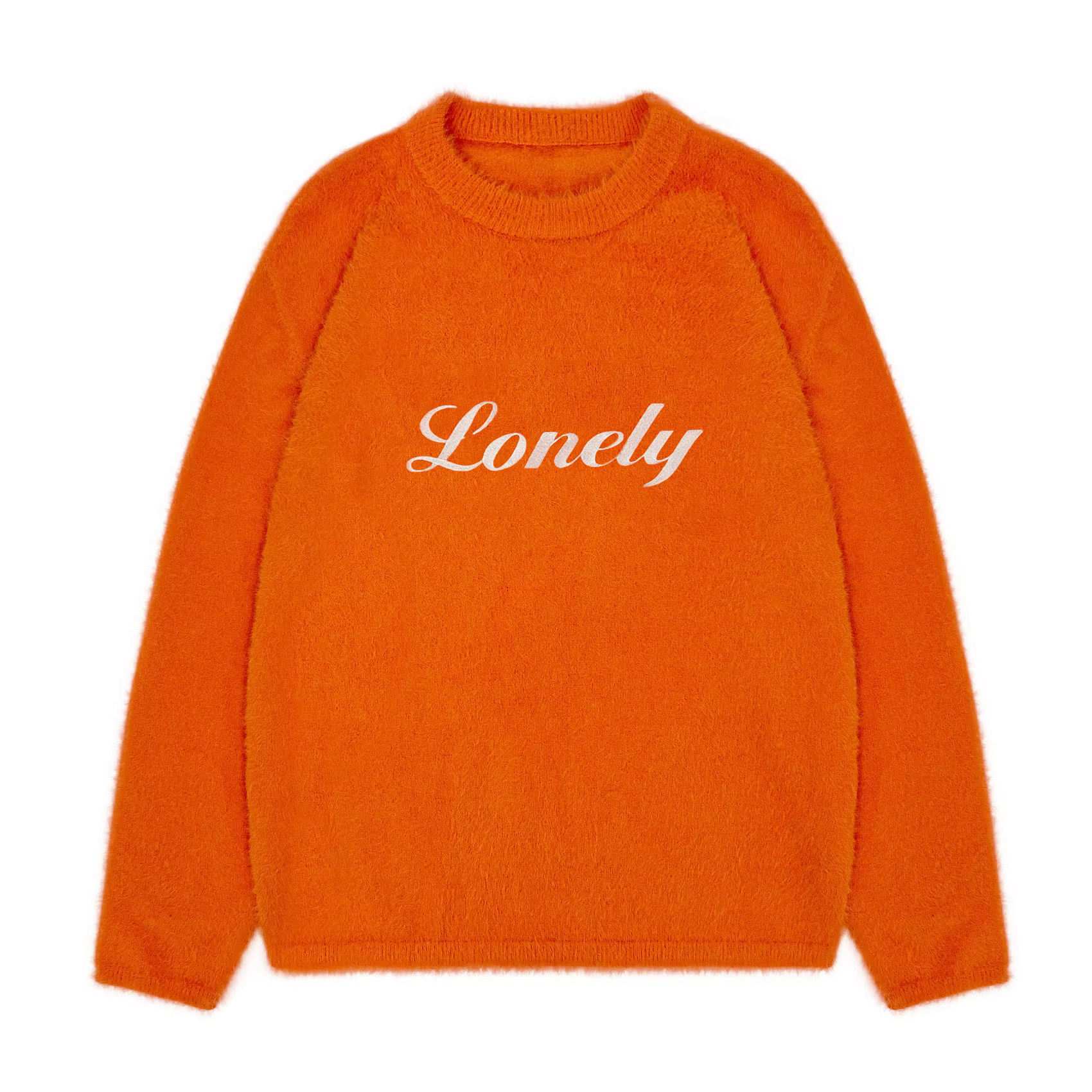
Finished Knitwear Samples Showcasing Our Techniques

Why Knitting Techniques Matter — Key Advantages
Precision Stitch Design
Custom intarsia, jacquard, and cable patterns programmed in-house to match your exact brand vision without compromise.
3D Knit Programming
Advanced computerized flat-knitting machines turn your sketches into production-ready knitwear with perfect repeatability and minimal waste.
Gauge Flexibility 3GG–14GG
From chunky oversized styles to fine-gauge luxury pieces, our machine range delivers the texture and drape you need.
In-House Knit-Down Sampling
Rapid prototyping with real yarn and stitches lets you approve fit, hand-feel, and pattern before full production begins.
Custom Yarn Sourcing
Access cashmere, merino, alpaca, organic cotton, and recycled blends tailored to your sustainability and quality standards.
Durable Finishing Quality
Garment washing, anti-pilling, softening, and brushing ensure every piece meets retail-ready durability and hand-feel expectations.
Knitting Techniques We Specialize In
Intarsia Knitting
Seamless multi-color designs knitted directly into the fabric without printing or embroidery. Ideal for branded logos, complex patterns, and color-blocked graphics with crisp edges and no distortion. Perfect for custom sweaters where design detail drives brand identity.
Get a QuoteJacquard Knitting
Intricate all-over patterns and textures created through computerized jacquard programming. Enables repeating motifs, Fair Isle effects, and tonal designs across the entire garment. Popular for seasonal collections, heritage-inspired pieces, and high-detail knitwear that stands out on retail floors.
Get a Quote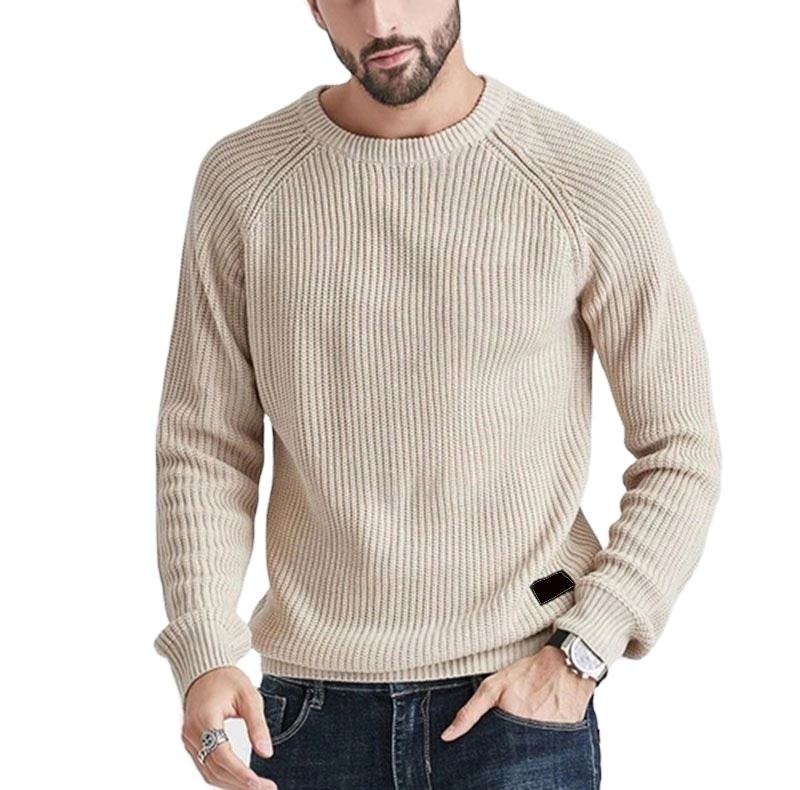
Cable Knit
Classic raised rope and twist textures that add dimension and visual interest. Cable knits deliver timeless appeal, premium hand-feel, and structure ideal for cardigans, pullovers, and sweater vests. A signature technique for brands targeting heritage, luxury, or outdoor-inspired collections.
Get a Quote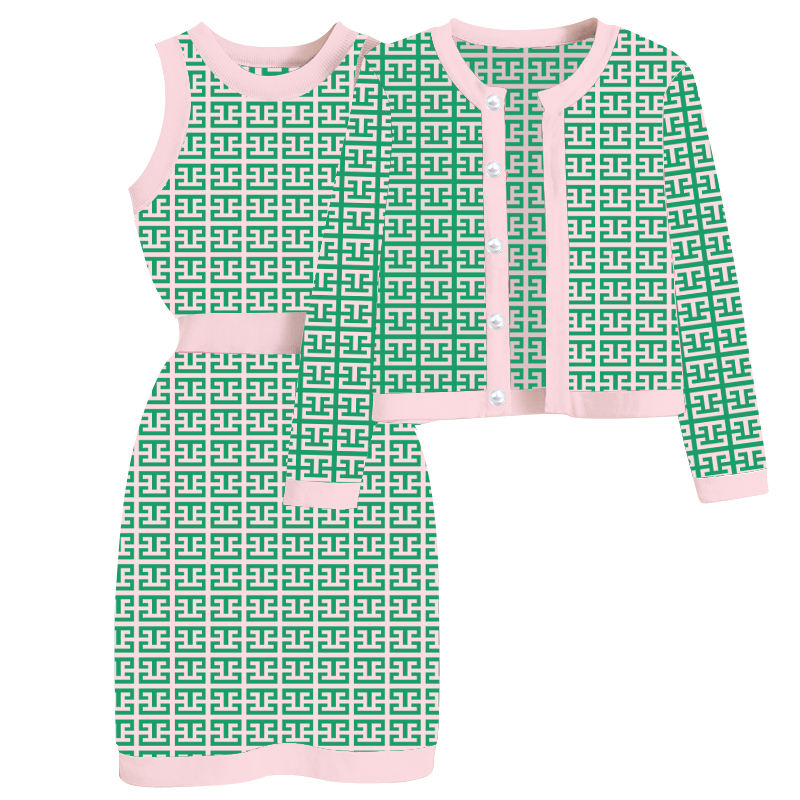
Ribbed Knit
Vertical rib structures offering stretch, recovery, and a refined silhouette. Ribbed knits are versatile across necklines, cuffs, hems, and full-body styles. Essential for fitted sweaters, athleisure knitwear, and layering pieces that require elasticity and shape retention.
Get a QuotePointelle Knit
Delicate openwork patterns featuring eyelet holes and lace-like textures. Pointelle knits bring femininity, breathability, and lightweight drape to spring and summer sweaters. Ideal for women’s and children’s knitwear where softness and decorative detail are key selling points.
Get a QuoteFully Fashioned Knitting
Knit-to-shape construction where each panel is formed to its final dimensions on the machine, minimizing waste and seams. Fully fashioned knitwear offers superior fit, reduced material cost, and a cleaner finish. Preferred by brands prioritizing sustainability, precision, and garment longevity.
Get a QuoteGauge Options 3GG to 14GG
Computerized flat-knitting across 3-gauge to 14-gauge machines, from chunky textures to ultra-fine luxury knits. Gauge flexibility allows CENWILD to match your design vision, yarn weight, and price point. Whether heavy winter cardigans or lightweight cashmere layers, we dial in the right machine setup.
Get a Quote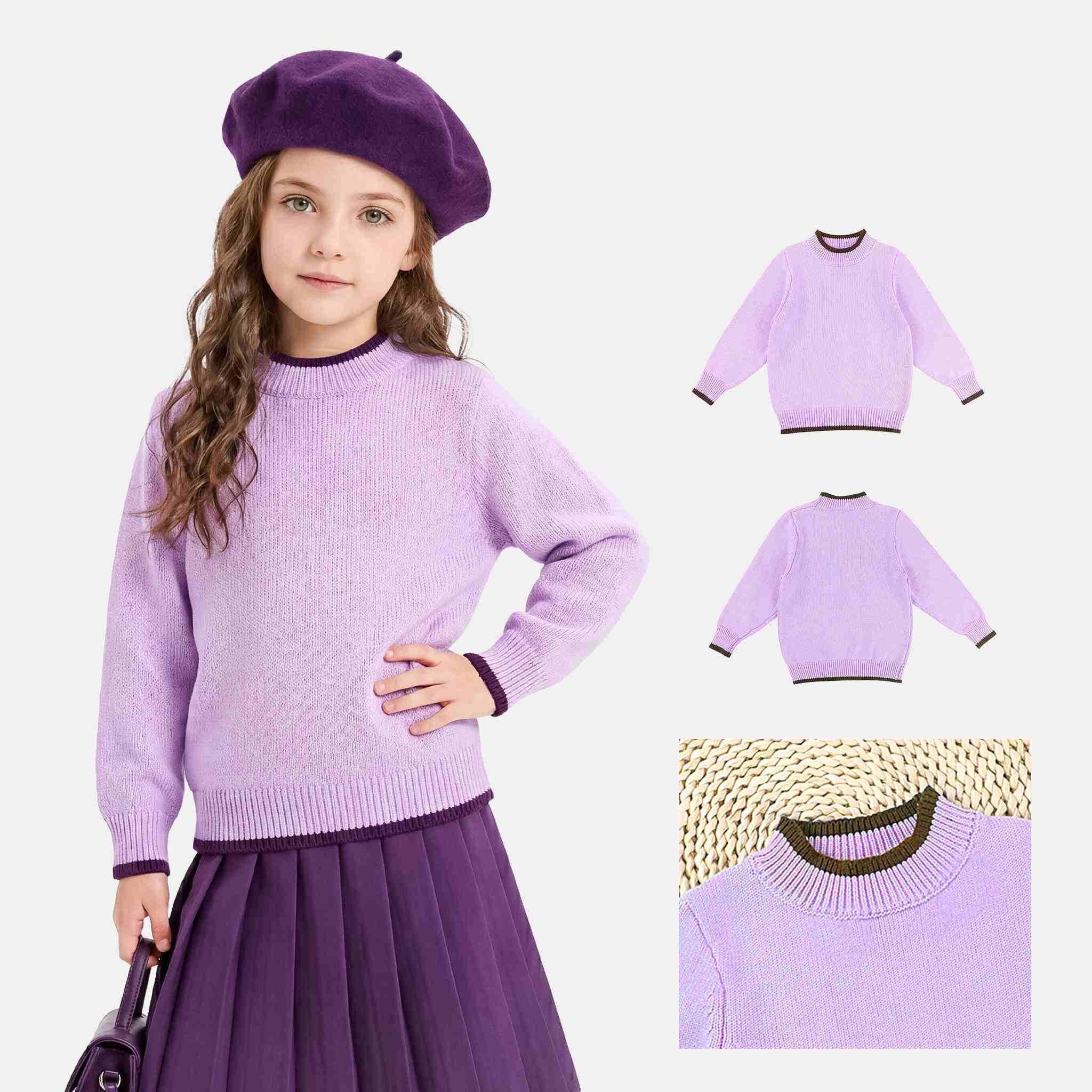
Hand Knit and Crochet
Traditional hand-knitting and crochet services for small-batch artisan collections and one-of-a-kind pieces. Hand knit sweaters deliver unmatched texture, craftsmanship, and storytelling value. Ideal for independent designers, influencer collaborations, and premium capsule collections where handmade authenticity differentiates your brand.
Get a QuoteAbout CENWILD — 28+ Years of Knitting Techniques
Founded in 1998 in Humen, Dongguan — the heart of China’s most influential knitwear manufacturing region — CENWILD began as a small family knitting workshop and has grown into a full one-stop sweater manufacturer. Today, more than 200 skilled employees bring decades of mastery in knitting techniques to fashion brands, retailers, and independent designers across the United States, Europe, Australia, and beyond.
Our dedicated design team turns sketches, photos, or even rough ideas into production-ready knitwear through original stitch design, 3D knit programming, and knit-down sampling. With computerized flat-knitting machines spanning 3GG to 14GG gauges and a monthly capacity exceeding 80,000 pieces, we have partnered with over 2,000 brands to deliver OEM, ODM, and private label sweaters that combine traditional craftsmanship with modern innovation.
From intarsia and jacquard to cable, ribbed, and fully-fashioned knitting techniques, CENWILD offers the flexibility, quality, and experience that growing fashion brands need — with a minimum order quantity starting from just 100 pieces and 28+ years of proven expertise in custom knitwear production.
Advanced Knitting Techniques for Custom Sweaters
Intarsia — Precision Color Blocking
Intarsia knitting techniques create bold, multi-color designs by knitting each color area separately, producing smooth, flat patterns without floats. Perfect for logos, graphics, and artistic color-blocking across cardigans, pullovers, and knit dresses.
- Each color zone knitted independently for clean edges and no yarn carry-over on the reverse
- Compatible with cashmere, merino wool, cotton, alpaca, and blended yarns in any gauge
- Ideal for brand logos, geometric patterns, character graphics, and custom artwork
- Available from 100-piece MOQ with full design development and knit-down sampling

Jacquard — Complex Multi-Color Patterns
Jacquard knitting techniques use computerized flat-knitting machines to weave intricate all-over patterns, Fair Isle motifs, and repeating designs with multiple yarn colors. Delivers rich texture and depth for seasonal collections and heritage-inspired pieces.
- Computerized 3GG–14GG machines enable unlimited pattern complexity and color combinations
- Float yarns carried on reverse create double-layer warmth and dimensional texture
- Perfect for Nordic sweaters, Fair Isle cardigans, holiday knits, and branded repeat patterns
- In-house 3D knit programming and grading ensure pattern alignment across all sizes
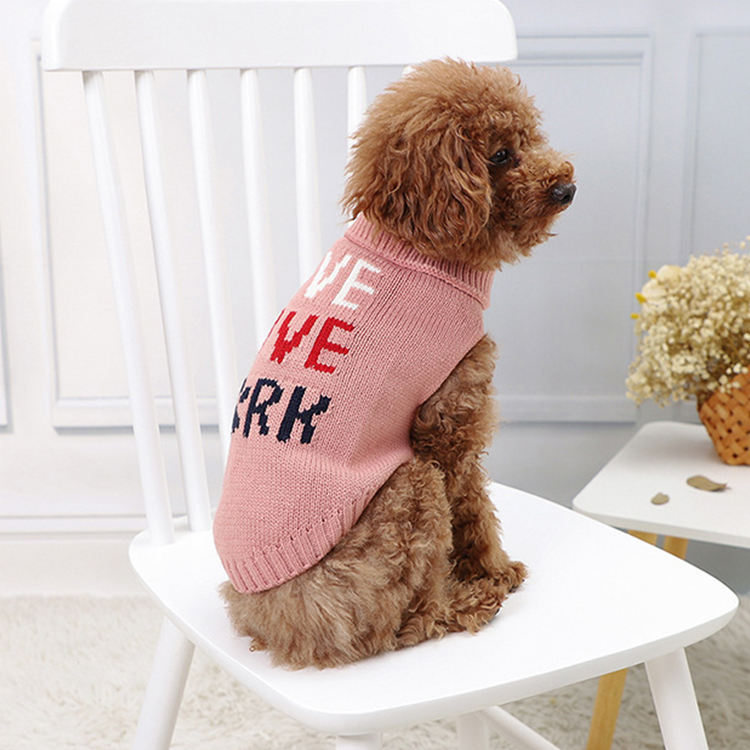
Cable Knitting — Classic Texture & Depth
Cable knitting techniques twist and cross stitches to form raised, three-dimensional rope and braid patterns. A timeless craft that adds tactile richness to pullovers, turtlenecks, and sweater vests in wool, cashmere, and chunky cotton blends.
- Hand-guided and machine-assisted cable crossings produce authentic, high-relief textures
- Works beautifully in heavier gauges with lambswool, merino, alpaca, and acrylic blends
- Ideal for heritage cardigans, fisherman sweaters, Aran styles, and cozy winter collections
- 28+ years of craftsmanship ensure consistent cable tension and pattern continuity
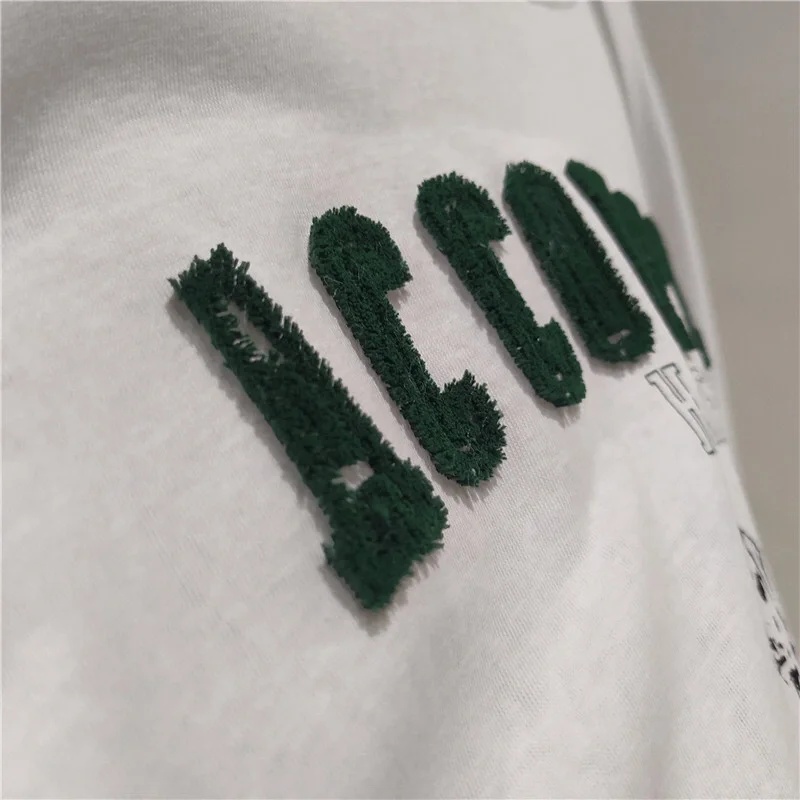
Fully-Fashioned — Zero-Waste Precision Shaping
Fully-fashioned knitting techniques shape each garment panel during the knitting process itself, eliminating fabric waste and creating clean, visible fashion marks along seams. The hallmark of premium knitwear for discerning brands and sustainable collections.
- Panels knitted to exact shape with integrated increases and decreases, no cutting required
- Visible fashion marks along armholes and side seams signal quality craftsmanship
- Reduces yarn waste by up to 30% compared to cut-and-sew, supporting sustainable production
- Compatible with all yarn types and available from 100-piece MOQ with OEM and ODM support

Why Choose CENWILD for Knitting Techniques
See how 28+ years of Dongguan expertise, in-house capabilities, and flexible partnership set CENWILD apart from typical knitwear suppliers.
← 左右滑动查看 →
Knitting Techniques Production Workflow
Every custom knitwear order follows CENWILD’s proven seven-phase production system, combining advanced knitting techniques with rigorous quality control from tech pack to export-ready carton.
Design & Tech Pack Review
Our design team reviews your tech pack, sketches, or reference photos and confirms stitch structure, gauge selection, and knitting techniques needed to bring your vision to production-ready specifications.
Yarn Sourcing & Testing
We source premium yarns—cashmere, merino, cotton, alpaca, or blends—and conduct shrinkage, pilling, and colorfastness tests to ensure performance across all chosen knitting techniques.
3D Programming & Knit-Down Sampling
Technicians program computerized flat-knitting machines across 3GG to 14GG gauges, then produce physical knit-down samples demonstrating intarsia, jacquard, cable, and other advanced knitting techniques for your approval.
Pattern Grading & Machine Setup
Approved samples are graded across all sizes. Machine operators configure needle beds, tension settings, and stitch patterns to replicate approved knitting techniques at scale for bulk production.
Knitting Production & In-Line QC
Over 200 skilled workers knit panels using the finalized knitting techniques. In-line inspectors monitor stitch consistency, gauge accuracy, and pattern alignment throughout the production run to maintain quality standards.
Finishing, Decoration & Final QC
Garments undergo washing, brushing, anti-pilling treatments, and optional garment dyeing, then receive embroidery, printing, or trim application. Final inspectors verify every piece meets specifications before packing.
Packing & Export Logistics
Finished knitwear is folded, bagged, boxed to your branding requirements, and prepared for export with full documentation. Orders ship direct from Dongguan to your destination worldwide.
How to Commission Custom Knitting Techniques
CENWILD’s streamlined process turns your design brief into finished knitwear with advanced knitting techniques — from 100 pieces, backed by 28+ years of Dongguan manufacturing expertise.
Submit Your Design Brief
Send your tech pack, sketch, photo, or idea. Include desired knitting techniques, yarn preferences, colors, and MOQ. We accept PDF, AI, PNG, and JPEG formats.
Receive Knit-Down Sample & Quote
Our in-house design team sources yarn, programs 3D knit patterns, and produces a knit-down sample within 7–14 days. Full costing and MOQ confirmation included.
Approve Sample & Confirm Order
Review the sample for stitch accuracy, fit, and finishing. Request revisions if needed. Once approved, confirm your bulk order and deposit terms begin.
Bulk Production & Quality Control
Your order enters production on computerized flat-knitting machines. Every piece undergoes multi-stage QC, garment washing, finishing, and decoration as specified.
Final Inspection & Shipment
Completed knitwear is inspected, packaged to your branding requirements, and shipped. Export logistics, documentation, and balance payment are coordinated seamlessly.
Client Testimonials — Knitting Techniques in Action
CENWILD’s intarsia technique delivered our logo with zero distortion across 500 cardigans. The color transitions were flawless, and sampling took just 9 days. Their knitting techniques turned our vision into a retail-ready collection.
We needed cable knit durability for our outdoor line. CENWILD’s fully-fashioned knitting techniques eliminated seam failure—our return rate dropped 18% compared to our previous manufacturer. Quality and MOQ flexibility from 100 pieces made the switch seamless.
Their jacquard knitting techniques brought our holiday collection to life with intricate patterns and perfect gauge consistency across 1,200 pieces. The fit was spot-on, and their team guided us through stitch adjustments we didn’t know we needed.
Knitting Techniques FAQ
What knitting techniques does CENWILD specialize in?
Which yarn types work best with intarsia and jacquard knitting techniques?
Can I combine multiple knitting techniques and embellishments in one sweater design?
What is the maximum color count for jacquard and intarsia knitting techniques?
What gauge range do you support, and how does it affect knitting techniques?
How long does it take to produce a knit-down sample using my chosen knitting techniques?
Can you grade a sweater design from XS to 3XL while preserving knitting techniques?
What is the MOQ, lead time, and payment terms for custom knitwear with advanced knitting techniques?
What file format and information do I need to provide for a custom knitting techniques project?
The Complete Buyer’s Guide to Knitting Techniques for Custom Sweater Sourcing
Navigate the world of knitting techniques with confidence. This guide delivers a practical decision framework, supplier evaluation criteria, and common sourcing mistakes to avoid when ordering custom knitwear from 100 pieces.
1. What Are Knitting Techniques?
Knitting techniques are the specific methods by which yarn loops interlock to form fabric, and they directly determine the physical properties, visual appearance, and production cost of every sweater you source. For fashion brands ordering custom knitwear, technique selection governs drape, stretch recovery, durability under washing, and whether your final piece can be manufactured within your budget and minimum order quantity.
The two fundamental categories are weft knitting and warp knitting. Weft knitting — used in 95% of sweater production — runs yarn horizontally across the width, creating stretchable, drapable fabric ideal for pullovers, cardigans, and fully-fashioned garments. Warp knitting runs yarn vertically and produces stable, run-resistant fabrics typically reserved for technical sportswear and lingerie.
Within weft knitting, flat-knitting machines operating at gauges from 3GG to 14GG enable intarsia, jacquard, cable, and pointelle patterns. Each technique requires different yarn weights, machine time, and labor hours, which is why a cable-knit cashmere cardigan costs more per piece than a plain jersey crewneck — even when the yarn and MOQ remain identical.
2. The Evolution of Knitting Techniques in Fashion Manufacturing
Hand-knitting dates back over 1,000 years, but the 1589 invention of the stocking frame by William Lee marked the first mechanical knitting revolution. By the mid-1800s, the Industrial Revolution introduced powered circular and flat-bed machines, scaling output from dozens to thousands of garments per week.
The 1801 Jacquard loom mechanism enabled automated pattern control through punched cards, a principle later adapted to knitting machines to produce intricate colorwork and motifs without manual needle selection. Seamless knitting innovations in the 20th century reduced finishing labor, while the 1970s brought electronic needle selection and the first computerized flat-bed machines.
Today’s computerized flat-knitting systems — operating across 3-gauge to 14-gauge — translate digital patterns into precise stitch-by-stitch instructions, enabling low-MOQ custom production starting at just 100 pieces per design. Heritage hand-linking, cable, and intarsia techniques remain quality benchmarks, now executed with digital precision to meet the speed and flexibility demands of modern fashion brands.
3. Types of Knitting Techniques for Custom Sweater Production
Modern sweater manufacturing employs six core knitting techniques, each offering distinct construction methods, visual signatures, and design applications. Understanding which technique suits your collection ensures accurate tech packs and production-ready specifications.
Flat-Bed Knitting
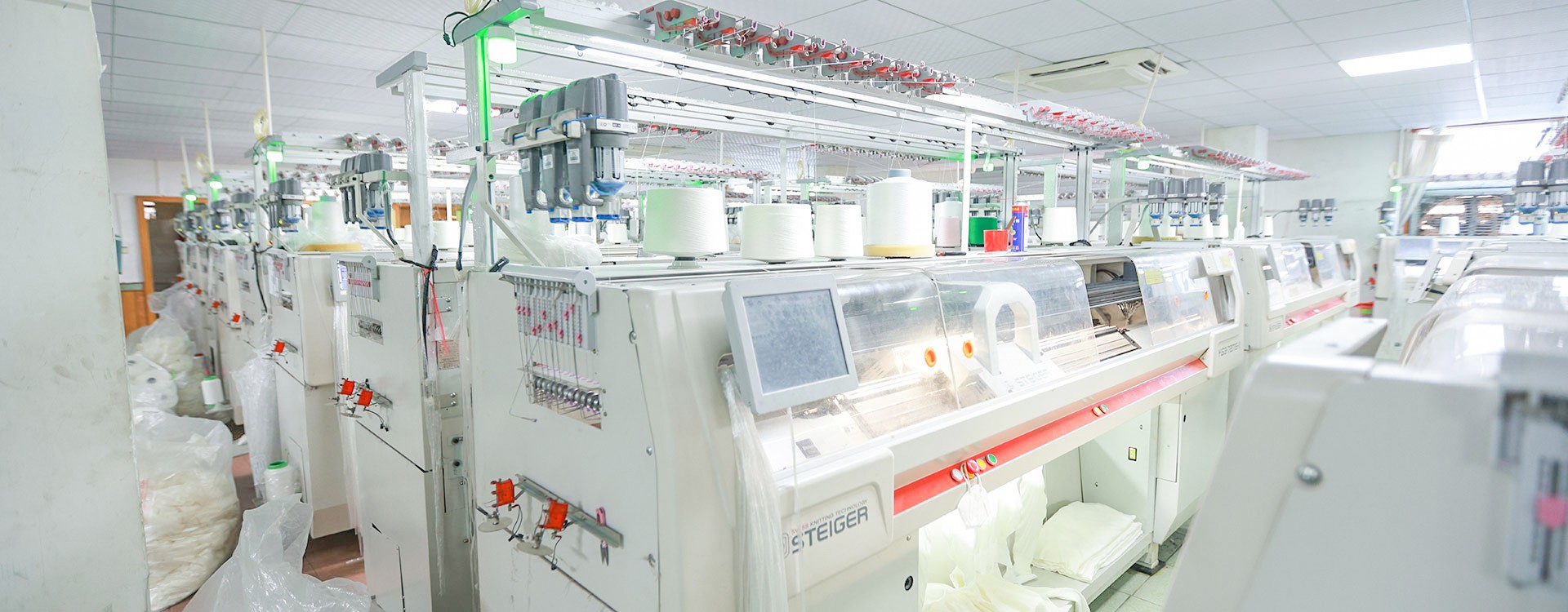
Flat-bed machines knit fabric panels (front, back, sleeves) separately on needle beds ranging from 3GG to 14GG gauge. Panels are later linked or sewn together. This method dominates custom sweater production for cardigans, pullovers, and vests because it accommodates complex stitch patterns, color changes, and shaping with minimal waste.
Fully-Fashioned Knitting
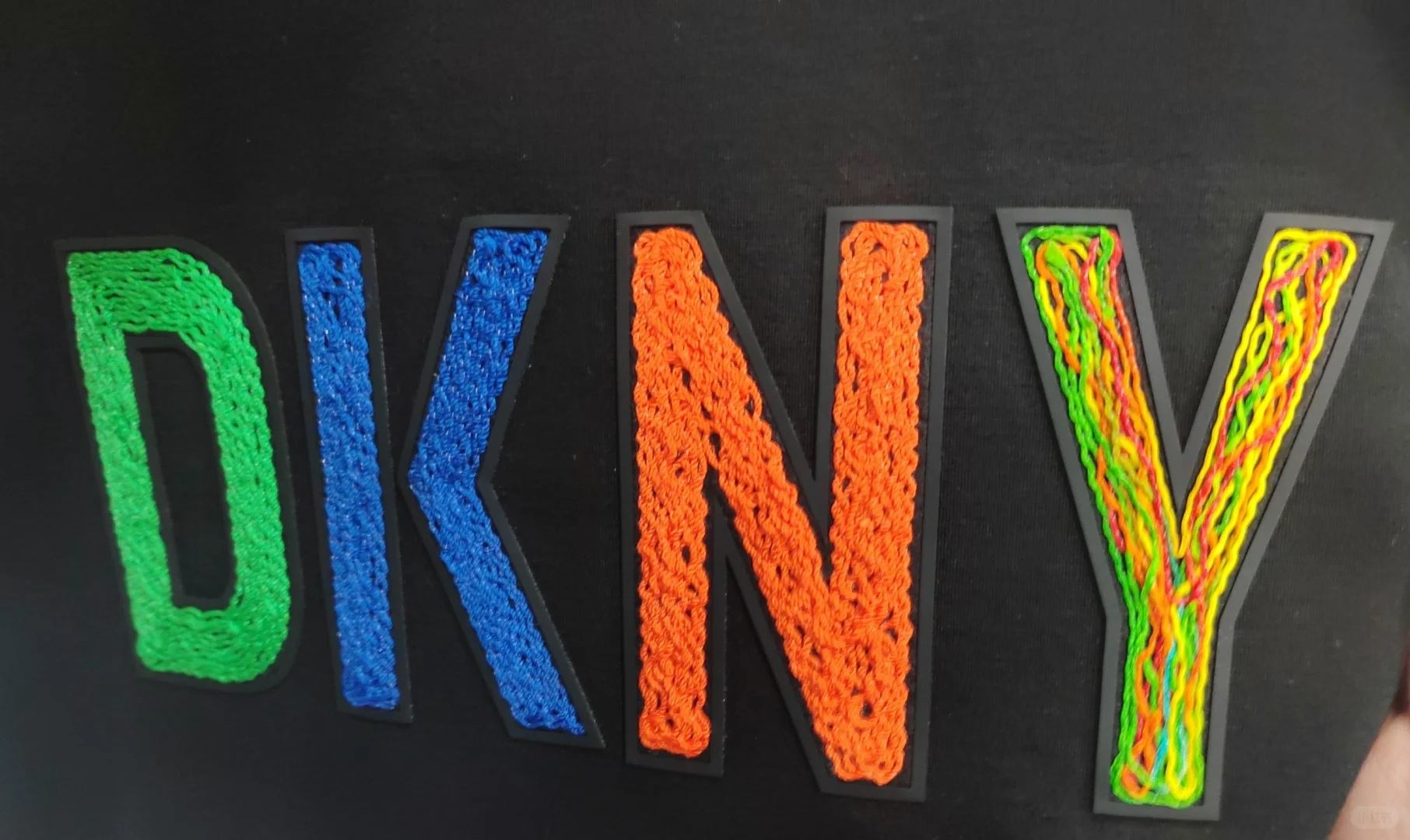
Fully-fashioned construction shapes each panel during knitting by increasing or decreasing stitches at armholes, necklines, and hems. The result is a tailored fit with visible fashion marks along seams. Premium cardigans, fitted pullovers, and knit dresses benefit from this technique’s precision and reduced material waste.
Intarsia Knitting
Intarsia creates large, distinct color blocks by knitting each color area with separate yarn feeds — no floats on the reverse. Ideal for bold graphics, logos, and geometric designs on crewnecks and statement sweaters where a clean interior finish is essential.
Jacquard and Fair Isle
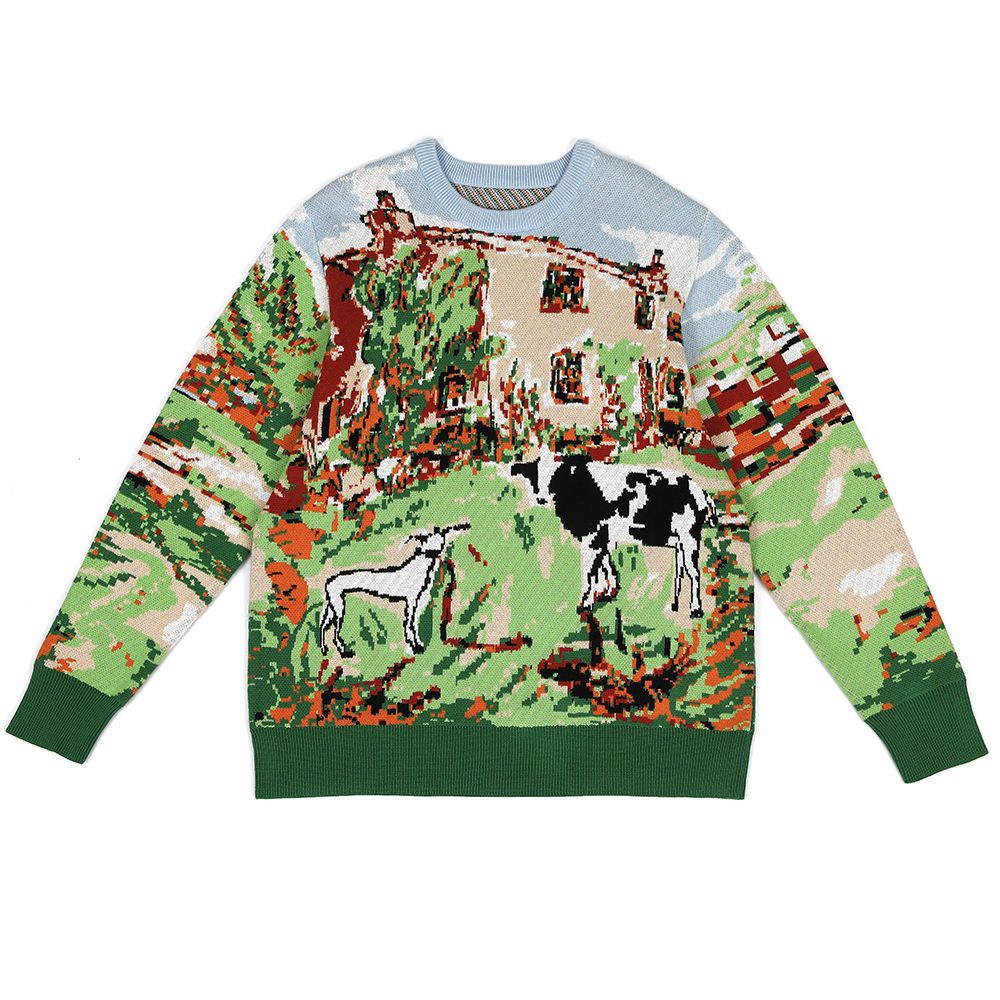
Jacquard machines knit multi-color patterns across the entire width, carrying unused yarns as floats on the back. Fair Isle uses two colors per row; jacquard can handle more. Both suit repeating motifs, Nordic patterns, and custom Christmas sweaters where double-layer warmth and rich surface detail are desired.
4. Materials and Yarn Choices in Knitting Techniques
Yarn selection drives both the technical feasibility and commercial success of every knitting technique. Fiber content, gauge, and yarn weight determine fabric hand, drape, care instructions, and final cost — making material choice inseparable from technique strategy.
| Fiber Type | Compatible Techniques | Typical Gauge | Care | Price Tier |
|---|---|---|---|---|
| Cashmere | Jacquard, cable, ribbed | 12GG–14GG | Dry-clean or hand-wash | Premium |
| Merino wool | Intarsia, fully-fashioned, pointelle | 7GG–12GG | Machine-wash delicate | Mid–High |
| Cotton / Pima | Jacquard, ribbed, cable | 7GG–12GG | Machine-wash warm | Mid |
| Alpaca / Mohair | Cable, ribbed, brushed | 5GG–9GG | Hand-wash cold | High |
| Acrylic blends | All techniques | 3GG–12GG | Machine-wash, tumble-dry | Budget |
| Organic / recycled | Jacquard, ribbed, intarsia | 7GG–12GG | Machine-wash cold | Mid–Premium |
Gauge and Yarn Weight Impact
Gauge — measured in stitches per inch — ranges from 3GG (bulky, ~3 stitches/inch) to 14GG (fine, ~14 stitches/inch) on computerized flat-knitting machines. Finer gauges (12GG–14GG) suit lightweight merino, cashmere, and fingering-weight yarns for delicate jacquard and pointelle, while coarser gauges (3GG–7GG) handle chunky wool, alpaca, and bulky-weight blends ideal for cable and ribbed structures.
Yarn weight directly affects drape: fingering and sport weights create fluid, drapey fabrics; worsted and bulky weights yield structured, warm pieces. Matching gauge to fiber ensures stitch definition and prevents pilling or stretching.
Sustainability Certifications for Knitwear Buyers
GOTS (Global Organic Textile Standard) certifies organic cotton and wool from farm to finished garment, while RWS (Responsible Wool Standard) verifies animal welfare and land management in wool supply chains. Both certifications appeal to eco-conscious consumers and meet retailer sustainability mandates across North America and Europe.
CENWILD sources GOTS-certified organic cotton and RWS merino for brands targeting premium sustainable segments, with recycled polyester and acrylic blends also available for circular-economy collections.
5. Customization and Decoration Options with Knitting Techniques
Knitwear customization spans in-knit techniques (jacquard, intarsia) and post-production decoration (embroidery, appliqué, beading). Each method carries distinct MOQ floors, setup costs, durability, and visual impact — critical factors when aligning brand positioning with budget.
| Technique | Min. Order (pcs) | Unit Cost Adder | Durability | Best Use Case |
|---|---|---|---|---|
| Jacquard | 300+ | $1–$3 | Excellent | Repeating logos, all-over patterns |
| Intarsia | 100+ | $2–$4 | Excellent | Color-blocking, large graphic panels |
| Flat Embroidery | 50+ | $0.80–$2 | Very Good | Chest logos, small branding |
| 3D/Puff Embroidery | 100+ | $1.50–$3 | Good | Premium texture, streetwear |
| Appliqué/Sequin | 100+ | $3–$8 | Moderate | Statement pieces, fashion-forward |
In-Knit Techniques: Jacquard and Intarsia
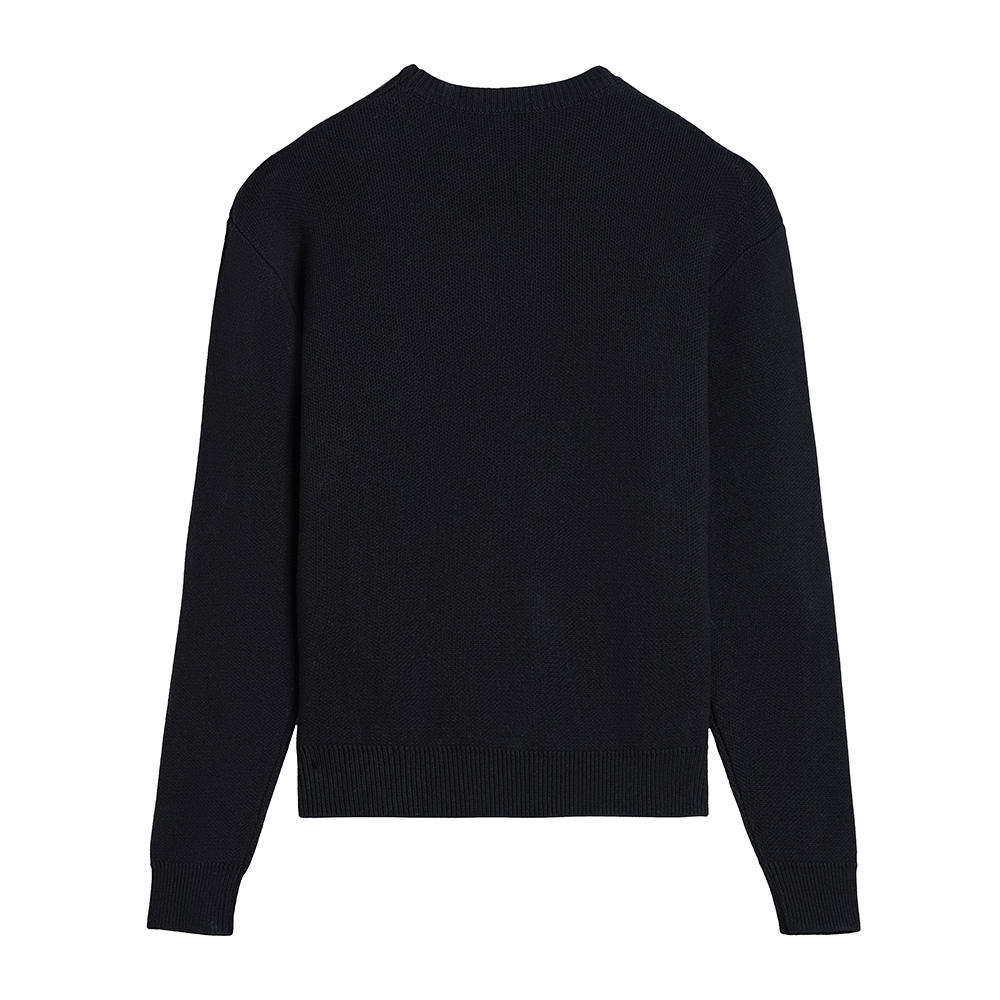
Jacquard weaves multi-color patterns directly into the fabric using programmed needle selection, ideal for repeating logos or all-over graphics. Intarsia knits discrete color blocks with separate yarn feeds, producing clean edges without floats on the reverse.
Both techniques add zero post-production time and survive hundreds of wash cycles without fading. Setup requires 3D knit programming; jacquard suits runs above 300 pieces, intarsia works from 100 pieces but adds $2–$4 per garment for complex color-blocking.
Embroidery, Appliqué, and Beading
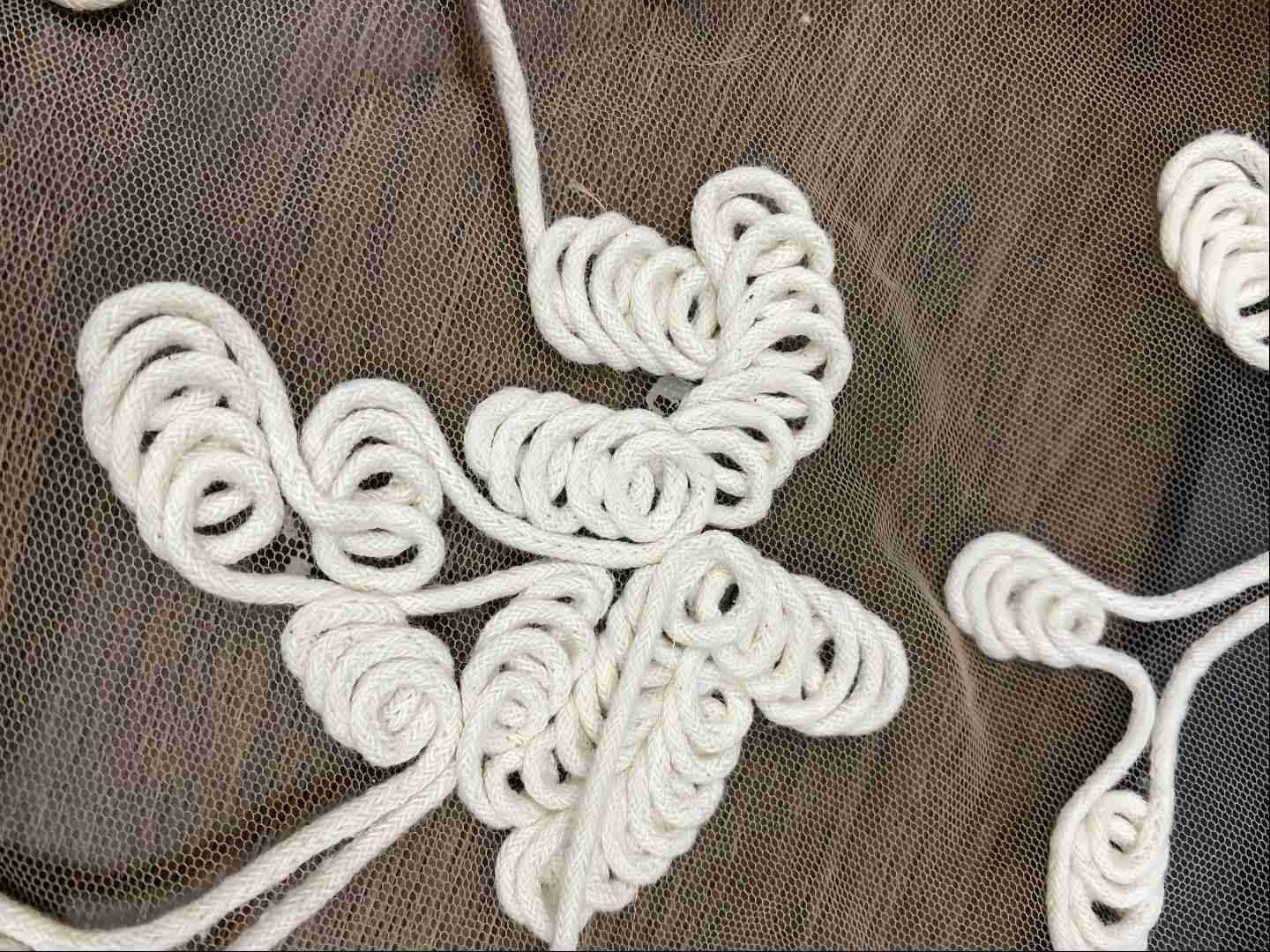
Flat embroidery on knit fabric requires stabilizer backing to prevent puckering; 3D puff and chenille add texture for premium branding. Appliqué patches and sequin work layer materials onto the sweater surface, while hand-beading remains a luxury, low-volume option.
Embroidery digitizing costs $15–$50 per design; unit adders range from $0.80 (simple chest logo) to $8+ (all-over beading). Minimum orders start at 50 pieces for embroidery, 100+ for appliqué and beading.
6. Quality Indicators in Knitting Techniques and Construction
Quality construction separates premium knitwear from commodity garments. Buyers must evaluate specific checkpoints in pre-production samples to ensure consistency across production runs and minimize returns.
Stitch Consistency and Gauge Uniformity
Gauge — measured in stitches and rows per inch — must remain uniform across every panel. Variations of more than ±0.5 stitches per inch signal tension problems that cause sizing inconsistencies.
Inspect jacquard and intarsia samples under natural light for float length and color-block edges. Uneven floats create puckering, while ragged edges indicate poor programming or operator skill.
Seam Finishing: Linking vs. Overlocking
Linking (looping) joins panels stitch-by-stitch for an invisible, flat seam preferred in luxury cashmere and merino. Overlocking uses serger stitching, faster but visible, acceptable in casual cotton and acrylic styles.
Check shoulder, side, and sleeve seams for alignment. Mismatched stripes or cables at seams reveal careless assembly that no finishing can hide.
Pre-Production Sample Approval Criteria
Test dimensional stability by measuring chest, length, and sleeve before and after a 30°C wash and flat-dry cycle; shrinkage beyond 3–5% requires yarn or wash-process adjustment. Rub samples against white cotton for 50 cycles to assess pilling grade and colorfastness transfer.
Reject samples showing loose yarn ends, skipped stitches, or uneven selvage edges — these defects multiply across bulk production.
7. How to Choose a Knitting Techniques Manufacturer for Your Brand
Selecting a manufacturer with the right knitting techniques capabilities determines whether your sweater collection launches on time, on budget, and at the quality your brand demands. A reliable partner combines technical infrastructure, design expertise, and transparent communication.
Machine Capabilities and Gauge Range
Verify the factory operates computerized flat-knitting machines across 3GG–14GG gauges to handle everything from chunky cables to fine intarsia. Ask whether they own Jacquard capacity in-house or subcontract pattern work — in-house control shortens lead times and protects IP.
A 3GG–14GG range covers most commercial knitwear; factories limited to narrow gauge bands cannot execute your full design vision.
Production Capacity and MOQ Flexibility
Confirm monthly capacity exceeds your order size with margin — a factory producing 80,000 pieces monthly can reliably handle 100–500 piece runs without bottlenecks. Check whether MOQ starts at 100 pieces per style and whether the supplier accepts small test orders before scaling.
Ask for recent order timelines: sampling turnaround should be 7–14 days, bulk production 25–35 days for standard knits.
Design Support and Custom Yarn Handling
A strong partner offers 3D knit programming, original stitch design, grading, and knit-down swatches — not just order-taking. Ask whether their design team can develop tech packs from sketches or refine your existing patterns.
Confirm they source and test custom yarns (cashmere, organic cotton, recycled blends) and provide pre-production samples in your specified fiber before committing to bulk.
Certifications and Communication
Request ISO 9001, WRAP, BSCI, or equivalent social-compliance certificates. During video calls or audits, assess response time (under 24 hours), English fluency, and willingness to share production photos.
Reliable manufacturers answer technical questions directly, provide itemized quotes, and offer flexible payment terms (30–50% deposit for repeat clients). Evasive answers or pressure for full prepayment signal risk.
8. Common Mistakes When Sourcing Knitting Techniques
First-time knitwear buyers often encounter avoidable delays and cost overruns by overlooking the technical differences between knit and cut-and-sew production. Understanding these common errors and their prevention strategies ensures smoother project execution and protects your budget.
Underestimating Lead Times for Knit Production
Knit production typically requires 45–60 days from approval to shipment, compared to 25–35 days for cut-and-sew garments, because each piece is constructed loop-by-loop on computerized machines. Buyers who assume standard apparel timelines miss launch windows and incur air-freight costs.
CENWILD recommends adding 10–14 days for gauge swatch approval and knit-down sampling before bulk production begins, especially for complex jacquard or intarsia designs that require 3D programming and test runs.
Ignoring Gauge Swatch Approval
Skipping the pre-production swatch locks in stitch density, hand feel, and pattern registration. Without swatch sign-off, brands risk receiving finished goods with unexpected drape or sizing variance that cannot be corrected post-knit.
Always request physical swatches in your chosen yarn and gauge (e.g., 7GG merino) before approving bulk. CENWILD provides knit-down swatches as part of sampling to confirm texture and dimensions.
Specifying Incompatible Yarn-Technique Pairings
Pairing fine-gauge cashmere (12GG or 14GG) with heavy cable knitting creates pilling and structural weakness; chunky acrylic on 3GG works better for bold cables. Mismatched specifications lead to sample rejections and wasted deposits.
Consult your manufacturer’s design team early. CENWILD’s technicians review yarn count, gauge, and stitch complexity together to recommend compatible combinations that meet your aesthetic and durability goals.
Neglecting Shrinkage Allowances
Natural fibers shrink 3–8% after washing: wool and cotton require pre-shrinkage calculations in pattern grading, or finished garments will miss target measurements. Buyers who omit shrinkage data face costly remakes.
Provide wash-care instructions in your tech pack and request a pre-production wash test. CENWILD applies shrinkage factors during grading and conducts garment-wash trials to verify final dimensions before bulk cutting.
9. Steps to Launch Your Knitwear Brand Using Professional Knitting Techniques
Launching a knitwear collection requires a structured workflow that aligns design vision, knitting techniques, and production timelines. A typical first run from concept to delivery spans 12–16 weeks, with budget checkpoints at sampling, deposit, and final payment before shipment.
Concept and Design Development
Start with a clear silhouette, target price point, and intended knitting techniques — intarsia, jacquard, cable, or fully-fashioned. CENWILD’s design team converts sketches, reference photos, or rough ideas into production-ready tech packs, including stitch diagrams and 3D knit programming.
First-time brands benefit from limiting the debut collection to three to five styles, each in two to three colorways, to control sampling costs and inventory risk.
Yarn and Technique Selection
Choose fiber based on season and price tier: merino or cashmere for premium fall/winter, cotton or linen blends for spring/summer. Pair yarn weight with gauge — 7GG or 9GG for chunky cables, 12GG or 14GG for fine intarsia.
Request physical yarn swatches and knit-down samples to confirm hand-feel, drape, and color accuracy before committing to bulk yardage.
Requesting Quotes and Samples
Submit tech packs to two or three manufacturers; compare FOB pricing, MOQ, and sampling lead time. CENWILD’s 100-piece MOQ and knit-down sampling within 7–10 days accelerate validation.
Budget approximately 50–150 USD per sample style, deducted from the bulk order if you proceed. Confirm whether the quote includes decoration, trims, and polybag packaging.
Placing and Inspecting Your First Order
Pay the initial deposit — 100% for first orders, easing to 30% for repeat partners — to trigger bulk production. Schedule an in-line or pre-shipment inspection at 80% completion to catch fit, stitch tension, or color issues.
Plan reorders six to eight weeks before stock-out, leveraging approved samples and graded size specs to shorten the cycle to 8–10 weeks.
10. Pricing and Cost Factors for Knitting Techniques
Unit cost in knitwear manufacturing scales directly with order volume, knitting technique complexity, and yarn selection. A 100-piece run of basic circular-knit cotton pullovers typically carries higher per-unit pricing than a 500-piece jacquard order, while cashmere and merino blends add 40–120% to baseline cotton pricing depending on fiber content and gauge.
Setup and sampling costs range from 150 to 600 USD per style, covering 3D knit programming, grading, and knit-down swatches; these are often waived or credited after the first production order. Lead time stretches from 25 days for plain stockinette styles to 45–60 days for multi-color jacquard or cable-knit designs requiring hand-linking and garment washing.
Decorations — embroidery, screen printing, appliqué — add 2–8 USD per piece and 5–10 days to production, while MOQ-friendly manufacturers like CENWILD support orders as low as 100 pieces with flexible deposit terms that ease to 30% for repeat partners.
| Quantity | Technique | Yarn Type | Unit Price (USD) | Setup Cost (USD) | Lead Time (Days) |
|---|---|---|---|---|---|
| 100 pcs | Circular knit | Cotton | $18–28 | $150–300 | 25–30 |
| 300 pcs | Cable knit | Merino blend | $32–48 | $300–450 | 35–45 |
| 500 pcs | Jacquard | Merino wool | $28–42 | $400–600 | 40–50 |
| 300 pcs | Intarsia | Cashmere blend | $55–85 | $450–600 | 45–60 |
Ready to Bring Your Knitting Techniques to Life?
From just 100 pieces, our 28+ years of expertise and in-house design team will turn your concept into production-ready custom knitwear.