Private Label Knitwear Manufacturing — 100-Piece MOQ, OEM/ODM Ready
Partner with a trusted Dongguan manufacturer offering custom private label knitwear, in-house knitting, full-service design support, and 28+ years of experience serving fashion brands worldwide.
Our Knitwear Collection
Why CENWILD for Your Private Label Knitwear
100-Piece MOQ
Launch your private label knitwear collection with just 100 pieces per style—perfect for startups, independent designers, and test runs.
28+ Years Manufacturing Excellence
Established Dongguan knitwear manufacturer since 1998, serving over 2,000 fashion brands worldwide with proven OEM and ODM expertise.
In-House Knitting & Sampling
Complete flat-knitting facility with 3GG–14GG machines and dedicated sampling team—no outsourcing, faster turnaround, better quality control.
Full Customization Options
Intarsia, jacquard, cable knits, embroidery, screen printing, garment dye, and more—bring any design concept to life.
Fast Knit-Down Samples
Rapid prototyping with our in-house design team and computerized knitting—review your private label sweater before committing to production.
Flexible Payment Terms
T/T, PayPal, credit card, USDT accepted. Deposit starts at 100% for first orders, easing to 30% for long-term partners.
Knitwear Manufacturing Built for Your Brand
Knitwear Suppliers
CENWILD partners with fashion brands, retailers, wholesalers, and independent designers as a full-service knitwear supplier covering design development, yarn sourcing, knit-down sampling, production, decoration, quality control, and export logistics. With 28+ years in Dongguan and a monthly capacity exceeding 80,000 pieces across 3GG–14GG gauges, we manufacture cardigans, pullovers, turtlenecks, sweater vests, knit dresses, and seasonal styles in cashmere, merino, cotton, alpaca, and blended fibers for men, women, and children.
Get a Quote
Low MOQ Knitwear
Start your knitwear line without the burden of large inventory commitments. CENWILD accepts orders from just 100 pieces per style, making private label and custom sweater production accessible to startups, independent designers, influencers, and growing brands. Our low MOQ model is backed by in-house knitting, sampling, and flexible payment terms that ease as your partnership grows, so you can test collections, launch capsules, and scale at your own pace.
Get a Quote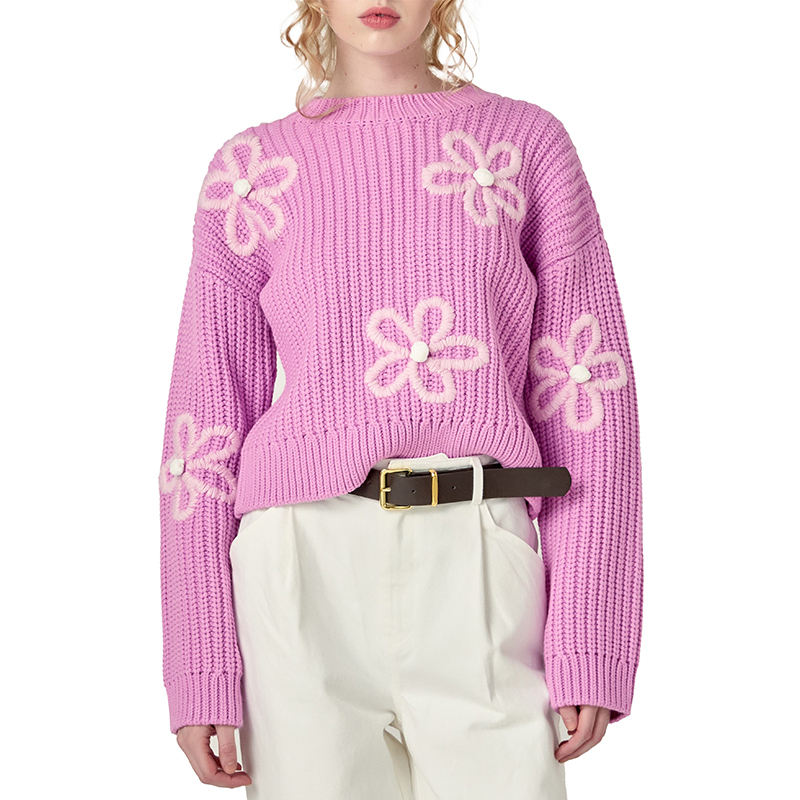
Custom Knitwear Manufacturers
From concept to finished garment, CENWILD delivers fully customized knitwear through OEM and ODM services. Whether you arrive with a tech pack, a sketch, a reference photo, or only an idea, our design team develops original stitch patterns, 3D knit programming, grading, and knit-down swatches. We execute intarsia, jacquard, cable, pointelle, and fully-fashioned techniques, plus embroidery, printing, garment washing, and trim application to bring your unique vision to production-ready reality.
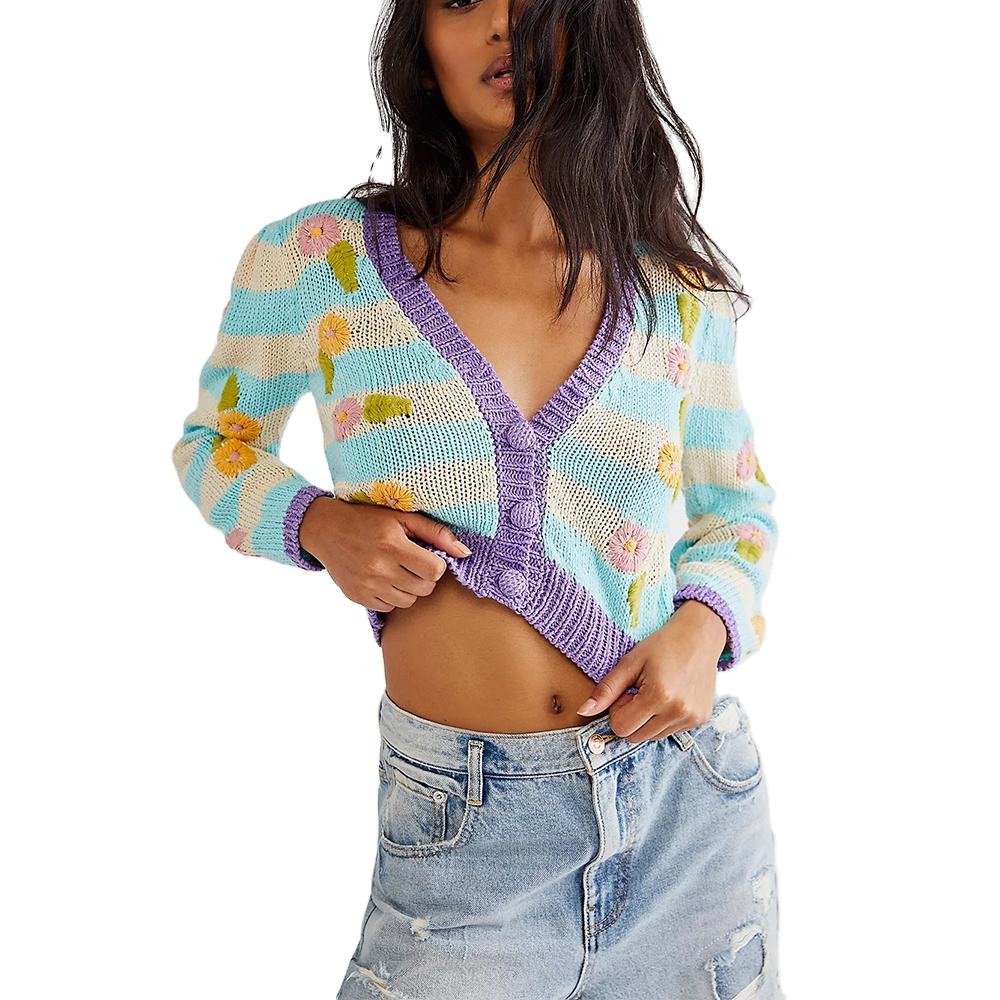
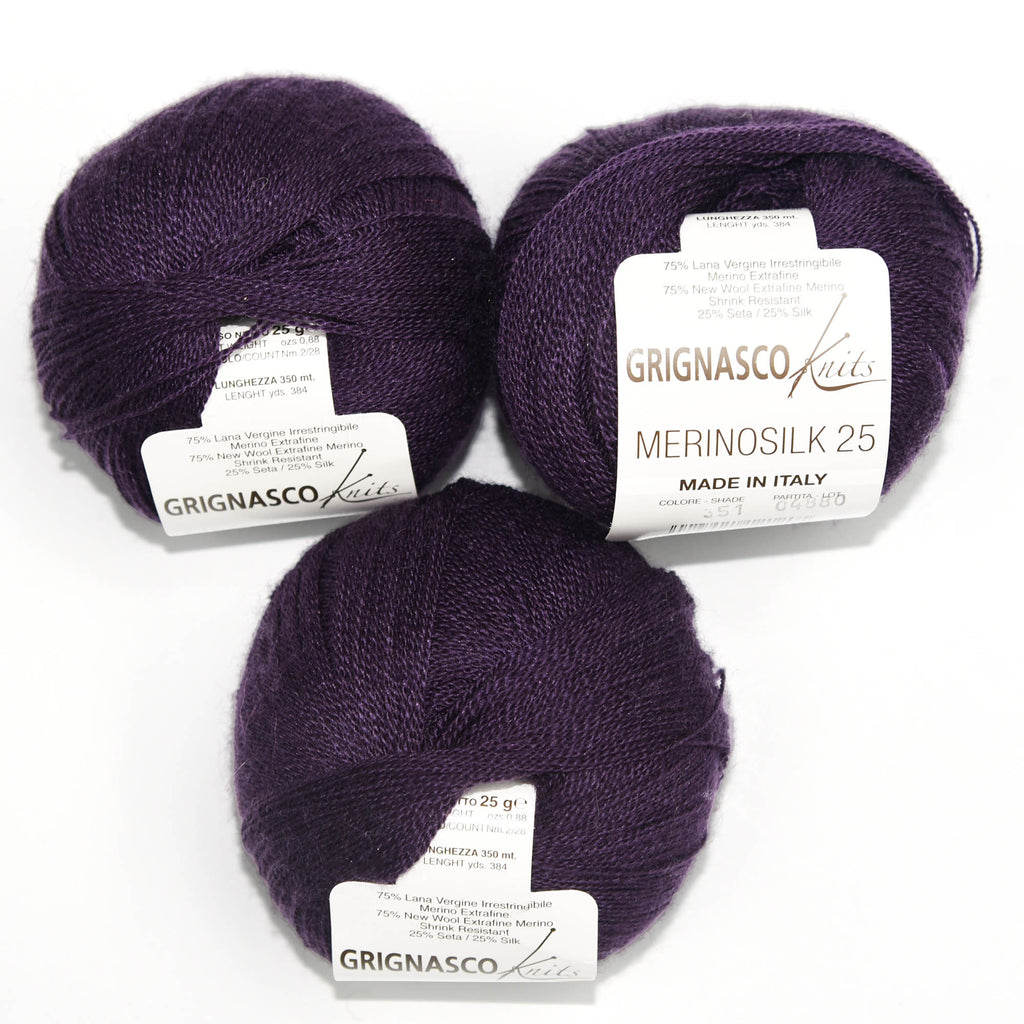
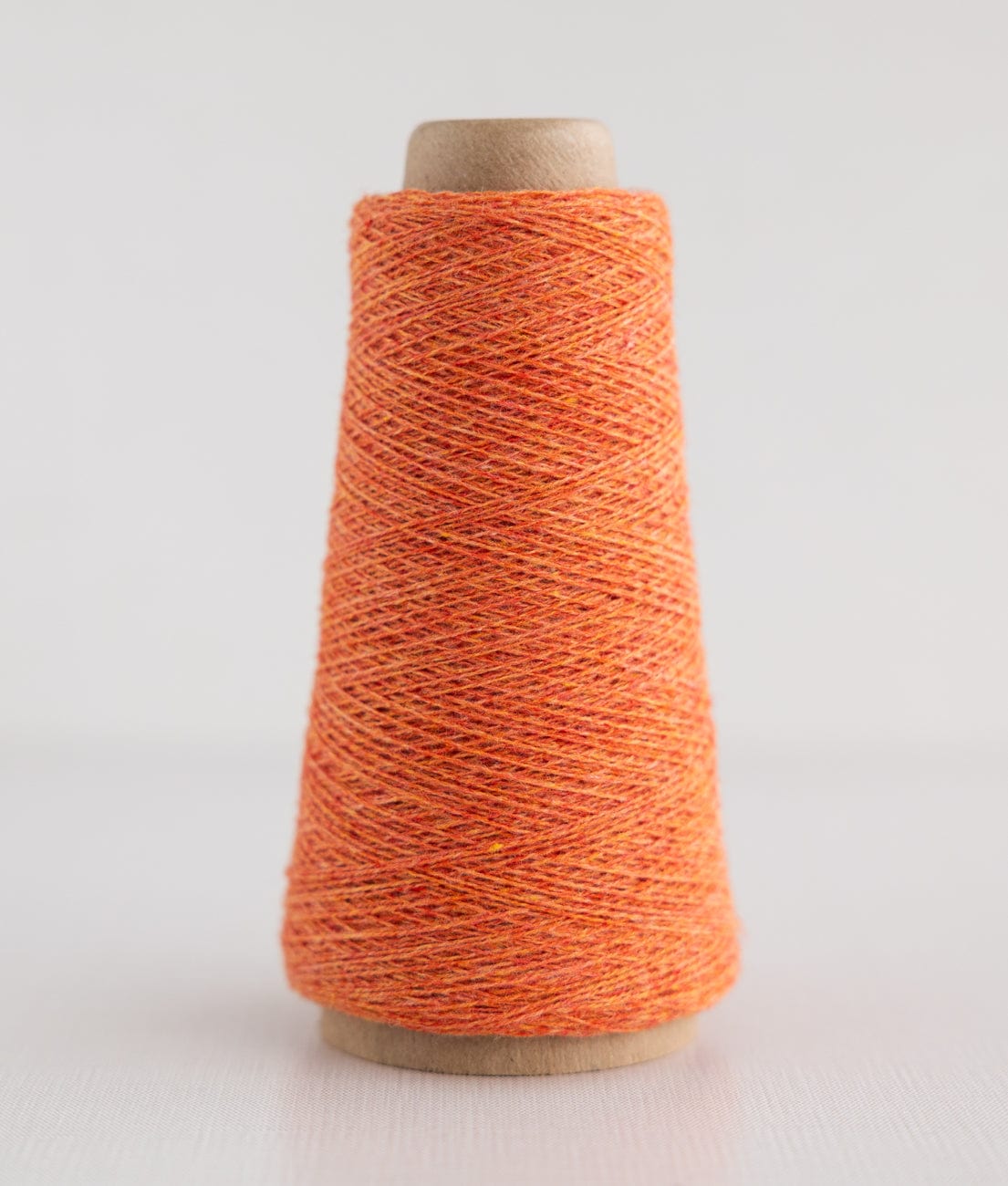
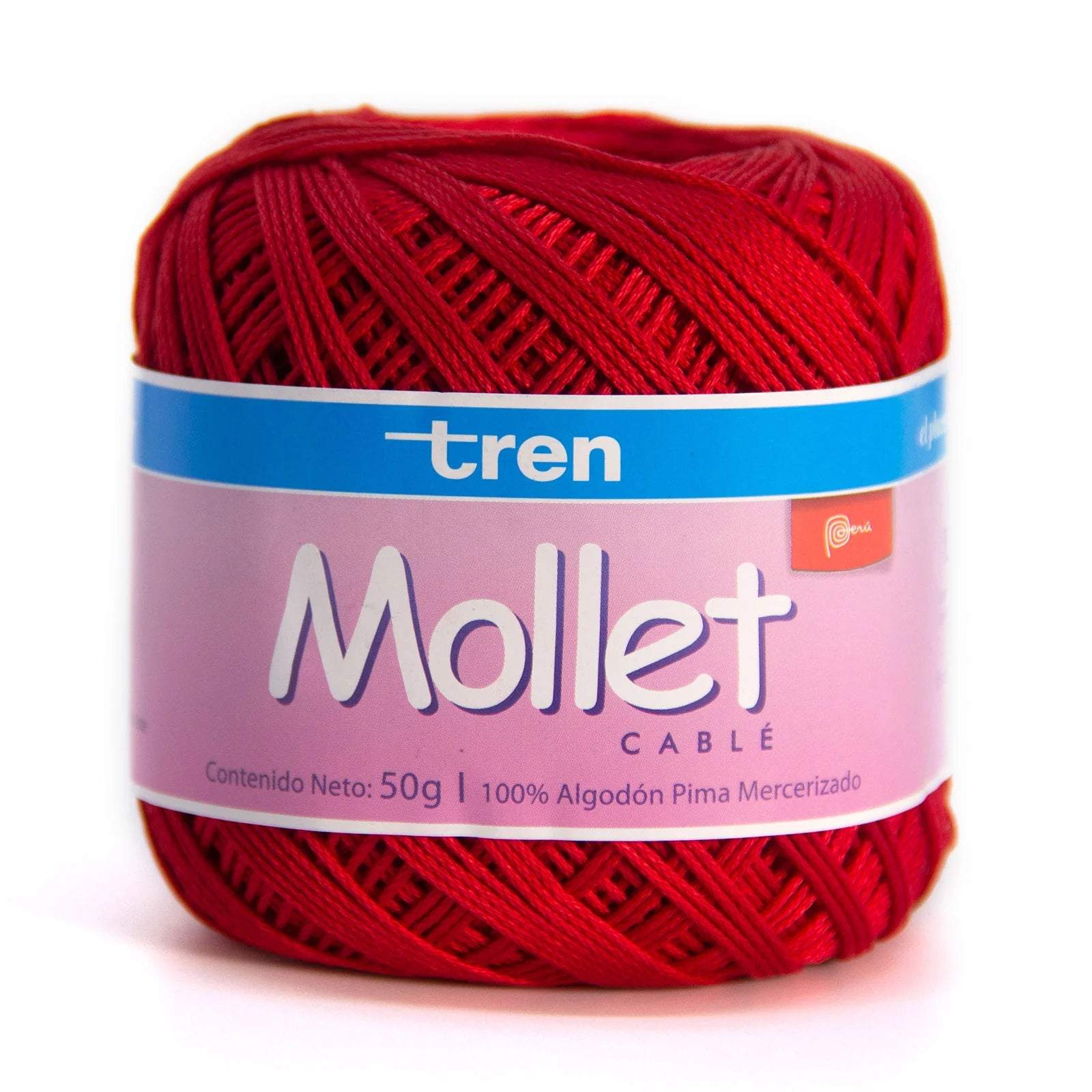
Get a QuotePremium Yarn & Materials for Private Label Knitwear
Private Label Knitwear Fabrication Techniques
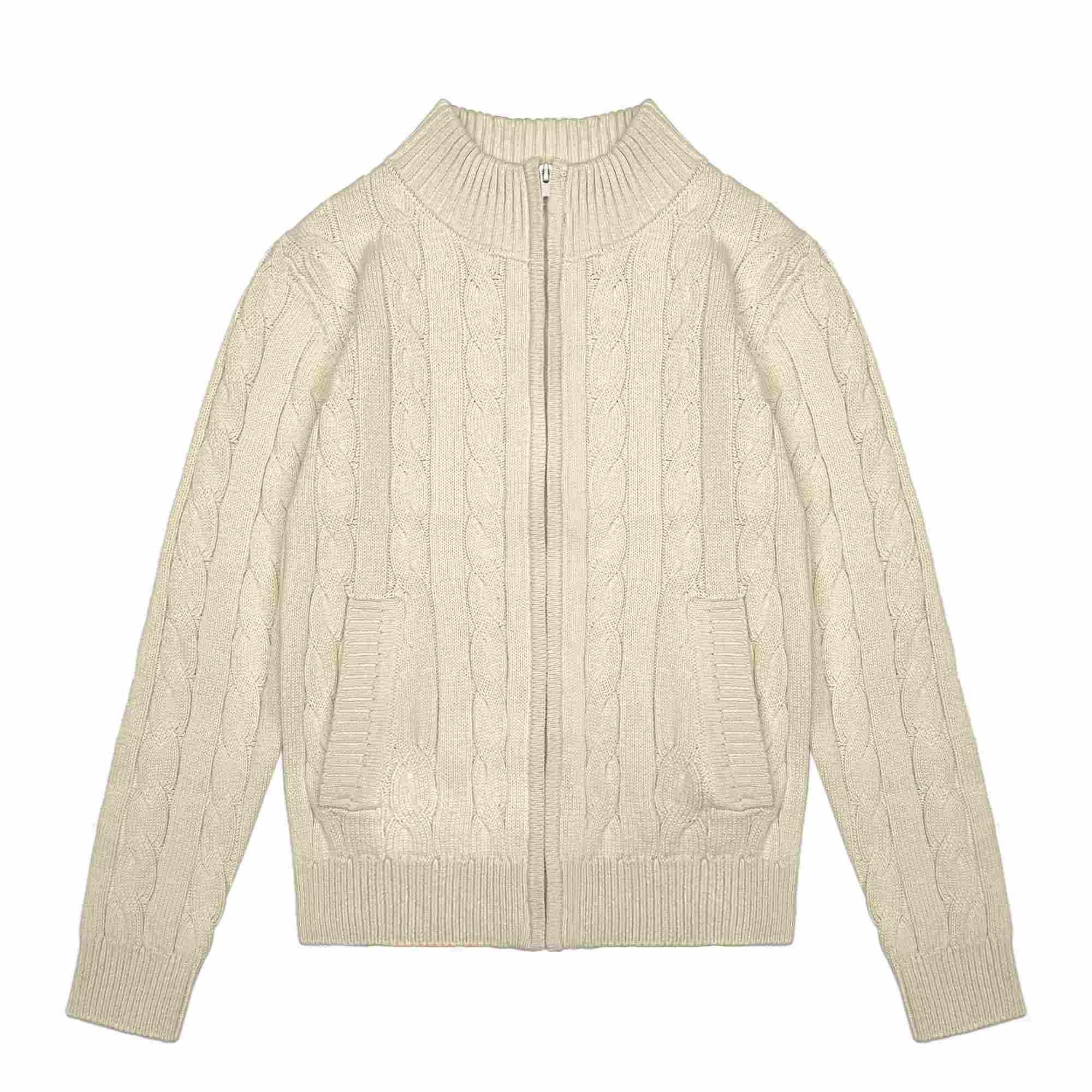
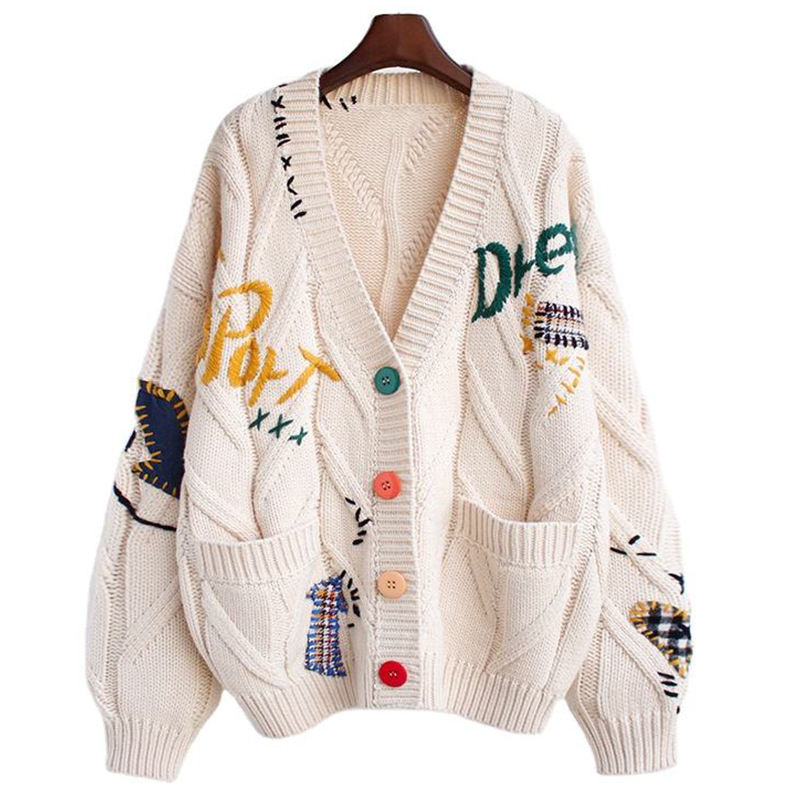
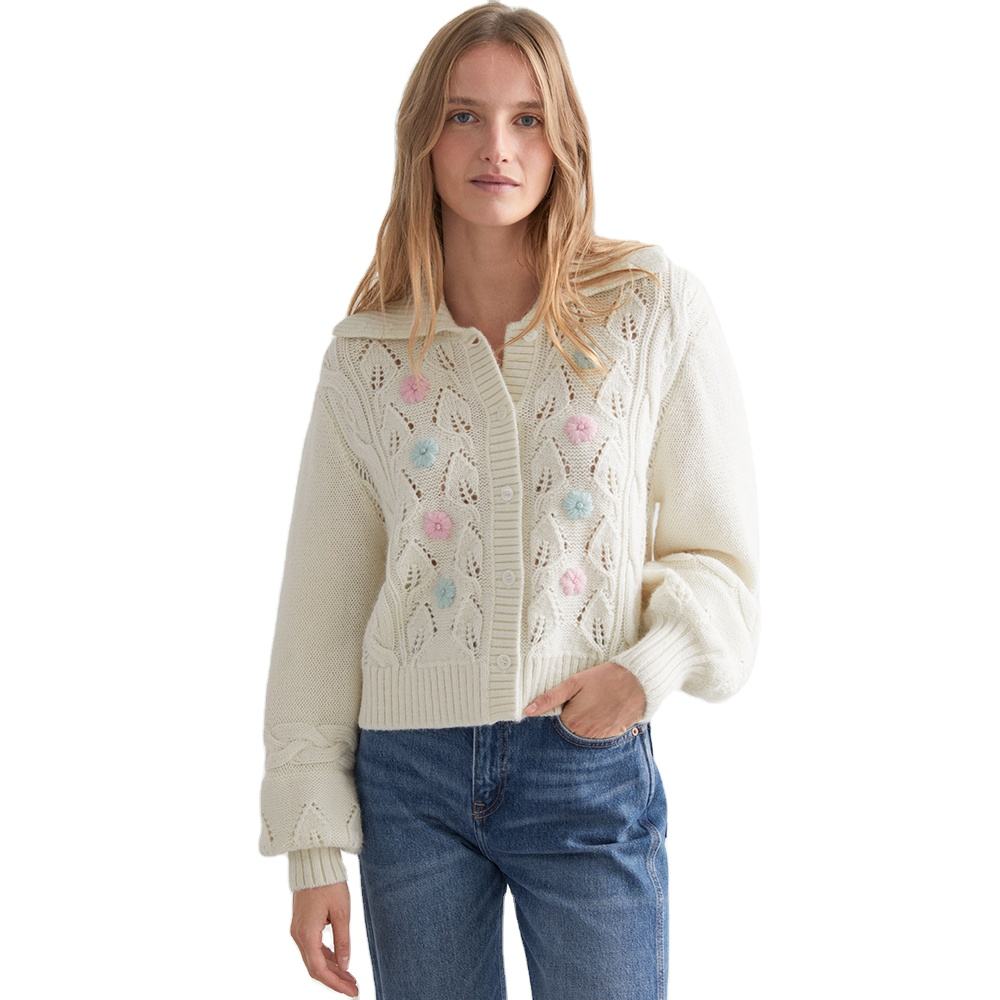
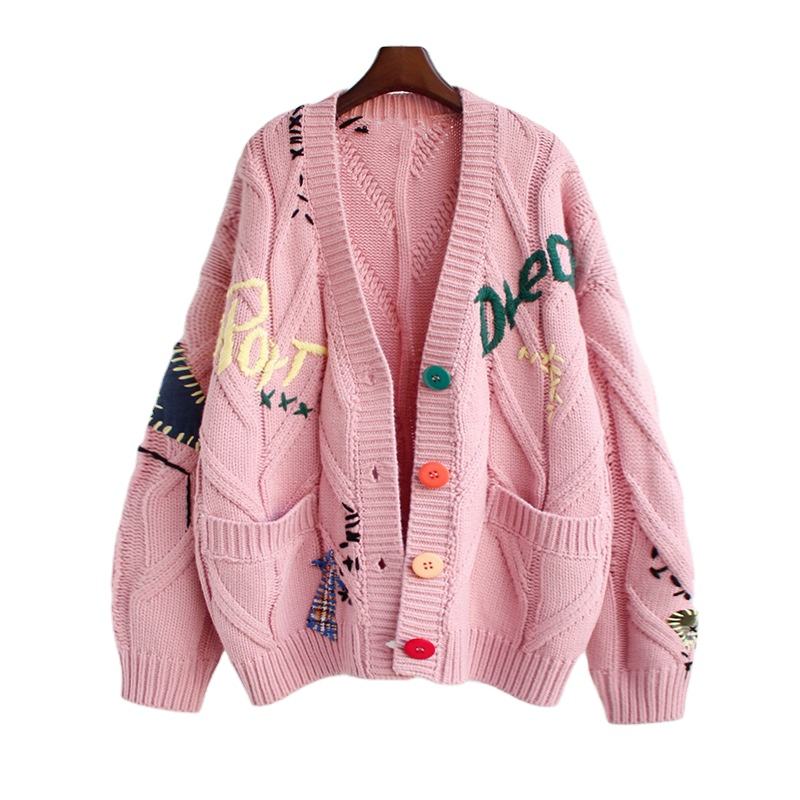
Decoration & Finishing for Your Private Label Knitwear
About CENWILD Private Label Knitwear
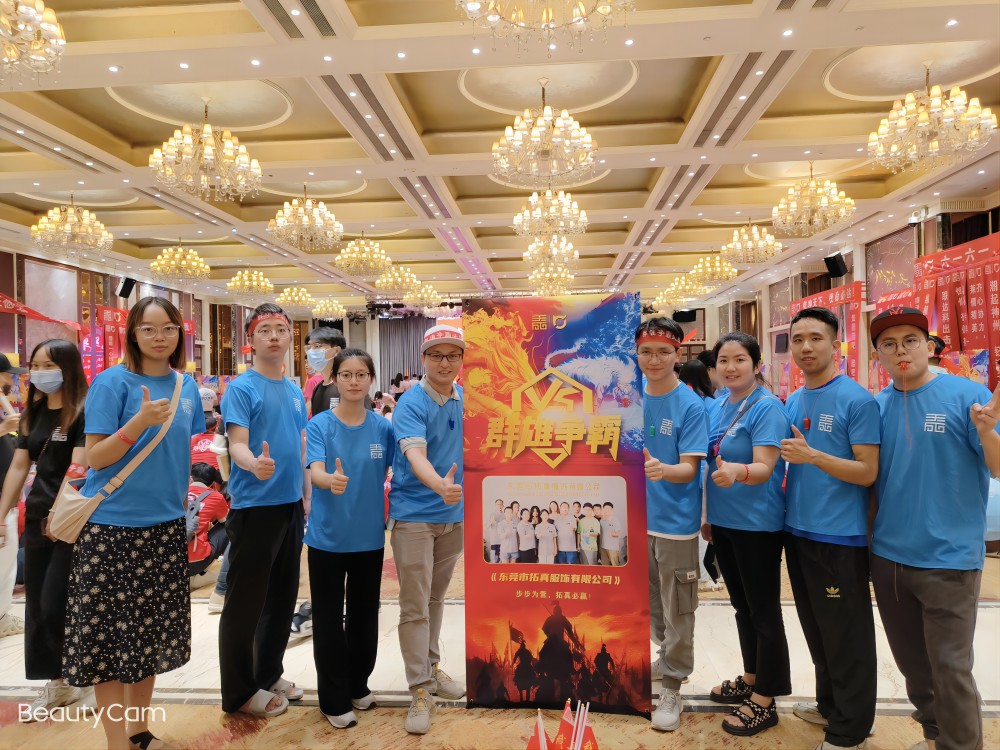
Founded in 1998 in Humen, Dongguan — the heart of China’s most influential knitwear manufacturing region — CENWILD began as a small family knitting workshop. Over 28 years we have evolved into a comprehensive one-stop private label knitwear manufacturer, serving over 2,000 fashion brands worldwide with OEM and ODM solutions built on quality, flexibility, and partnership.
Today our team of more than 200 skilled employees operates computerized flat-knitting machines across 3GG to 14GG gauges, delivering a monthly capacity exceeding 80,000 pieces. From design development and yarn sourcing to knit-down sampling, production, decoration, quality control, and export logistics, every step happens under one roof in Dongguan.
What sets CENWILD apart is our commitment to growing with you. We welcome startups and independent designers with a low MOQ starting at just 100 pieces, flexible payment options, and a dedicated design team ready to transform your vision — whether a finished tech pack or a simple sketch — into production-ready private label knitwear that builds your brand.
Core Capabilities Behind Your Private Label Knitwear
Industrial-Scale Knitting & Production Capacity
Our Dongguan facility operates computerized flat-knitting machines across 3GG to 14GG gauges, producing over 80,000 pieces monthly. This in-house knitting infrastructure ensures consistent quality, flexible scheduling, and the ability to scale your private label knitwear from 100-piece test runs to full seasonal collections without outsourcing delays.
- 3GG–14GG gauge range for fine to chunky knits
- 80,000+ piece monthly production capacity
- In-house knitting eliminates third-party bottlenecks
- Scales seamlessly from 100-piece MOQ to bulk orders
Design & Sampling — Concept to Sample
Our in-house design team transforms your vision into production-ready knitwear. Whether you arrive with a finished tech pack, a reference photo, or just an idea, we handle original stitch design, 3D knit programming, grading, and knit-down swatches — delivering samples in weeks, not months.
- Tech pack development and refinement
- Original stitch design and 3D knit programming
- Knit-down sampling with real yarn and gauge
- Fast turnaround from sketch to wearable prototype
Full Customization — Yarn to Trim
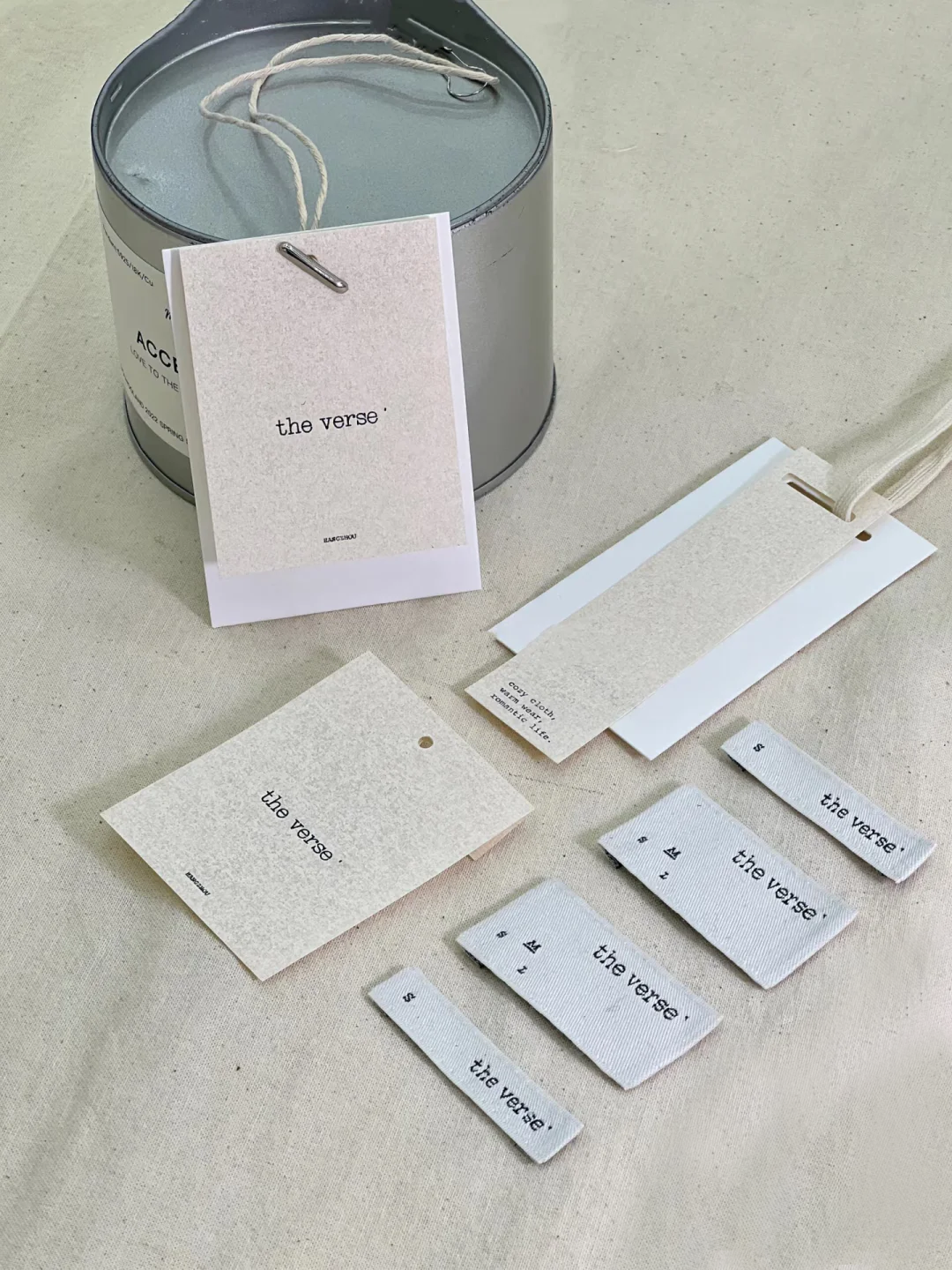
Every element of your private label knitwear is customizable. Choose from cashmere, merino, alpaca, cotton, recycled blends, and more. Select intarsia, jacquard, cable, or pointelle techniques. Add embroidery, printing, garment washing, custom labels, hang tags, and packaging — all managed under one roof in Dongguan.
- Wide yarn library: cashmere, merino, alpaca, cotton, recycled fibers
- Advanced knitting techniques: intarsia, jacquard, cable, pointelle
- Decoration options: embroidery, screen print, heat transfer, sequins
- Custom trims, labels, packaging, and finishing
Quality Control & Compliance at Every Stage
Quality is embedded in every step — from yarn inspection and knit-down approval to in-line checks during production and final garment audits before shipment. Our 28+ years of experience and dedicated QC team ensure your private label knitwear meets brand standards and passes retail compliance requirements worldwide.
- Incoming yarn and material inspection
- In-line quality checks during knitting and assembly
- Final garment audit before packing and export
- Compliance support for US, EU, UK, and global markets
Why CENWILD Private Label Knitwear Outperforms Typical Suppliers
CENWILD has built 28 years of manufacturing excellence into every partnership. Here is how we compare to typical knitwear factories when it comes to flexibility, speed, support, and quality.
← 左右滑动查看 →
Our Private Label Knitwear Production Process
From concept to container, CENWILD manages every phase of your private label knitwear order with precision, transparency, and 28+ years of Dongguan manufacturing expertise.
Design & Tech Pack Review
Submit your tech pack, sketch, or idea. Our design team reviews specifications, recommends yarns and stitches, and develops knit-down samples with original stitch programming and grading.
Sampling & Approval
We knit your first samples in-house using computerized flat-knitting machines. You review fit, fabric, and finishing, then approve or request revisions before bulk production begins.
Bulk Production
Approved samples move to our production floor with 80,000+ piece monthly capacity across 3GG–14GG gauges. Every order is tracked, and progress updates keep you informed.
Quality Control & Finishing
Each garment passes multi-point QC inspection. We apply garment washing, anti-pilling treatment, embroidery, printing, or other decorations, then perform final checks before packing.
Packing & Labeling
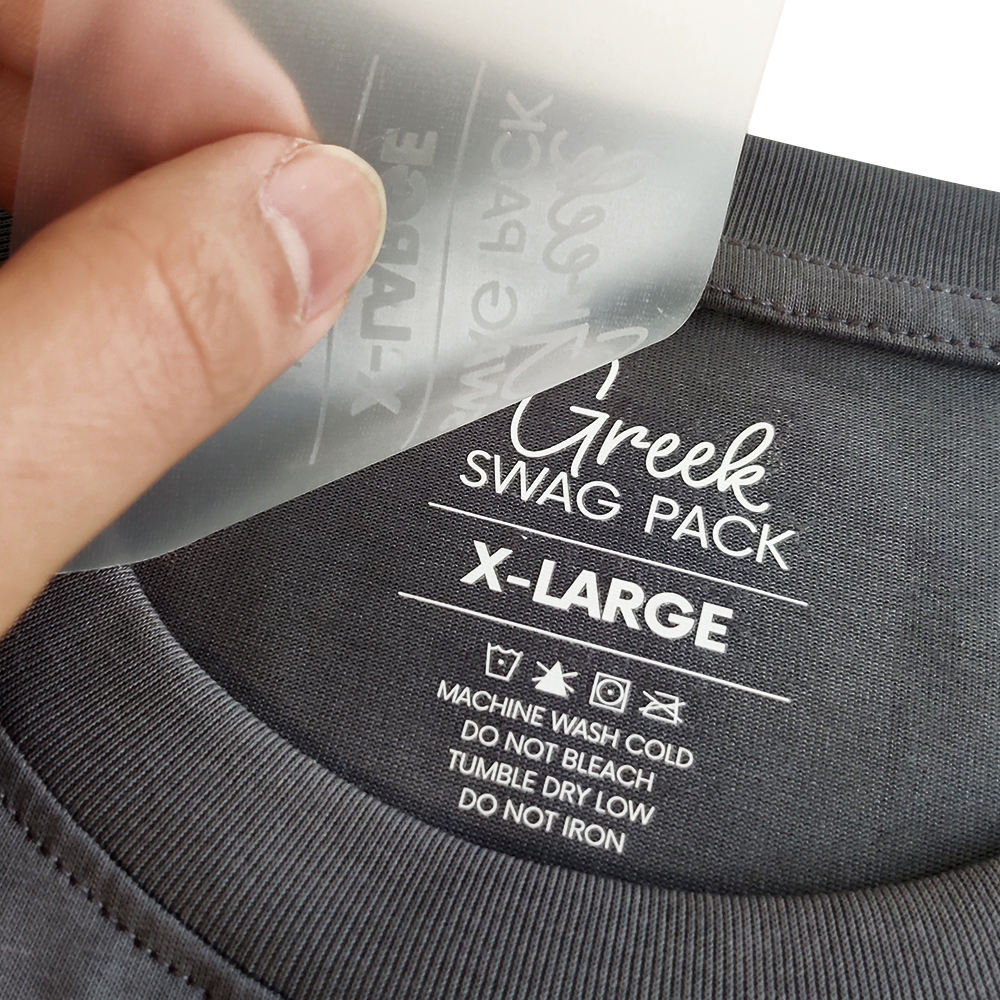
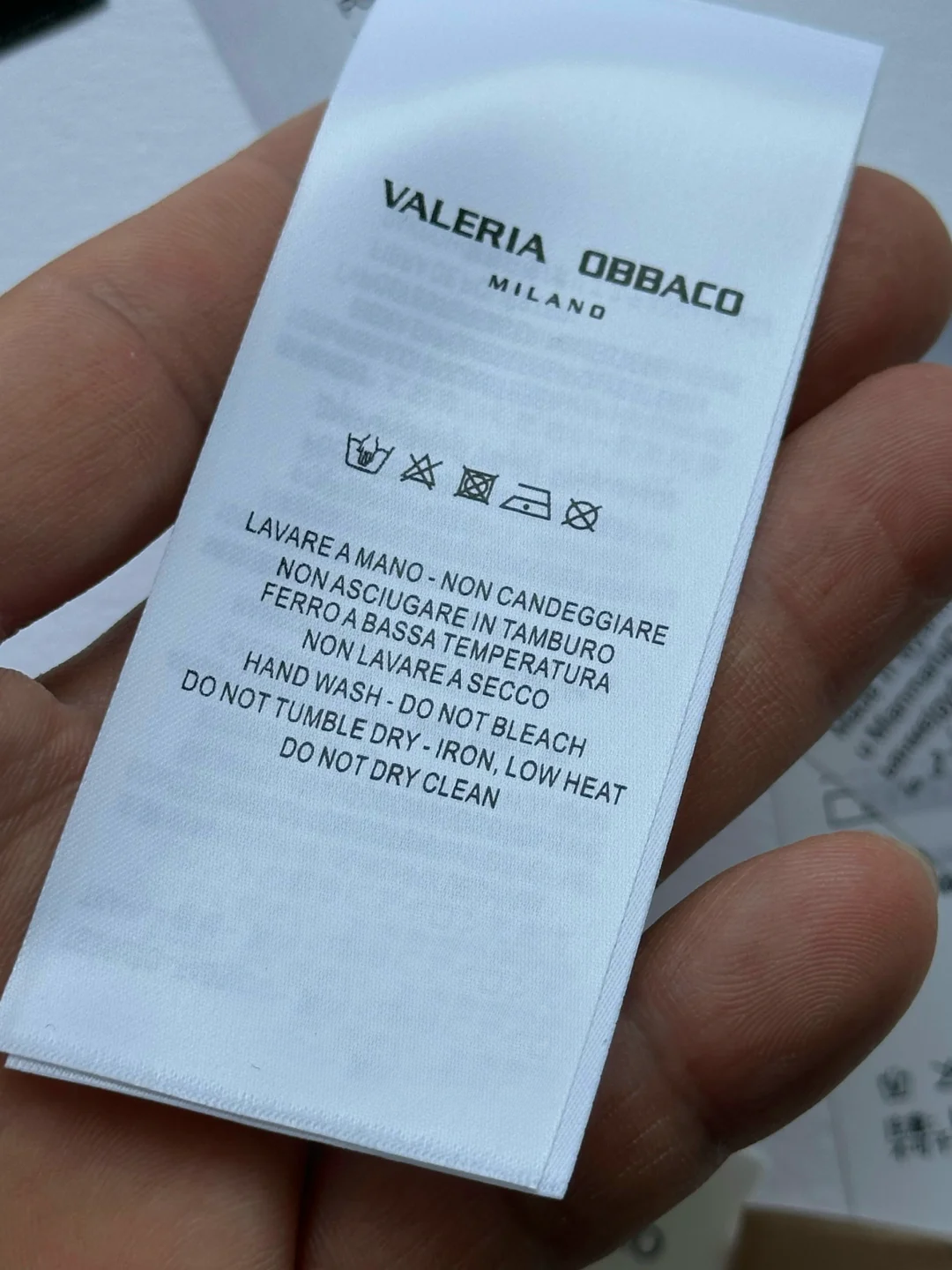
Your private label knitwear is folded, tagged, and packed to your brand standards—polybags, hangtags, custom cartons, or retail-ready packaging—with full traceability and documentation.
Export & Logistics
CENWILD coordinates freight, customs paperwork, and shipping to your warehouse worldwide. You receive tracking details and commercial invoices for seamless import and inventory planning.
How to Launch Your Private Label Knitwear With CENWILD
From initial design brief to final shipment, our streamlined process and dedicated account support make private label knitwear production simple and flexible for brands of every size.
Submit Your Design Brief
Send your tech pack, sketch, reference photo, or even just an idea. Our design team will review and clarify any details needed to move forward.
Receive Quote and Sample Timeline
Within 24–48 hours, your dedicated account manager provides a detailed quotation, MOQ confirmation, and knit-down sample schedule tailored to your project.
Approve Knit-Down Samples
Review physical samples for fit, stitch, yarn quality, and finishing. Request revisions until every detail matches your brand standards before bulk production begins.
Place Your Bulk Order
Confirm quantities, colors, sizes, and payment terms. CENWILD accepts T/T, PayPal, credit card, and USDT with flexible deposit options as low as 30 percent.
Production, QC, and Shipment
Your order enters our computerized knitting lines with full in-line quality control. Balance payment is due before final shipment to your warehouse or fulfillment center.
Certifications & Quality Standards for Private Label Knitwear

Private Label Knitwear Success Stories
CENWILD helped us launch our first private label knitwear collection in just 9 weeks with only 150 pieces per style. Their design team turned our sketches into production-ready samples, and quality was flawless from day one.
We scaled from 500 units to over 4,000 pieces per season with CENWILD. Their consistent quality, flexible MOQ, and reliable delivery let us grow our wholesale business 220% in 18 months without switching manufacturers.
Switching to CENWILD for our private label sweaters reduced our production costs by 18% while improving fit and finish. Their team handled everything from yarn sourcing to packaging, saving us weeks of coordination time every season.
Frequently Asked Questions About Private Label Knitwear
What is the minimum order quantity for private label knitwear?
How long does sampling and production take for private label knitwear orders?
Do you charge for samples when ordering private label knitwear?
What payment terms do you offer for private label knitwear production?
Can CENWILD handle shipping and logistics for international orders?
How do you protect my designs and intellectual property?
What customization options are available for private label knitwear?
Do you source the yarn, or do I need to supply materials?
Can I start with a small test order before scaling up production?
The Complete Buyer’s Guide to Private Label Knitwear for Fashion Brands
Navigate supplier selection, quality benchmarks, and customization options with confidence. This guide delivers a proven decision framework, essential manufacturer criteria, and the most common sourcing mistakes to avoid when launching your knitwear line.
1. What Is Private Label Knitwear?
Private label knitwear refers to sweaters, cardigans, and knit accessories manufactured by a specialized third-party factory and sold exclusively under the buyer’s own brand name and labels. In this model, fashion brands, retailers, and influencers retain full ownership of design direction, branding, and customer relationships, while the manufacturer handles yarn sourcing, knitting, finishing, quality control, and export logistics.
This approach differs from white-label production, where factories offer pre-designed generic styles that multiple buyers rebrand, and from full in-house manufacturing, which requires capital investment in knitting machines, skilled technicians, and inventory management. Private label knitwear allows brands to specify every detail — yarn blend, gauge, stitch pattern, trim, and decoration — ensuring each piece aligns with their aesthetic and quality standards.
Over 2,000 fashion brands worldwide choose private label knitwear to launch collections with lower risk, flexible order quantities starting from 100 pieces per style, and faster speed-to-market than building a factory. The model supports independent designers testing new markets, established retailers expanding seasonal assortments, and influencers creating signature knit capsules without production overhead.
2. Evolution of Private Label Knitwear Manufacturing
In 1589 William Lee invented the first stocking frame, launching mechanized knitting; by the mid-1800s industrial flat-bed machines enabled factory-scale sweater production across Europe and North America. Traditional hand-knitting guilds gave way to steam-powered mills that could produce dozens of garments daily, establishing knitwear as a scalable apparel category.
The 1980s and 1990s saw a decisive shift as brands relocated production to Asian hubs — particularly China’s Yangtze River Delta and the Pearl River Delta around Dongguan — where skilled labor, vertical yarn supply chains, and lower costs converged. Factories in Humen and surrounding districts became global centers for private label knitwear, serving brands across North America, Europe, and Australia.
Since 2010 computerized flat-knitting machines (3GG to 14GG gauge), digital jacquard programming, and modular production lines have driven MOQs down from 1,000–5,000 pieces to as low as 100 pieces per style. This democratization enables independent designers and influencer-led brands to launch knitwear collections without prohibitive inventory risk, while sustainable yarn options — organic cotton, recycled polyester, traceable merino — and selective nearshoring address evolving consumer and regulatory demands.
3. Types of Private Label Knitwear Products
Private label knitwear spans a broad product taxonomy, each category serving distinct retail channels and seasonal demands. Understanding which garment types align with your brand positioning and customer base ensures efficient inventory planning and faster time-to-market.
Pullover Sweaters
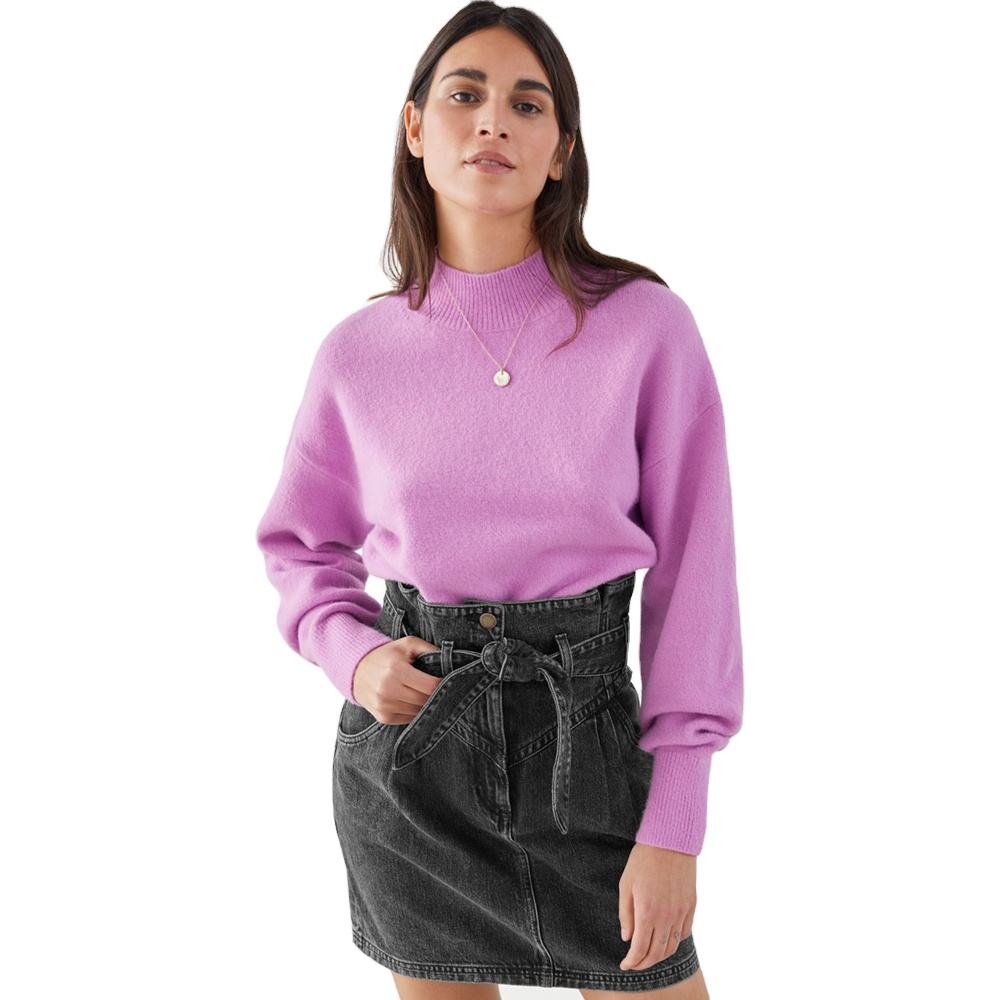
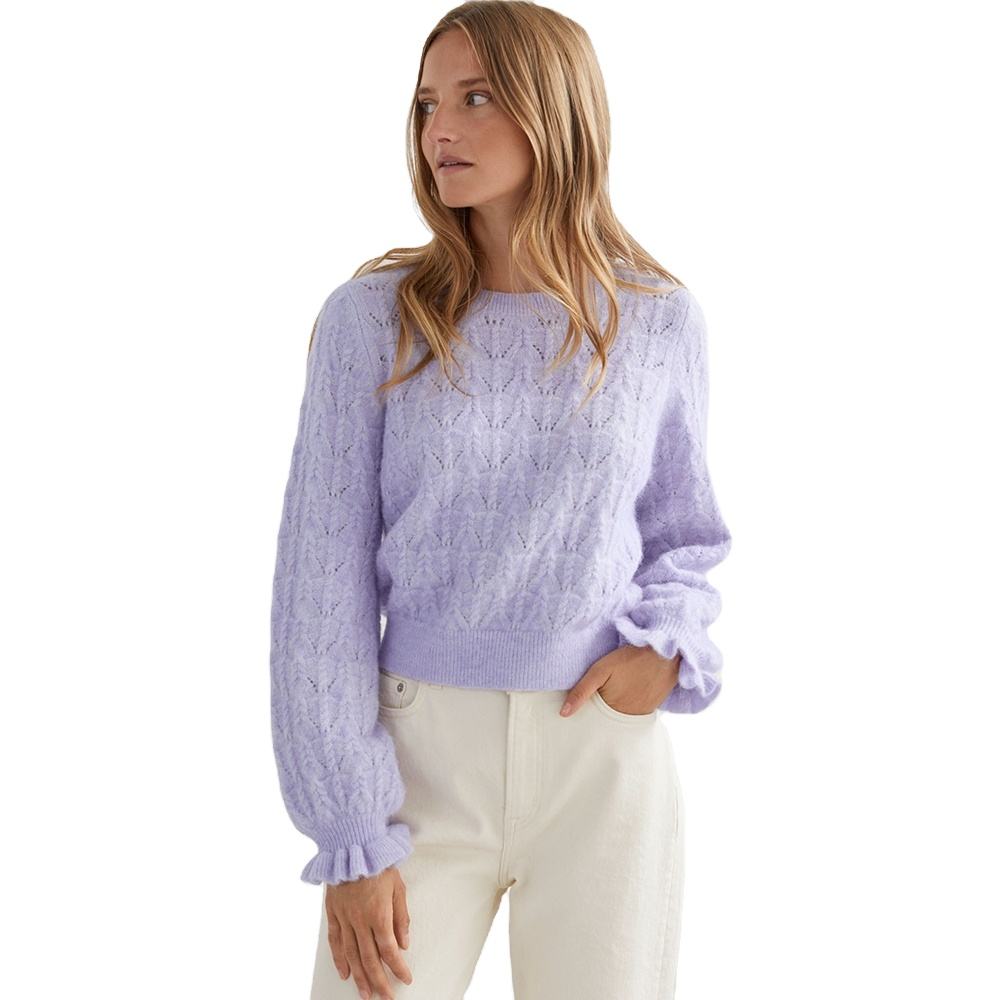
Crew-neck, V-neck, turtleneck, and mock-neck constructions dominate this category, typically knit in 5GG–12GG gauges. Luxury boutiques favor cashmere and merino pullovers with fully-fashioned shaping, while contemporary brands order oversized cotton and acrylic styles for volume.
MOQ often starts at 100 pieces per colorway, with lead times of 30–45 days for stock yarn.
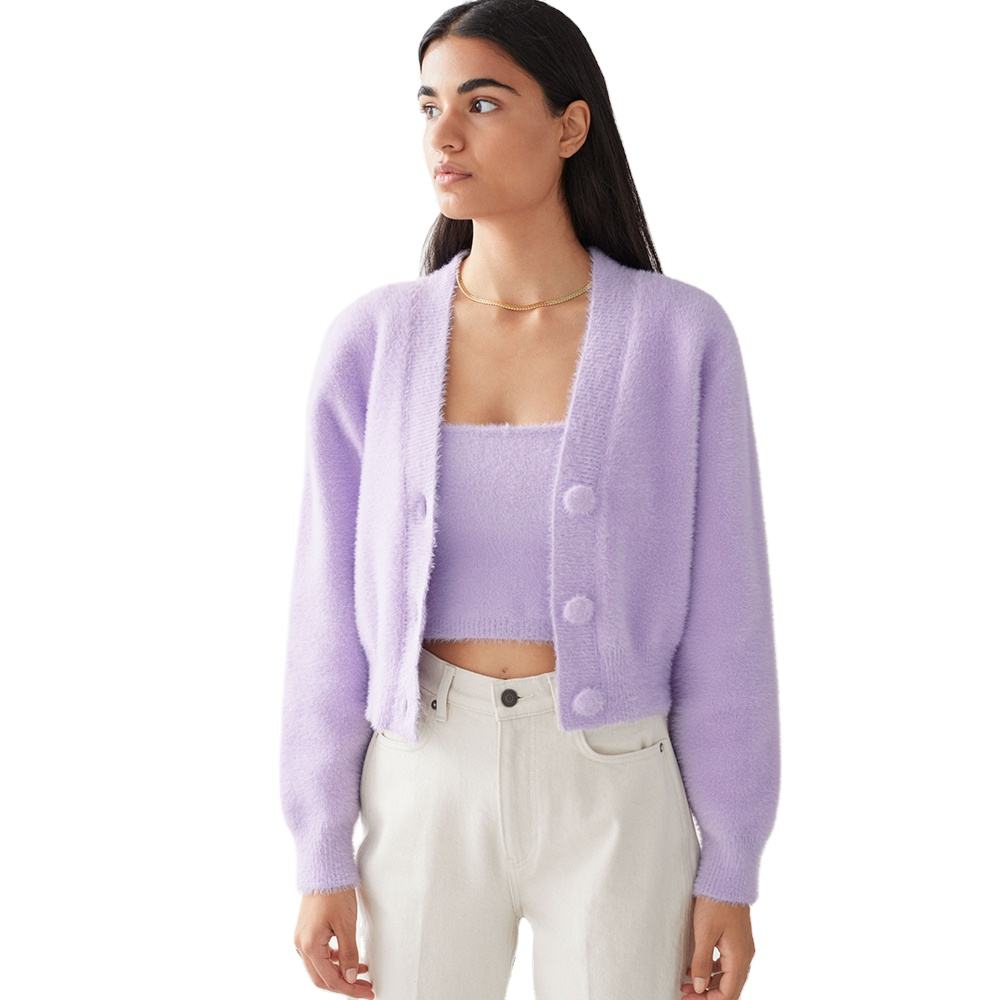
Cardigans
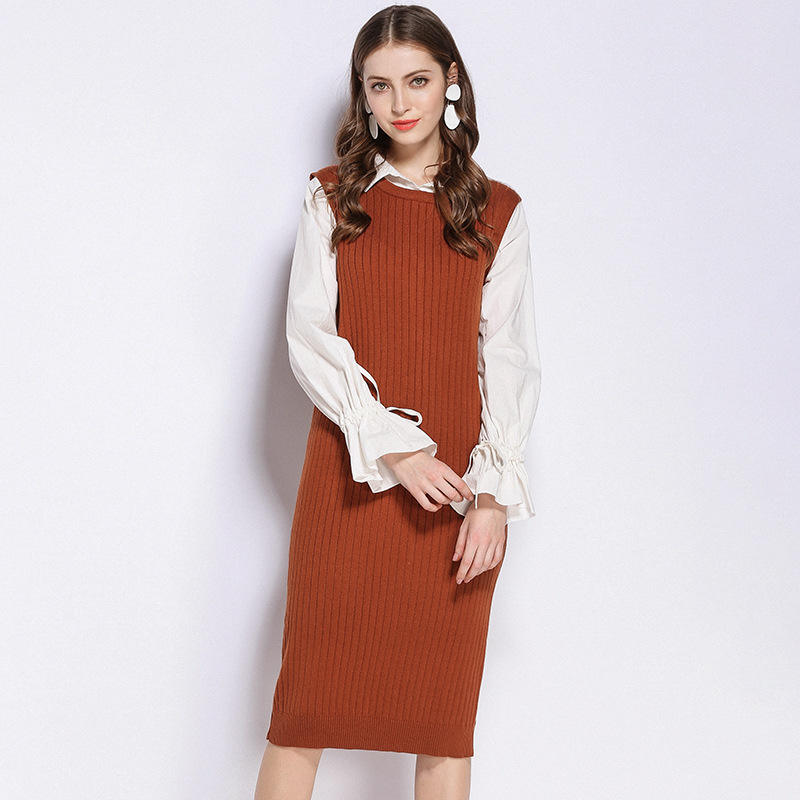
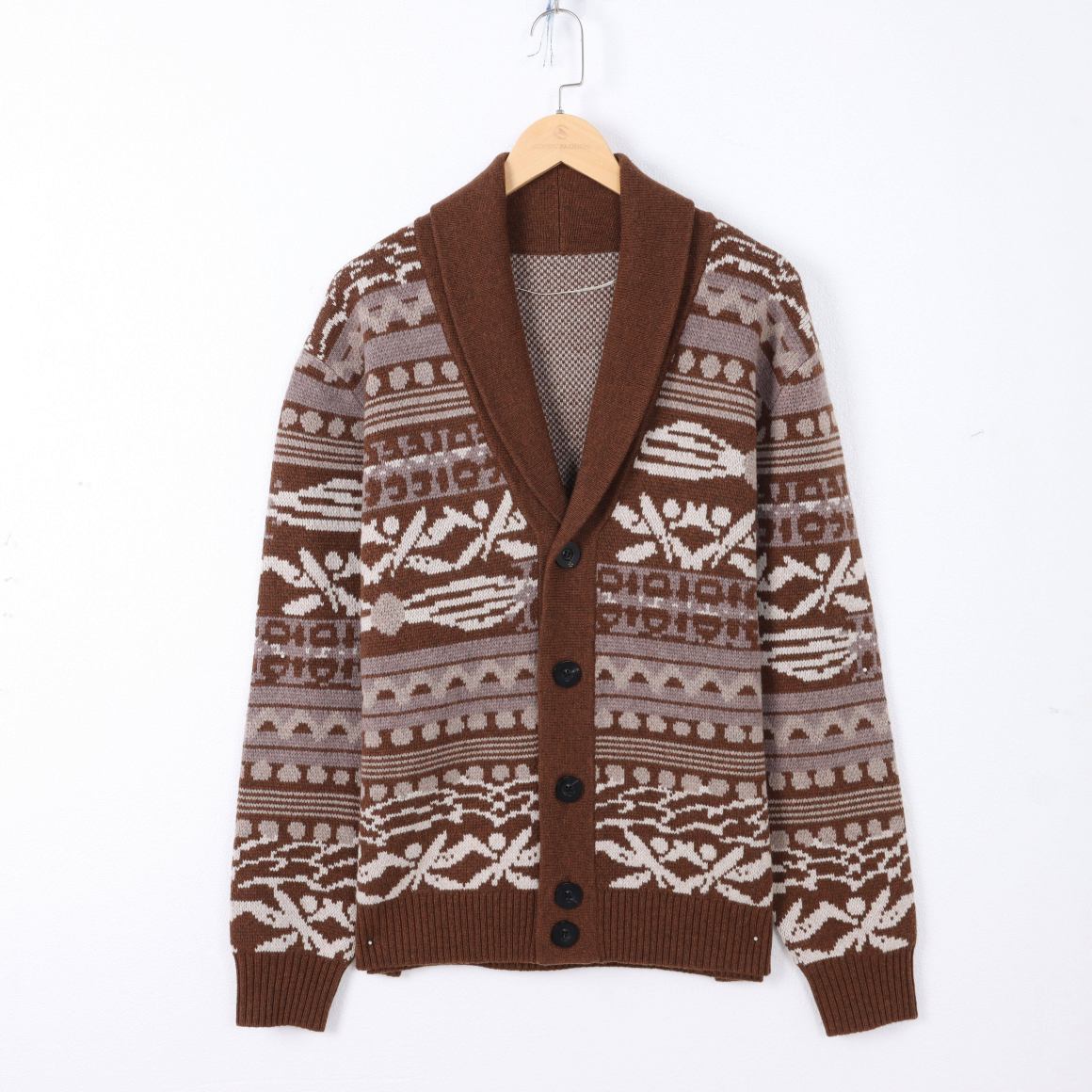
Open-front, button-front, and zip cardigans serve layering needs across seasons. Streetwear labels trend toward chunky cable-knit and ribbed zip styles, whereas workwear and athleisure lines prefer fine-gauge merino and cotton blends.
V-neck and shawl-collar silhouettes remain staples for premium retail.
Knit Dresses and Skirts
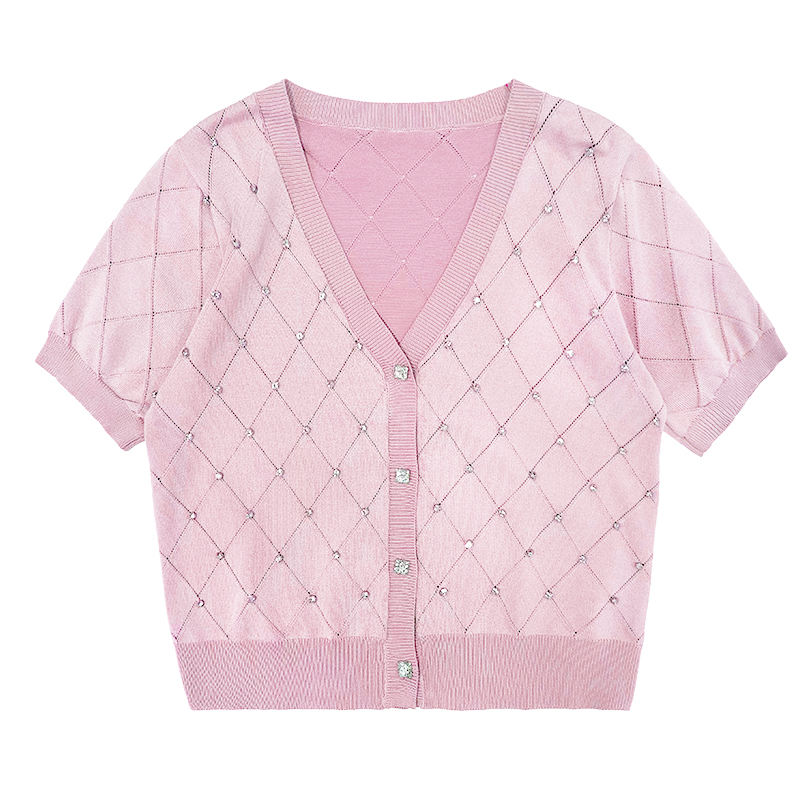
Bodycon, A-line, and midi silhouettes in 7GG–12GG gauges appeal to contemporary womenswear brands. Rib, pointelle, and jacquard patterns add texture without heavy decoration.
Independent designers often pair knit dresses with matching cardigans or sweater vests for coordinated sets.
4. Materials and Yarn Options for Private Label Knitwear
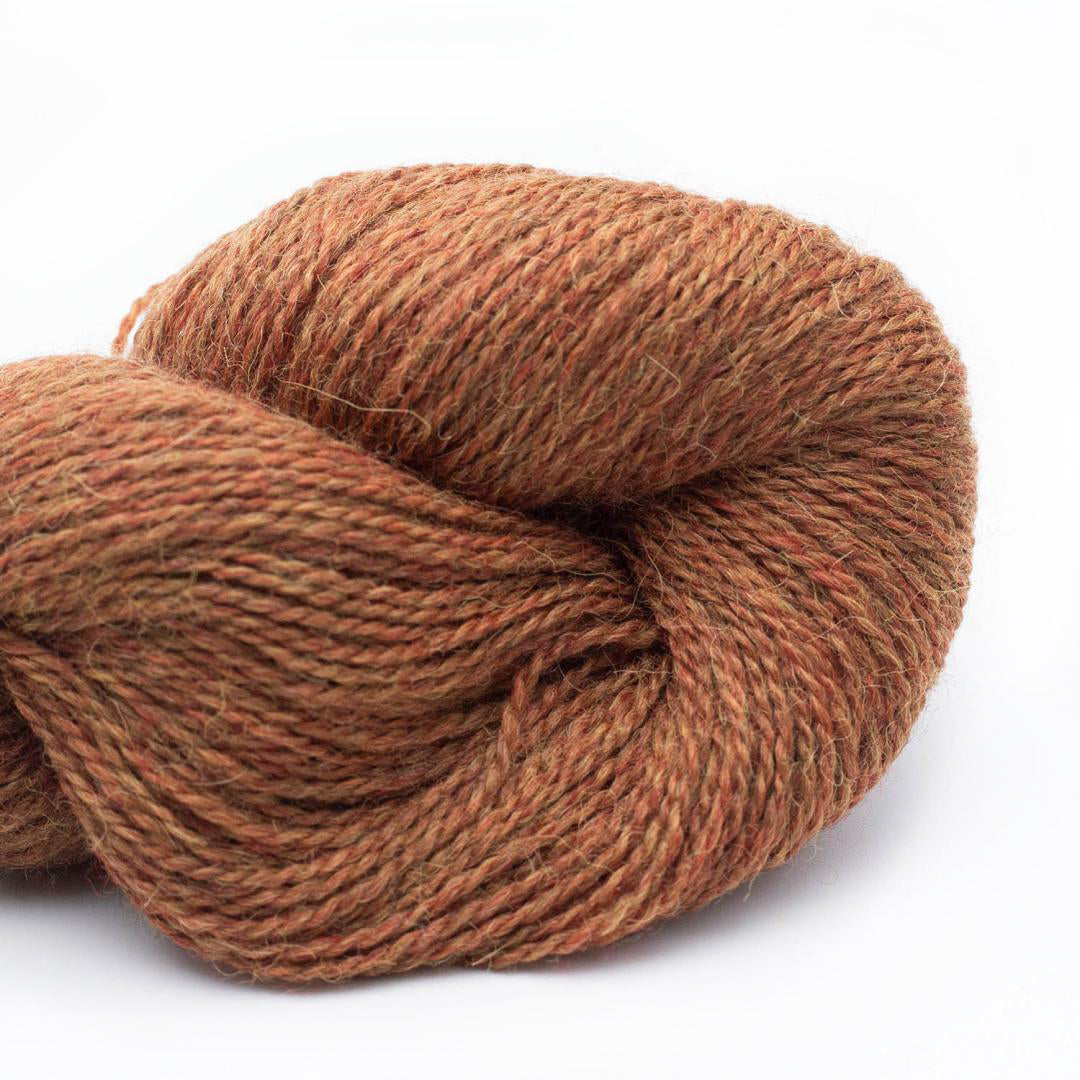
Yarn choice defines warmth, drape, durability, and price for every private label knitwear piece. CENWILD works with wool, cotton, synthetics, and novelty fibers across 3GG–14GG gauges, matching fiber to brand positioning and care requirements.
| Fiber Type | Gauge Range | MOQ Impact | Price/kg (USD) | Best Use Case |
|---|---|---|---|---|
| Cashmere | Fine (12–14GG) | Higher | $80–150 | Luxury capsules |
| Merino wool | Fine–Medium (7–12GG) | Standard | $15–30 | Premium everyday |
| Lambswool | Medium (5–9GG) | Standard | $10–18 | Warm basics |
| Combed cotton | Medium–Chunky (3–7GG) | Standard | $4–8 | Spring/summer staples |
| Organic cotton | Medium (5–9GG) | Standard | $6–12 | Sustainable lines |
| Acrylic blends | Any (3–14GG) | Lower | $3–6 | High-volume, easy-care |
| Alpaca | Fine–Medium (7–12GG) | Higher | $25–50 | Soft luxury |
| Mohair | Chunky (3–7GG) | Standard | $18–35 | Textured statement pieces |
5. Customization and Decoration Techniques
Decoration and customization techniques define brand identity and price positioning in private label knitwear. Each method carries distinct setup costs, durability profiles, and minimum-order implications that influence both margin and market segment.
| Technique | Setup Fee | Per-Piece Cost | Wash Durability |
|---|---|---|---|
| Jacquard / Intarsia | $0 (programming only) | $0 | Permanent |
| Embroidery | $30–$80 | $0.50–$3.00 | 50+ washes |
| Screen Print | $25–$60/color | $0.30–$1.20 | 20–30 washes |
| Heat Transfer | $0 | $1.50–$4.00 | 15–25 washes |
| Yarn Dyeing | $0 | $0.80–$2.00 | 100+ washes |
| Garment Dyeing | $0 | $1.20–$2.50 | 50–80 washes |
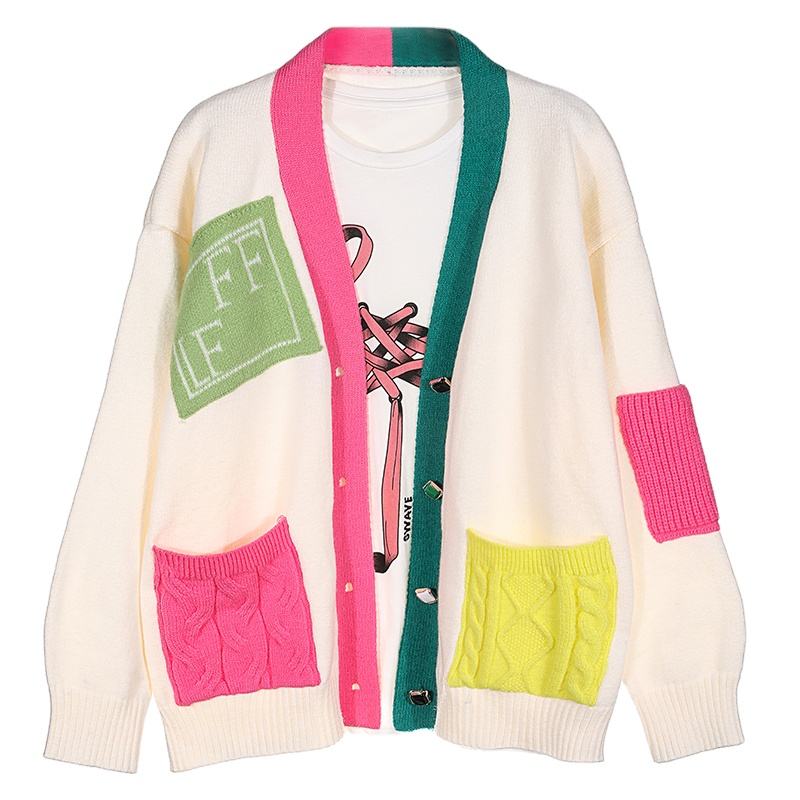
Jacquard and Intarsia Patterns
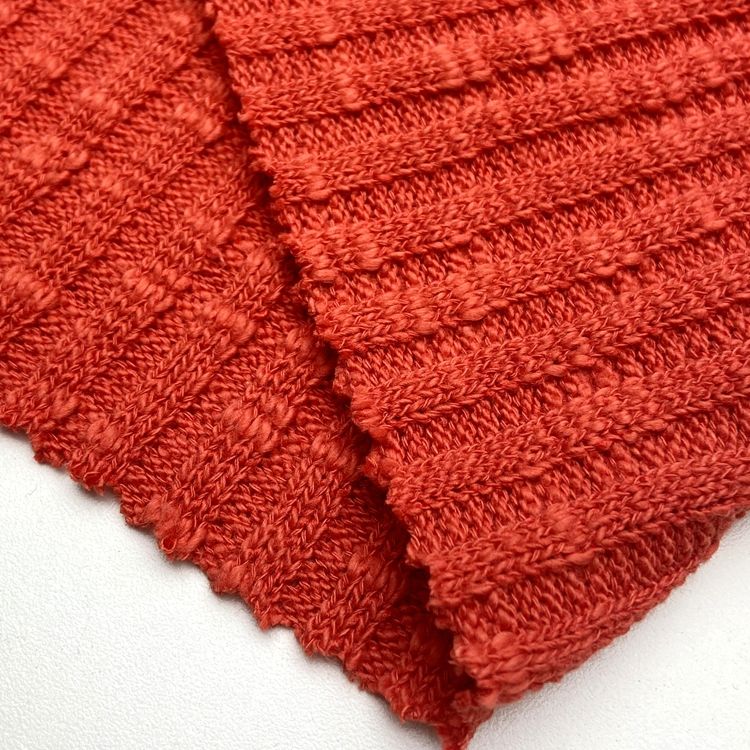
Jacquard and intarsia are knit-in graphic techniques that lock color and pattern into the fabric structure during production. Jacquard floats unused yarns on the reverse, creating dense, warm fabrics ideal for ski sweaters and heritage designs. Intarsia eliminates floats by using separate yarn carriers, yielding clean single-layer graphics suited to bold logos and colorblocking.
Both require 3D knit programming and knit-down sampling, adding 7–14 days to development but zero per-piece decoration cost once programmed. Wash durability is permanent because the design is structural, making these techniques premium choices for high-end collections.
Embroidery and Appliqué
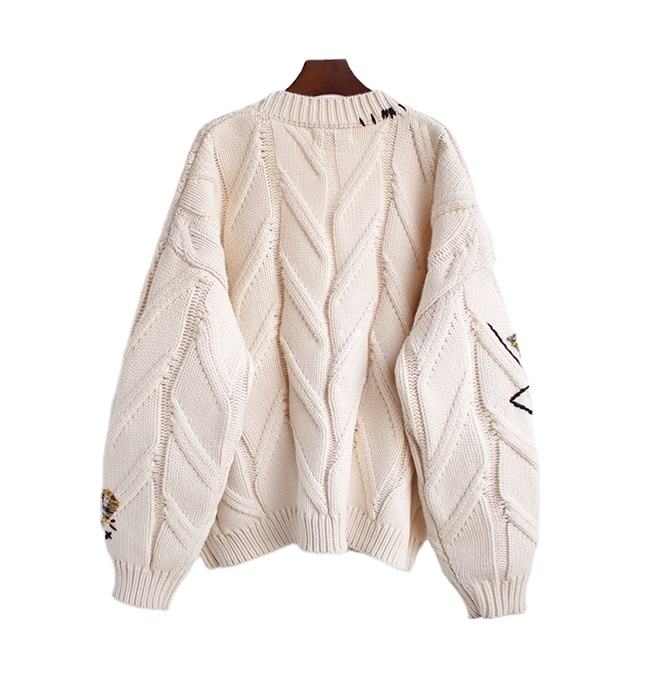
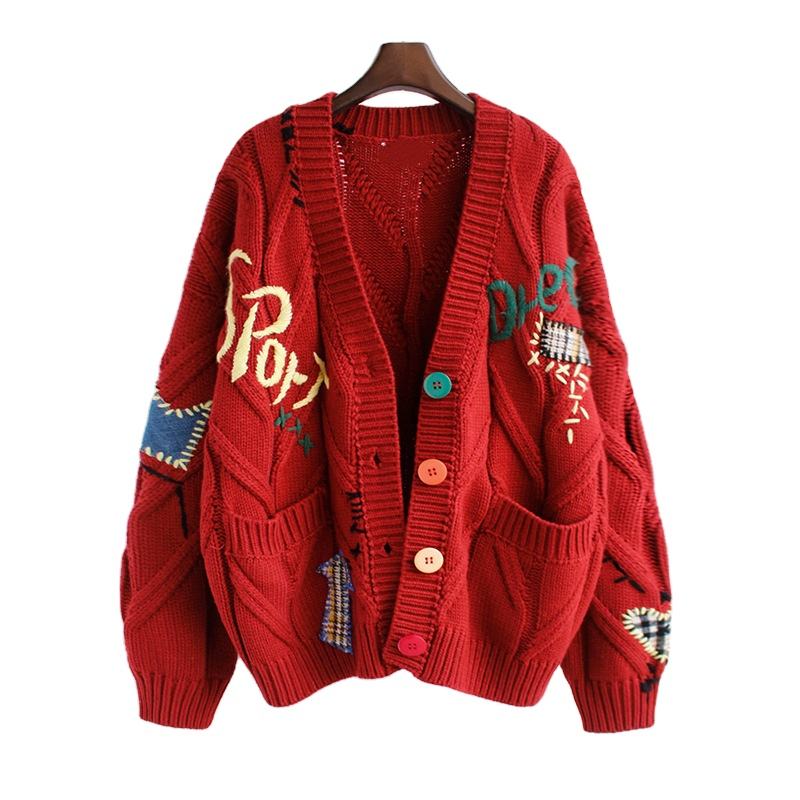
Embroidery adds texture and perceived value through flat, 3D puff, chain-stitch, sequin, or appliqué methods. Setup costs range from $30–$80 for digitizing per design; per-piece costs run $0.50–$3.00 depending on stitch count and thread type.
Embroidery withstands 50+ industrial washes when backed correctly, making it durable for workwear and school uniforms. Appliqué patches reduce stitch time and suit streetwear and varsity aesthetics.
Screen Printing and Heat Transfer
Screen printing on knits requires stretch-compatible plastisol or water-based inks and typically incurs $25–$60 screen-setup fees per color. Per-piece costs drop to $0.30–$1.20 at volume, but durability peaks at 20–30 washes before cracking on high-stretch areas.
Heat transfer (DTF, sublimation) eliminates screens, offering full-color graphics with no setup fee but higher per-piece costs ($1.50–$4.00) and moderate wash life (15–25 cycles). Both suit fast-fashion and promotional knitwear where speed trumps longevity.
Garment Dyeing vs. Yarn Dyeing
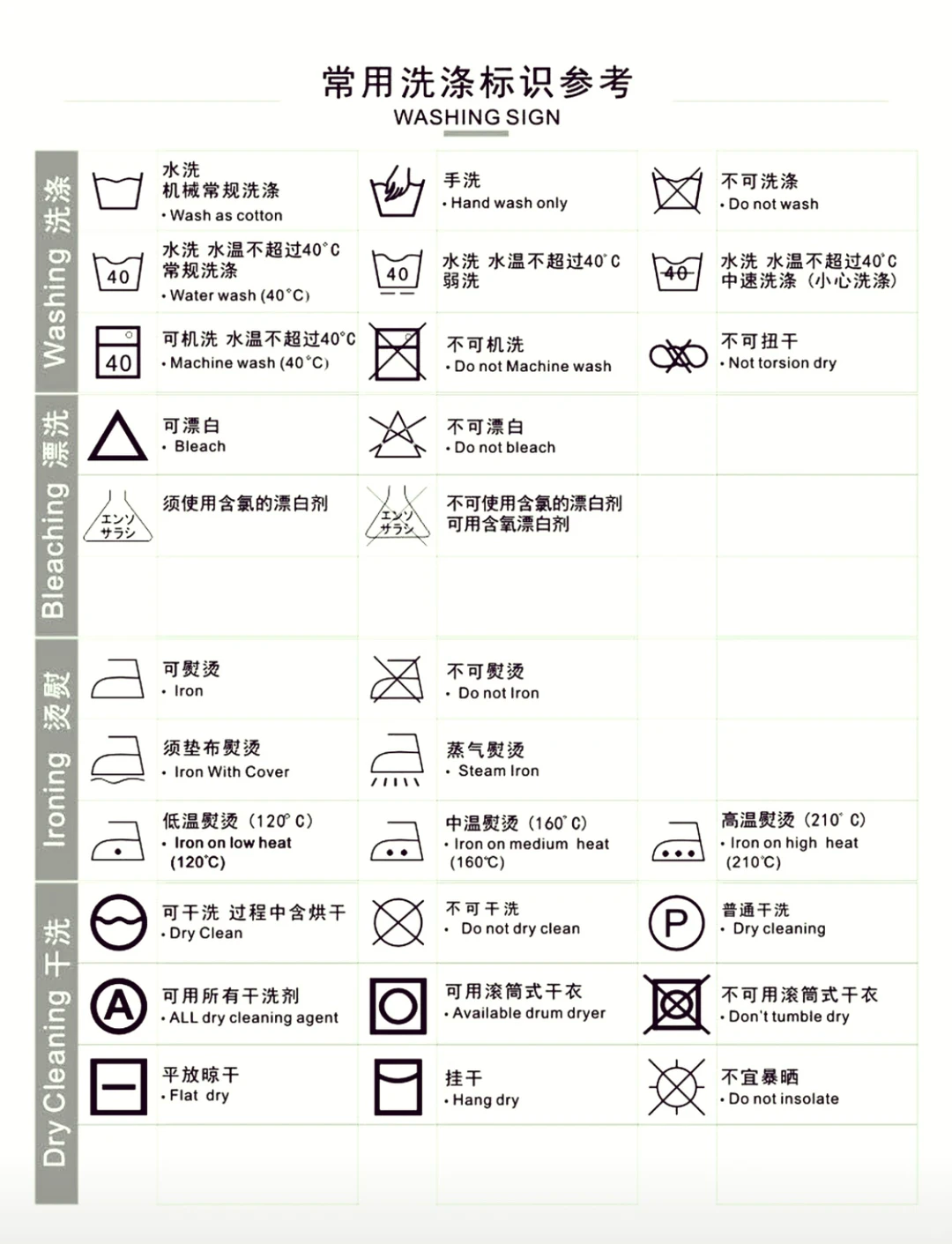
Yarn dyeing delivers uniform, fade-resistant color because fiber is dyed before knitting, adding $0.80–$2.00 per piece but ensuring 100+ wash colorfastness. Garment dyeing processes finished greige goods, enabling reactive small-batch color decisions with lower yarn inventory risk.
Garment dye adds $1.20–$2.50 per piece, may cause slight shrinkage (2–4%), and suits vintage or enzyme-washed aesthetics. High-end cashmere and merino lines favor yarn dyeing; contemporary fast-turn capsules often choose garment dye for flexibility.
6. Key Quality Indicators in Private Label Knitwear
Objective quality metrics separate durable private label knitwear from garments that pill, stretch, or fade after a single wash. CENWILD’s 28-year production history emphasizes five checkpoints that predict long-term performance and customer satisfaction.
Gauge Consistency and Stitch Density
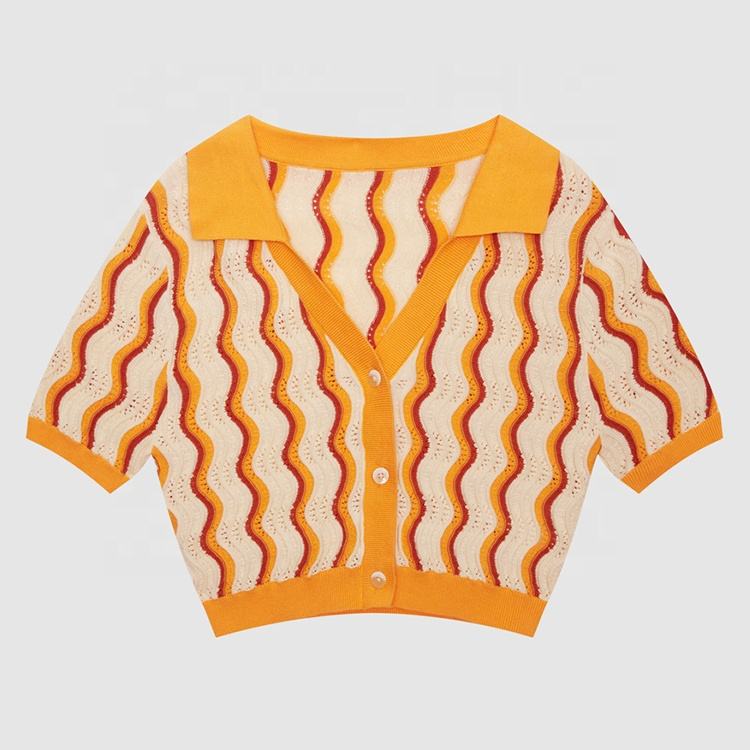
Gauge — measured in stitches per inch or needles per inch (3GG to 14GG) — determines fabric density and drape. A 7GG sweater yields approximately 7 needles per inch; tighter gauges (12GG, 14GG) produce finer, lighter knits. Request gauge specifications in the tech pack and verify consistency across all pre-production samples to avoid visible barre lines or uneven texture.
Seam Construction: Linking vs. Overlock
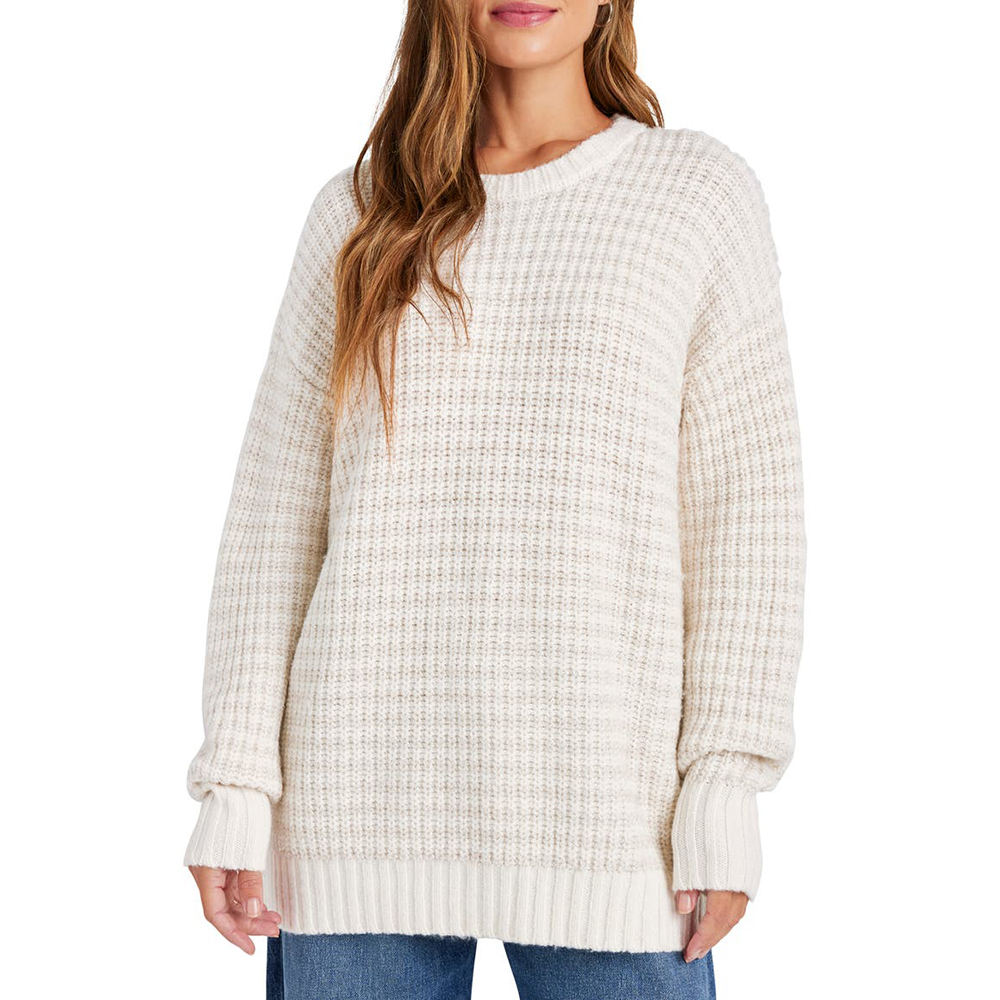
Fully-fashioned sweaters use linking machines to join panels stitch-by-stitch, creating a flat, invisible seam that won’t unravel. Overlock seams are faster but bulkier and prone to puckering. Inspect shoulder, side, and sleeve seams in samples; high-quality private label knitwear always links critical seams on premium styles.
Fabric Weight and GSM Standards
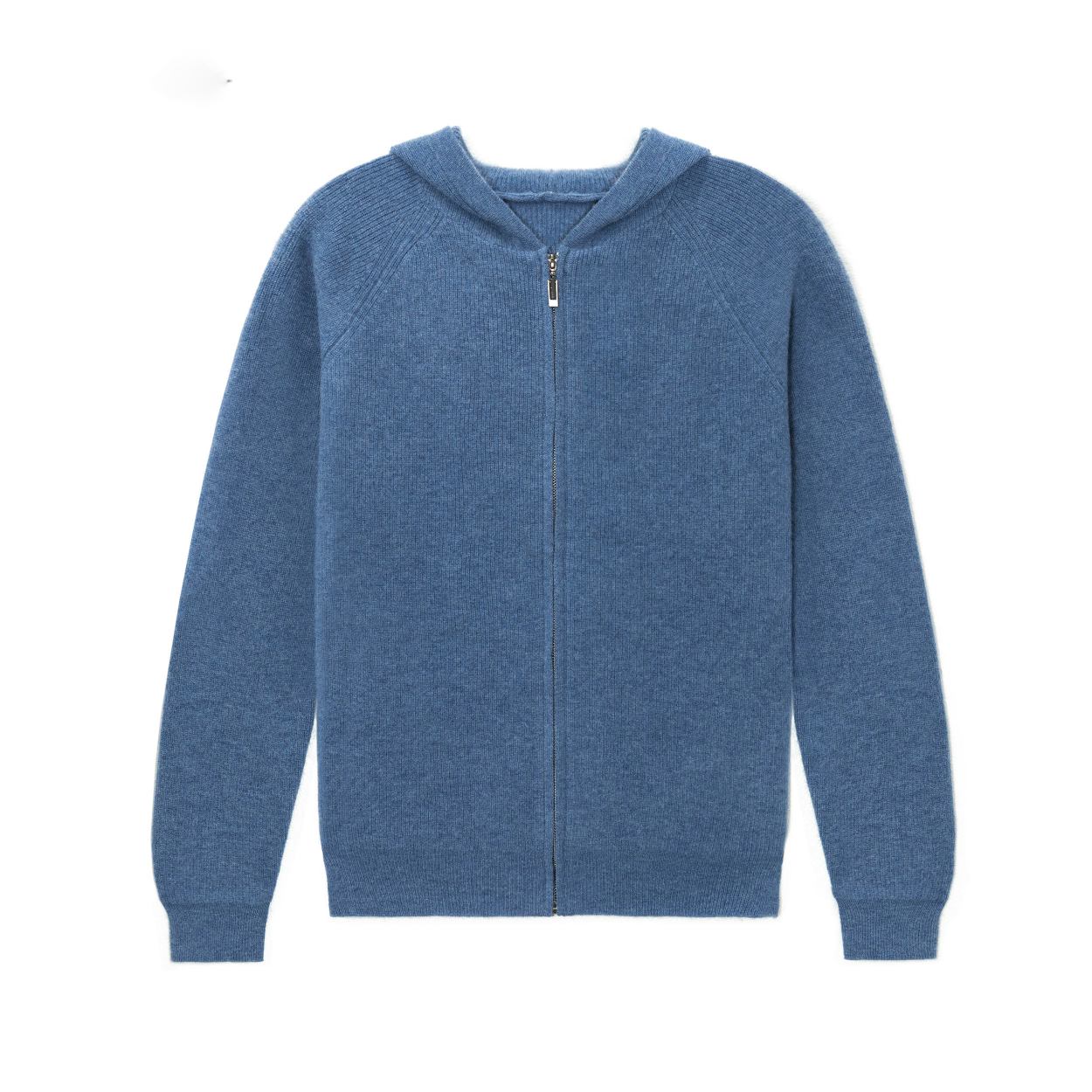
Grams per square meter (GSM) quantifies fabric weight: lightweight sweaters range 200–280 GSM, mid-weight 280–400 GSM, and heavyweight 400+ GSM. Specify target GSM in your tech pack and request lab-tested swatches. Inconsistent GSM signals poor yarn control or blending errors that compromise hand-feel and durability.
Pilling and Abrasion Resistance Testing
ASTM D3512 (random tumble pilling) and ASTM D4966 (Martindale abrasion) quantify surface durability. Request third-party lab reports showing pilling grades ≥3.5 (scale 1–5) and abrasion cycles ≥20,000 for commercial-grade knitwear. Red flags include suppliers who cannot provide test data or refuse independent lab verification.
Dimensional Stability After Washing
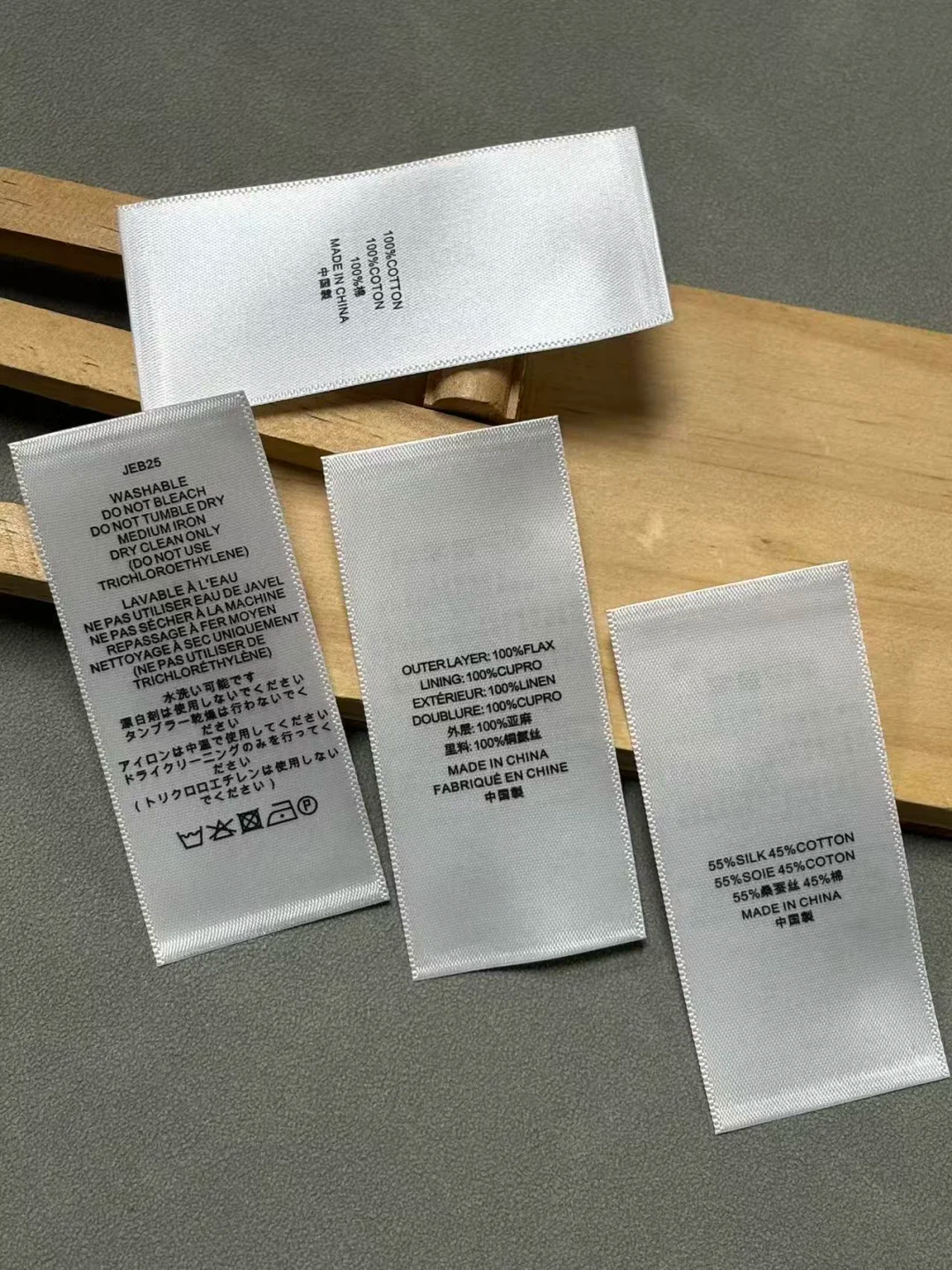
Knitwear should shrink or stretch less than ±5% in length and width after three home laundry cycles per AATCC 135. CENWILD pre-washes yarns and validates every style with wash-test reports. Compare measurements on pre-production samples before and after washing; excessive movement indicates poor yarn relaxation or incorrect finishing chemistry.
7. How to Choose a Private Label Knitwear Manufacturer
Selecting the right partner for private label knitwear determines production quality, scalability, and time to market. Six core criteria separate manufacturers capable of supporting long-term brand growth from transactional suppliers.
Minimum Order Quantity and Scalability
MOQ typically ranges from 50 pieces per style at boutique knitters to 500+ at volume factories. CENWILD starts at 100 pieces, balancing accessible entry with production efficiency.
Ask whether per-color or per-size minimums apply, and confirm capacity to scale orders as your brand grows without renegotiating terms.
In-House Knitting vs. Outsourced Facilities
Factories owning 3GG–14GG computerized flat-knit machines control lead times and quality directly. Outsourced knitting adds 7–14 days and introduces variability.
Request a facility walk-through or video to verify machine count, gauge range, and linking/finishing equipment under one roof.
Certifications and Compliance
BSCI, GOTS, and OEKO-TEX Standard 100 certifications confirm social, environmental, and chemical safety standards. Ask for certificate numbers and expiry dates; verify them on issuing bodies’ public registries to ensure authenticity.
8. Common Mistakes When Sourcing Private Label Knitwear
Even experienced buyers stumble when sourcing private label knitwear. Five recurring pitfalls account for most chargebacks, launch delays, and brand-damage incidents — each avoidable with a single corrective step.
Ignoring Shrinkage Allowances in Tech Specs
Knit fabrics shrink 3–8% after the first wash, depending on yarn and construction. Omitting shrinkage compensation from your tech pack delivers garments that fit perfectly off the line but run small after customer laundering, triggering returns.
Always request pre-shrunk or garment-washed samples before approving production. CENWILD’s finishing services include softening, anti-pilling, and garment dye — all post-shrinkage — so final dimensions match retail reality.
Underestimating Yarn Procurement Lead Time
Specialty yarns — cashmere, alpaca, organic cotton, or custom-dyed lots — require 20–45 days from mill to factory. Brands that assume ‘standard’ 30-day total lead times face launch delays when yarn alone consumes half that window.
Confirm yarn availability during sampling. For seasonal collections, lock yarn orders 60 days ahead; CENWILD’s in-house yarn-sourcing team flags long-lead fibers at the quotation stage.
Skipping Wear-Testing of Samples
A sample that photographs beautifully may pill after two wears or lose shape in the dryer. Approving based on visual inspection alone defers quality issues to your customer — and your return rate.
Wear-test every approved sample through five wash-and-dry cycles. Check seam integrity, color fastness, and dimensional stability before signing off on bulk.
Choosing Price Over Quality Consistency
The lowest quote often signals inconsistent yarn grades, shortcuts in linking, or no QC budget. A 10% cost saving evaporates when 15% of your shipment arrives with shade variation or dropped stitches.
Request third-party inspection reports (SGS, Bureau Veritas) and compare AQL standards. CENWILD’s four-point inspection system catches defects before packing, protecting your brand reputation.
Neglecting IP Protection and Design Theft
Sharing proprietary stitch patterns, logos, or intarsia artwork without a signed NDA invites design theft. Copycats can flood marketplaces with near-identical styles before your launch.
Insist on mutual NDAs before sending tech packs. CENWILD signs confidentiality agreements as standard and restricts sample-room access to assigned account teams only.
9. Steps to Launch Your Private Label Knitwear Brand
Launching a private label knitwear brand requires a clear sequence of decisions and milestones. Following a structured five-step roadmap keeps timelines predictable and budgets under control, from initial concept to first shipment.
Define Target Customer and Price Point
Identify your buyer demographic, preferred retail price range, and channel (e-commerce, boutique, wholesale). A $60 retail crewneck in merino wool demands different yarn, gauge, and finish than a $30 acrylic blend, directly shaping MOQ and margin.
Create or Source Designs and Tech Packs
Prepare sketches, reference images, or full tech packs with stitch diagrams, measurements, and yarn specifications. CENWILD’s design team can develop original intarsia or jacquard patterns and 3D knit programming from a photo or concept if you lack technical documentation.
Request Quotes and Samples from Three-Plus Manufacturers
Contact at least three factories with identical specs. Compare unit cost, sampling lead time (typically 2–3 weeks), MOQ, and payment terms. Budget 100–300 USD per knit-down sample depending on complexity and decoration.
Approve Pre-Production Sample and Place Bulk Order
Review fit, hand-feel, stitch tension, and color accuracy before signing off. Bulk production runs 4–6 weeks after deposit. First-time buyers pay 100% upfront; repeat clients may negotiate 30–50% deposits with balance due before shipment.
Plan Quality Control, Shipping, and Go-to-Market Strategy
Schedule third-party or factory QC inspections one week before shipment. Allocate 15–20% of landed cost for freight, duties, and warehousing, and reserve marketing budget for launch campaigns, influencer seeding, and photography.
10. Pricing and Cost Structure for Private Label Knitwear
Private label knitwear pricing follows quantity tiers: at 100 pieces per style — CENWILD’s starting MOQ — a basic cotton pullover typically runs $18–28 FOB, while a jacquard cardigan ranges $32–48. At 500 pieces those bands drop to $14–22 and $26–38 respectively; at 1,000+ pieces expect $12–18 and $22–32.
Yarn type drives the largest surcharge: cashmere adds $15–35 per piece over cotton, merino wool $6–12, and alpaca blends $8–18. Decoration layers cost on top: flat embroidery adds $2–5 per placement, 3D puff $3–6, and screen printing $1.50–3.
Sampling costs $80–150 per knit-down prototype with 7–10 day turnaround; bulk lead time spans 25–35 days after approval. Air freight costs $4–8 per kilogram and delivers in 5–7 days; sea freight runs $0.80–1.50 per kilogram over 25–35 days. Payment terms start at 100% deposit for first orders, easing to 30% deposit and 70% before shipment as partnership matures.
| Quantity Tier | Basic Pullover (FOB) | Jacquard Cardigan (FOB) | Lead Time (days) |
|---|---|---|---|
| 100 pieces | $18–28 | $32–48 | 30–35 |
| 300 pieces | $15–24 | $28–42 | 28–33 |
| 500 pieces | $14–22 | $26–38 | 27–32 |
| 1,000+ pieces | $12–18 | $22–32 | 25–30 |
Start Your Private Label Knitwear Collection Today
Low 100-piece MOQ, fast sampling, and 28+ years of trusted manufacturing. Let’s bring your custom sweater line to life.