Custom Knitwear Manufacturer — OEM/ODM Sweaters from 100 Pieces
Partner with a trusted knitwear manufacturer offering 28+ years of experience, private label production, in-house sampling, and flexible MOQ starting at just 100 pieces.
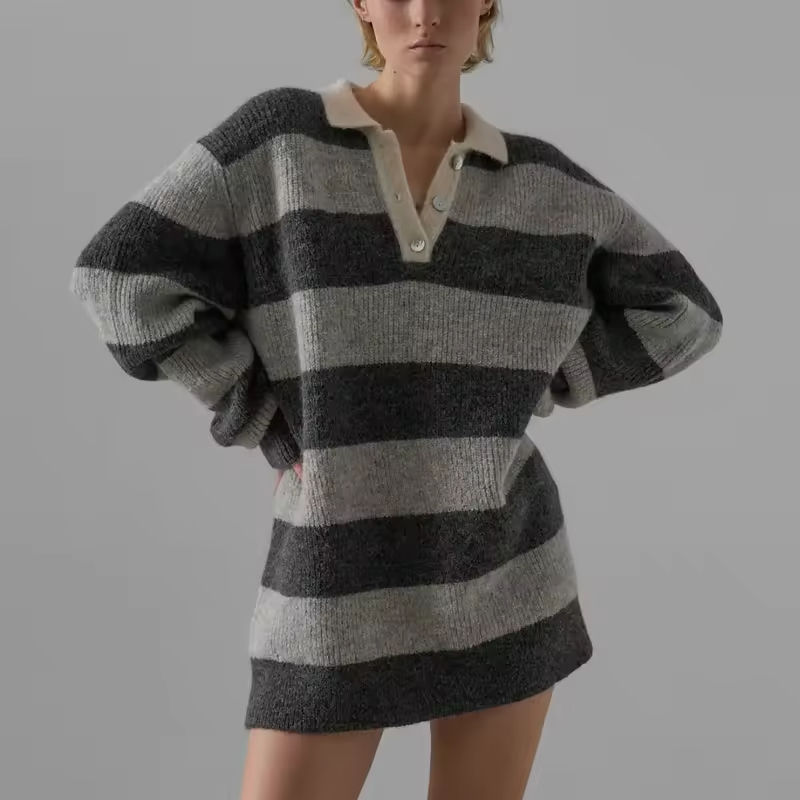
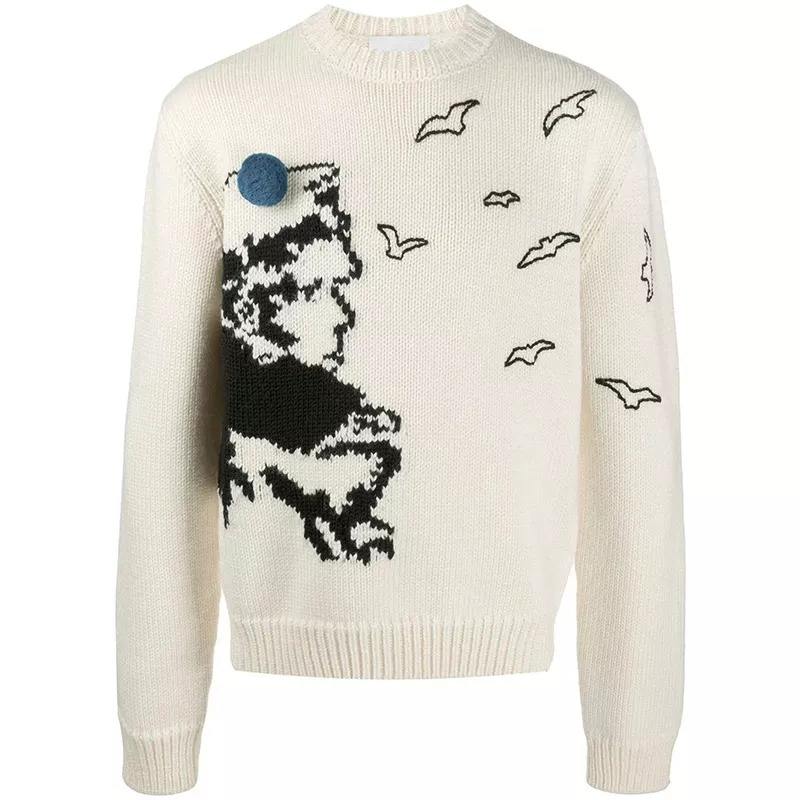
Sweater & Knitwear Gallery
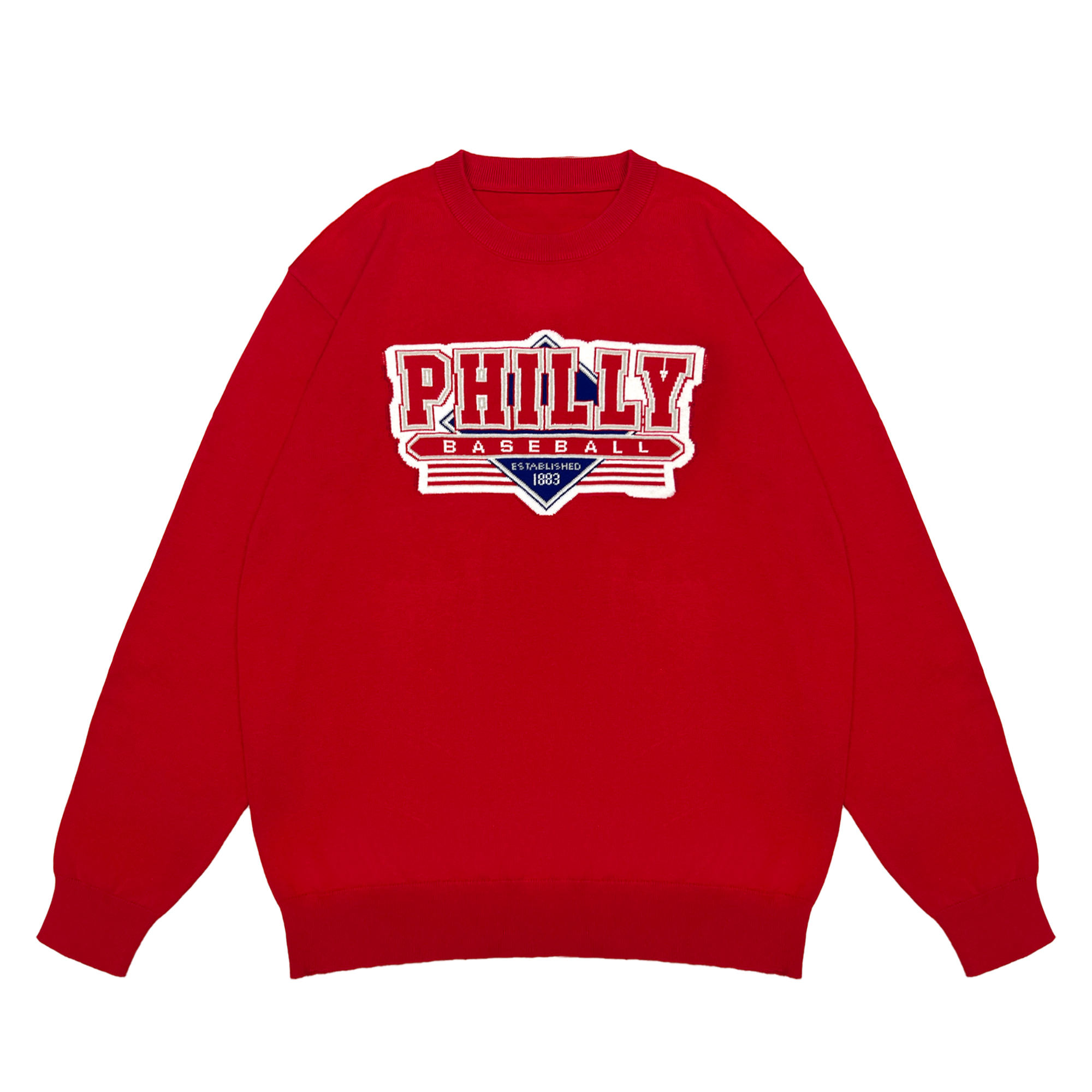
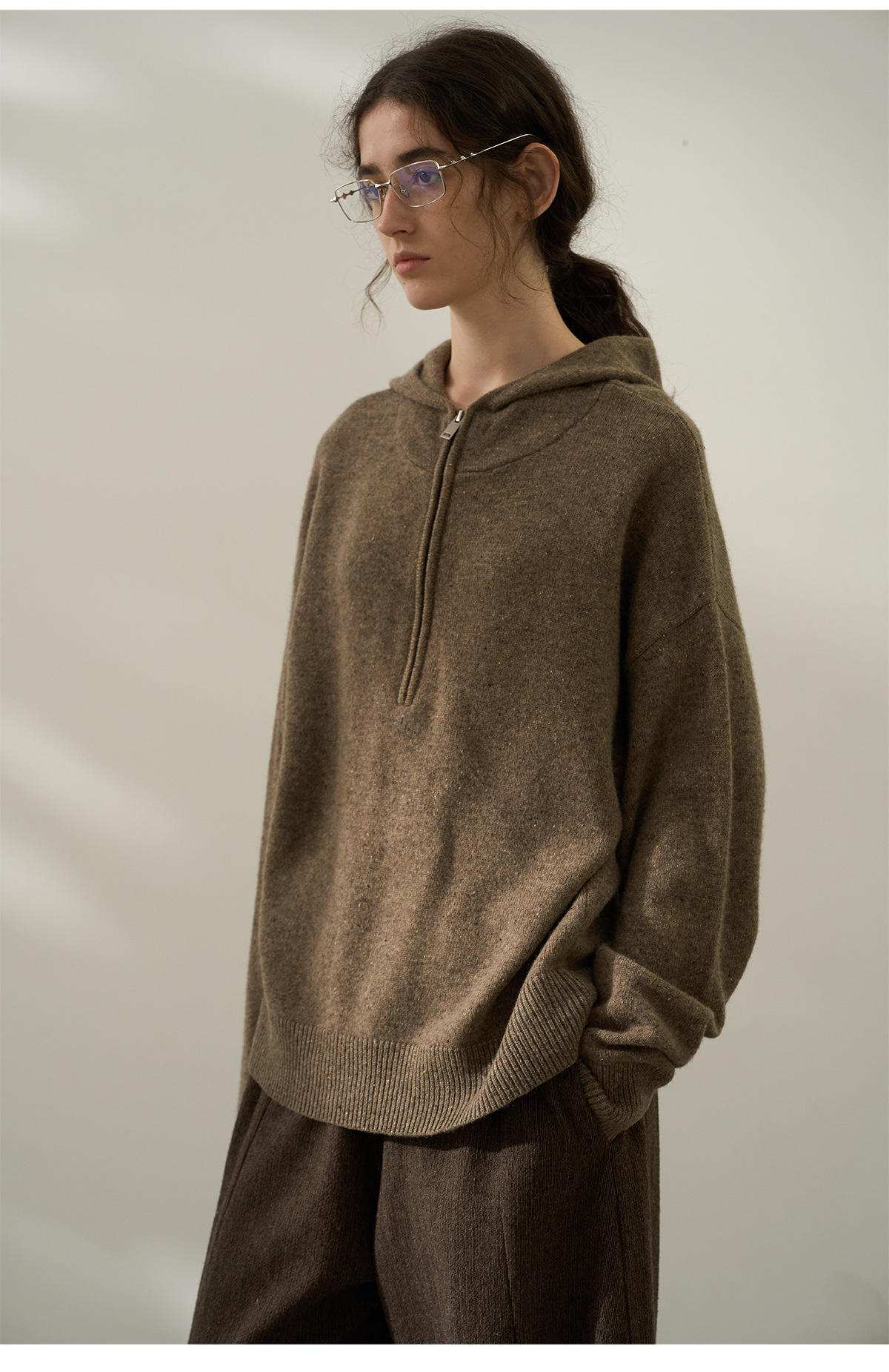
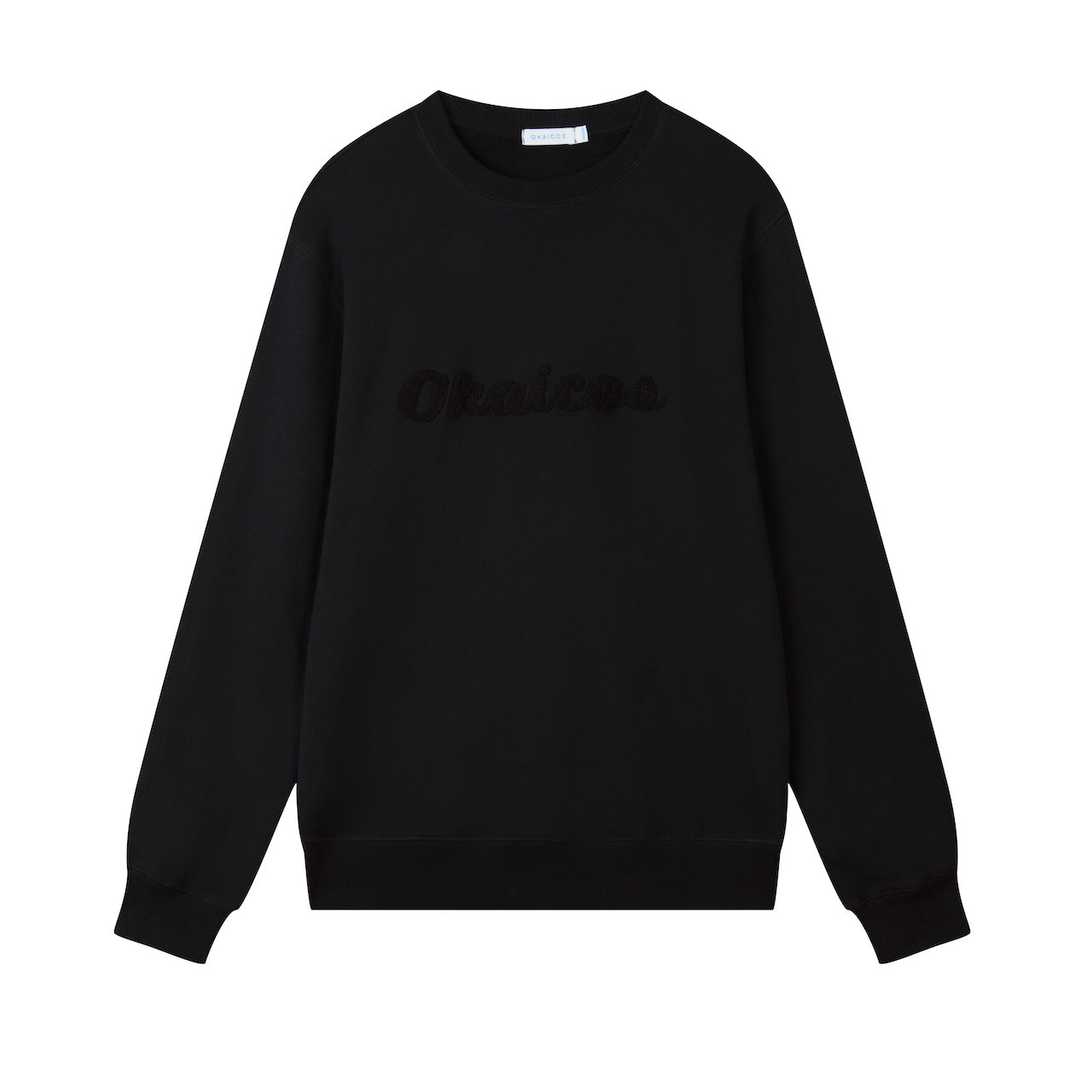
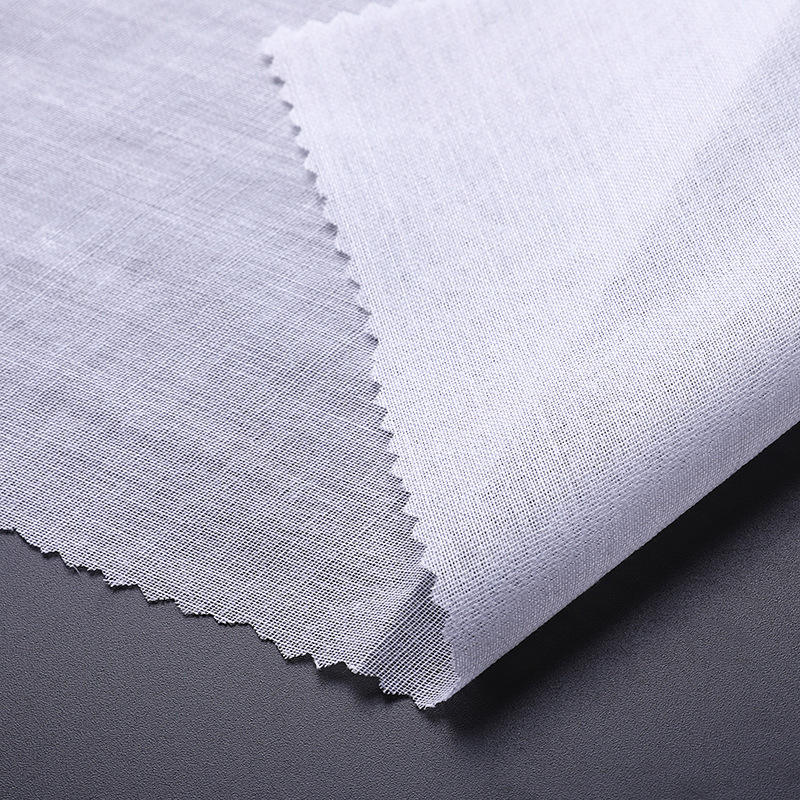
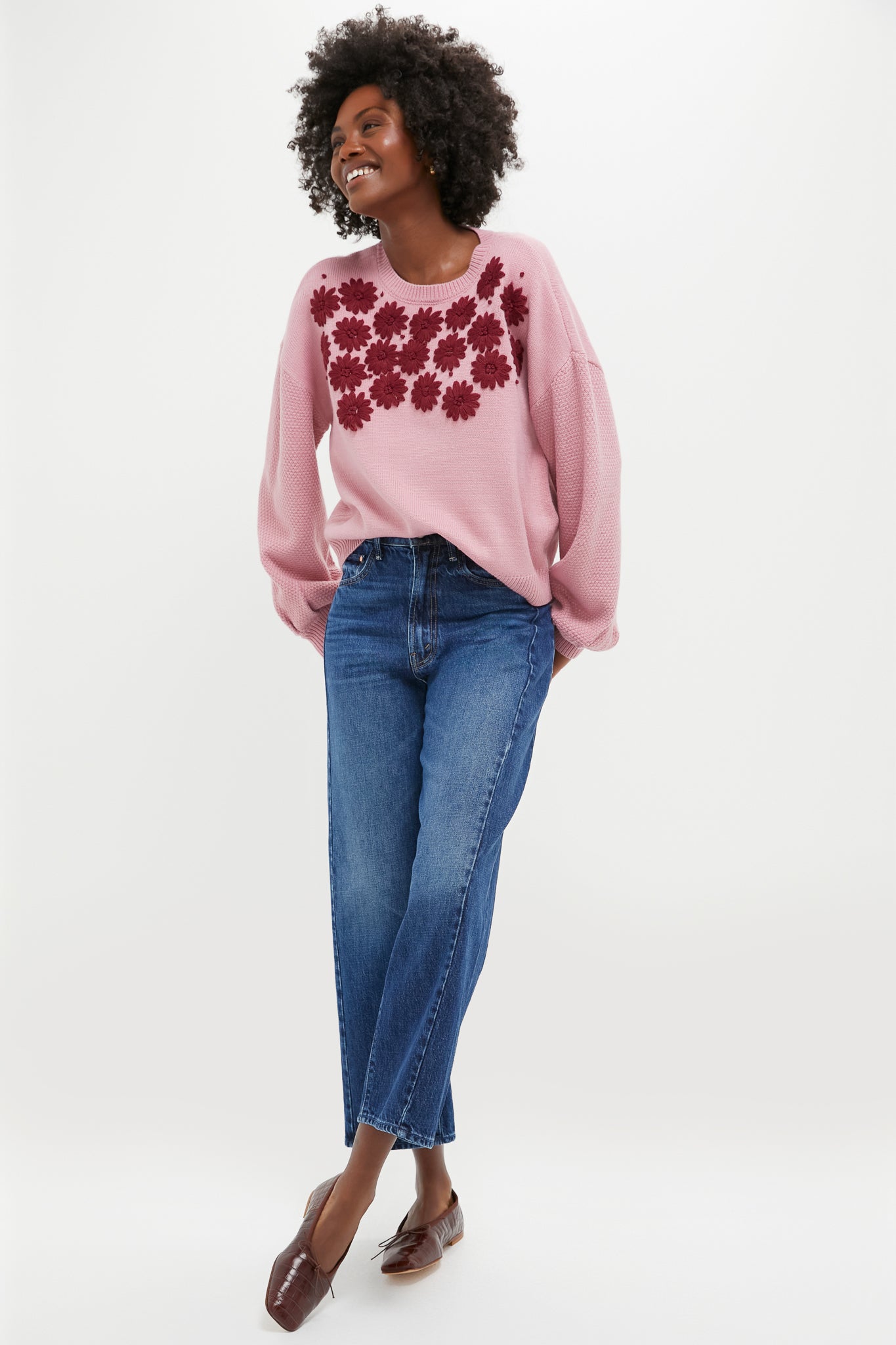
Why Choose CENWILD as Your Knitwear Manufacturer
Low MOQ from 100 Pieces
Start your collection without massive inventory risk. We support emerging designers and established brands with flexible minimum order quantities.
28+ Years Manufacturing Experience
Founded in 1998 in Dongguan’s knitwear hub, we’ve served over 2,000 fashion brands with proven OEM and ODM expertise.
Fast In-House Sampling
Our dedicated knit-down sampling team and 3D programming capabilities turn your concept into a wearable prototype quickly and accurately.
Full Design & Development Support
From sketch to tech pack, our in-house design team helps refine your vision with original stitch design and grading.
Flexible Payment Terms
Accept T/T, PayPal, credit card, and USDT. Deposit requirements ease from 100% to 30% as our partnership grows.
Global Shipping & Logistics
Reliable export to the US, Canada, UK, Europe, Australia, Russia, and the Middle East with full packaging and documentation support.
Knitwear Styles We Manufacture
Custom Sweaters
Need a custom sweater fast? CENWILD delivers knit-down samples in 7–10 days from your tech pack, sketch, or concept. Our in-house design team programs 3GG–14GG intarsia, jacquard, cable, and fully-fashioned knits in cashmere, merino, cotton, or blends. MOQ from 100 pieces. OEM and ODM capabilities backed by 28+ years Dongguan manufacturing experience.
Get a Quote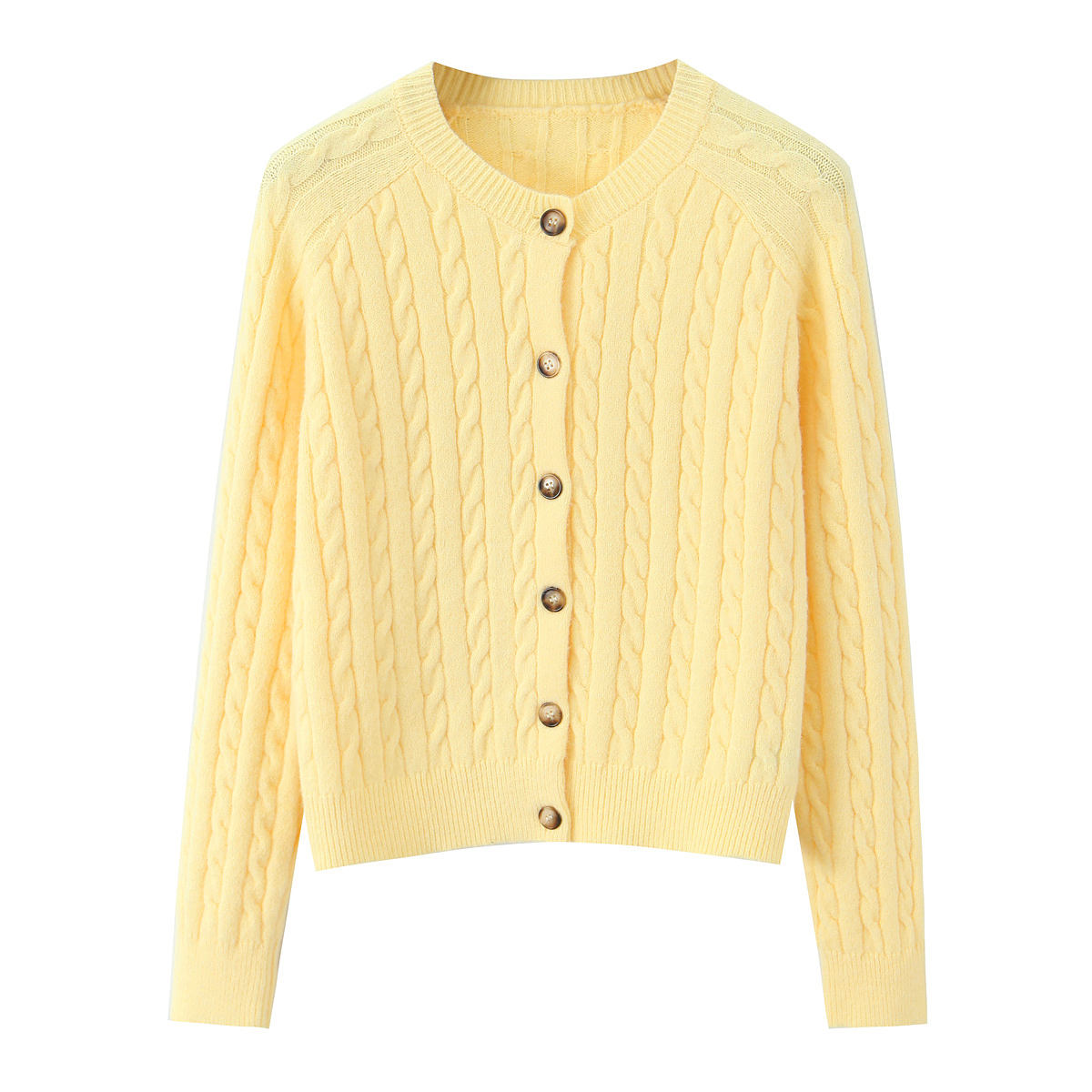
Cardigans
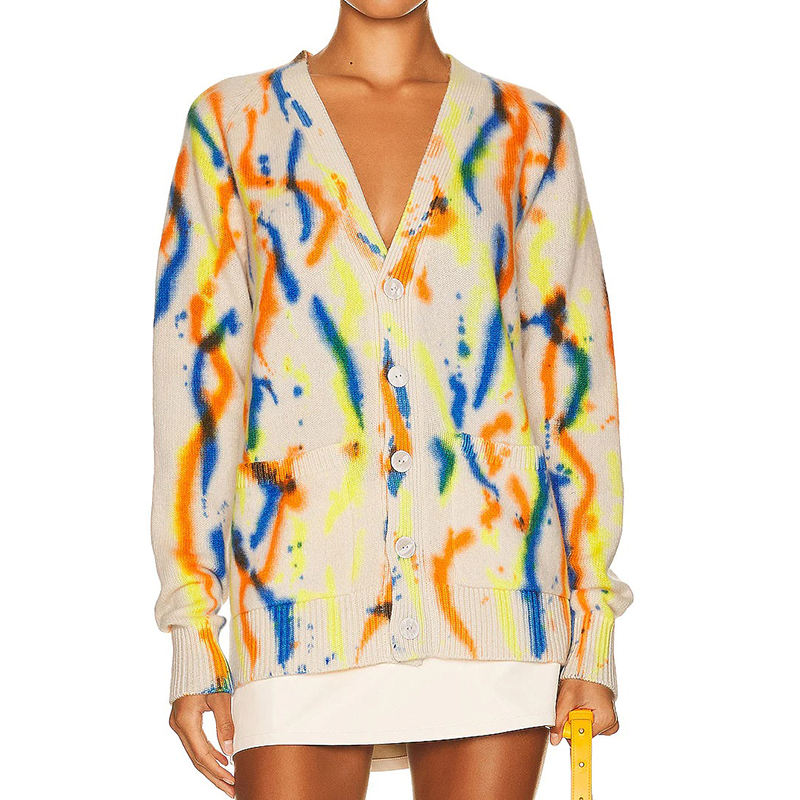
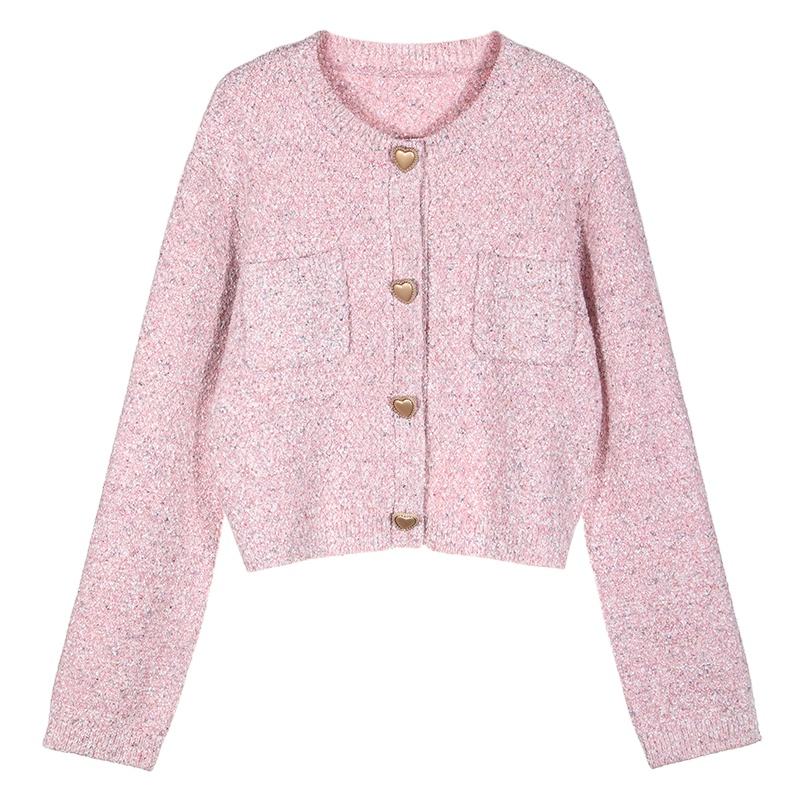
Looking for a cardigan manufacturer who understands fit and finish? We produce button-front, zip, and open cardigans in any gauge, yarn, or stitch pattern—ribbed cuffs, custom trims, embroidered logos, garment-dyed finishes. From chunky oversized styles to fine-gauge layering pieces. Low MOQ, private label ready, sampling within 7–10 days.
Get a Quote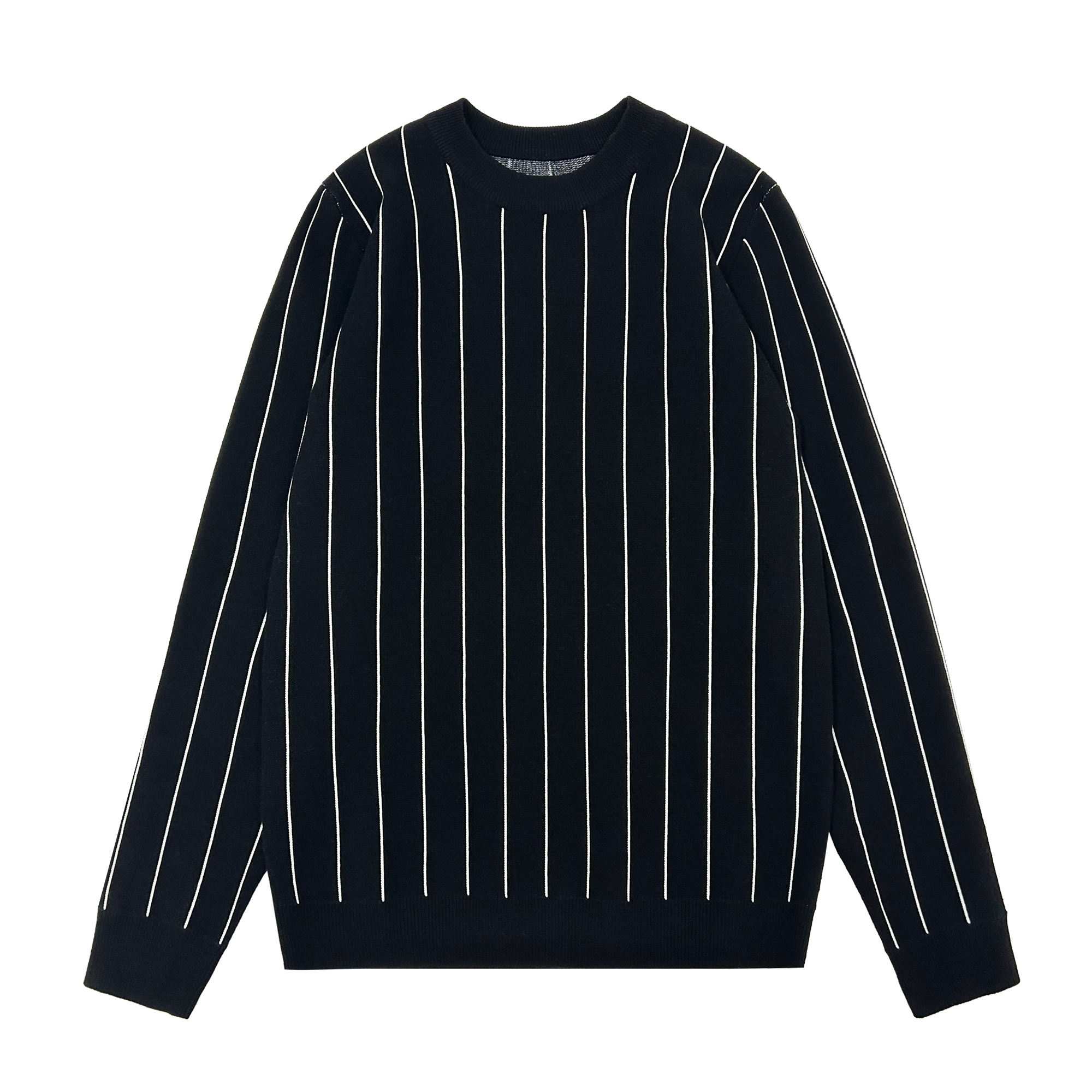
Pullover Sweaters
Need pullover sweaters that match your brand aesthetic? CENWILD knits crewnecks, V-necks, mock necks, and quarter-zips in wool, alpaca, cotton, or recycled blends. Cable, pointelle, jacquard, or clean jersey—programmed in-house and sampled fast. Serve men’s, women’s, and kids’ lines with one manufacturing partner. MOQ 100 pieces.
Get a Quote
Hooded Knitwear
Want hooded knitwear that stands out? We manufacture pullover hoodies, zip hoodies, and hybrid knit-woven styles in mid- to chunky-gauge yarns. Add kangaroo pockets, contrast drawcords, embroidery, or screen-print graphics. Ideal for streetwear brands, activewear crossover, and seasonal capsules. In-house sampling, low MOQ, OEM and ODM support.
Get a Quote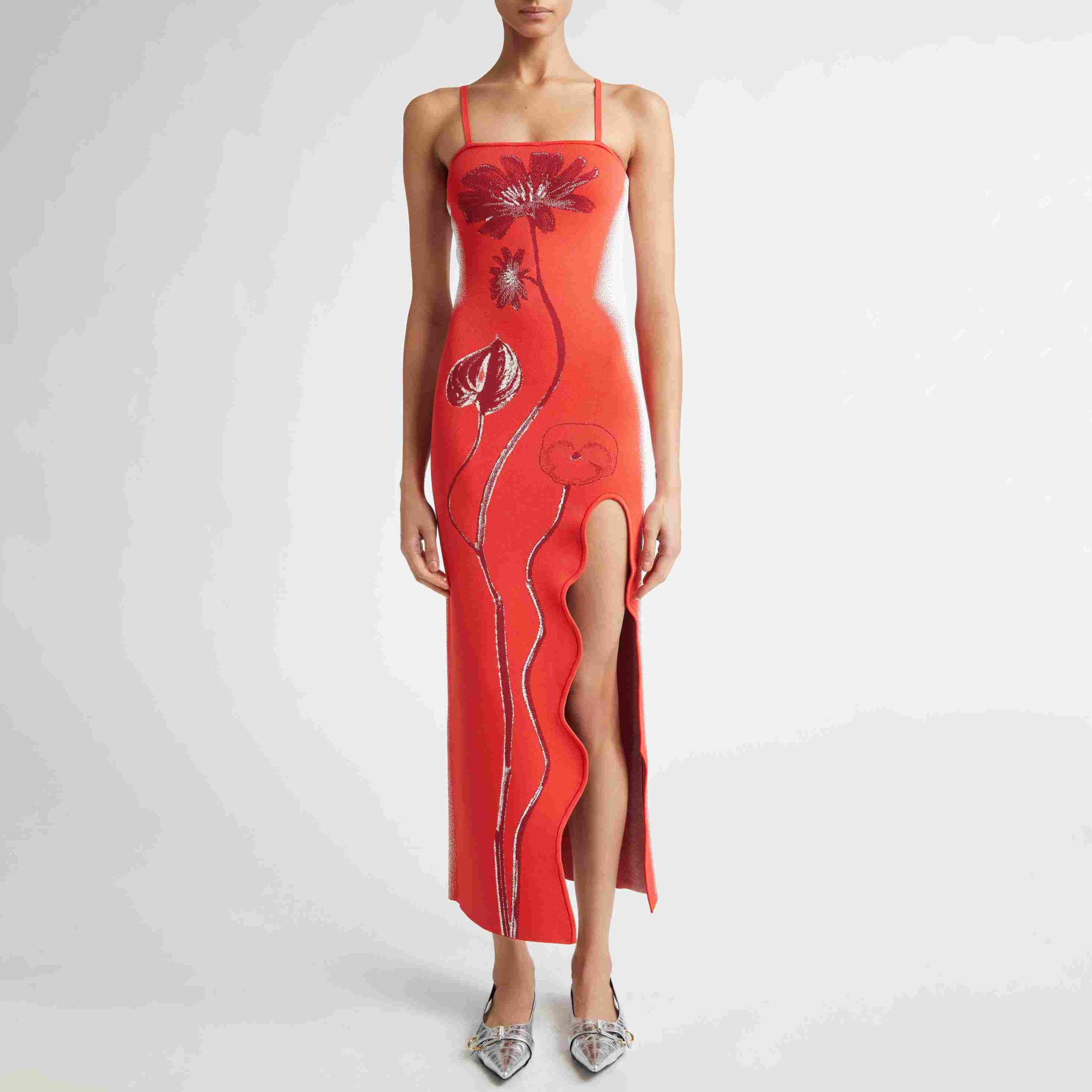
Knit Dresses
Launching a knit dress collection? CENWILD produces sweater dresses, midi and mini styles, ribbed bodysuits, and knit co-ord sets. We handle shaping, hem finishes, neckline variations, and decorative stitches—intarsia, pointelle, cable. Work with cashmere, merino, cotton blends, or sustainable yarns. MOQ from 100 pieces, private label services included.
Get a Quote
Turtleneck Sweaters
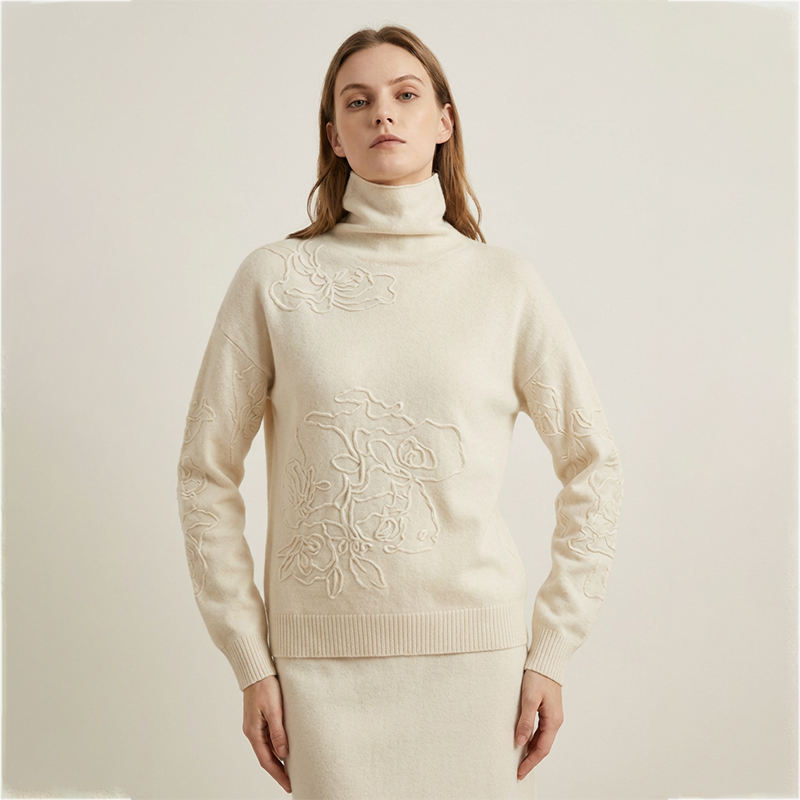
Need turtleneck sweaters with a refined finish? We knit classic roll-neck, mock-neck, and funnel-neck pullovers in fine to mid-gauge cashmere, merino, lambswool, or cotton. Fully-fashioned construction, garment washing, anti-pilling treatment, and custom trim options. Ideal for minimalist and luxury brands. Sampling in 7–10 days, low MOQ from 100.
Get a Quote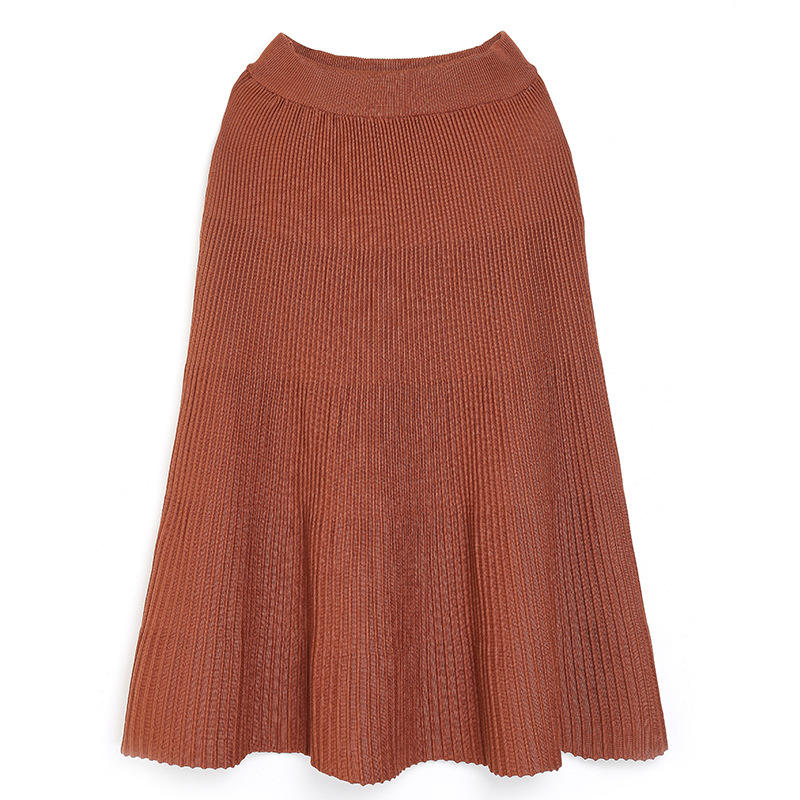
Sweater Vests
Looking for sweater vests that fit your trend forecast? CENWILD manufactures V-neck, crewneck, and argyle vests in jacquard, cable, or rib knit. Ideal for preppy, workwear, or layering collections. Choose wool, cotton, acrylic, or blends. Embroidered logos and custom color blocking available. Low MOQ, OEM/ODM, in-house sampling and grading.
Get a Quote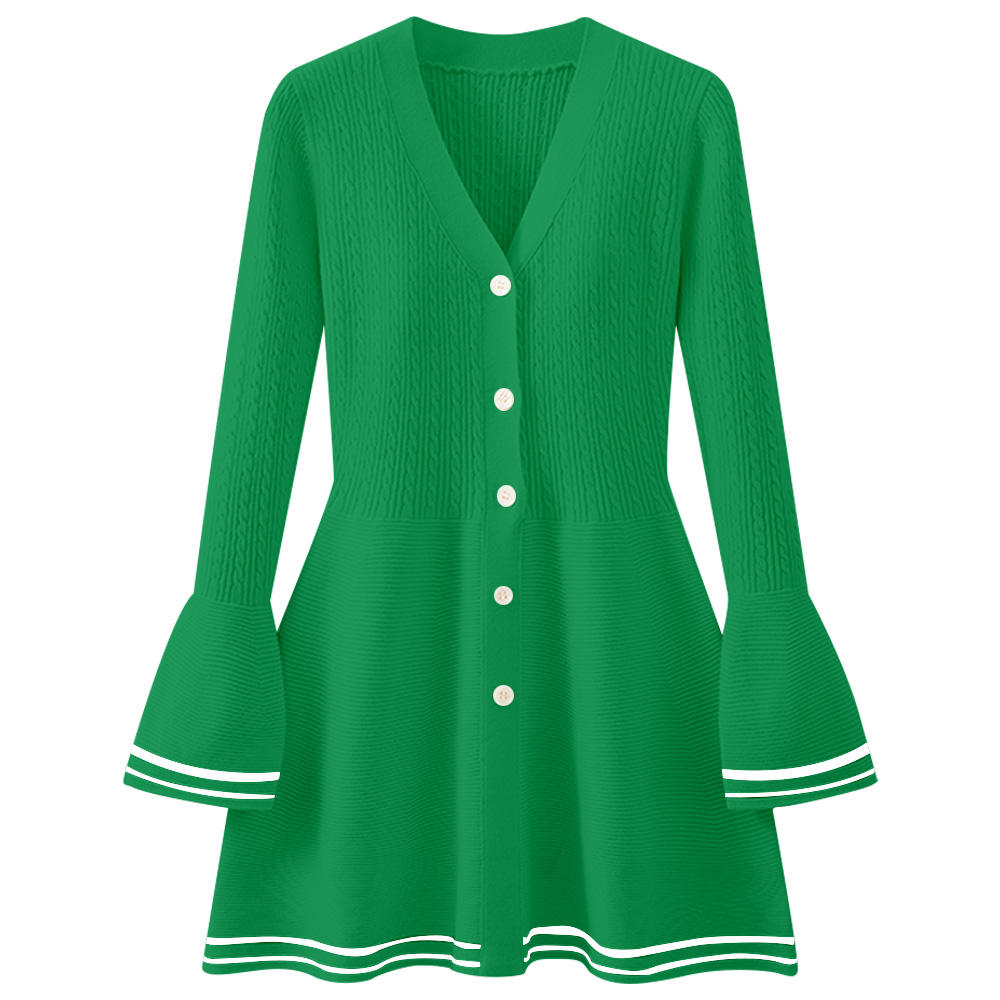
Knit Polo Shirts
Want knit polo shirts with tailored detail? We produce short- and long-sleeve knit polos in cotton, Pima, merino, or blends—ribbed collars, button plackets, contrast tipping, jacquard patterns, and embroidered logos. Ideal for resort, golf, workwear, or casual luxury lines. MOQ from 100 pieces. Dongguan-based, 28+ years experience.
Get a Quote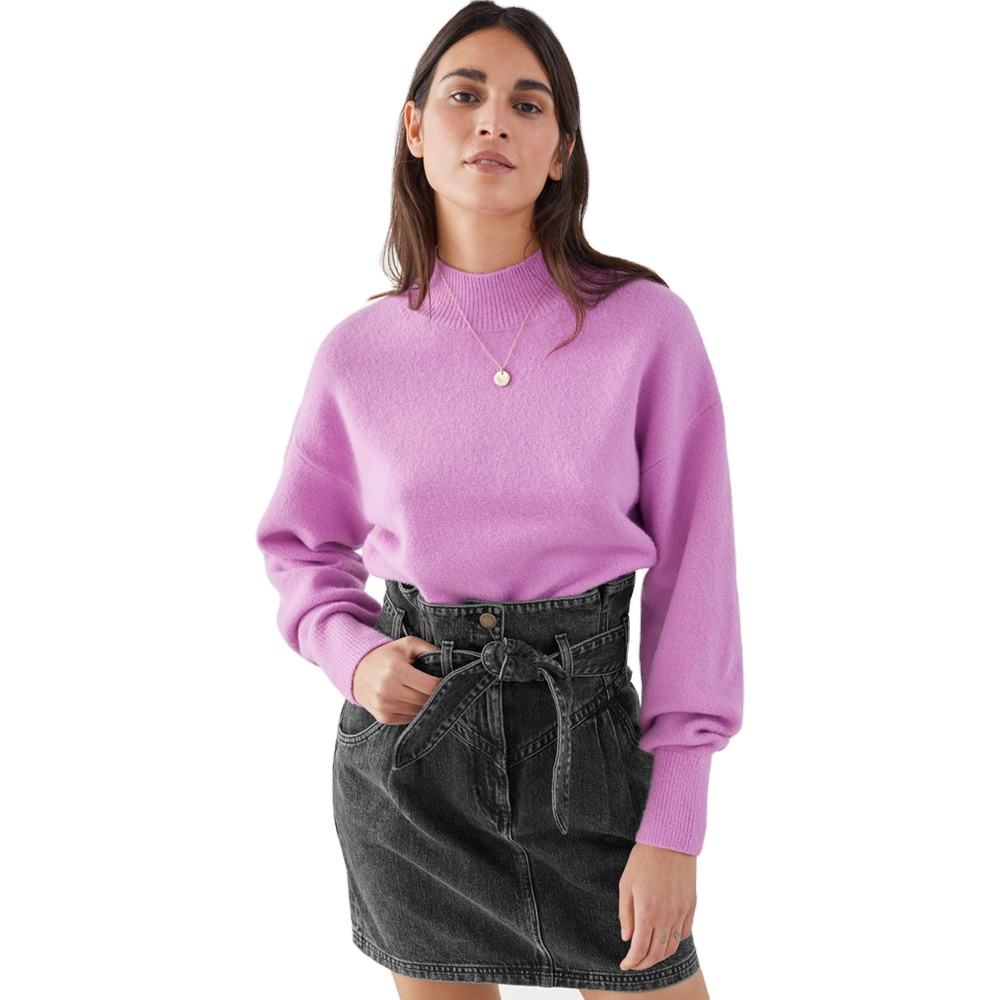
Private Label Knitwear
Ready to launch your own knitwear label? CENWILD offers full private label sweater production: design development, yarn sourcing, knit-down sampling, in-house manufacturing, custom packaging, and export logistics. Serve your brand with MOQ from 100 pieces, flexible payment terms, and a dedicated partner who grows with you. OEM and ODM capabilities included.
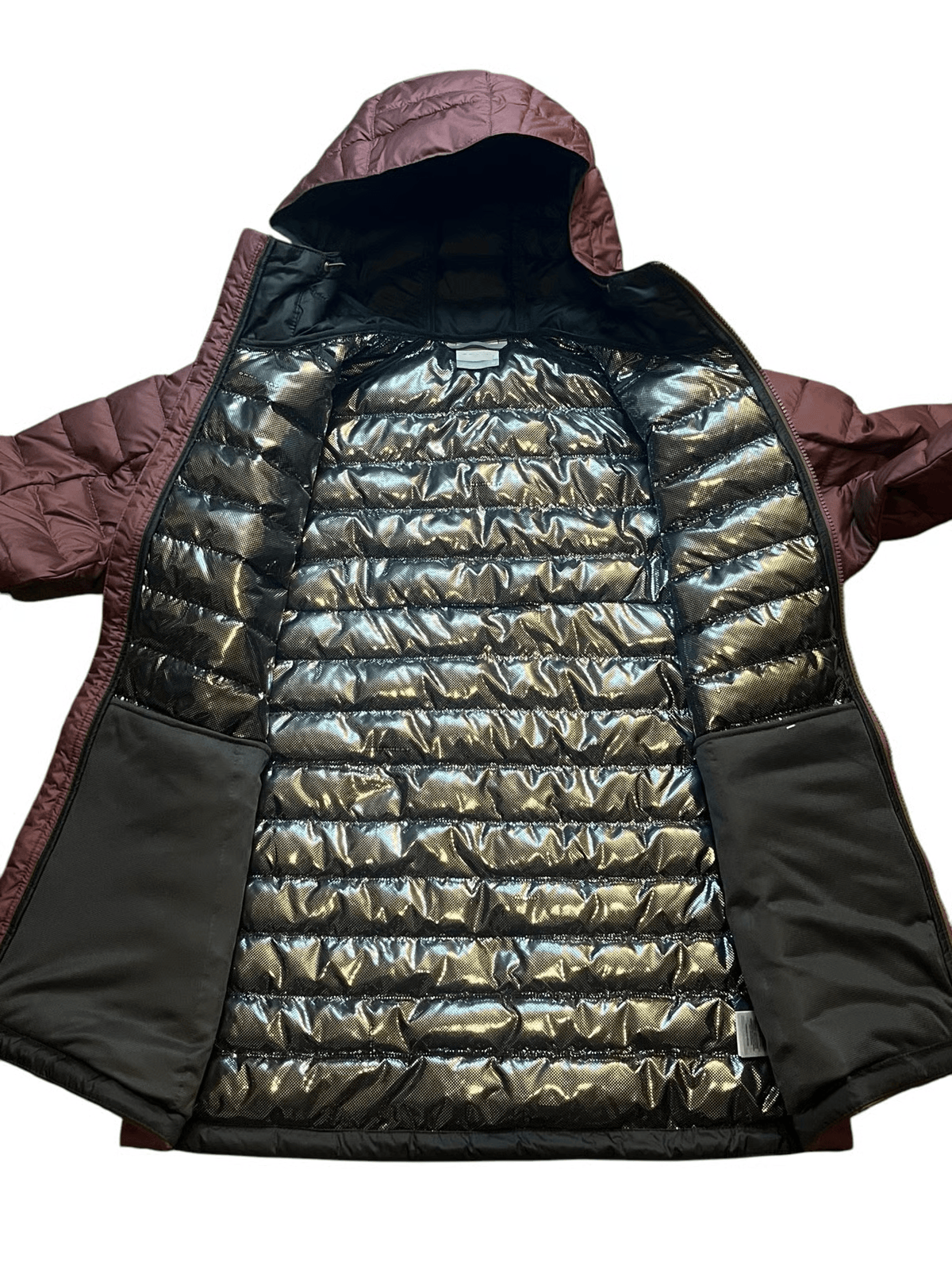
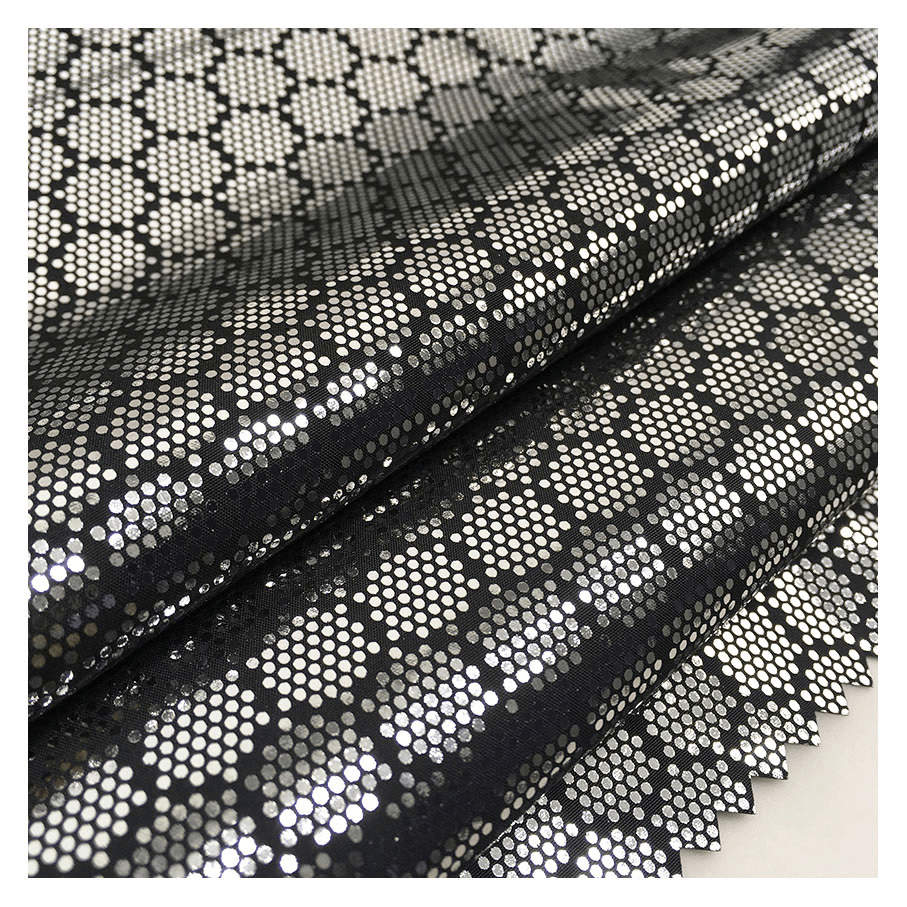
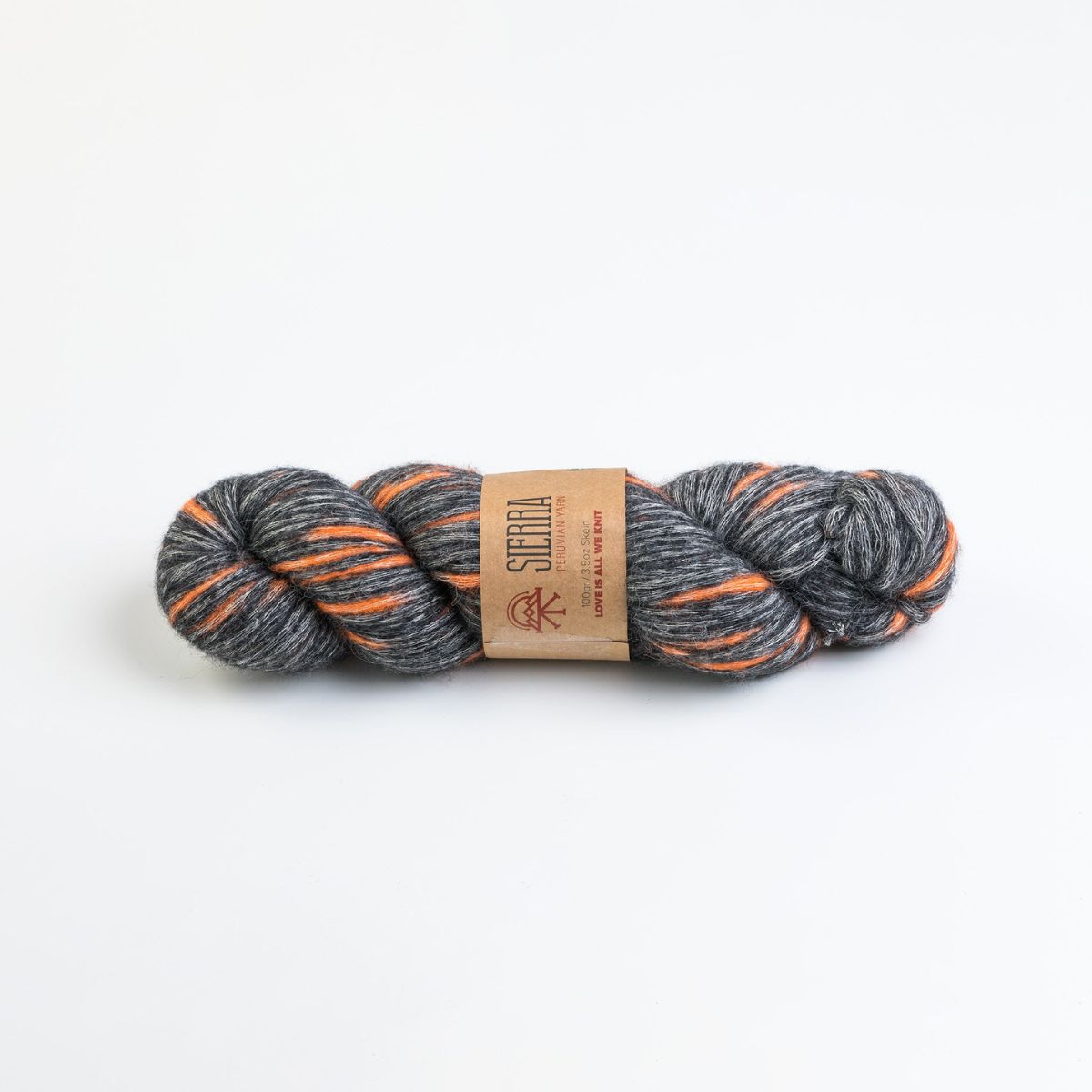
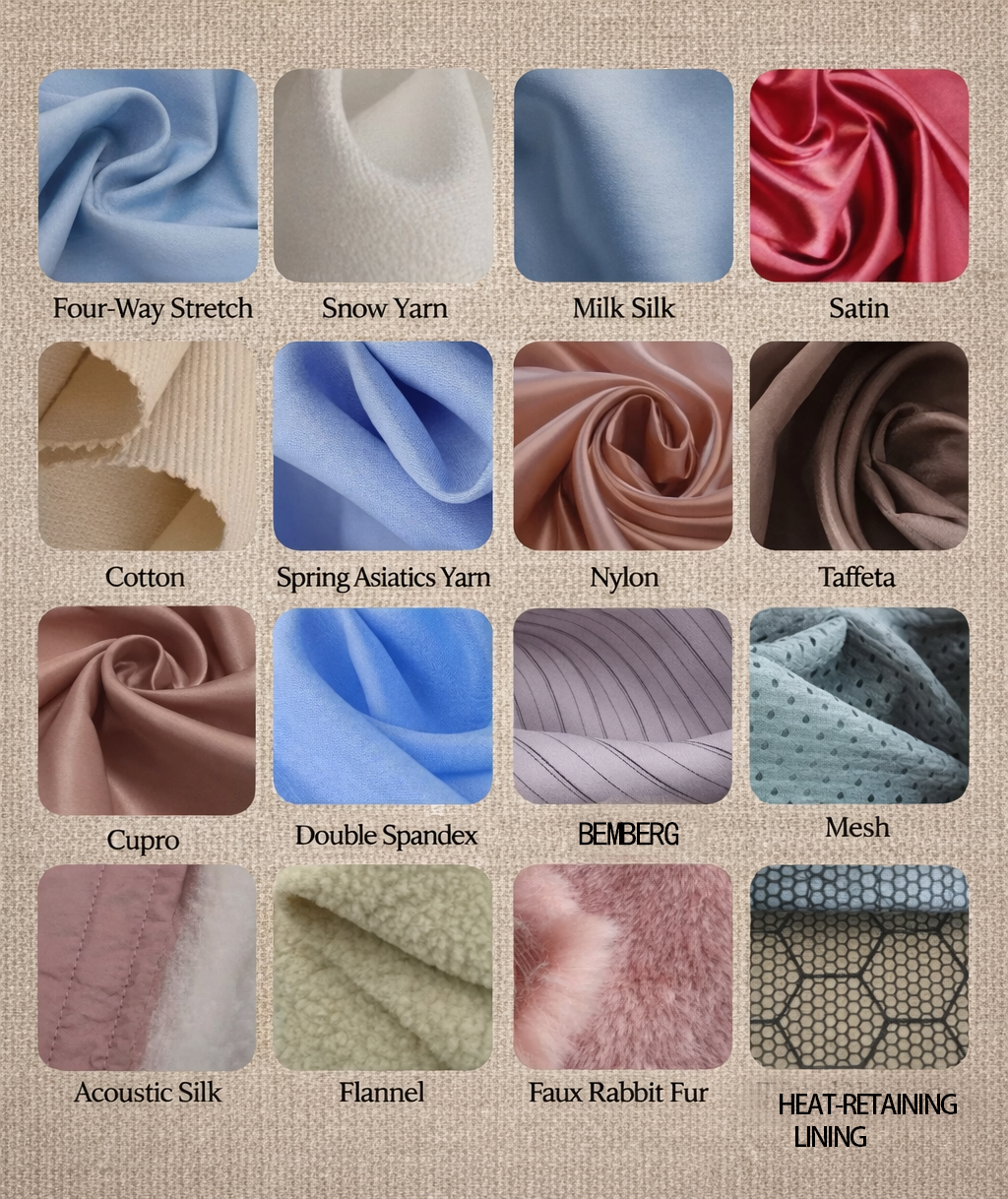
Get a QuotePremium Fibers Every Knitwear Manufacturer Should Master
Knitting & Decoration Techniques From Your Knitwear Manufacturer
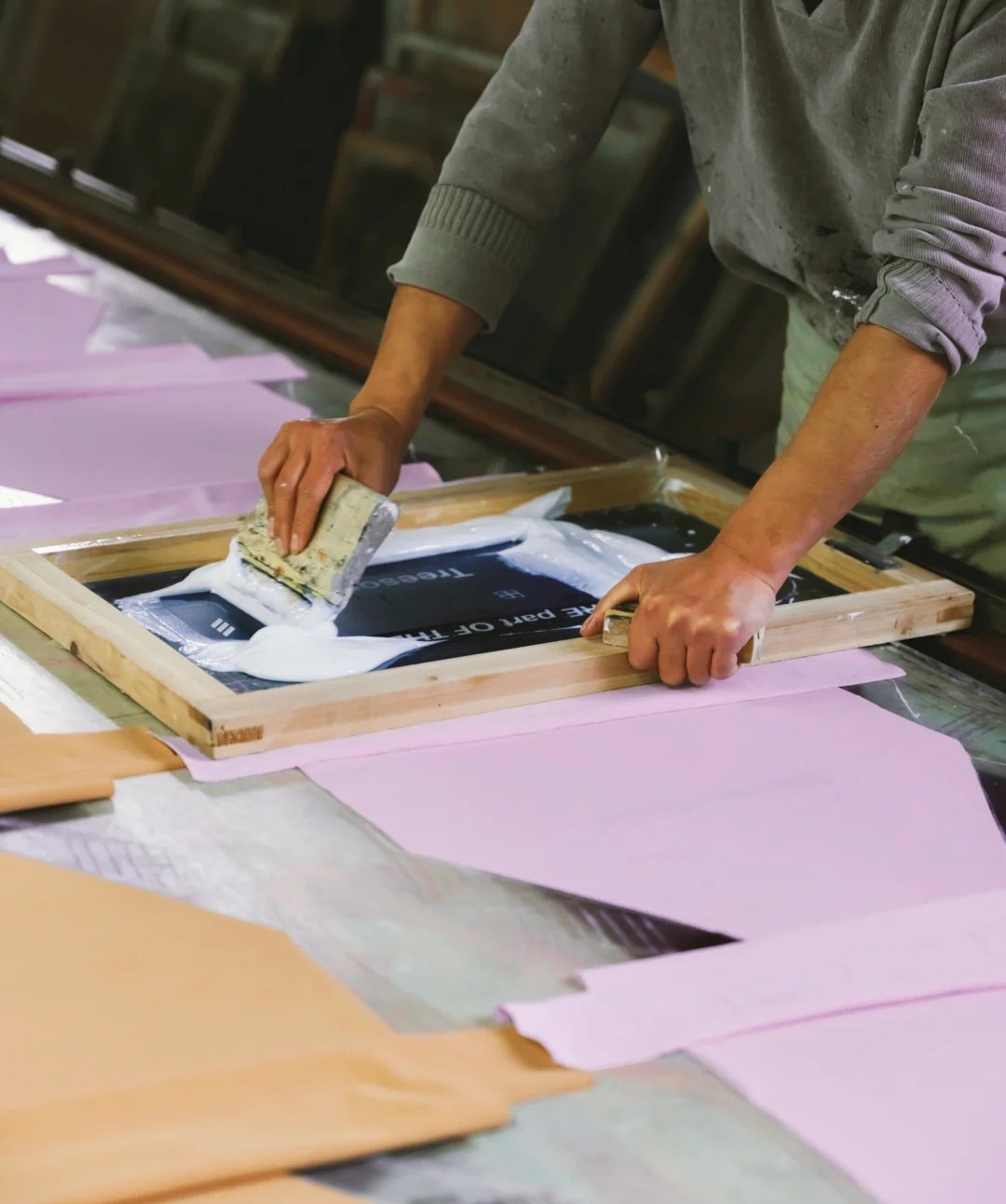
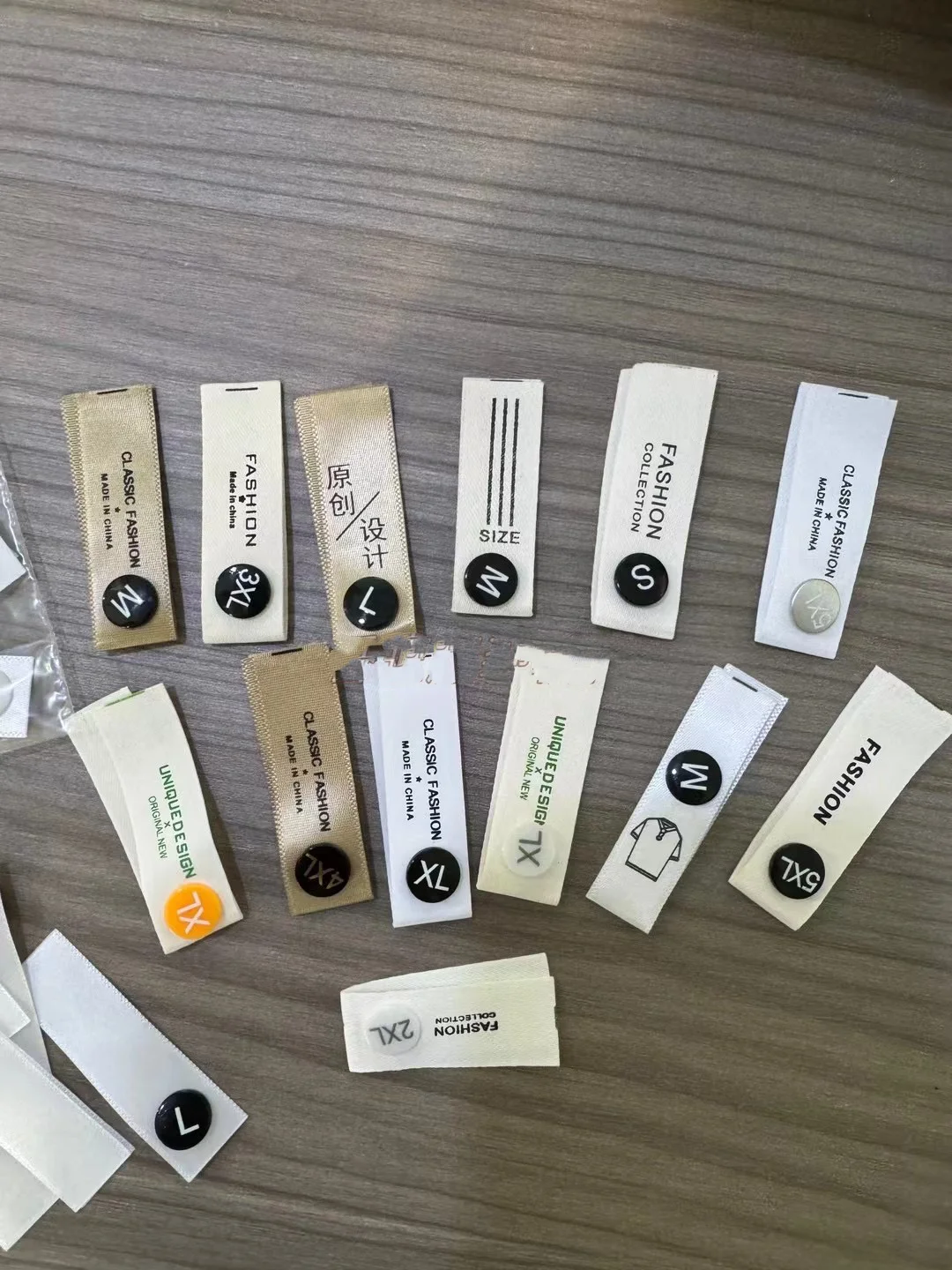
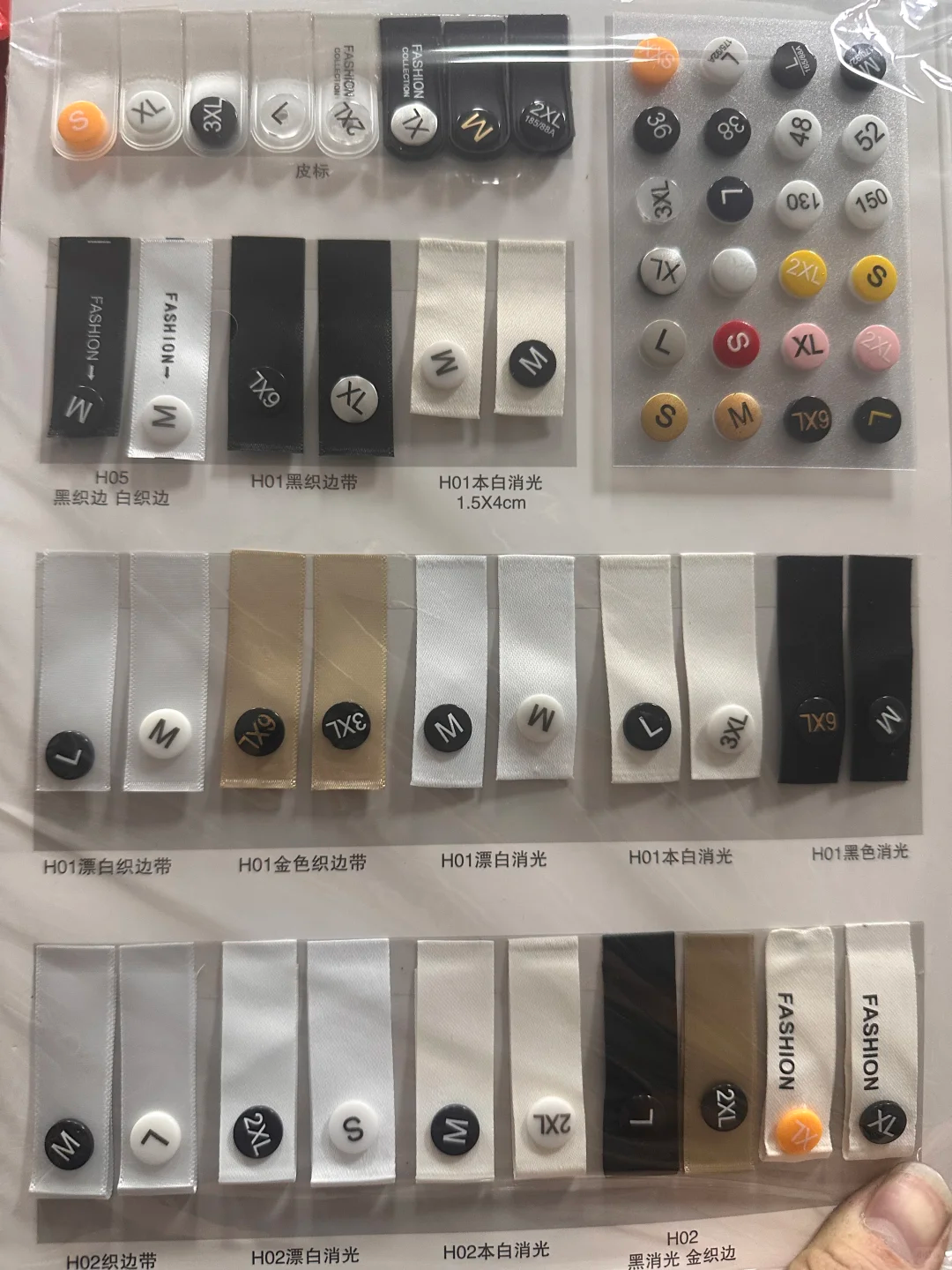
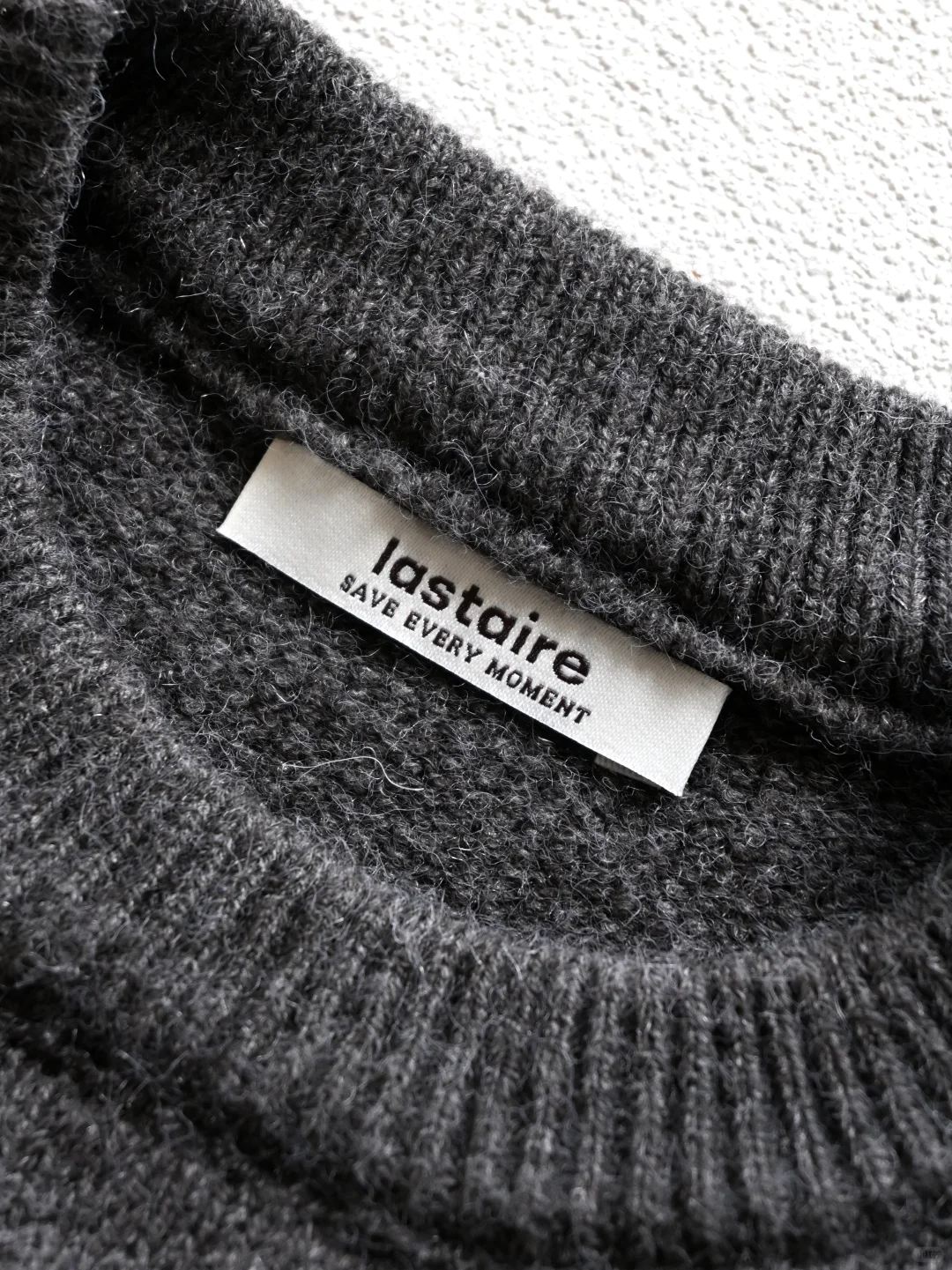
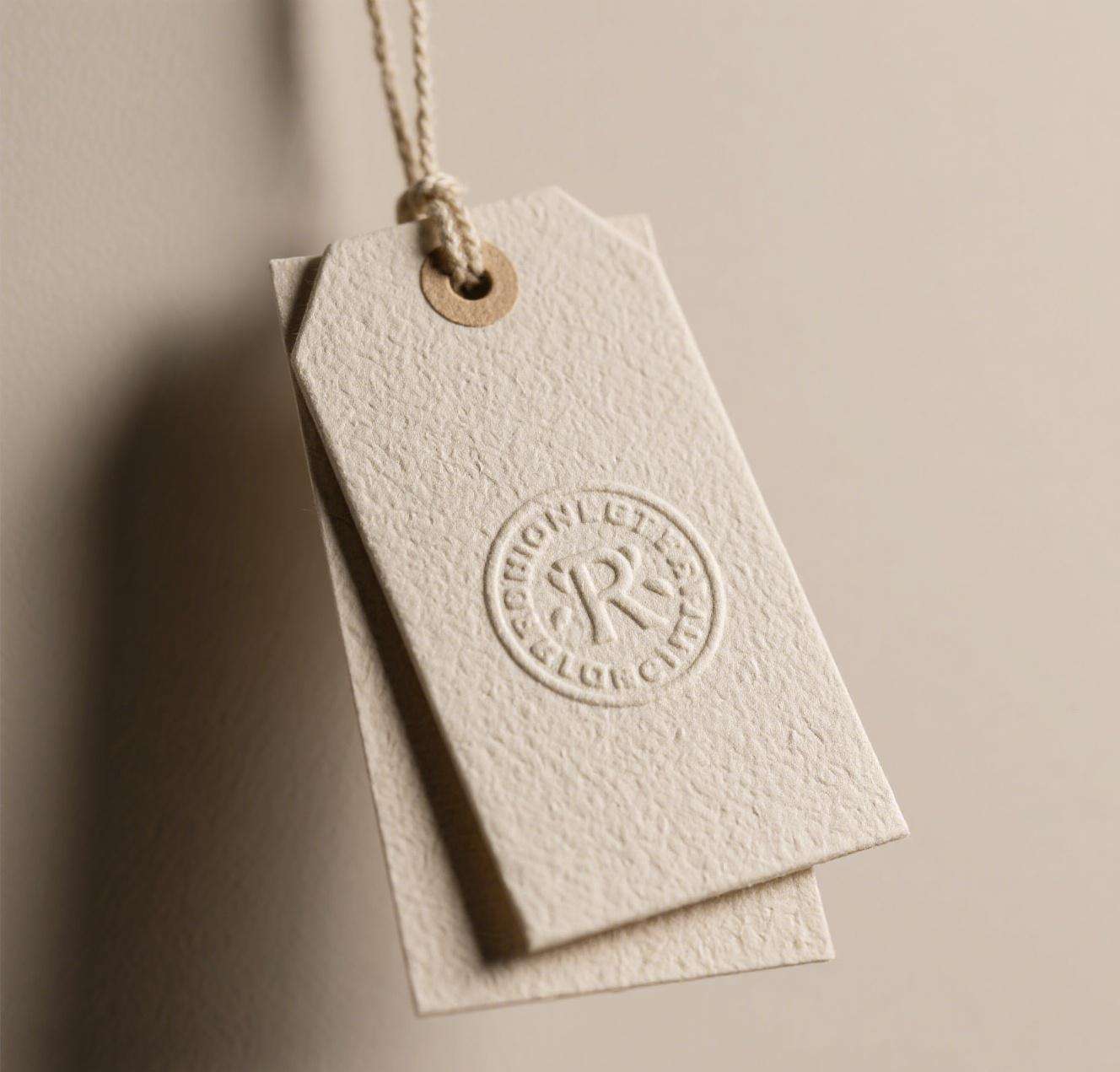
Trims, Labels & Accessories from Your Knitwear Manufacturer
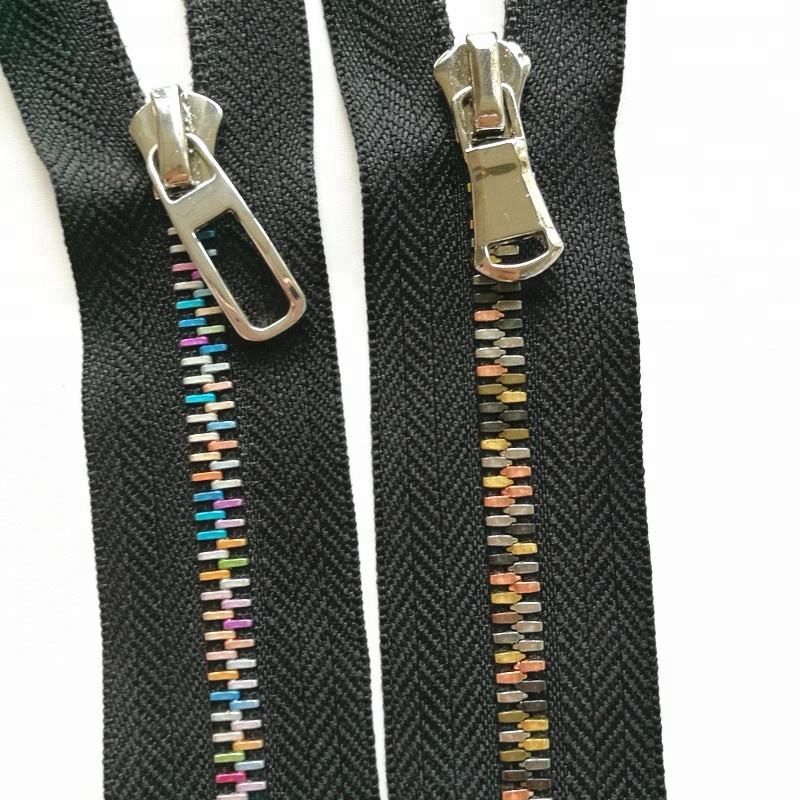
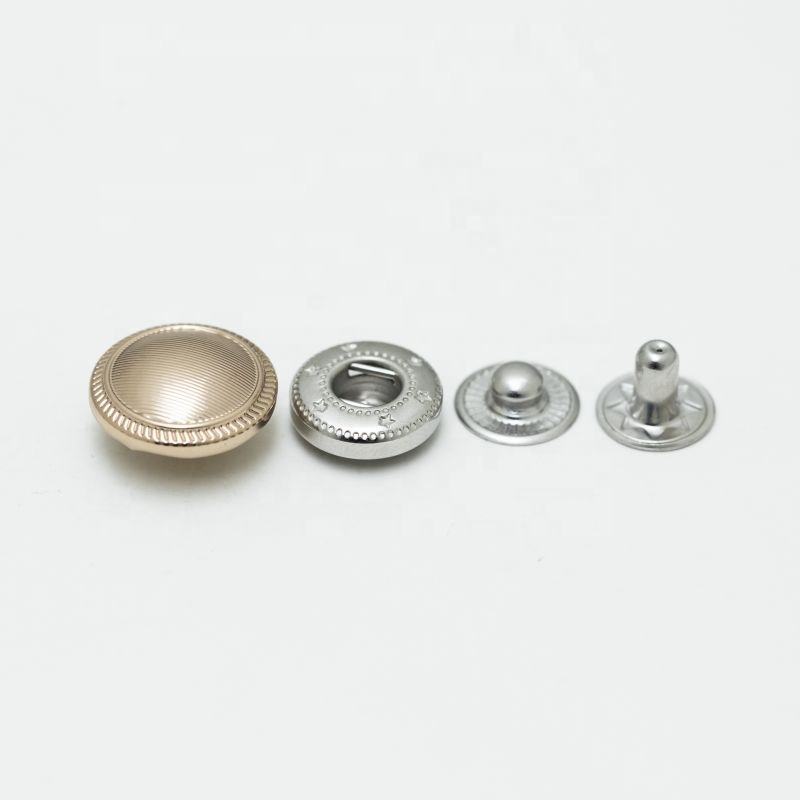
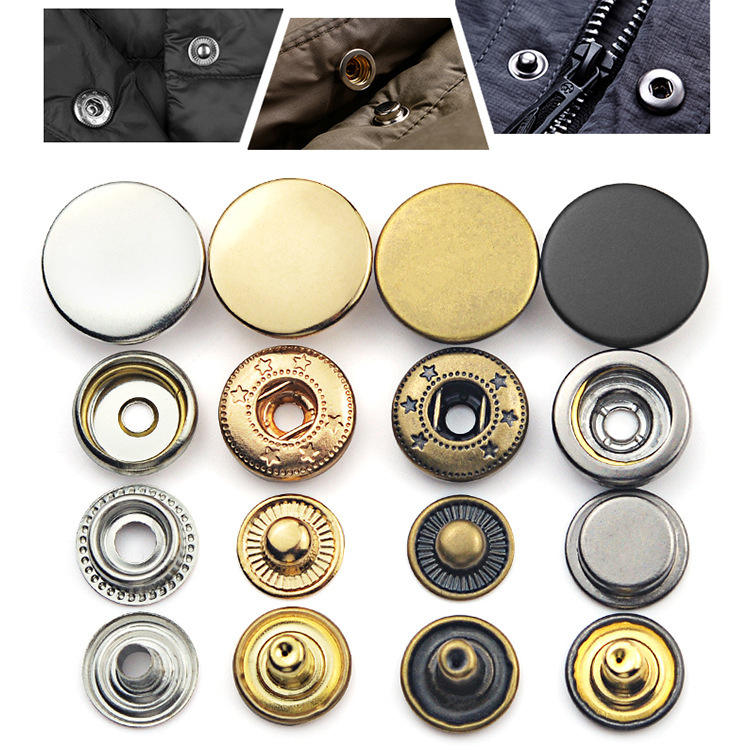
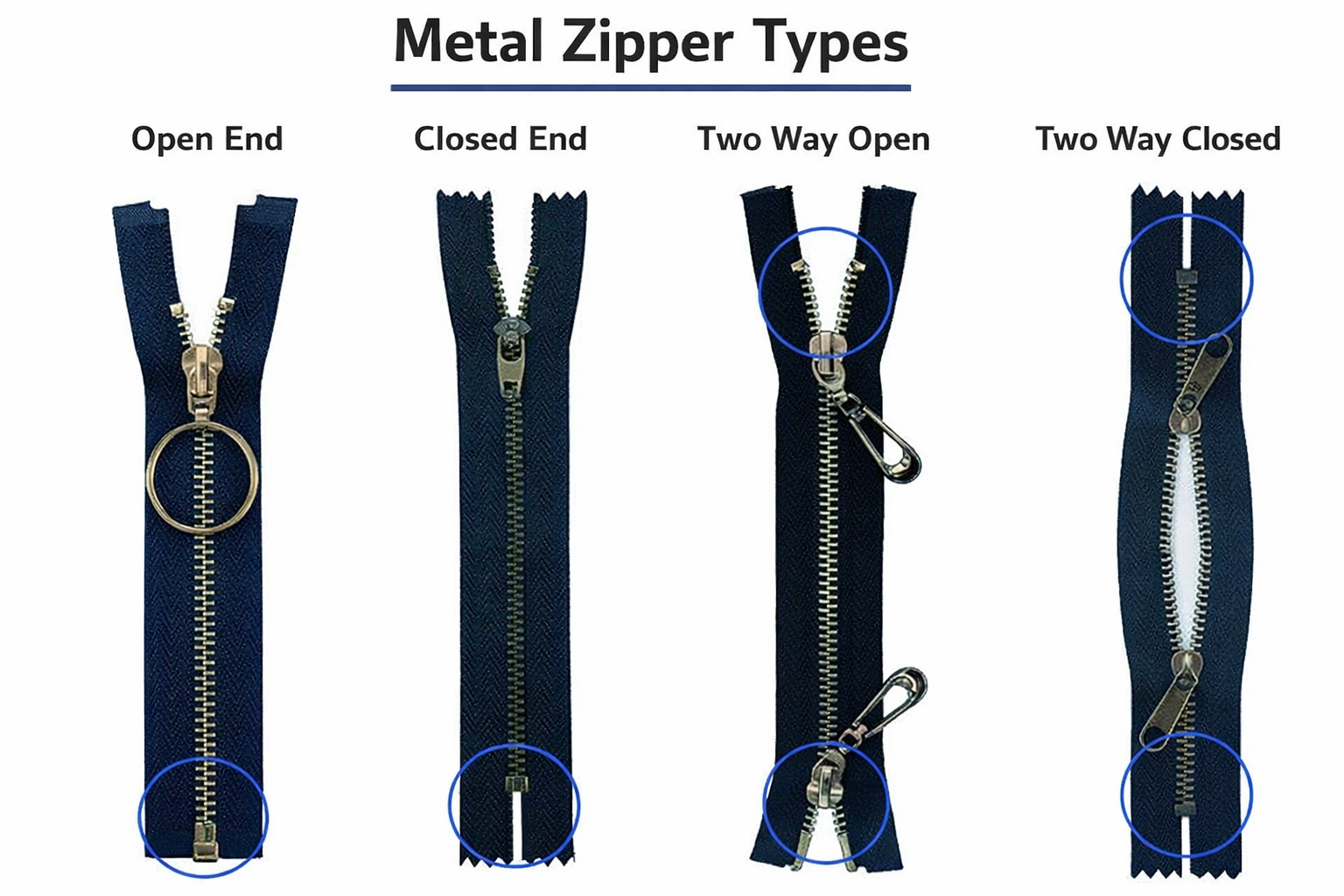
Drawcords & Elastic
Flat, round, or tipped drawcords and elastic bands for waistbands, cuffs, hoods, and hems. Supplied in cotton, polyester, or blended fibers with custom colors, metal or plastic tips, and logo-debossed aglets.
About CENWILD: 28 Years of Knitwear Expertise
Founded in 1998 in Humen, Dongguan — the heart of China’s most influential knitwear manufacturing region — CENWILD began as a small family knitting workshop. Guided by the values of Quality First, Customer Growth, Innovation, and Responsibility, we evolved into a full-service knitwear manufacturer serving over 2,000 fashion brands worldwide across the United States, Europe, Australia, and beyond.
Today CENWILD employs more than 200 skilled professionals and operates a modern facility with computerized flat-knitting machines spanning 3GG to 14GG gauges. Our monthly production capacity exceeds 80,000 pieces, and we offer OEM, ODM, and private label services with MOQ starting from just 100 pieces — making custom knitwear accessible to independent designers, startups, and established global labels alike.
Our Dongguan location gives us unmatched access to the region’s deep yarn supply chains, skilled knitting talent, and decades of sweater craftsmanship. We don’t see ourselves as a simple supplier — we’re the long-term manufacturing backbone behind growing fashion brands, supporting your vision from concept to shipment with in-house design, sampling, production, quality control, and export logistics.
What Makes CENWILD a Leading Sweater Production Partner
In-House Knitting & Rapid Sampling
Our Dongguan facility runs computerized flat-knitting machines across 3GG–14GG gauges, producing knit-down samples in 7–10 days and finished production with monthly capacity exceeding 80,000 pieces — all under one roof.
- Full gauge range (3GG–14GG) for fine to chunky knits
- Knit-down samples ready in 7–10 days
- Monthly production capacity over 80,000 pieces
- Zero reliance on third-party knitting subcontractors
Design & Tech-Pack Development
Whether you arrive with a finished tech pack, a sketch, or just an idea, our in-house design team translates your vision into production-ready knitwear through original stitch design, 3D knit programming, grading, and material selection.
- Original stitch and pattern design from concept
- 3D knit programming for intarsia, jacquard, cables
- Full grading and spec development for all sizes
- Material and yarn recommendations tailored to your brand
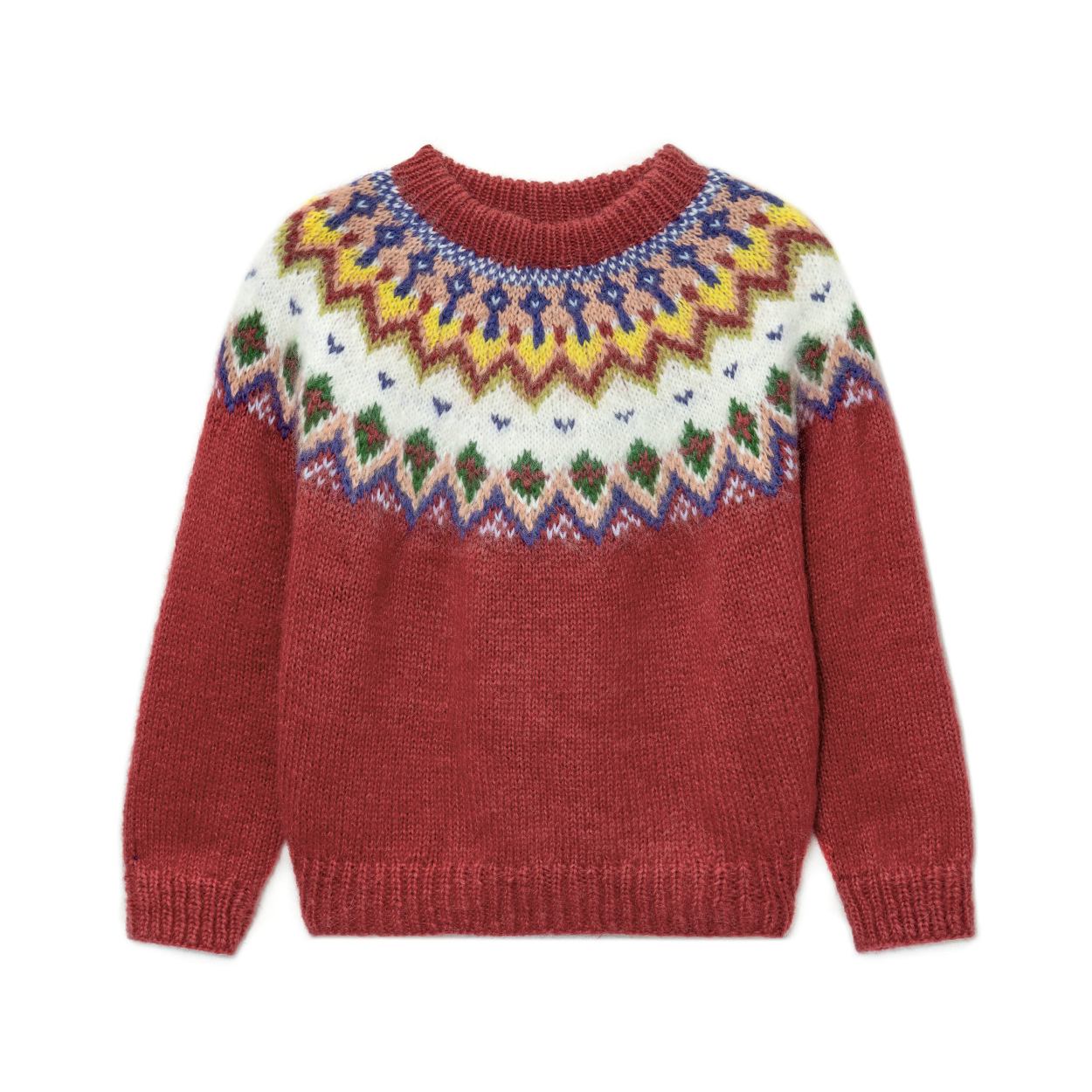
Complete Decoration & Finishing Suite
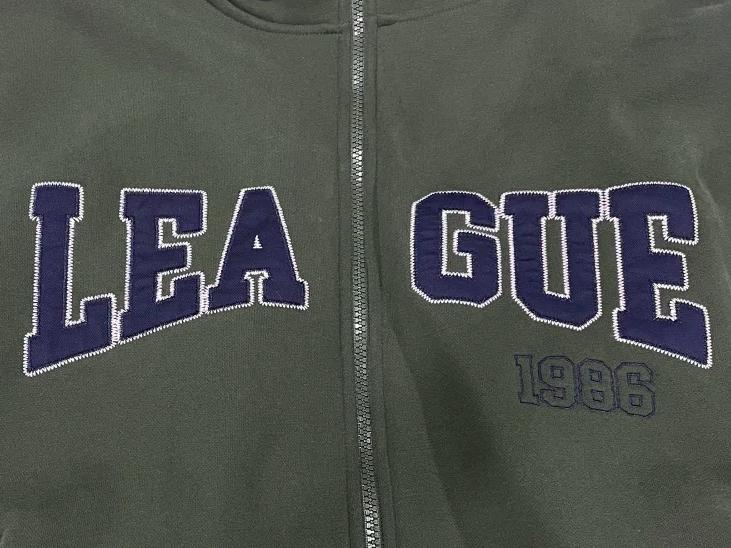
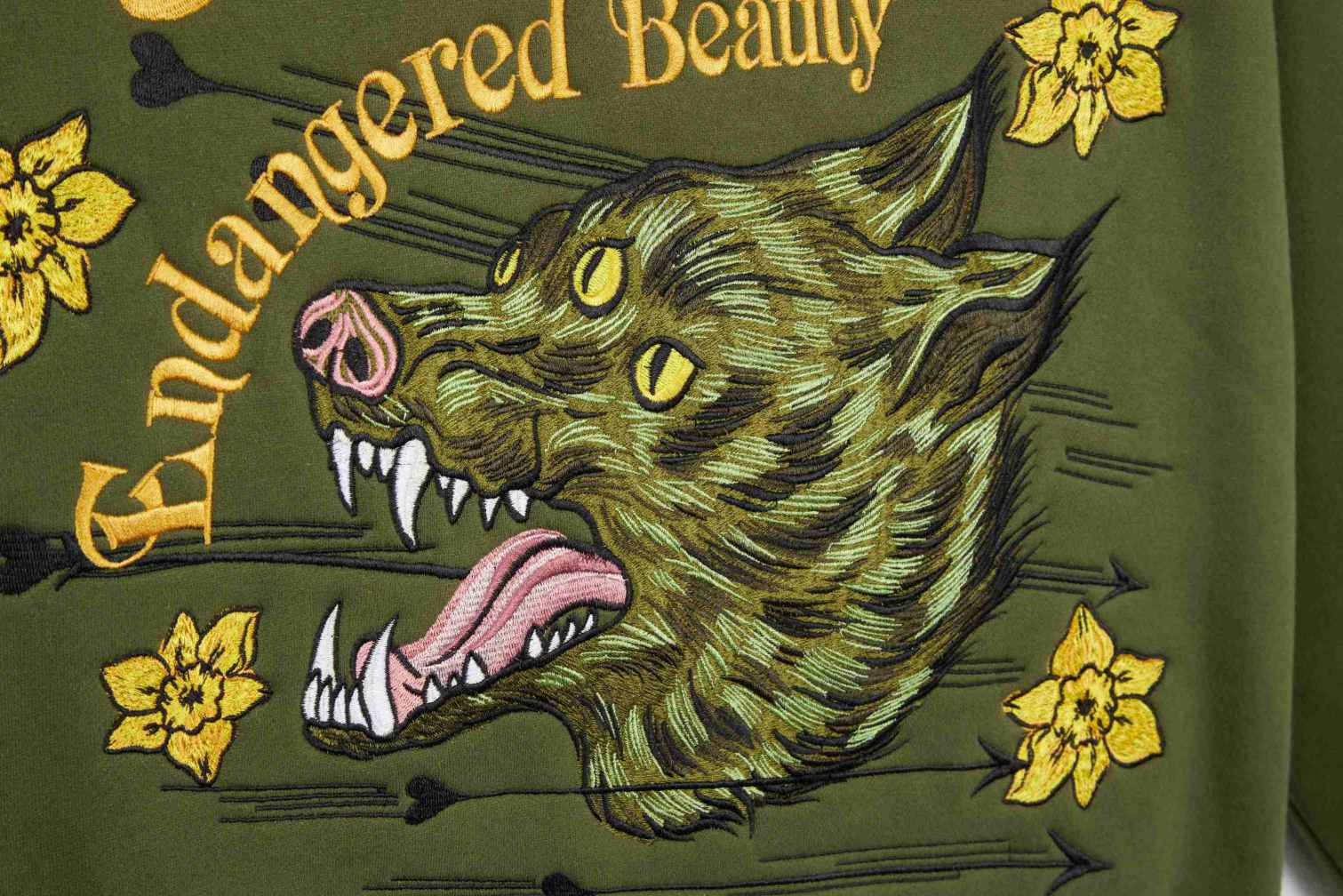
Elevate every sweater with our full range of decoration: flat, 3D puff, chain-stitch, appliqué, sequin, and patch embroidery; screen, heat-transfer, DTF, and sublimation printing; plus garment washing, dyeing, anti-pilling, softening, and brushing finishes.
- Seven embroidery techniques including 3D puff and sequin
- Four printing methods: screen, heat transfer, DTF, sublimation
- Garment washing, dyeing, anti-pilling, and brushing
- Trims, labels, hangtags, and packaging coordination
Flexible Partnership & Low-MOQ Model
Start with just 100 pieces per style and scale as you grow. Payment terms ease from 100% deposit on first orders to as low as 30% for long-term partners, with support for T/T, PayPal, credit card, USDT, and VTB Bank for Russia.
- Minimum order quantity from 100 pieces per style
- Deposit eases to 30% for established partners
- Multiple payment options: T/T, PayPal, card, USDT, VTB
- Dedicated account management and order tracking
CENWILD vs. Traditional Knitwear Manufacturer
See why over 2,000 fashion brands worldwide choose CENWILD for flexible, reliable, and expert custom sweater production.
← 左右滑动查看 →
CENWILD vs. Traditional Sweater Suppliers
CENWILD’s end-to-end manufacturing process transforms your design vision into finished knitwear ready for market. Every phase is managed in-house at our Dongguan facility to ensure quality, speed, and transparency.
Tech Pack & Design Review
Our design team reviews your tech pack, sketch, or concept. We refine stitch patterns, gauge selection, and construction details to ensure manufacturability and cost efficiency.
Yarn Sourcing & Knit-Down Sampling
We source premium fibers—cashmere, merino, cotton, or blends—and knit prototype swatches on computerized flat-knit machines. You approve fabric hand, color, and fit before bulk production.
Bulk Knitting & Decoration
Production runs across our 3GG–14GG gauge machines with monthly capacity exceeding 80,000 pieces. Embroidery, printing, and intarsia details are applied by our in-house decoration team.
Quality Control & Finishing
Every garment passes multi-point inspection for stitch integrity, color consistency, and measurements. Garment washing, softening, anti-pilling, and brushing complete the finishing process.
Packing & Export Logistics
Finished knitwear is packed to your specifications with custom hang tags, labels, and polybags. We coordinate freight forwarding and customs documentation for seamless global delivery.
How to Partner with a Knitwear Manufacturer
From your first inquiry to finished sweaters, CENWILD makes custom knitwear production simple and transparent. Follow these five steps to bring your designs to life.
Submit Your Tech Pack or Brief
Share your design details, sketches, photos, or complete tech pack. Our team reviews your requirements and confirms feasibility for your knitwear project.
Receive Quote and Sampling Timeline
Within 24–48 hours, we provide a detailed quotation, MOQ confirmation, and sampling schedule tailored to your custom sweater specifications and production needs.
Approve Your Knit-Down Sample
We produce a physical knit-down sample in 7–10 days. Review fit, stitching, yarn, and finishing, then request revisions or approve for bulk production.
Place Your Bulk Order
Confirm quantities, sizes, colors, and payment terms. CENWILD schedules your production run with full transparency on lead times and delivery milestones for orders starting from 100 pieces.
Production, QC, and Shipment
Your knitwear is knitted, assembled, decorated, and inspected under strict quality control. Once approved, we handle packaging, export documentation, and global shipping logistics.
Certified Knitwear Manufacturer You Can Trust

Why Brands Choose CENWILD as Their Knitwear Manufacturer
CENWILD helped us launch our first sweater collection with just 100 pieces per design. We went from concept to delivery in 9 weeks, and the quality exceeded our retail partners’ expectations. Finally found a manufacturer that grows with us.
Switching to CENWILD cut our MOQ from 500 to 100 pieces and reduced our upfront investment by 62%. Their ODM team turned our rough sketches into production-ready tech packs in under two weeks. Game changer for independent designers.
We’ve produced 12 seasonal collections with CENWILD over three years. Their intarsia and jacquard quality is consistently flawless, and the team proactively suggests yarn alternatives that save 15–20% without compromising hand feel. True manufacturing partners.
Frequently Asked Questions About Working with a Knitwear Manufacturer
What is the minimum order quantity (MOQ) for a knitwear manufacturer like CENWILD?
How long does sampling and bulk production take with a knitwear manufacturer?
Do knitwear manufacturers charge for samples, and are fees refundable?
What payment terms does a knitwear manufacturer require?
How does shipping and logistics work when ordering from a knitwear manufacturer in China?
Will my designs and intellectual property be protected by the knitwear manufacturer?
What customization options are available from a knitwear manufacturer?
Can a knitwear manufacturer source specific yarns or materials for my project?
Common Questions About Custom Sweater Production
Navigate the sourcing landscape with confidence. This guide delivers a proven decision framework, essential supplier criteria, material comparisons, and the most common mistakes fashion brands make when selecting a knitwear manufacturer—so you can launch faster and avoid costly errors.
1. What Is a Knitwear Manufacturer?
A knitwear manufacturer is a specialized factory that constructs garments by knitting yarn directly into fabric panels or complete pieces, rather than cutting and sewing pre-woven textiles. Unlike cut-and-sew facilities, a dedicated knitwear manufacturer operates computerized flat-bed machines (typically 3GG to 14GG gauge) or circular knitting equipment, producing sweaters, cardigans, and knit accessories through loop-by-loop construction that eliminates fabric waste and enables complex stitch patterns.
Core services span the entire value chain: pattern development and 3D knit programming, yarn sourcing (cashmere, merino, cotton, acrylic, and blends), knit-down sampling, linking (seaming knit panels), garment washing, finishing (anti-pilling, brushing, softening), decoration (embroidery, printing, applique), and export-ready quality control. Typical order flows begin with a tech pack or concept sketch, advance through graded samples and pre-production approvals, and conclude with full production runs — minimum order quantities range from 100 to 500 pieces per style depending on the supplier.
Specialized knitwear expertise matters because stitch tension, gauge consistency, and linking precision directly determine fit, drape, and durability — factors that general apparel contractors cannot replicate without dedicated knitting infrastructure.
2. Evolution of Knitwear Manufacturing
Hand-knitting guilds in 16th-century Europe laid the foundation for commercial knitwear, but the 1589 invention of William Lee’s stocking frame marked the first mechanical breakthrough. By the 1860s the industrial revolution introduced circular and flat-knitting machines, enabling factories to produce consistent yardage at scale and giving rise to the modern knitwear manufacturer.
The 1801 Jacquard loom introduced programmable pattern control using punched cards, a principle later adapted to knitting and still visible in today’s intarsia and jacquard sweaters. Seamless or fully-fashioned technology emerged in the 1970s, reducing waste and labor by knitting garment panels to shape rather than cutting from fabric.
Since the 1990s computerized flat-knitting systems from Shima Seiki and Stoll have dominated production floors, integrating CAD design files directly into machine programming. Modern knitwear manufacturers now run 3GG to 14GG gauge machines with digital stitch libraries, balancing centuries-old cable and pointelle techniques with the speed and customization required by fast fashion cycles and sustainable luxury collections.
3. Types of Knitwear Manufacturer
Knitwear manufacturers vary widely in service model, equipment, scale, and specialization. Matching your project to the right type ensures realistic MOQs, lead times, and pricing from the first inquiry.
Full-Package vs. CMT
Full-package manufacturers handle design development, yarn sourcing, sampling, production, finishing, and export logistics under one roof. MOQ typically starts at 100–300 pieces per style; lead time runs 45–75 days.
CMT (cut-make-trim) factories require you to supply yarn and finished tech packs. MOQ can drop to 50 pieces, but you manage material procurement, quality variance, and customs separately. Full-package partners suit brands prioritizing speed and simplicity; CMT works for experienced buyers with existing yarn relationships.
Flat-Bed Specialists vs. Circular Knit
Flat-bed knitting machines (3GG–14GG) produce fully-fashioned sweaters, cardigans, and intricate stitch patterns like intarsia and jacquard. Lead time is 50–70 days; pricing reflects labor-intensive linking and shaping.
Circular-knit mills excel at seamless T-shirts, activewear, and high-volume basics with MOQs above 1,000 pieces and faster turnaround. Choose flat-bed for premium knitwear with custom stitch design; choose circular for scalable, cost-driven basics.
Domestic vs. Overseas
Domestic knitwear manufacturers offer 2–4 week lead times and easier communication but require MOQs of 200–500 pieces and unit costs 50–150% higher.
Overseas facilities in China, Vietnam, and Bangladesh deliver MOQs from 100 pieces, lower per-unit pricing, and access to specialized gauges and yarn blends. Shipping adds 15–25 days but remains cost-effective for brands scaling beyond initial samples.
4. Materials and Yarn Options in Knitwear Manufacturing
Yarn selection defines the performance, price, and market positioning of every knitwear piece. A professional knitwear manufacturer stocks fibers from luxury cashmere and merino to cost-effective acrylic and blends, each suited to specific seasons, care requirements, and retail price points.
| Fiber | Warmth | Cost Tier | Best Use-Case |
|---|---|---|---|
| Cashmere | High | Premium | Luxury cardigans, turtlenecks |
| Merino Wool | Medium-High | Mid-Premium | Year-round pullovers, activewear |
| Lambswool | Medium | Mid | Classic crewnecks, V-necks |
| Cotton | Low | Budget-Mid | Spring/summer knits, polos |
| Alpaca | Very High | Premium | Statement pieces, luxury pullovers |
| Acrylic | Medium | Budget | High-volume basics, promotional items |
Natural Wool Fibers
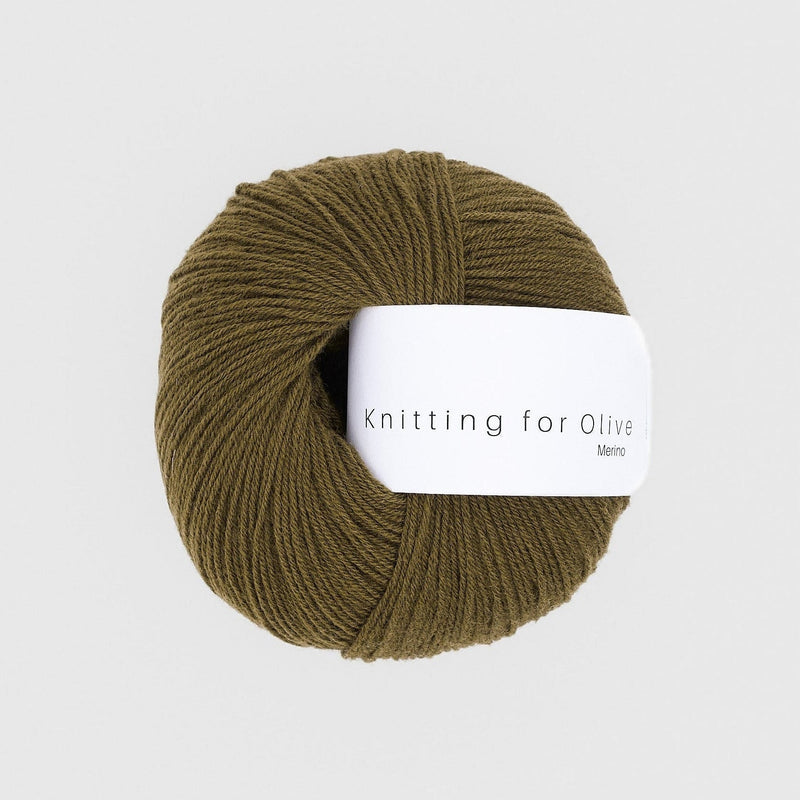
Merino wool (18.5–24 micron) delivers softness, breathability, and natural elasticity, ideal for year-round pullovers and activewear. Cashmere (14–19 micron) offers unmatched luxury and warmth at premium cost, typically reserved for high-end cardigans and turtlenecks. Lambswool, shorn from young sheep, sits between merino and standard wool in softness and price, popular for classic crewnecks and V-necks.
Cotton and Plant-Based Options
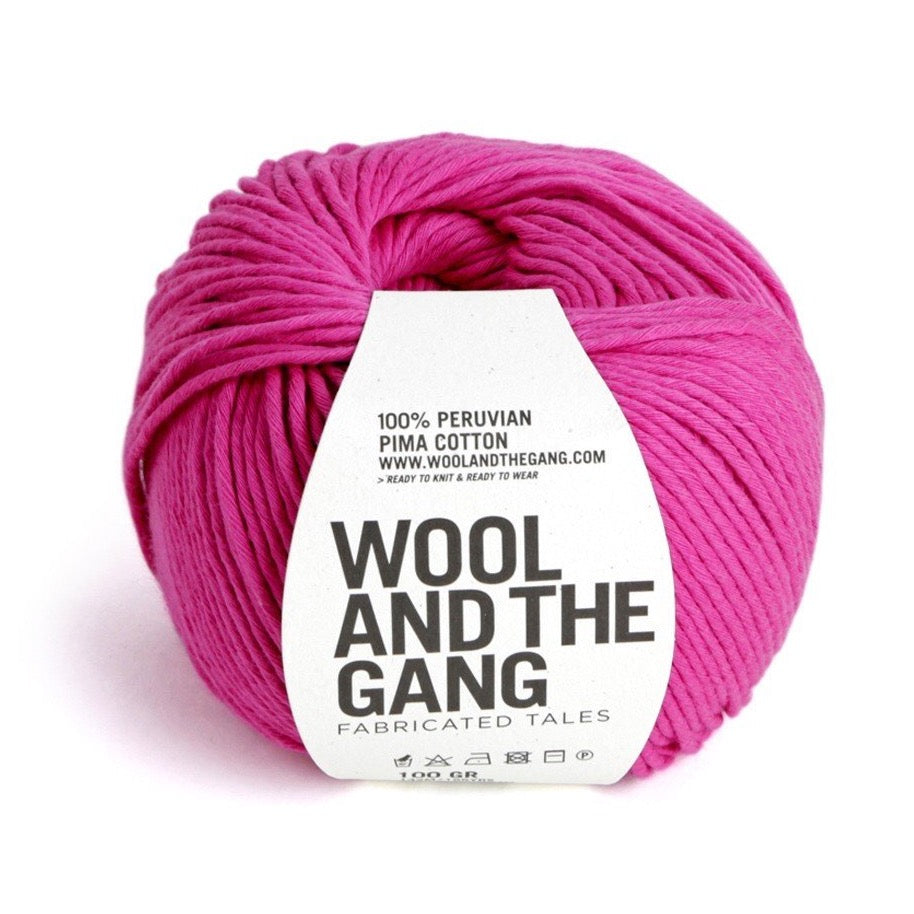
Combed cotton yields smooth, breathable knits for spring and summer styles; organic certifications (GOTS) add traceability and appeal to eco-conscious brands. Pima and Supima cottons feature extra-long staple fibers for superior strength and luster, often chosen for knit polos and lightweight sweater vests.
Specialty and Novelty Fibers
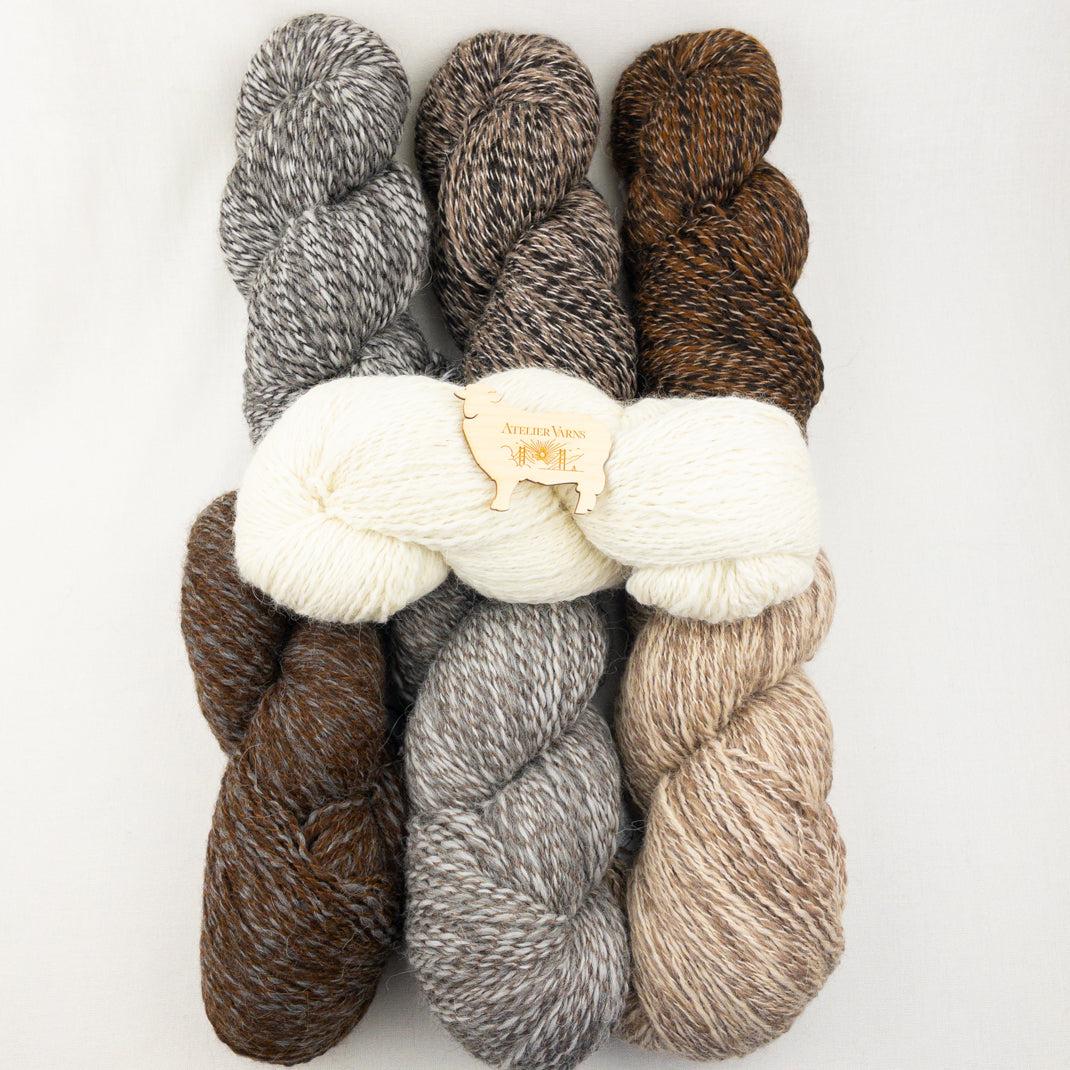
Alpaca provides exceptional warmth without weight, hypoallergenic and silky, suited to statement ponchos and luxury pullovers. Mohair (from Angora goats) adds halo texture and sheen, frequently blended for visual interest in fashion-forward designs.
Gauge, Ply, and Construction Impact
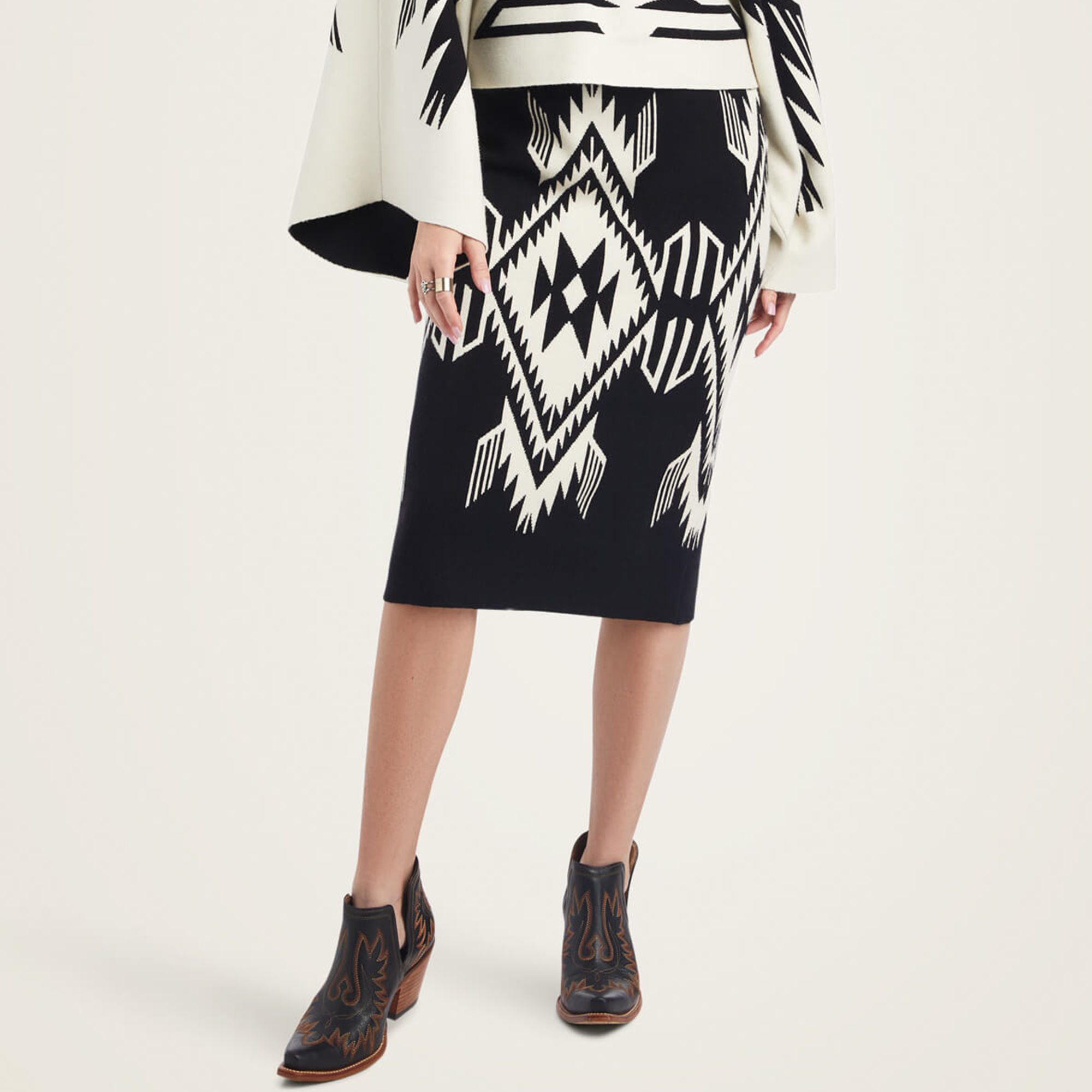
Gauge (3GG–14GG on flat-knitting machines) determines fabric density: fine gauges (12GG–14GG) produce lightweight, detailed intarsia; chunky gauges (3GG–5GG) create bold cables and ribbing. Ply count (single, 2-ply, 4-ply) affects thickness and durability; higher ply adds structure but increases weight and cost.
5. Customization and Decoration Techniques
A professional knitwear manufacturer offers multiple decoration and pattern techniques to differentiate your collection. Understanding setup costs, minimum quantities per colorway, and file requirements helps you budget accurately and avoid production delays.
Knit-In Patterns: Jacquard, Intarsia, Cable, and Rib
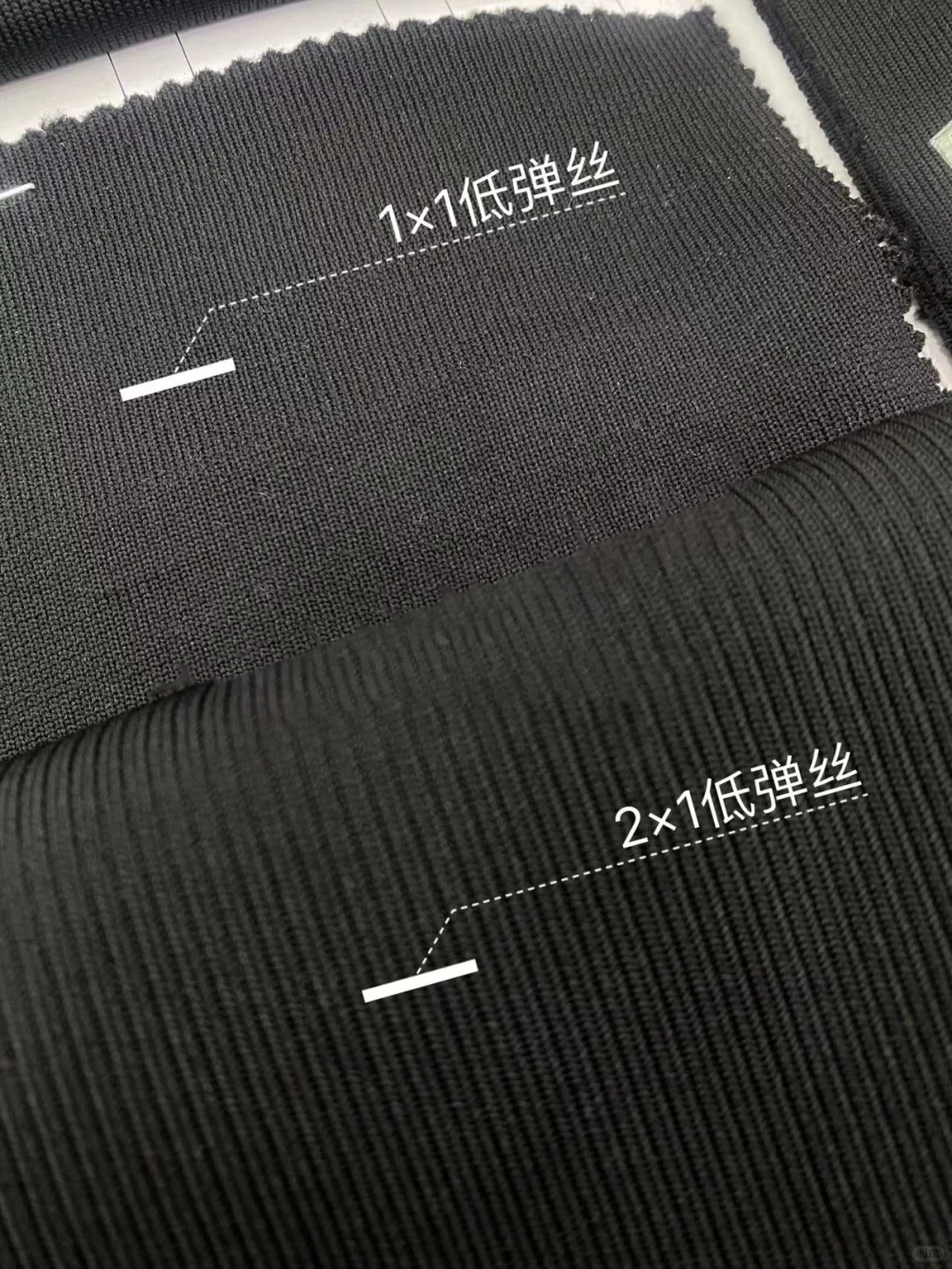
Jacquard and intarsia weave multi-color motifs directly into the fabric during knitting, eliminating post-production decoration steps. Cable and rib textures add depth without extra colorways.
Setup requires 3D knit programming and knit-down sampling; expect one to two weeks for pattern development. MOQ per colorway typically starts at 100–200 pieces. Provide vector files (AI, PDF) or high-resolution images; complex intarsia designs may add 10–15% to unit cost.
Embroidery, Appliqué, and Patches
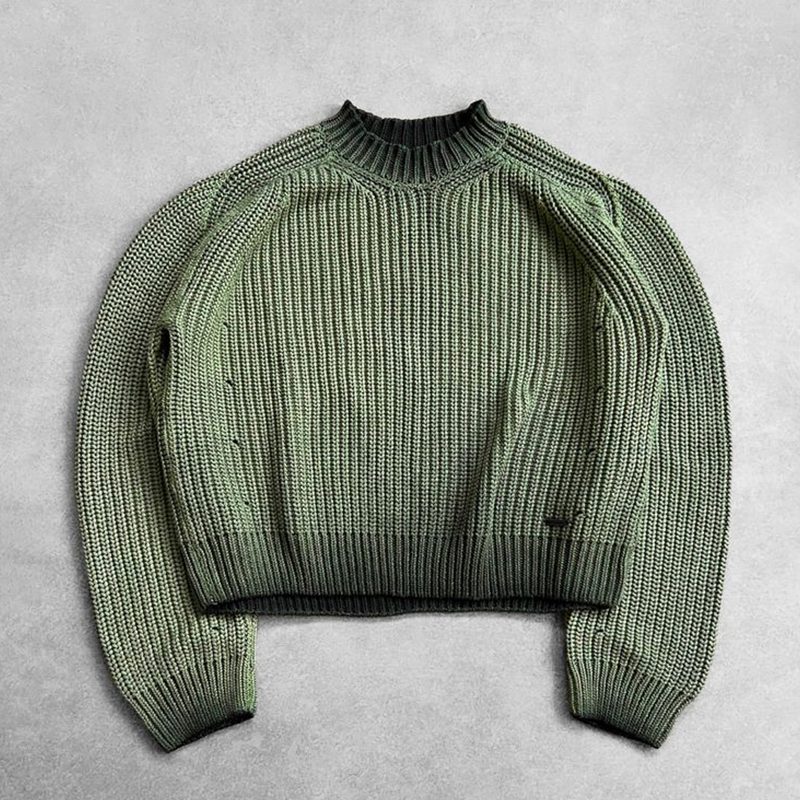
Flat, 3D puff, chain-stitch, sequin, and appliqué embroidery personalize knitwear with logos or graphics. Digitizing fees range from $15–$50 per design; running-stitch counts drive per-piece costs (typically $0.50–$3.00 for standard chest logos).
Supply DST or EMB files when possible; JPEG or vector artwork requires digitizing. Lead time adds three to five days after knitting is complete.
Printing and Garment Finishing
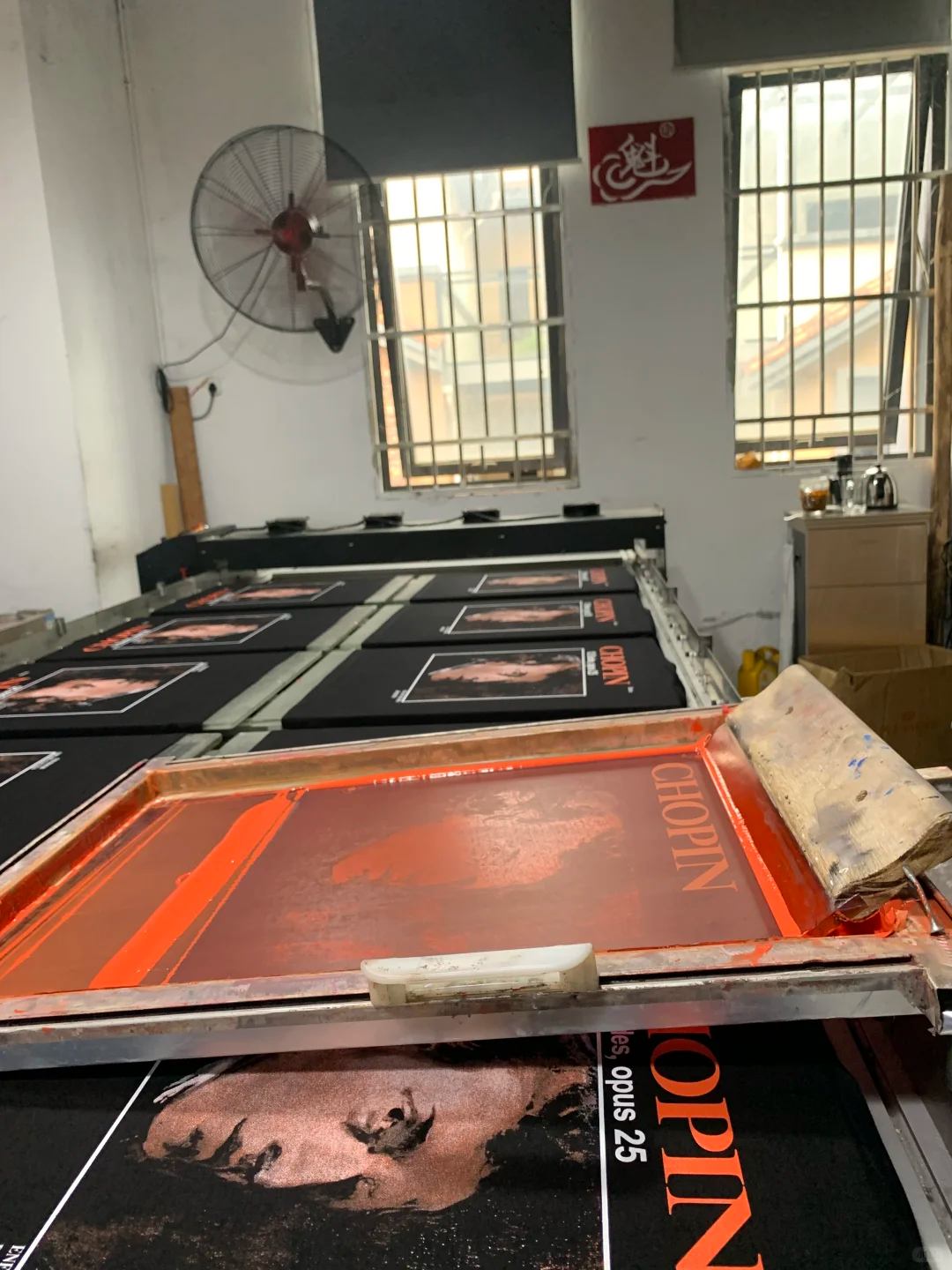
Screen printing, heat transfer, DTF, and sublimation apply graphics post-knit; screen setup costs $25–$75 per color, with MOQ often 50–100 pieces per design. Garment washing, dyeing, anti-pilling, and brushing refine hand-feel and color.
Provide Pantone references or PMS codes for dye matching. Finishing adds two to four days; custom garment dye may require 200+ pieces per shade.
6. Key Quality Indicators When Evaluating a Knitwear Manufacturer
Quality separates a reliable knitwear manufacturer from a costly mistake. Before committing to production, inspect gauge consistency, seam construction, pilling resistance, colorfastness, dimensional stability, and finishing standards to ensure your sweaters meet retail expectations.
Machine Calibration and Gauge Consistency
Computerized flat-knitting machines operating across 3GG–14GG gauges must be calibrated regularly to maintain stitch density. A single-gauge drift creates visible banding or puckering.
Ask your knitwear manufacturer for knit-down swatches at production gauge. Measure stitch count per inch horizontally and vertically; variance beyond ±2% signals calibration issues that will compound across thousands of pieces.
Yarn Quality Control and Lot Consistency
Yarn dye lots can shift between batches, causing color breaks within a single order. Reputable manufacturers source full-order yarn from one dye lot and store reserve skeins for reorders.
Request yarn certificates for fiber content, twist, and pilling grade (grade 3–5 preferred). Cashmere and merino should show micron count; blends must list exact percentages to avoid customs or labeling violations.
Seam Construction: Linking vs. Overlocking
Fully-fashioned knitwear uses linking machines to join panels loop-to-loop, creating flat, invisible seams. Overlocking stitches cut edges together, faster but bulkier and prone to unraveling.
Inspect shoulder, side, and sleeve seams on samples. Linking should show no ridge when worn; overlocking is acceptable only for activewear or budget lines where cost trumps finish.
Colorfastness and Pilling Resistance Testing
ISO 105 colorfastness tests measure dye migration under wash, light, and perspiration. Grade 4–5 is retail standard; grade 3 will bleed or fade within five washes.
Pilling resistance follows ASTM D3512 or Martindale abrasion tests. A knitwear manufacturer should provide test reports for each yarn type, especially for cashmere, alpaca, and acrylic blends prone to surface fiber migration.
Final Inspection and Finishing Standards
Blocking and steaming set garment dimensions and eliminate knit memory. Every piece should pass through a blocking table calibrated to your approved size spec, with tolerances ±1 cm for body length and width.
Final inspection checks for dropped stitches, yarn knots, trim alignment, and label placement. A documented AQL 2.5 standard—allowing 2.5 defects per 100 pieces—is industry baseline; stricter brands enforce AQL 1.0 or zero-defect sampling.
7. How to Choose the Right Knitwear Manufacturer for Your Brand
Selecting a knitwear manufacturer requires aligning factory capabilities with your brand’s positioning, order volume, and growth trajectory. A mismatch between your MOQ and the factory’s production floor can delay timelines and inflate unit costs.
Assess Your Volume and Budget
MOQ thresholds typically range from 100 pieces for flexible ODM partners to 1,000+ for high-volume specialists. Startups and independent designers benefit from low-MOQ manufacturers that accept 100–300 pieces per style, while established brands ordering 5,000+ units unlock volume pricing and priority scheduling.
Verify Certifications and Compliance
GOTS, OEKO-TEX Standard 100, and SA8000 certifications signal yarn traceability, chemical safety, and ethical labor standards. Luxury and sustainable brands should request current certificates and audit reports; fast-fashion partners may prioritize speed over certification depth.
Review Portfolio and Client References
Request samples from brands in your segment—streetwear, contemporary, or premium. A portfolio spanning 2,000+ clients across North America, Europe, and Australia demonstrates adaptability. Ask for references and check turnaround consistency.
Evaluate Communication and Sampling Speed
Knit-down sampling should complete within 7–14 days. Factories offering design support, 3D knit programming, and multi-channel communication (email, WhatsApp, WeChat) reduce iteration cycles and prevent costly misunderstandings during tech-pack translation.
8. Common Mistakes When Sourcing from a Knitwear Manufacturer
Even experienced buyers make costly errors when partnering with a knitwear manufacturer. Recognizing these pitfalls early protects your brand’s quality, budget, and timeline.
Choosing on Price Alone
Selecting the lowest quote often leads to inferior yarn grades, rushed construction, and inconsistent gauge. A cardigan priced 30% below market may use acrylic blends instead of merino or skip fully-fashioned shaping.
Always request yarn specifications, stitch density, and finishing details alongside quotes. CENWILD provides transparent breakdowns linking cost to material provenance and construction method, ensuring value aligns with quality.
Skipping Physical Samples
Digital mock-ups cannot reveal hand-feel, drape, or seam strength. Approving production from photos alone risks receiving garments with pilling, poor elasticity, or mismatched gauge.
Order knit-down samples in your chosen yarn and gauge before committing to bulk. A 100-piece MOQ becomes affordable insurance when you validate fit, weight, and finishing first.
Ignoring Yarn Provenance and Wash Tests
Unlabeled yarn sources and skipped wash tests cause shrinkage, color bleeding, and pilling after the first laundry cycle. Cashmere blends without certificates may contain unknown synthetics.
Demand yarn mill certificates and request pre-production wash-test reports. Lock colorways with lab dips matched to Pantone references to prevent shade variation across batches.
9. Steps to Launch Your Knitwear Line with a Manufacturer
Launching a knitwear line requires a clear sequence from concept to delivery. First-time buyers benefit from breaking the process into six discrete phases, each with specific deliverables and timelines that keep production on track.
Concept and Tech-Pack Preparation
Define your silhouette, yarn composition, gauge, and decoration before contacting any knitwear manufacturer. A complete tech pack includes flat sketches, stitch details, measurements by size, color codes, and trim specifications. Allocate one to two weeks for design finalization.
RFQ and Manufacturer Shortlisting
Send your tech pack to three to five manufacturers and request quotations that itemize yarn cost, knitting, decoration, and MOQ. Compare lead times (typically 30–45 days for knits), payment terms, and sampling fees. Shortlist within one week based on responsiveness and capability alignment.
Sampling and Fit Approval
Approve a knit-down swatch to confirm stitch structure and hand-feel, then request a full prototype. Budget two to three weeks for sampling and one revision cycle. Sign off on fit, color match, and all decoration before advancing to bulk production.
Costing and Contract Negotiation
Lock unit pricing, deposit percentage (often 100% first order, easing to 30% for repeat partners), and balance terms. Confirm incoterms, packaging requirements, and any third-party inspection clauses in writing before issuing a purchase order.
Production and Quality Checkpoints
Schedule in-line inspections at 20%, 50%, and final stages to catch gauge drift or color variance early. A professional knitwear manufacturer shares photo updates weekly and flags material delays immediately, keeping your launch date secure.
Shipping and Final Inspection
Conduct AQL 2.5 final random inspection before balance payment. Verify carton labeling, polybag compliance, and packing list accuracy. Air freight takes five to seven days; sea freight 25–35 days to major ports, so book logistics two weeks ahead of ex-factory date.
10. Pricing and Cost Breakdown
Unit pricing from a knitwear manufacturer is driven by four primary factors: yarn composition (cashmere runs $45–85 per piece versus acrylic at $8–18), gauge fineness (14GG basic styles cost 20–30% less than intricate 7GG cables), decoration complexity (embroidery adds $1.50–4 per placement, jacquard intarsia adds 15–25% to the base), and order volume. CENWILD’s MOQ starts at 100 pieces, enabling emerging brands to test styles without overcommitting capital.
Sampling fees typically range from $80–150 per colorway and are often credited back once production orders exceed 300 pieces. Lead time compresses as volume grows: 100-piece runs require 25–30 days, while orders above 1,000 pieces benefit from dedicated line scheduling and ship in 20–25 days. Payment terms ease with partnership maturity — 100% deposit on inaugural orders, scaling down to 30% for established clients, with balance due before shipment.
| Order Quantity | Price per Unit (USD) | Sampling Fee | Lead Time |
|---|---|---|---|
| 100–299 pcs | $12–35 | $80–150 (credited ≥300 pcs) | 25–30 days |
| 300–499 pcs | $10–28 | Credited to order | 22–28 days |
| 500–999 pcs | $9–24 | Waived | 20–26 days |
| 1,000+ pcs | $8–20 | Waived | 20–25 days |
Partner with a Trusted Knitwear Manufacturer — Start Today
100-piece MOQ, 7–10 day sampling, and 28+ years of Dongguan expertise. Send your tech pack or idea and get a quote within 24 hours.