Custom Knit Polo Shirt Manufacturing — OEM/ODM from 100 Pieces
CENWILD produces custom knit polo shirts for fashion brands, retailers, and designers with low MOQ, private label service, and full in-house knitting capabilities in China.
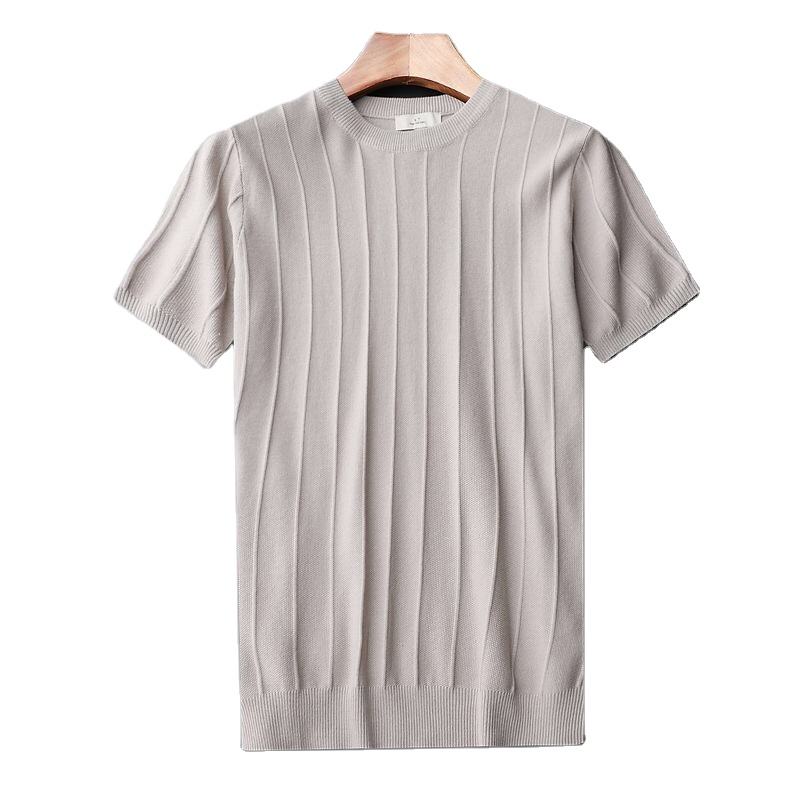
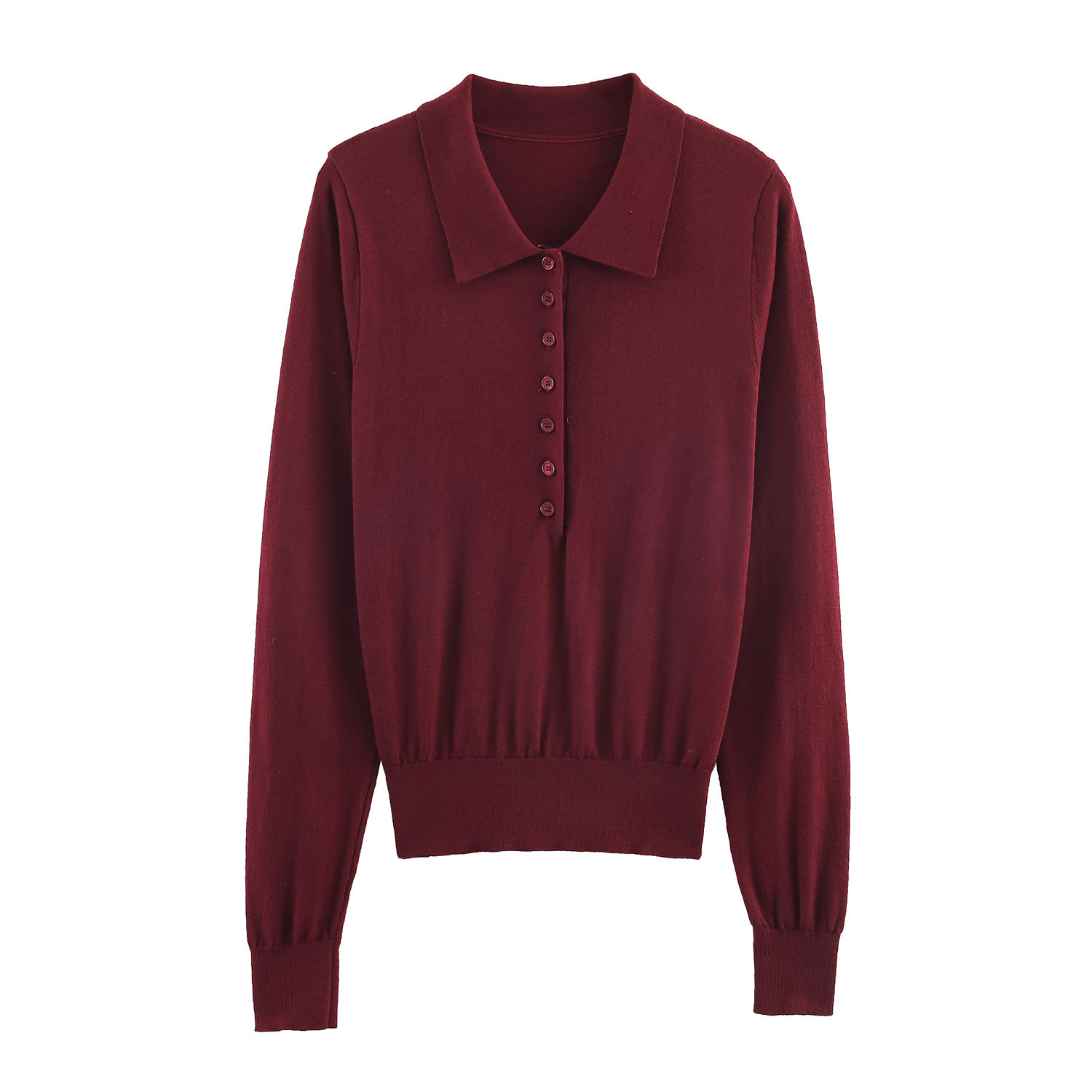
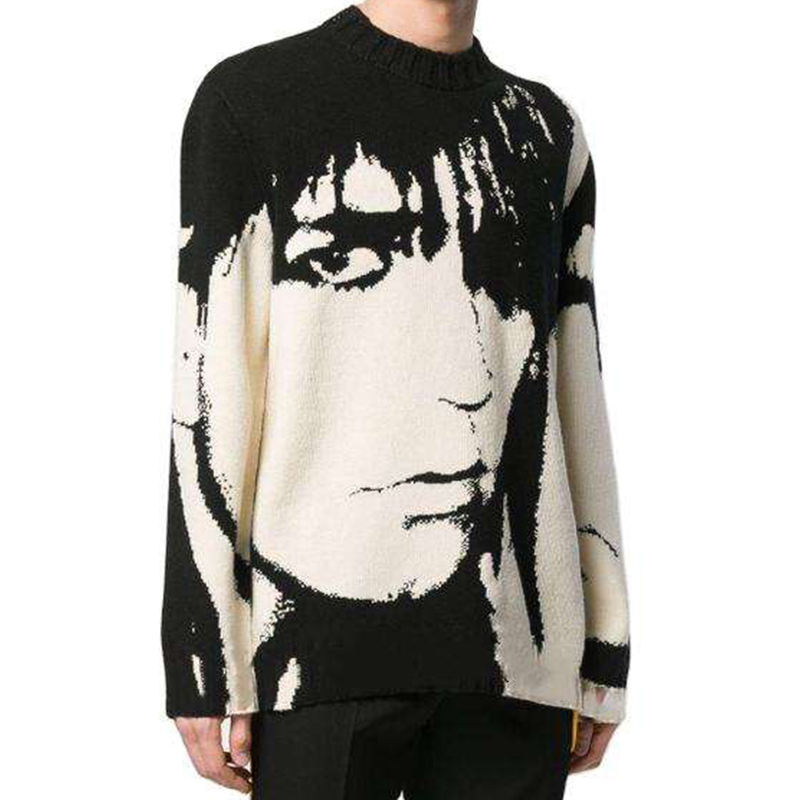
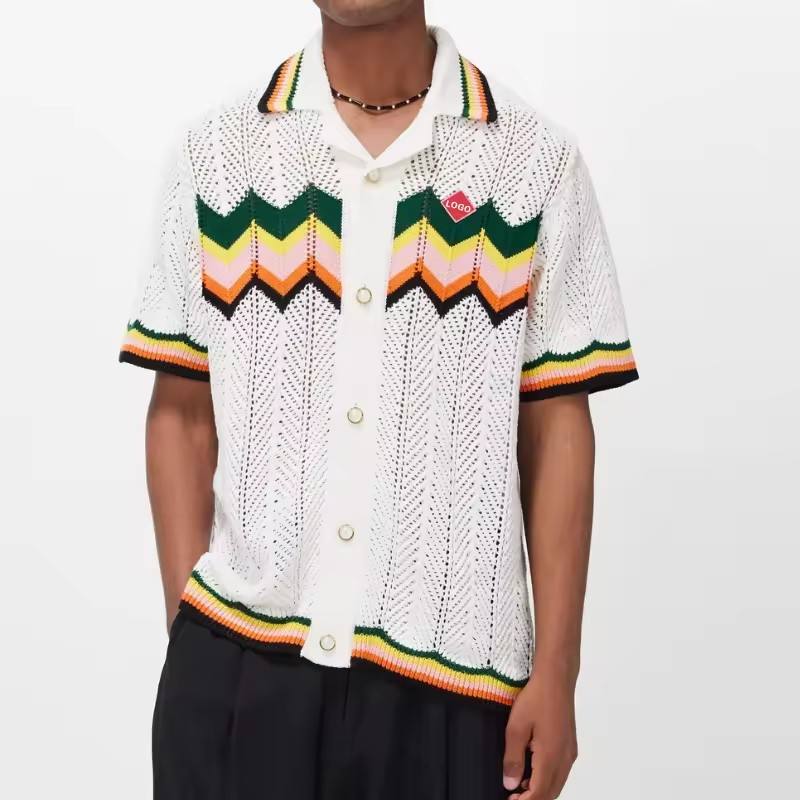
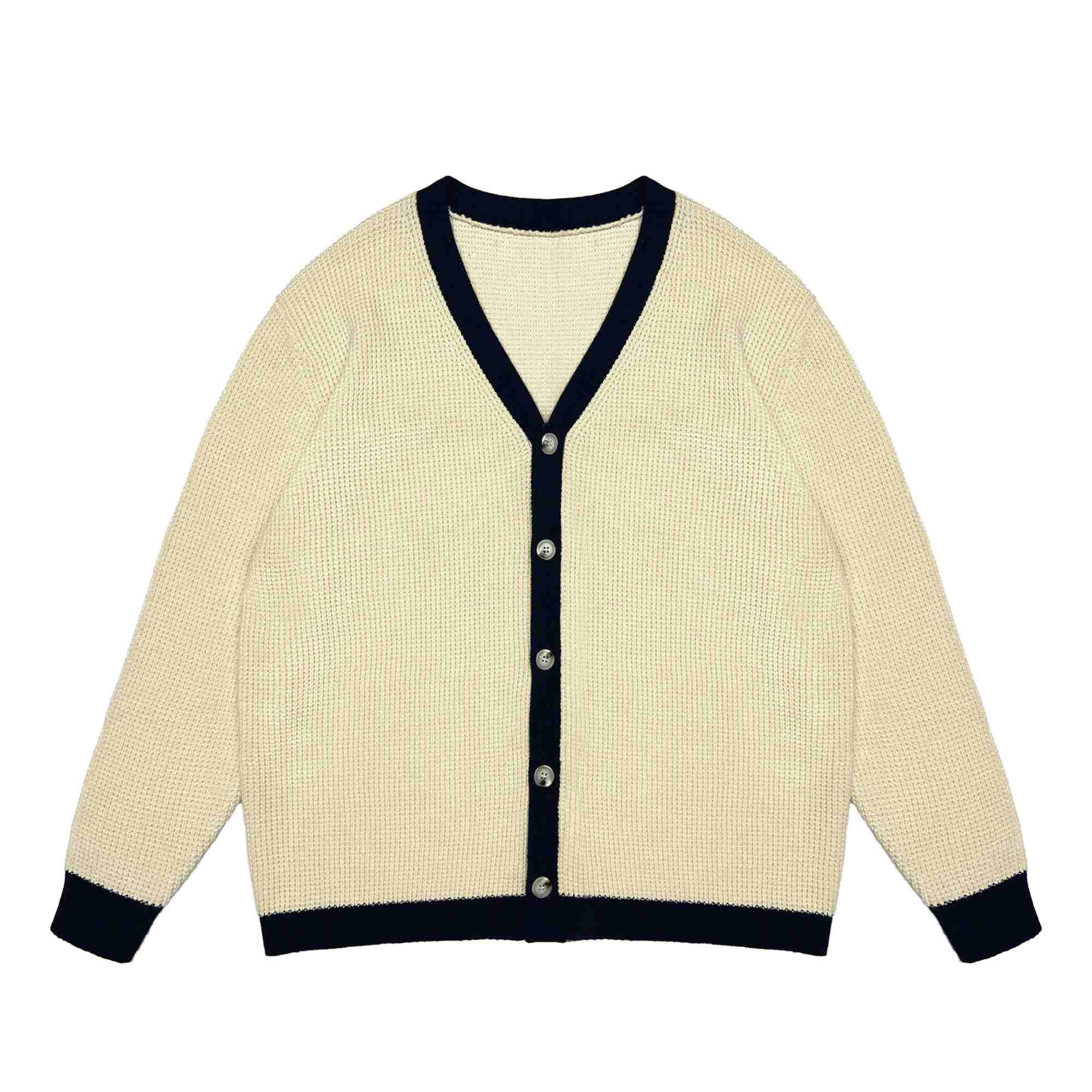
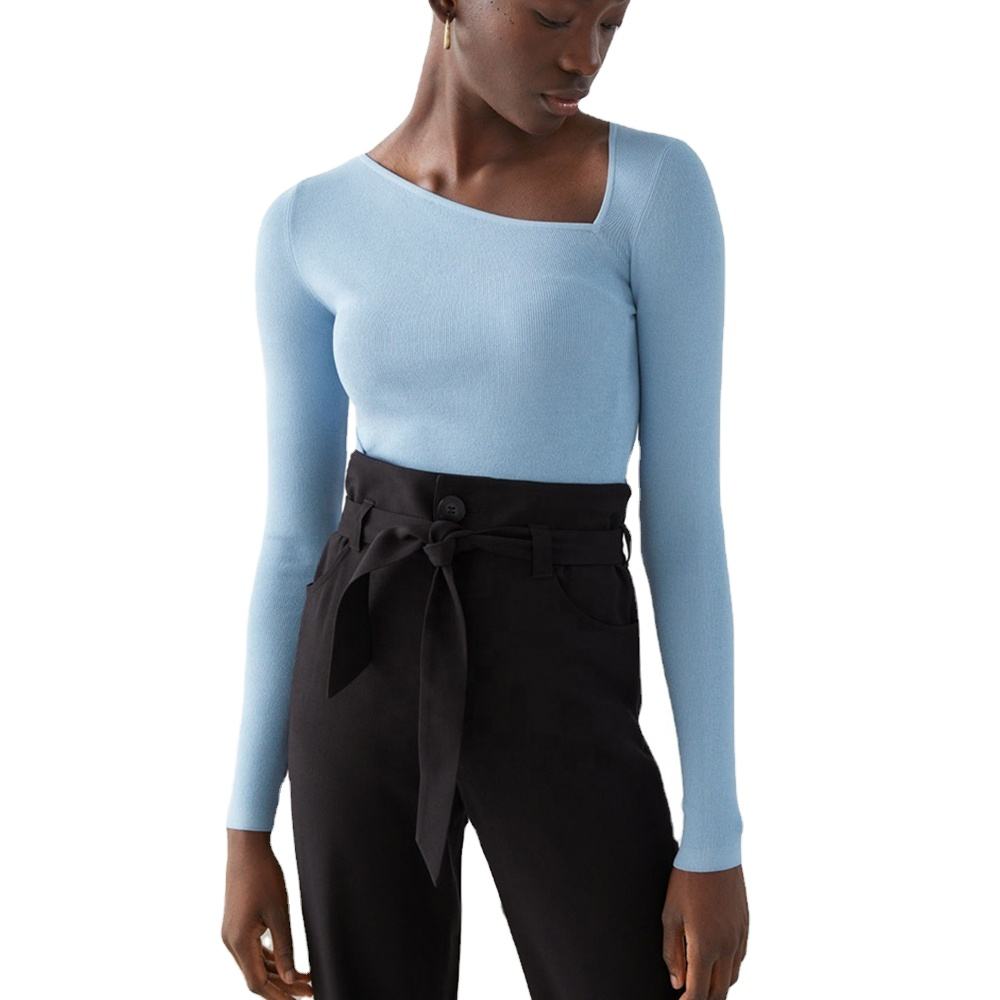
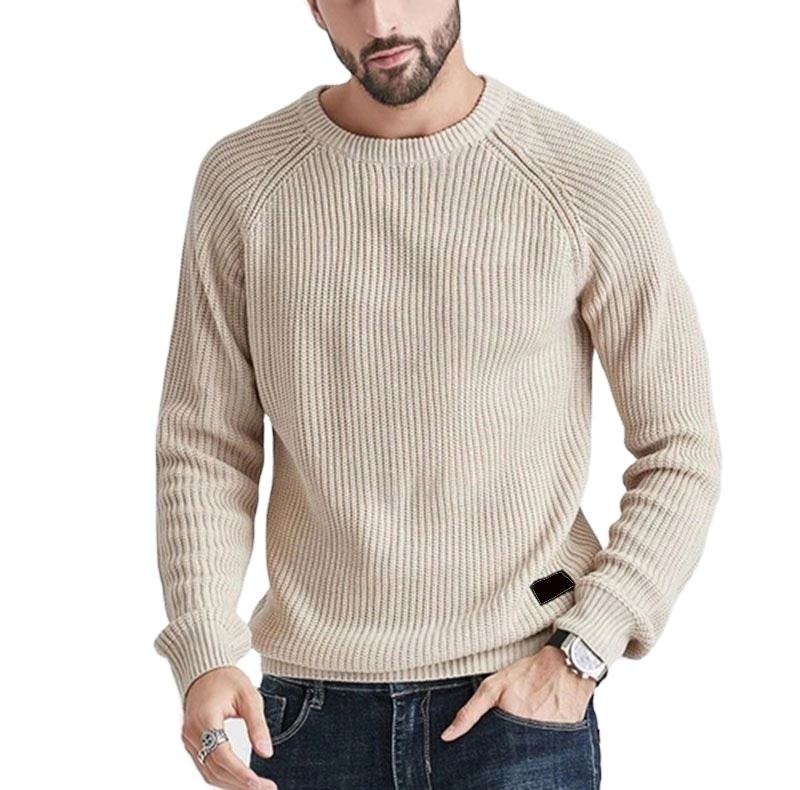
Custom Knit Polo Shirt Gallery
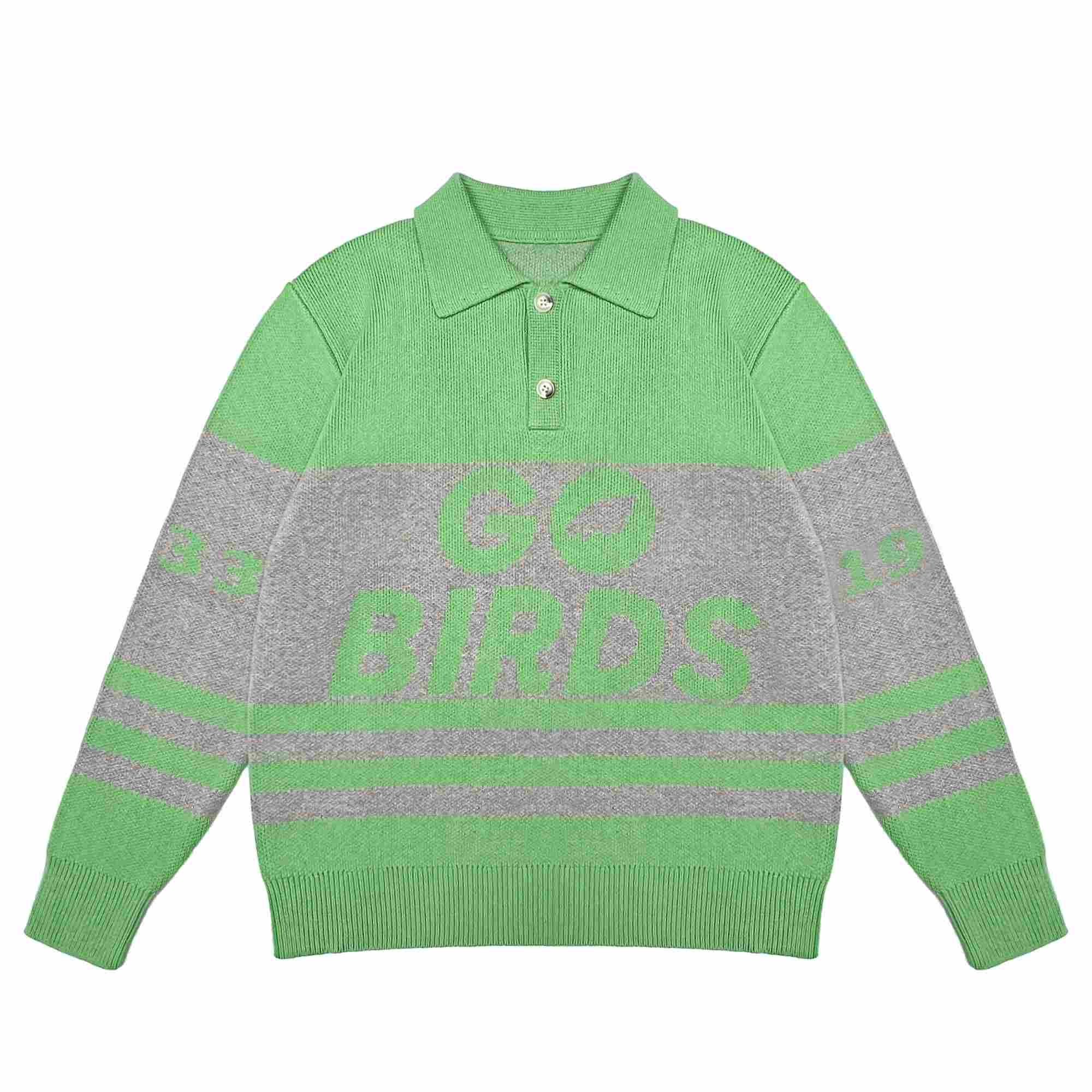
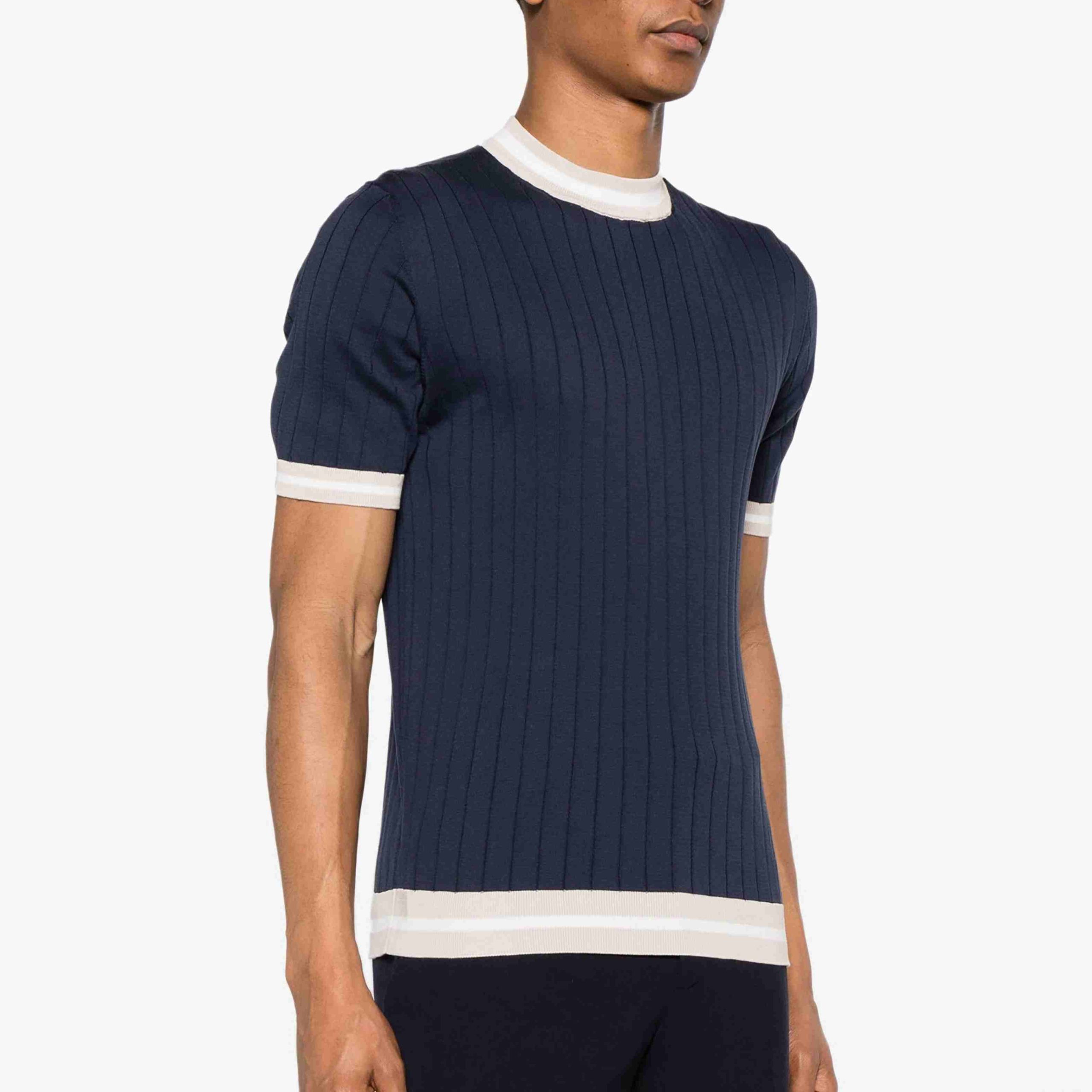
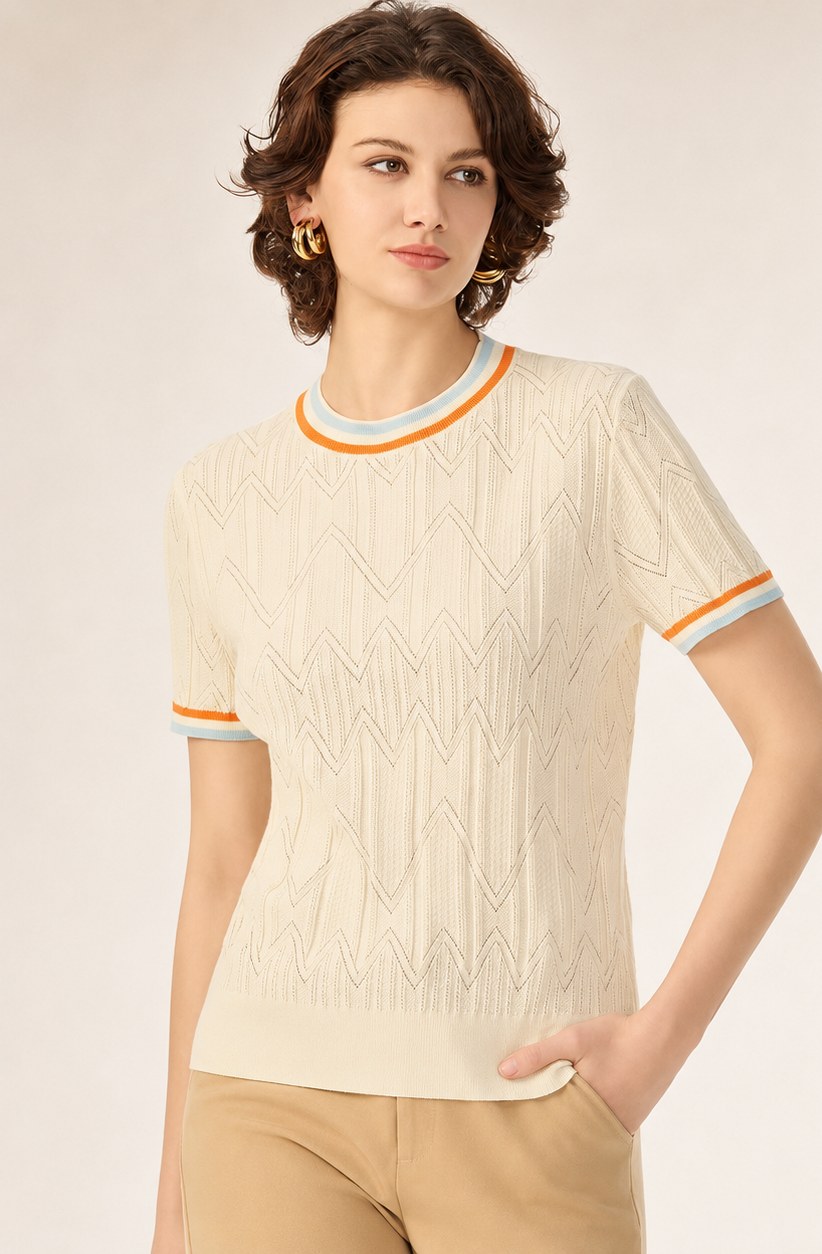
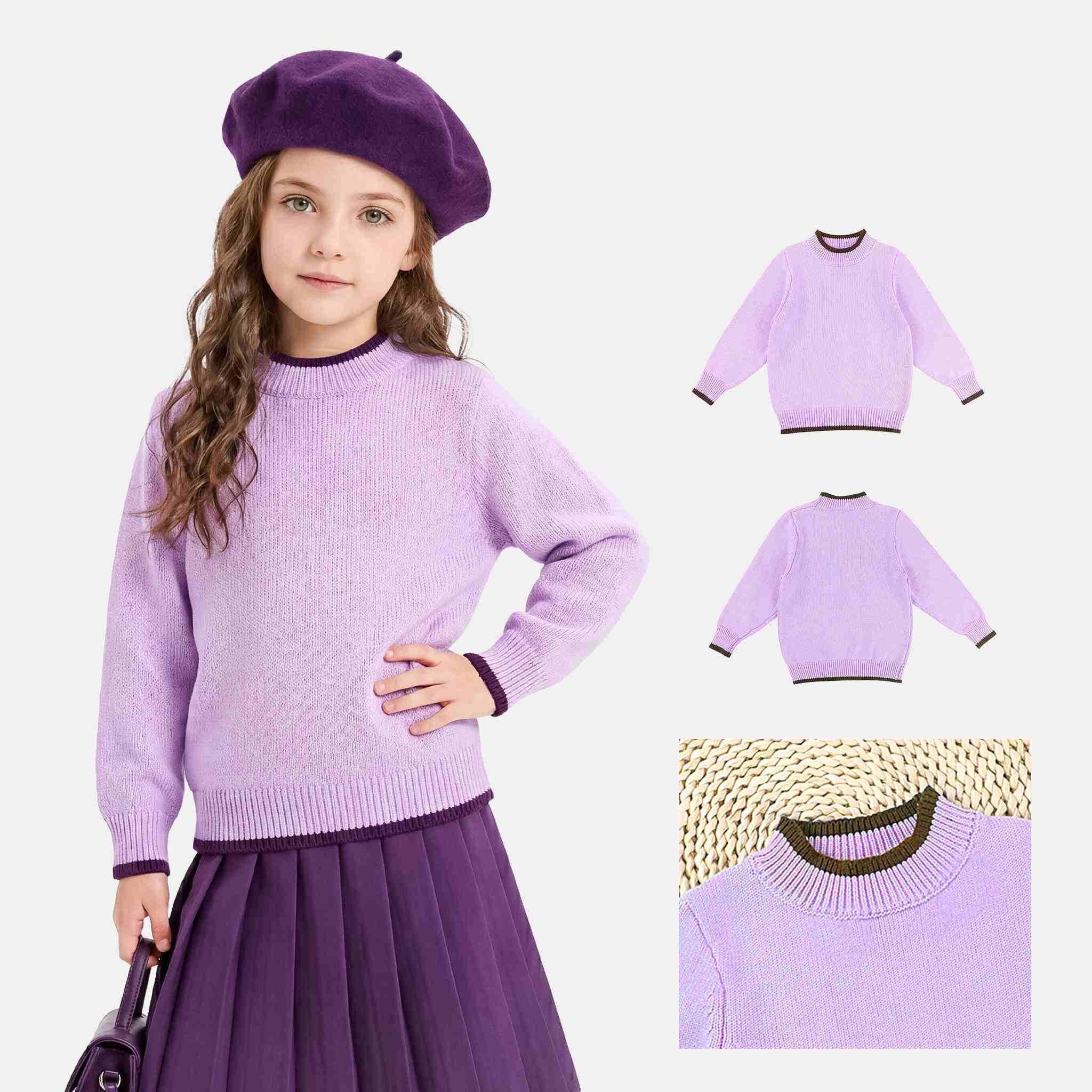
Why CENWILD for Custom Knit Polo Shirts
100-Piece MOQ Flexibility
Launch your custom knit polo shirt line without huge inventory risk. Our low minimum order starts at just 100 pieces per style.
28+ Years Dongguan Expertise
Founded in 1998 in Humen, the heart of China’s knitwear hub, with over 2,000 brands served across six continents worldwide.
In-House Knitting & Sampling
Computerized flat-knit machines and full sampling studio under one roof. Fast prototyping, tighter quality control, shorter lead times.
OEM & ODM Capabilities
Bring your tech pack or start from a sketch. Our design team develops original stitches, grading, and production-ready specs.
Fast Turnaround Production
Monthly capacity of 80,000 pieces with streamlined workflows. From approved sample to shipment, we keep your launch on schedule.
Trusted Global Brand Roster
Serving fashion brands, retailers, wholesalers, and designers across the US, Canada, UK, Europe, Australia, Russia, and Middle East.
Custom Knit Polo Shirt Styles & Categories
Knit Polo Manufacturer
CENWILD manufactures custom knit polo shirts in crewneck, V-neck, and mock neck silhouettes with full OEM and ODM support. Our in-house flat-knitting machines handle cotton, Pima, merino, and performance blends across 3GG–14GG gauges. We offer embroidery (flat, 3D, logo patches), screen and heat-transfer printing, and garment finishing. MOQ starts at 100 pieces, ideal for fashion brands, retailers, and independent designers launching or expanding polo collections.
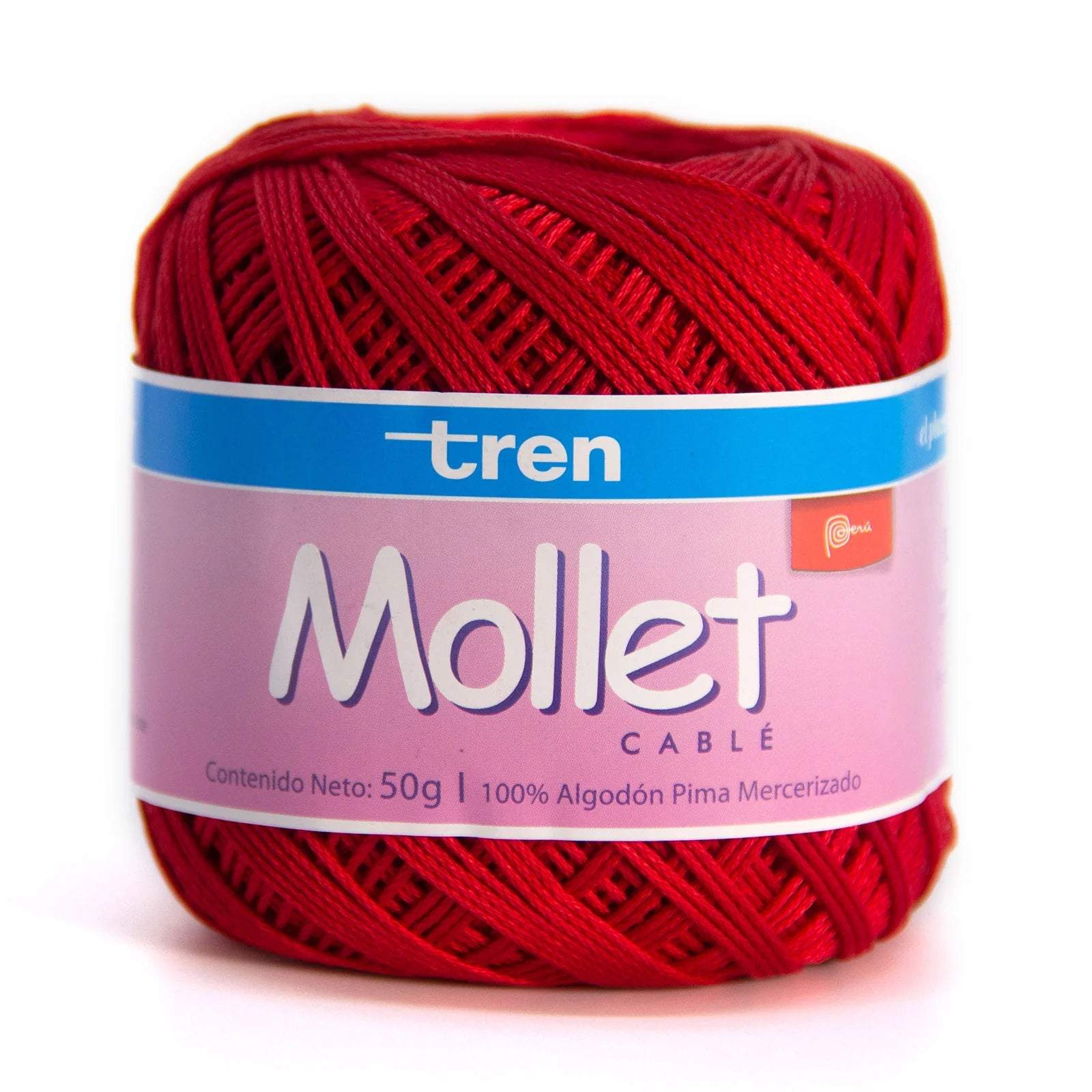
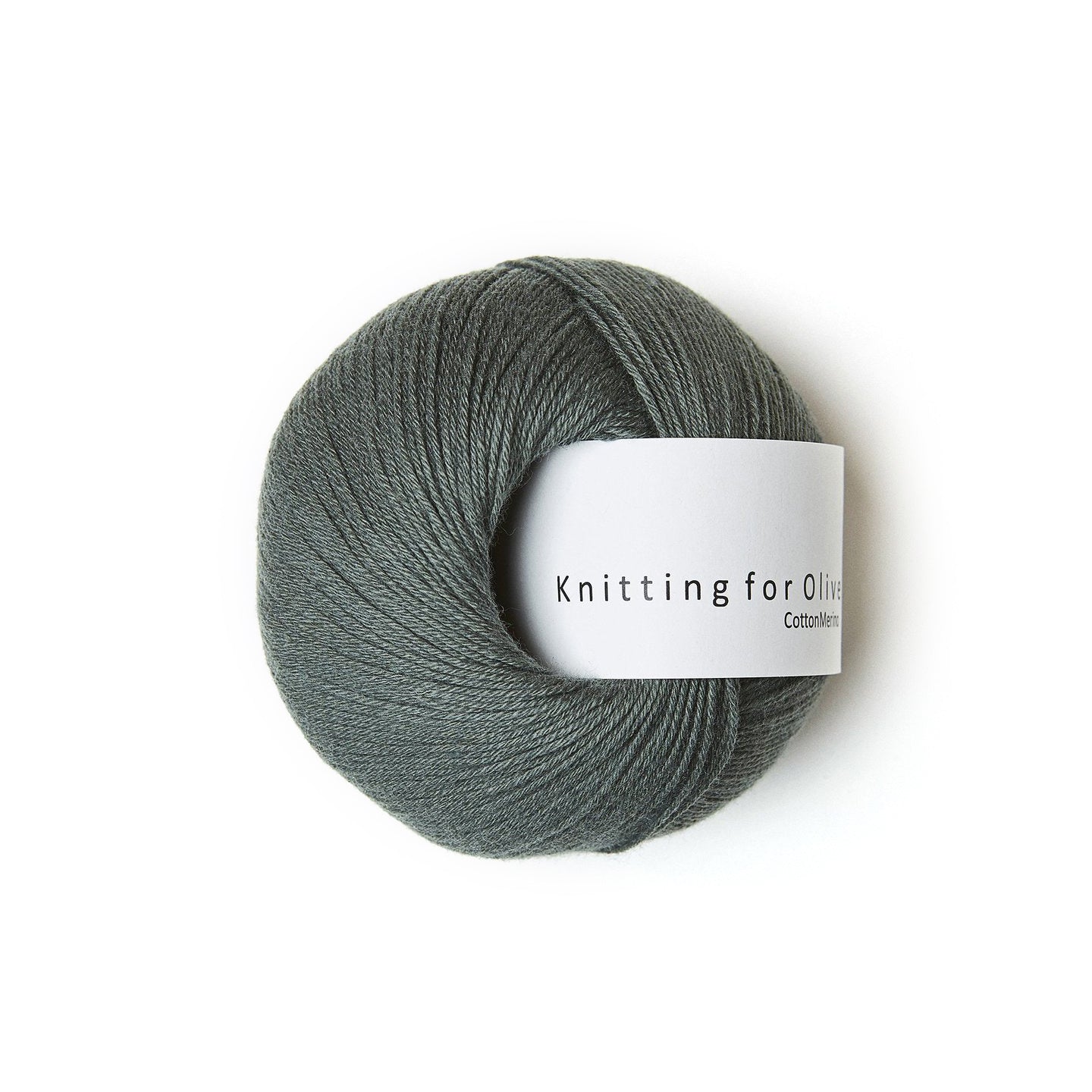
Request a QuotePremium Yarn & Fiber Materials for Your Custom Knit Polo Shirt
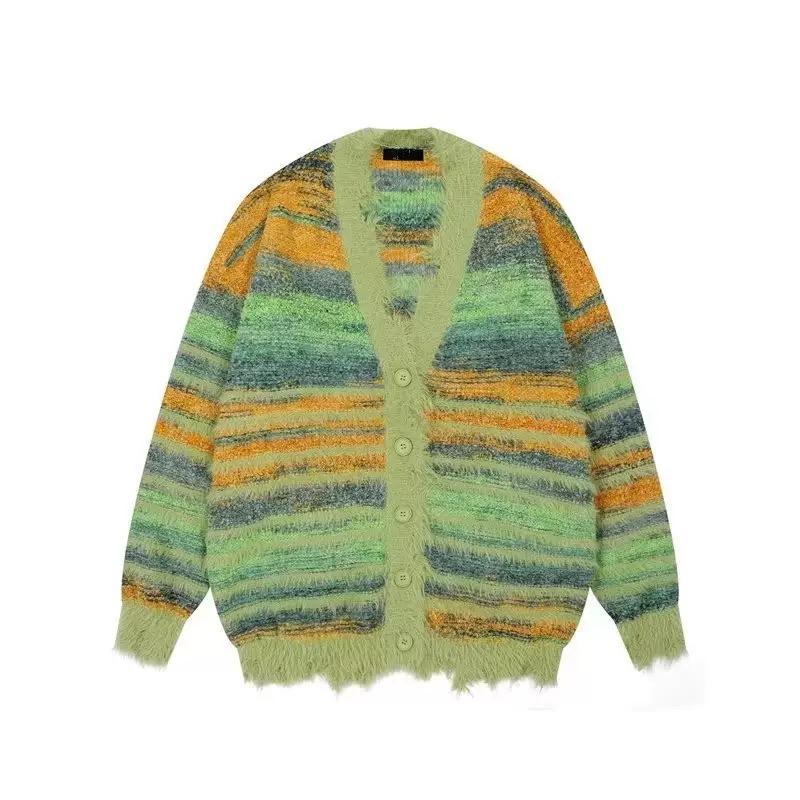
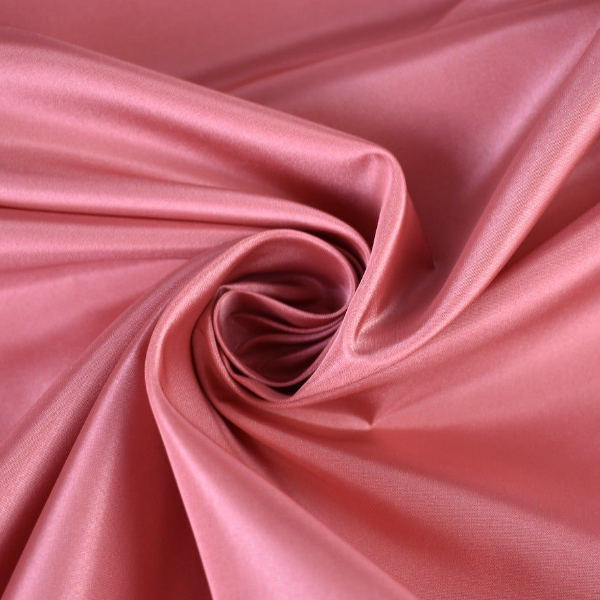
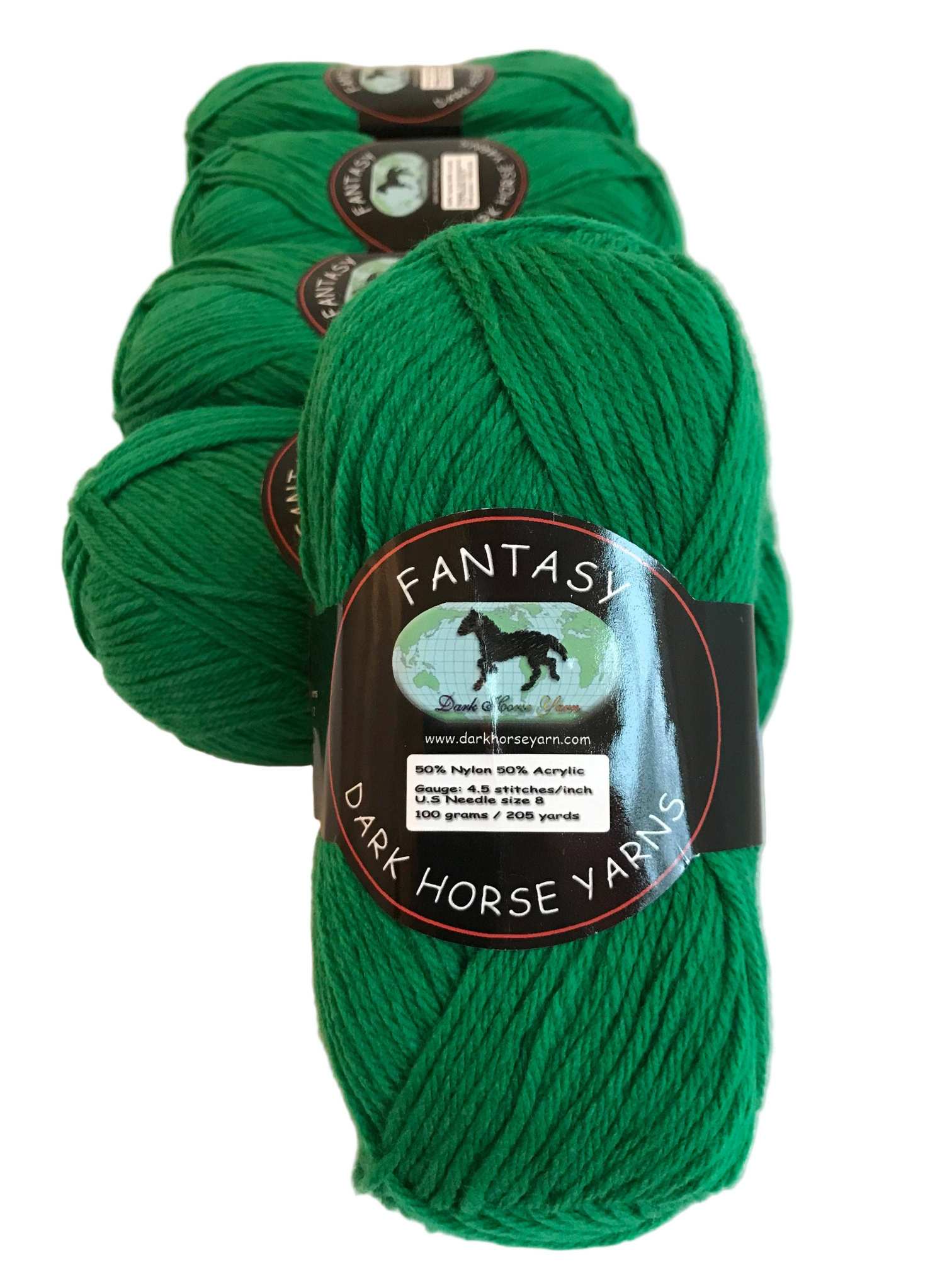
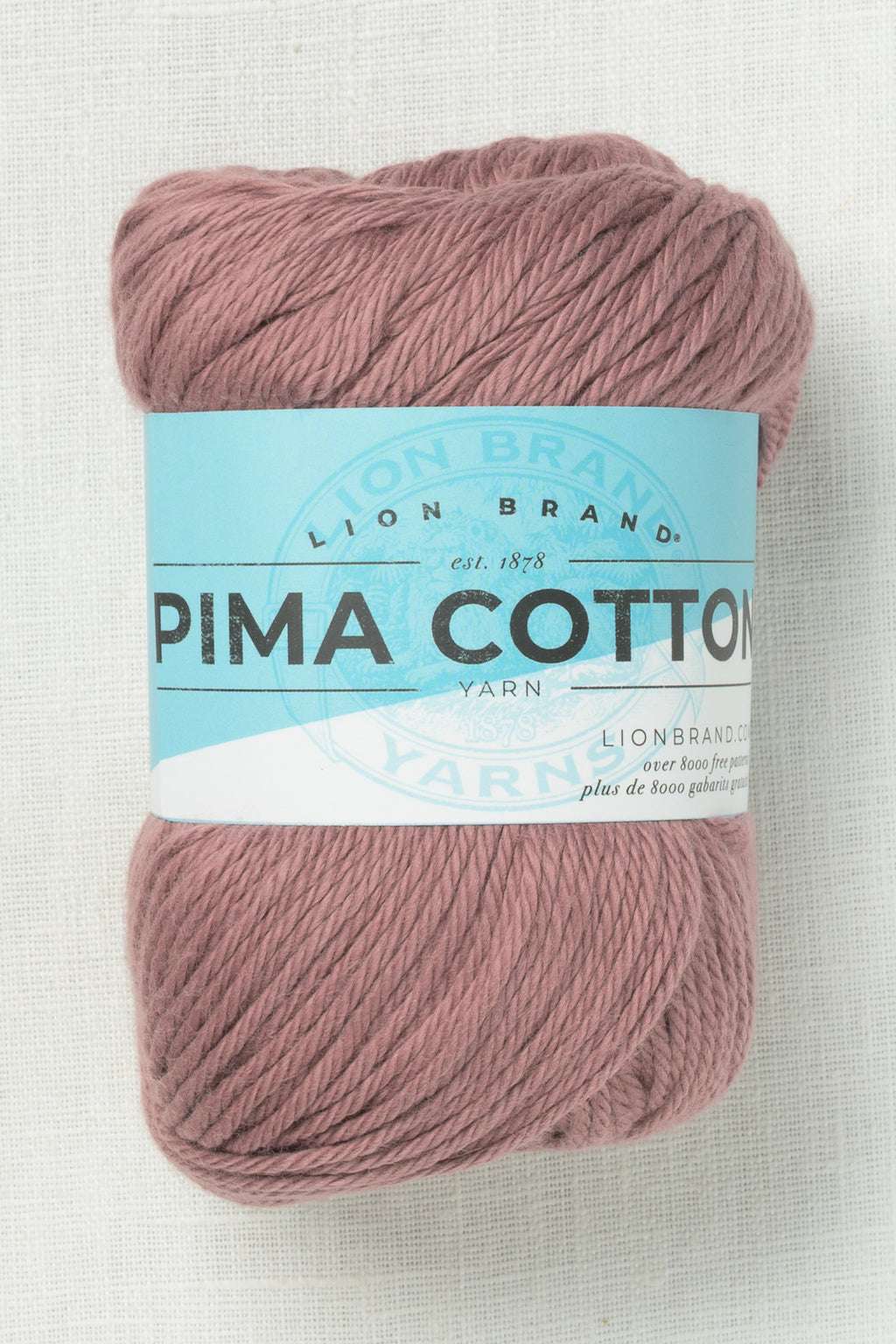
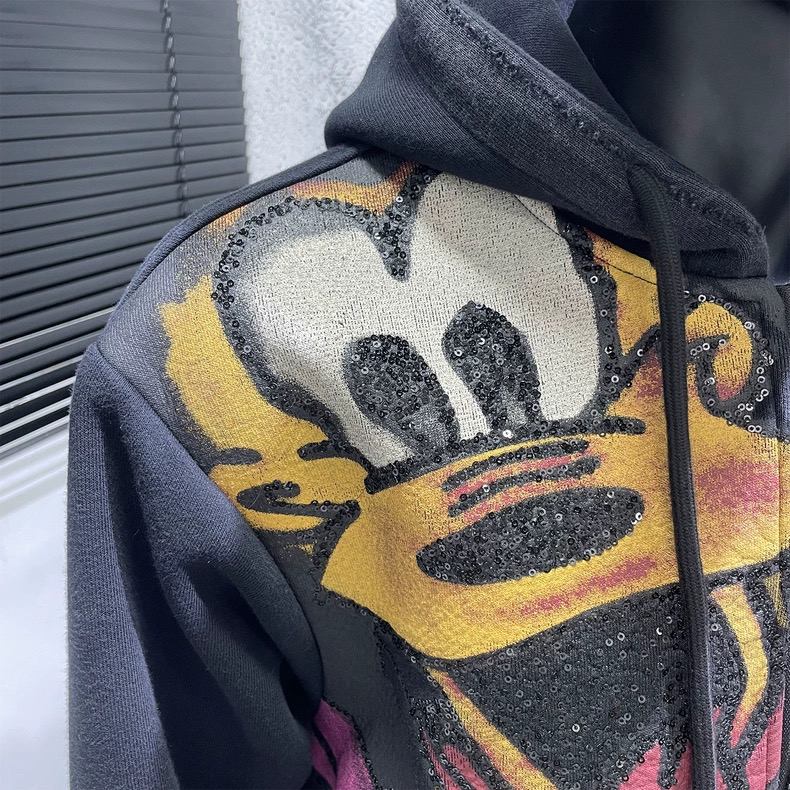
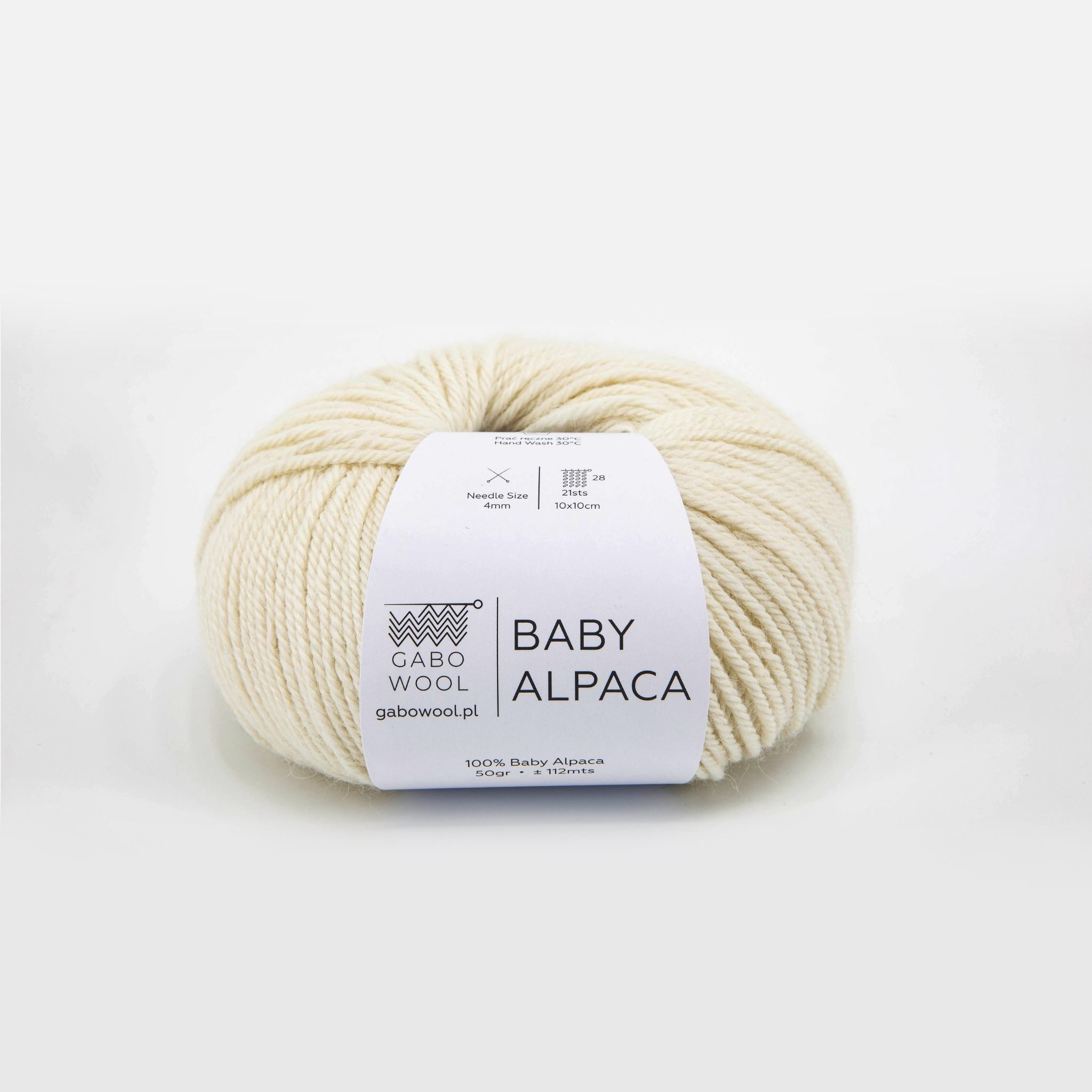
Custom Knit Polo Shirt Construction Techniques
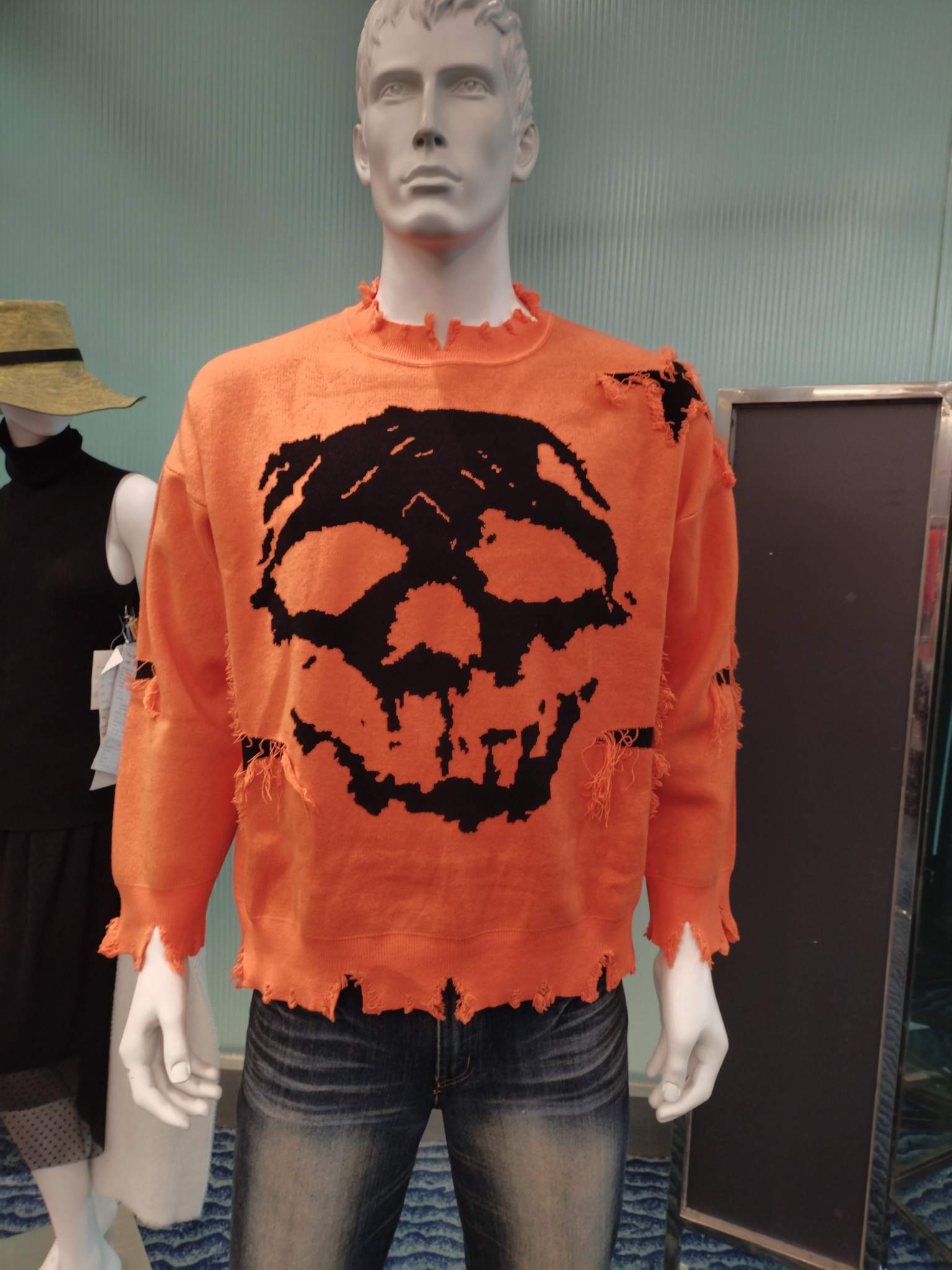
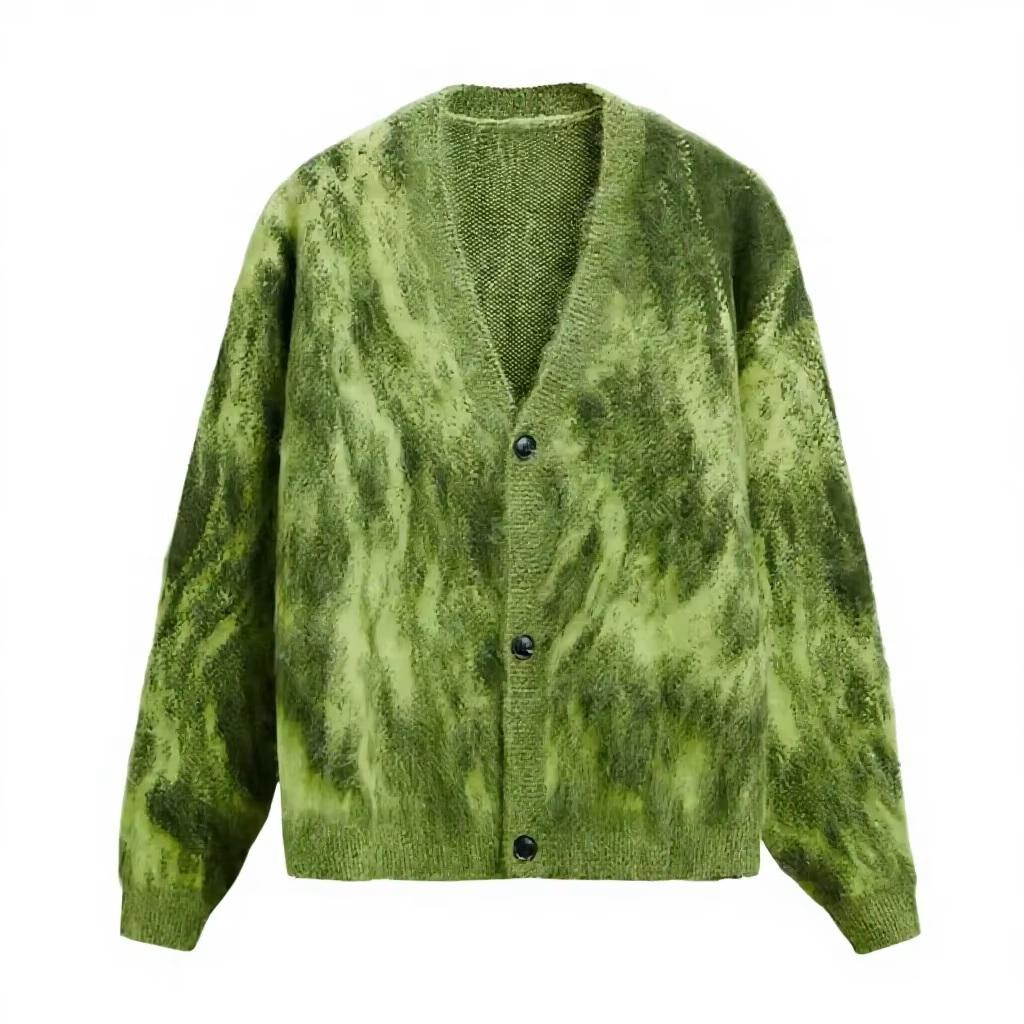
Trims, Labels & Finishing Options for Your Custom Knit Polo Shirt
28 Years Crafting Custom Knit Polo Shirts
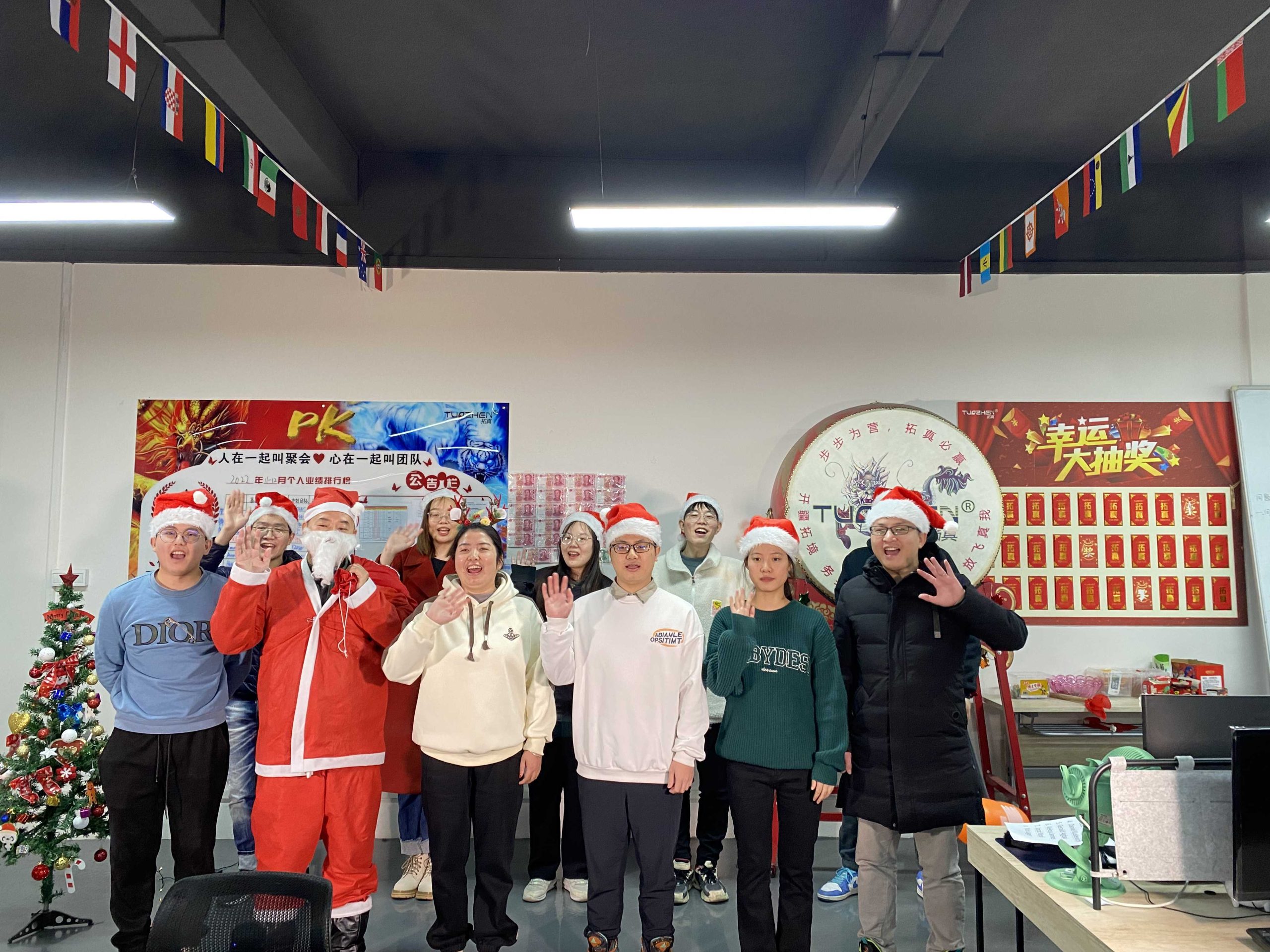
Founded in 1998 in Humen, Dongguan — the heart of China’s knitwear manufacturing hub — CENWILD began as a small family knitting workshop. Over 28 years we have grown into a full-service OEM and ODM partner with more than 200 skilled employees, advanced computerized flat-knitting machines, and a monthly capacity exceeding 80,000 pieces.
We have served over 2,000 fashion brands worldwide, from independent designers and influencers to established retailers across North America, Europe, Australia, and beyond. Our expertise spans design development, yarn sourcing, knit-down sampling, production, quality control, decoration, packaging, and export logistics — all under one roof.
CENWILD is built for flexible, long-term partnership. With MOQ starting from just 100 pieces, in-house knitting and sampling capabilities, and a commitment to quality first and customer growth, we position ourselves not as a simple supplier but as the manufacturing backbone behind growing fashion brands.
Our Core Capabilities in Custom Knit Polo Shirt Production
In-House Knitting & Sampling Facility
CENWILD operates computerized flat-knitting machines across 3GG–14GG gauges in our Dongguan facility, enabling full control over custom knit polo shirt development. We produce knit-down samples in-house so you can approve fit, stitch, and hand-feel before committing to production.
- Monthly capacity exceeding 80,000 pieces across all knitwear styles
- 3D knit programming and original stitch design for unique polo textures
- Fast sampling turnaround with no reliance on third-party subcontractors
- Full intarsia, jacquard, cable, and ribbed knit techniques available
Design Development From Concept to Tech Pack
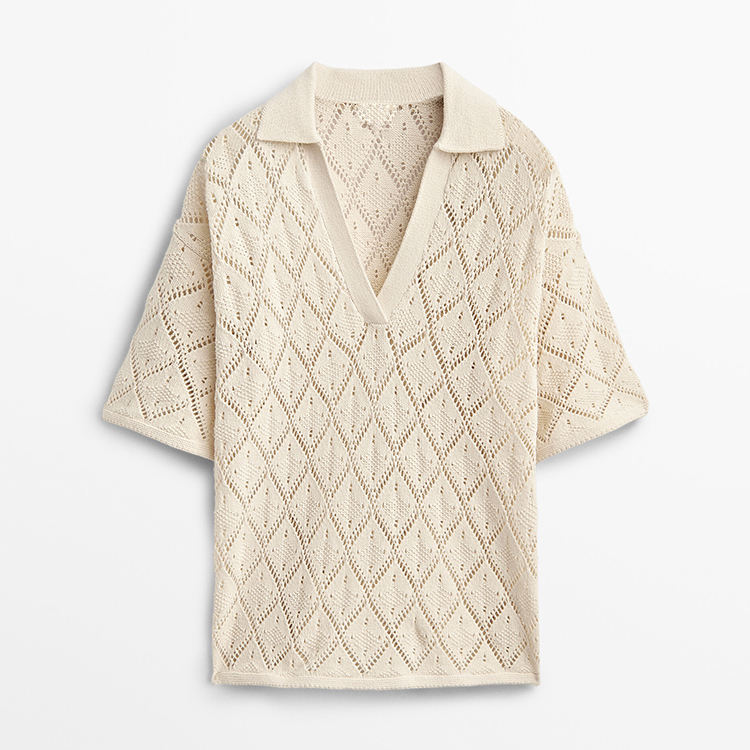
Our dedicated design team transforms your idea, sketch, or reference photo into production-ready custom knit polo shirts. Whether you arrive with a complete tech pack or just a concept, we handle pattern grading, stitch engineering, and knit-down prototyping to bring your vision to life.
- Original stitch and pattern design tailored to your brand aesthetic
- Technical spec development including measurements, tolerances, and construction details
- Yarn and color consultation with access to cashmere, merino, cotton, and blends
- Revisions and adjustments until your custom knit polo shirt meets your standards
Rigorous Quality Control & Finishing
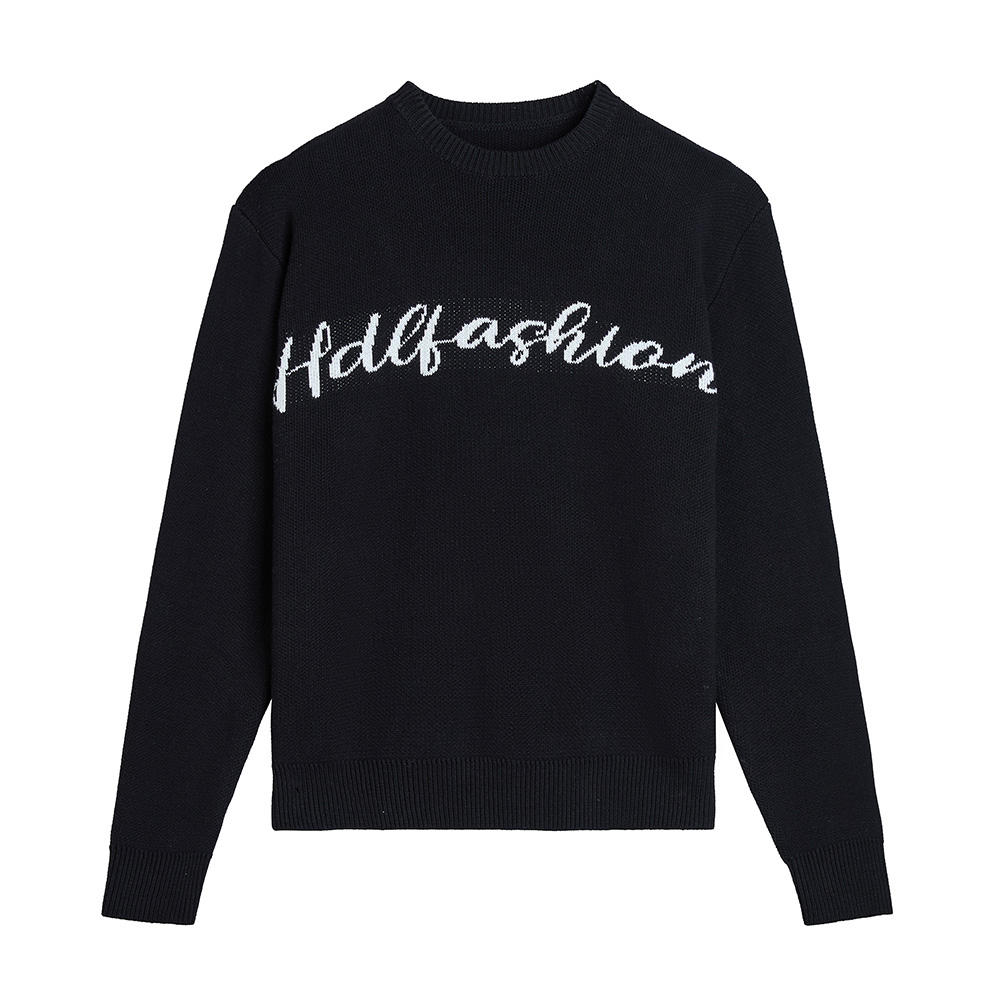
Every custom knit polo shirt passes through multiple inspection checkpoints—from raw yarn and knit panels to garment assembly and final pressing. Our QC team enforces tolerances on stitch density, seam strength, color consistency, and measurements, ensuring every piece meets international standards.
- In-line inspection during knitting, linking, and sewing stages
- Final AQL-based audit before packing and shipment
- Garment washing, softening, anti-pilling, and finishing in-house
- Detailed QC reports and photographic documentation available on request
Global Logistics & Flexible Payment
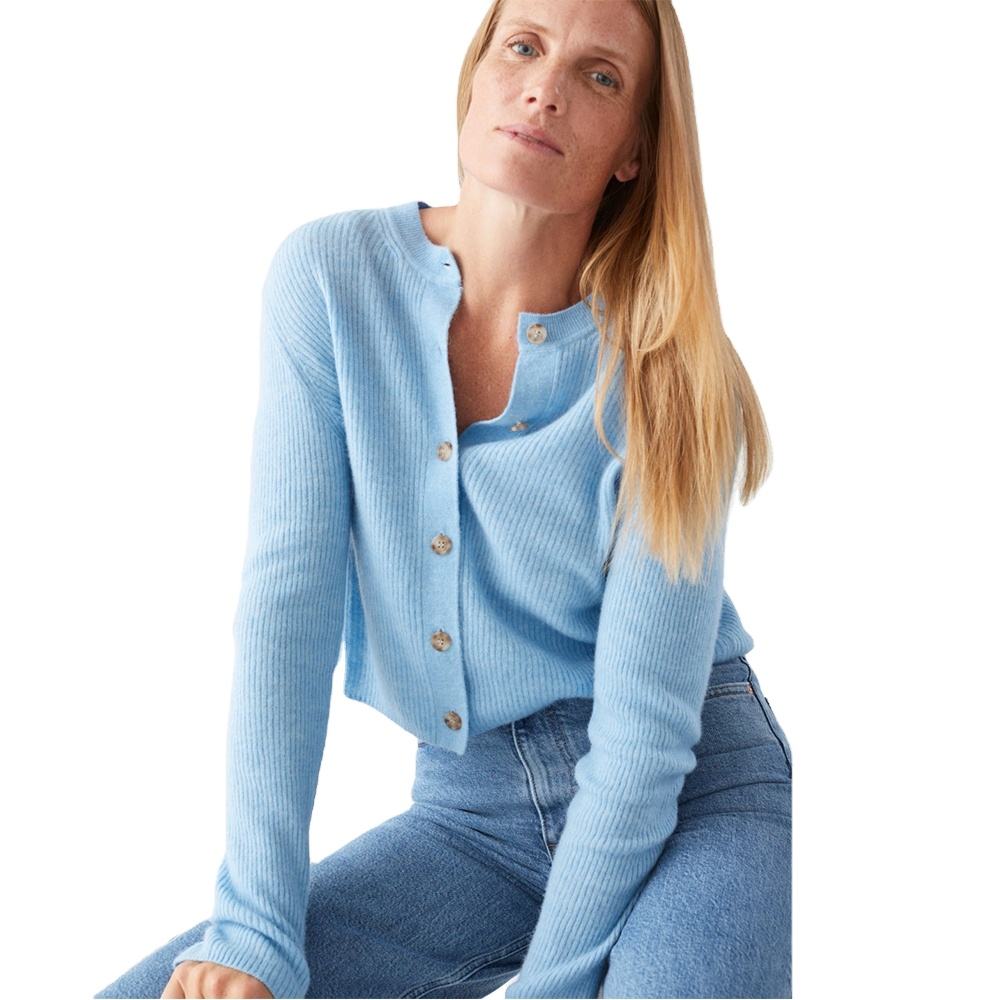
CENWILD ships custom knit polo shirts to brands across North America, Europe, Australia, Russia, and the Middle East with full export documentation and freight coordination. We support T/T, PayPal, credit card, USDT, and dedicated VTB Bank channels, with deposit terms that ease as partnership grows.
- 100% deposit for first orders; as low as 30% for long-term partners
- Door-to-door shipping options via sea, air, or express courier
- Transparent lead times: sampling in 7–14 days, bulk production in 30–45 days
- Dedicated account manager to coordinate timelines, customs, and payments
CENWILD vs. Typical Custom Knit Polo Shirt Suppliers
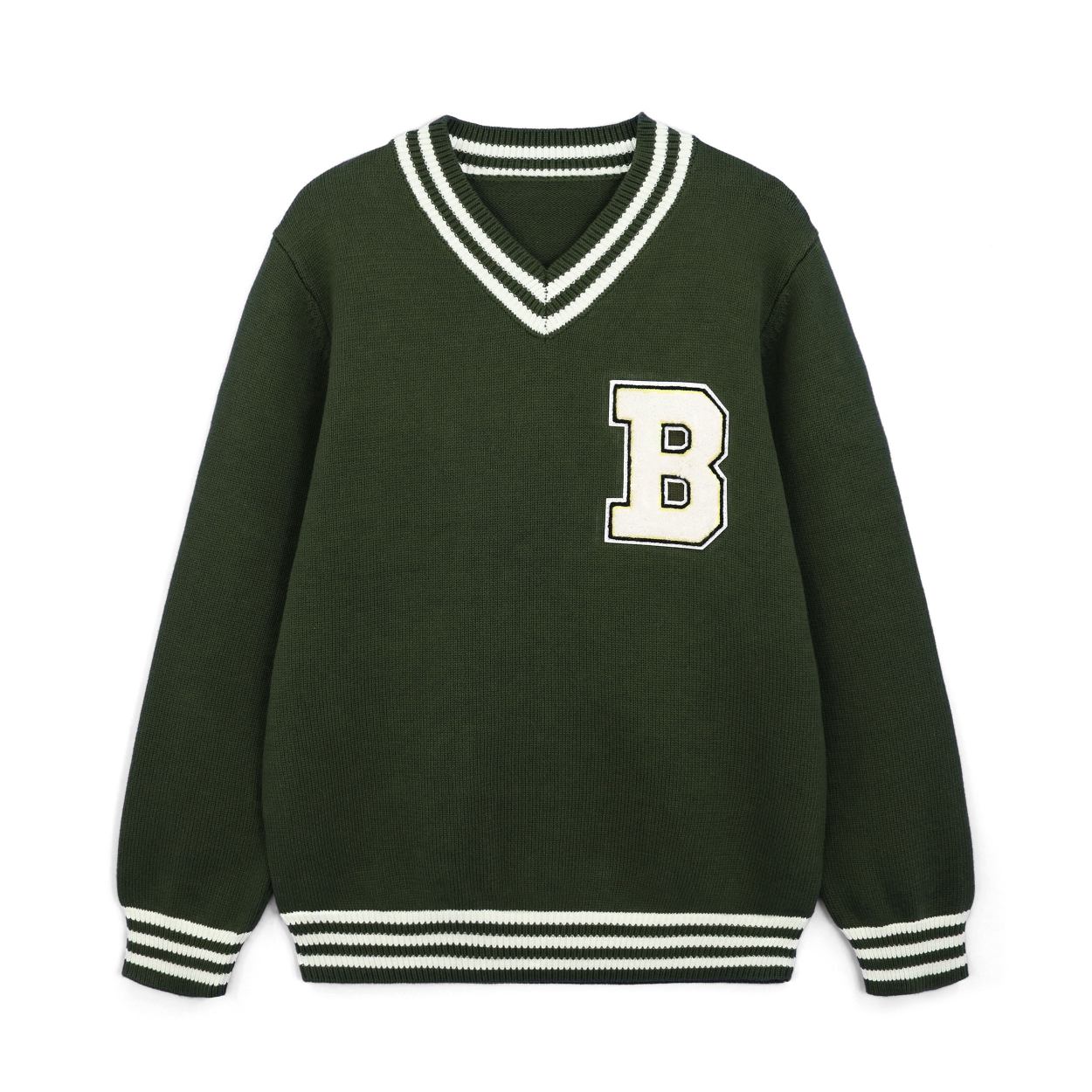
When sourcing custom knit polo shirts, not all manufacturers offer the same flexibility, speed, or support. Here’s how CENWILD’s 28+ years of Dongguan knitwear expertise and OEM/ODM capabilities compare to standard suppliers.
← 左右滑动查看 →
Custom Knit Polo Shirt Production Process — Design to Shipment
CENWILD’s streamlined 6-phase workflow ensures every custom knit polo shirt meets your brand standards, from initial concept through final export. Each phase includes dedicated quality gates and fast turnaround built on 28+ years of OEM/ODM experience.
Design & Sampling
Our in-house design team develops tech packs, 3D knit programming, and knit-down samples from your sketch, photo, or concept within days.
Yarn Sourcing & Approval
We source premium cotton, merino, cashmere, or blended yarns matching your specifications, with swatch approval before bulk ordering.
Computerized Flat Knitting
Production runs on 3GG–14GG machines with real-time monitoring, ensuring consistent stitch quality and fit across every custom polo shirt.
Quality Control Inspection
Each piece undergoes multi-point QC for gauge accuracy, sizing, color match, and construction before advancing to decoration or finishing.
Decoration & Finishing
Embroidery, printing, garment washing, anti-pilling treatment, and trim application complete your brand’s unique look and hand feel.
Packing & Export
Final inspection, custom packaging, carton labeling, and full export documentation ensure on-time delivery to your warehouse or fulfillment center.
How to Order Your Custom Knit Polo Shirt
From design brief to finished product, CENWILD makes custom knit polo shirt manufacturing simple and transparent. Follow these five steps to bring your vision to life with our 28-year Dongguan manufacturing expertise.
Submit Your Design or Idea
Send us your tech pack, sketch, photo, or concept. Our design team reviews your custom knit polo shirt requirements and confirms yarn, gauge, and decoration options within 24 hours.
Receive Quote and Knit Sample
We provide a detailed quotation based on your specifications. Approve pricing, then we produce a knit-down sample for fit, stitch, and quality validation—typically 7–10 days.
Approve and Start Production
Once you approve the sample, pay your deposit and we schedule bulk manufacturing. Our 200+ skilled team begins knitting your custom polo shirts with full traceability and updates.
Quality Check and Finishing
Every custom knit polo shirt undergoes multi-stage inspection: yarn, knitting, linking, washing, decoration, and final packing. We share QC photos before shipment to ensure your satisfaction.
Shipment and Delivery
Pay the balance and we arrange export logistics. Track your order from our Dongguan facility to your warehouse—air, sea, or express. Typical lead time: 25–35 days total.
Certifications & Quality Standards for Every Custom Knit Polo Shirt

Custom Knit Polo Shirt Success Stories
CENWILD’s 100-piece MOQ let us test our custom knit polo shirt line without huge risk. The intarsia logo quality was flawless, and we reordered 500 pieces within 8 weeks. Perfect partner for emerging brands.
We needed custom knit polo shirts with jacquard collars and contrast tipping for our resort collection. CENWILD’s design team turned our sketch into production-ready samples in 12 days. Turnaround and craftsmanship exceeded expectations.
After 3 years with CENWILD, our custom polo program runs like clockwork. Their Pima cotton sourcing is consistent, quality control catches issues before shipment, and the 30% deposit terms help our cash flow immensely.
Custom Knit Polo Shirt: Frequently Asked Questions
What is the minimum order quantity for custom knit polo shirts?
How long does it take to produce a sample and complete bulk production of custom knit polo shirts?
What are the payment terms and deposit requirements for custom knit polo shirt orders?
How does CENWILD protect my designs and intellectual property for custom knit polo shirts?
What customization options are available for custom knit polo shirts?
What shipping and logistics options does CENWILD offer for international orders?
How easy is it to reorder the same custom knit polo shirt design?
Can CENWILD handle both OEM and ODM production for custom knit polo shirts?
The Complete Buyer’s Guide to Custom Knit Polo Shirt Manufacturing
Navigate fabric choices, decoration techniques, and supplier selection with confidence. This guide delivers a proven decision framework, quality benchmarks, and the most common sourcing mistakes fashion brands must avoid when ordering custom knit polo shirts.
1. What Is a Custom Knit Polo Shirt?
A custom knit polo shirt is a garment produced on computerized flat-knitting machines in a continuous loop-knit or fully-fashioned construction, as opposed to woven fabric that is cut and sewn. Knit polos feature inherent stretch, recovery, and breathability because yarns interlock in horizontal courses rather than interlacing at right angles. Core elements include a ribbed or flat-knit collar, a two- to five-button placket, short or long sleeves, and ribbed cuffs and hem that maintain shape without additional binding.
‘Custom’ means the design, yarn, color, fit, and decoration are specified by the brand rather than selected from a ready-made catalog. Off-the-shelf polos ship in standard sizes and generic colorways; custom pieces start from a tech pack, sketch, or concept and are knit to order. Typical use cases span corporate uniforms with embroidered logos, performance sportswear lines in moisture-wicking blends, and retail fashion collections where unique stitch patterns and silhouettes differentiate the brand.
CENWILD manufactures custom knit polo shirts across 3GG to 14GG gauges with a 100-piece minimum order quantity, supporting brands that require original intarsia, jacquard, or cable details and full embroidery or printing decoration in-house.
2. Evolution of the Knit Polo Shirt
In 1926 French tennis champion René Lacoste replaced the stiff woven tennis shirt with a breathable, short-sleeved knit design featuring a soft collar and a longer back hem — creating the modern polo silhouette. By the 1930s the style migrated from tennis courts to polo fields, and by the 1950s American sportswear brands had adopted knit piqué construction for its moisture-wicking comfort and wrinkle resistance.
The shift to knit construction opened the door for decoration: screen printing emerged in the 1960s for large color blocks, flat embroidery became the standard for chest logos by the 1970s, and jacquard knitting allowed tone-on-tone patterns and stripes to be engineered directly into the fabric. These techniques turned the custom knit polo shirt into a canvas for corporate identity, team uniforms, and retail branding.
Today’s OEM and ODM manufacturers serve fashion brands with MOQs as low as 100 pieces, offering embroidery, heat transfer, sublimation, and intarsia customization on gauges from 5GG to 12GG. The polo endures because it balances formality and comfort, making it a reliable vehicle for logo placement, seasonal colorways, and brand storytelling across wholesale, retail, and influencer channels.
3. Types of Custom Knit Polo Shirts
Custom knit polo shirts fall into five structural categories, each defined by knit architecture, weight, and end-use. Matching type to brand positioning ensures fabric performance aligns with retail price point and customer expectation.
Classic Piqué Polo
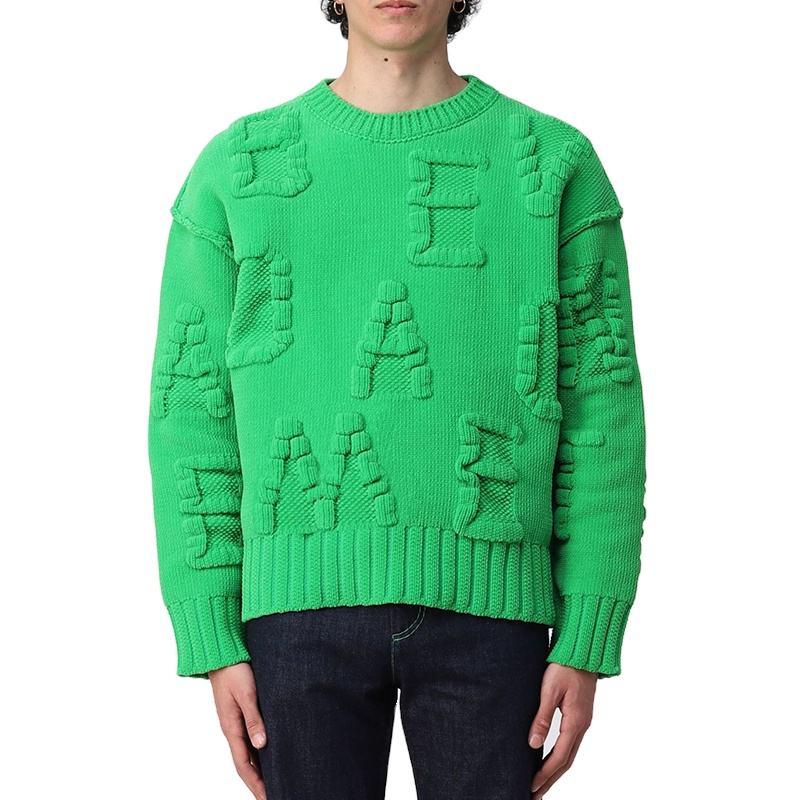
Piqué uses a raised honeycomb or waffle structure that creates air pockets for breathability. Typical weight ranges 180–220 GSM with moderate stretch and a crisp, structured drape.
Best for casual retail, corporate uniforms, and mid-tier fashion brands seeking the traditional polo aesthetic.
Jersey Knit Polo
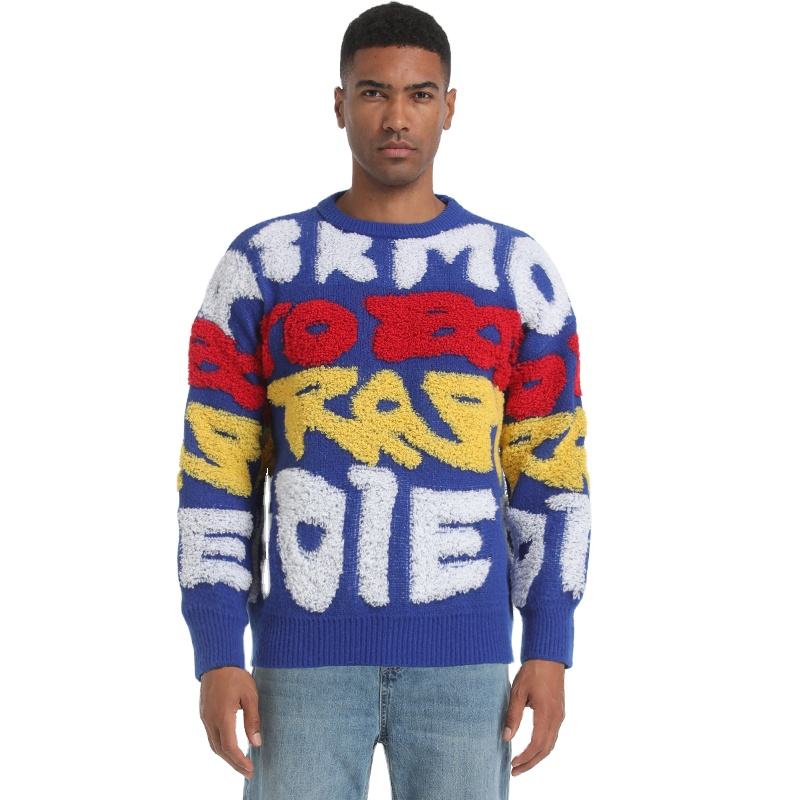
Single-jersey construction delivers a smooth, flat face with excellent stretch and soft hand. Weight typically sits between 160–200 GSM with fluid drape.
Ideal for activewear, fashion-forward labels, and brands prioritizing comfort over structure.
Jacquard and Intarsia Polo
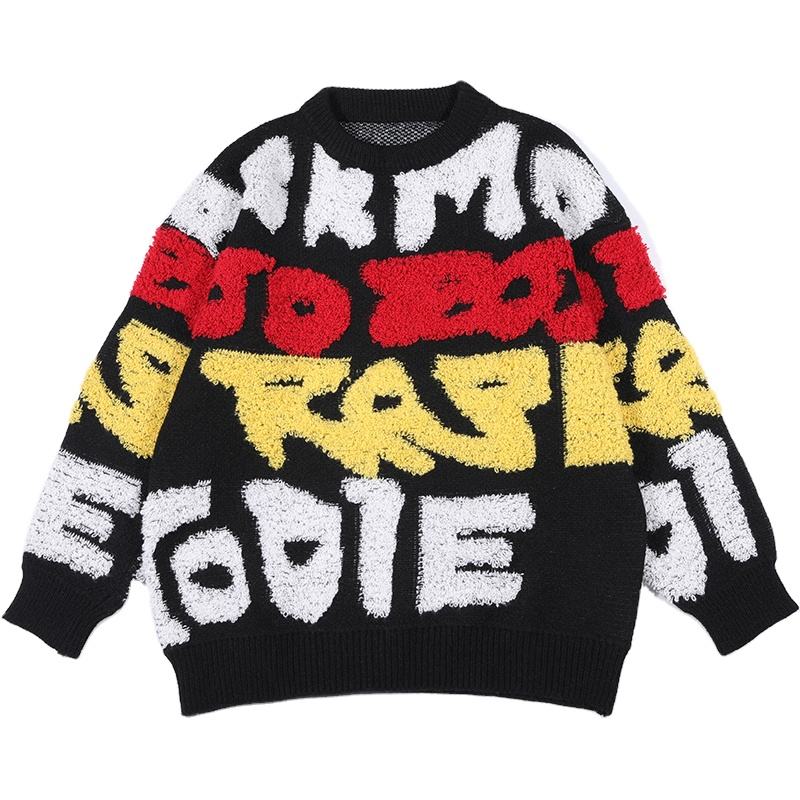
Jacquard weaves multi-color patterns directly into the knit; intarsia inlays color blocks without floats. Weight spans 200–260 GSM with minimal stretch and a premium, tailored drape.
Suited to high-end fashion lines, seasonal collections, and brands emphasizing design complexity.
Rib-Knit Polo
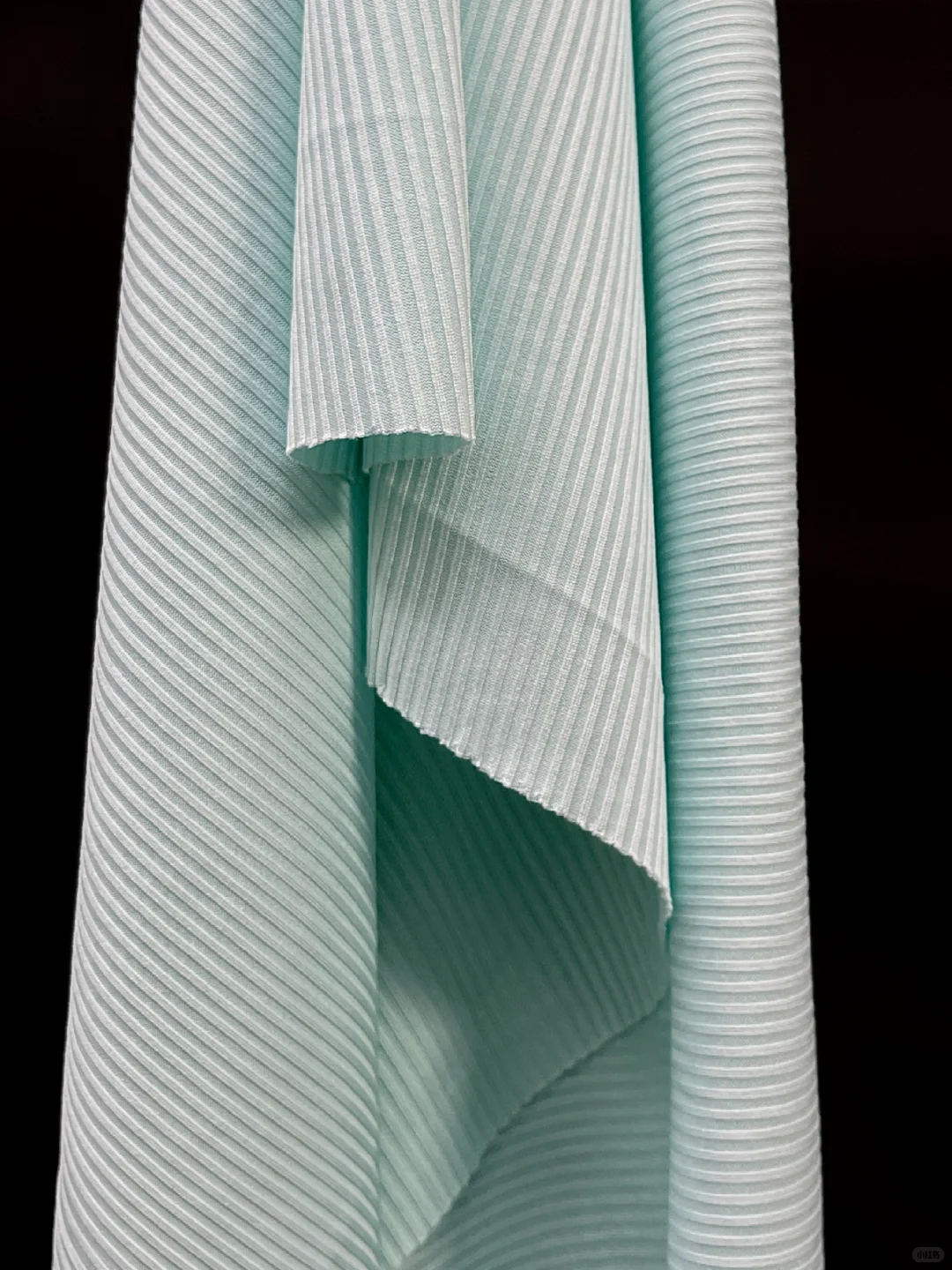
Vertical rib channels (1×1 or 2×2) offer superior stretch and recovery. Weight ranges 180–240 GSM with a fitted, elastic drape.
Preferred for athletic fits, performance casual, and brands targeting body-contoured silhouettes.
Performance and Technical Polo
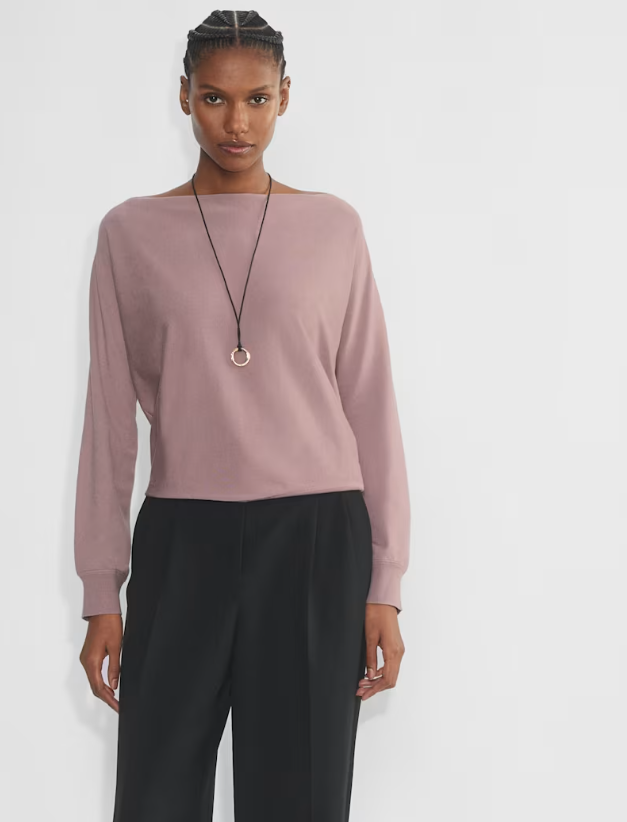
Engineered meshes, moisture-wicking synthetics, or blended structures with anti-microbial finishes. Weight typically 140–200 GSM with high stretch and quick-dry properties.
Purpose-built for activewear, golf, outdoor brands, and technical sportswear lines.
4. Materials and Fabrics for Custom Knit Polo Shirts
Fabric choice determines the performance, cost, and market positioning of every custom knit polo shirt. Most manufacturers work across GSM ranges of 150–250, balancing weight, breathability, and durability to match end-use requirements.
| Fiber Type | Typical GSM | Key Properties | Cost Tier | Ideal Use Case |
|---|---|---|---|---|
| 100% Cotton | 180–220 | Breathable, soft, moderate shrinkage | Mid | Casual polos, everyday wear |
| Cotton-Polyester Blend | 160–200 | Wrinkle-resistant, color-fast, low shrink | Low–Mid | Workwear, uniforms, promotional |
| Performance Polyester/Nylon | 150–180 | Moisture-wicking, stretch, quick-dry | Mid–High | Activewear, golf, sports teams |
| Merino Wool | 200–250 | Temperature-regulating, odor-resistant, luxe hand | High | Premium casual, travel, athleisure |
| Organic Cotton | 180–220 | GOTS-certified, chemical-free, breathable | Mid–High | Eco-conscious brands, retail |
| Recycled Polyester | 160–190 | GRS-certified, moisture-wicking, sustainable | Mid | Performance eco lines, corporate |
5. Customization and Decoration Options for Custom Knit Polo Shirts
A custom knit polo shirt becomes a brand asset through strategic decoration and construction details. CENWILD supports screen printing, embroidery, heat transfer, jacquard knit-in logos, appliqué, and sublimation — each with distinct cost, durability, and aesthetic trade-offs that influence both minimum order quantities and final retail positioning.
| Technique | Setup Cost | Per-Piece Cost | Durability (Washes) | Typical MOQ |
|---|---|---|---|---|
| Embroidery | $30–80 | $1.50–4 | 100+ | 100 pcs |
| Screen Print | $40–100/color | $0.80–2.50 | 50+ | 100–300 pcs |
| Heat Transfer | $0 | $1.50–3 | 25–40 | No minimum |
| Jacquard Knit-In | $150–300 | $0 | Permanent | 300+ pcs |
| Sublimation | $50–150 | $1–2 | Permanent | 100 pcs |
Embroidery: Chest, Sleeve, and Back Placement
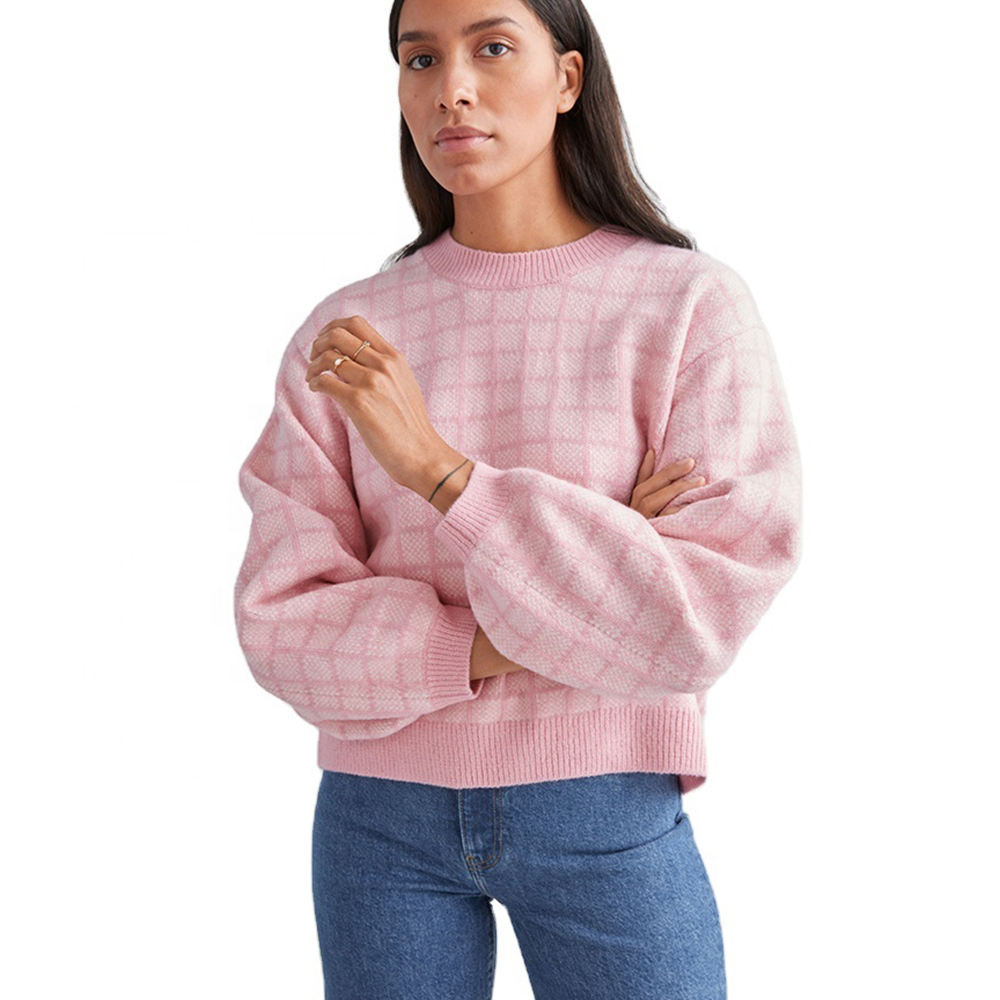
Embroidery delivers premium texture and exceptional wash durability, ideal for logos up to 10 cm. Setup costs range $30–80 per design; per-piece charges run $1.50–4 depending on stitch count. Flat, 3D puff, chain-stitch, and appliqué variants suit different brand aesthetics.
Chest-left remains the classic corporate placement; sleeve and back positions work for streetwear and sportswear lines. MOQ typically aligns with garment minimums — 100 pieces at CENWILD — since setup amortizes quickly across runs.
Screen Printing and Heat Transfer
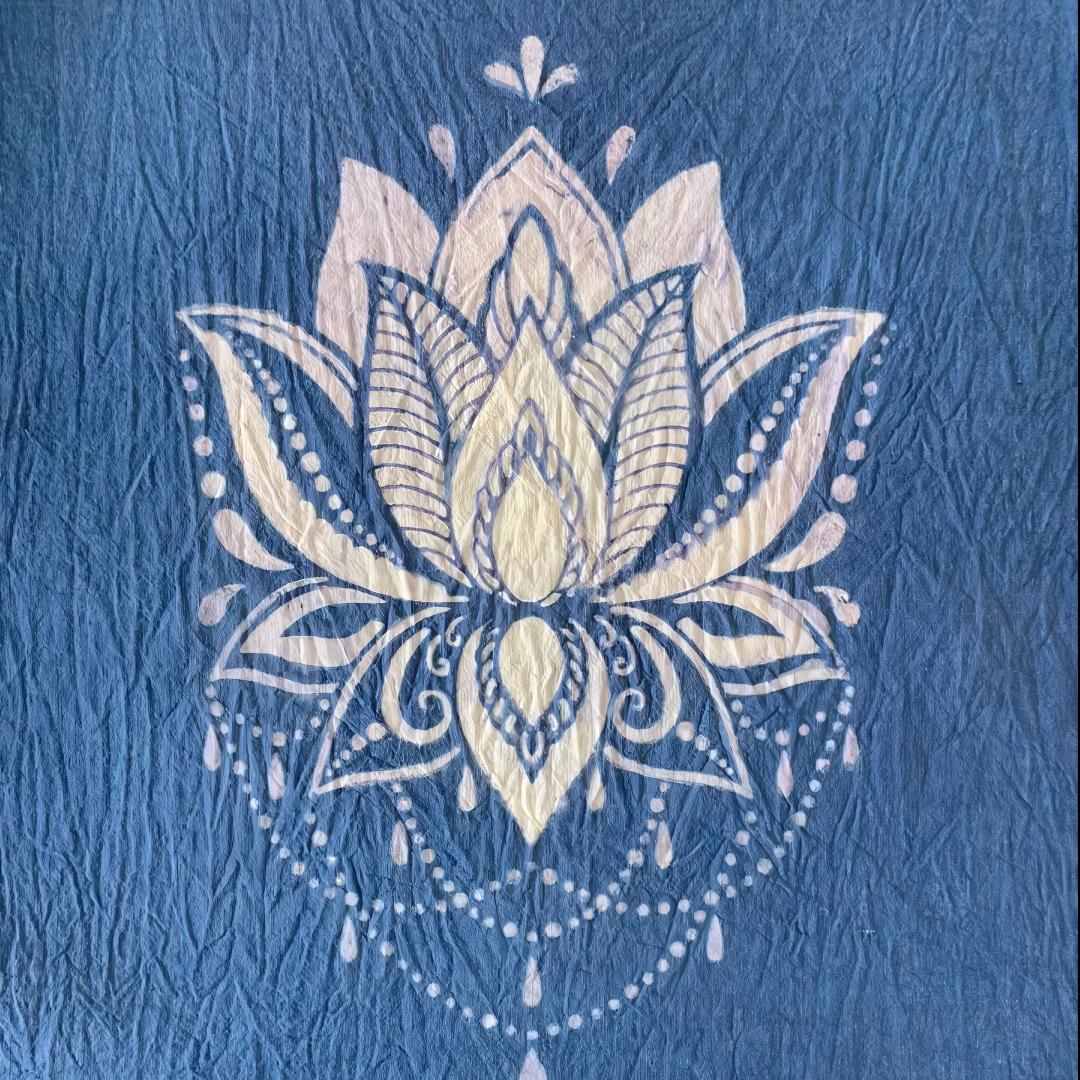
Screen printing suits large graphics and high-volume runs: setup $40–100 per color, per-piece cost $0.80–2.50, excellent opacity on dark fabrics. Durability reaches 50+ washes with proper plastisol or water-based inks.
Heat transfer (vinyl or DTF) eliminates setup fees, costs $1.50–3 per piece, and enables full-color photo-realism with no MOQ penalty — ideal for test drops and influencer collabs. Durability spans 25–40 washes; avoid heavy garment washing post-application.
Jacquard Knit-In Logos and Sublimation
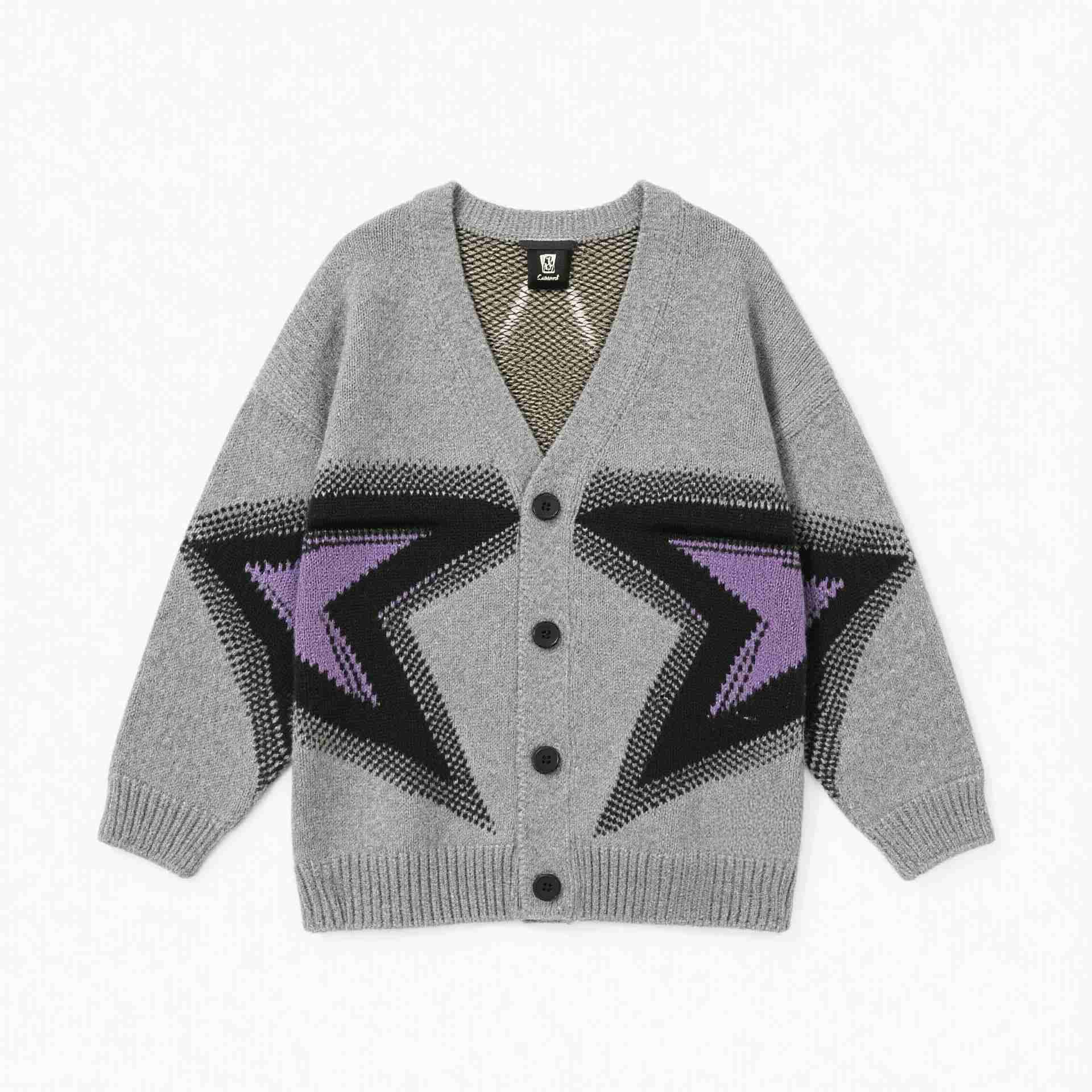
Jacquard integrates logos directly into the knit structure during production — no added layer, permanent colorfastness, luxury hand-feel. Programming and yarn setup add $150–300 but eliminate per-piece decoration cost. Best for orders above 300 pieces where amortization justifies investment.
Sublimation dye-prints full-color designs into synthetic fibers (polyester, poly-blends), offering photographic detail and zero hand-feel. Requires 100% digital setup ($50–150), works only on light-colored synthetics, and delivers wash-proof permanence.
Structural Customization: Collars, Plackets, and Buttons
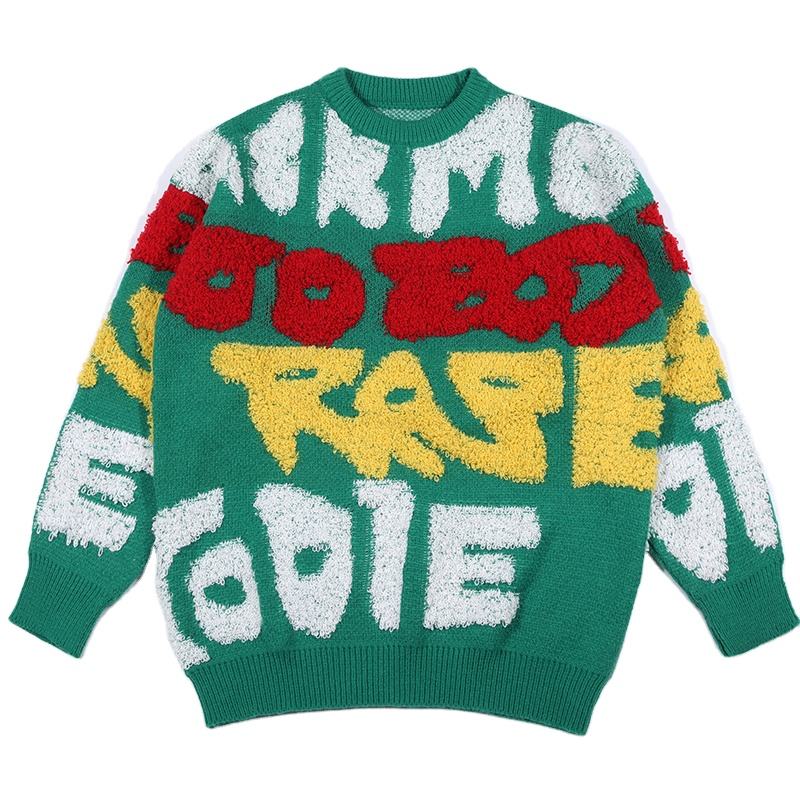
Contrast tipping on collars and cuffs — striped or solid — adds brand signature at $0.30–0.80 per garment with no MOQ premium. Contrast plackets (different color or stitch) cost $0.50–1.20 and reinforce visual identity.
Custom buttons (engraved logo, metal, corozo, resin) range $0.15–0.60 each; four-button plackets add $0.60–2.40 per polo. CENWILD sources branded trims in-house, streamlining lead times and ensuring color-match consistency across all custom knit polo shirt elements.
6. Key Quality Indicators in Custom Knit Polo Shirt Construction
Premium custom knit polo shirts are distinguished by construction details that affect durability, fit retention, and perceived value. Inspecting samples for stitch density, reinforcement, and finish quality before production approval prevents costly rework and returns.
Stitch Density and Gauge
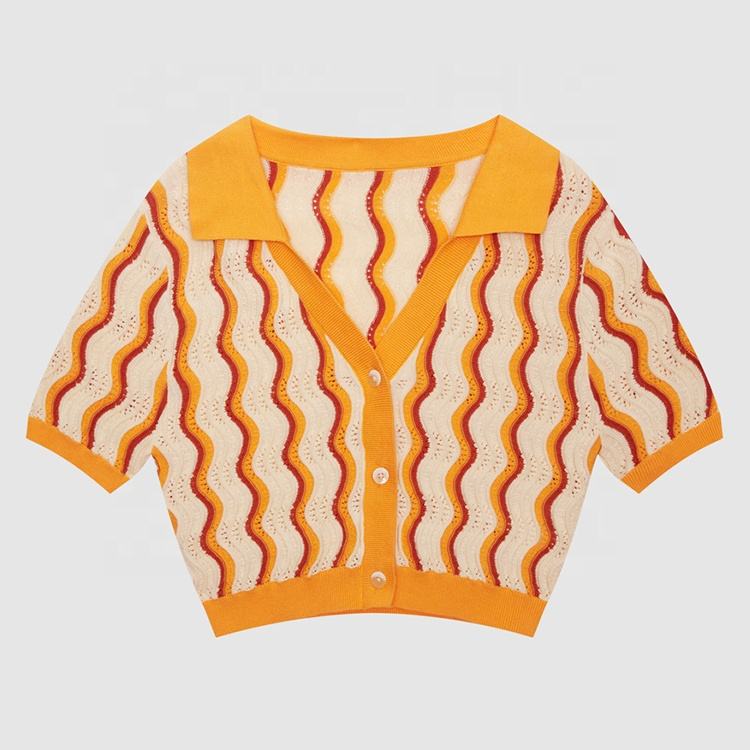
Gauge (3GG–14GG) determines fabric hand and drape; finer gauges (12GG–14GG) yield denser, smoother polos suited to business-casual wear, while 5GG–7GG creates relaxed, textured styles. Higher stitch density resists pilling and holds shape through repeated laundering.
Request knit-down swatches at your target gauge to verify weight, stretch recovery, and surface uniformity before committing to bulk yardage.
Collar and Placket Reinforcement
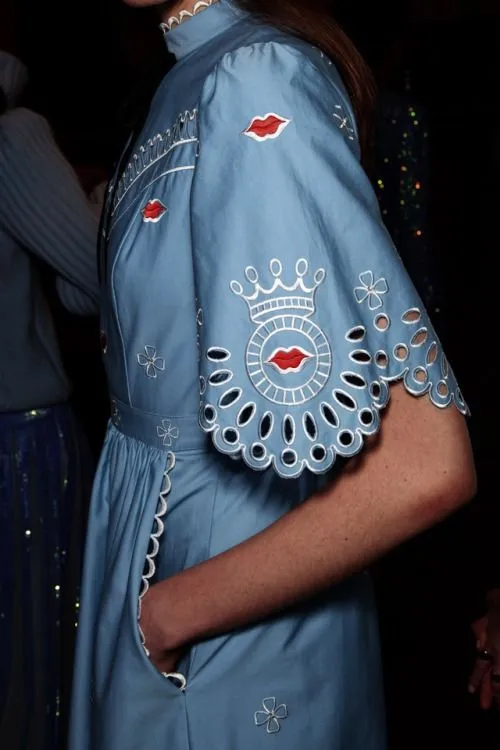
Collars should feature interlining or fusible interfacing to maintain stand and prevent curling after wash. Inspect bond integrity by flexing the collar tip; delamination signals poor fusing temperature or adhesive quality.
Plackets finished with flatlock or chain-stitch lie flatter and resist puckering compared to standard lockstitch. Check that button-hole bar-tacks are tight and thread ends are cleanly trimmed.
Hem and Seam Finishing
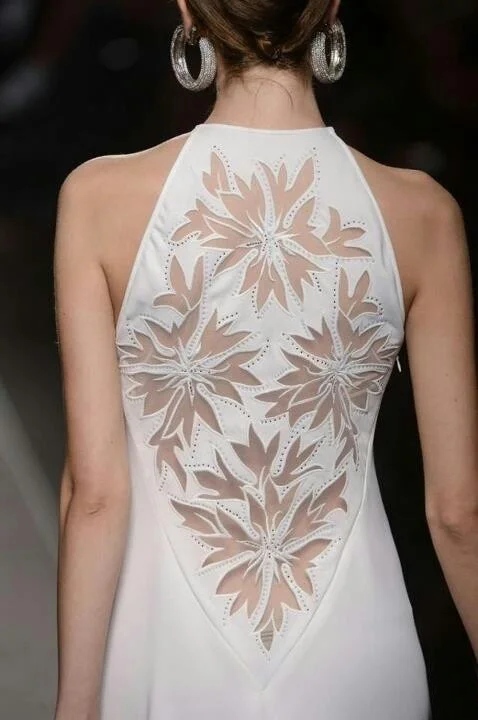
Coverstitch hems (common on premium polos) provide stretch and a clean interior, while blind-hem or overlock finishes suit budget lines. Seam allowances of 1–1.5 cm ensure durability; narrower allowances fray under stress.
Pull gently on side seams and shoulder joins during sample inspection; any yarn slippage or gapping indicates insufficient stitch density or tension.
Button Quality and Attachment
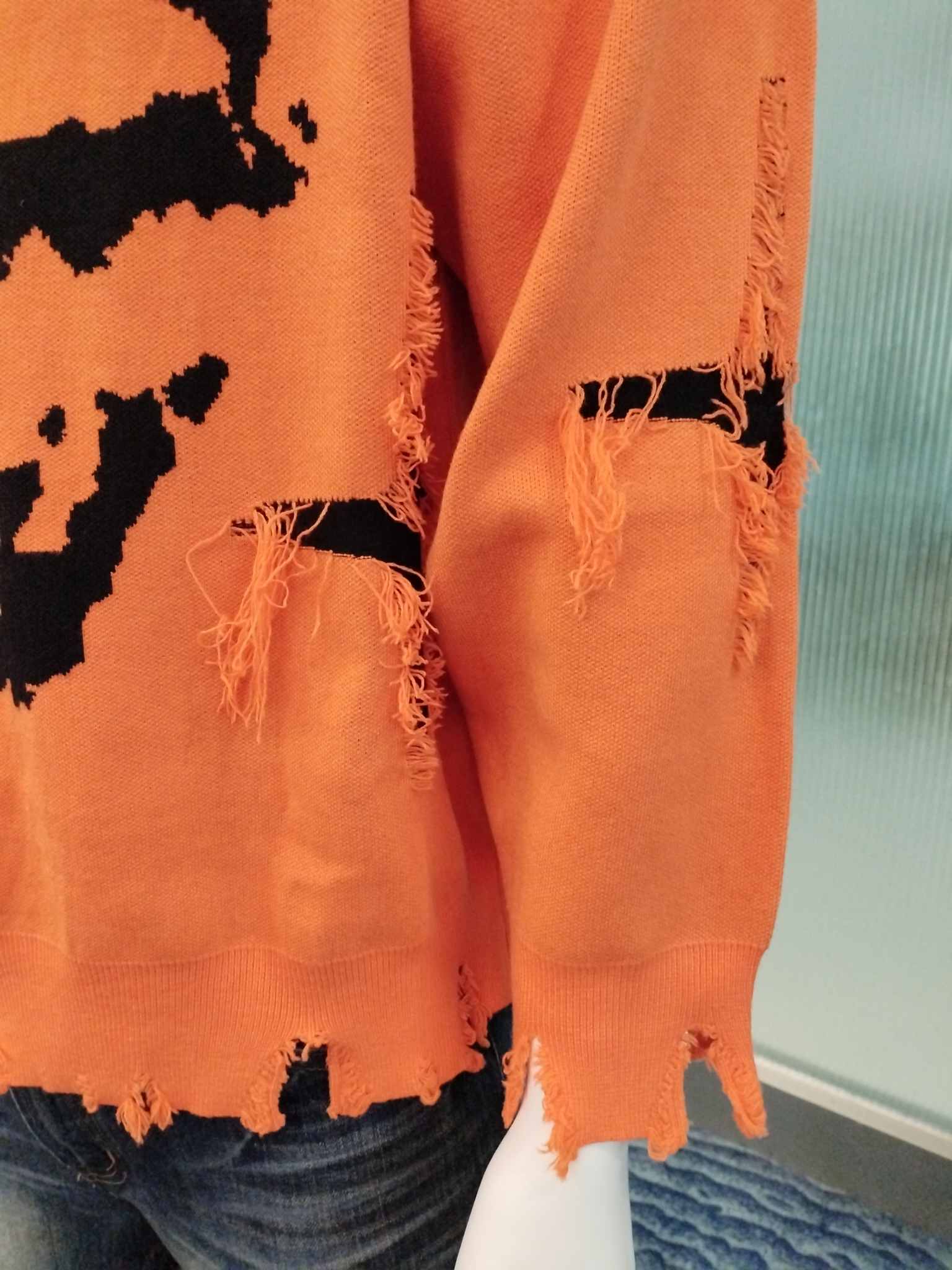
Buttons should match fabric weight: resin or corozo for casual polos, mother-of-pearl or horn for luxury lines. Thread shanks (a small thread stem beneath the button) allow the placket to lie flat when fastened.
Test each button by tugging firmly; secure attachment requires cross-stitch or four-hole lockstitch with a minimum of eight passes.
7. How to Choose the Right Custom Knit Polo Shirt Manufacturer
Selecting the right OEM or ODM partner for your custom knit polo shirt line determines product quality, lead times, and long-term brand success. Evaluate manufacturers on production capabilities, compliance credentials, flexibility, and communication before committing to a first order.
Certifications and Compliance
BSCI, WRAP, and Oeko-Tex Standard 100 certifications confirm ethical labor practices and chemical safety. Request current audit reports and test certificates to verify claims. Compliance documentation protects your brand reputation and meets retailer requirements in regulated markets.
Minimum Order Quantities and Lead Times
Typical MOQs for custom knit polo shirts range from 50 to 500 pieces per colorway, though some factories start at 100 pieces total. Sampling takes 7–14 days; bulk production runs 25–40 days depending on gauge and decoration complexity. Confirm both timelines in writing before deposit.
In-House Knitting Versus Outsourced Fabric
Factories with computerized flat-knitting machines (3GG–14GG) control quality, lead time, and stitch customization end-to-end. Manufacturers that outsource knit fabric introduce handoff delays and limit design flexibility. Ask for machine lists and workshop photos to verify vertical integration.
Design Support and Technical Services
Full-service partners provide tech-pack development, grading, 3D knit programming, and knit-down swatches from a sketch or reference photo. This support is critical for brands without in-house knitwear designers. Confirm whether pattern making, stitch libraries, and fit samples are included or billed separately.
8. Common Mistakes When Sourcing Custom Knit Polo Shirts
Even experienced buyers stumble when sourcing custom knit polo shirts. Six recurring pitfalls account for the majority of quality disputes, delayed launches, and unexpected reorder costs.
Skipping Wash Tests and Shrinkage Samples
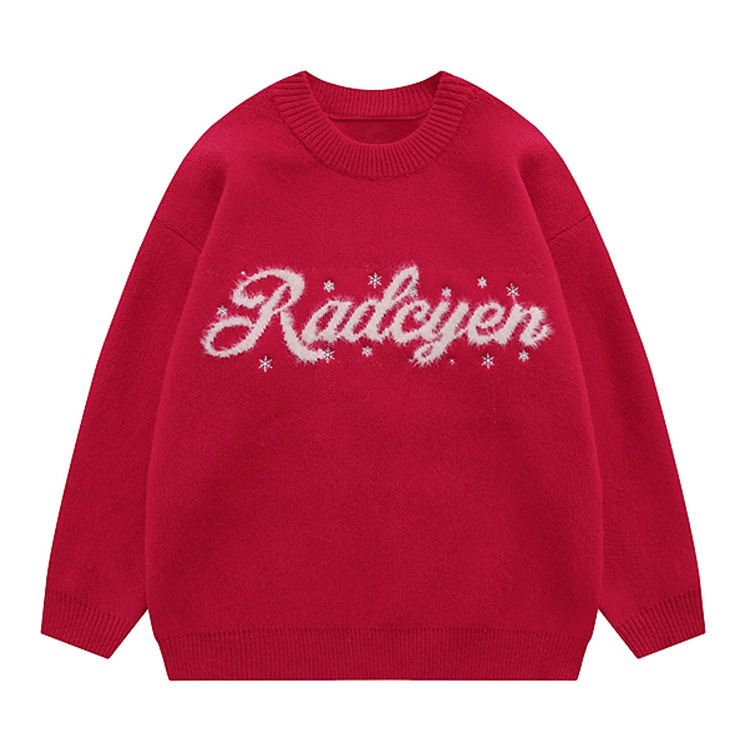
Cotton piqué can shrink 3–5% in length after the first wash; blends vary widely. Always request pre-production wash samples run through your care-label cycle to lock dimensional tolerances before bulk production.
Ignoring GSM Tolerances and Rib Tension
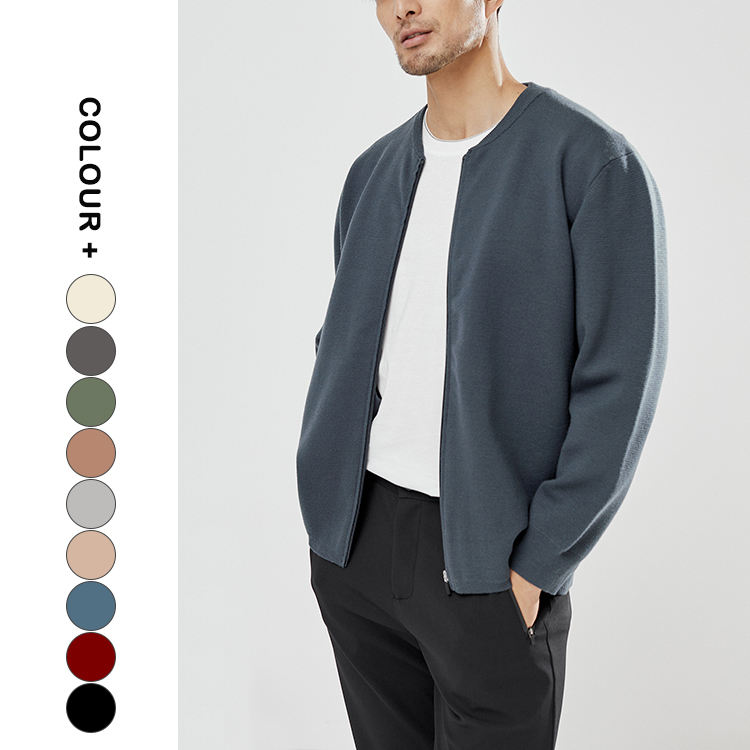
A 180 GSM spec without a ±5% tolerance leaves room for lightweight fabric disputes. Under-specifying collar and cuff rib tension (typically 1×1 or 2×2 at higher gauge) results in sagging necklines after a few wears. Document exact rib construction and recovery standards in your tech pack.
Mismatched Decoration and Fabric
Sublimation printing requires polyester content above 65%; applying it to 100% cotton yields faded, washed-out graphics. Confirm decoration compatibility early—screen print for cotton, heat transfer or embroidery for blends—and request strike-offs on your chosen base.
Neglecting Color-Matching Standards
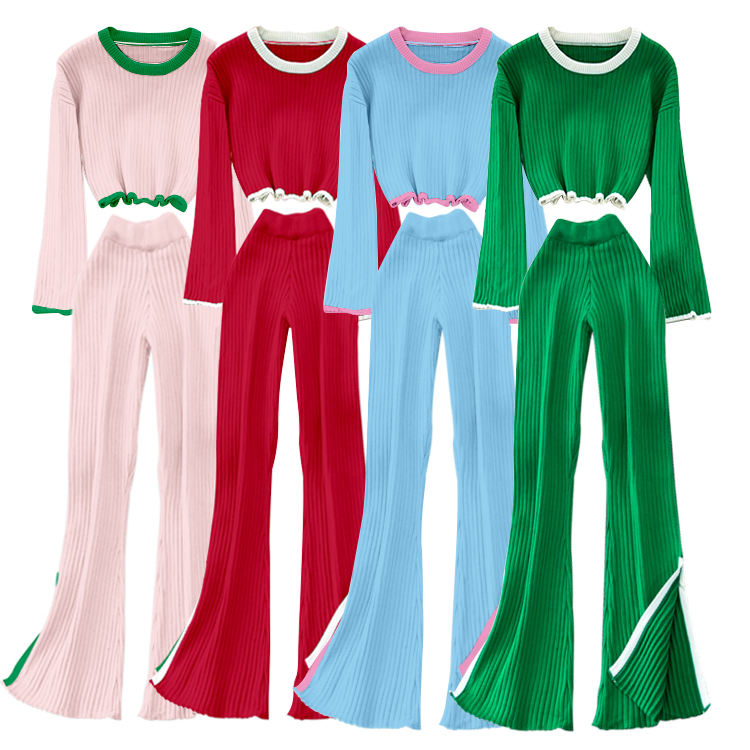
Digital RGB references shift under different lighting; Pantone TPX or TCX codes ensure repeatable dye-lot matching. Specify your standard, request lab-dip approvals, and define acceptable delta-E tolerance (typically ≤1.0 for premium lines) to avoid costly re-dyes.
Vague Defect and Reorder Terms
Without written AQL levels (commonly 2.5 for apparel) and reorder lead-time clauses, disputes over pilling, loose threads, or out-of-stock colors drag on. Negotiate clear defect definitions, remedy timelines, and reorder MOQs in your initial contract to protect both launch schedules and margins.
9. Steps to Launch Your Custom Knit Polo Shirt Line
Launching a custom knit polo shirt line requires a clear sequence from concept to first shipment. Each phase — research, design, sampling, production, and go-to-market — builds on the last, and skipping steps introduces costly delays or quality issues.
Market Research and Design Brief
Define your target customer, price tier, and channel (e-commerce, wholesale, pop-up) before sketching a single collar. Compile mood boards with competitor examples, color palettes, and stitch references, then draft a design brief listing silhouettes, fabric preferences (cotton pique, merino blend), and decoration (embroidery, jacquard).
Share the brief with your manufacturer during the RFQ stage to align feasibility and MOQ — CENWILD’s 100-piece threshold suits startups testing multiple colorways.
Tech-Pack and Pre-Production Sample
A complete tech pack specifies measurements (pit-to-pit, body length, sleeve length), tolerances (±1 cm is standard), stitch type, trim details (button count, placket width, rib gauge), and Pantone or lab-dip references.
Request a knit-down sample or pre-production prototype to verify gauge, hand-feel, and decoration placement. Approve fit, color, and construction in writing before authorizing bulk cutting.
Bulk Production and Quality Control
Confirm deposit terms (100 % first order, easing to 30 % for repeat clients), lead time (typically 30–45 days for knit polos), and inline inspection checkpoints (after knitting, after linking, after washing).
Request photos at each milestone and conduct a final AQL 2.5 inspection before balance payment and shipment.
Logistics and Go-to-Market
Coordinate FOB or DDU Incoterms, import duties (check HTS 6105 for knit men’s shirts), and customs documentation. Plan product photography, size-chart creation, and e-commerce listings or wholesale line sheets before inventory arrives.
Schedule launch campaigns, influencer seeding, or trade-show debuts to coincide with delivery, ensuring your custom knit polo shirt reaches buyers the moment stock clears customs.
10. Pricing and Cost Breakdown
Custom knit polo shirt pricing hinges on five core variables: fabric composition and weight (180–240 GSM cotton or cotton-blend piqué typically costs 15–30% less than 260+ GSM merino or cashmere blends), decoration complexity (embroidery runs $0.50–$2.50 per piece depending on stitch count; screen-print adds $0.30–$1.20 per color), order quantity, packaging (polybag standard; custom folding and rigid boxes add $0.20–$0.80 per unit), and shipping terms (FOB Shenzhen versus DDP to your warehouse).
CENWILD’s 100-piece MOQ makes sample runs and capsule launches financially viable. As volume scales to 500 or 1,000 pieces, per-unit costs drop 20–35% due to yarn-purchasing leverage, machine setup amortization, and reduced decoration setup fees. Lead time shortens with repeat orders once grading and knit programs are locked.
Payment flexibility grows with partnership maturity: first orders require 100% deposit before production; established clients move to 30–50% deposit with balance due before shipment, easing cash flow for seasonal collections.
| Quantity Tier | Unit Price Range (USD) | Decoration Add-On | Lead Time |
|---|---|---|---|
| 100 pcs | $18–$28 | $0.50–$2.50/pc | 25–30 days |
| 500 pcs | $14–$22 | $0.40–$2.00/pc | 20–25 days |
| 1,000 pcs | $12–$18 | $0.30–$1.50/pc | 18–22 days |
| 2,500+ pcs | $10–$15 | $0.25–$1.20/pc | 15–20 days |
Start Your Custom Knit Polo Shirt Project Today
Partner with a 28-year Dongguan manufacturer. Low 100-piece MOQ, full OEM/ODM support, and knit-down sampling to bring your polo designs to life.