
Premium Custom Cashmere Sweaters — Wholesale Knitwear from 100 Pieces
Source custom cashmere sweaters and wholesale knitwear direct from a 28-year Dongguan OEM/ODM manufacturer. Private label cardigans, turtleneck sweaters, low MOQ, in-house knitting, and full design support for fashion brands worldwide.
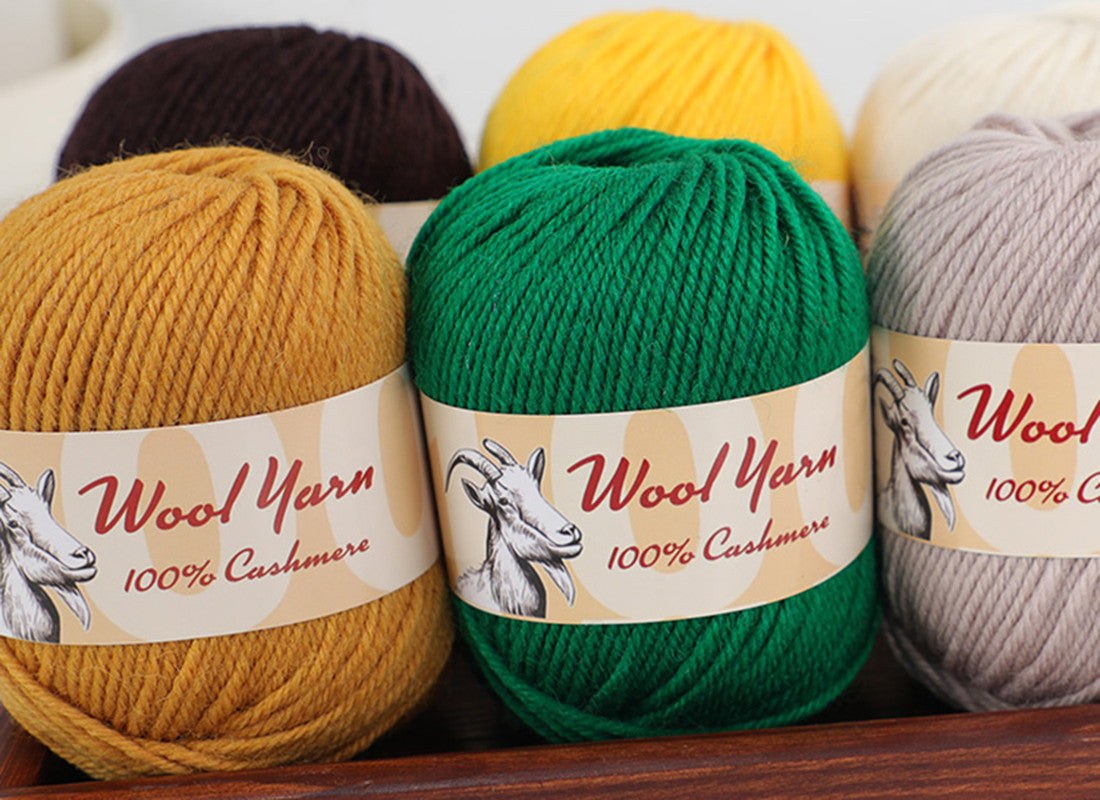
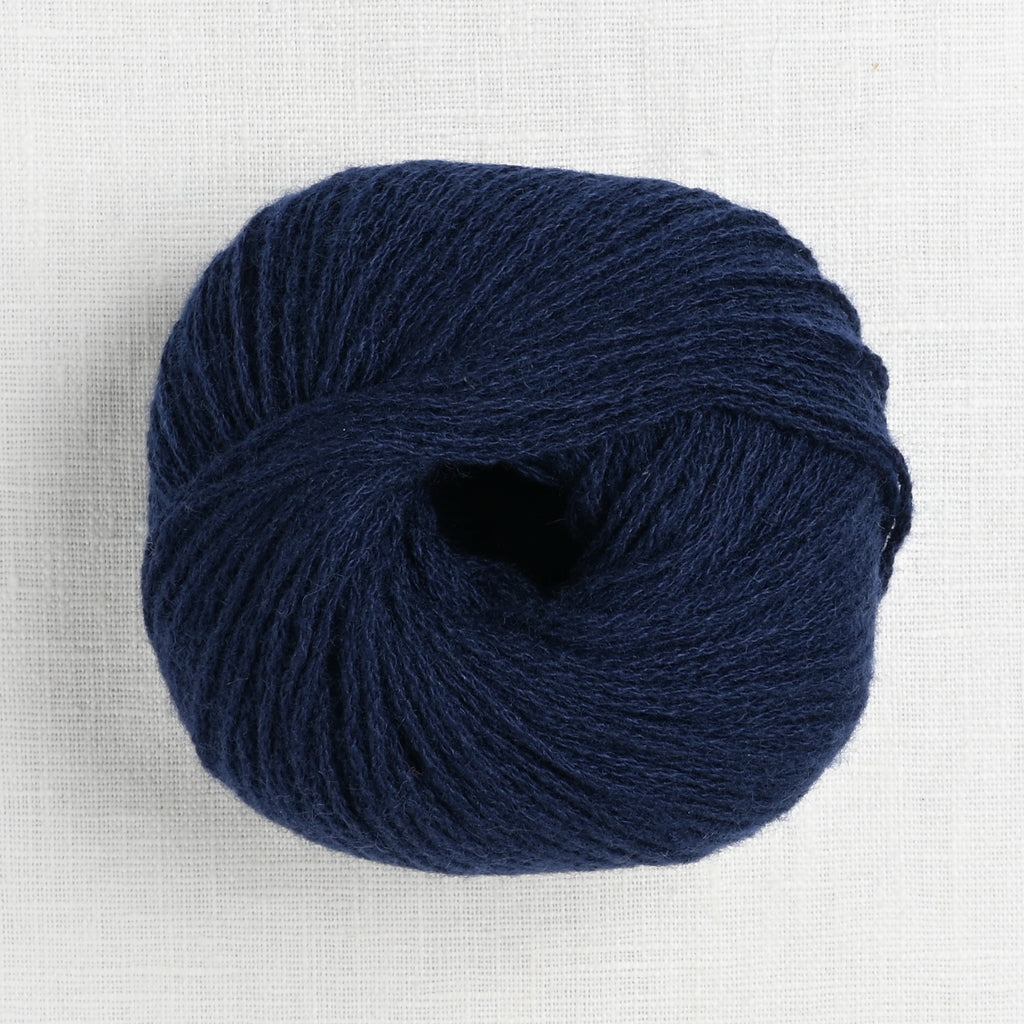
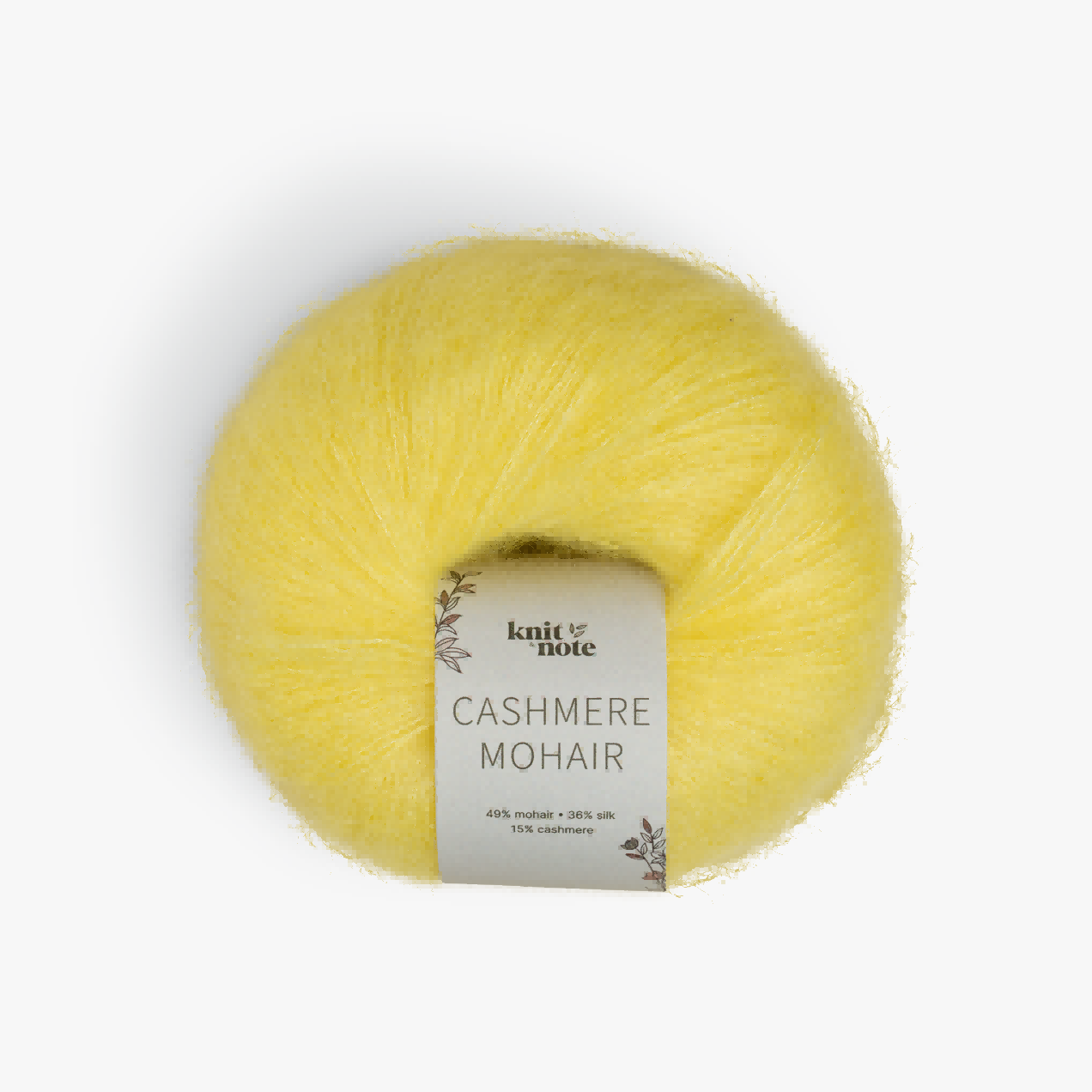
Cashmere & Premium Yarn Collections
Why CENWILD for Custom Cashmere Sweater Manufacturing
100-Piece Low MOQ
Launch your cashmere collection without massive inventory risk. Our flexible minimum order quantity starts at just 100 pieces per style.
Fast 7–14 Day Sampling
In-house knitting and design teams produce knit-down samples in as little as one to two weeks, accelerating your time to market.
28+ Years Manufacturing Experience
Since 1998 in Dongguan’s knitwear hub, CENWILD has served over 2,000 fashion brands with proven cashmere expertise and quality control.
Full OEM & ODM Capabilities
Whether you bring a tech pack or just an idea, our design team develops original stitch patterns, grading, and production-ready specs.
In-House Knitting & Design
Own our computerized flat-knit machines and design studio. Control quality, lead times, and craftsmanship from yarn to finished garment.
Global Shipping & Support
Trusted export logistics to the US, Canada, UK, Europe, Australia, Russia, and Middle East with flexible payment options including PayPal.
Custom Cashmere Sweater Styles We Manufacture
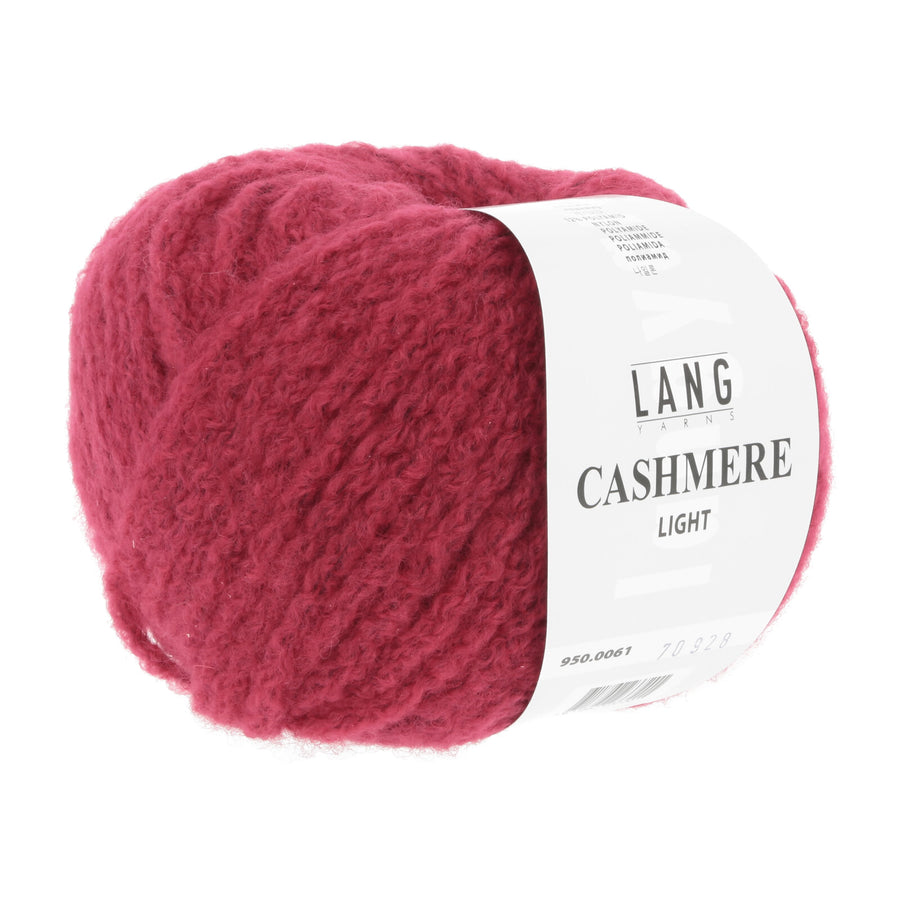
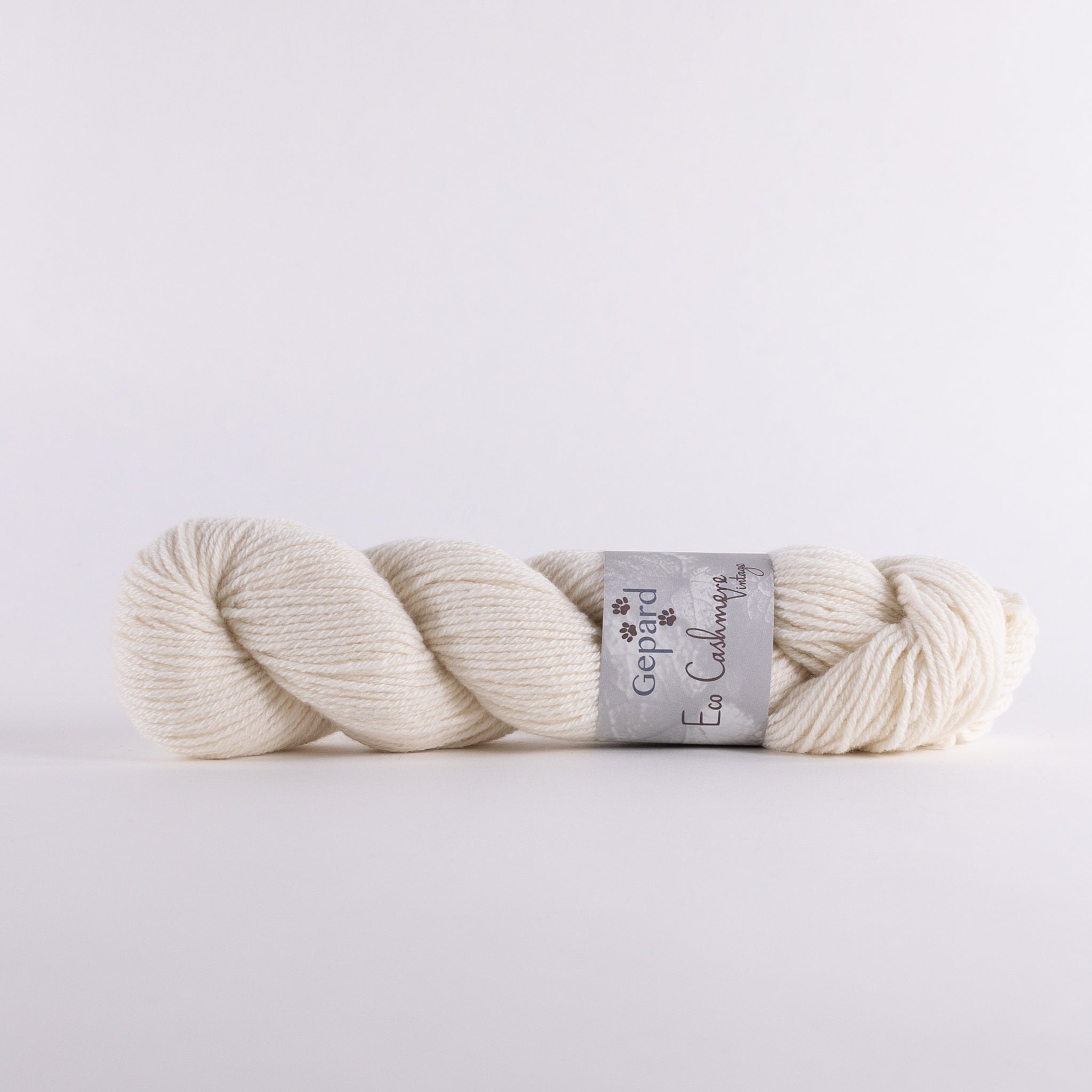
Pure Cashmere Yarn
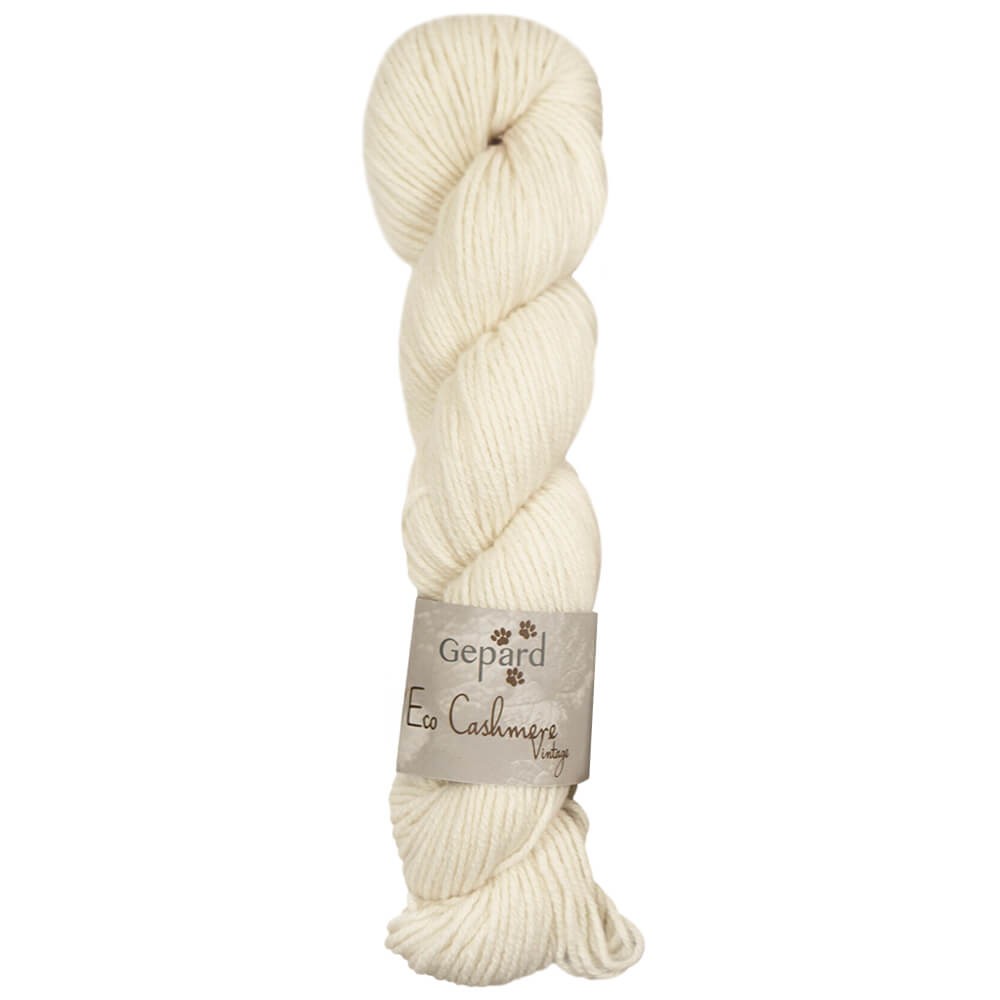
100% pure cashmere fiber sourced from Inner Mongolia and certified mills. Ideal for luxury cardigans, pullovers, and crewnecks that demand the softest hand feel, natural warmth, and premium positioning. Available in 2/26–2/48 counts across 7GG–14GG gauge production with MOQ from 100 pieces.
Get a Quote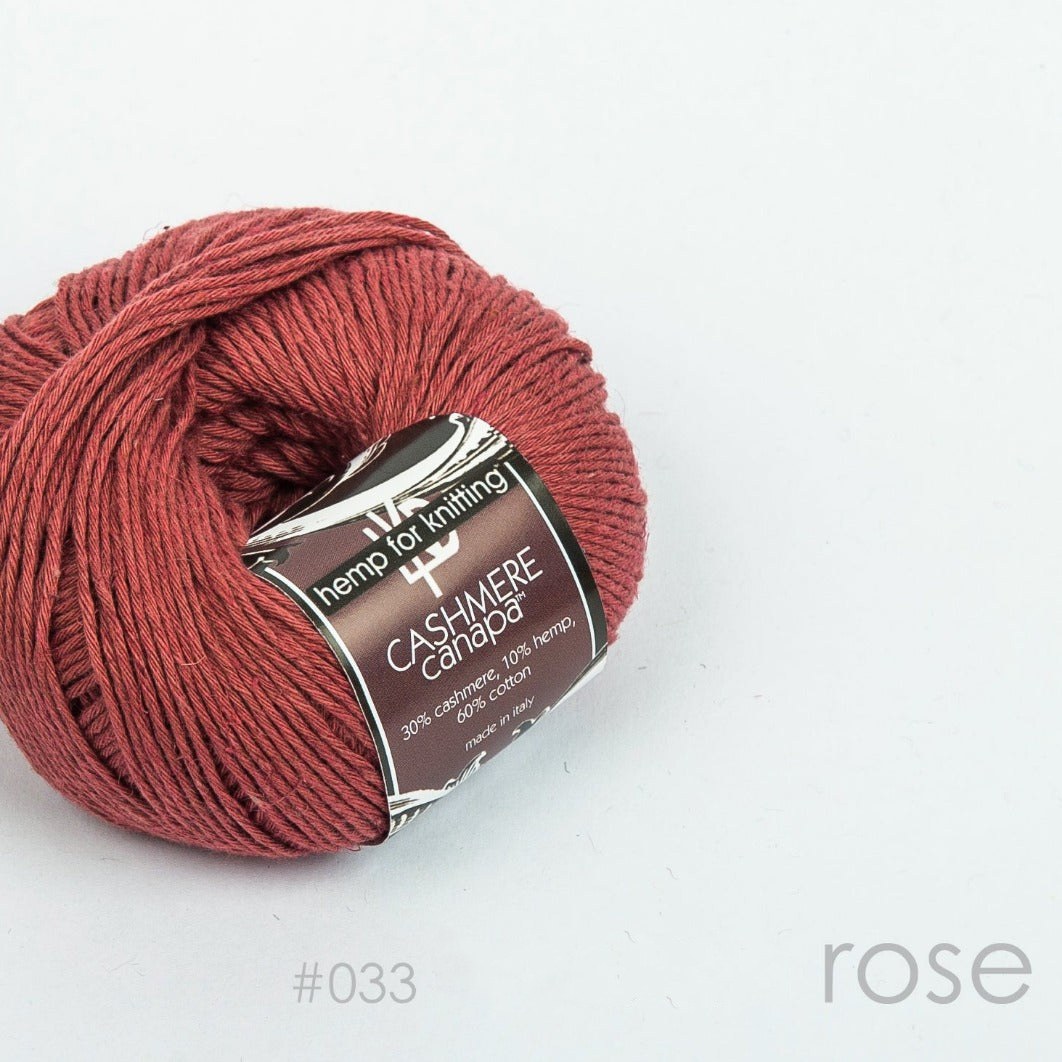
Cashmere Blend Yarn
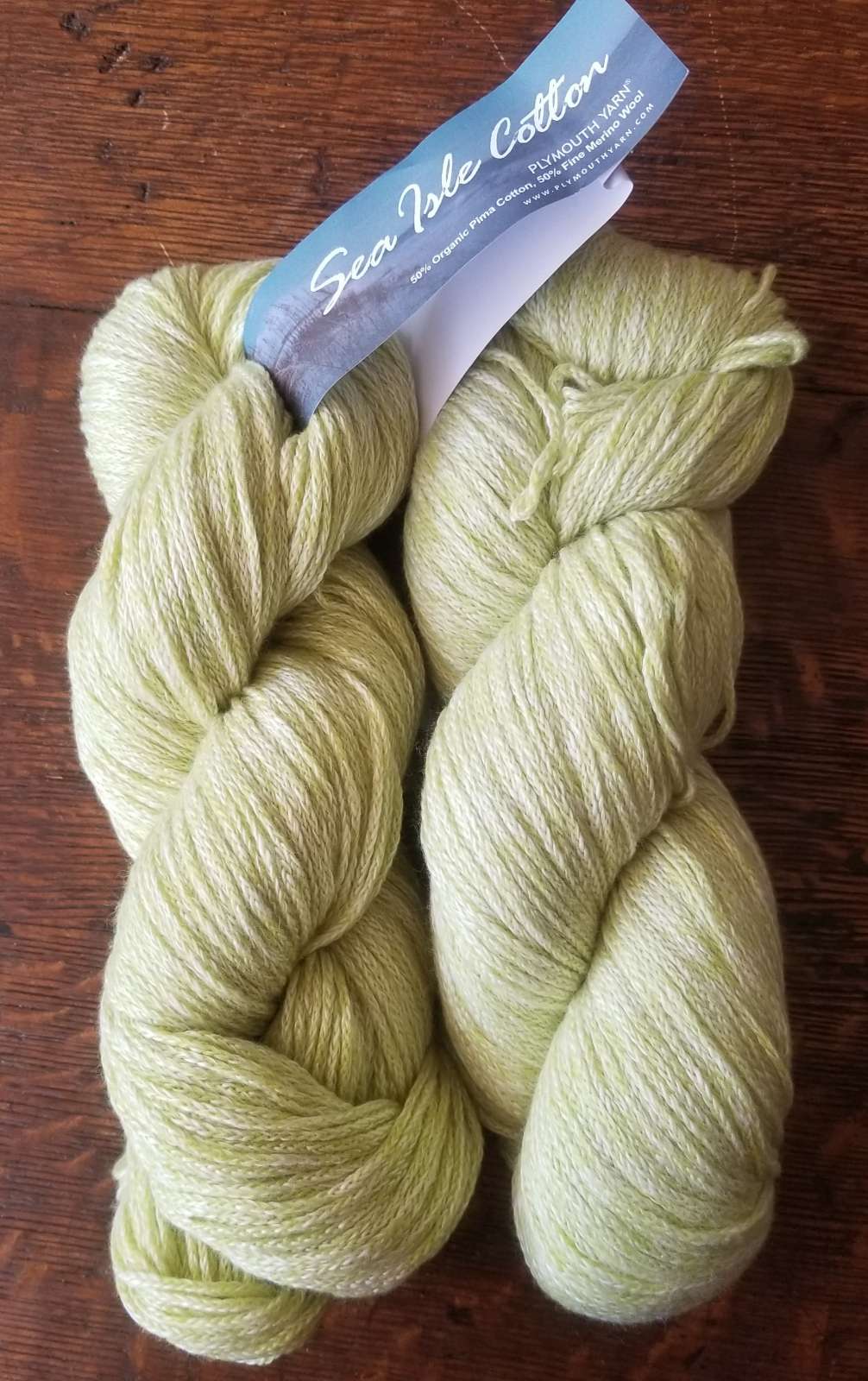
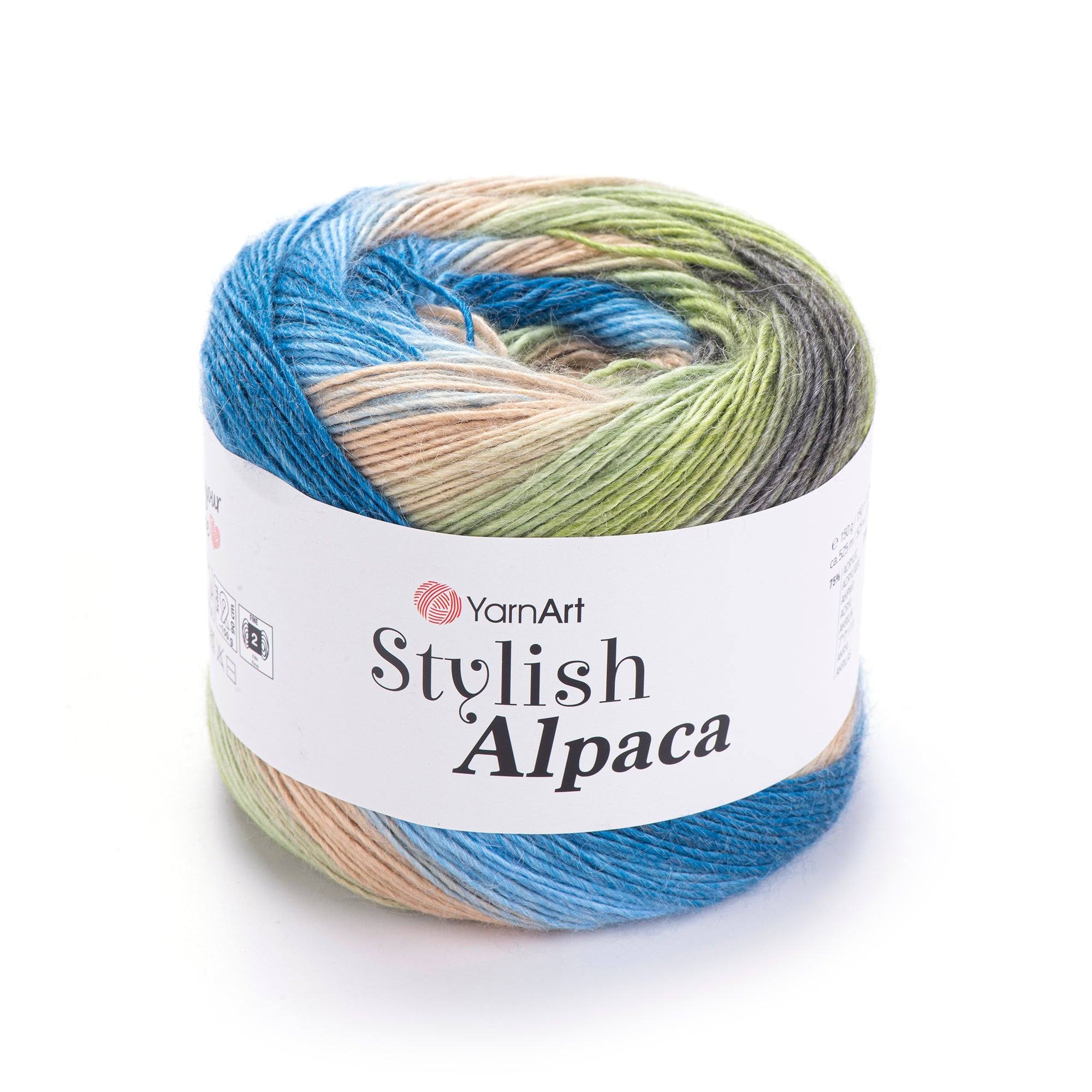
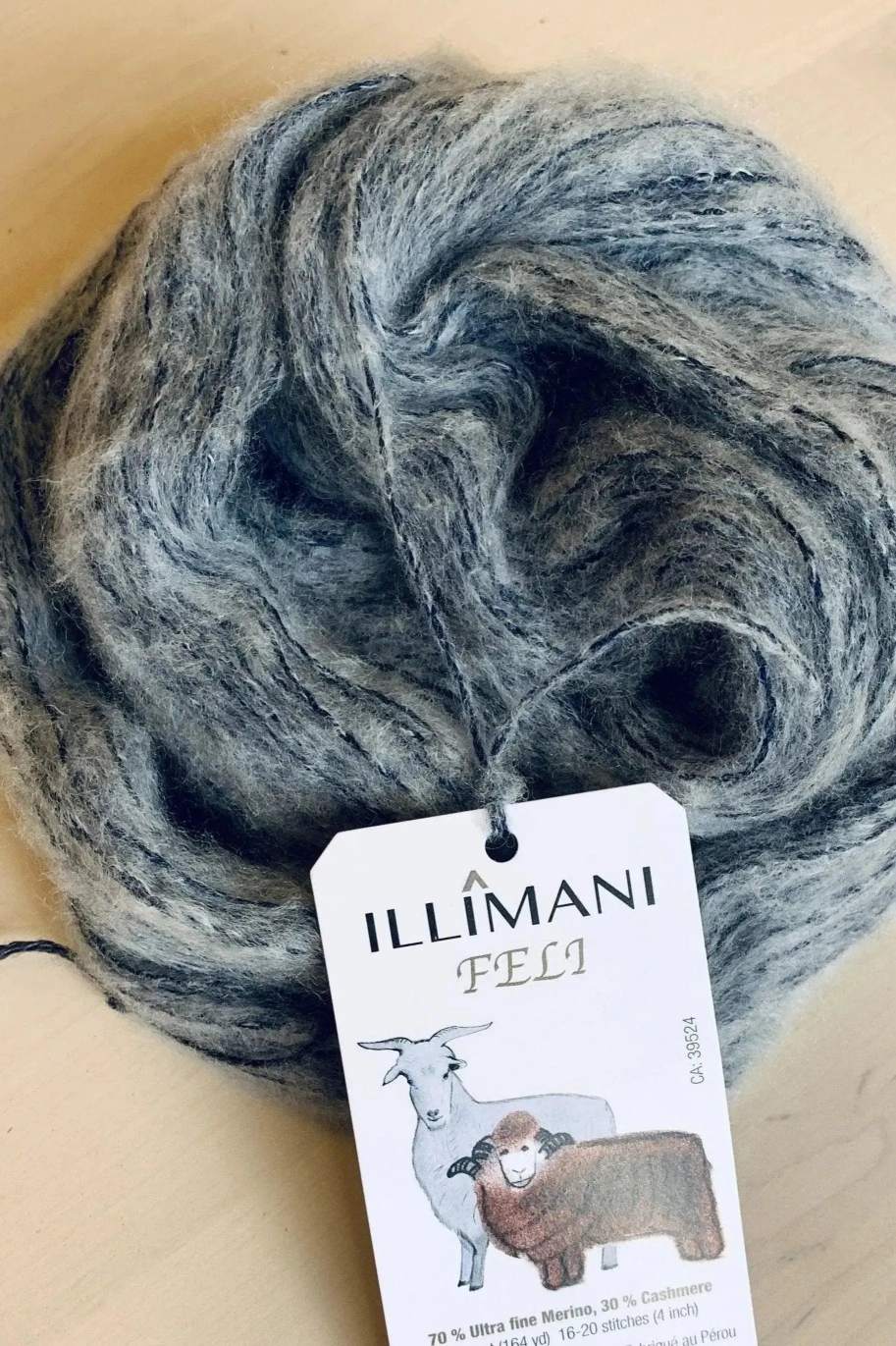
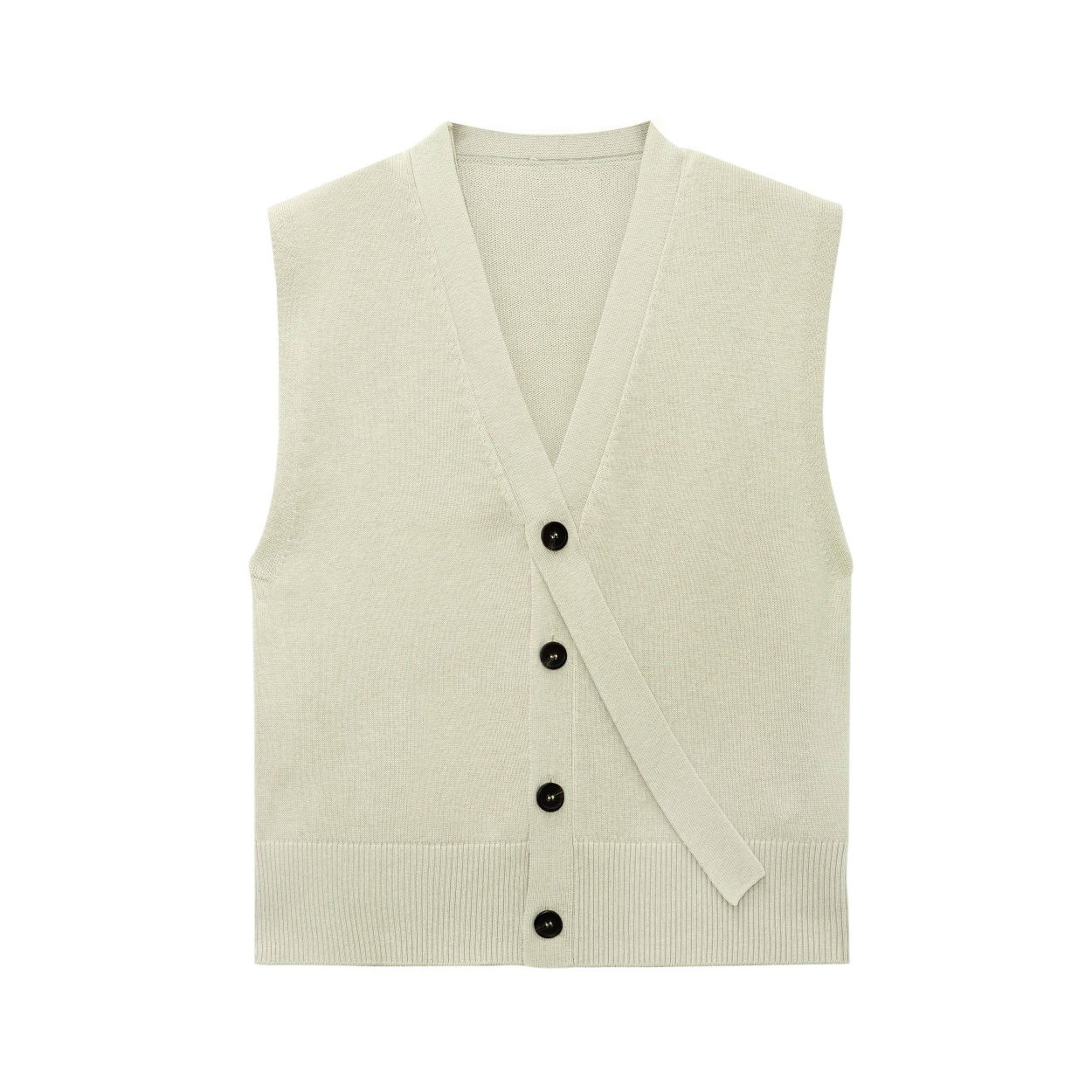
Cashmere blended with merino wool, silk, cotton, or synthetic fibers to balance luxury, durability, and cost. Perfect for brands seeking cashmere’s softness at accessible price points in turtlenecks, sweater vests, and knit dresses. Custom blend ratios developed in-house to meet your performance and budget targets.
Get a Quote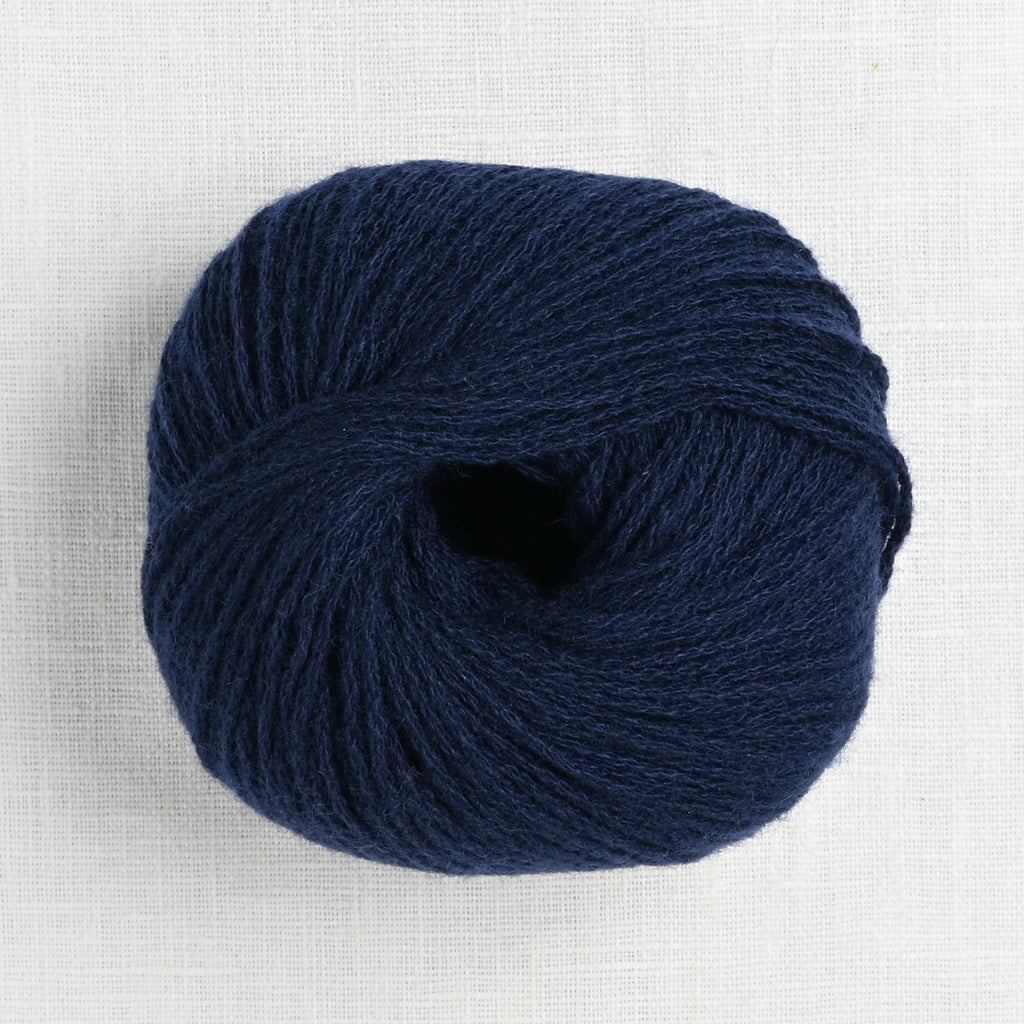
Worsted Cashmere Yarn
Worsted-spun cashmere yarn delivers a smooth, tight, lustrous finish with excellent stitch definition. Recommended for fine-gauge intarsia, jacquard patterns, and tailored pullovers or crewnecks where crisp detail and drape matter. CENWILD knits worsted cashmere on 12GG and 14GG computerized flat-knitting machines.
Get a Quote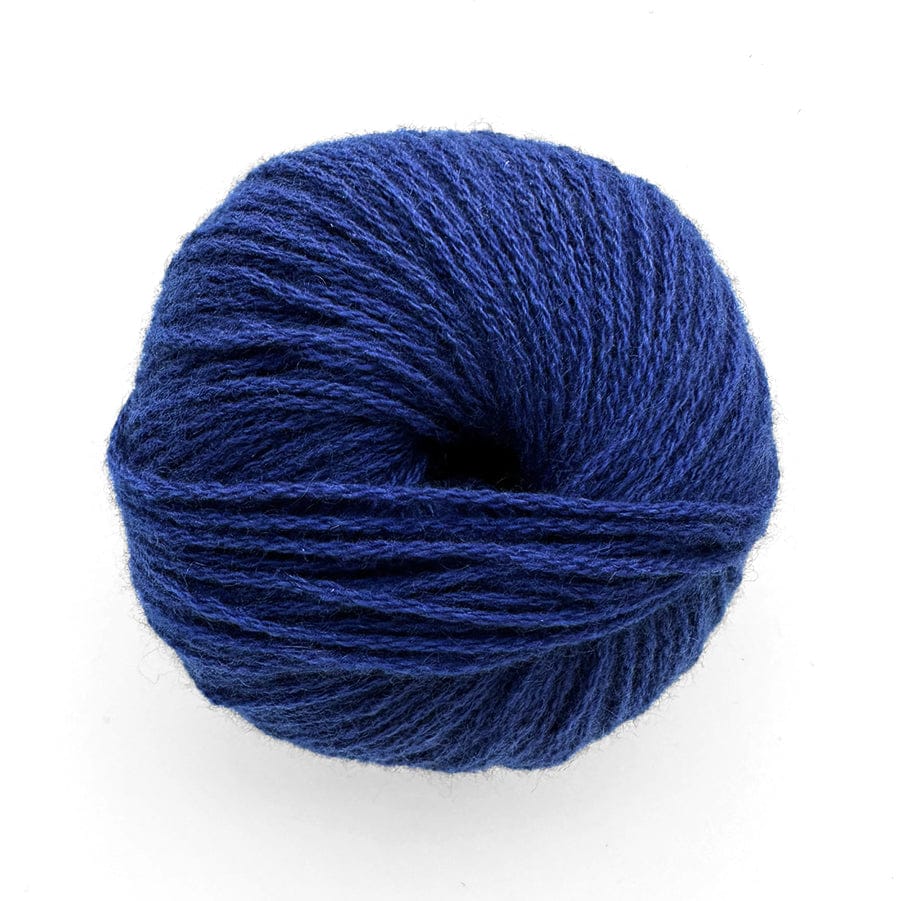
Woolen Cashmere Yarn
Woolen-spun cashmere creates a loftier, softer, more textured hand with natural insulation. Best suited for relaxed cardigans, chunky turtlenecks, and cozy seasonal pieces that emphasize warmth and volume. Our Dongguan facility processes woolen cashmere with garment washing and anti-pilling finishes for lasting quality.
Get a Quote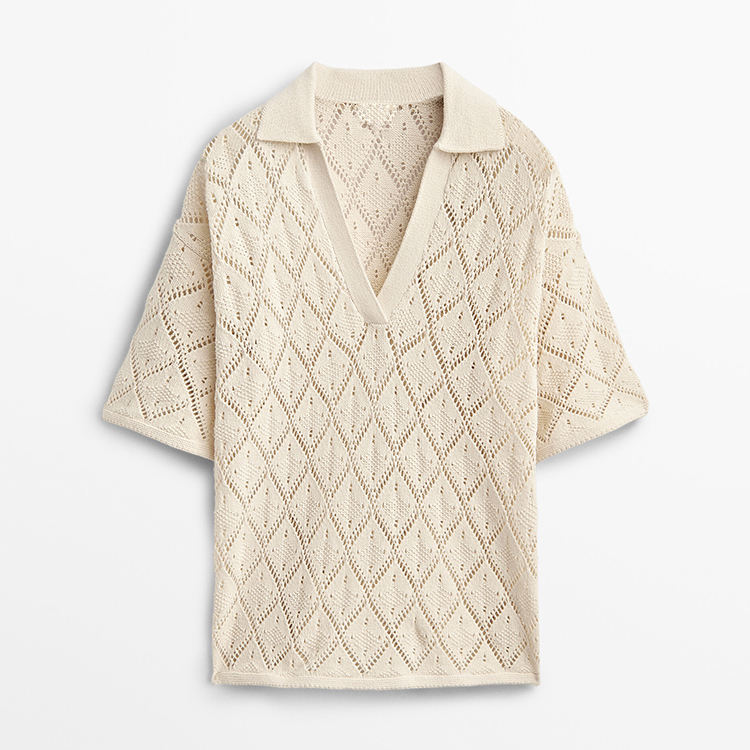
Fine Gauge Cashmere
Fine-gauge cashmere knitting at 12GG–14GG produces lightweight, elegant sweaters with refined surface and drape. Ideal for spring/summer collections, layering pieces, and minimalist designs. CENWILD’s 28+ years of flat-knitting expertise ensure consistent tension, clean seams, and fully-fashioned shaping in every fine-gauge cashmere garment.
Get a Quote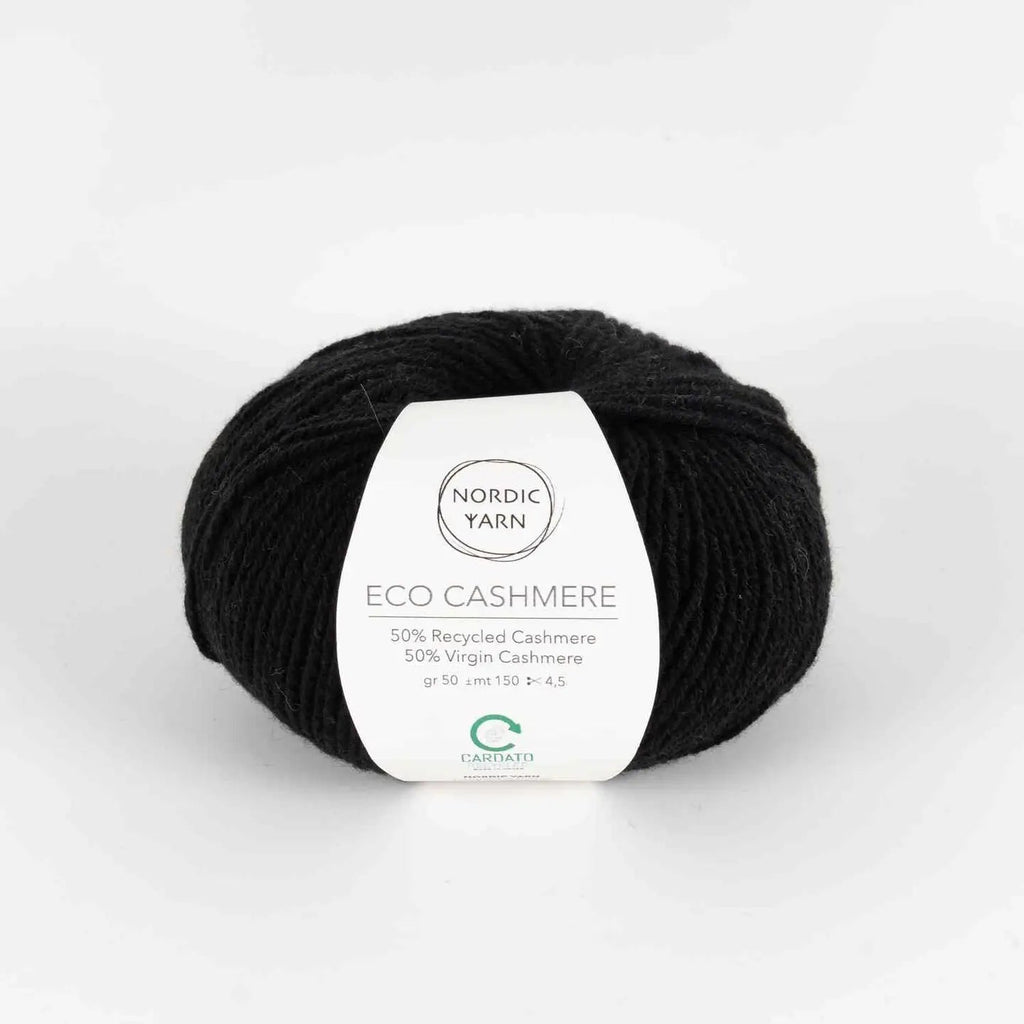
Chunky Cashmere Yarn
Chunky cashmere yarn knitted at 3GG–5GG gauge for bold, oversized silhouettes and statement knitwear. Popular in fall/winter cardigans, oversized pullovers, and influencer-driven collections. Our low-MOQ model lets independent designers and small brands test chunky cashmere styles without heavy inventory risk, starting from just 100 pieces per colorway.
Get a Quote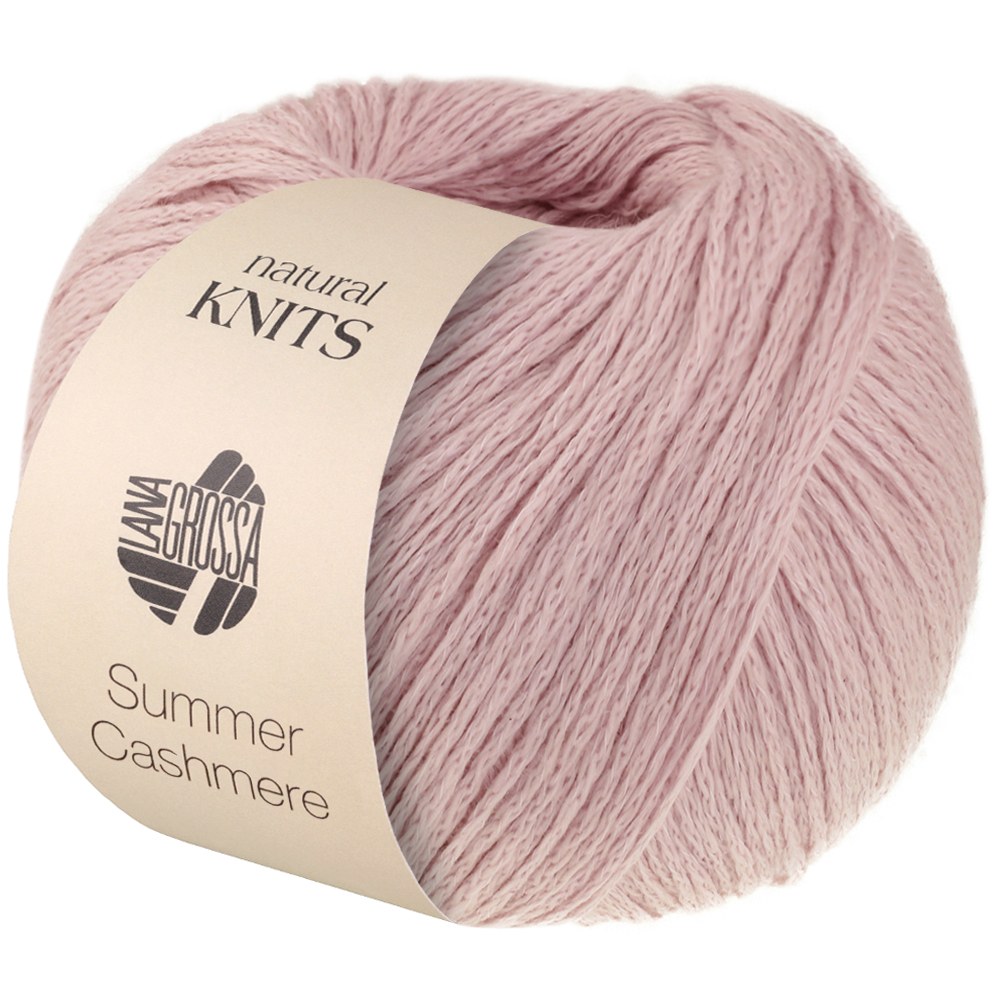
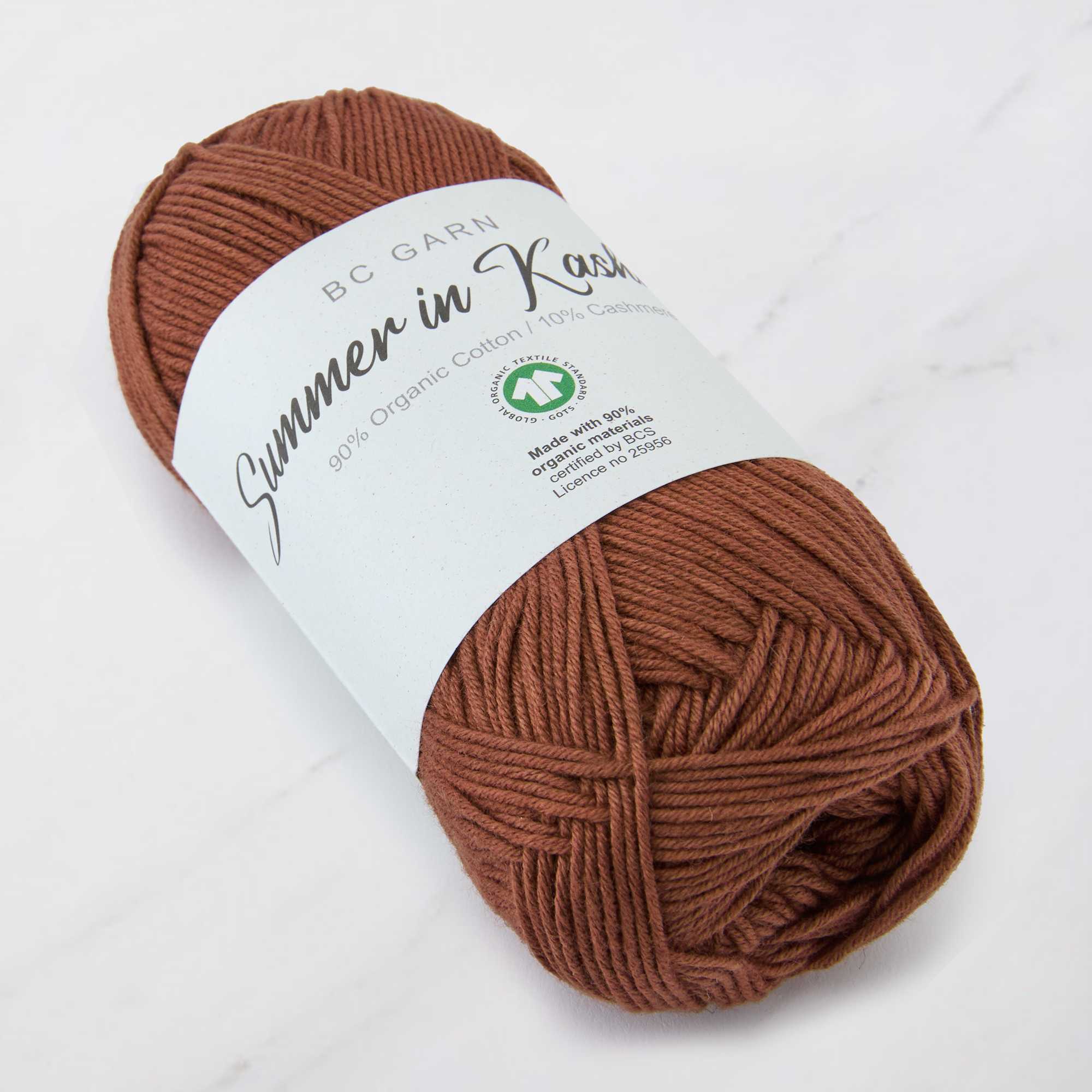
Dyed Cashmere Yarn
Yarn-dyed and piece-dyed cashmere in custom Pantone shades, seasonal palettes, or garment-dye effects. CENWILD works with certified dye houses to achieve colorfastness, batch consistency, and eco-friendly processes. Whether you need vibrant hues for knit dresses or tonal neutrals for private-label sweater vests, we match your brand’s color story.
Get a Quote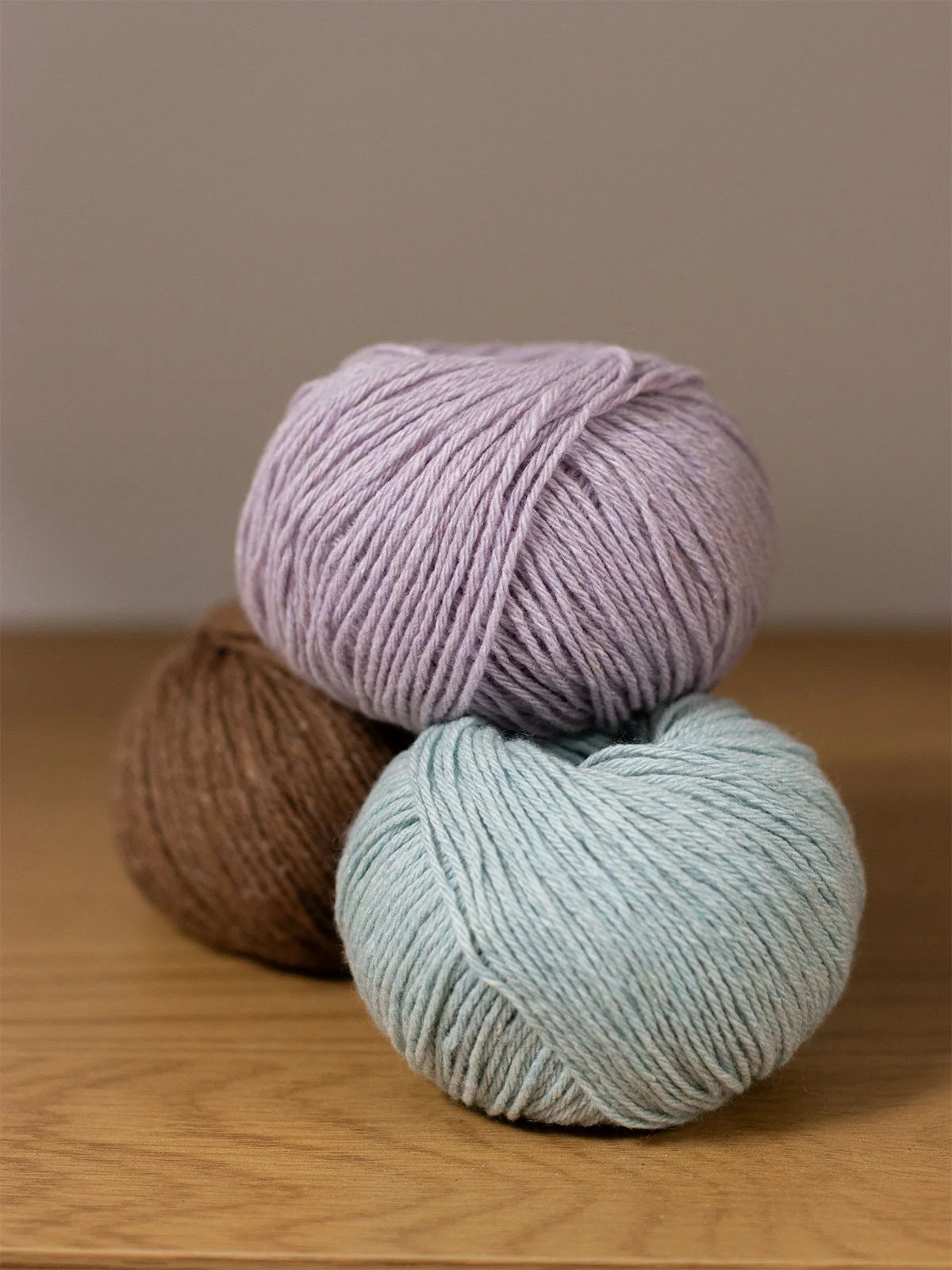
Organic Cashmere Yarn
Certified organic cashmere from traceable, chemical-free supply chains for brands prioritizing sustainability and transparency. Available in natural undyed tones or low-impact dyed colors. CENWILD supports OEM and ODM production of organic cashmere cardigans, pullovers, and crewnecks with full documentation for your eco-conscious customers and retail partners.
Get a Quote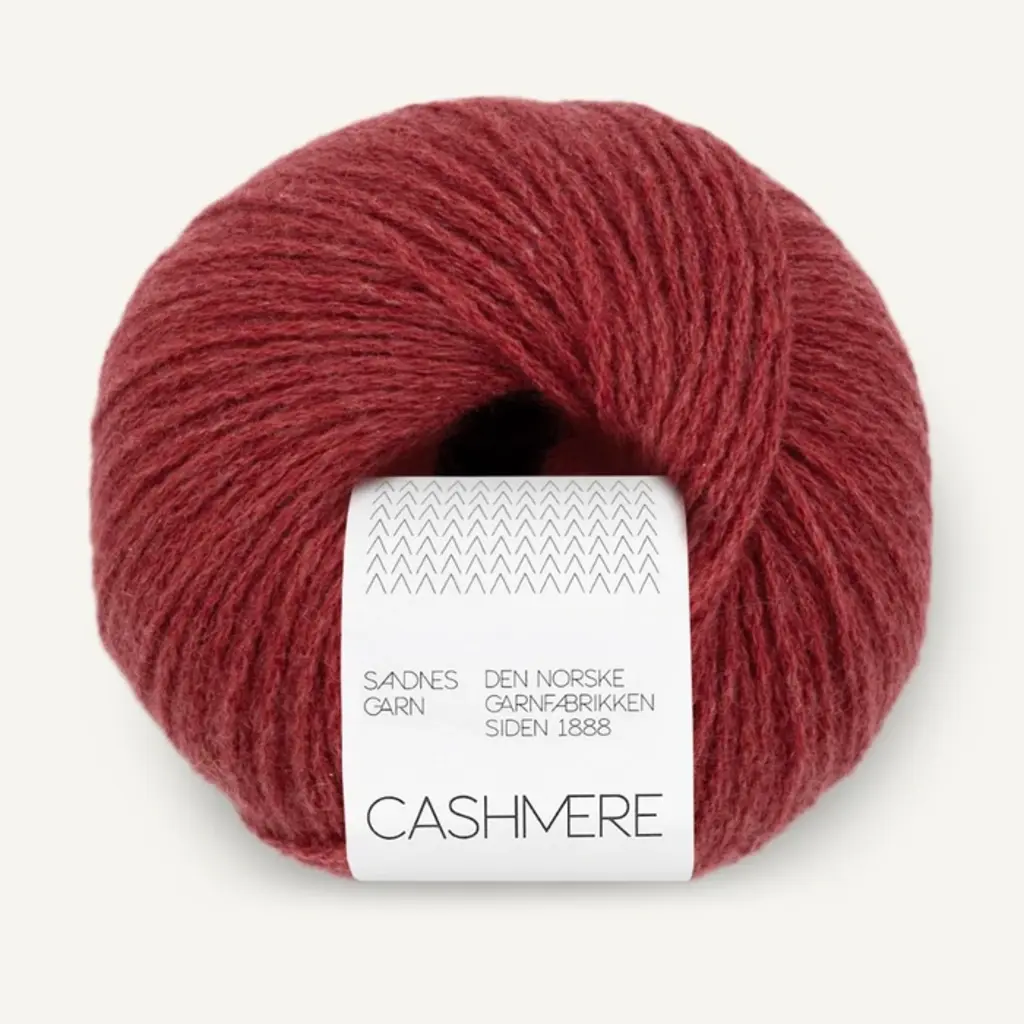
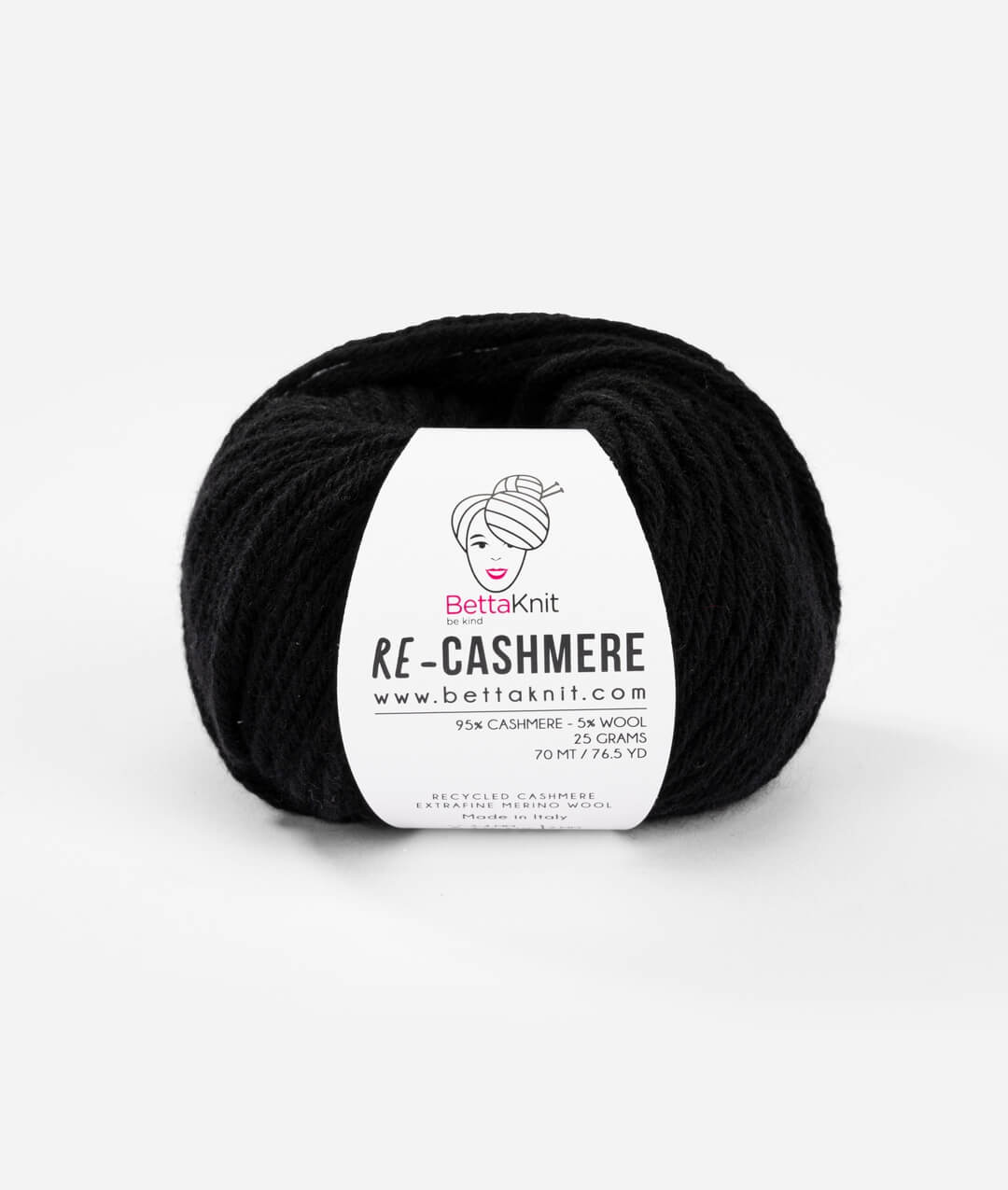
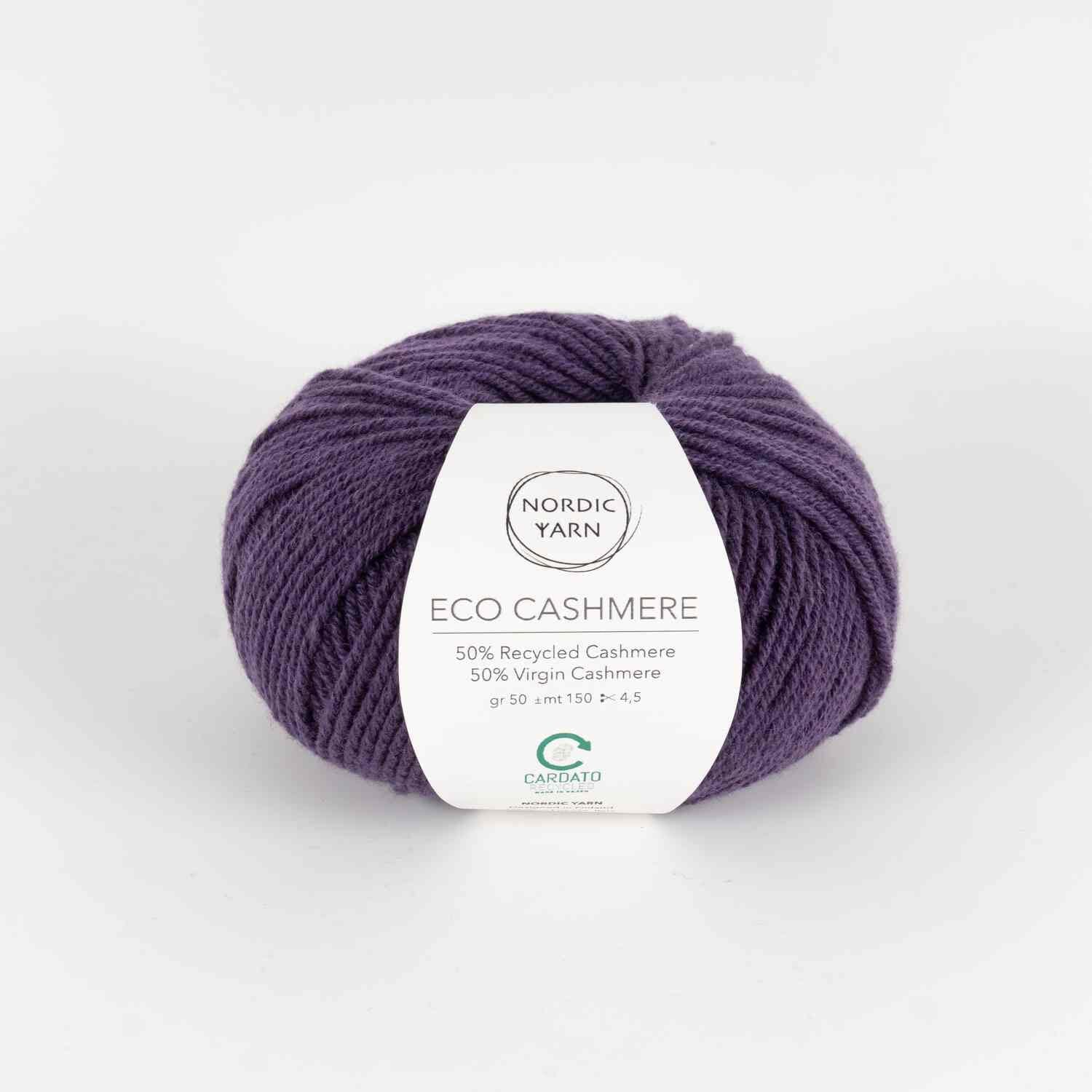
Recycled Cashmere Yarn
Recycled cashmere yarn reclaimed from pre-consumer or post-consumer waste, reducing environmental impact while preserving softness and warmth. Ideal for circular fashion brands, sustainable collections, and retailers targeting conscious consumers. Our Dongguan factory integrates recycled cashmere into turtlenecks, sweater vests, and seasonal knits with the same quality control as virgin fiber.
Get a QuotePremium Cashmere & Luxury Fiber Materials for Custom Sweaters
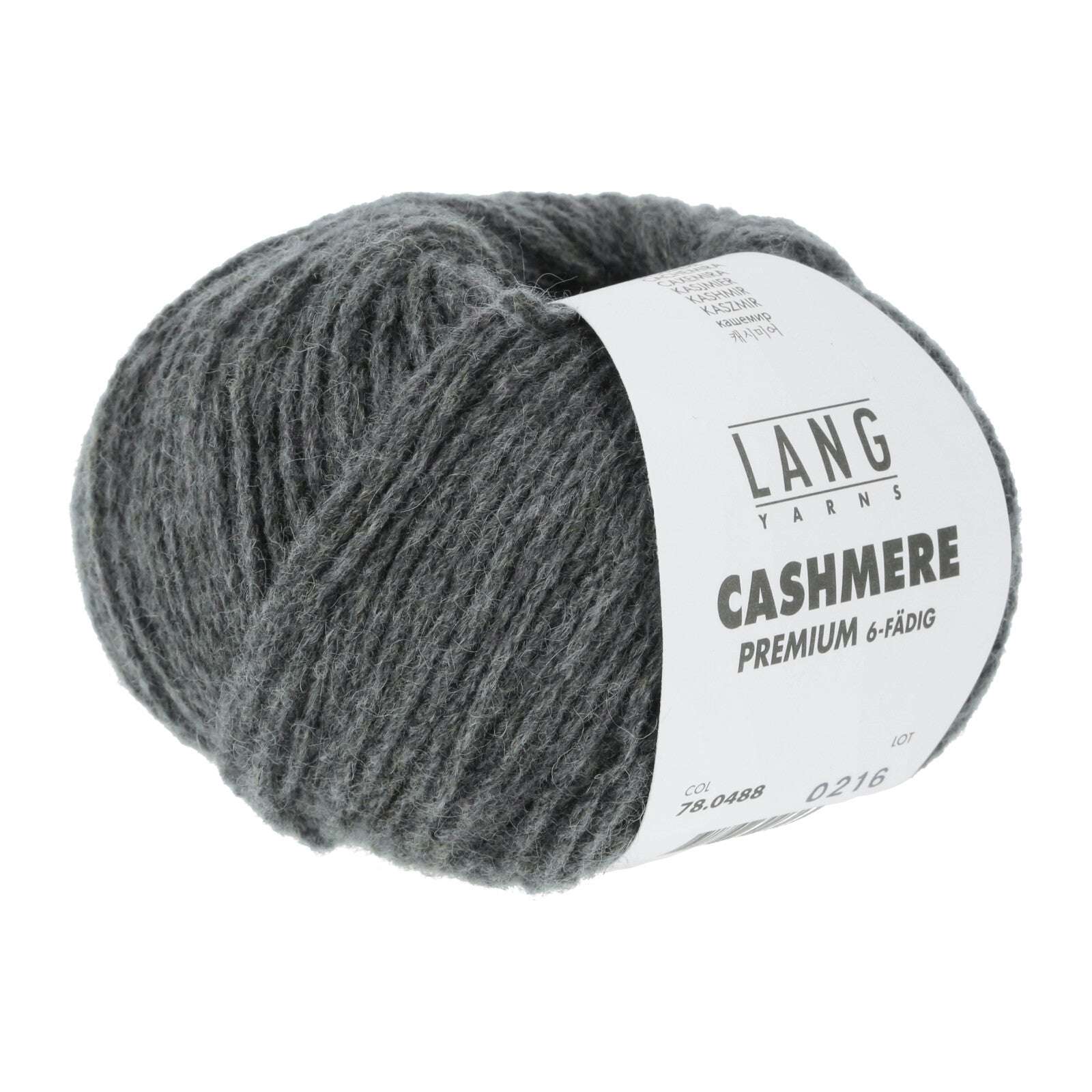
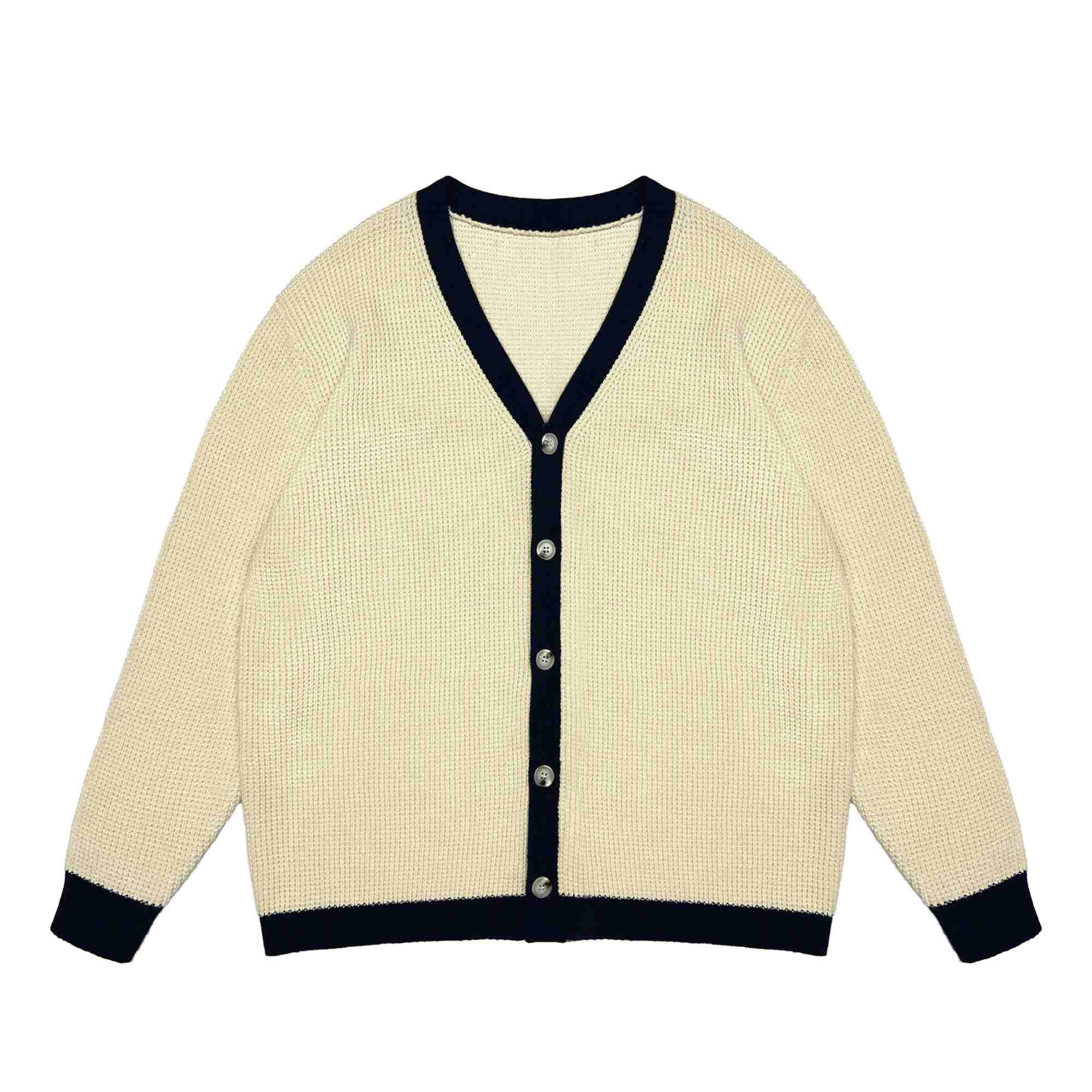
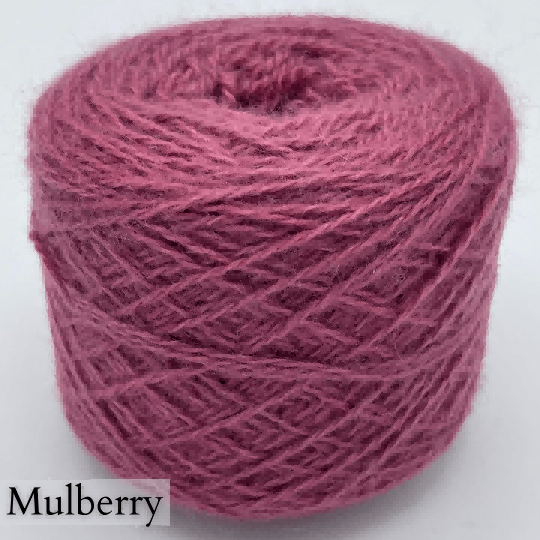
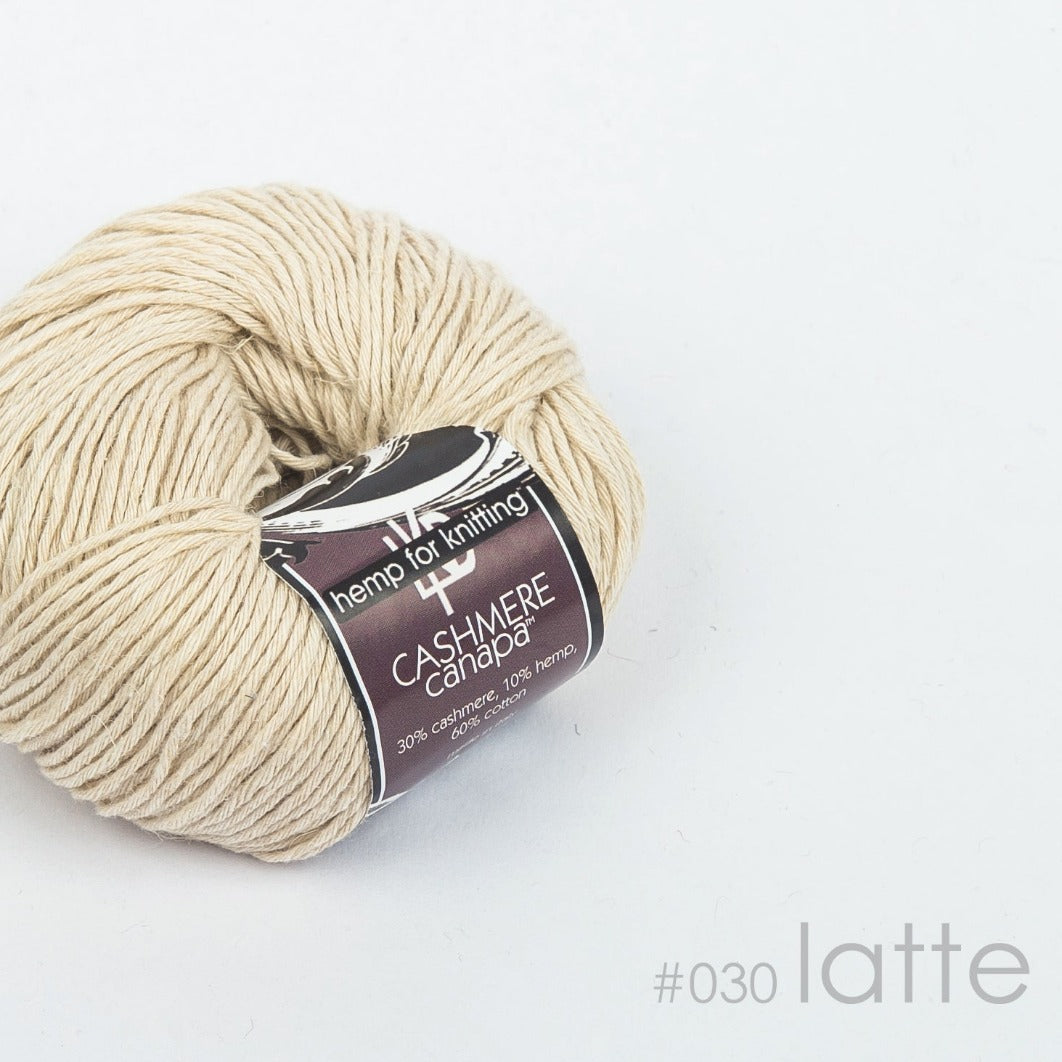
Knitting Techniques & Finishes for Custom Cashmere Sweater Production
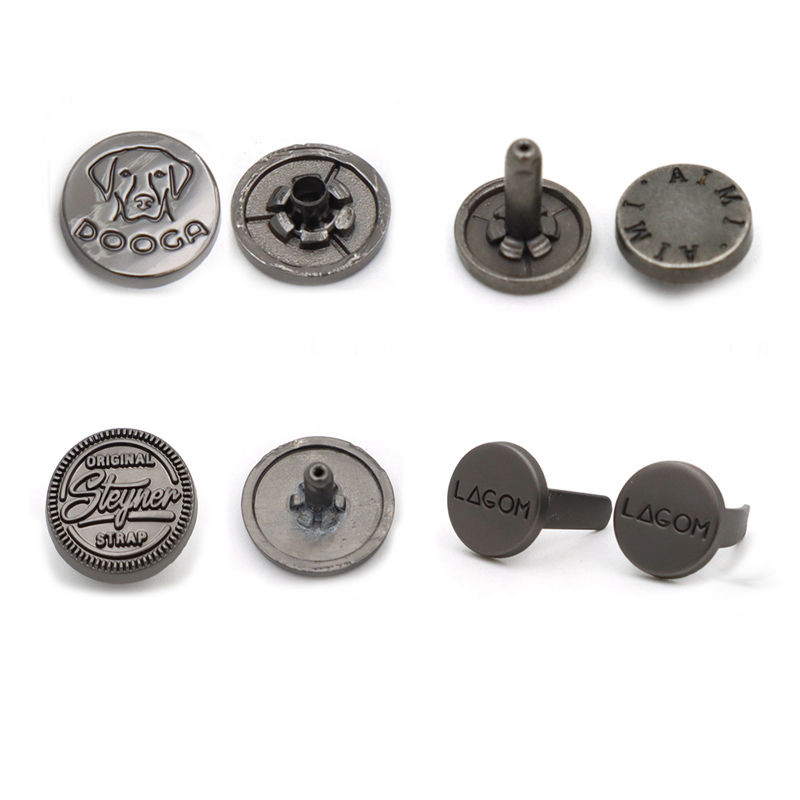
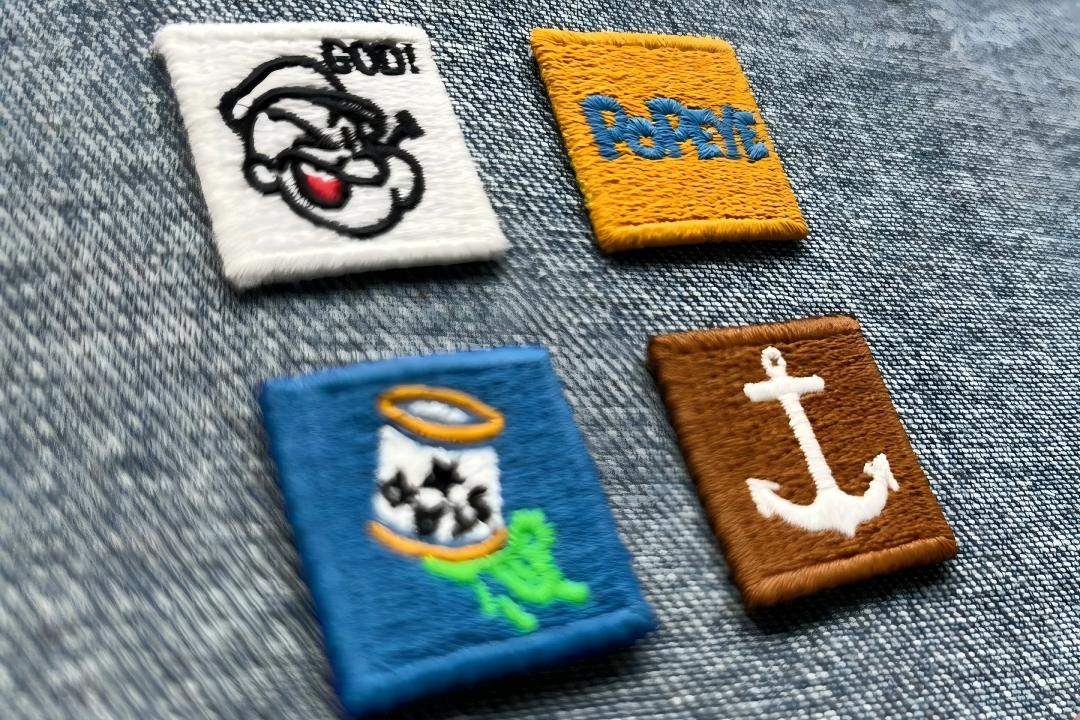
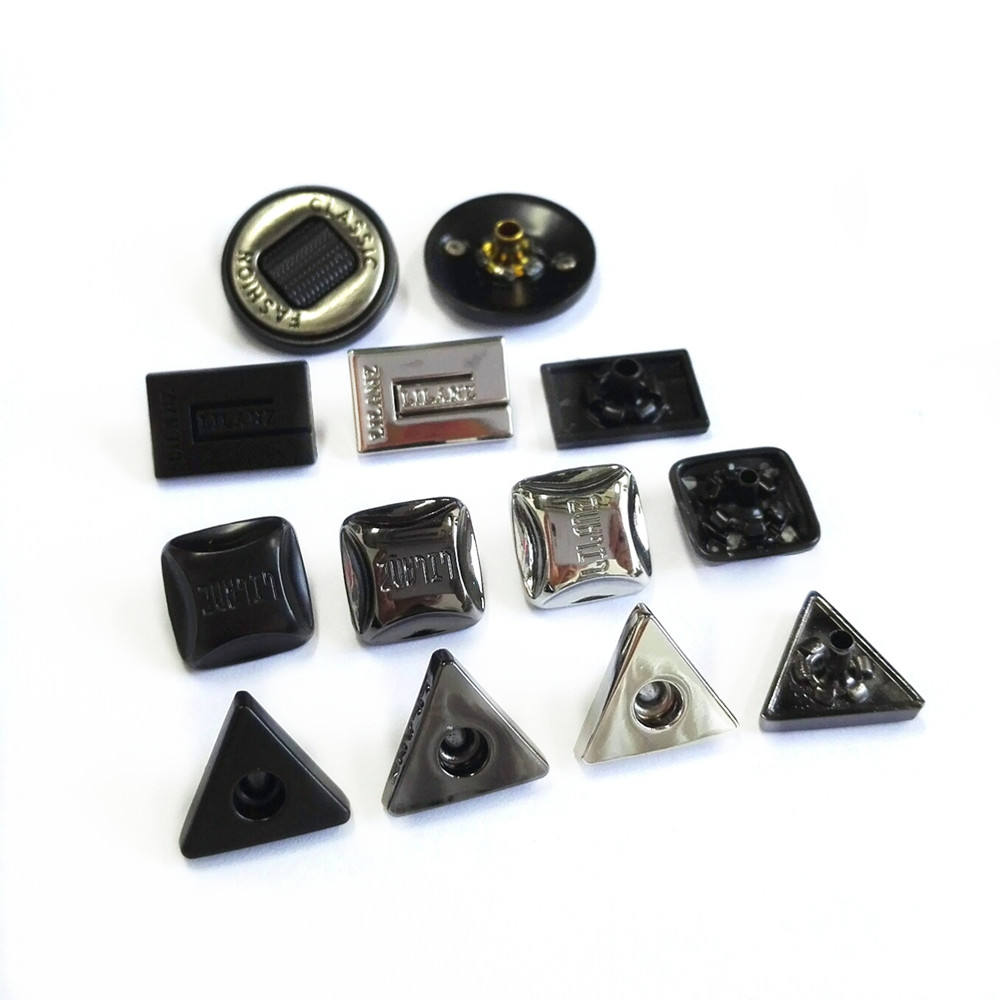
Trims & Accessories for Custom Cashmere Knitwear
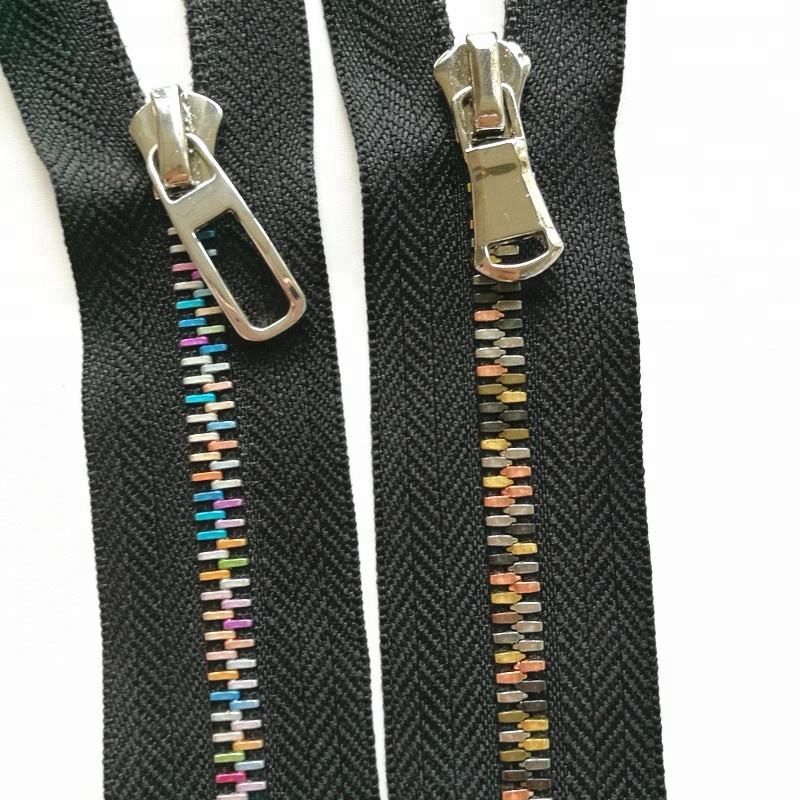
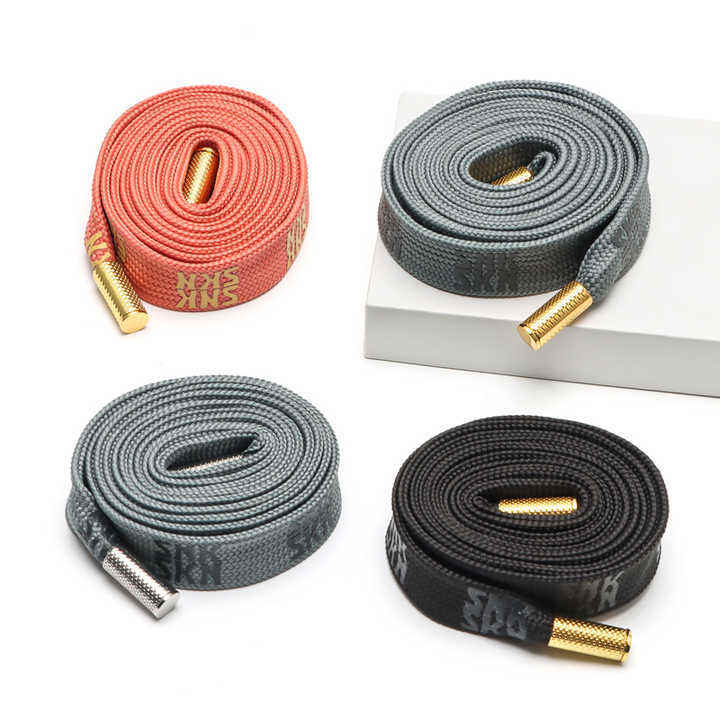
Drawcords & Tipping
Round, flat, or tubular drawcords with metal, plastic, or leather aglets. Color-matched or contrast tipping available for hems, hoods, and waistbands to add functional detail to cashmere knitwear.
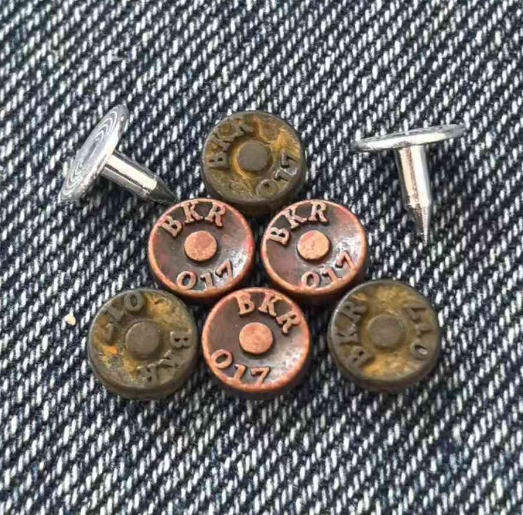
Hangtags & Packaging
Custom-printed hangtags, swing tags, and folded cards on premium stock with foil, embossing, or die-cut shapes. Poly bags, tissue, branded boxes, and garment bags complete your cashmere presentation.
About CENWILD — 28 Years of Custom Cashmere Sweater Manufacturing
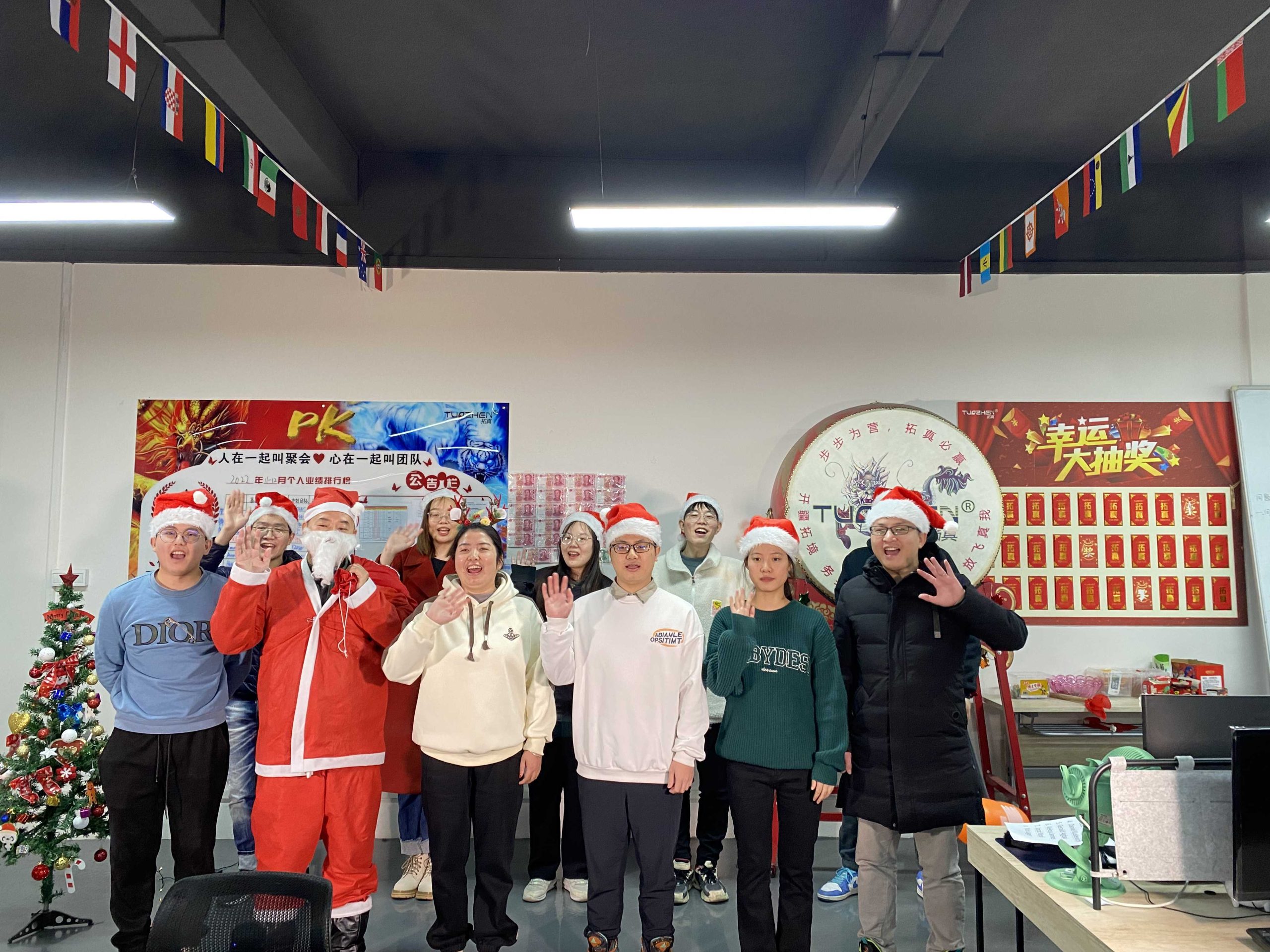
Founded in 1998 in Humen, Dongguan — the heart of China’s knitwear industry — CENWILD began as a small family knitting workshop and has grown into a full-service OEM and ODM sweater manufacturer serving over 2,000 fashion brands worldwide. Today we employ 200+ skilled professionals and operate a complete custom cashmere sweater and wholesale knitwear production line.
Our mission is to be the long-term manufacturing backbone behind growing fashion brands. We combine 28 years of technical expertise with flexible minimums starting at just 100 pieces, in-house design support, and full control over yarn sourcing, knitting, sampling, finishing, and export logistics — all from our Dongguan facility.
What sets CENWILD apart in custom cashmere sweater manufacturing is our one-stop capability: computerized flat-knitting across 3GG to 14GG gauges, monthly capacity exceeding 80,000 pieces, and a dedicated team that turns your concept — whether a tech pack, sketch, or idea — into production-ready wholesale sweaters, custom cardigans, and turtleneck knitwear with original stitch design and knit-down samples.
Core Competencies in Custom Cashmere Sweater & Wholesale Knitwear Production
In-House Knitting & Sampling Capabilities
CENWILD operates computerized flat-knitting machines across 3GG–14GG gauges in our Dongguan facility, producing knit-down samples and production runs with precision. Turnaround for custom cashmere sweater samples averages 7–14 days, ensuring your wholesale knitwear collection reaches market faster.
- 3GG–14GG gauge range for fine to chunky cashmere knits
- Monthly capacity exceeding 80,000 finished pieces
- Knit-down sampling with real cashmere yarn before bulk production
- Full intarsia, jacquard, cable, and fully-fashioned techniques
Design Development & Tech Pack Support
Whether you arrive with a complete tech pack or only a concept sketch, CENWILD’s design team translates ideas into production-ready patterns. We handle original stitch design, 3D knit programming, grading, and color matching for every custom sweater and wholesale knitwear project.
- Tech pack creation from photos, sketches, or ideas
- 3D knit programming and stitch structure optimization
- Grading across men's, women's, and children's sizing
- Color-matching services for brand consistency
Rigorous Quality Control & Testing
Every custom cashmere sweater and wholesale knitwear order undergoes anti-pilling tests, dimensional stability checks, and seam-strength inspections before shipment. Our quality-first approach—refined over 28 years—protects your brand reputation and reduces returns.
- Anti-pilling and abrasion resistance testing on cashmere fabrics
- Dimensional stability and shrinkage verification
- Seam strength and construction durability checks
- Final inspection by dedicated QC team before export
Flexible MOQ from 100 Pieces
CENWILD welcomes emerging designers and established brands alike with a minimum order of just 100 pieces per style. Scale confidently as your collection grows, supported by deposit terms that ease to 30% for long-term partners.
- MOQ starts at 100 pieces per style and colorway
- No hidden fees or surprise charges for small runs
- Deposit eases from 100% to 30% as partnership matures
- Payment via T/T, PayPal, credit card, USDT, or VTB Bank
CENWILD vs. Typical Custom Sweater Manufacturers
See how our 28+ years of Dongguan manufacturing experience, flexible MOQ, and full OEM/ODM capabilities set us apart from conventional custom sweater and wholesale knitwear manufacturers.
← 左右滑动查看 →
Our Custom Cashmere Sweater Production Process
From premium yarn sourcing to finished garment export, CENWILD controls every phase of custom cashmere sweater and wholesale knitwear manufacturing with 28+ years of Dongguan expertise and transparent quality assurance.
Yarn Sourcing & Selection
We source premium cashmere yarn from certified suppliers, verify fiber grade and micron count, and offer blends with merino, silk, or recycled fibers to match your custom sweater and wholesale knitwear specifications.
Knit-Down Sampling & Development
Our in-house design team creates original stitch patterns, programs 3D knit files, and produces physical knit-down swatches for approval before production begins.
Production Knitting
Computerized flat-knitting machines across 3GG–14GG gauges craft your custom cashmere knitwear with intarsia, jacquard, cable, and fully-fashioned techniques at over 80,000 pieces monthly capacity.
Quality Control Inspection
Every cashmere garment undergoes multi-point inspection for stitch integrity, dimension accuracy, color consistency, and finish quality before advancing to decoration or packing stages.
Finishing & Decoration
Garment washing, anti-pilling treatment, embroidery, printing, and custom trims are applied in-house to elevate your cashmere knitwear with brand identity and premium hand-feel.
Packing & Export Logistics
Final inspection, custom packaging, carton marking, and export documentation are handled end-to-end, ensuring your cashmere yarn wholesale order ships on time to any global destination.
How to Partner with CENWILD for Cashmere Yarn Wholesale
From design concept to finished cashmere knitwear, CENWILD makes custom manufacturing simple and transparent. Follow these steps to bring your vision to life with our 28-year Dongguan team.
Submit Your Design Brief
Send your tech pack, sketch, photo, or concept. Our design team reviews your cashmere knitwear requirements and confirms yarn selection, gauge, and stitch details.
Receive Quote and Sampling Timeline
Within 24–48 hours, get a detailed quotation covering cashmere yarn sourcing, knitting, finishing, and MOQ from 100 pieces, plus knit-down swatch lead time.
Approve Knit-Down Swatch
We produce a production-ready sample using your chosen cashmere yarn. Review fit, hand-feel, stitch quality, and color before committing to bulk production.
Place Bulk Order and Track Production
Confirm your order with flexible deposit terms. Our team manages yarn procurement, knitting, embroidery, washing, QC, and packaging with milestone updates throughout.
Receive Shipment and Grow
Final balance is paid before shipment. Your cashmere knitwear is delivered on time, ready for sale, with ongoing support for reorders and new collections.
Certifications & Quality Assurance for Cashmere Yarn Wholesale

Brands Trust CENWILD for Cashmere Yarn Wholesale
CENWILD’s cashmere yarn wholesale service helped us launch our winter collection in just 6 weeks. Their in-house sampling and knitting expertise turned our sketches into market-ready pieces faster than any supplier we’ve worked with.
We scaled from 200 to 5,000 cashmere units in one season thanks to CENWILD’s flexible MOQ and production capacity. Their team handled every step from yarn sourcing to final packaging, letting us focus on brand growth.
Working with CENWILD reduced our sampling time by 50%. Their design team understood our cashmere blend requirements immediately and delivered knit-down samples that matched our vision perfectly. Quality has been flawless across every order.
FAQ — Cashmere Yarn Wholesale & Custom Knitwear
What is the minimum order quantity for cashmere yarn wholesale knitwear?
How long does sampling and production take for cashmere yarn wholesale orders?
Do you charge for samples when ordering cashmere yarn wholesale knitwear?
What payment methods do you accept for cashmere yarn wholesale?
Can you source specific cashmere yarn grades or blends for my collection?
How do you protect my designs and intellectual property?
What if I need design revisions during the sampling stage?
What are typical shipping timelines for cashmere yarn wholesale orders?
The Complete Buyer’s Guide to Cashmere Yarn Wholesale for Fashion Brands
Navigate the cashmere yarn wholesale market with confidence. This guide delivers a proven decision framework, supplier evaluation criteria, quality benchmarks, and common sourcing mistakes to avoid—helping you secure premium yarn at the right price.
1. What Is Cashmere Yarn Wholesale?
Cashmere yarn wholesale refers to the bulk procurement of cashmere fiber spun into yarn for commercial knitwear production, typically sold in minimum order quantities of 50–500 kilograms per color or lot. Unlike retail skeins sold by the ball, wholesale yarn is purchased on industrial cones or hanks for factory knitting machines, with pricing structured per kilogram rather than per unit.
Fashion brands and knitwear manufacturers source cashmere yarn wholesale rather than finished garments when they control their own production lines, work with contract knitting partners, or require proprietary yarn blends and color recipes that off-the-shelf sweaters cannot deliver. Wholesale buyers include independent designers, private-label brands, wholesalers, and OEM/ODM manufacturers like CENWILD who knit sweaters for multiple clients.
The supply chain begins with raw cashmere fiber combed from goats in Inner Mongolia, sorted by grade and micron count, then scoured, carded, and ring-spun into 2-ply or multi-ply yarn at spinning mills. Wholesale buyers purchase these finished yarns in bulk, enabling cost savings of 30–50 percent versus retail and ensuring consistency across production runs of hundreds or thousands of garments.
2. The Evolution of Cashmere Yarn in the Fashion Industry
Until the 1980s, cashmere yarn was milled almost exclusively in Scotland and Italy, with wholesale minimums often exceeding 500 kg per color — accessible only to established luxury houses. European dominance began shifting in the 1990s when Chinese and Mongolian mills invested in de-hairing and spinning technology, cutting wholesale prices by 40–60% and opening cashmere yarn wholesale to mid-tier brands.
By 2005, Inner Mongolia and Ningxia provinces accounted for over 70% of global cashmere processing capacity, and minimum order quantities dropped from metric tons to 50–100 kg lots. This transformation allowed independent designers and small fashion brands to source premium cashmere yarn wholesale without the capital reserves previously required.
The past decade has seen sustainable sourcing certifications — including SFA (Sustainable Fibre Alliance) and organic cashmere standards — gain traction as consumers demand transparency. Today, cashmere yarn wholesale suppliers in Asia offer lot sizes as low as 25 kg and ship directly to startups worldwide, democratizing a fiber once reserved for heritage labels.
3. Types of Cashmere Yarn Wholesale
Cashmere yarn wholesale markets offer four primary classification systems: fiber composition, yarn weight, ply structure, and finishing treatment. Understanding each category helps buyers match material cost, performance, and end-product requirements across cardigans, pullovers, and luxury knitwear collections.
Pure Cashmere vs. Cashmere Blends
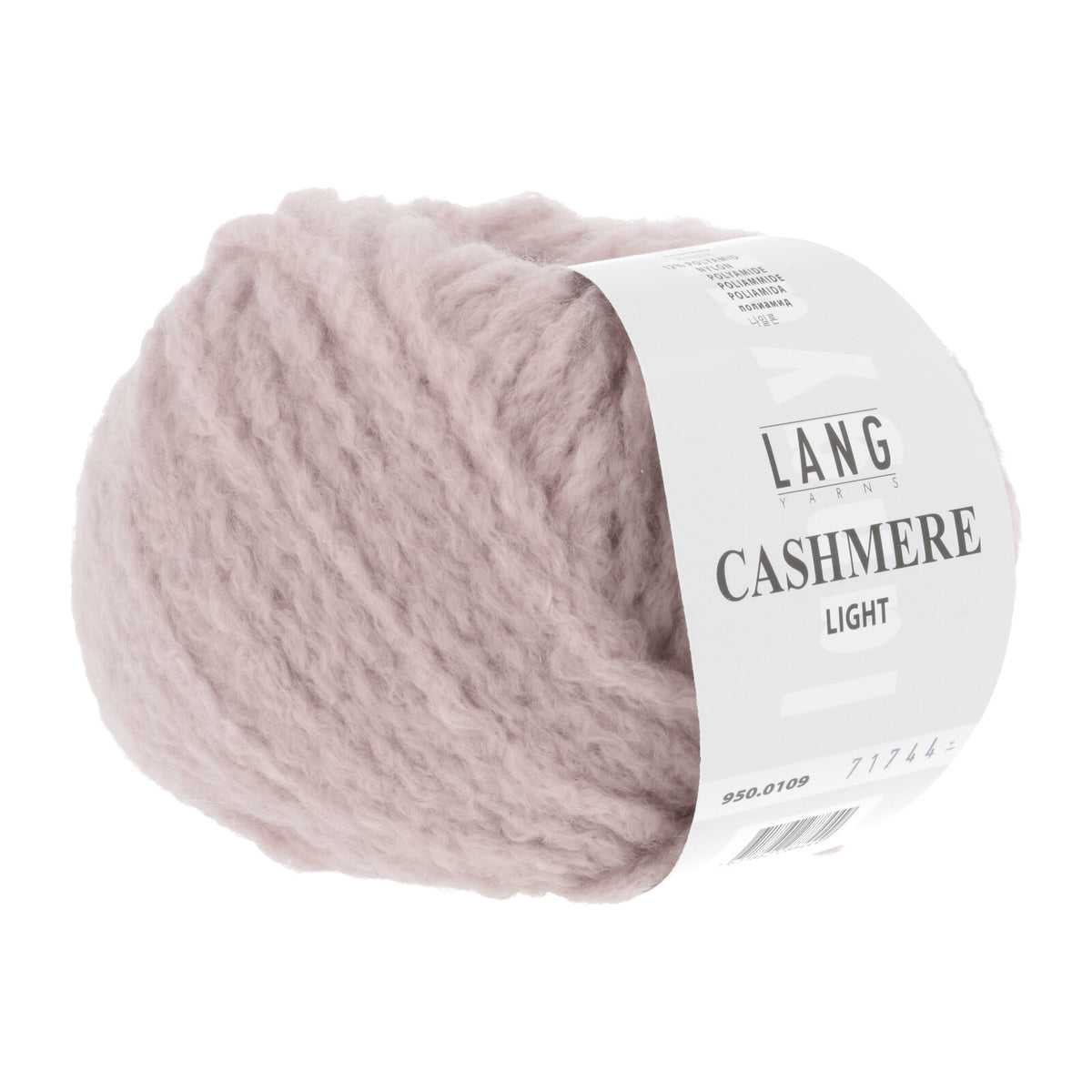
100% cashmere delivers maximum softness and warmth-to-weight ratio but commands premium pricing — typically $80–$150 per kilogram wholesale. Cashmere-wool blends (30/70 to 70/30) reduce cost by 40–60% while retaining much of the hand-feel, ideal for mid-tier cardigans and crewnecks.
Cashmere-silk blends (70/30 or 80/20) add drape and luster for evening sweaters and knit dresses. Cashmere-cotton blends (50/50) offer breathability for transitional-season pullovers at accessible price points, expanding market reach for emerging brands.
Yarn Weight Categories
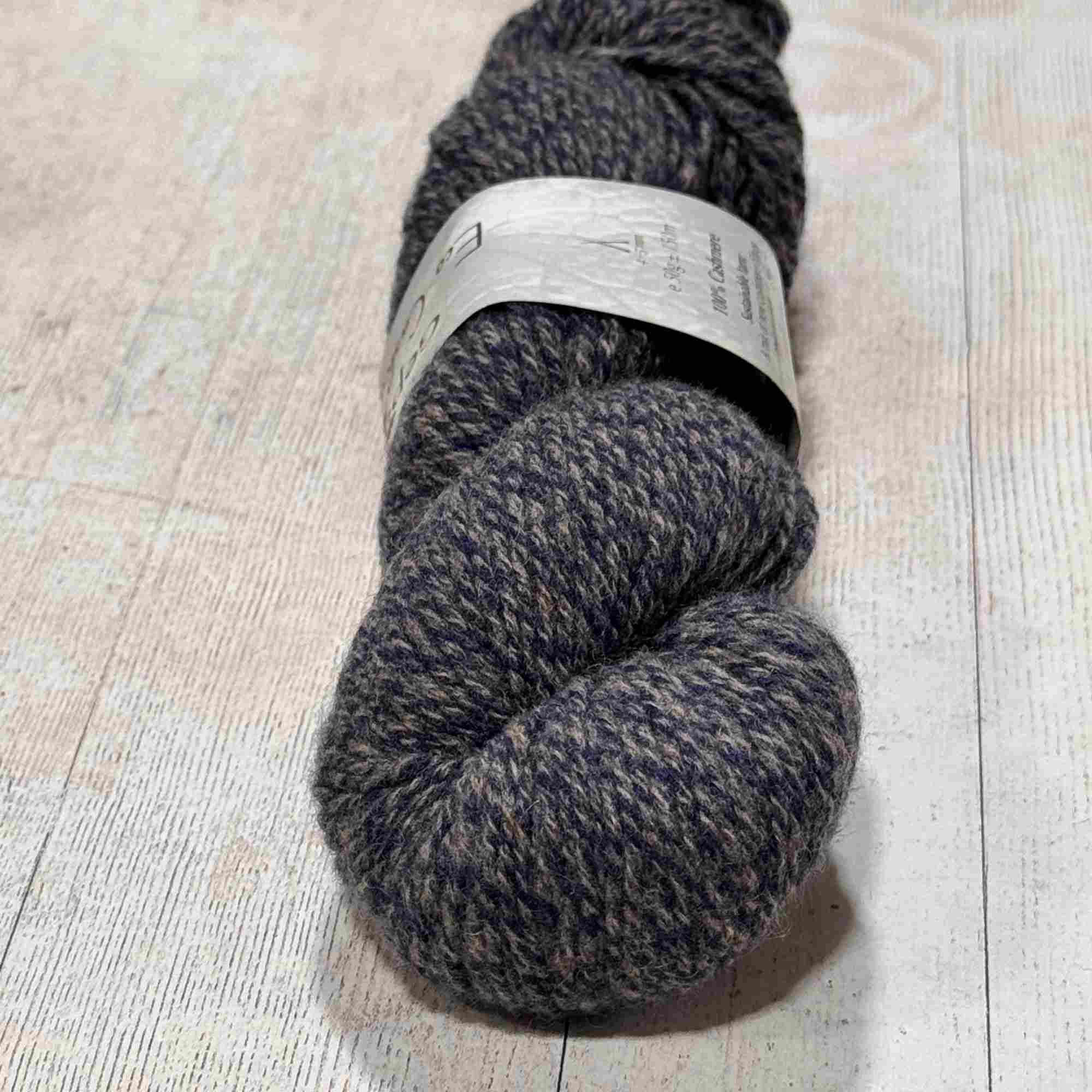
Lace and fingering weights (1–3 ply, 400–800 m/100 g) suit ultra-fine gauge luxury pieces and layering tees. Sport and DK weights (4–6 ply, 200–300 m/100 g) balance drape and structure for everyday pullovers and turtlenecks.
Worsted and bulky weights (8+ ply, 100–180 m/100 g) deliver the chunky, textured aesthetic popular in oversized cardigans and cable-knit styles, though they consume more fiber per garment and raise unit costs proportionally.
Ply Count and Structure
2-ply cashmere yarn offers lightness and softness for fine-gauge 12GG–14GG knits but shows less resilience under tension. 4-ply and 6-ply constructions add body and stitch definition, preferred for 5GG–7GG intarsia, jacquard, and cable patterns where pattern clarity matters.
Higher ply counts improve pilling resistance and garment longevity, justifying the 15–25% price premium for brands positioning in the premium segment and seeking lower return rates.
Finishing Treatments
Raw (greige) cashmere yarn arrives undyed and untreated, offering maximum color-customization flexibility and lowest per-kilo cost. Dyed yarn ensures batch consistency and shortens lead times by 7–10 days, critical for fast-turnaround seasonal collections.
Mercerized and enzyme-treated yarns reduce pilling and enhance luster, adding $8–$15 per kilogram but lowering garment-finishing costs and improving perceived quality in retail channels where hand-feel drives purchase decisions.
4. Materials and Fiber Grades in Cashmere Yarn Wholesale
Cashmere yarn wholesale pricing and performance depend on fiber grade, origin, and blend ratio. Understanding micron count, staple length, and regional quality differences ensures you match material cost to your brand’s positioning and retail price point.
| Fiber Grade | Micron Range | Staple Length | Price Premium vs. Grade C | Best Application |
|---|---|---|---|---|
| Grade A | 14–15.5 µm | ≥36 mm | +80–120% | Luxury sweaters, high-end retail |
| Grade B | 16–17 µm | 34–36 mm | +40–60% | Mid-tier collections, accessible premium |
| Grade C | 18–19 µm | <34 mm | Baseline | Blends, high-volume basics |
Fiber Grading: Micron Count and Staple Length
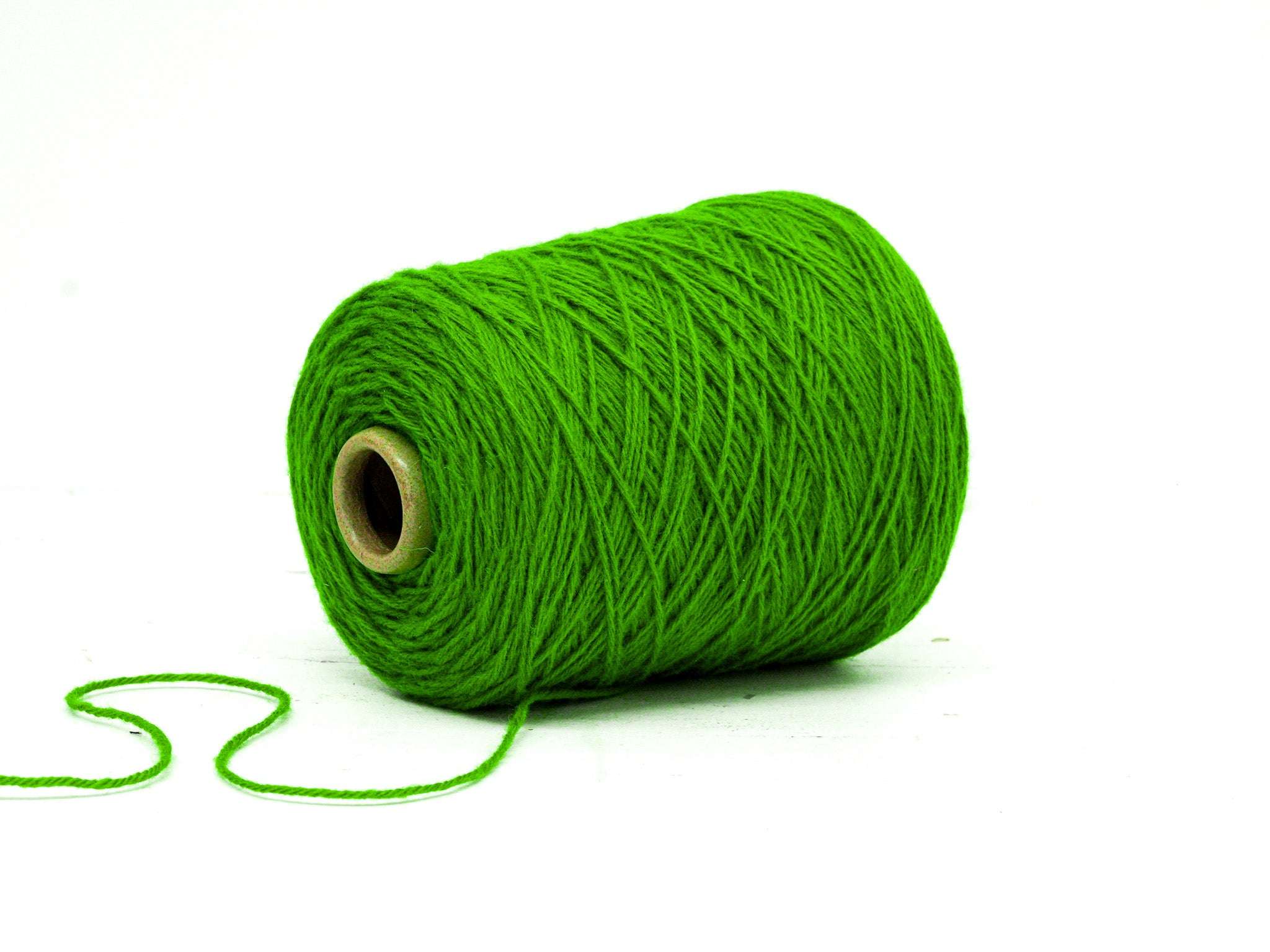
Grade A cashmere measures 14–15.5 microns with staple length ≥36 mm, delivering the softest hand and highest durability. Grade B runs 16–17 microns and 34–36 mm, suitable for mid-tier collections. Grade C (18–19 microns, <34 mm) is often blended with wool or synthetic to lower cost.
CENWILD sources across all three grades, helping brands select fiber that aligns with retail positioning—Grade A for luxury lines, B for accessible premium, and C for high-volume basics.
Geographic Origins and Quality Differences
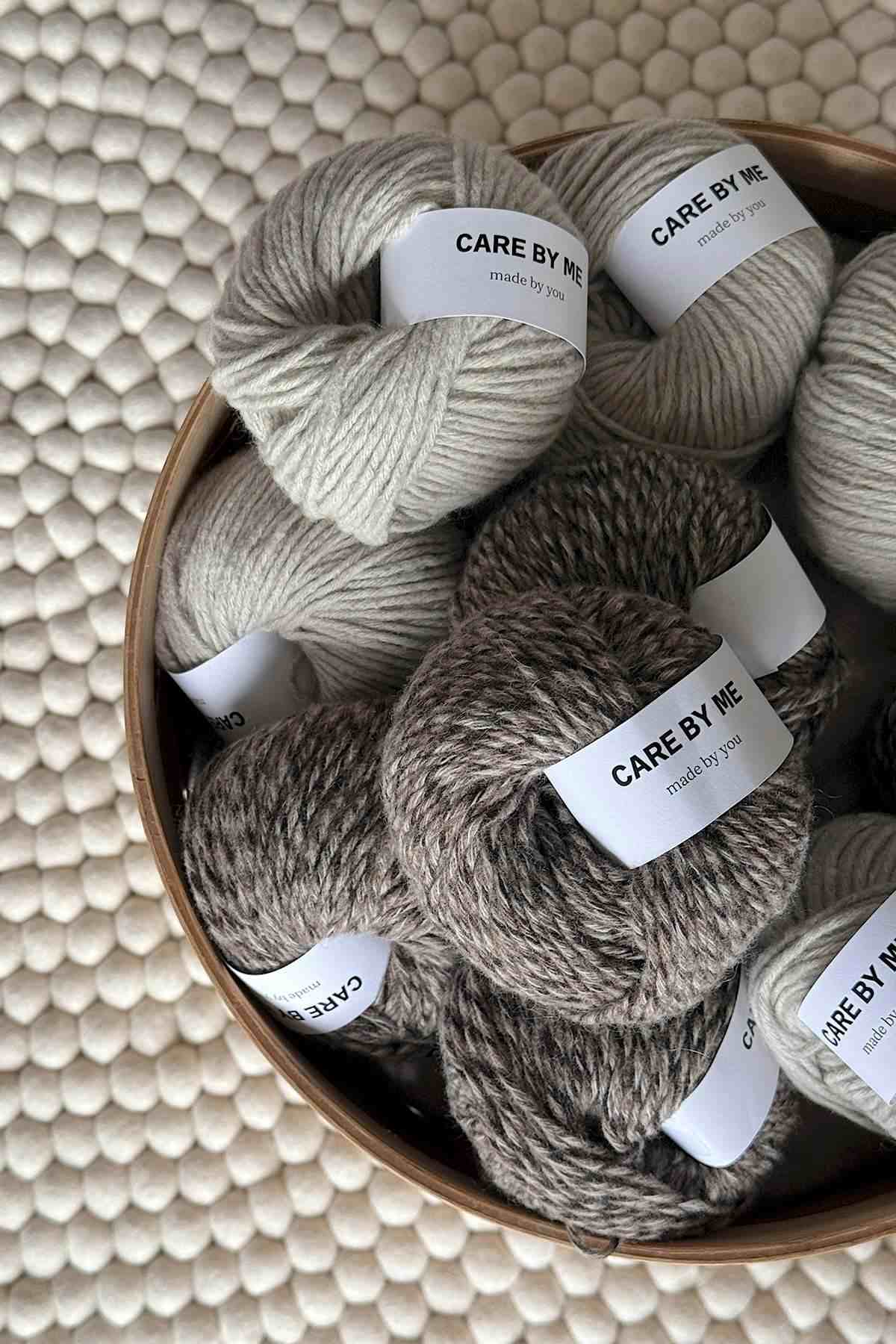
Inner Mongolia cashmere is prized for fine micron count and long staple, commanding the highest wholesale prices. Xinjiang fiber offers good length at moderate cost. Iranian and Afghan origins deliver coarser, shorter fibers suited to blends and budget collections.
CENWILD’s yarn-sourcing network spans these regions, enabling clients to balance authenticity, hand-feel, and landed cost per kilogram.
5. Customization Options for Cashmere Yarn Wholesale Orders
Cashmere yarn wholesale suppliers offer customization tiers that range from stock-dyed yarn to fully engineered fiber blends. Understanding MOQ thresholds, lead-time trade-offs, and cost impact helps brands decide when off-the-shelf yarn meets their needs versus when custom runs justify the investment.
Custom Dyeing and Color Matching
Pantone matching typically requires 50–100 kg minimum per color, adding 10–15 days to lead time and 8–12% to unit cost. Ombré and heathered effects demand specialized dye-lot planning, often starting at 100 kg to ensure consistent gradient transitions across production batches.
Stock-dyed cashmere yarn ships within 5–7 days and suits brands launching seasonal capsules or testing new styles. Custom color runs make sense for signature brand palettes or large repeat orders where color consistency across multiple production cycles is critical.
Yarn Twist and Texture Modifications
Adjusting twist per inch (TPI) from standard 4–6 to high-twist 8–10 or low-twist 2–3 changes drape, loft, and pilling resistance. Custom twist orders start at 200 kg minimum, extend lead time by 7–10 days, and add 5–8% to cost.
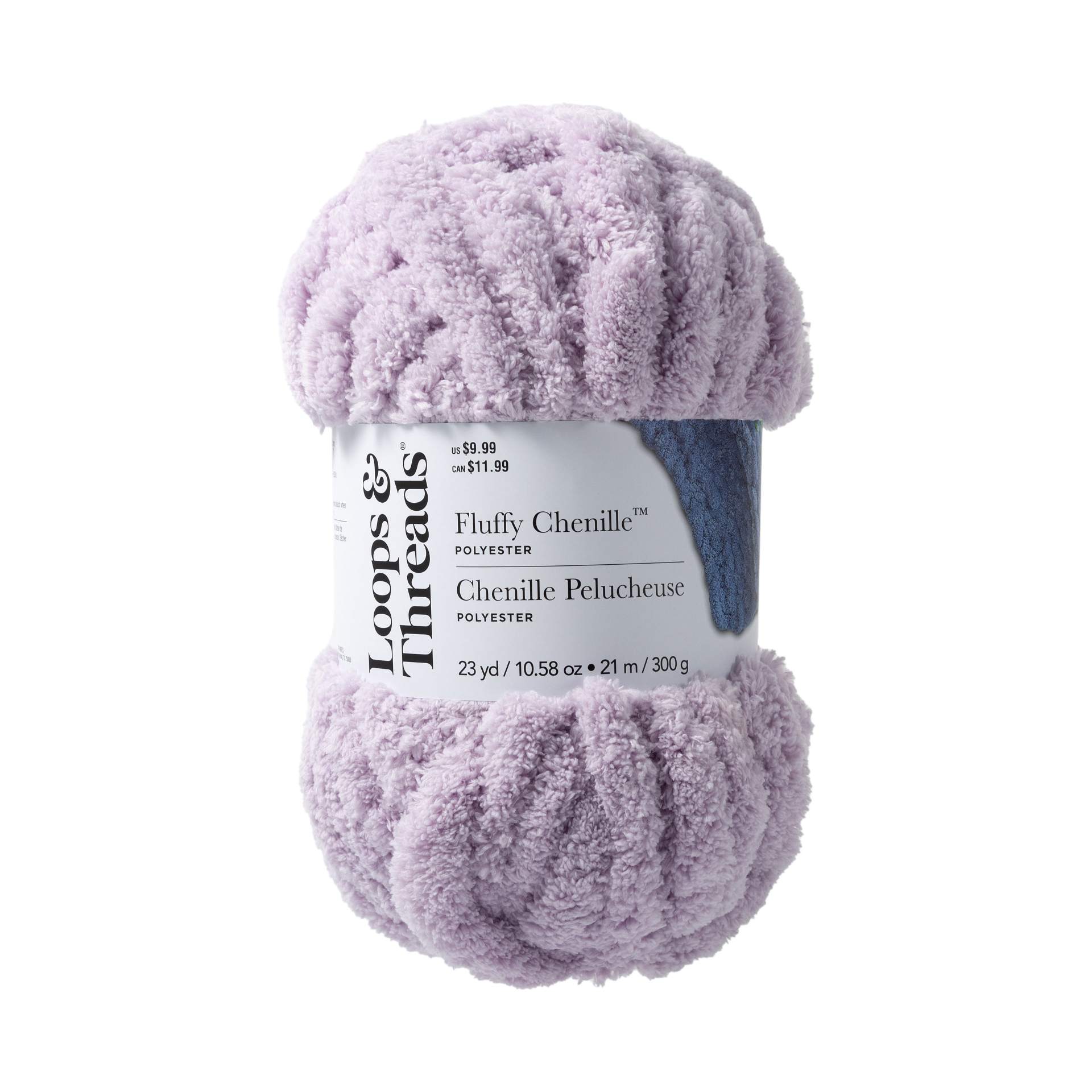
Texture modifications — bouclé, slub, or brushed finishes — require dedicated spinning runs. Brands needing unique hand-feel for signature pieces benefit; those producing classic crewnecks or cardigans typically use standard 2/26 or 2/28 constructions available ex-stock.
Fiber Blending Ratios
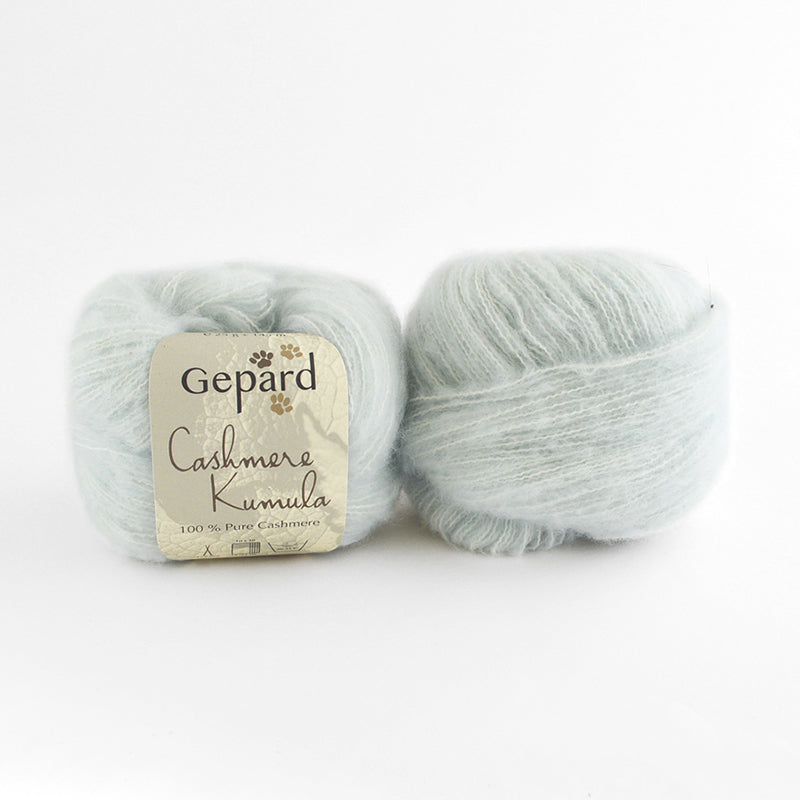
Custom cashmere blends — 70/30 cashmere-merino, 50/50 cashmere-silk, or 80/20 cashmere-recycled nylon — start at 300 kg minimum and add 12–18 days to lead time. Blending ratios affect softness, durability, price, and care instructions, so brands must balance luxury positioning against retail price targets.
Stock blends (common ratios like 95/5 cashmere-elastane or 100% pure cashmere) ship immediately and suit brands launching first collections or testing market response before committing to proprietary fiber recipes.
Packaging and Labeling Options
Private-label packaging — custom cones, hangtags, and poly-bag printing — starts at 500-unit MOQ with 5–7 day lead time and adds $0.15–$0.40 per unit. Standard neutral packaging incurs no minimum and ships same-day, ideal for wholesalers or brands applying their own branding downstream.
Custom labeling makes sense for direct-to-consumer brands building brand equity or retailers requiring shelf-ready inventory. Wholesalers and B2B buyers typically choose bulk neutral packaging to minimize upfront cost and maintain flexibility across multiple retail partners.
6. Key Quality Indicators in Cashmere Yarn Wholesale
Assessing cashmere yarn wholesale quality protects your brand from costly defects and customer returns. Fiber testing, physical performance, and third-party certifications separate premium yarn from blended or substandard alternatives.
Fiber Length and Micron Count
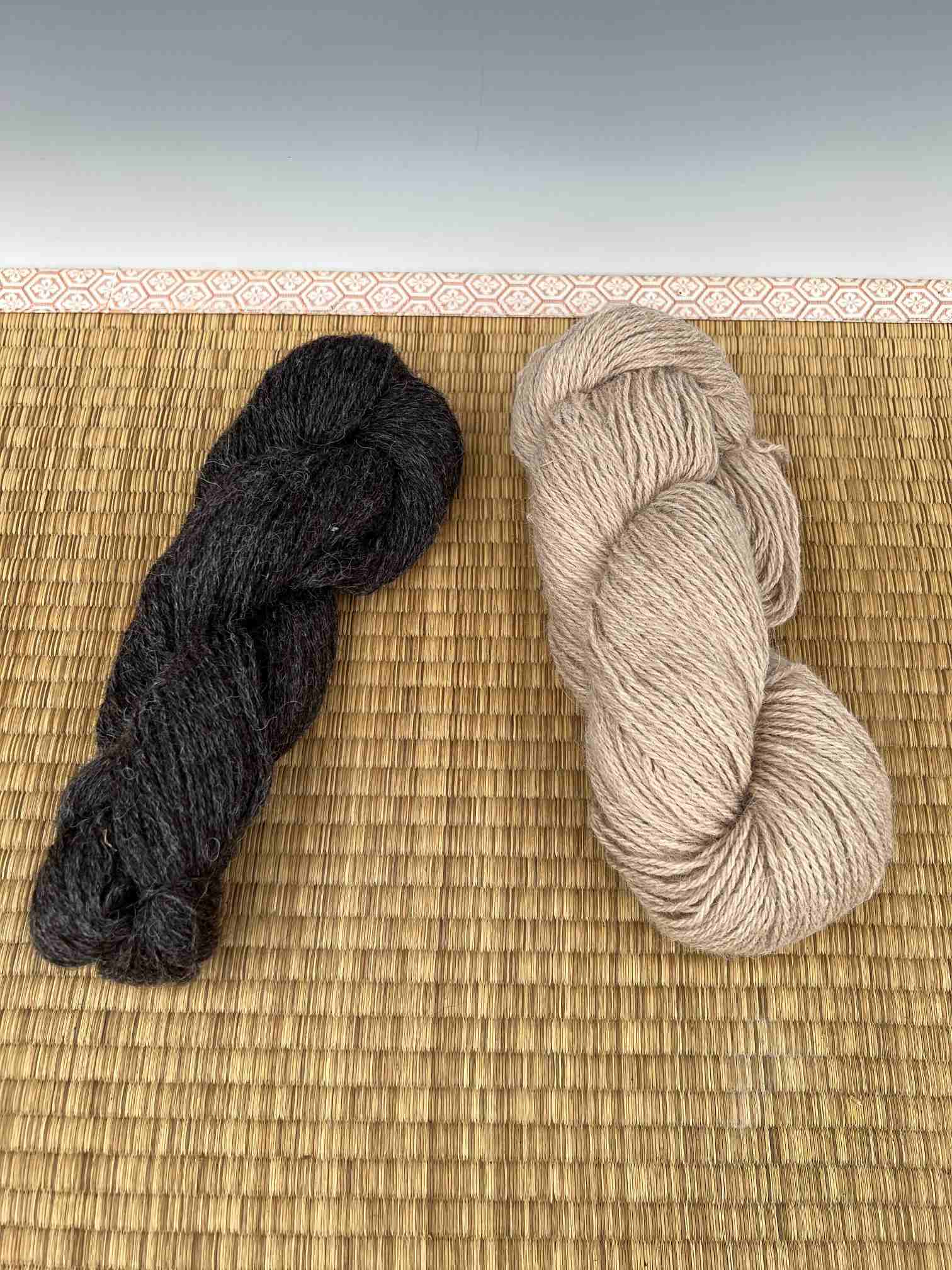
Premium cashmere fibers measure 14–16 microns in diameter; anything above 19 microns feels coarse and pills quickly. Fiber length should exceed 34 mm for smooth, durable yarn.
Request micron test reports from suppliers using ASTM D2130 or equivalent optical-fiber diameter analysis. Red flags include missing test data or vague ‘cashmere blend’ labels without percentages.
Pilling Resistance and Yarn Strength
Pilling resistance is measured by ICI or Martindale tests; grades 3–5 indicate acceptable performance for retail knitwear. Yarn twist (turns per inch) must remain consistent; under-twisted yarn sheds and breaks during knitting.
Ask for tensile strength data and knit-down swatches showing no excessive fuzzing after five wash cycles.
Certifications and Color Fastness
Oeko-Tex Standard 100 confirms yarn is free from harmful chemicals; GRS (Global Recycled Standard) verifies recycled cashmere content; Sustainable Fibre Alliance (SFA) certifies ethical sourcing.
Color fastness to washing (ISO 105-C06) and light (ISO 105-B02) should score grade 4 or higher to prevent fading and dye transfer.
7. How to Choose a Cashmere Yarn Wholesale Supplier
Selecting the right cashmere yarn wholesale supplier determines the quality, cost, and reliability of your knitwear production. A structured evaluation process covering certifications, testing, terms, and communication protects your brand from delays, quality issues, and hidden costs.
Verify Mill Certifications and Audit Reports
Request copies of OEKO-TEX, BSCI, or ISO certifications to confirm ethical and environmental standards. Ask for recent third-party audit reports covering labor conditions and production capacity.
Suppliers with transparent documentation typically maintain higher consistency and traceability across orders.
Request Lab Test Data and Sample Cards
Ask for fiber content analysis, micron count (14–16 μm for premium cashmere), and pilling resistance test results. Sample cards showing color fastness, shrinkage rates, and weight consistency reveal yarn quality before committing to production.
Reliable mills provide this data within 48 hours of inquiry.
Assess MOQ Flexibility and Payment Terms
Confirm minimum order quantities — 100-piece MOQ enables brand testing without overstock risk. Evaluate deposit structures: new-client terms often start at 100%, easing to 30% for established partners, with balance due before shipment.
Payment flexibility (T/T, PayPal, credit card) signals customer-focused operations.
Check References and Facility Access
Request contact details for two to three existing clients in your market segment. Ask about on-time delivery rates, defect handling, and post-sale support.
Schedule a virtual or in-person factory tour to observe knitting equipment, quality control stations, and yarn storage conditions.
8. Common Mistakes When Sourcing Cashmere Yarn Wholesale
Even experienced buyers make costly errors when purchasing cashmere yarn wholesale. Understanding these pitfalls — and their impact on production timelines, garment quality, and brand reputation — helps fashion brands avoid delays, chargebacks, and customer complaints.
Prioritizing Price Over Fiber Grade Verification
Choosing the lowest-priced yarn without testing fiber diameter or ply construction often results in pilling, shedding, or harsh hand-feel that damages brand credibility. Grade-A cashmere (14–15.5 microns) costs 20–40% more than Grade-C blends, but finished garments command higher retail prices and generate fewer returns.
CENWILD verifies fiber grades through lab testing and provides knit-down swatches so brands confirm softness and durability before committing to full production runs.
Skipping Written Quality Specifications in Purchase Orders
Verbal agreements on color tolerance, twist, or shrinkage leave both parties vulnerable to disputes. Purchase orders should specify fiber content percentages, acceptable micron range, dye-lot matching (ΔE < 1.0), and pre-wash shrinkage limits (typically ≤ 5%).
CENWILD includes these parameters in every order confirmation, ensuring alignment from sampling through final shipment and reducing costly rework or rejected batches.
Underestimating Lead Times for Custom Dye Lots
Custom Pantone matching and low-MOQ dye runs add 10–15 days to standard lead times. Brands that assume stock-dyed availability often face launch delays or force-match colors that drift across production batches.
CENWILD schedules dye-lot planning during the sampling phase, coordinating yarn procurement and knitting timelines to meet seasonal deadlines without rush fees.
9. Steps to Launch Your Knitwear Brand with Cashmere Yarn Wholesale
Launching a knitwear brand with cashmere yarn wholesale requires coordinating material sourcing, production schedules, and cash flow. CENWILD’s 100-piece MOQ and flexible deposit structure (100% on first orders, scaling to 30% for long-term partners) let emerging brands enter the market with manageable working capital.
Calculate Yarn Requirements from Tech Packs
A typical crewneck sweater in 12GG cashmere consumes 350–450 grams of yarn per piece, depending on size and design complexity. CENWILD’s design team translates tech packs, sketches, or photos into knit-down samples with precise yarn consumption data.
Factor a 5–8% waste allowance for linking, trimming, and quality control. For a 500-piece order, budget approximately 185–240 kilograms of yarn to ensure uninterrupted production and consistent dye lots.
Budget for Yarn, Knitting, and Finishing
Cashmere yarn wholesale typically represents 40–55% of total garment cost, with knitting labor at 20–25% and finishing (washing, anti-pilling, pressing, embroidery) at 15–20%. A mid-weight cashmere pullover may cost $28–$42 in materials and $18–$26 in labor and finishing.
CENWILD offers transparent costing at the sampling stage, allowing brands to adjust yarn grade, gauge, or decoration to meet retail price targets before committing to full production.
Coordinate Yarn Delivery with Production Schedules
Lead time for cashmere yarn wholesale ranges from 15–25 days for stock colors to 30–40 days for custom dye lots. CENWILD schedules knitting to begin immediately upon yarn arrival, with typical production cycles of 25–35 days for 500–1,000 pieces.
Align yarn orders with your launch calendar: allow 60–75 days total from yarn purchase order to finished goods, plus shipping. Payment via T/T, PayPal, or USDT supports international coordination.
Plan Inventory for Reorders and Working Capital
First-time buyers should plan working capital for at least 1.5 production cycles: initial deposit, balance payment before shipment, and a reserve for reorder deposits. CENWILD’s MOQ of 100 pieces per style (50 per color for reorders) allows test-and-scale inventory strategies.
Reorder lead times compress to 20–28 days when using the same yarn and construction, enabling agile response to sell-through data without over-committing cash to untested SKUs.
10. Cashmere Yarn Wholesale Pricing and Cost Factors
Cashmere yarn wholesale pricing varies by fiber grade, ply count, blend ratio, dye customization, and order volume. Pure Grade-A cashmere (15–15.5 micron) commands USD 80–120 per kilogram at 200 kg minimum, while 70/30 cashmere-merino blends start around USD 35–50 per kilogram. Two-ply and multi-ply constructions add 15–25 percent to base yarn cost due to twisting labor and yield loss.
Custom dyeing to Pantone standards incurs setup fees of USD 200–400 per color and requires minimum 50 kg per shade, whereas stock-dyed yarn ships within 7–10 days. Volume tiers unlock significant savings: orders above 500 kg typically reduce per-kilogram cost by 10–15 percent, and commitments over 1,000 kg can lower prices by up to 20 percent while securing priority production slots.
CENWILD sources cashmere yarn wholesale from Inner Mongolia and Xinjiang mills with full traceability, offering 100-piece garment MOQ that translates to approximately 50–80 kg yarn depending on style weight. Lead time scales inversely with quantity, ensuring brands balance cash flow against unit economics as they grow.
| Quantity Tier | Pure Cashmere (USD/kg) | 70/30 Blend (USD/kg) | Lead Time |
|---|---|---|---|
| 50–199 kg | 100–120 | 45–55 | 25–30 days |
| 200–499 kg | 85–100 | 38–48 | 20–25 days |
| 500–999 kg | 75–90 | 32–42 | 18–22 days |
| 1,000+ kg | 65–85 | 28–38 | 15–20 days |
Start Your Cashmere Yarn Wholesale Order Today
100-piece MOQ, 7–14 day sampling, and 28+ years of Dongguan craftsmanship. Partner with CENWILD and bring your vision to life.