
Custom Cashmere Cardigan Manufacturing — OEM/ODM, 100-Piece MOQ
CENWILD produces premium cashmere cardigans for fashion brands worldwide with flexible low minimums, in-house sampling, and 28+ years of Dongguan expertise.
Cashmere Cardigan Gallery
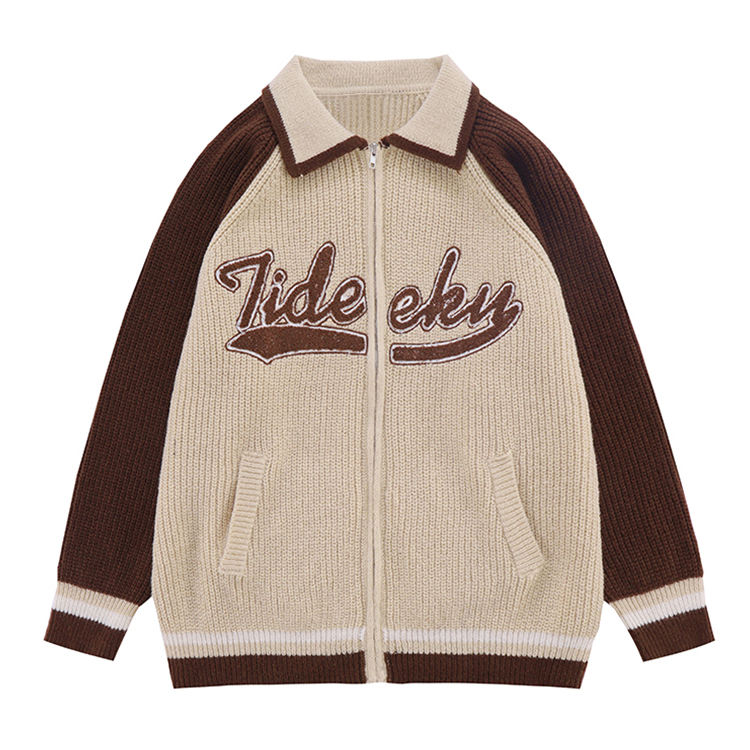
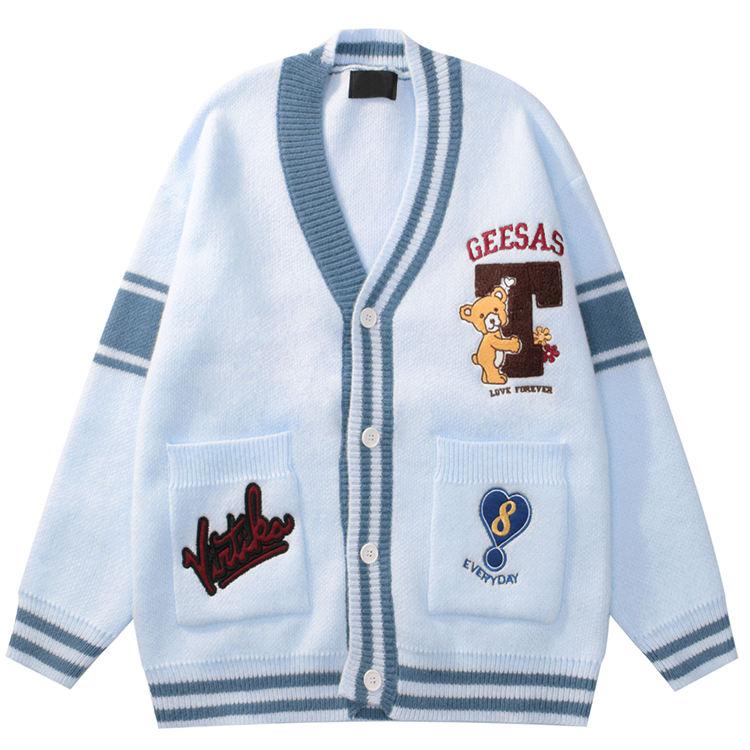
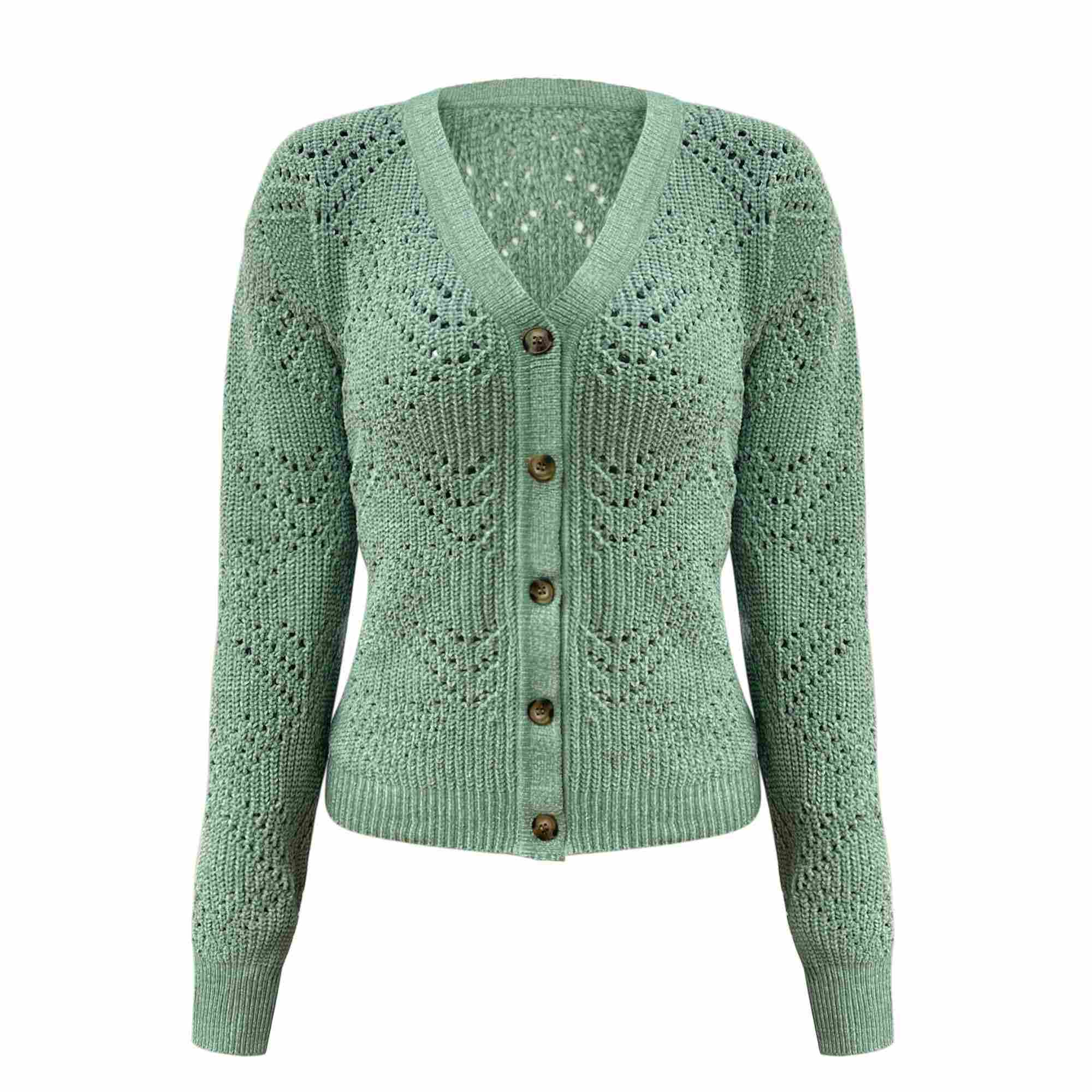
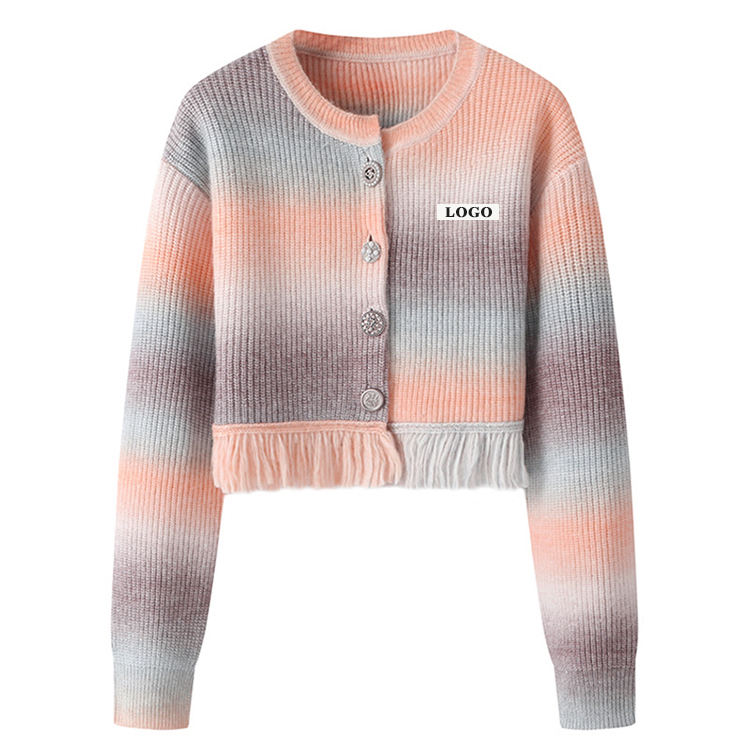
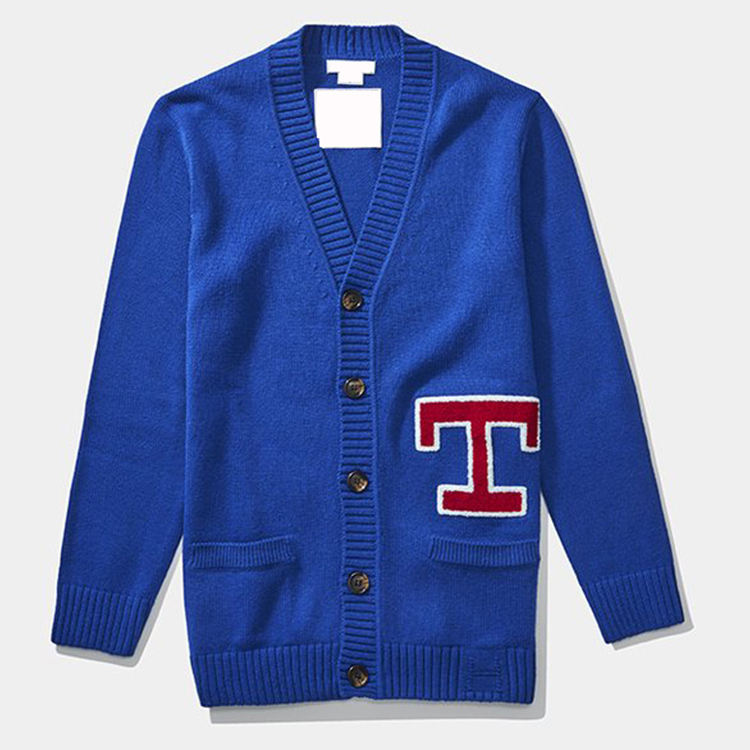
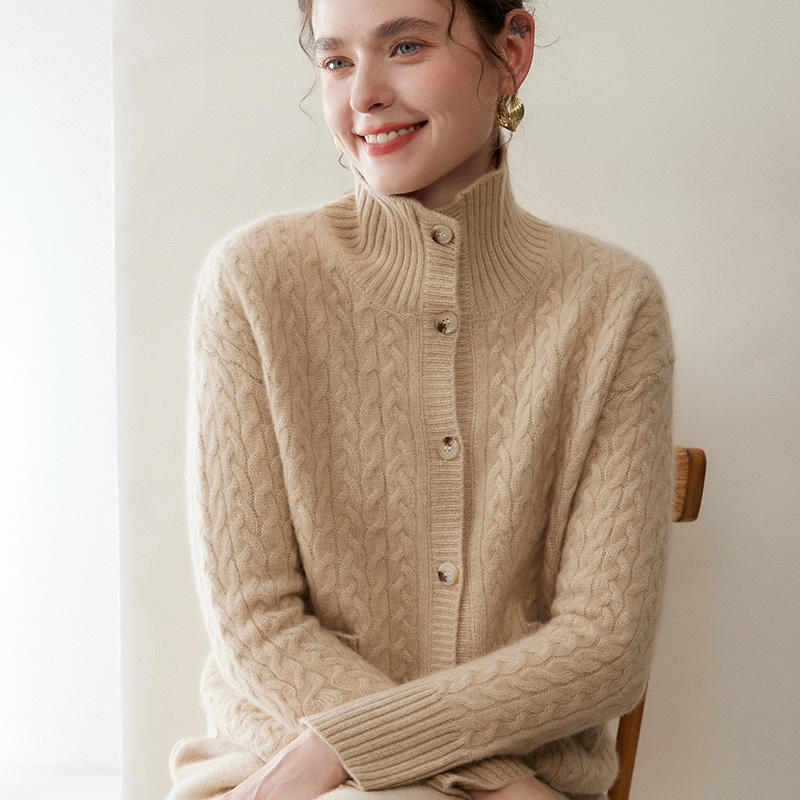
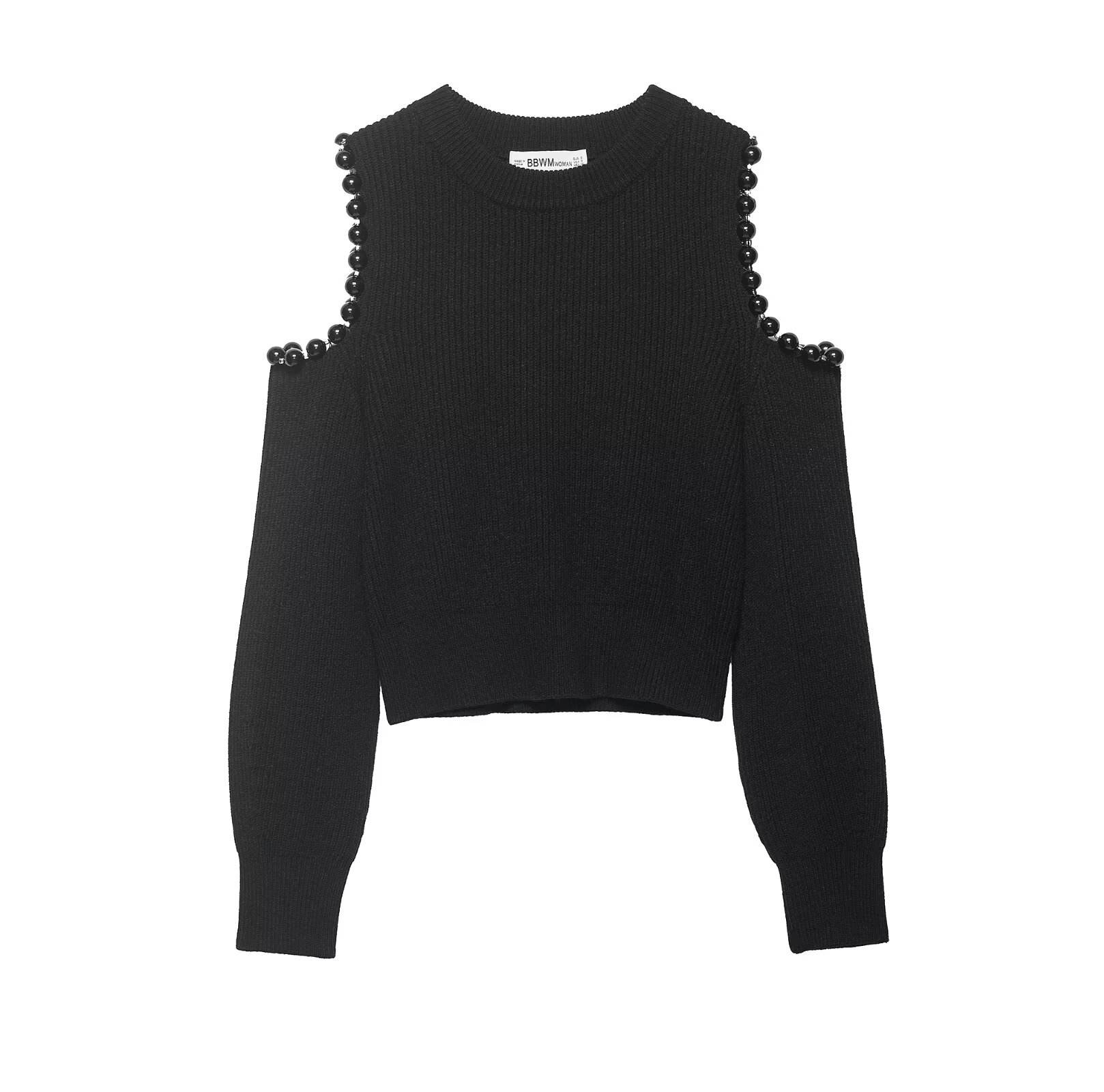

Why CENWILD for Your Cashmere Cardigan
100-Piece Low MOQ
Start your cashmere cardigan production with just 100 pieces per style, perfect for emerging brands and test collections.
Fast Sampling Turnaround
Receive production-ready knit-down samples in 7–14 days, accelerating your design approval and go-to-market timeline.
In-House Knitting & Finishing
Complete vertical production under one roof ensures quality control, faster communication, and consistent craftsmanship throughout.
Flexible Payment Terms
Multiple payment methods including T/T, PayPal, and credit card, with deposit terms easing to 30% for long-term partners.
28+ Years Manufacturing Experience
Since 1998 in Dongguan’s knitwear hub, our expertise delivers reliable cashmere cardigan production for any brand size.
2,000+ Brands Served Worldwide
Trusted manufacturing partner for fashion labels across North America, Europe, Australia, Russia, and the Middle East.
Cardigan Styles & Knitwear We Manufacture
From classic button-fronts to oversized silhouettes, CENWILD produces the full range of cardigan styles in cashmere, wool, and blends with MOQ from 100 pieces.
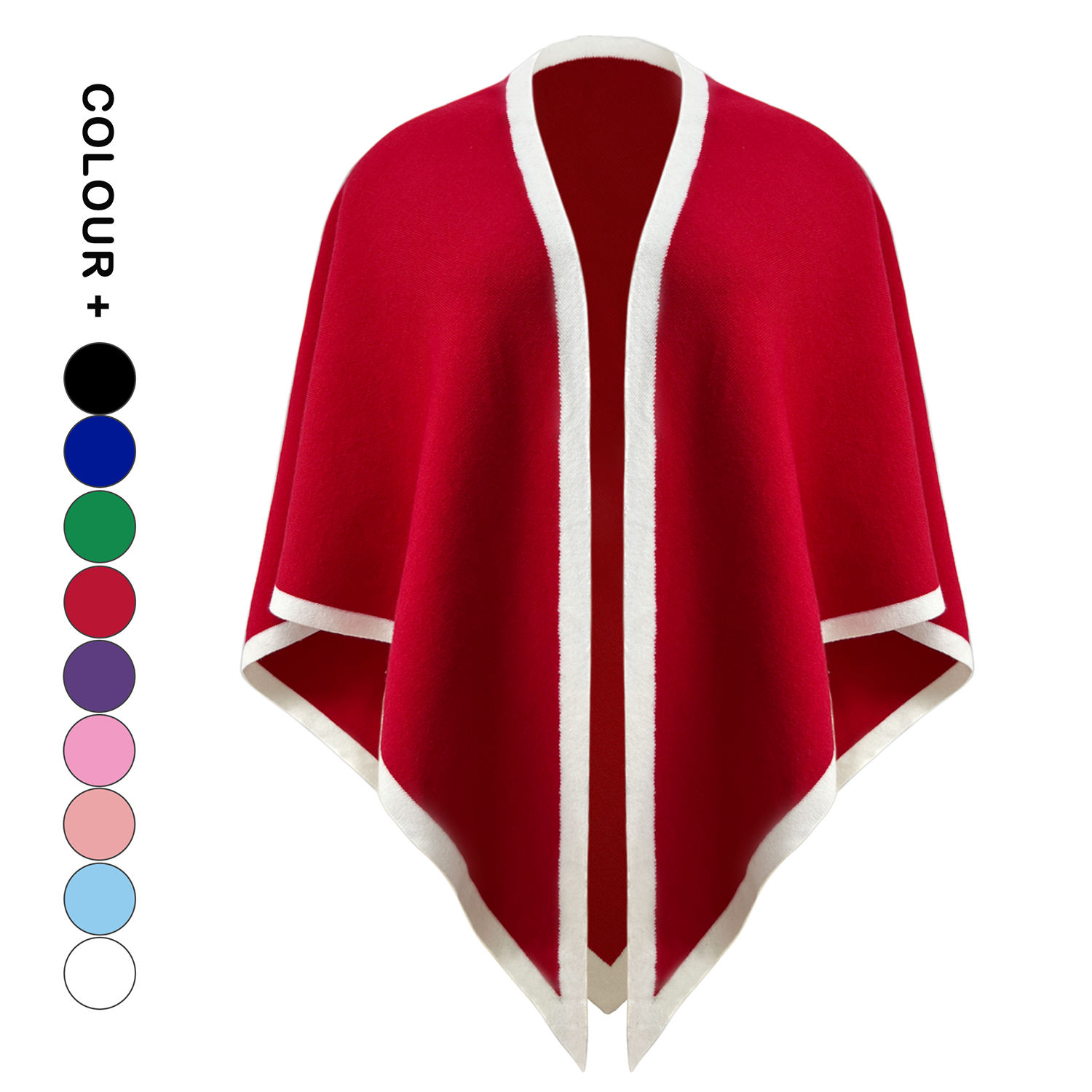
Women's Cashmere Cardigans
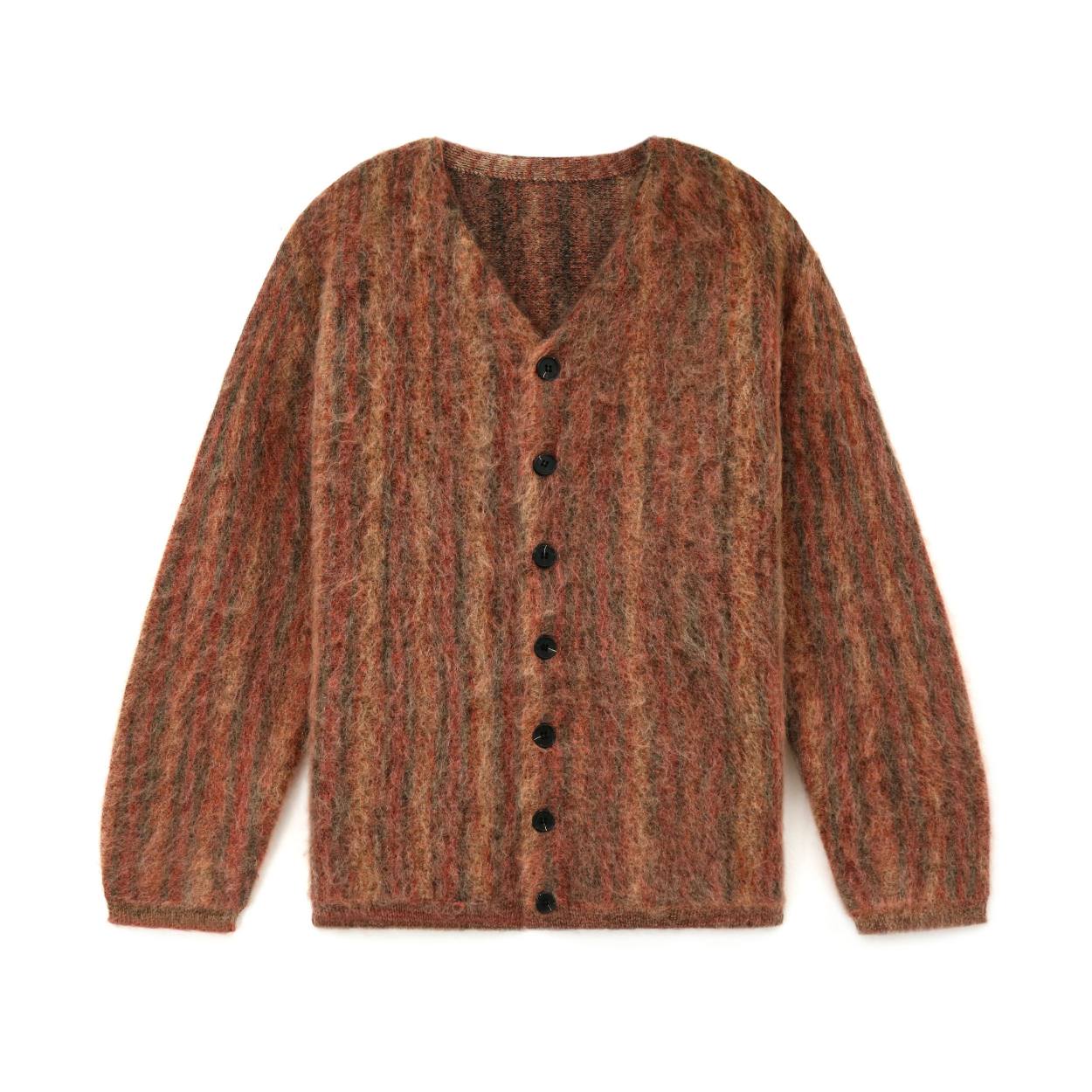
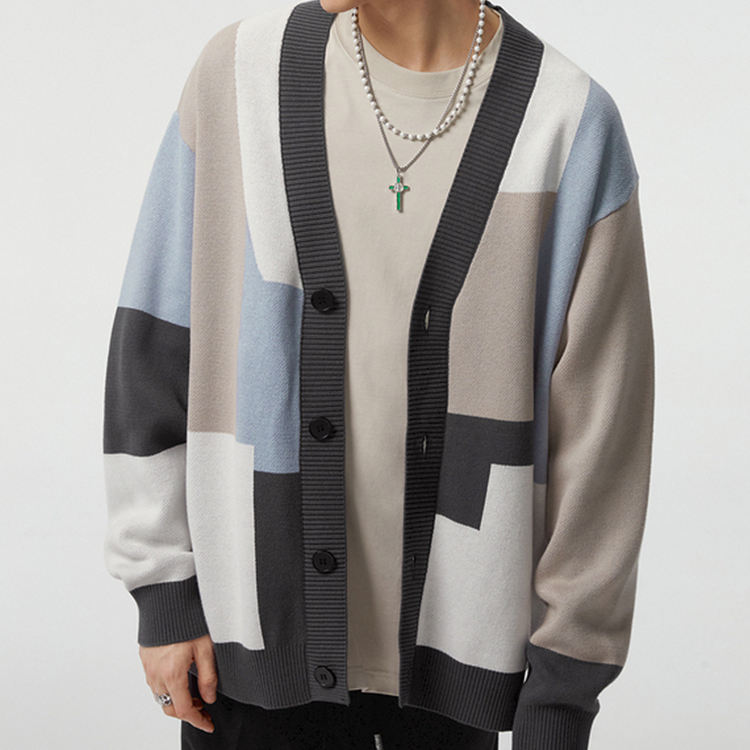
Tailored fits, refined finishes, and lightweight to midweight cashmere in crewneck, V-neck, and jewel-neck silhouettes. CENWILD knits women’s cardigans across 5GG to 12GG gauges with ribbed trims, custom buttons, and fully-fashioned shaping for brands targeting contemporary and luxury segments.
Get a Quote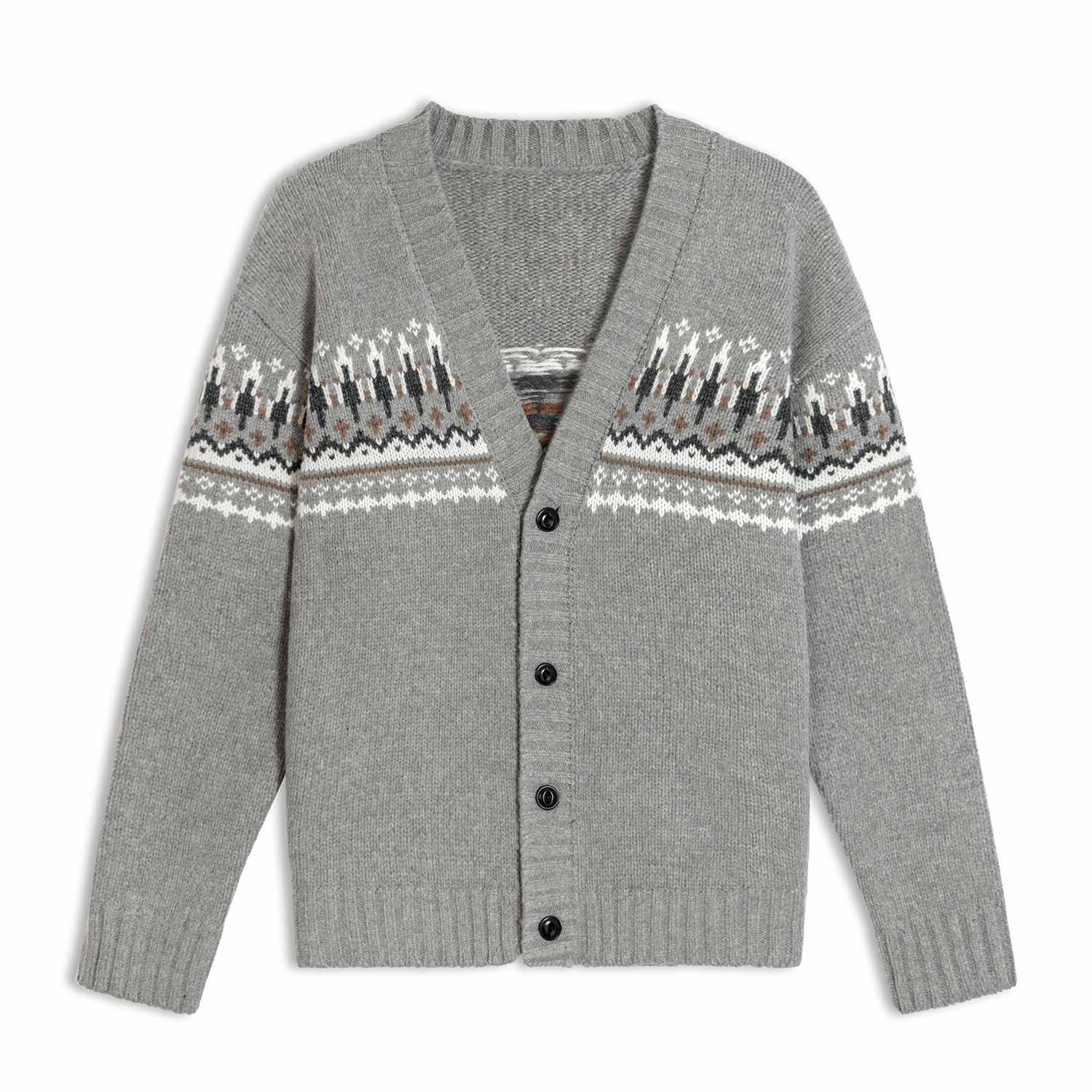
Men's Cashmere Cardigans
Classic and modern cuts in pure cashmere or cashmere-wool blends, engineered for structure and comfort. We produce men’s cardigans with reinforced button bands, set-in pockets, and clean finishing, serving menswear brands and private-label programs with MOQ from 100 pieces per style and colorway.
Get a Quote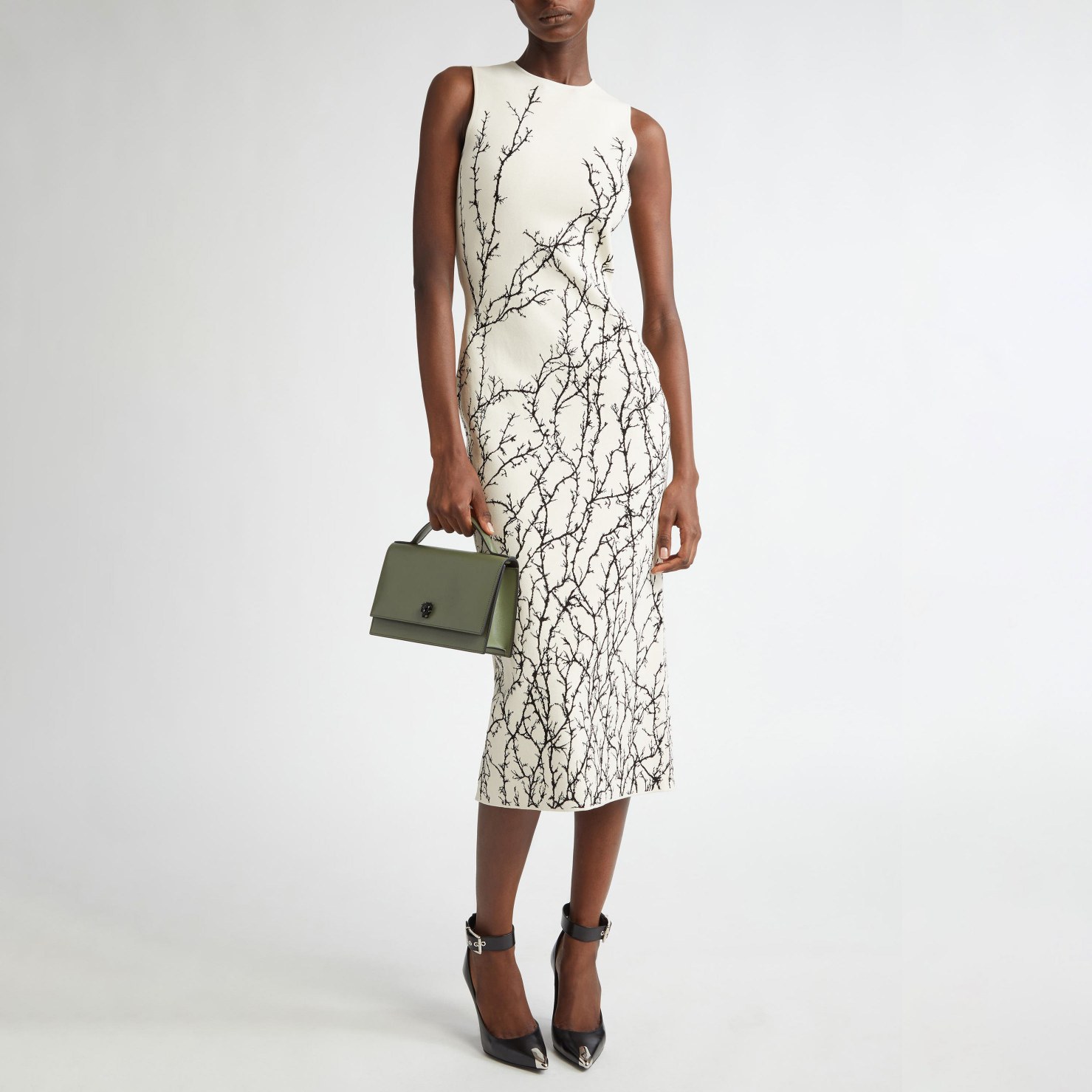
Oversized Cashmere Cardigans
Relaxed, drop-shoulder, and cocoon silhouettes in chunky 3GG to 5GG gauges. CENWILD programs oversized cardigans with elongated sleeves, deep armholes, and soft drape, ideal for brands building cozy, statement knitwear collections with on-trend proportions and accessible luxury fibers.
Get a Quote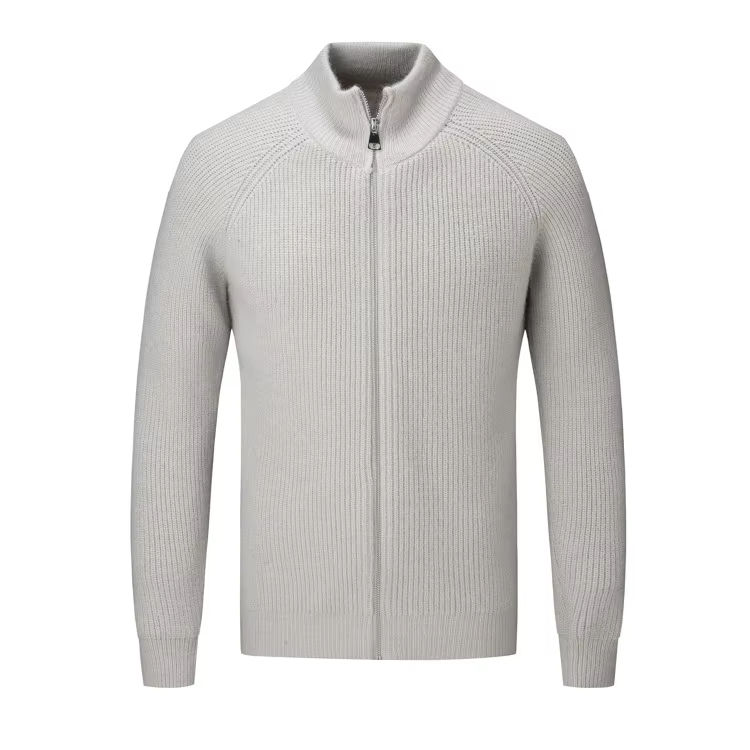
Cashmere Cardigan Coats
Long-line, knee-length, and duster styles that bridge outerwear and knitwear. Our cardigan coats are knit in durable cashmere blends or wool with patch pockets, shawl collars, and belted or open-front closures, offering brands a high-margin layering piece with 28 years of construction expertise behind every seam.
Get a Quote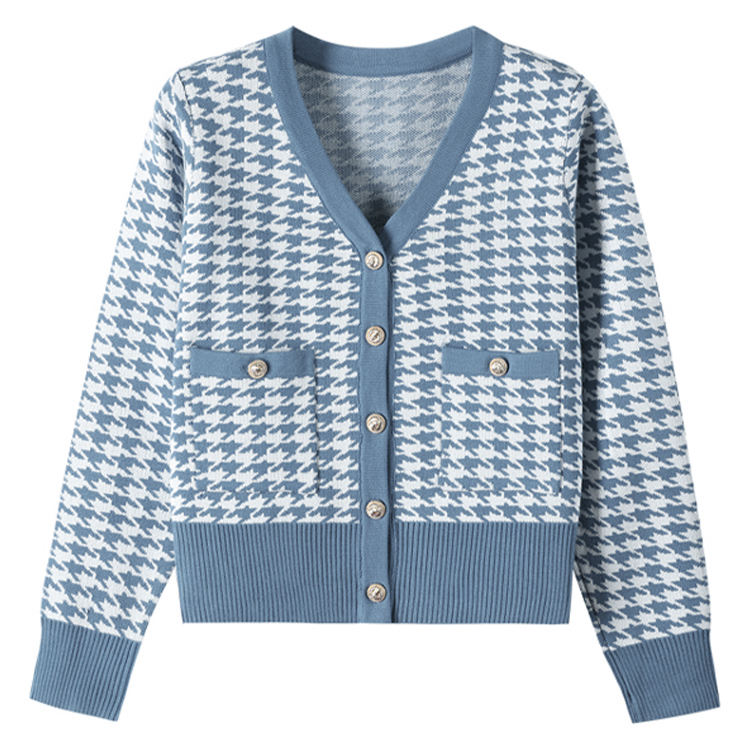
Button-Up Cashmere Cardigans
Traditional five-button, seven-button, and custom button configurations in rib, cable, or plain stitch. CENWILD sources horn, corozo, metal, and branded buttons, applies clean button-band reinforcement, and finishes each button-up cardigan to withstand repeated wear for retail and wholesale channels.
Get a Quote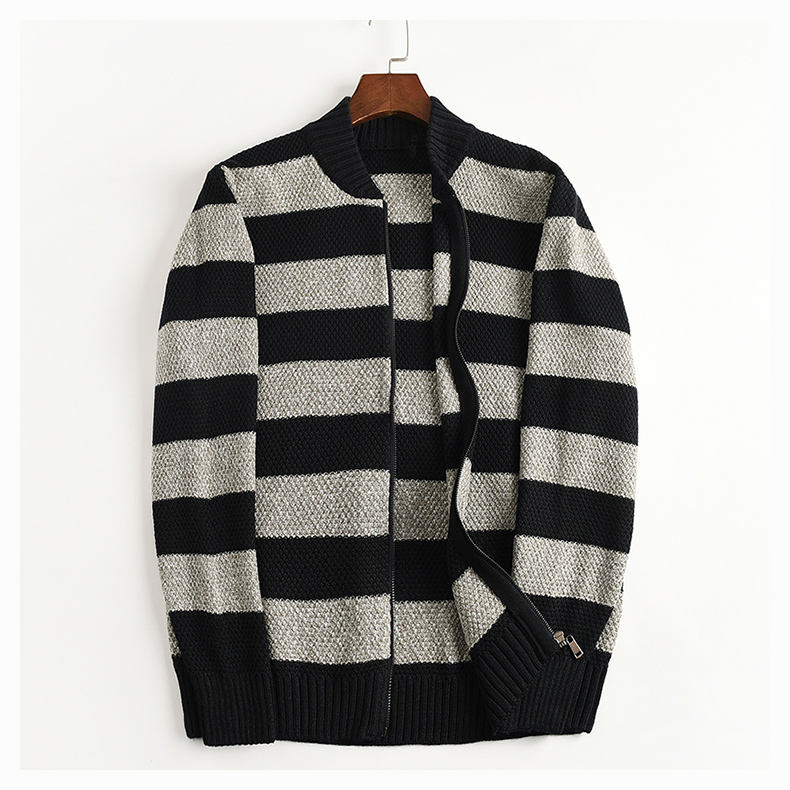
Open Front Cardigans
Edge-to-edge, waterfall, and drapey front styles without closures, designed for effortless layering. We knit open-front cardigans in fine to midweight cashmere with self-finished edges or contrast trims, supporting fast-fashion and contemporary brands that need flexible MOQ and reliable four-to-six-week lead times.
Get a Quote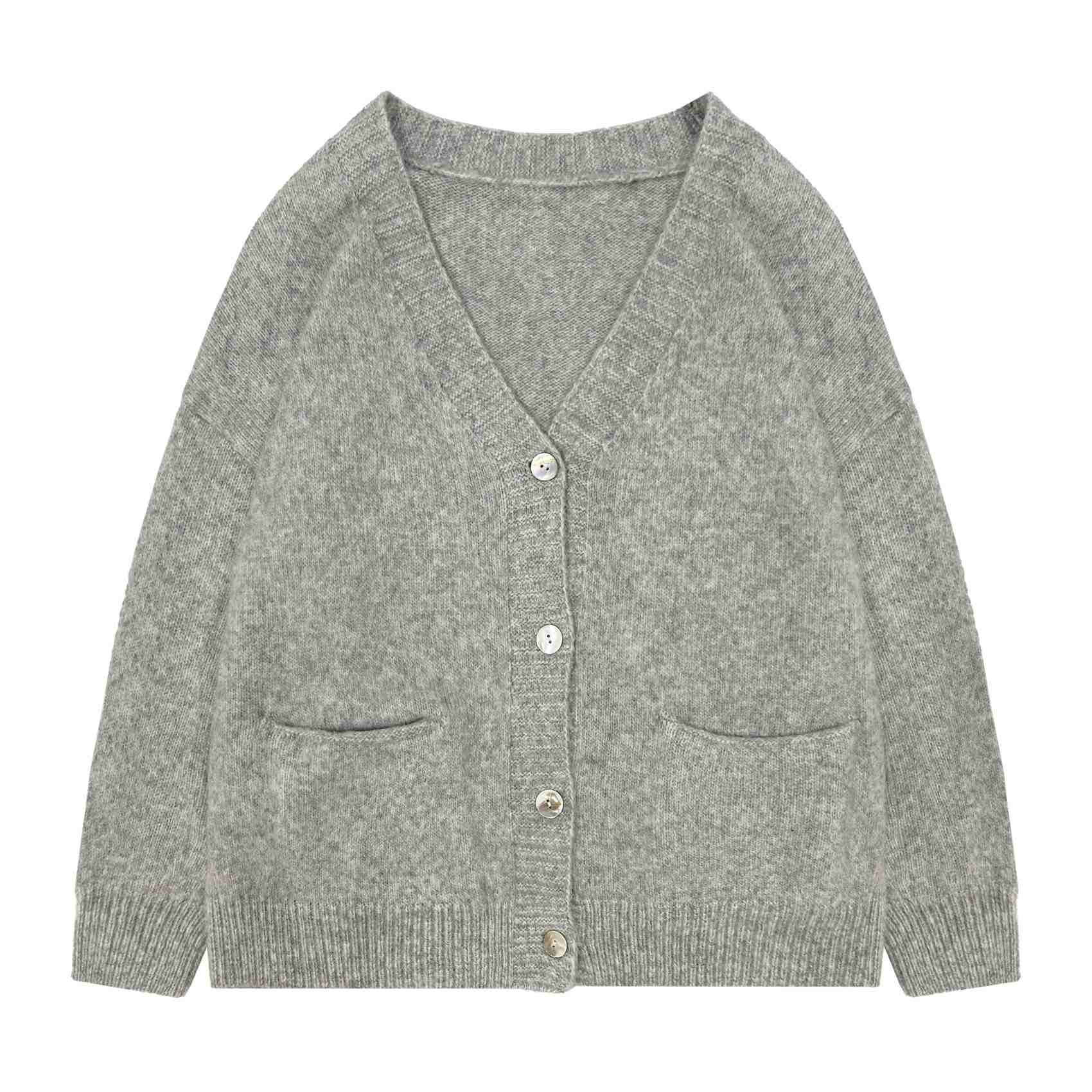
Cropped Cashmere Cardigans
Waist-length and above-waist styles in slim or boxy fits, popular in Gen Z and millennial collections. CENWILD engineers cropped cardigans with proportional armholes, ribbed waistbands, and clean hem finishes, offering ODM design support to translate trend references into production-ready specs with accurate grading.
Get a Quote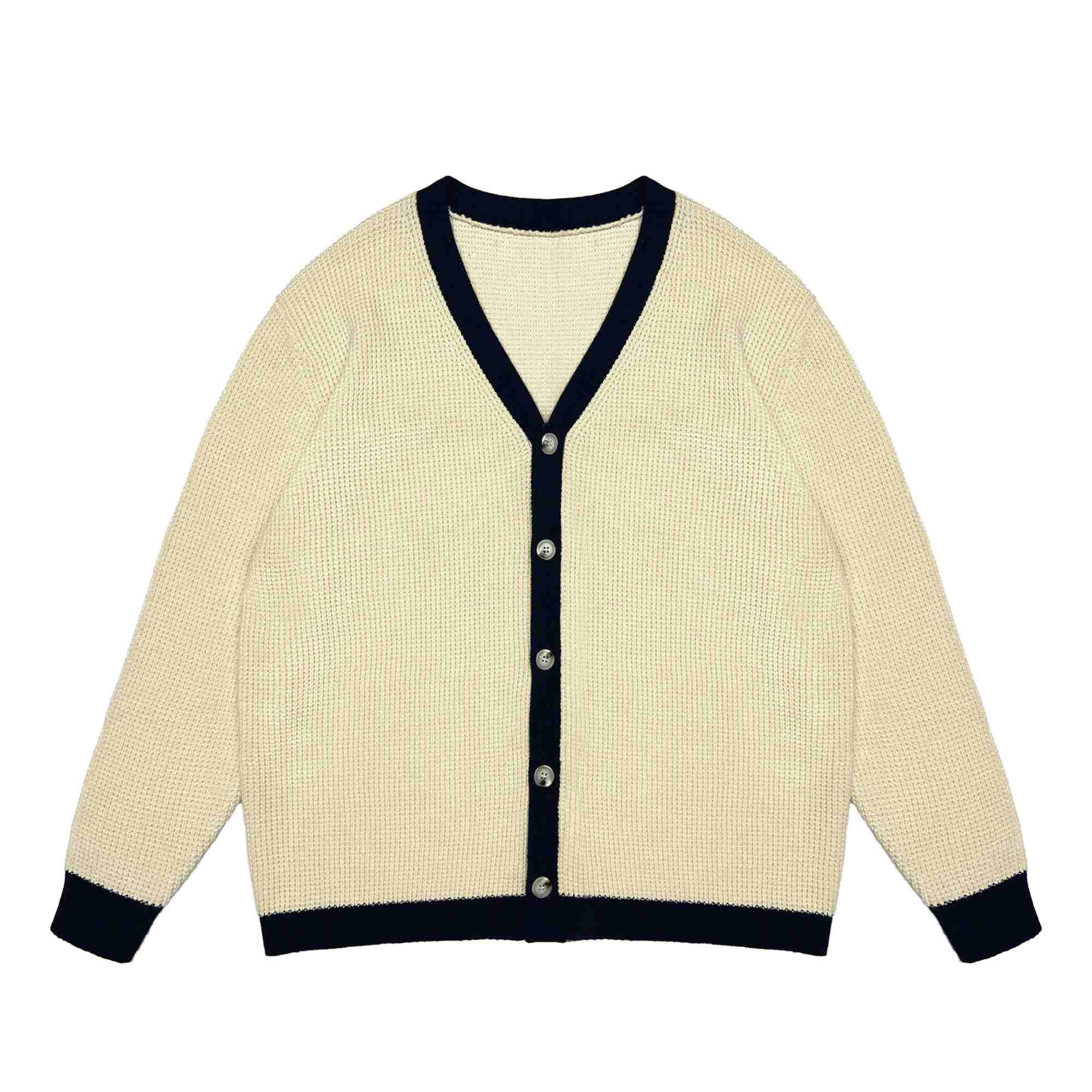
Cable Knit Cardigans
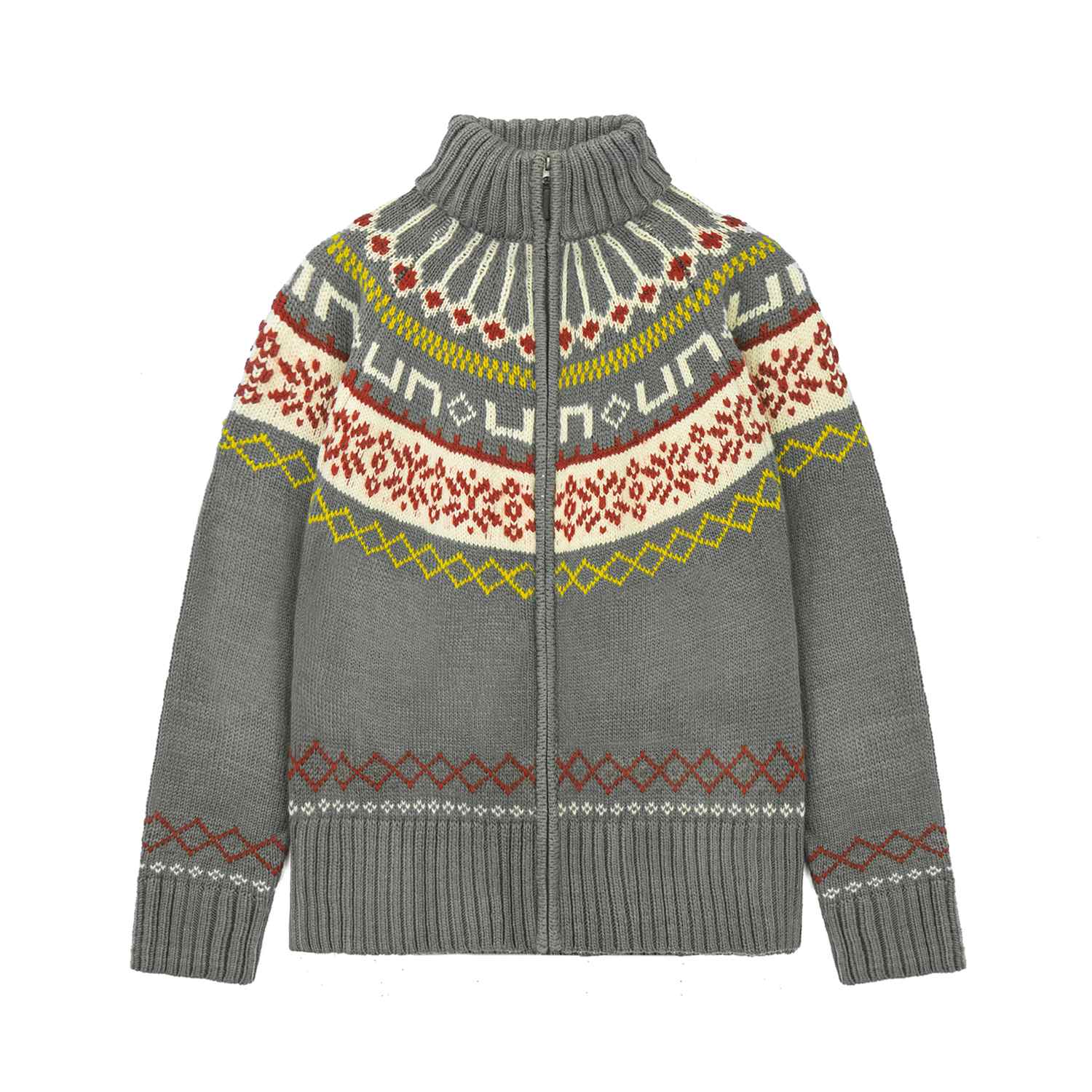
Hand-guided or fully-fashioned cable patterns including Aran, fisherman, and custom relief stitches. Our 28-year library of cable knit programming and intarsia techniques enables brands to launch heritage-inspired or modern textured cardigans in wool, cotton, or cashmere with consistent quality across reorders.
Get a Quote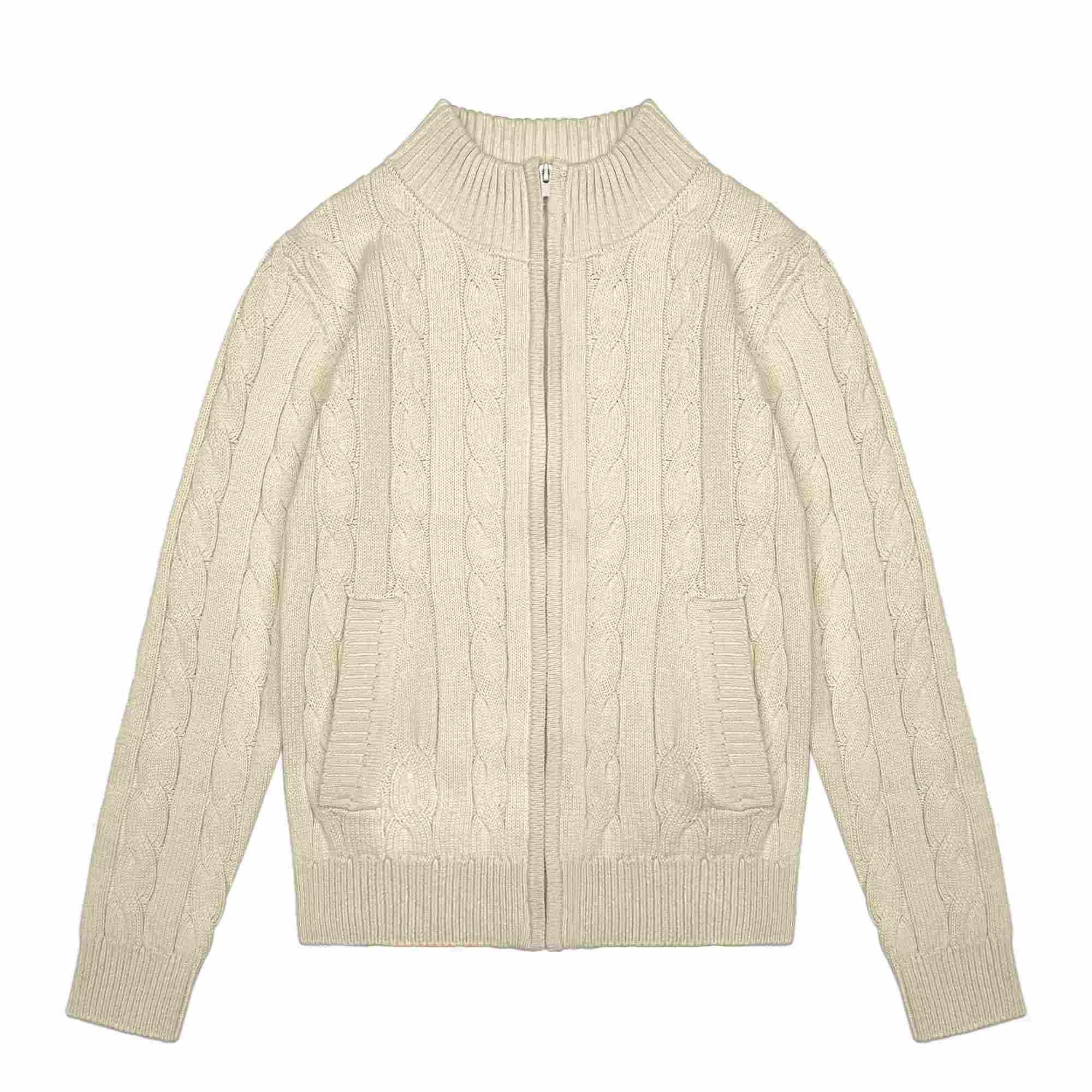
Private Label Cardigans
Full white-label and private-label cardigan manufacturing with custom woven labels, hangtags, care labels, and branded packaging. CENWILD partners with startups, influencers, and established retailers to develop exclusive cardigan lines under your brand name, with MOQ from 100 pieces and flexible payment terms as partnership grows.
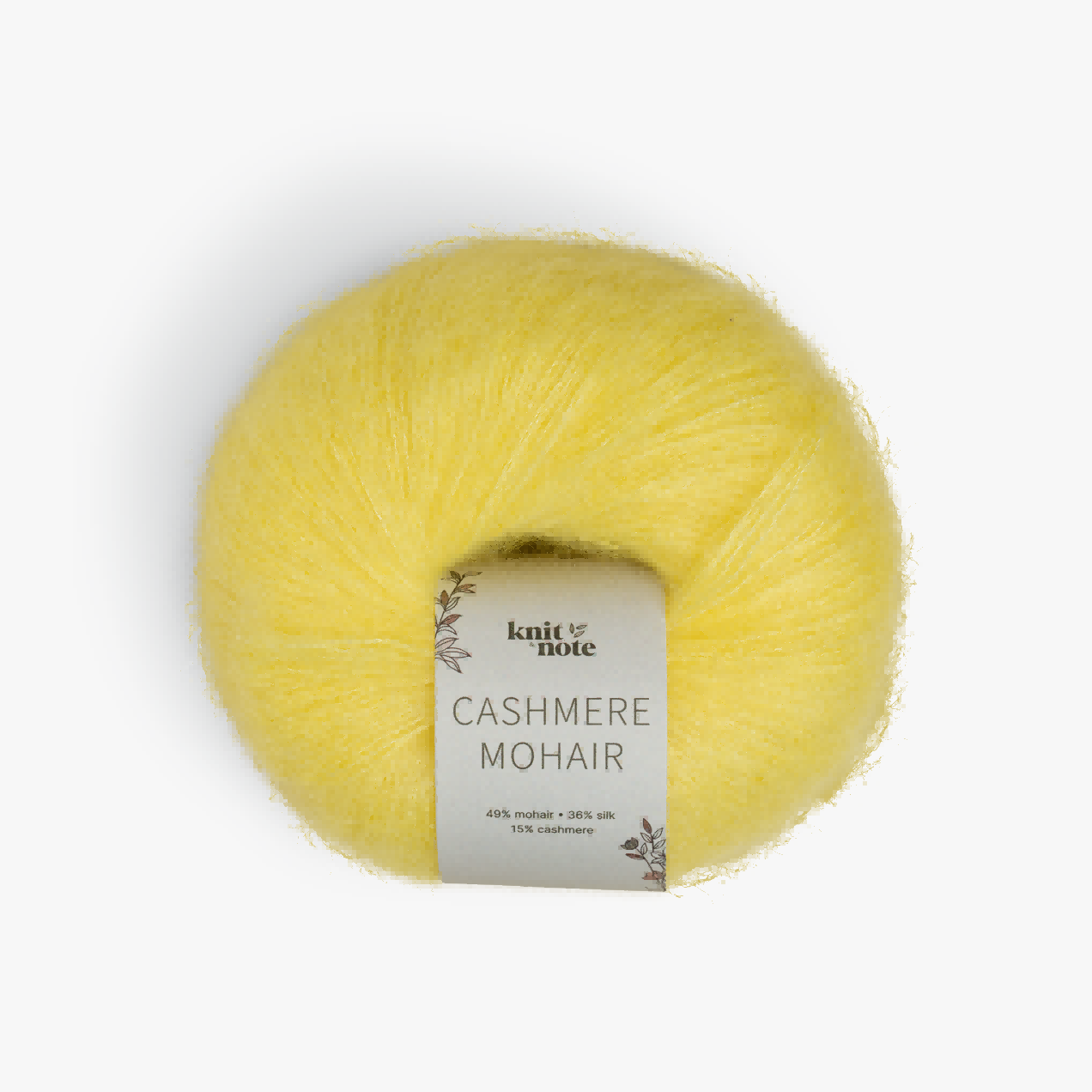
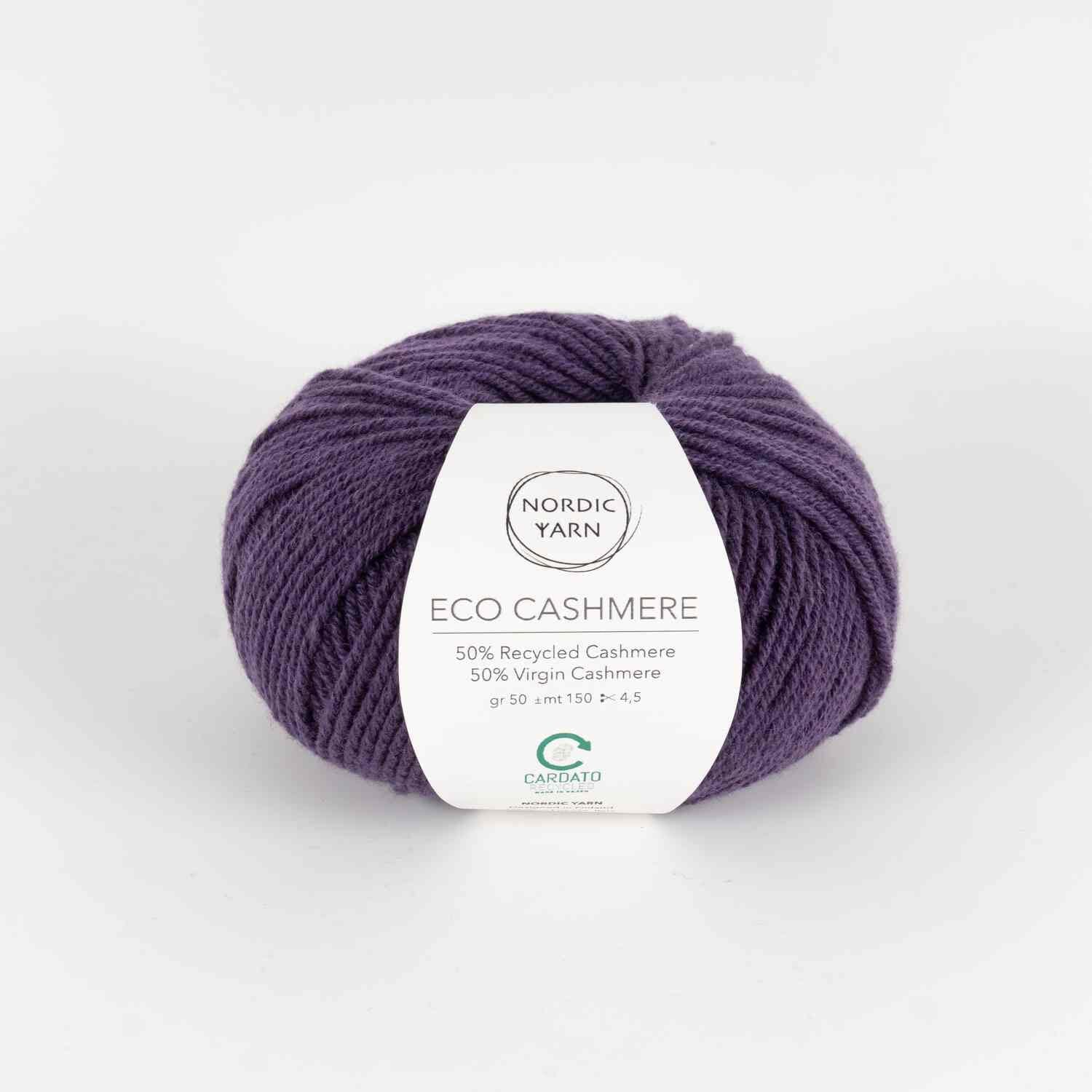
Get a QuotePremium Cashmere Cardigan Fibers We Source
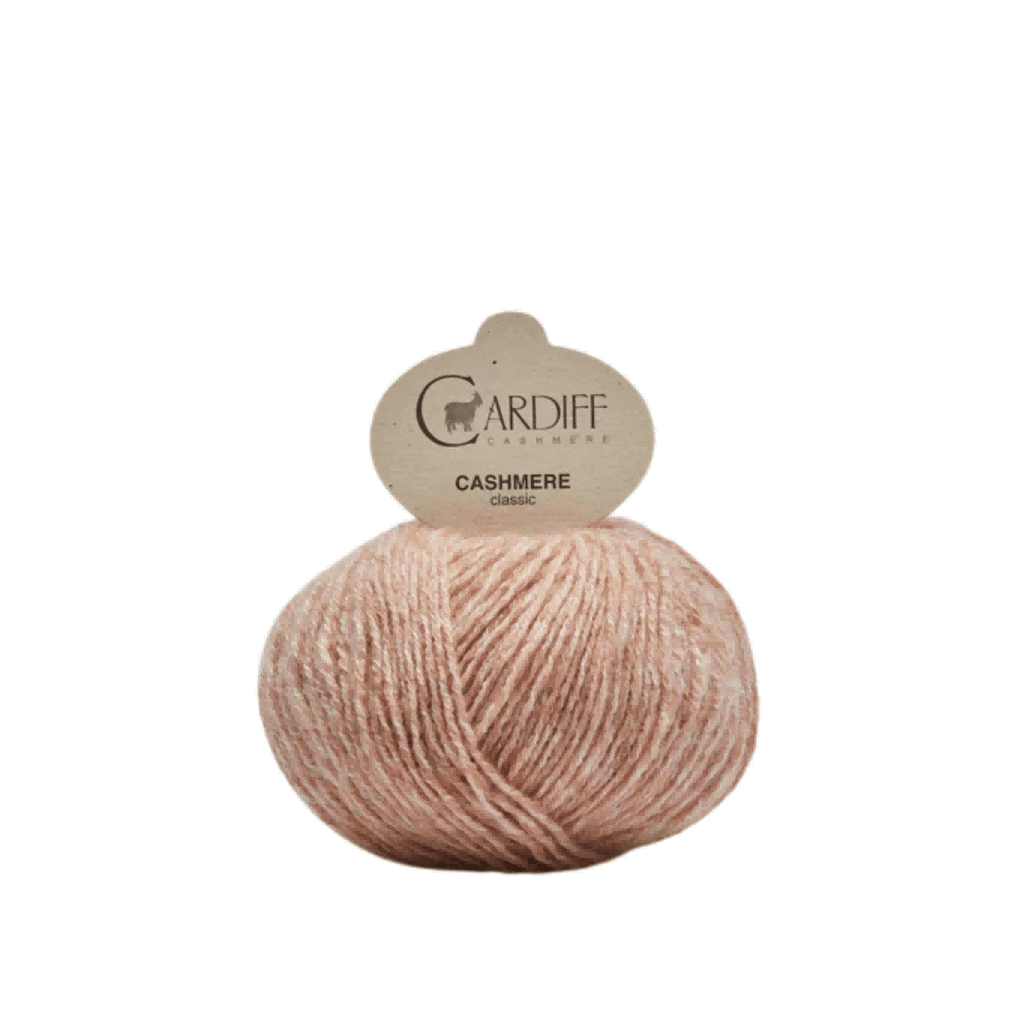
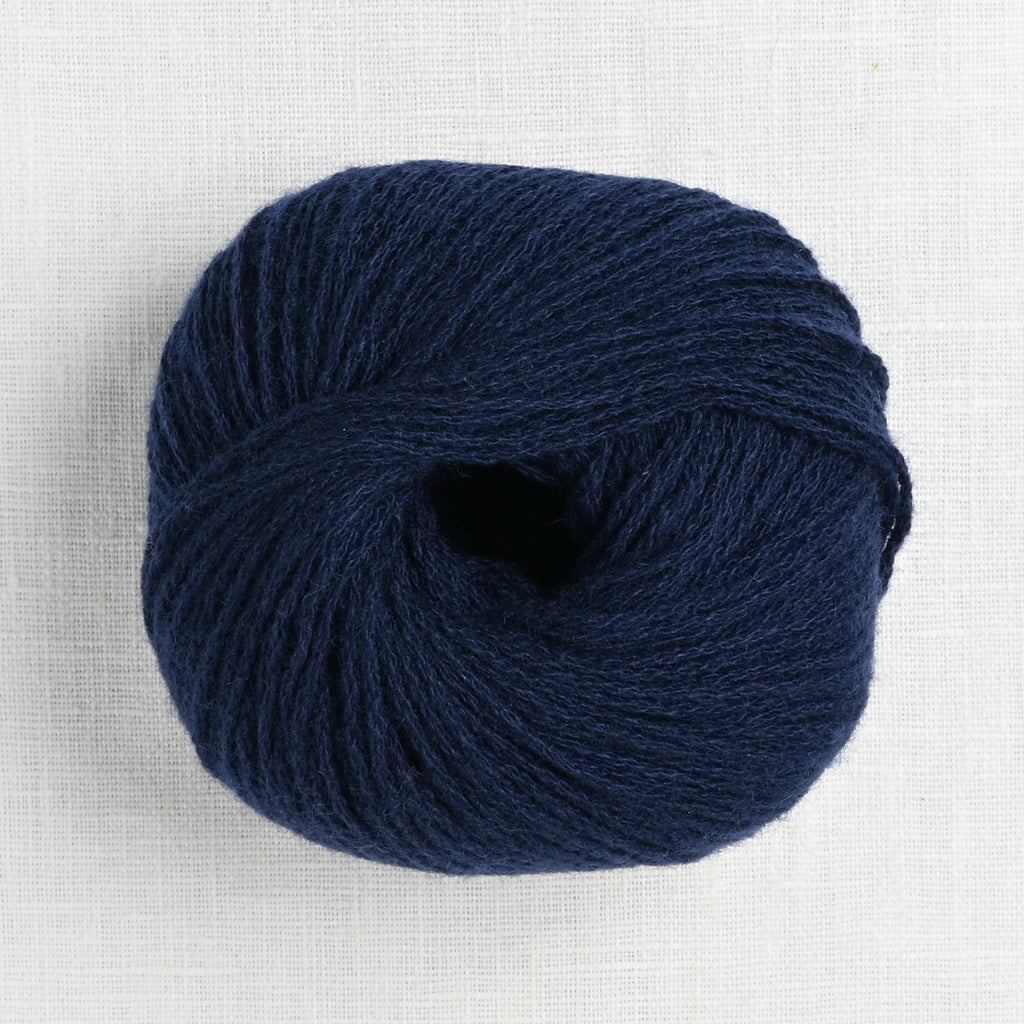
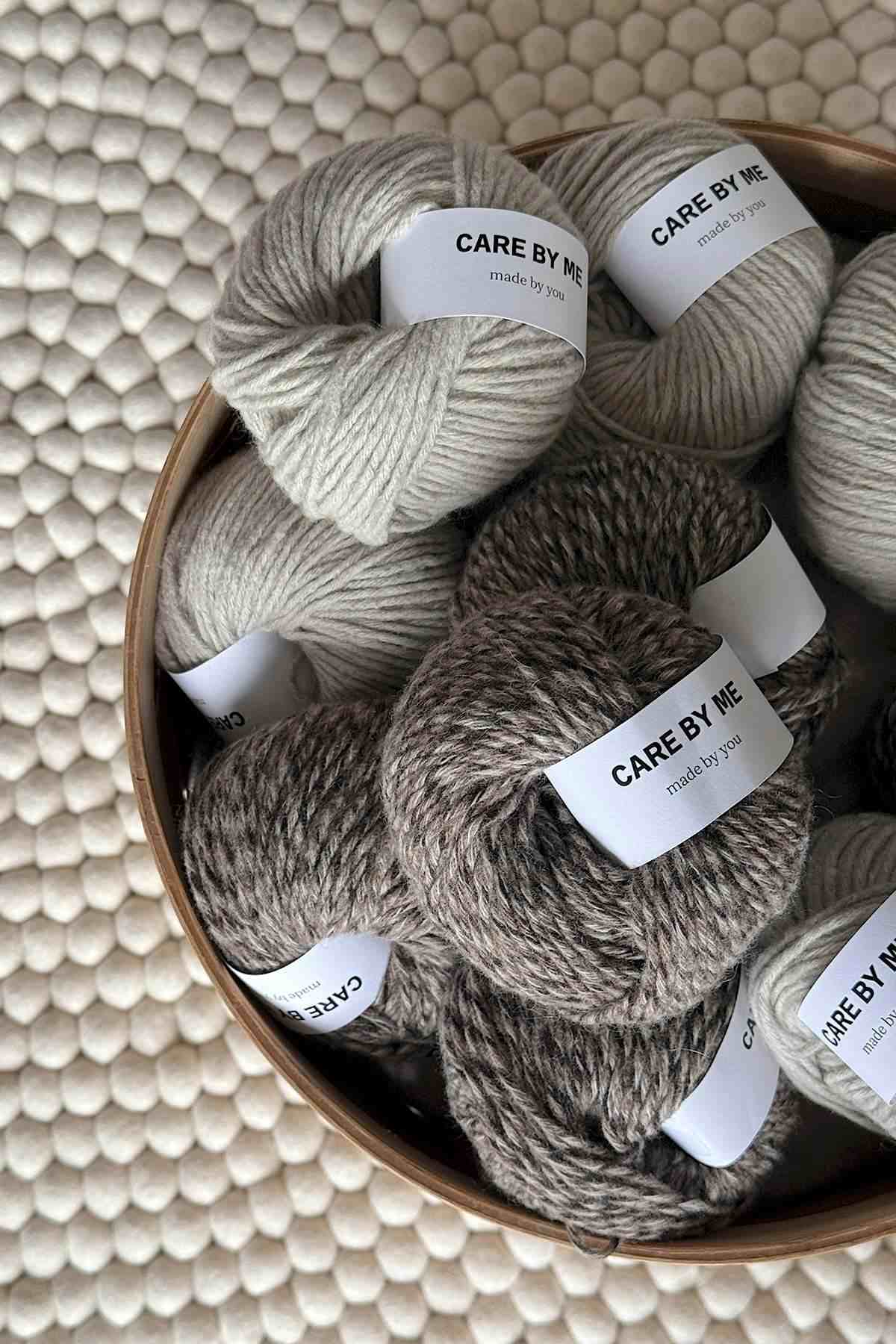
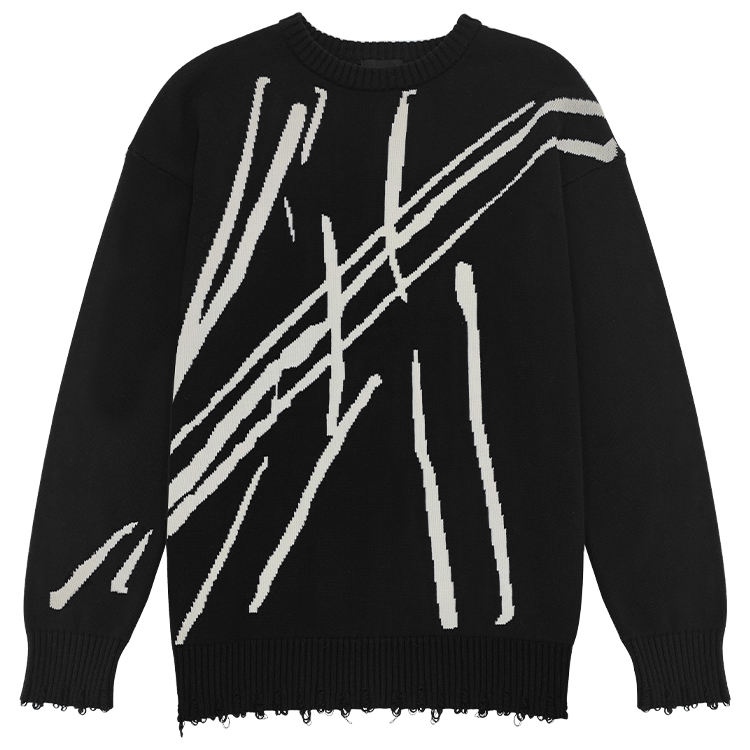
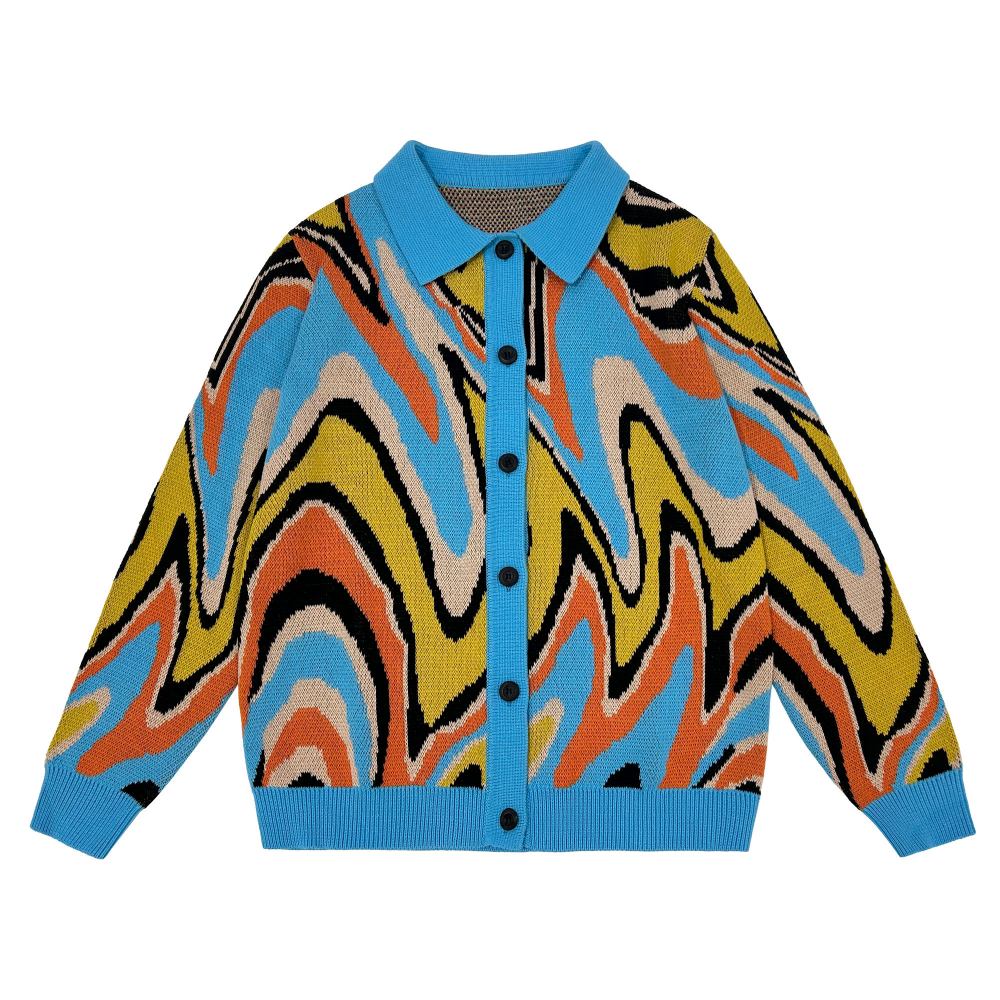
Knitting & Finishing Techniques for Your Cashmere Cardigan
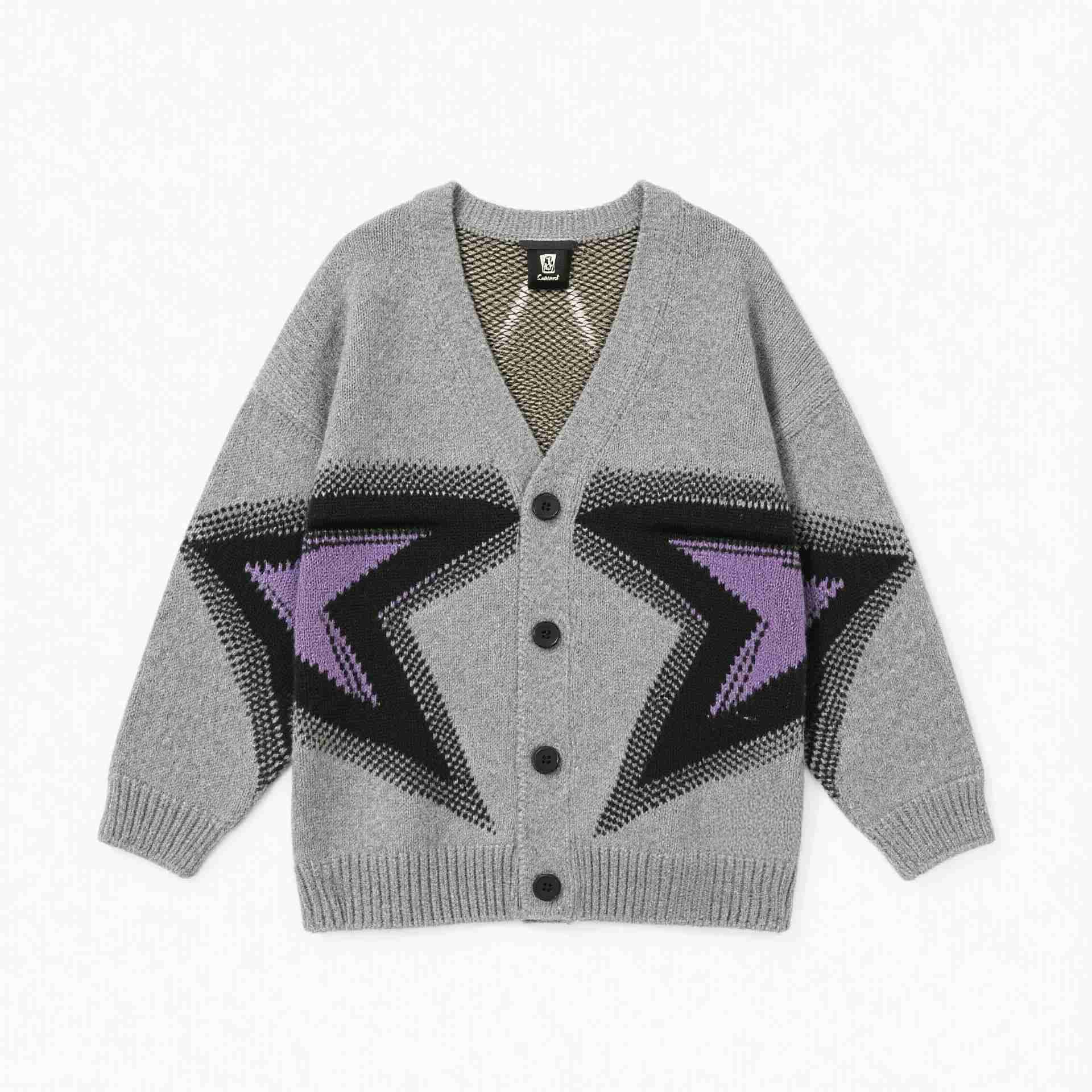
Cashmere Cardigan Trims & Customization Options
About CENWILD — 28+ Years of Knitwear Expertise
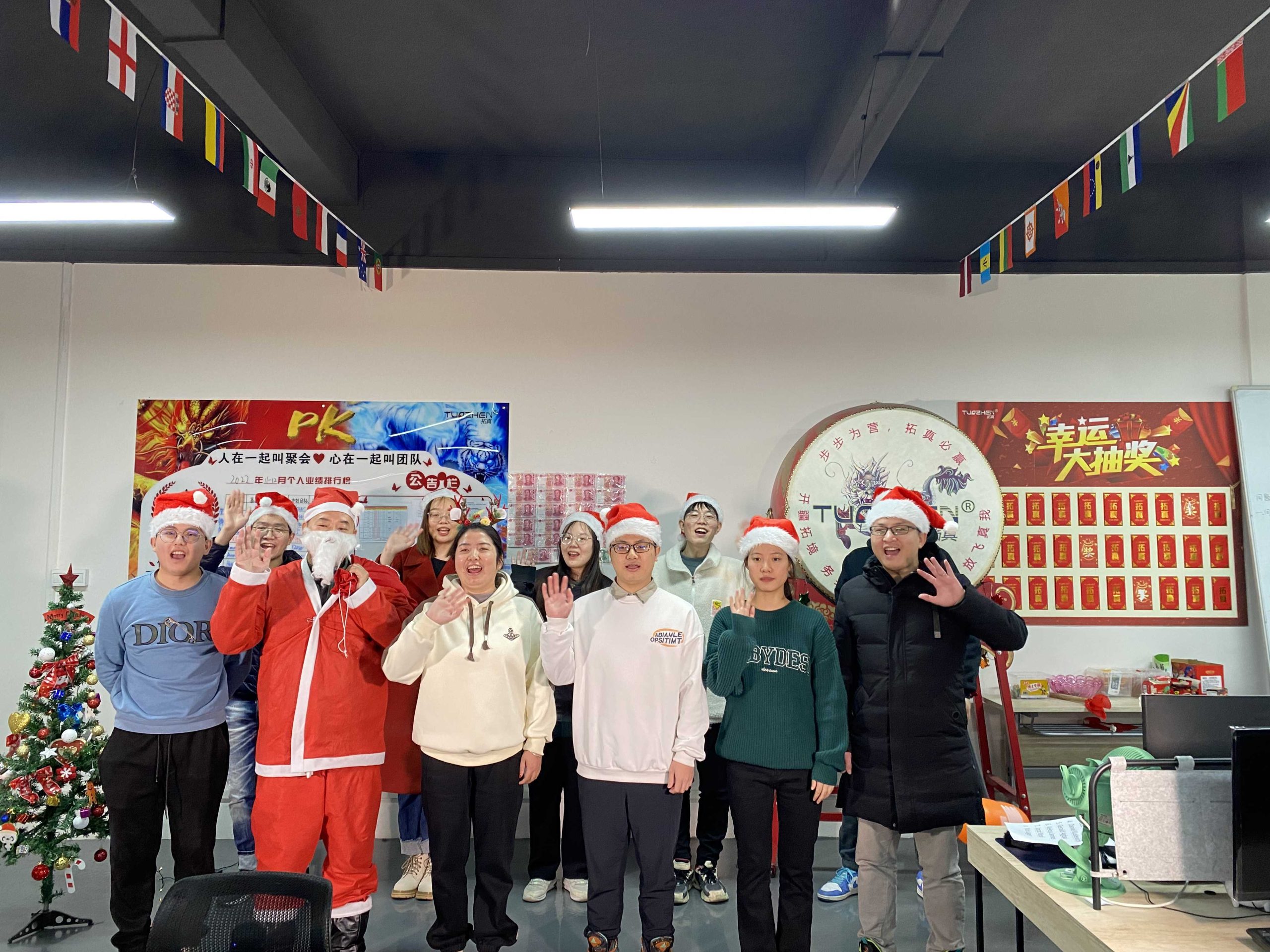
Founded in 1998 in Humen, Dongguan — the heart of China’s knitwear manufacturing hub — CENWILD began as a small family knitting workshop and has grown into a full-service custom sweater manufacturer. Today we employ over 200 skilled professionals and operate a complete one-stop production line covering design development, yarn sourcing, knit-down sampling, quality control, decoration, and export logistics.
With a monthly capacity exceeding 80,000 pieces and computerized flat-knitting machines spanning 3GG to 14GG gauges, we’ve partnered with more than 2,000 fashion brands worldwide. From independent designers and influencers to established retailers across North America, Europe, Australia, and beyond, CENWILD delivers OEM, ODM, and private label knitwear — including premium cashmere cardigans — with MOQ starting from just 100 pieces.
Our mission is simple: to be the reliable manufacturing backbone behind growing fashion brands. Guided by Quality First, Customer Growth, Innovation, and Responsibility, we don’t just produce sweaters — we help brands bring their vision to life with expert craftsmanship, flexible minimums, and end-to-end support at every stage of production.
Cashmere Cardigan Manufacturing Capabilities That Scale With You
In-House Knitting & Sampling
Every cashmere cardigan begins on our own computerized flat-knitting machines in Dongguan. From 3GG to 14GG gauges, we control quality, lead times, and stitch precision at the source—no third-party knitting delays.
- Monthly capacity exceeding 80,000 pieces across all gauges
- Knit-down sampling in-house for faster iteration and approval
- Direct control over tension, stitch definition, and cashmere hand-feel
- 28+ years of machine operation and maintenance expertise
Design Development & 3D Knit Programming
Our in-house design team transforms your concept—tech pack, sketch, photo, or idea—into production-ready cashmere cardigan patterns with original stitch design, grading, and digital knit programming tailored to your brand.
- 3D knit programming for intarsia, jacquard, cable, and pointelle structures
- Pattern grading and size-set development for men, women, and children
- Stitch libraries and original texture design for cashmere and blends
- Collaborative iteration from first sketch to final knit-down swatch
Flexible Payment & Partnership Terms
CENWILD supports startups and established brands alike with low 100-piece MOQ, multiple payment channels, and deposit structures that ease as trust grows—because your cash flow matters as much as your product.
- MOQ from just 100 pieces per style, ideal for test collections
- T/T, PayPal, credit card, USDT, and VTB Bank for Russia
- Deposit starts at 100%, eases to 30% for long-term partners
- Balance always paid before shipment; transparent, predictable terms

Global Supply Chain & Export Logistics
From yarn sourcing to final packaging, we manage every link in the cashmere cardigan supply chain. Over 2,000 brands across the U.S., Canada, U.K., Europe, Australia, Russia, and the Middle East rely on our export experience.
- One-stop production: design, knitting, finishing, QC, decoration, packaging, export
- Proven logistics to North America, Europe, Australia, Russia, and the Middle East
- Compliance-ready documentation and quality control at every stage
- 28+ years of international partnership and on-time delivery

Cashmere Cardigan Manufacturing: CENWILD vs. Typical Suppliers
When you’re sourcing custom cashmere cardigans, not all manufacturers offer the same flexibility, speed, or experience. Here’s how CENWILD’s 28+ years of in-house knitwear production compares to typical offshore suppliers.
← 左右滑动查看 →
How We Manufacture Your Cashmere Cardigan from Concept to Delivery
CENWILD’s proven production workflow ensures every custom cashmere cardigan meets your specifications, on time and on budget — from 100-piece orders to full collections.
Tech Pack & Sampling
Our design team reviews your tech pack, sketch, or concept. We source yarn, program knit patterns, and produce knit-down samples for your approval within 7–10 days.
Yarn Sourcing & Knit-Down
We procure premium cashmere and blended yarns from certified suppliers, then knit development swatches to confirm gauge, stitch design, and hand feel before bulk production.
Bulk Production & QC
Computerized flat-knitting machines produce your cashmere cardigans across 3GG–14GG gauges. Every piece passes inline and final quality inspections to ensure consistency and craftsmanship.
Decoration & Embellishment
Add custom embroidery, screen printing, heat transfer, appliqué, sequins, or logo patches. Our in-house decoration workshop handles all finishing touches to match your brand identity.
Garment Washing & Finishing
Cardigans undergo softening, anti-pilling treatment, garment dyeing, or brushing as specified. This stage perfects the luxurious hand feel and appearance your customers expect.
Packing & Export Logistics
Final QC, polybag or custom packaging, carton labeling, and coordinated export to your destination. Full documentation and tracking ensure smooth, on-time delivery worldwide.
How to Order Your Custom Cashmere Cardigan
From concept to finished knitwear in four simple steps. CENWILD guides you through every stage of custom cashmere cardigan production with transparent timelines and dedicated support.
Submit Your Design Requirements
Send us your tech pack, sketch, reference photo, or even just an idea. Our design team reviews your cashmere cardigan concept and confirms feasibility within 24 hours.
Receive Quote & Knit Sample
We provide a detailed quotation and produce a free knit-down sample of your cashmere cardigan. Sample turnaround is typically 7–10 days for approval.
Approve and Start Bulk Production
Once you confirm the sample and pay the deposit, we launch production. MOQ starts at just 100 pieces with lead times of 30–45 days.
Inspect, Ship, and Grow Together
Final QC inspection, professional packing, and export logistics handled in-house. Balance payment due before shipment; then your cashmere cardigans ship globally with full documentation.
Certifications & Quality Standards for Cashmere Cardigan Manufacturing
Cashmere Cardigan Success Stories From Fashion Brands Worldwide
We launched our first cashmere cardigan collection in just 6 months with a 150-piece MOQ. CENWILD’s design team turned our sketches into production-ready samples faster than we expected, and quality exceeded our retail standards.
Switching to CENWILD reduced our per-unit cost by 22% without compromising cashmere quality. Their yarn sourcing expertise and transparent pricing helped us protect margins while scaling our private label cardigan line across three seasons.
We scaled from 200 units to over 5,000 pieces per season with CENWILD. Their capacity, consistent quality control, and flexible payment terms as our partnership grew made them the reliable manufacturing backbone we needed.
FAQ — Cashmere Cardigan Production & Ordering
What is the minimum order quantity for a custom cashmere cardigan?
How long does it take to produce a cashmere cardigan order?
Do you charge for cashmere cardigan samples, and how long do they take?
What payment terms do you offer for cashmere cardigan orders?
How do you protect my cashmere cardigan designs and intellectual property?
What customization options are available for cashmere cardigans?
What are the shipping options and costs for international orders?
Is there a minimum order value for cashmere cardigan production?
The Complete Buyer’s Guide to Cashmere Cardigan Manufacturing & Sourcing
Navigate the complexities of sourcing premium cashmere cardigans with confidence. This guide provides a proven decision framework, supplier evaluation criteria, and reveals the most common mistakes fashion brands make when ordering custom knitwear.
1. What Is a Cashmere Cardigan?
A cashmere cardigan is an open-front knitwear garment made from the fine undercoat fiber of Capra hircus goats, primarily raised in Mongolia, Inner Mongolia, and the Himalayan highlands. Each goat yields only 100–200 grams of usable cashmere per year, harvested by combing during the spring molt. This scarcity, combined with fibers averaging 14–19 microns in diameter — 30 percent finer than merino wool — creates the signature softness and warmth-to-weight ratio that positions cashmere at the luxury tier.
Cardigans feature an open front secured by buttons, zippers, or toggles, distinguishing them from pullovers. Fully-fashioned construction knits each panel to shape on computerized flat-knitting machines (typically 7GG–12GG for cashmere), eliminating fabric waste and delivering clean armholes and necklines. Cut-and-sew methods, where knitted yardage is cut and sewn like woven fabric, are faster but produce lower-grade finishing and higher yarn loss.
A garment labeled ‘cashmere’ must contain 100 percent cashmere fiber under U.S. FTC and EU regulations; blends with wool, cotton, or synthetics require disclosure by percentage and cannot carry the pure cashmere designation.
2. The Evolution of Cashmere Cardigans in Fashion
Scottish mills pioneered commercial cashmere cardigan production in the 1830s, transforming rare Himalayan goat fiber into a menswear staple for British aristocracy. By the early 20th century, luxury houses in France and Italy had adopted the silhouette, and post-war fashion democratized the cashmere cardigan as a unisex essential worn by everyone from Coco Chanel to Steve Jobs.
Manufacturing gravity shifted dramatically after 1990. Italy retained its reputation for finishing and design, but China — home to Inner Mongolia’s goat herds and Dongguan’s knitting expertise — became the world’s largest cashmere processor, handling over 70% of global raw fiber. Factories in Humen and neighboring districts now combine 28+ years of technical experience with computerized flat-knitting across 3GG to 14GG gauges, delivering both heritage craftsmanship and scalable MOQs starting at 100 pieces.
Today’s buyers prioritize traceability and responsible sourcing. Certified organic cashmere, recycled blends, and anti-desertification programs are reshaping supplier audits, making a manufacturer’s yarn-sourcing transparency and finishing standards as critical as stitch quality when selecting a long-term partner.
3. Types of Cashmere Cardigan Styles
Cashmere cardigans span six core silhouettes, each defined by gauge, construction, and target demographic. Understanding these archetypes helps buyers align style with brand positioning and MOQ economics from the first tech pack.
Classic V-Neck Button-Front
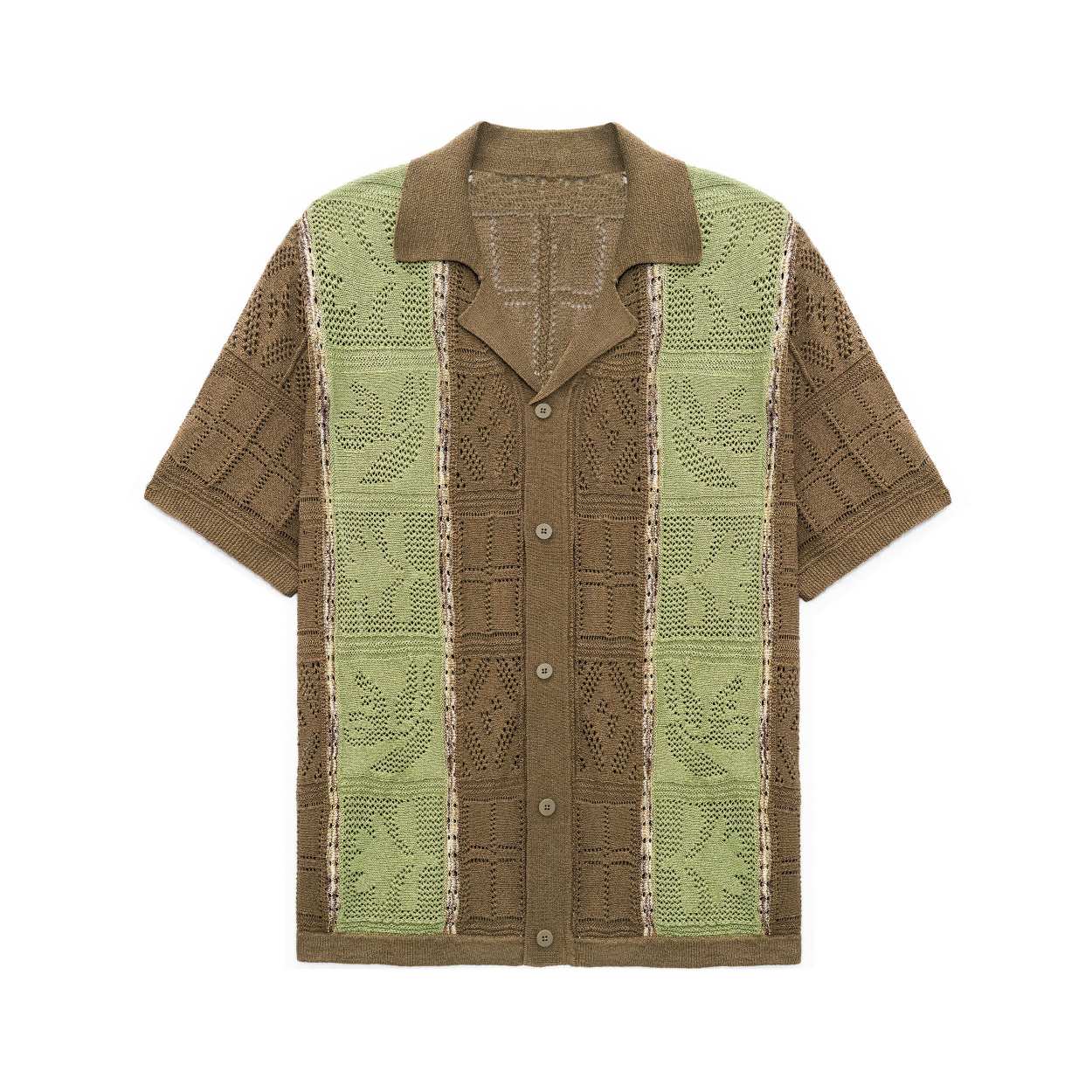
Typically knit at 12GG or 14GG for refined hand-feel. Appeals to premium casual and workwear brands. CENWILD’s 100-piece MOQ suits test colorways before scaling.
Oversized Boyfriend Cardigan
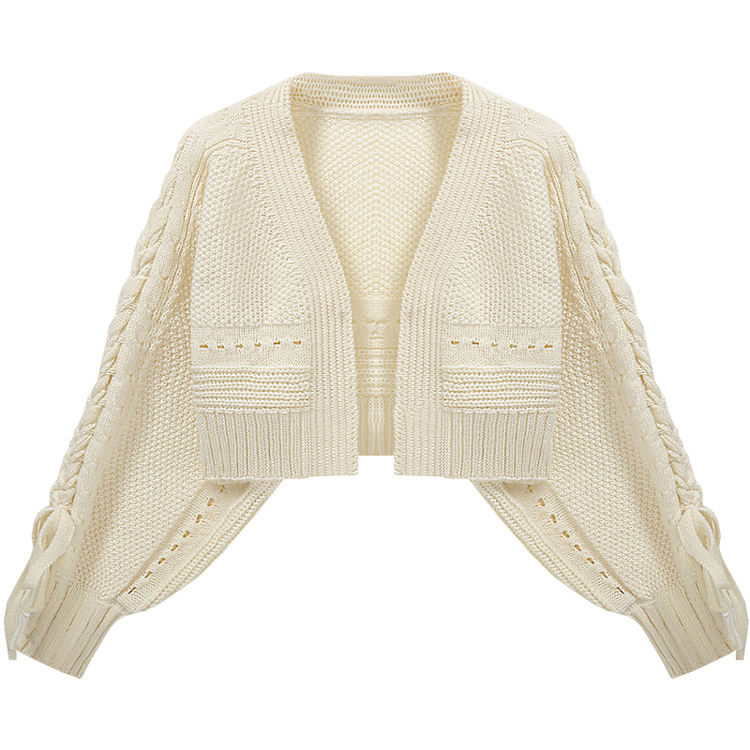
Runs 7GG–9GG for chunky, relaxed drape. Popular with contemporary and streetwear labels. Lower gauge increases yarn consumption, raising per-unit cost but simplifying knitting time.
Cropped Cardigan
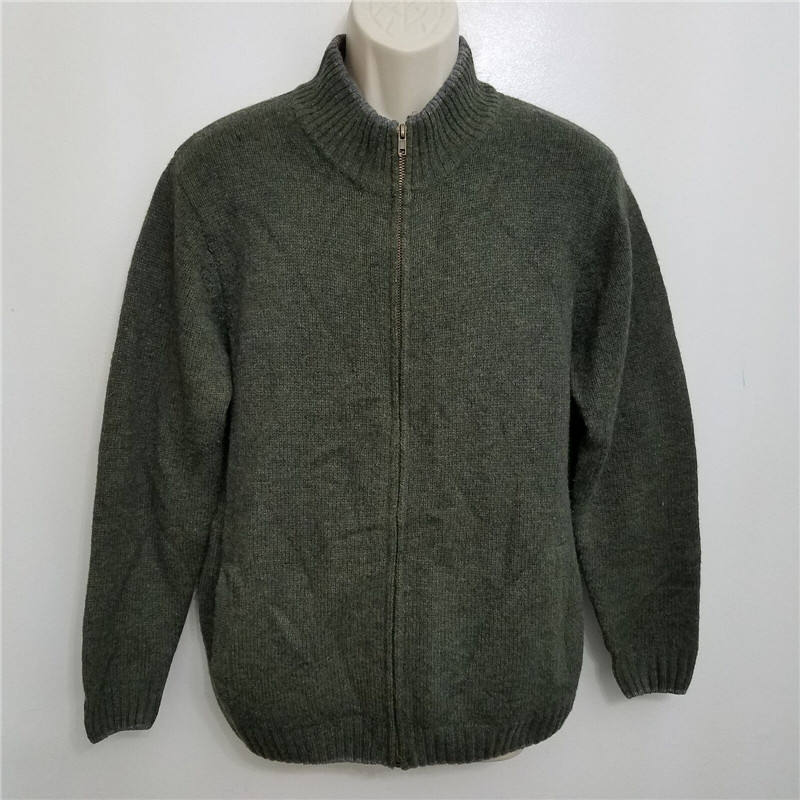
Short body length at 12GG–14GG targets Gen-Z and athleisure segments. Reduced yardage per piece lowers material cost, though trim and finishing labor remains constant.
Longline Duster
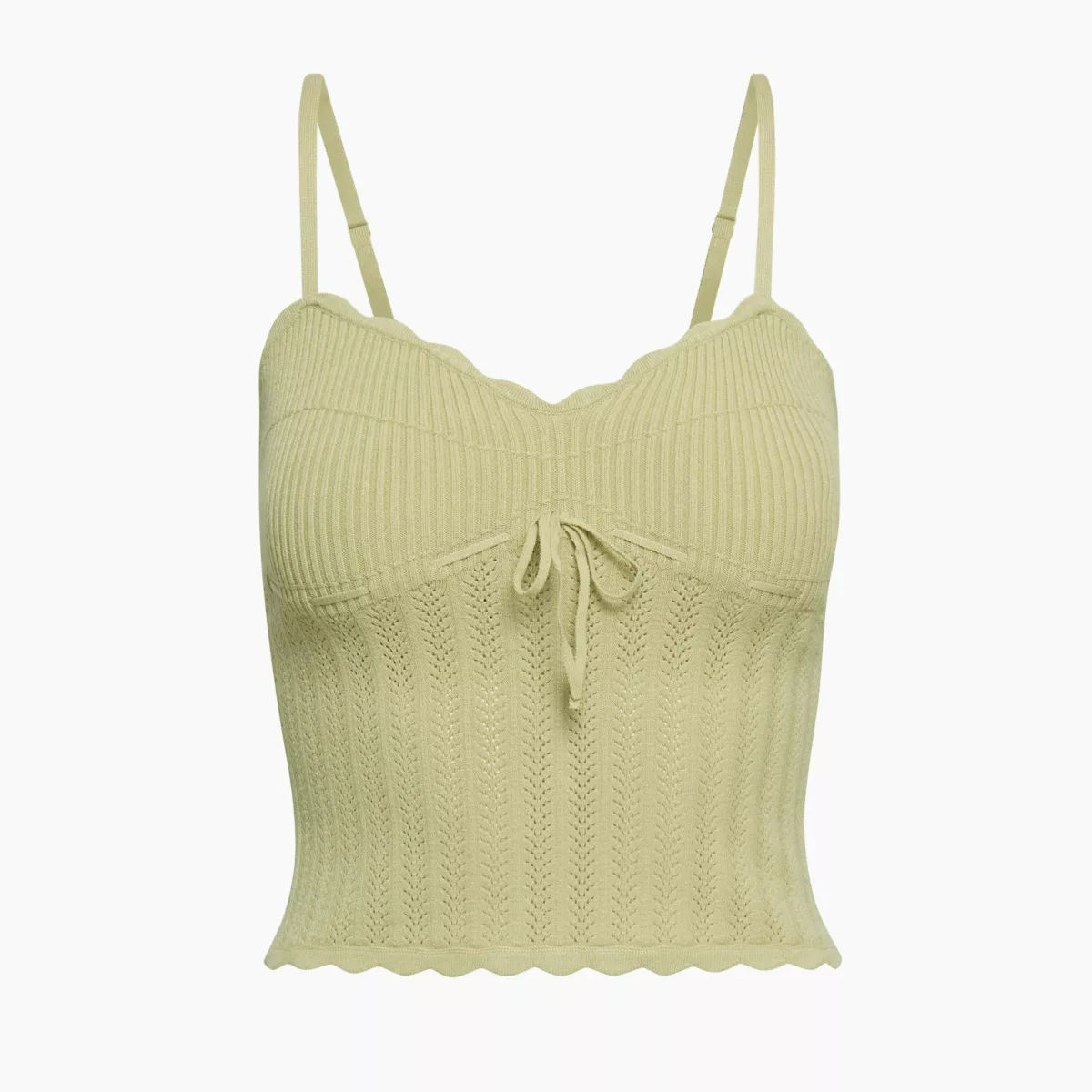
Knee-length or longer, usually 7GG–12GG. Appeals to luxury and occasion-wear buyers. Increased panel count and yarn usage push MOQ costs higher; plan 120–150 pieces for stable pricing.
Hooded Cardigan
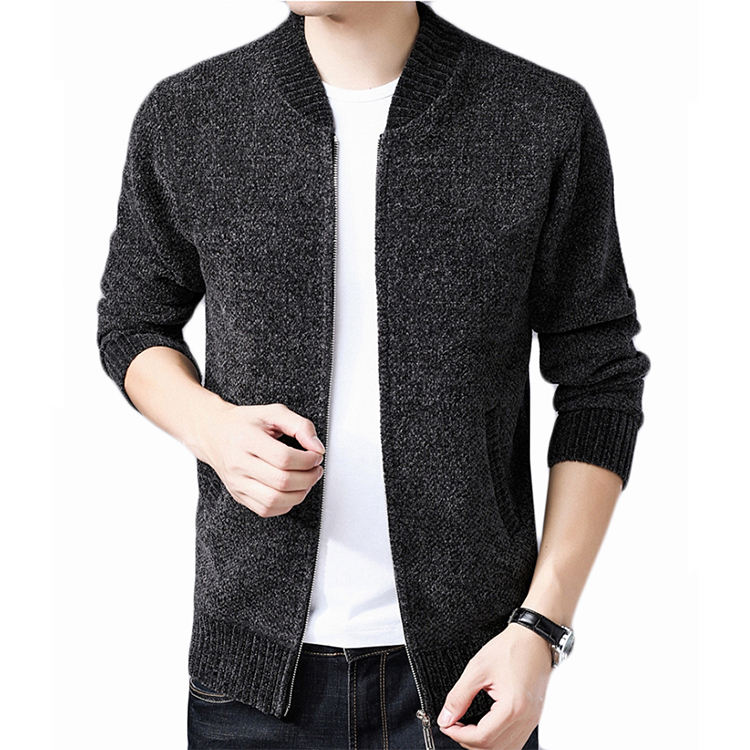
Adds hood construction at any gauge. Resonates with activewear-inspired brands. Extra pattern pieces require careful grading; confirm hood lining options early in sampling.
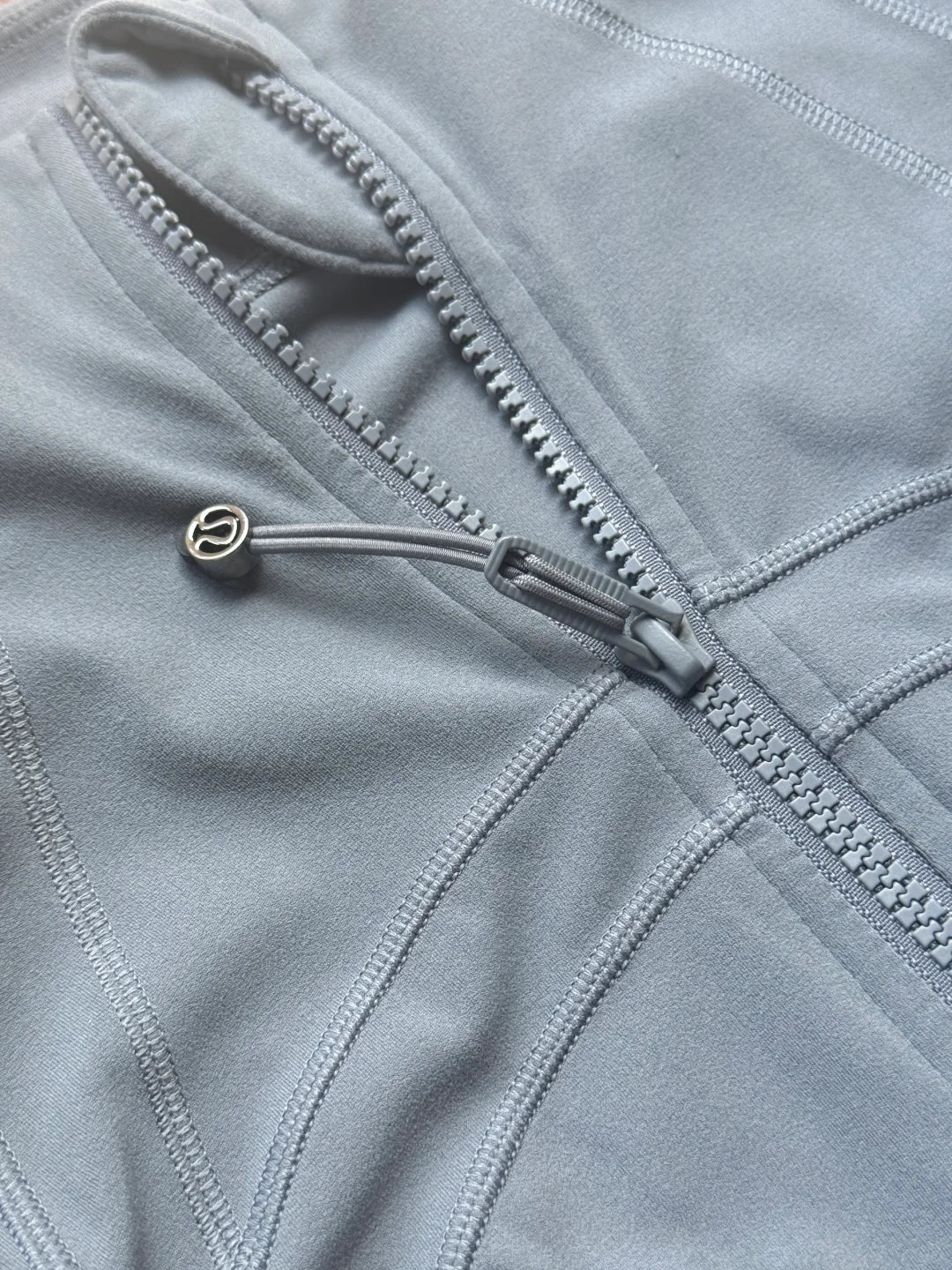
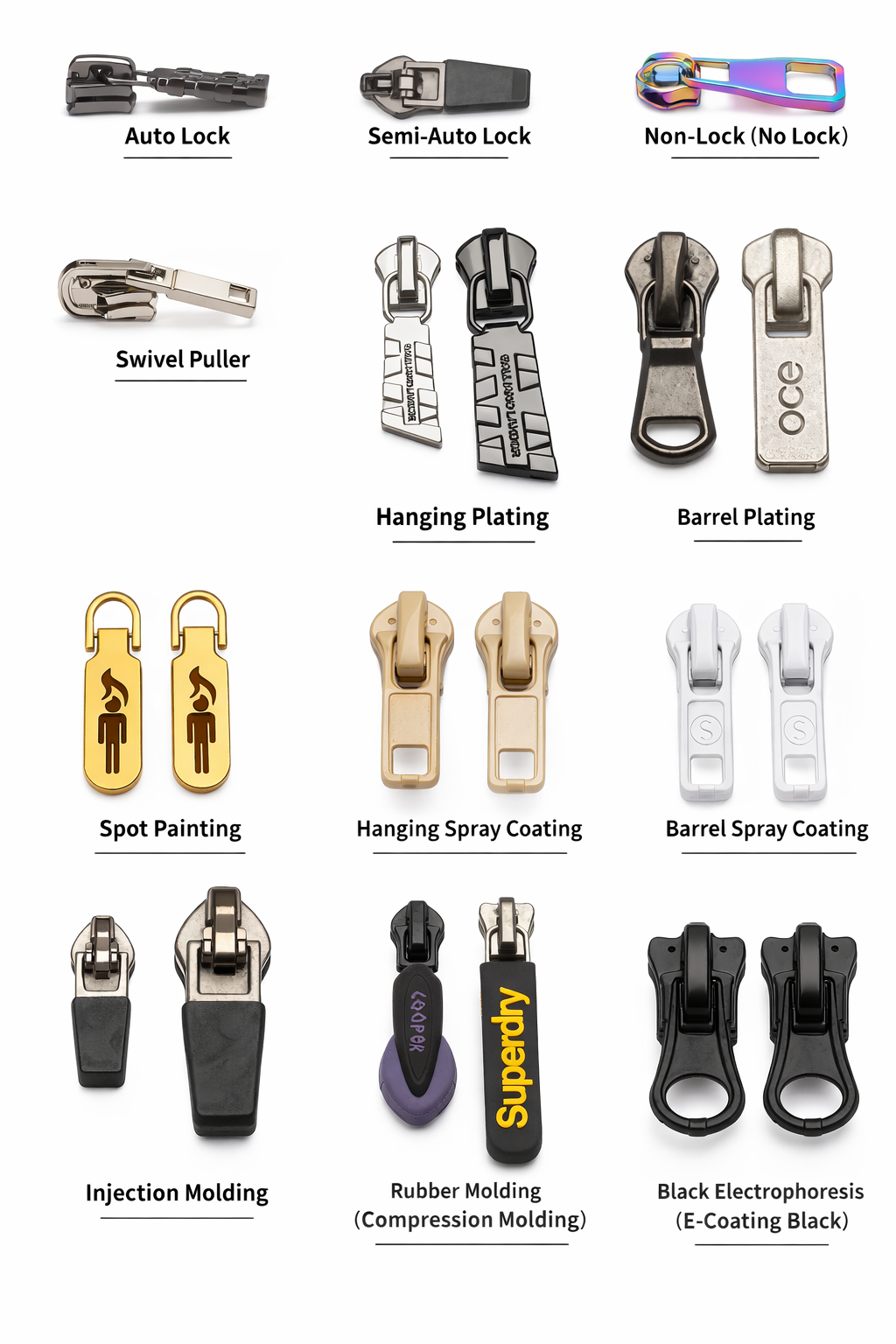
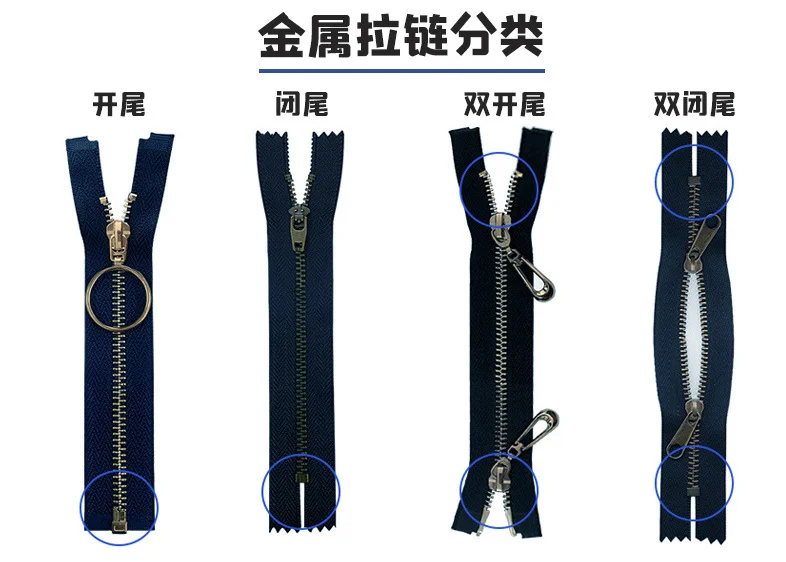
Zip-Front Cardigan
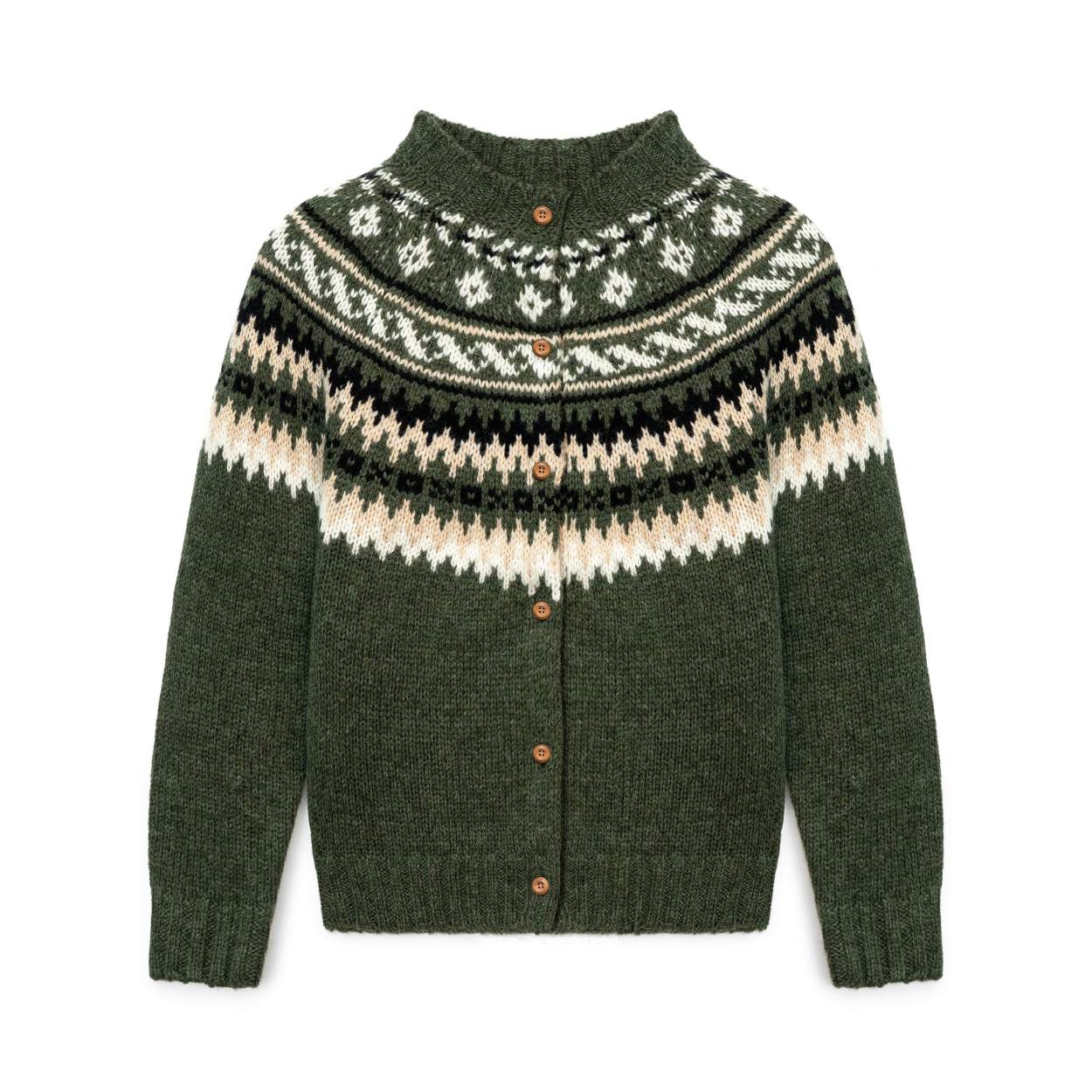
Replaces buttons with zipper, typically 12GG–14GG. Suits sport-luxe and travel collections. Zipper tape and slider sourcing extends lead time by 3–5 days; specify YKK or equivalent at order.
4. Cashmere Cardigan Materials & Yarn Grades
Cashmere quality spans a wide spectrum, driven by fiber micron count, ply construction, and blend ratios. Understanding the grading system and yarn architecture is essential for matching material cost to your target retail price and brand positioning.
| Fiber Grade | Micron Range | Price Premium | Best Use Case |
|---|---|---|---|
| Grade A | 14–15.5 μm | +40–60% | Luxury collections, flagship styles |
| Grade B | 16–17 μm | +15–25% | Mid-tier retail, core cardigans |
| Grade C | 18–19+ μm | Baseline | Entry-price, high-volume basics |
Fiber Grading and Micron Count
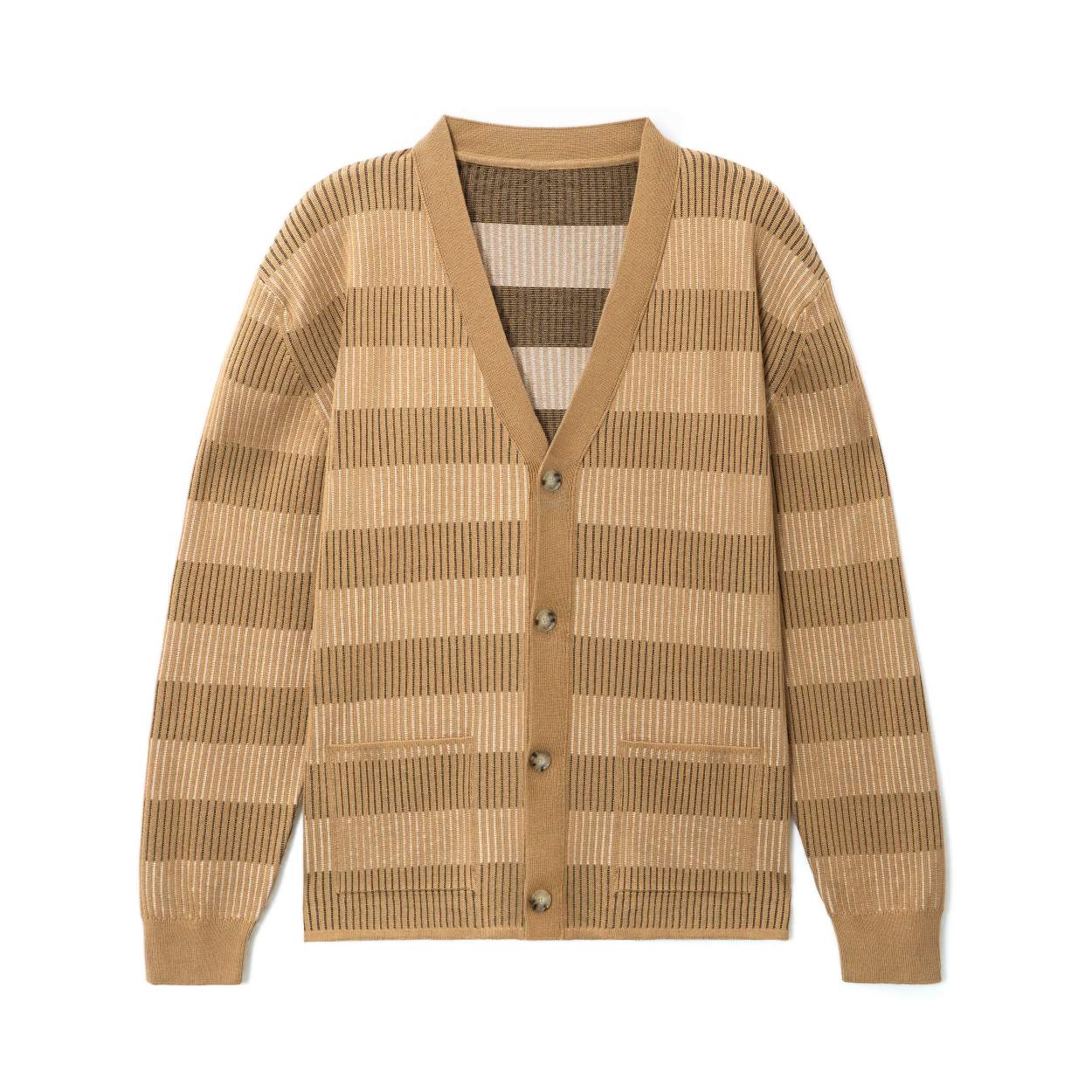
Grade A cashmere measures 14–15.5 microns and delivers the softest hand feel with minimal pilling when properly processed. Grade B sits at 16–17 microns, balancing luxury and cost for mid-tier collections. Grade C fiber (18–19+ microns) offers a budget entry point but pills faster and lacks the signature drape.
CENWILD sources across all three grades, allowing brands to tier product lines by retail channel. A 100-piece run can mix grades across colorways to test market response before committing to premium fiber at scale.
Ply Construction: Single vs. Two-Ply
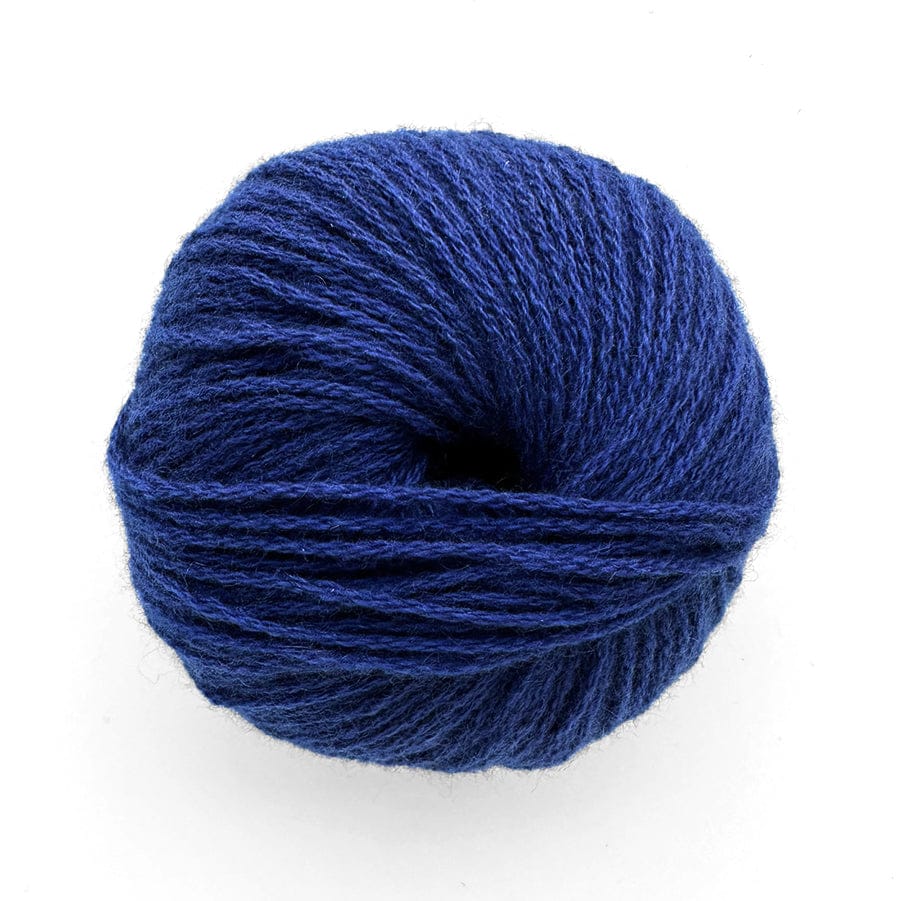
Two-ply yarn twists two fine strands together, creating a denser, more resilient fabric that resists pilling and holds shape through repeated wear. Single-ply uses one thicker strand, yielding a lighter, airier hand but greater susceptibility to surface wear.
Luxury cashmere cardigans typically specify 2/26 or 2/28 (two-ply, 26s or 28s count), while accessible lines may use 1/26 single-ply to hit opening price points below $150 retail.
Cashmere Blends
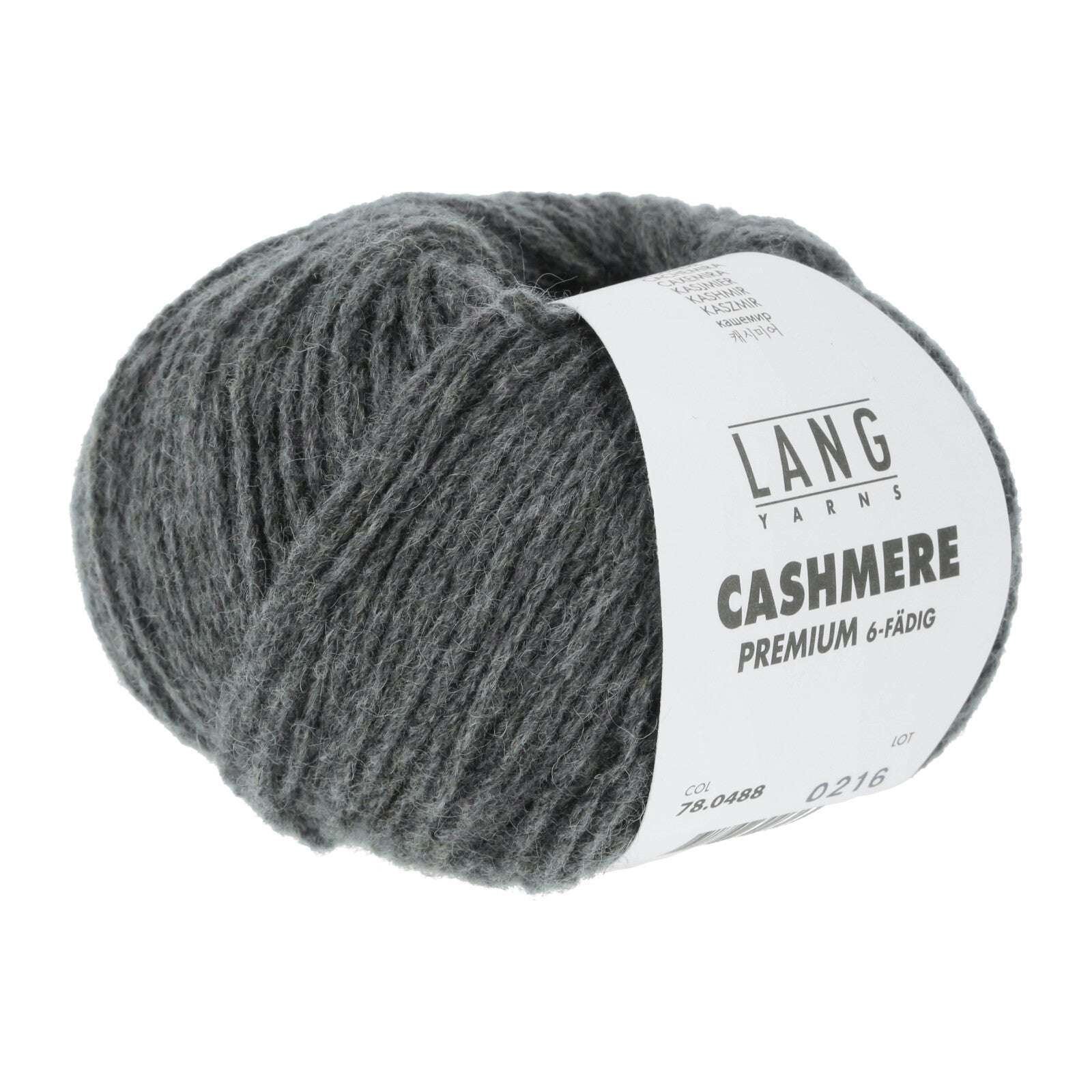
Cashmere-silk blends (70/30 or 80/20) add sheen and drape for evening cardigans. Cashmere-merino combinations (50/50 to 70/30) reduce cost while maintaining softness, ideal for high-volume capsule collections. Cashmere-cotton blends extend seasonal wearability into spring.
CENWILD knits all blend ratios in-house, enabling brands to prototype multiple compositions within a single 100-piece MOQ order and validate hand feel before scaling production.
5. Customization & Decoration Options for Cashmere Cardigans
Customization transforms a cashmere cardigan from commodity to signature piece. CENWILD supports jacquard patterns, intarsia logos, embroidery, custom buttons (horn, corozo, metal), contrast tipping, pocket styles, and Pantone-matched dyeing — all designed to preserve cashmere’s luxury hand.
| Technique | Setup Cost | Durability | Cashmere Feel |
|---|---|---|---|
| Jacquard / Intarsia | Moderate | Excellent | Preserved |
| Embroidery | Low–Moderate | Very Good | Slight weight |
| Custom Buttons | Low (if stock) | Excellent | No impact |
| Pantone Dyeing | Low | Excellent | Preserved |
Knit-In Techniques: Jacquard & Intarsia
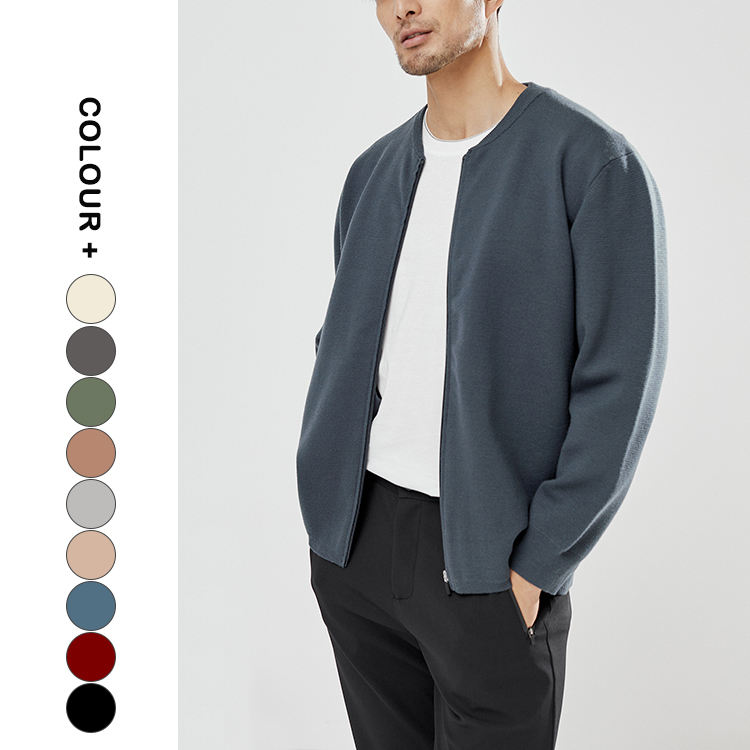
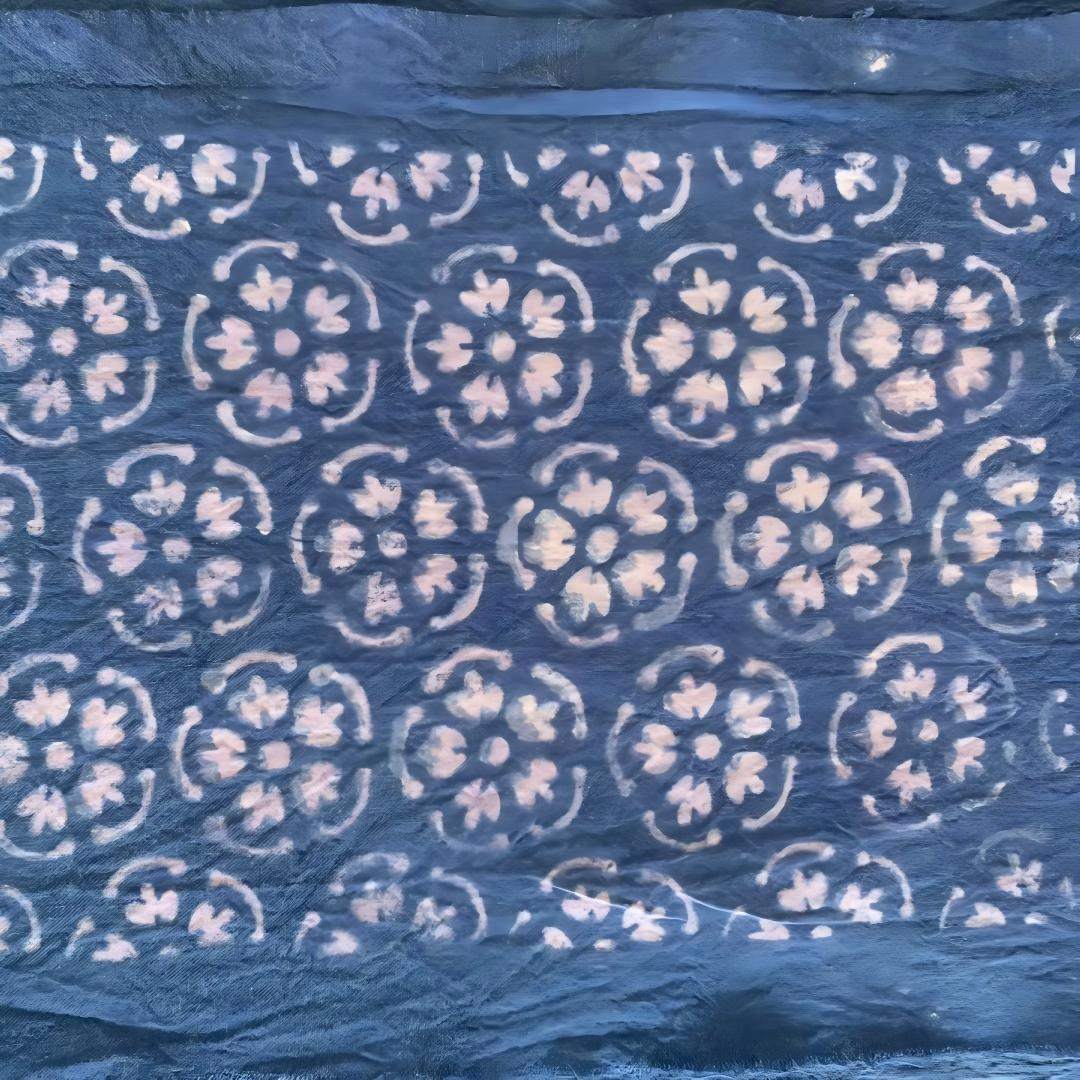
Jacquard and intarsia weave patterns and logos directly into the fabric during knitting, eliminating surface overlays that can stiffen cashmere. Jacquard floats yarns on the reverse, ideal for allover patterns; intarsia eliminates floats for clean, single-layer colorwork.
Both methods require 3D knit programming and knit-down sampling. MOQ typically starts at 100 pieces per colorway, with setup absorbed across the run.
Embroidery & Surface Decoration
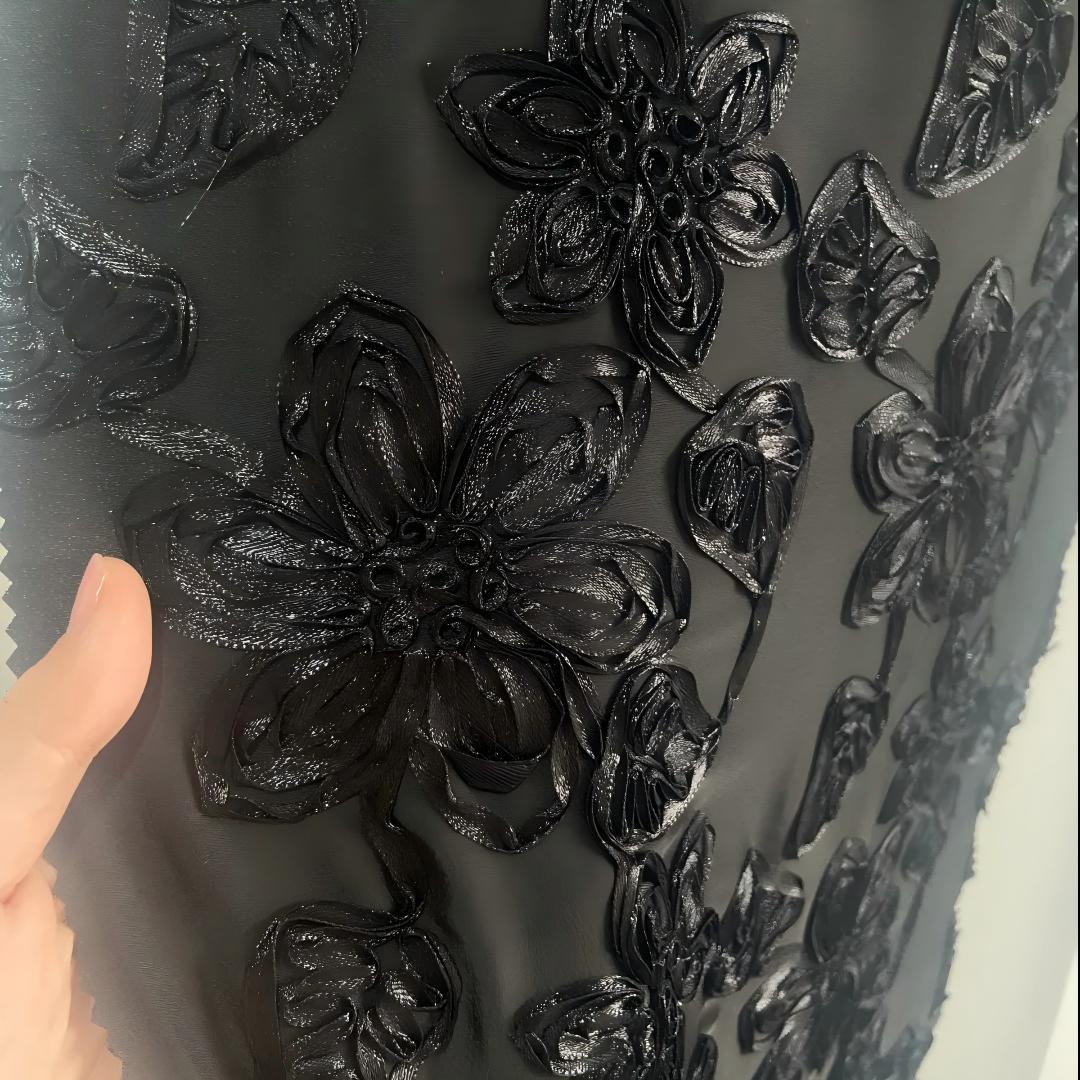
Flat, 3D puff, chain-stitch, appliqué, sequin, and patch embroidery add branding without re-engineering the knit structure. Lightweight flat embroidery preserves drape; heavier techniques suit statement pieces.
Embroidery setup (digitizing, sampling) is fixed per design. MOQ for custom embroidery often matches garment MOQ (100 pieces), with no per-color penalty.
Custom Buttons & Hardware
Horn, corozo (tagua nut), and metal buttons elevate perceived value. Horn and corozo offer natural texture and unique grain; metal (brass, nickel, custom-plated) suits modern or heritage branding.
Button MOQ is typically 500–1,000 pieces per style, so stable designs or multi-season programs benefit most. CENWILD sources and attaches hardware in-house.
6. Key Quality Indicators in Cashmere Cardigan Construction
Quality construction separates a premium cashmere cardigan from a disposable garment. Before committing to production, buyers must audit seam construction, fiber integrity, and finishing details to ensure long-term wearability and customer satisfaction.
Fully-Fashioned vs. Cut-and-Sew Construction
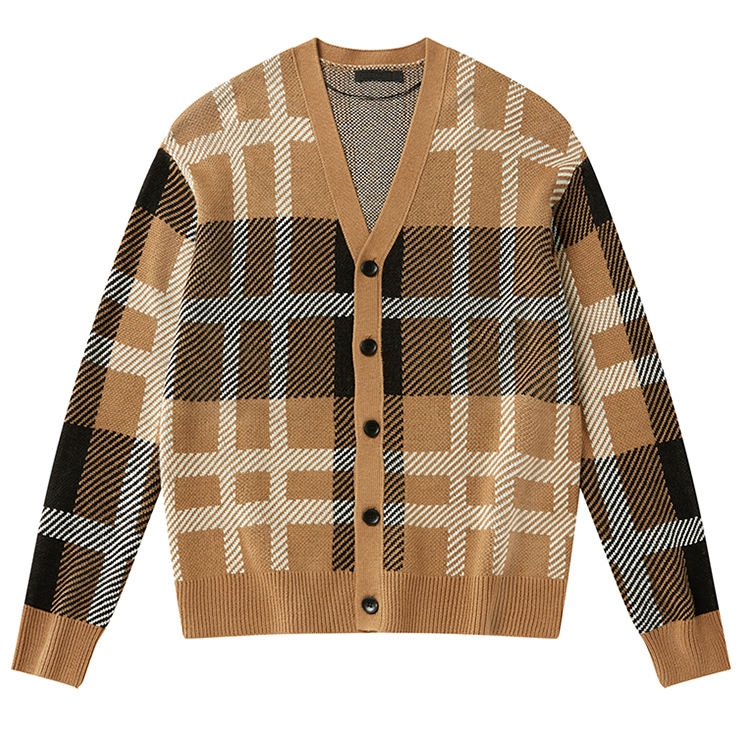
Fully-fashioned cardigans are knit to shape on computerized flat-knitting machines, eliminating side seams and reducing waste. Cut-and-sew pieces are assembled from flat panels, leaving visible seams that can pucker or unravel.
CENWILD’s 3GG–14GG gauge machines produce fully-fashioned panels that match body contours without cutting. Inspect samples for seamless armholes and minimal raw edges — a hallmark of professional knitwear manufacturing.
Linking vs. Overlocking at Shoulders
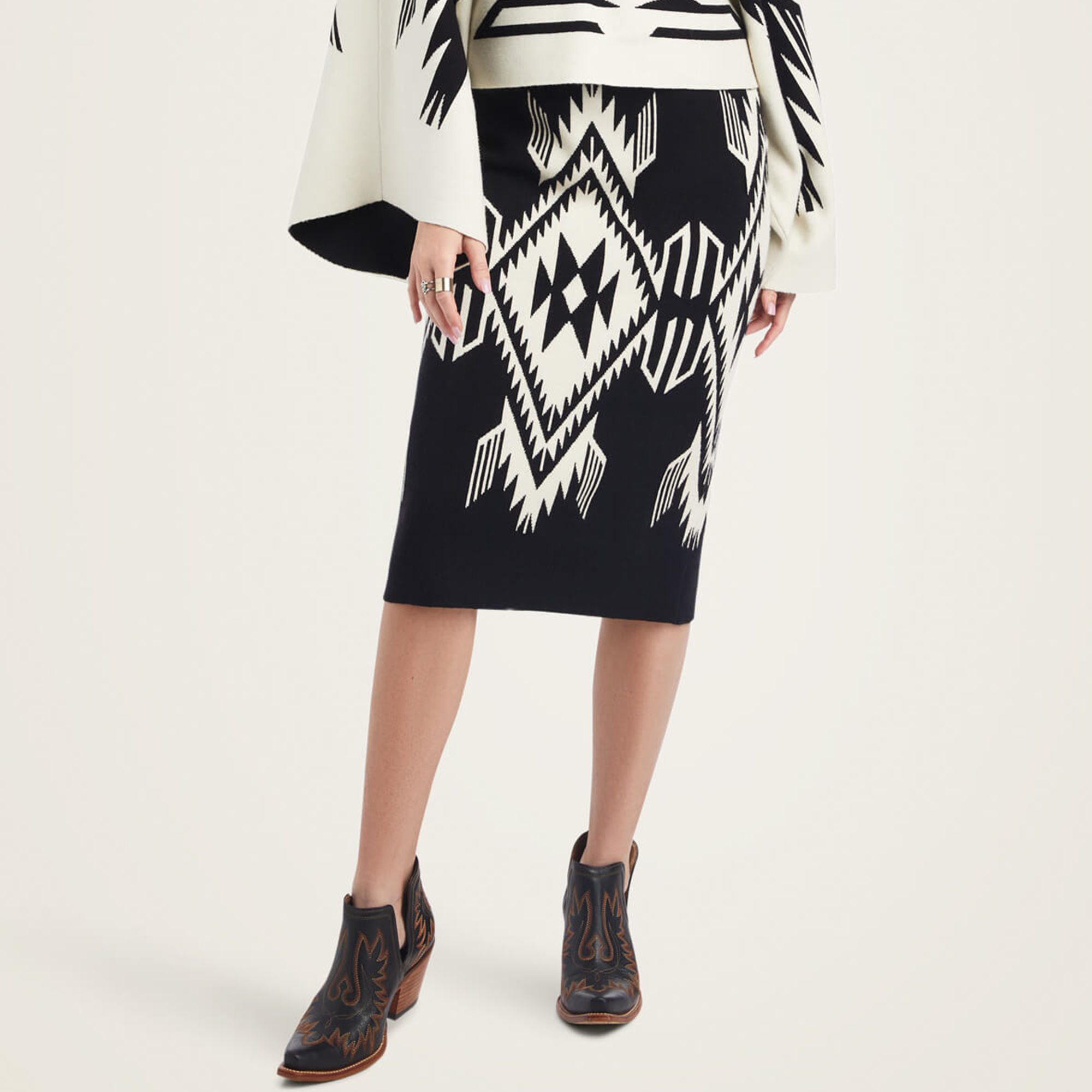
Linking joins shoulder seams loop-by-loop using specialized machines, creating a flat, invisible finish. Overlocking uses serger stitches that create bulk and may show through lightweight cashmere.
High-end cashmere cardigans always feature linked shoulders. Check the inside shoulder seam: linked construction lies completely flat, while overlocked seams show multiple thread lines and raised edges.
Button Reinforcement and Hem Finishing
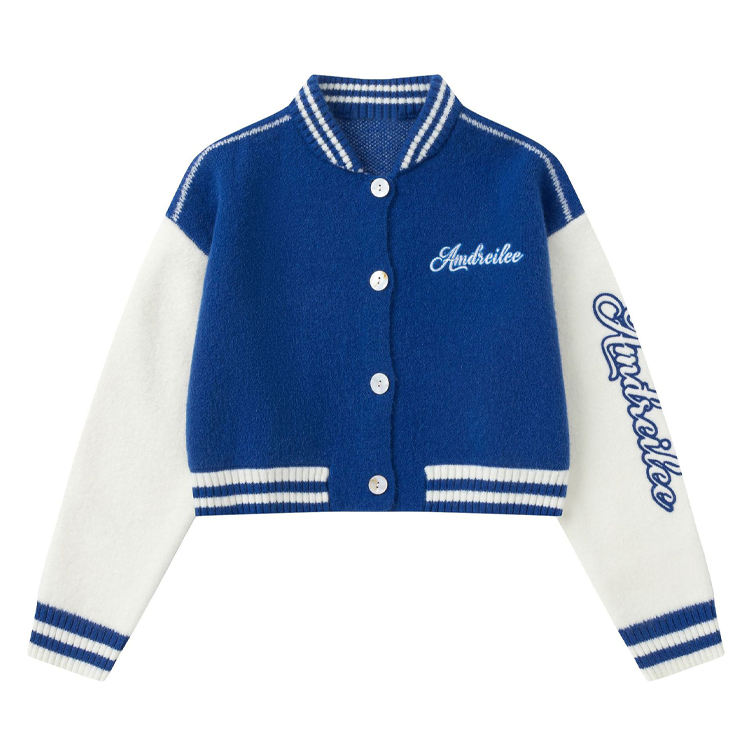
Buttons on cashmere cardigans must be reinforced with backing buttons or bar tacks to prevent tearing through the delicate knit. Hems should be cleanly bound or ribbed — raw edges fray and curl after washing.
CENWILD applies reinforced button shanks and clean ribbed hems as standard. Inspect buttonholes for tight, non-fraying edges and test button pull strength before approving samples.
Fiber Length, Twist, and Pilling Resistance
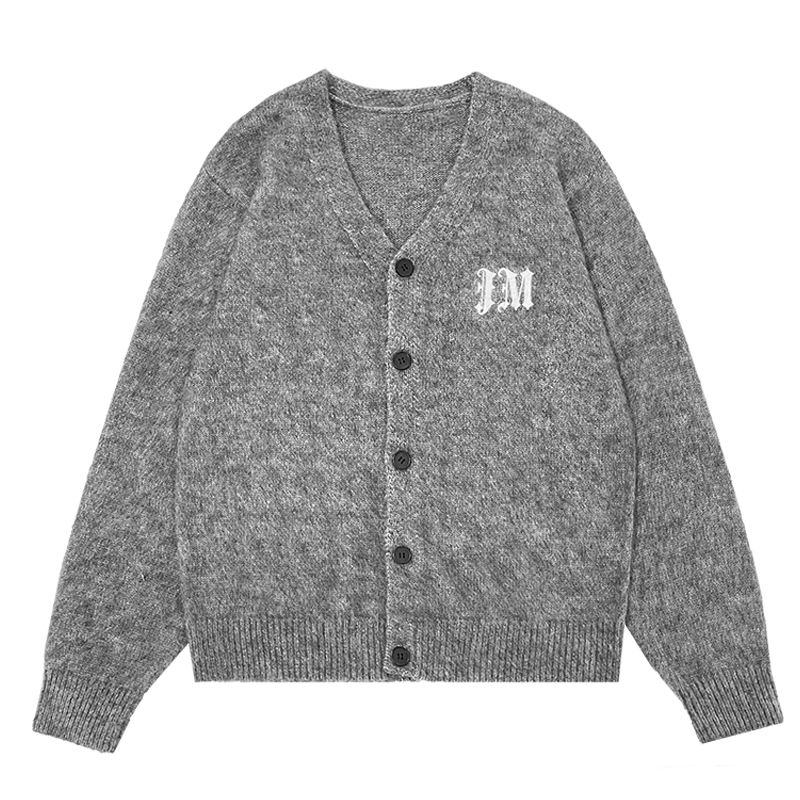
Cashmere fiber length above 34 mm and moderate twist reduce pilling. Short fibers (under 30 mm) or loose twist create surface fuzz that pills within weeks.
Request fiber-length certificates and check yarn twist consistency across swatches. CENWILD sources grade-A cashmere and applies anti-pilling finishing during garment washing to extend wearability.
7. How to Choose a Cashmere Cardigan Manufacturer
Selecting the right cashmere cardigan manufacturer requires evaluating technical capability, compliance, and partnership fit. A systematic framework helps buyers shortlist factories and avoid costly mistakes.
Certifications and Compliance
OEKO-TEX Standard 100 confirms yarn and trim safety, while Responsible Wool Standard (RWS) and Global Recycled Standard (GRS) verify ethical fiber sourcing. Factories serving EU and US markets typically hold at least one textile certification.
Request certificates directly and verify issuing bodies. Certifications reduce downstream compliance risk and support brand sustainability claims.
Machinery and Gauge Range
Gauge range defines texture versatility: 3GG–7GG produces chunky, relaxed cardigans, while 12GG–14GG delivers fine, luxury-weight pieces. Computerized flat-knitting machines and automated linking equipment ensure consistent seam quality at scale.
Ask for machine inventory lists and recent production photos. Factories running 10+ machines across multiple gauges handle mixed-style orders more reliably.
Sampling, Lead Times, and References
A knit-down sample typically takes 10–15 days; full production runs 60–90 days from deposit to shipment. Clear sampling terms and realistic timelines signal professional operations.
Request client references and review case studies. Factories serving 100+ brands demonstrate stable processes and scalable capacity.
8. Common Mistakes When Sourcing Cashmere Cardigans
Sourcing cashmere cardigans involves technical decisions that directly impact quality, timelines, and brand reputation. Five recurring errors account for most disputes, returns, and margin erosion between brands and manufacturers.
Choosing Price Over Fiber Grade
Selecting a supplier by lowest unit cost often means accepting 28–30 micron fiber instead of 15.5–16 micron A-grade cashmere. The result is pilling within three wears and customer returns.
Always request fiber-diameter certificates and specify grade A (≤16 micron) in your purchase order to lock quality and prevent substitution.
Underestimating Lead Times
Cashmere yarn dyeing adds 10–15 days; fully-fashioned linking requires 3–5 days per 1,000 pieces. Brands that assume standard 30-day lead times miss launch windows.
Build 50–60 days for initial orders and confirm each milestone — yarn procurement, knitting, linking, washing — in your production timeline.
Skipping Pre-Production Samples
Approving production from photos or tech packs alone hides gauge mismatches, color shifts, and seam finishes. Bulk corrections cost 20–30% in air freight and rework.
Request a knit-down sample in your final yarn and colorway, and approve fit, hand-feel, and all trims before cutting bulk fabric.
Ignoring Wash-Care Testing
Cashmere shrinks 3–8% and may felt if wash instructions are incorrect. Brands that skip lab testing face chargebacks when garments distort after first wash.
Run AATCC or ISO wash-shrinkage tests on pre-production samples and print validated care labels before bulk production begins.
Failing to Specify Linking Details
Tech packs that omit seam construction default to overlock stitching, which creates visible ridges on cashmere. Fully-fashioned linking delivers flat, invisible seams but must be called out.
Annotate shoulder, sleeve, and side seams as ‘fully-fashioned linking’ and include stitch-density requirements (12–14 stitches/cm) in your specification sheet.
9. Steps to Launch Your Cashmere Cardigan Brand
Launching a cashmere cardigan line requires a clear roadmap from concept to market. First-time buyers typically need 4–6 months from initial design to receiving finished inventory, with budgets starting around $3,000–$5,000 for a 100-piece minimum order.
Market Research and Positioning
Define your target customer, price tier, and unique selling proposition before contacting manufacturers. Survey competitors’ retail prices, fabric weights (12GG–14GG gauge for fine cashmere cardigans), and style gaps in your niche.
Identify whether you will compete on luxury heritage, sustainable sourcing, inclusive sizing, or trend-forward design. This clarity shapes every downstream decision from yarn grade to decoration budget.
Tech Pack Creation and Supplier RFQ
Prepare a technical package listing measurements, stitch patterns, yarn composition, color Pantone codes, and trim specifications. If you lack design experience, manufacturers like CENWILD offer full design-development support from sketches or reference images.
Send requests for quotation to 3–5 shortlisted suppliers, specifying MOQ, lead time, payment terms, and sampling fees. Compare unit cost, gauge capabilities (3GG–14GG), decoration options, and communication responsiveness before selecting a partner.
Sampling, Pre-Production Approval, and Bulk Order
Approve a knit-down sample within 7–10 days; request revisions for fit, hand-feel, or color until the prototype matches your vision. Once confirmed, issue a purchase order and arrange the deposit—100% for first orders, easing to 30% for repeat clients.
Production begins after yarn procurement (1–2 weeks) and runs 25–35 days for 100–500 pieces. Final inspection, decoration, washing, and packaging add another week before shipment.
Logistics, Customs, and Go-to-Market
Coordinate FOB or DDP Incoterms; sea freight takes 20–40 days, air 5–7 days. Prepare commercial invoices, packing lists, and certificates of origin for customs clearance.
Plan your launch calendar around inventory arrival: allocate 2–4 weeks for photography, e-commerce setup, influencer seeding, and pre-order campaigns to ensure sell-through momentum from day one.
10. Cashmere Cardigan Pricing & Cost Breakdown
CENWILD’s cashmere cardigan pricing starts at a 100-piece MOQ with FOB unit costs ranging from $45 to $95 depending on fiber grade, gauge, and construction complexity. Standard sampling fees run $80–$150 per colorway and are credited back after order confirmation.
Quantity breaks deliver meaningful savings: 100-piece runs price at the higher end of each tier, while 1,000-piece orders unlock volume discounts of 15–20 percent. Lead times compress as order size grows and repeat clients benefit from faster turnaround.
Customization adds $2–$8 per unit: intarsia colorwork and jacquard patterns increase knitting time, premium buttons (horn, corozo, metal engraved) add $1.50–$4 each, and embroidery runs $0.80–$3.50 depending on stitch count. Garment-dyed finishes add approximately $2.50 per piece but eliminate the need for multiple yarn-dyed lots.
| Quantity Tier | FOB Unit Cost (USD) | Sampling Fee | Lead Time |
|---|---|---|---|
| 100 pcs | $75–$95 | $120 per style | 25–30 days |
| 300 pcs | $60–$80 | $100 per style | 30–35 days |
| 500 pcs | $52–$70 | $80 per style | 35–40 days |
| 1,000 pcs | $45–$65 | Waived (repeat clients) | 40–45 days |
Ready to Produce Your Cashmere Cardigan?
Partner with CENWILD for premium OEM manufacturing, 100-piece MOQ, and 28+ years of expertise behind your brand.