
Custom Sweater Manufacturer — OEM/ODM, Private Label Knitwear, 100-Piece MOQ
Partner with a trusted sweater manufacturer offering flexible OEM and ODM production, low minimums from 100 pieces, and full-service support from design to delivery for cardigans, pullovers, turtlenecks, and custom knitwear.
Cashmere & Knitwear Collections

Why CENWILD Is Your Trusted Knitwear and Sweater Manufacturer
Low MOQ from 100 Pieces
Launch your cashmere scarf line without tying up capital. We support emerging brands and established retailers with flexible minimums.
Fast Knit-Down Sampling
In-house flat-knitting machines produce production-accurate samples in days, not weeks, so you approve quality before bulk orders.
28+ Years Dongguan Manufacturing
Founded in 1998 in Humen, the heart of China’s knitwear hub, with over 200 skilled employees and 80,000-piece monthly capacity.
Full Design Support Included
Our team turns your sketch, photo, or idea into production-ready tech packs with original stitch design and 3D knit programming.
In-House Knitting & Quality Control
Every scarf is knitted, inspected, and finished under one roof. No outsourcing means consistent quality you can rely on.
OEM & ODM Partnership Models
Private label your designs or choose from our ready collections. Flexible payment terms ease as your partnership grows with us.
Custom Knitwear Categories We Manufacture
Pure Cashmere Scarves
100% pure cashmere scarves manufactured in your choice of weight and hand-feel. We source premium-grade cashmere fiber, knit or weave to your specifications, and finish with softening treatments. MOQ from 100 pieces, ideal for private label collections and luxury brands.
Get a Quote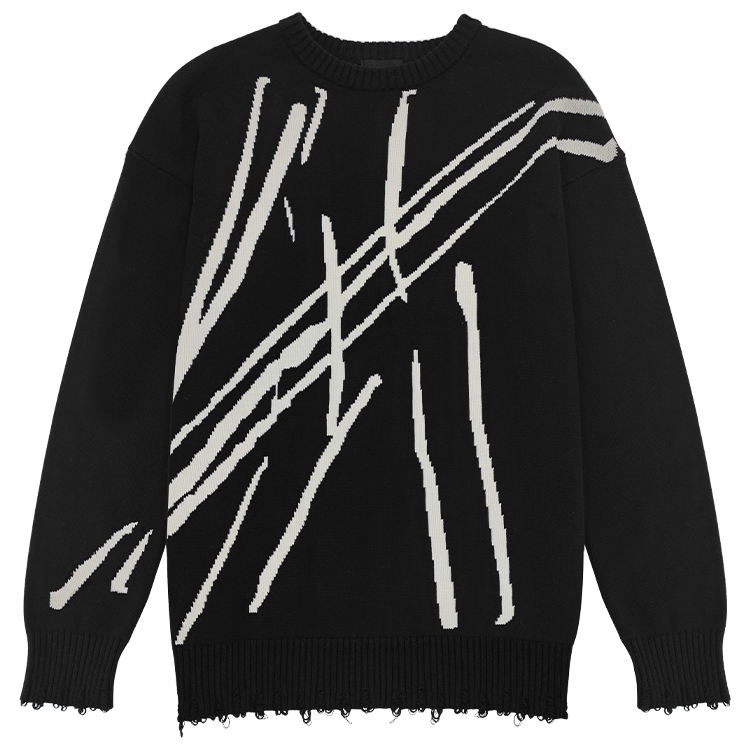
Cashmere Blend Scarves
Cashmere-wool, cashmere-silk, and cashmere-cotton blend scarves that balance warmth, drape, and cost. Our Dongguan facility knits and weaves blends from 10% to 70% cashmere content, with full yarn sourcing and color-matching support for your brand.
Get a QuoteCashmere Infinity Scarves
Seamless loop and stitched-end infinity scarves in pure or blended cashmere. Manufactured on computerized flat-knitting machines with invisible seaming or linking. Popular for retail and wholesale collections seeking modern, easy-wear silhouettes with low minimum orders.
Get a QuoteCashmere Pashminas
Lightweight, oversized cashmere pashminas woven or knit in traditional and contemporary styles. We produce in a range of weights from 200g to 400g, with options for fringe finishing, embroidery, and custom dimensions to suit your brand’s aesthetic and price point.
Get a QuotePrinted Cashmere Scarves
Cashmere scarves decorated with screen printing, digital heat transfer, or sublimation. Our in-house print workshop applies custom artwork, patterns, and brand graphics onto knit or woven cashmere bases, with sampling available before full production runs begin.
Get a Quote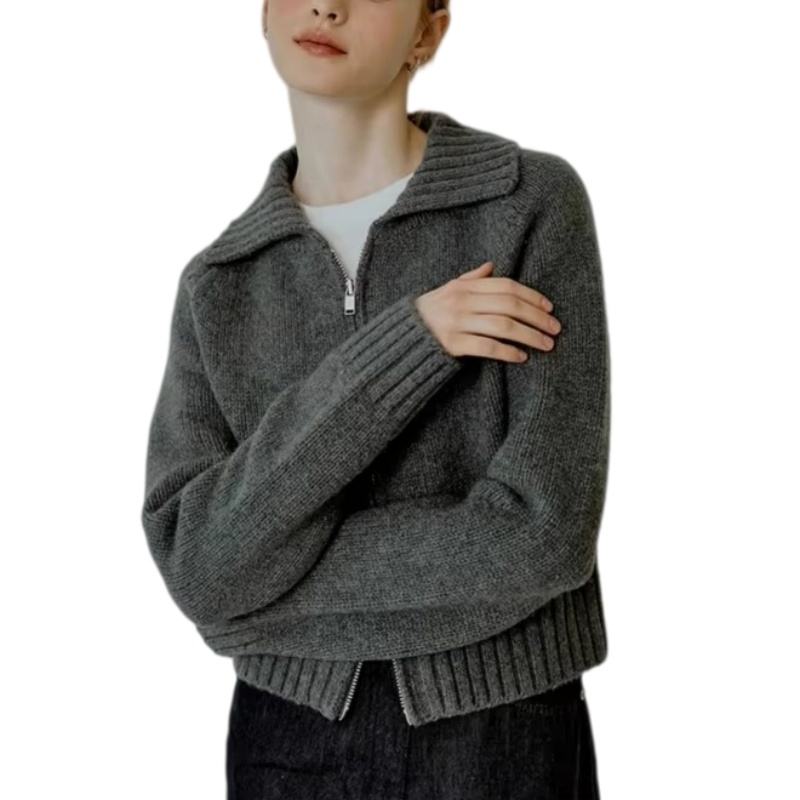
Knitted Cashmere Scarves
Flat-knit cashmere scarves crafted on 3GG to 12GG gauge machines. We produce cable, ribbed, jacquard, and intarsia patterns with full design development and 3D programming. Ideal for textured, statement pieces and seasonal collections with intricate stitch work.
Get a Quote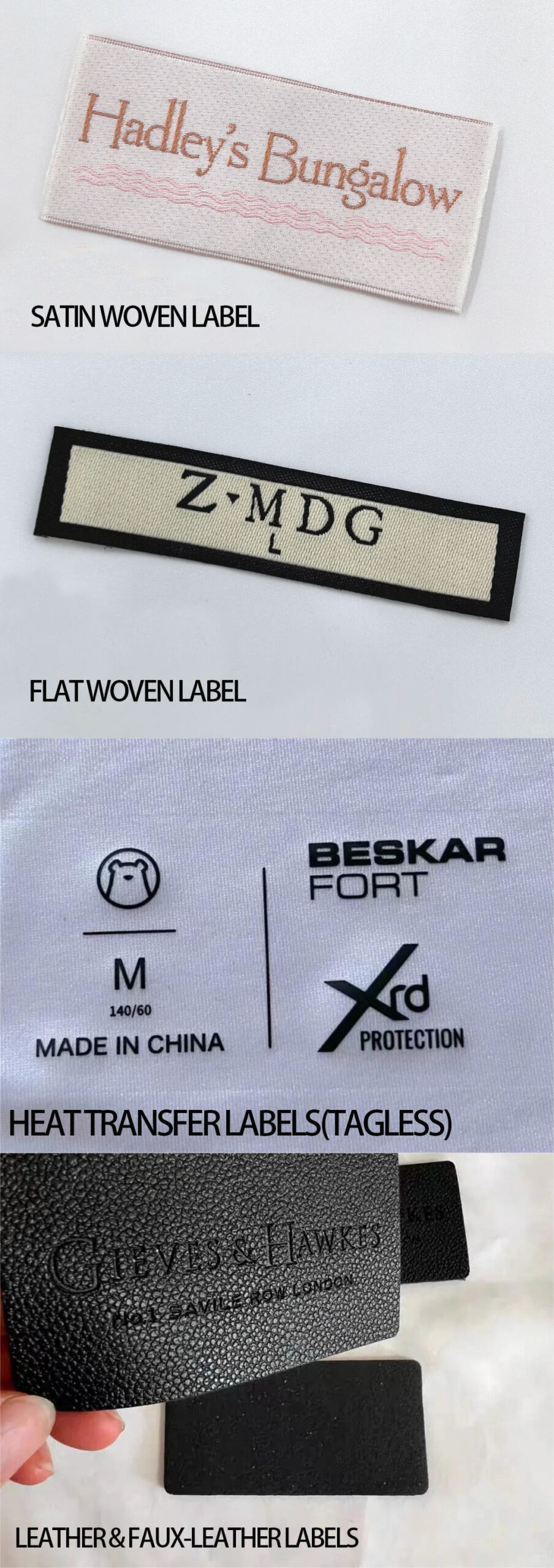
Woven Cashmere Scarves
Woven cashmere scarves manufactured on traditional and modern looms, offering smooth hand-feel and refined drape. We handle yarn preparation, weaving, dyeing, and finishing in-house. Suitable for classic, formal, and heritage-inspired lines with consistent quality across production.
Get a Quote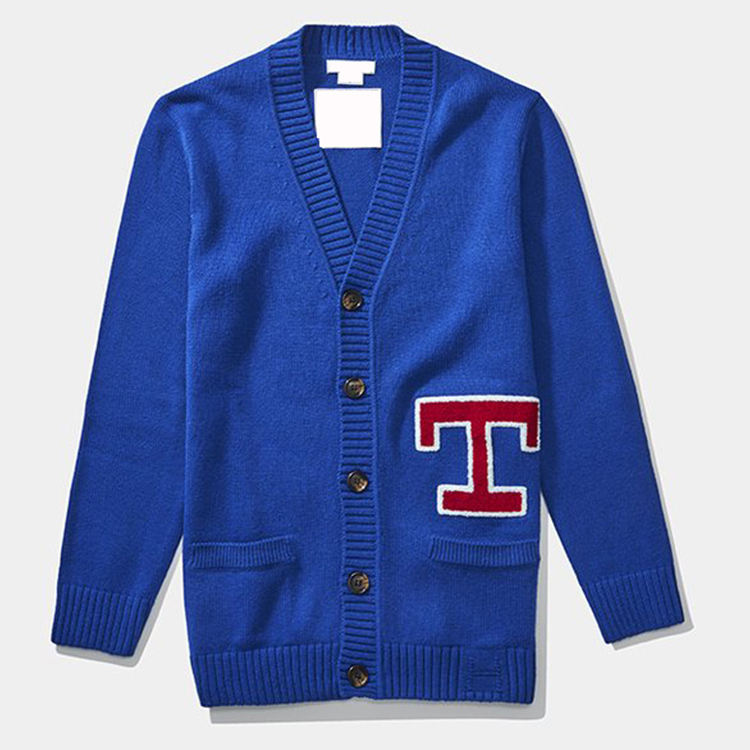
Cashmere Wraps & Shawls
Oversized cashmere wraps and shawls for layering and evening wear. Manufactured in weights from 250g to 500g with options for fringed edges, rolled hems, embroidered borders, and custom sizing. Our 28-year expertise ensures consistent softness and dimensional stability.
Get a Quote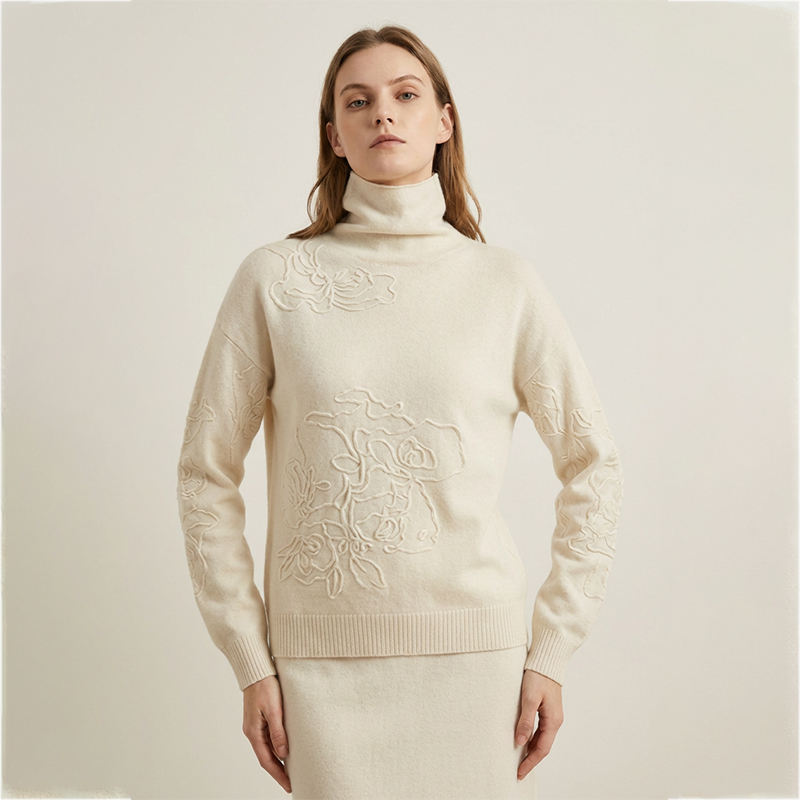
Custom Logo Scarves
Cashmere scarves with embroidered, woven, or printed logos for brand identity and corporate gifting. We offer flat embroidery, 3D puff, woven labels, and heat-transfer branding with Pantone color matching. Low MOQ from 100 pieces supports emerging and established brands alike.
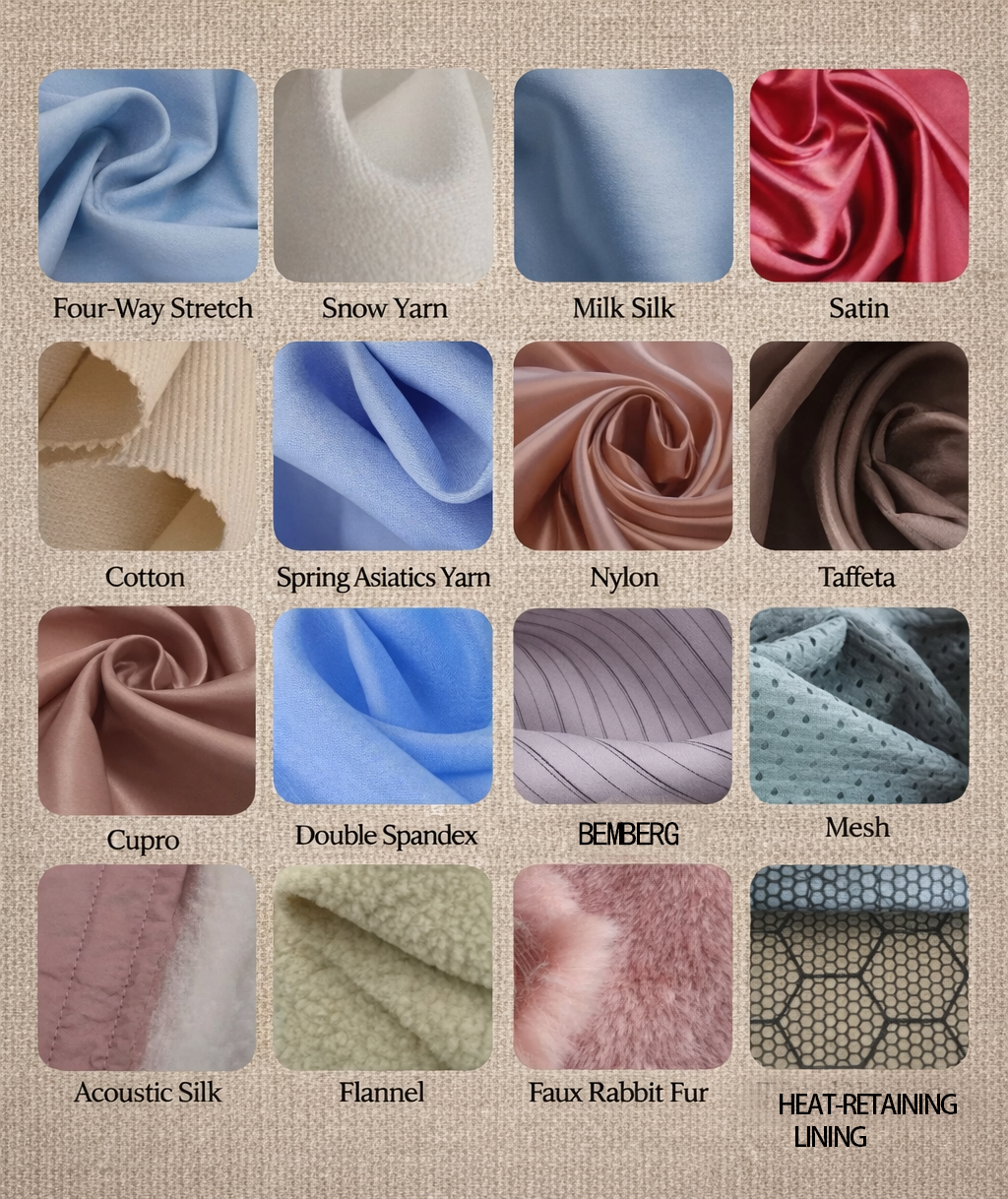
Get a QuotePremium Fibers Every Knitwear Manufacturer Should Master
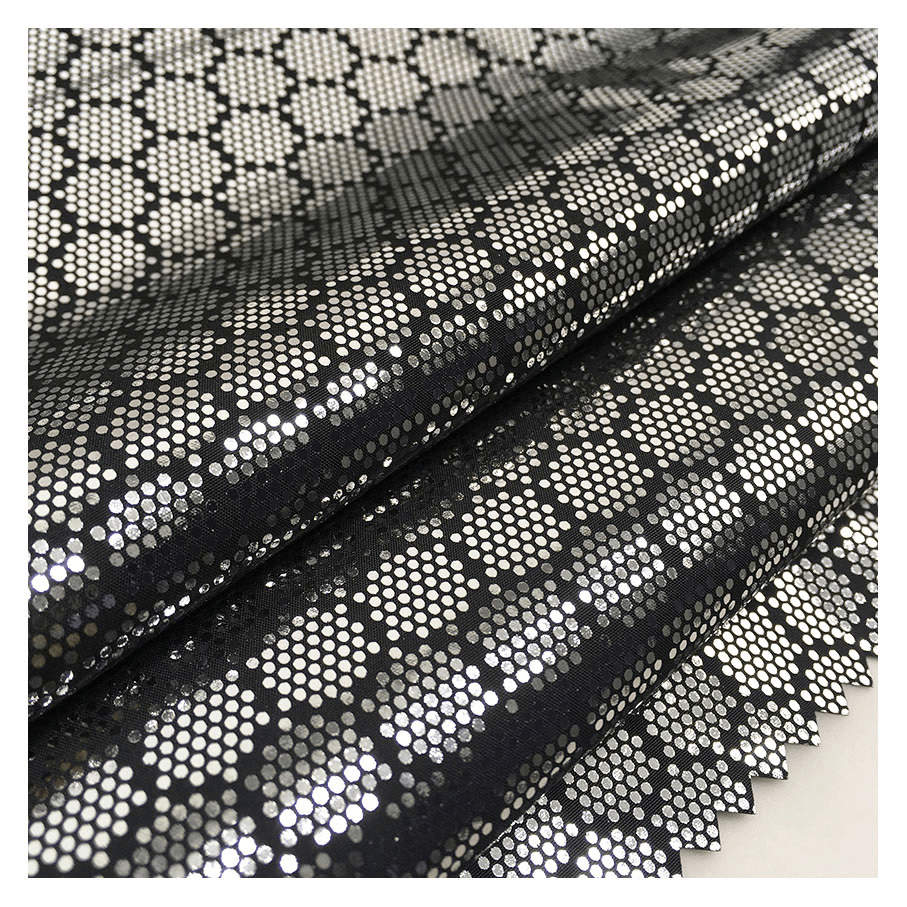
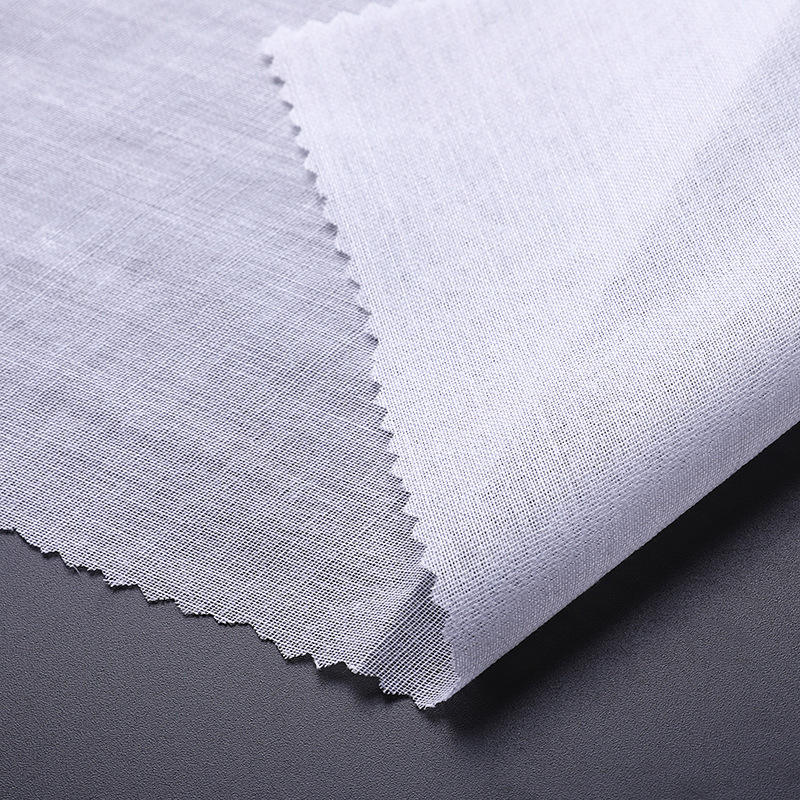
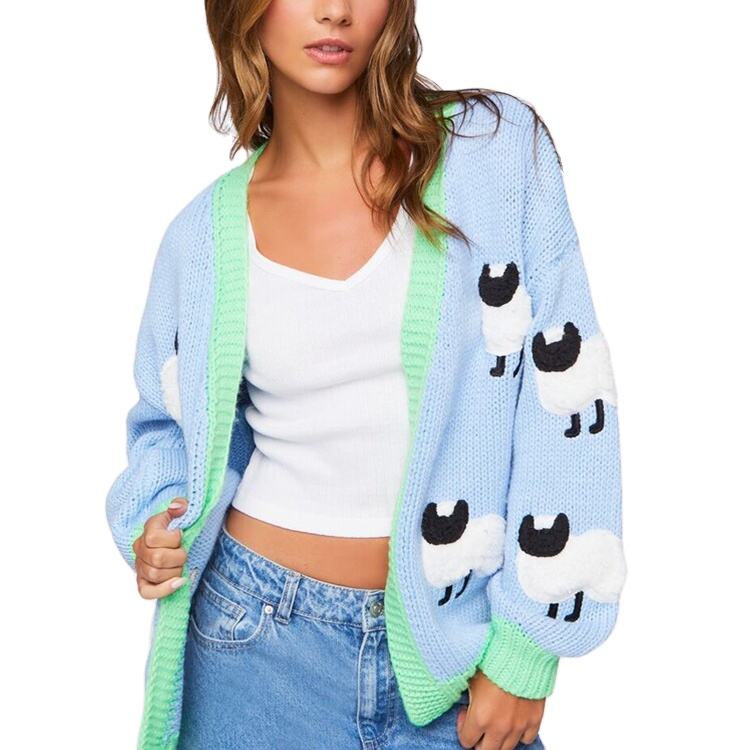
Signature Knit Techniques from Your Sweater Manufacturer
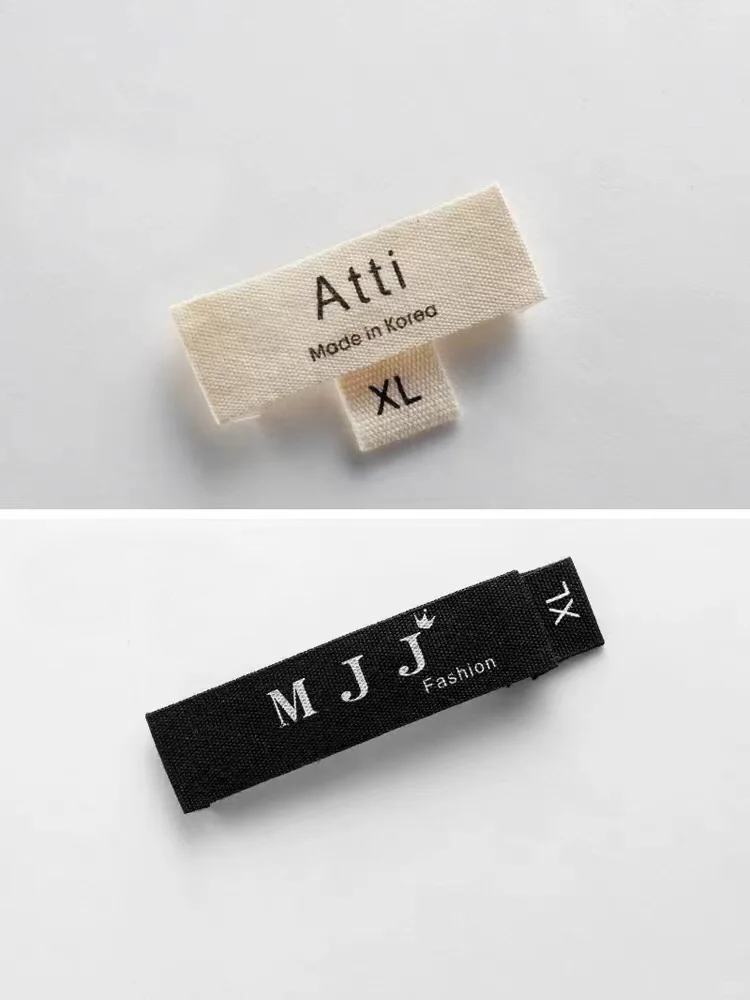
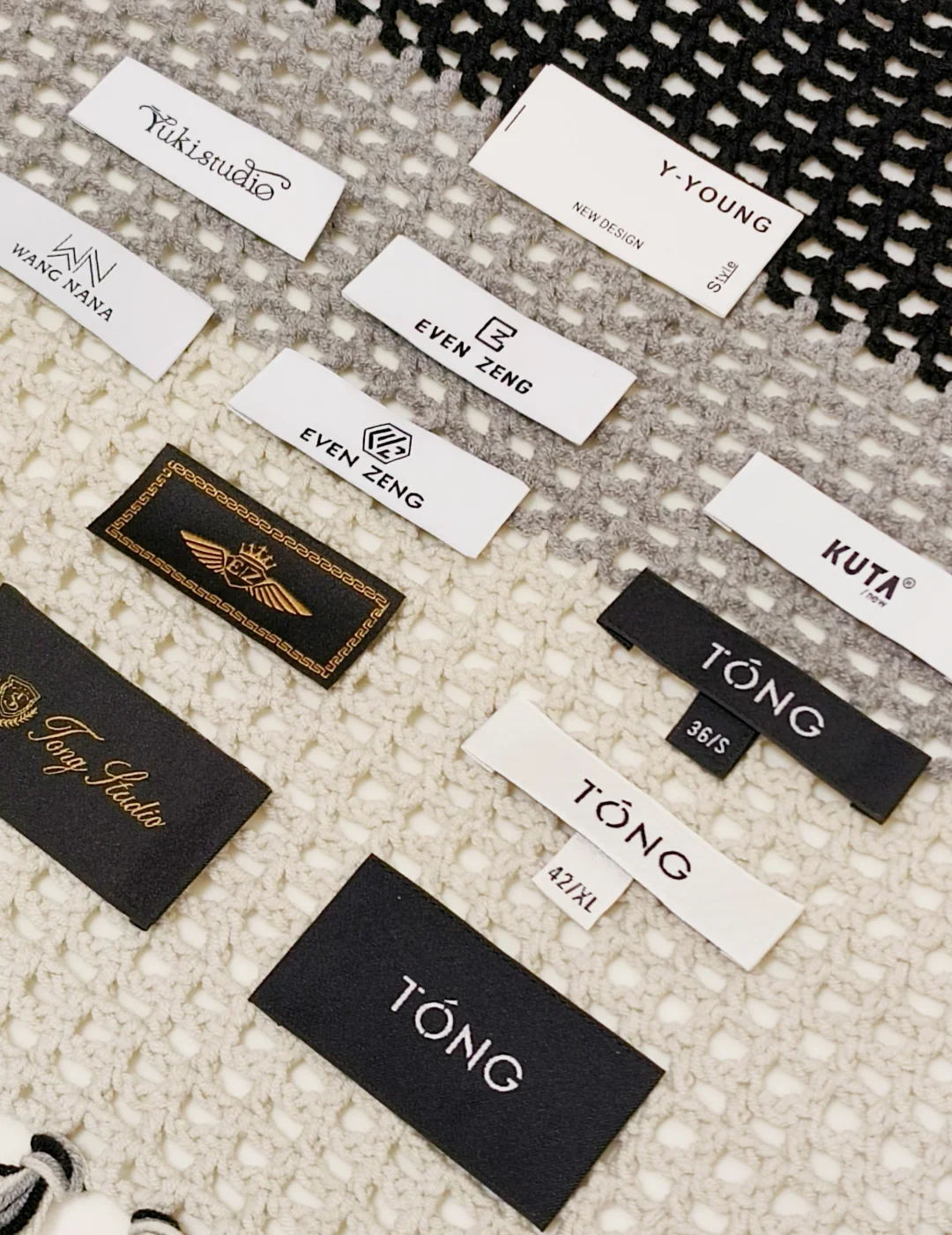
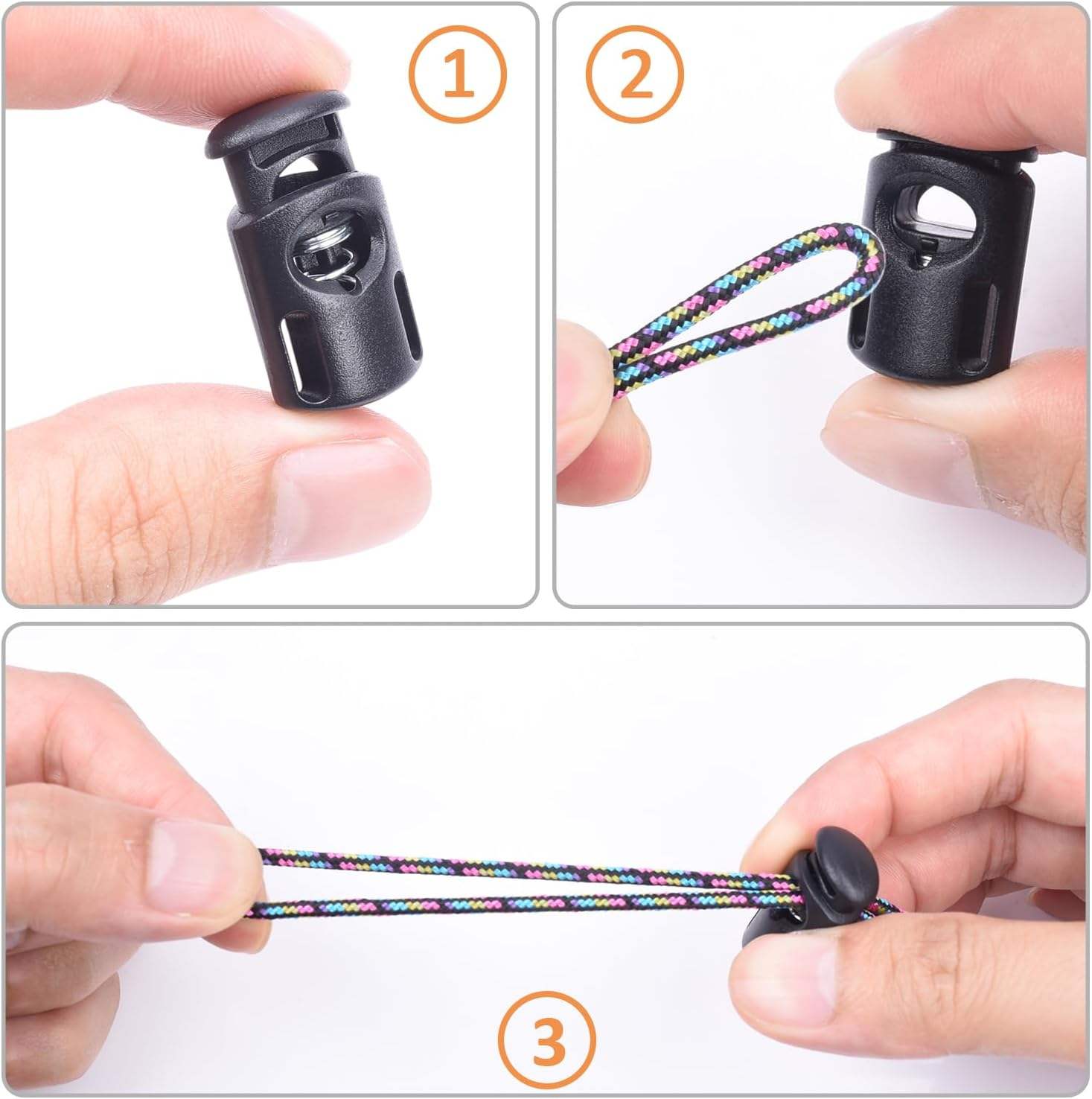
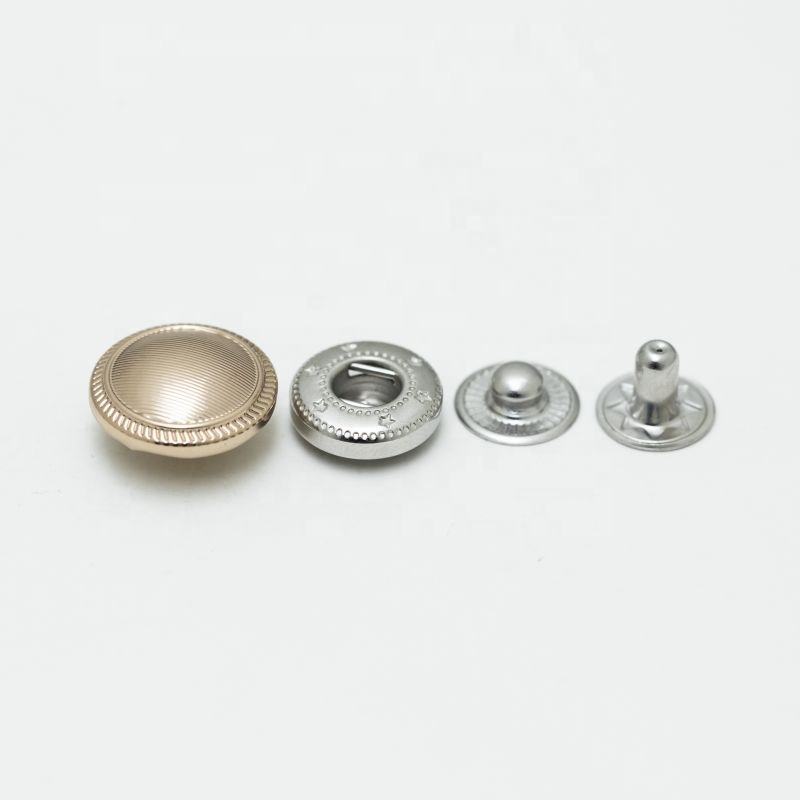
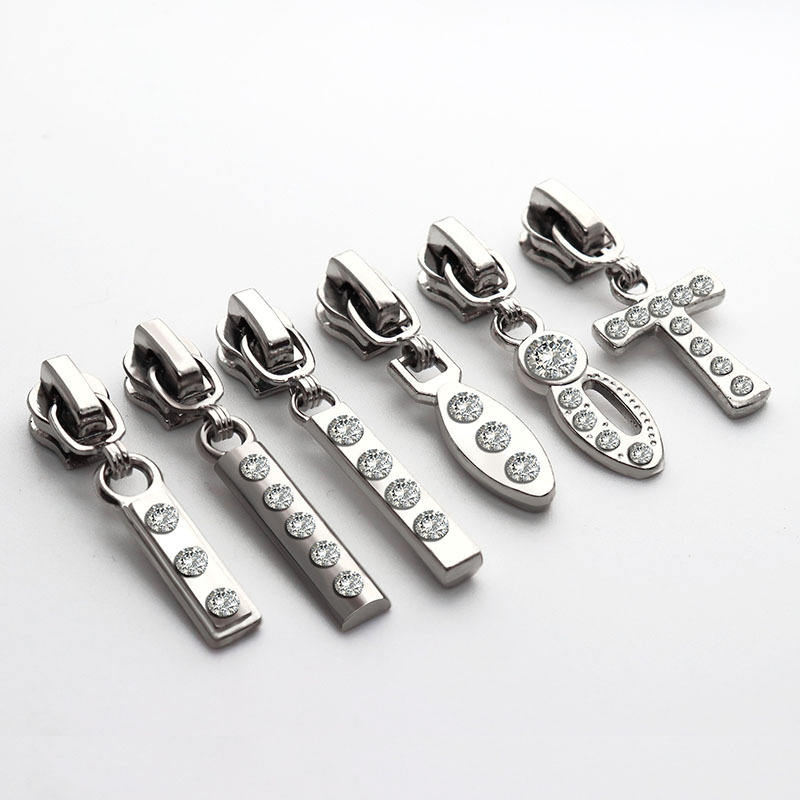
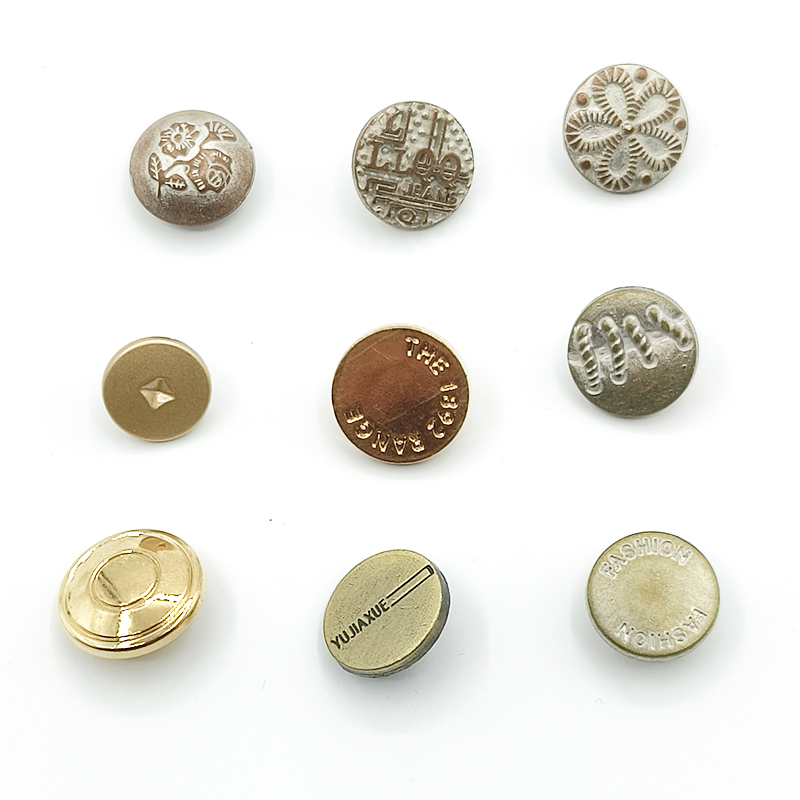
Trims, Labels & Finishing for Your Custom Sweaters and Knitwear
Your Trusted Knitwear and Sweater Manufacturer Since 1998
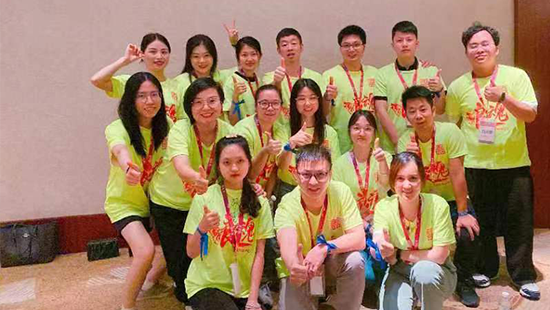
Founded in 1998 in Humen, Dongguan — the heart of China’s premier knitwear manufacturing region — CENWILD began as a small family knitting workshop and has grown into a full-service cashmere scarves manufacturer serving over 2,000 fashion brands worldwide. Today, our team of 200+ skilled professionals operates advanced flat-knitting equipment with a monthly capacity exceeding 80,000 pieces.
We specialize in OEM, ODM, and private label production with flexible MOQ starting from just 100 pieces, making premium cashmere accessible to startups, independent designers, and established brands alike. From yarn sourcing and knit-down sampling to finishing, decoration, and export logistics, CENWILD delivers end-to-end manufacturing backed by 28 years of craftsmanship and innovation.
Our mission is simple: to be the long-term manufacturing backbone behind growing fashion brands. Whether you arrive with a finished tech pack or just an idea, our in-house design and sampling team transforms your vision into production-ready knitwear with precision, quality, and speed.
Sweater Manufacturer Built on Proven Capabilities
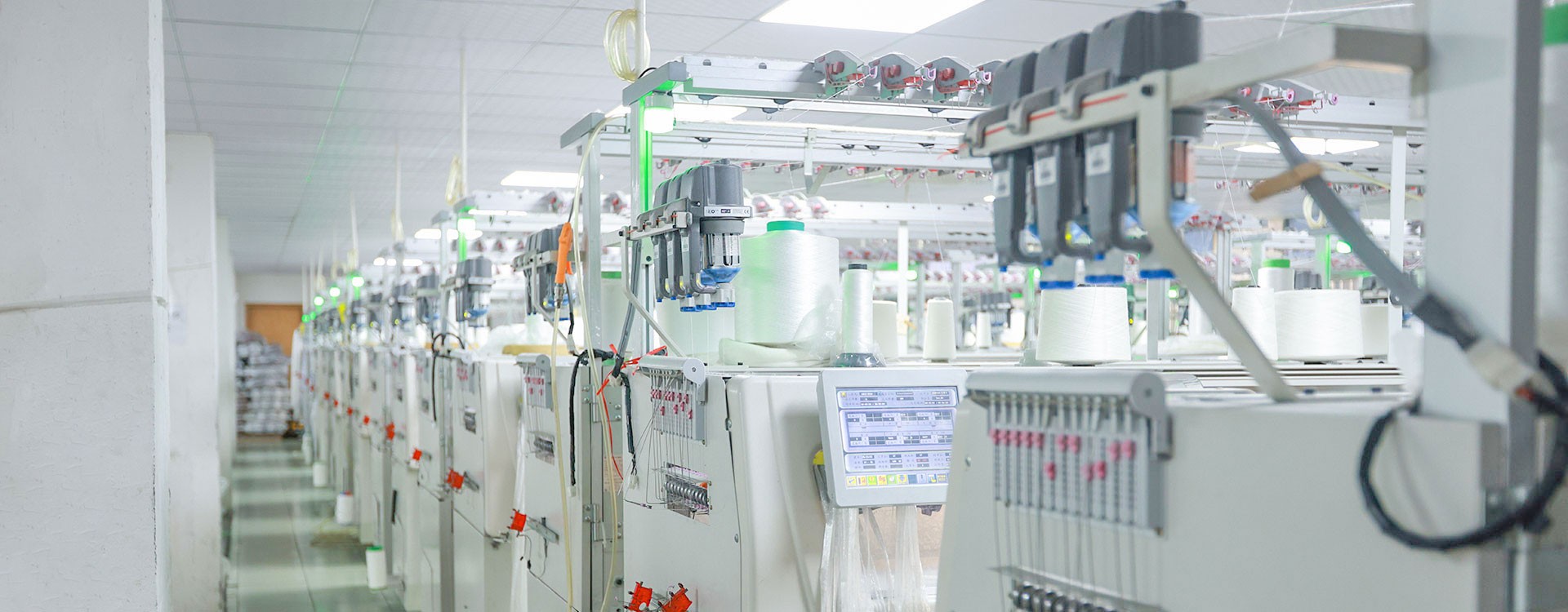
In-House Flat-Knitting & Sampling Studio
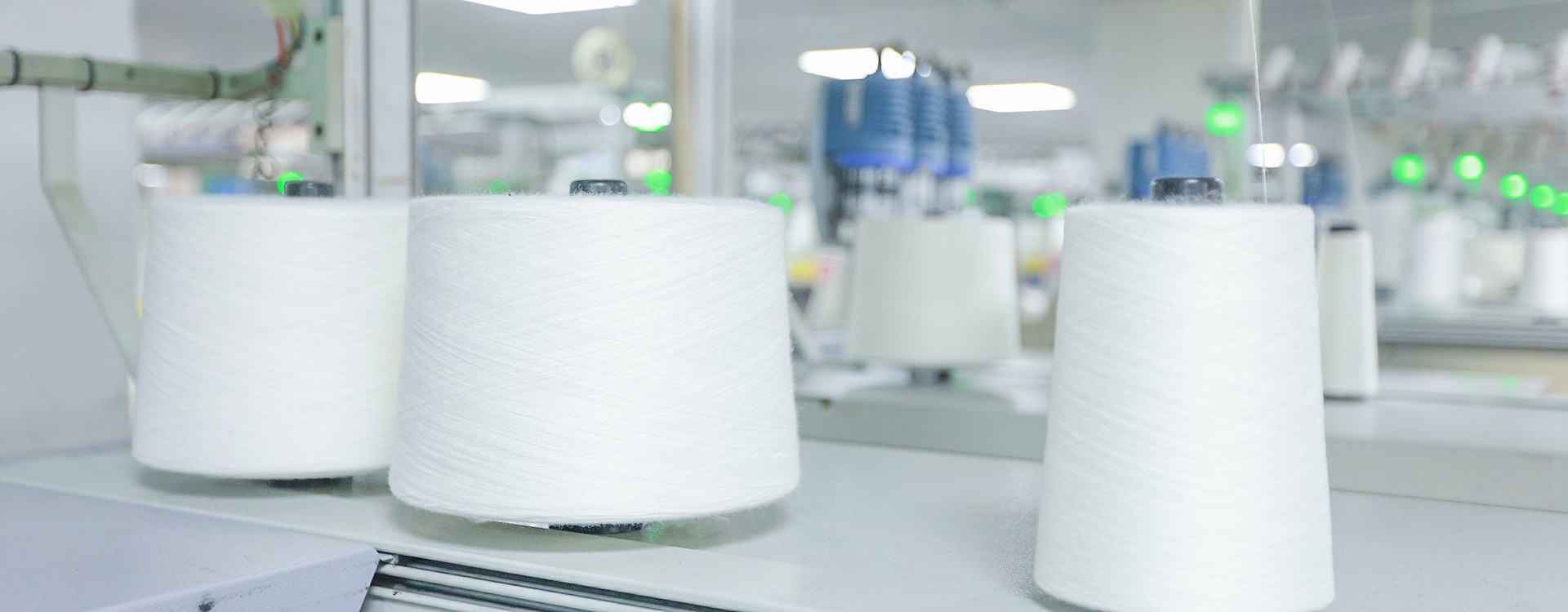
As a vertically integrated cashmere scarves manufacturer, CENWILD operates computerized flat-knitting machines across 3GG–14GG gauges in-house. Every scarf is knitted, linked, and finished under one roof in Dongguan, ensuring quality control and faster lead times from first sample to bulk production.
- Computerized flat-knitting across 3GG–14GG gauges for fine cashmere
- Knit-down sampling within 7–10 days to validate design and drape
- Monthly capacity exceeding 80,000 knitwear pieces
- Full linking, washing, and finishing lines on-site
Design Development & Pattern Engineering
CENWILD’s dedicated design team turns your concept—tech pack, sketch, photo, or idea—into production-ready cashmere scarf patterns. We handle original stitch design, 3D knit programming, grading, and color matching, so you launch collections faster with less back-and-forth.
- Original stitch libraries: cables, pointelle, jacquard, intarsia
- 3D knit programming and fully-fashioned shaping for zero-waste edges
- Custom color matching from Pantone, fabric swatch, or photo
- Tech-pack refinement and grading support for all sizes
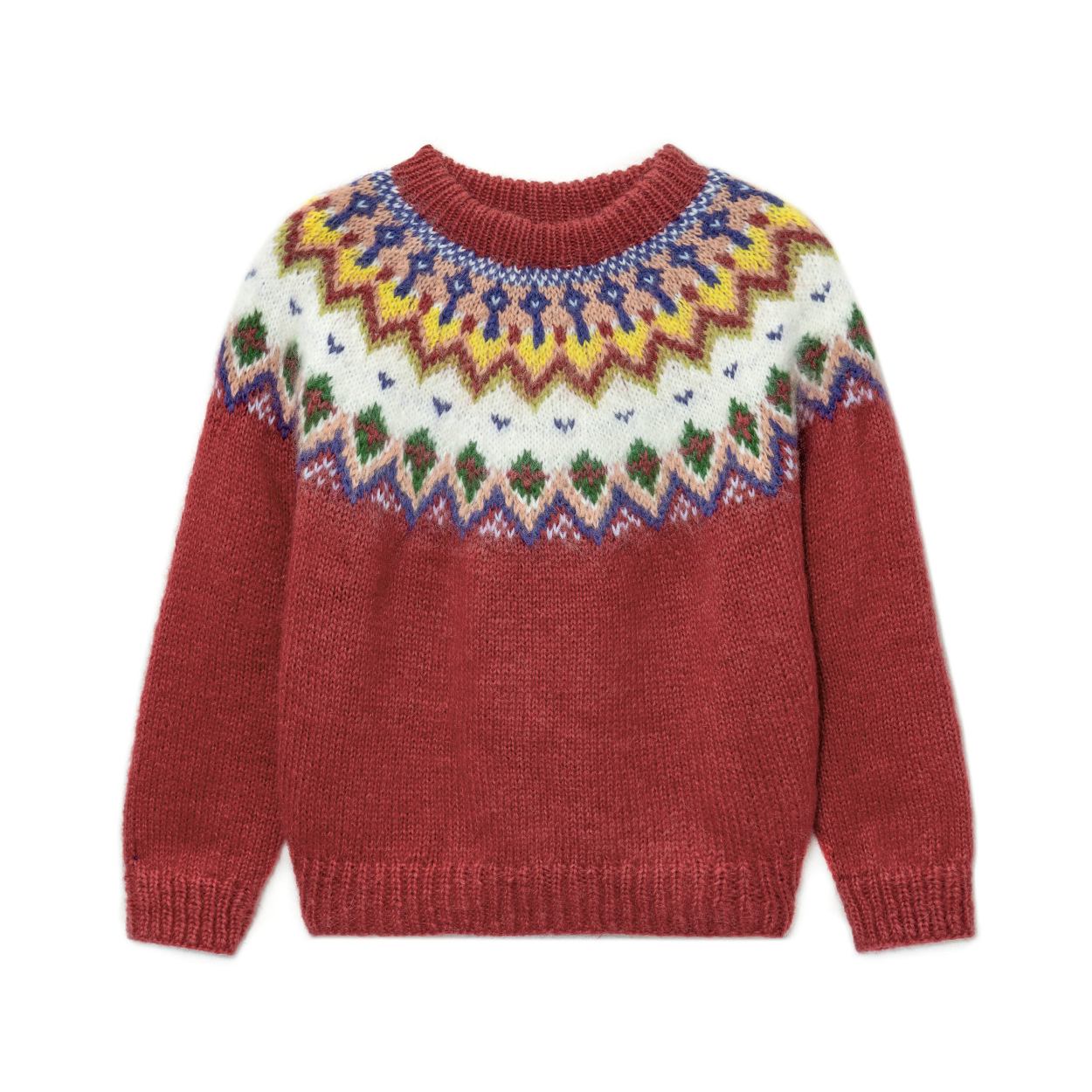
Rapid Prototyping & Knit-Down Swatches
Before committing to bulk, CENWILD produces knit-down swatches and physical samples using your chosen cashmere blend and gauge. This rapid prototyping loop—often completed in one to two weeks—lets you test hand-feel, drape, and stitch detail before scaling to your 100-piece MOQ or beyond.
- Knit-down swatches in your exact yarn and gauge within days
- Full prototype scarves with trims, labels, and finishing applied
- Iterative revisions supported until approval
- Digital and physical sample archives for reorder consistency
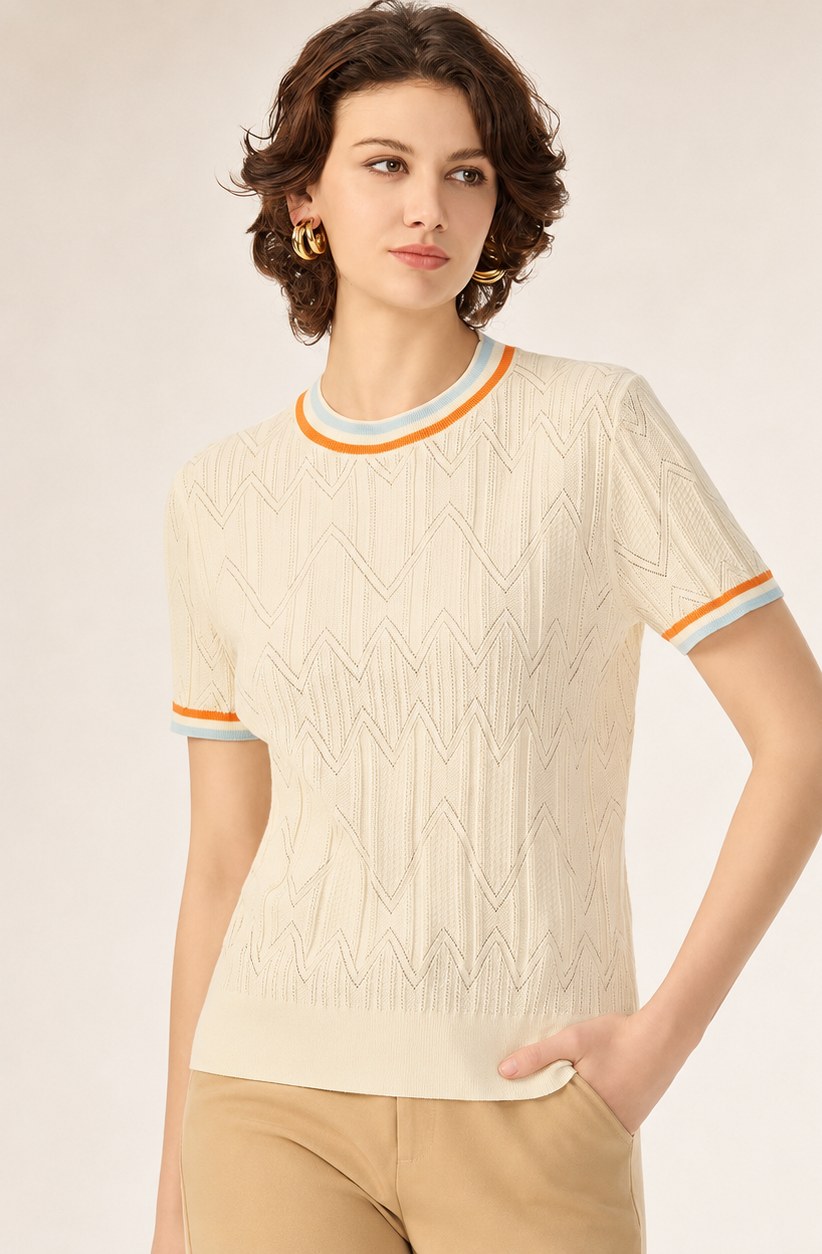
Multi-Stage Quality Control & Inspection
Every cashmere scarf passes through CENWILD’s multi-stage QC process: yarn inspection, in-line knitting checks, post-wash measurement, and final pre-pack audit. With over 28 years of manufacturing experience, our trained inspectors catch defects early, protecting your brand reputation and reducing costly returns.
- Incoming yarn inspection for pilling resistance and fiber content
- In-line knitting checks to catch tension or pattern errors immediately
- Post-wash dimensional stability and color-fastness testing
- 100% final inspection before packing and export

CENWILD vs. Typical Sweater Manufacturer
Compare our flexible OEM/ODM approach, low minimums, and full-service support against the rigid terms and limited services of conventional suppliers.
← 左右滑动查看 →
How Our Sweater Manufacturer Delivers Your Order
From premium fiber sourcing to final export, every phase is managed in-house at our Dongguan facility with full visibility and quality control.
Yarn Sourcing & Selection
We source premium cashmere and blended yarns from certified mills, verify fiber quality and grade, and match your color specifications or develop custom dye lots.
Design & Knit-Down Sampling
Our design team creates knit-down samples using your tech pack, sketch, or concept, programming stitch patterns and gauges on computerized flat-knitting machines for approval.
Bulk Knitting Production
Approved samples move to our 3GG–14GG knitting lines with monthly capacity exceeding 80,000 pieces, ensuring consistent tension, gauge, and pattern accuracy across every scarf.
Finishing & Decoration
Scarves undergo garment washing, softening, anti-pilling treatment, steam blocking, and optional embroidery, printing, or custom label attachment to meet your brand specifications.
Quality Control & Inspection
Every piece is inspected for knit defects, color consistency, measurements, and finishing quality before being sorted, folded, and prepared for packaging under strict QC protocols.
Packing & Export Logistics
Finished scarves are packed per your requirements, cartons labeled and consolidated, and shipments coordinated through our export logistics partners to your destination worldwide.
How to Partner With a Custom Sweater Manufacturer
From concept to delivery, CENWILD makes custom cashmere scarf production straightforward. Follow these five steps to launch your collection with our 28-year Dongguan manufacturing team.
Submit Your Design Brief
Share your tech pack, sketches, photos, or ideas. Our design team reviews your requirements and confirms materials, dimensions, colors, and decorations for your cashmere scarves.
Receive Knit-Down Samples
We produce physical samples in-house using your specified cashmere yarn and techniques. Review quality, drape, and finishing before committing to bulk production.
Approve Quote and Timeline
Once samples meet your standards, we provide transparent pricing, MOQ confirmation from 100 pieces, and a detailed production schedule with milestone dates.
Begin Bulk Manufacturing
After deposit payment, production starts on our computerized flat-knitting machines. Real-time updates and quality checkpoints keep you informed throughout the manufacturing cycle.
Inspect and Ship Worldwide
Final inspection ensures every cashmere scarf meets CENWILD quality standards. We handle export logistics and deliver directly to your warehouse or fulfillment center globally.
Certified Knitwear Manufacturer You Can Trust
Customer Success Stories
CENWILD helped us launch our cashmere scarf line in just 8 weeks with custom intarsia patterns. We scaled from 200 pieces to 3,500 per season within a year. Their ODM support made all the difference.
We needed a cashmere scarves manufacturer who could handle low MOQ for our boutique clients. Starting at 100 pieces per colorway let us test four designs simultaneously. Quality exceeded our UK retail standards every time.
Their 28 years of knitwear expertise show in every detail. From yarn selection to finishing, CENWILD delivered 2,200 private label cashmere scarves with zero defects. Our repeat order rate jumped 40% that season.
Custom Sweater Manufacturer — Frequently Asked Questions
What is the minimum order quantity for a cashmere scarves manufacturer like CENWILD?
How long does sampling and production take with a cashmere scarves manufacturer?
Do you charge for samples when working with a cashmere scarves manufacturer?
What payment methods does your cashmere scarves manufacturer accept?
Can a cashmere scarves manufacturer handle custom designs and private label production?
How does a cashmere scarves manufacturer protect my designs and intellectual property?
What shipping options are available from your cashmere scarves manufacturer in China?
Can you produce cashmere scarves in blended yarns or sustainable materials?
What decorative techniques can a cashmere scarves manufacturer add to my products?
The Complete Buyer’s Guide to Choosing the Right Knitwear Manufacturer
Navigate the complexities of sourcing premium cashmere scarves with confidence. This guide delivers a proven decision framework, essential supplier criteria, quality benchmarks, customization options, and the critical mistakes to avoid when partnering with a cashmere scarves manufacturer.
1. What Is a Cashmere Scarves Manufacturer?
A cashmere scarves manufacturer is a specialized knitwear producer that controls the full supply chain: sourcing raw cashmere fiber (typically 14–16 micron diameter), spinning it into yarn, knitting or weaving fabric, dyeing, finishing (anti-pilling, softening, brushing), and conducting multi-stage quality control before packaging and export. Unlike general textile mills, these factories invest in climate-controlled environments, precision gauge machinery (often 5GG–12GG for scarves), and fiber-grading expertise to preserve cashmere’s softness and durability.
Most cashmere scarves manufacturers operate under two models. OEM (Original Equipment Manufacturing) means the brand supplies finished tech packs and the factory executes production to specification. ODM (Original Design Manufacturing) means the factory’s design team develops original patterns, stitch structures, and colorways, then the brand selects and customizes from that portfolio—ideal for startups without in-house technical teams.
Brands choose dedicated cashmere specialists over general knitwear factories because cashmere demands lower tension settings, specialized washing chemistry, and strict traceability to prevent fiber blending. A 100-piece MOQ at a cashmere-focused partner typically ensures better hand-feel consistency than a 1,000-piece run at a multi-fiber plant.
2. The Evolution of Cashmere Scarf Manufacturing
For centuries cashmere fiber was hand-combed from goats in Mongolia and Kashmir, then spun and woven by artisan cooperatives with annual outputs measured in hundreds of pieces. The 20th century brought steam-powered carding mills in Scotland and Italy, raising capacity to tens of thousands of scarves per season and establishing European luxury houses as quality benchmarks.
By the 1990s China emerged as the dominant cashmere scarves manufacturer hub, with Dongguan, Tongxiang, and Inner Mongolia provinces combining proximity to raw fiber, computerized flat-knitting machines across 3GG–14GG gauges, and export infrastructure. Today Chinese mills account for more than 70 percent of global cashmere scarf production, delivering MOQs as low as 100 pieces and lead times under 30 days — capabilities unthinkable in traditional ateliers.
The 2010s introduced sustainability certifications (GOTS, Responsible Wool Standard) and digital knit programming, enabling brands to upload custom jacquard patterns and receive knit-down samples within 7–10 days. Modern cashmere scarves manufacturers now balance heritage hand-linking with automated finishing, meeting fashion-brand demands for speed, traceability, and ethical fiber sourcing in every order.
3. Types of Cashmere Scarves Manufacturer by Specialization
Not every cashmere scarves manufacturer serves the same market. Factories range from pure-fiber specialists demanding 1,000-piece minimums to flexible OEM partners starting at 100 pieces, each optimized for distinct brand profiles and quality tiers.
Pure Cashmere Specialists
These mills work exclusively with 100% cashmere fiber, often sourcing directly from Inner Mongolia or Kashmir. Typical MOQ runs 500–2,000 pieces per colorway, with lead times of 60–90 days.
Ideal for luxury labels requiring Grade A fiber (14–15.5 micron) and willing to commit volume for superior hand feel and durability.
Cashmere-Blend Factories
Blending cashmere with merino, silk, or recycled fibers, these manufacturers balance softness with cost. MOQ typically starts at 300–500 pieces, and blends range from 30% to 70% cashmere content.
Suited for contemporary brands targeting accessible luxury without sacrificing tactile appeal or margin.
High-Volume OEM Suppliers
Factories like CENWILD operate computerized flat-knitting lines across 3GG–14GG gauges, producing 80,000+ pieces monthly. MOQ begins at just 100 pieces, with flexible payment terms and full decoration capabilities.
Best for startups, independent designers, and influencers needing low entry barriers, fast sampling, and scalable production as orders grow.
4. Materials and Fiber Grades in Cashmere Scarf Production
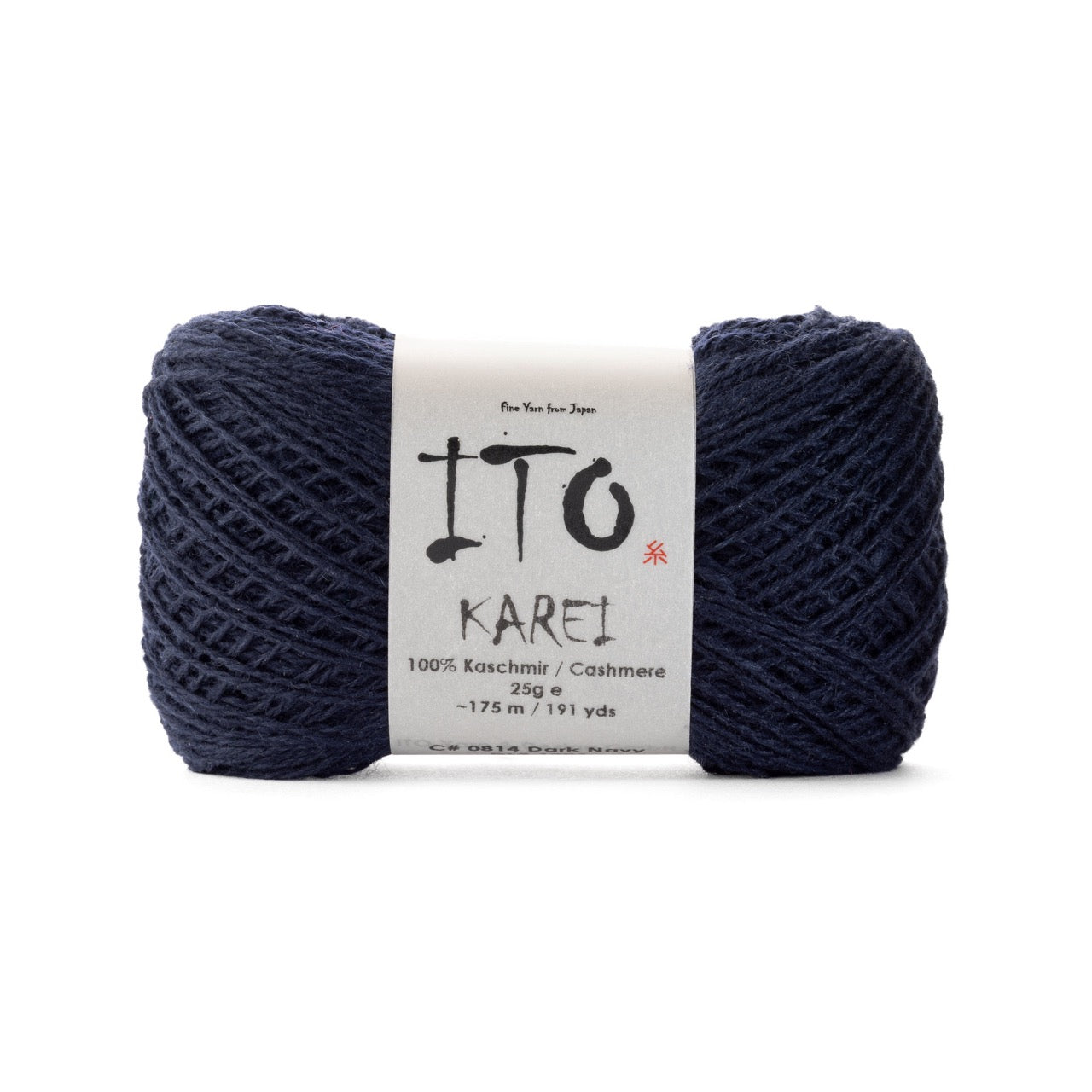
Cashmere fiber quality varies dramatically by grade, micron count, and ply construction. A cashmere scarves manufacturer sources fibers ranging from 14–19 microns, with finer counts delivering superior softness but requiring careful handling to balance durability and pilling resistance.
| Fiber Grade | Micron Range | Softness Level | Durability | Price Tier |
|---|---|---|---|---|
| Grade A | 14–15.5 μm | Exceptional | Moderate | Premium |
| Grade B | 16–17 μm | High | Good | Mid-tier |
| Grade C | 18–19 μm | Good | Very Good | Accessible |
Cashmere Fiber Grades and Micron Counts
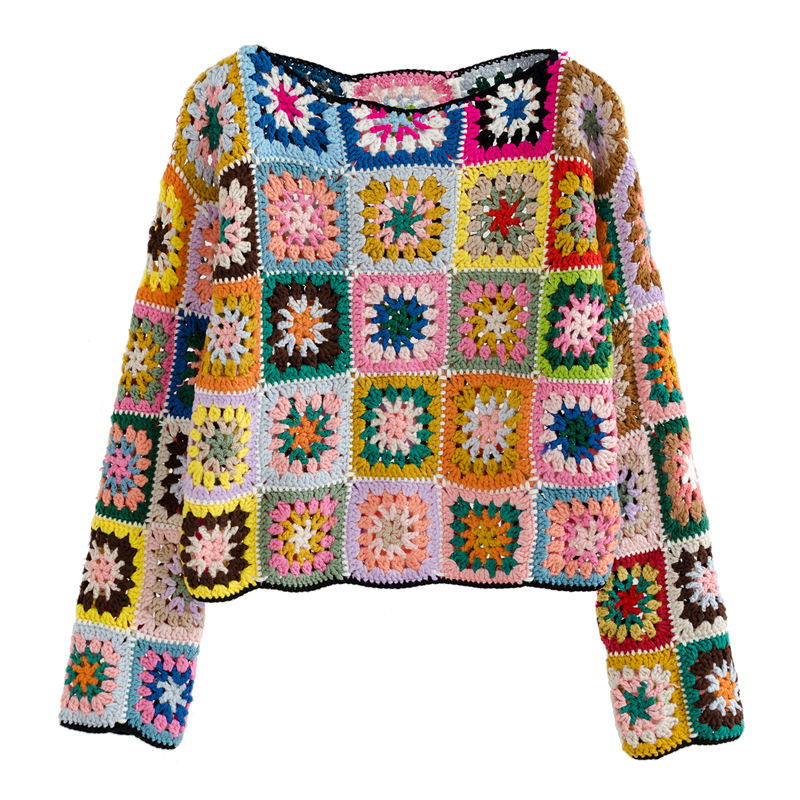
Grade A cashmere measures 14–15.5 microns, offering the softest hand feel and commanding premium retail prices. Grade B fibers span 16–17 microns, balancing softness with improved durability for mid-tier positioning. Grade C (18–19 microns) provides warmth and resilience at accessible price points, suitable for high-volume or entry-level collections.
Micron count directly influences drape, loft, and pilling tendency. Finer fibers pill more readily but deliver unmatched luxury; coarser grades resist wear yet sacrifice some tactile refinement.
Ply Construction: 2-Ply, 3-Ply, and 4-Ply
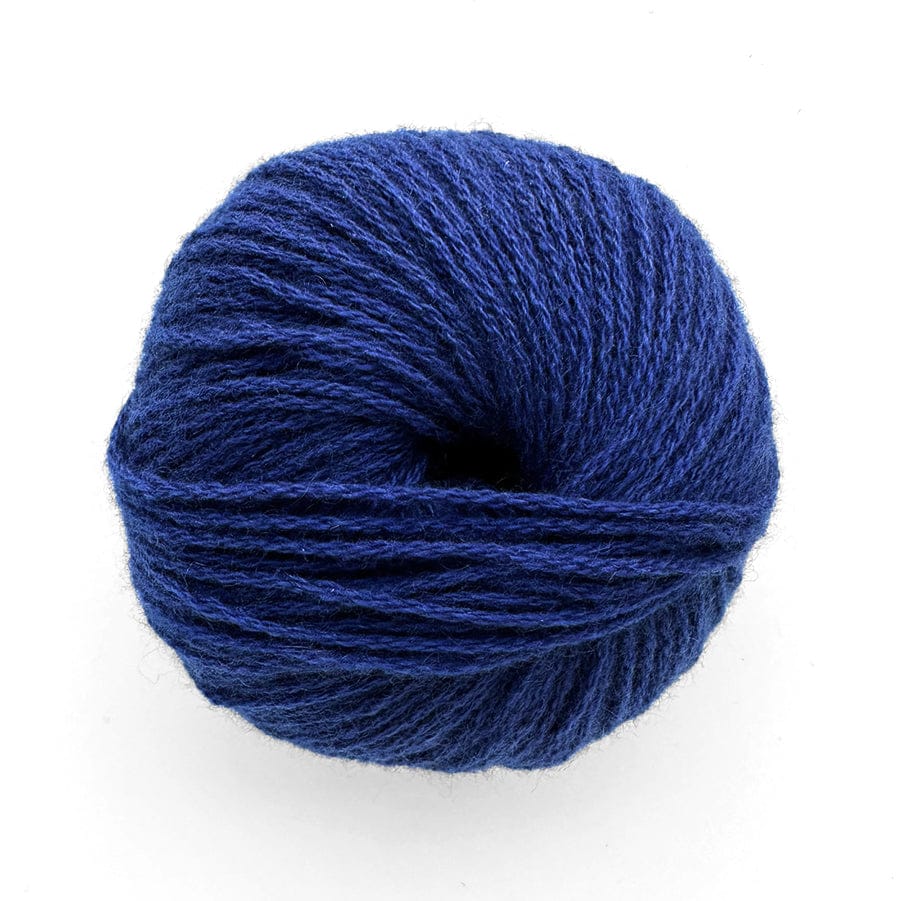
Ply refers to the number of yarn strands twisted together. Two-ply construction yields lightweight, drapey scarves ideal for layering; 3-ply adds body and warmth without excessive bulk. Four-ply delivers maximum density and durability for cold-weather statement pieces.
Higher ply counts reduce pilling and extend garment life but increase weight and cost per piece.
Common Cashmere Blends
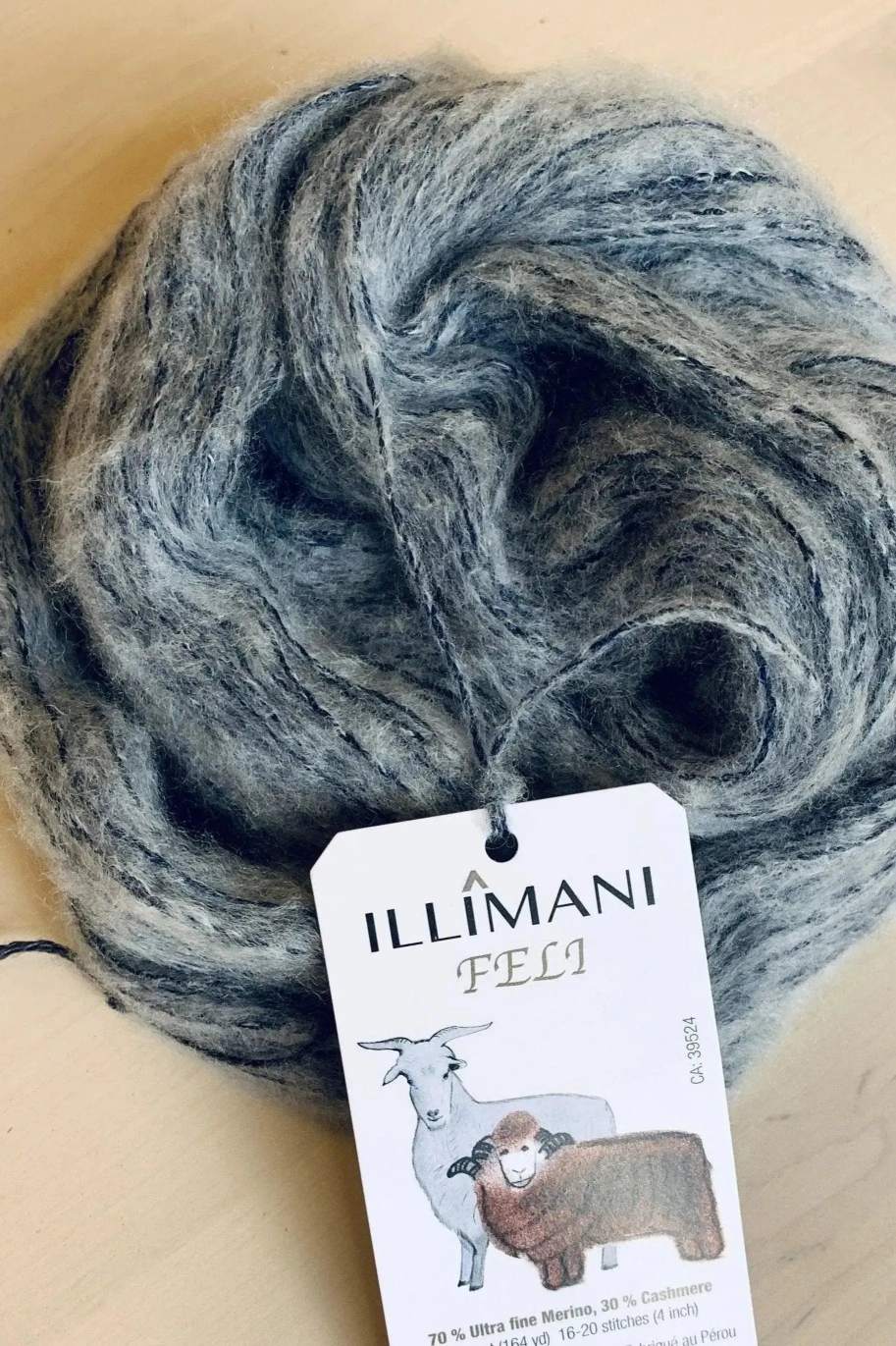
Cashmere-silk blends (70/30 or 80/20) introduce sheen and reduce cost while maintaining luxury positioning. Cashmere-wool combinations improve elasticity and lower price points for accessible luxury lines. Cashmere-cotton blends offer breathability for transitional seasons, though they sacrifice some warmth and softness.
5. Customization and Decoration Options for Cashmere Scarves
A professional cashmere scarves manufacturer offers far more than blank goods. Customization transforms scarves into brand signatures through jacquard patterns, intarsia color blocking, embroidery, printing, custom fringe, and proprietary labels — each technique carrying distinct MOQ, cost, and durability trade-offs.
| Technique | Cost Tier | Wash Durability | Typical MOQ |
|---|---|---|---|
| Jacquard / Intarsia | Low per piece | Permanent | 100–200 pcs |
| Embroidery | Medium | 50+ washes | 50–100 pcs |
| Screen Print | Medium | 50+ washes | 100–300 pcs |
| DTF / Heat Transfer | Medium-High | 30–50 washes | 50–100 pcs |
Jacquard and Intarsia Knit-In Design
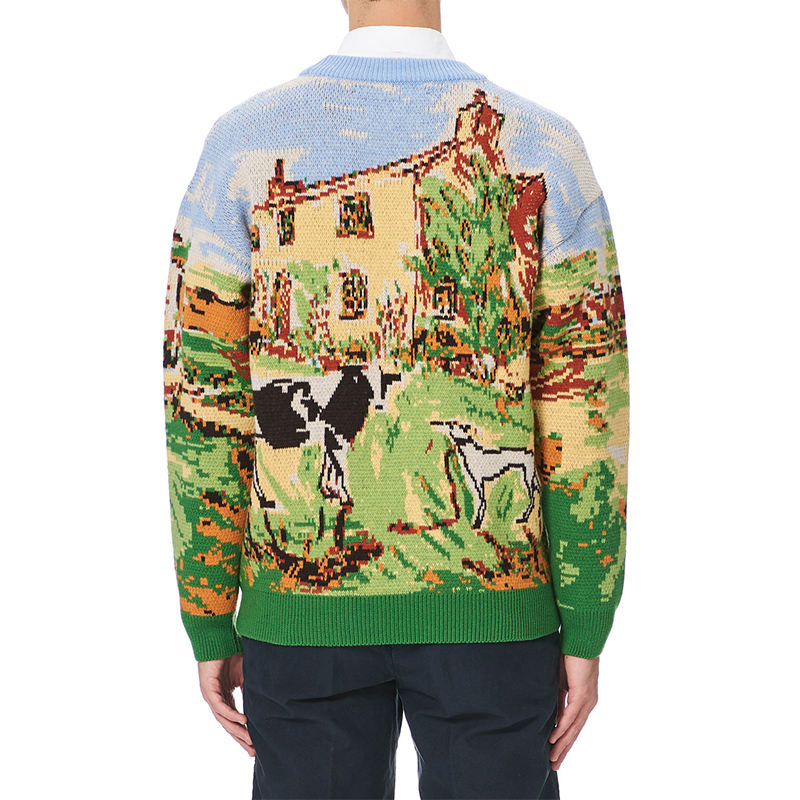
Jacquard weaves multi-color patterns directly into the fabric structure using computerized flat-knitting machines, while intarsia creates discrete color blocks without floats on the reverse. Both methods are permanent and machine-washable, ideal for logos, geometric motifs, or seasonal graphics.
MOQ typically starts at 100–200 pieces per colorway. Setup includes 3D knit programming (1–3 days) and knit-down sampling. Lead time adds 5–7 days versus plain styles, but decoration cost per piece remains low at volume.
Embroidery and Appliqué
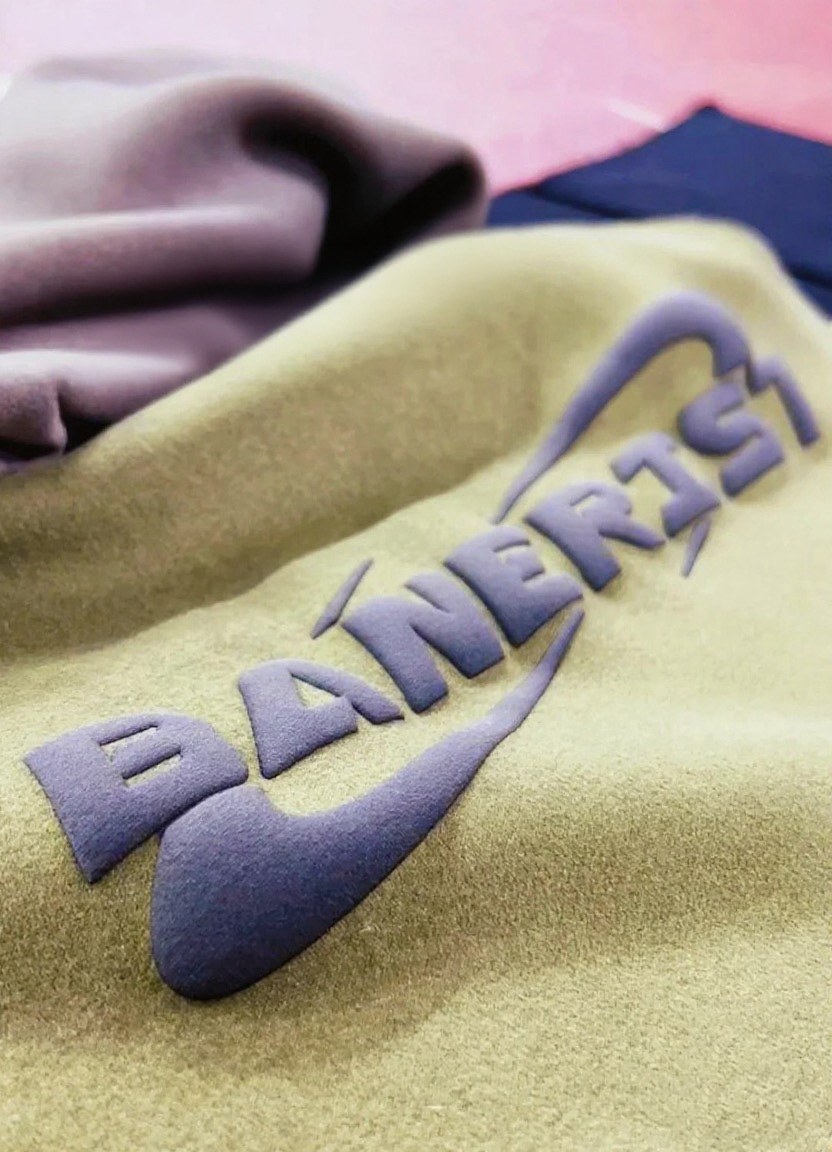
Flat, 3D puff, chain-stitch, sequin, and patch embroidery allow post-knit customization with thread counts from 5,000 to 100,000+ stitches. Embroidered logos offer premium brand presence and survive commercial laundering.
Setup costs run $30–$80 per design for digitizing. MOQ is flexible — often 50–100 pieces — making embroidery suitable for test collections. Turnaround adds 3–5 days after knitting.
Printing Techniques
Screen printing, heat transfer, DTF (direct-to-film), and sublimation enable photographic detail and gradients impossible in knit. Screen printing suits bold logos (MOQ 100–300 pieces, setup $50–$150 per screen). DTF offers full-color flexibility at MOQ 50–100 with no screen cost but slightly lower wash durability (30–50 cycles versus 50+ for screen).
CENWILD’s in-house print workshop integrates decoration into the production timeline, avoiding third-party delays.
6. Key Quality Indicators When Evaluating a Cashmere Scarves Manufacturer
Premium cashmere scarves demand rigorous quality benchmarks at every stage. Buyers should verify fiber purity, construction parameters, finishing durability, and third-party certifications to ensure consistent, market-ready output.
Fiber Purity and Cashmere Content Testing
Request lab test reports confirming cashmere content percentage; pure cashmere scarves should test at ≥95% cashmere fiber. Fiber diameter must fall between 14–16 microns for Grade A cashmere.
Reputable manufacturers maintain partnerships with accredited textile labs (SGS, Intertek) and provide batch-specific certificates. CENWILD sources certified cashmere and can arrange independent testing upon request.
Gauge, Stitch Density, and Construction
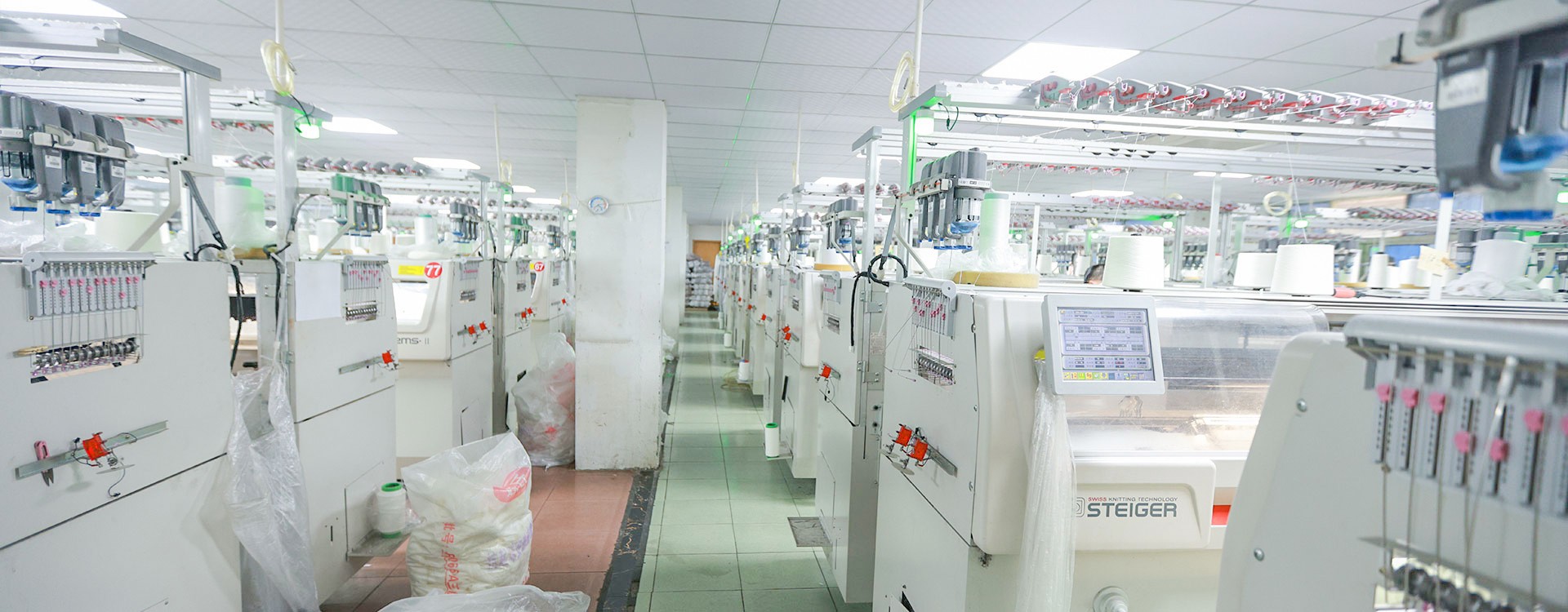
Gauge (needles per inch) directly affects drape and warmth; cashmere scarves typically range from 7GG (chunky) to 12GG (fine). Higher gauge yields tighter, more refined fabric but requires precise tension control.
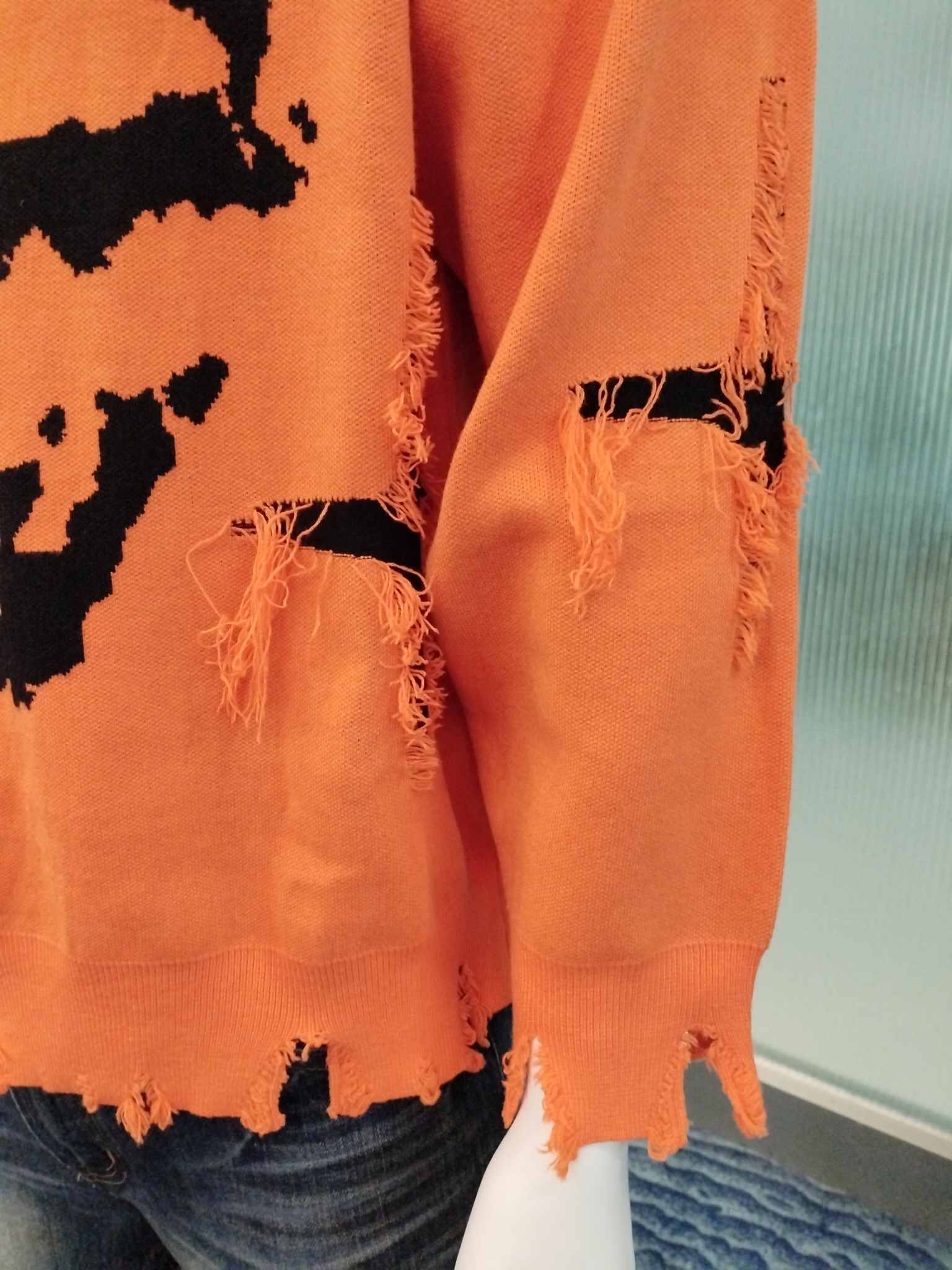
Inspect stitch uniformity under magnification: no dropped loops, consistent float length in jacquard, and even tension across the width ensure longevity and professional appearance.
Dyeing Colorfastness and Finishing Standards
Demand colorfastness test results: Grade 4 or above (ISO 105 scale) for washing, rubbing, and light exposure prevents bleeding and fading. Cashmere dyes must be low-impact and compatible with delicate protein fibers.
Finishing processes—anti-pilling enzyme treatment, softening agents, and controlled steam blocking—lock in hand-feel and dimensional stability. Request samples after three wash cycles to verify retention.
Compliance Certifications
Verify OEKO-TEX Standard 100 (chemical safety), Global Recycled Standard (GRS for recycled cashmere blends), and ISO 9001 (quality management). These certifications confirm traceability, worker safety, and environmental responsibility.
CENWILD maintains up-to-date compliance documentation and welcomes factory audits, supporting brands targeting conscious consumers and retail partners with strict vendor requirements.
7. How to Choose the Right Cashmere Scarves Manufacturer for Your Brand
Selecting a cashmere scarves manufacturer requires balancing capacity, transparency, and commercial terms against your brand’s volume and positioning. A systematic framework helps fashion buyers avoid costly mismatches and build partnerships that scale.
Match Production Capacity to Order Volume
Factories running 80,000+ pieces monthly can absorb large wholesale orders but often impose 500–1,000 piece minimums per style. CENWILD’s 100-piece MOQ suits startups and independent designers testing seasonal capsules without tying up capital.
Verify lead times align with your launch calendar: 30–45 days for sampling, 60–90 days for bulk production after approval.
Verify Fiber Sourcing and Transparency
Request fiber-grade documentation — Inner Mongolian cashmere at 15–16 microns commands premium pricing, while 18-micron blends reduce cost. Transparent yarn sourcing protects your brand from mislabeling claims.
Ask whether the manufacturer stocks yarn or sources per order; in-house yarn inventory shortens sampling cycles by 10–15 days.
Geographic Trade-Offs: China, Italy, Scotland
Italian and Scottish mills deliver heritage branding and 14–16 micron fiber but charge 2–3× China pricing and enforce higher minimums. China-based manufacturers like CENWILD offer 3GG–14GG gauge flexibility, full decoration services, and faster turnarounds at accessible price points.
Proximity matters less than communication responsiveness and payment flexibility — PayPal, T/T, and USDT options reduce cross-border friction.
8. Common Mistakes Buyers Make When Sourcing from a Cashmere Scarves Manufacturer
Even experienced buyers make costly errors when sourcing cashmere scarves. Understanding these pitfalls — from fiber quality compromises to contract oversights — protects your brand reputation and margins before production begins.
Choosing Price Over Fiber Quality
A 15% lower quote often signals blended or recycled cashmere instead of Grade A virgin fiber. The consequence: excessive pilling after three washes, customer returns, and damaged brand credibility.
Request fiber-content certificates and demand physical swatches before committing. CENWILD provides knit-down samples in your chosen grade so you can test hand-feel, drape, and durability against your brand standards.
Skipping Sample Testing for Pilling and Shrinkage
Many buyers approve samples visually without wash testing. Cashmere can shrink 5–8% or pill heavily if finishing is incomplete.
Always conduct a minimum three-cycle wash test and measure dimensions before and after. Verify anti-pilling treatments and garment-finishing protocols with your cashmere scarves manufacturer to avoid post-launch surprises.
Underestimating Lead Times for Custom Colors
Custom Pantone dye lots require 10–14 days beyond standard lead times, yet buyers often expect immediate turnaround. Rushed orders result in color mismatches or air-freight premiums.
Confirm dye and sampling schedules upfront. CENWILD’s 28 years of yarn-sourcing relationships enable tighter windows, but transparent timelines prevent costly delays and protect launch dates.
9. Steps to Launch Your Cashmere Scarf Brand with a Manufacturing Partner
Launching a cashmere scarf line requires a structured roadmap that balances creative vision with manufacturing realities. Following eight sequential steps — from brand positioning through scale-up — ensures your pilot order arrives on time, on budget, and ready to sell.
Define Brand Positioning and Target Retail Price
Establish your target customer segment and retail price point before contacting any cashmere scarves manufacturer. A $120 retail scarf typically requires a $30–$36 FOB cost (3–4× markup), while a $250 luxury piece allows $60–$75 landed cost.
Map your positioning against fiber grade (Grade A vs. Grade B cashmere), scarf weight (120–200 g typical), and decoration complexity to set a realistic budget that supports both margin and brand perception.
Develop Initial Designs and Tech Packs
Prepare a basic tech pack listing dimensions (common: 30×180 cm or 70×200 cm), stitch pattern (plain knit, cable, ribbed edge), fringe style, and any logo placement. If you lack design experience, a manufacturer like CENWILD can translate a reference photo or sketch into a production-ready knit program and grading.
Include Pantone color codes, yarn composition (e.g., 100% cashmere or 70/30 cashmere-silk blend), and any embroidery or label artwork to streamline the sampling phase.
Request and Evaluate Samples
Order knit-down samples in two to three colorways to assess hand feel, gauge consistency, and finishing quality. Sample lead time typically runs 10–15 days; budget $50–$150 per sample depending on decoration complexity.
Check fringe attachment (hand-twisted vs. machine-knotted), edge finishing, pilling resistance after light abrasion, and color match under daylight to confirm the manufacturer meets your quality standard before committing to bulk production.
Negotiate Pricing, MOQ, and Payment Terms
Clarify FOB unit cost, minimum order quantity (CENWILD starts at 100 pieces), deposit structure (typically 100% on first order, easing to 30% for repeat clients), and payment methods (T/T, PayPal, credit card, USDT).
Lock in production lead time (45–60 days standard), shipping terms (FOB, CIF, DDP), and any tooling or sampling fees. Document all terms in a signed proforma invoice to avoid surprises and build a transparent partnership from day one.
Place a Pilot Order and Monitor Production
Start with a 100–300 piece pilot to test market demand and refine fit or color before scaling. Request weekly progress photos covering yarn inspection, knitting, linking, washing, and final inspection.
Schedule a pre-shipment inspection (in-house or third-party) to verify AQL 2.5 standards, correct labeling, and packaging integrity, ensuring your first shipment builds customer confidence and minimizes returns.
Plan Packaging, Labeling, and Scale Production
Design hang tags, care labels (fiber content, country of origin, washing instructions per FTC/UKCA rules), and polybag or gift-box packaging that reinforce brand identity. Many manufacturers offer in-house printing and assembly to streamline logistics.
After a successful pilot, negotiate volume pricing and staggered delivery schedules to manage cash flow. Building a long-term relationship with one cashmere scarves manufacturer — through consistent orders, clear communication, and mutual growth — unlocks lower MOQs, priority slots, and co-developed seasonal collections.
10. Pricing and Cost Structure for Cashmere Scarves Manufacturing
FOB unit pricing for cashmere scarves varies by fiber purity, order volume, and customization complexity. Pure 100% cashmere scarves typically range from $28–$45 per piece at 100-unit MOQ, dropping to $18–$30 at 1,000+ pieces, while 70/30 cashmere-wool blends start at $16–$24 and fall to $12–$18 at scale.
Setup and sampling fees apply to first orders: knit-down samples cost $80–$150 per colorway, with 7–10 days turnaround. Embroidery digitizing adds $30–$60 per logo, and jacquard patterns requiring custom programming incur $100–$200 setup charges.
Lead times compress as order size grows: 100-piece runs require 25–30 days post-approval, 500-piece orders ship in 20–25 days, and 1,000+ piece production completes in 18–22 days. Payment terms ease with partnership history—100% deposit on first orders, scaling down to 30% for established clients, with balance due before shipment.
| Order Quantity | 100% Cashmere (FOB/pc) | Cashmere Blend (FOB/pc) | Lead Time (days) |
|---|---|---|---|
| 100 pcs | $28–$45 | $16–$24 | 25–30 |
| 300 pcs | $24–$38 | $14–$20 | 22–28 |
| 500 pcs | $20–$32 | $13–$18 | 20–25 |
| 1,000+ pcs | $18–$30 | $12–$18 | 18–22 |
Ready to Launch Your Custom Sweater Collection?
Partner with a trusted sweater manufacturer. Get expert support, flexible MOQs from 100 pieces, and 28+ years of craftsmanship backing your brand.