
Custom Embroidered Cardigan Manufacturing — 100-Piece MOQ, OEM/ODM
Professional custom embroidered cardigan production with low minimum orders, full design support, and 28+ years of Dongguan knitwear expertise for fashion brands worldwide.
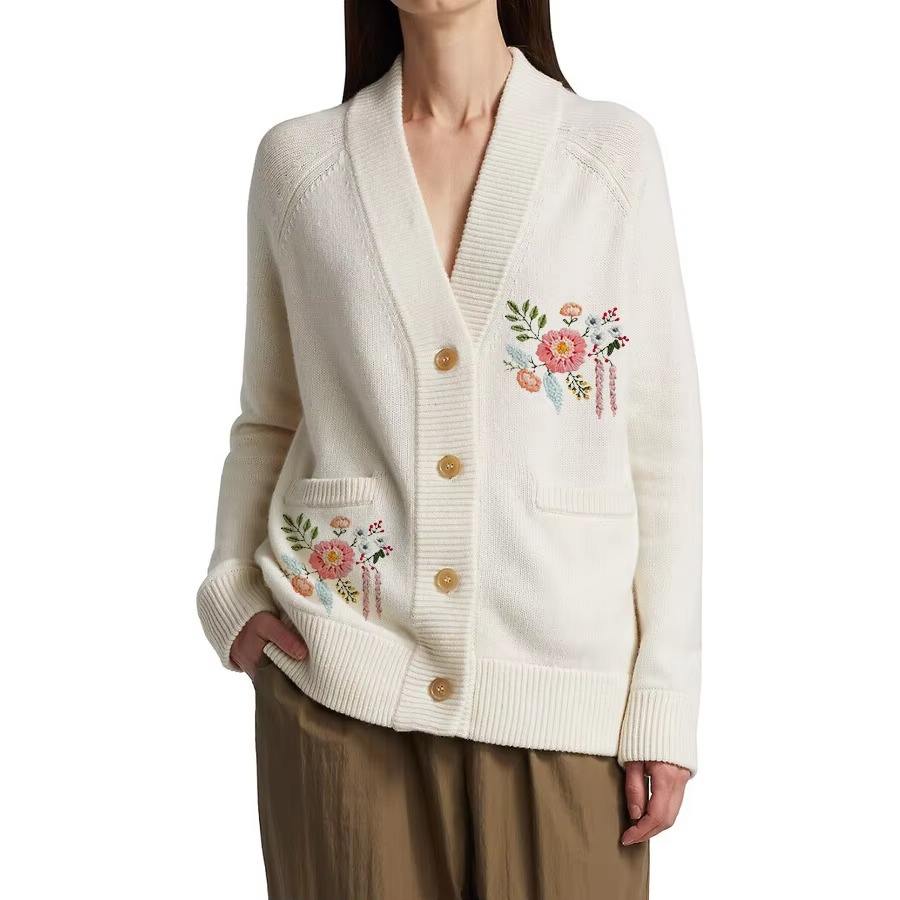
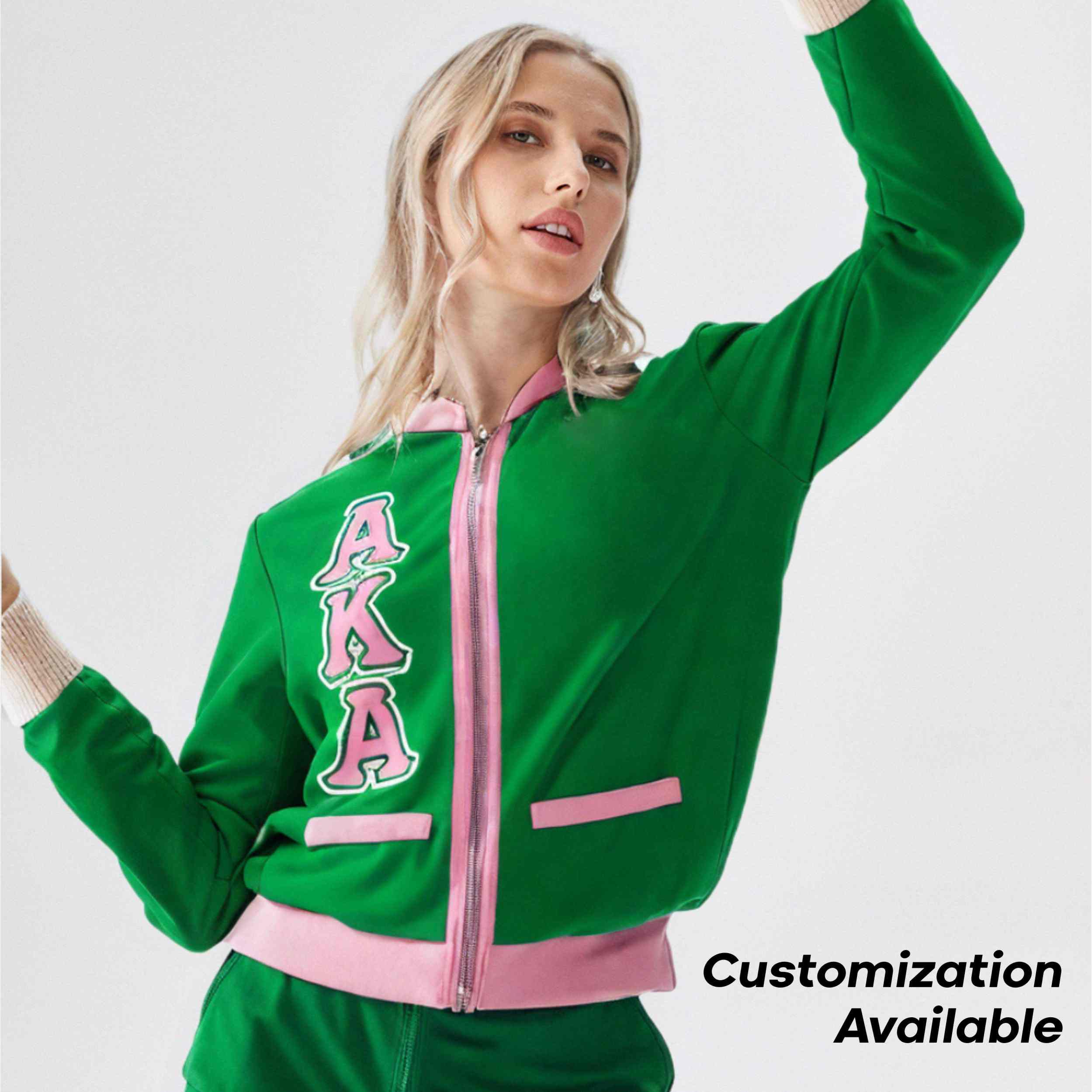
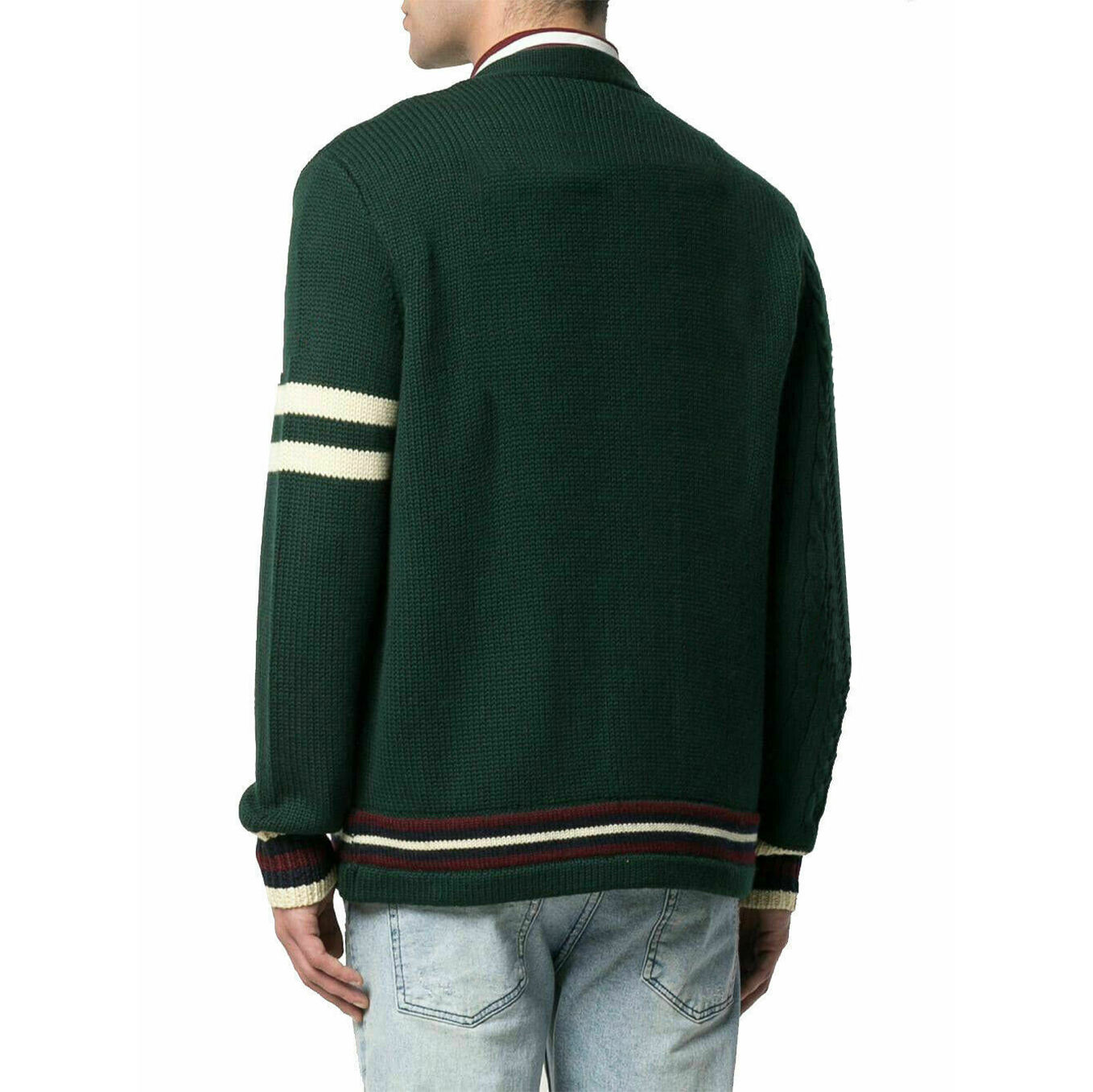
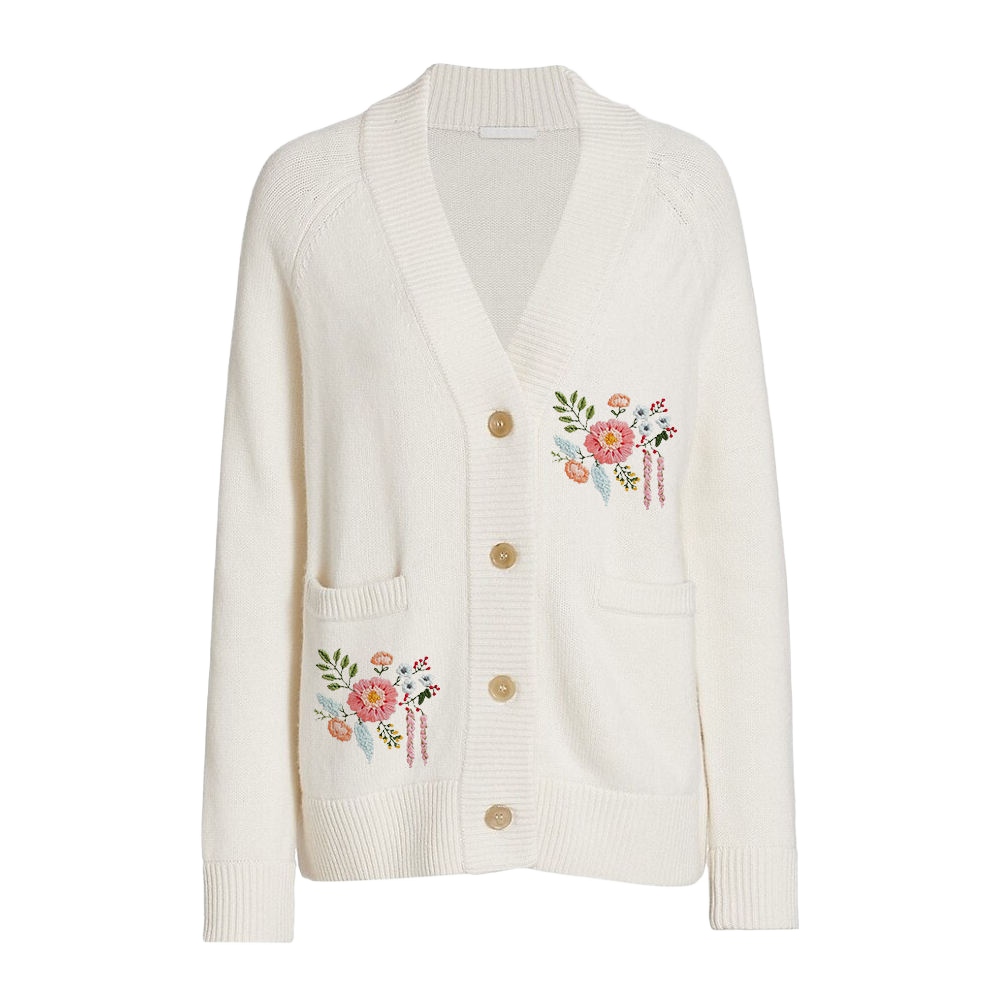
Custom Embroidered Cardigan Gallery
Why CENWILD for Your Custom Embroidered Cardigan Orders
100-Piece Low MOQ
Launch your embroidered cardigan line without massive inventory risk. We support flexible production from just 100 pieces per style.
Fast Sampling Turnaround
In-house knitting and sampling let us deliver knit-down prototypes quickly, so you can approve designs and move to production faster.
In-House Embroidery & Design
Full embroidery capabilities including flat, 3D puff, applique, sequin, and patches. Our design team turns your ideas into production-ready artwork.
28+ Years Manufacturing Experience
Since 1998 in Dongguan’s knitwear hub, CENWILD has produced cardigans for over 2,000 fashion brands across six continents.
OEM & ODM Expertise
Whether you bring tech packs or just concepts, we handle OEM production and ODM development with full design, grading, and sampling support.
Global Shipping Capability
Reliable export logistics to the US, Canada, UK, Europe, Australia, Russia, and Middle East with full documentation and compliance support.
Custom Cardigan Styles We Manufacture
From classic button-fronts to oversized silhouettes, CENWILD produces cardigans with embroidery, patches, and personalized decoration across all gauges and yarn types.
Embroidered Logo Cardigans
Challenge: Brands need clean, professional logo placement that won’t distort after washing. Outcome: CENWILD applies flat, 3D puff, or chain-stitch embroidery directly onto knit cardigans using stabilized backing and thread-tension control, ensuring logos stay crisp across cashmere, merino, cotton, and acrylic blends. MOQ 100 pieces, full color matching available.
Get a Quote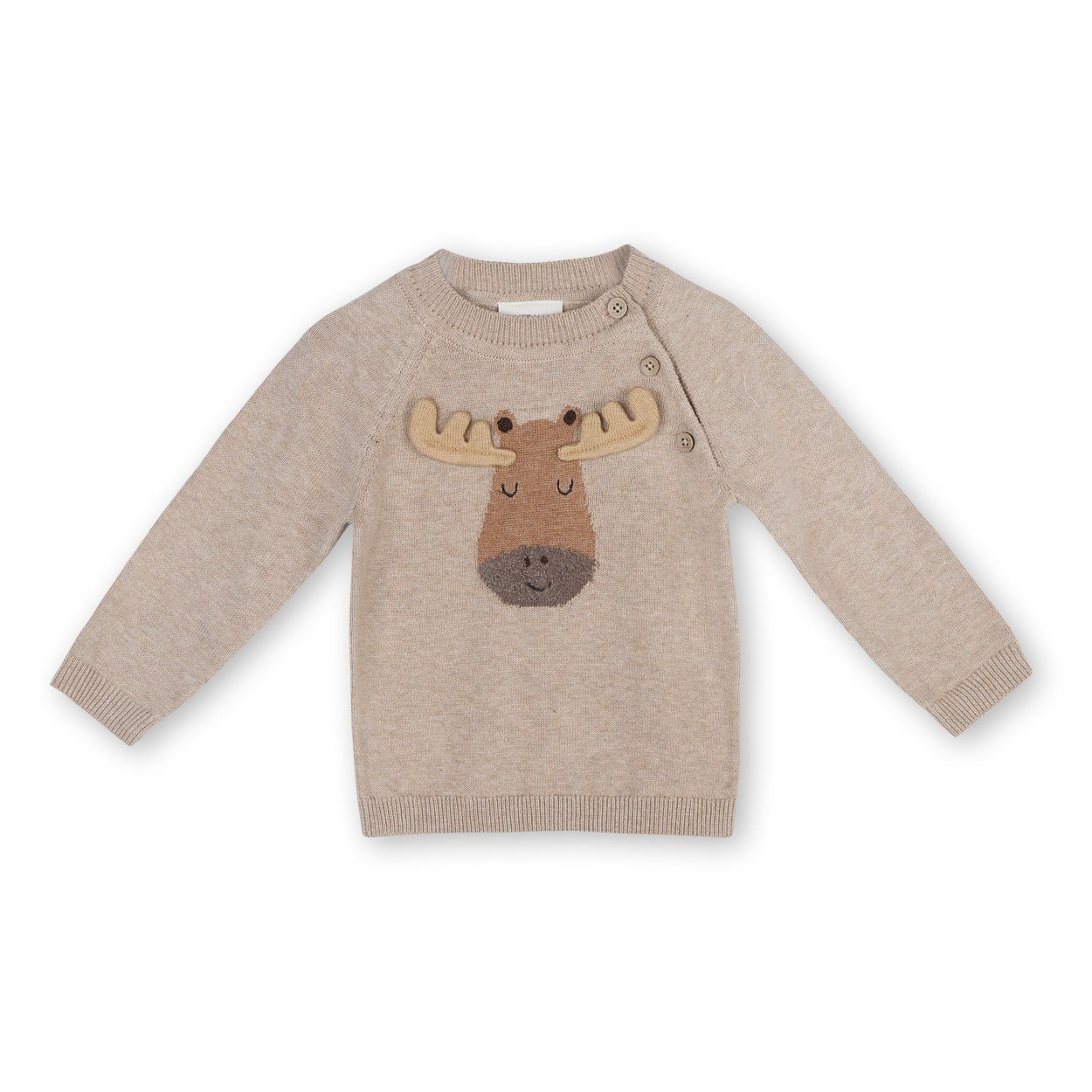
Custom Patch Cardigans
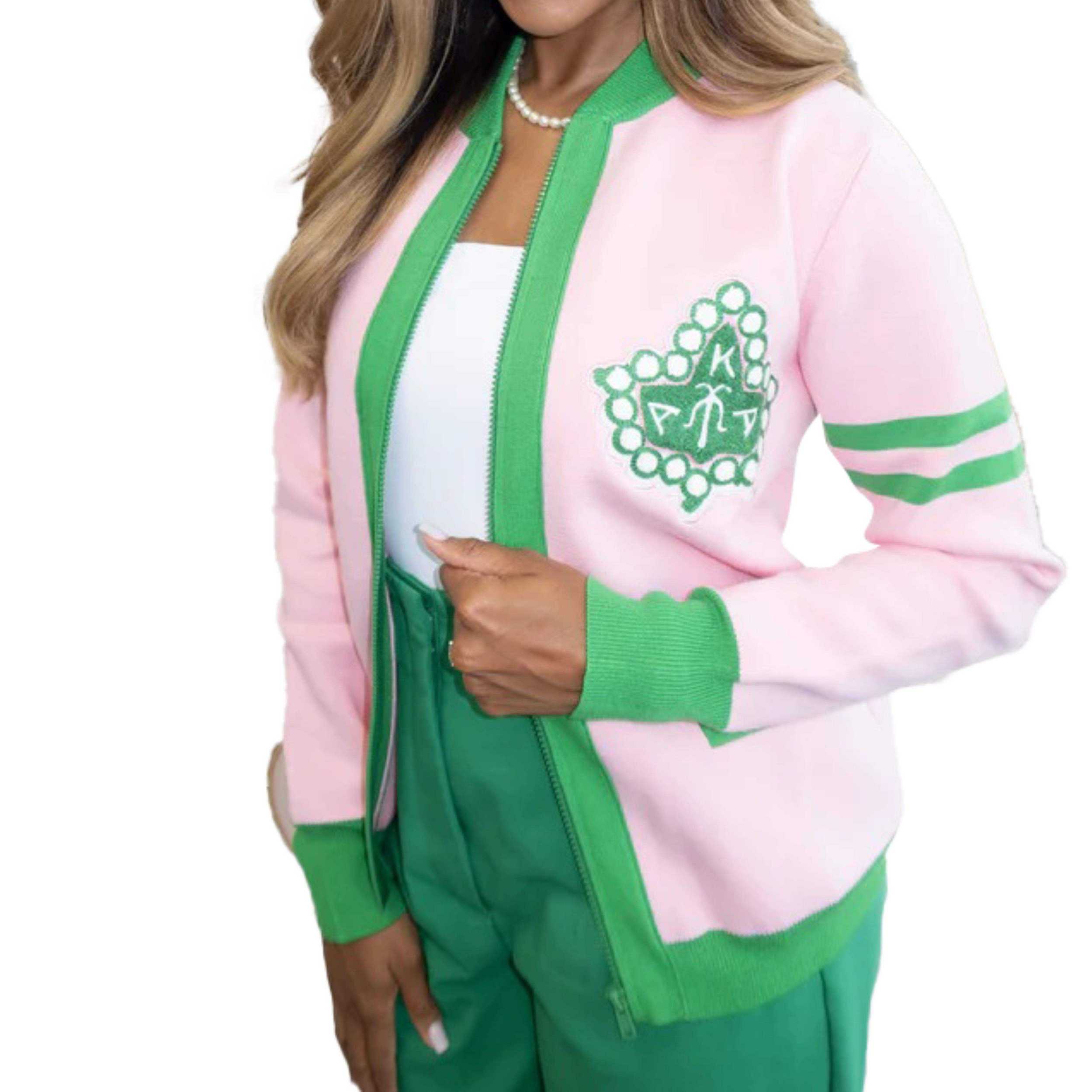
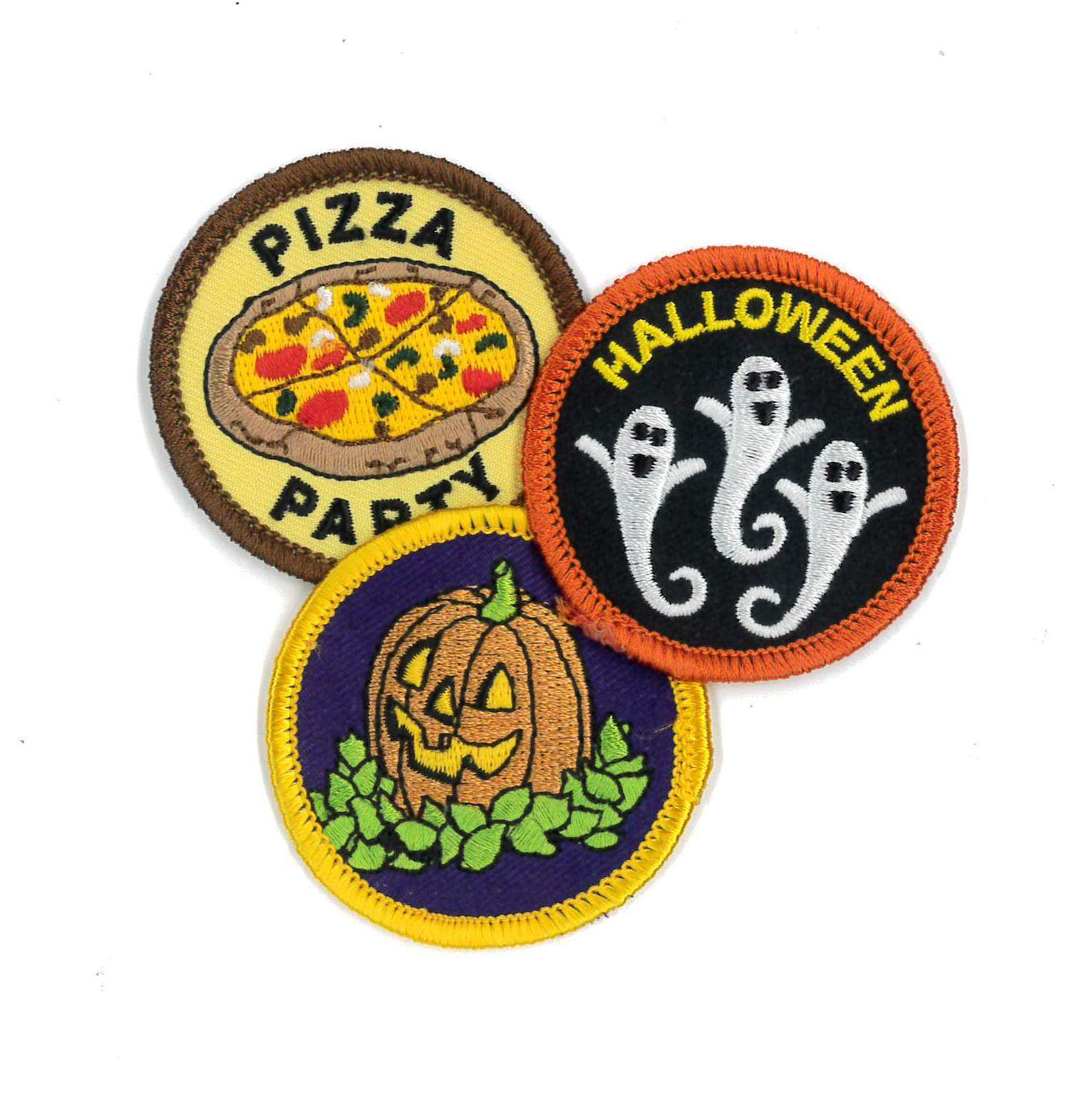
Challenge: Retailers want tactile, standout branding without the cost of woven labels or complex jacquard. Outcome: Custom chenille, felt, or embroidered patches are appliquéd onto cardigan fronts, sleeves, or pockets during finishing. CENWILD sources or manufactures patches in-house, coordinates placement across graded sizes, and secures them with lock-stitch or merrowed edges for durability.
Get a Quote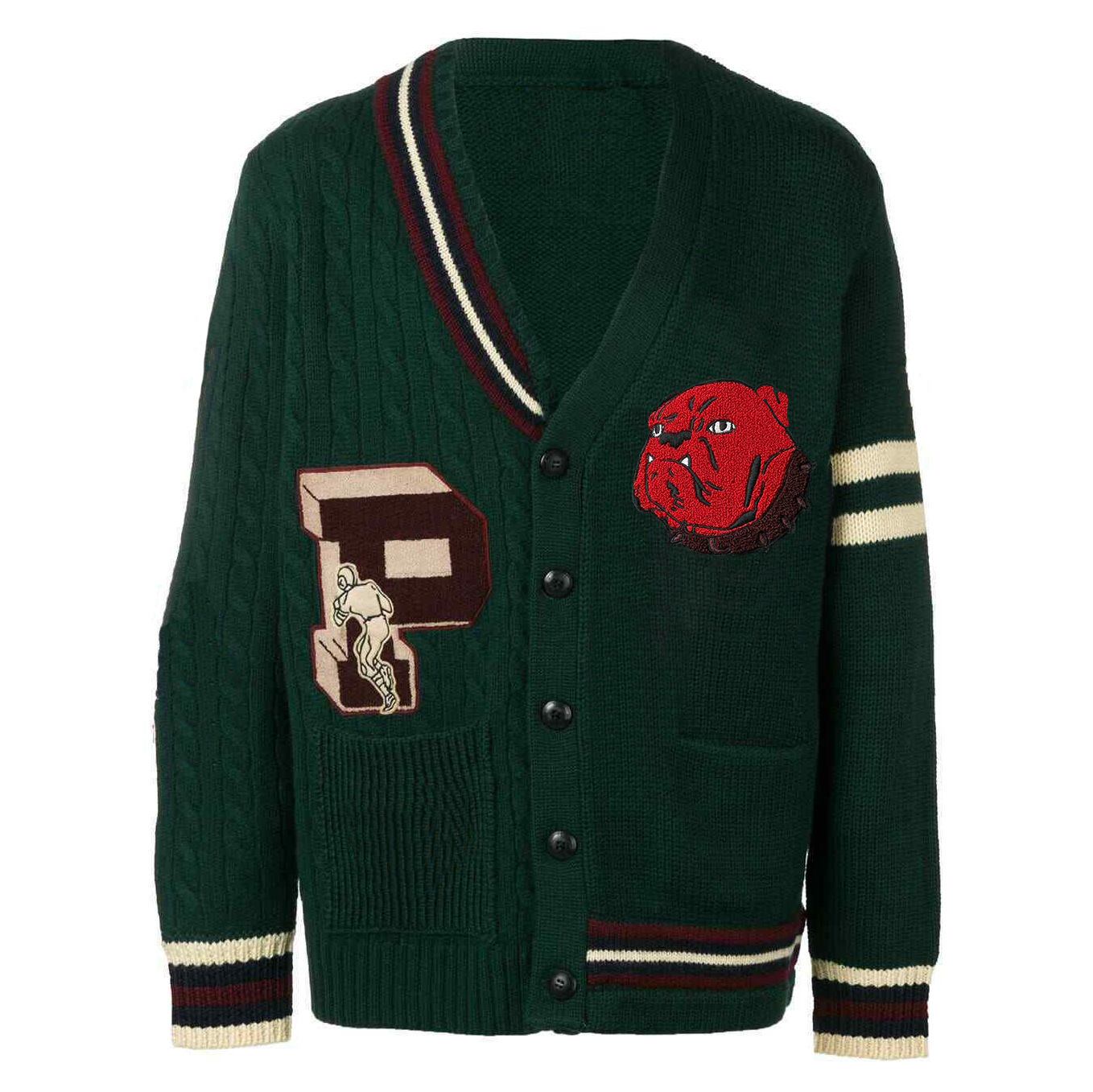
Monogram Cardigans
Challenge: Independent designers and influencers need personalized, one-of-a-one feel at accessible order quantities. Outcome: CENWILD embroiders initials, names, or custom monograms in script, block, or decorative fonts onto cardigan chests, cuffs, or back yokes. Thread color, size, and placement are confirmed via digital mock-up before sampling. Available from 100 pieces with per-piece customization options.
Get a Quote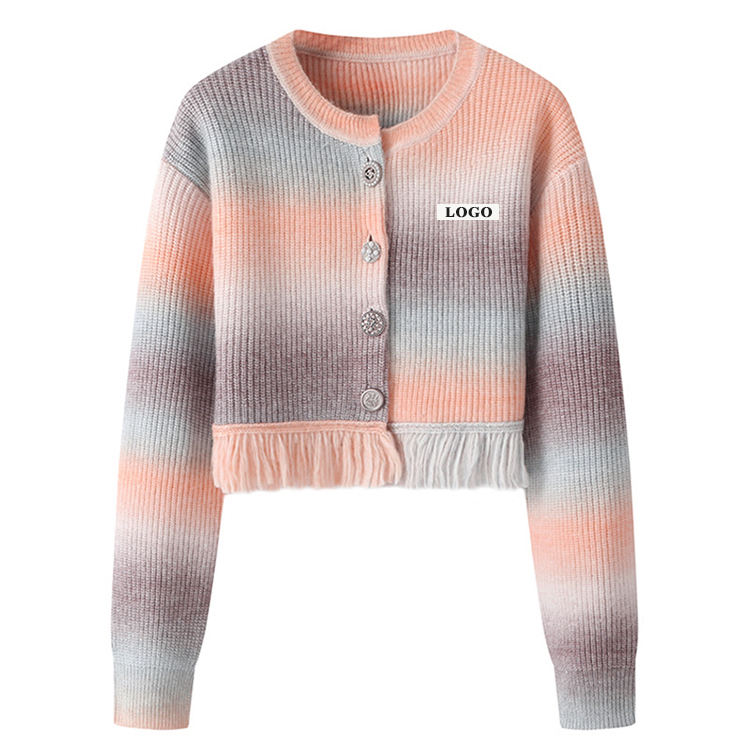
Chenille Embroidered Cardigans
Challenge: Varsity and collegiate-inspired cardigans require thick, textured chenille embroidery that holds its loft and doesn’t flatten. Outcome: CENWILD runs chenille embroidery on multi-head machines with moss-stitch programming, creating raised lettering and graphics ideal for team, campus, or retro fashion branding. Compatible with heavyweight cotton, acrylic, and wool-blend cardigan bases across 5GG to 7GG gauges.
Get a Quote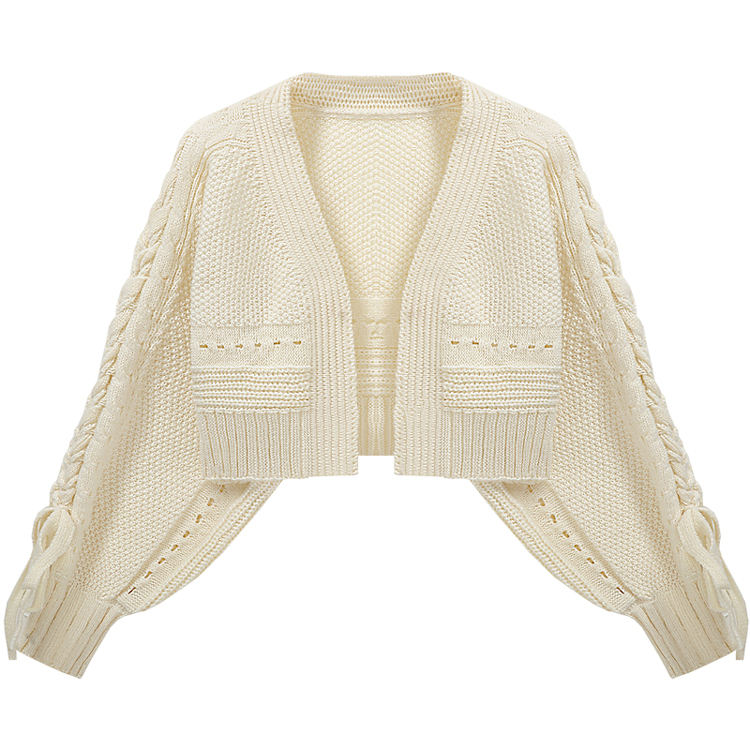
Oversized Embroidered Cardigans
Challenge: Oversized fits amplify every flaw in tension, embroidery registration, and hem balance. Outcome: CENWILD knits oversized cardigan bodies on 3GG to 7GG machines with relaxed stitch programming and pre-shrunk yarn. Embroidered logos and graphics are scaled and positioned during grading to maintain visual proportion across dropped shoulders, extended sleeves, and longer body lengths.
Get a Quote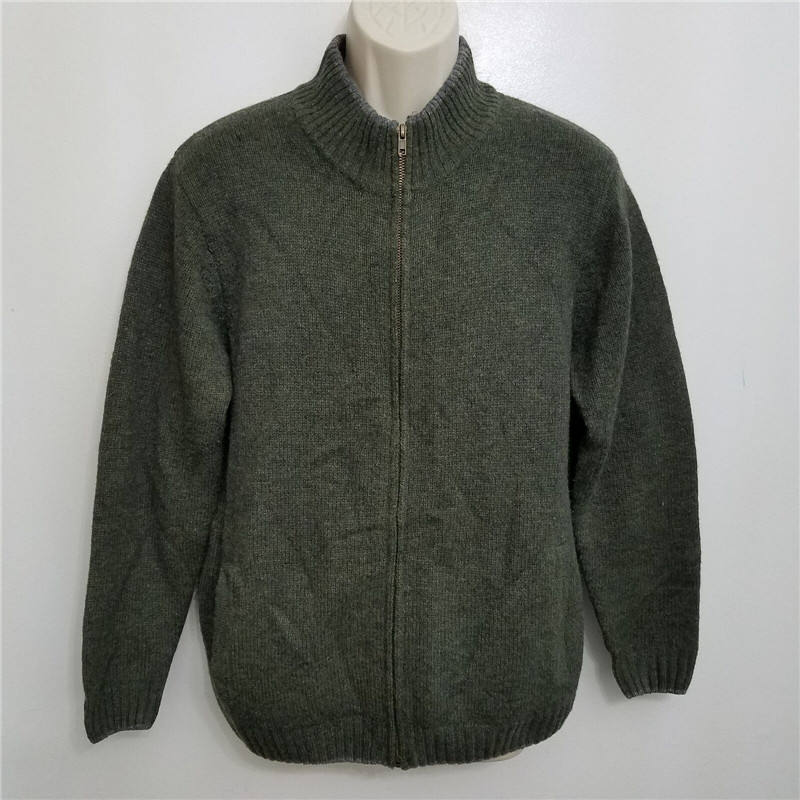
Cropped Embroidered Cardigans
Challenge: Cropped cardigans expose waistband construction and require embroidery that doesn’t pull or pucker on short, fitted panels. Outcome: CENWILD manufactures cropped cardigan blanks with reinforced ribbed hems and uses water-soluble stabilizer during embroidery to prevent distortion. Logo placement is mocked digitally to confirm balance on abbreviated front and back panels before knit-down sampling begins.
Get a Quote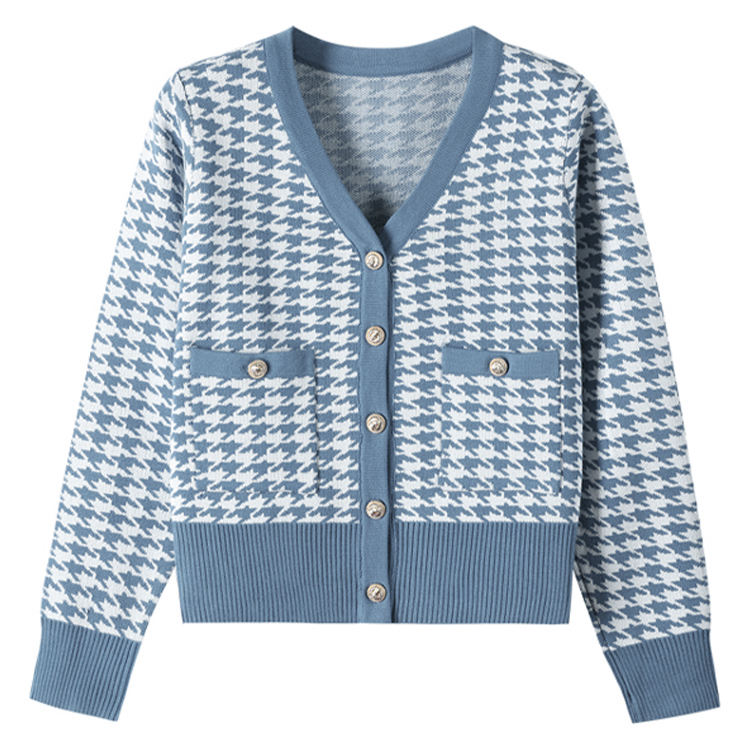
Button-Up Embroidered Cardigans
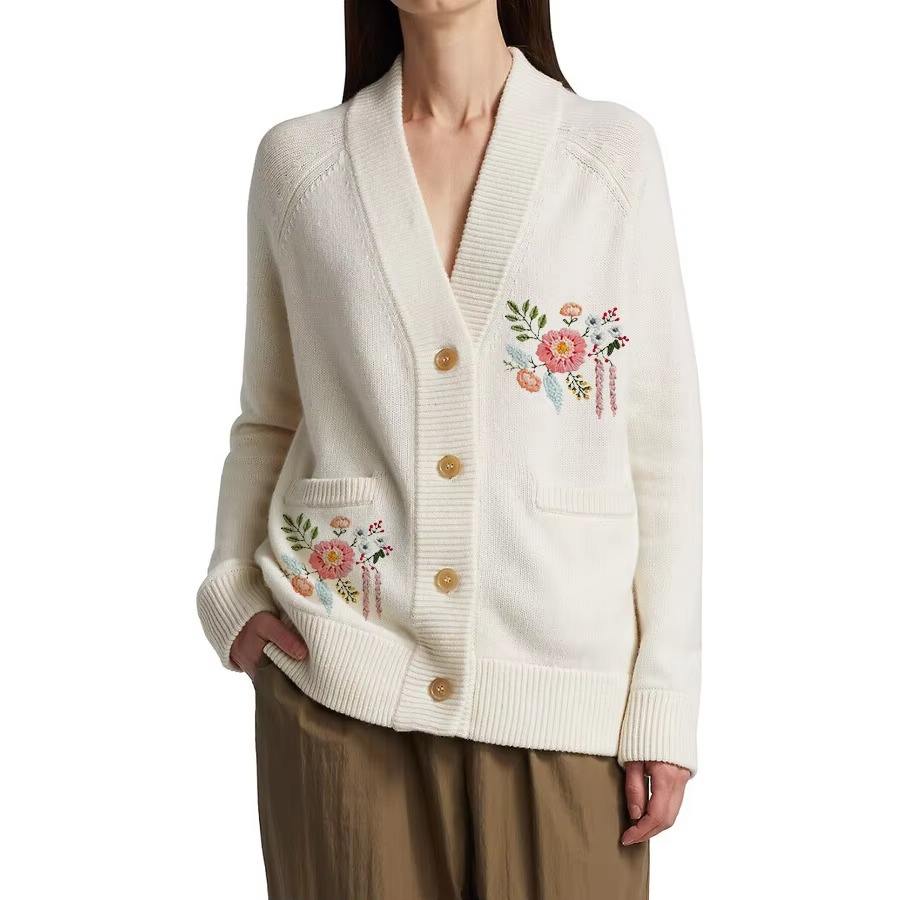
Challenge: Button bands must lie flat even when embroidery adds weight and thickness to cardigan fronts. Outcome: CENWILD knits separate button plackets or picks up stitches along cardigan edges, then applies embroidery before band attachment. Buttonholes are reinforced post-decoration, and interfacing or stay-tape is added selectively to prevent sagging. Available in horn, corozo, resin, or metal buttons.
Get a Quote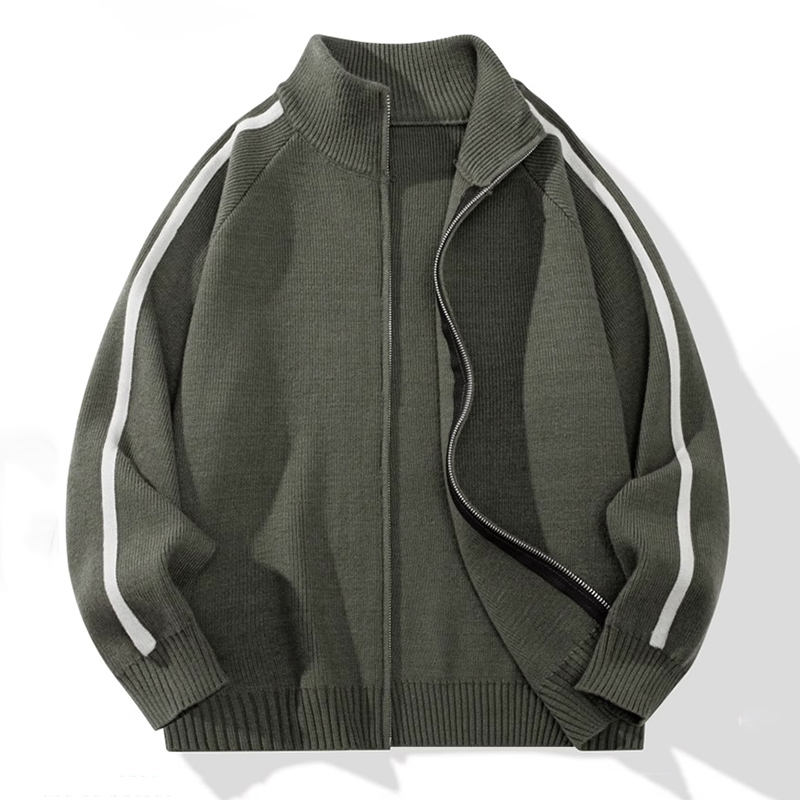
Zip-Up Embroidered Cardigans
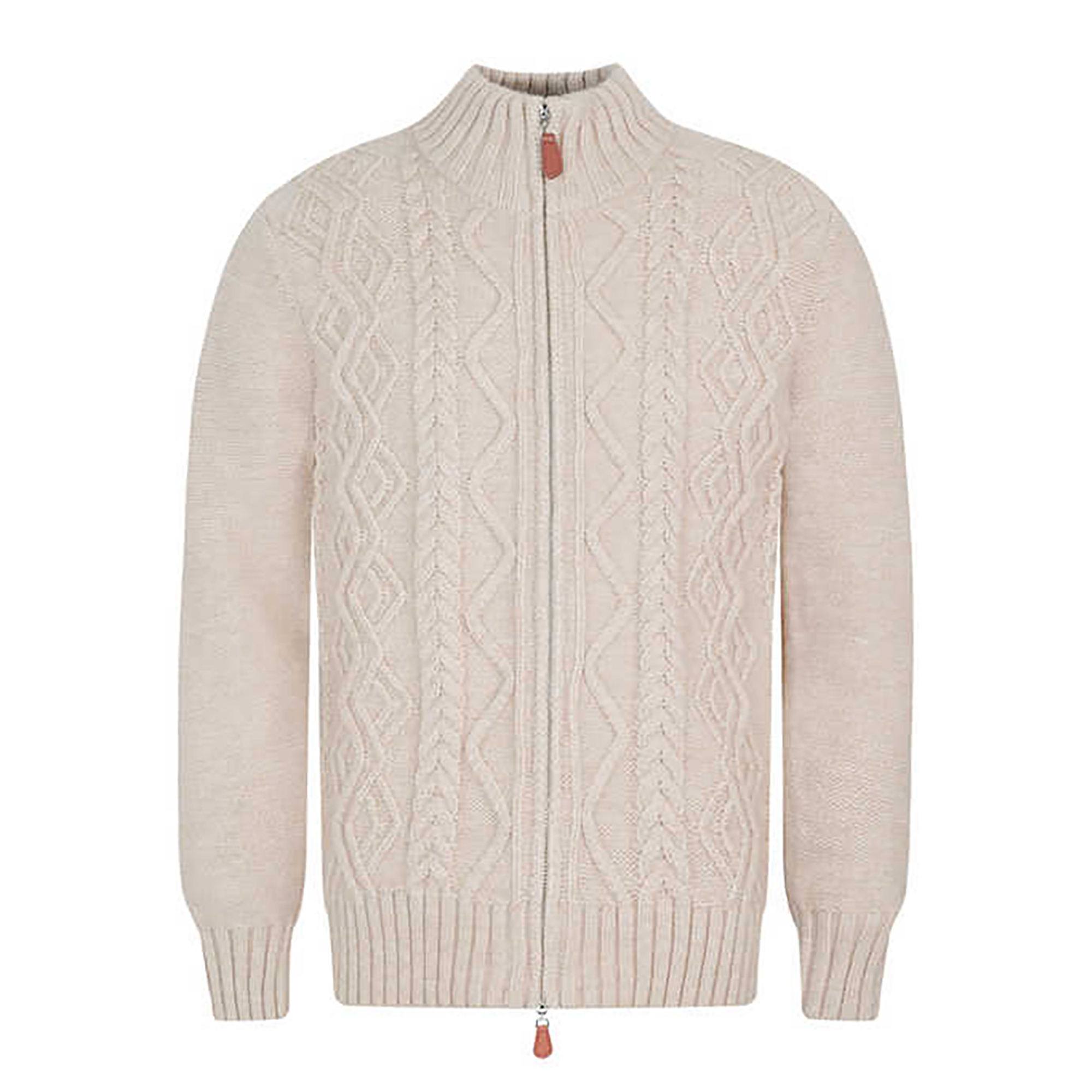
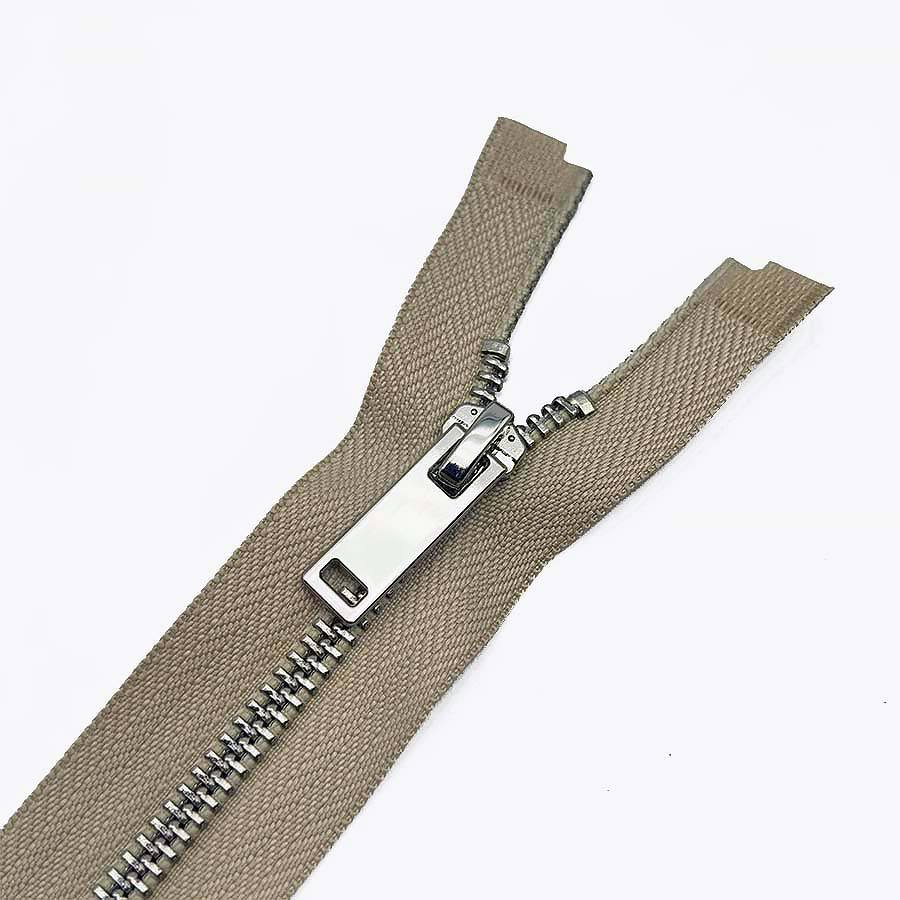
Challenge: Zipper cardigans need embroidery positioned to clear the tape and slider while maintaining symmetry. Outcome: CENWILD maps embroidery placement during pattern grading, ensuring logos sit cleanly on chest, sleeves, or back without interfering with zip installation. Zippers are sourced in metal, nylon coil, or invisible styles and sewn after embroidery is complete to avoid needle damage.
Get a Quote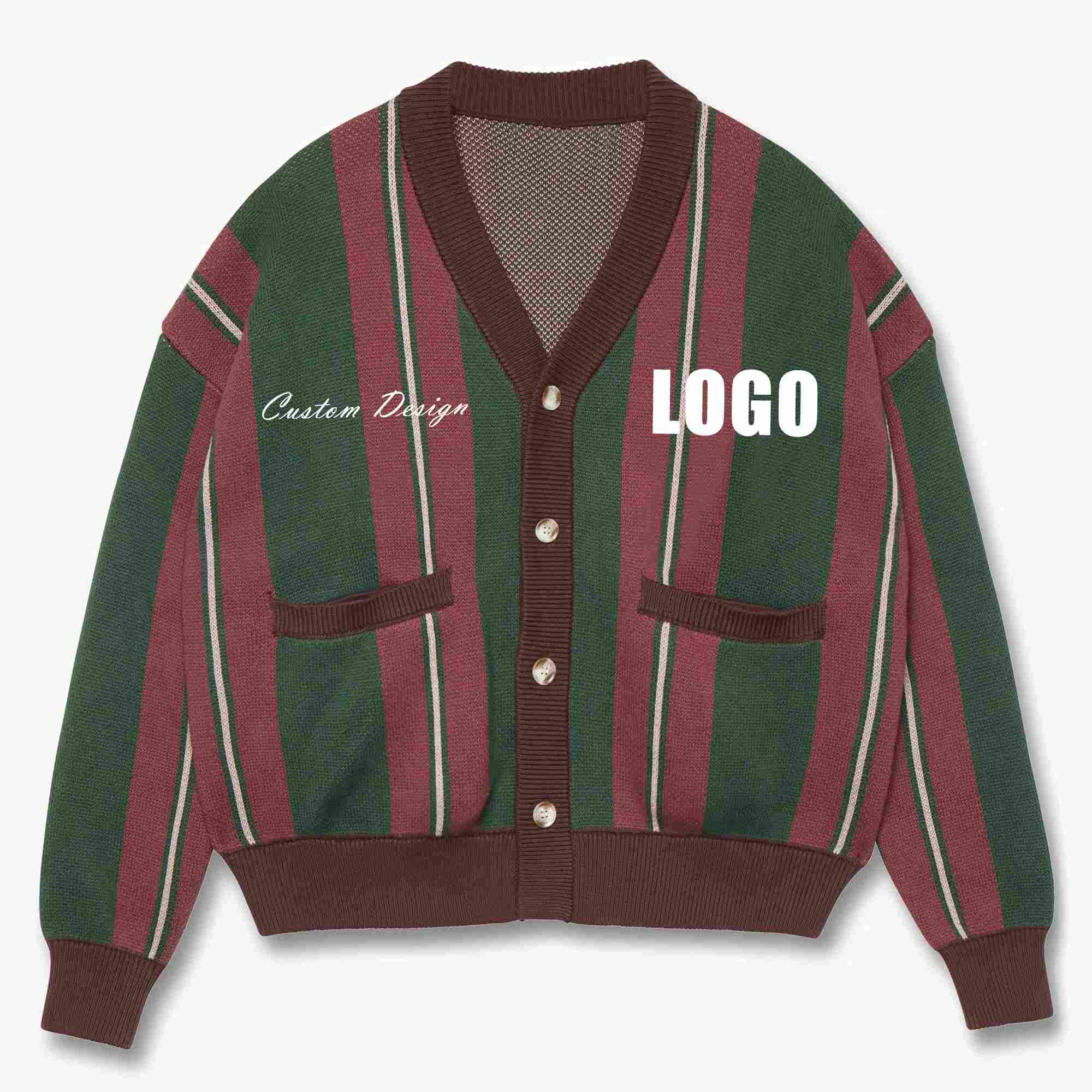
Vintage Style Cardigans
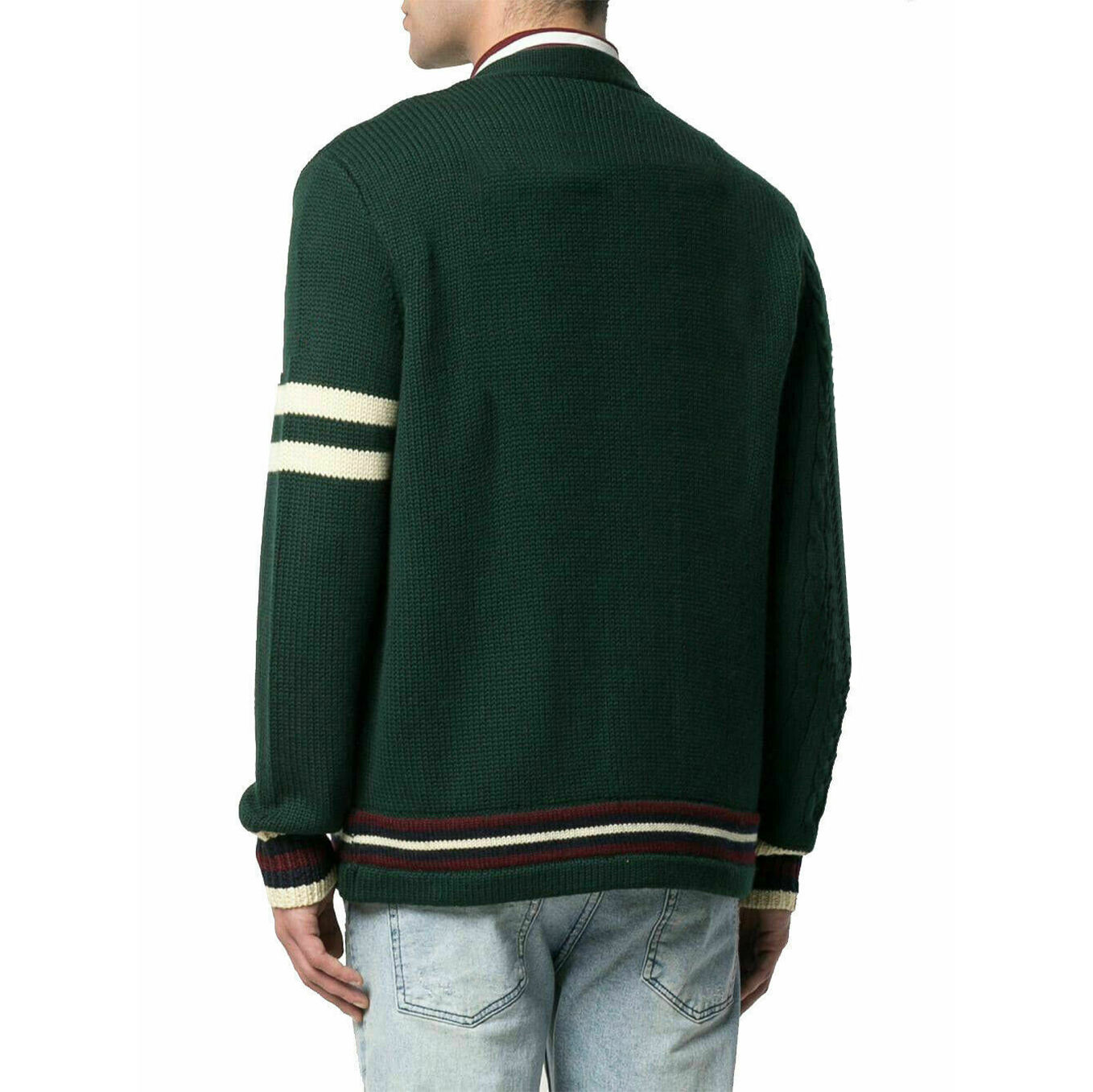
Challenge: Vintage aesthetics demand specific stitch structures, yarn hand-feel, and decoration techniques that modern fast fashion often skips. Outcome: CENWILD recreates cable, pointelle, and fully-fashioned vintage cardigan silhouettes using traditional stitch programming and natural fibers like lambswool, mohair, and cotton. Embroidery, chain-stitch, or screen-printed graphics are applied with period-appropriate thread weight and placement for authentic retro or heritage collections.
Get a QuotePremium Materials for Custom Embroidered Cardigans
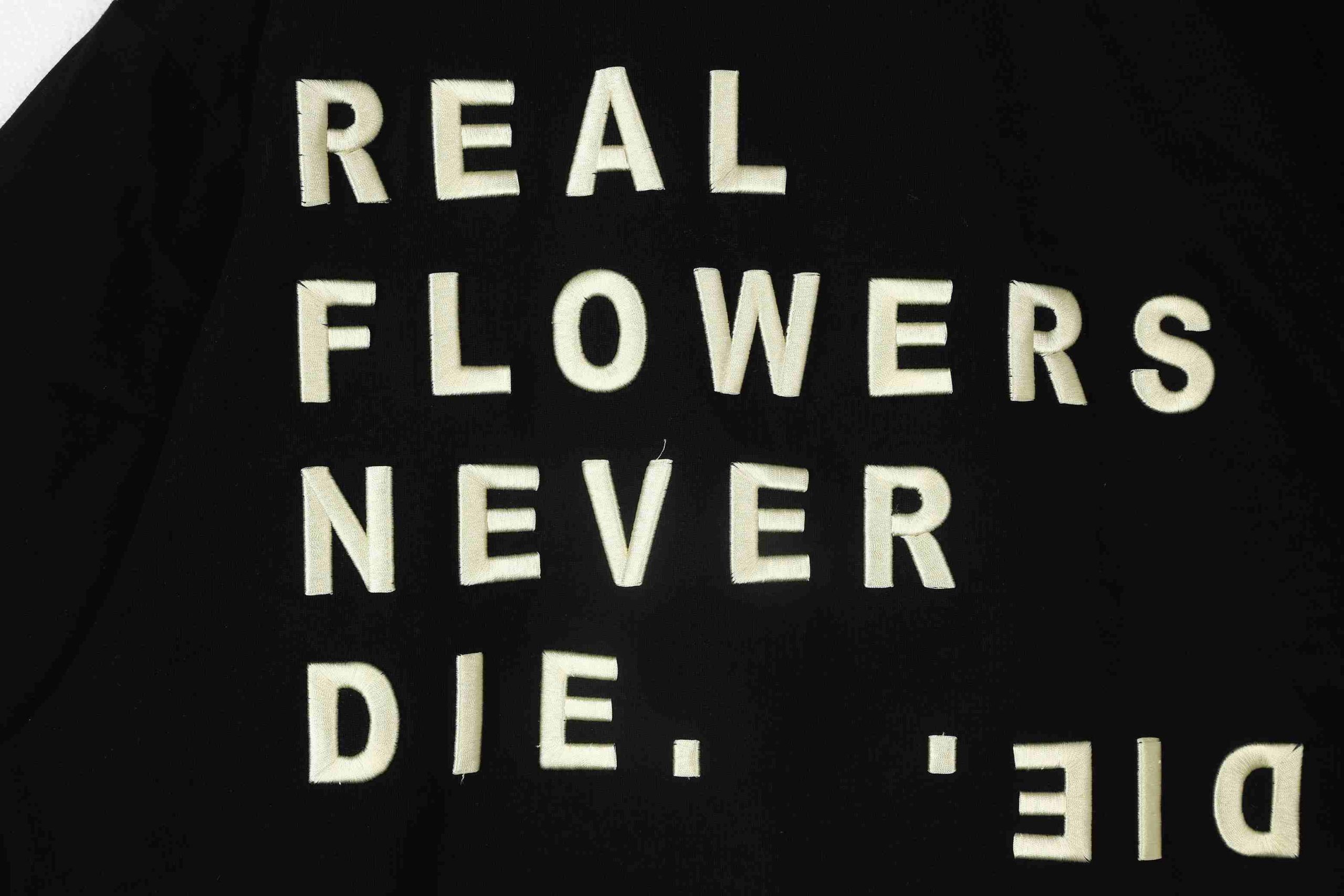
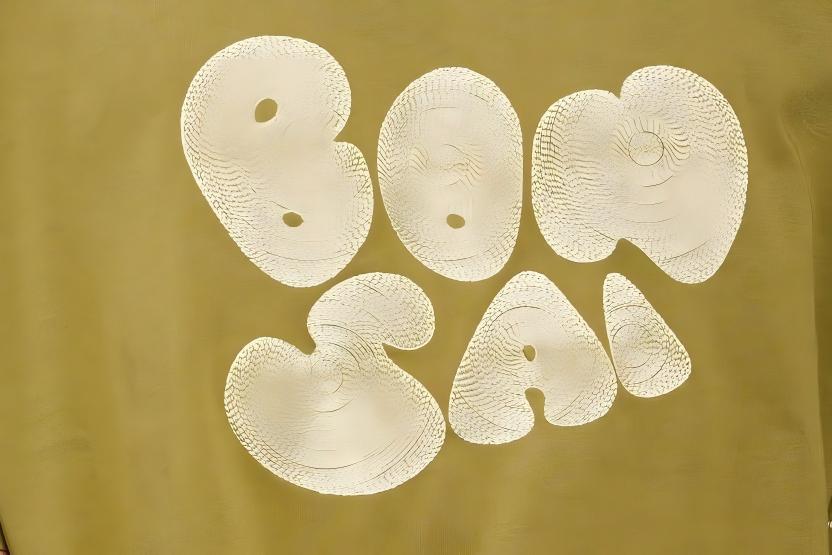
Embroidery & Decoration Techniques for Your Custom Embroidered Cardigan
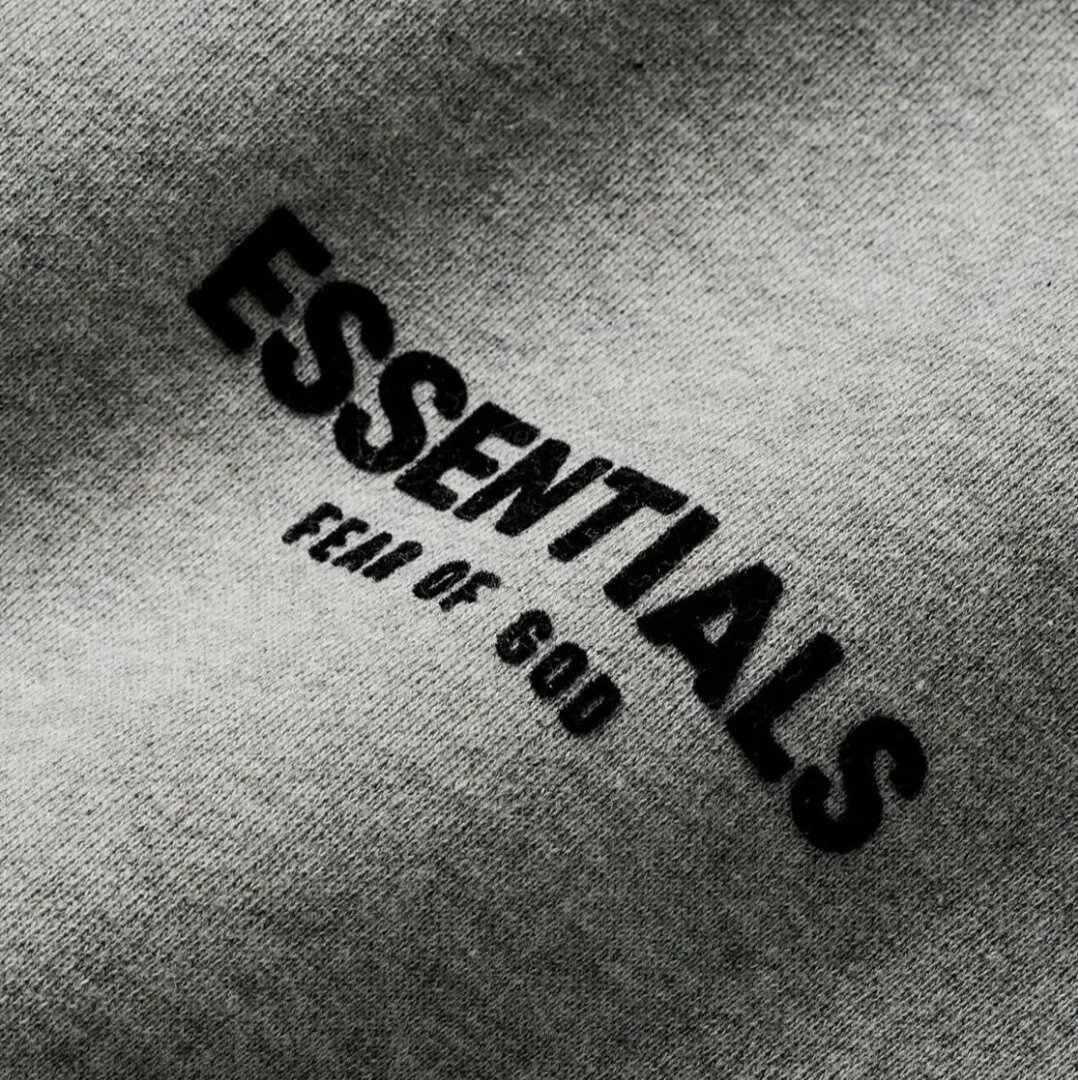
Trims, Labels & Accessories for Custom Embroidered Cardigans
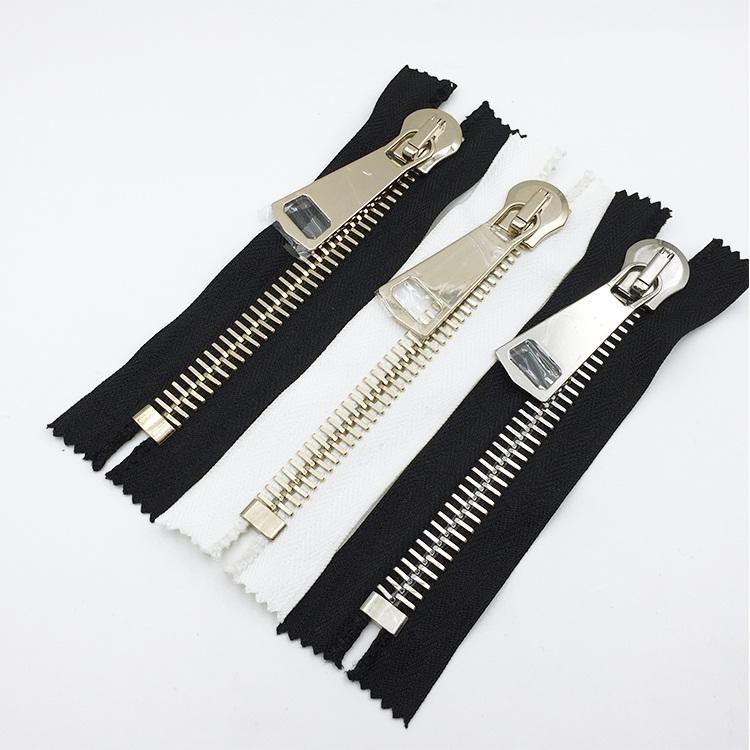
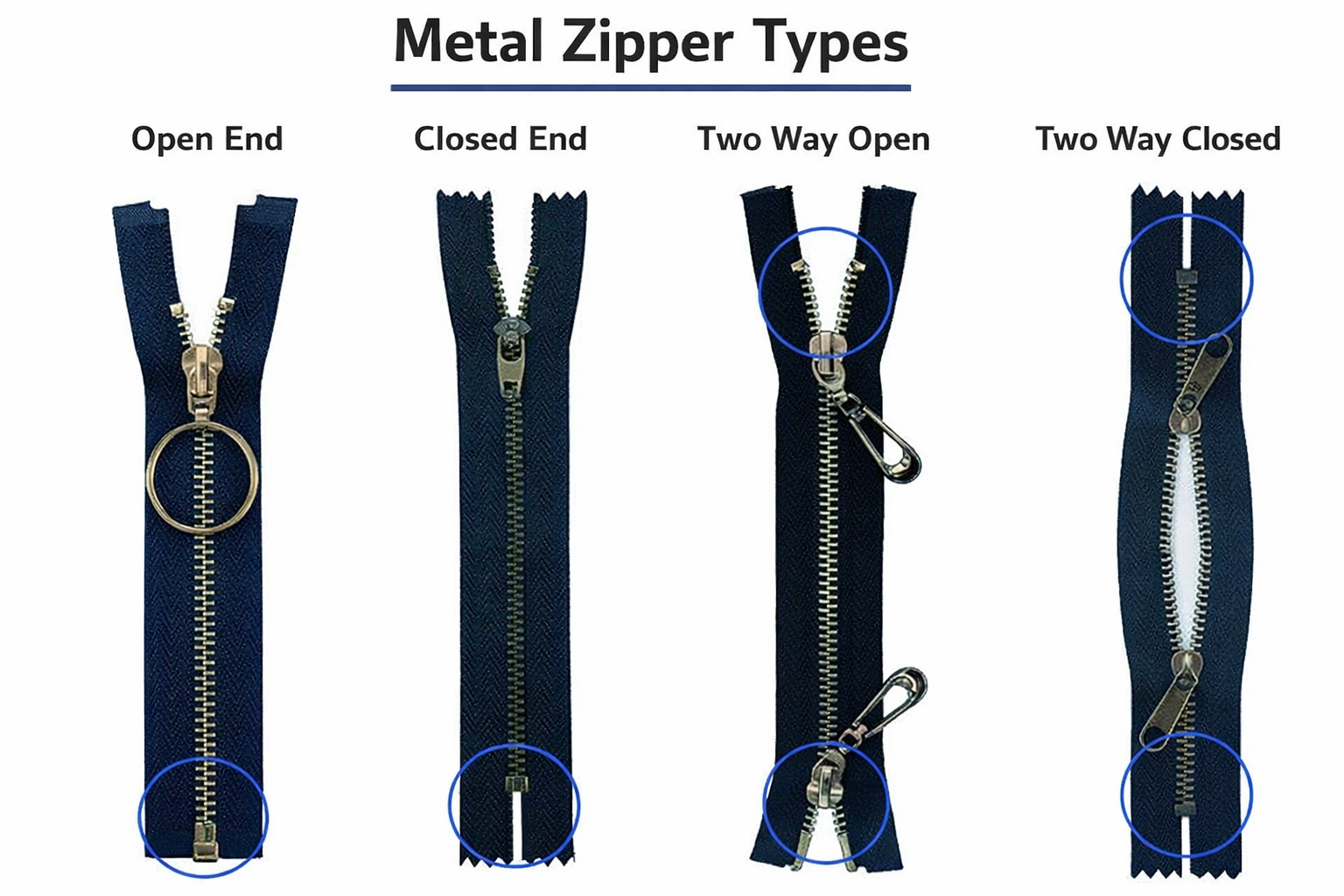
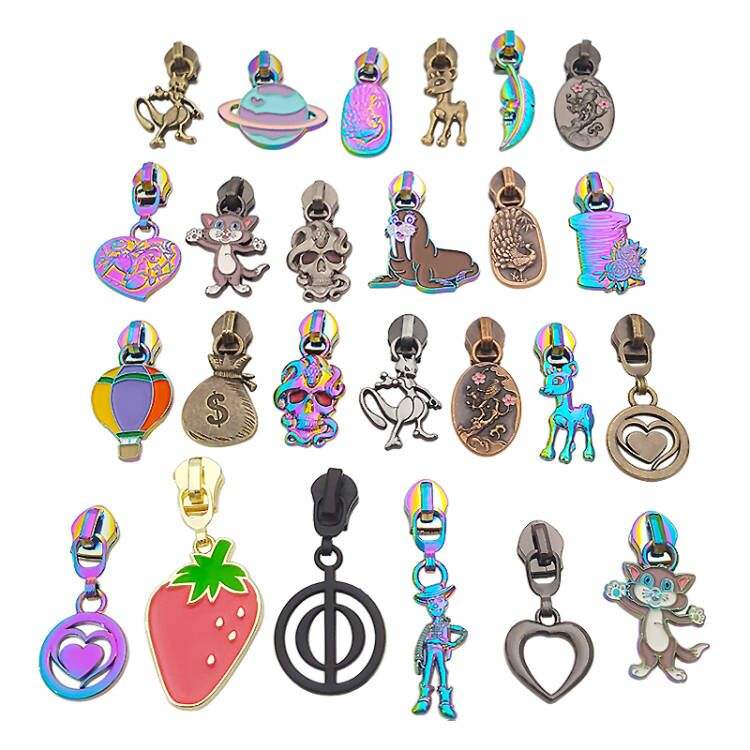
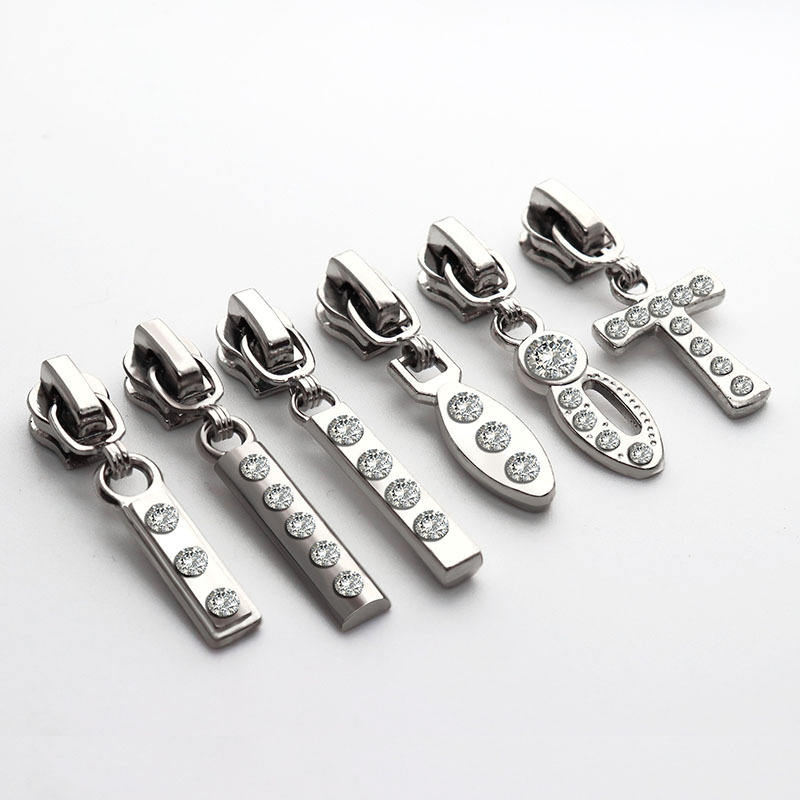
Care & Size Labels
Printed or woven care instruction and size labels compliant with US, EU, and international standards. Ensures your cardigans meet retail requirements and provide clear garment information to end customers.
About CENWILD — 28 Years of Knitwear Manufacturing
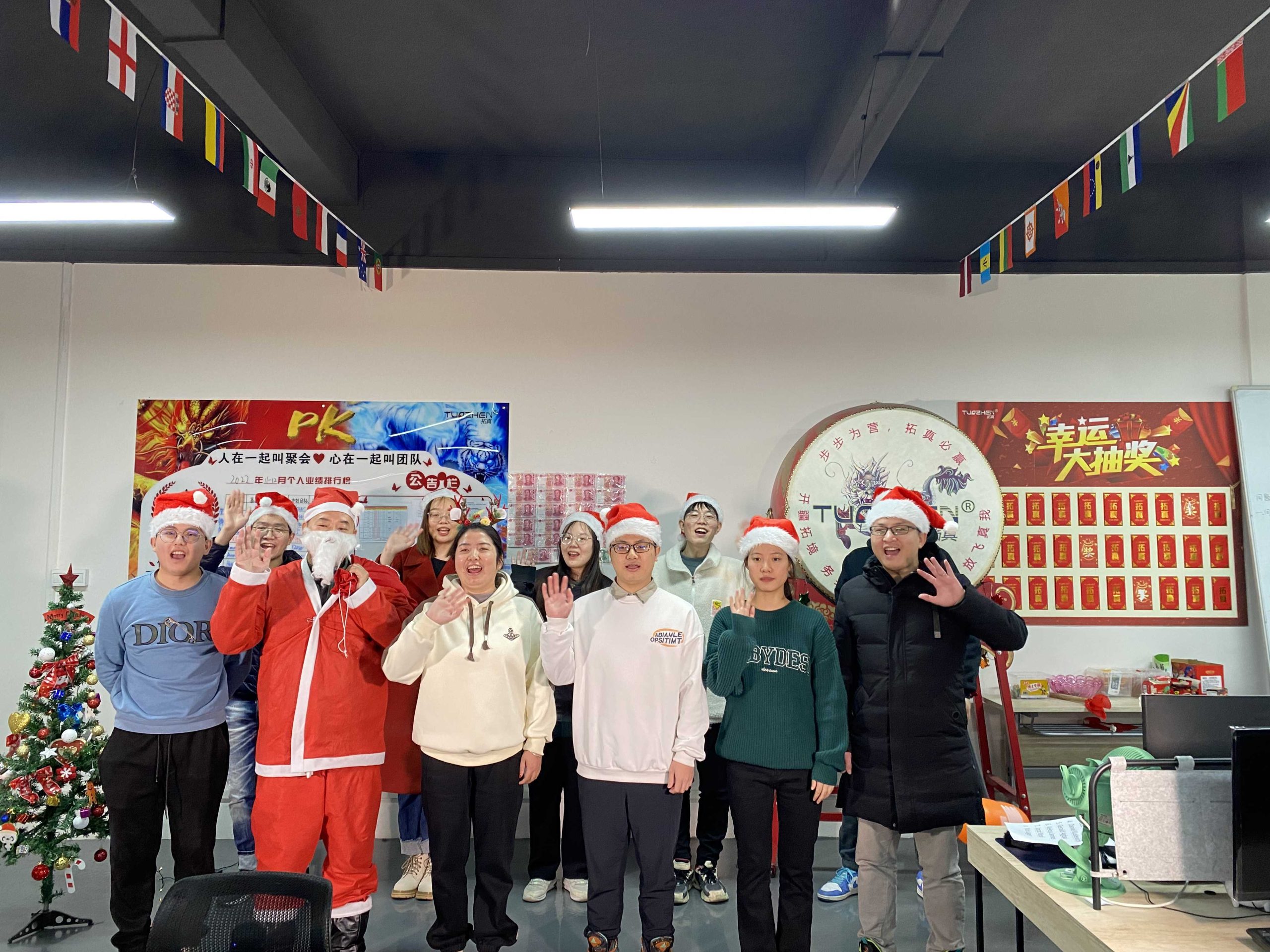
Founded in 1998 in Humen, Dongguan — the heart of China’s knitwear manufacturing region — CENWILD began as a small family knitting workshop and has grown into a full-service OEM and ODM custom embroidered cardigan manufacturer. Guided by the values of Quality First, Customer Growth, Innovation, and Responsibility, we serve as the manufacturing backbone for fashion brands worldwide.
Today our team of over 200 skilled employees operates computerized flat-knitting machines across 3GG–14GG gauges with a monthly capacity exceeding 80,000 pieces. We cover every step in-house: design development, yarn sourcing, knit-down sampling, embroidery, quality control, finishing, packaging, and export logistics. Over 28 years we have partnered with more than 2,000 brands across the United States, Canada, Europe, Australia, Russia, and the Middle East.
Whether you are an independent designer, retailer, wholesaler, or established label, CENWILD offers flexible private label production with MOQ starting from just 100 pieces. Our in-house design team and embroidery capabilities turn your concept into a finished custom embroidered cardigan, from sketch to shipment, with the reliability and craftsmanship of nearly three decades of Dongguan heritage.
Core Capabilities Behind Every Custom Embroidered Cardigan
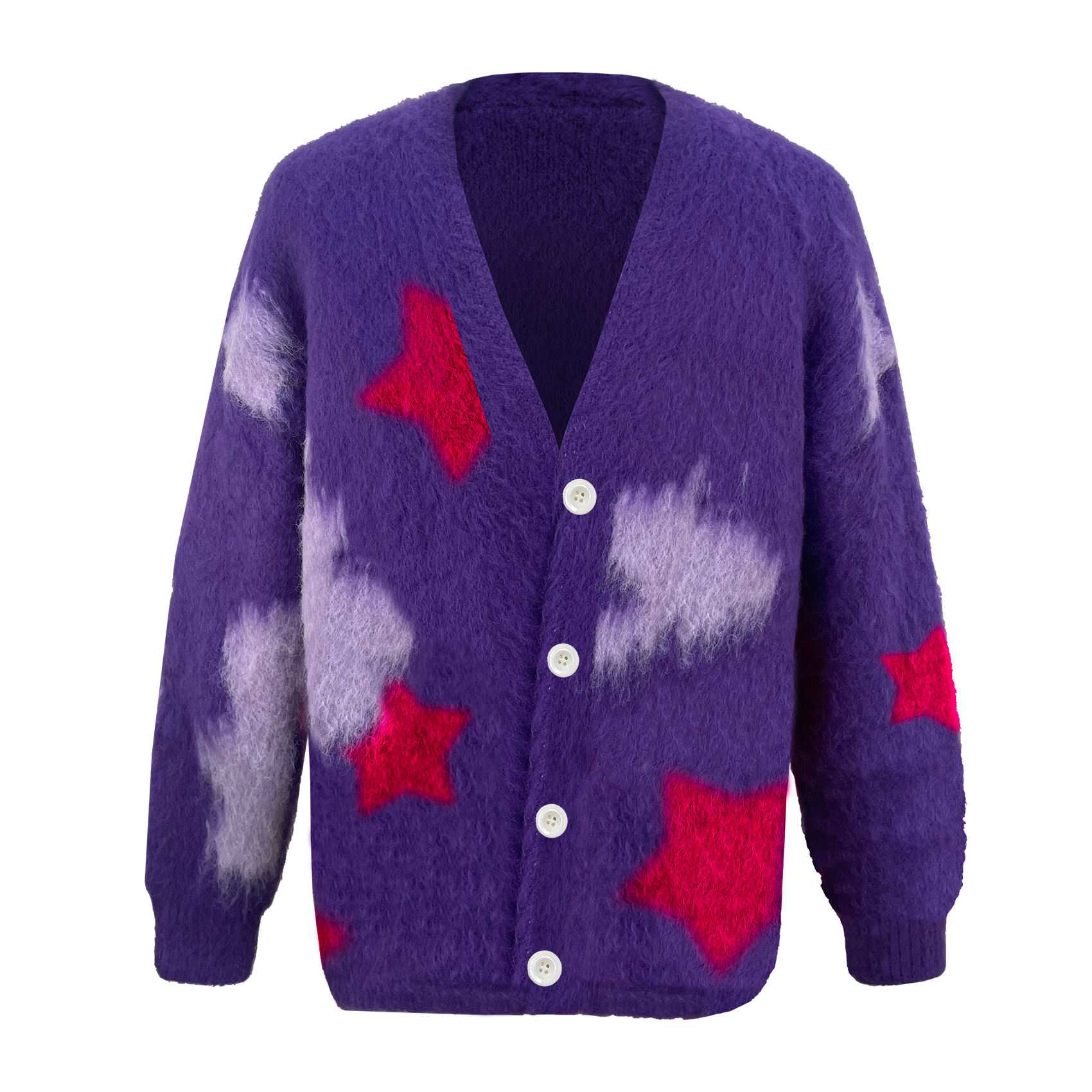
In-House Knitting & Sampling Workshop
Our Dongguan facility runs 3GG–14GG computerized flat-knitting machines with monthly capacity exceeding 80,000 pieces. Every custom embroidered cardigan begins with knit-down sampling in-house, ensuring your design translates perfectly from concept to finished garment before full production.
- Computerized flat-knitting machines across 3GG to 14GG gauges for any weight or texture
- Monthly production capacity of 80,000+ pieces to scale with your brand
- Knit-down sampling and prototyping completed on-site for faster iteration
- Full control over stitch structure, gauge, and fit from the first sample onward
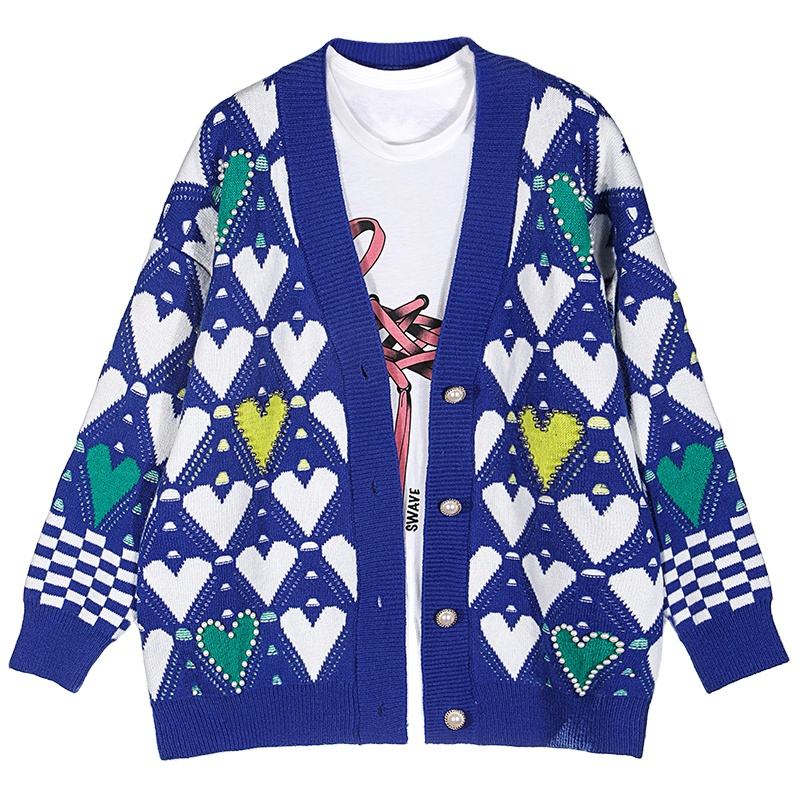
Design Development & Tech Pack Support
Whether you arrive with a complete tech pack or just a sketch, our in-house design team transforms your vision into production-ready specs. We handle original stitch design, 3D knit programming, grading, and swatching so your custom embroidered cardigan is ready for seamless manufacturing.
- Dedicated design team supports clients at any starting point—sketch, photo, or finished tech pack
- Original stitch design and 3D knit programming tailored to your aesthetic
- Full grading and size-set development for men, women, and children
- Knit-down swatches and color-matching to approve before bulk production
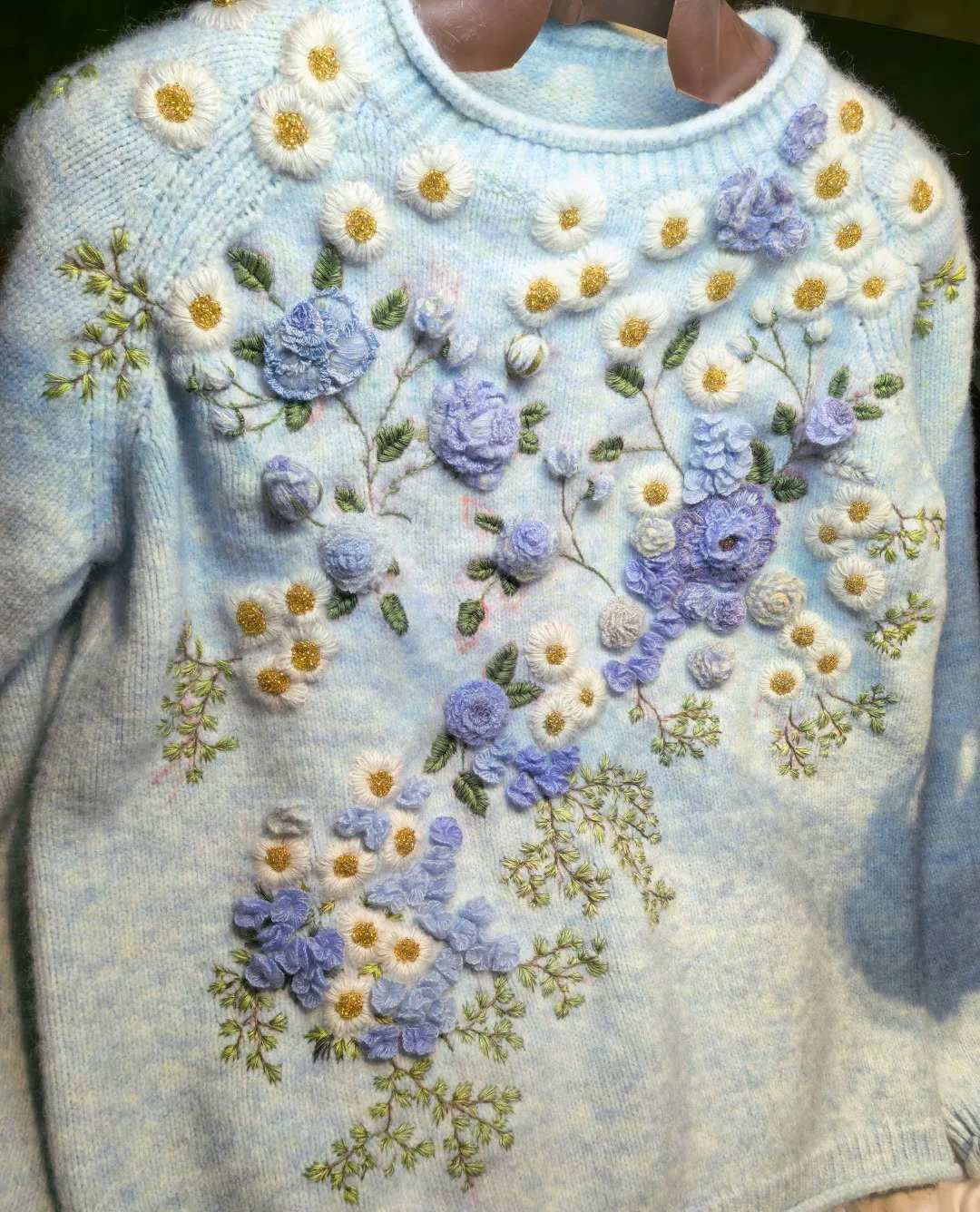
Embroidery, Decoration & Finishing Services
Elevate every cardigan with our comprehensive decoration capabilities: flat, 3D puff, chain-stitch, appliqué, sequin, patches, and logo embroidery, plus screen printing, heat transfer, DTF, and sublimation. Garment washing, anti-pilling, softening, brushing, and garment dye complete the premium finish.
- Flat, 3D/puff, chain-stitch, appliqué, sequin, and patch embroidery all in-house
- Screen printing, heat transfer, DTF, and sublimation for graphics and branding
- Garment washing, anti-pilling treatment, softening, brushing, and garment dye finishing
- Full trim and accessory integration—buttons, zippers, labels, hangtags, and packaging
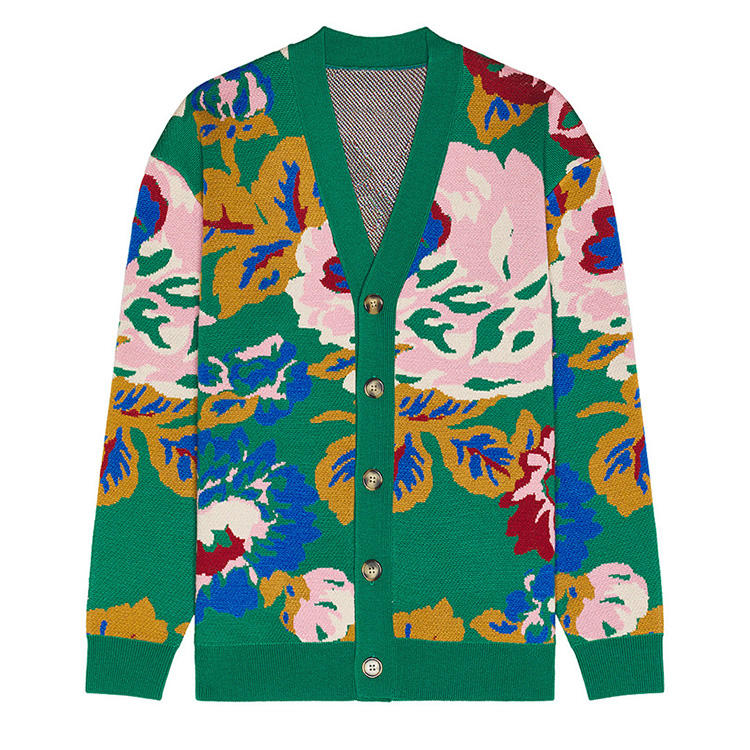
Quality Control & Export Logistics
Every custom embroidered cardigan passes through rigorous inline and final inspection before shipment. Our export team coordinates documentation, consolidation, and freight to deliver your order on time to the United States, Canada, Europe, Australia, Russia, and the Middle East.
- Inline and final quality inspection at every production stage
- Dedicated QC team ensures consistent sizing, stitch integrity, and embroidery placement
- Full export documentation, customs support, and freight coordination worldwide
- Over 2,000 brands served across six continents with reliable on-time delivery
Custom Embroidered Cardigan Manufacturing: CENWILD vs. Standard Suppliers
See how 28+ years of Dongguan expertise, in-house embroidery, and flexible partnership terms set CENWILD apart from typical knitwear suppliers.
← 左右滑动查看 →
Our Custom Embroidered Cardigan Production Process
From design approval to export, CENWILD manages every phase of your cardigan order with full in-house control and Dongguan manufacturing expertise.
Tech Pack & Design Approval
Submit your tech pack, sketch, or concept. Our design team refines stitch patterns, grading, and embroidery placement, then delivers production-ready specs for your approval.
Yarn Sourcing & Knit Sampling
We source premium yarns—cashmere, merino, cotton, or blends—and produce knit-down samples on our 3GG–14GG flat-knitting machines to confirm fit, hand-feel, and gauge.
Production Knit-Down
Once samples are approved, full production begins across our computerized knitting lines with a monthly capacity exceeding 80,000 pieces and strict quality checkpoints throughout.
Embroidery & Decoration
Your custom embroidered cardigan receives flat, 3D puff, chain-stitch, appliqué, sequin, or patch embroidery in-house, plus optional printing, labels, and trims as specified.
QC & Finishing
Every piece undergoes garment washing, softening, anti-pilling treatment, and multi-point quality inspection to meet our Quality First standard before final approval for shipment.
Packing & Export Logistics
We handle polybag packing, carton labeling, customs documentation, and freight coordination to your destination—United States, Europe, Australia, or anywhere your brand operates.
How to Order Custom Embroidered Cardigans from CENWILD
From your first design brief to finished goods, our streamlined process makes ordering custom embroidered cardigans simple and transparent — whether you’re launching 100 pieces or scaling to thousands.
Submit Your Design Brief
Share your tech pack, sketch, reference photo, or concept. Our team reviews your cardigan specifications, embroidery artwork, yarn preferences, and target quantities to prepare a detailed quote.
Receive Sampling Quote & Timeline
Within 24–48 hours, you’ll receive a sampling proposal covering knit construction, embroidery techniques, materials, costs, and lead time for your custom embroidered cardigan prototype.
Approve Knit & Embroidery Samples
We produce knit-down samples with your chosen embroidery decoration. Review fit, stitch quality, embroidery placement, and finishes; request revisions until you’re completely satisfied.
Confirm Bulk Order & Payment
Finalize quantities, colors, sizes, and payment terms. First orders require full deposit; returning partners enjoy flexible terms as low as thirty percent down, balance before shipment.
Production & Quality Control
Your custom embroidered cardigans enter our Dongguan facility for knitting, embroidery, linking, washing, and finishing — with inline and final inspections at every stage to ensure consistent quality.
Shipment & Delivery Coordination
Once production and final QC are complete, we handle export documentation, packaging to your specifications, and arrange sea or air freight to your warehouse or fulfillment center.
Certifications & Quality Standards for Custom Embroidered Cardigan Production

Custom Embroidered Cardigan Success Stories
CENWILD delivered 300 custom embroidered cardigans with our logo in just 28 days. The flat embroidery was flawless, and their design team helped us refine our placement and thread colors perfectly.
We needed 150 pieces for our fall collection—other suppliers quoted 500 minimum. CENWILD’s 100-piece MOQ and in-house 3D puff embroidery capability made our custom cardigan line possible within budget.
The quality of the merino wool base and chain-stitch embroidery on our custom cardigans exceeded expectations. CENWILD’s 28 years of experience shows—zero defects across 500 units, and repeat orders are seamless.
FAQ: Custom Embroidered Cardigan Sourcing
What is the minimum order quantity for a custom embroidered cardigan?
How long does it take to produce custom embroidered cardigans?
Do you charge for sampling, and how long does a custom embroidered cardigan sample take?
What payment terms do you offer for custom embroidered cardigan orders?
Can I use my own embroidery designs and logos on custom embroidered cardigans?
What shipping options are available for custom embroidered cardigan orders?
How do you protect my designs and intellectual property?
Can I request design revisions during the sampling stage?
Do you offer volume discounts for larger custom embroidered cardigan orders?
The Complete Buyer’s Guide to Custom Embroidered Cardigan Sourcing
Navigate supplier selection, material choices, and decoration techniques with confidence. This guide delivers a proven decision framework, quality benchmarks, and the most common sourcing mistakes fashion brands make when ordering custom embroidered cardigans.
1. What Is a Custom Embroidered Cardigan?
A custom embroidered cardigan is a knit sweater garment featuring personalized embroidery decoration — typically logos, monograms, graphic motifs, or text — applied to stock or fully custom-knit pieces. Fashion brands, retailers, independent designers, corporate clients, and influencers order these to differentiate collections, strengthen brand identity, and command premium positioning in competitive markets.
Two production paths exist: stock cardigans with added embroidery, and fully custom-knit cardigans with integrated embroidery. Stock-plus-embroidery offers faster turnarounds (10–14 days for decoration alone) but limits fabric, fit, and stitch design. Fully custom production — from yarn selection and gauge programming through knit-down and embroidery — delivers complete control over silhouette, colorways, trims, and branding, with MOQs starting at 100 pieces per style at manufacturers like CENWILD.
The value proposition centers on three pillars: unique branding through proprietary embroidery that cannot be replicated by competitors, premium positioning that justifies 40–60 percent higher retail margins, and differentiation in saturated categories where generic knitwear struggles to capture attention or loyalty.
2. Evolution of Custom Embroidered Cardigans in Fashion
Hand-embroidered sweaters trace back centuries to folk traditions in the Andes, Scandinavia, and the British Isles, where artisans stitched family crests and regional motifs onto wool cardigans. By the 1950s luxury fashion houses — Schiaparelli, Dior, and later Missoni — elevated embroidered knitwear to runway status, pairing couture-level chain-stitch and appliqué with cashmere and merino bases. This era established embroidery as a mark of craftsmanship and exclusivity in high fashion.
The 2000s brought streetwear brands into the embroidered cardigan space, with labels like Supreme and Stüssy using flat and puff embroidery to add logos and graphics to oversized, casual silhouettes. Multi-head computerized embroidery machines enabled consistent, scalable decoration at lower cost, opening the category beyond luxury.
Today independent brands and influencers drive demand for small-batch custom embroidered cardigans, often starting at MOQs as low as 100 pieces. Personalization — names, coordinates, bespoke artwork — and sustainable materials (organic cotton, recycled yarn) define current trends. Manufacturers like CENWILD combine flat-knitting technology with in-house embroidery (flat, 3D, sequin, patch) to deliver fully customized cardigans in 30–45 days, supporting the rise of direct-to-consumer and private-label knitwear brands worldwide.
3. Types of Custom Embroidered Cardigan Styles
Cardigan silhouettes determine embroidery placement strategy and brand positioning. Each style offers distinct decoration zones — chest, back, sleeves, pockets — suited to different market segments from streetwear to corporate.
Oversized Cardigans
Oversized fits provide large back panels (30×40 cm) ideal for statement embroidery, popular in streetwear and Gen-Z collections. Front chest logos (8×10 cm) and sleeve patches anchor the silhouette.
CENWILD knits oversized cardigans in 3GG–5GG gauges using dropped shoulders and extended body length, with embroidery programmed to avoid distortion across relaxed fabric.
Cropped Cardigans
Cropped styles (ending at natural waist or above) suit luxury and contemporary womenswear, with embroidery focused on chest (left or centered, 6×8 cm) and cuffs to preserve clean lines.
Pocket embroidery (4×5 cm) adds subtle branding without overwhelming the shortened silhouette, ideal for boutique and influencer-led labels.
Button-Front and Open-Front Cardigans
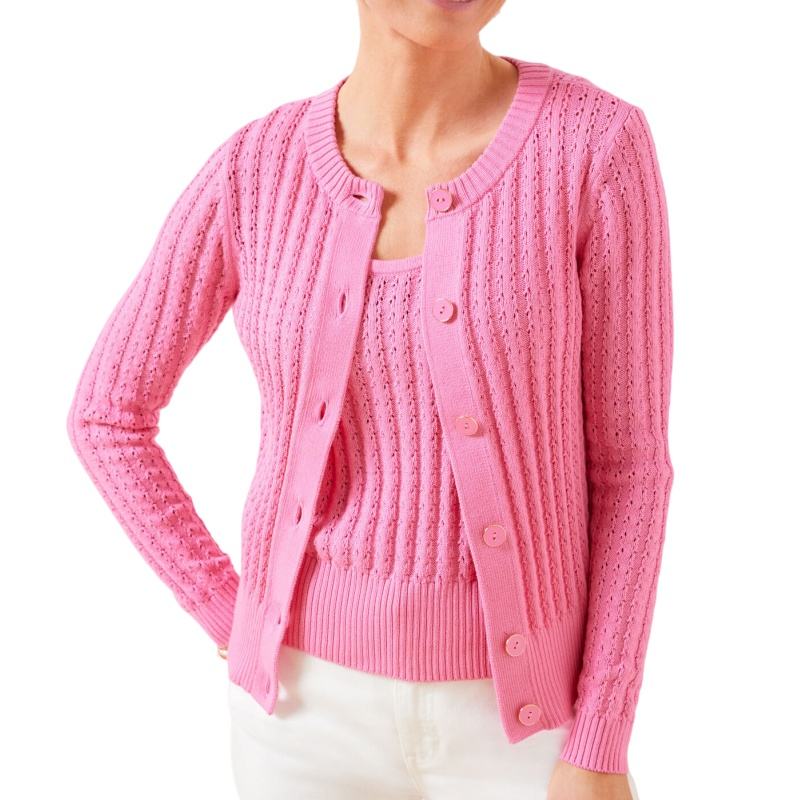
Button-front cardigans offer symmetrical placket embroidery (small logos flanking buttons, 3×4 cm each) and back yoke decoration, preferred in casual and corporate collections.
Open-front styles lack center closure, shifting embroidery to shoulder blades, hem corners, or sleeve caps (5×7 cm), popular in resort and lounge brands.
Longline and Zip-Front Cardigans
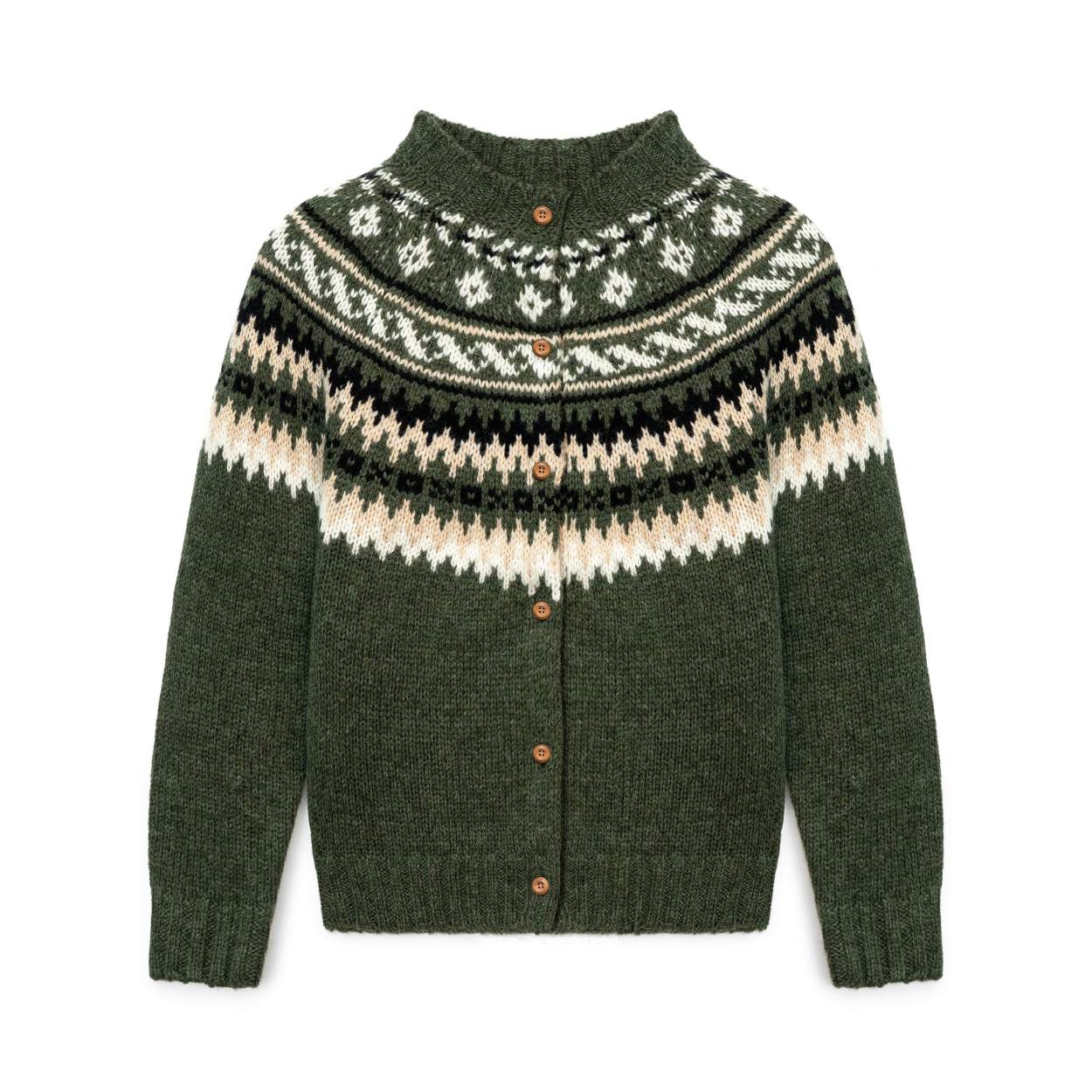
Longline cardigans (hip-length or below) maximize vertical back embroidery (15×50 cm) for storytelling graphics, common in avant-garde and narrative-driven brands.
Zip-front styles integrate embroidery along zipper tape edges or chest panels (10×12 cm), bridging athleisure and smart-casual markets with technical detailing.
4. Materials and Fabrics for Custom Embroidered Cardigans
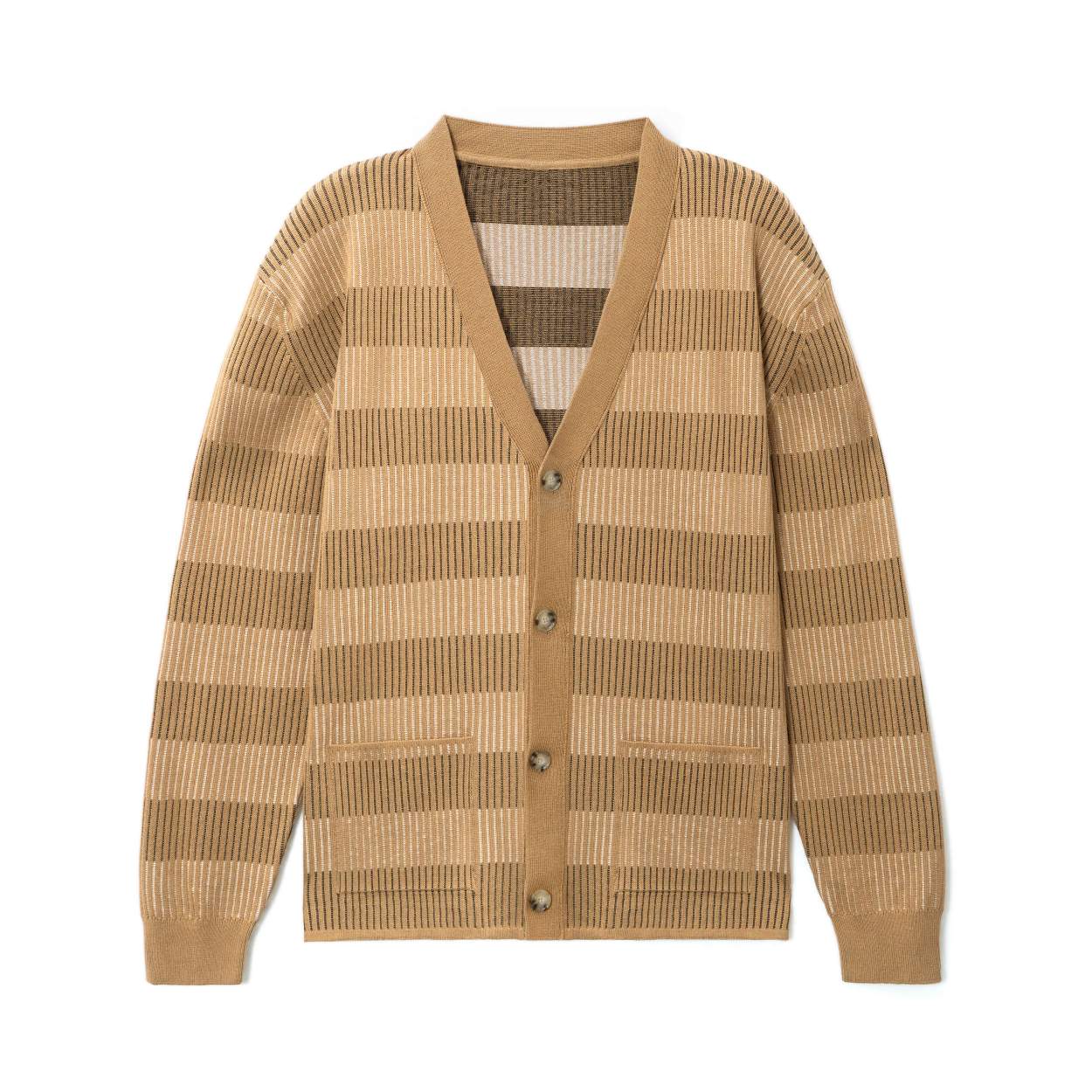
Fabric choice determines embroidery quality, durability, and end-use performance in a custom embroidered cardigan. Heavier knit weights (300+ GSM) stabilize dense stitch counts and intricate designs, while lighter fabrics require backing and simplified artwork to prevent puckering.
| Fabric Type | GSM Range | Embroidery Suitability | Price Tier | Best Use Case |
|---|---|---|---|---|
| Cotton | 200–350 | Excellent; holds stitches cleanly | Low–Mid | Everyday cardigans, casual branding |
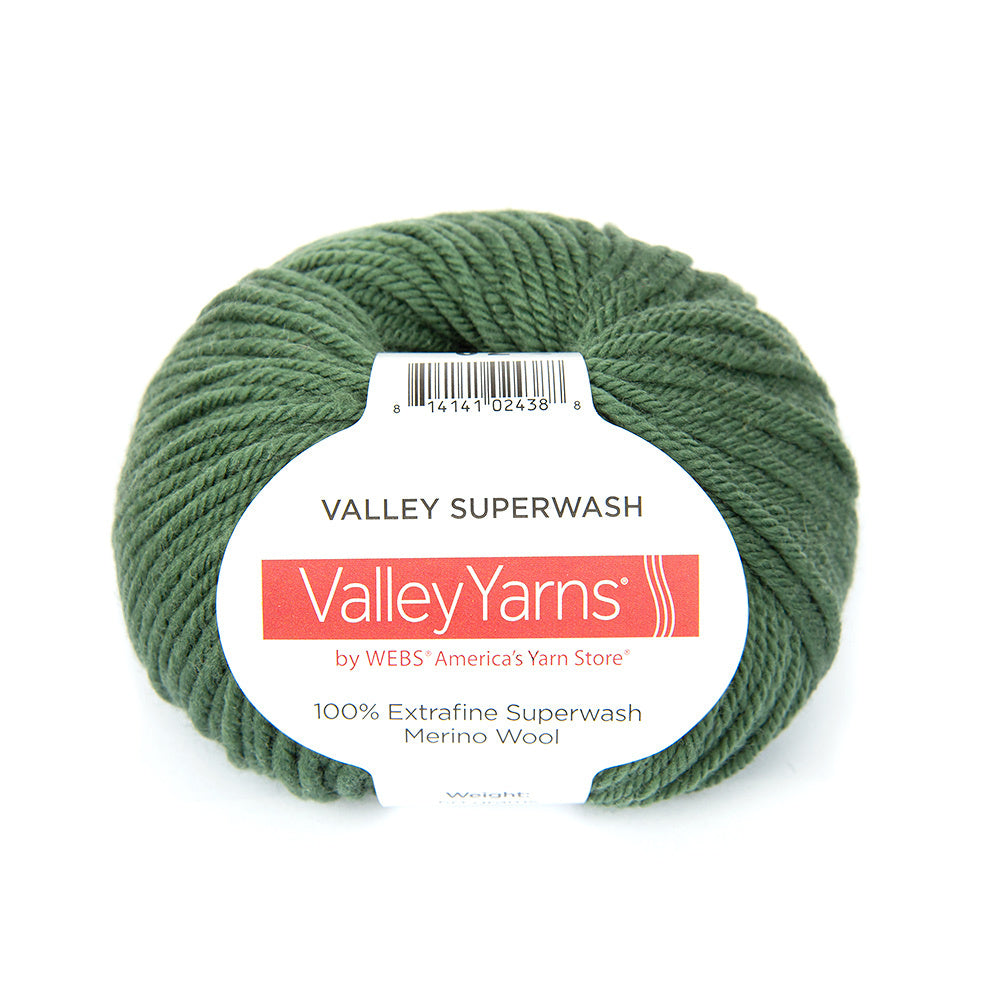
| Merino Wool | 250–400 | Very good; soft hand, minimal distortion | Mid–High | Premium lifestyle, athleisure |
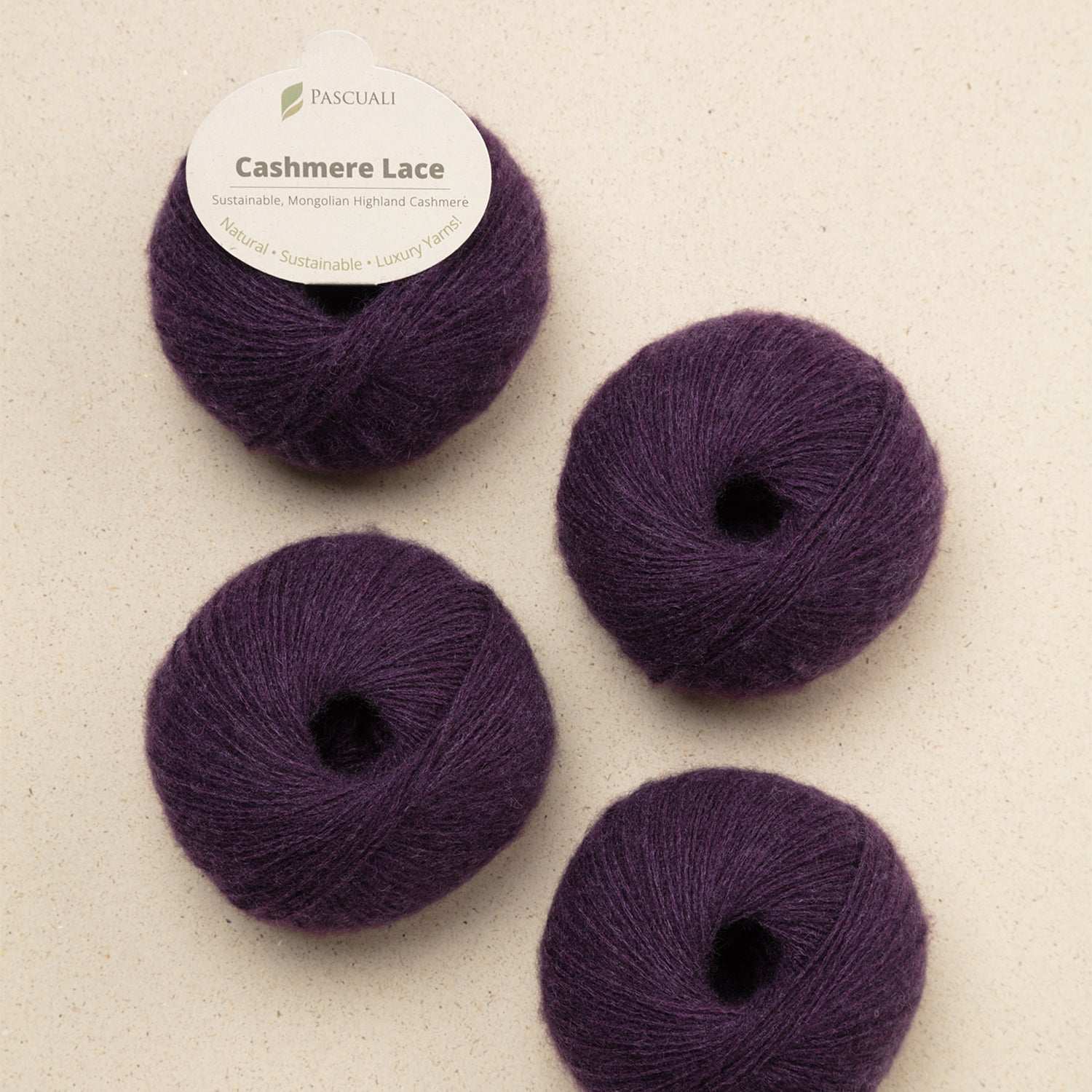
| Cashmere | 180–280 | Good with backing; delicate fibers | High | Luxury retail, gift sets |
| Acrylic | 220–320 | Excellent; budget-friendly, stable | Low | High-volume promotional items |
| Cotton-Poly Blend | 210–330 | Excellent; low shrinkage, easy care | Low–Mid | Corporate uniforms, team wear |
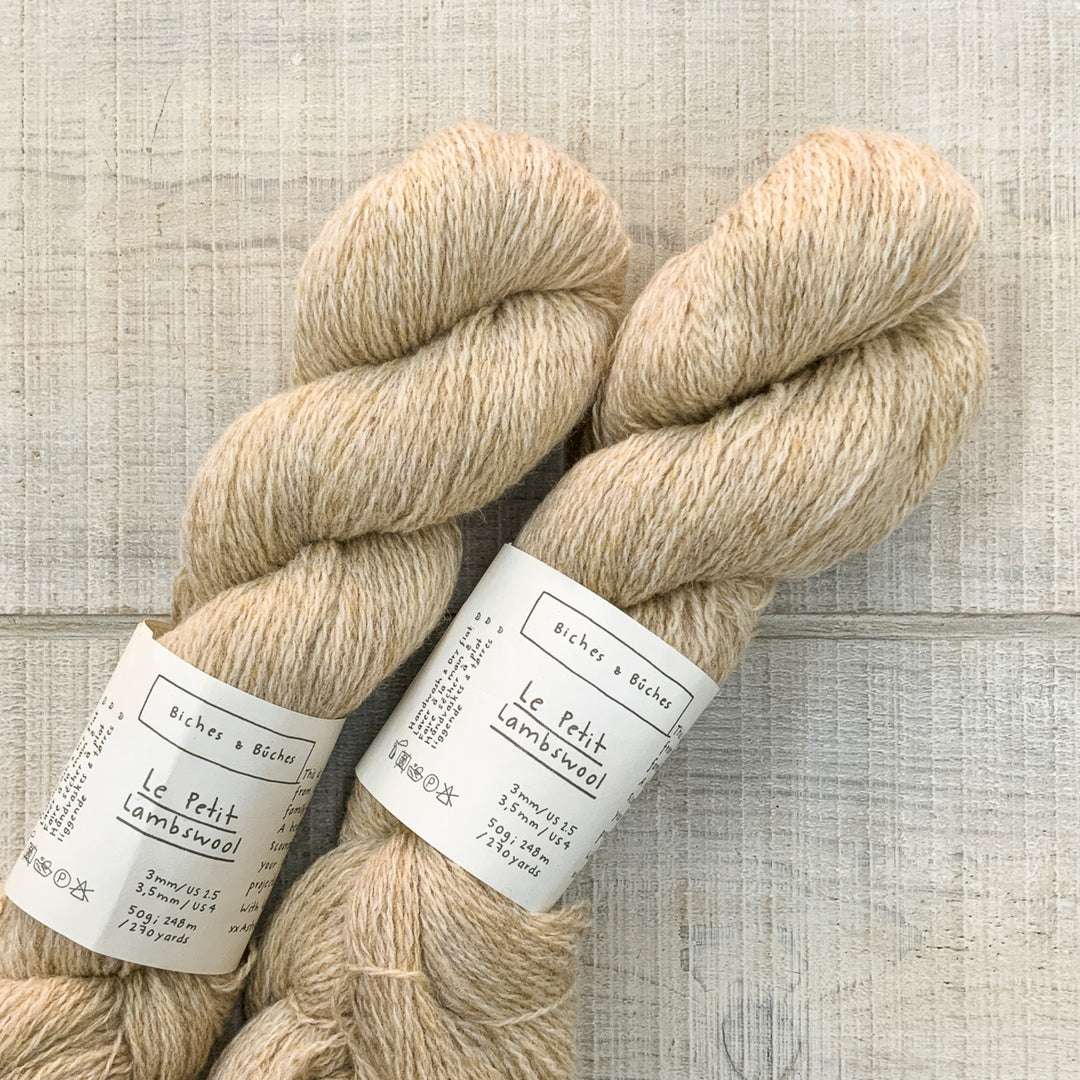
| Lambswool | 260–380 | Very good; warm, resilient | Mid | Heritage brands, winter collections |
5. Customization and Embroidery Decoration Options
Custom embroidered cardigans combine knitwear craftsmanship with precision decoration, offering brands logo placement, monograms, and design storytelling across chest, sleeves, and back panels. Embroidery technique, thread choice, and timing in the production sequence determine durability, visual impact, and cost.
Embroidery Techniques for Cardigans
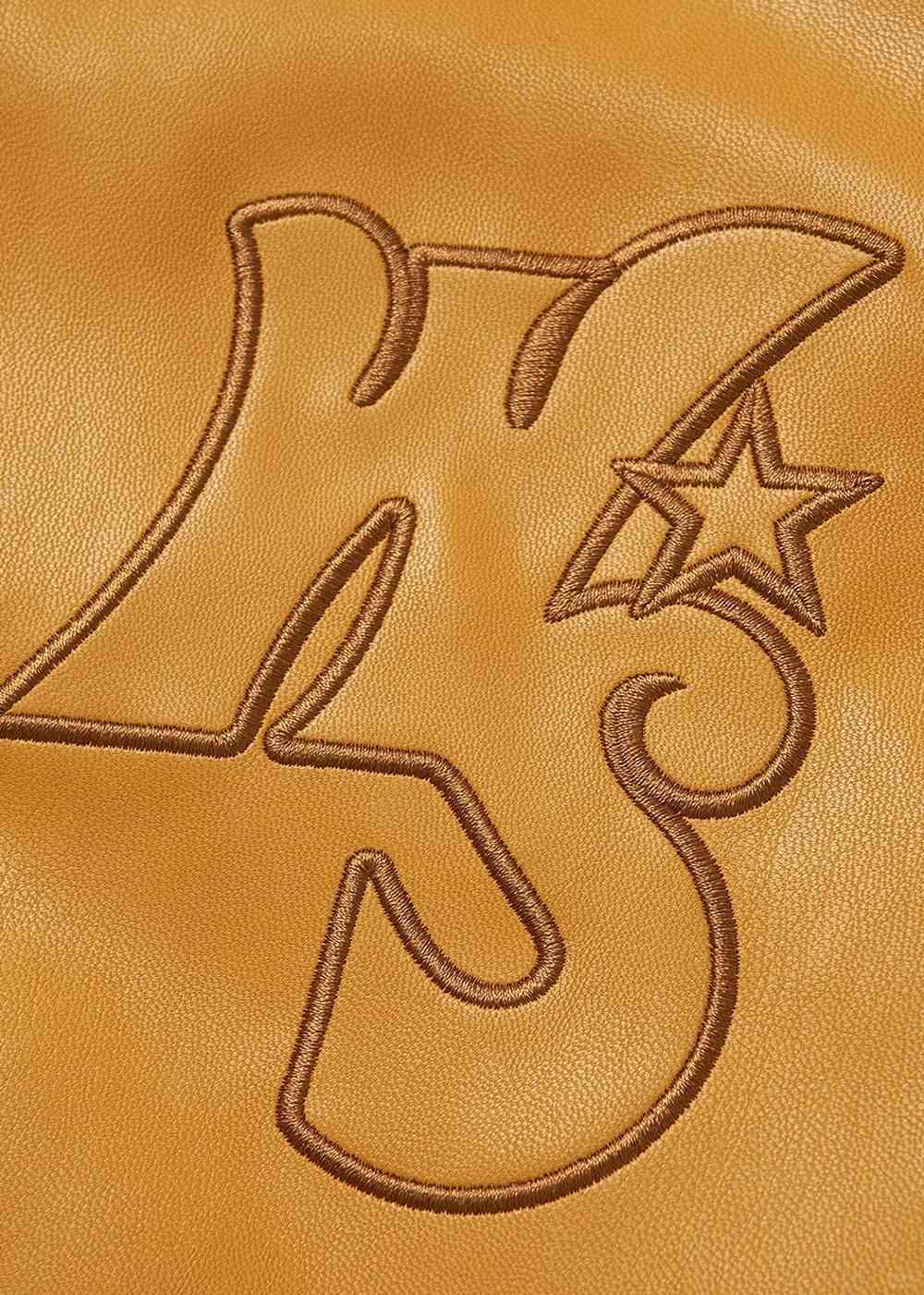
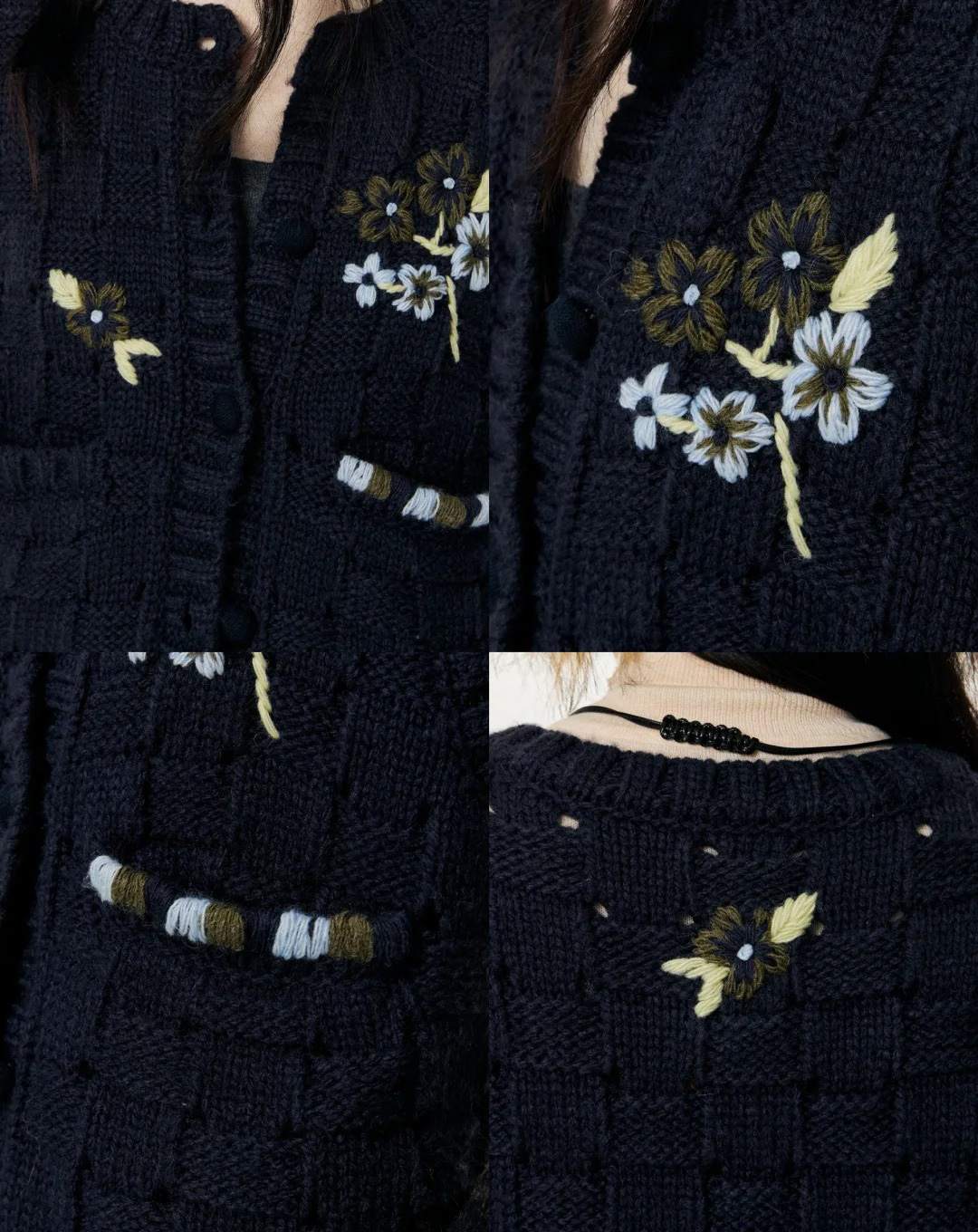
Flat embroidery delivers clean logo and text work at 3,000–6,000 stitches per square inch, ideal for left-chest branding. 3D puff embroidery uses foam underlay to raise designs 2–4 mm, popular for streetwear logos. Appliqué embroidery stitches fabric patches onto the cardigan, reducing stitch count for large graphics. Chenille embroidery creates a plush, varsity-jacket texture with looped thread. Mixed-media combines embroidery with screen-printed panels or woven patches for layered detail.
Thread Types and Color Matching
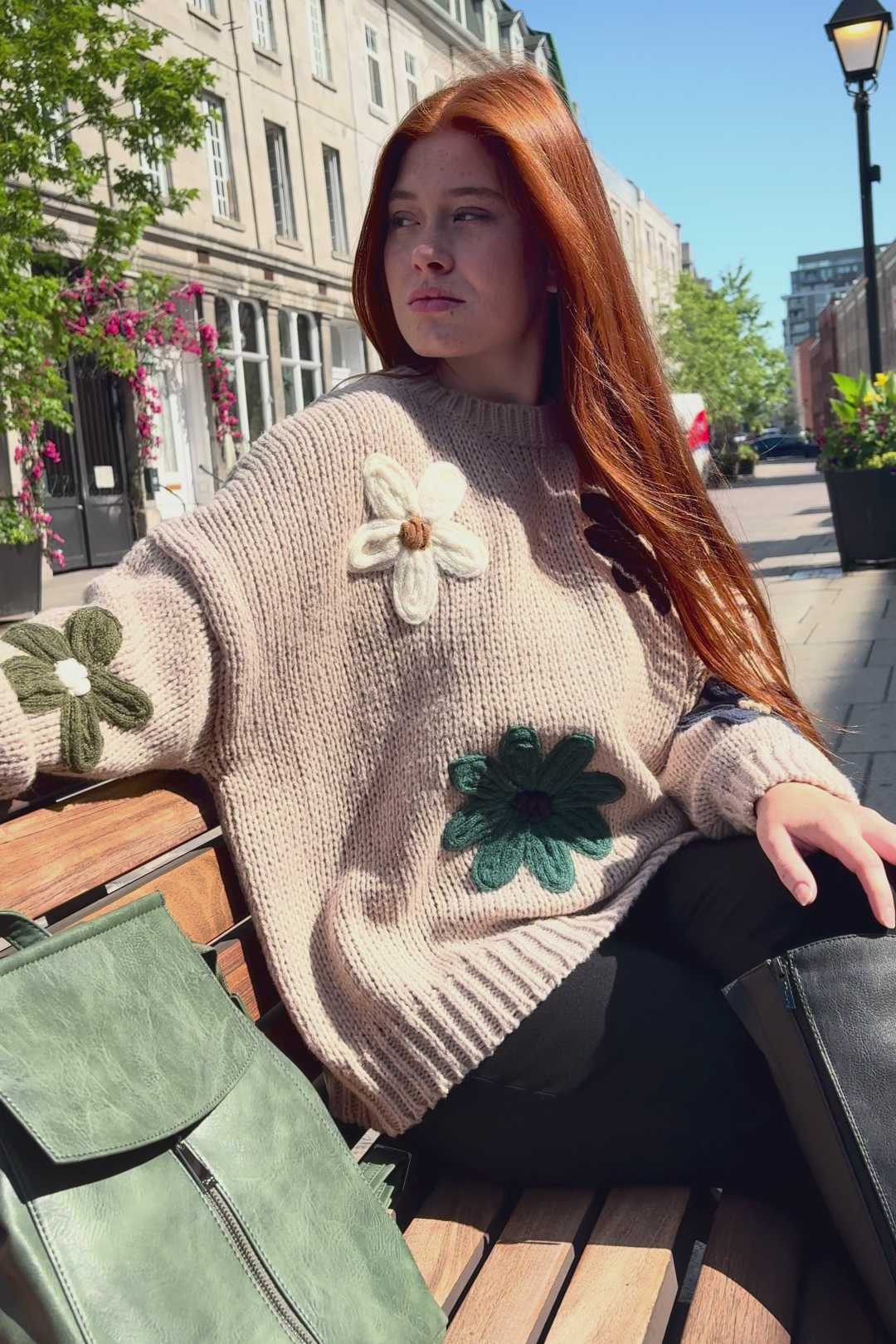
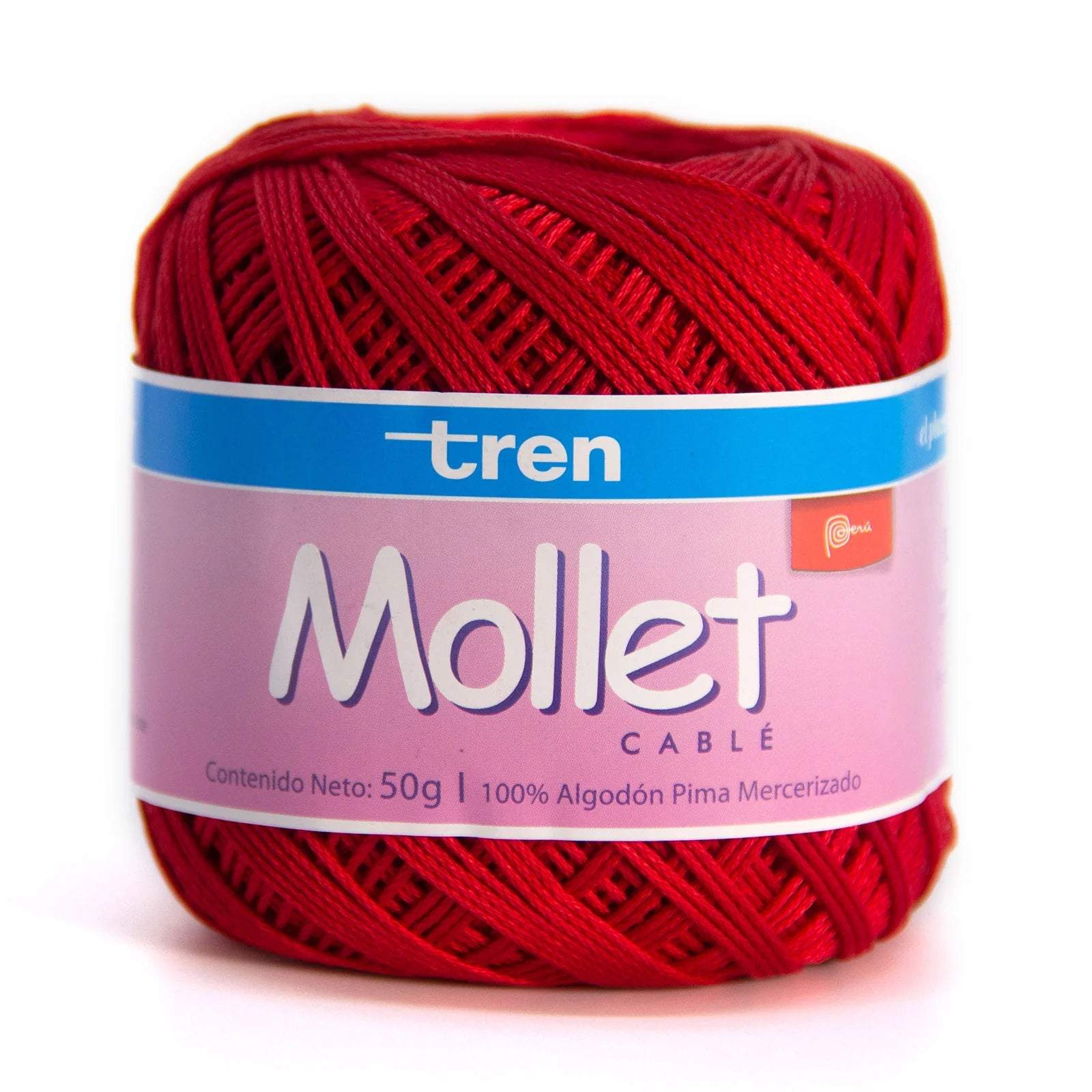
Rayon thread offers high sheen and vivid color but requires gentle washing; polyester thread resists fading and withstands commercial laundering. Metallic thread adds shimmer for premium or holiday designs. Color matching follows Pantone reference numbers cross-referenced to thread-manufacturer charts (Madeira, Isacord); exact Pantone matches are rare, so manufacturers supply physical thread cards for approval before bulk production.
Design File Requirements
Embroidery machines read digitized stitch files in DST (Tajima) or PES (Brother) formats, not vector PDFs or JPEGs. Brands supply artwork as AI or EPS; the manufacturer digitizes it, setting stitch direction, density, and underlay. A digitized file costs $15–50 per design and is reusable across orders. Stitch count drives machine time and cost: simple text may run 2,000 stitches, a detailed logo 15,000+.
Placement and Construction Timing
Common placements include left chest (8–10 cm), full back (25–30 cm), sleeve cuffs, and pocket tops. Pre-embroidery (decorating knit panels before assembly) suits large back designs and avoids hoop marks on finished garments. Post-assembly embroidery works for small chest logos and ensures precise alignment on seamed cardigans. Manufacturers choose timing based on design size, cardigan construction, and hoop access.
6. Key Quality Indicators for Custom Embroidered Cardigans
Quality inspection begins with the sample. Professional buyers assess embroidery execution, knit integrity, and finishing before approving production runs of custom embroidered cardigans. Each indicator reveals whether a manufacturer maintains consistent standards across thousands of pieces.
Embroidery Stitch Consistency and Density
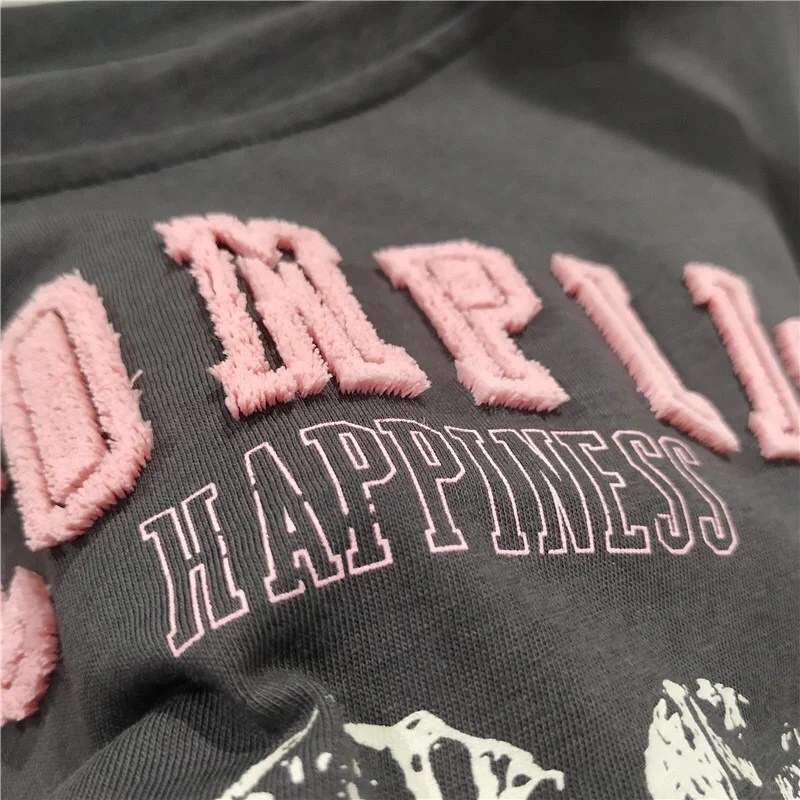
Examine stitch density — professional embroidery runs 4,000–6,000 stitches per square inch for sharp detail without fabric distortion. Check thread tension: loose stitches create gaps, while overtight tension puckers the knit base. Inspect backing stability: tear-away stabilizers suit lightweight cardigans; cut-away or mesh backings prevent stretch distortion in heavier designs.
Knit Construction and Seam Quality
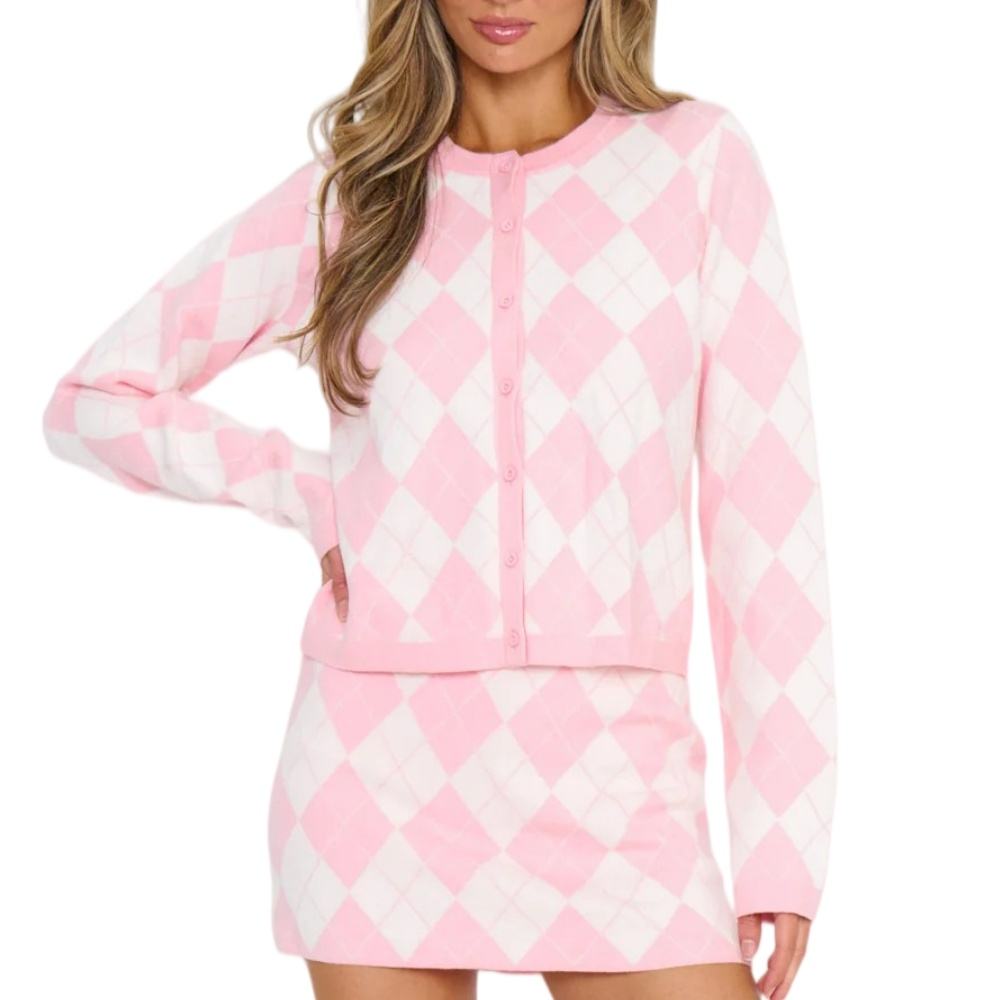
Inspect shoulder and side seams for even linking or overlock finish — linking creates a flat, invisible join in fully-fashioned panels. Check stitch gauge consistency across body and sleeves; uneven tension indicates machine calibration issues. Test pilling resistance by rubbing fabric samples; quality yarn and tight knit structure (7GG or finer) reduce surface fuzzing after wash cycles.
Button and Zipper Durability
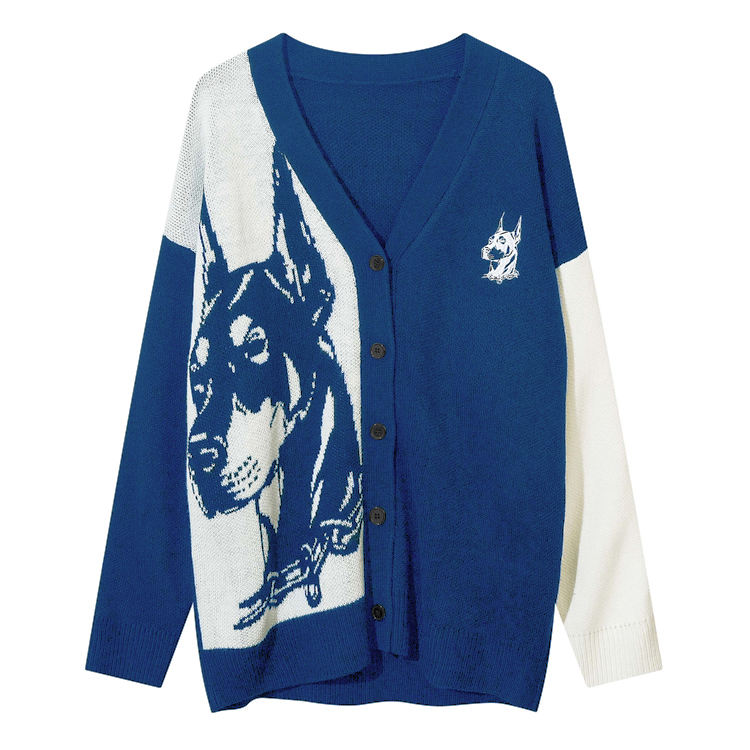
Test button attachment: each should withstand 10–15 pounds of pull force without thread breakage. Inspect button-hole edges for clean, reinforced stitching. For zippered styles, verify YKK or equivalent coil or metal zippers with smooth, snag-free operation and secure top and bottom stops.
Color Fastness and Wash Durability
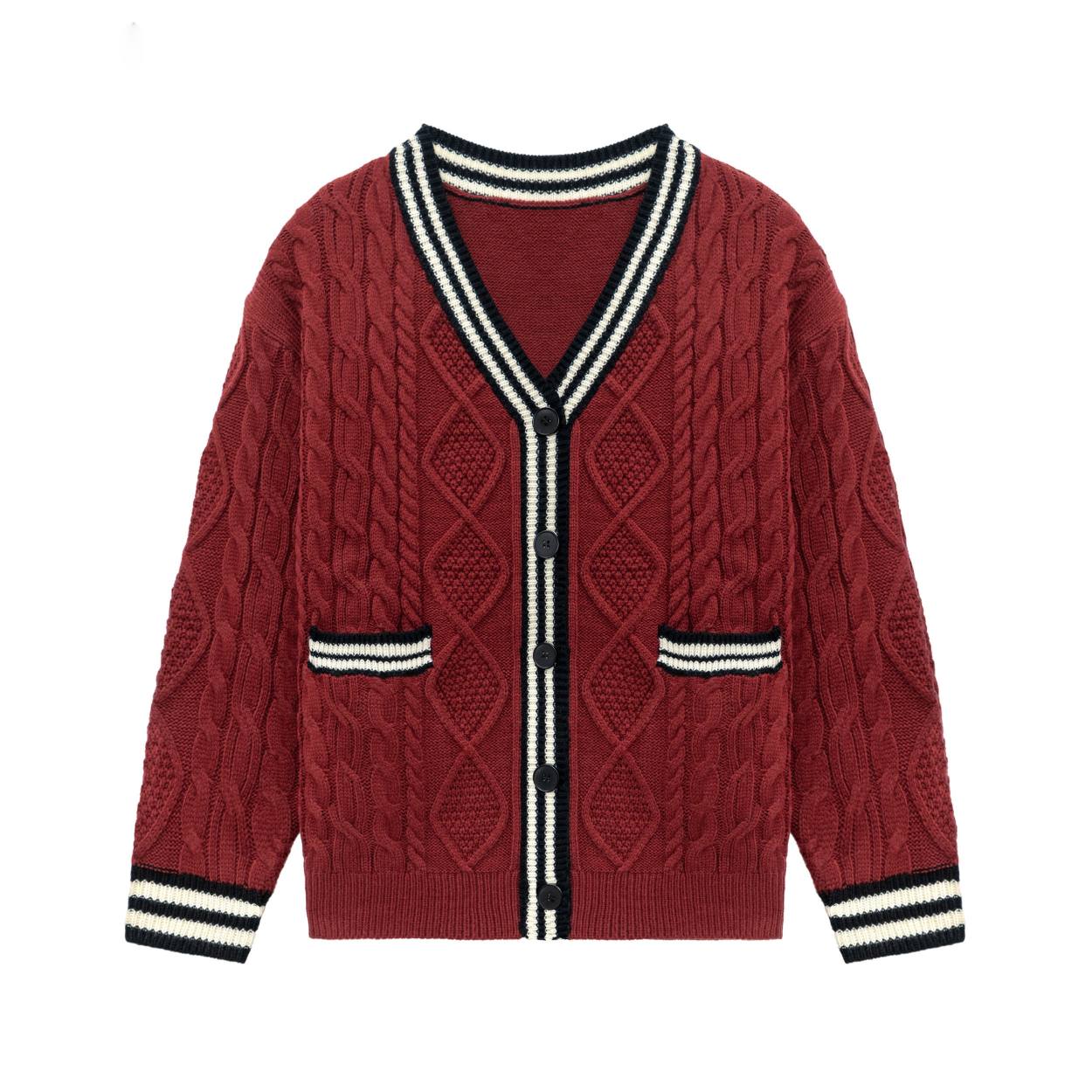
Request wash testing per AATCC 61 (colorfastness to laundering) — embroidery thread and base yarn should show grade 4 or higher after three cycles. Check for embroidery shrinkage or thread loosening post-wash. Quality manufacturers pre-shrink yarn and use polyester embroidery thread with proven colorfastness ratings.
7. How to Choose a Custom Embroidered Cardigan Manufacturer
Selecting the right partner for custom embroidered cardigan production requires evaluating five core criteria: order flexibility, technical capabilities, sampling workflow, compliance credentials, and communication infrastructure. A systematic assessment across these dimensions ensures both quality and scalability.
Minimum Order Quantities and Flexibility
Most knitwear factories enforce MOQs of 500–1,000 pieces per style per color, creating barriers for emerging brands and test collections. CENWILD starts at 100 pieces total, enabling independent designers and influencers to launch without excess inventory risk.
Lower MOQs also support seasonal capsules, limited-edition embroidered drops, and pre-order models that validate demand before committing to volume production.
Embroidery Equipment and Technical Capacity
Verify the manufacturer operates multi-head embroidery machines (6–15 heads) with at least 500,000-stitch capacity and thread-color changes up to 12–15 colors. Factories with in-house digitizing teams can convert artwork into embroidery files and provide stitch-density recommendations for knit substrates.
Ask for maximum embroidery area dimensions and whether they handle 3D puff, appliqué, sequin, and chain-stitch techniques beyond standard flat embroidery.
Sampling Process and Turnaround
Request a knit-down sample with embroidery strike-off before committing to bulk. Turnaround for a first sample typically ranges 10–15 days; experienced manufacturers like CENWILD offer revisions within 5–7 days.
Confirm whether sampling costs are deducted from the bulk order and whether the factory provides graded samples across sizes to verify embroidery placement consistency.
Certifications and Compliance
OEKO-TEX Standard 100 certifies yarn and trims are free from harmful substances; BSCI or WRAP audits verify ethical labor practices. Brands selling in the EU or US increasingly require these credentials for retailer onboarding.
Request current certificates and audit reports, and confirm the factory’s yarn suppliers hold matching OEKO-TEX or GOTS documentation for organic or recycled content claims.
Communication and Responsiveness
Evaluate response time during the inquiry phase: manufacturers replying within 24 hours with detailed answers typically maintain that cadence through production. Confirm the factory assigns a dedicated account manager and supports your preferred channels—email, WhatsApp, WeChat, or video calls.
CENWILD’s design team collaborates from concept to tech pack, accommodating clients at any starting point and providing 3D knit programming and grading support.
8. Common Mistakes When Ordering Custom Embroidered Cardigans
Even experienced buyers make avoidable errors when ordering custom embroidered cardigans. Most failures stem from material mismatches, artwork preparation, and skipped approval steps that compound during production.
Choosing Fabric Too Lightweight for Dense Embroidery
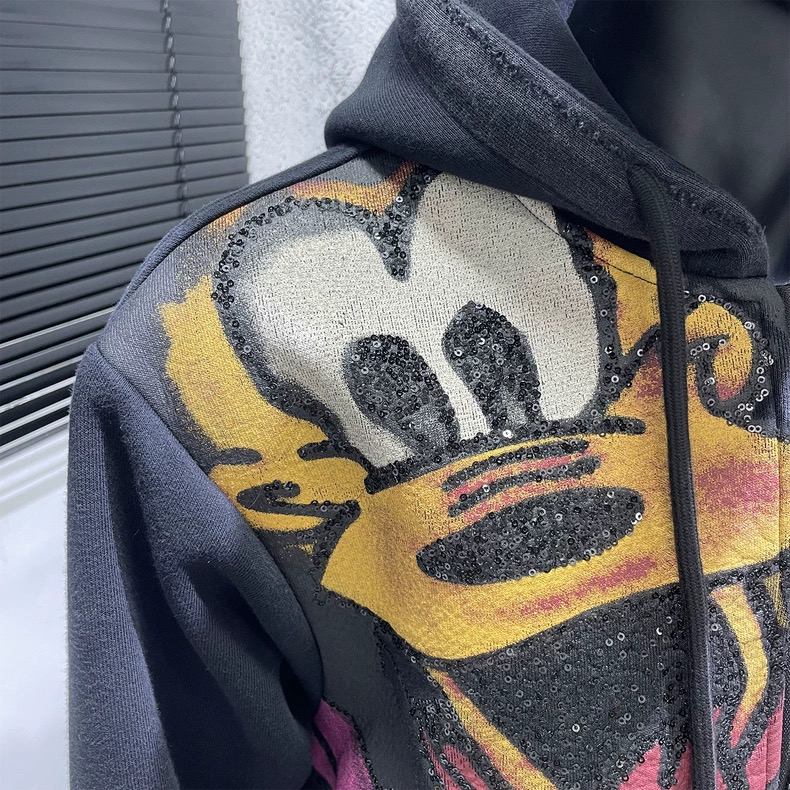
Selecting a base knit under 200 GSM for heavy logo embroidery causes puckering, distortion, and hoop marks. Dense designs (>10,000 stitches) require stable mid-weight fabrics — 240–320 GSM cotton, merino, or blends — and proper backing.
Always request a knit-down sample with your embroidery applied. CENWILD digitizes and tests stitch density on the actual yarn and gauge before full production to prevent fabric pull.
Submitting Low-Resolution Artwork
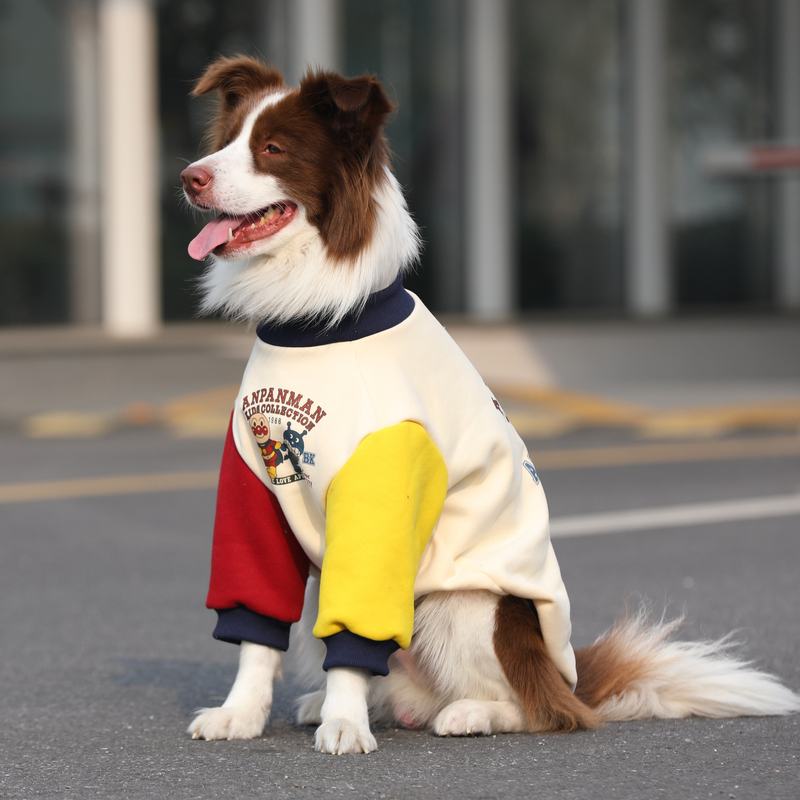
Artwork under 300 DPI or pixelated JPEGs results in poor digitization, jagged outlines, and thread color guesswork. Embroidery digitizers need vector files (AI, EPS, PDF) or high-resolution PNGs with Pantone or thread-chart references.
Provide vector logos and specify exact thread colors (Madeira, Isacord codes) at order placement to avoid costly rework and delays.
Skipping Pre-Production Samples and Thread Approval
Approving production without a physical sample risks color mismatches, stitch-direction errors, and backing show-through. Thread sheen varies under different lighting; digital mockups cannot replicate this.
CENWILD offers knit-down samples with embroidery applied for final sign-off. Always approve thread colors, backing type (cut-away, tear-away), and placement before bulk production begins.
Underestimating Embroidery Setup and Lead Times
Digitization, sampling, and multi-head setup add 5–7 days to standard knit lead times. Rush orders without buffer time result in air-freight costs or missed launch dates.
Build 10–14 days into your timeline for embroidery projects. CENWILD’s 28 years of experience streamline setup, but complex designs and color changes require adequate scheduling.
9. Pricing and Cost Breakdown for Custom Embroidered Cardigans
Custom embroidered cardigan pricing follows tiered volume economics: at 100 pieces (CENWILD’s minimum), cotton cardigans with a simple chest logo typically range $18–$24 per unit, while 1,000-piece orders drop to $12–$16, and 2,500+ pieces fall to $10–$14. Wool and cashmere blends add $4–$12 per piece depending on fiber grade, and large back embroidery designs (5,000+ stitches, multiple thread changes) add $2–$5 per unit versus a simple 2,000-stitch logo.
Embroidery setup fees — digitizing artwork, programming machines, and first-piece approval — range $50–$150 per design and are amortized across the order. Stitch count, thread color changes (each swap adds machine time), and fabric density (tighter knits require slower speeds) drive per-unit embroidery cost. Premium trims such as custom woven labels, YKK zippers, and metal buttons add $0.50–$2.00 per cardigan.
Lead time shortens with volume and simpler decoration: 100-piece cotton orders with single-position embroidery ship in 25–30 days, while 2,500-piece wool runs with multi-position embroidery require 35–45 days for knitting, decoration, washing, and QC.
| Quantity Tier | Base Cost (Cotton) | Base Cost (Wool Blend) | Embroidery Setup | Embroidery per Unit | Lead Time (Days) |
|---|---|---|---|---|---|
| 100 pcs | $15–$18 | $22–$28 | $100–$150 | $3–$6 | 25–30 |
| 500 pcs | $13–$15 | $18–$24 | $100–$150 | $2.50–$5 | 28–35 |
| 1,000 pcs | $11–$13 | $16–$20 | $75–$100 | $2–$4 | 30–38 |
| 2,500+ pcs | $9–$11 | $14–$18 | $50–$75 | $1.50–$3 | 35–45 |
10. Steps to Launch Your Brand with Custom Embroidered Cardigans
Launching a custom embroidered cardigan line requires coordinated steps from concept to market. The typical timeline spans 6–9 weeks: 2–3 weeks for sampling and 4–6 weeks for production, plus shipping and pre-launch preparation.
Define Design Concept and Target Market
Start by identifying your audience — age, price tier, and style preferences — and sketch or reference your cardigan silhouette. Decide on fabric (merino, cashmere, cotton blend), gauge (3GG–14GG), and embroidery placement (chest logo, sleeve patches, all-over motifs). A clear tech pack or mood board accelerates manufacturer quoting and sampling.
Select Fabric and Digitize Embroidery Artwork
Choose yarn weight and composition to match your season and price point; CENWILD offers cashmere, merino, alpaca, and recycled blends. Submit vector artwork (AI, EPS) or high-resolution raster files for digitization into machine-readable stitch files. Confirm thread colors via Pantone references to ensure brand consistency across production batches.
Request and Approve Samples
Order a knit-down sample to verify fit, stitch tension, and embroidery detail; expect 2–3 weeks turnaround. Review seam construction, embroidery density, and color match under natural light. Request revisions before approving for bulk; this stage locks in all specifications and prevents costly production changes.
Place Production Order and Monitor Quality
Finalize quantities by size and color, confirm MOQ (100 pieces at CENWILD), and arrange deposit payment. Maintain regular communication during the 4–6 week production window. Schedule inline or pre-shipment inspections to verify embroidery registration, yarn consistency, and finishing quality before the balance payment and shipment release.
Start Your Custom Embroidered Cardigan Project Today
Get a fast quote, free consultation, and production-ready samples from a trusted Dongguan manufacturer with 28+ years of experience.