Custom Cardigan Manufacturing from 100 Pieces
OEM and ODM custom cardigan production for fashion brands, designers, and retailers. 28+ years of Dongguan expertise, private label capabilities, and in-house knitting from your tech pack or concept.
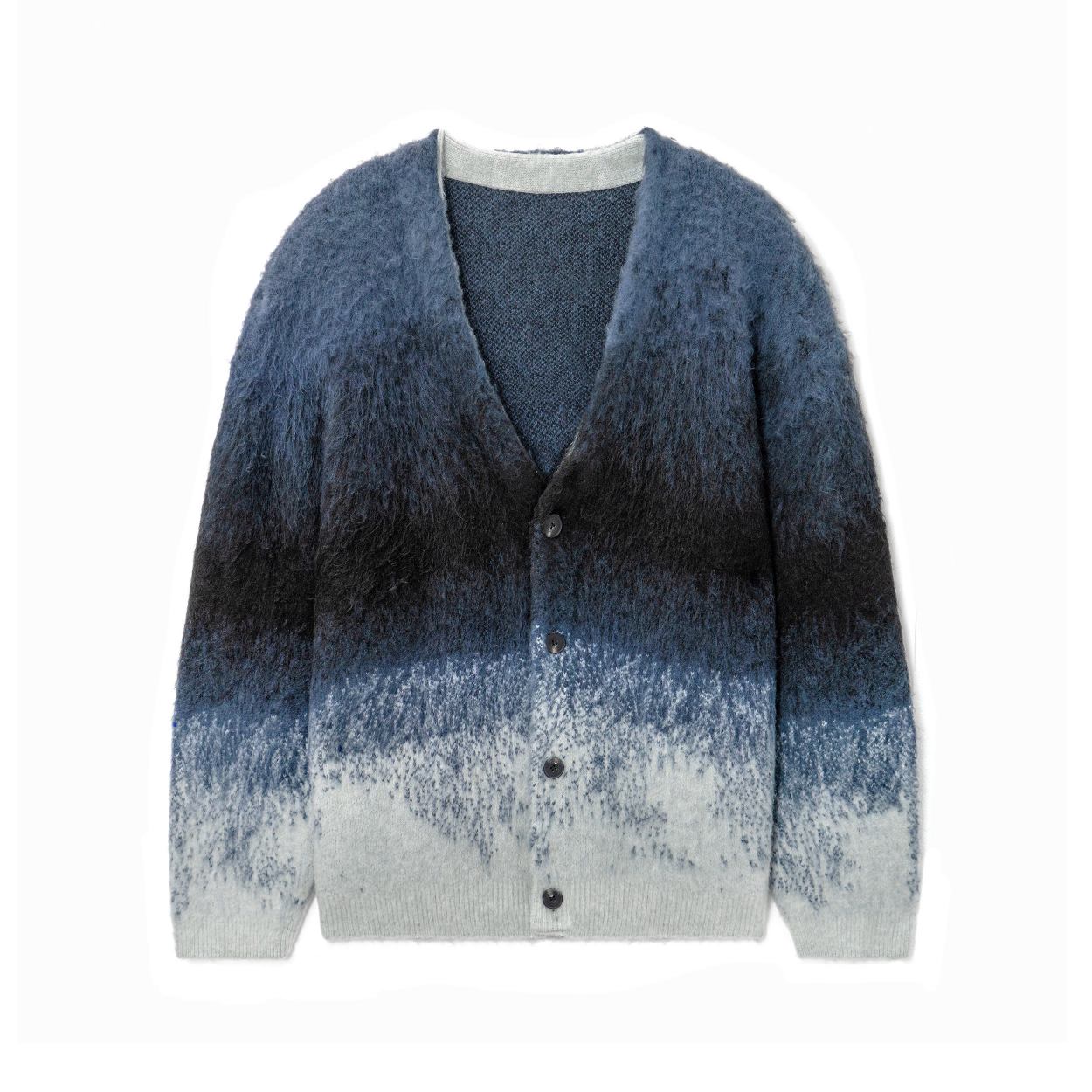
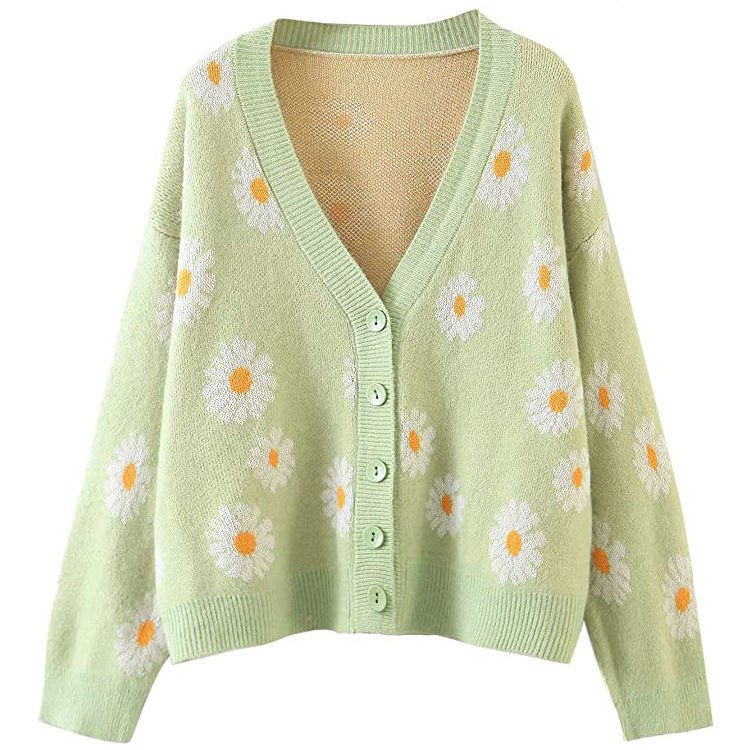
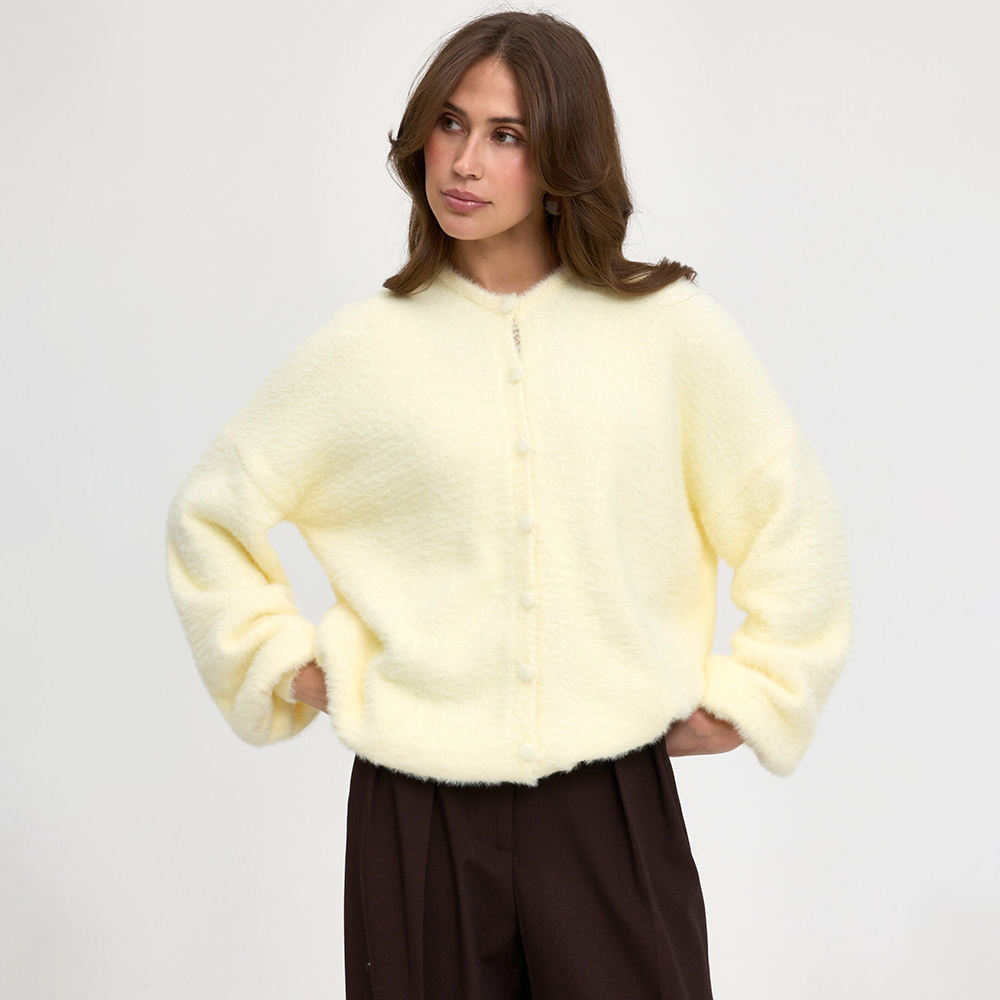
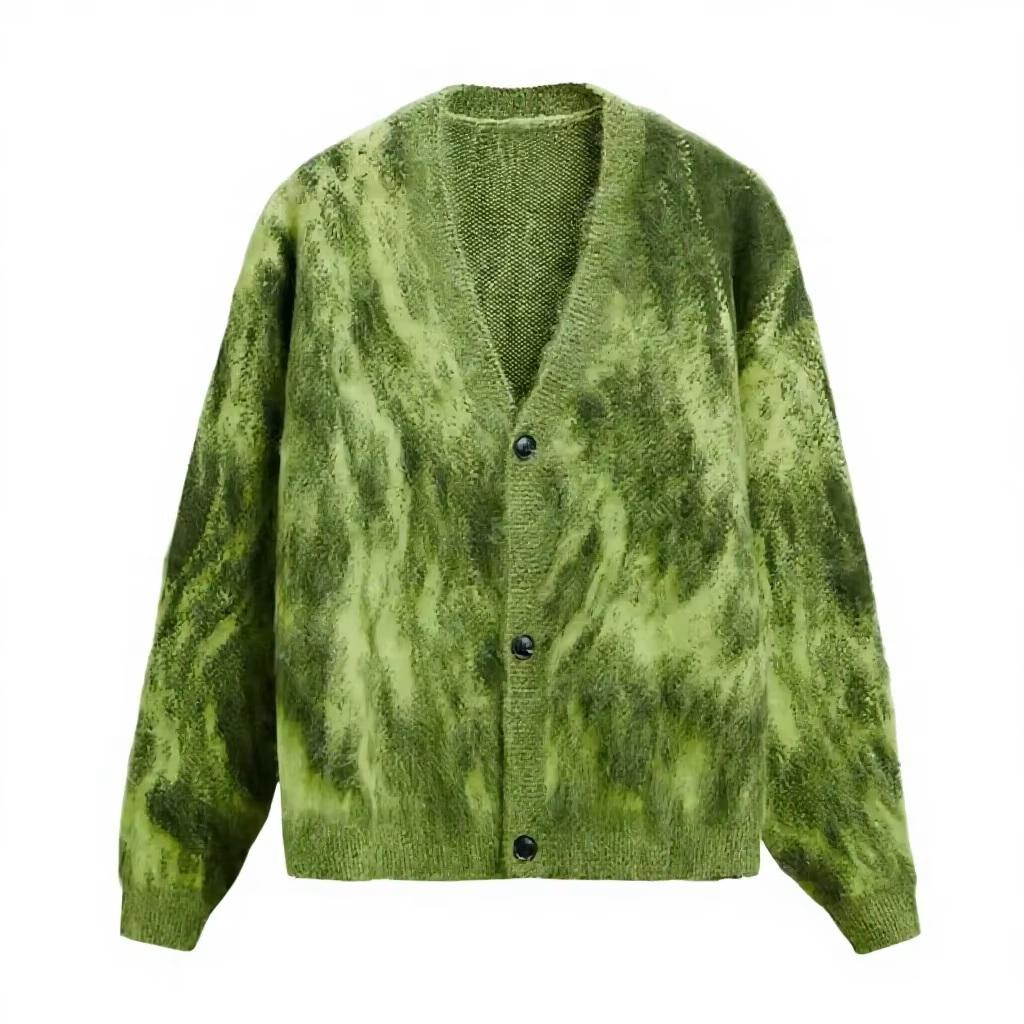
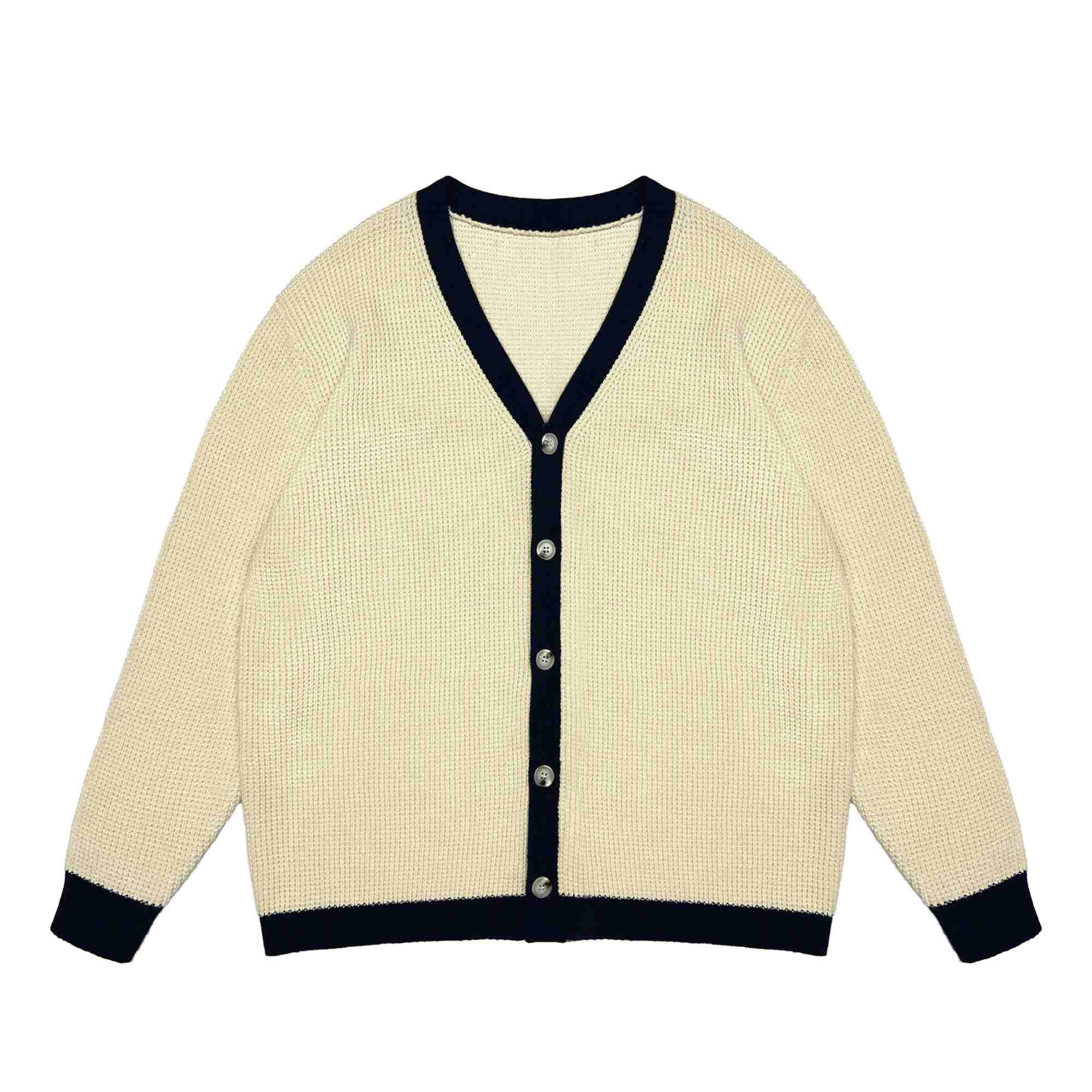
Custom Cardigan Styles & Samples
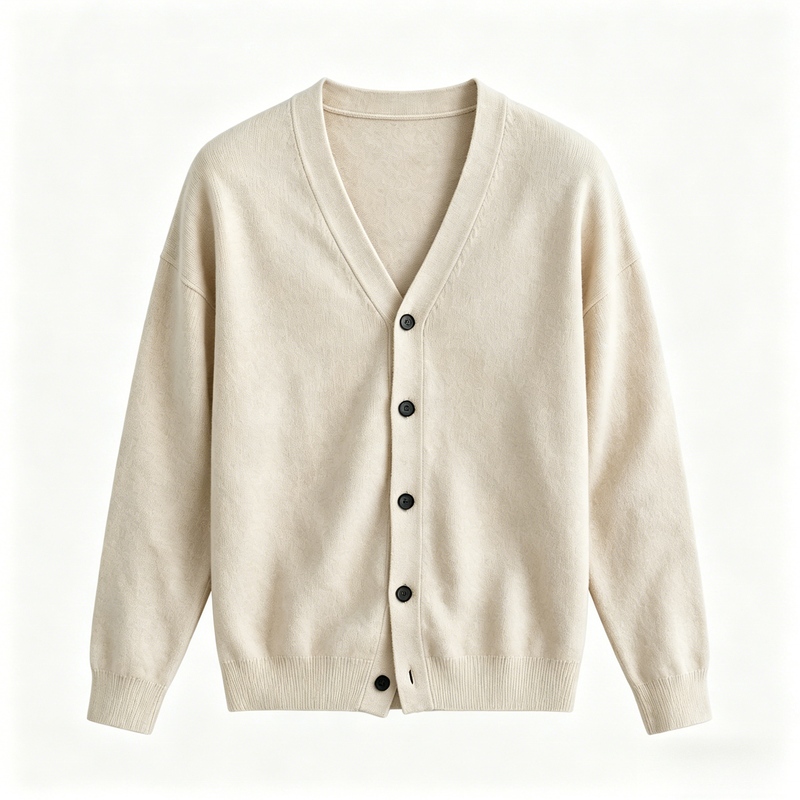
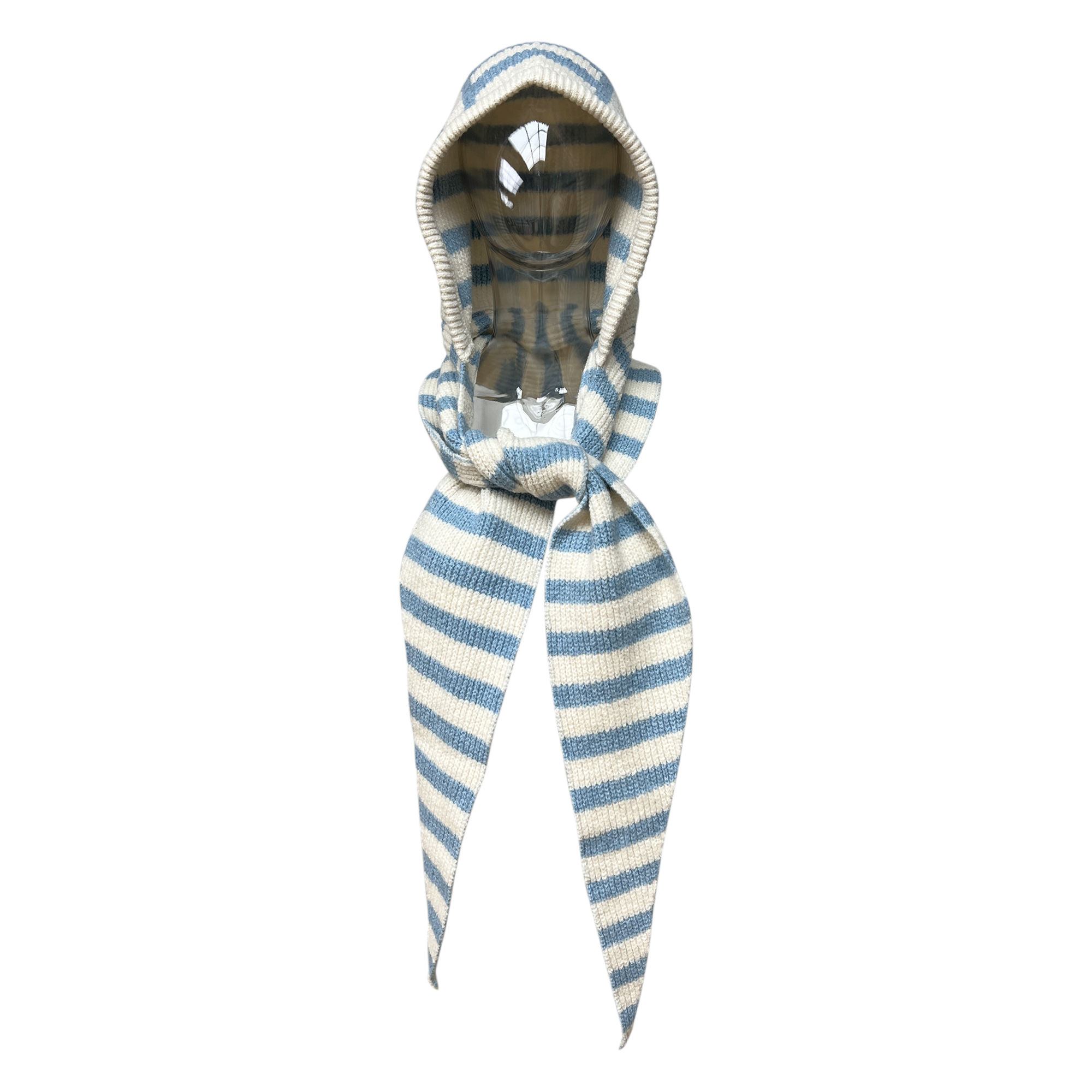
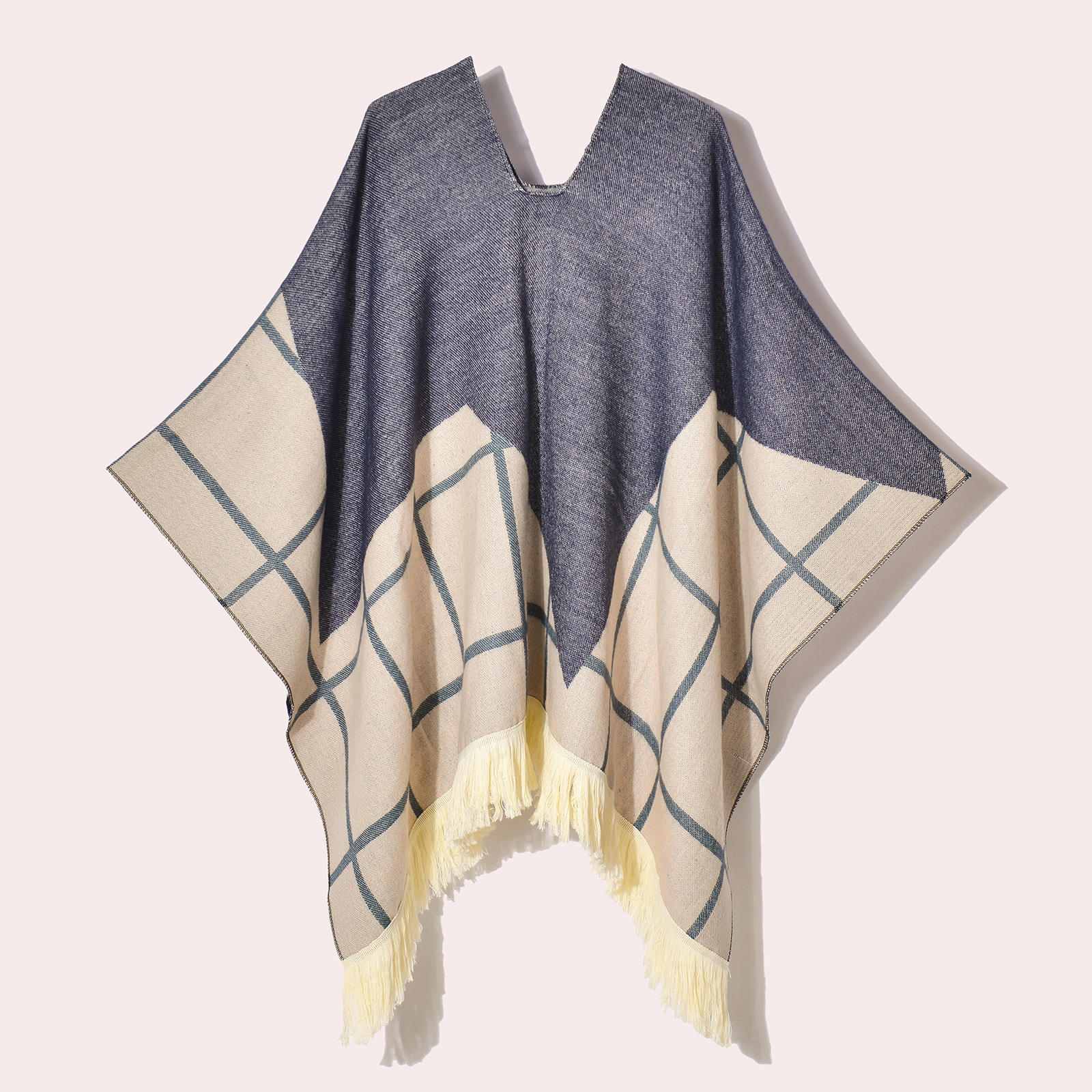
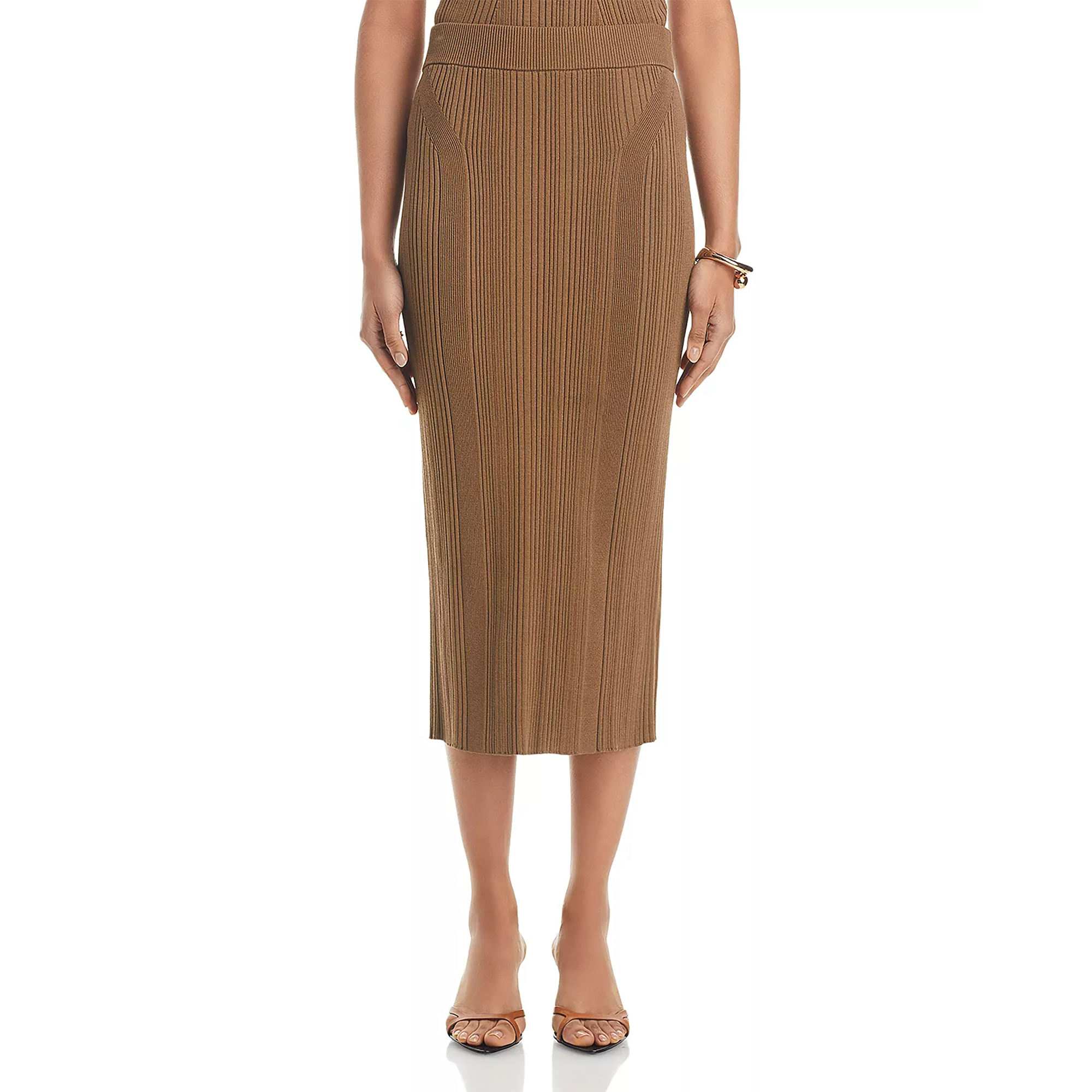
Why CENWILD for Your Custom Cardigan
Low MOQ from 100 Pieces
Start your custom cardigan production with just 100 pieces per style, ideal for emerging brands, test collections, and independent designers.
28+ Years Dongguan Expertise
Founded in 1998 in Humen, Dongguan, China’s knitwear capital, with over 200 skilled employees and 2,000+ brands served worldwide.
In-House Knitting & Sampling
Complete knit-down sampling and production under one roof with computerized flat-knitting machines across 3GG to 14GG gauges for precision.
Full OEM & ODM Flexibility
Bring your tech pack, sketch, photo, or just an idea—our design team turns concepts into production-ready custom cardigans.
Fast Turnaround & Capacity
Monthly production capacity exceeds 80,000 pieces with streamlined workflows from sampling through decoration, packaging, and export logistics.
Quality-First Manufacturing
Rigorous quality control at every stage, certified standards, and professional finishing ensure your custom cardigans meet global fashion expectations.
Custom Cardigan & Sweater Categories
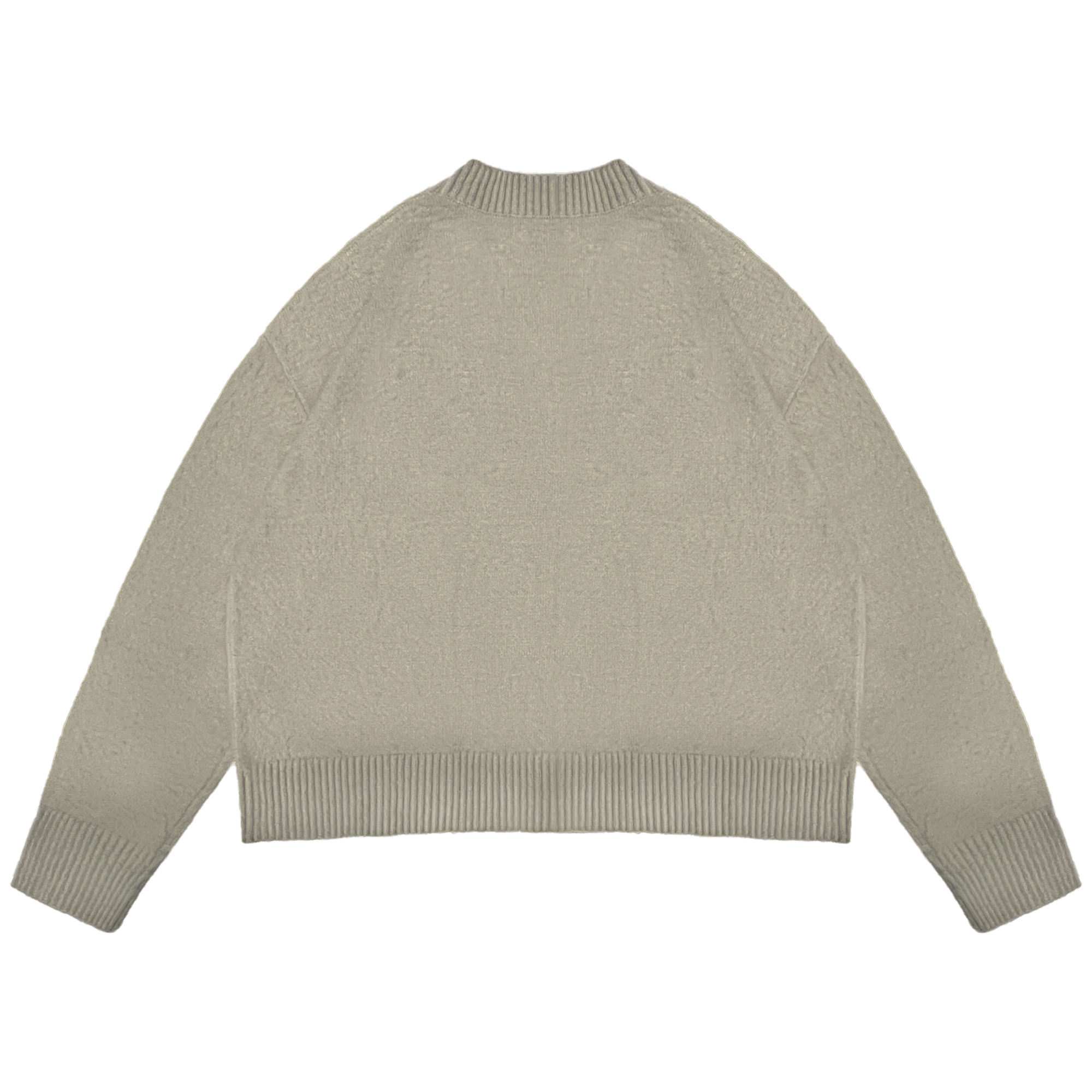
Cardigan Sweater Manufacturer
Full-service cardigan production from concept to finished garment. CENWILD manufactures classic, oversized, and fitted cardigans across 3GG–14GG gauges in wool, cashmere, cotton, and blends. OEM and ODM capabilities with in-house knitting, sampling, and decoration. MOQ from 100 pieces, 28+ years Dongguan expertise.
Get a Quote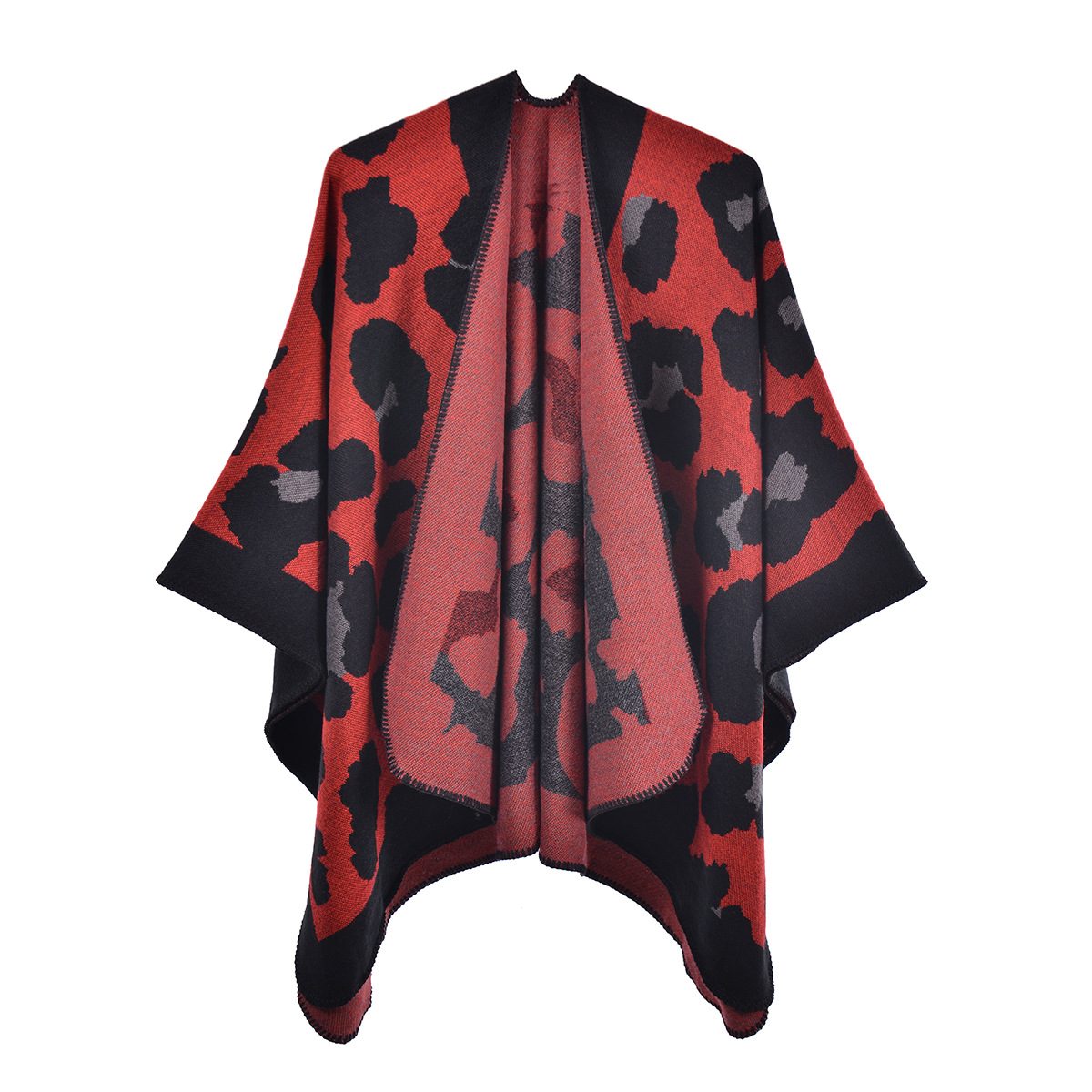
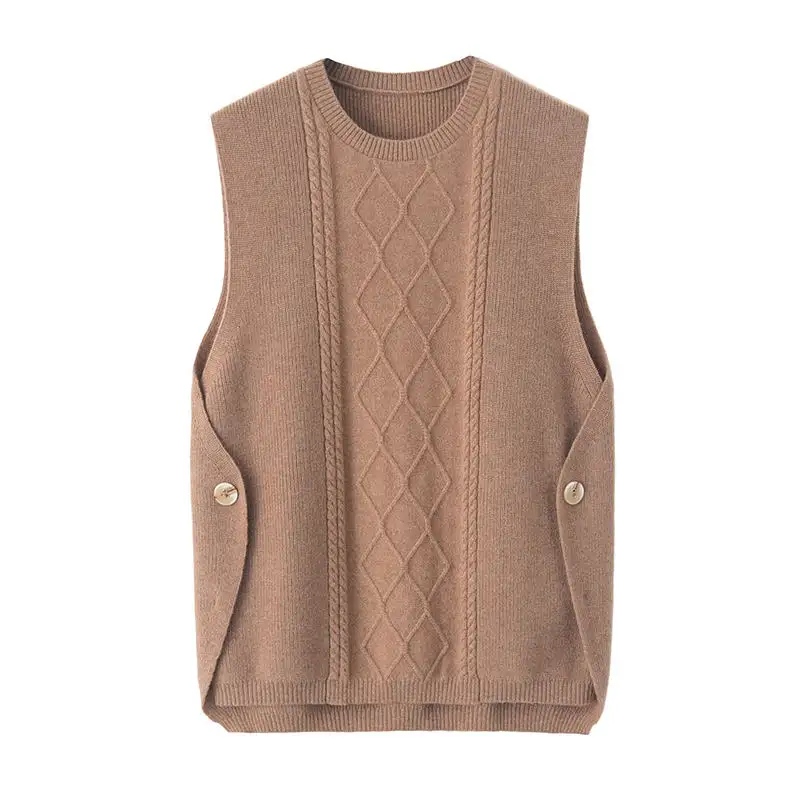
Wholesale Cardigan Sweaters
Bulk cardigan orders for retailers, wholesalers, and fashion brands. CENWILD produces 80,000+ pieces monthly in any style—button-front, open-front, belted—with flexible MOQ starting at 100 pieces. Private label and custom branding available. Competitive pricing, reliable lead times, and full export logistics support.
Get a Quote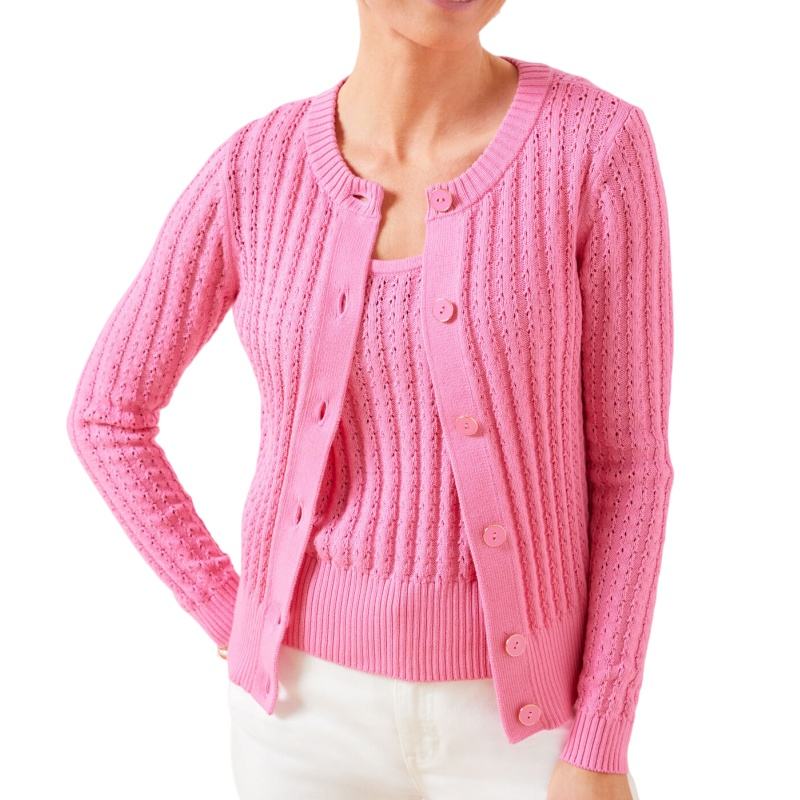
Custom Knitted Cardigan
Bespoke knitted cardigans tailored to your design specifications. From tech pack or sketch to finished sample, CENWILD’s design team develops original stitch patterns, intarsia, jacquard, cable, and pointelle. Full yarn sourcing in natural and recycled fibers. In-house 3D knit programming and knit-down sampling.
Get a Quote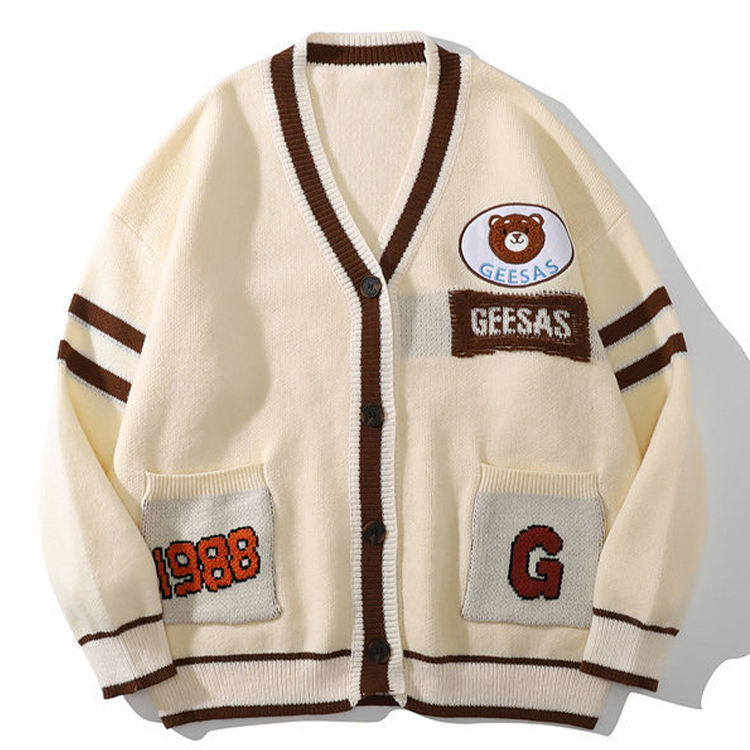
Custom Varsity Cardigan
Collegiate and retro varsity-style cardigans with custom chenille patches, embroidered logos, and contrast stripes. CENWILD offers flat, 3D puff, and appliqué embroidery, plus jacquard knit lettering. Ideal for school spirit, team apparel, and vintage-inspired collections. Low MOQ, full customization, fast sampling.
Get a Quote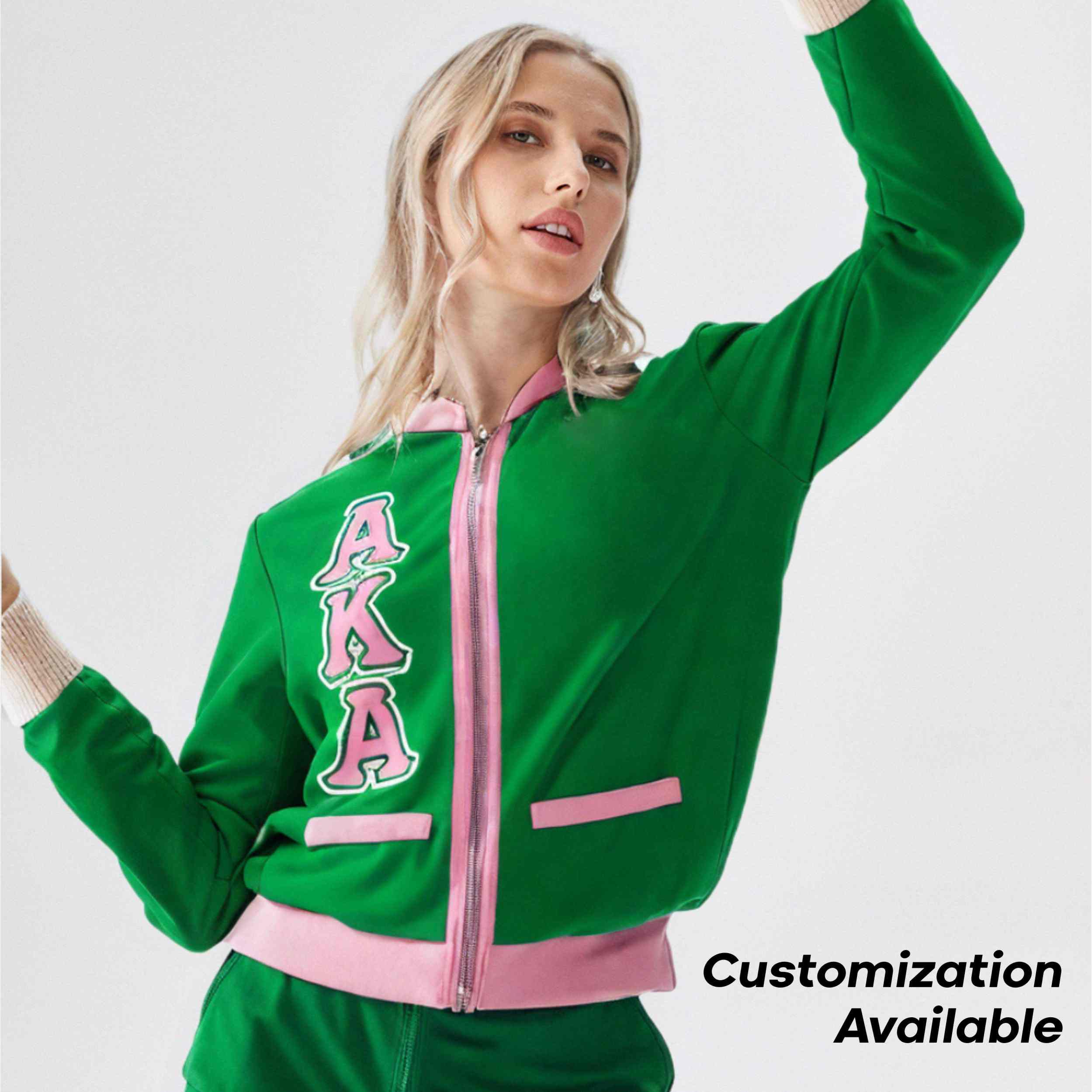
Custom Embroidered Cardigan
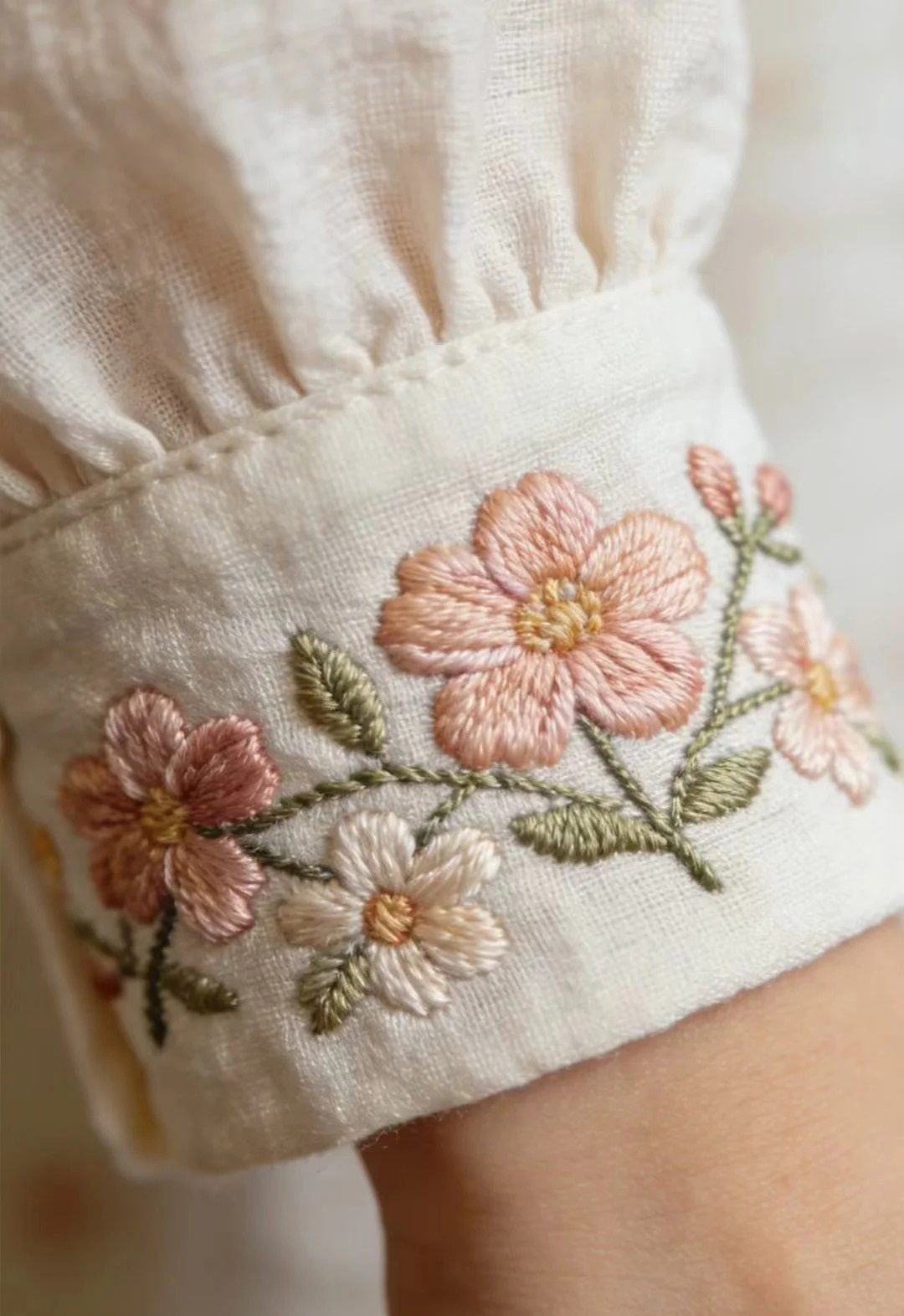
Cardigans personalized with embroidery, patches, sequins, and logo decoration. CENWILD provides flat embroidery, 3D puff, chain-stitch, appliqué, and heat-transfer printing in-house. Perfect for branded collections, influencer lines, and promotional knitwear. Design support from concept to production-ready embroidery files.
Get a Quote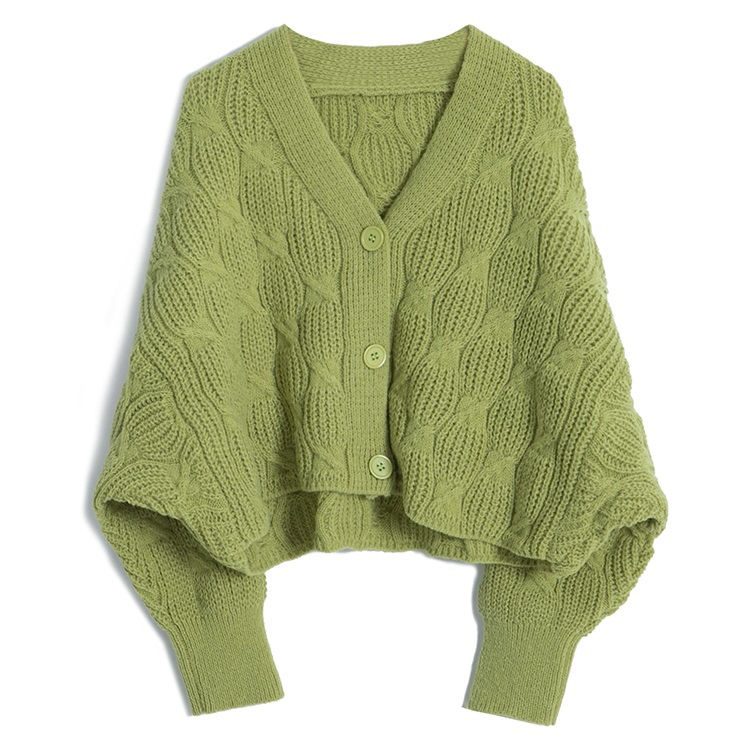
Cardigan Sweater Supplier
Reliable cardigan sourcing partner for brands at any stage. CENWILD supplies startups, independent designers, and global labels with OEM and private label cardigans in all gauges and fibers. 28+ years manufacturing experience, 200+ skilled staff, and flexible payment terms including PayPal and credit card.
Get a Quote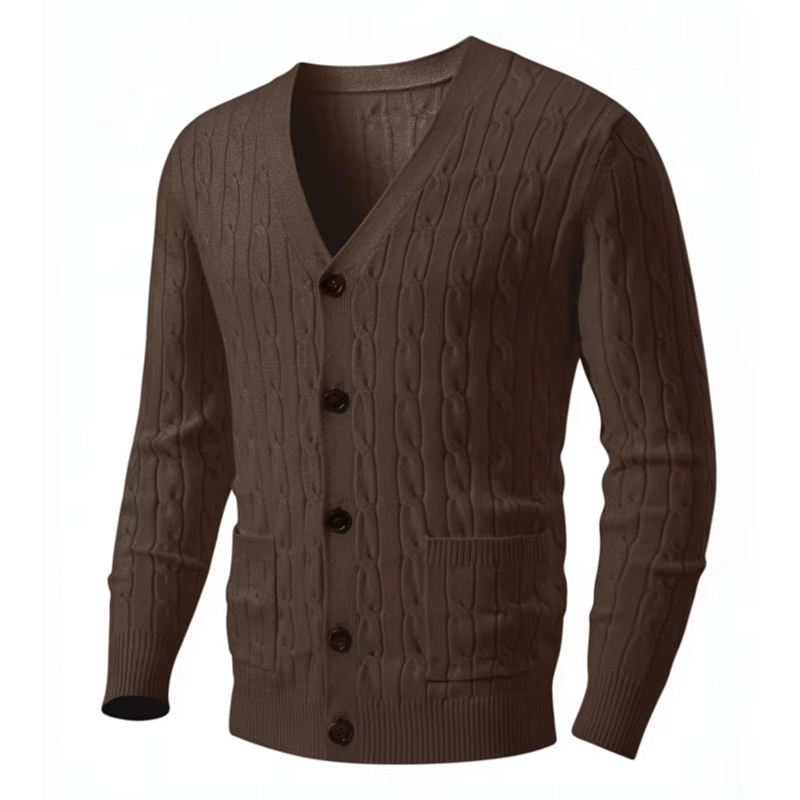
Men's Custom Cardigan
Custom men’s cardigans in classic, chunky, and slim-fit silhouettes. CENWILD manufactures shawl-collar, V-neck, zip, and button cardigans in merino, lambswool, cashmere, cotton, and technical blends. Full grading and fit development for menswear. MOQ 100 pieces, OEM/ODM, private label ready.
Get a Quote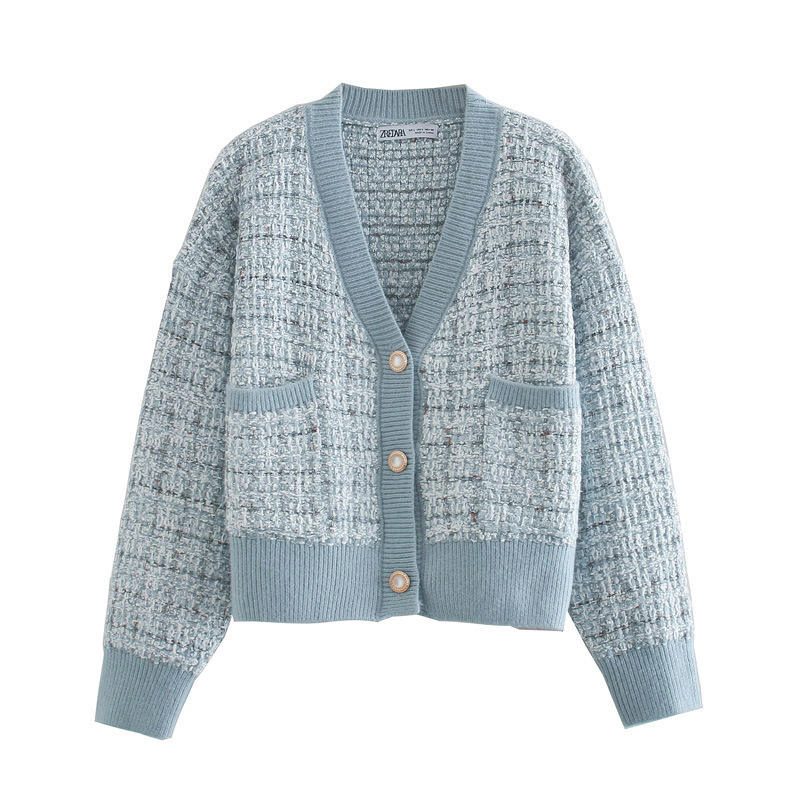
Women's Custom Cardigan
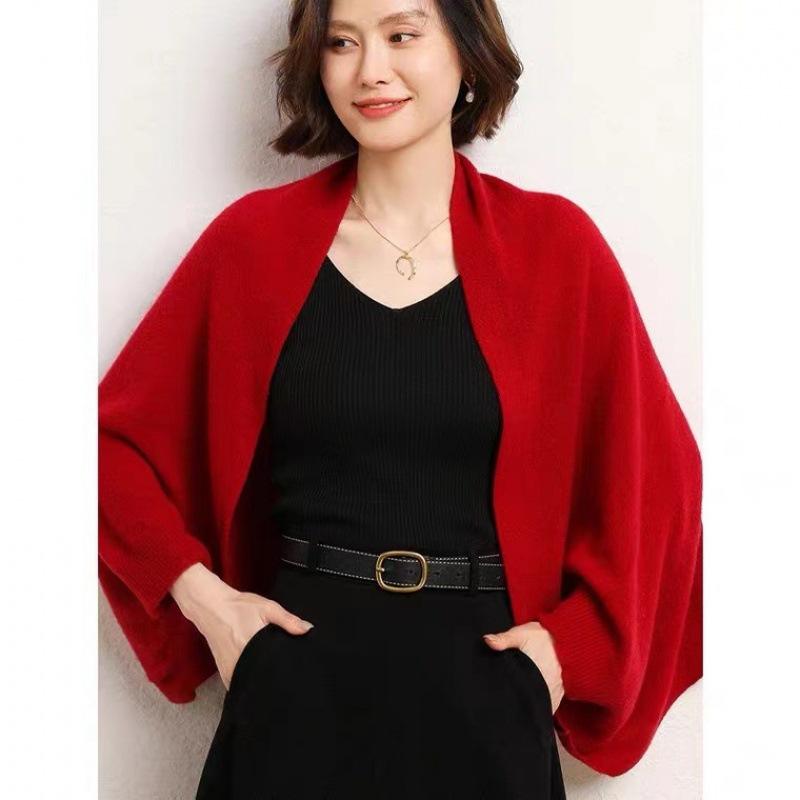
Women’s cardigans designed and manufactured to your brand’s vision. CENWILD produces cropped, longline, oversized, and fitted styles with custom stitch details, trims, and closures. Expertise in soft cashmere, fine-gauge merino, and sustainable fibers. In-house sampling, low MOQ, and dedicated design collaboration.
Get a QuotePremium Yarn & Fiber Materials for Your Custom Cardigan
Knitting & Decoration Techniques for Your Custom Cardigan
Trims & Accessories for Custom Cardigans
Wood Buttons
Natural wood buttons in various sizes and finishes add warmth and texture to custom cardigans. Ideal for heritage, sustainable, or outdoor-inspired collections seeking an organic, artisan touch.
Drawcords & Tipping
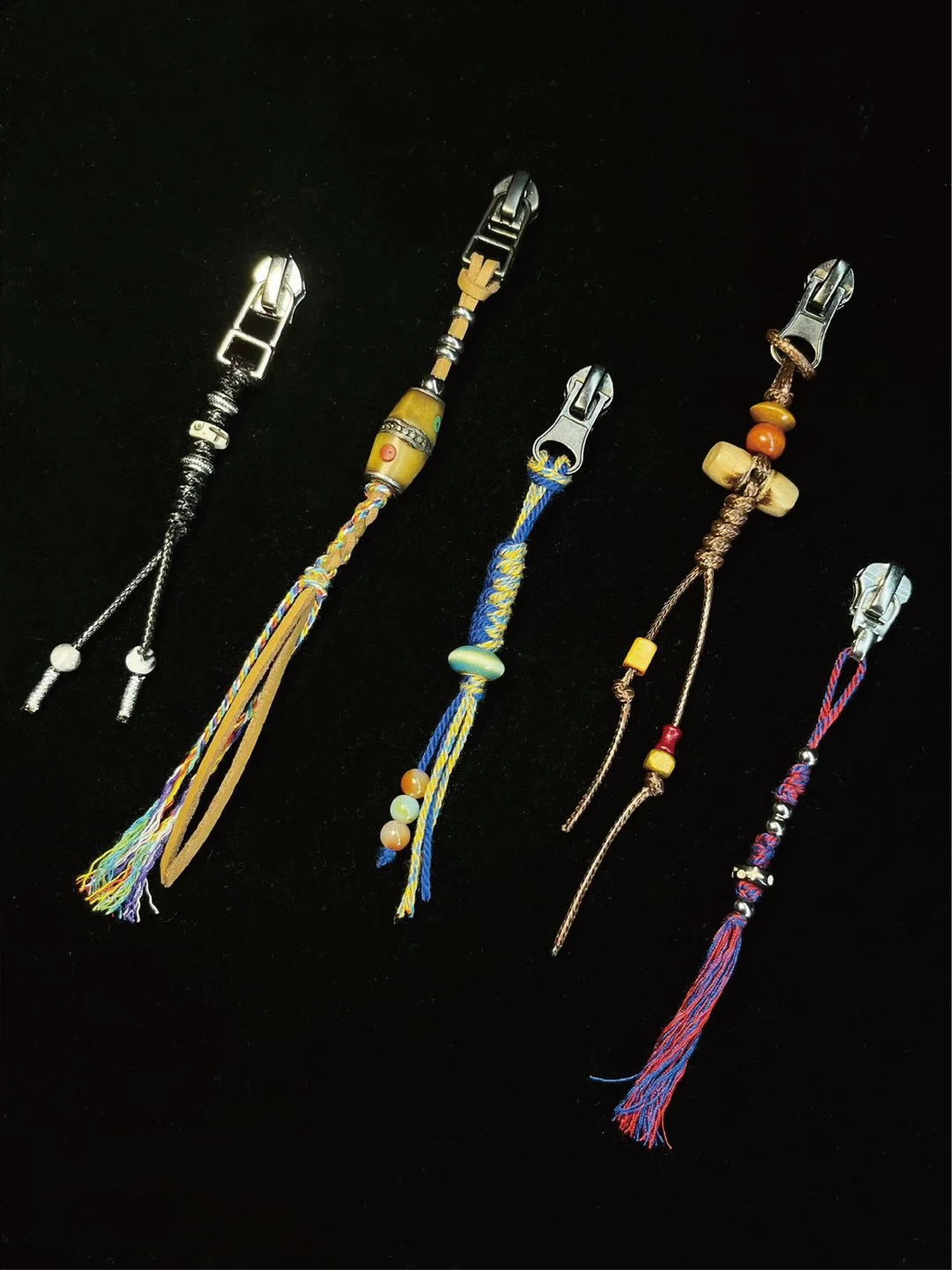
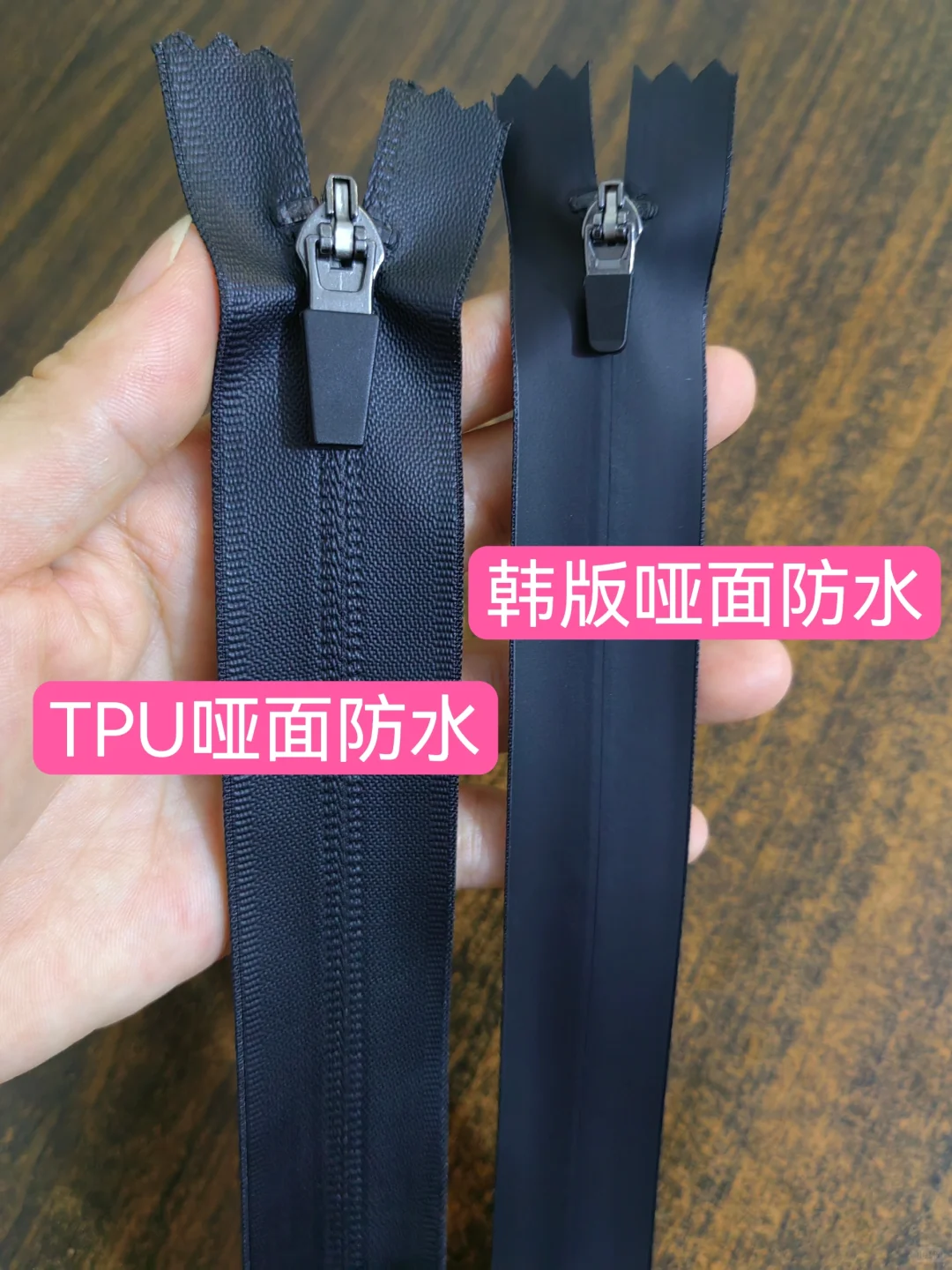
Flat or round drawcords with metal or branded aglets for hem and hood adjustments. Adds functional detail and visual interest to athleisure, streetwear, and contemporary custom cardigan designs.
About CENWILD — 28 Years of Custom Cardigan Excellence
Founded in 1998 in Humen, Dongguan—the heart of China’s knitwear industry—CENWILD began as a small family knitting workshop and has grown into a trusted manufacturing partner for over 2,000 fashion brands worldwide. Today our team of 200+ skilled professionals operates state-of-the-art computerized flat-knitting machines with a monthly capacity exceeding 80,000 pieces, serving clients across the United States, Canada, the United Kingdom, Europe, Australia, Russia, and the Middle East.
We specialize in OEM, ODM, and private label production of custom cardigans and knitwear with flexible MOQ starting from just 100 pieces. Our in-house design team transforms your ideas—whether a finished tech pack, a sketch, or just a concept—into production-ready garments through original stitch design, 3D knit programming, and knit-down sampling. From yarn sourcing and knitting to decoration, quality control, and export logistics, CENWILD delivers a complete one-stop manufacturing solution.
Guided by the values of Quality First, Customer Growth, Innovation, and Responsibility, we position ourselves as the long-term manufacturing backbone behind growing fashion brands. Whether you’re an independent designer launching your first collection or an established retailer expanding your knitwear line, CENWILD brings nearly three decades of expertise, flexible production capabilities, and dedicated partnership to help your brand succeed.
Our Custom Cardigan Capabilities
In-House Knitting & Sampling
CENWILD operates computerized flat-knitting machines across 3GG–14GG gauges in our Dongguan facility, enabling rapid knit-down sampling and production without third-party delays. Your custom cardigan prototypes arrive faster and more accurate.
- Knit-down samples ready in 7–10 days
- Direct machine programming for exact stitch replication
- Monthly capacity exceeding 80,000 pieces
- No outsourcing — full control over quality and timing
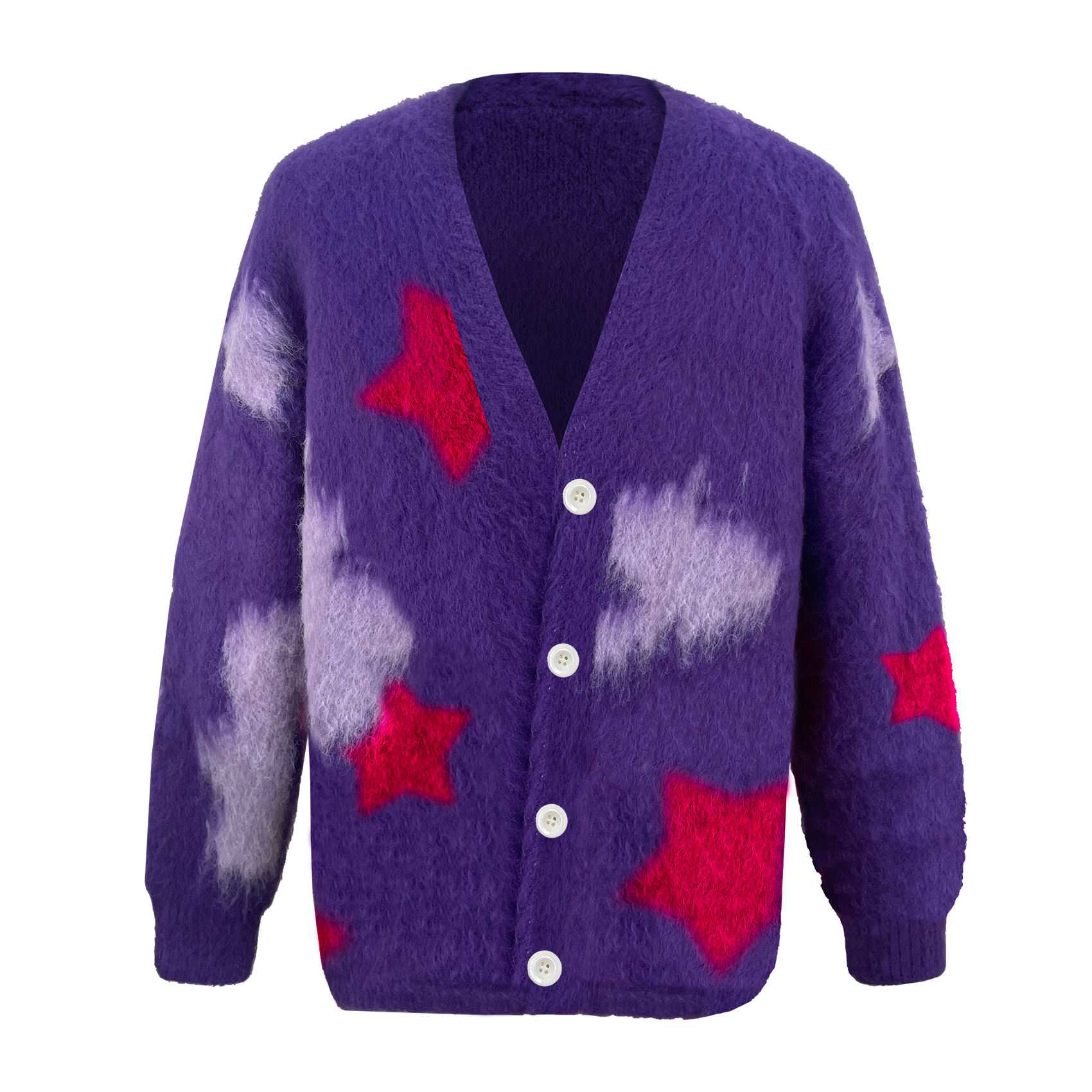
Design Development from Any Starting Point
Whether you bring a finished tech pack, a sketch, a photo, or just an idea, our in-house design team transforms your vision into production-ready custom cardigans with original stitch patterns, 3D knit programming, grading, and material recommendations.
- Tech pack creation and refinement
- Original intarsia, jacquard, cable, and pointelle design
- 3D knit programming and pattern grading
- Material and trim sourcing guidance
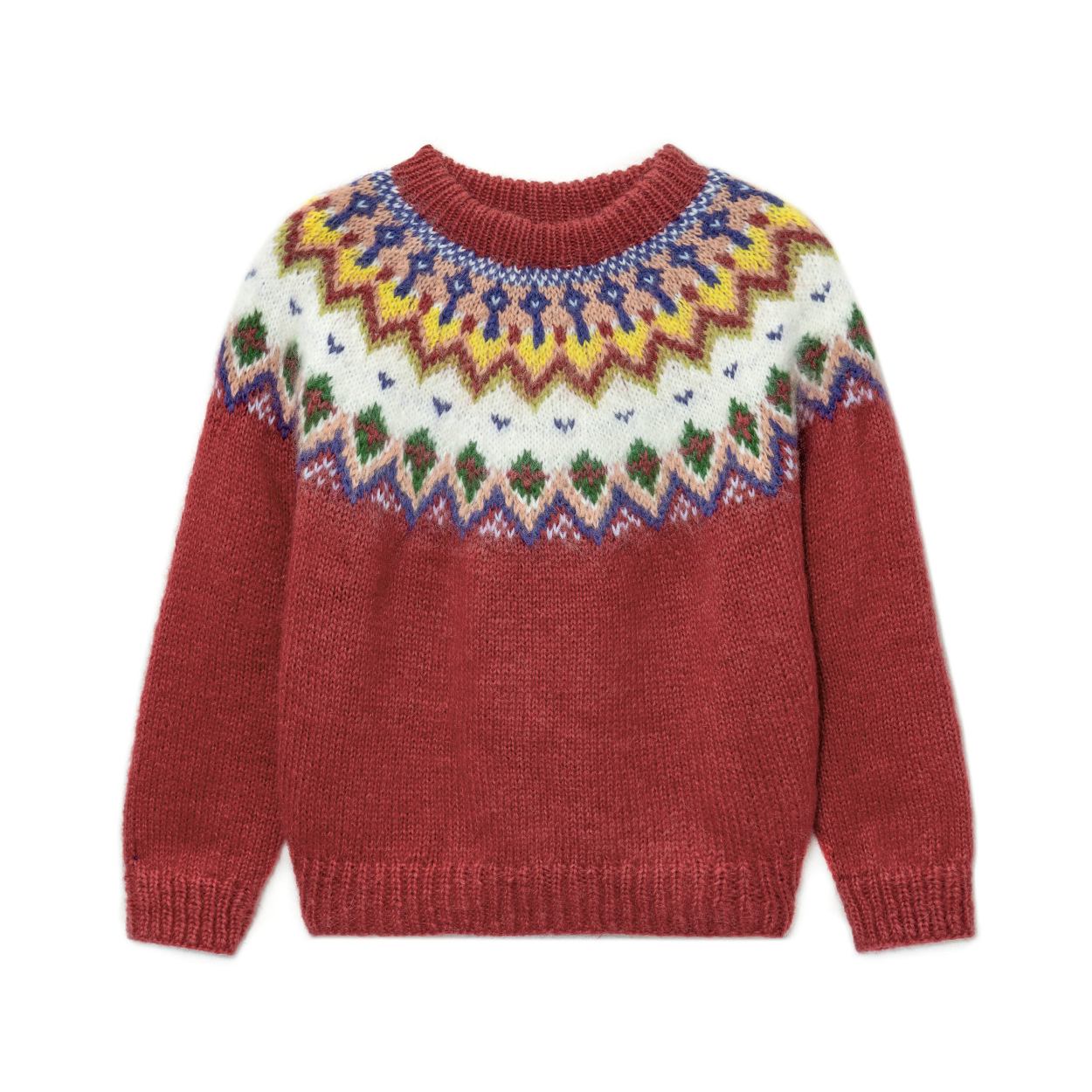
Rigorous Quality Control
Every custom cardigan passes through multi-stage inspection — from yarn receipt and in-line knitting checks to final garment measurement, pilling tests, and pre-shipment audits — ensuring your brand receives only first-quality knitwear that meets your specifications.
- Incoming yarn and trim inspection
- In-line knitting and linking quality checks
- Final garment measurement and pilling resistance testing
- Pre-shipment AQL audits and detailed photographic reports
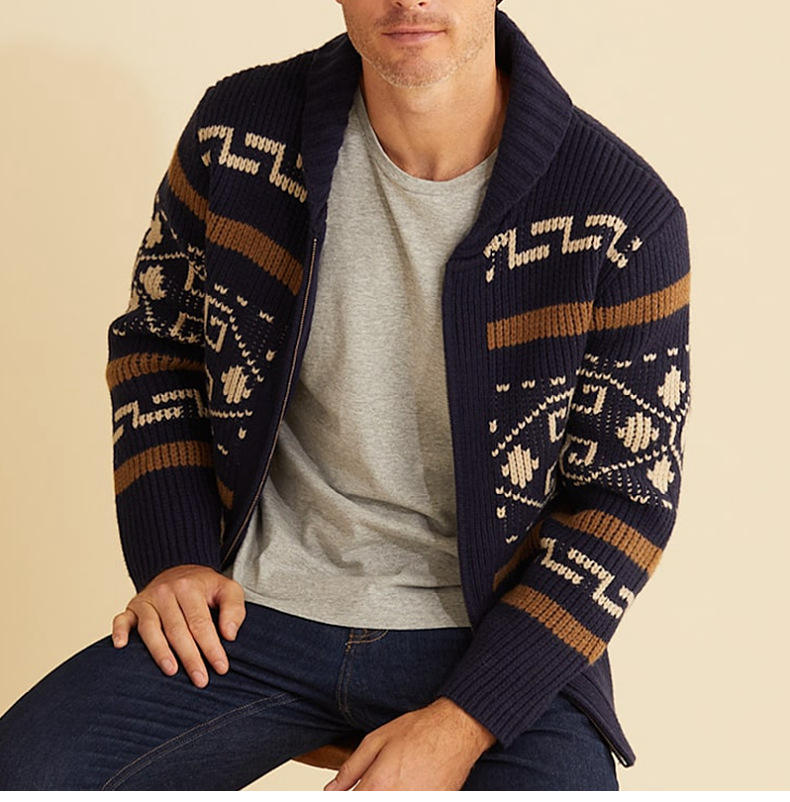
Professional Garment Finishing
CENWILD’s garment washing and finishing services elevate your custom cardigan with softening, anti-pilling treatments, garment dyeing, brushing, and steam pressing — delivering retail-ready knitwear that feels luxurious and performs season after season.
- Softening and anti-pilling enzyme wash
- Garment dye for unique colorways
- Brushing and steam pressing for premium hand-feel
- Custom finishing to match your brand standards
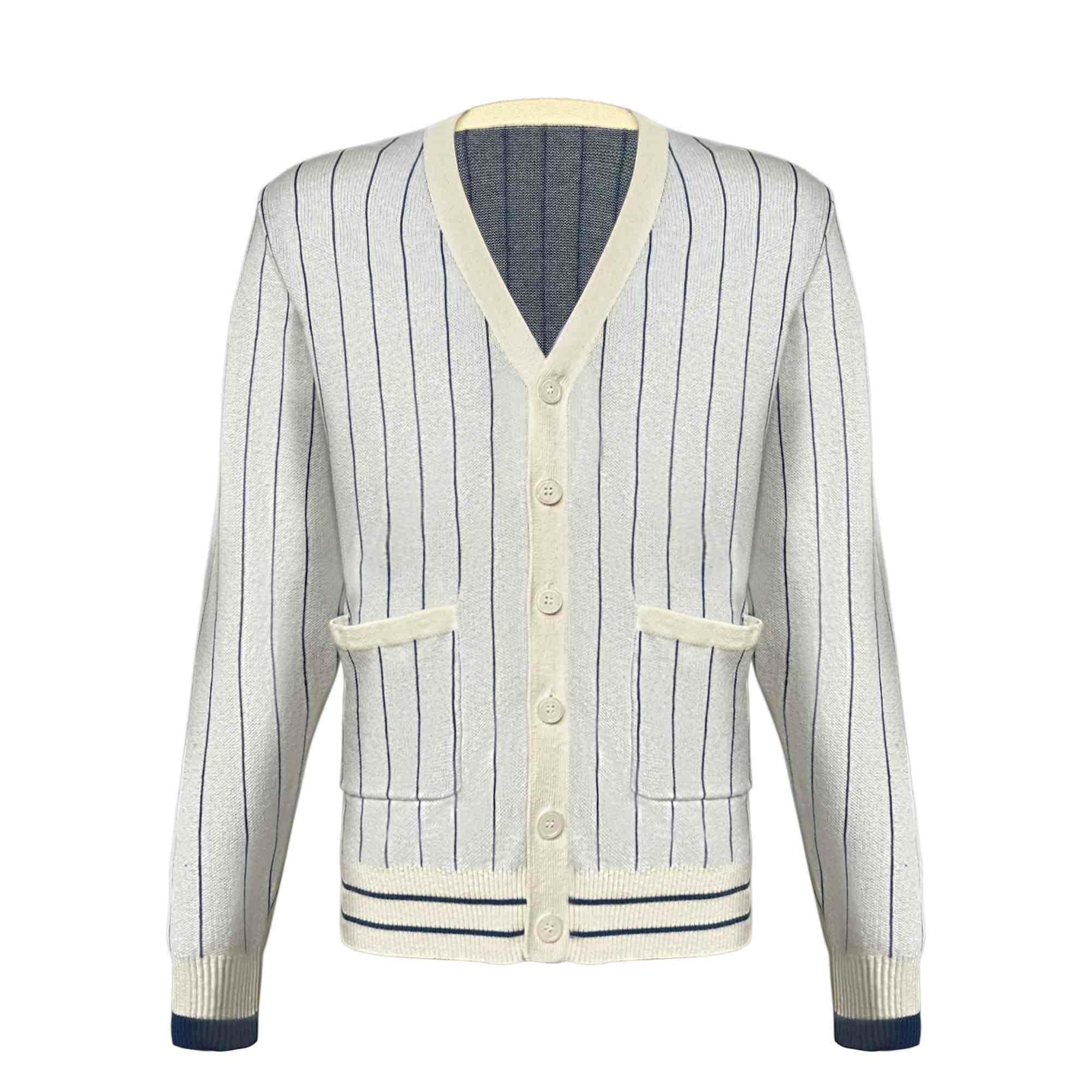
Custom Cardigan Manufacturing: CENWILD vs. Typical Suppliers
See how our 28 years of Dongguan expertise, flexible MOQs, and full in-house capabilities set us apart from traditional sweater manufacturers.
← 左右滑动查看 →
Custom Cardigan Production Process
CENWILD‘s streamlined 6-phase workflow ensures your custom cardigan moves from concept to finished goods with precision, speed, and rigorous quality control at every stage.
Tech Pack & Development
Review your tech pack, sketches, or samples. Our design team confirms stitch construction, gauge selection, and grading, then programs 3D knit files and produces knit-down swatches for approval.
Yarn Sourcing & Sampling
Source premium yarns—cashmere, merino, cotton, or blends—and knit pre-production samples. You approve fit, hand-feel, color, and construction before bulk production begins.
Bulk Knitting Production
Flat-knitting machines across 3GG–14GG gauges produce your custom cardigan panels. Real-time quality checks ensure consistent tension, stitch definition, and pattern accuracy throughout the run.
Linking, QC & Decoration
Skilled technicians link panels seamlessly. Each piece undergoes inline inspection, then moves to embroidery, printing, or appliqué as specified, with final decoration quality gates before finishing.
Garment Finishing & Packaging
Washing, softening, anti-pilling treatment, pressing, and trim attachment complete each cardigan. Garments are inspected again, then folded, bagged, and packed to your private-label specifications.
Export Logistics & Delivery
Consolidated cartons are documented, labeled, and shipped via sea, air, or express courier. You receive tracking, customs paperwork, and on-time delivery from our Dongguan facility to your door.
How to Order Your Custom Cardigan
From initial design to finished garments, CENWILD makes custom cardigan production straightforward. Follow these five steps to bring your knitwear vision to life with our 28+ years of OEM and ODM expertise.
Submit Your Design Brief
Send your tech pack, sketch, photo, or concept. Our design team works with any starting point to develop your custom cardigan specifications and requirements.
Receive Quote & Sampling Timeline
Within 24–48 hours, you’ll get a detailed quotation covering materials, decoration, MOQ from 100 pieces, pricing, and knit-down sample lead time.
Approve Your Knit-Down Swatch
Review and approve the physical knit-down sample. We refine stitch structure, yarn, color, and fit until your custom cardigan meets your exact standards.
Confirm Bulk Order & Deposit
Place your production order with flexible payment terms. First-time clients pay 100% deposit; long-term partners enjoy terms as low as 30% upfront.
Production, QC & Shipment
Your cardigans enter our quality-controlled production line. After final inspection and packaging, we handle export logistics and deliver directly to your destination.
Certifications & Quality Standards for Custom Cardigan Production

Custom Cardigan Success Stories from Our Partners
CENWILD turned our custom cardigan sketches into production-ready samples in just 12 days. Their intarsia work is flawless and we launched 4 new styles ahead of schedule.
We needed 300 custom cardigans with embroidered logos for our fall collection. CENWILD delivered on time with zero defects and cut our sampling costs by 40%.
As an independent designer, the 100-piece MOQ was perfect. CENWILD’s team helped us refine our custom cardigan design and we sold out in 6 weeks.
Custom Cardigan FAQs
What is the minimum order quantity for a custom cardigan?
How long does it take to produce custom cardigans from sample to bulk order?
Do you charge for custom cardigan samples?
What payment methods do you accept for custom cardigan orders?
What shipping terms are available for custom cardigan production?
How do you protect my custom cardigan designs and intellectual property?
Are there any limits to customization on custom cardigans?
Can I order custom cardigans in multiple colors or sizes within the 100-piece MOQ?
The Complete Buyer’s Guide to Custom Cardigan Manufacturing & Sourcing
Navigate custom cardigan production with confidence. This guide delivers a proven decision framework, manufacturer selection criteria, material comparisons, and the most common sourcing mistakes fashion brands make when ordering knitwear.
1. What Is a Custom Cardigan?
A custom cardigan is made-to-order knitwear manufactured to a brand’s exact specifications — yarn blend, gauge, silhouette, colorways, labels, trims, and packaging — rather than purchased from pre-made wholesale stock. Unlike off-the-shelf cardigans that lock retailers into fixed designs and shared inventory, custom production lets brands control every detail from fiber composition (cashmere, merino, cotton, recycled blends) to stitch structure (cable, intarsia, jacquard) and branding elements (woven labels, hang tags, poly-bag inserts).
Typical customization scope includes fabric weight and gauge (3GG to 14GG), fit and grading, Pantone-matched color palettes, decorative techniques (embroidery, appliqué, garment dye), and full private-label packaging. Minimum order quantities start as low as 100 pieces per style with experienced manufacturers, enabling independent designers and emerging brands to launch collections without the capital risk of thousand-unit stock buys.
Brands choose custom cardigans to differentiate in crowded markets, maintain margin control, build proprietary design IP, and align product precisely with seasonal trends and customer feedback — advantages impossible with generic wholesale inventory.
2. Evolution of the Cardigan in Fashion
The cardigan originated in the 1850s as a military garment worn by British cavalry officer James Brudenell, 7th Earl of Cardigan, during the Crimean War. By the early 20th century it transitioned into civilian wardrobes as a practical layering piece, popularized through workwear and academic dress codes. Mass adoption accelerated in the 1950s and 1960s when cardigans became a casual staple for both men and women.
Design innovation reshaped the silhouette from the 1990s onward. Oversized cardigans emerged in grunge and minimalist collections, cropped lengths dominated Y2K and contemporary streetwear, and boyfriend fits bridged loungewear with premium ready-to-wear. Today custom cardigans anchor capsule collections for independent designers and established labels alike.
Fashion brands now rely on custom cardigan production to differentiate through unique stitch patterns, proprietary colorways, and signature trims. Streetwear labels use jacquard and intarsia to build brand identity, loungewear lines demand soft-hand finishes and garment-dye flexibility, and premium knitwear brands leverage fully-fashioned construction and rare-fiber blends to command higher margins and foster customer loyalty.
3. Types of Custom Cardigan Styles
Cardigan silhouettes span from tailored workwear staples to relaxed athleisure layers, each serving distinct demographics and retail channels. Understanding which styles resonate with your target customer ensures stronger seasonal sell-through and repeat orders.
Classic V-Neck & Crewneck Cardigans
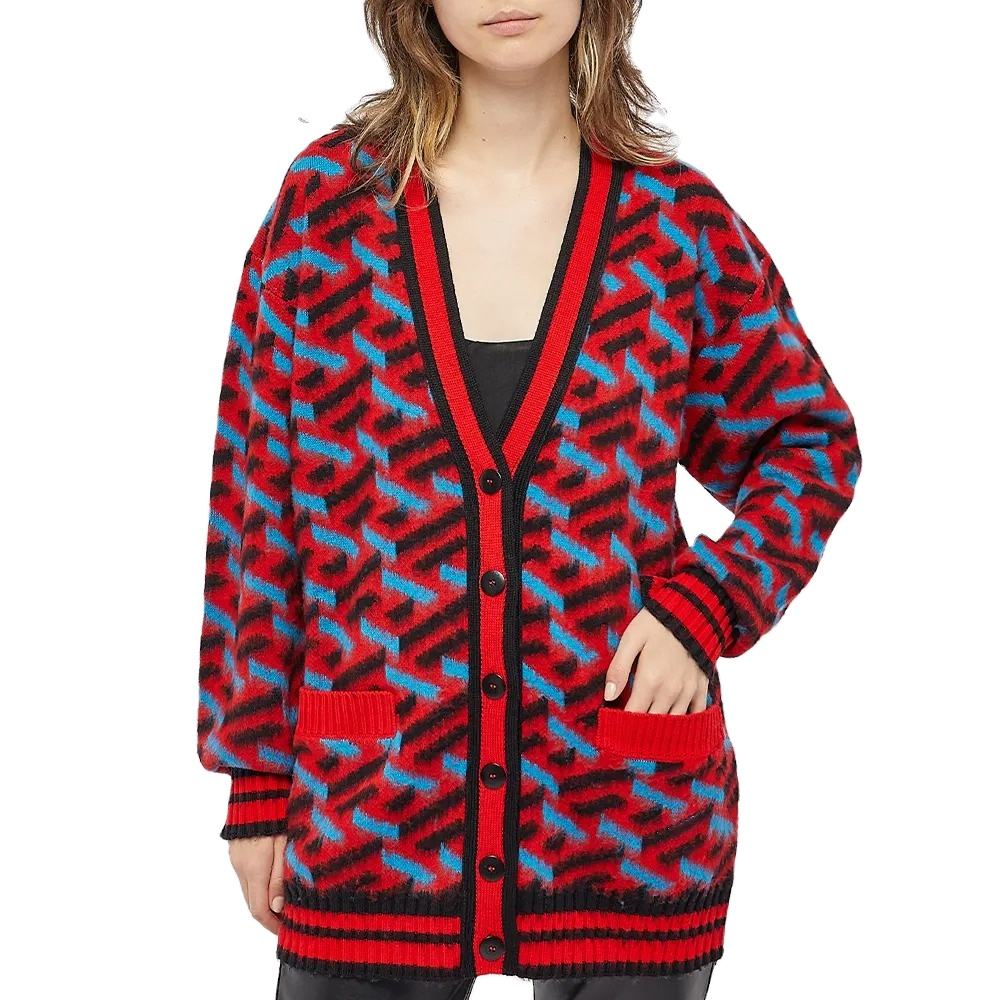
V-neck and crewneck button-front cardigans remain the top-selling styles for office-casual and smart-casual brands targeting women aged 25–55. Retailers use them as year-round layering pieces, often in merino wool or cotton blends at 7GG–12GG gauges.
Oversized & Boyfriend Cardigans
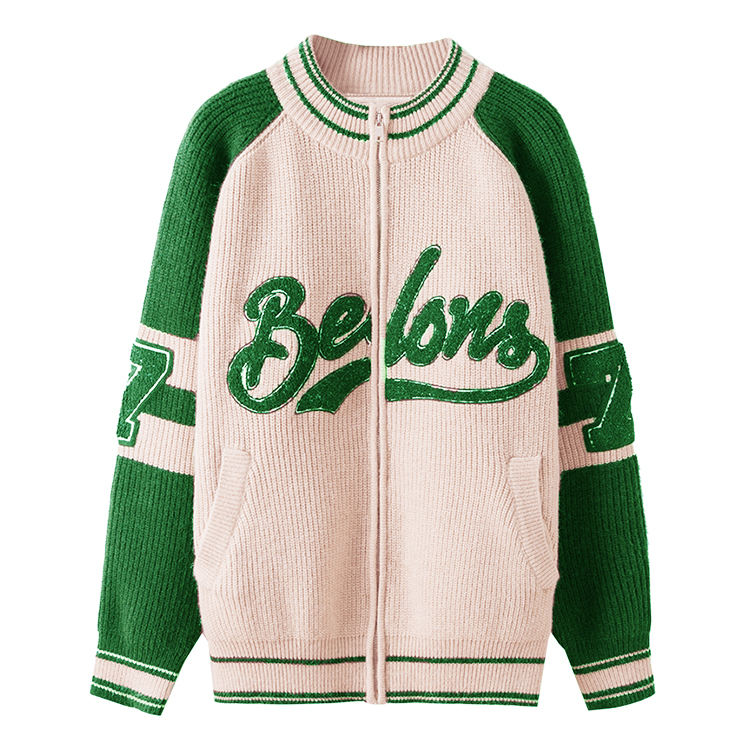
Oversized silhouettes with dropped shoulders and longer sleeves appeal to Gen Z and millennial casualwear buyers. These styles work in chunky 3GG–5GG gauges and typically feature open fronts or single-button closures, positioned as cozy weekend wear.
Cropped & Longline Cardigans
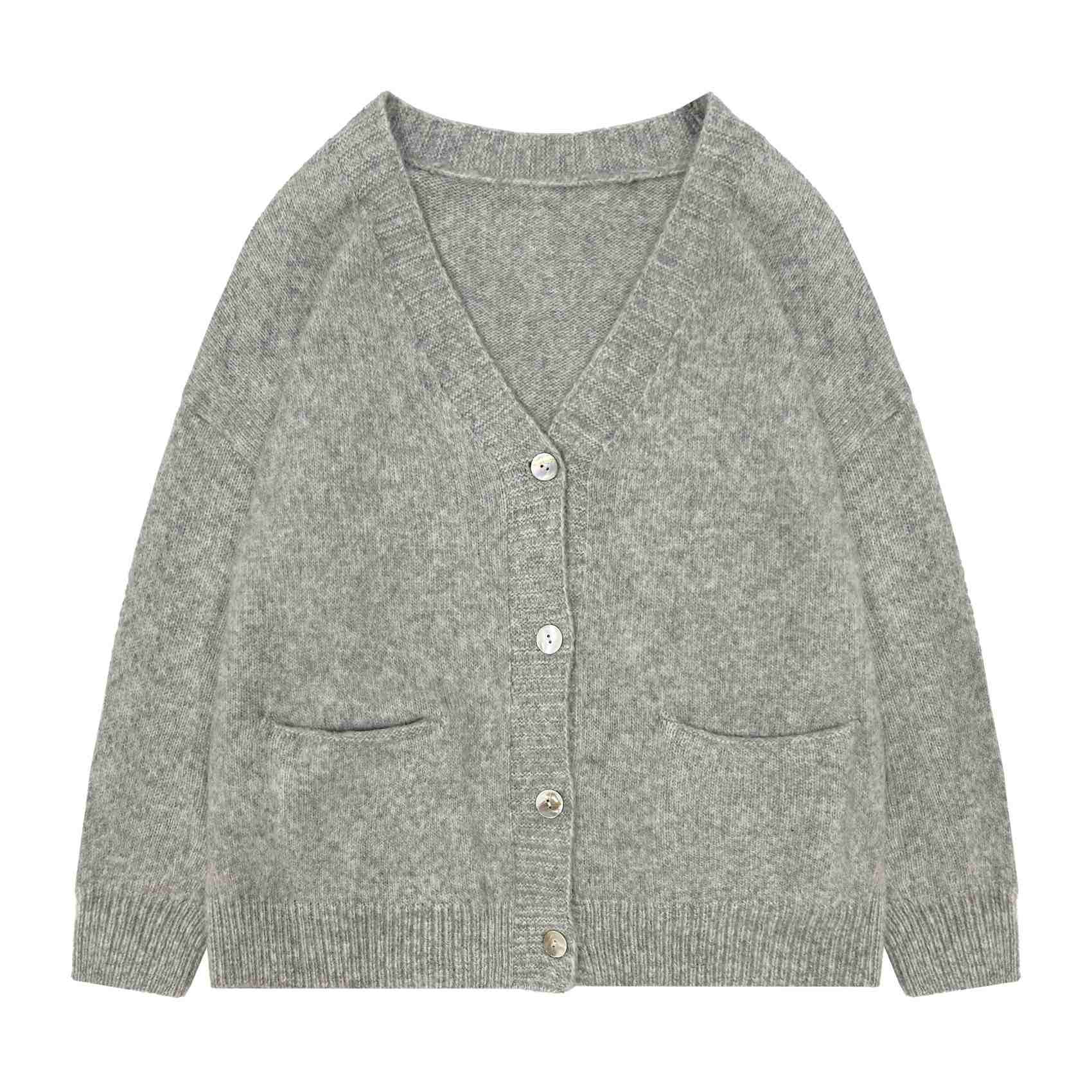
Cropped cardigans (ending above the natural waist) suit athleisure and activewear lines, popular with younger women pairing them over sports bras. Longline styles (hip-length or longer) serve modest-fashion and plus-size markets, offering coverage and elongation.
Zip-Front & Shawl-Collar Cardigans
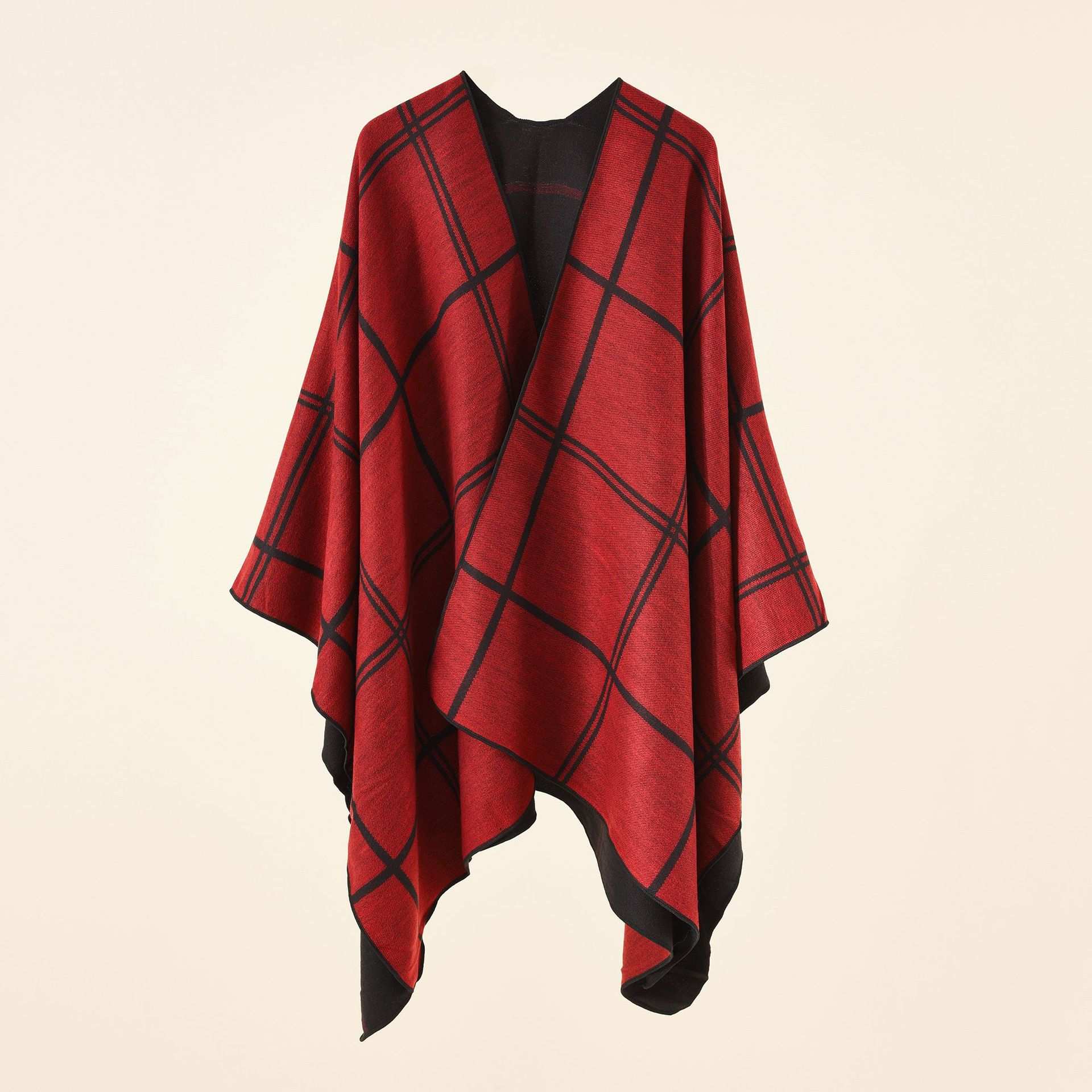
Zip-front cardigans bridge knitwear and outerwear, favored by menswear and unisex brands for clean, functional aesthetics. Shawl-collar cardigans add heritage appeal, often specified for premium men’s collections and holiday gift sets in cashmere or lambswool.
4. Materials & Yarn Options for Custom Cardigans
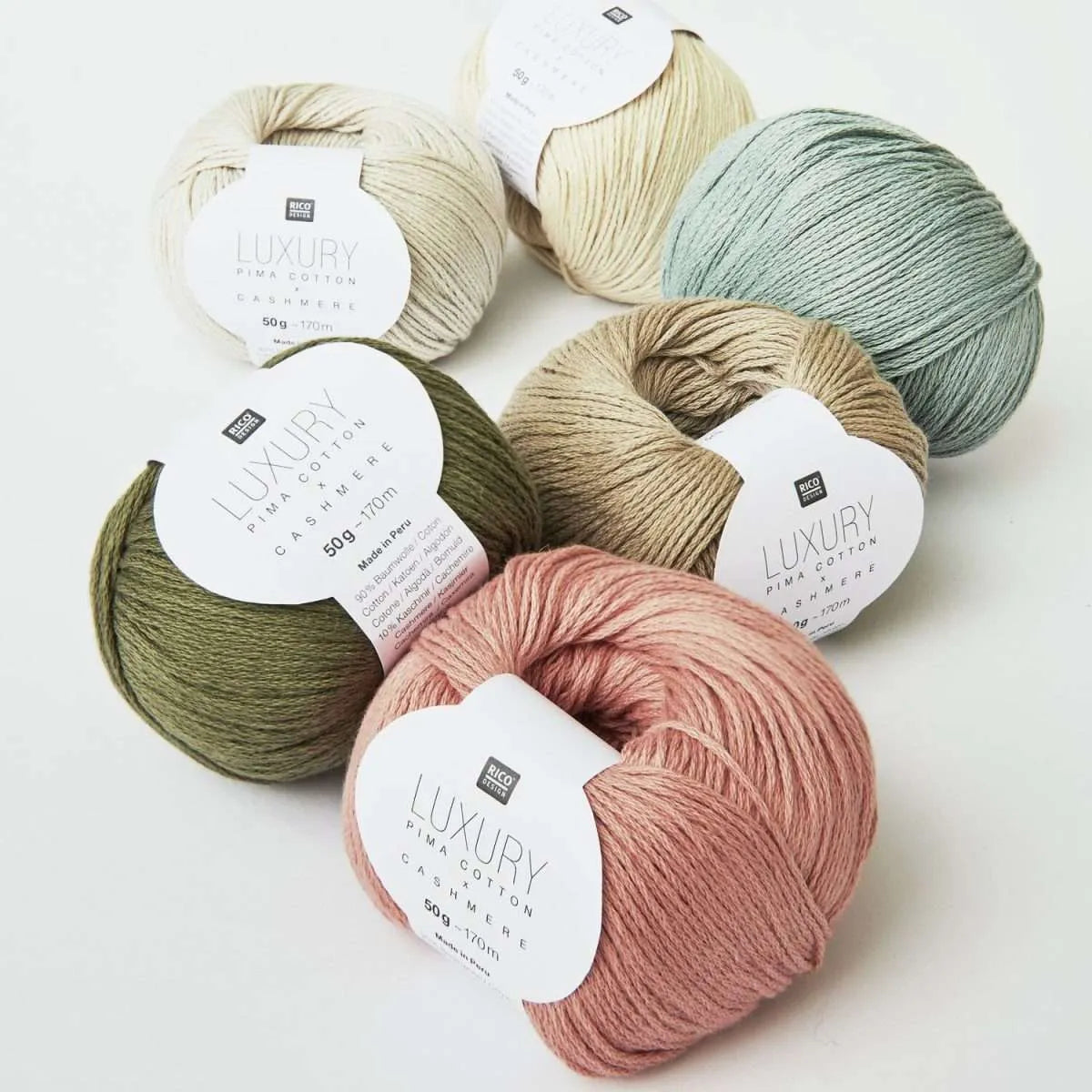
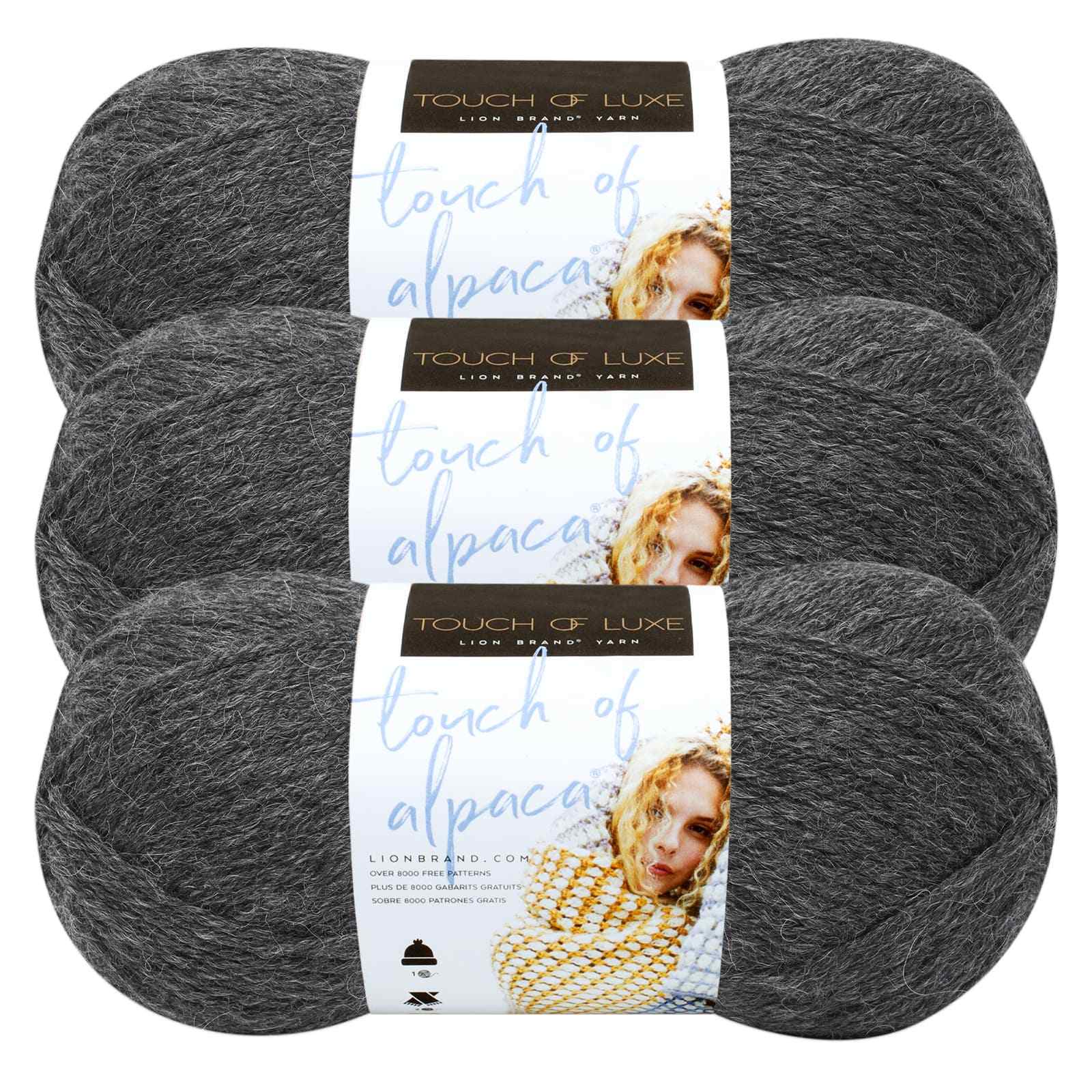
Yarn choice defines the texture, warmth, cost, and care of every custom cardigan. CENWILD manufactures across cotton, merino wool, lambswool, cashmere, alpaca, mohair, acrylic, polyester, and blends — each suited to distinct brand positioning and seasonal collections.
| Fiber | GSM Range | Price Tier | Seasonality | Care |
|---|---|---|---|---|
| Cotton | 180–320 | Mid | Spring/Summer | Machine wash |
| Merino/Lambswool | 220–400 | Premium | Fall/Winter | Hand/gentle |
| Cashmere | 160–280 | Luxury | Fall/Winter | Dry clean |
| Acrylic | 200–350 | Entry | Year-round | Machine wash |
| Cotton-Poly Blend | 190–300 | Entry–Mid | Year-round | Machine wash |
| Wool-Acrylic Blend | 210–360 | Mid | Fall/Winter | Gentle wash |
Natural Fibers: Cotton, Wool, Cashmere
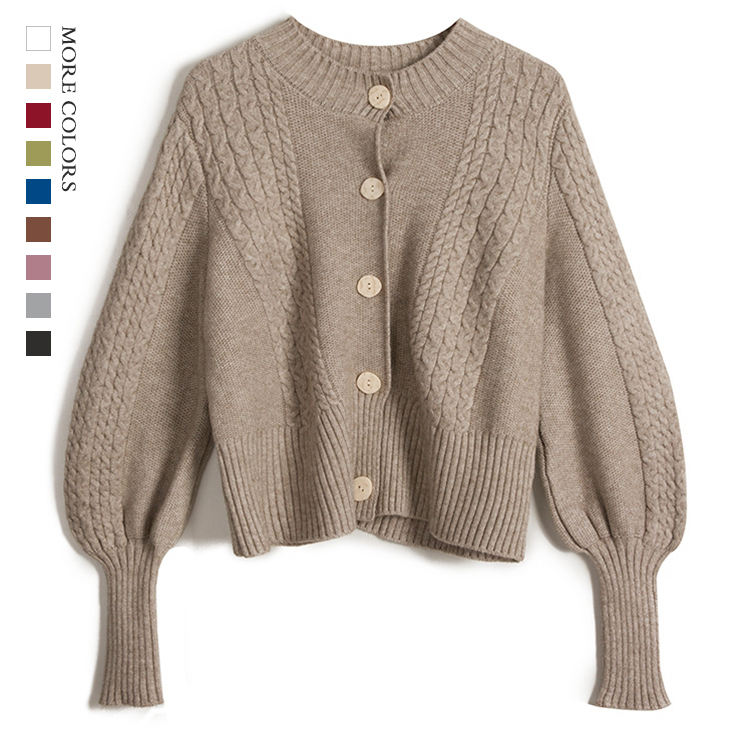
Cotton cardigans (180–320 GSM) offer breathability and machine washability, ideal for spring/summer or layering pieces in mid-tier to premium lines. Merino wool and lambswool (220–400 GSM) deliver warmth without bulk, require gentle or hand wash, and anchor fall/winter collections at premium price points.
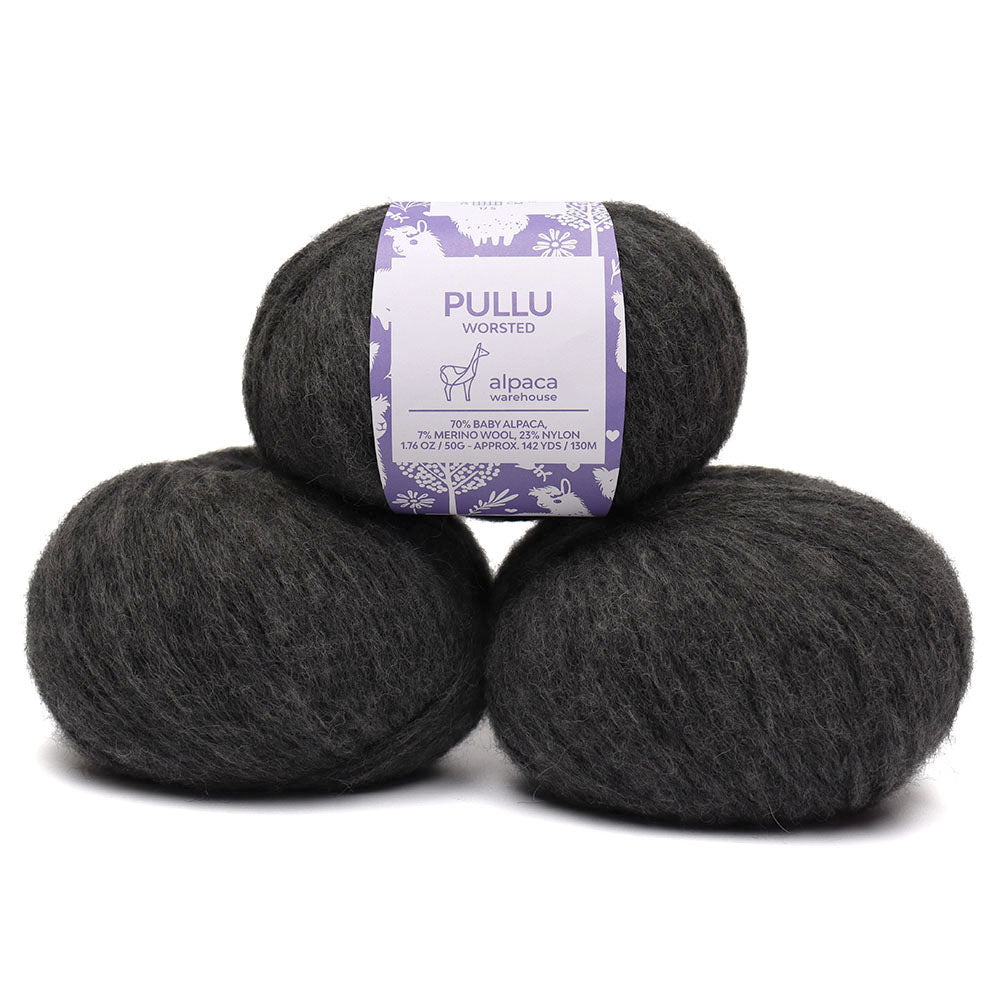
Cashmere (160–280 GSM) sits at the luxury tier, prized for softness and lightweight insulation, but demands dry cleaning or hand care. Alpaca and mohair add texture and warmth for niche, high-margin capsules.
Synthetic & Blended Yarns
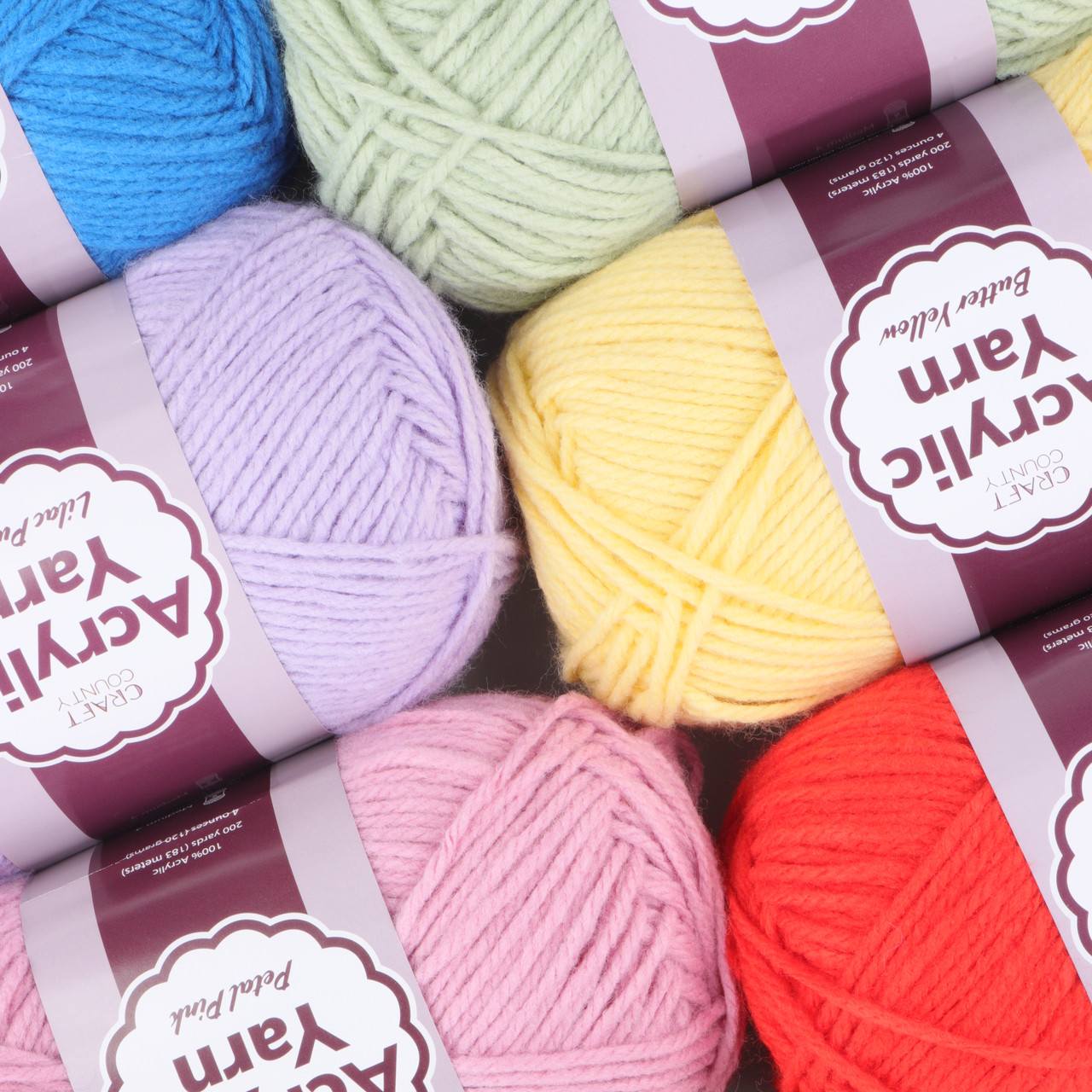
Acrylic (200–350 GSM) mimics wool at entry-level cost, resists pilling when quality-graded, and simplifies care — machine wash and tumble dry. Polyester blends add durability and moisture wicking for activewear-inspired cardigans.
Cotton-poly (60/40 or 50/50) balances breathability with wrinkle resistance; wool-acrylic blends lower cost while retaining warmth. Blends let emerging brands hit accessible price tiers without sacrificing performance.
5. Customization & Decoration Techniques
Custom cardigan decoration transforms blank knitwear into branded assets. Techniques range from knit-structure methods (jacquard, intarsia) applied during production to post-knit embellishment (embroidery, appliqué, labels). Each method carries distinct cost, durability, and visual trade-offs that influence both unit economics and minimum-order feasibility.
| Technique | Setup Cost | Per-Piece Cost | Durability | Visual Impact |
|---|---|---|---|---|
| Jacquard / Intarsia | $0 (digital) | +15–30% | Permanent | High (full-color patterns) |
| Flat Embroidery | $30–80 | $1.50–3.00 | 50+ washes | Premium (logo, text) |
| 3D Puff / Appliqué | $50–100 | $3–6 | 50+ washes | Bold (dimension, texture) |
| Woven Label | $0 (at 500+ pcs) | $0.08–0.15 | Permanent | Subtle (branding) |
| Custom Buttons/Trim | $0–50 | $0.20–0.80 | Garment life | Moderate (detail accent) |
Knit-Structure Decoration: Jacquard & Intarsia
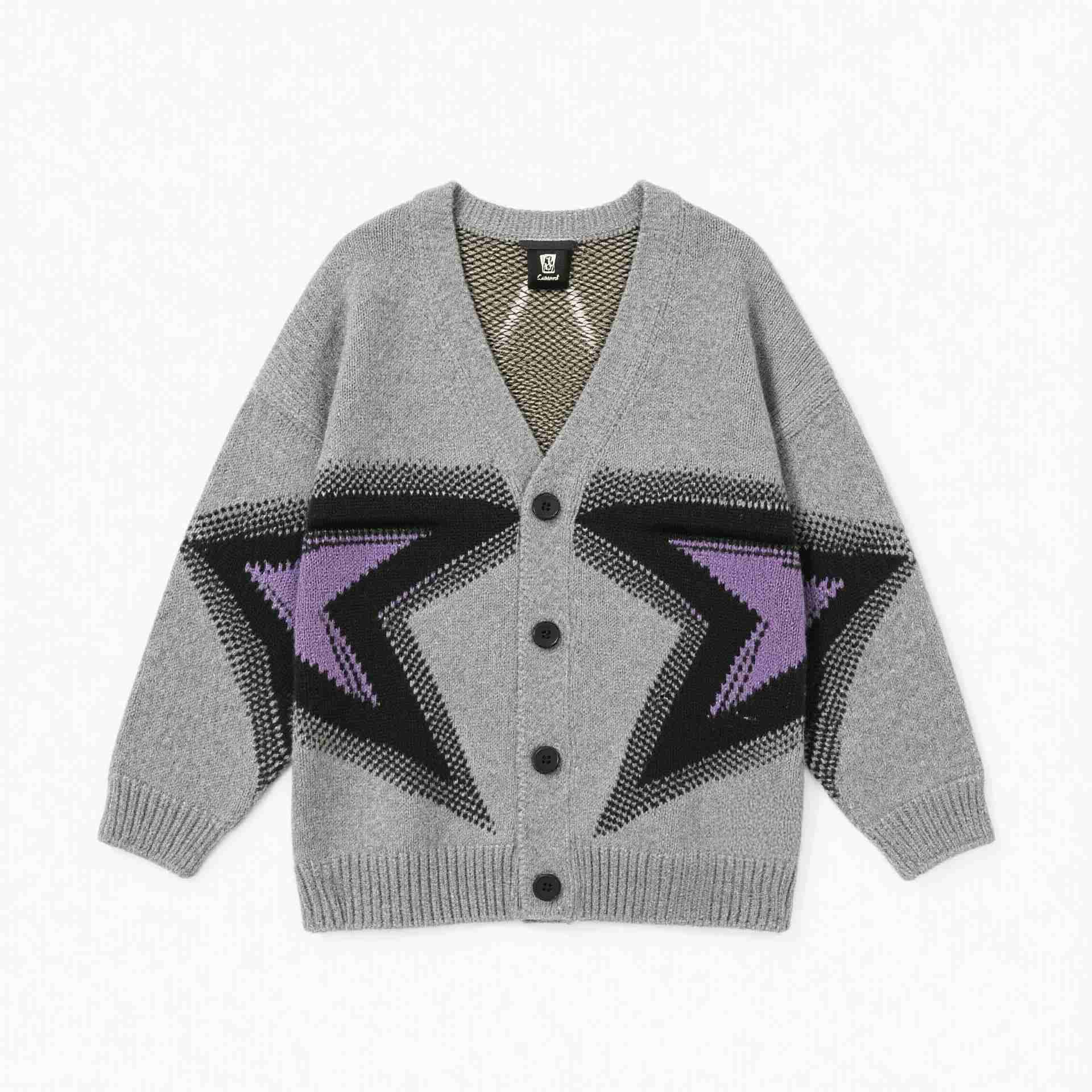
Jacquard and intarsia patterns are programmed into the knitting machine, creating color or texture directly in the fabric. Jacquard floats yarns on the reverse, ideal for repeating geometric or Fair Isle motifs; intarsia knits each color block separately, yielding clean single-layer graphics with no float.
Both methods add 15–30% to unit cost and require knit-down sampling (typically 7–10 days). Durability matches the base fabric — patterns never fade or peel. Minimum quantities align with production MOQ (100 pieces at CENWILD) since setup is digital programming, not physical tooling.
Embroidery: Flat, 3D Puff, Chain-Stitch & Appliqué
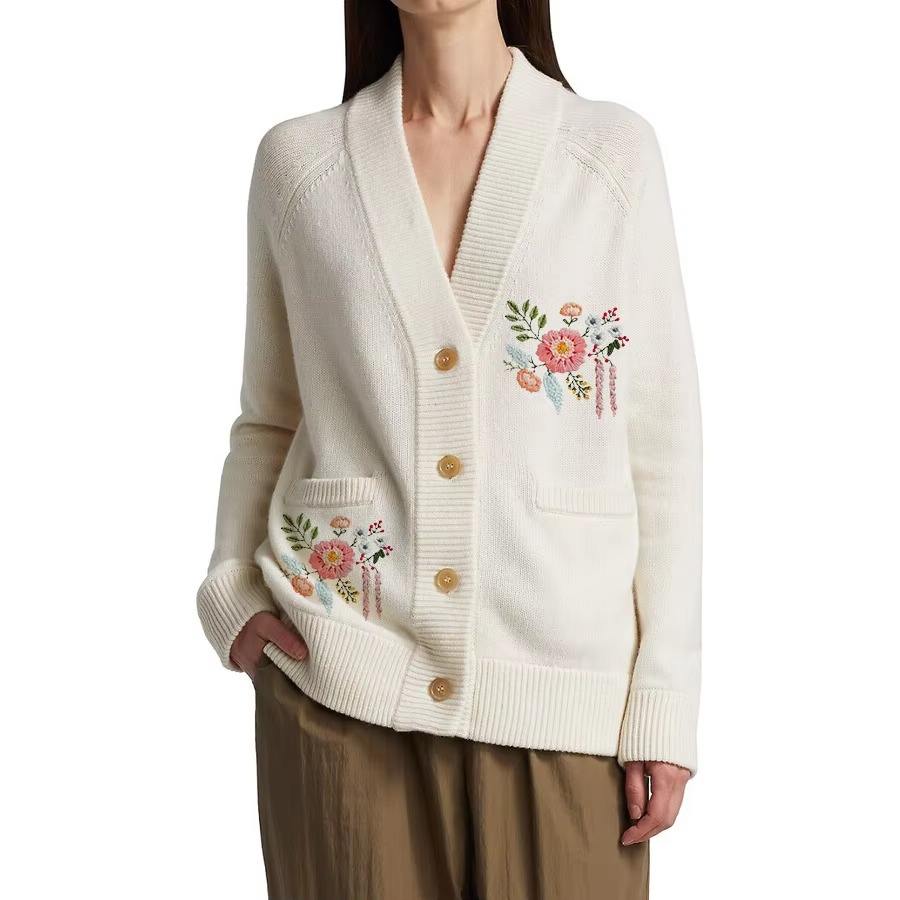
Embroidery offers the highest perceived value for logos and monograms. Flat embroidery suits fine detail; 3D puff adds dimension for bold lettering; chain-stitch delivers vintage athletic aesthetics; appliqué combines fabric patches with embroidered borders.
Digitizing setup runs $30–80 per design; per-piece cost scales with stitch count (simple chest logos add $1.50–3.00, complex sleeves $3–6). Thread withstands 50+ industrial washes without fading. Minimum embroidery runs typically start at 50–100 pieces per colorway.
Labels, Trims & Hardware Customization
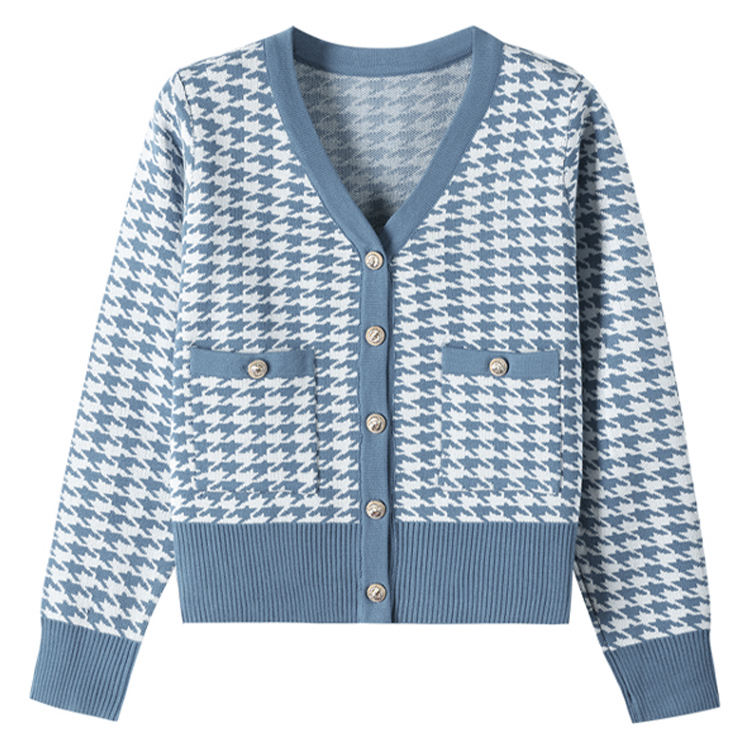
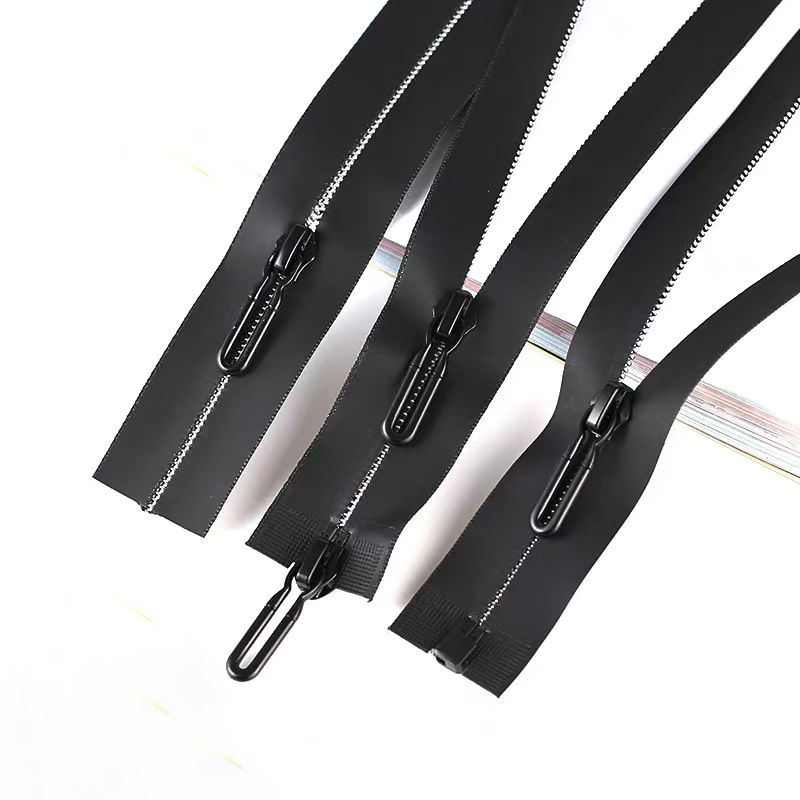
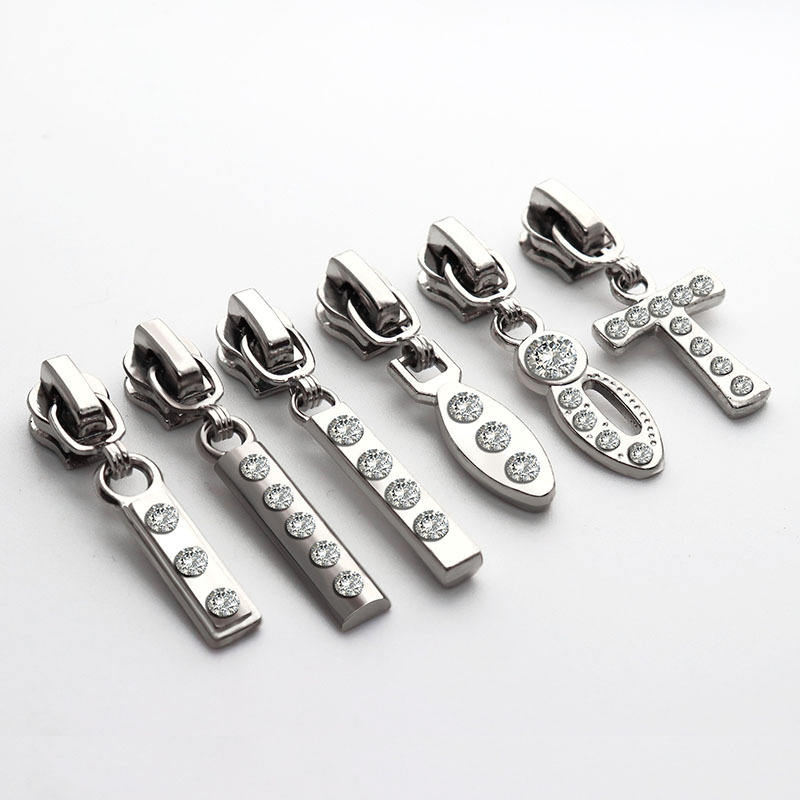
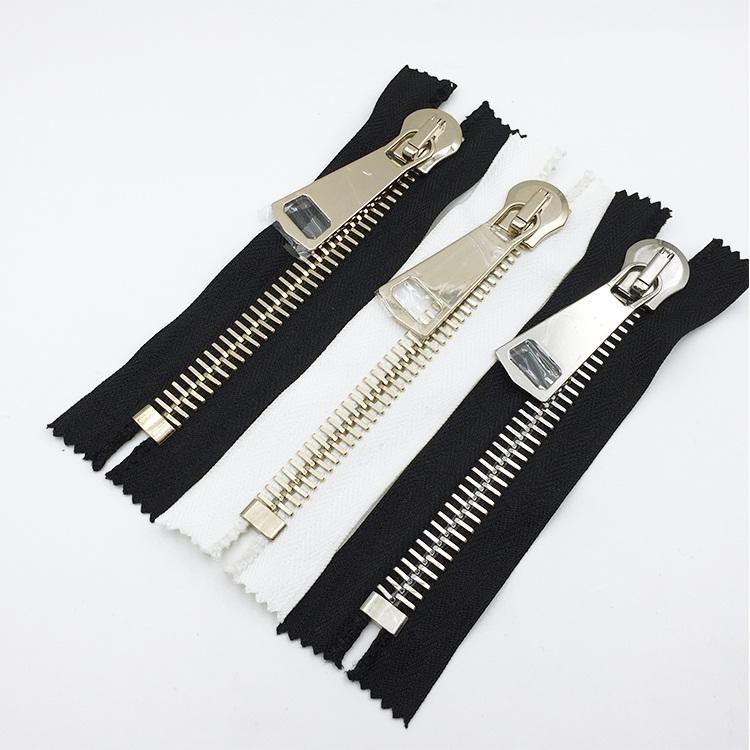
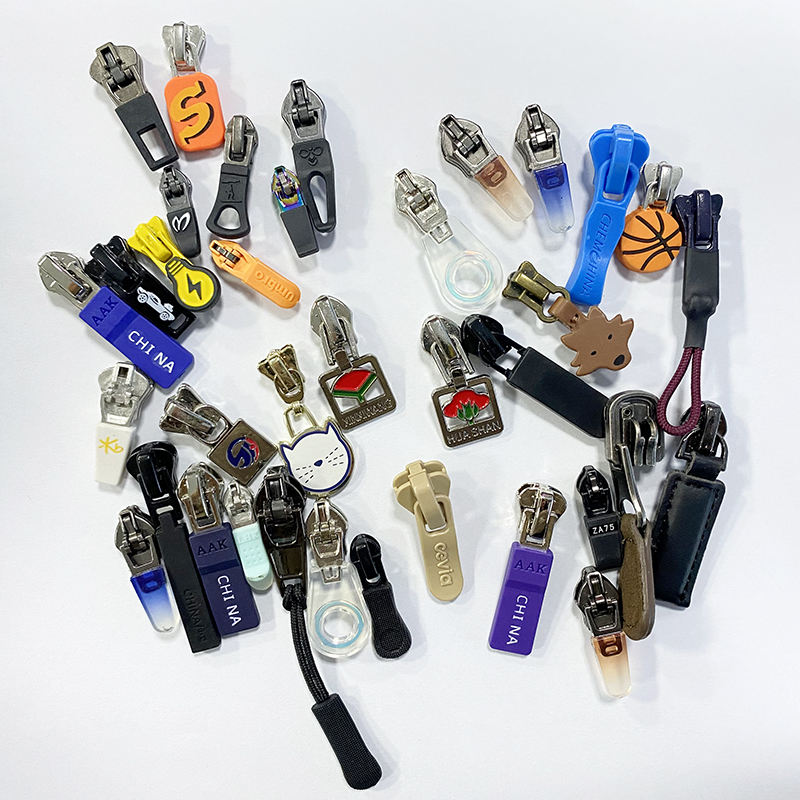
Woven labels (neck, hem) and hang tags anchor brand identity. Woven damask labels cost $0.08–0.15 each with 500-piece minimums; printed satin labels drop to $0.03–0.06 at 1,000 pieces. Custom buttons, zipper pulls, and contrast rib trims differentiate silhouettes with minimal cost impact ($0.20–0.80 per garment).
Hang tags range from simple folded card ($0.05) to multi-panel with string and safety pin ($0.25). All trim elements ship with the main order, consolidating logistics and avoiding split shipments.
6. Key Quality Indicators in Custom Cardigan Construction
A professional sample reveals manufacturing capability before full production. Evaluating gauge consistency, seam construction, trim finish, and post-wash stability separates factory partners who control every detail from those who cannot scale quality.
Gauge Consistency and Stitch Density
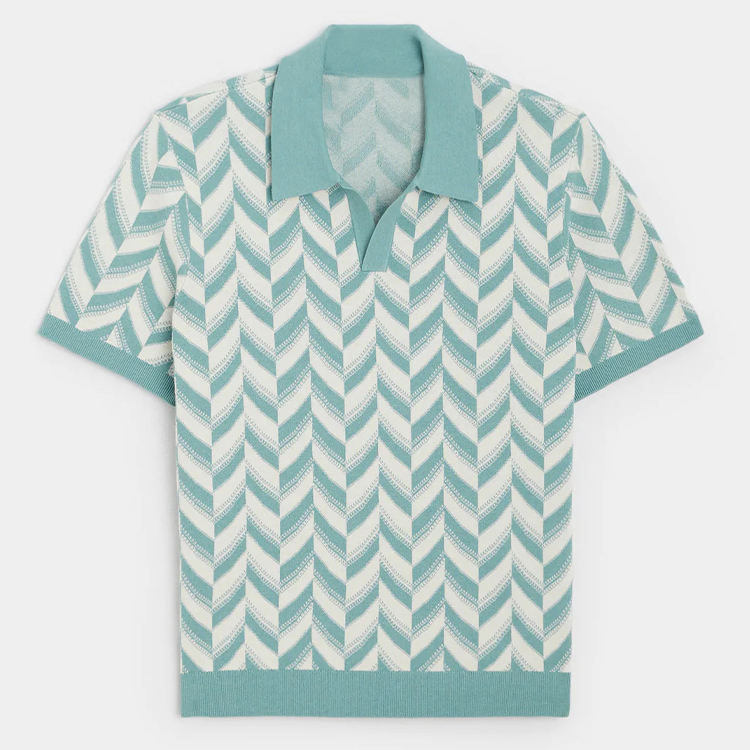
Gauge — measured in stitches per inch — must remain uniform across panels. CENWILD’s 3GG–14GG computerized flat-knit machines lock in programmed density, preventing loose or tight zones that distort fit.
Run your hand across the face, back, and sleeves; any ripple or puckering signals uneven tension. A consistent hand-feel confirms the factory maintains calibrated needles and yarn feeders throughout each piece.
Seam Strength: Linking Versus Overlock
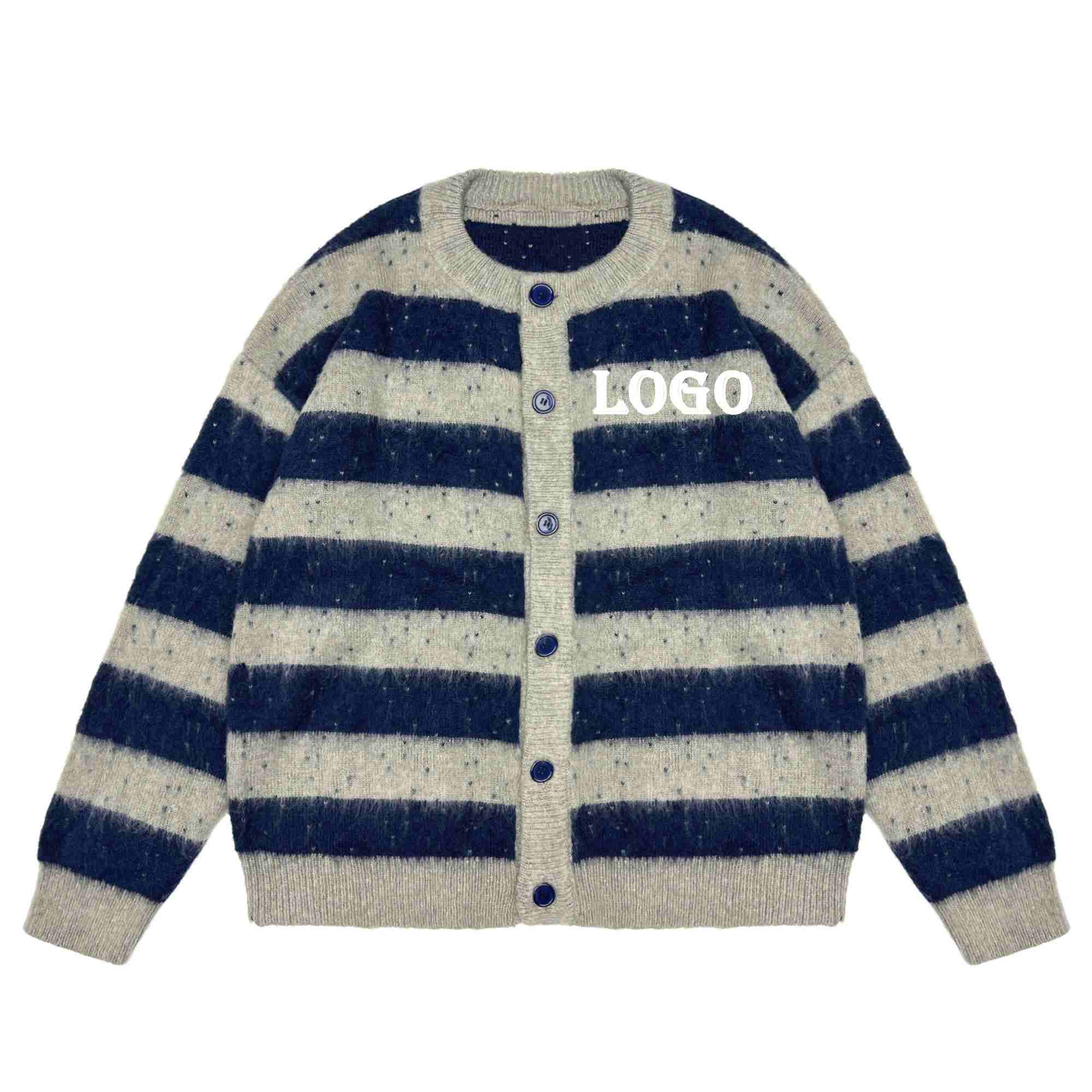
Linking — looping each stitch to its neighbor — creates an invisible, elastic seam ideal for shoulders, sides, and sleeves in premium cardigans. Overlock stitching is faster but adds bulk and can pucker under stretch.
Inspect the inside: linked seams lie flat with no raw edge; overlock shows thread tails. A quality manufacturer offers both and recommends linking for luxury lines, overlock for cost-sensitive basics.
Button, Buttonhole, and Trim Alignment
Buttonholes must sit square to the placket edge, with bar-tack reinforcement at each end to prevent fraying. Buttons should align vertically when the cardigan is closed, with no gapping between holes.
Red flags include off-center holes, loose thread nests, or buttons sewn at inconsistent tension. CENWILD’s QC checks every placket against the tech pack before final pressing and packing.
Pilling Resistance and Color Fastness
Rub the cuff or hem vigorously for 30 seconds; premium yarn resists surface fiber migration. Anti-pilling treatments and tighter twist yarns reduce fuzz in cashmere, merino, and acrylic blends.
Color fastness is tested by rubbing a damp white cloth across dyed panels. Any transfer indicates insufficient dye fixation or skipped washing cycles, risking customer complaints and returns after the first launder.
7. How to Choose the Right Custom Cardigan Manufacturer
Selecting a custom cardigan manufacturer requires evaluating operational flexibility, quality standards, and partnership terms. Buyers should assess MOQ thresholds, sampling processes, production capacity, yarn sourcing transparency, certifications, communication responsiveness, payment options, and logistics before committing to bulk orders.
MOQ Flexibility and Production Capacity
Minimum order quantities range from 50 pieces at boutique ateliers to 1,000+ at large-scale mills. Factories offering 100–300 piece MOQs balance startup accessibility with efficient production.
Monthly capacity signals reliability: a facility running 80,000+ pieces per month across multiple gauges can absorb reorders and scale with brand growth. Ask about machine count, gauge range (3GG–14GG), and lead times during peak seasons.
Sampling Lead Time, Cost, and Yarn Sourcing
Sample turnaround typically spans 7–14 days for knit-downs. Transparent factories provide yarn origin details, weight specifications (GSM), and blend ratios upfront.
Sample fees vary from $50 to $200 per colorway; many manufacturers refund costs upon bulk order. Request swatches in your target yarn and stitch structure to verify hand feel and gauge accuracy before full sampling.
Certifications, Communication, and Payment Terms
OEKO-TEX Standard 100, GOTS, and BSCI audits confirm chemical safety, organic integrity, and ethical labor practices. Request current certificates and audit dates.
Responsive communication — reply within 24 hours, English fluency, video calls — reduces costly misunderstandings. Payment flexibility (T/T, PayPal, credit card, USDT) and deposit structures (100% first order, easing to 30% for repeat partners) reflect a factory’s confidence and buyer-centric approach.
8. Common Mistakes When Ordering Custom Cardigans
Custom cardigan pricing varies by five primary drivers: yarn composition (cotton $8–12/kg, merino wool $18–28/kg, cashmere $80–150/kg), knitting gauge and complexity (plain 7GG costs 20–30% less than intarsia or jacquard), decoration scope (flat embroidery adds $0.80–2.50 per placement, 3D puff $1.50–3.00), trim quality (YKK zippers, woven labels, custom buttons), and order quantity. CENWILD’s 100-piece MOQ enables startups to enter at accessible unit costs, with per-piece prices dropping 15–25% at 500 units and 30–40% at 1,000+ due to setup amortization.
FOB Dongguan pricing excludes freight, duties, and insurance; landed cost typically adds 12–18% for U.S. destinations depending on incoterm and tariff classification. Payment milestones follow a tiered structure: 100% deposit on first orders, easing to 50% deposit plus 50% before shipment for repeat clients, and as low as 30/70 for long-term partners with proven payment history. Lead times range from 25–35 days for plain styles to 40–50 days for complex jacquard or heavy embroidery runs.
Underestimating Sampling Costs and Timelines
Many buyers budget only for bulk production, then balk when quoted $80–150 per knit-down sample. A full-gauge cardigan sample with intarsia or jacquard can require 6–8 hours of programming and machine time. Skipping or rushing samples leads to incorrect stitch tension, poor fit, and costly bulk rework.
Always allocate 10–15% of your first-order budget to sampling and plan 10–14 days for knit-down approval before production starts.
Ignoring Shrinkage Allowances and Skipping Wash Tests
Wool and cotton cardigans can shrink 3–8% after the first wash; failing to pre-wash samples or specify shrinkage compensation in grading results in undersized garments and customer returns.
Request garment-washed samples and confirm the factory applies shrinkage allowances to all measurement specs before cutting patterns or programming knit panels.
Unclear Tech Packs and Late Color Approvals
Vague sketches without stitch callouts, gauge, or trim details force manufacturers to guess, causing revision loops. Late Pantone approvals delay yarn dyeing by 2–3 weeks, pushing the entire timeline.
Submit a complete tech pack with gauge, stitch type, trim specs, and Pantone references upfront, and lock colors before sampling begins.
9. Steps to Launch Your Custom Cardigan Collection
Launching a custom cardigan collection requires a clear sequence from concept to warehouse. Following these nine milestones ensures timely delivery, cost control, and product quality.
Define Target Market and Price Point
Identify your customer demographic, retail channel, and competitive price bracket before contacting manufacturers. A streetwear brand targeting $80–$120 retail will choose different yarn, gauge, and decoration than a luxury label at $300+.
CENWILD’s design team uses your target landed cost to recommend yarn blends, stitch complexity, and embellishment density that fit your margin goals.
Select Yarn, Style, and Decoration
Choose fiber content (cashmere, merino, cotton, acrylic blends), gauge (3GG–14GG), silhouette (oversized, cropped, longline), and decoration (intarsia, embroidery, printing). CENWILD offers knit-down swatches to confirm hand-feel and drape before committing to full sampling.
Request Sample and Approve Fit
Submit a tech pack or reference images; CENWILD develops a knit-down sample in 10–15 days. Review construction, sizing, color accuracy, and finishing, then request revisions. Approval locks the production standard for bulk orders.
Place Deposit and Confirm Timeline
New clients pay 100% upfront; returning partners drop to 30% deposit with balance before shipment. Confirm lead time (typically 25–45 days for 500–2,000 pieces), delivery method (FOB, DDP), and milestone checkpoints.
10. Custom Cardigan Pricing & Cost Breakdown
Custom cardigan pricing varies by five primary drivers: yarn composition (cotton $8–12/kg, merino wool $18–28/kg, cashmere $80–150/kg), knitting gauge and complexity (plain 7GG costs 20–30% less than intarsia or jacquard), decoration scope (flat embroidery adds $0.80–2.50 per placement, 3D puff $1.50–3.00), trim quality (YKK zippers, woven labels, custom buttons), and order quantity. CENWILD’s 100-piece MOQ enables startups to enter at accessible unit costs, with per-piece prices dropping 15–25% at 500 units and 30–40% at 1,000+ due to setup amortization.
FOB Dongguan pricing excludes freight, duties, and insurance; landed cost typically adds 12–18% for U.S. destinations depending on incoterm and tariff classification. Payment milestones follow a tiered structure: 100% deposit on first orders, easing to 50% deposit + 50% before shipment for repeat clients, and as low as 30/70 for long-term partners with proven payment history. Lead times range from 25–35 days for plain styles to 40–50 days for complex jacquard or heavy embroidery runs.
| Quantity Tier | Cotton Cardigan (FOB) | Wool Blend (FOB) | Cashmere (FOB) | Lead Time |
|---|---|---|---|---|
| 100 pcs | $18–24 | $28–38 | $65–85 | 30–35 days |
| 500 pcs | $14–19 | $22–30 | $50–68 | 28–32 days |
| 1,000 pcs | $11–16 | $18–25 | $42–58 | 25–30 days |
| 2,500+ pcs | $9–13 | $15–21 | $35–50 | 25–28 days |
Start Your Custom Cardigan Project Today
Low MOQ from 100 pieces, fast knit-down sampling, and 28 years of Dongguan manufacturing expertise. Partner with CENWILD to bring your cardigan designs to life.